Premium OEM Industrial Power & Testing Solutions
Explore our high-performance programmable AC/DC power sources, frequency converters, and power backup topologies designed for advanced electrical verification and critical loads.
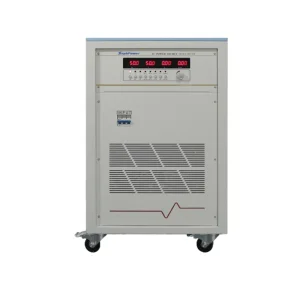
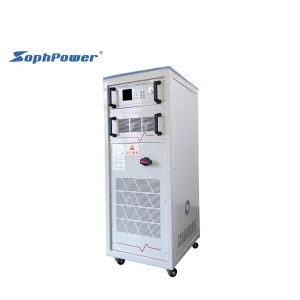
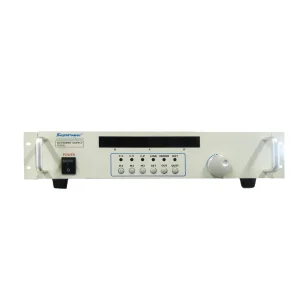
About Shenzhen Sophpower Electronics Co., Ltd.
Established in 2006 and headquartered in the high-tech manufacturing hub of Shenzhen, China, Shenzhen Sophpower Electronics Co., Ltd. has evolved into a premier high-tech enterprise dedicated to the research, development, engineering, and manufacturing of precision power test equipment and uninterruptible power systems.
Over the past 18+ years, our growth has been driven by a relentless focus on custom engineering, system integration, and advanced power electronics. With an elite team of experienced power electronic engineers, Sophpower delivers robust testing solutions that accommodate customized voltage curves, variable frequencies, and extreme environment specifications.
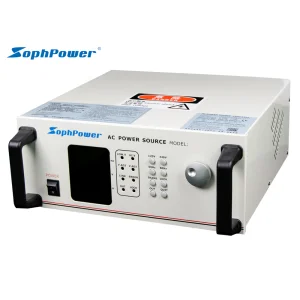
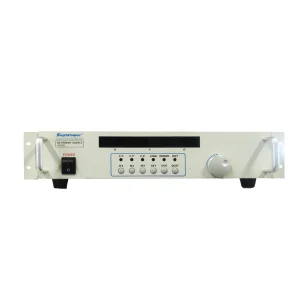
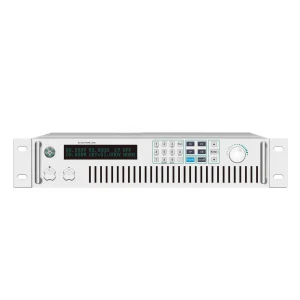
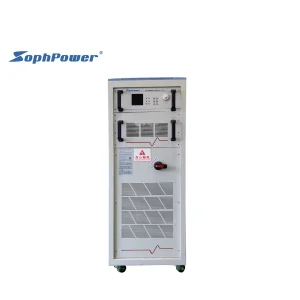
Our core product line spans high-capacity AC Power Sources, Linear AC Power Supplies, Bidirectional AC Power Sources, Programmable Variable DC Power Supplies, Bidirectional DC-DC Converters, High-Precision Voltage Stabilizers, and industrial-grade Uninterruptible Power Supplies (UPS).
- Custom OEM/ODM electrical topology & structural enclosure designs
- In-house SMT assembly, testing, and system calibration
- Strict compliance with global safety (CE, UL, FCC) and eco-design standards
- Direct engineering support from prototype validation to mass deployment
Manufacturing Infrastructure & Process Control
Examine the rigorous design, assembly, debugging, and inspection processes inside our state-of-the-art Shenzhen production facility.
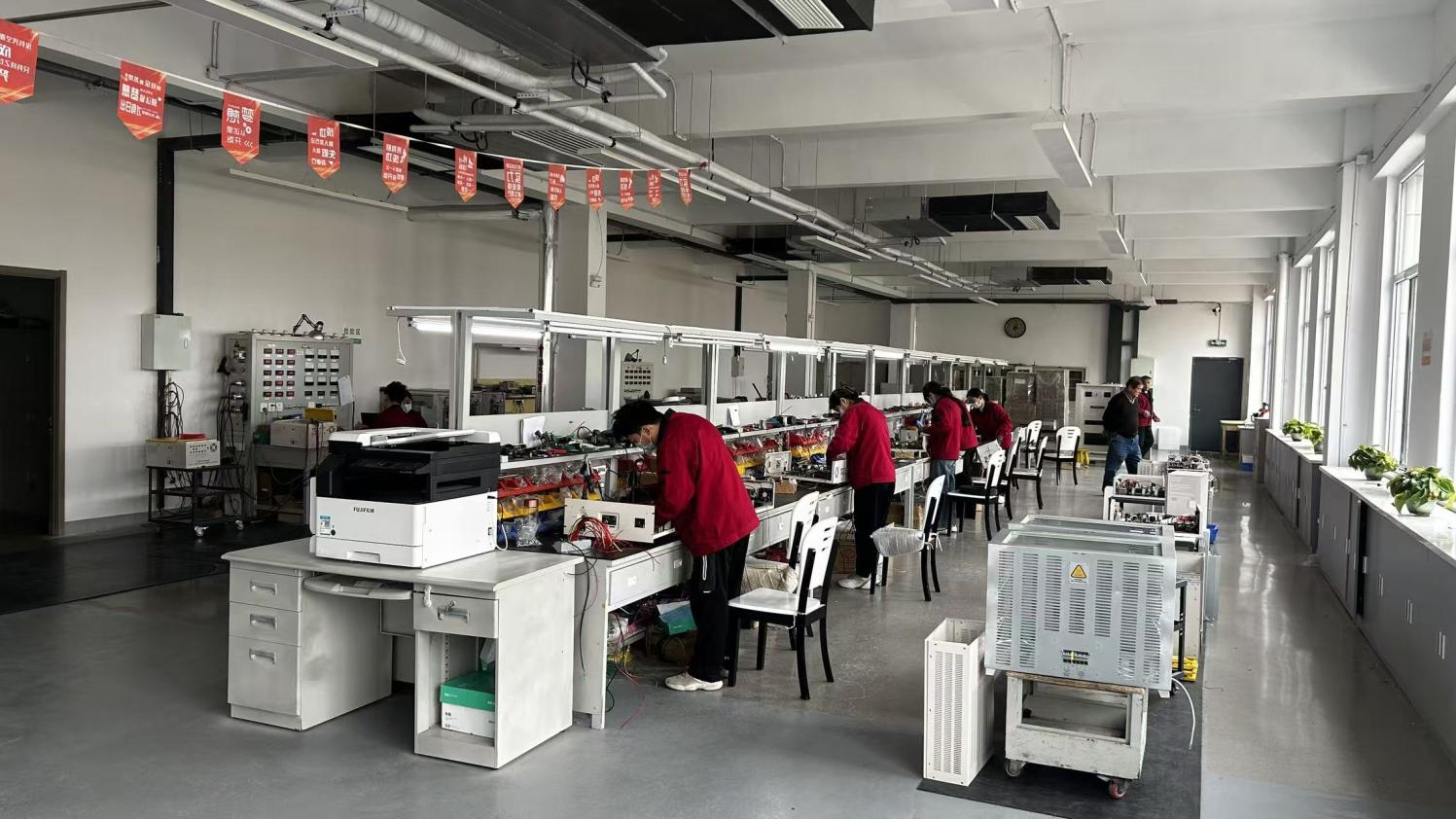 Circuit assembly
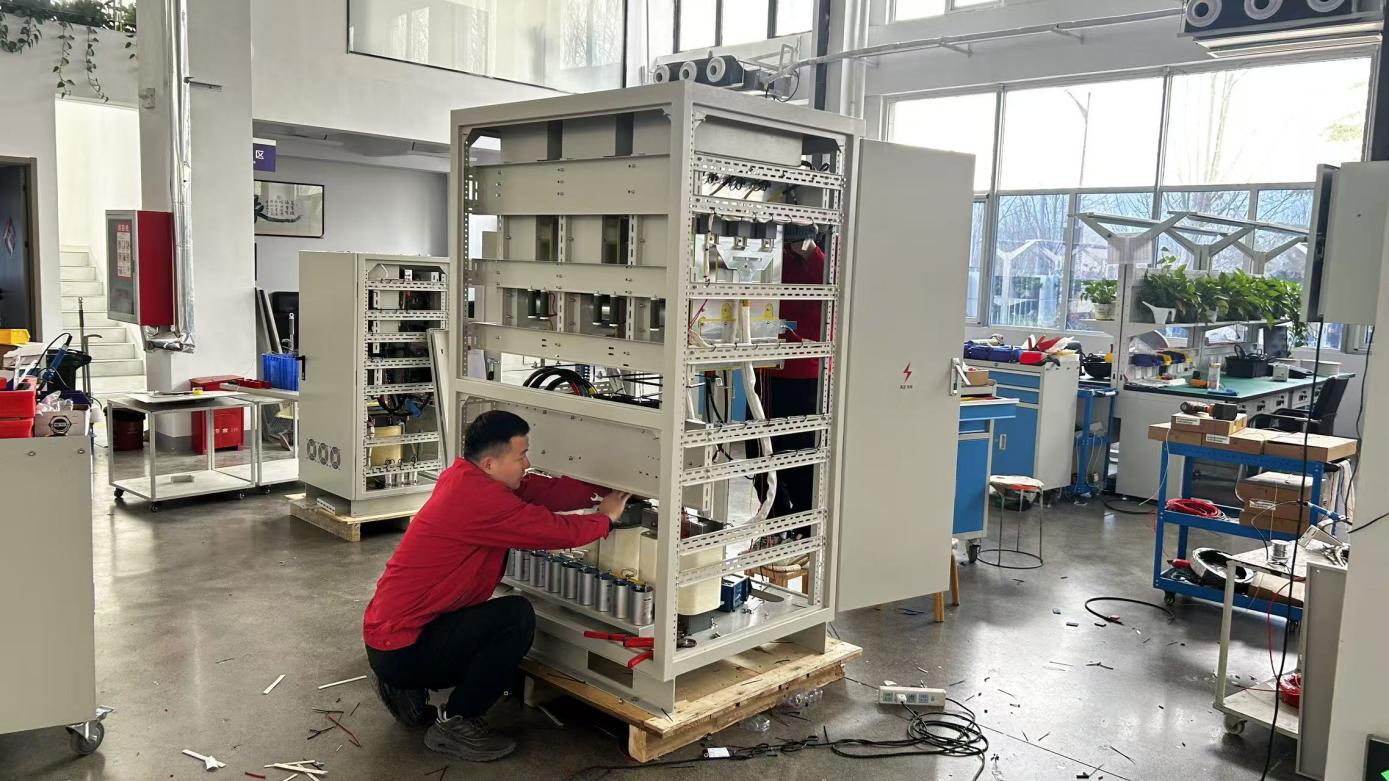 Circuit board assembly
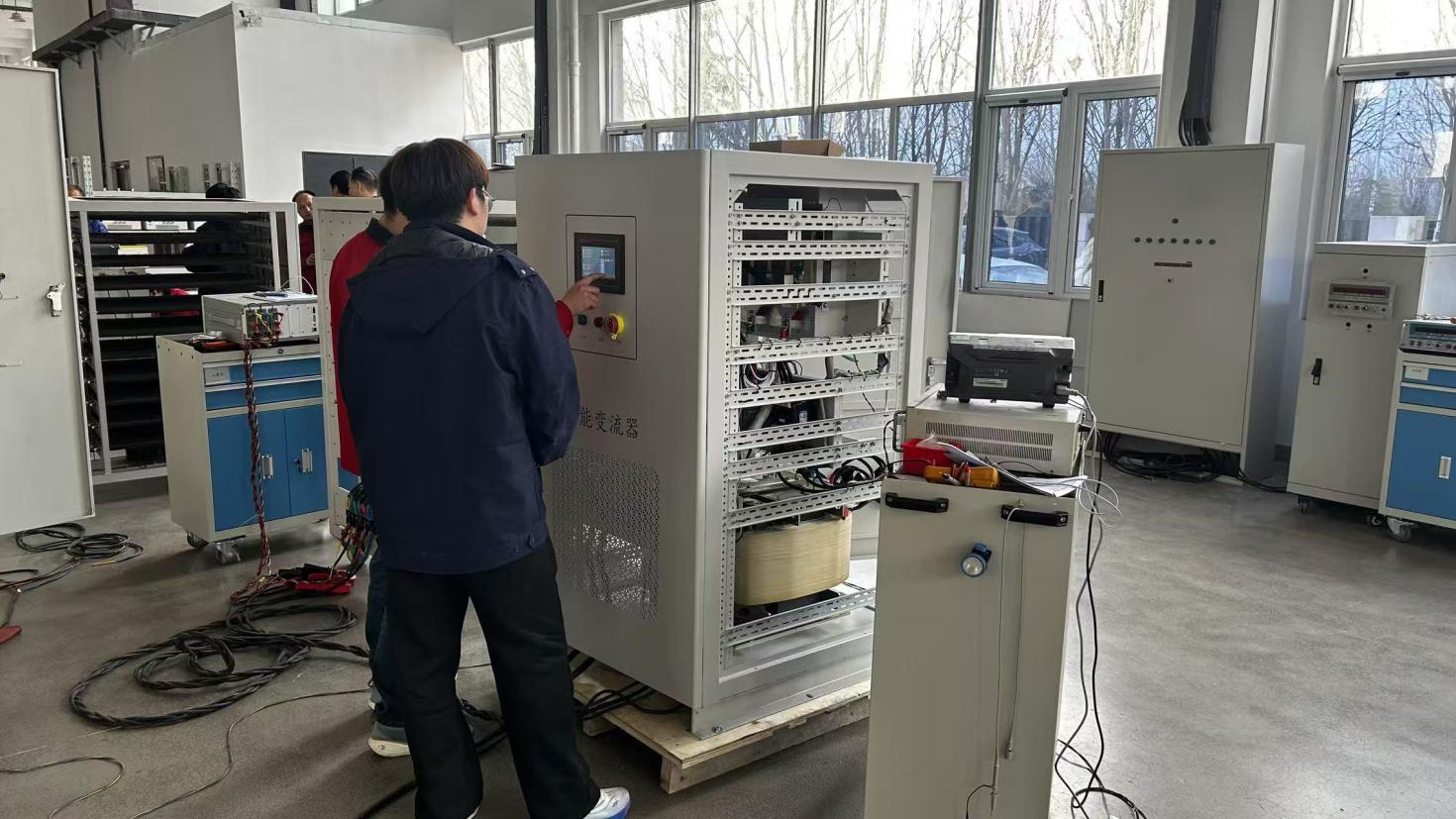 Debugging process
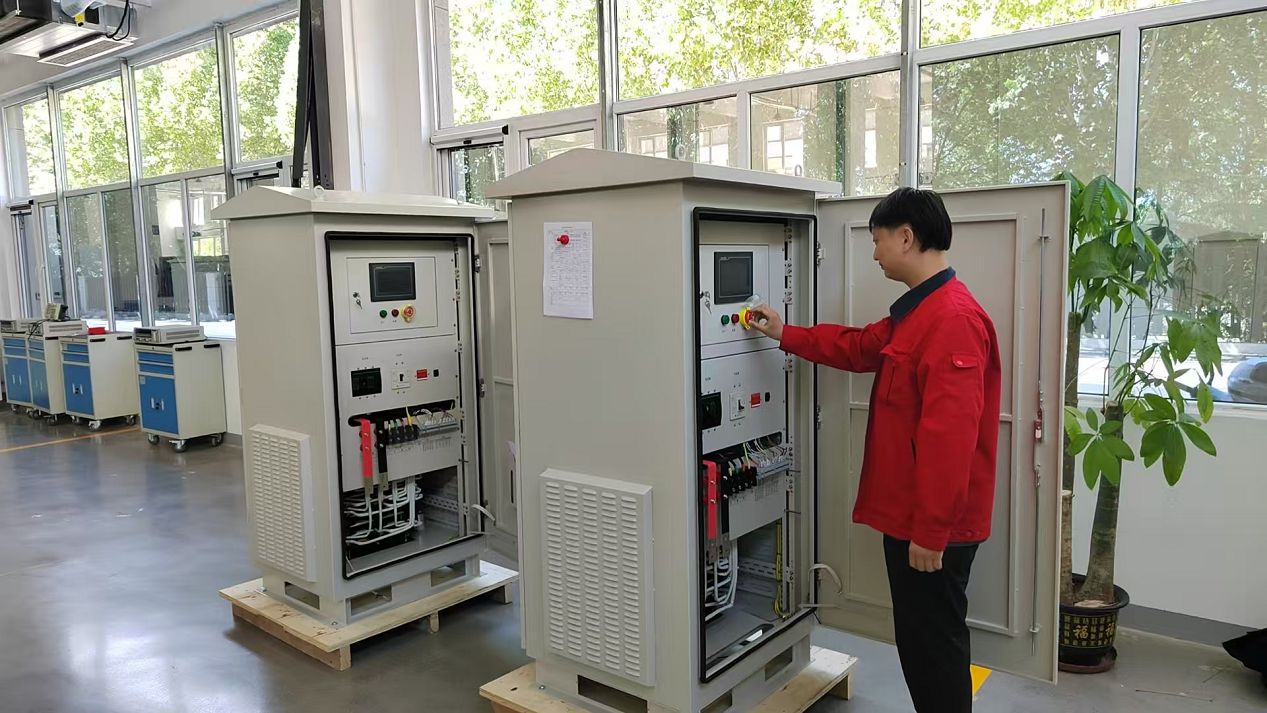 Quality inspection process
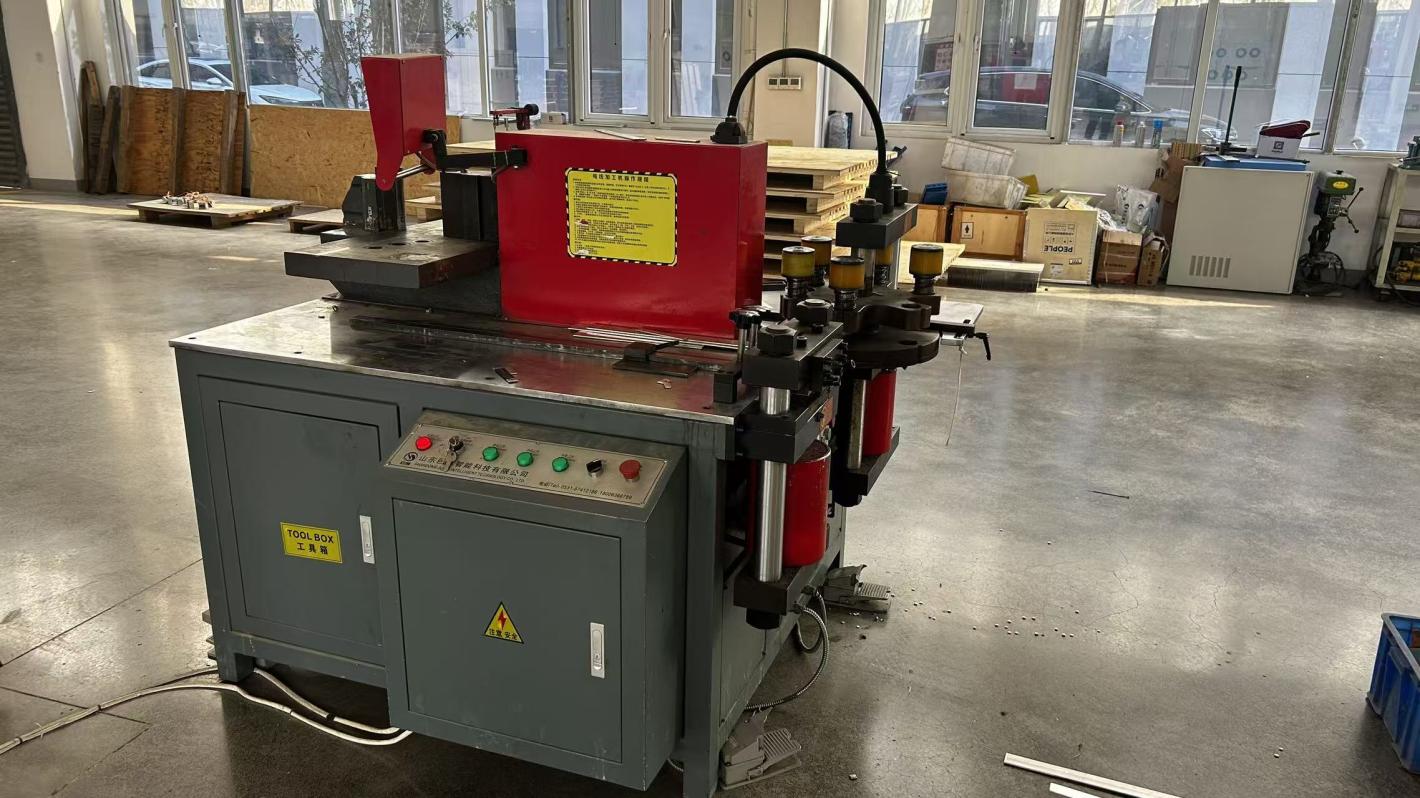 Copper bar production equipment
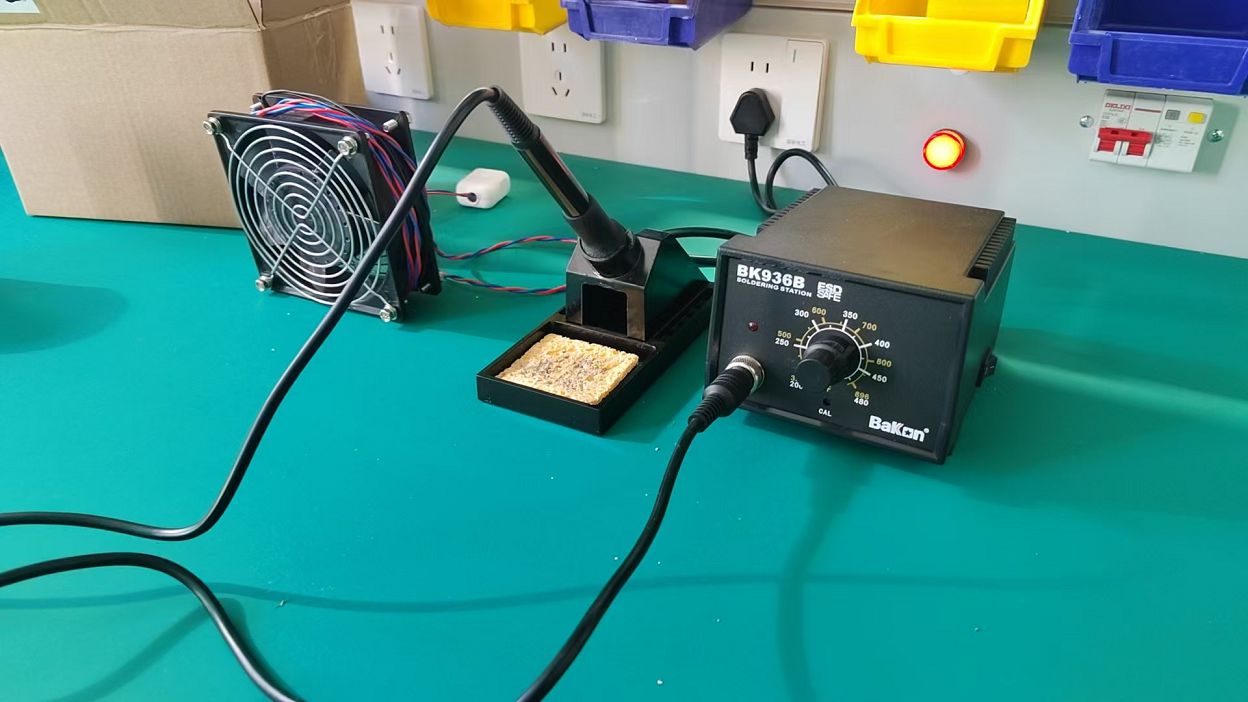 Electric ferrowire
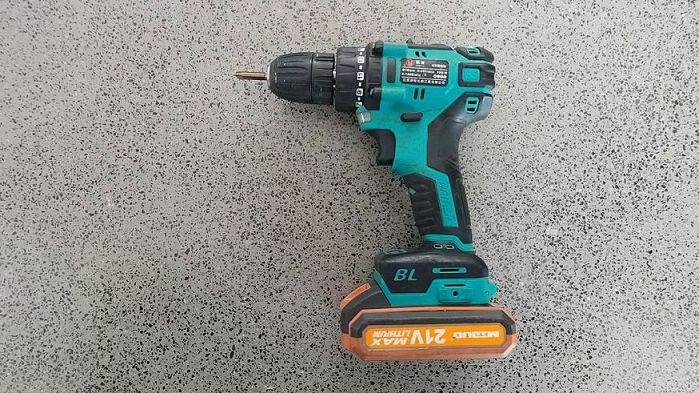 Electric drill
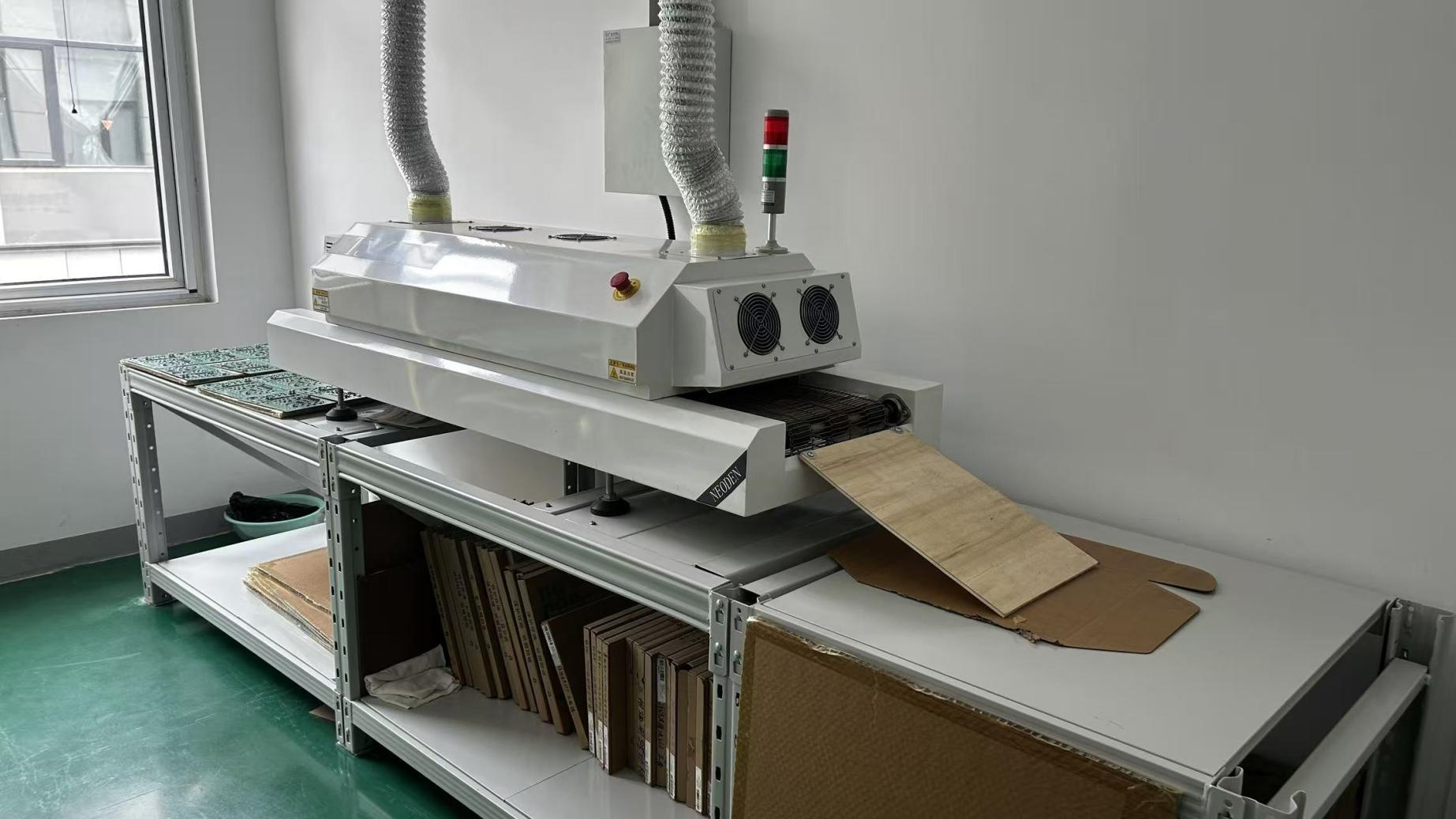 Reflow soldering machine
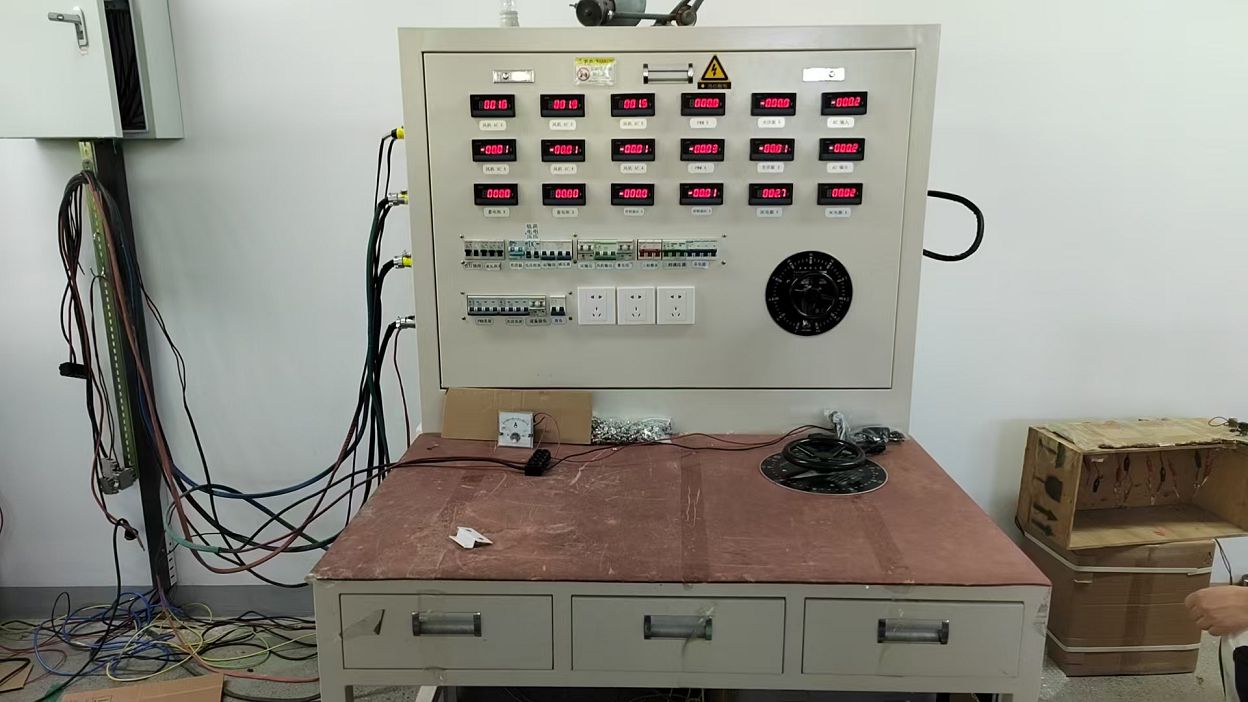 Workbench
Precision Instruments & Metrology Infrastructure
Reliable power supplies demand precise validation. We deploy high-grade metrology instrumentation to verify wave characteristics, power factors, and thermal performances.
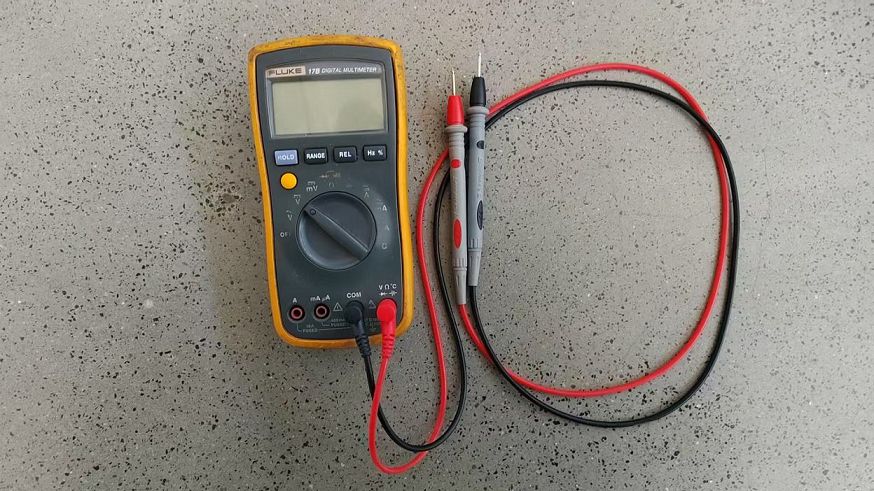 Multimeter
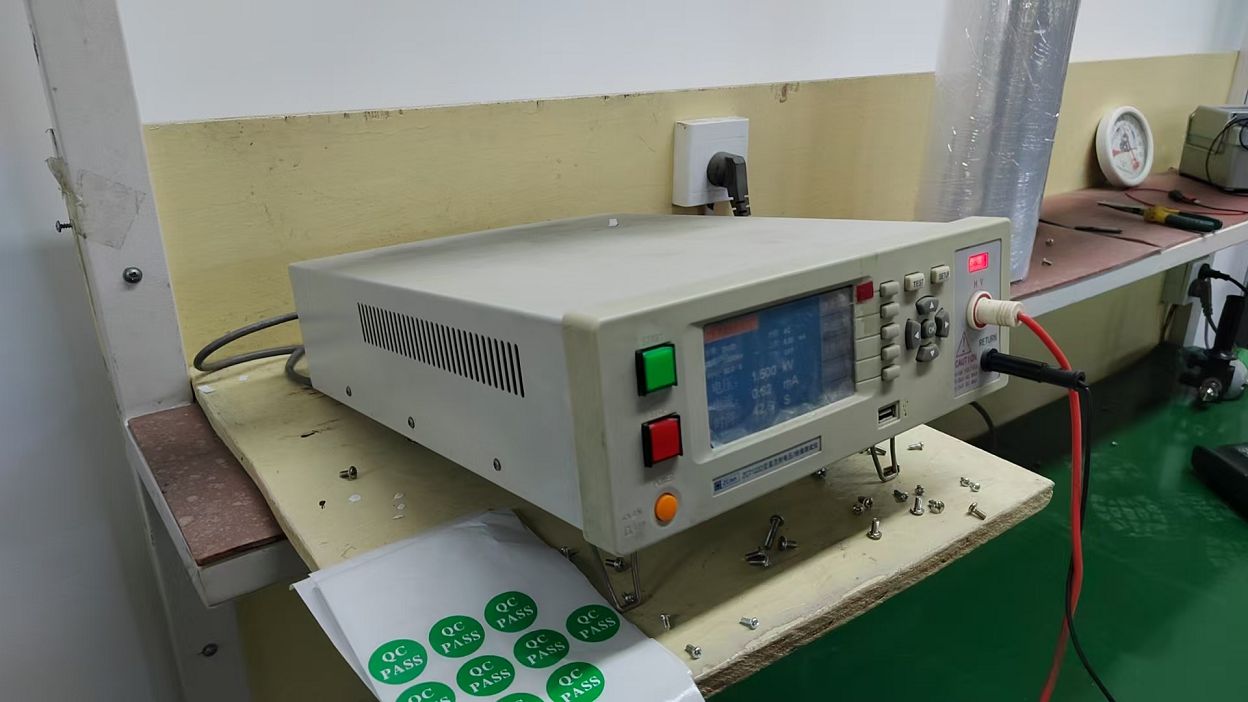 LCR AutoTester
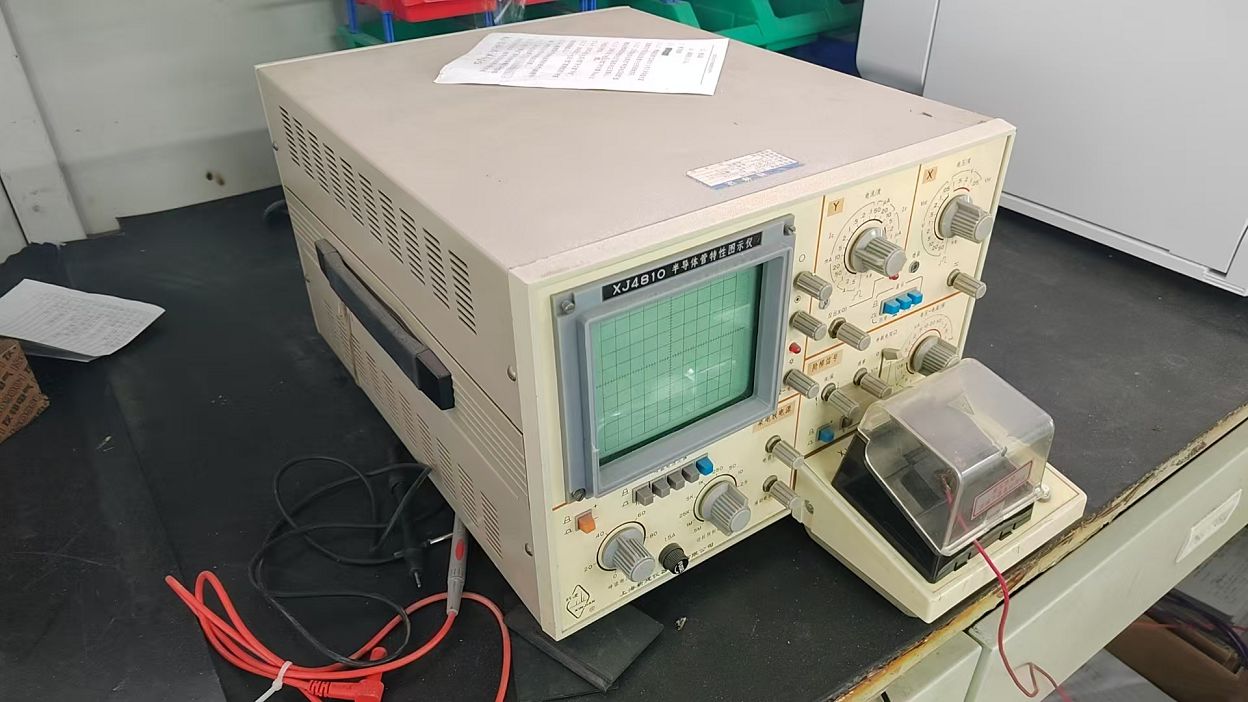 Semiconductor Characteristic Plotter
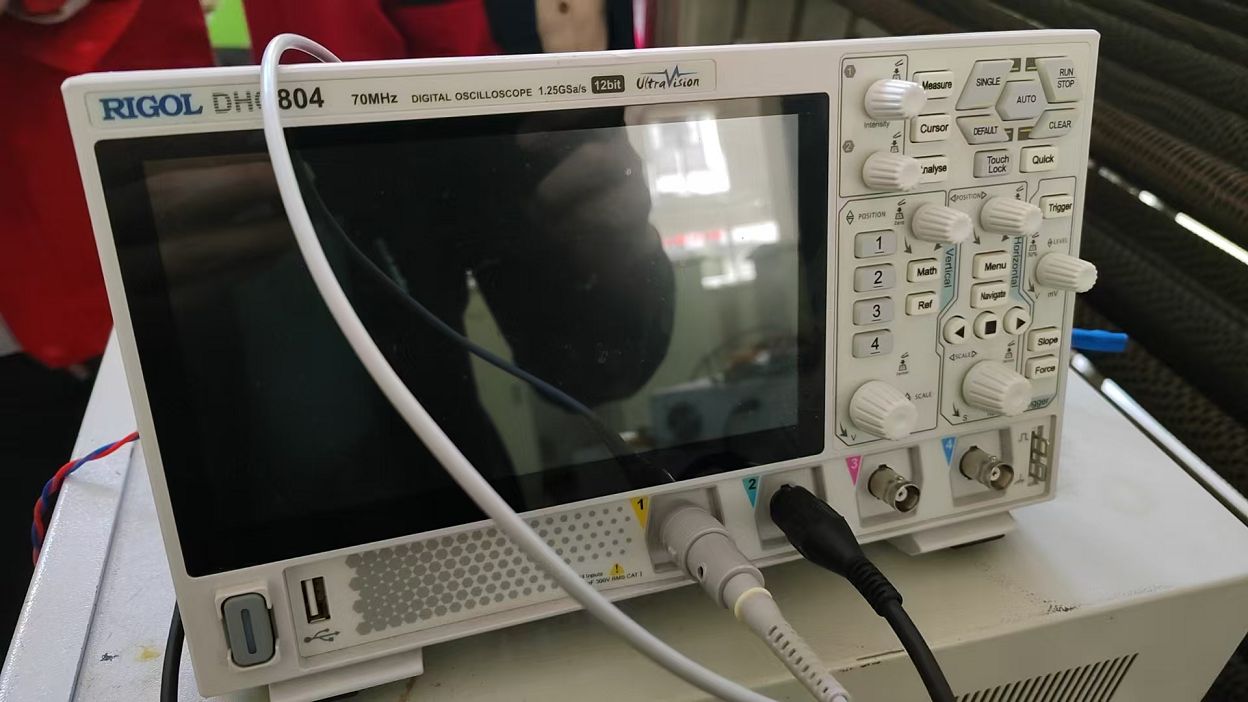
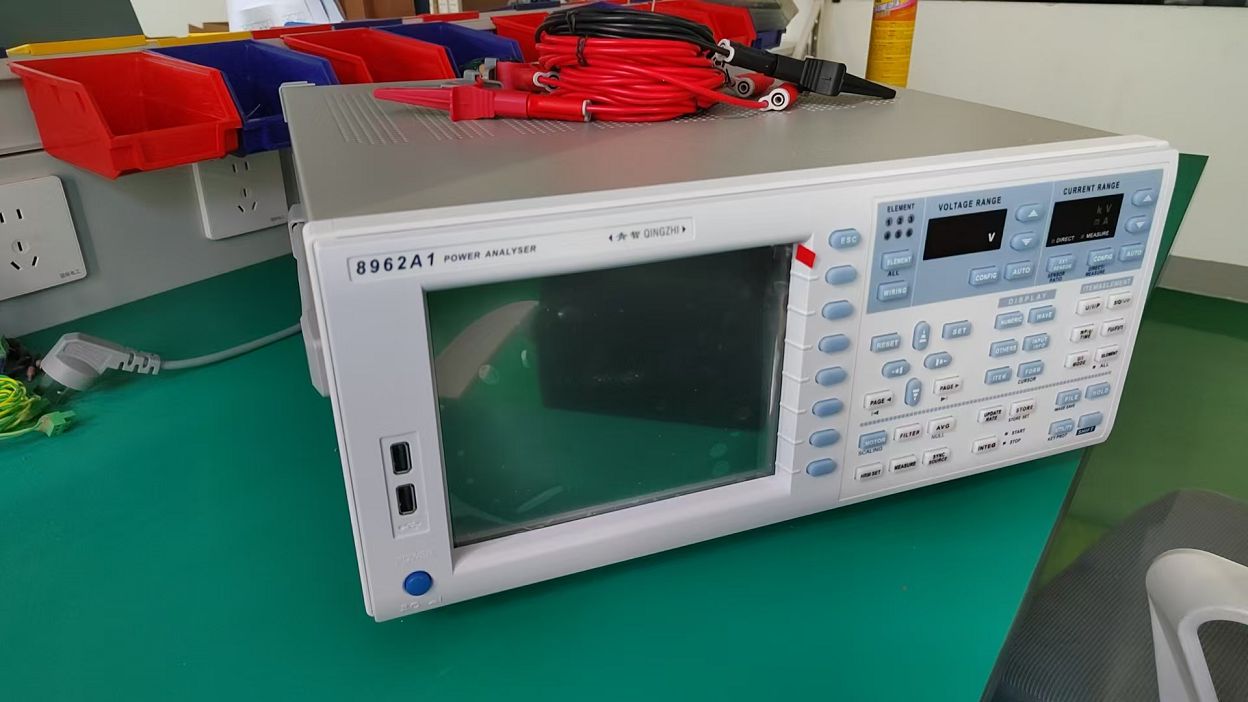 Digital Oscilloscope
 Power Quality Analyzer
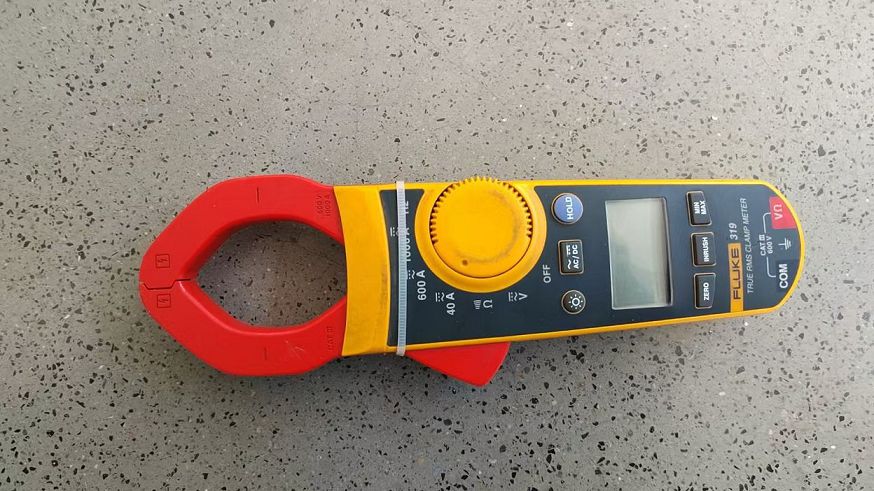 Clamp current meter
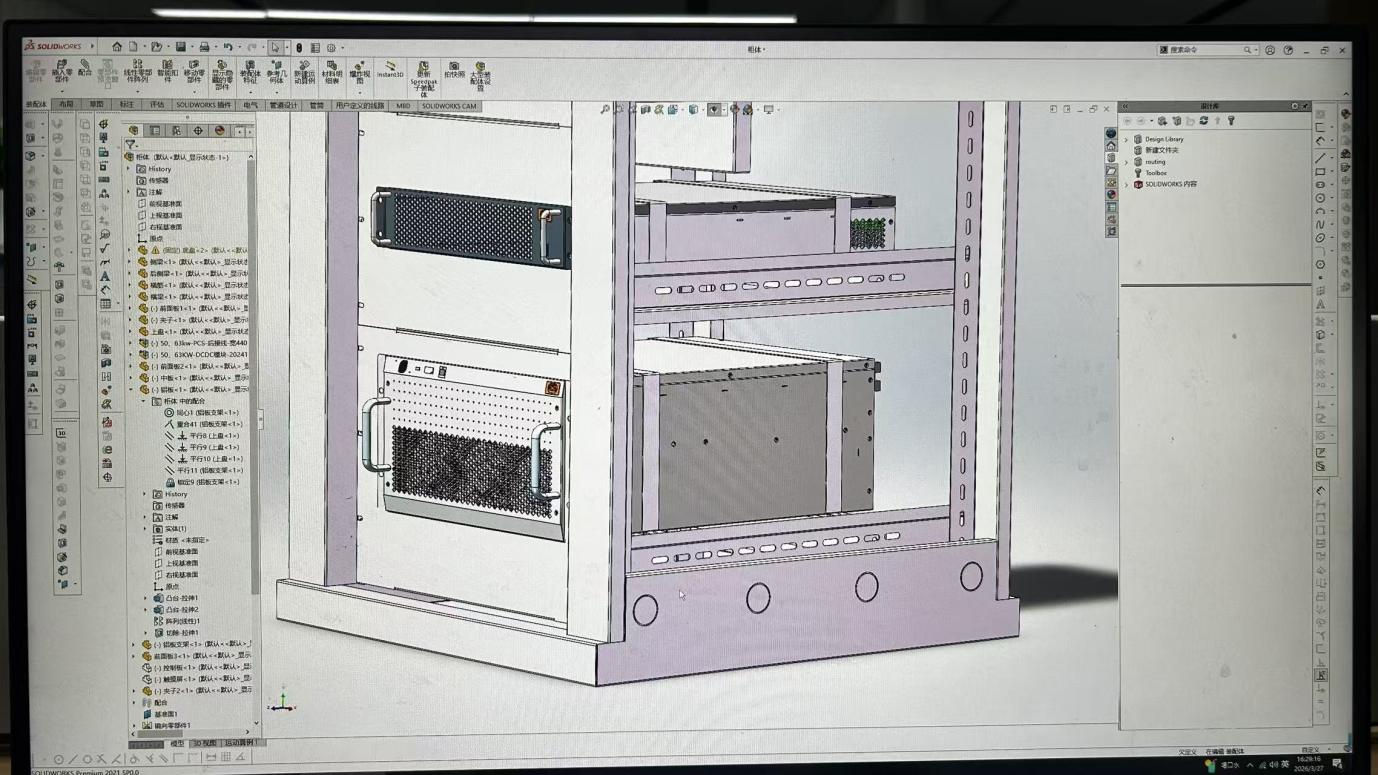
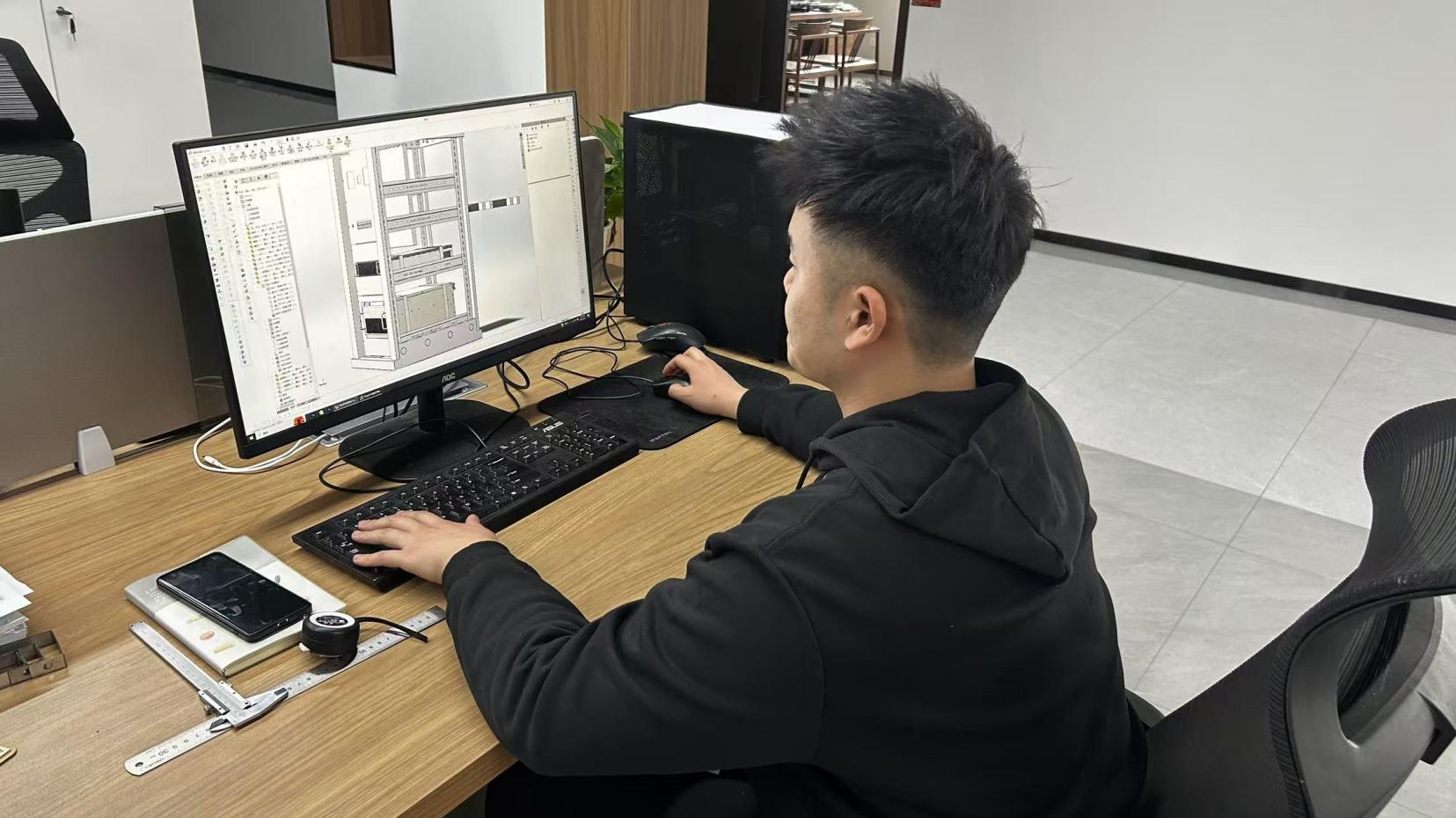 Drawing Design
 Computer
Whitepaper: Technical Evolution & Strategic Sourcing of Custom OEM Uninterruptible Power Supplies
Modern industrial architectures, hyperscale data networks, and highly sensitive automated plants demand clean, continuous, and highly controlled power. Standard off-the-shelf uninterruptible power systems frequently fall short when matching specific load dynamics, mechanical constraints, or complex regional grids. The demand for Custom OEM Uninterruptible Power Supply (UPS) Factories has accelerated as organizations seek integration, efficiency, and customized reliability.
1. Macro Industry Trends: The Transformation of Global Power Backup Systems
The global power backup landscapes are undergoing several critical paradigm shifts. Driven by advancements in computing, energy conversion, and ecological regulations, modern UPS manufacturers are focusing on three main developments:
Wide Bandgap Semiconductors (SiC & GaN)
By transitioning from classic silicon IGBTs to Silicon Carbide (SiC) and Gallium Nitride (GaN) switching components, custom OEM UPS factories achieve higher conversion frequencies, lower heat dissipation, and overall efficiency curves exceeding 97.5% in double-conversion mode and 99% in ECO mode.
Transition to Smart Lithium Battery Storage (LiFePO4)
Lithium Iron Phosphate (LiFePO4) batteries have become the replacement standard for traditional Valve Regulated Lead-Acid (VRLA) batteries. They deliver up to 3x the lifecycle, perform reliably under higher temperatures, and dramatically reduce the overall physical footprint and structural load of UPS cabinets.
Edge Computing & Distributed Architecture
The proliferation of Edge AI nodes requires highly decentralized power infrastructures. Micro-UPS modules integrated with smart communication protocols allow remote operations teams to monitor grid disruptions, battery health, and load distributions in real-time.
2. Global Procurement Dynamics & OEM Strategic Requirements
For industrial procurement directors, selecting the correct OEM factory is a comprehensive risk-management exercise. Sourcing specialized power hardware requires verifying a manufacturer's capacity to build systems matching customized target profiles:
- Electrical Customization: Sourcing systems that handle non-standard input/output voltages (e.g., 1000V DC bus rails, custom 400Hz defense/aerospace loads, or fluctuating single-phase inputs).
- Structural & Thermal Adaptability: Custom cabinets must fit limited spaces like containerized data centers, offshore wind platforms, or seismic-prone geological zones.
- Supply Chain Transparency: Procuring from verified facilities that handle circuit design, SMT placement, transformer winding, and structural steel fabrication in-house reduces vendor dependency and ensures quality.
3. Industrial Solutions & Custom Application Architectures
Custom OEM Uninterruptible Power Supplies serve as the foundational protection layer across multiple vertical sectors, each demanding tailored electrical topologies:
A. Advanced Manufacturing & Automation: Factory floor PLCs, high-speed robotics, and laser cutting lines cannot survive even millisecond-level voltage sags. In these environments, custom line-interactive or online double-conversion UPS systems, paired with heavy-duty output isolation transformers, shield sensitive electronics from industrial noise, grid harmonics, and sudden motor-start voltage drops.
B. Healthcare and Diagnostic Laboratories: Equipment like MRI scanners, CT scanners, and life support systems demand pure sine-wave stability. Our OEM factory designs clean output profiles with very low Total Harmonic Distortion (THD < 2%) to prevent imaging distortions and protect sensitive components.
C. Hyperscale & Containerized Data Centers: With modern facilities consuming massive amounts of power, every percent of efficiency counts. Custom OEM designs emphasize modular, hot-swappable architectures that grow with server density. This allows operators to perform maintenance or replace modules without powering down the load.
4. Quality Assurance, Compliance, and Metrological Verification
Shenzhen Sophpower Electronics ensures every product meets strict performance metrics. We employ a wide range of analytical instruments to test electrical stability and thermal safety during our quality assurance process:
- LCR AutoTesters & Semiconductor Characterization Plotters: We analyze capacitors, inductors, and switching MOSFETs to guarantee component reliability prior to board assembly.
- Digital Oscilloscopes & Power Quality Analyzers: We monitor line disturbances, transient load changes, and wave shapes to verify output stability.
- High-Voltage Safety & Load Testing: Systems undergo complete load testing and high-voltage isolation checks under controlled thermal environments.
5. Environmental Sustainability & Power Grid Integration
Modern grid integration demands cleaner operation. Many regions now require energy-efficient power supplies that minimize harmonic feedback into the local utility grid. By designing active Power Factor Correction (PFC) systems, Sophpower maintains input power factors greater than 0.99, reducing installation costs, saving energy, and minimizing overall harmonic distortion.
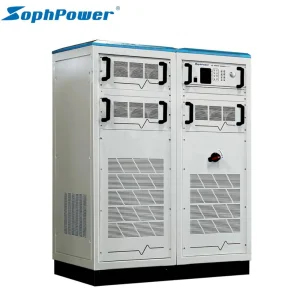
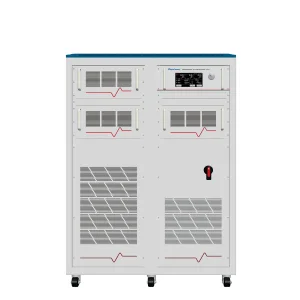
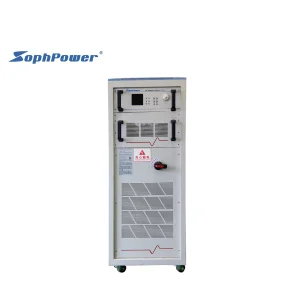
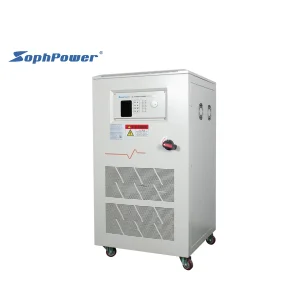
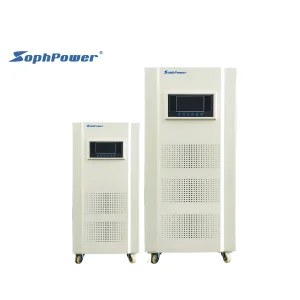
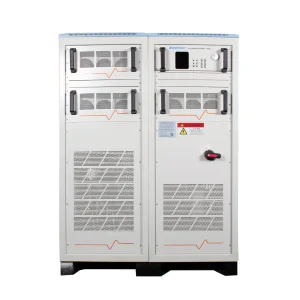
Industrial AC/DC Power Supplies & Heavy Duty Converters
Explore our high-voltage programmable systems, variable DC regulated units, and heavy-duty 3-phase stabilizers engineered for demanding utility and lab environments.
Frequently Asked Questions (FAQ)
Expert answers addressing the electrical, mechanical, and logistical questions of custom OEM/ODM uninterruptible power systems.