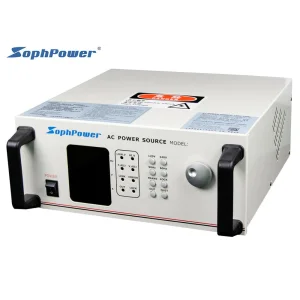
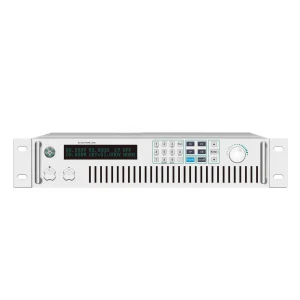
Featured Three-Phase AC Power Sources & Frequency Converters
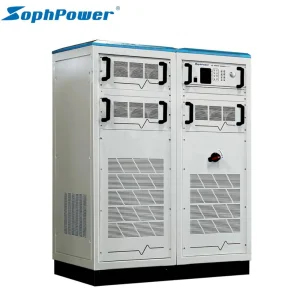
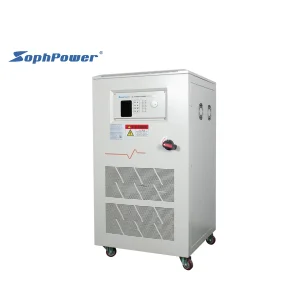
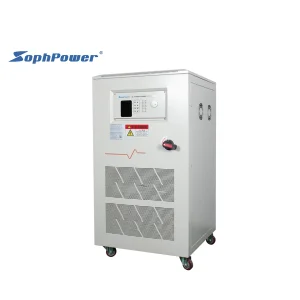
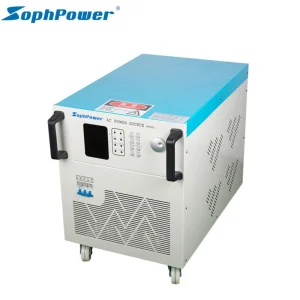
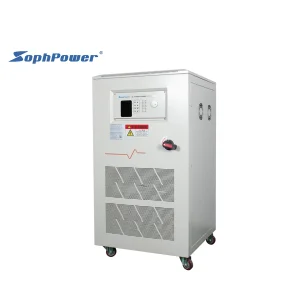
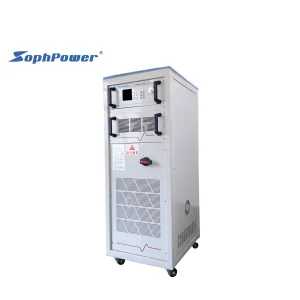
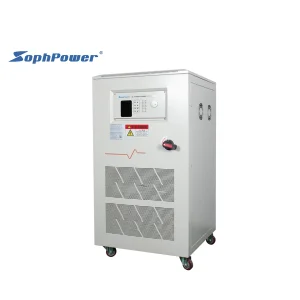
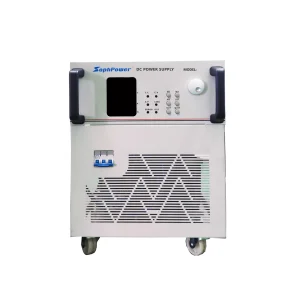
Industrial Grade Three-Phase AC Power Solutions: Architecture, Standards, and Critical Manufacturing Insights
A complete design specification, comparative breakdown, and guide to sourcing reliable three-phase AC power sources and frequency converters for global manufacturing operations.
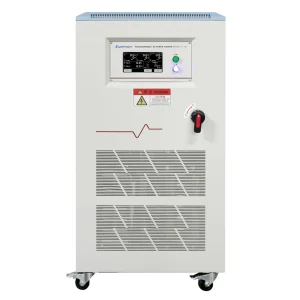
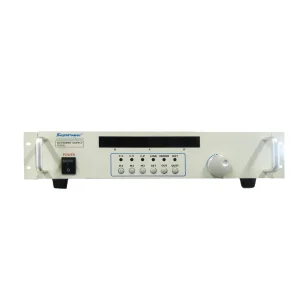
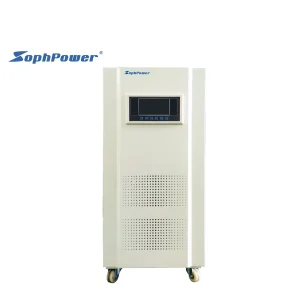
In modern electronic test benches, industrial testing units, and high-voltage grid emulation, a reliable Three-Phase AC Power Source is the cornerstone of operational fidelity. These instruments deliver programmable, stable voltage outputs across varying frequencies, shielding critical equipment from transient over-voltages, harmonics, and frequency fluctuations. As global manufacturing demands increase, standard raw power direct from public grids fails to meet the strict quality thresholds required for modern microelectronics, aerospace instrumentation, and electric vehicle testing.
1. Operational Topologies: Linear vs. Switching Technology
Design engineers typically select power source architectures based on performance requirements. Linear AC power supplies deliver exceptionally low noise and fast response times but operate at lower efficiency rates. On the other hand, High-Power Switching (PWM) frequency converters are highly efficient and compact, making them ideal for heavy industrial applications, large-scale motors, and variable load configurations.
| Performance Metrics | Linear AC Power Sources | PWM Switching AC Sources |
|---|---|---|
| Efficiency (Full Load) | ~45% - 55% (High heat generation) | >88% - 94% (High energy density) |
| Total Harmonic Distortion (THD) | <0.3% (Excellent signal purity) | <1.0% to 2.0% (Optimized via output filters) |
| Transient Response Time | <50 microseconds | <2 to 5 milliseconds |
| Power Range per Unit | Up to 10kVA - 30kVA | 10kVA up to 2000kVA+ |
| Typical Applications | Acoustic, R&D Lab, Medical Sensors | Factory burn-in, Avionics (400Hz), Motor Testing |
2. Future Tech Roadmap: SiC MOSFETs and Smart Grid Integration
The three-phase AC power industry is undergoing a significant transition toward Silicon Carbide (SiC) and Gallium Nitride (GaN) wide bandgap semiconductors. By using SiC MOSFET modules, Sophpower's next-generation architectures reduce switching losses, increase power density, and allow for smaller, more lightweight magnetics (transformers and inductors).
Additionally, the rise of solar, wind, and battery storage solutions requires three-phase sources to act as smart regenerative simulators. These units simulate complex grid disturbances like voltage sags, swells, phase angle imbalances, and low-voltage ride-through (LVRT) scenarios. They allow R&D teams to test solar inverters and EV onboard chargers under realistic grid conditions.
3. Sophpower Company Overview
Established in 2006 in Shenzhen, China, Shenzhen Sophpower Electronics Co., Ltd. is a recognized high-tech enterprise specializing in R&D, manufacturing, and supply of testing power solutions. Sophpower features an engineering team with decades of combined experience in test power technology.
The company’s product line includes AC Power Sources, Linear AC Power Sources, Bidirectional AC Power Sources, DC Power Supplies, Bidirectional DC Power Supplies, Voltage Regulators, and Uninterruptible Power Supplies (UPS). Sophpower also provides customized solutions tailored to specific customer application requirements.
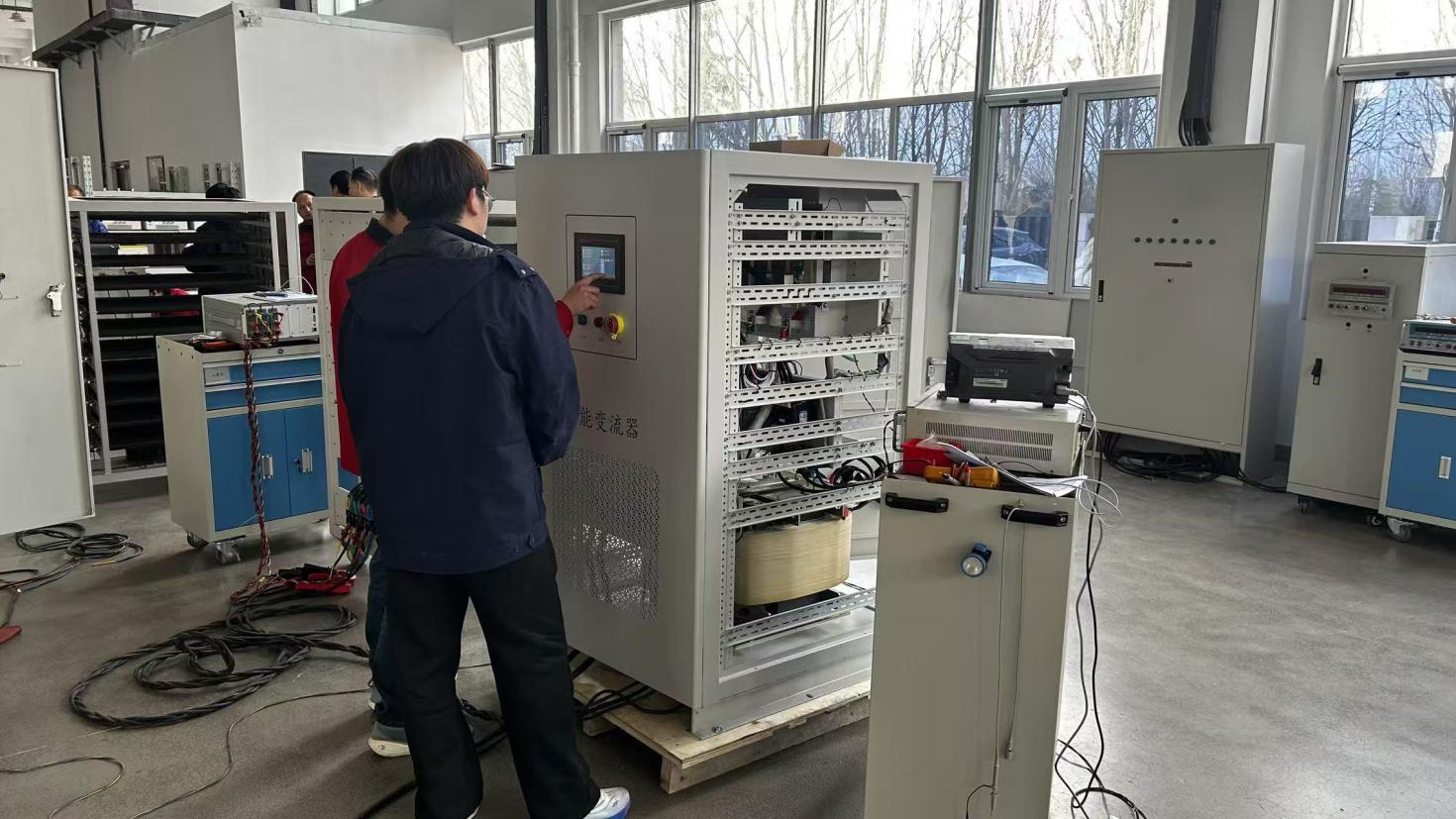
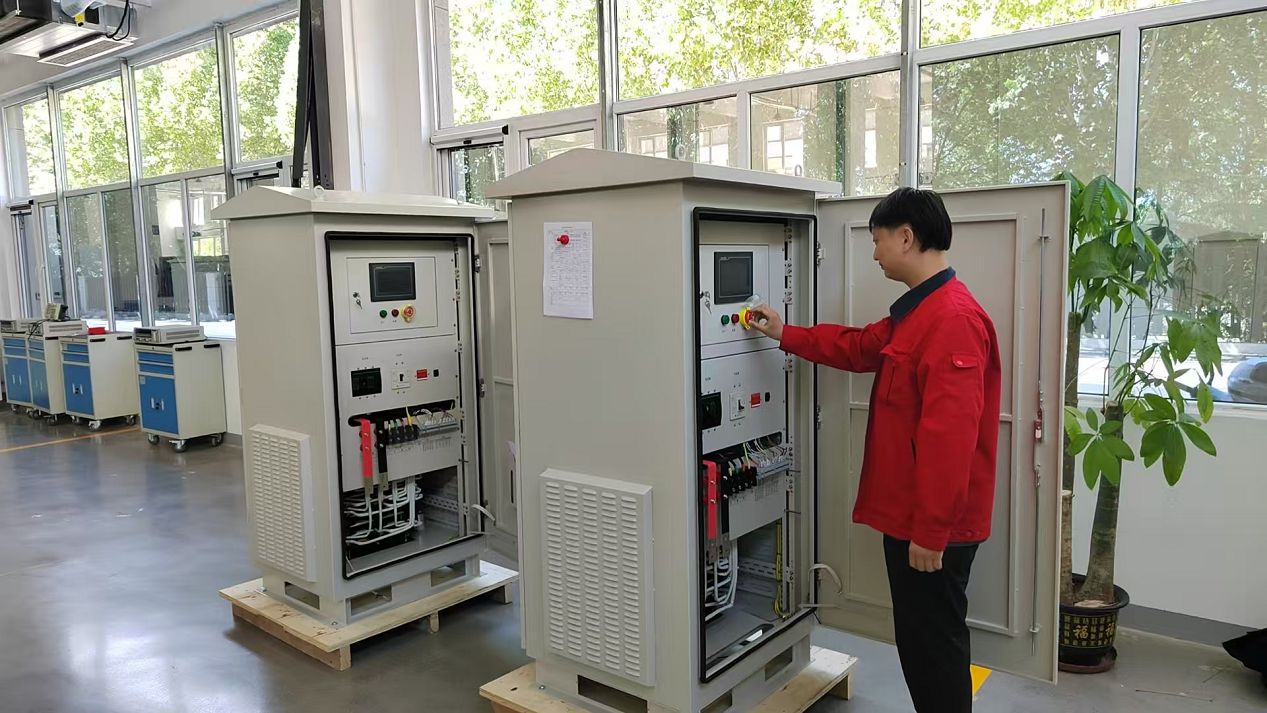
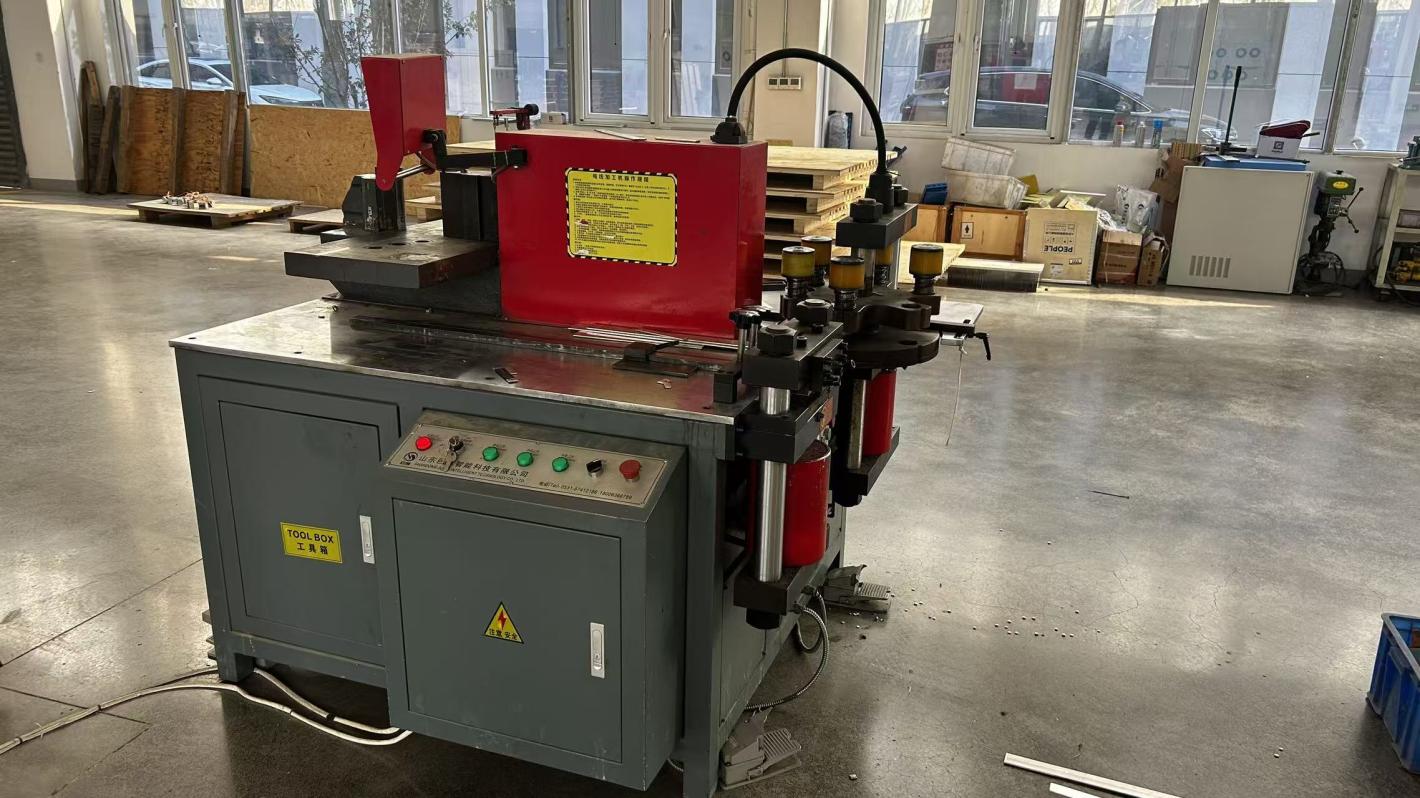
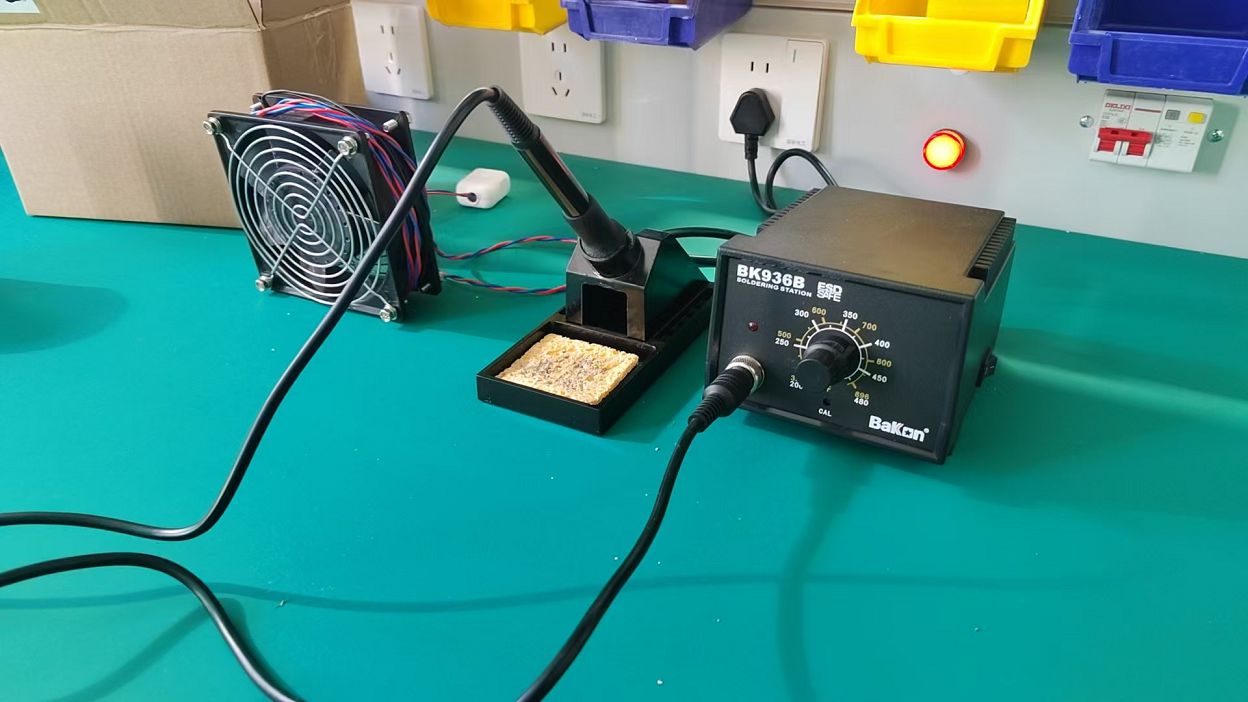
4. Advanced Factory Assembly & Production Processes
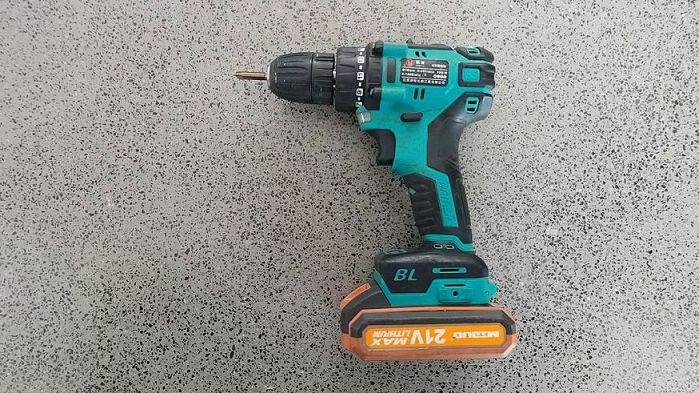
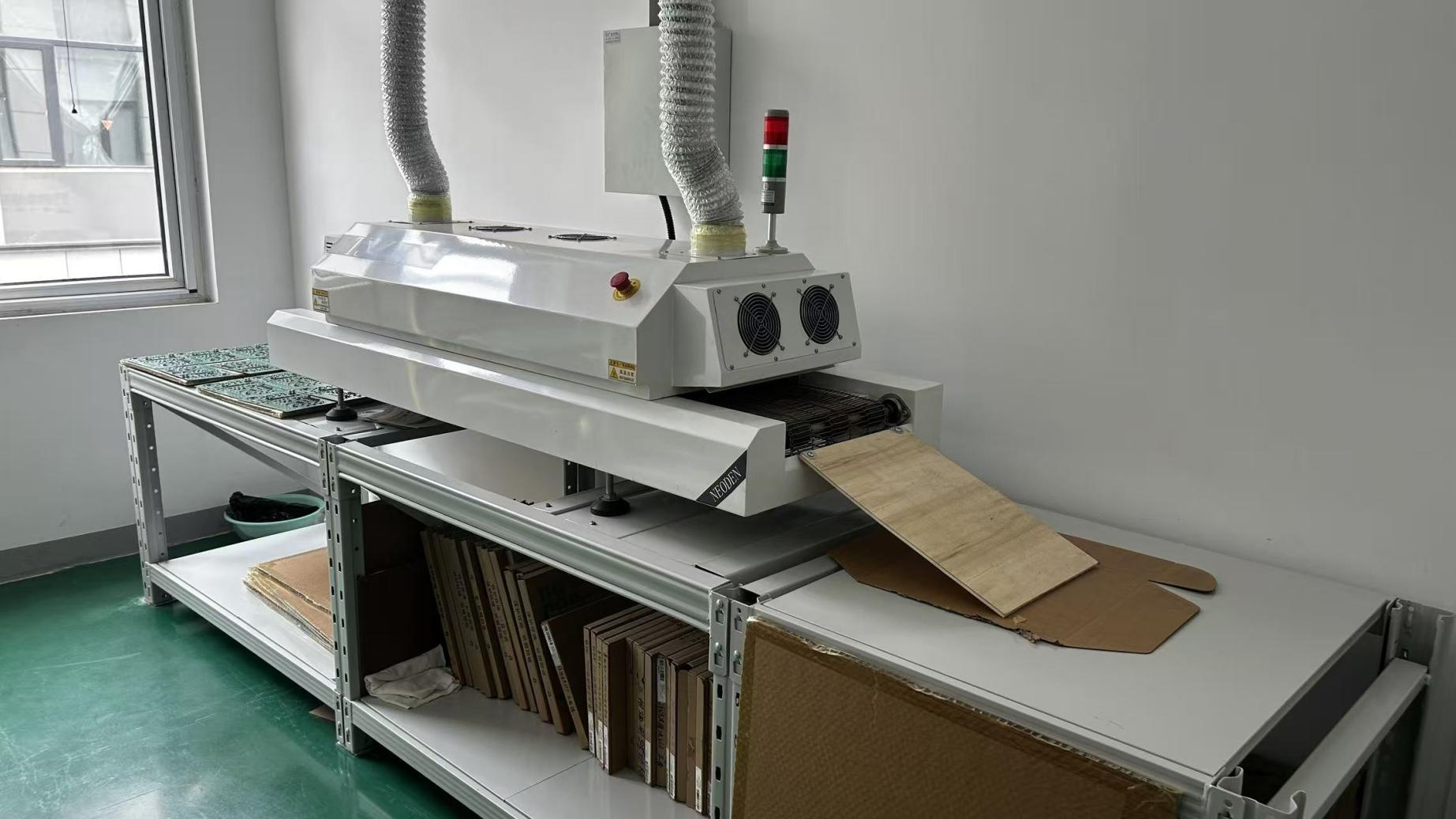
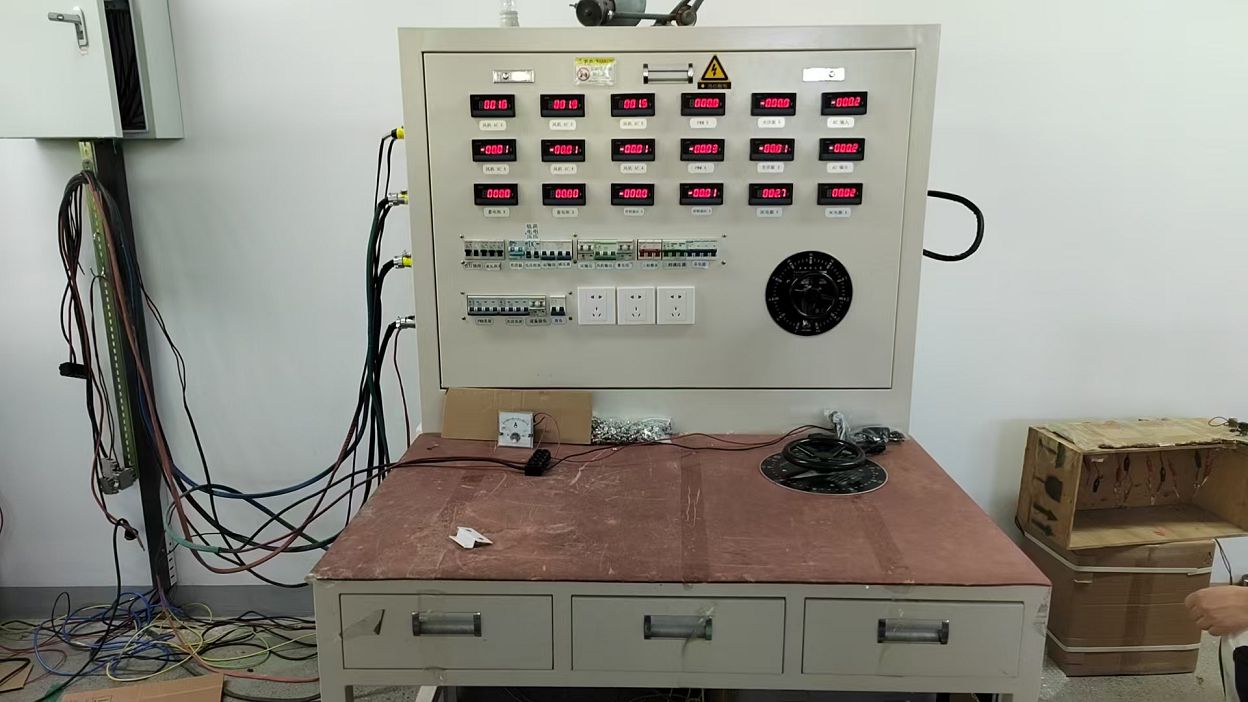
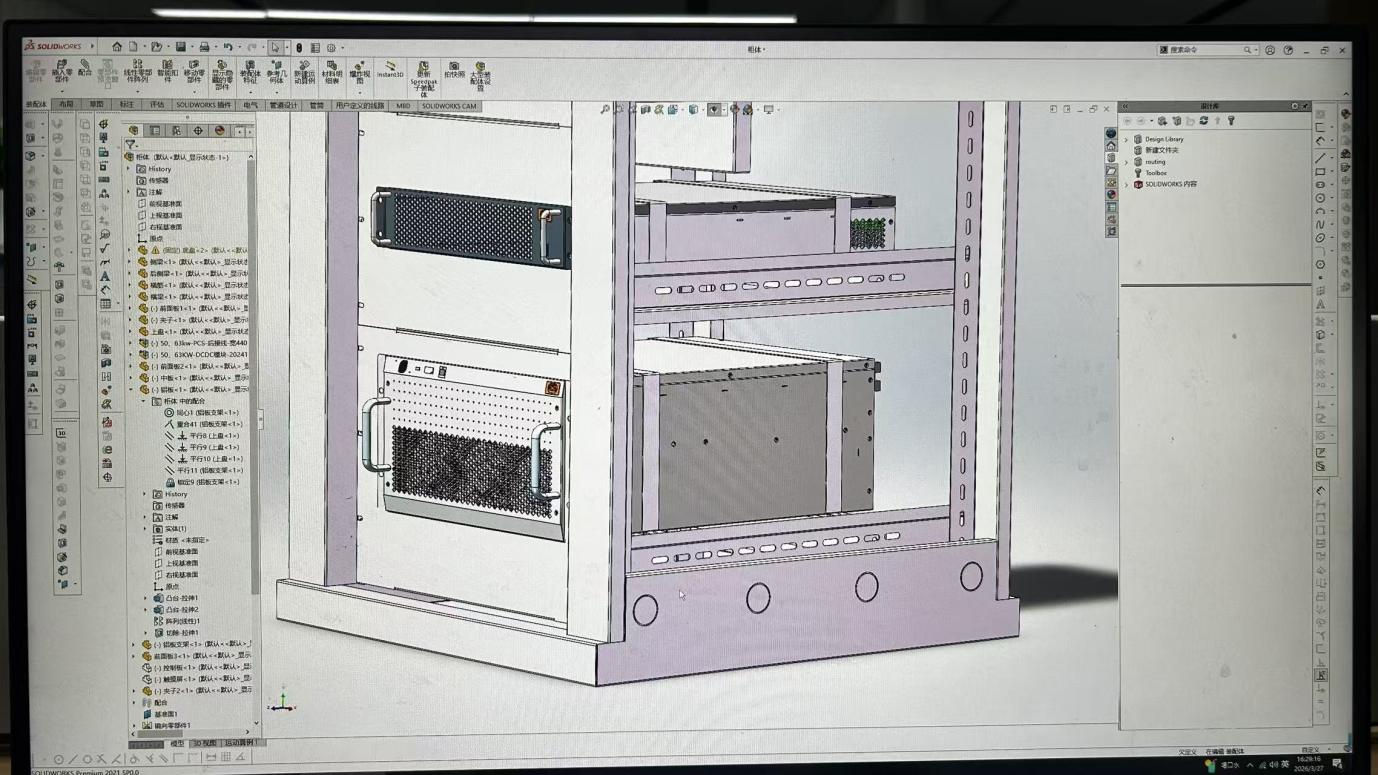
Quality control at Sophpower is built on standardized workflows, automated machinery, and rigorous verification steps. Below is an overview of the core production phases inside our ISO-certified manufacturing facility:
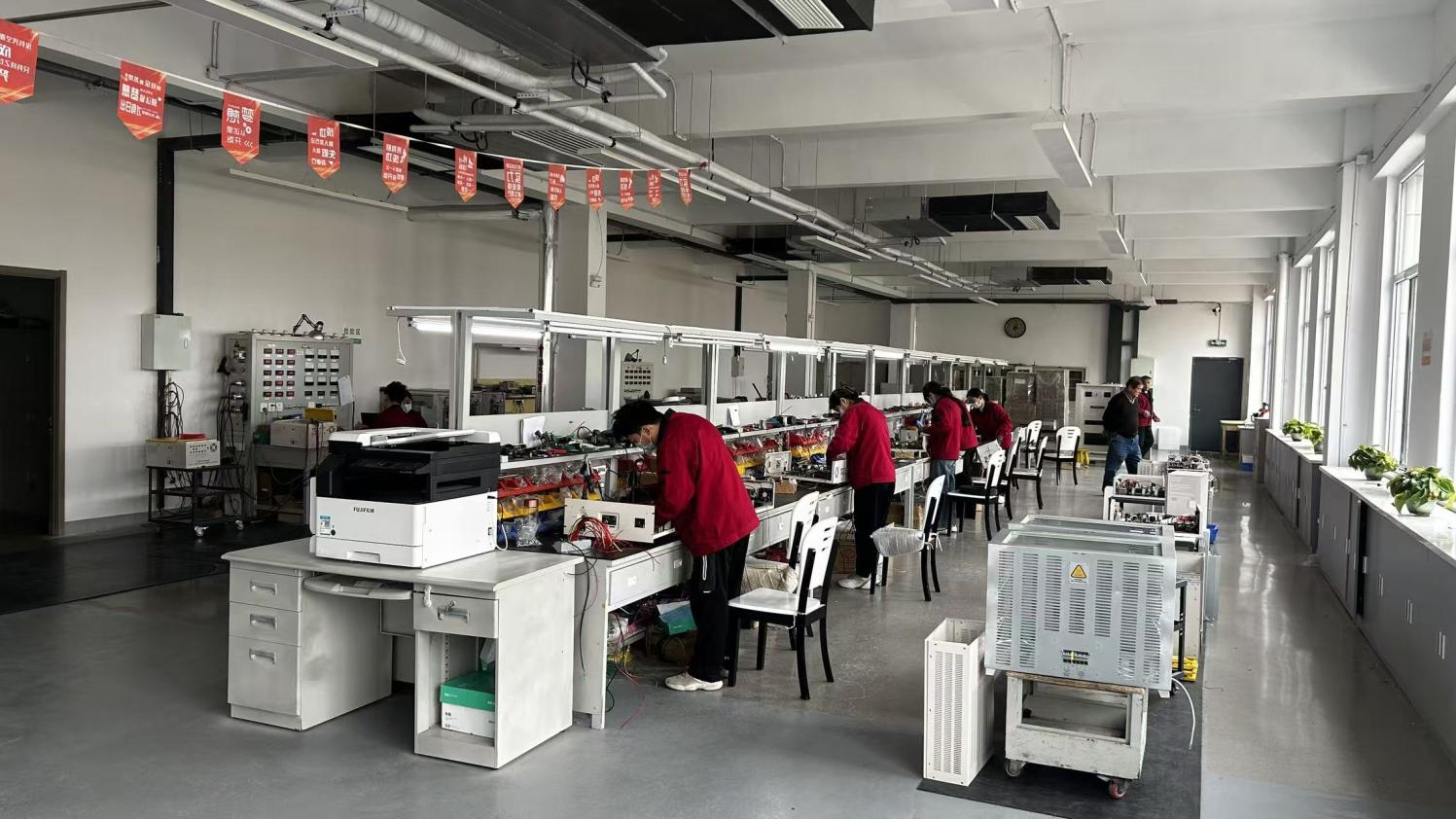
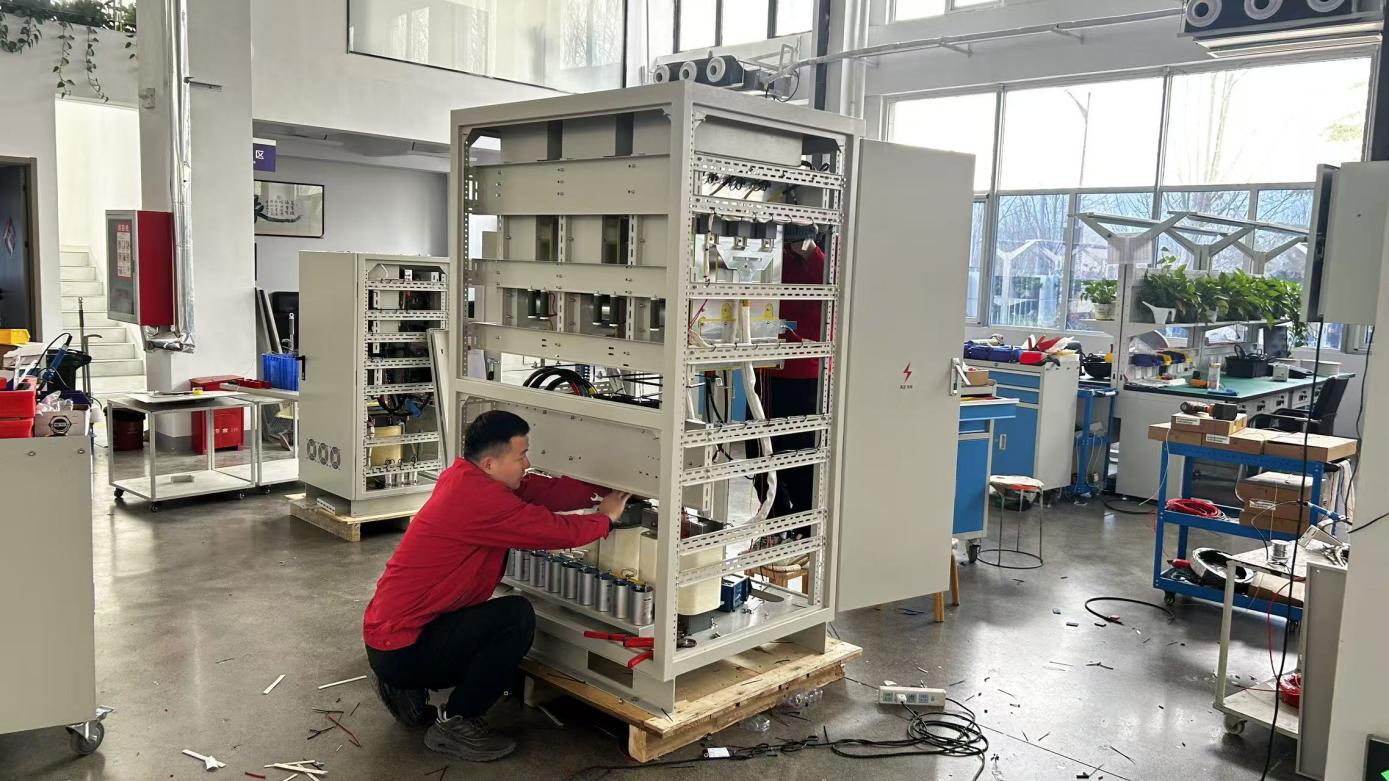
Metrology, Design, and Testing Systems
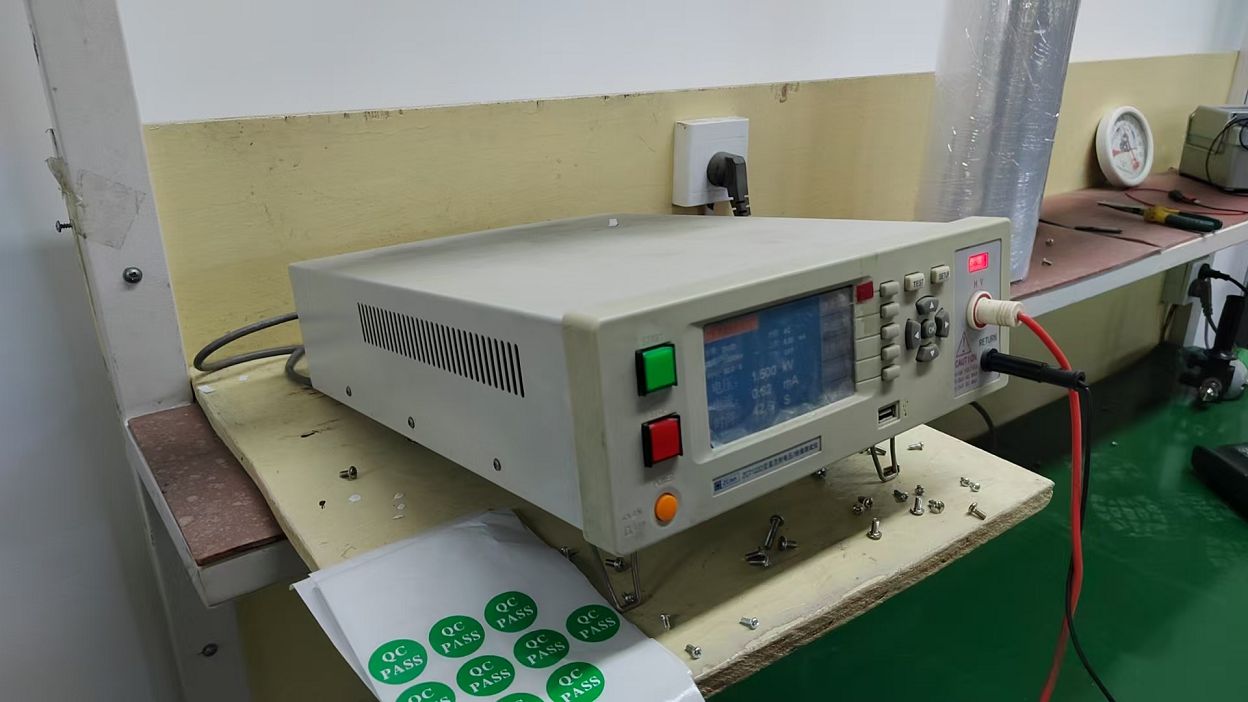
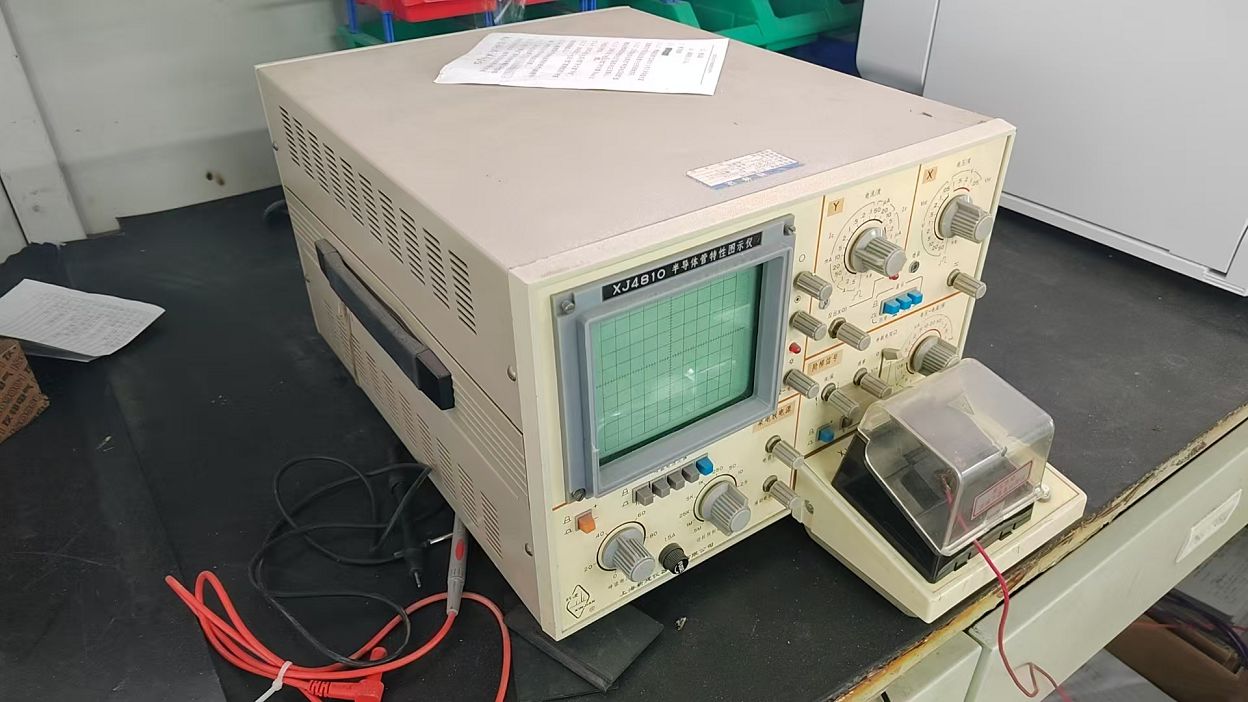
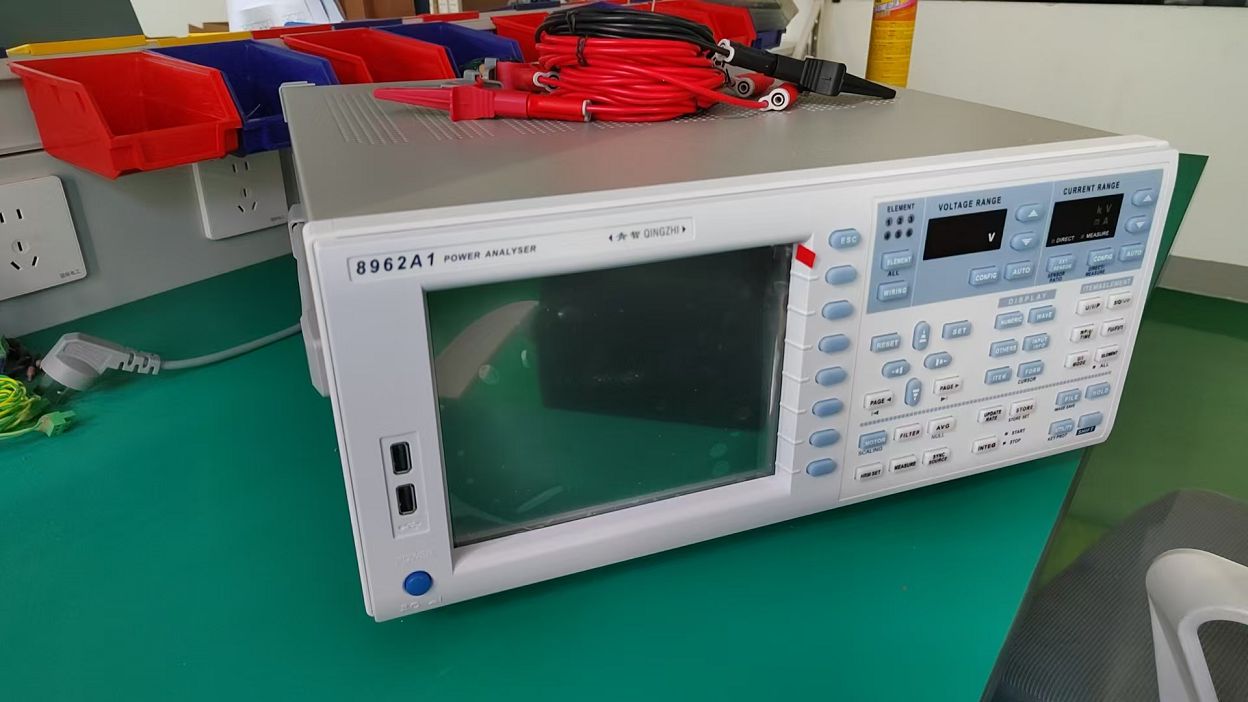
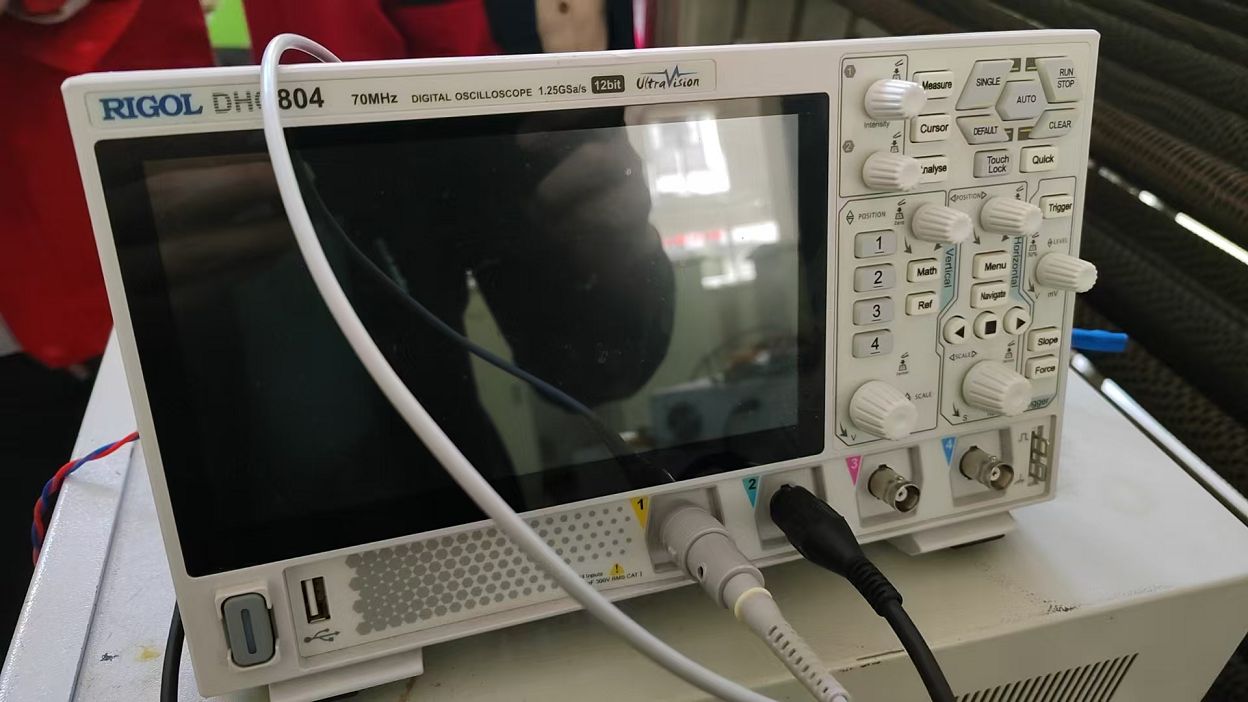
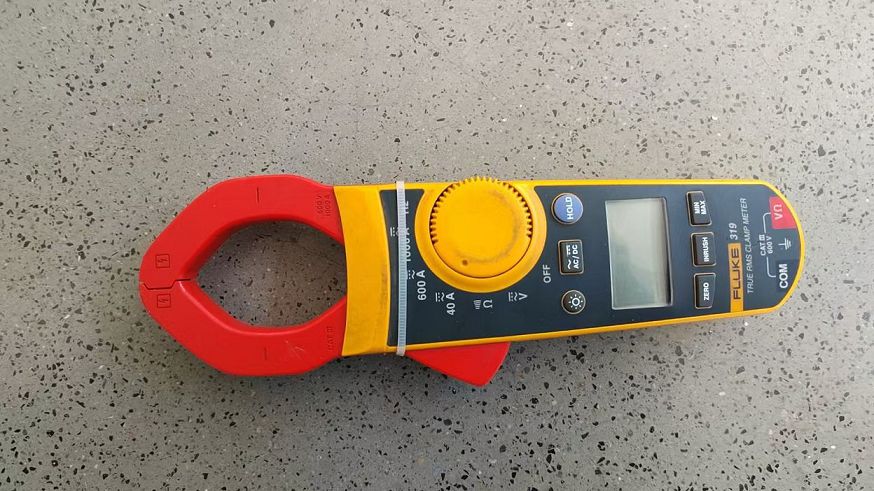
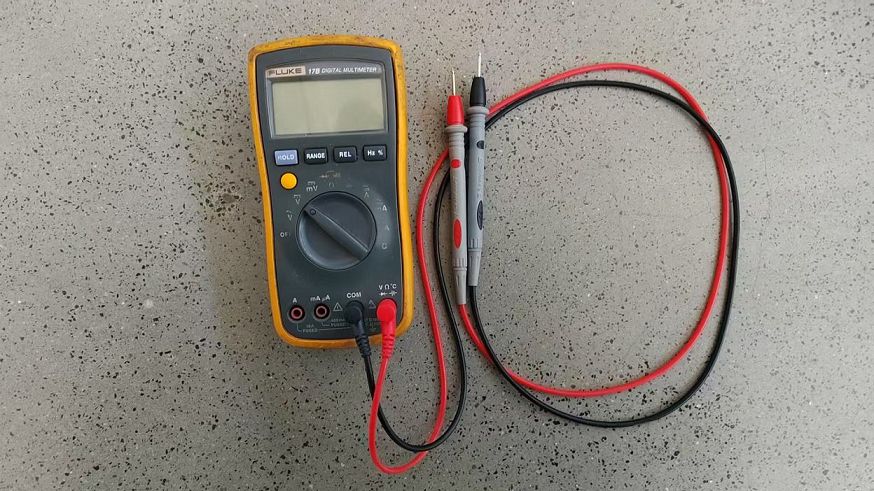
Every power system must undergo complete evaluation before shipment. Sophpower utilizes dynamic analyzers, high-speed oscilloscopes, and automated tester hardware to verify key parameters like voltage fluctuations, transient recovery, and electromagnetic compatibility.


5. Multi-Sector Applications: Where Three-Phase Power is Critical
Three-phase programmable AC sources are widely used in industrial sectors where standard grid power does not meet test protocol specifications:
- Aerospace and Defense (400Hz Simulation): Avionics, defense guidance packages, radar, and helicopter sub-assemblies operate on 115V AC at a frequency of 400Hz. This high frequency reduces magnetics weight but requires specialized frequency conversion systems.
- Automotive & EV (Electric Vehicles): Simulating fluctuating voltage levels, fast charge spikes, and bidirectional charging scenarios is essential for testing modern EV onboard battery chargers (OBC).
- Factory Automation: Clean three-phase power ensures CNC mills, industrial robotic arms, and complex assembly lines operate continuously without controller faults or communication interference.
- Home Appliance Export Testing: Products manufactured for the global market must be tested under different electrical grid profiles, such as 110V/60Hz for North America and 220V/50Hz for Europe.
6. Sourcing from China: Factory 4.0 Supply Chain Integration
Procuring test equipment directly from Chinese high-tech hubs like Shenzhen offers significant advantages in lead times and cost-effectiveness.
- Component Sourcing Ecosystem: Shenzhen’s well-established industrial cluster allows for quick procurement of specialized components like custom transformers, high-speed microcontrollers, and specialized metal enclosures.
- ISO 9001 Quality Workflows: Modern Chinese factories implement end-to-end trace tracking system controls, tracking subcomponents from incoming inspection to burn-in tests and final shipment checks.
- Regulatory Compliance: Industry-standard certifications (CE, FCC, RoHS, and IEEE) ensure products comply with target market safety and environmental import rules.
Frequently Asked Questions: Tech Insights & Sourcing Guides
What is the primary difference between a frequency converter and a programmable AC power source?
A standard frequency converter changes a fixed input grid utility frequency (e.g., 50Hz) to a fixed or selectable output (e.g., 60Hz or 400Hz). A programmable AC power source offers precise control, allowing users to program transient phase angle shifts, sweep voltage steps, simulate dropouts, and analyze harmonic distortions during R&D tests.
How do Sophpower three-phase AC sources handle unbalanced loads?
Sophpower's three-phase AC power sources feature independent phase regulation. A three-channel digital signal processor (DSP) monitors and adjusts each phase voltage relative to the neutral point, ensuring stable voltage profiles even under 100% unbalanced load conditions.
Why is 400Hz frequency converter design critical for avionics systems?
Aircraft power systems use 400Hz to reduce the size and weight of transformers, motors, and generators. Testing these avionics systems on the ground requires a stable, high-voltage 400Hz source (e.g., 115V AC) that replicates the aircraft’s onboard power network.
Can Sophpower customize AC power sources for unique industrial requirements?
Yes. Sophpower provides customization options for voltage range extensions, non-standard frequencies (up to 1000Hz), outdoor IP ratings, and custom communication interfaces (RS485, GPIB, LAN).
Additional High-Performance Power Systems