High-Precision Programmable AC & DC Power Supplies
Explore our premium range of precision frequency converters, variable AC sources, and laboratory grade programmable DC systems designed for robust testing performance.
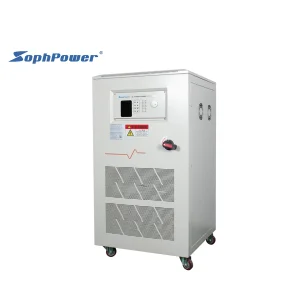
Factory Supply AC Power Source 30kva 60hz /50hz Frequency Converter
View Product Specs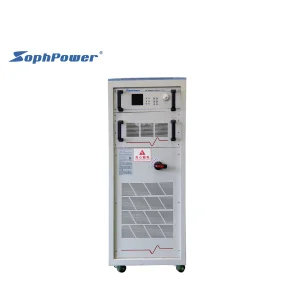
1500v 20a high voltage programmable dc power supply
View Product Specs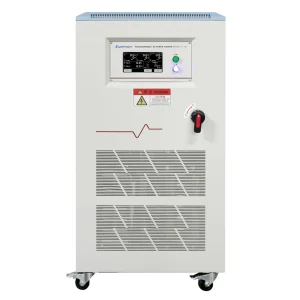
Three Phase 60kVA Programmable AC Power Supply 45Hz-400Hz Variable Frequency Converter
View Product Specs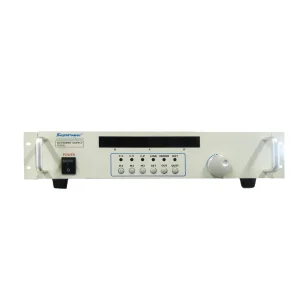
Factory price 60v 50a laboratory dc power supply adjustable
View Product Specs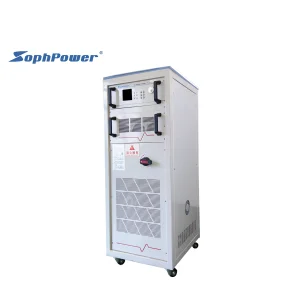
600v 50a laboratory dc switching power supply
View Product Specs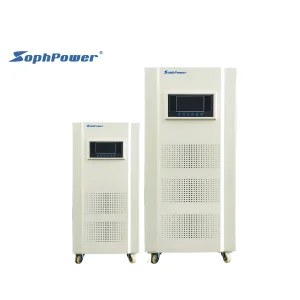
Top quality 1000kVA AC automatic voltage regulator stabilizer
View Product Specs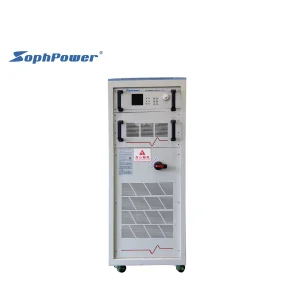
80kw 2000a laboratory dc regulated power supply
View Product Specs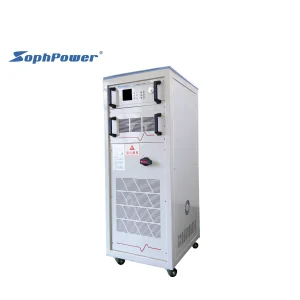
600v 100a laboratory dc adjustable power supply
View Product SpecsDecoding Programmable Linear AC Power Sources
Unlike switching topologies that utilize high-frequency Pulse Width Modulation (PWM) to step down voltage, programmable linear AC power sources behave as high-fidelity instrument-grade power amplifiers. Driven by a clean, internal variable signal generator, these systems amplify alternating current using linear semiconductor arrays, eliminating the typical EMI and switching ripple associated with converter circuits.
By utilizing a linear topology, these systems deliver an extremely low Total Harmonic Distortion (THD < 0.3%) and exceptionally fast transient response times (often < 100 microseconds). This makes them indispensable for validating aerospace avionics operating at 400Hz, medical imaging systems vulnerable to RF noise, and high-precision EMC compliance laboratories.
Comparative Analysis: Linear vs. Switching Topologies
For systems integrators and test managers, matching the power source to the test requirements is crucial. Below is an engineering overview comparing the core functional characteristics of both systems:
| Specification Parameter | Linear Architecture | Switching Architecture |
|---|---|---|
| Output Noise & Ripple | Ultra-low (no switching noise) | High (ripple present at switching frequency) |
| Harmonic Distortion (THD) | Exceedingly low (<0.3% typical) | Moderate (typically 1.0% to 3.0%) |
| Dynamic Transient Response | <100 microseconds | 1 millisecond to 5 milliseconds |
| Electromagnetic Immunity | Inherent low EMI signature | Requires complex filter topologies |
| Structural Efficiency | Lower (generates thermal heat) | High (up to 92% efficiency) |
About Shenzhen Sophpower Electronics Co., Ltd.
A trusted global supplier specializing in the engineering, assembly, calibration, and delivery of advanced test power supplies.
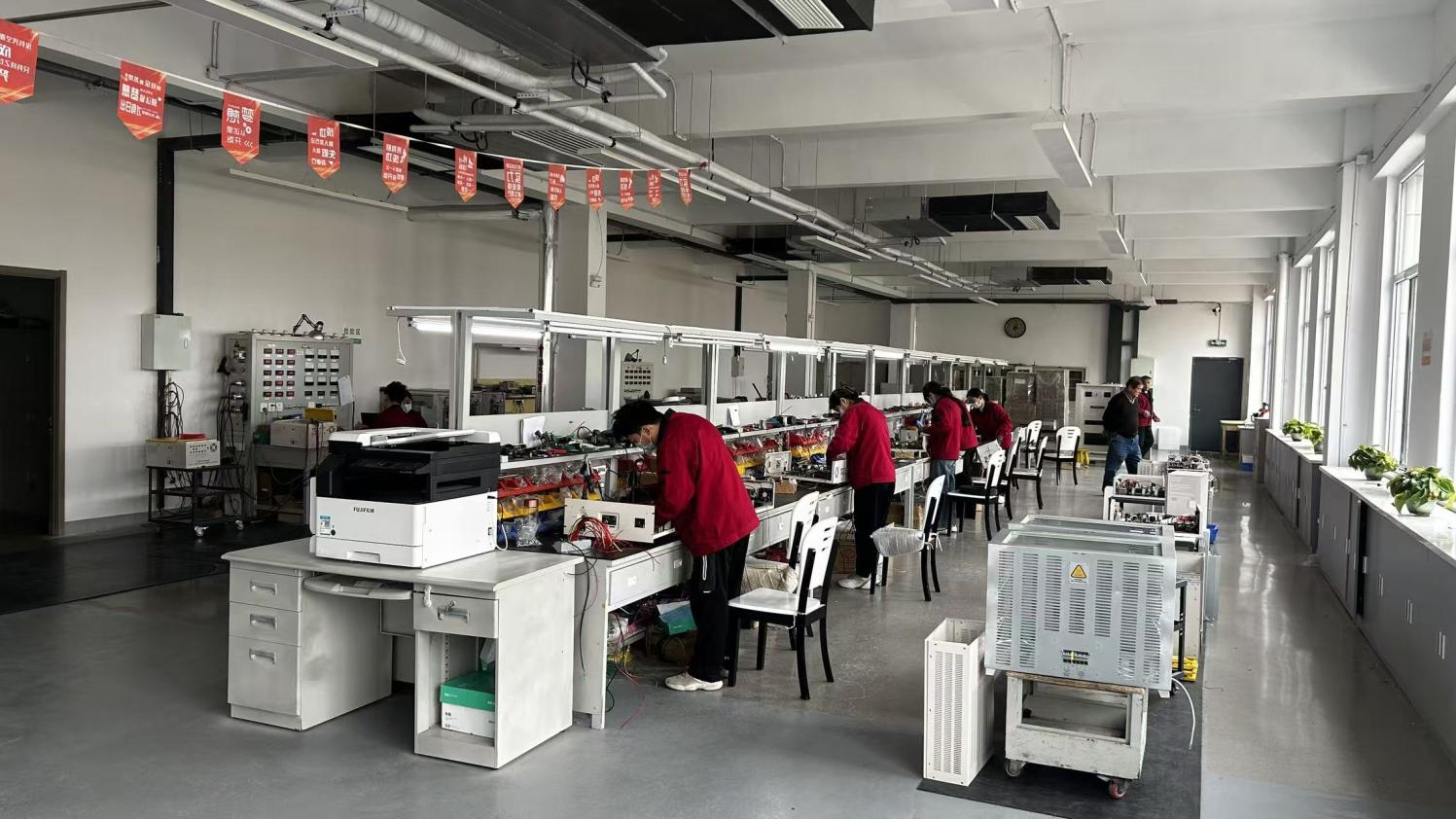
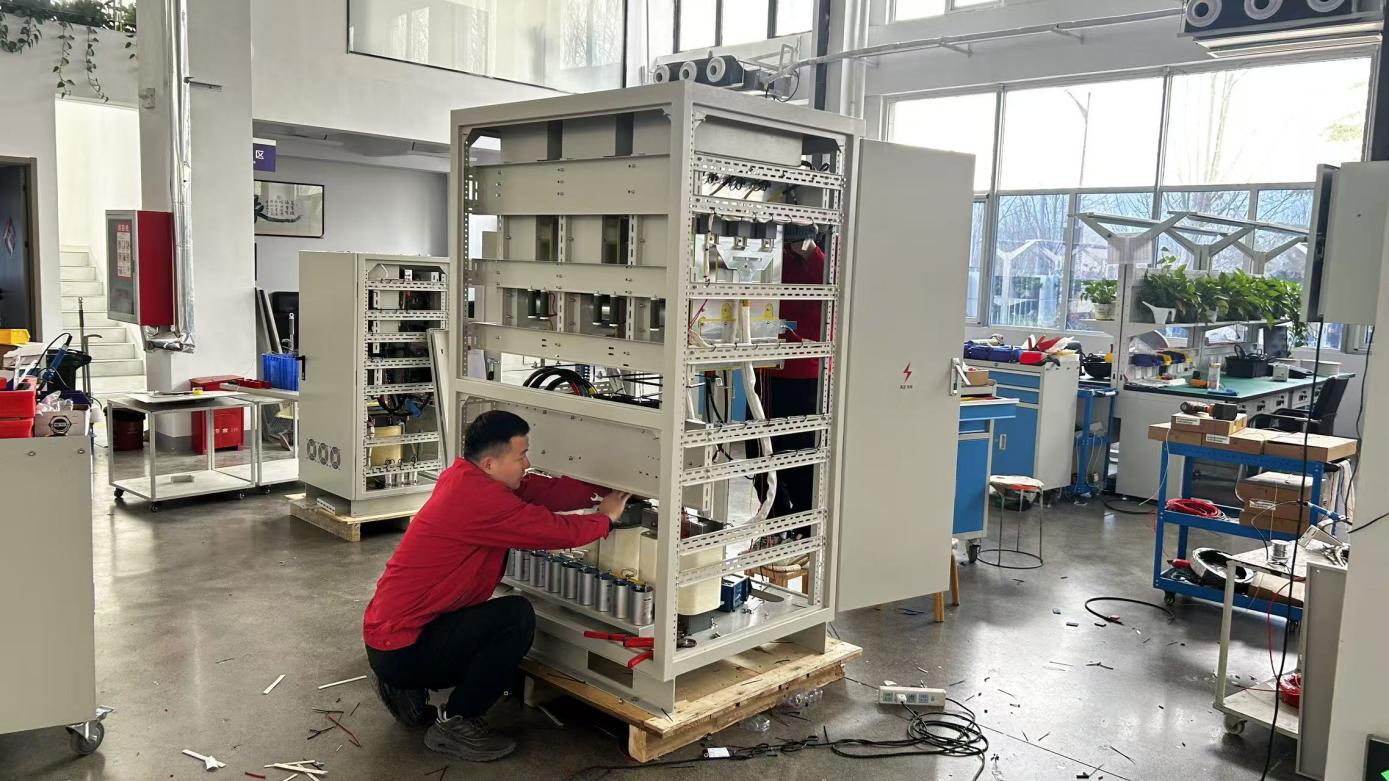
Established in 2006 in Shenzhen, China, Shenzhen Sophpower Electronics Co., Ltd. is a recognized High-Tech Enterprise dedicated to sustainable growth and R&D. With an engineering-first culture, Sophpower's technical team has decades of collective experience in power testing topologies. Our comprehensive catalog spans AC Power Sources, Linear AC Power Sources, Bidirectional AC/DC Power Sources, Adjustable Lab DC Power Supplies, Voltage Regulators, and customized UPS solutions tailored for challenging operating requirements.
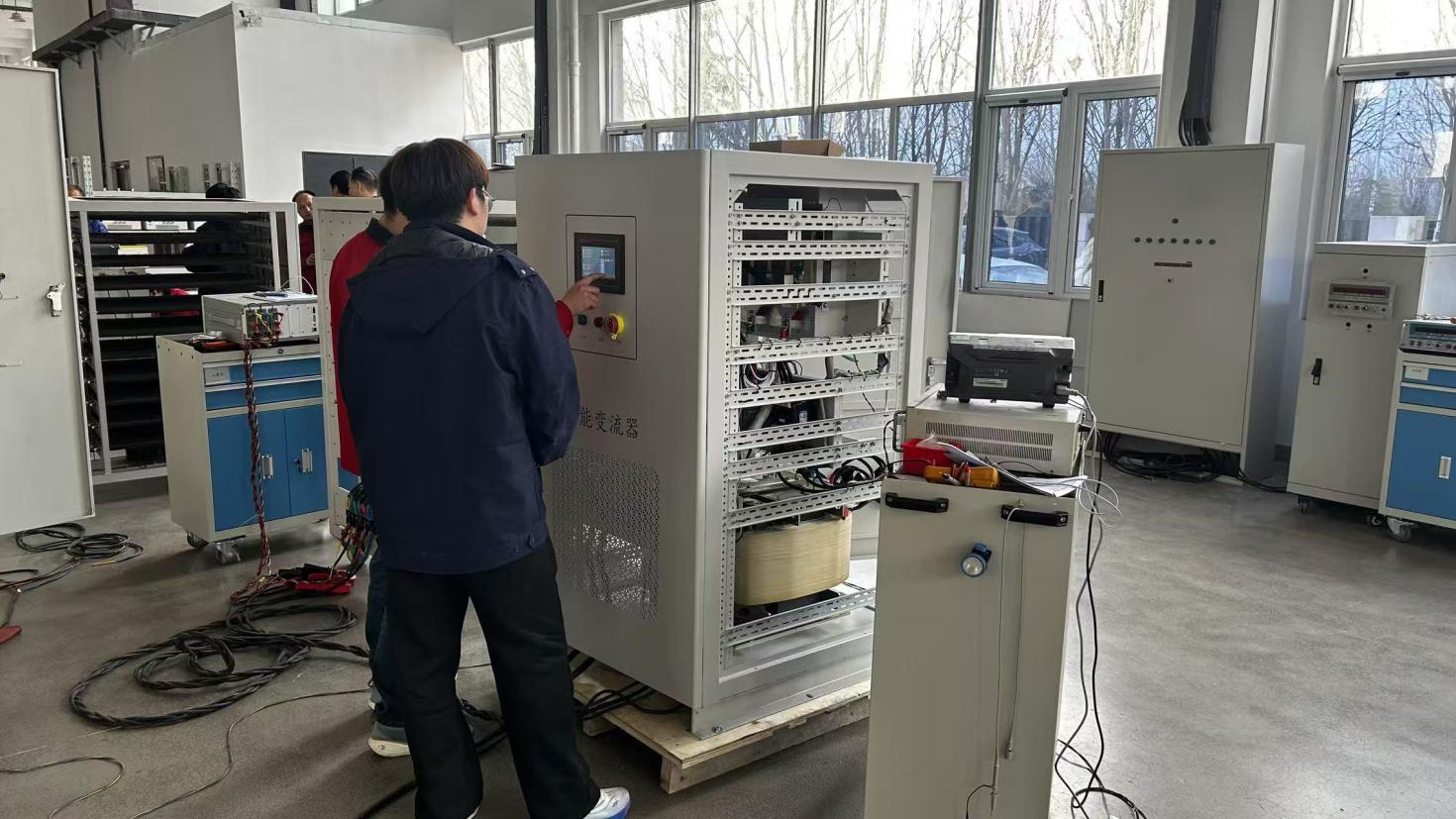
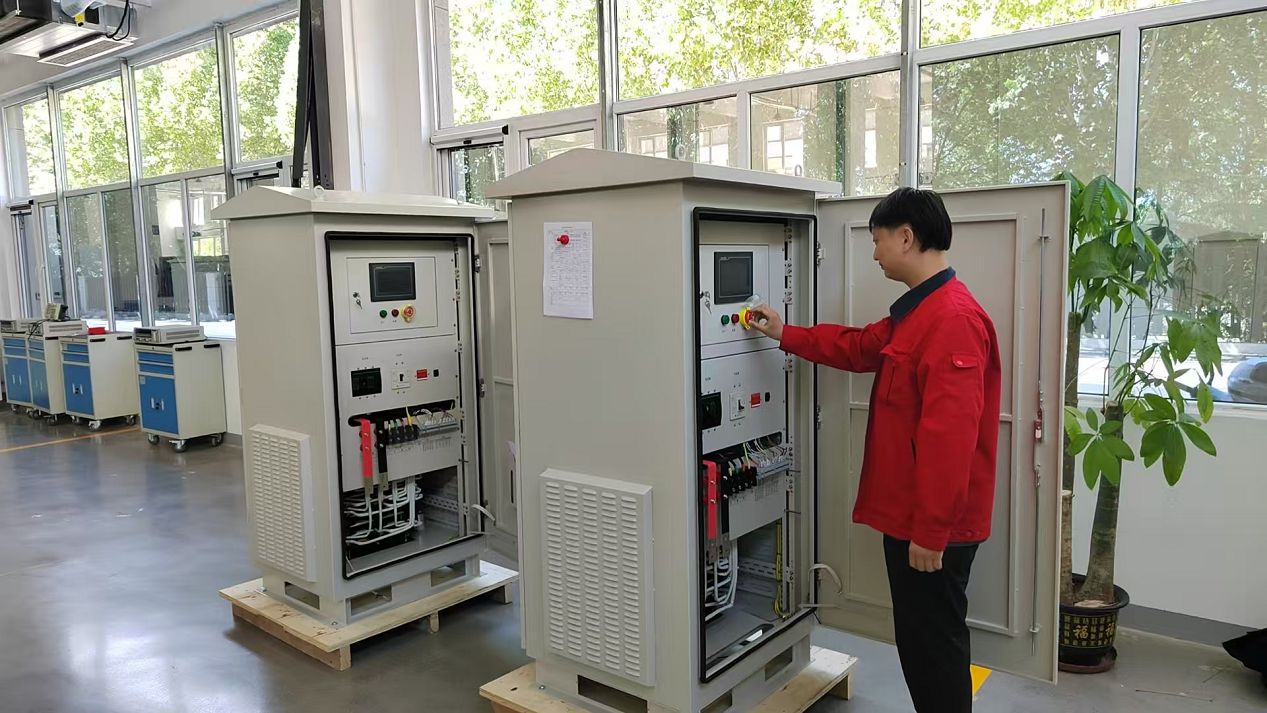
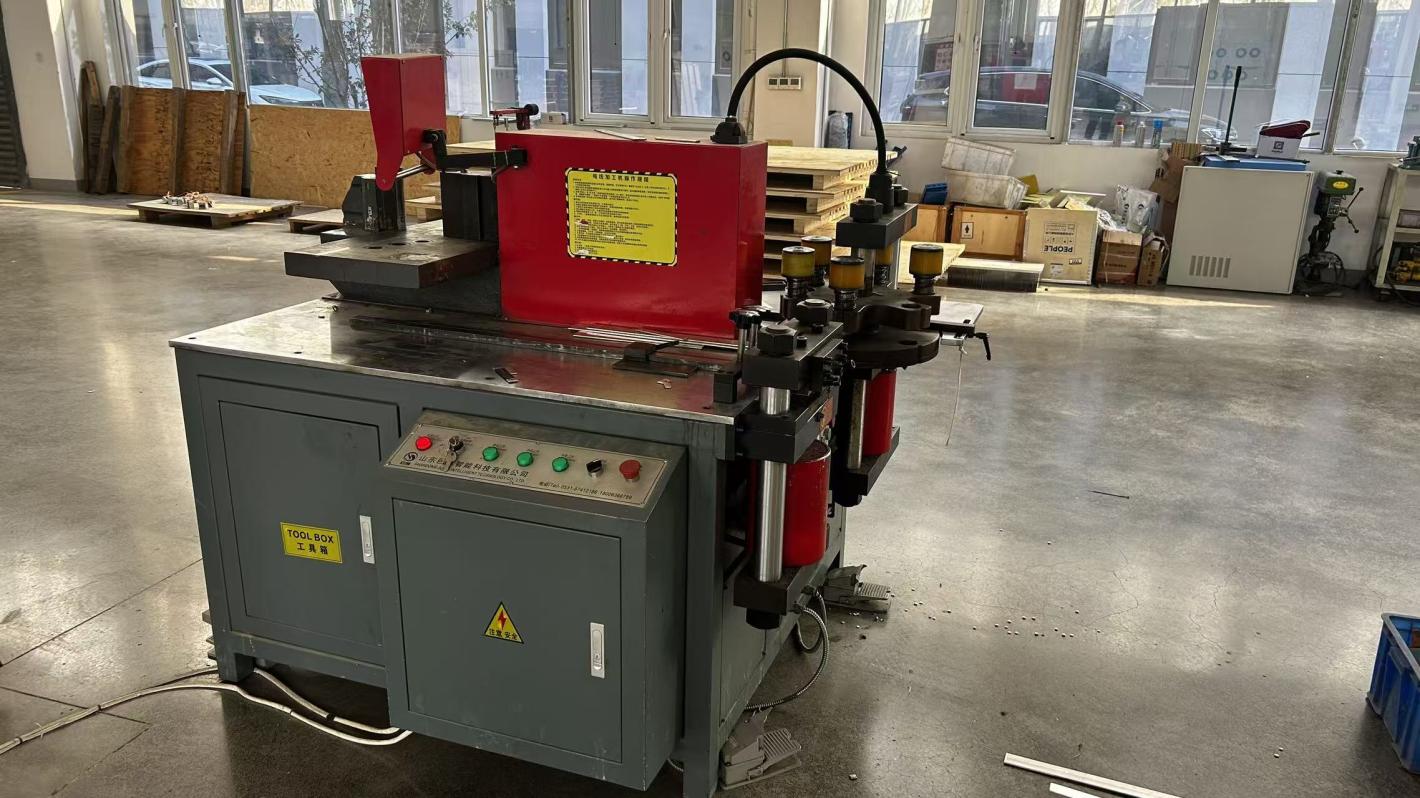
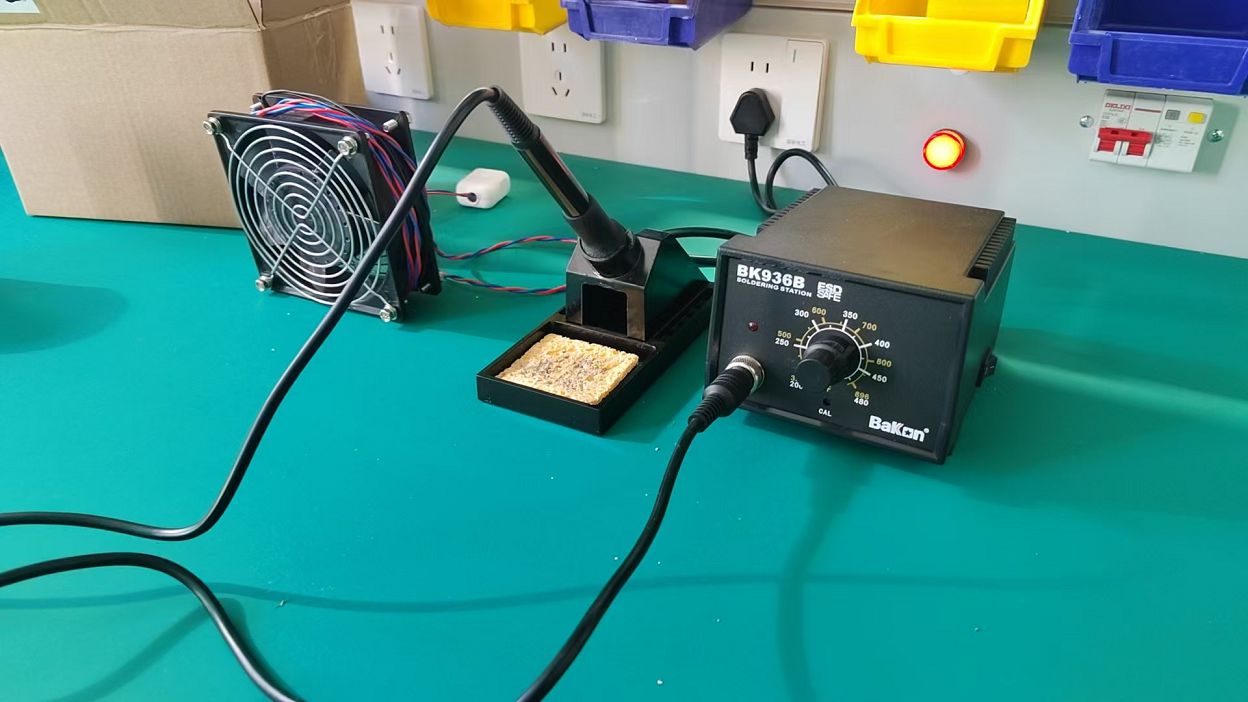
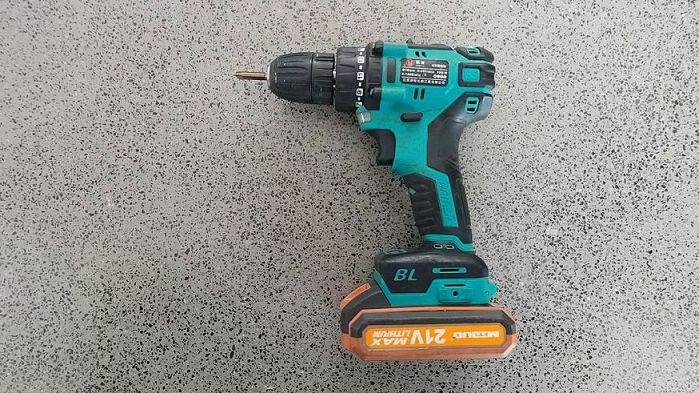
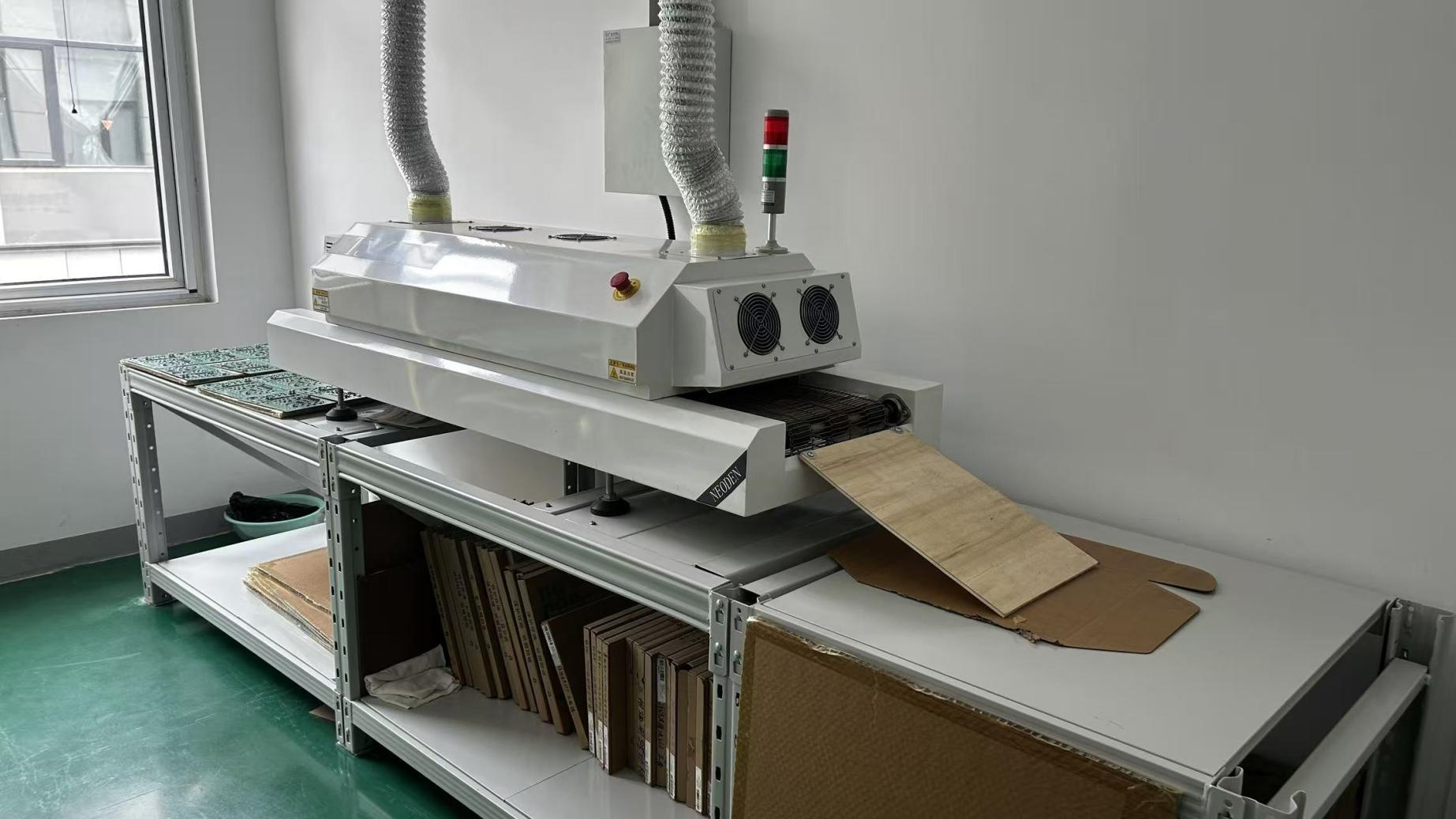
In-House Manufacturing Processes & Quality Control
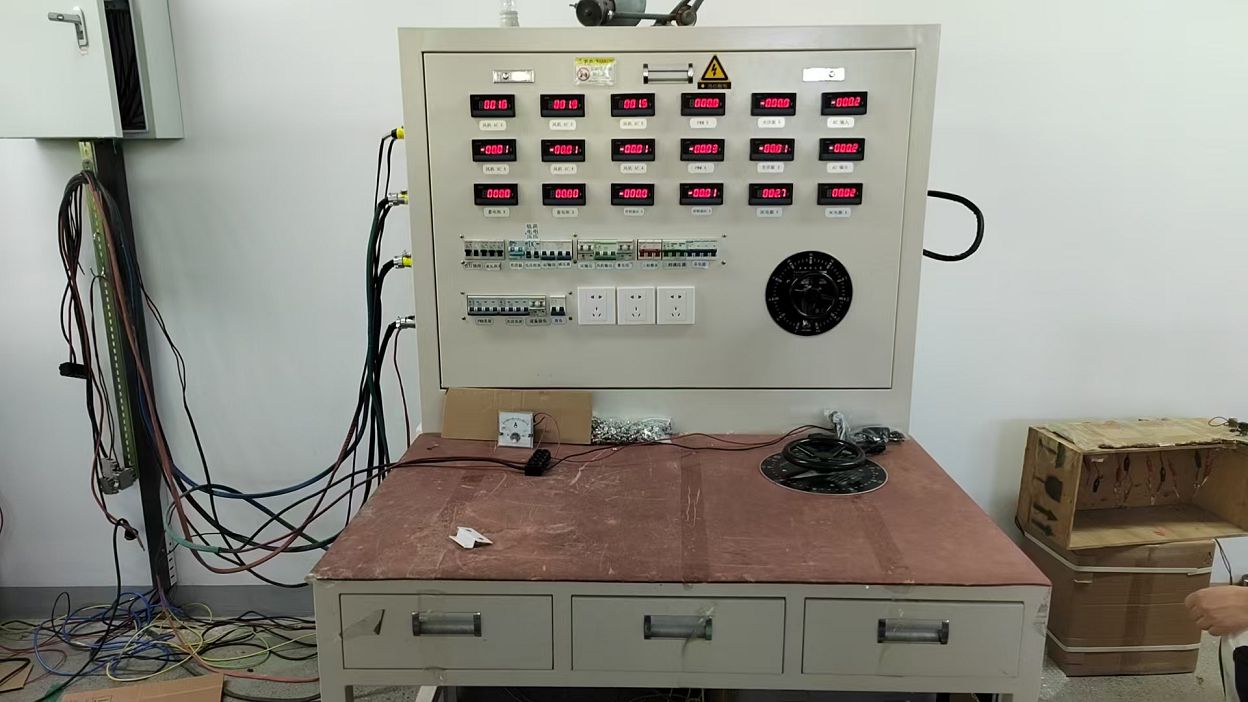
Advanced Metrology & Diagnostic Instruments
How we guarantee low THD, ultra-tight line regulation, and robust insulation. Every power system undergoes exhaustive characterization using industry-standard diagnostic tools.
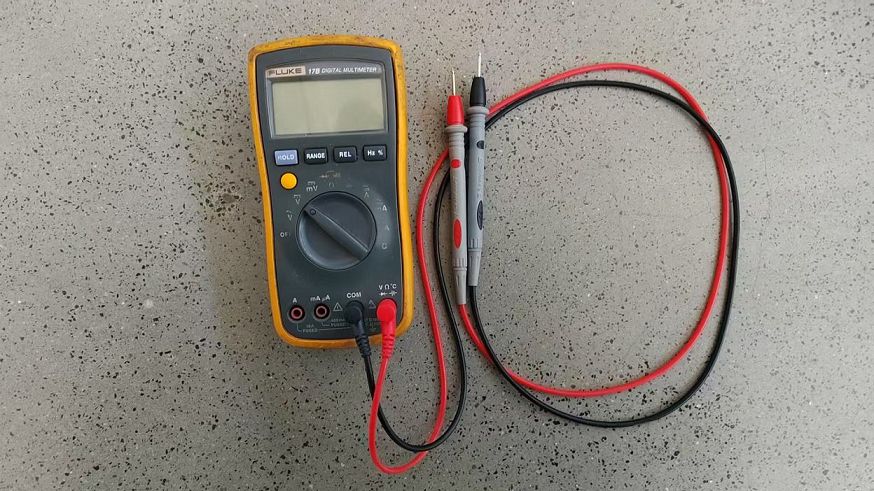 Multimeter
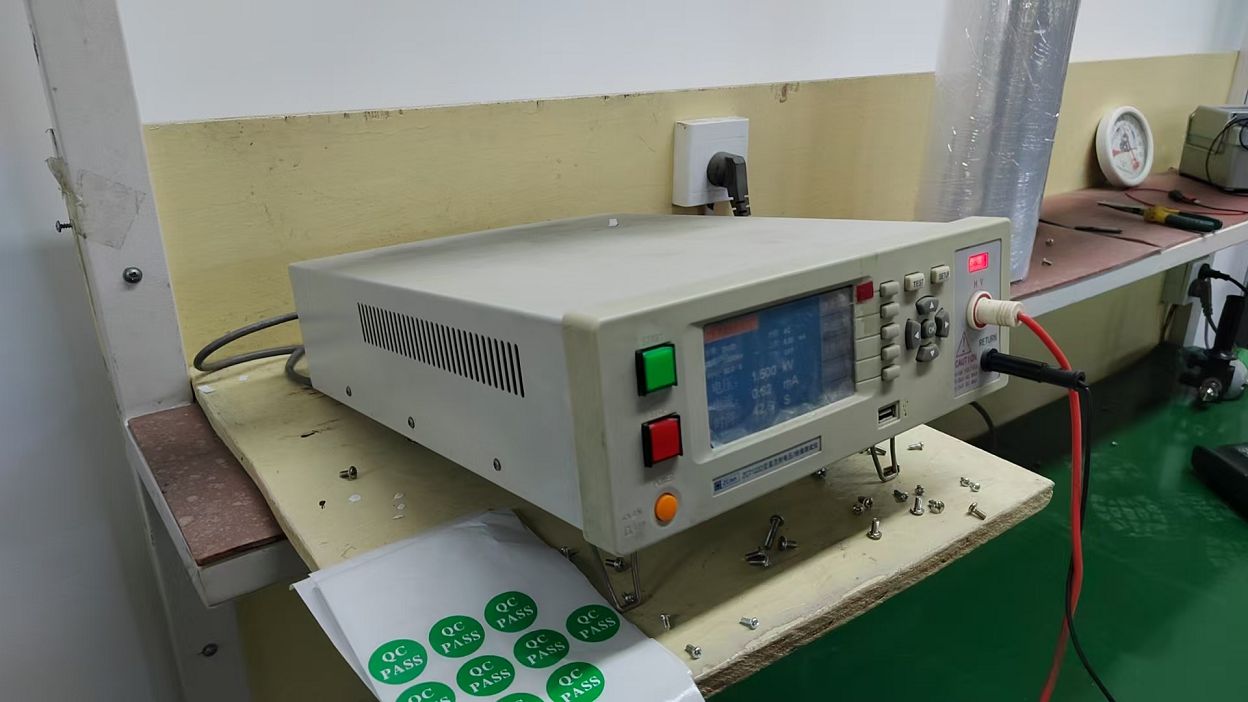 LCR AutoTester
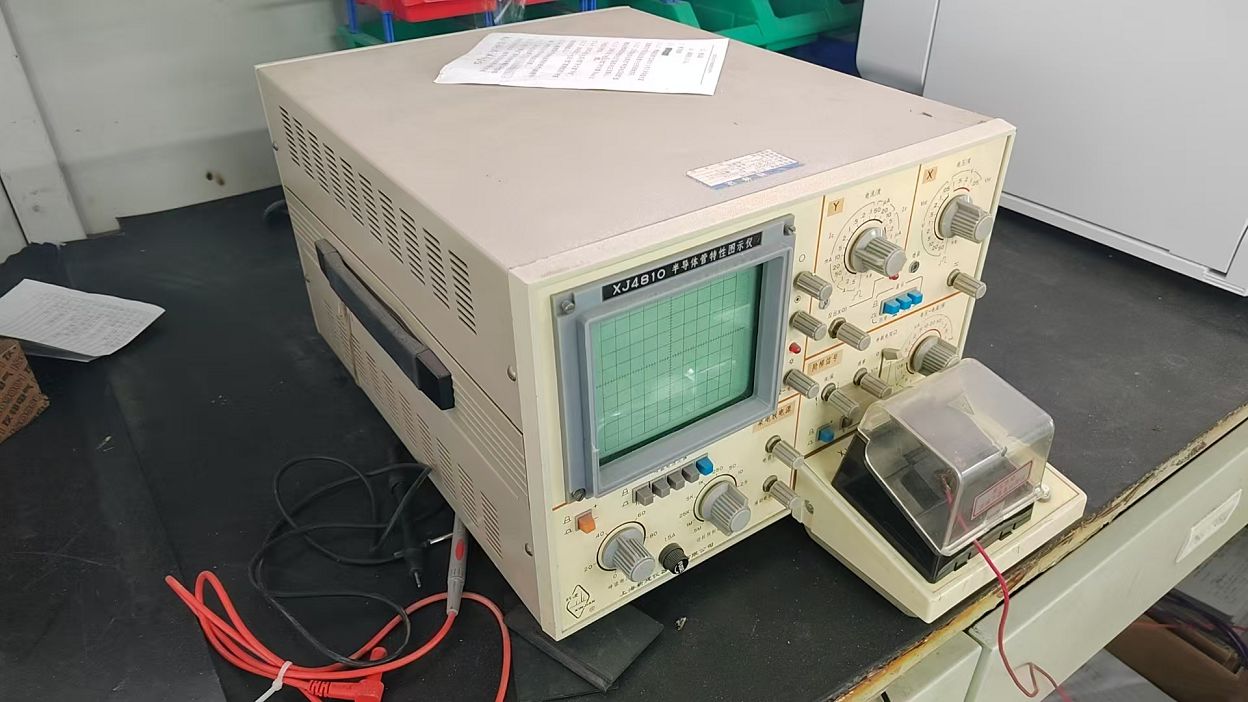 Semiconductor Plotter
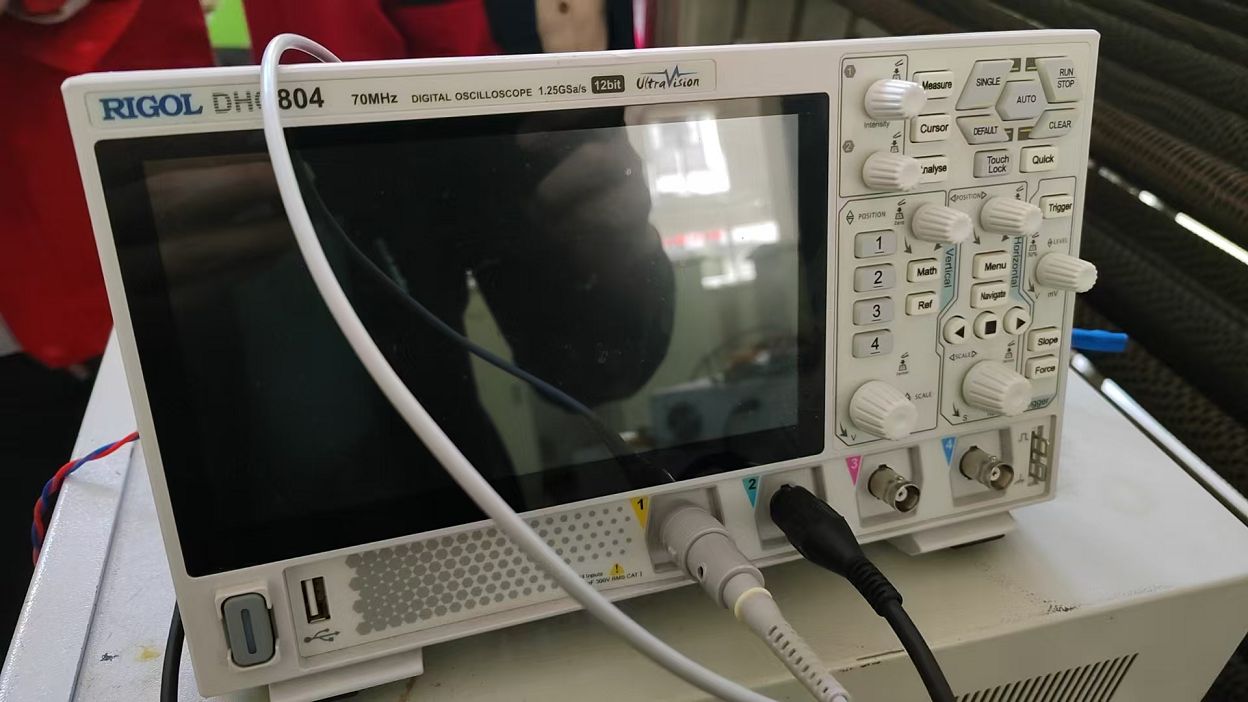
 Digital Oscilloscope
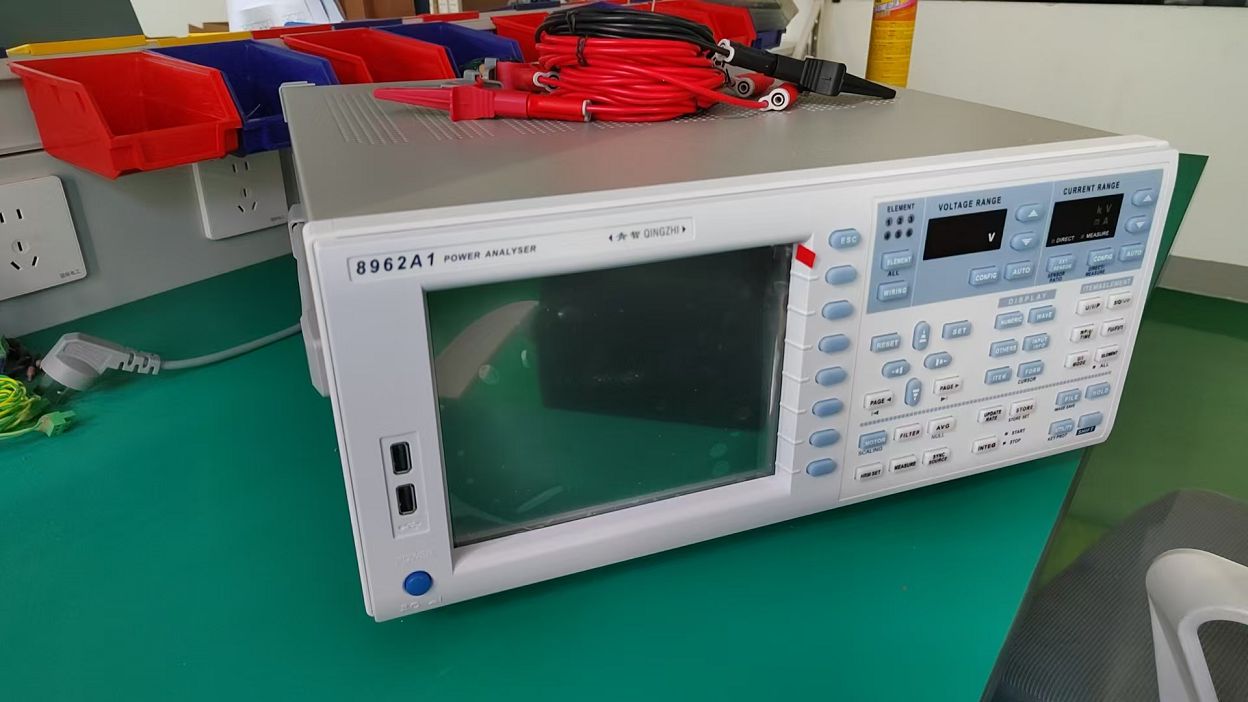
 Power Quality Analyzer
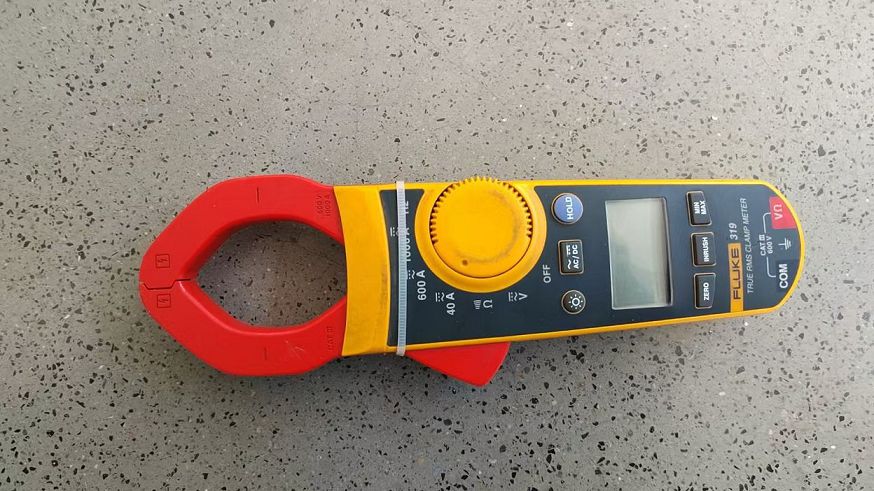 Clamp Current Meter
 Drawing Design
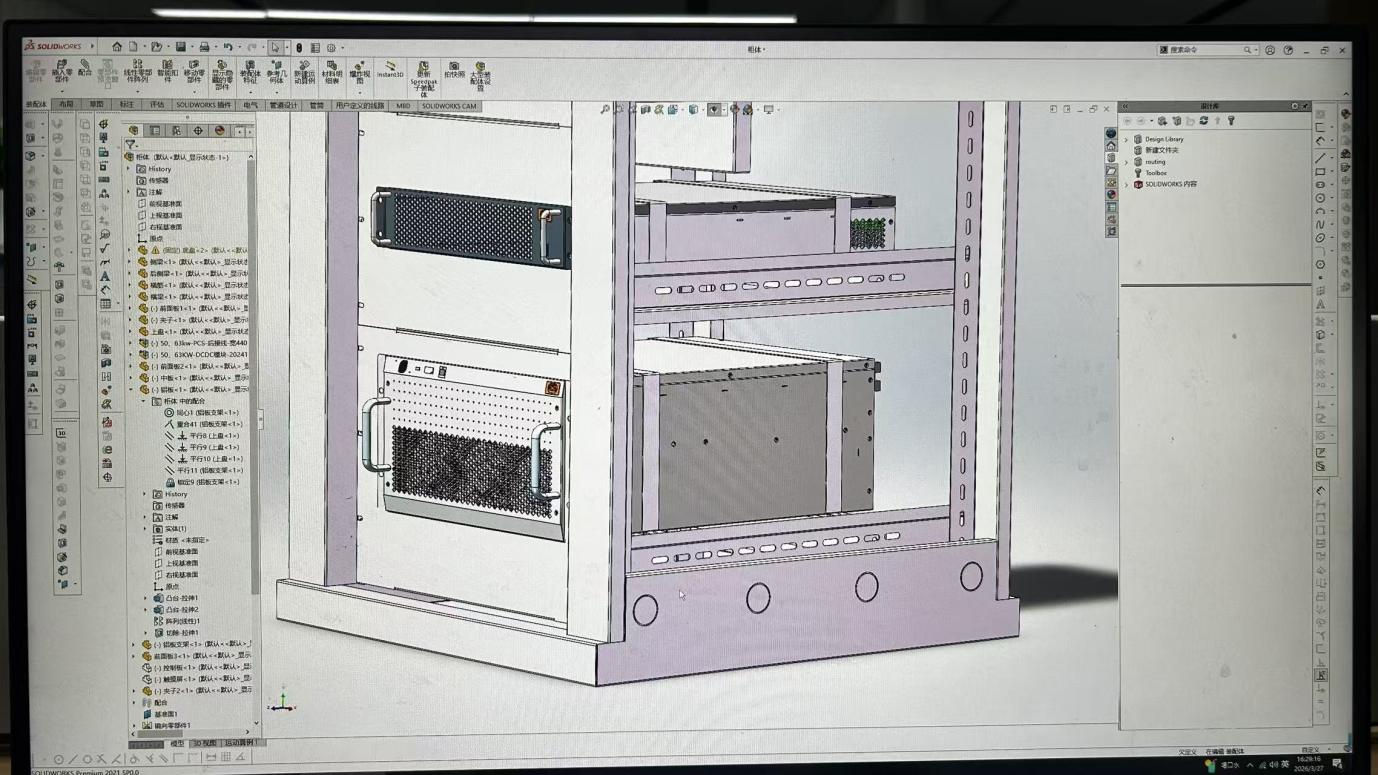 Computer ATE Control
China Factory Advantages in Power Electronics Manufacturing
Why procurement teams and engineering lead designers specify Shenzhen factories for advanced linear power supply topology execution.
Supply Chain Cluster Integration
Shenzhen represents the global epicenter of electronic engineering. We procure custom magnetics, rapid-turn PCB assemblies, high-power silicon transistors, and copper bussing locally. This geographic consolidation translates directly into shorter lead times, lower raw component costs, and faster prototyping iterations.
Advanced Customization Engineering
Our engineering team specializes in tailoring topologies to fit non-standard requirements. From specialized output frequencies (up to 1000Hz) to unique chassis designs, integrated software communication stacks (SCPI, LabVIEW drivers), and high-voltage configurations, we construct systems to fit specific industrial use cases.
Rigorous Compliance & Verification
Sophpower maintains strict compliance controls. By verifying our systems with state-of-the-art power quality analyzers, high-speed digital oscilloscopes, and automated LCR testers, we ensure every programmable power supply conforms to CE international quality and safety benchmarks before dispatch.
Global Enterprise Requirements & Macro Industry Solutions
Addressing the complex technical criteria that procurement managers and validation engineers prioritize when selecting high-power test sources.
Aerospace and Defense Grid Emulation
Avionic subassemblies require verification against variable frequency fluctuations, ranging from nominal 400Hz frequencies up to 800Hz for newer electrical systems. A linear programmable AC source offers the low phase noise, stable voltage outputs, and dynamic step response needed for DO-160 testing protocols.
Consumer Appliance & Global Grid Compliance
For international market distribution, appliances must be tested under variable grid realities. Our programmable linear AC power sources simulate global grid voltages (110V, 220V, 240V) and frequencies (50Hz, 60Hz), allowing engineers to analyze current draws, power factors, and susceptibility to grid anomalies.
Automated Test Equipment (ATE) Rack Integration
Modern production facilities demand remote monitoring and control capability. Sophpower AC and DC sources offer modern analog and digital control loops (IEEE-488/GPIB, RS232, USB, Ethernet, Modbus). This allows seamless integration into test racks, helping plants automate QA runs and record testing logs.
Macro Industry Trends Shaping Power Electronics
How technical advancements in electric vehicles, microgrids, and green energy generation drive the development of power testing instruments.
1. Rise of Bidirectional Power Topologies
With solar inverters, battery storage systems, and electric vehicles (EV) utilizing vehicle-to-grid (V2G) tech, the test instrumentation industry is moving toward bidirectional power systems. These function as both a source (delivering power) and a sink (absorbing and regenerating power back to the AC grid), helping laboratories reduce heat generation and electrical overhead by up to 90% during stress tests.
2. Wide Bandgap (WBG) Semiconductors Integration
The incorporation of Silicon Carbide (SiC) and Gallium Nitride (GaN) devices is changing switching and power stage design. For switching power supplies, WBG tech yields higher efficiency and density. In linear amplifiers, it translates into higher thermal stability, wider frequency ranges, and reduced foot-print profiles, narrowing the physical divide between linear and switching layouts.
3. Automated Grid Impedance & Fault Simulation
Grid integration standards demand that distributed energy resources (DERs) remain connected during transient grid anomalies. Modern programmable AC sources must feature advanced arbitrary waveform generation to simulate complex dropouts, phase jumps, inter-harmonics, and low voltage ride-through (LVRT) scenarios dynamically.
Frequently Asked Questions (FAQ)
Expert answers addressing the practical technical challenges and product characteristics of programmable linear AC and DC power supplies.
Q1: Why should I select a Linear AC Power Source instead of a Switching AC Power Source?
A: Choose a linear power source when your Device Under Test (DUT) is highly sensitive to electromagnetic interference (EMI) or high-frequency switching noise, such as in radio-frequency communication, high-fidelity audio equipment, or sensitive analog medical sensors. Linear topologies offer extremely low output noise, a clean sine wave with low Total Harmonic Distortion (THD < 0.3%), and fast transient response times.
Q2: Does Sophpower provide customization options for voltage and frequency ranges?
A: Yes. As a high-tech engineering enterprise, we customize test power supplies according to our customers' precise requirements. This includes configuring wide-range output frequencies (e.g., 45Hz to 1000Hz for aerospace), tailoring peak voltages (up to 1500V DC or high-voltage multi-phase AC), adjusting chassis sizes, and adding specific communications protocols.
Q3: How does Sophpower ensure the quality and stability of its power sources?
A: Every instrument we build undergoes a rigorous, multi-stage quality control process. We assemble PCBs and inspect them using advanced diagnostics, including semiconductor characteristic plotters, power quality analyzers, LCR autotesters, and digital oscilloscopes. We run stress tests on all units at high load configurations to verify long-term stability and safety compliance.
Q4: Can these programmable power supplies integrate into automated software test environments?
A: Absolutely. Our programmable power systems feature industry-standard remote control interfaces (RS232, USB, GPIB/IEEE-488, and Ethernet LAN). They support SCPI command sets and integrate with software like LabVIEW or custom MATLAB test routines, allowing you to configure test parameters, run automated sweeps, and capture data easily.
Q5: What is the transient recovery time of your programmable power sources?
A: Our linear AC power sources typically achieve a transient recovery time of under 100 microseconds following a step change in load from 10% to 90%. This performance is essential for testing devices that exhibit highly dynamic impedance shifts or high inrush currents, preventing voltage sag from skewing test results.
Comprehensive Catalog: High-Power & High-Voltage Models
Complete your testing environment setup with our selection of variable, adjustable, and multi-phase laboratory grade power supplies.
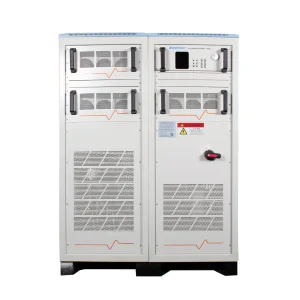
50kw 500v 100a Variable Dc Regulated Power Supply
View Product Specs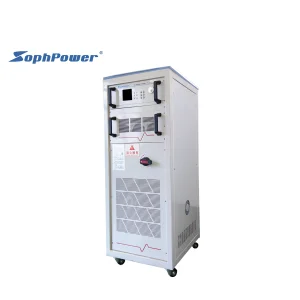
300v 200a ac to dc converter power supply
View Product Specs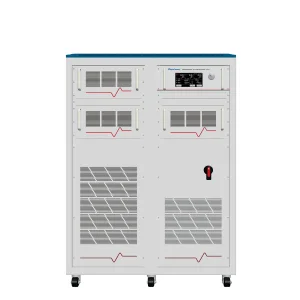
Three Phase 120kVA Programmable AC Power Supply 45Hz-400Hz Variable Frequency AC Power Source
View Product Specs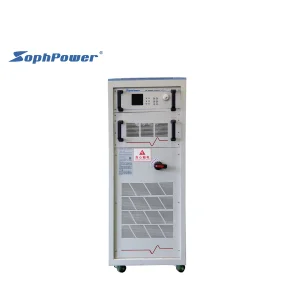
300v 50kw programmable dc adjustable power supply
View Product Specs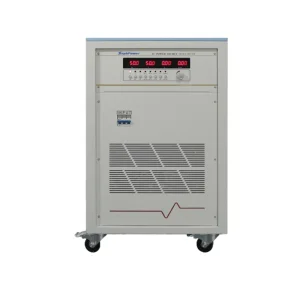
Single Phase 15kVA AC Power Source Ac Variable Frequency Converter AC Power Supply
View Product Specs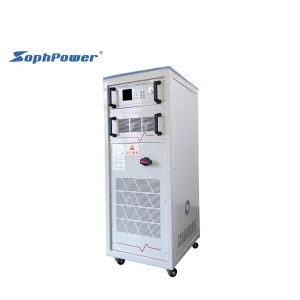
600v 50a adjustable dc regulated power supply
View Product Specs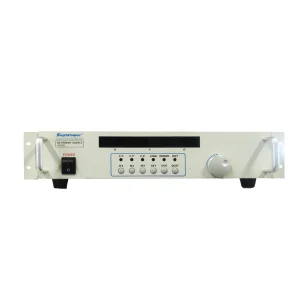
300v 40 amps programmable dc regulated power supply
View Product Specs