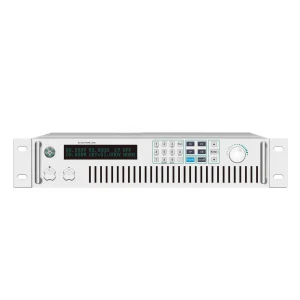
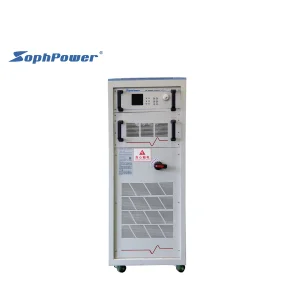
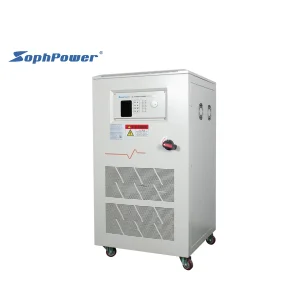
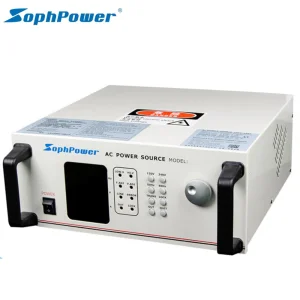
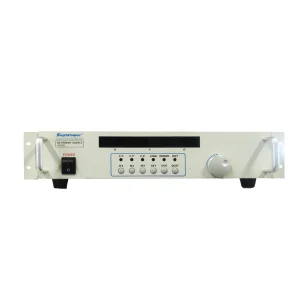
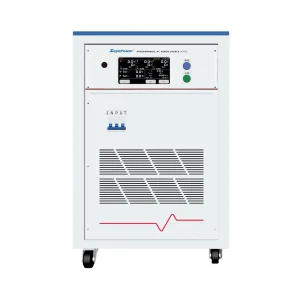
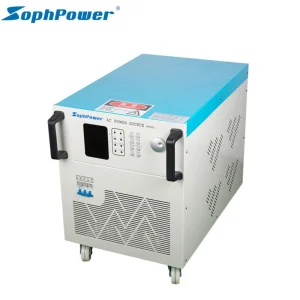
Primary Single-Phase AC Sources & Converters
Engineered for high performance, structural robustness, and compliance with stringent industrial testing environments.
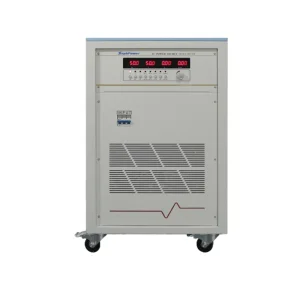
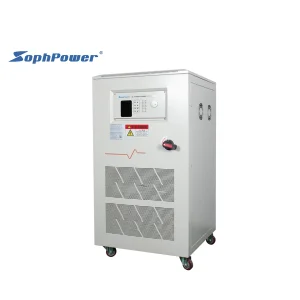
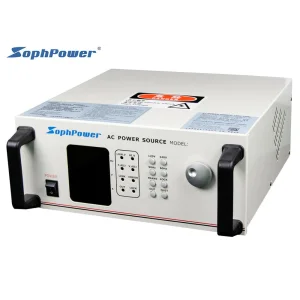
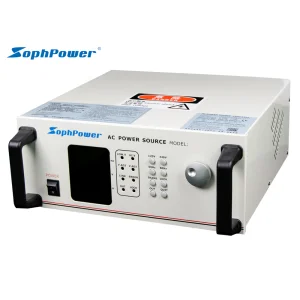
Technical Whitepaper: Deploying High-Reliability Single-Phase AC Sources
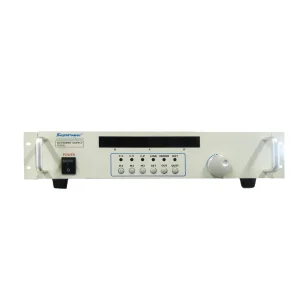
In modern power electronics design, testing, and production verification, precision AC output power simulation is the backbone of hardware reliability. Modern power grids are increasingly complex, characterized by voltage drops, harmonic pollution, frequency variations, and transient events. An adjustable, high-stability AC Power Source with single-phase output serves as an essential laboratory and line instrument, shielding equipment under test (EUT) from local line anomalies while exposing them to programmed worst-case supply scenarios.
Key Circuit Architectures: Linear vs. Switching Topologies
When specifying single-phase AC supplies, the fundamental design topology dictates performance boundaries:
- Linear Power Sources: Utilizing analog amplification circuitry to produce output voltages, linear structures deliver extremely low Total Harmonic Distortion (THD < 0.1%) and ultra-fast dynamic response times (< 20μs). They are optimal for highly sensitive RF systems, medical measurement equipment, and compliance labs where high-frequency switching noise cannot be tolerated. However, they feature lower overall efficiency (~40-50%) and require massive heat dissipation systems.
- Switching (PWM) Power Sources: Operating through High-Frequency Pulse Width Modulation (commonly with switching frequencies between 20kHz and 150kHz), switching AC power supplies achieve efficiencies exceeding 85-90%. Using advanced output filter configurations, modern PWM designs achieve exceptional wave purity (THD < 0.5%) and are significantly lighter and more compact. This makes them ideal for production-line burn-in testing, motor control applications, and bulk industrial burn-in.
| Parameters | Linear Architecture | Switching (PWM) Architecture |
|---|---|---|
| Efficiency | 40% - 50% | 85% - 92% |
| Total Harmonic Distortion (THD) | < 0.1% to 0.3% | < 0.5% to 1.0% |
| Response Time | < 20 μs | < 2 ms |
| Weight & Volume | Large, heavy (copper transformers) | Compact, high power density |
Technical Roadmap & Future Outlook
As power conversion systems evolve to support higher energy densities and stricter emission regulations, next-generation single-phase AC sources are undergoing rapid technological shifts:
Wide-Bandgap (SiC & GaN) Integration
By transitioning from traditional Silicon IGBTs to Silicon Carbide (SiC) and Gallium Nitride (GaN) switching components, Sophpower AC supplies achieve higher switching frequencies. This drastically reduces filter component footprints, lowers EMI signature, and increases transient output stability.
Bidirectional Energy Regeneration
Next-generation electronic AC sources are no longer just sources; they act as sinks. Bidirectional energy flow allows the power source to absorb energy from regenerative loads (such as solar inverters and grid-tied motor drives) and feed it back to the local utility grid with > 90% efficiency, yielding massive electricity savings in long-term testing programs.
Advanced IoT & Cloud Telemetry
Equipping units with ARM-based processors enables real-time harmonic analysis, waveform capture, and remote control over WebSockets or MQTT protocols. This allows validation engineers to execute automated testing patterns and compile compliance reports via remote cloud systems.
Macro Industry Solutions
Single-phase AC power sources provide critical infrastructure across multiple high-stakes technology sectors:
- Aerospace & Defense: Modern military and commercial avionics equipment runs on 115V AC at a frequency of 400Hz. This high frequency allows transformers and motors to be exceptionally small and light. Systems like the AFC-110 supply stable 400Hz outputs to test flight control computers, radar sub-assemblies, and cabin entertainment components under strict MIL-STD-704 standards.
- Automotive and EV Testing: The validation of single-phase On-Board Chargers (OBC) for electric vehicles requires precise emulation of global voltage standards (ranging from 100V AC in Japan to 240V AC in the UK) alongside sudden grid drops, surges, and frequency deviations. Programmable AC supplies verify the charger's PFC (Power Factor Correction) capabilities and thermal limits under varying input qualities.
- Global Appliance Certification: Export-oriented manufacturers must certify their refrigerators, air conditioning units, and industrial appliances for diverse grid patterns before shipping. Simulating grid conditions like 220V/50Hz, 110V/60Hz, or fluctuated voltage ranges ensures products operate reliably worldwide without field failures.
China Factory 4.0: Supply Chain Resilience & Manufacturing Prowess
At Sophpower’s Shenzhen manufacturing base, our infrastructure is built to guarantee rapid delivery cycles, rigid testing protocols, and complete traceabilty. Shenzhen's unmatched electronic component supply chain enables us to source premium magnetic cores, high-efficiency semiconductors, and customized chassis materials rapidly. Our internal assembly facility integrates modern Reflow Soldering Machines, dedicated workbench areas, and specialized tooling systems to maintain consistent, high-yield manufacturing output.
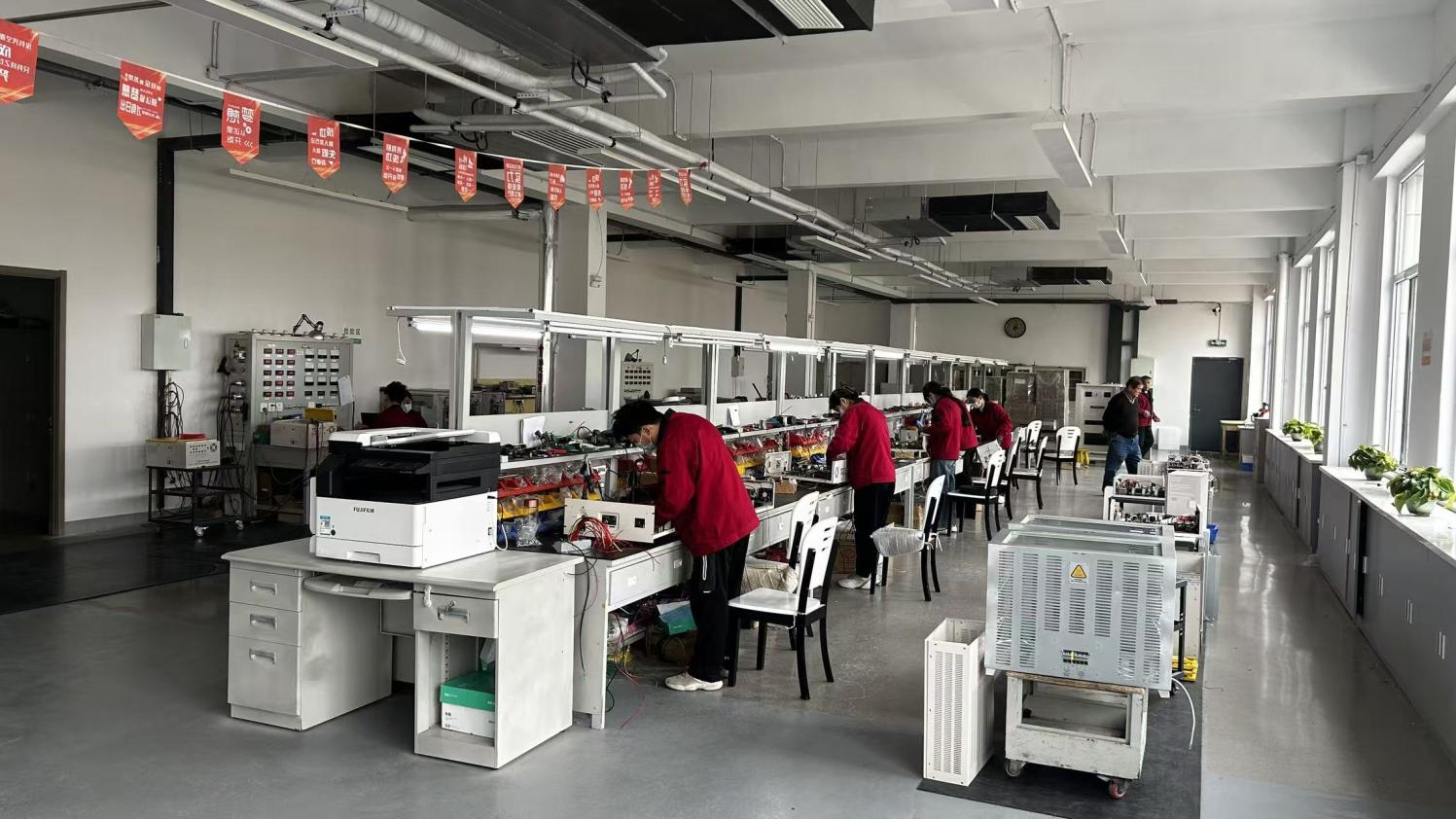 Circuit Assembly Line
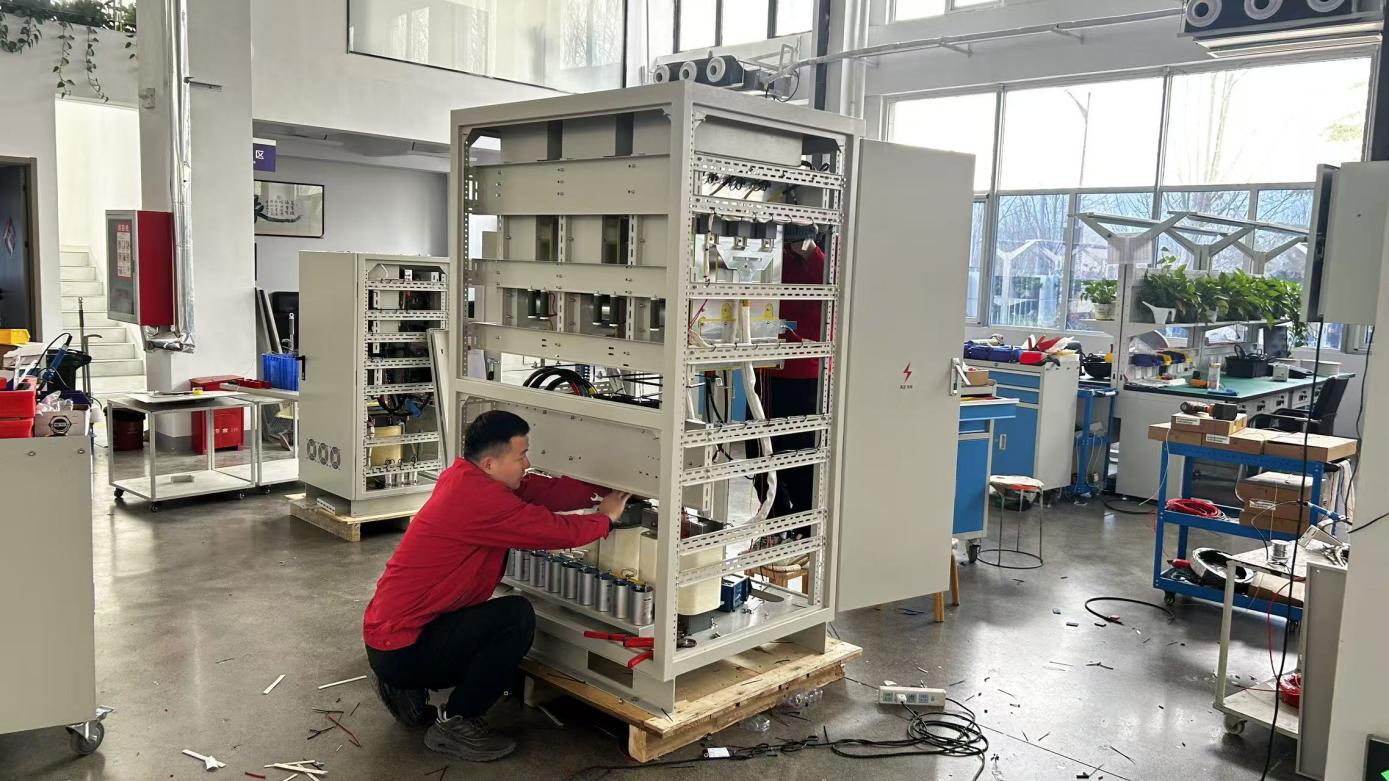 PCB Manufacturing
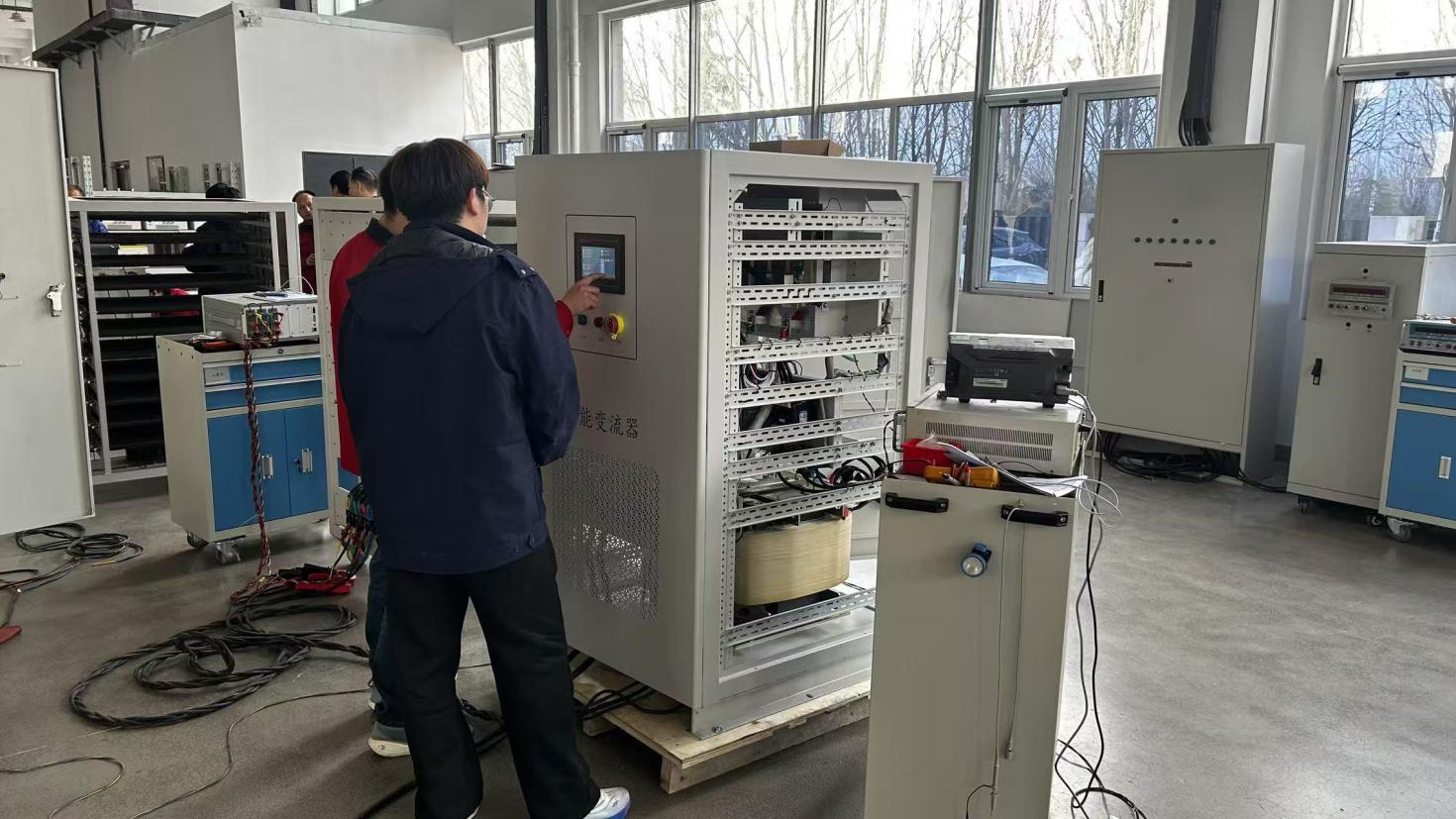 Precision Calibration
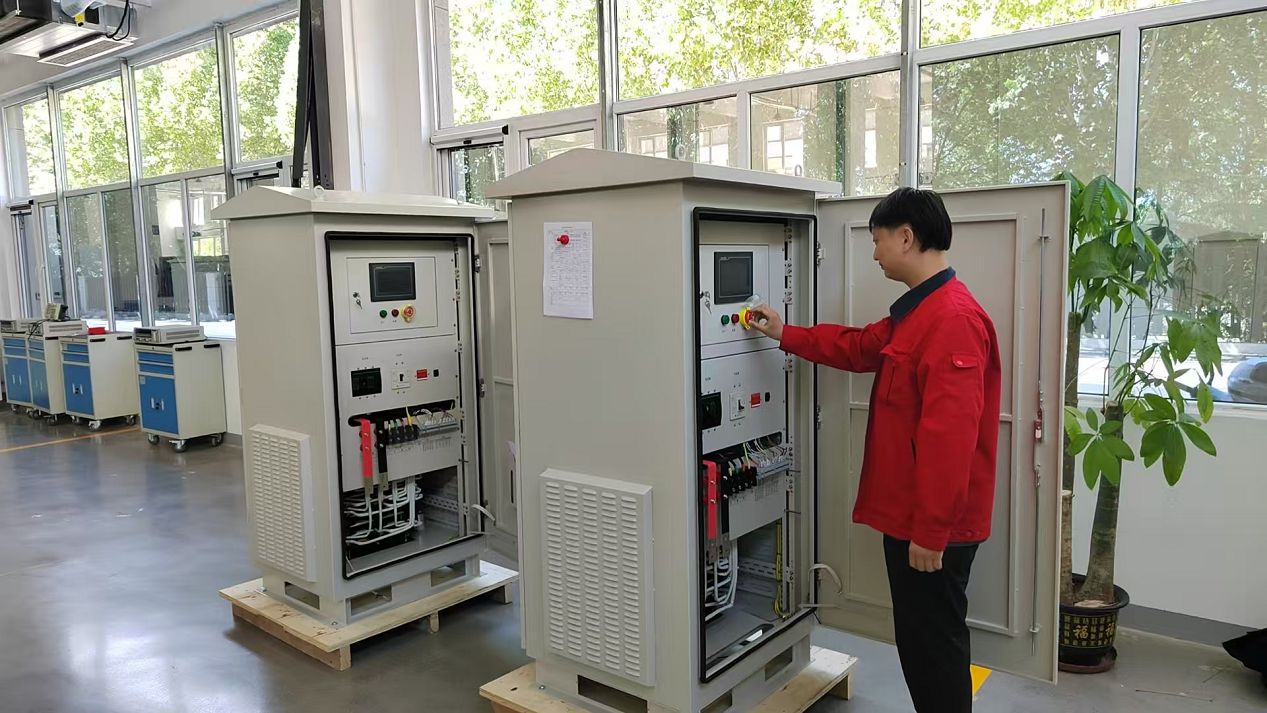 Quality Control Lab
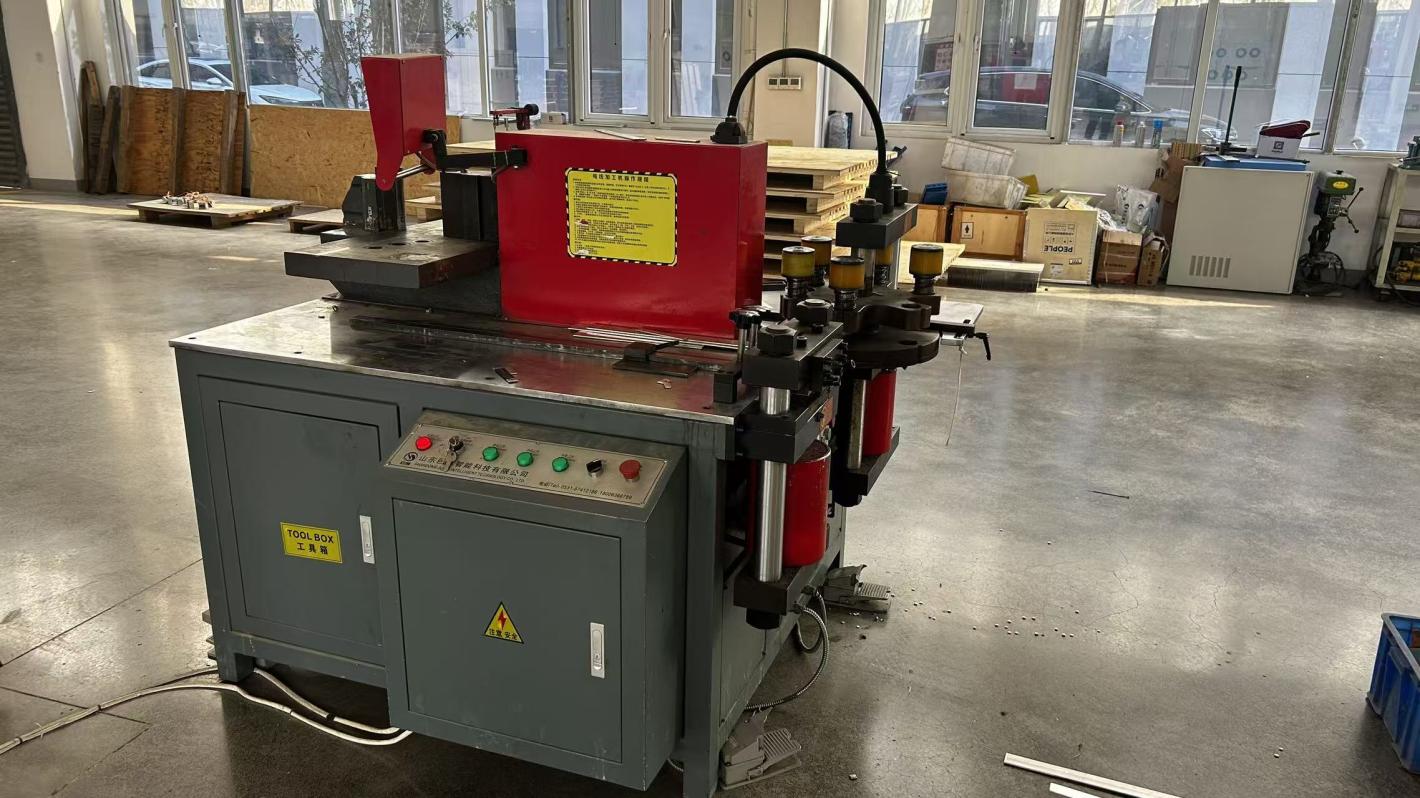 Busbar Fabrication
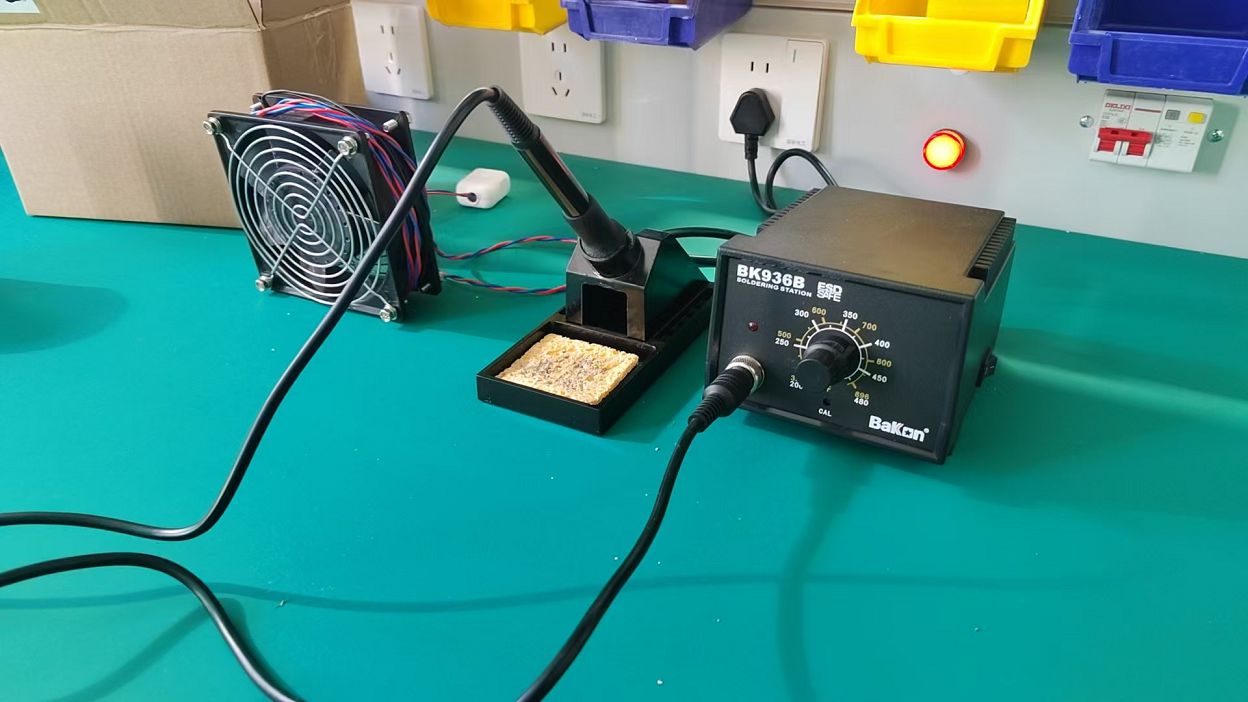 Transformer Winding
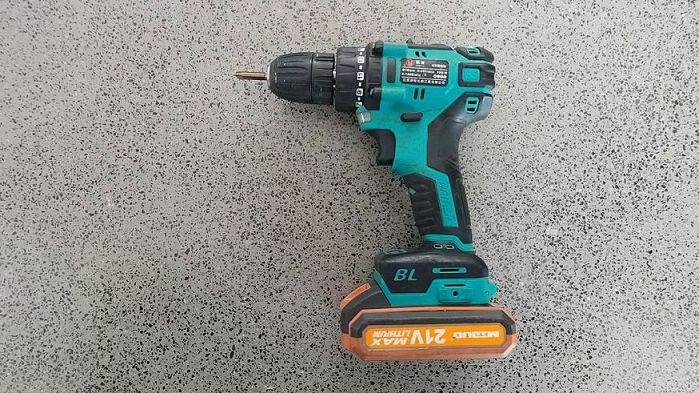 Chassis Drilling Equipment
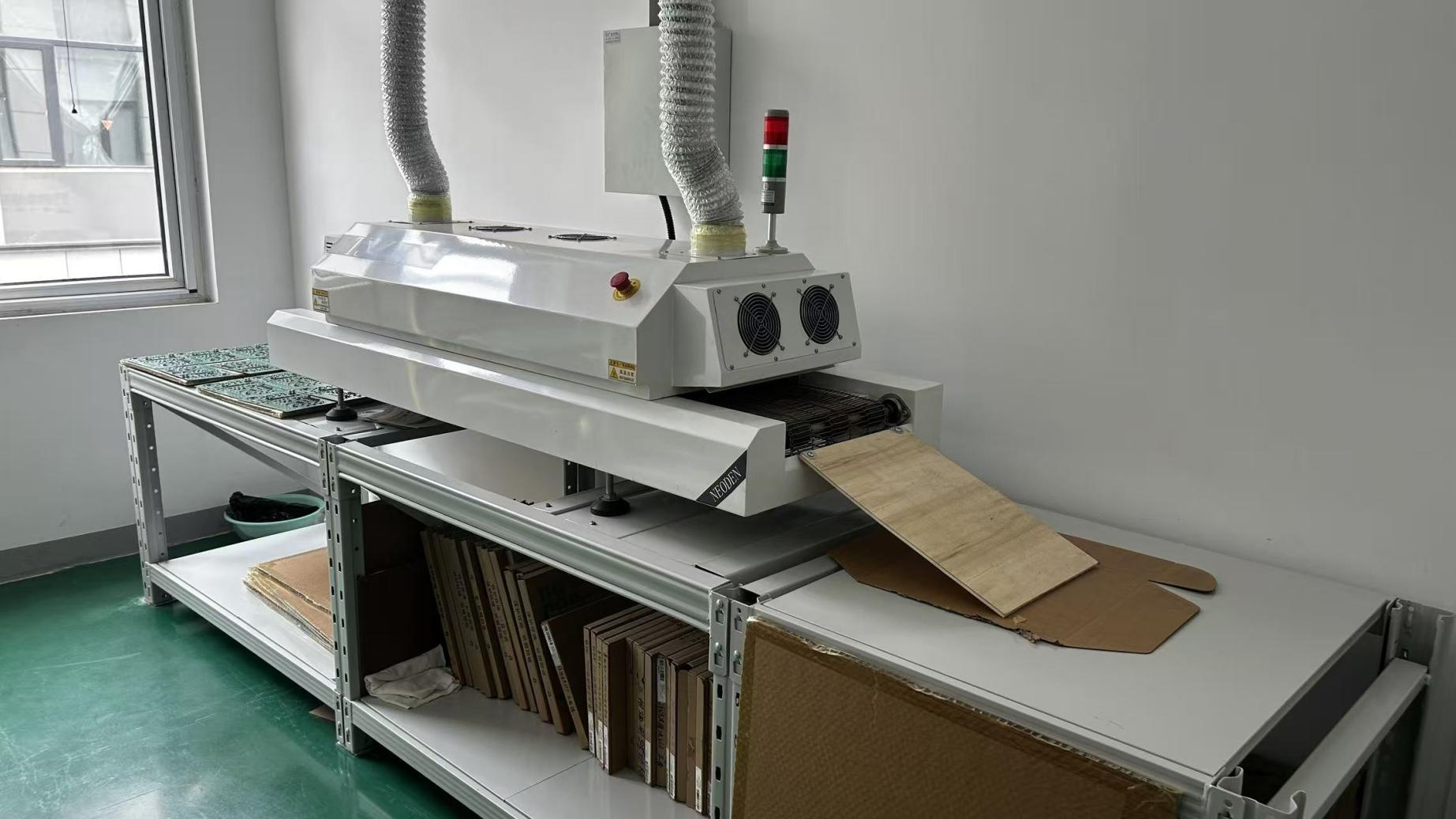 Reflow Oven System
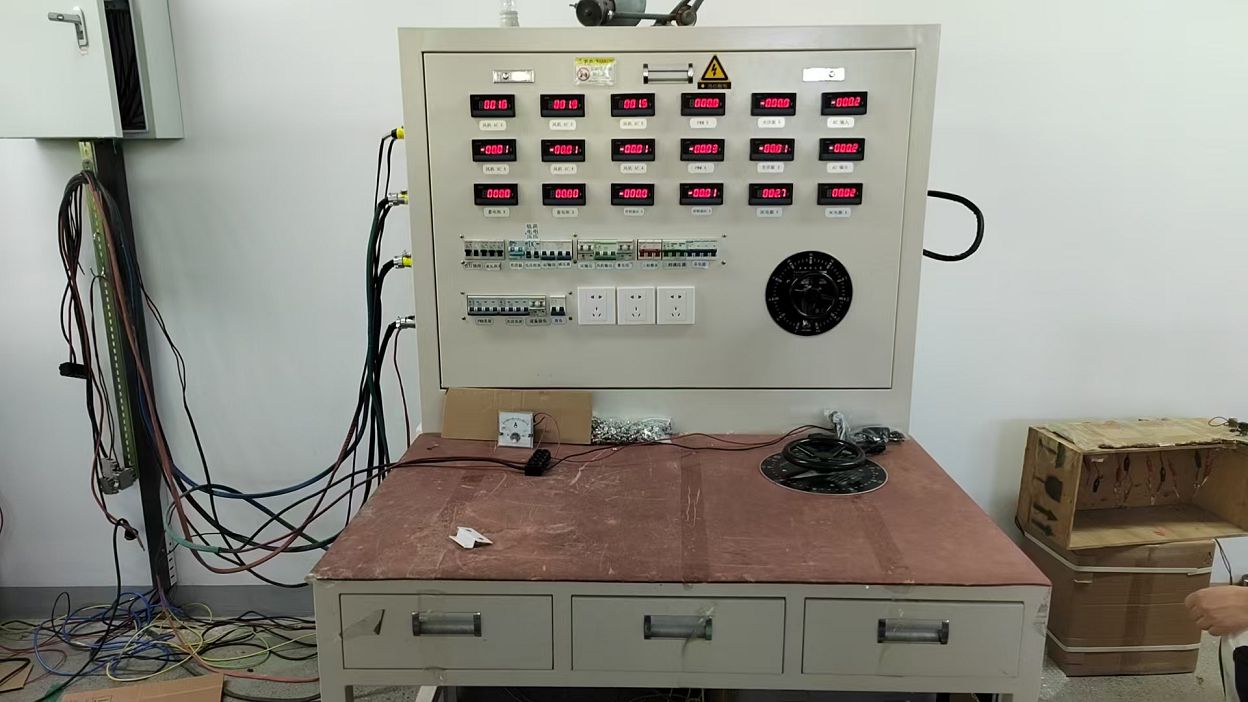 Final Assembly Station
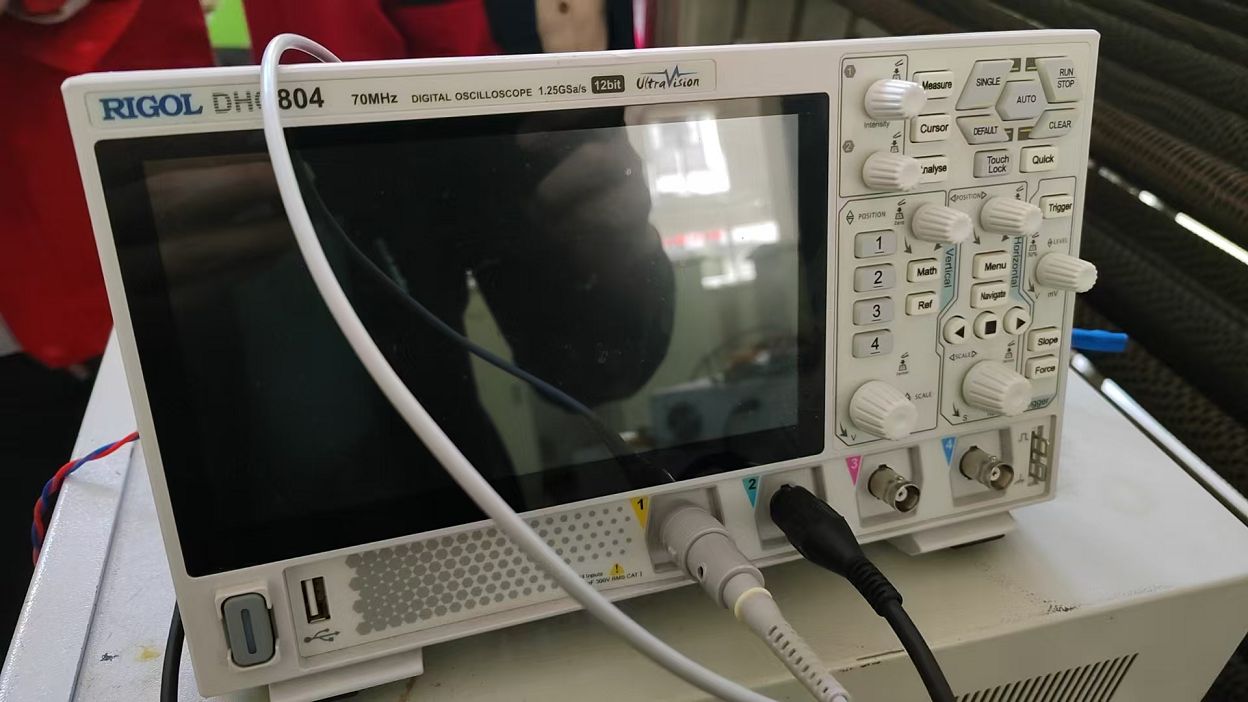
During the manufacturing process, each AC power supply is subjected to rigorous electrical parameters validation. Using advanced instrumentation including Digital Oscilloscopes, LCR AutoTesters, Semiconductor Plotters, Power Quality Analyzers, and specialized Clamp Meters, our engineers verify output waveforms, peak surge current handling, and safety parameters. This ensures that every shipped device operates stably in critical applications.
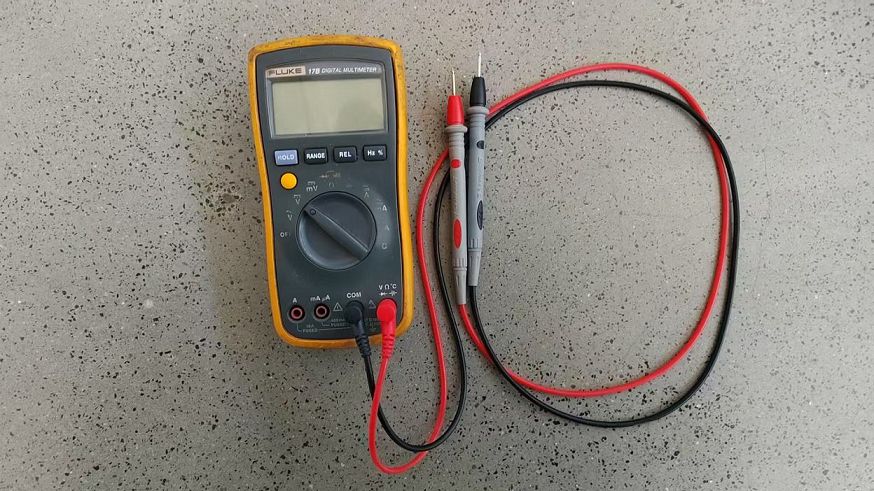 Digital Multimeter Diagnostic
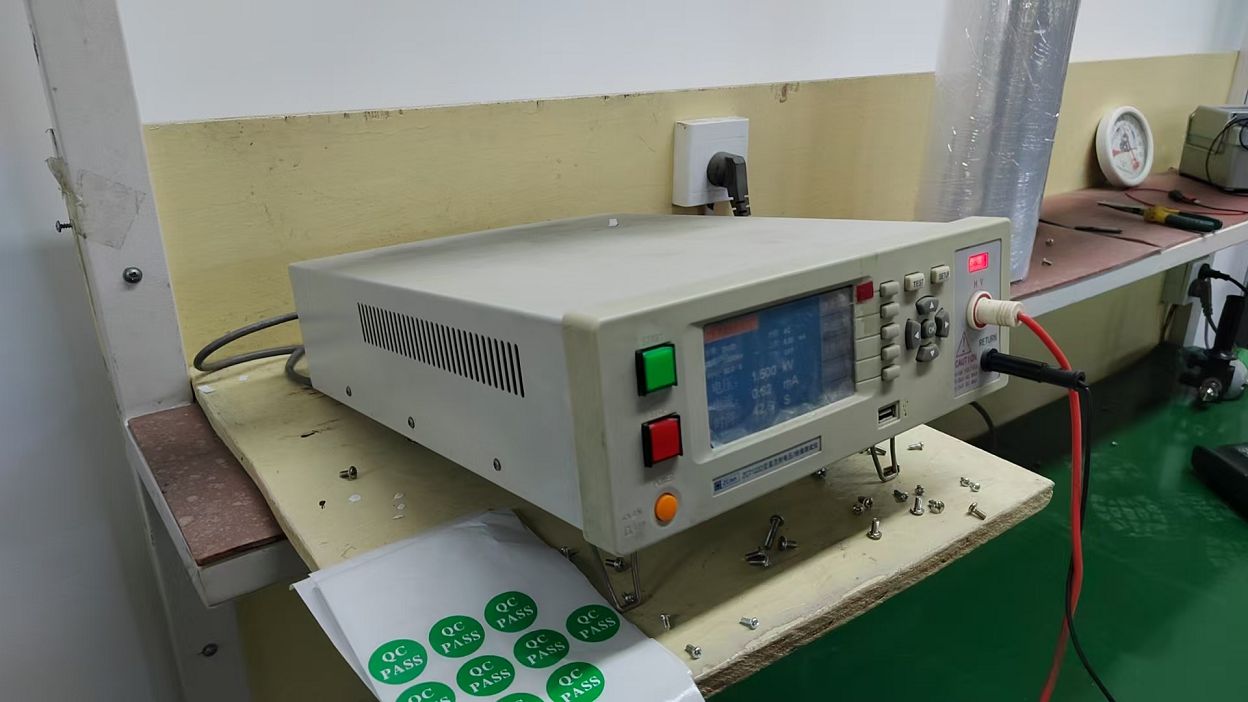 LCR Component Validation
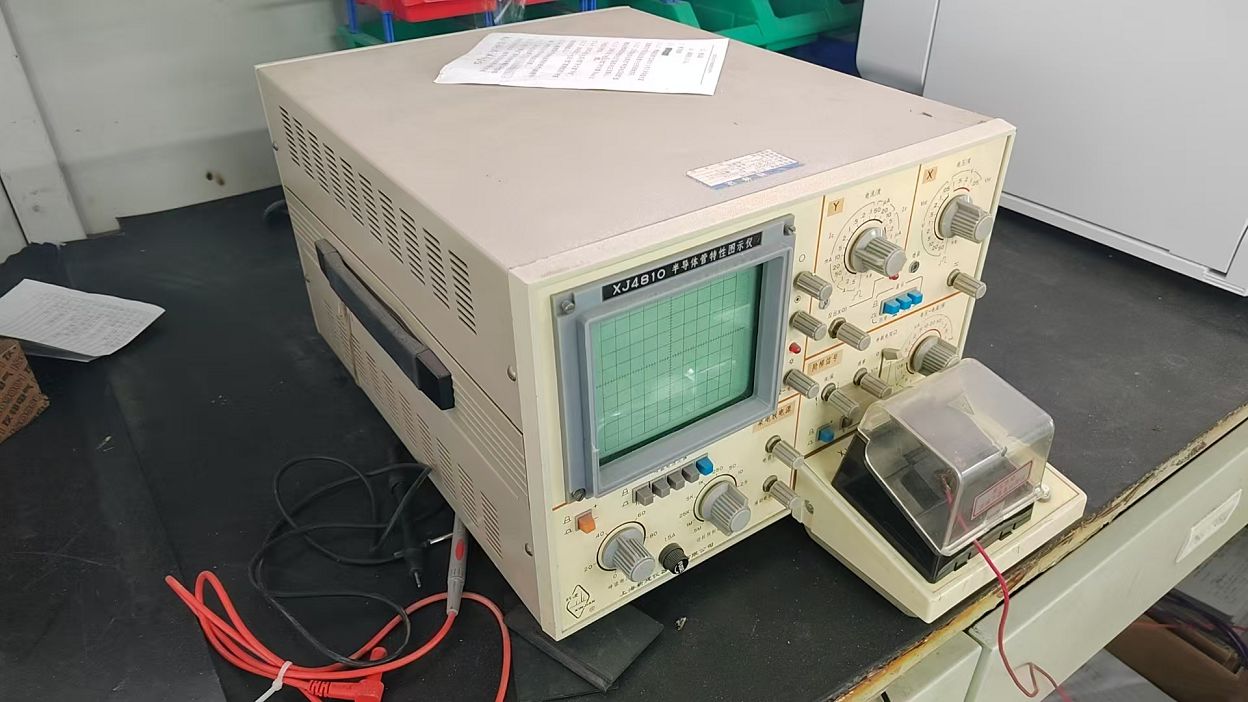 Semiconductor Analysis
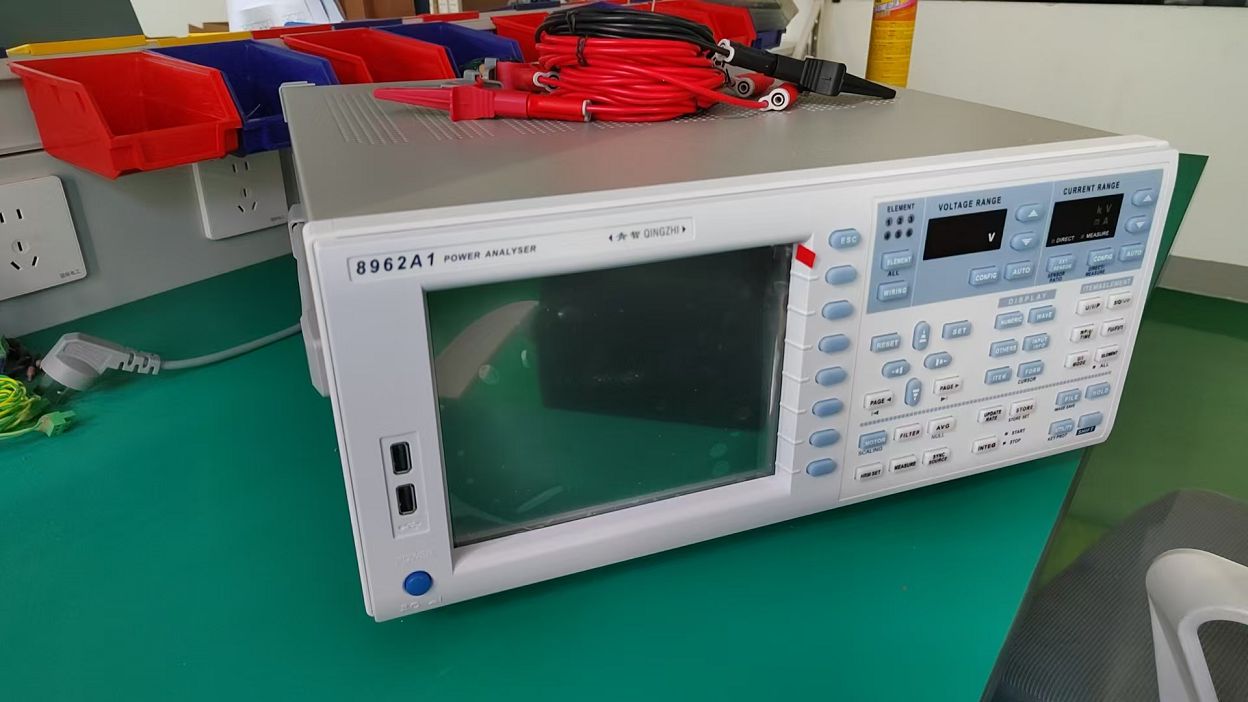 Oscilloscope Waveform Capture
 THD & Power Analyzer
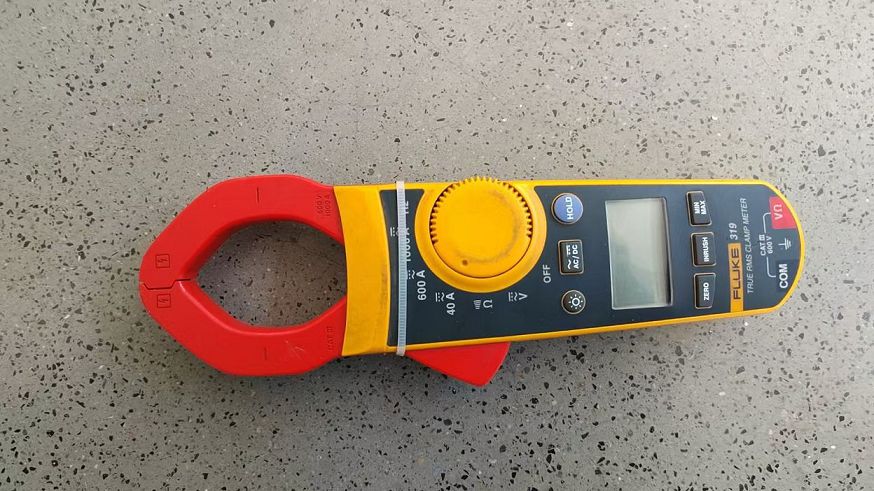 High Current Diagnostics
 CAD Structural Design
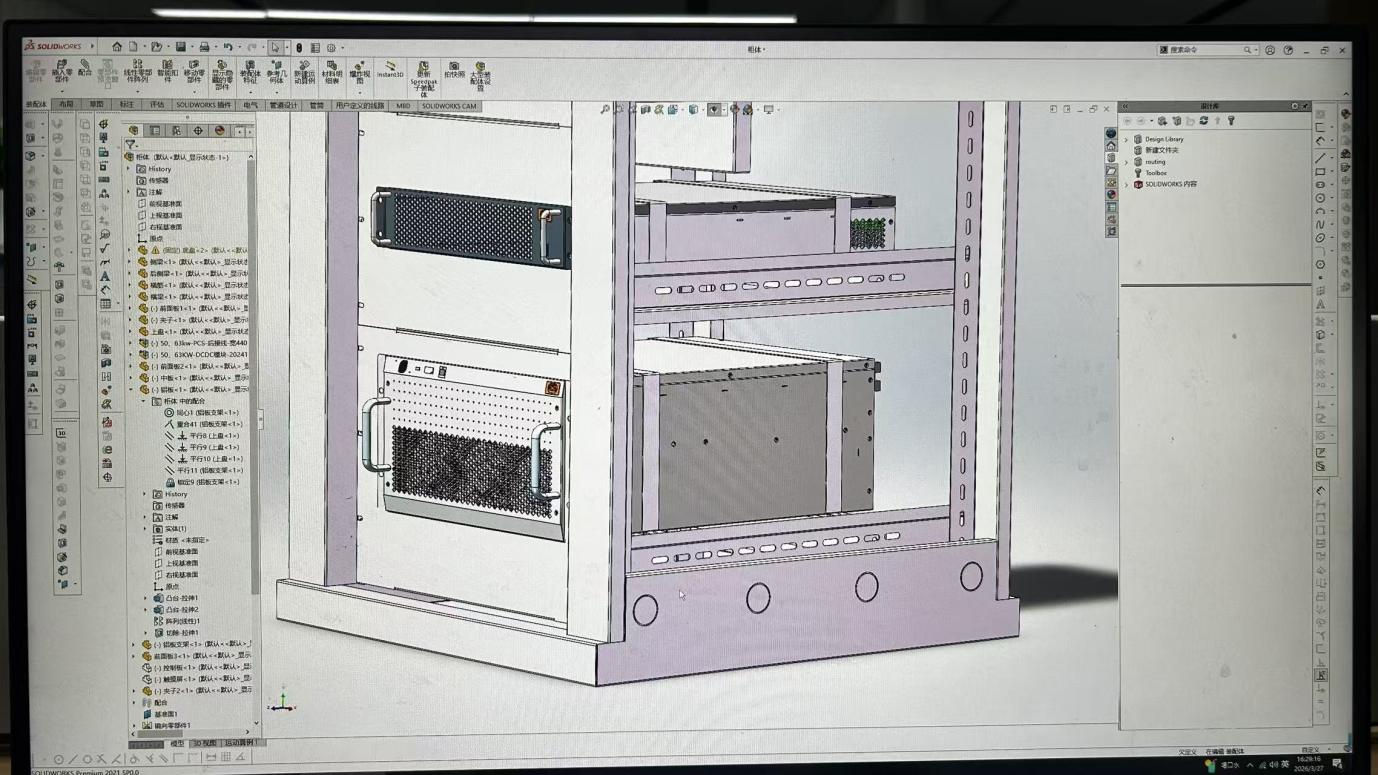 Central SCADA & Control Console
Global Procurement, Localization, & Compliance
When purchasing power electronics testing systems internationally, compliance and remote support are crucial factors. Sophpower's hardware carries full CE certification and is built to withstand varied industrial safety protocols. Our engineering team assists with local system integration, SCADA communication setup, and customized control interfaces (such as RS485, GPIB, LAN, or USB). Furthermore, we ensure that power source outputs can be configured to match regional safety protocols and voltage regulations, simplifying onsite commissioning for multinational operations.
Technical FAQ (Frequently Asked Questions)
Advanced Programmable DC Power Supplies & Electronic Loads
Providing high-precision energy emulation, wide voltage range matching, and load-simulation configurations for research centers and quality assurance.