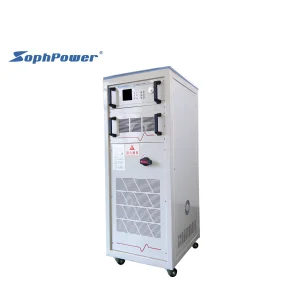
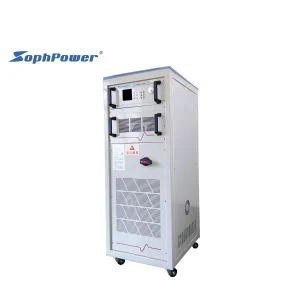
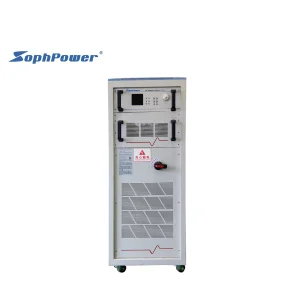
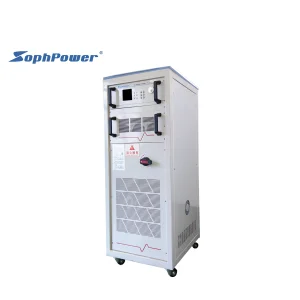
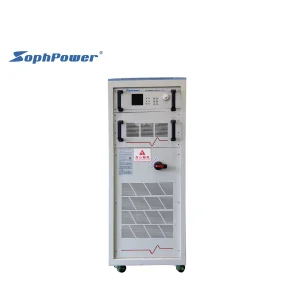
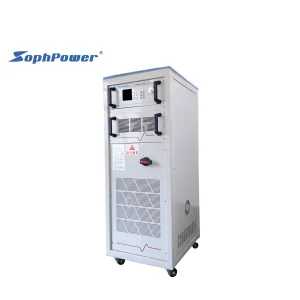
80kW - 150kW High-Power Product Showcases (Series I)
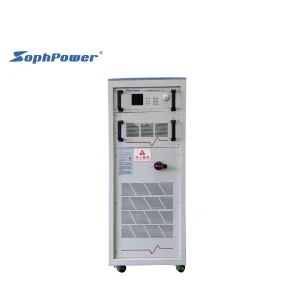
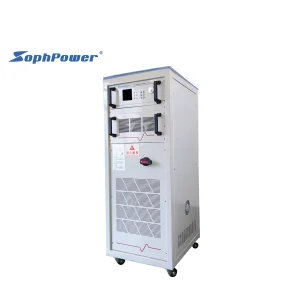
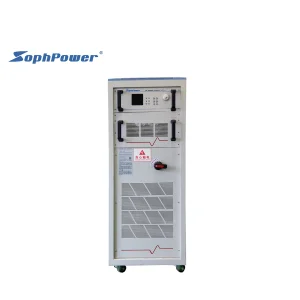
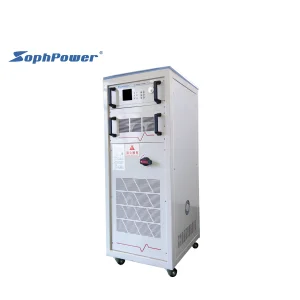
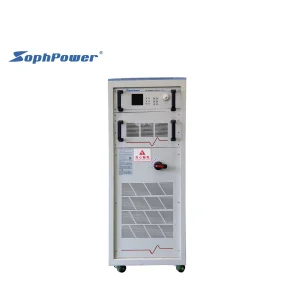
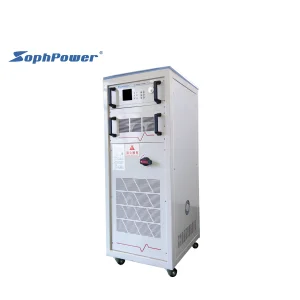
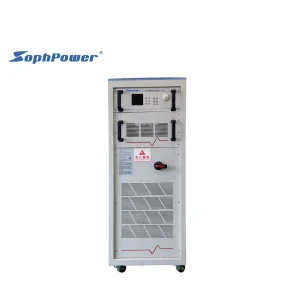
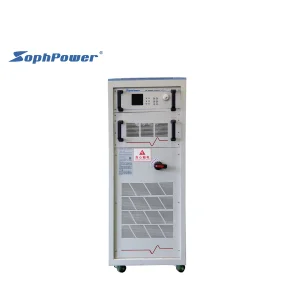
The Architecture of High-Capacity DC Power Systems (80kW to 150kW)
In modern industrial applications, electric vehicles (EV) testing, renewable energy integration, and heavy industrial automation, the requirement for robust, reliable, and high-efficiency power conversion is paramount. The power range of 80kW to 150kW represents a critical threshold. It sits at the convergence point where grid-level distribution engineering meets precise, microsecond-level laboratory regulation.
As a leading designer and manufacturer, Shenzhen Sophpower Electronics Co., Ltd. (established in 2006) has engineered advanced power systems to meet these requirements. Utilizing high-frequency switching topologies, including Phase-Shifted Full-Bridge (PSFB) converters and Zero Voltage Switching (ZVS) mechanisms, our 80-150kW systems achieve up to 95% efficiency. This reduces thermal dissipation and operating costs for global enterprises.
Key Procurement Considerations for Global Enterprises
Procuring a high-power industrial DC power supply is not merely a transaction; it is a long-term capital investment. Engineering leaders and procurement directors must evaluate multiple metrics to ensure lower Total Cost of Ownership (TCO) and maximize uptime:
- Input Power Factor & THD: High power factor (PF > 0.99) and low Total Harmonic Distortion (THD < 5%) prevent upstream grid pollution, saving energy costs.
- Modular Extensibility: Our 80kW, 100kW, and 150kW units are designed with parallel scaling capabilities. You can seamlessly connect multiple units in parallel to expand capacity to 500kW or more.
- Transient Response Time: For dynamic load tests (such as EV motor testing), transient response must be faster than 1ms to prevent voltage dips or overshoots.
- Programming Interfaces: Standard analog programming interfaces (0-5V/0-10V) alongside digital buses like RS485, CAN, Modbus, and LAN are necessary for automation systems integration.
The Shenzhen Supply Chain Advantage
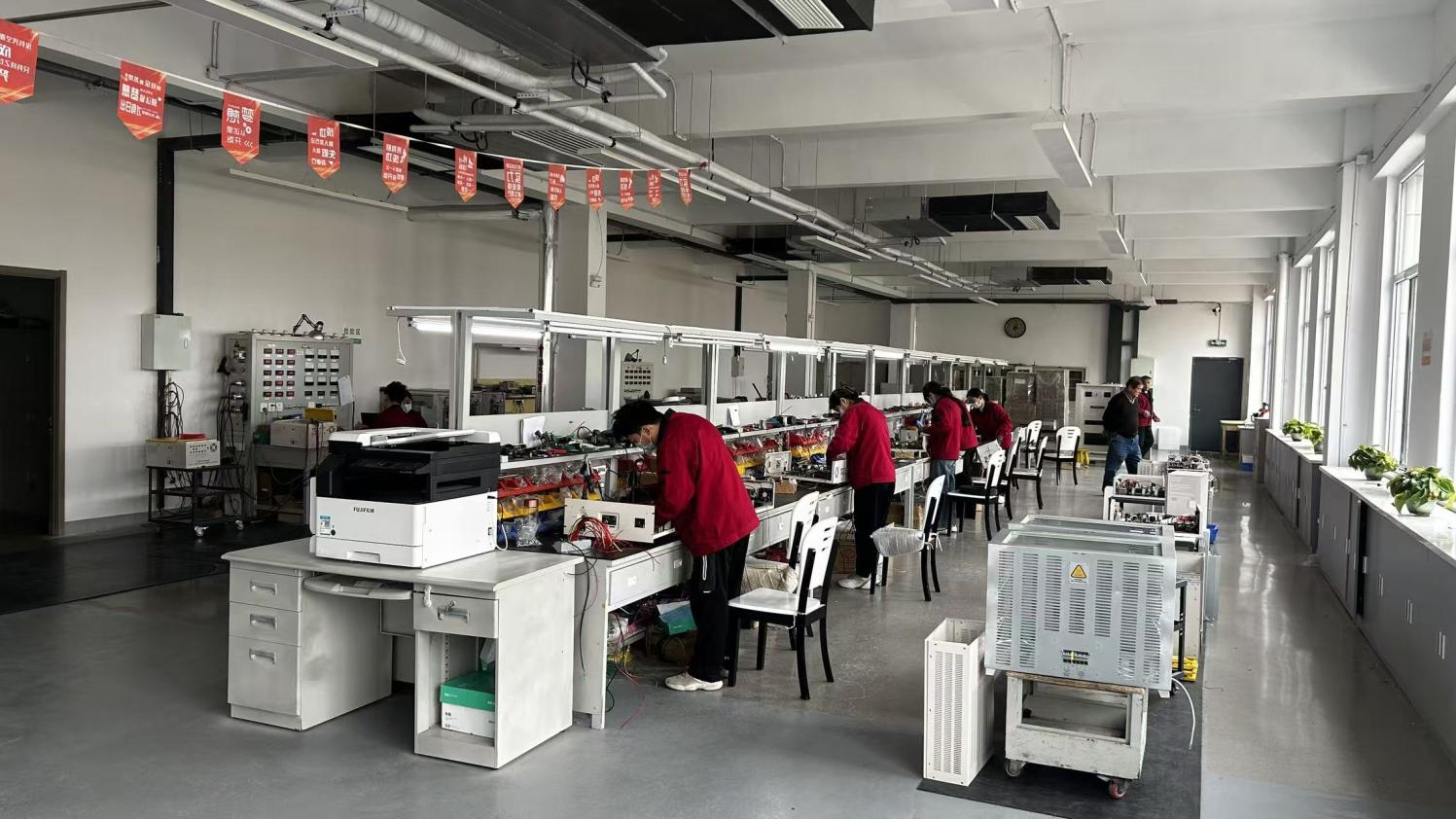
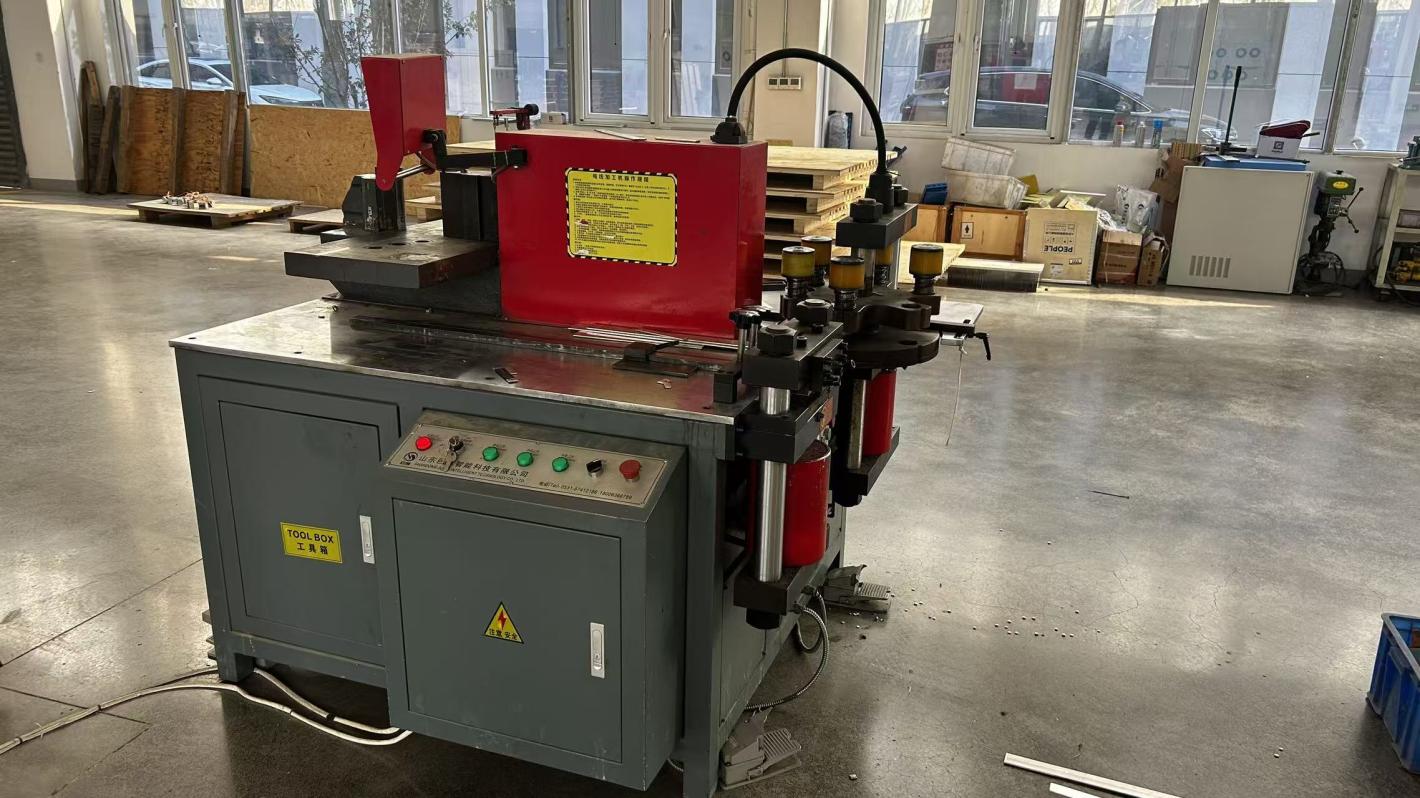
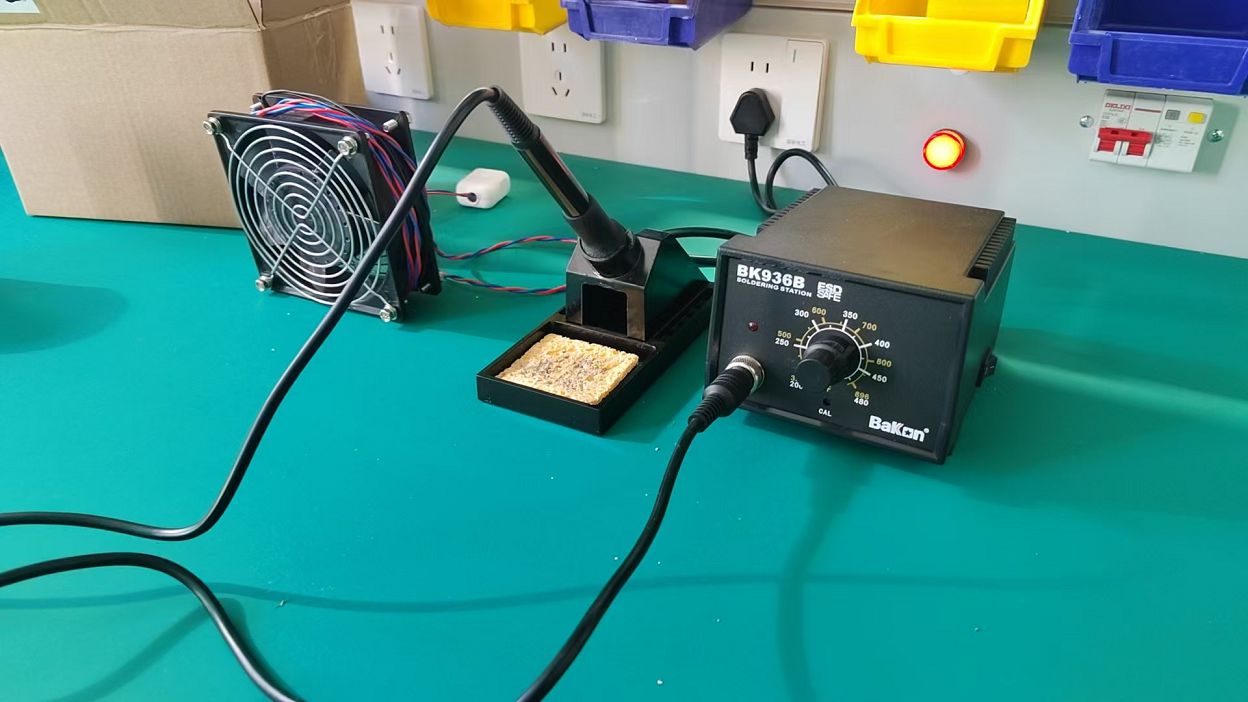
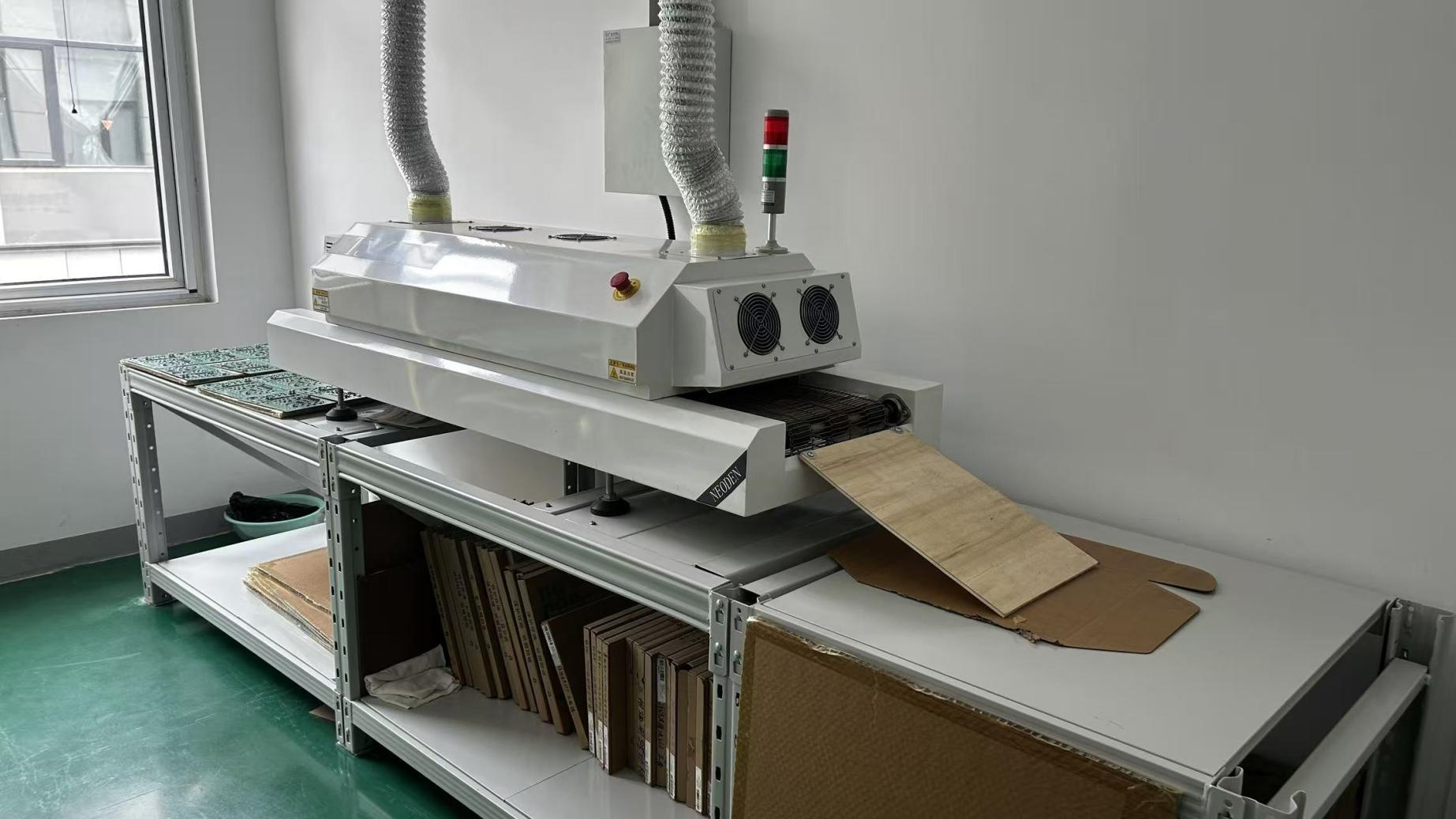
Located in the heart of China's electronics capital, Sophpower leverages a highly integrated manufacturing ecosystem. From rapid circuit board assembly (PCBA) to high-speed copper bar fabrication, every element of our production pipeline is optimized for speed, precision, and quality control.
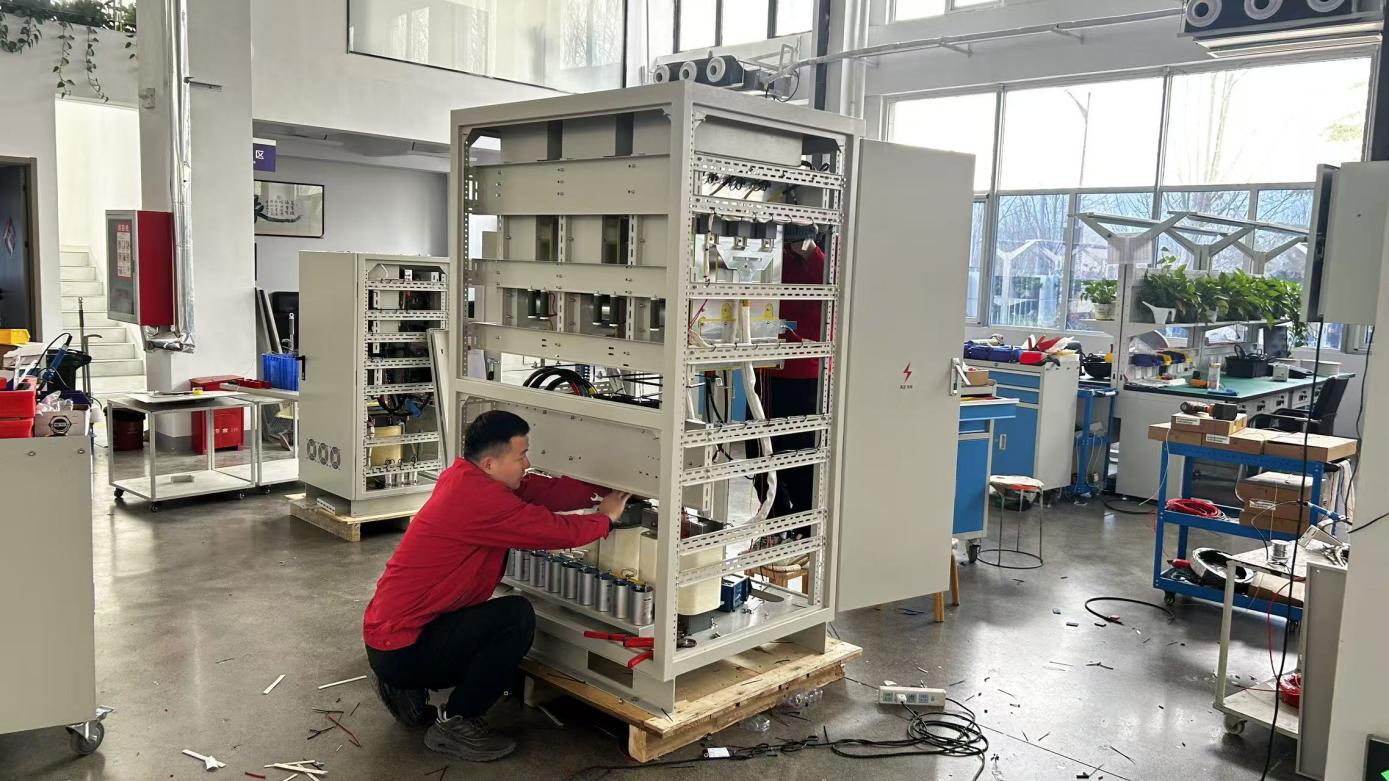
By manufacturing in Shenzhen, we source components from top-tier, certified global manufacturers (including Infineon IGBTs, Cree SiC diodes, and custom magnetic cores) while keeping lead times short and costs competitive. Our vertical integration guarantees that custom modifications—such as specific cabinet enclosures or customized voltage/current profiles—can be built and shipped in a fraction of the time required by local regional competitors.
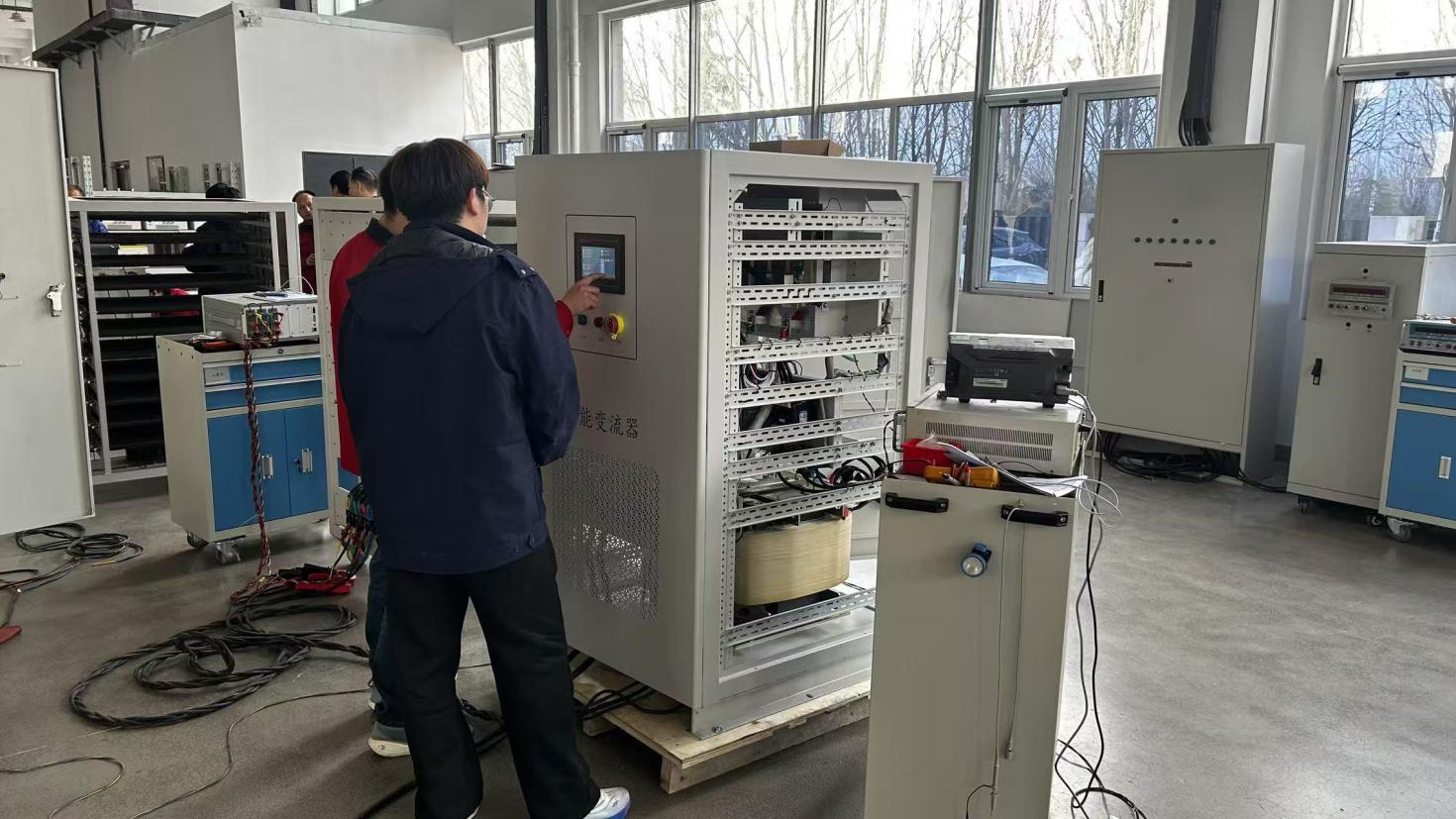
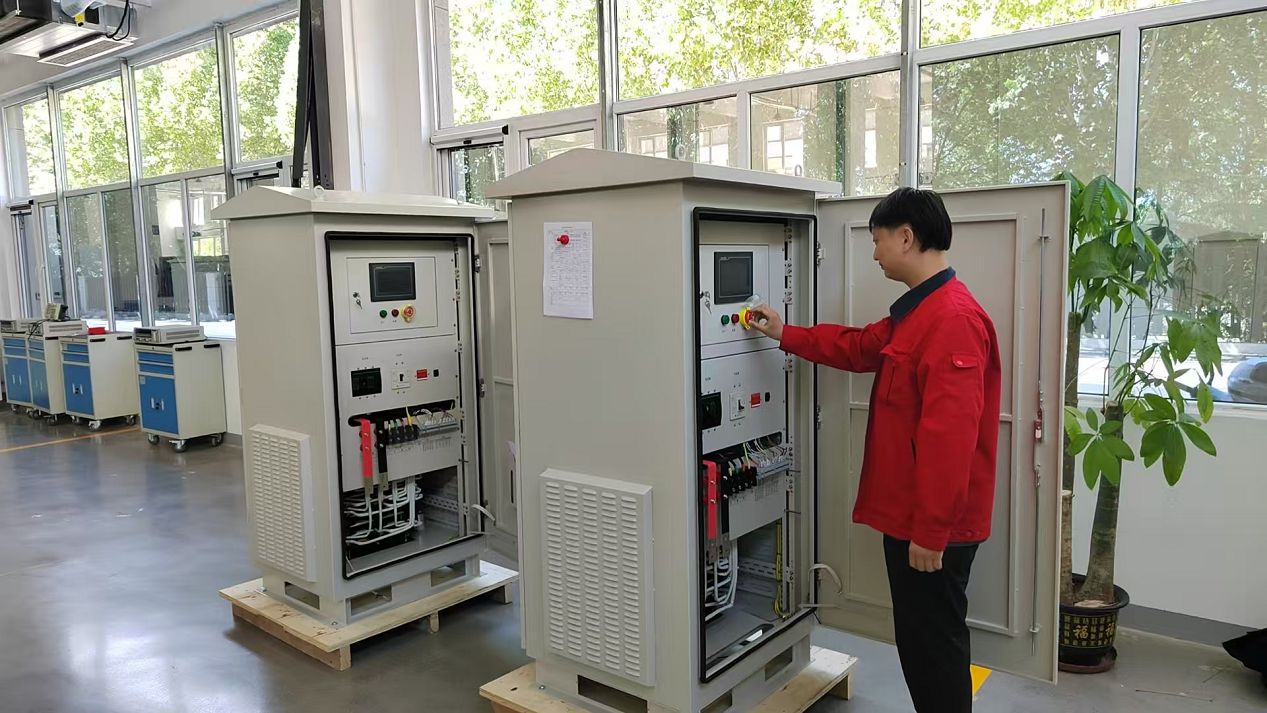
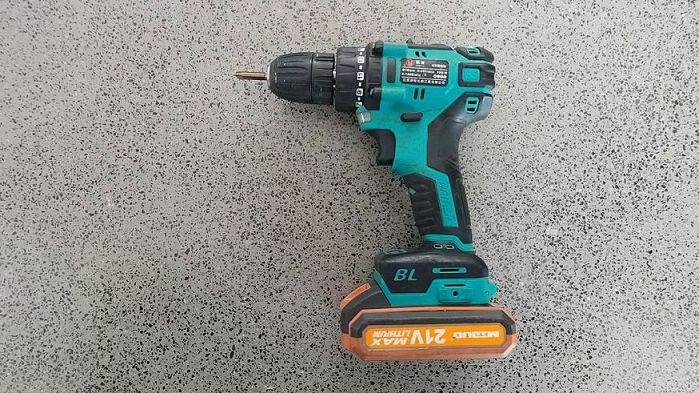
Inside Sophpower's Production Ecosystem
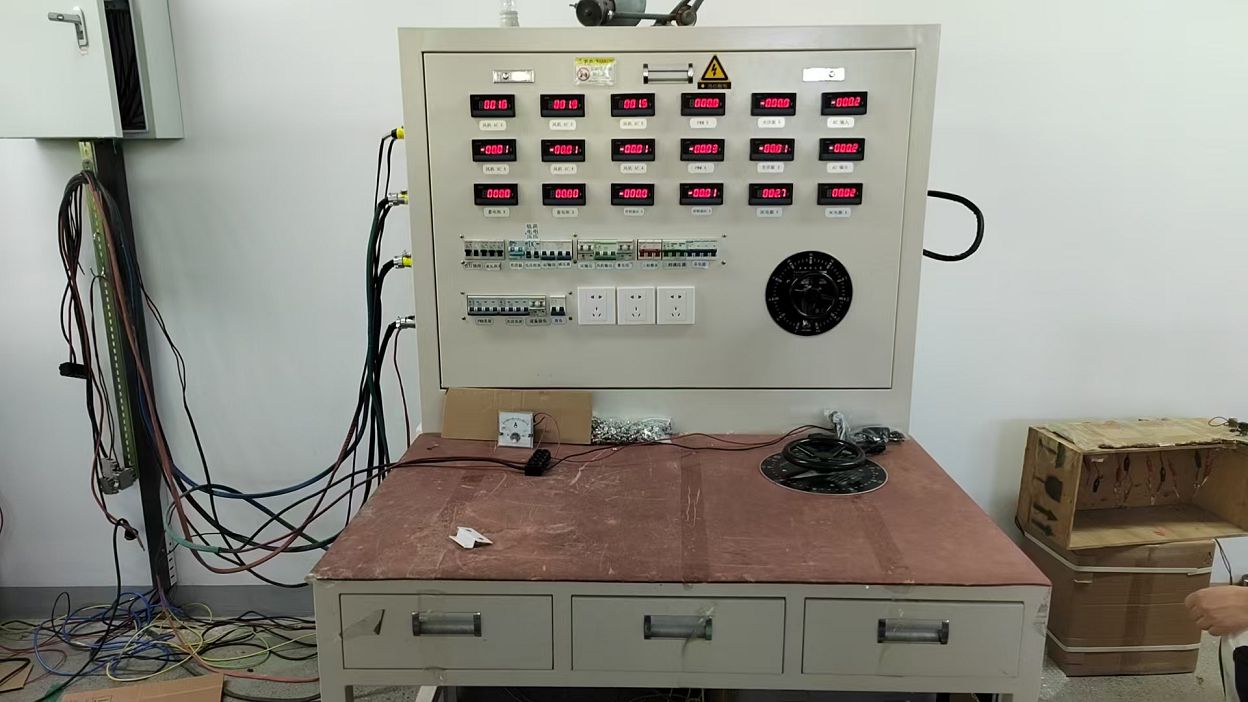
Localization Support and Regulatory Compliance
Navigating different national grid specifications is a challenge for multinational deployments. Sophpower designs each DC power supply to meet strict safety and electrical compliance standards globally:
- CE Mark (European Union): Compliant with LVD (2014/35/EU) and EMC (2014/30/EU) directives.
- UL / CSA Standards (North America): Built in accordance with UL 61010-1 design principles for industrial testing environments.
- Grid Adaptability: Configurable input stages for 3-phase 380V, 400V, 415V, or 480V (±10%), 50Hz/60Hz, allowing smooth integration without requiring external step-down transformers.
- On-Site Commissioning & Technical Support: Local technical integration partners globally assist with system setup, calibration, and maintenance, ensuring minimal downtime.
Localized Application Scenarios
Our 80kW to 150kW DC power supplies are deployed in high-demand environments globally:
1. EV Powertrain & Battery Simulator: Emulating vehicle batteries to test high-voltage traction inverters, onboard chargers (OBC), and DC-DC converters under realistic conditions.
2. Hydrogen Electrolyzer Systems: Providing high-current, low-ripple DC power to drive fuel cells and green hydrogen production research.
3. Aerospace and Defense: Stable DC power outputs for satellite electronics testing, radar calibration, and aircraft power simulation (e.g., 270VDC systems).
4. Server Farms & Telecommunication: Serving as the central DC distribution hub for high-capacity UPS networks and telecommunications switches.
Metrology & Quality Assurance Infrastructure
Expertise and reliability are backed by our advanced calibration, measurement, and validation tools. Every 80kW to 150kW unit undergo rigorous testing procedures under full load for 24-48 hours. Our facility is equipped with top-tier metrological instrumentation to verify performance:
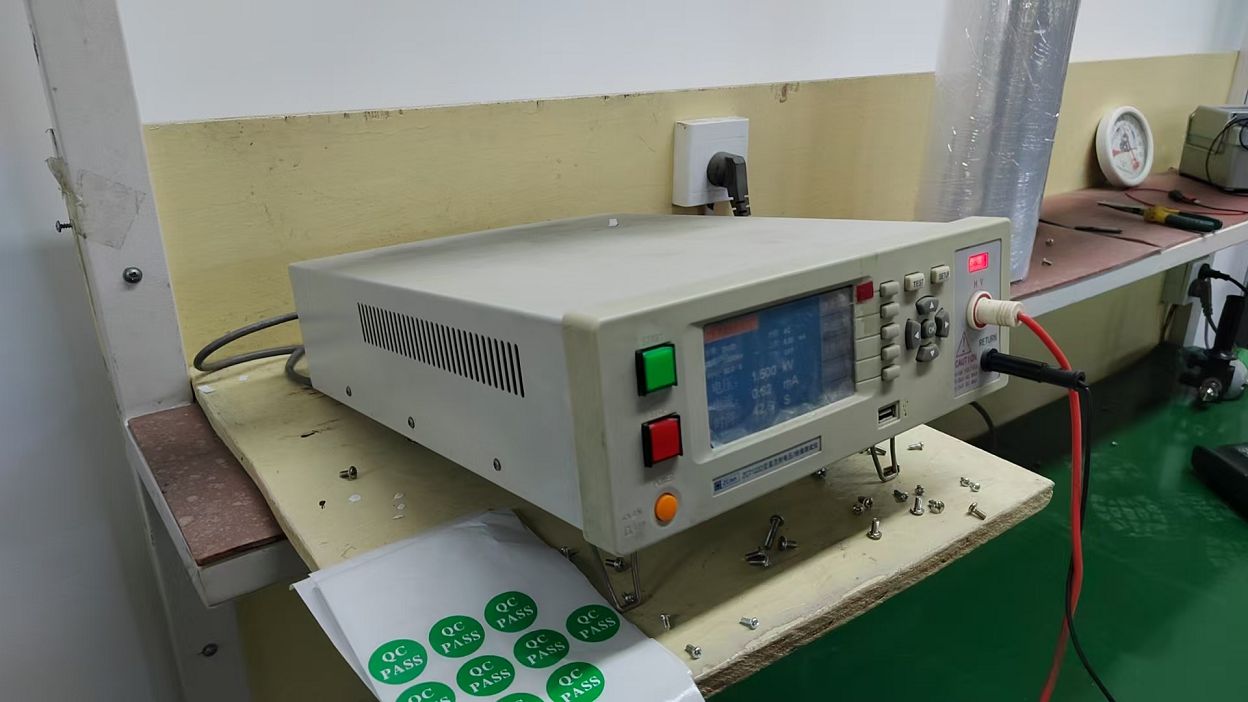
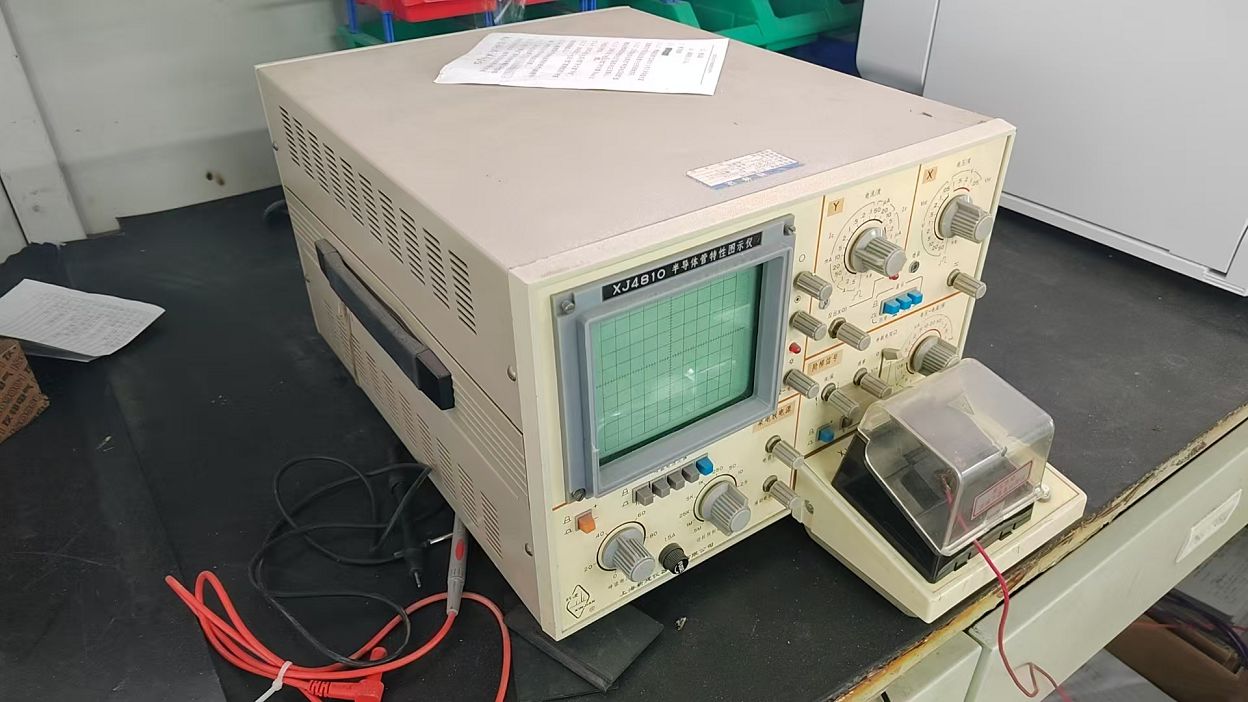
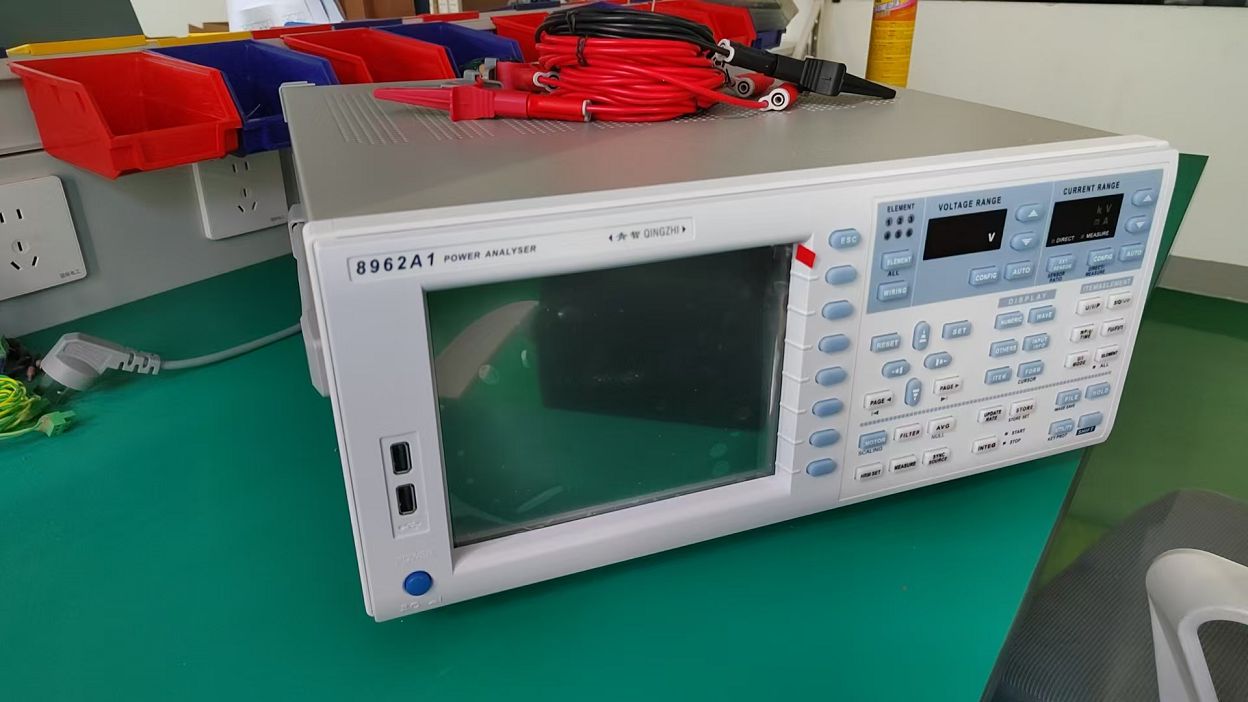
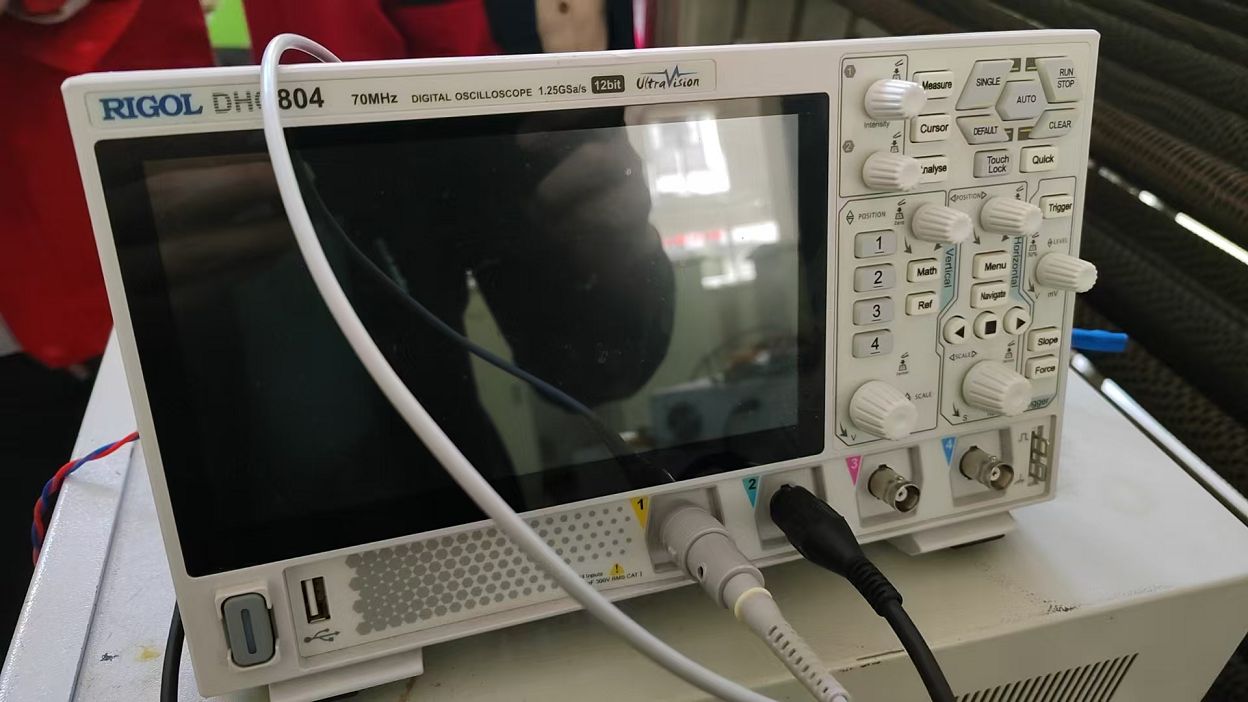
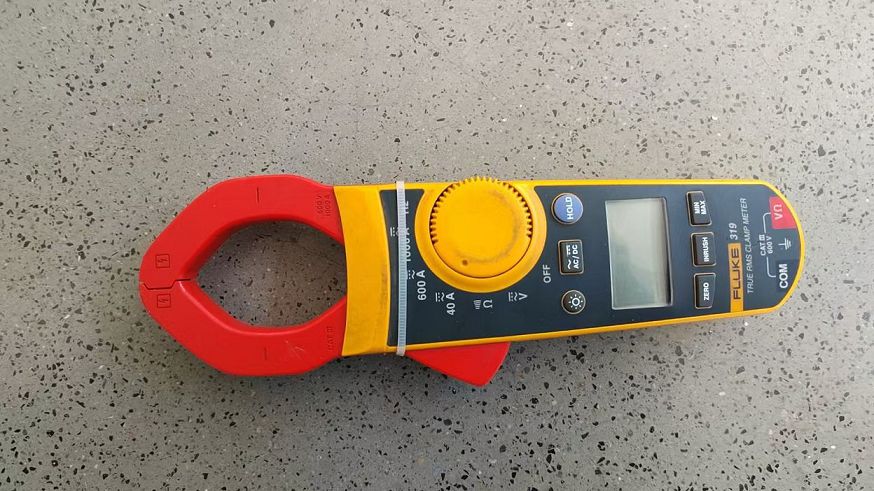
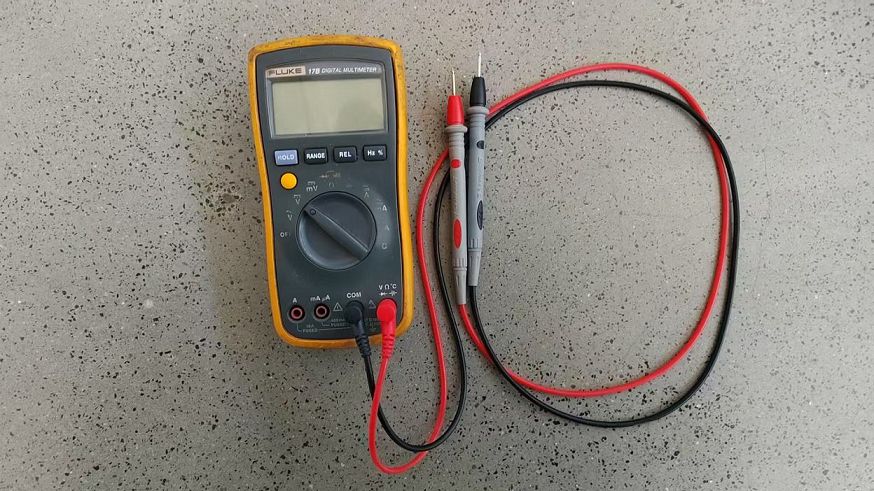
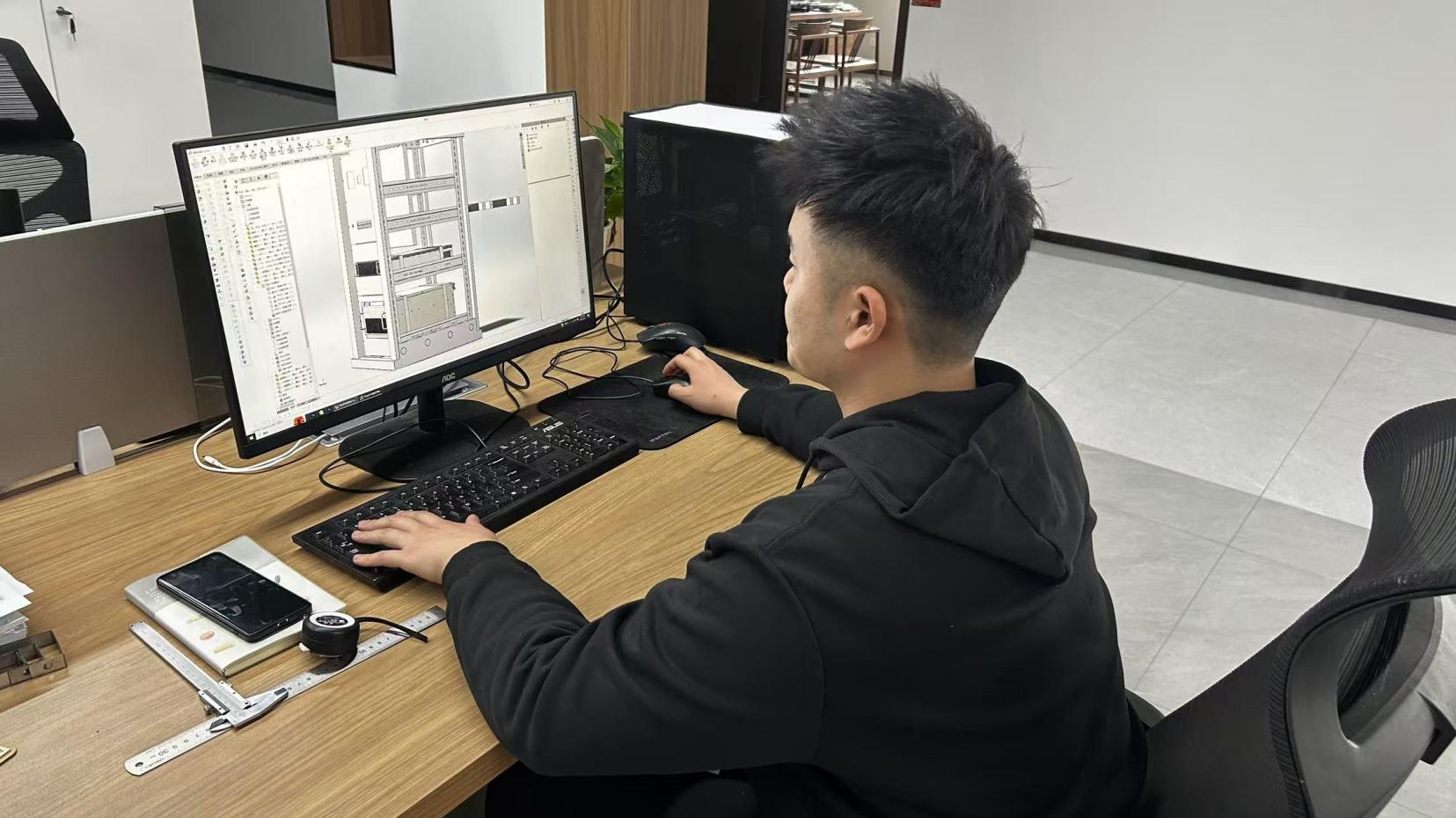
Using this advanced instrumentation, our engineering team measures core characteristics (such as magnetic saturation, component thermal profile under load, and switching loss dynamics) to ensure every system meets or exceeds the specifications outlined in our data sheets.
Future Technical Trends in High-Power DC Power Supplies
The high-power DC systems market is evolving rapidly. Sophpower invests in R&D to align our systems with the following future trends:
1. Wide-Bandgap (WBG) Semiconductors
Integrating Silicon Carbide (SiC) and Gallium Nitride (GaN) components allows for higher switching frequencies, reducing the physical size of inductors and transformers while keeping efficiency above 97%.
2. Bi-Directional Power Flow
Modern EV battery testing requires regenerative power supplies. These bi-directional DC systems absorb power from the load and feed it back to the grid, saving up to 90% of electricity costs during discharge cycles.
3. Smart Grid & AI Diagnostics
Using edge processors in our 100kW and 150kW platforms enables predictive maintenance. By analyzing real-time ripple, temperature, and switching characteristics, the power supply can notify operators of potential component aging before a system fault occurs.
Technical FAQ & Knowledge Base
What is the lead time for a customized 100kW to 150kW DC power supply?
How do Sophpower units manage heat dissipation at 150kW?
Can these high-power systems be connected in parallel?
What parameters can be programmed on these units?
80kW - 150kW High-Power Product Showcases (Series II)