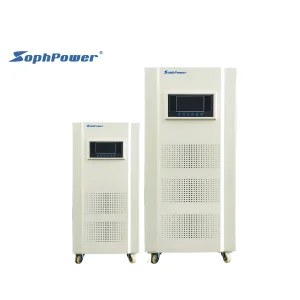
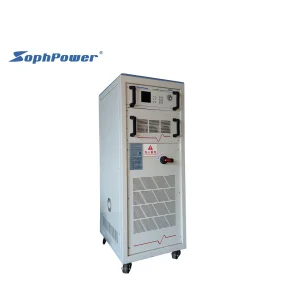
High-Precision AC & DC Programmable Solutions
Engineered for laboratory validation, automated calibration, and complex power quality emulation.
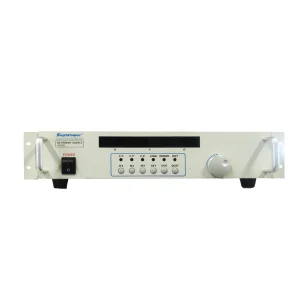
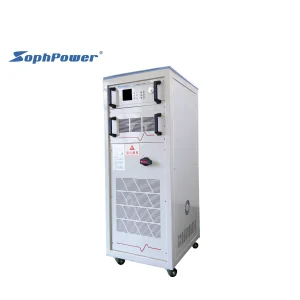
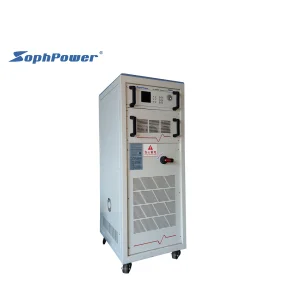
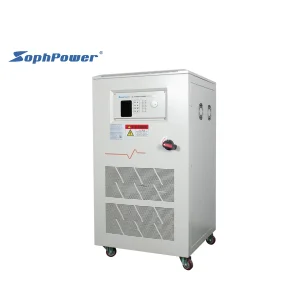
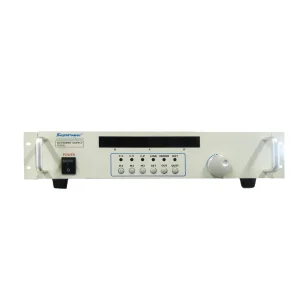
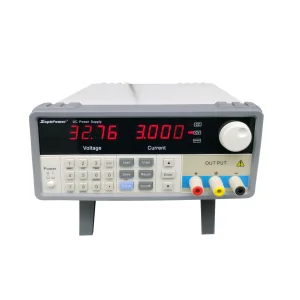
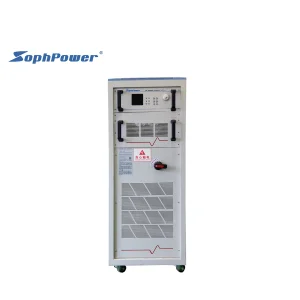
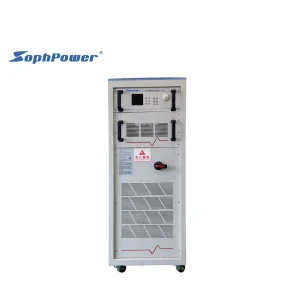
Technical Architecture: Decoupling Modern Programmable Power Topologies
Programmable AC and DC power supplies form the critical backbone of contemporary testing infrastructures. Understanding the mechanical and mathematical parameters that drive performance is essential for global procurement and system architecture. The choice between linear topology and high-frequency switching PWM topology represents the fundamental design trade-off in high-power engineering.
Switching PWM Systems: Standard switching configurations utilize advanced high-speed Insulated Gate Bipolar Transistors (IGBTs) or Silicon Carbide (SiC) MOSFETs modulated via digital signal processors (DSP). These systems are preferred for industrial testing where power density, efficiency, and footprint are paramount. They easily scale to 200kVA and beyond while maintaining efficiencies upwards of 92%.
Linear Regulated Topologies: Linear power sources provide unprecedented signal purity with low electromagnetic interference (EMI) and negligible Total Harmonic Distortion (THD < 0.1%). Designed predominantly for R&D labs, sensitive audio/sensor calibration, and wireless transceivers, linear systems discard excess voltage as heat through massive heat sinks, sacrificing efficiency for absolute precision and ultra-fast transient recovery times (<50 microseconds).
Grid Emulation & Regenerative Capabilities
Modern global energy grids are volatile environments. Devices destined for international deployment must survive transient voltage drops, severe frequency fluctuations, and harmonic distempers. Regenerative AC power sources act as smart grid simulators, recreating international utility profiles (such as 50Hz, 60Hz, or 400Hz aerospace requirements) under strict lab environments.
Furthermore, bidirectional regenerative design allows energy generated by the Unit Under Test (UUT)—such as a grid-tied solar inverter or electric vehicle motor drive—to be cleanly recycled back to the local utility grid rather than being wasted as heat. This reduces net operating costs by up to 90%, representing a massive financial gain for continuous production-line operations.
China Factory 4.0: Shenzhen Sophpower Electronics Co., Ltd.
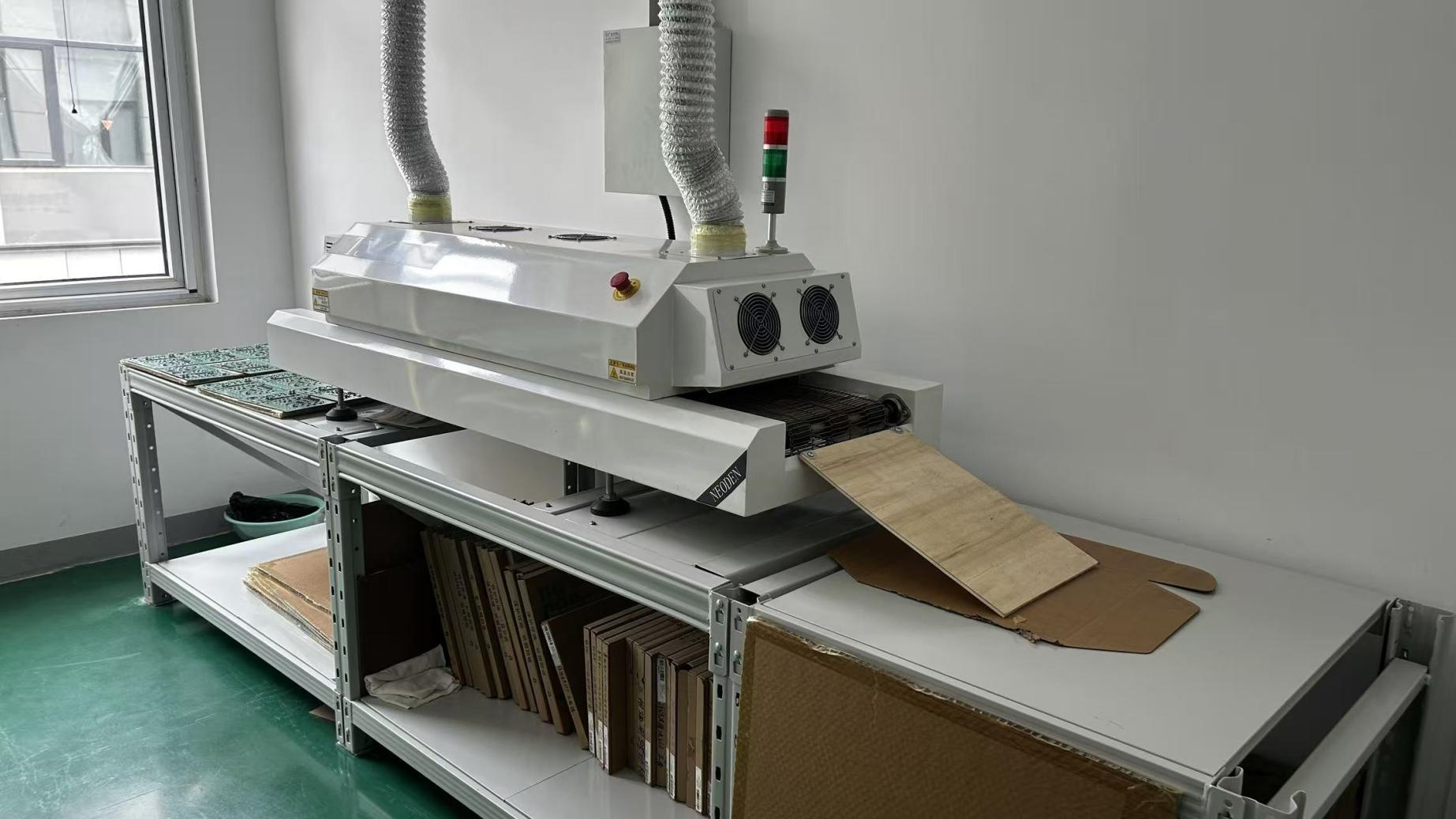
Established in 2006, our Shenzhen plant integrates rigorous ISO 9001 workflows, automated SMT, and complex testing procedures to ensure field reliability.
Shenzhen Sophpower Electronics Co., Ltd. is a High-tech enterprise with sustainable and rapid growth. Our engineering team brings together decades of experience in high-power conversion topologies. We customize high-power test sources, linear AC sources, bidirectional systems, and voltage stabilizers to solve specialized power grid emulation challenges.
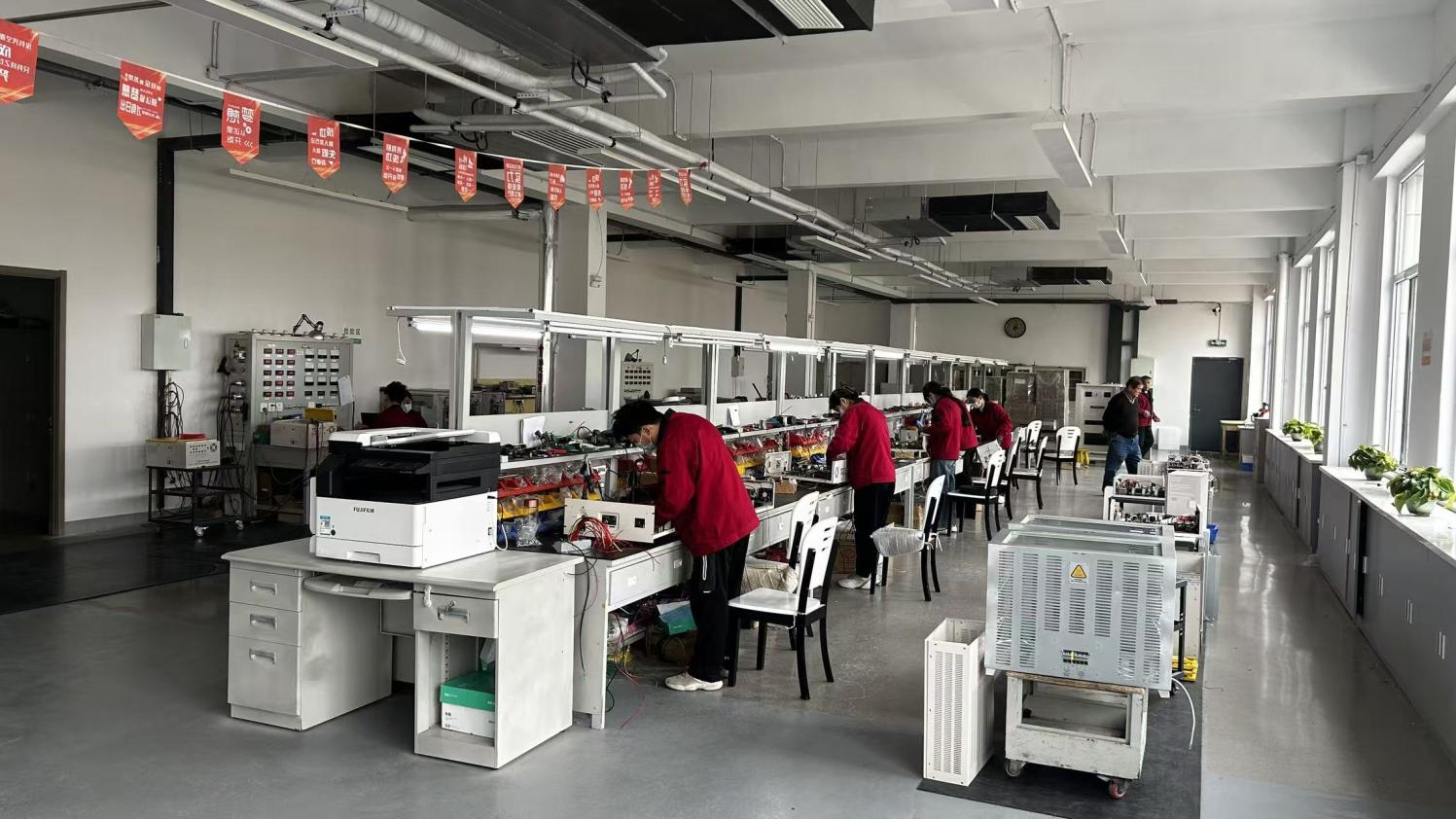
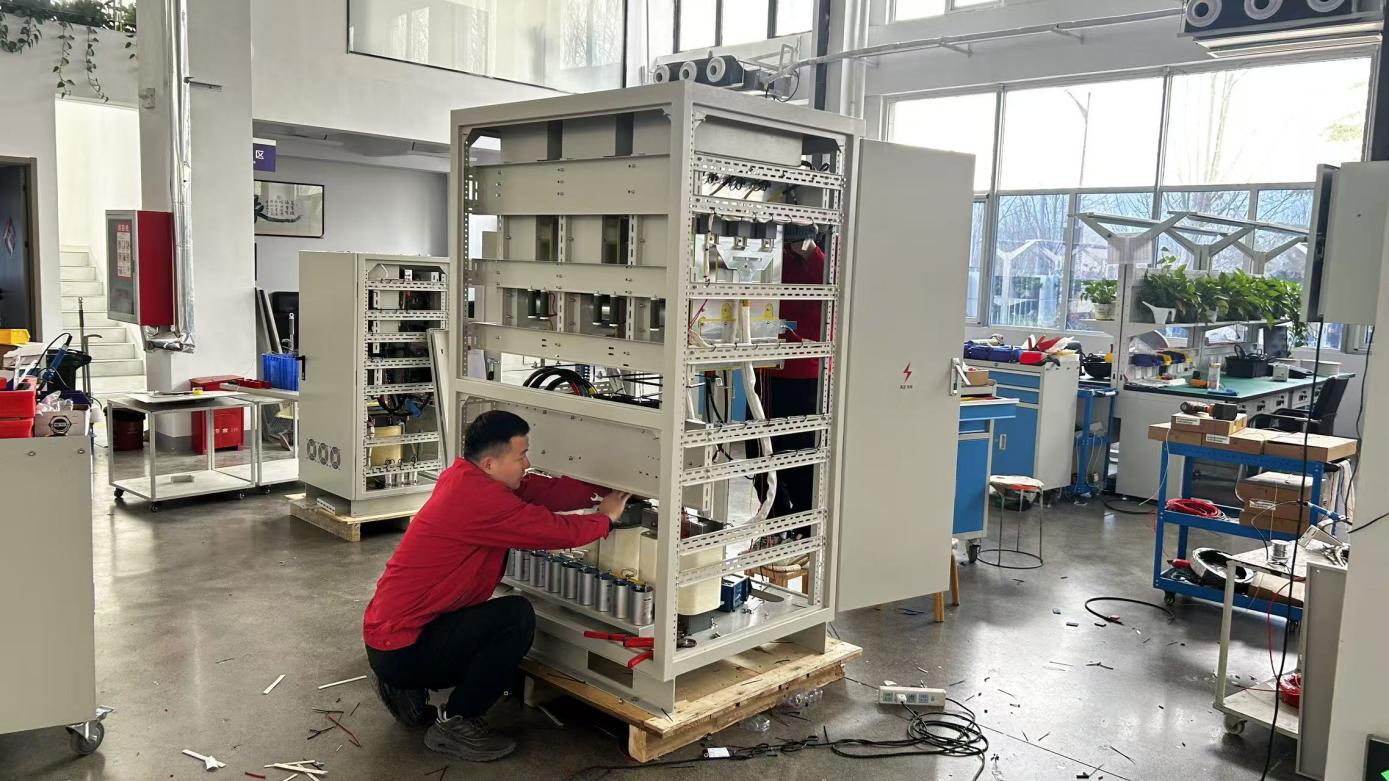
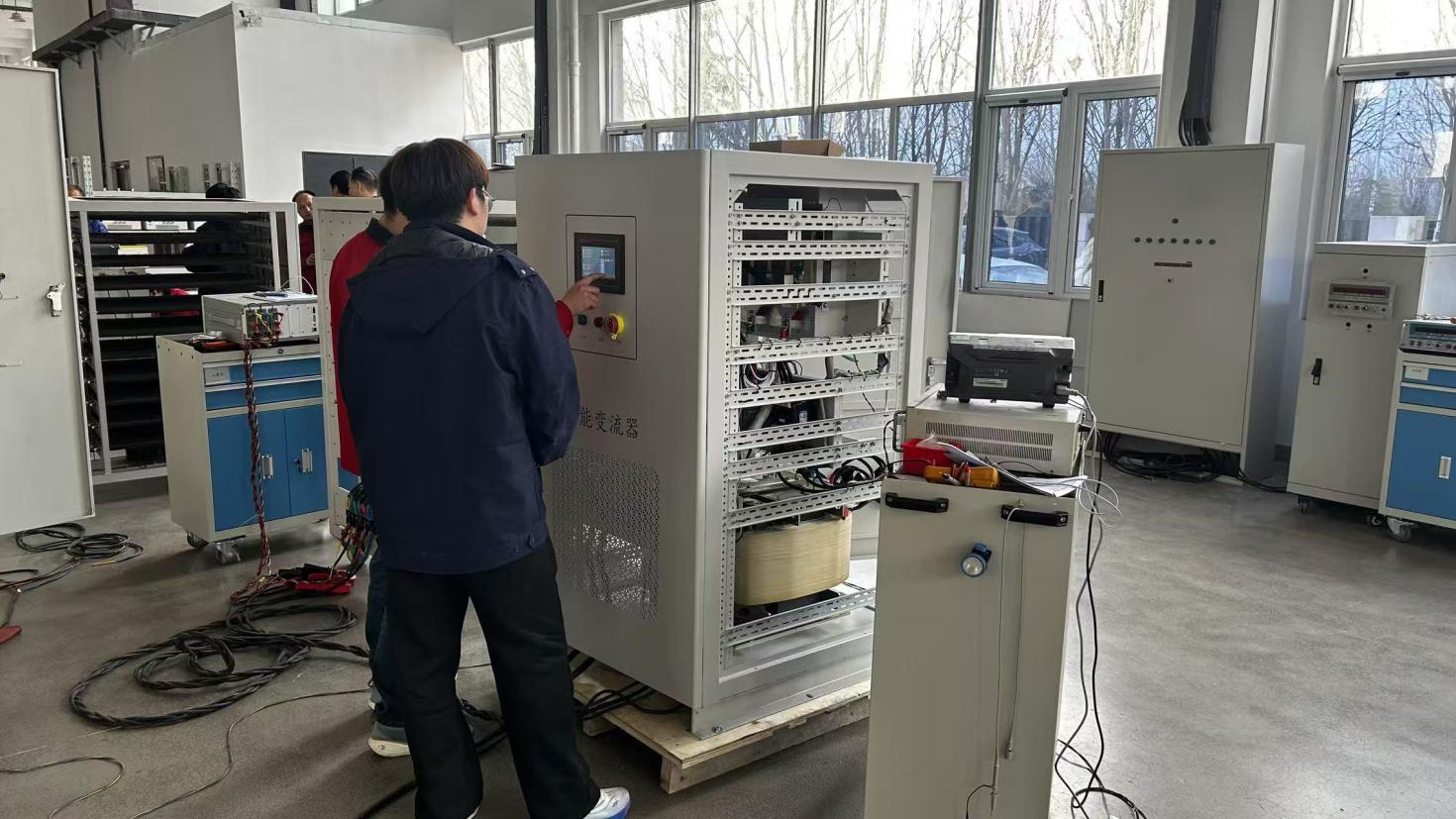
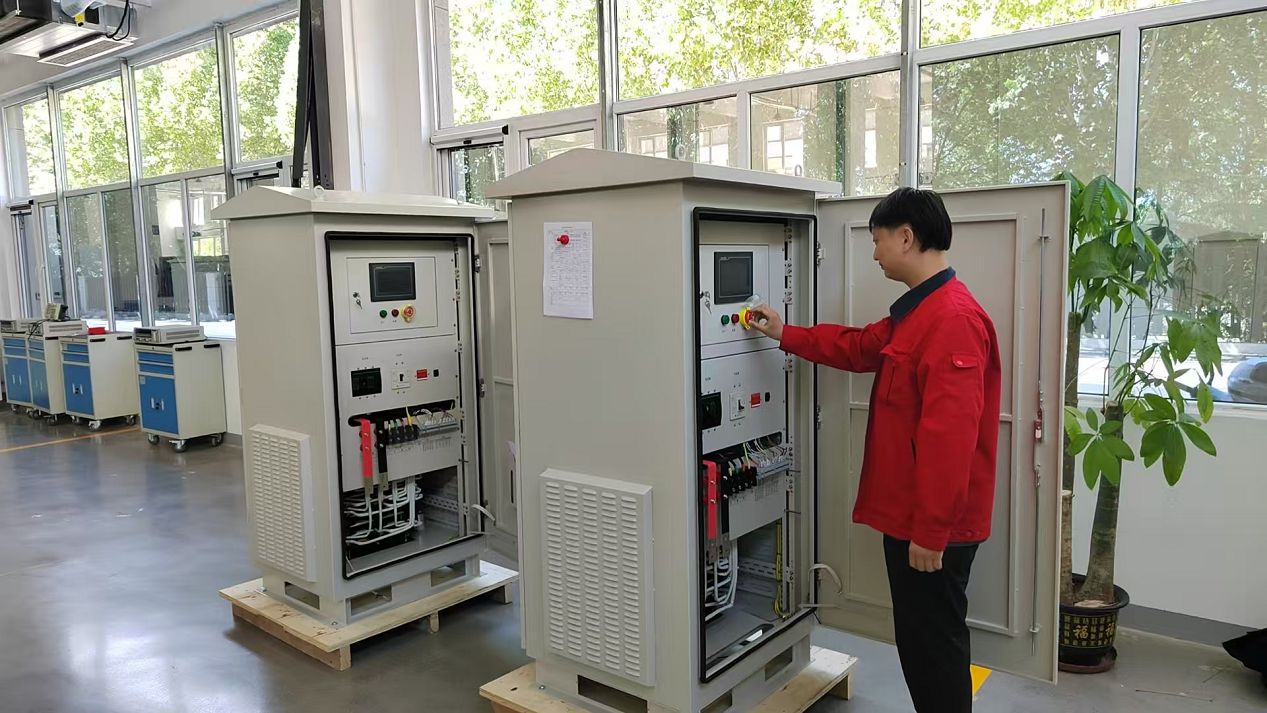
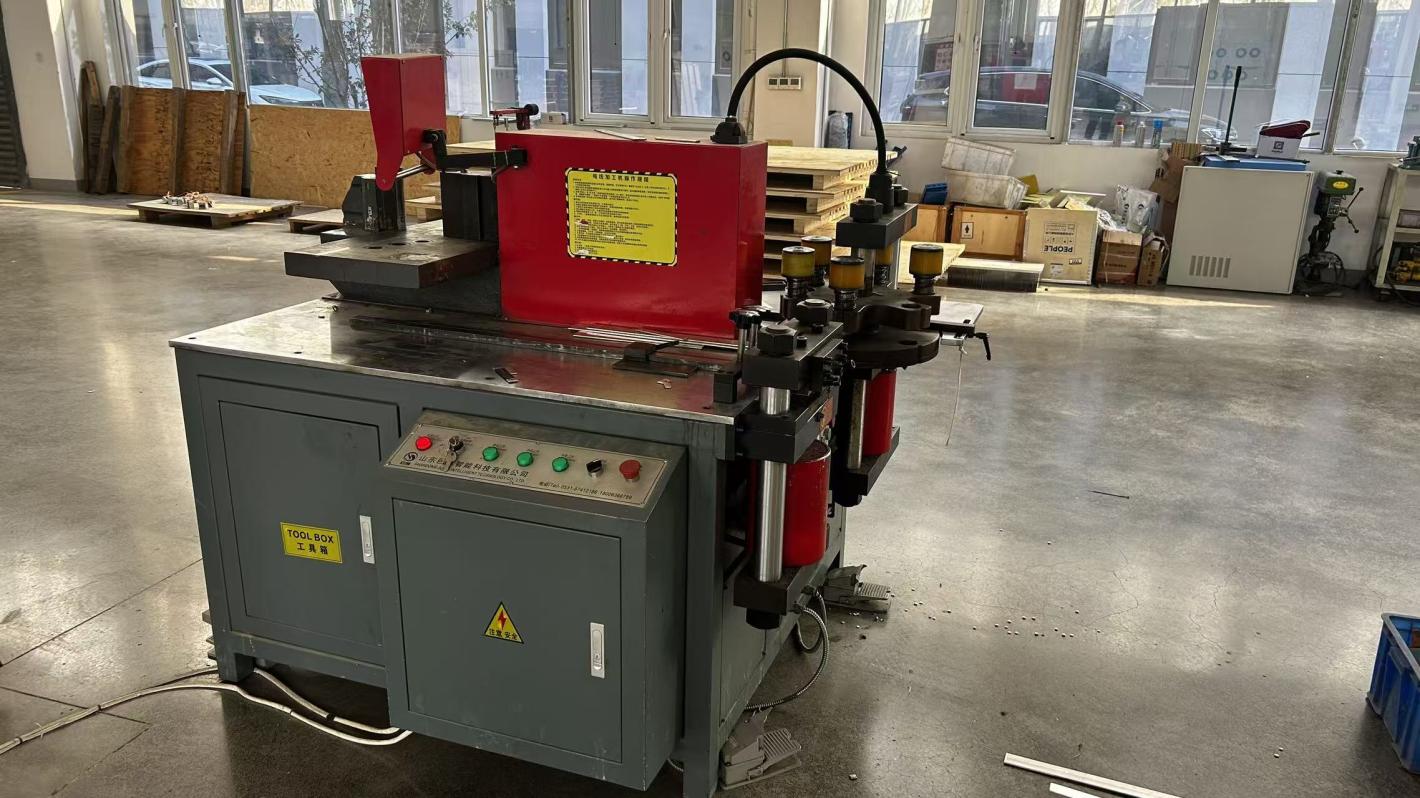
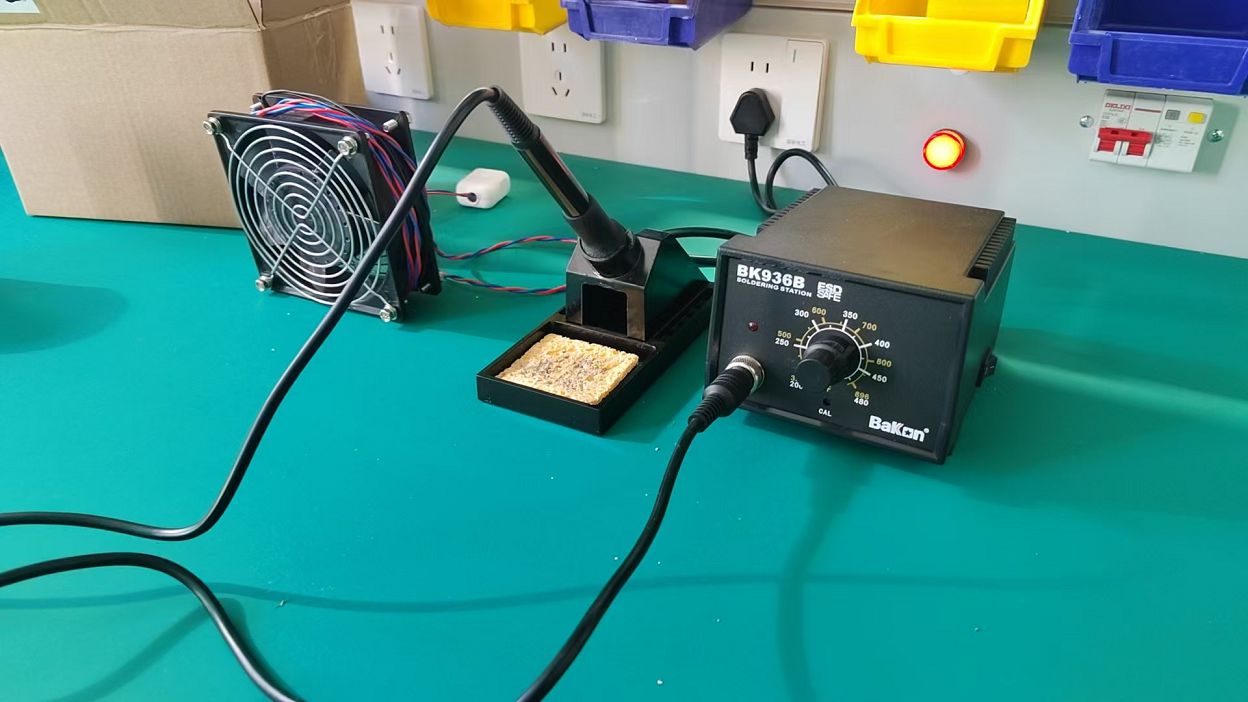
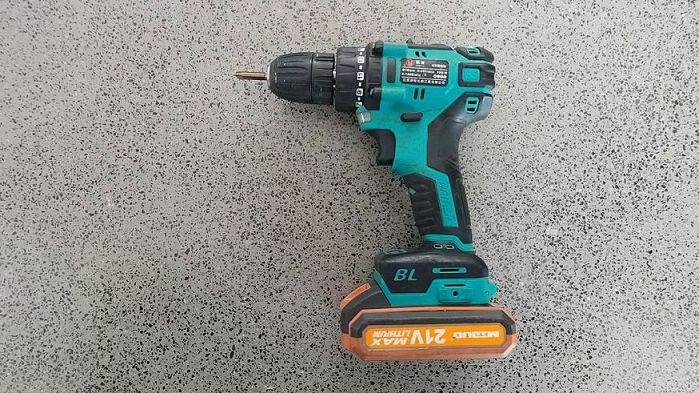
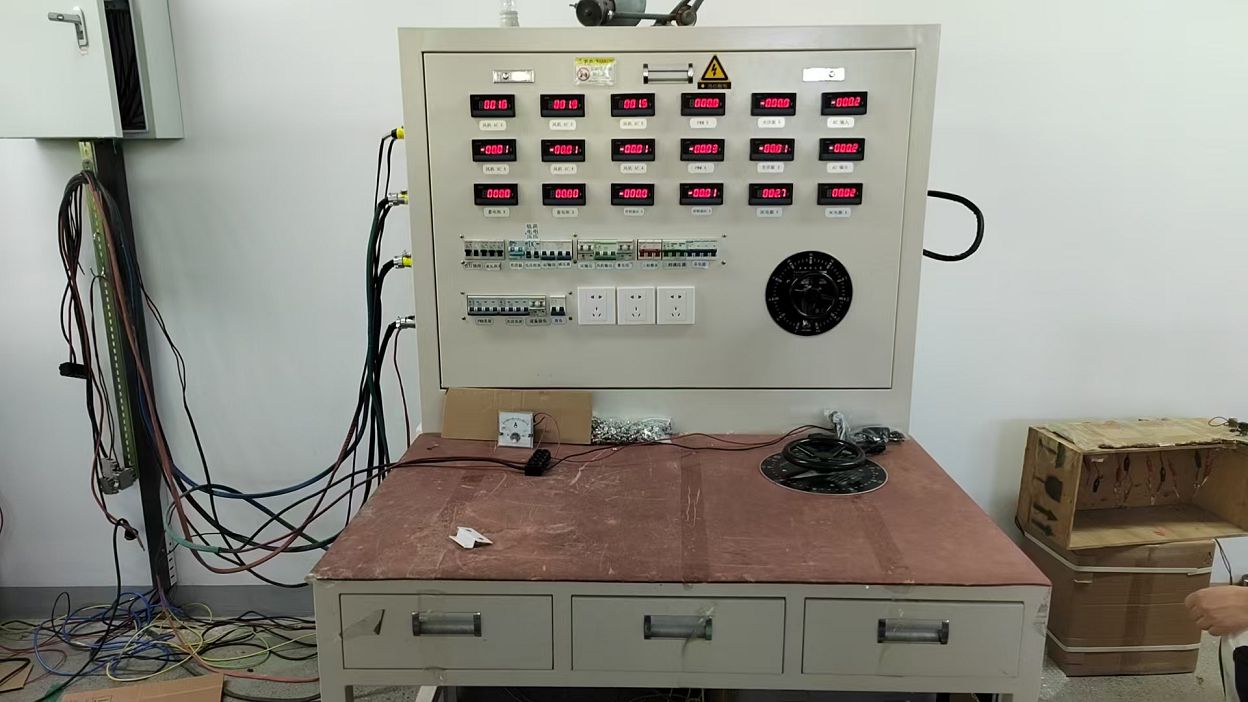
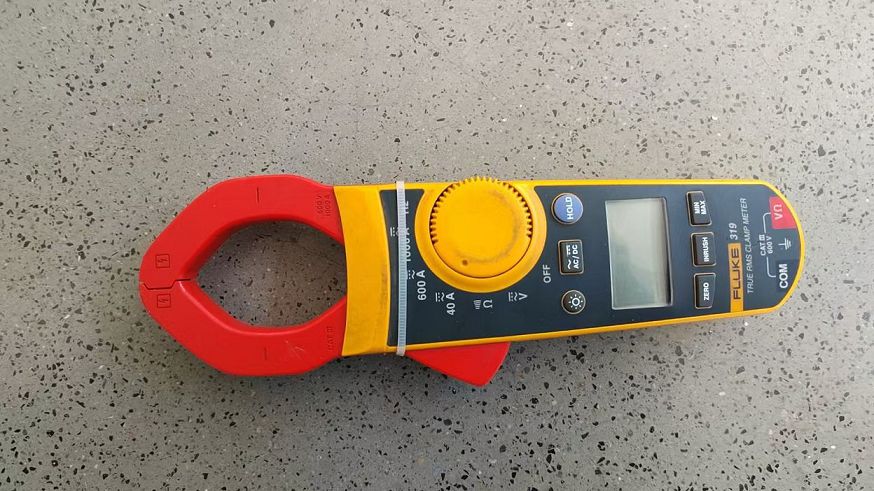
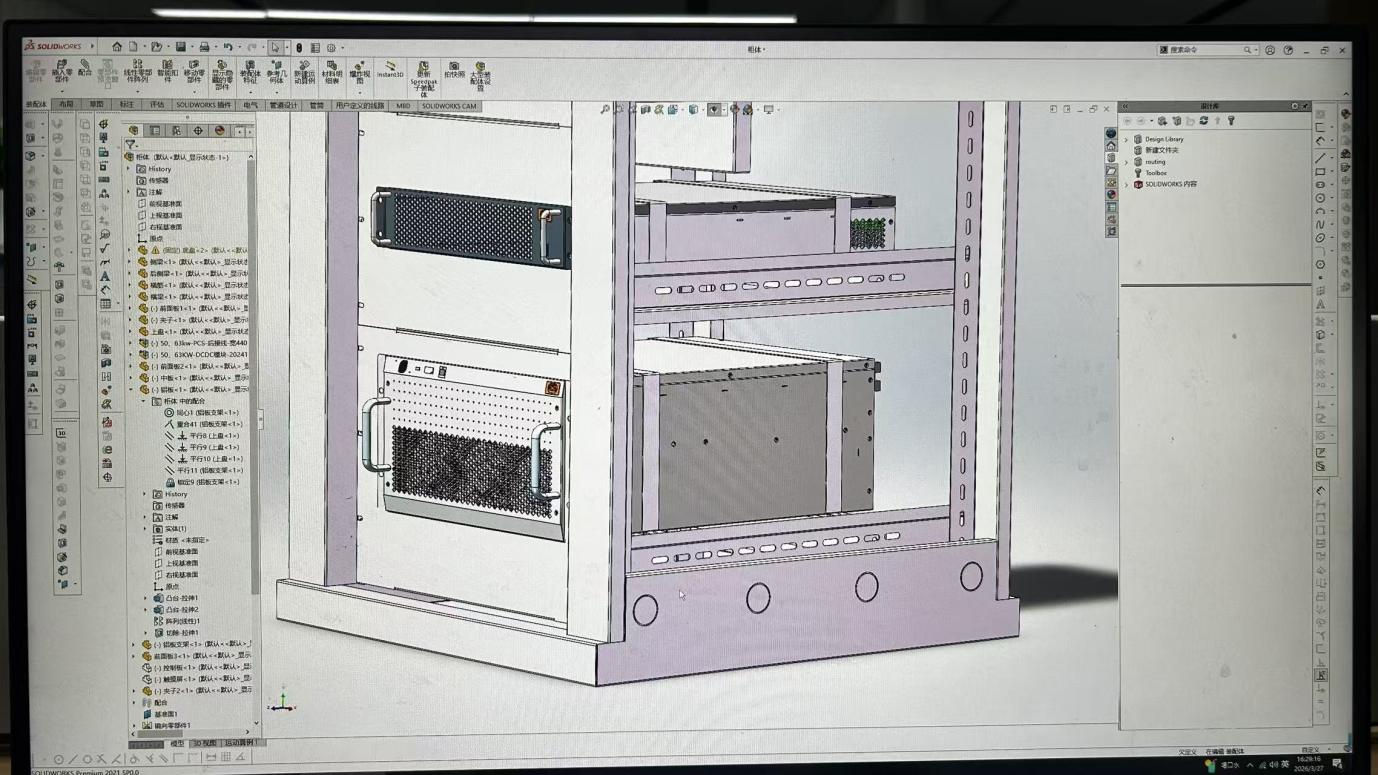
Our manufacturing line integrates advanced equipment and strict QA pipelines. From custom copper bar fabrication for high-current loads to automated reflow soldering, every step is validated by calibrated diagnostic instruments. Below is an inside look at our production and quality control facility in Shenzhen.
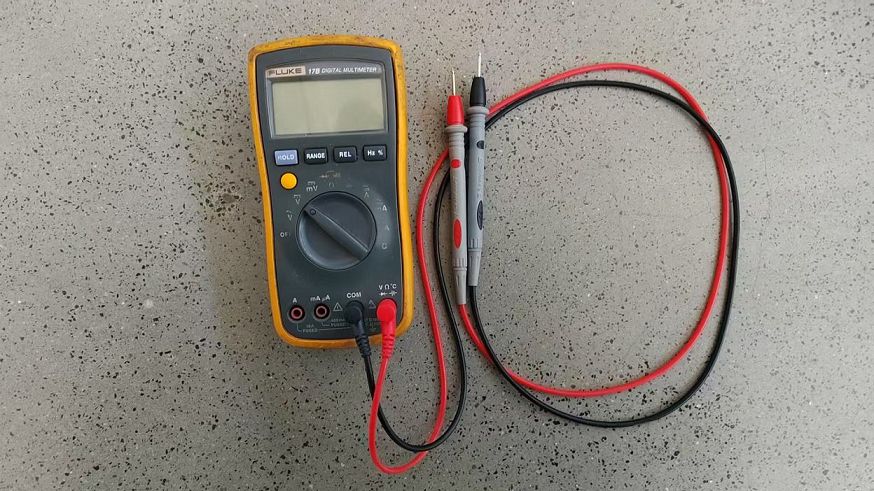
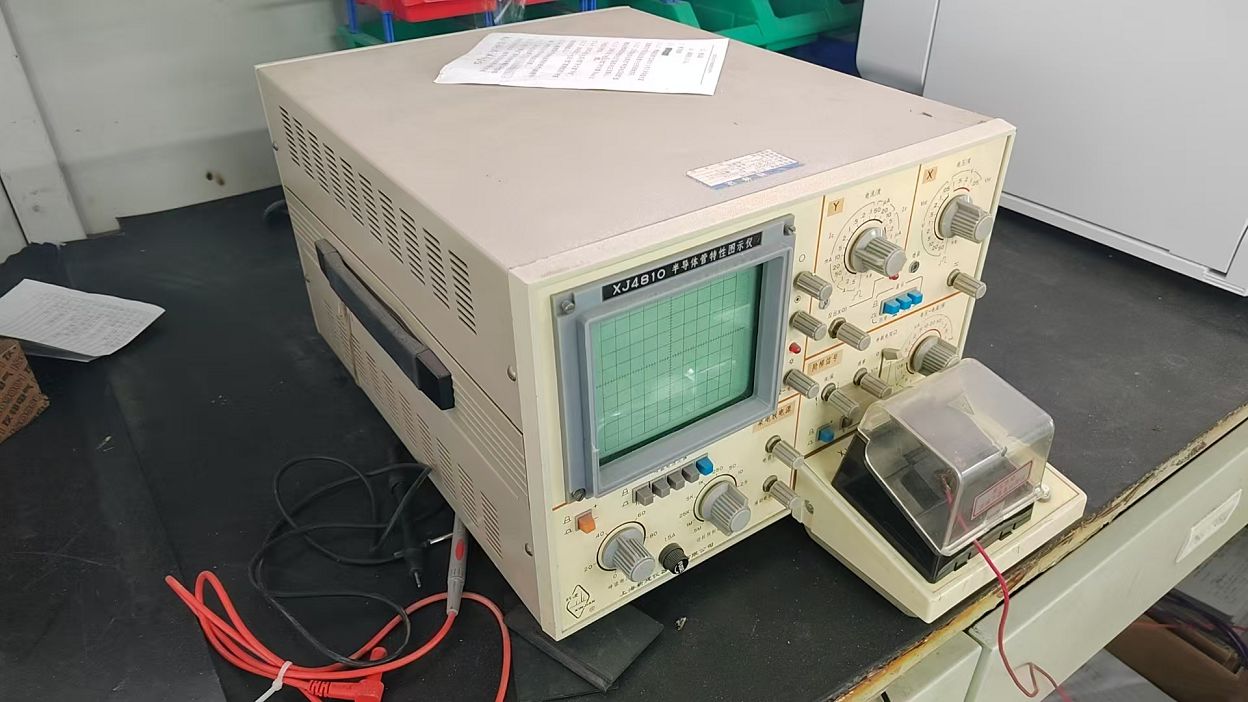
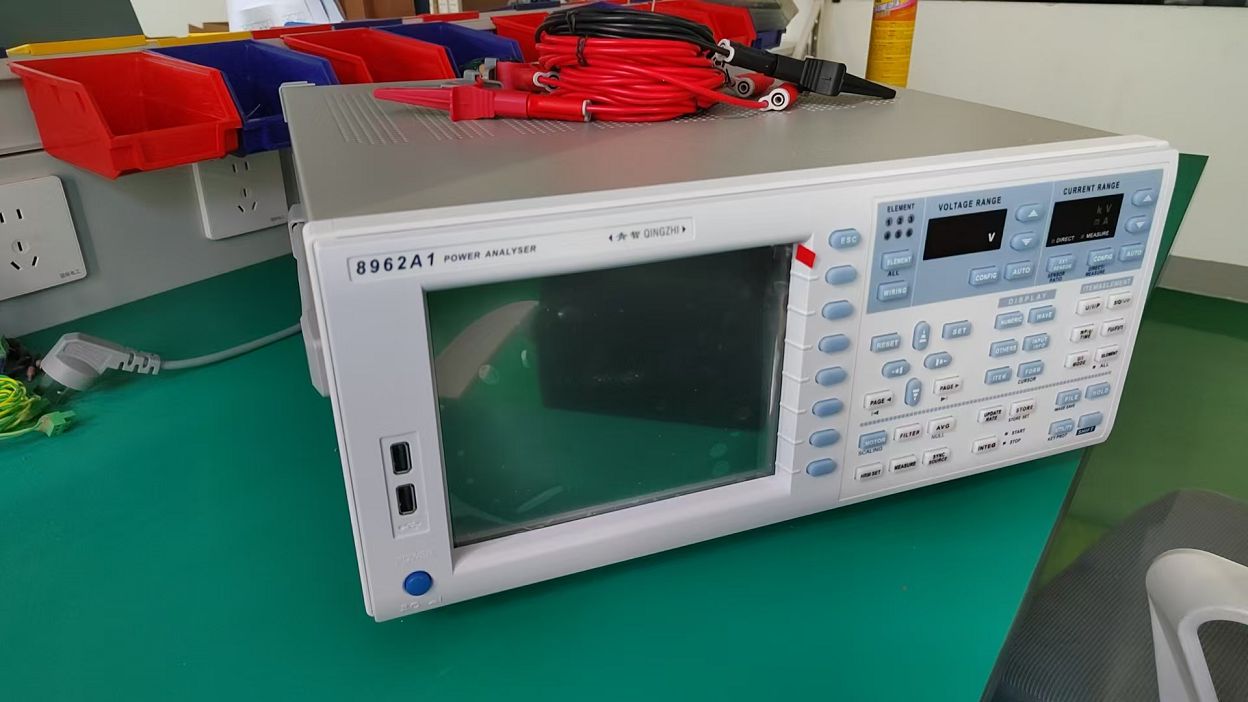
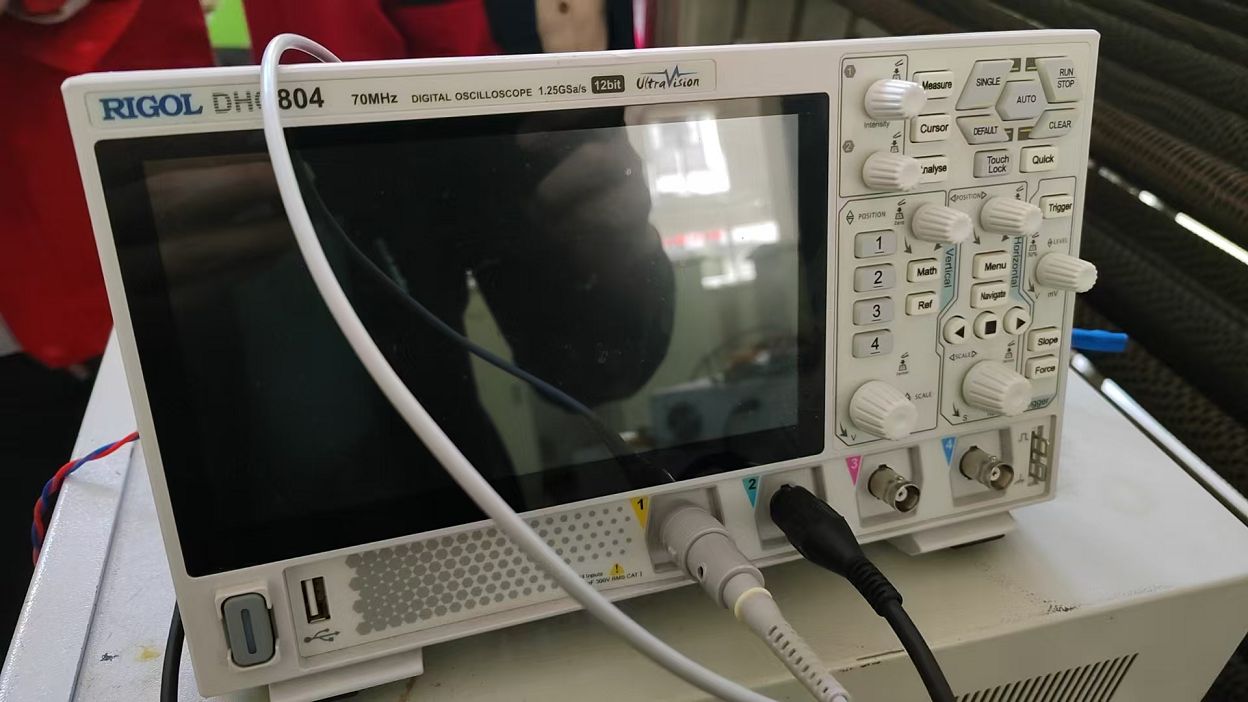
Metrology & Diagnostic Instrumentation
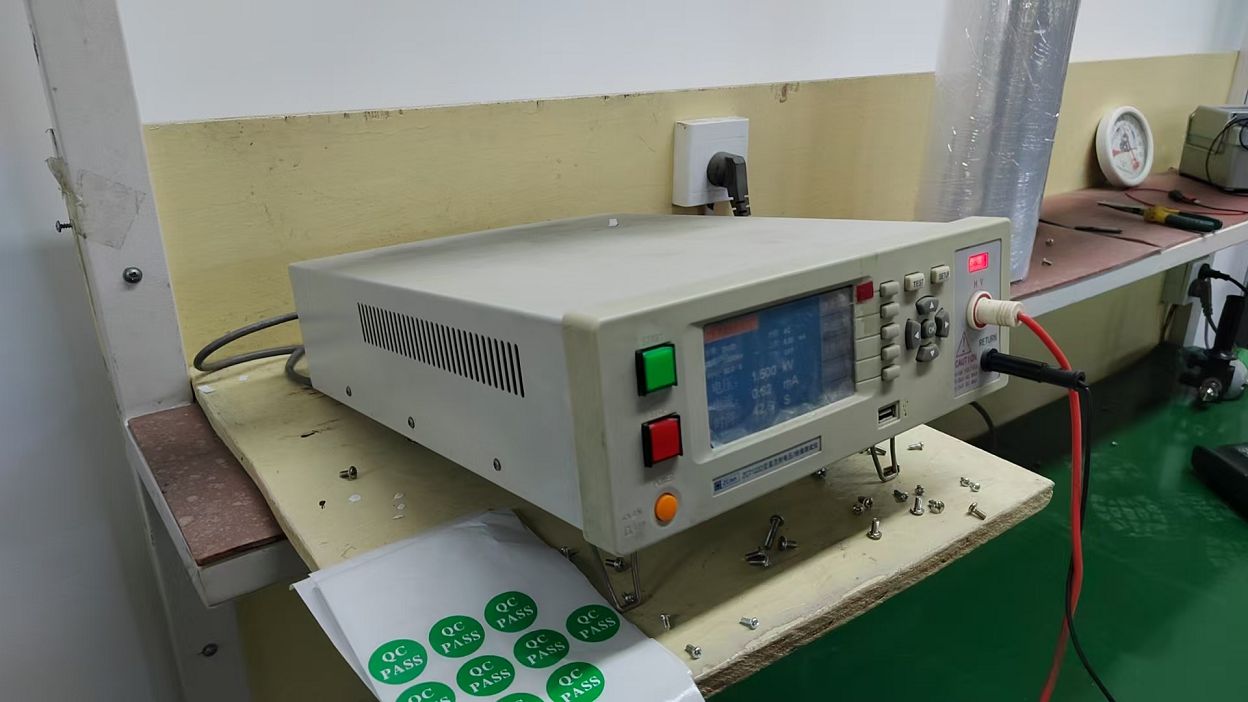
No power source leaves our floor without comprehensive validation. Our testing lab leverages state-of-the-art diagnostic instruments to verify voltage stability, transient response, and harmonic structures.

Macro-Industry Solutions: Deep Application Analysis
Programmable AC and DC sources are not merely instruments; they are critical vectors for compliance validation, dynamic stress testing, and functional R&D. Different industries demand distinct profiles from their programmable infrastructure:
- Renewable Energy Systems (Solar & Wind): Photovoltaic (PV) inverters must demonstrate low-voltage ride-through (LVRT) capabilities and comply with rigorous standards (e.g., IEEE 1547, IEC 62116). Sophpower's regenerative AC sources simulate comprehensive grid anomalies—voltage spikes, frequency shifts, and phase unbalances—while recycling the output energy generated by the inverter, drastically improving operational sustainability.
- Electric Vehicles (EV) & Battery Technologies: Testing onboard chargers (OBC), DC-DC converters, and battery management systems (BMS) requires high-voltage, high-current programmable DC sources. Systems must provide dynamic load simulation to emulate real-world driving cycles, combined with ultra-fast transient responses to prevent thermal runaway or control circuit failure during test sweeps.
- Military & Commercial Aerospace: Aircraft electrical architectures operate standard networks at 400Hz or variable wild-frequency systems (360Hz to 800Hz) to save alternator weight. Delivering stable, low-noise power conversion at these precise frequencies requires specialized output filtering and phase-angle stability designed for avionic compliance testing (MIL-STD-704, RTCA DO-160).
Technology Roadmap & The Integration of SiC/GaN Materials
The power supply industry is undergoing a paradigm shift driven by wide-bandgap (WBG) semiconductors. Traditional Silicon (Si) based switching topologies face strict physical limits on switching frequencies and thermal density. By incorporating Silicon Carbide (SiC) and Gallium Nitride (GaN) components, next-generation programmable AC/DC power sources achieve:
- Higher Power Densities: Reducing unit size by up to 50%, enabling a 15kVA power source to fit in a standard 3U/4U rack.
- Extended Frequency Response: Facilitating faster loop response times, which translates directly to sharper pulse generation and more precise simulation of fast micro-transients.
- Superior Thermal Performance: Enabling reliable operation at elevated ambient temperatures without massive cooling systems, increasing MTBF (Mean Time Between Failures).
Our development team at Sophpower is working to expand this roadmap, integrating smart web-based control interfaces and automated telemetry API layers (EtherCAT, LXI compliant LAN interfaces, Modbus TCP) to connect physical power systems directly with cloud-based digital twin models.
Supply Chain Resilience & Global Procurement Directives
Global procurement directors must weigh purchase costs against lifetime Total Cost of Ownership (TCO). A major factor is downtime risk. Operating a China-based high-tech factory like Shenzhen Sophpower offers substantial advantages. Our direct supply chains, automated component sourcing, and domestic logistics allow us to supply high-reliability systems at reduced lead times.
Furthermore, our engineering team works directly with global engineering firms to customize output ratings, protective enclosures (IP ratings for harsh environments), and auxiliary interfaces. Every exported system is backed by comprehensive installation guides, calibration schematics, and remote diagnostic pipelines, ensuring that local engineers have the resources needed to keep systems running.
Expert Q&A: Technical Specifications & Selection Guidelines
Answers to complex integration, compliance, and structural design questions curated by Sophpower's senior engineering team.
Q1: What is the significance of the crest factor (CF) in a programmable AC power supply?
The Crest Factor represents the ratio of peak current to RMS current (CF = Ipeak / Irms). Non-linear loads, such as switching computer power supplies or rectifier circuits, draw current in high-amplitude, narrow pulses. A high crest factor capability (typically 3:1 or 4:1) ensures that the programmable AC source can supply these high-peak transient currents without distorting the voltage waveform.
Q2: How do linear AC power sources compare with PWM sources regarding harmonic noise?
Linear AC sources offer extremely clean sinusoidal outputs with Total Harmonic Distortion (THD) under 0.1% to 0.3%, making them ideal for testing sensitive R&D equipment, sensors, and avionics. High-frequency switching PWM sources, though much more efficient and physically smaller, naturally generate high-frequency switching noise that requires advanced output filters to achieve a typical THD of < 0.5%.
Q3: Can Sophpower customize AC power sources to simulate specific grid fault conditions like micro-interrupts?
Yes. Our programmable AC systems feature complex wave synthesis software. This allows users to program specific output sequences, including sudden voltage drops, phase offsets, transient surges, and micro-interrupts (duration down to milliseconds), conforming to standards such as IEC 61000-4-11 and IEC 61000-4-34.
Q4: What protection mechanisms are integrated into your industrial voltage regulators and DC power systems?
All Sophpower power supplies are equipped with comprehensive protection topologies, including Over-Voltage Protection (OVP), Over-Current Protection (OCP), Over-Power Protection (OPP), Over-Temperature Protection (OTP), and Short-Circuit Protection. Our heavy-duty SCR three-phase voltage regulators also feature phase-loss protection and surge absorption modules.
Q5: What interfaces are supported for automated test equipment (ATE) system integration?
For integration into larger ATE racks, our programmable units support standard industrial protocols. These include RS-232, RS-485, USB, GPIB (IEEE-488.2), and LAN/Ethernet ports. Standard Command for Programmable Instruments (SCPI) support simplifies software integration in LabVIEW, MATLAB, or custom C#/Python environments.
Industrial Voltage Stabilizers & Heavy-Duty Power Converters
Explore our industrial range of high-capacity regulators, stabilizers, and specialized power modules designed for manufacturing grids.