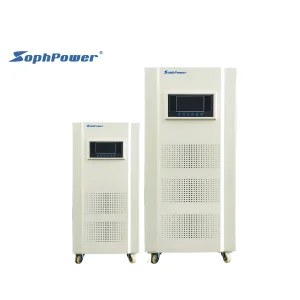
Featured High-Performance Power Systems
Engineered to simulate exact electrical environments globally with low total harmonic distortion and high frequency precision.
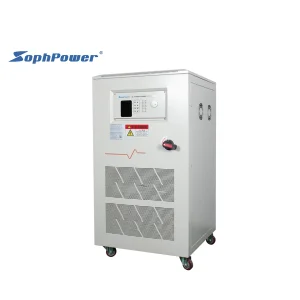
60kVA Three Phase Frequency Converter Ac Power Source Sophpower AFC-360
View Technical Specifications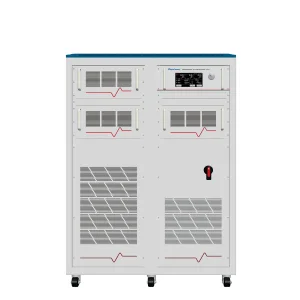
Three Phase 120kVA Programmable AC Power Supply 45Hz-400Hz Variable Frequency AC Power Source
View Technical Specifications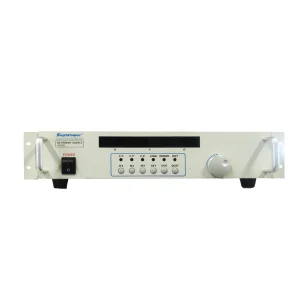
1000v 1a programmable dc power supply
View Technical Specifications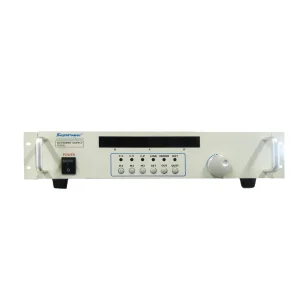
LED display 40v 60a dc regulated power supply
View Technical Specifications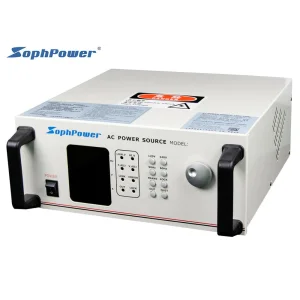
115V 400Hz Ac Power Source 1Kva Ac Power Supply AFC-110
View Technical Specifications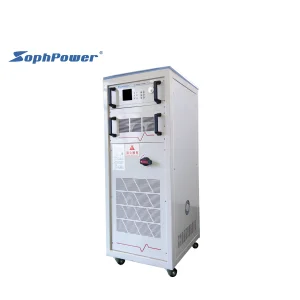
50kw 250v High Power Programmable Dc Power Supply
View Technical Specifications
600v 1KW laboratory dc adjustable power supply
View Technical Specifications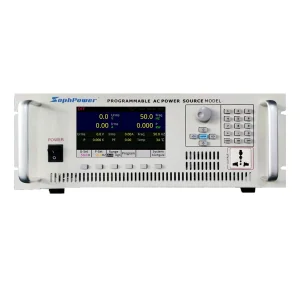
Single Phase 1000VA Programmable Linear AC Power Source Frequency Converter AC Power Supply
View Technical SpecificationsGlobal Industrial Landscape of Frequency Conversion
Modern electrical engineering relies on high-fidelity power emulation to validate components under international compliance regimes. The global industrial landscape demands testing platforms that can alter voltage amplitudes, frequencies, and phases seamlessly. From automotive battery simulation to avionics testing at 400Hz, power supplies must deliver pristine waveforms with minimal Total Harmonic Distortion (THD).
As smart grids expand and renewable energy sources like wind and solar integrate into regional systems, bidirectional and programmable power sources have transitioned from luxury testing bench utilities to mission-critical infrastructure components. Organizations require rugged hardware capable of withstand transients, phase imbalances, and extreme duty cycles.
Critical Global Demands:
- Regulatory Compliance: Testing under simulated grids to verify CE, UL, CSA, and RoHS standards.
- Grid Infrastructure Fluctuation: Simulating real-world brownouts, surges, and frequency drift to guarantee product resilience.
- Clean Signal Delivery: Linear topology systems matching pure sinusoidal outputs for ultra-sensitive laboratory components.
- High-Frequency Simulation: 400Hz and 800Hz environments required for marine, military, and aerospace test profiles.
China's Manufacturing Powerhouse & Shenzhen Sophpower
Merging high-density electrical supply chains with expert engineering to deliver high-performance testing instrumentation.
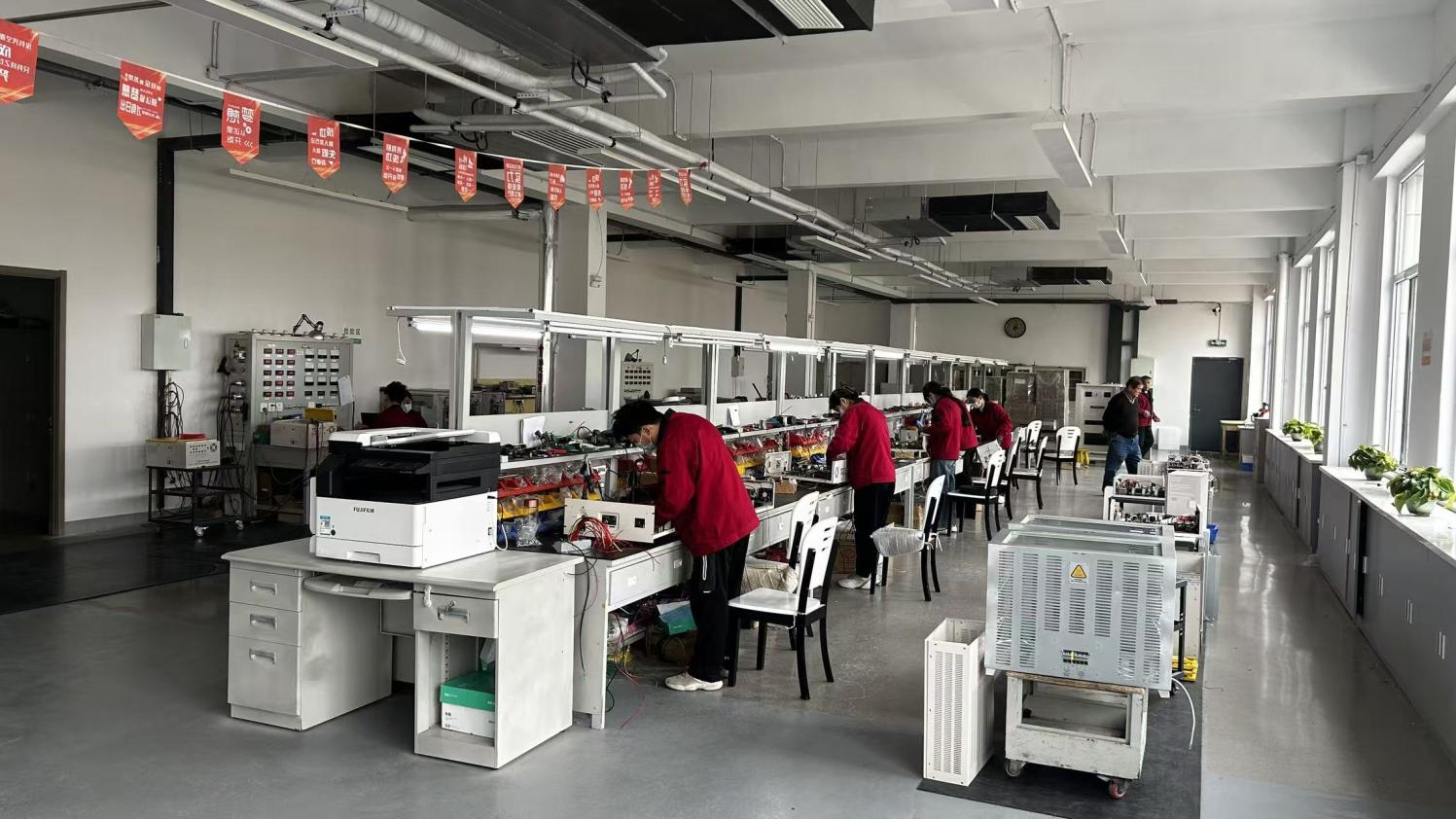
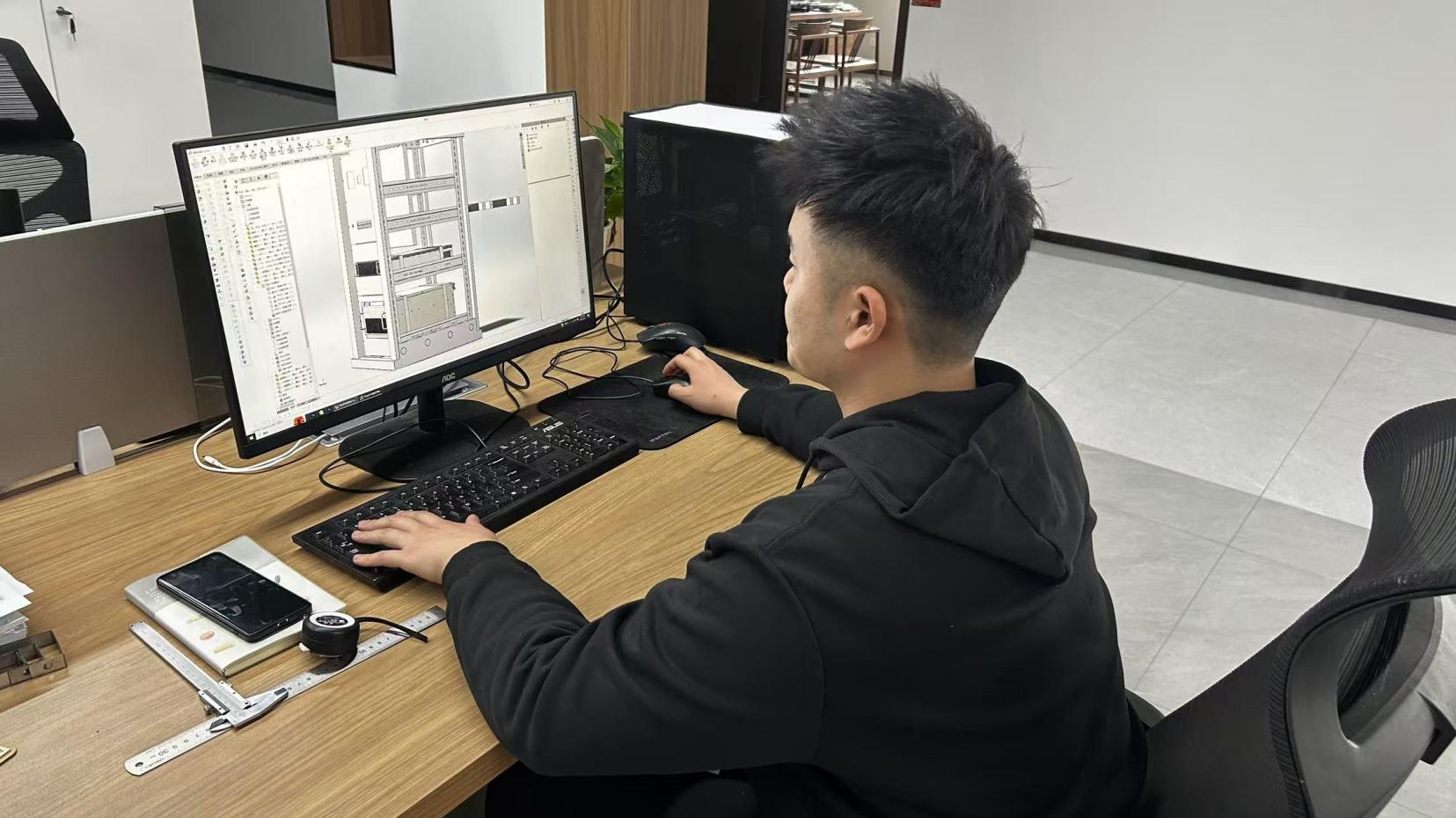
Established in 2006 in Shenzhen, China, Shenzhen Sophpower Electronics Co., Ltd. has grown into a leading high-tech enterprise. Our core strength lies in a dedicated group of technical engineers with decades of combined experience in power supply research, circuit topology, and automated safety testing.
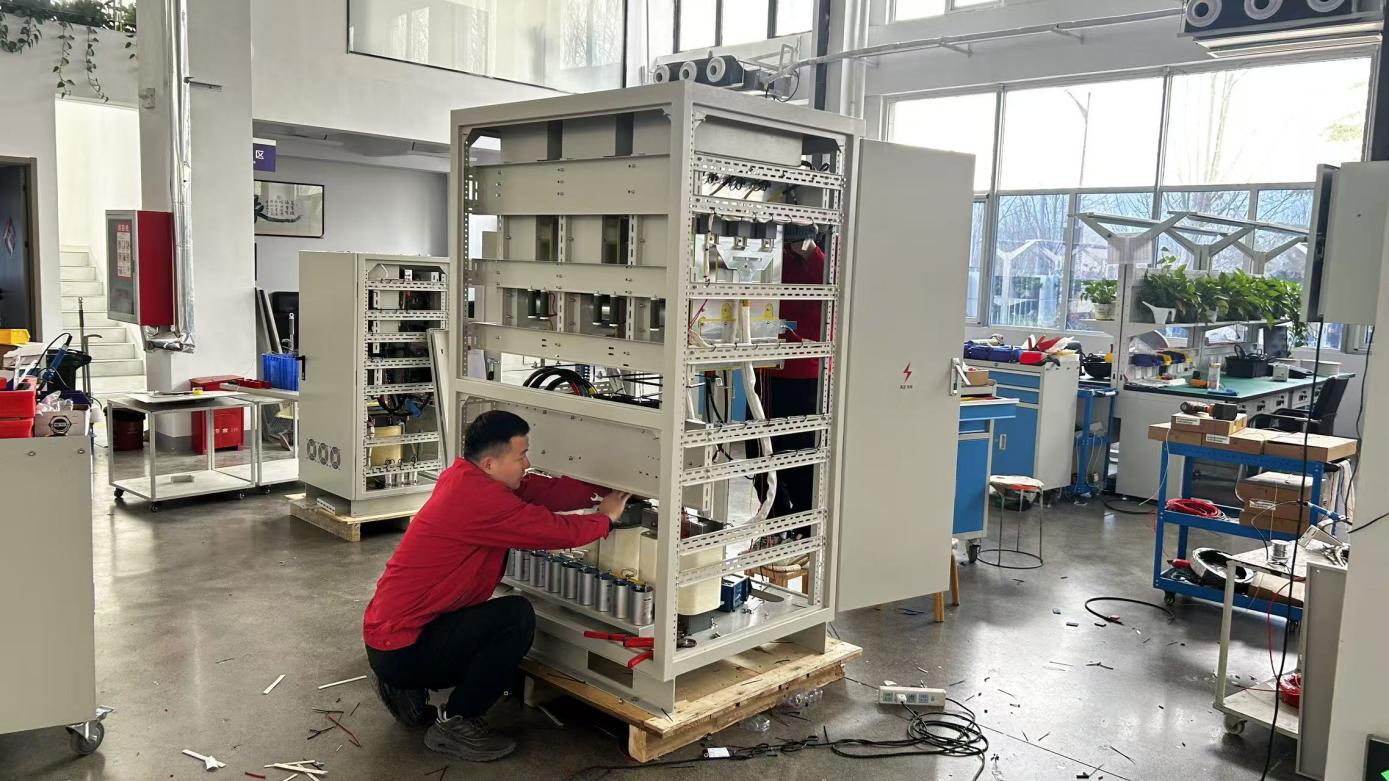
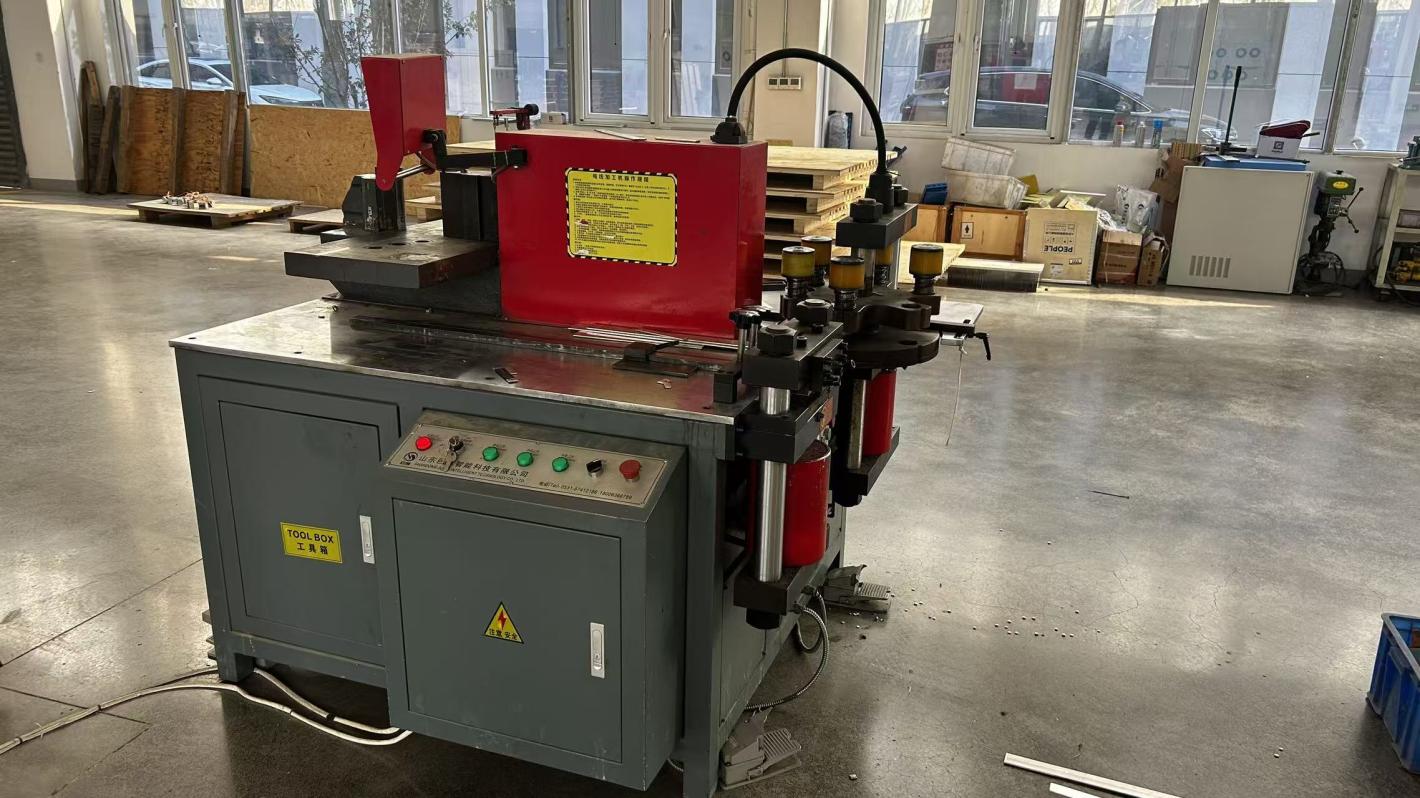
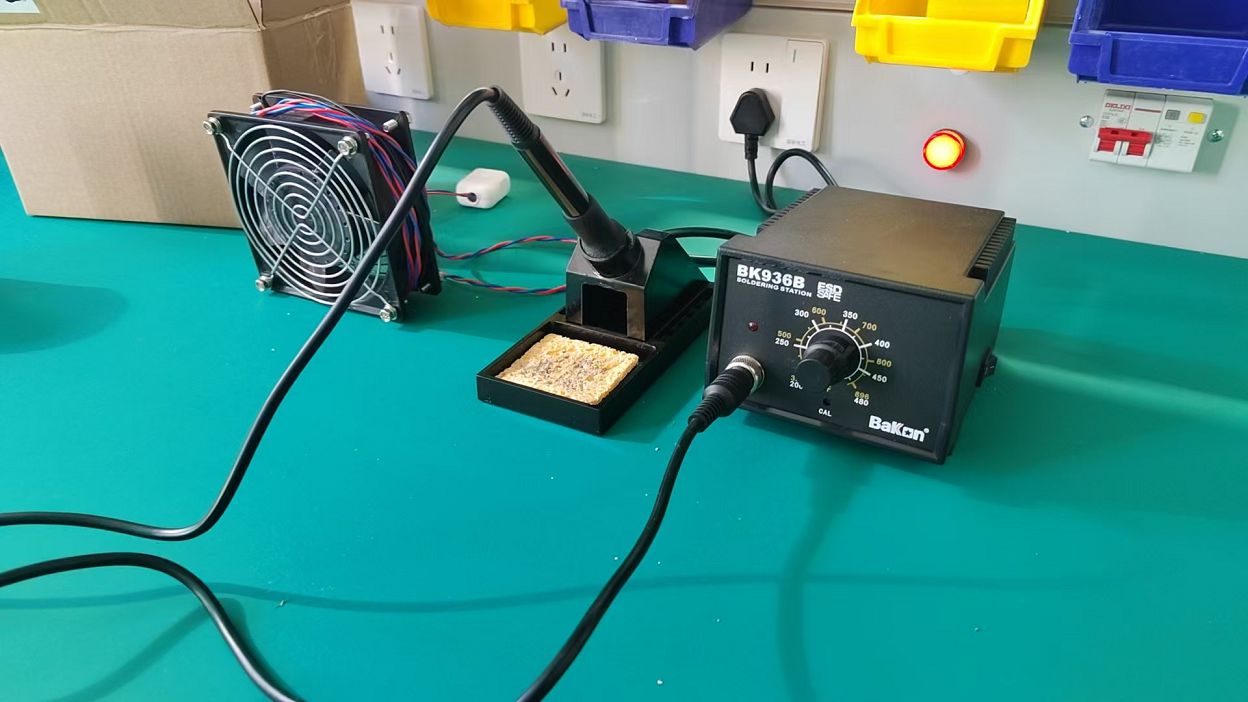
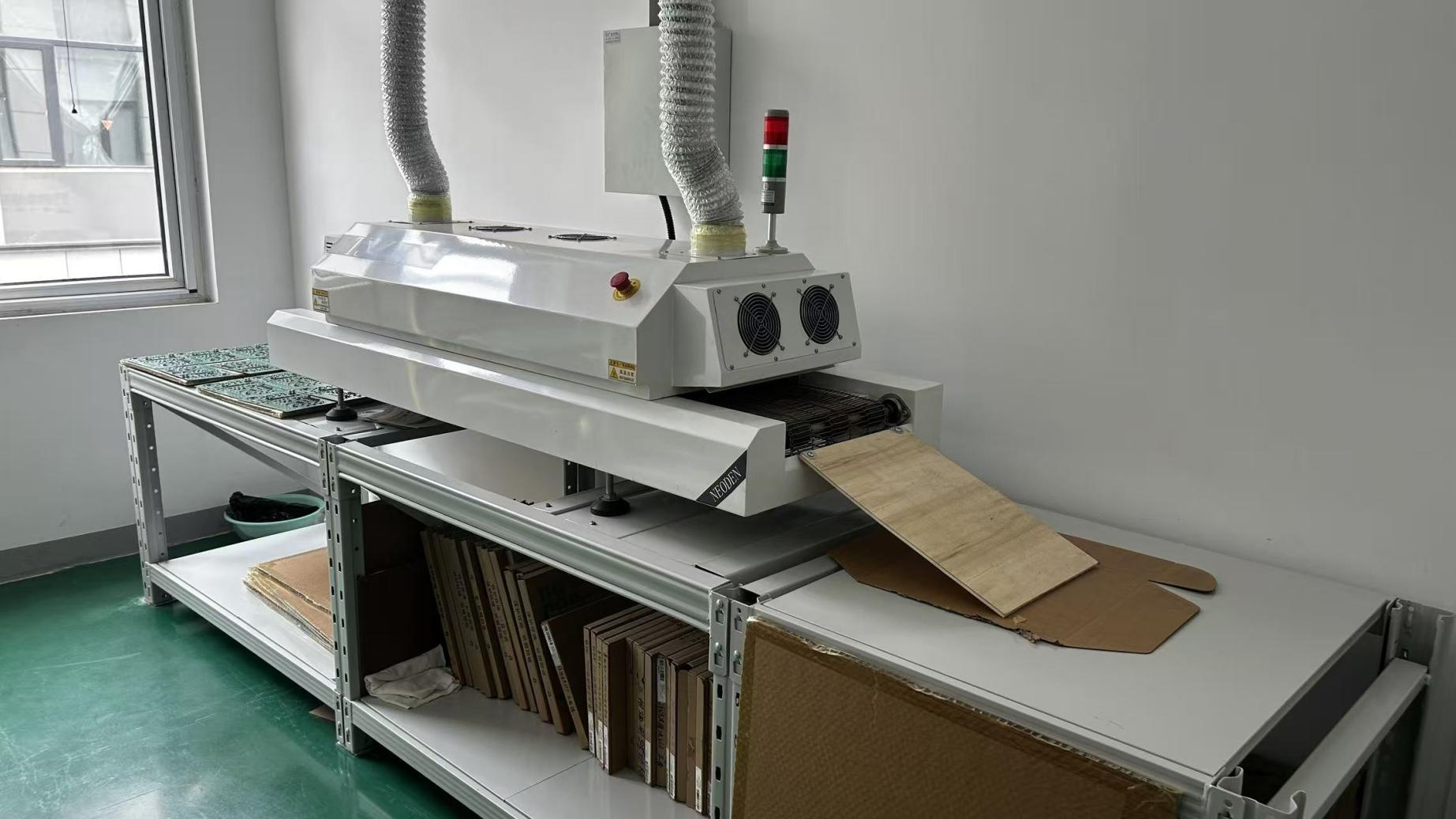
Our localized supply chain in Shenzhen provides immediate access to premium copper processing facilities, dynamic reflow soldering machinery, and high-purity semiconductor components. This geographical advantage translates to faster prototyping, rigorous quality assurance, and a highly competitive cost-performance ratio for custom testing requirements.
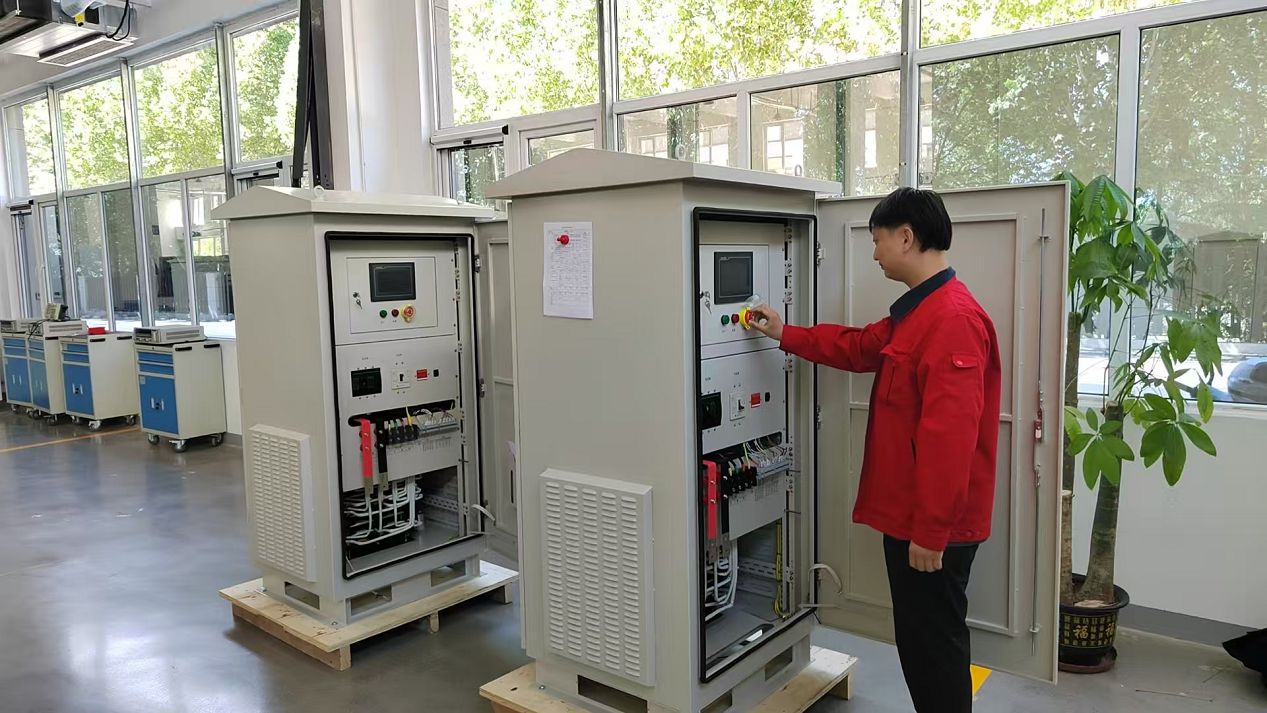
We specialize in manufacturing AC Power Sources, Linear AC Power Sources, Bidirectional AC Power Sources, DC Power Supplies, Bidirectional DC Power Supplies, Voltage Regulators, and uninterruptible power systems (UPS). Our engineering team routinely creates custom-tailored test systems to meet precise customer specifications, ranging from low-power lab units to heavy-duty industrial stabilizers.
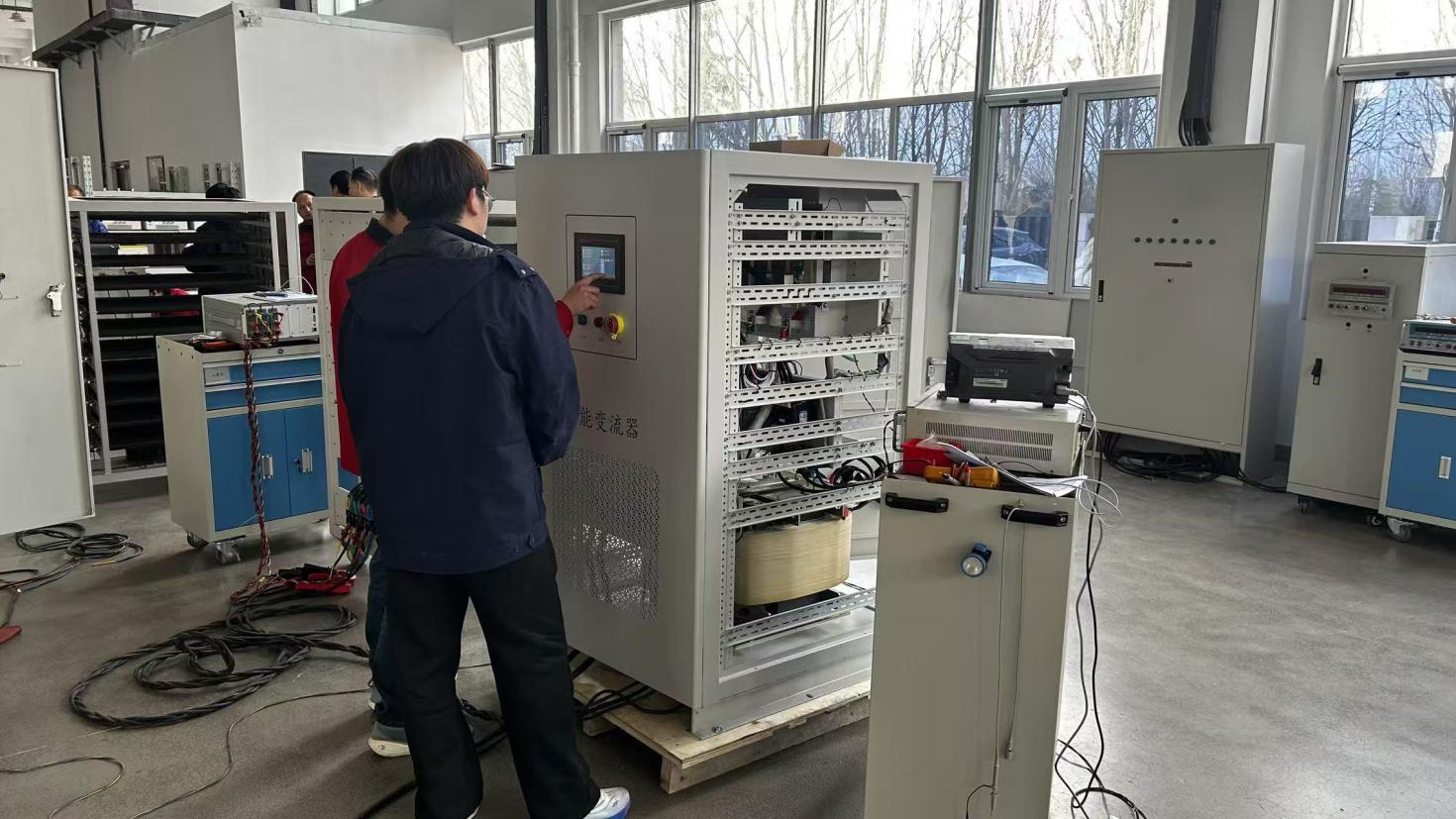
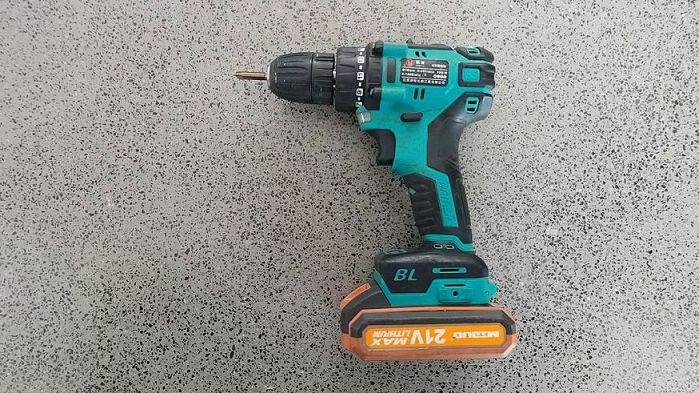
State-of-the-Art Factory & Processing Facilities
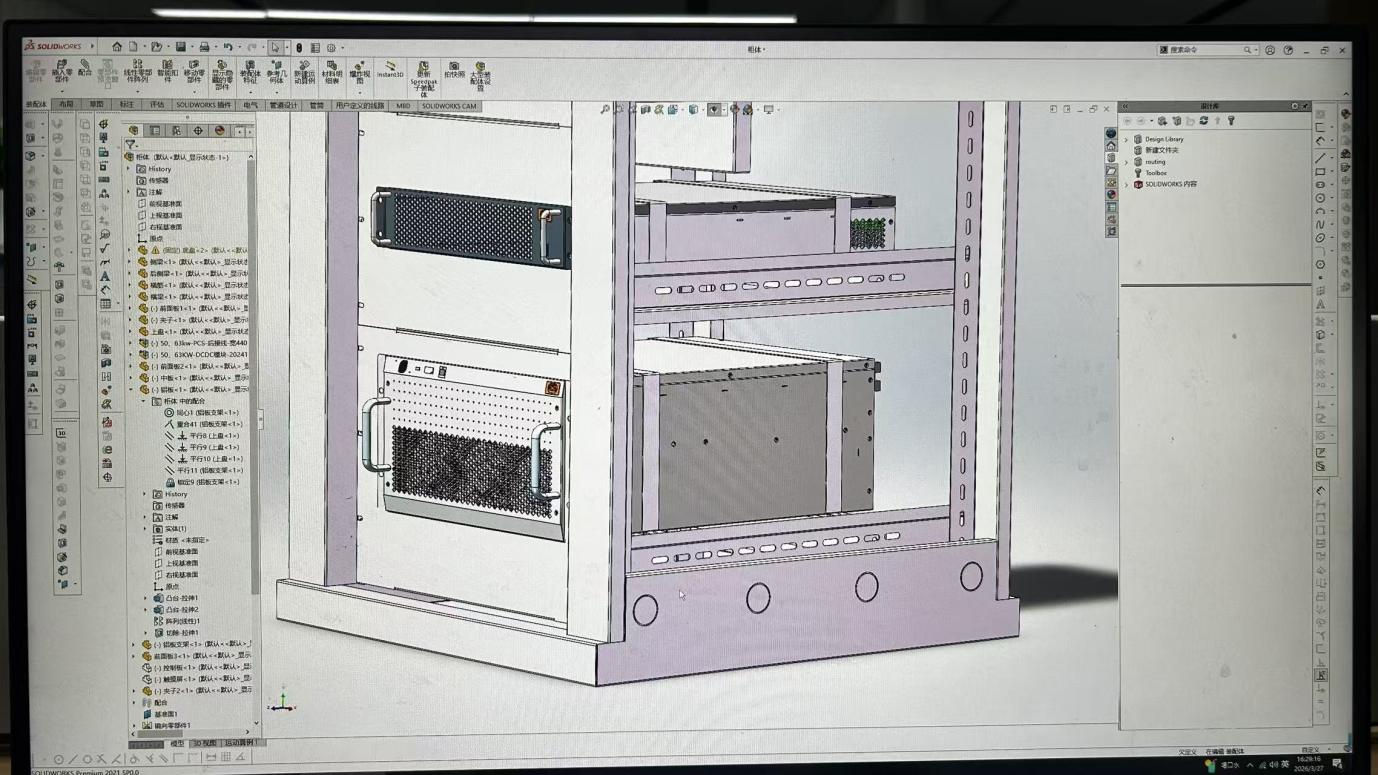
E-E-A-T Testing Equipment & Calibration Standards
Ensuring calibration traceabilities and high reliability through advanced diagnostic instrumentations.
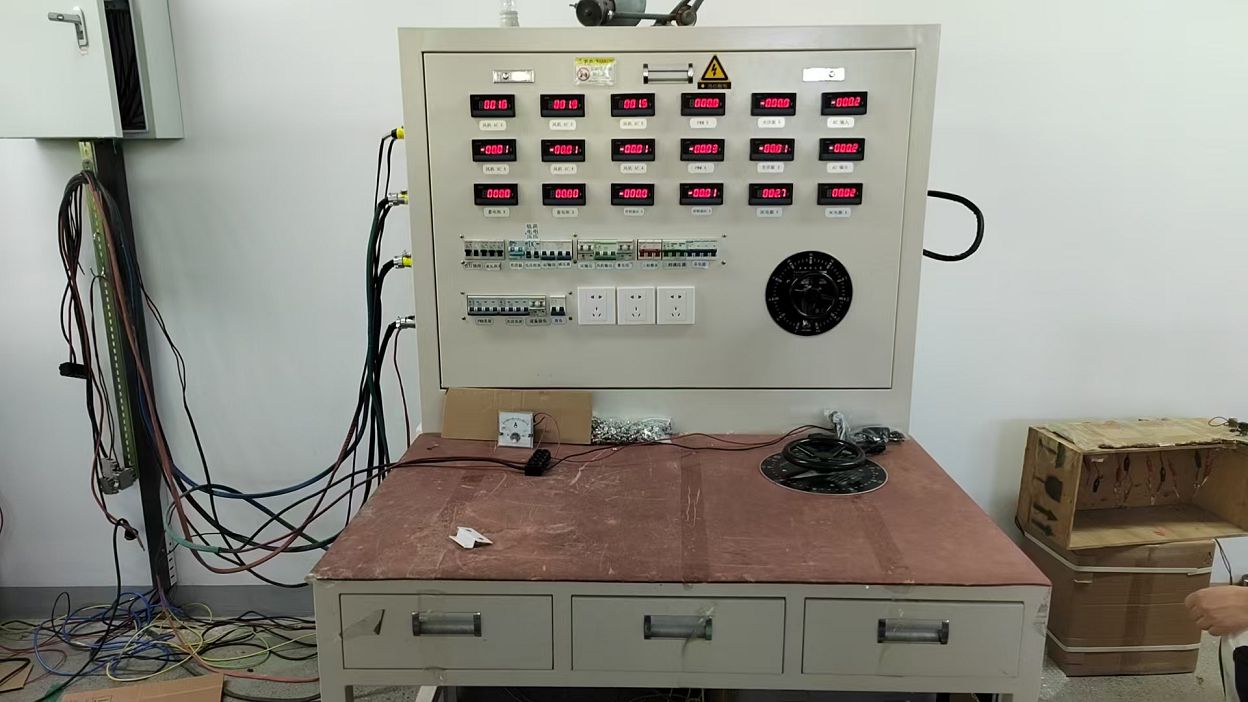
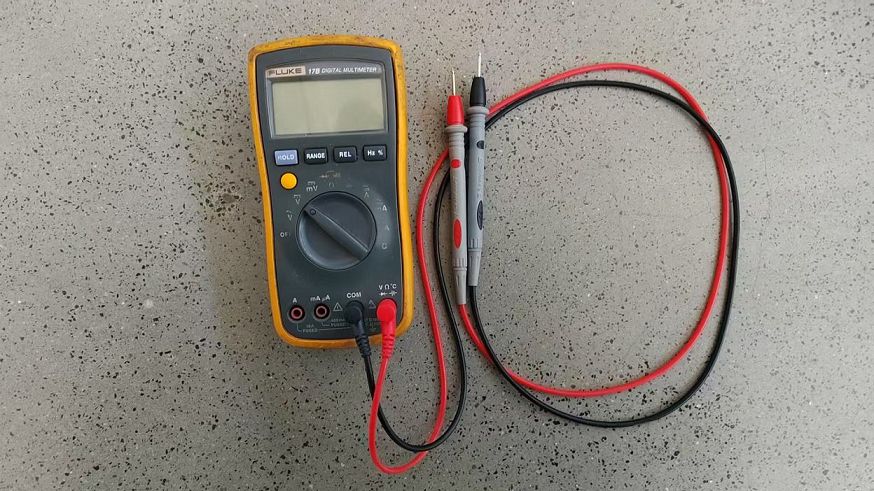
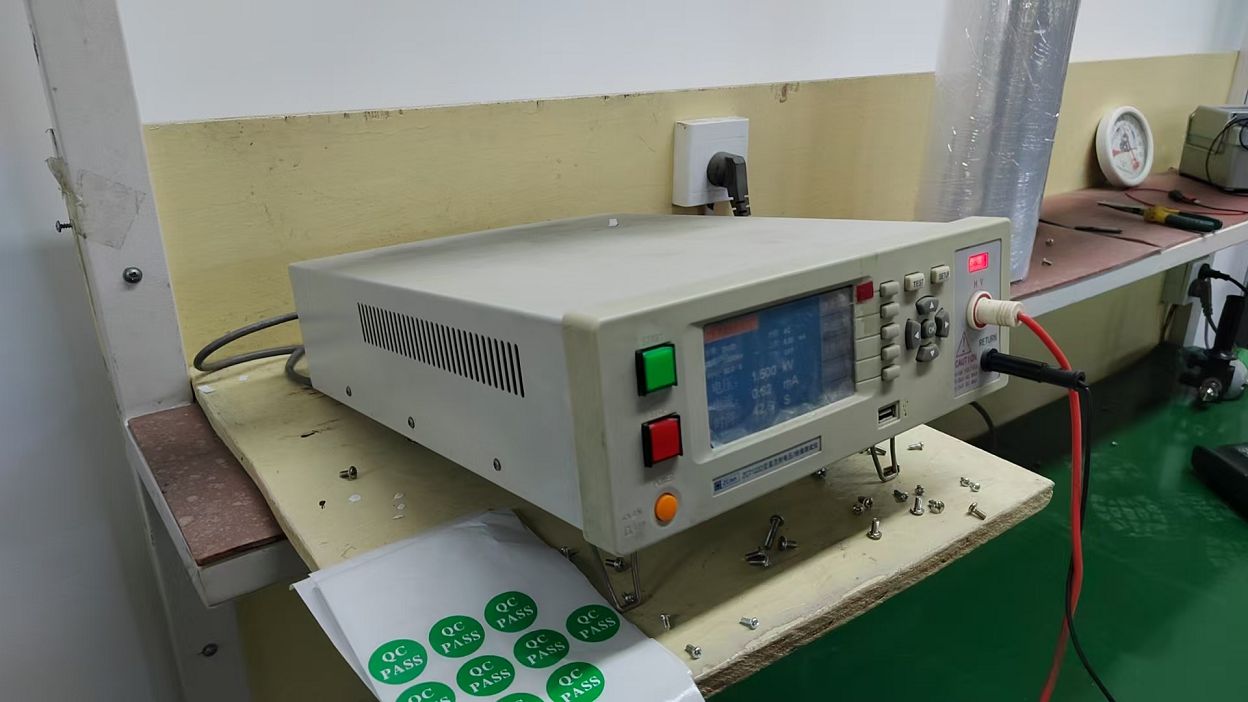
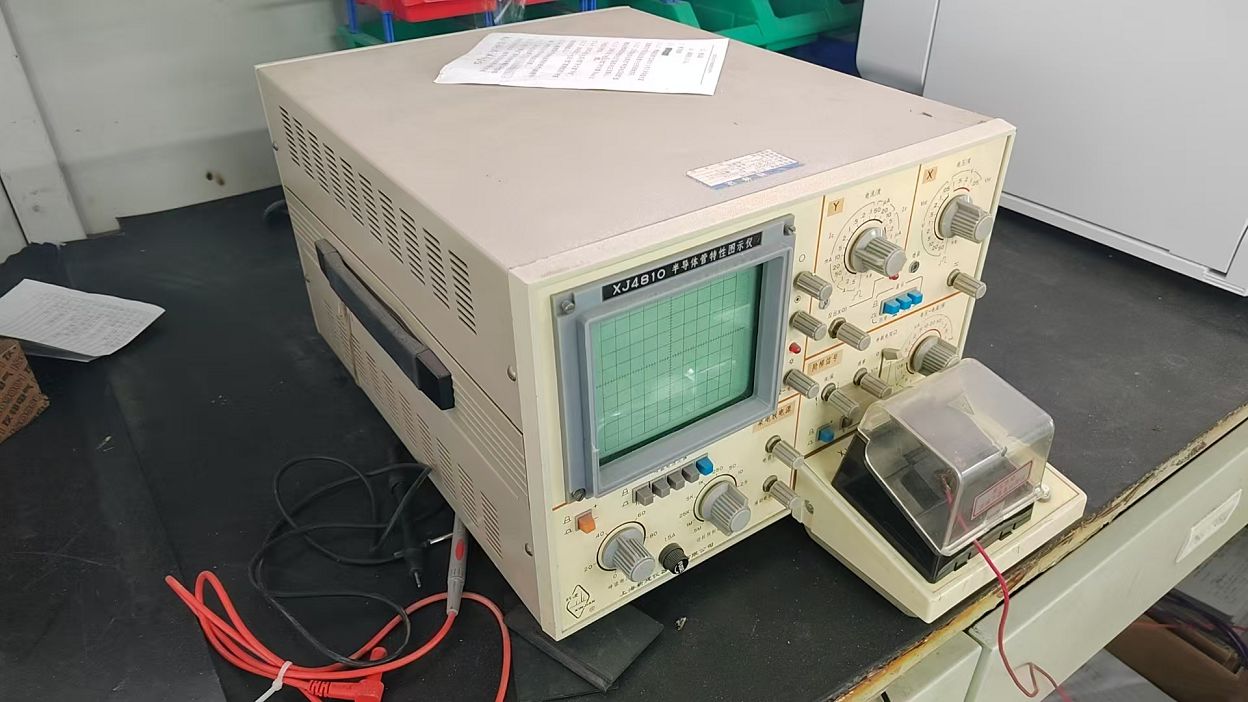
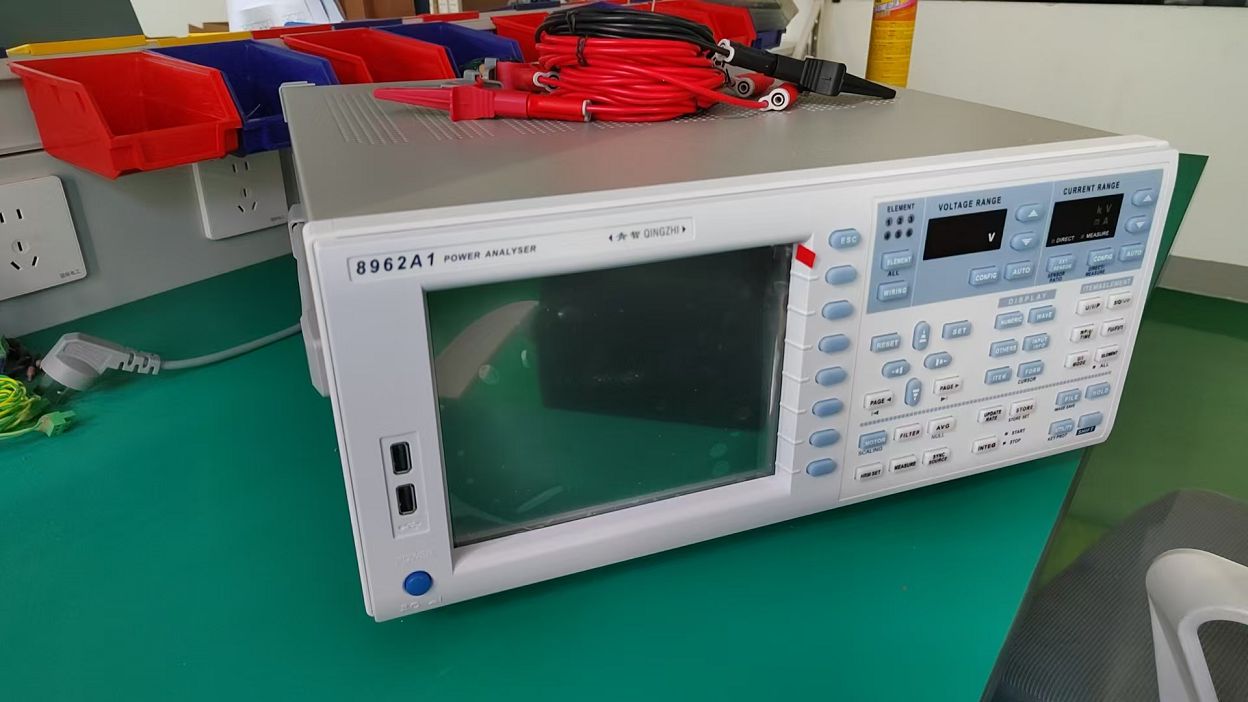
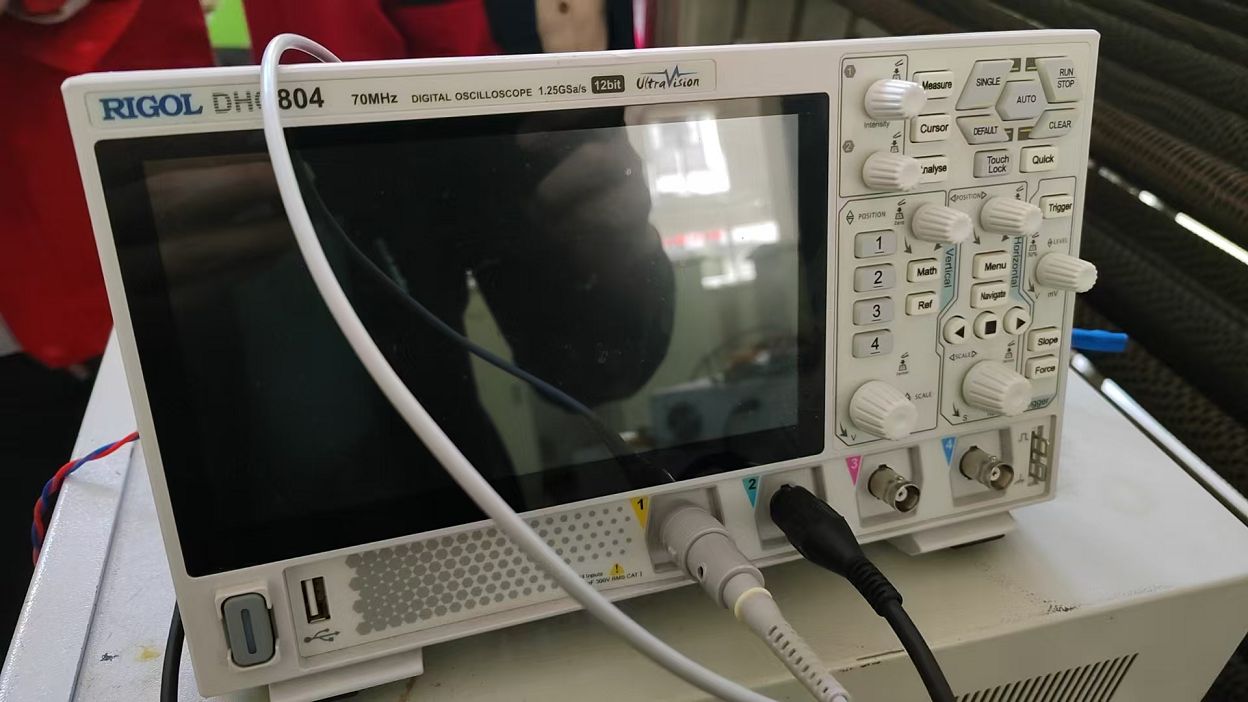
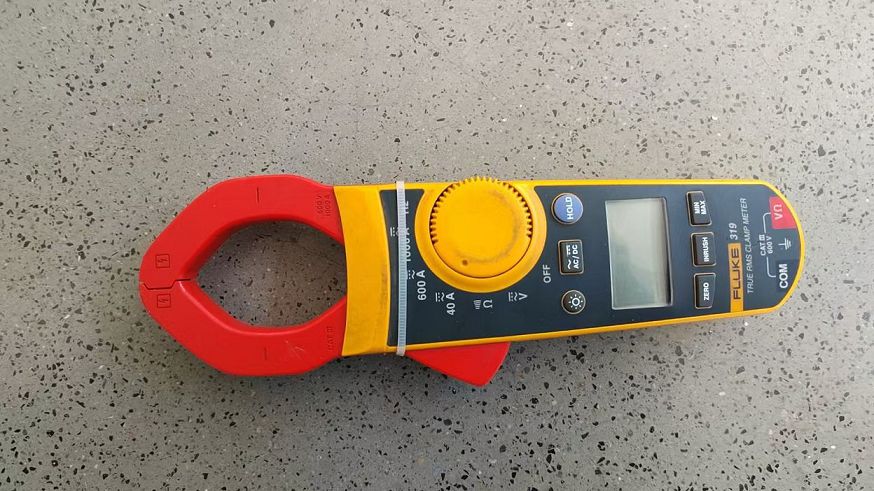
Every single power unit manufactured at Sophpower undergoes extensive electrical stress analysis. We utilize industry-standard digital oscilloscopes, LCR auto-testers, and semiconductor characteristic plotters to guarantee low distortion and safety margins under high-power operations.
By implementing real-time power quality analysis, our engineers test phase distortion, electromagnetic compatibility (EMC), thermal signatures, and overall power efficiency before certifying any converter for export. This comprehensive workflow minimizes field failures and delivers unparalleled stability to global testing labs.
Rigorous QA Metrics:
- Low Phase Discrepancy under 100% Unbalanced Loads
- Dynamic Transient Response testing (<2ms recovery)
- High-voltage insulation safety and ground resistance testing
- Precision harmonics monitoring up to the 40th order
Diverse Engineering Applications
Discover how Sophpower converters bridge power variances across specialized sectors.
1. Aerospace & Marine Systems
Aircraft and military vessels run on high-frequency 400Hz systems to reduce weight in transformers and motors. Our AFC range provides adjustable 45-400Hz power configurations designed specifically to support development, calibration, and final inspection of avionics instruments and naval radar assemblies.
2. Laboratory & Compliance Benches
Consumer electronics built for international distribution must be verified against power brownouts and frequency variations. Using programmable AC power sources, labs can easily replicate grid patterns from the United States (120V/60Hz), Europe (230V/50Hz), and other areas with varying grid quality.
3. Industrial Motor & Pump Control
Our heavy-duty three-phase frequency converters ensure soft startups and balanced voltage parameters for heavy pumps, ventilation shafts, and complex robotic assemblies. This protects downstream industrial controls, prevents massive electrical rushes, and significantly boosts long-term machinery lifetime.
Future Technical Horizons in Power Design
The rise of electric vehicles (EV), renewable microgrids, and high-frequency communication centers is driving major changes in power supply architectures. Switching frequencies are shifting from standard silicon switches to wide-bandgap (WBG) semiconductors like Silicon Carbide (SiC) and Gallium Nitride (GaN). This technical shift yields higher thermal tolerances, incredibly fast switching response times, and lower loss footprints.
Additionally, bidirectional conversion topologies are becoming essential. These systems allow energy to flow from source to load and back into the primary utility grid during regenerative testing loops (e.g. EV deceleration or motor dyno testing). This helps operations save substantial power costs while preventing safety hazards like line feedback.
Upcoming Manufacturing Targets:
- Eco-Efficiency: Striving to exceed 95% conversion efficiency on heavy load topologies.
- Advanced Silicon Control: Integrating high-speed digital processors to support complex waveform simulation.
- Reduced Footprint: Implementing localized liquid cooling and modular designs to optimize layout density.
- Automated Integrations: Providing native LabVIEW driver support and LAN interfaces for modern smart factories.
Frequently Asked Questions (FAQ)
Quick technical guide to selecting, using, and maintaining frequency converters and power supplies.
Industrial Grade Power Supplies & Regulators
Engineered for robust laboratory testing, industrial automation, and voltage stabilization.
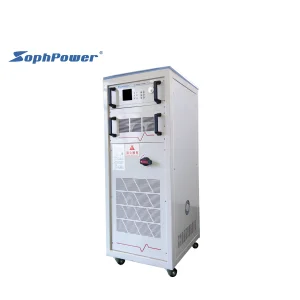
1000v 50a laboratory dc output power supply
View Technical Specifications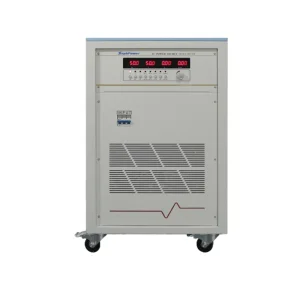
Single Phase 15kVA AC Power Source Ac Variable Frequency Converter AC Power Supply
View Technical Specifications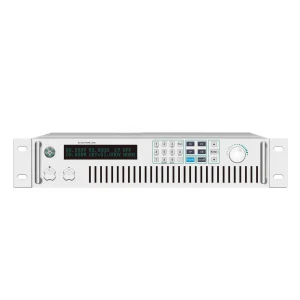
Programmable Dc Electronic Load 150V240A2400W
View Technical Specifications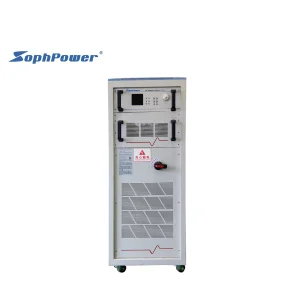
1000v 100 Amp Programmable Dc Power Supply
View Technical Specifications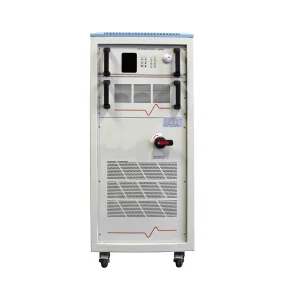
800V 38A adjustable dc switching power supply
View Technical Specifications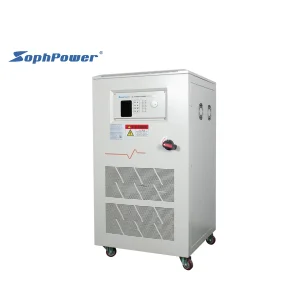
Adjustable 40-400hz Ac Power Supply 45kva Frequency Converter for Monitor test
View Technical Specifications
Programmable Dc Electronic Load 150V/240A/1200W
View Technical Specifications