Industrial Power Conversion & Verification Paradigms
Navigating the complex demands of modern industrial grids through high-precision electrical simulation and test equipment.
In the contemporary industrial landscape, the reliability of electrical testing apparatus and power regulation infrastructure determines the efficiency limits of factory automation, research laboratories, and manufacturing centers. As utilities shift toward green energy portfolios and microgrid integration, standard grid stability fluctuates, posing serious challenges for sensitive instrumentation. Industrial operations require robust electrical environments to run safely. Engineers and quality inspectors rely on highly stable, customizable, and certified three-phase and single-phase power sources to test equipment margins, simulate international utility conditions, and run rigorous QA protocols.
Whether simulating a 115V 400Hz aerospace microgrid, running high-capacity automated production lines on 50Hz/60Hz frequency converters, or testing advanced EV battery subsystems with high-voltage programmable DC power supplies, precision testing infrastructure is the cornerstone of modern engineering. For systems exported to the European Union and other globally regulated markets, compliance with safety and compatibility mandates is a crucial requirement. This is where CE-certified testing apparatuses guarantee that voltage regulation, thermal margins, and electromagnetic performance align with international safety criteria.
“True E-E-A-T (Experience, Expertise, Authoritativeness, and Trustworthiness) in high-voltage power engineering is not built on assertions, but proven through systematic metrology, certified assembly lines, and field-tested installations under extreme harmonic loads.”
High-Precision Power Supplies & Converters (Selection I)
Browse our CE-certified line of programmable DC and AC voltage sources engineered for laboratory research and industrial integration.
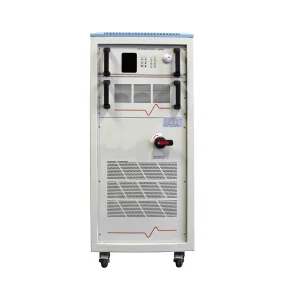
800V 38A adjustable dc switching power supply
View Details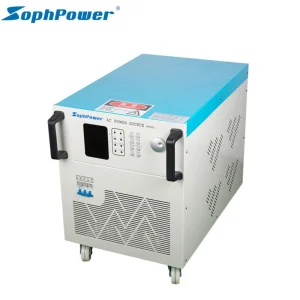
10KVA 3 phase power frequency converter 60hz 50hz
View Details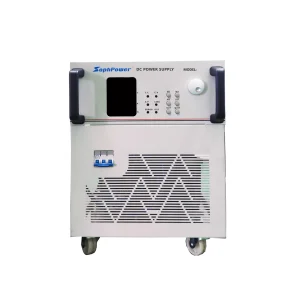
600v 20a laboratory power supply dc adjustable
View Details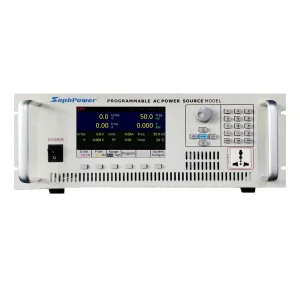
Single Phase 500VA Programmable Linear AC Power Source Frequency Converter AC Power Supply
View Details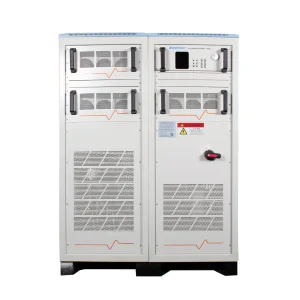
50kw 500v 100a Variable Dc Regulated Power Supply
View Details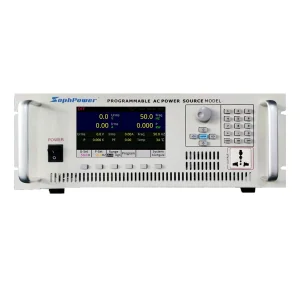
Single Phase 1000VA Programmable Linear AC Power Source Frequency Converter AC Power Supply
View Details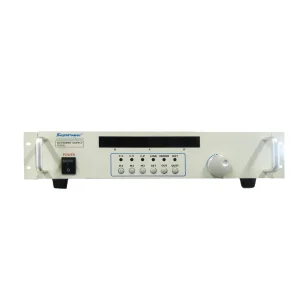
Switch mode regulated power supply 0-800V adjustable
View Details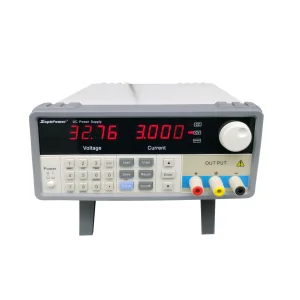
60v ac to dc converter programmable power supply ADC6003
View DetailsThree-Phase Utility Engineering & Global Grid Synthesis
Understanding the topology of phase balancing, harmonic isolation, and precise frequency control in mission-critical applications.
Grid Phase Shift Emulation
Simulation of asymmetrical load variations, phase displacement angles, and voltage sag/swell profiles to verify safety factors of smart-grid hardware.
Low-THD Linear Amplification
Deploying linear topology designs to maintain Total Harmonic Distortion (THD) under 0.5%, critical for aerospace validation testing at 400Hz frequency levels.
Bidirectional Energy Flow
Facilitating dual-quadrant operation to regenerate electrical energy back to the local distribution system, minimizing heat loss in automated burn-in chambers.
Localized Applications & Core Technical Challenges
Industrial machinery deployed across regions with different electrical grids must function consistently. A CNC machining system optimized for a 400V 50Hz grid in Western Europe will fail on a 480V 60Hz grid in North America without appropriate power conversion or pre-export isolation tests. Our frequency converters and voltage regulators allow engineers to replicate these grid variations in a single test environment. This helps minimize field failures and optimize export compliance schedules.
Additionally, modern industrial testing facilities require high energy densities. Legacy transformer setups are often too bulky and struggle with dynamic line conditioning under heavy inductive loads. By utilizing advanced Solid-State High-Frequency Switching (PWM) topologies alongside digital signal processing control, our programmable AC and DC sources adjust instantly to load changes. This prevents voltage dropouts and protects sensitive automated monitoring networks from damage.
Shenzhen Sophpower Electronics Co., Ltd.
Established in 2006 in Shenzhen, China, Sophpower is a high-tech enterprise specializing in testing power supplies. Our engineering team brings years of field experience to the design of AC Power Sources, Linear AC Sources, Bidirectional AC Sources, DC Power Supplies, Bidirectional DC Supplies, Voltage Regulators, and UPS systems. We specialize in custom-tailored test power systems designed to meet unique customer specifications.
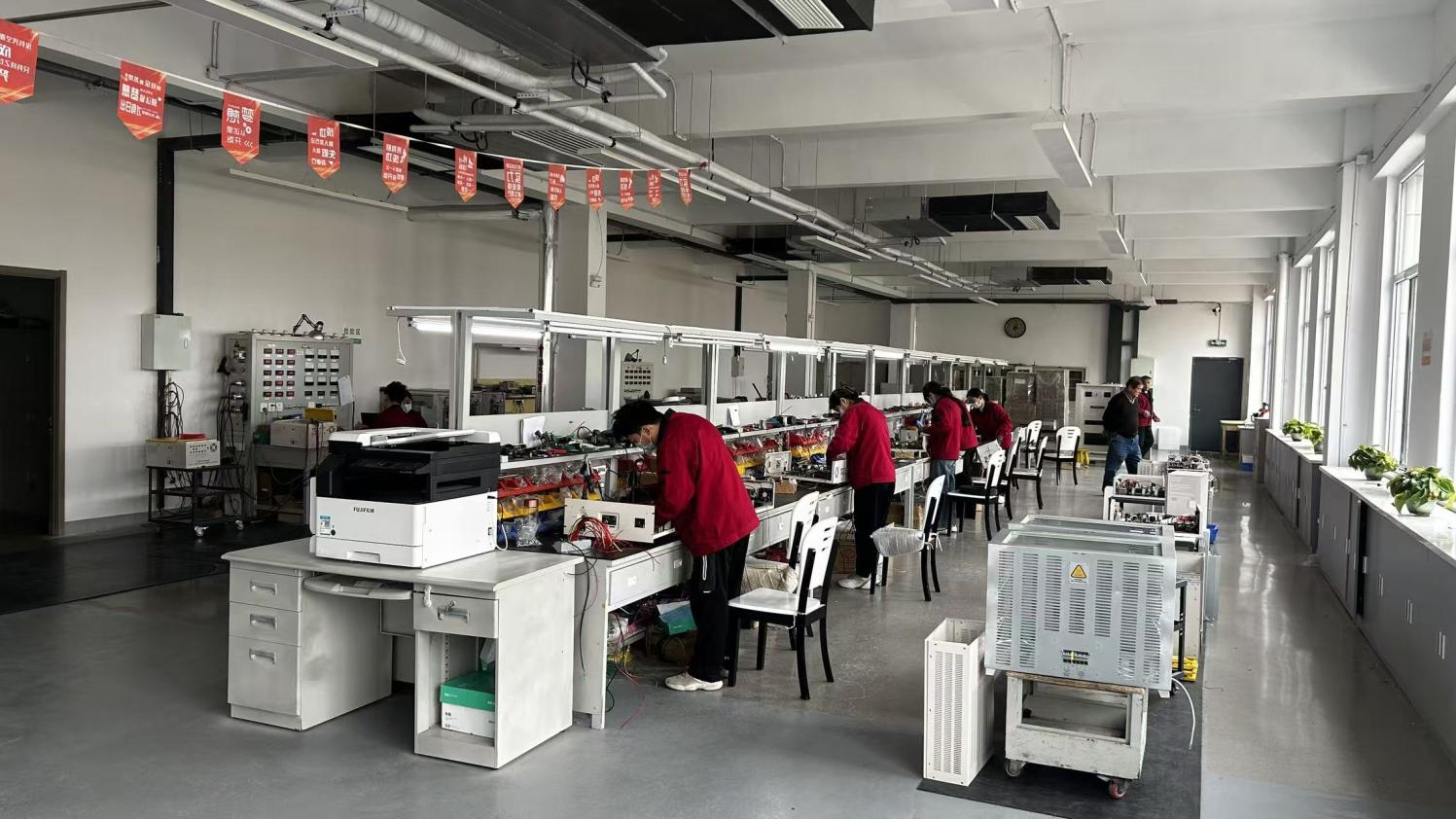
Our Shenzhen factory is located at the center of the world's most responsive electronics supply chain. This location enables rapid component procurement, advanced prototyping, and streamlined assembly. It also helps us maintain high quality standards while reducing lead times for global deliveries.
ISO 9001:2015 Registered
Fully certified quality control systems governing all manufacturing, assembly, and testing workflows.
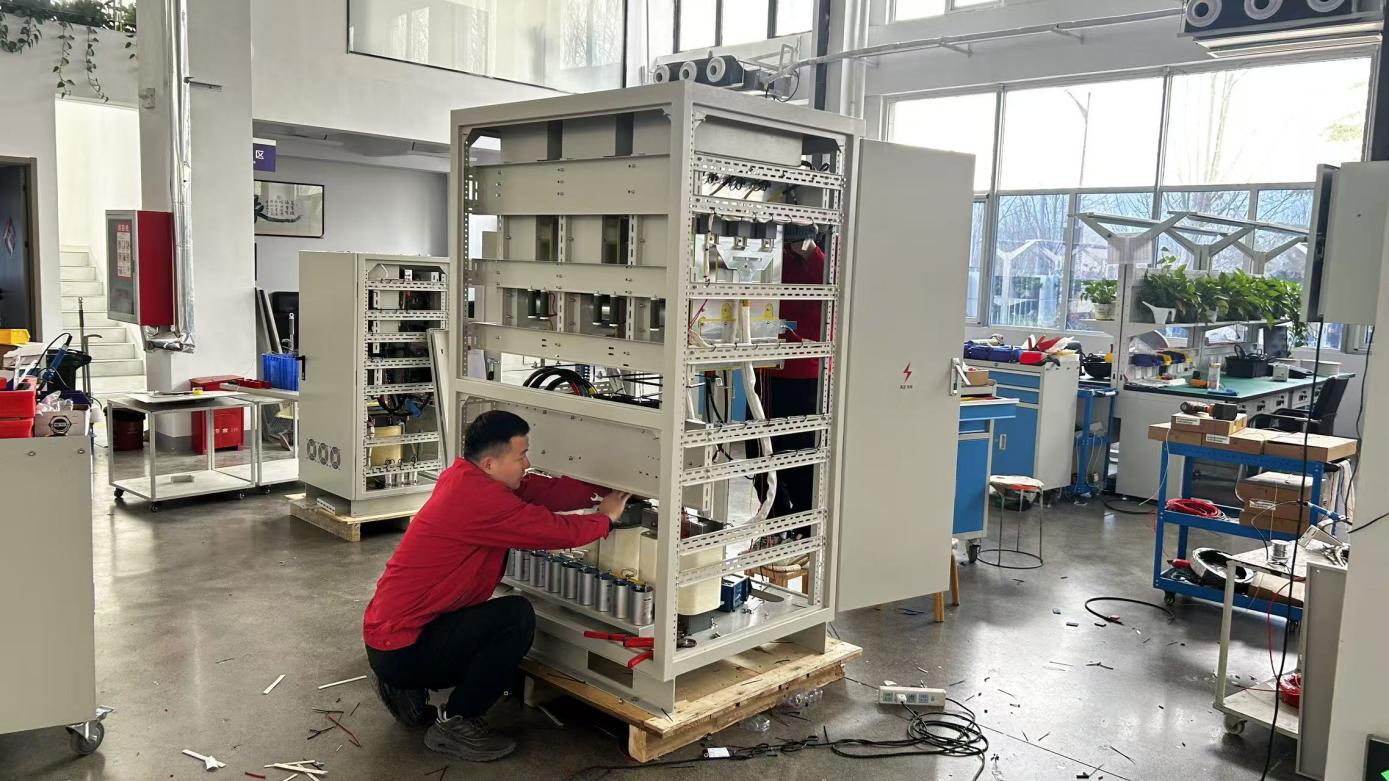
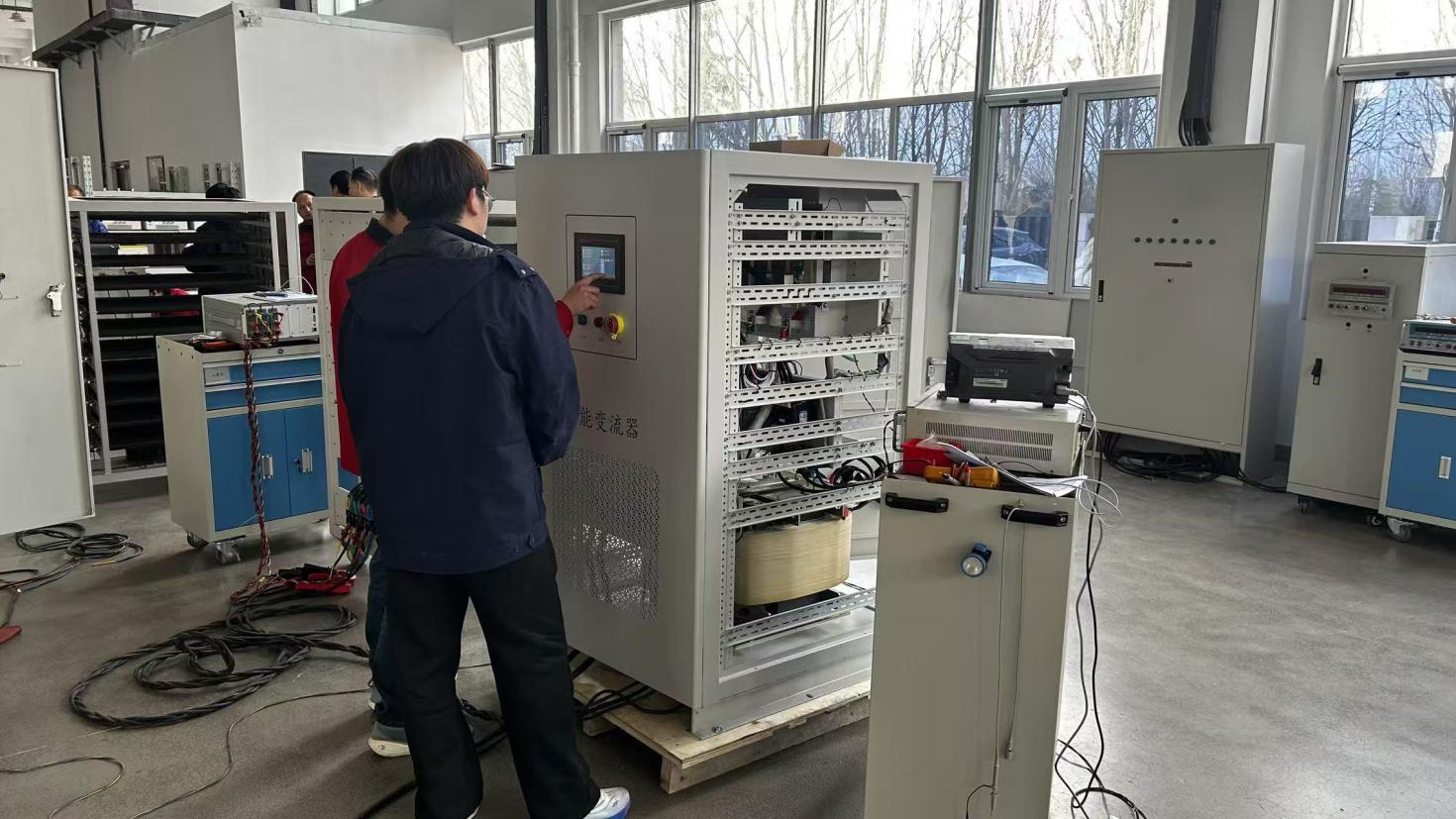
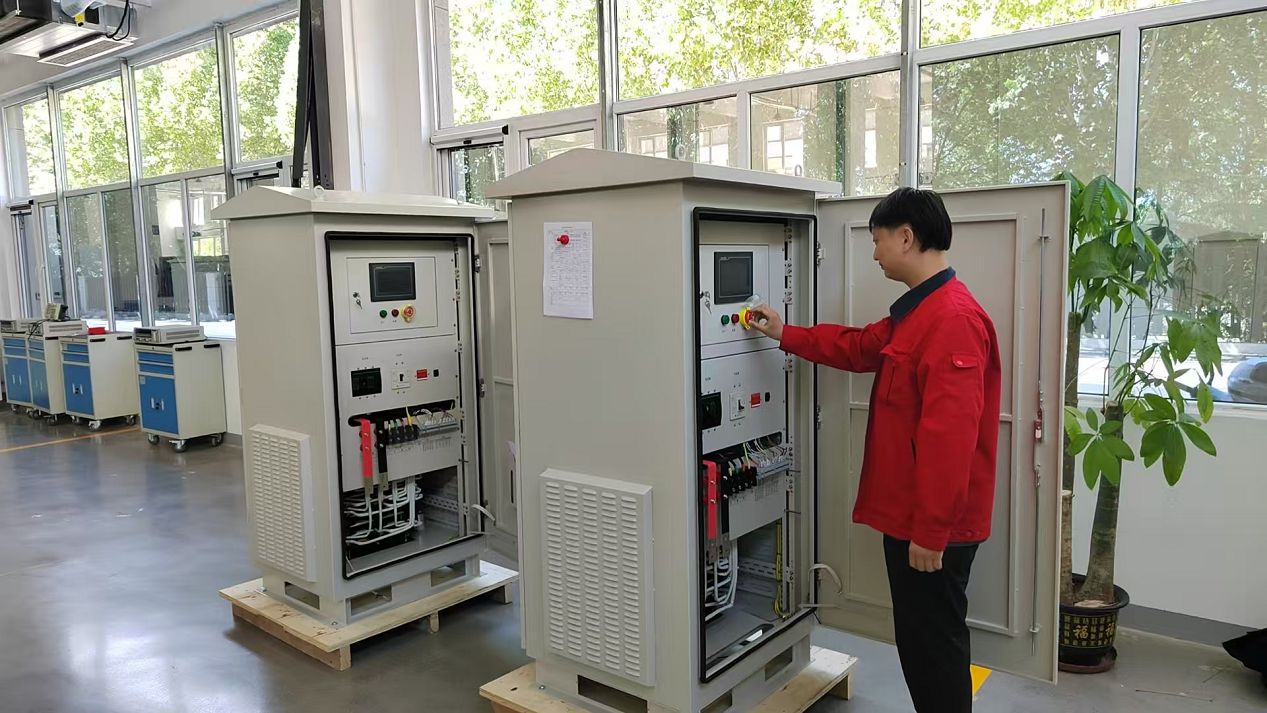
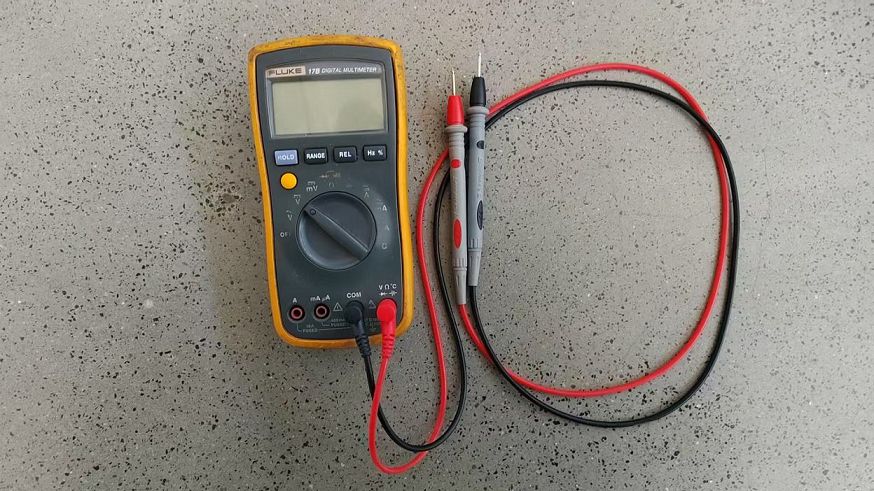
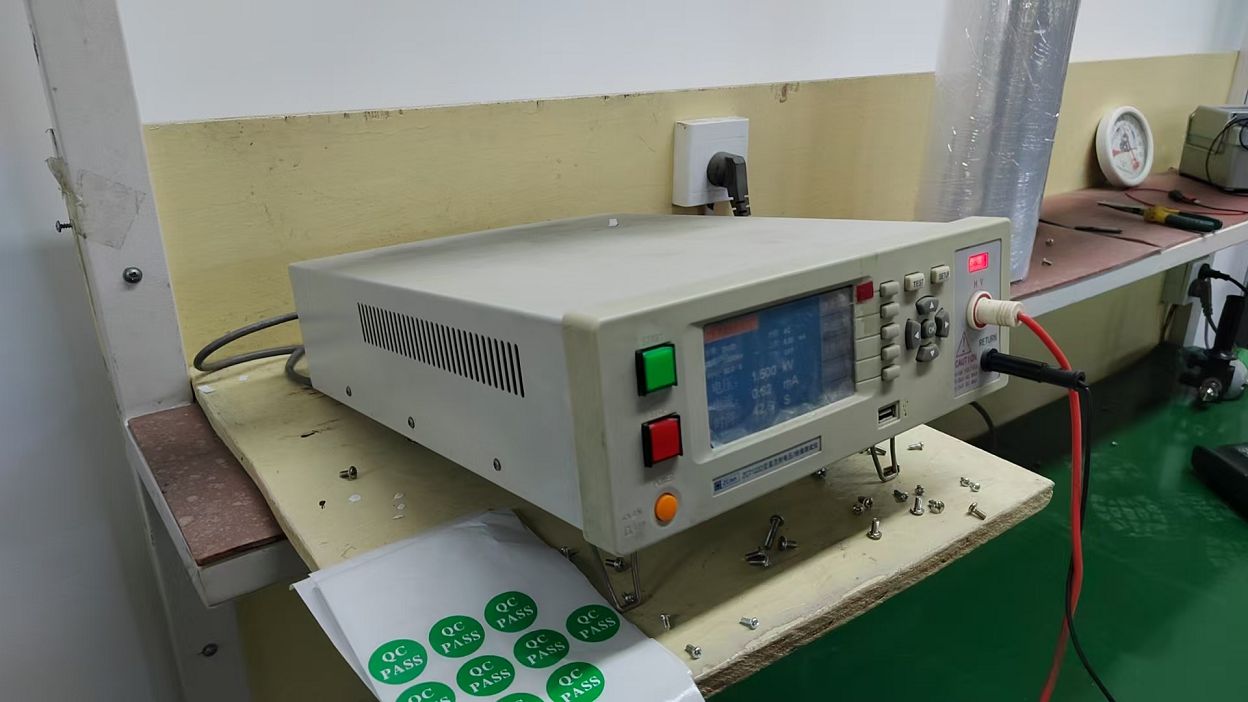
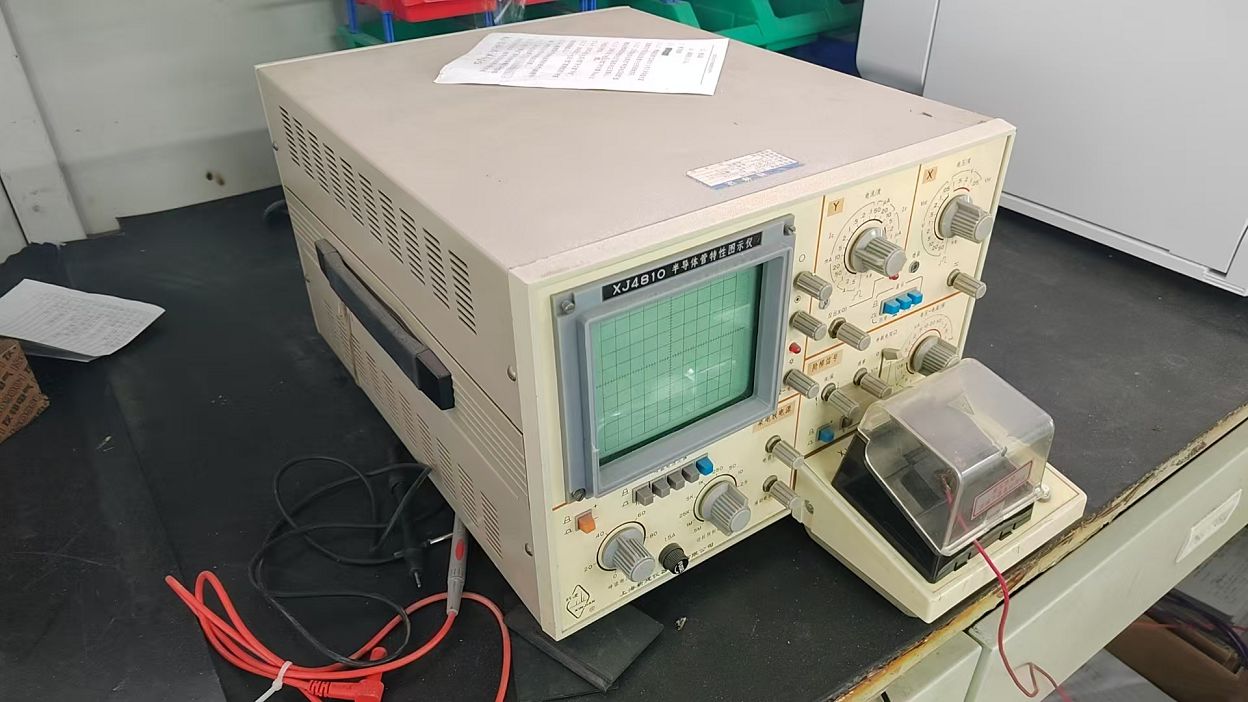
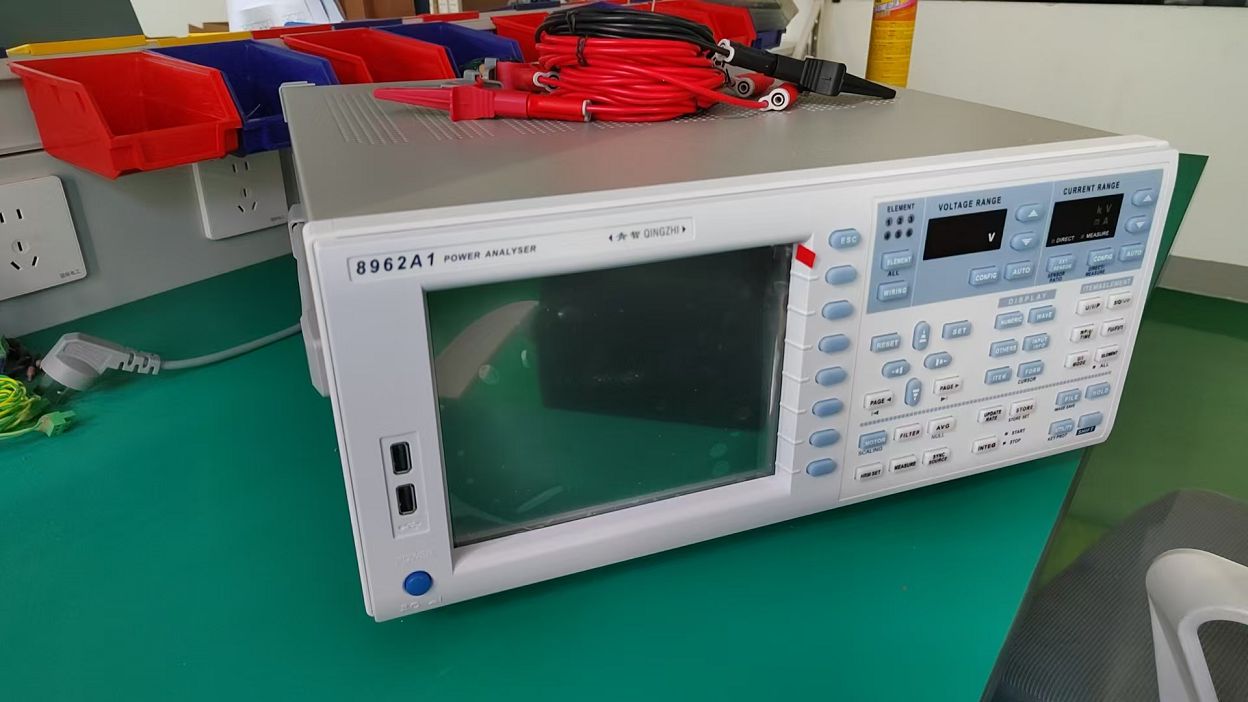
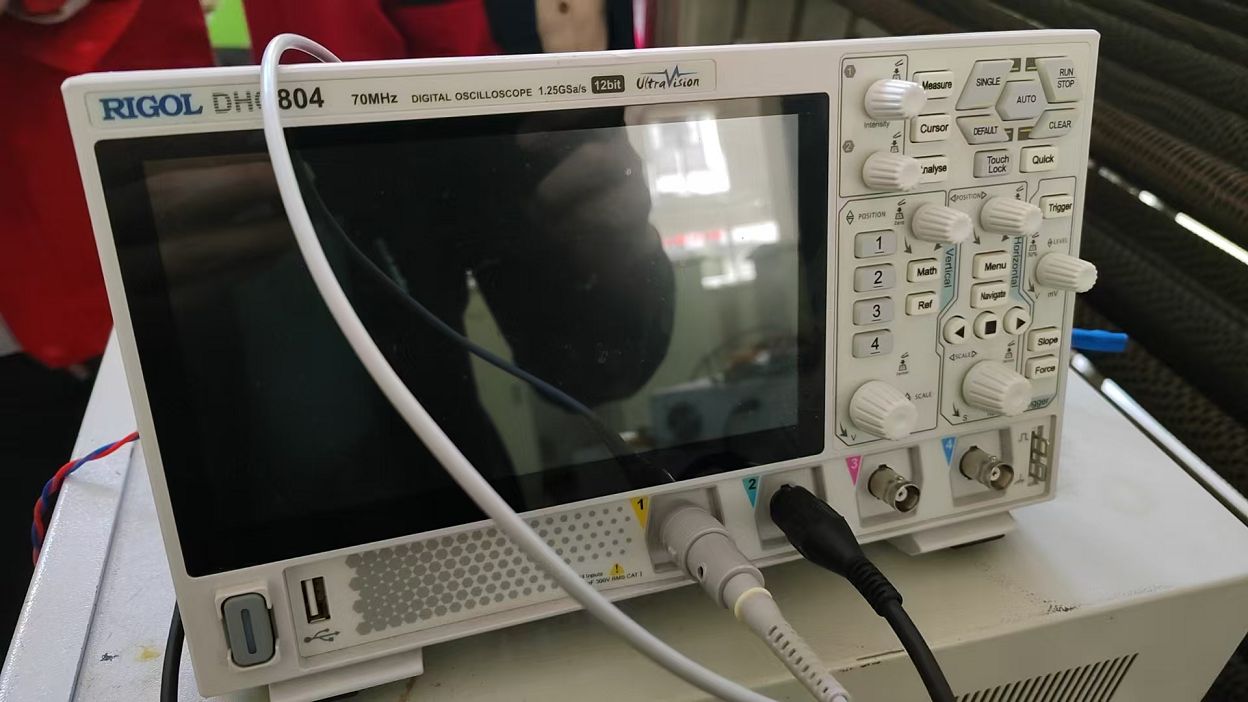
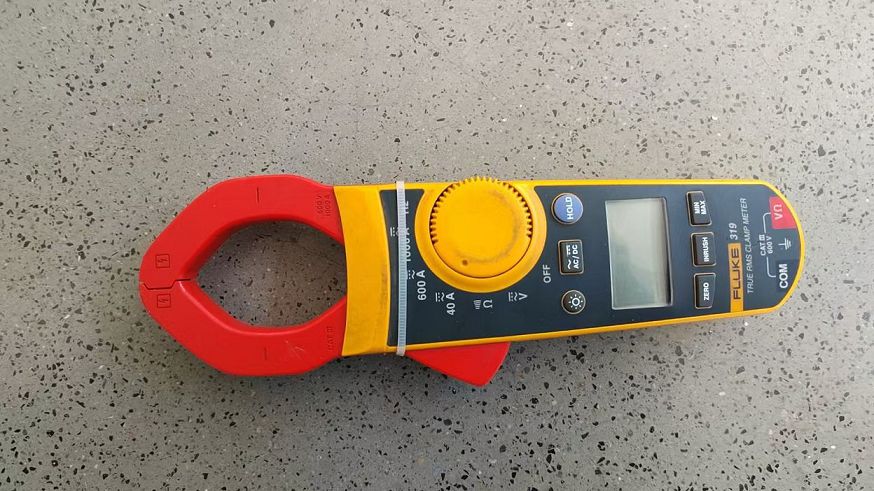
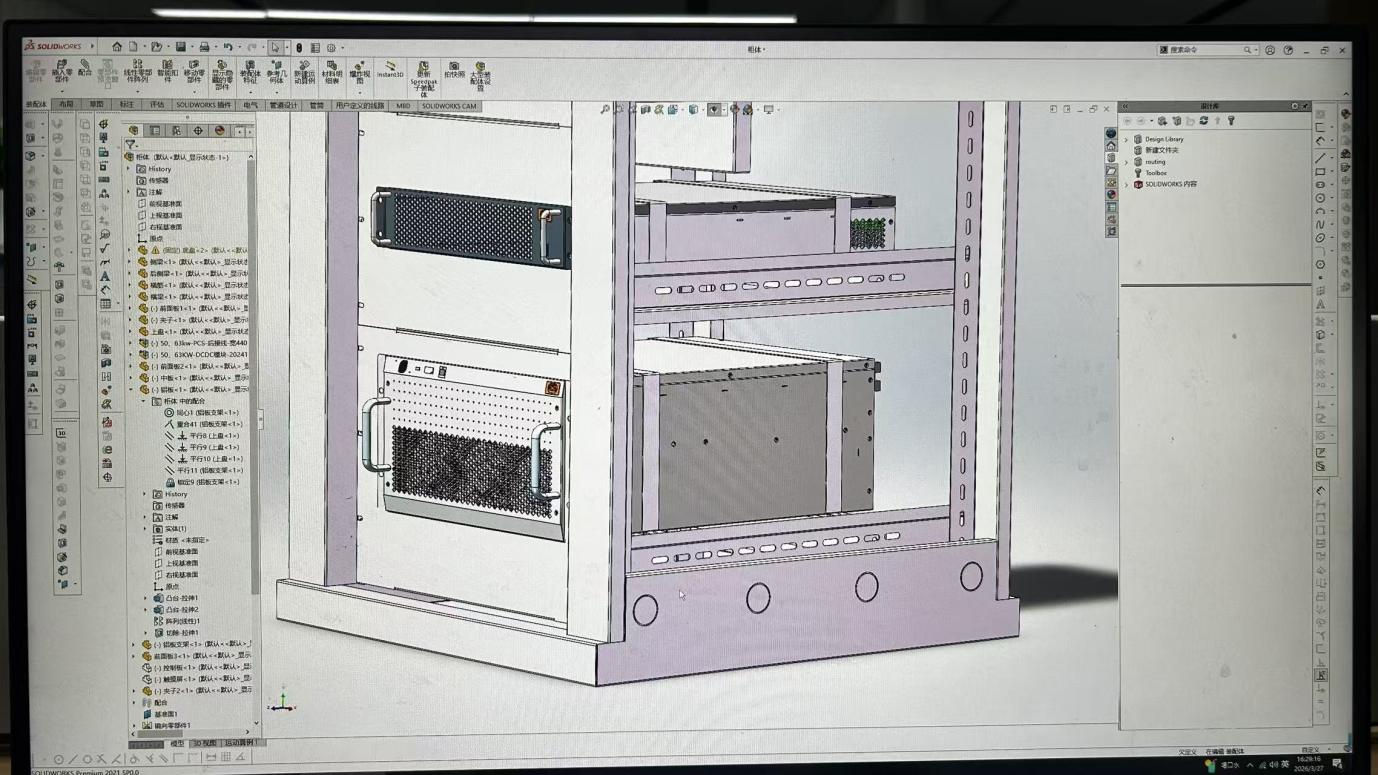
Precision Assembly & Quality Control Workflow
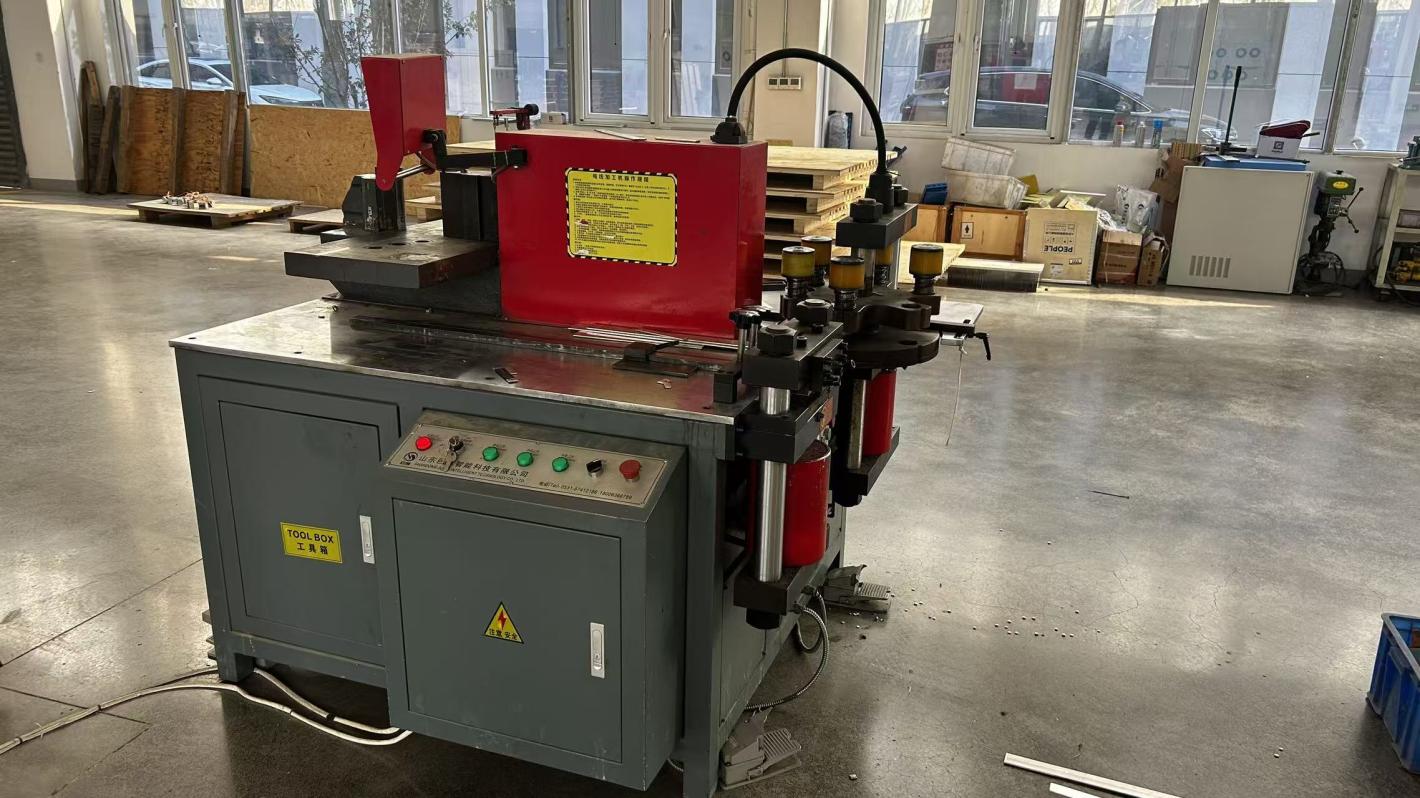
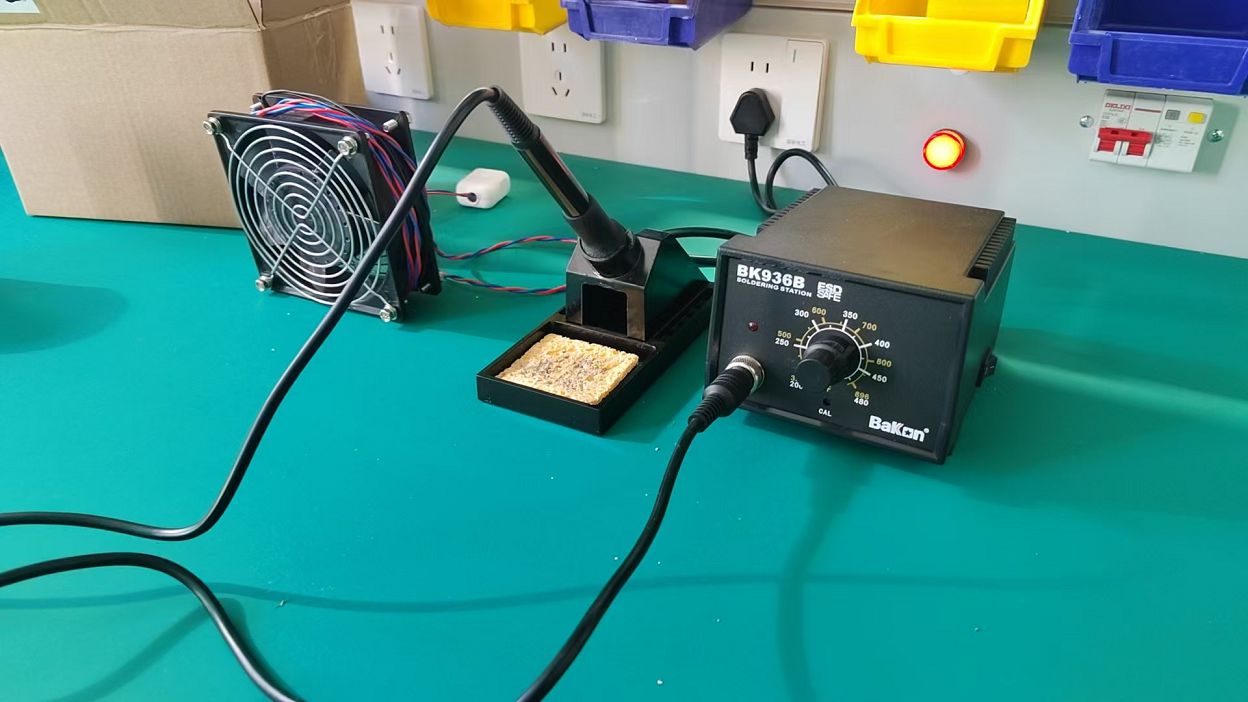
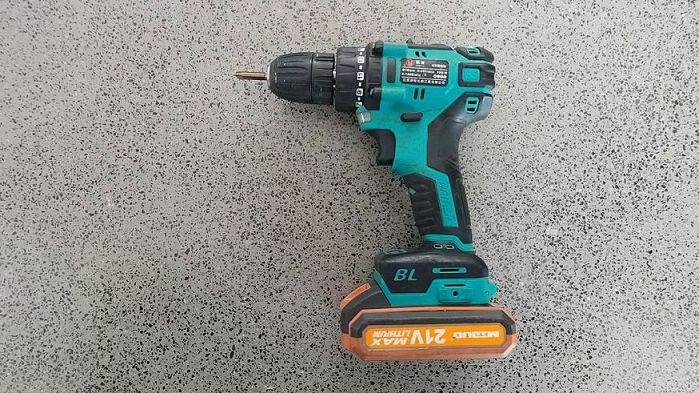
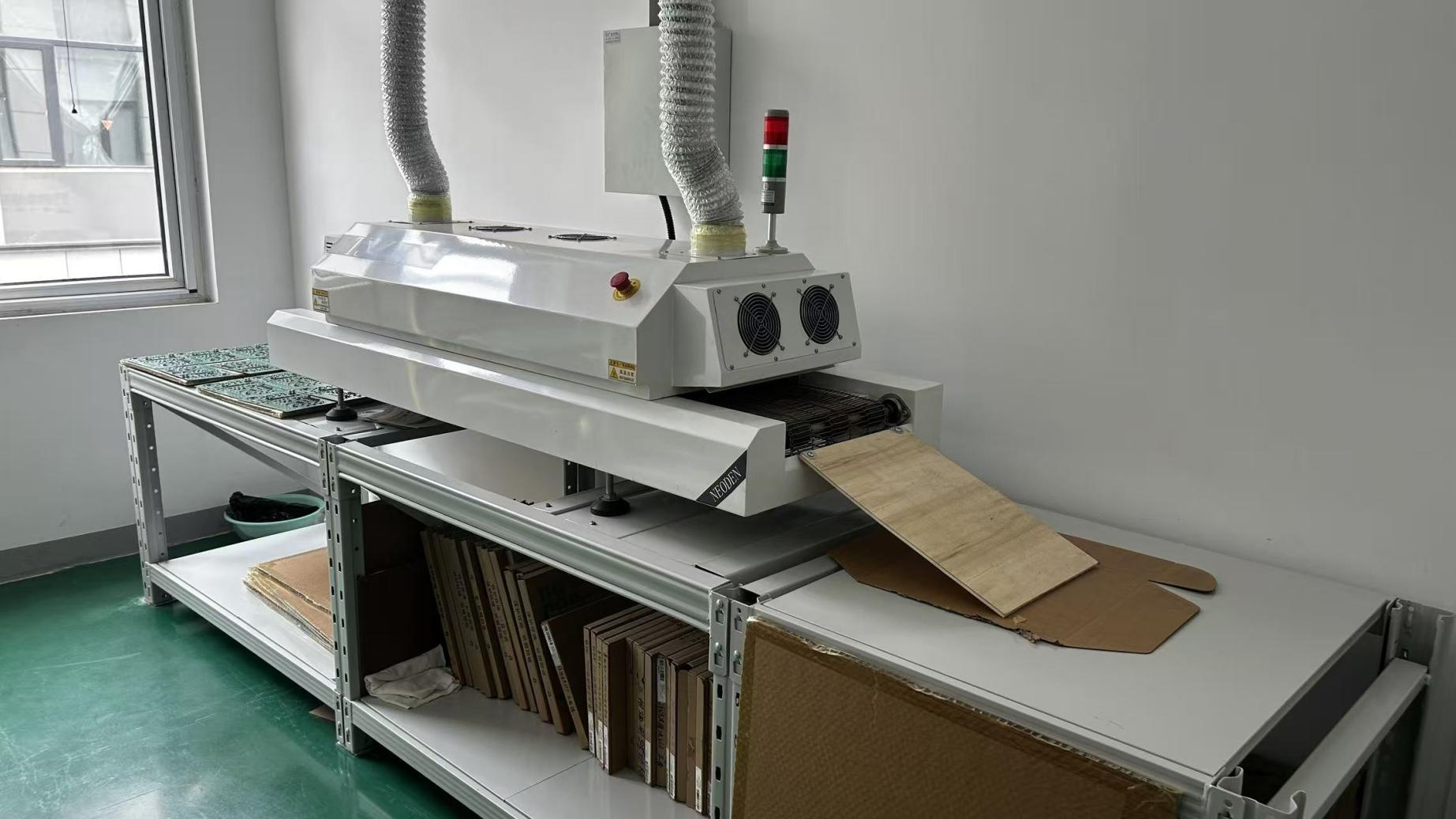
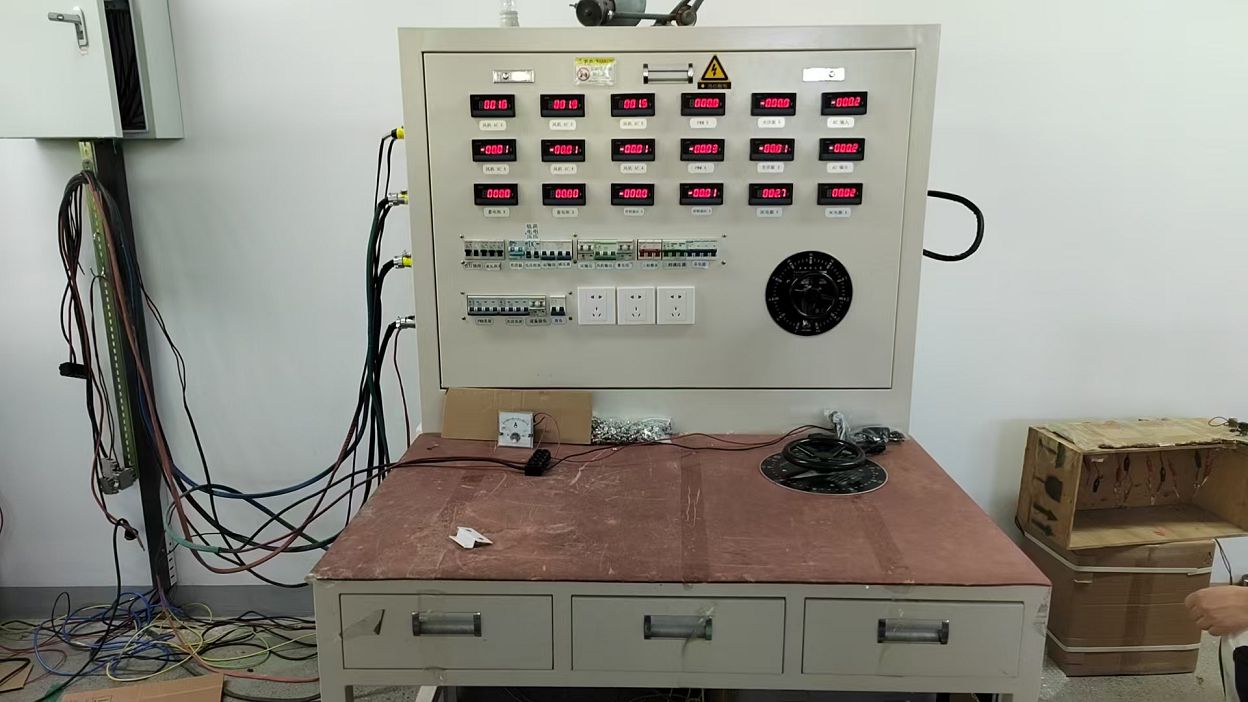
Metrology Laboratory & Diagnostic Infrastructure
Our quality assurance workflow uses advanced, calibrated diagnostic equipment to ensure precision and reliability.

High-Precision Power Supplies & Converters (Selection II)
Explore our high-capacity AC sources, automatic voltage regulators, and programmable loads designed for automated test environments.
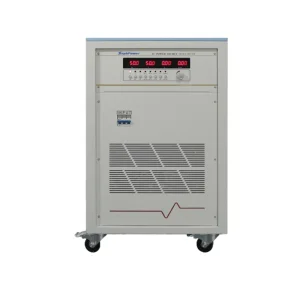
Single Phase 15kVA AC Power Source Ac Variable Frequency Converter AC Power Supply
View Details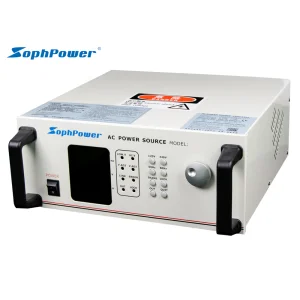
AFC-120 Adjustable AC Power Source Single Phase Frequency Converter 60 / 50Hz 2kVA
View Details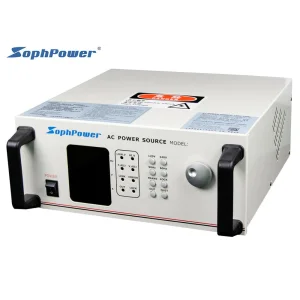
115V 400Hz Ac Power Source 1Kva Ac Power Supply AFC-110
View Details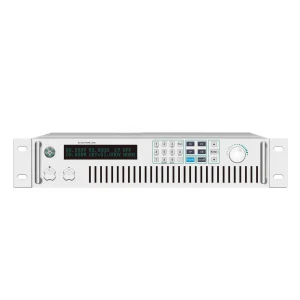
Programmable Dc Electronic Load 500V120A2400W
View Details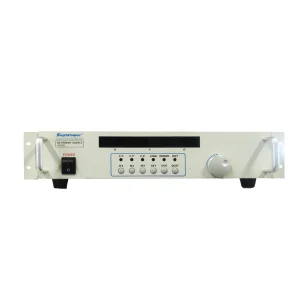
1500V 1A programmable dc regulated power supply
View Details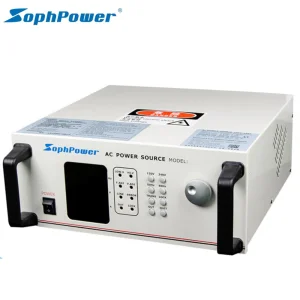
Ac Power Source 5kva Frequency Converter Ac Power Supply for Laboratory
View Details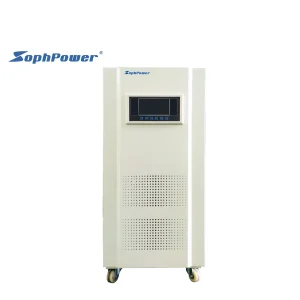
High Quality 30kVA AC Automatic Voltage Regulator
View Details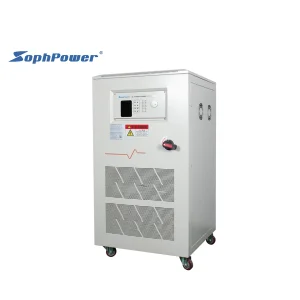
60kVA Three Phase Frequency Converter Ac Power Source Sophpower AFC-360
View DetailsTechnical Roadmap & Future Outlook
How the evolution of wide-bandgap (WBG) semiconductors and smart grid integration impacts industrial test equipment.
The industrial test equipment landscape is shifting rapidly. The adoption of Silicon Carbide (SiC) and Gallium Nitride (GaN) switching components allows for higher switching frequencies, improved thermal efficiency, and smaller equipment footprints. This transition from traditional silicon elements to wide-bandgap semiconductors enables us to increase the power density of our adjustable DC supplies and AC converters, offering greater power capacity in standard cabinet sizes.
Another key development is the rising demand for bidirectional power capability. Modern manufacturing centers require testing solutions that can absorb and recycle power back to the grid, rather than converting it to heat. This feature is particularly useful for electric vehicle charging validation, battery cycler emulation, and large-scale industrial motor testing. As factories move toward digital twins and remote diagnostics, the integration of Ethernet, Modbus, and CAN interfaces into power controllers is becoming a standard requirement.
Looking ahead, Sophpower is focused on refining digital control loops and expanding our range of programmable power solutions. By integrating IoT-based diagnostic connectivity and advanced cooling architectures, we ensure our systems deliver the reliability and precision required for evolving industrial grids.
Industrial Power Systems FAQ
Get answers to common engineering questions about phase converters, programmable DC loads, and international certification standards.
Q: What is the differences between linear and switching AC power sources in laboratory environments?
Linear AC power sources use a linear amplifier topology that delivers low noise, minimal electromagnetic interference (EMI), and low Total Harmonic Distortion (typically under 0.2%). This makes them well-suited for testing sensitive communication gear and medical systems. Switching AC power sources, by contrast, utilize pulse-width modulation (PWM) technologies, which offer higher energy density and improved efficiency at a lower cost, making them the standard choice for high-power industrial burn-in testing.
Q: Why is CE certification critical for three-phase power supplies exported to Europe?
CE certification shows that the equipment complies with the European Union's Low Voltage Directive (LVD 2014/35/EU) and Electromagnetic Compatibility (EMC 2014/30/EU) Directive. This certification ensures that the equipment is safe for operators under nominal load conditions and will not introduce disruptive harmonic distortion or electrical noise into the surrounding grid.
Q: Can a three-phase frequency converter resolve phase imbalances in a local distribution network?
Yes. A solid-state frequency converter rectifies incoming AC utility power into DC, then uses an inverter circuit to reconstruct a balanced three-phase AC output. This process isolates the output voltage from input phase fluctuations, voltage sags, and unbalanced loading, providing a stable voltage source for sensitive downstream machinery.
Q: What advantages do programmable electronic loads offer when verifying DC supply stability?
Programmable electronic loads let you simulate complex load profiles, such as transient spikes, rapid step-changes, and short circuits. This allows you to evaluate the dynamic response, voltage recovery times, and thermal stability of DC power sources under realistic operating conditions.