Featured Testing Instruments for Mexico City Labs
High-fidelity AC and DC programmable power configurations optimizing laboratory infrastructure and safety compliance across Mexico.
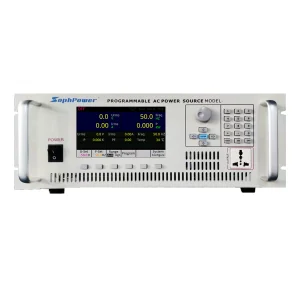
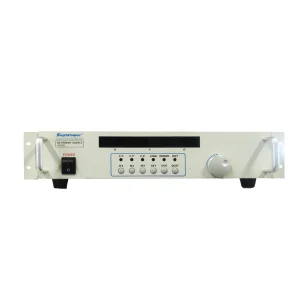
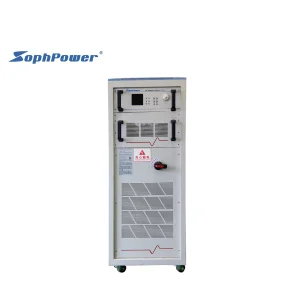
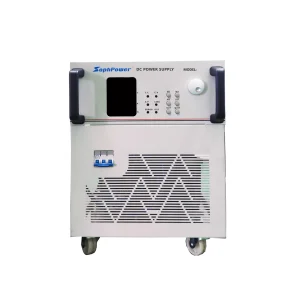
The Industrial Paradigm Shift in the Valley of Mexico
As Mexico positions itself at the epicenter of nearshoring and global high-tech supply chains, Mexico City has transitioned into a critical command hub for manufacturing excellence.
The dynamic industrial parks spread across the Estado de México (such as Vallejo, Tlalnepantla, and Naucalpan) and neighboring states of Querétaro and Puebla are demanding sophisticated grid compliance frameworks. Industrial engineering facilities are no longer evaluating mere power supplies; they are seeking advanced test systems capable of bi-directional grid emulation to test next-generation inverters, onboard EV chargers, and microgrid components.
Under the strict guidelines of the Código de Red (Grid Code) enforced by the Comisión Reguladora de Energía (CRE) in Mexico, power injection devices must demonstrate absolute stability under dynamic voltage and frequency fluctuations. The introduction of local solar farms and distributed energy resources (DERs) in Mexico City requires testing apparatus that can simulate localized voltage sags, phase imbalances, and frequency deviations under laboratory safety constraints.
Why Regenerative AC Grid Simulators are Crucial
Replacing traditional dissipating loads with green energy recycling test architectures.
| Feature Parameter | Sophpower Regenerative Simulator | Conventional AC Emulator | Testing Advantage |
|---|---|---|---|
| Power Flow Direction | Bidirectional (4-Quadrant) | Unidirectional (Sourcing only) | Enables testing of power-generating equipment (inverters, V2G) |
| Energy Recycling Efficiency | > 90% - 93% | 0% (Dissipated as waste heat) | Drastic reduction in plant energy and HVAC cooling bills |
| Harmonics Simulation | Up to 50th order programmable | Fundamental frequencies only | Replicates realistic grid anomalies and distortion profiles |
| Voltage/Frequency Disturbance | Dynamic sag, swell, variation < 2ms | Manual transformer adjustment | Precise compliance testing for NOM and IEEE standards |
Localized Engineering Scenarios in Mexico
How local industries in Querétaro, Monterrey, Puebla, and Mexico City deploy regenerative power simulators.
1. Electric Vehicle (EV) charger & V2G compliance
Mexico is emerging as a global hub for Tier-1 automotive manufacturing. Electric Vehicle Supply Equipment (EVSE) developers in industrial clusters must validate onboard chargers (OBC) and public DC fast-charging stations. The bidirectional capacity of a grid simulator replicates the behavior of local battery packs interacting with the utility grid, validating critical Vehicle-to-Grid (V2G) power transfer mechanisms under precise laboratory settings.
2. Solar Inverter Grid-Tied Testing (CFE Interconnection)
Interconnecting PV inverters with the Comisión Federal de Electricidad (CFE) network requires rigorous validation of anti-islanding mechanisms and Low Voltage Ride Through (LVRT) performance. Sophpower simulators generate user-defined voltage drop sequences (down to 0% nominal value) to verify if the inverter remains synchronized or disconnects according to national safety thresholds.
3. Aerospace Auxiliary Power Unit (APU) Simulation
The aerospace cluster in Chihuahua and Querétaro utilizes our high-frequency capabilities. Aircraft instrumentation operates on non-standard frequencies like 400Hz or variable 360-800Hz. Sophpower's programmable grid simulators supply pure sinusoidal output with ultra-low THD to evaluate aerospace sub-assemblies, meeting stringent DO-160 testing criteria.
4. Household Appliance Burn-in & Aging Stations
In major assembly plants across Guanajuato and Nuevo León, appliances exported to North America are subjected to rigorous quality controls. Standard grid simulation allows simultaneous multi-channel burn-in testing, simulating fluctuations common to different target market electrical networks (e.g., 120V/60Hz, 230V/50Hz) from a single factory line.
The Shenzhen Sophpower Supply Chain Edge
Why sourcing from our advanced manufacturing facility in Shenzhen, China optimizes your project capital and lead times.
In-House Manufacturing Processes & Specialized Testing Tools
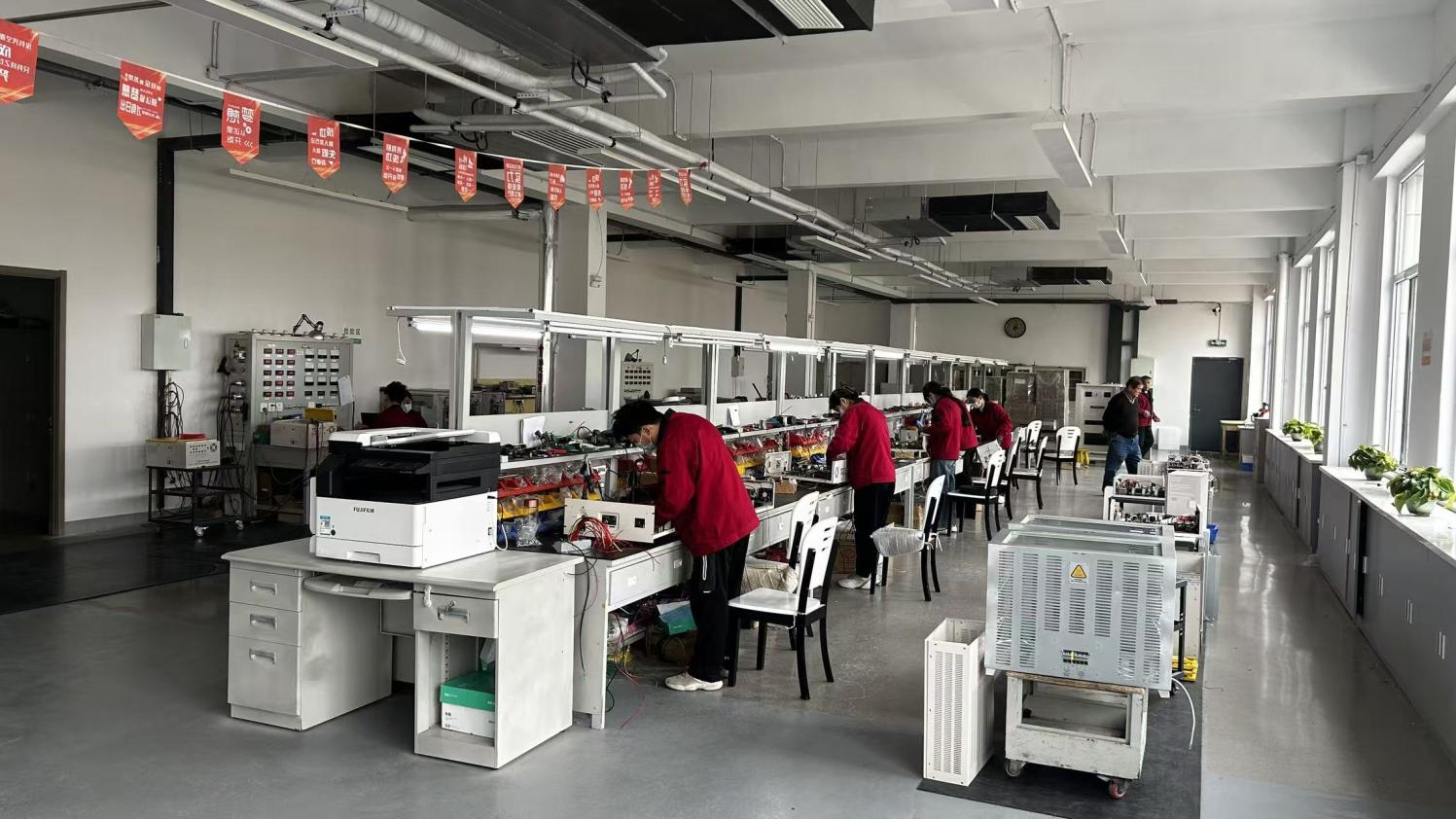
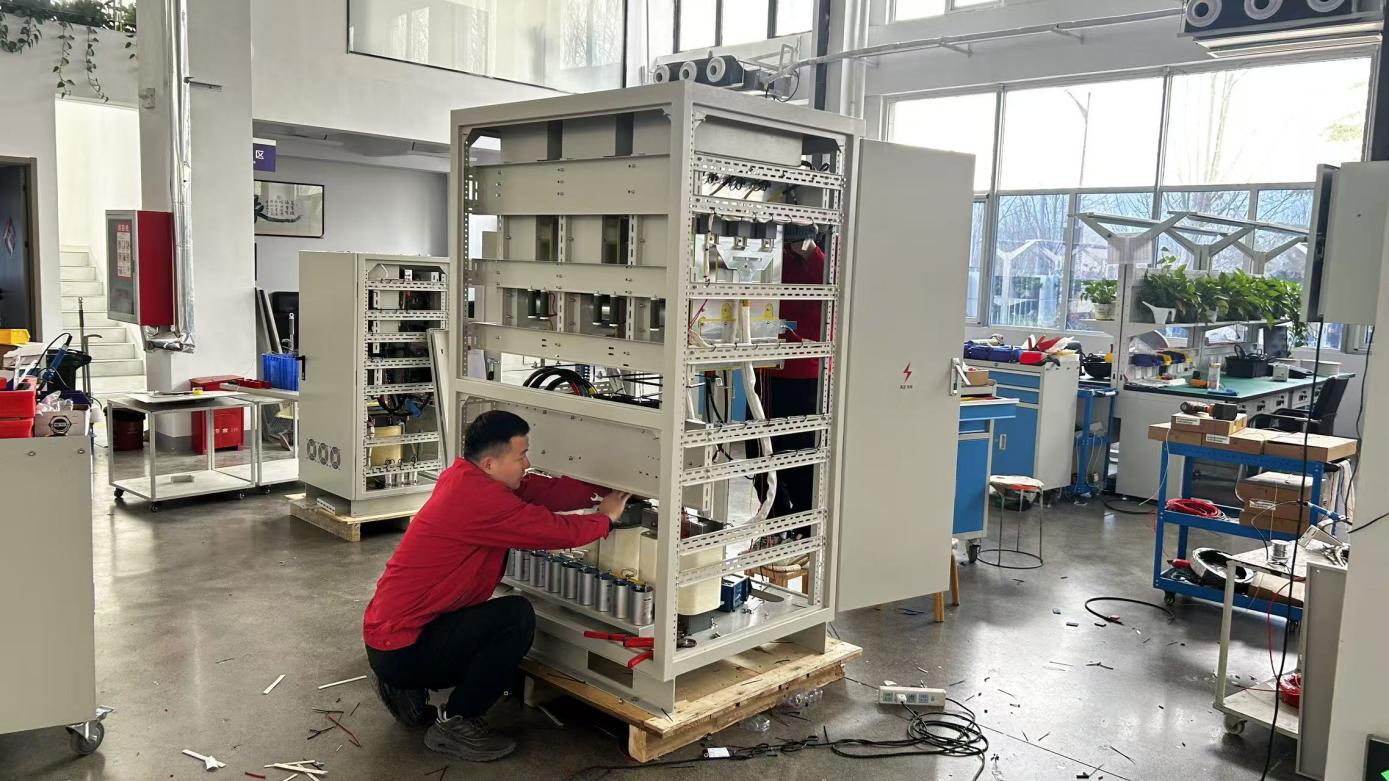
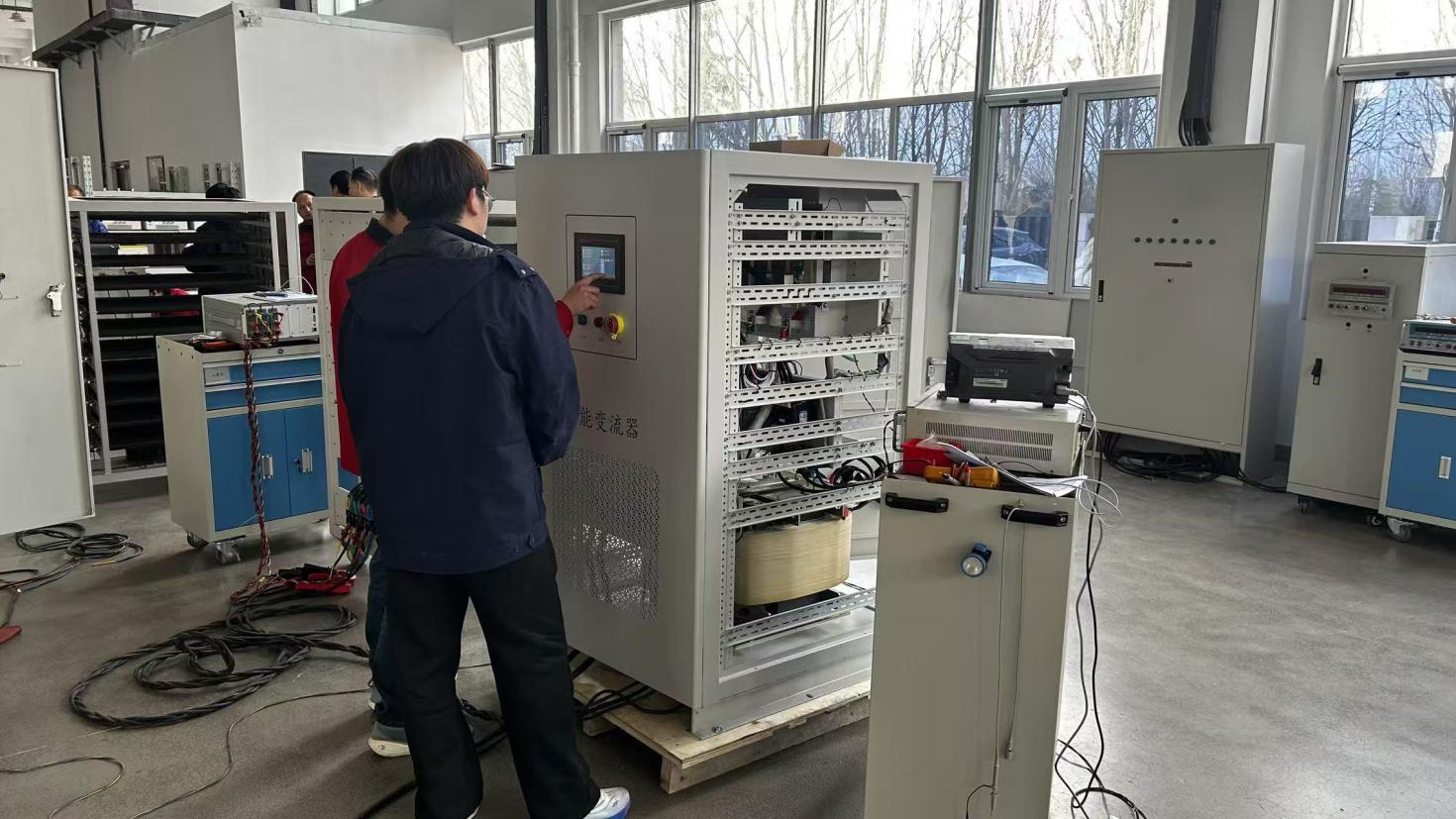
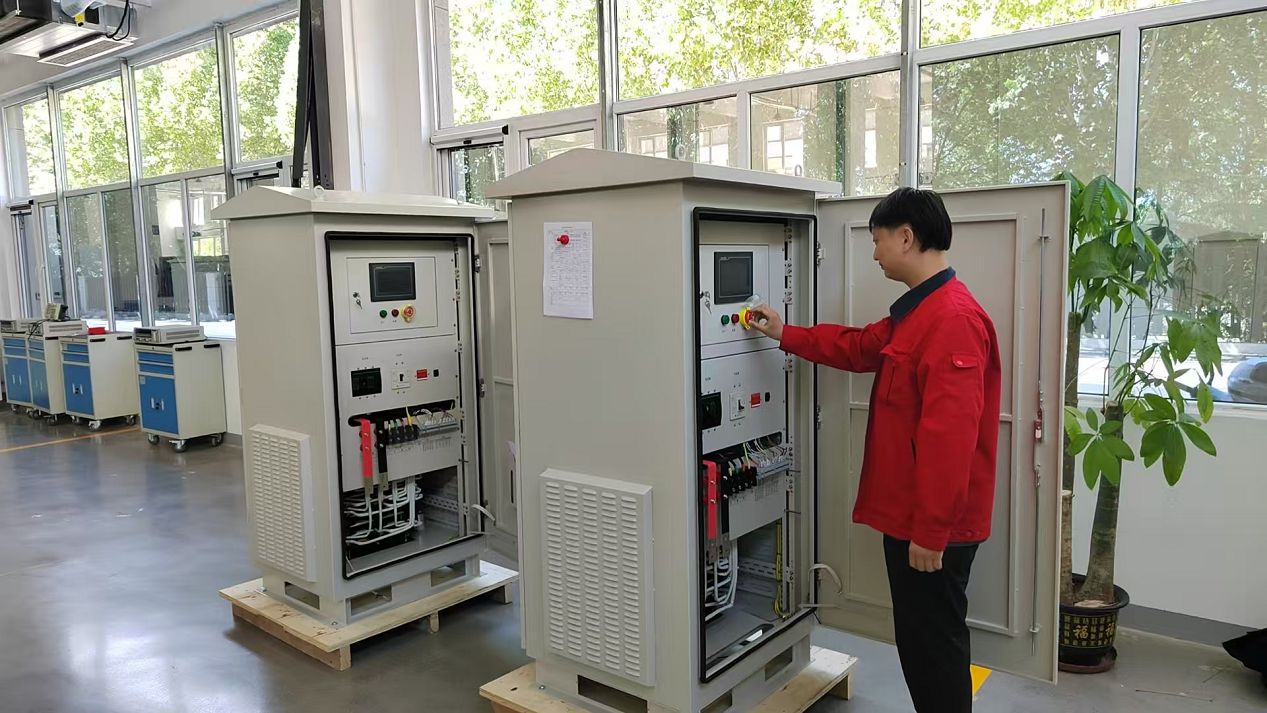
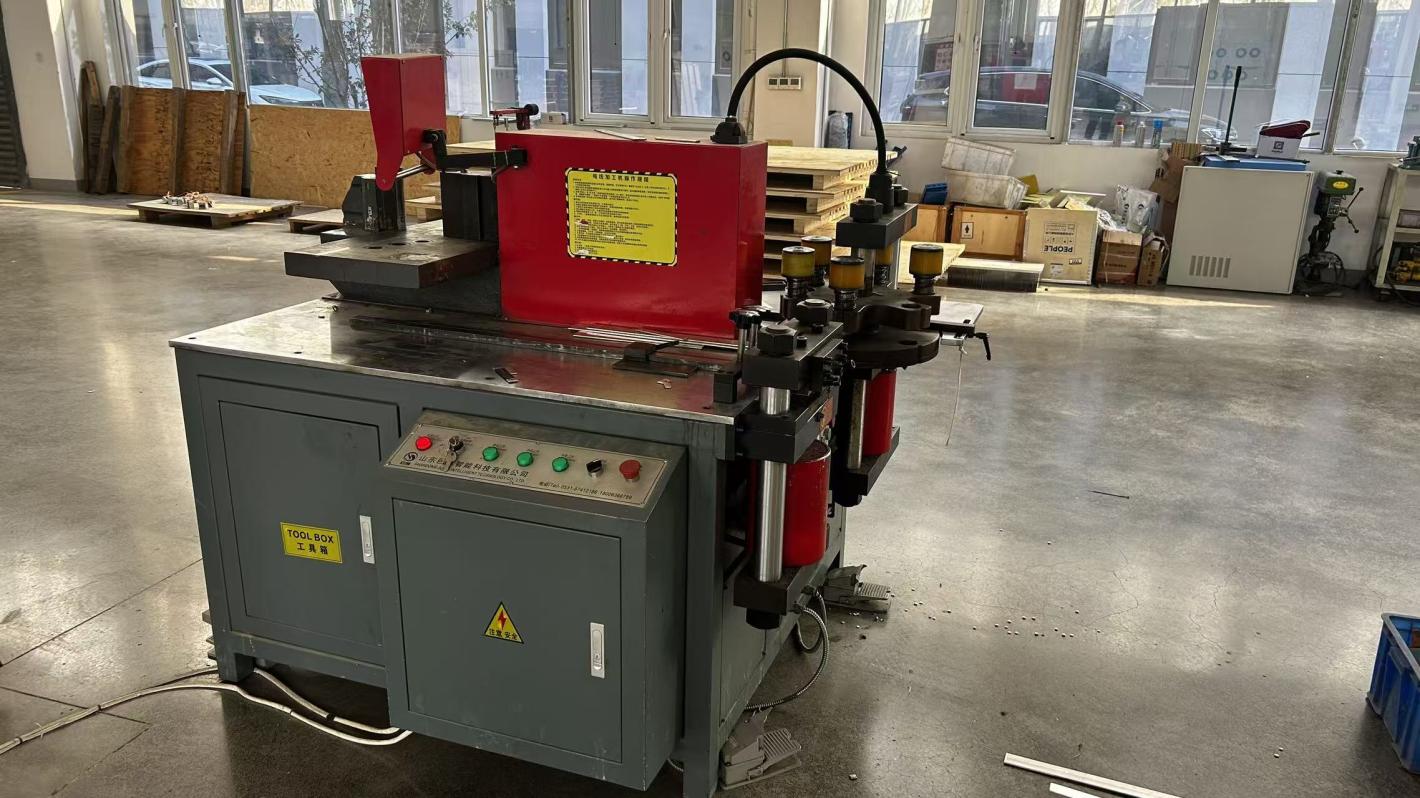
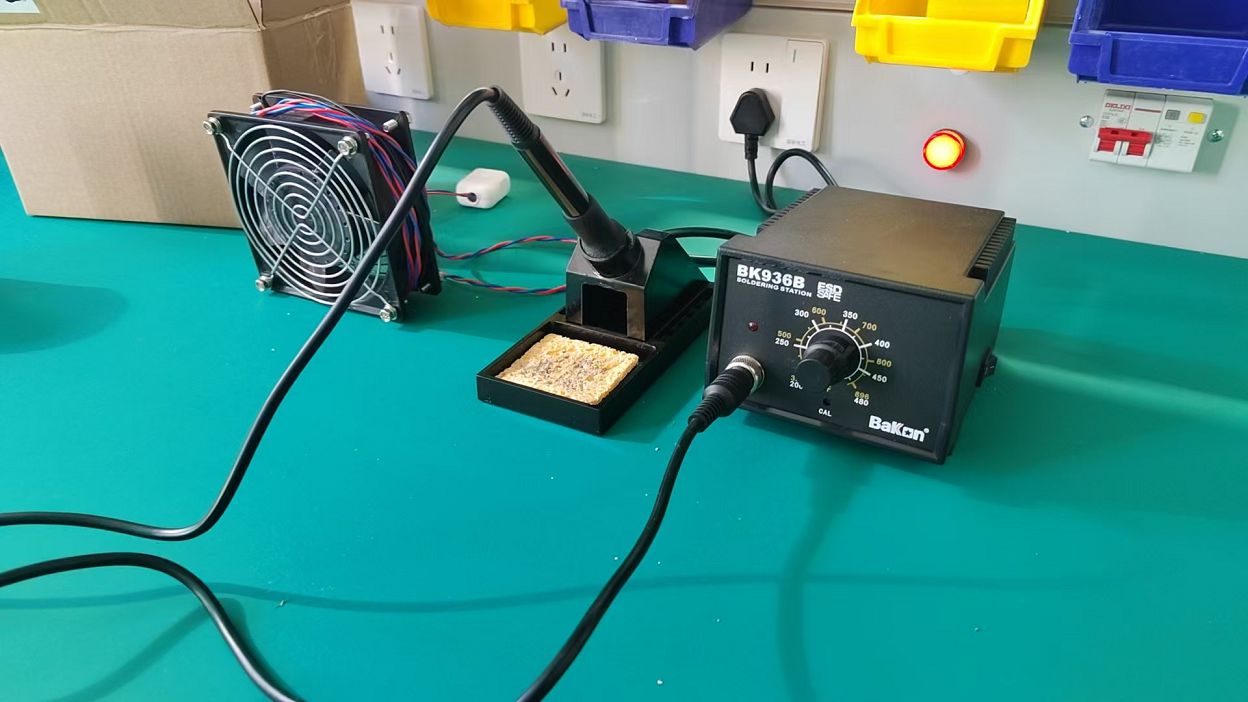
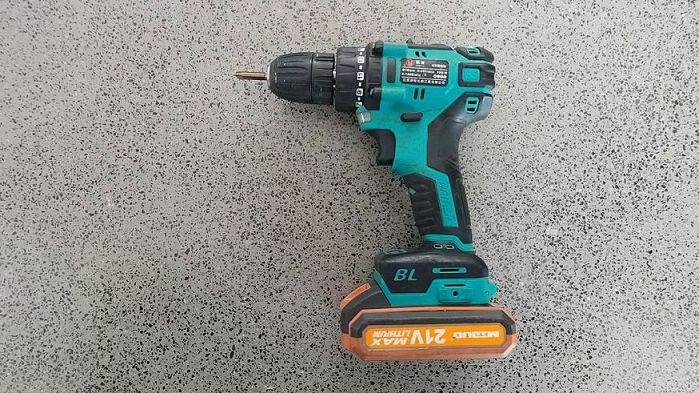
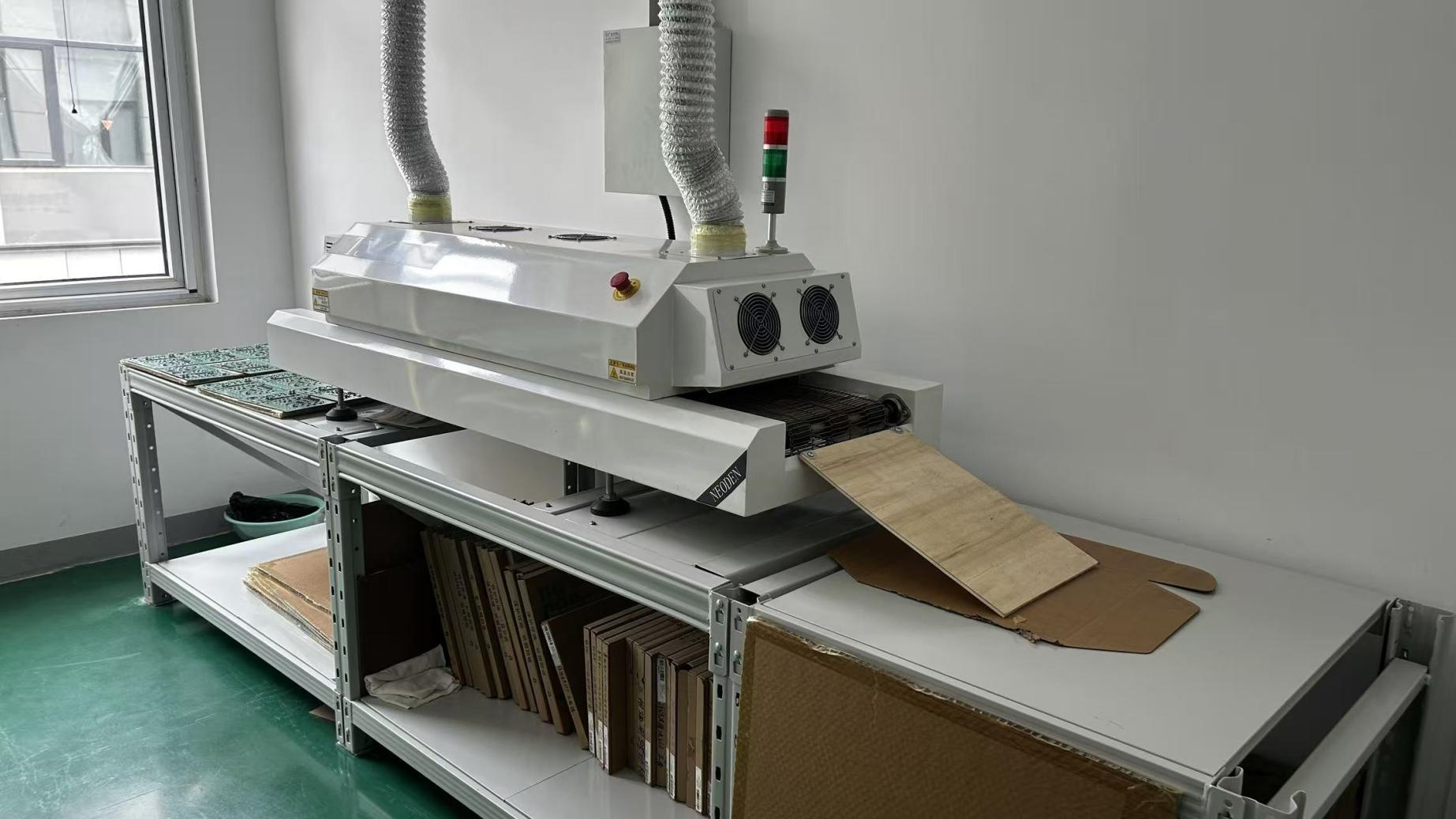
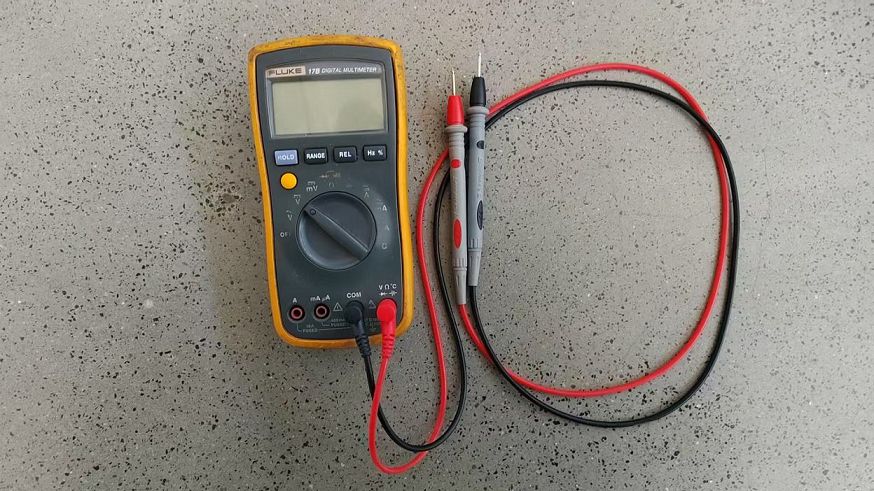
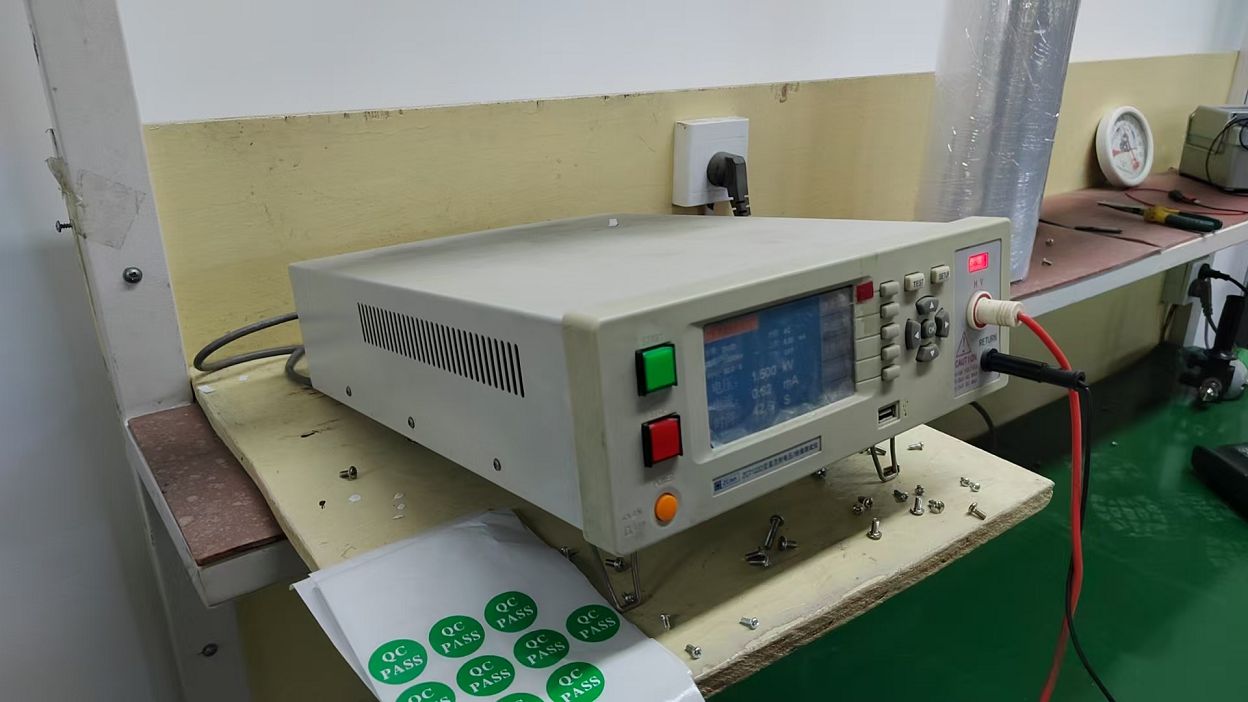
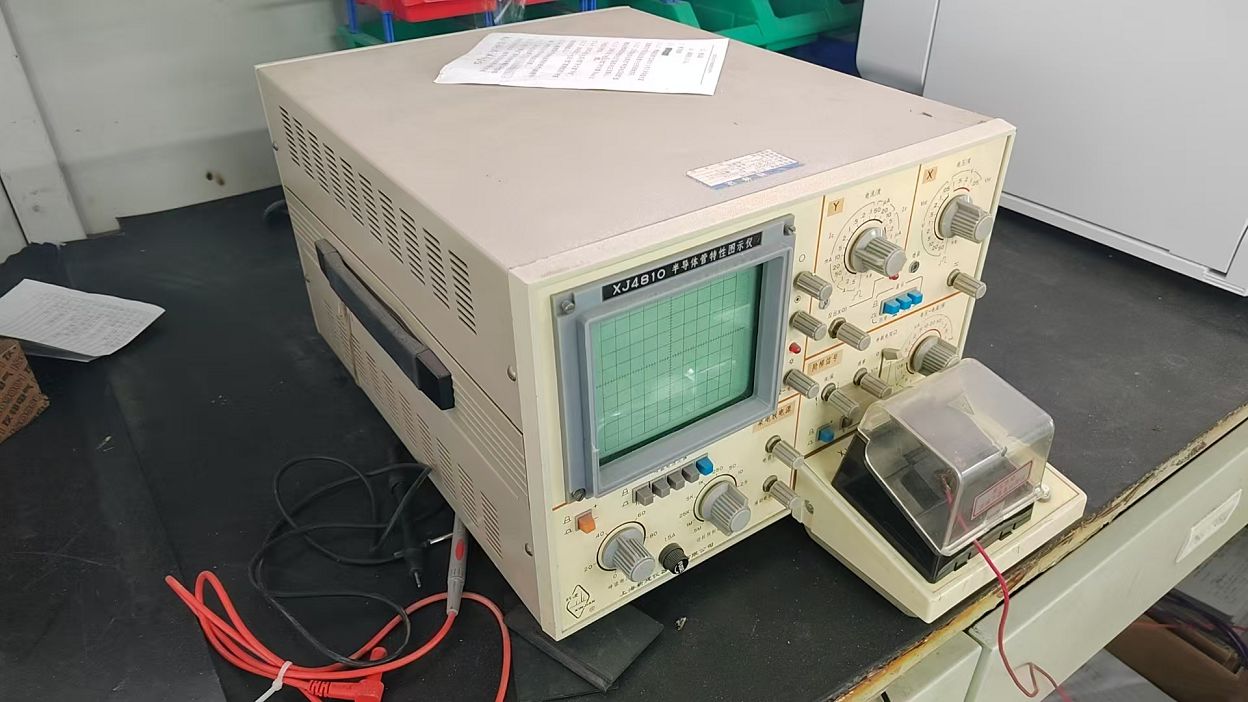
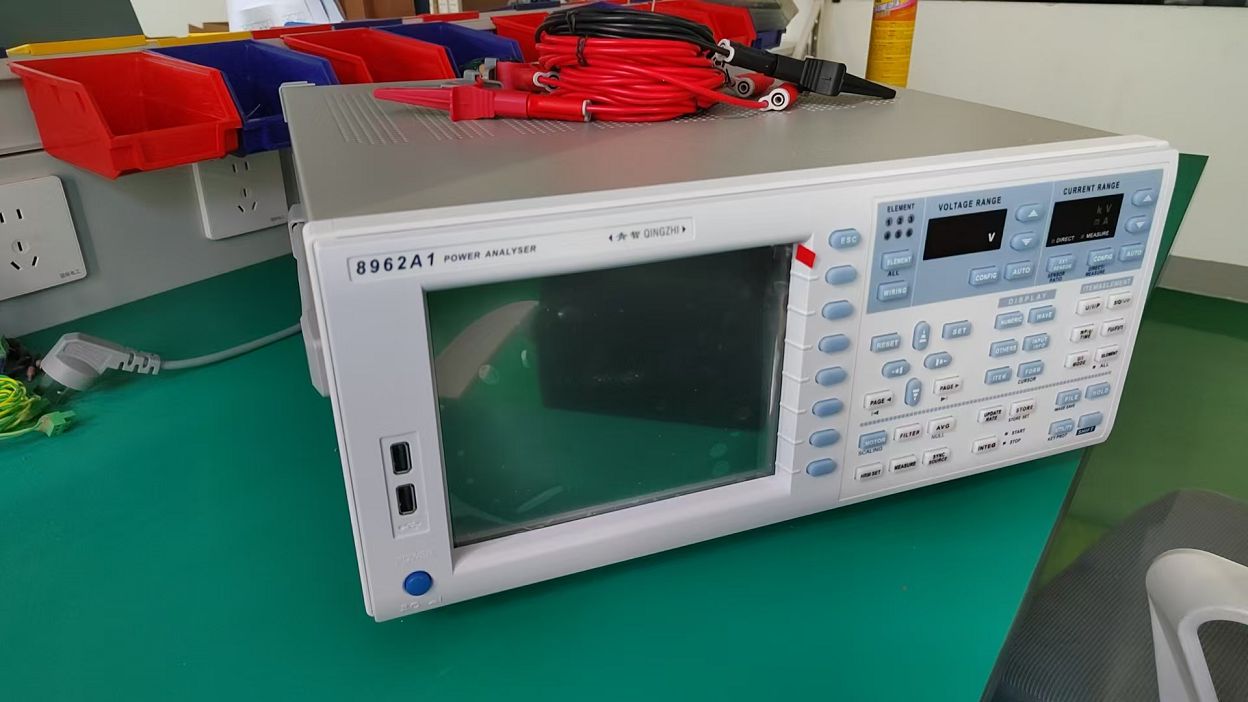
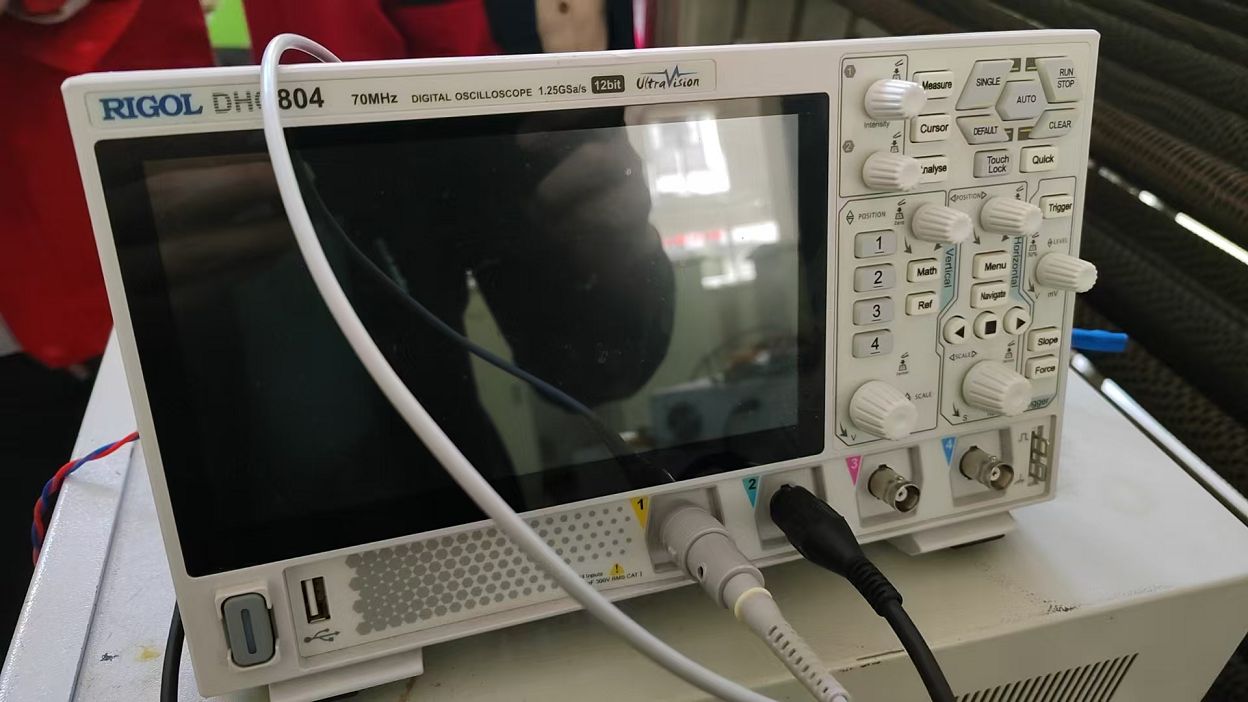
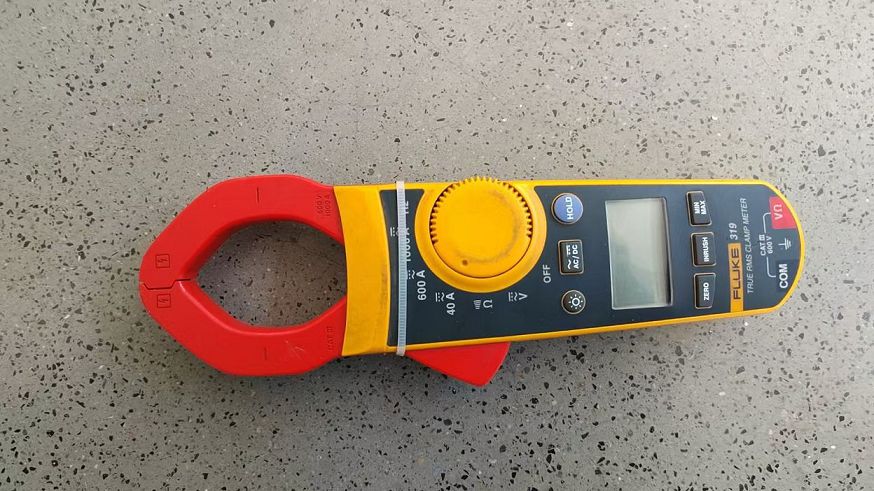
To maintain strict E-E-A-T manufacturing standards, we oversee every phase of assembly in our Shenzhen factory. Below are real glimpses into our manufacturing steps, including our precision debugging workshops, automated assembly lines, and specialized power quality diagnostic equipment:
Precision Calibration & Quality Control Instrumentation
To comply with safety directives (CE, NOM) and guarantee stability, our verification labs deploy advanced metrology and diagnostic tools:
Sourcing Power Simulators: Global Procurement Strategies
Balancing cost efficiency, technological precision, and reliable delivery for procurement directors.
- Extended lead times of 36 to 48 weeks, delaying system validation schedules.
- Inflated system integration costs driven by supply chain constraints.
- Rigid standard configurations that do not adapt to localized laboratory constraints.
Detailed Drawing Designs
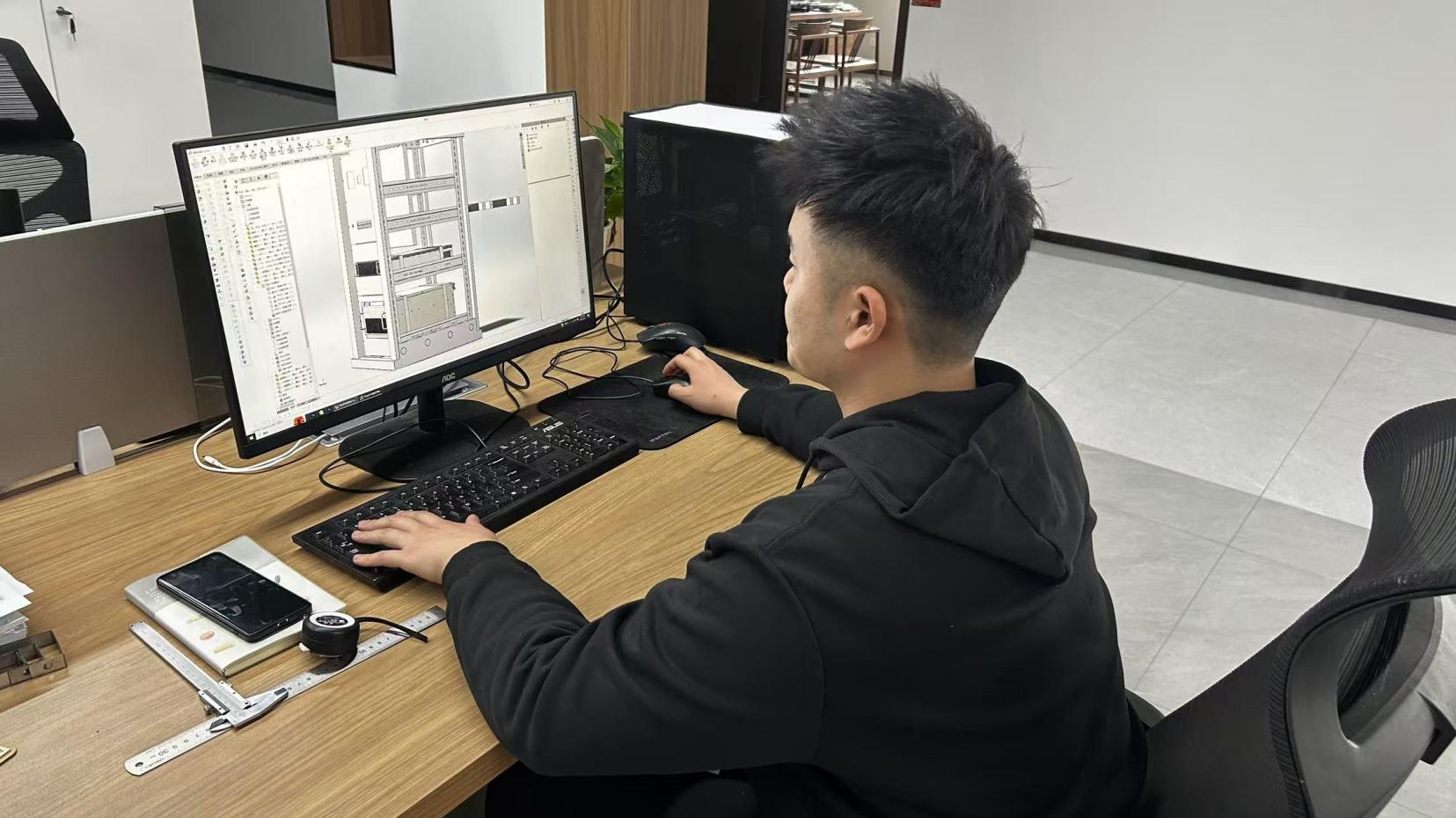
Custom mechanical chassis designs tailored to specific laboratory dimensions.
Computer-Aided DSP Control Modeling
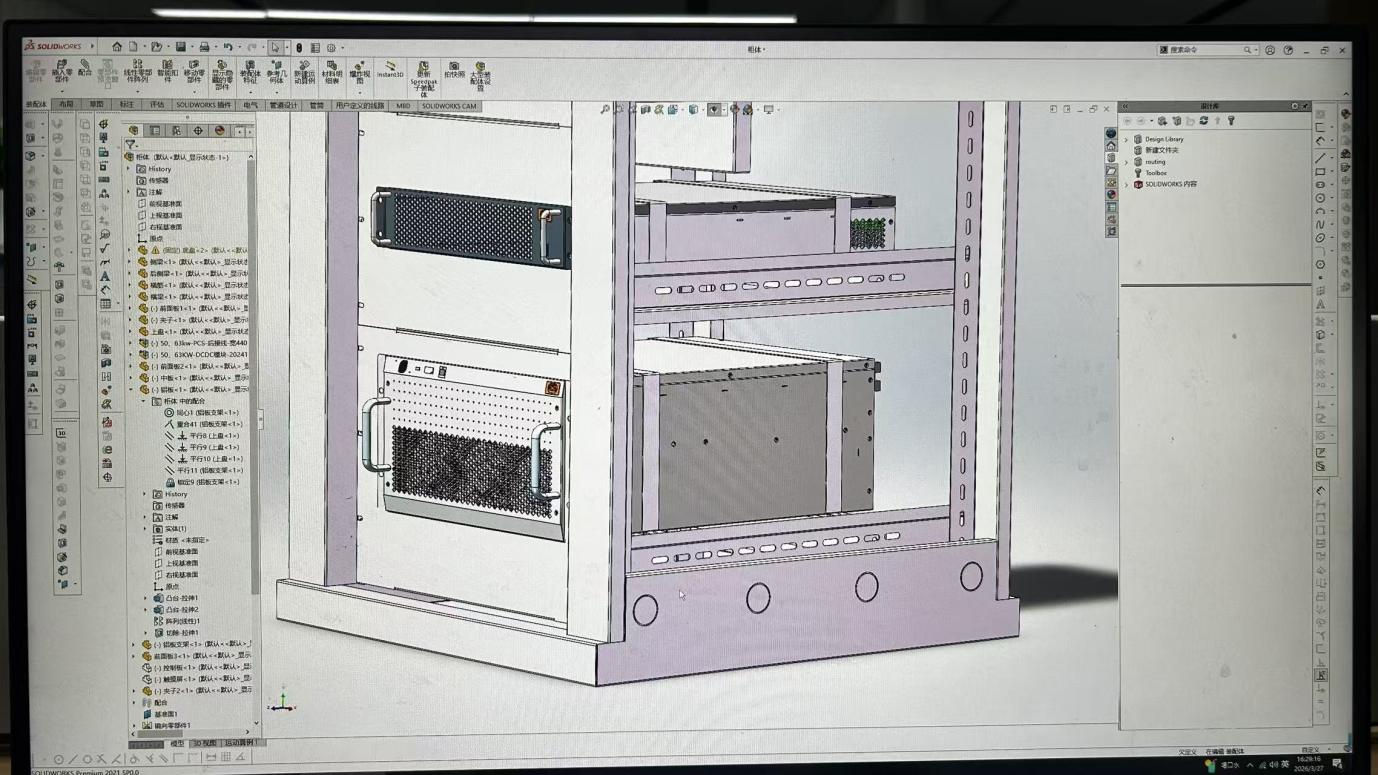
High-performance simulation interfaces designed for integration into LabVIEW systems.
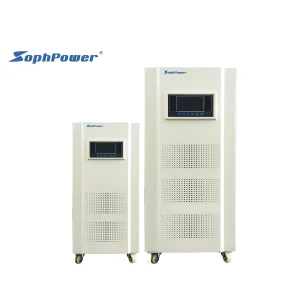
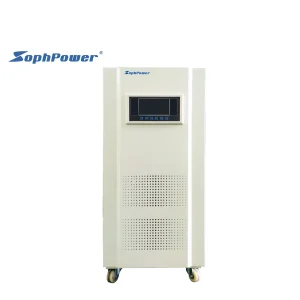
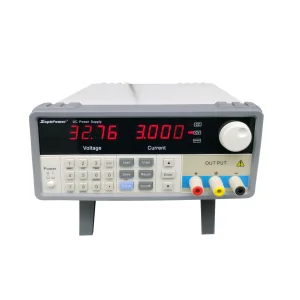
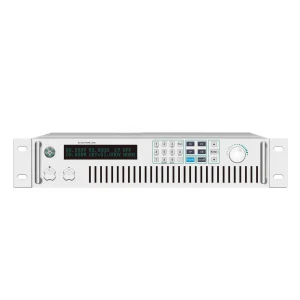
Industrial Voltage Regulators & Power Supplies
Extend testing capacity and secure localized grid stability with our comprehensive array of products.
The Future of AC Grid Simulation: Technology Trends
Staying ahead of grid evolution: High Bandwidth, Hardware-in-the-Loop, and SiC semiconductor topologies.
Frequently Asked Questions
Expert technical answers addressing grid simulation, logistics, and plant integration.
Optimize Your Facility's Power Testing Operations
Reach out to Sophpower's design engineers today to configure a custom bidirectional AC grid simulation environment. Get technical consultations and custom quotes for your laboratory.