Regenerative Testing Solutions for Barcelona Labs
High-reliability electronic loads and automatic voltage stabilizers custom-optimized for Catalonia's commercial test standards.
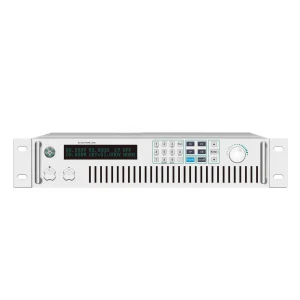
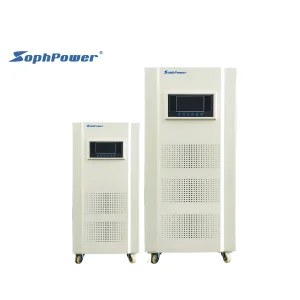
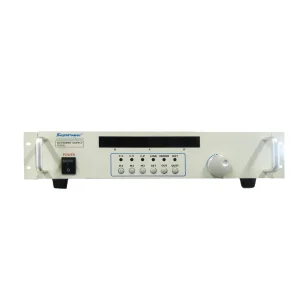
Barcelona's Decarbonization Hub: Why Advanced Grid Simulation Matters
Catalonia has emerged as a premier European hub for smart mobility, renewable energy integration, and deep-tech innovation. With the expansion of automotive R&D facilities around Martorell, smart city trials in Barcelona, and the acceleration of localized microgrid projects, the demand for precise utility grid testing has escalated.
A Regenerative AC Grid Simulator is vital in these testing scenarios. Instead of dissipating high-power loads as pure heat, our regenerative systems feed up to 90% of the tested energy back into the local factory grid. This reduces thermal build-up and carbon footprint, aligning perfectly with Barcelona's strict environmental compliance frameworks and European green directives.
- E-Mobility & EVSE Testing: Crucial for EV charging infrastructures and vehicle-to-grid (V2G) validation protocols.
- Catalonian Solar & Wind Integration: Allows PV inverter manufacturers to simulate voltage dips, frequency fluctuations, and grid transients.
- Regulatory Compliance: Simplifies compliance testing for EN 50549-1/2, IEEE 1547, and UL 1741 in European labs.
Technology Architecture: Bidirectional & Four-Quadrant Operation
Our regenerative AC simulators are built on high-frequency PWM switching topology. Working in four quadrants, the equipment acts as both a source to supply simulated mains power and a sink to absorb active/reactive current from the device under test (DUT).
With fully programmable voltage waveforms, phase angles, and harmonics (up to the 50th order), power engineers can evaluate extreme sag, swell, flicker, and asymmetrical phase imbalances.
A Specialized Manufacturer Serving Global Power Markets
Established in 2006, Sophpower integrates advanced power electronics engineering with scalable production facilities to meet the stringent demands of international test facilities.
Based in Shenzhen, China's Silicon Valley of power electronics, Shenzhen Sophpower Electronics Co., Ltd. has developed over nearly two decades into a High-tech enterprise with sustainable and rapid growth. Our team of technical engineers has deep expertise in designing power supplies, focusing on bidirectional systems, linear power sources, frequency converters, and custom grid emulation setups.
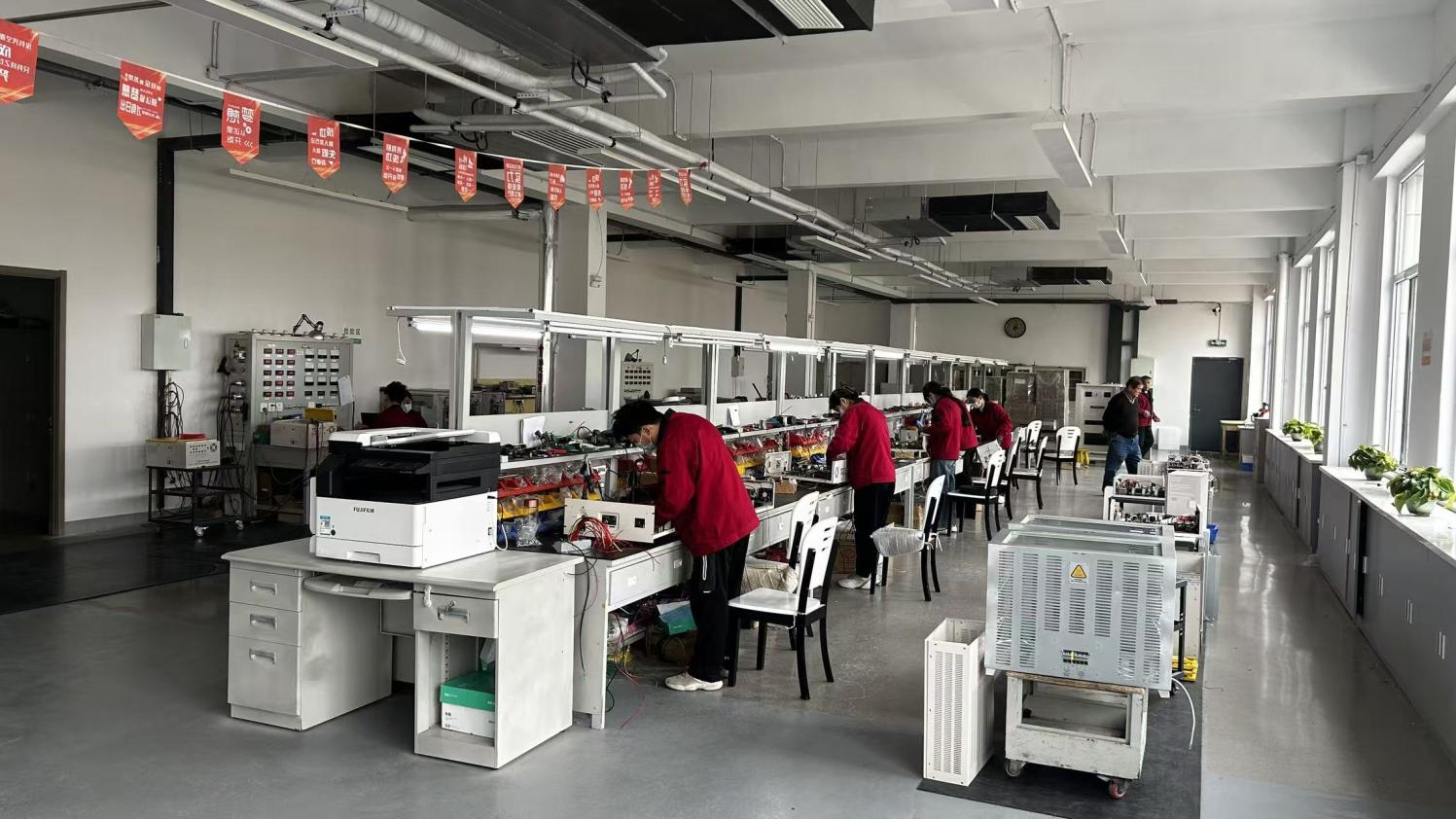
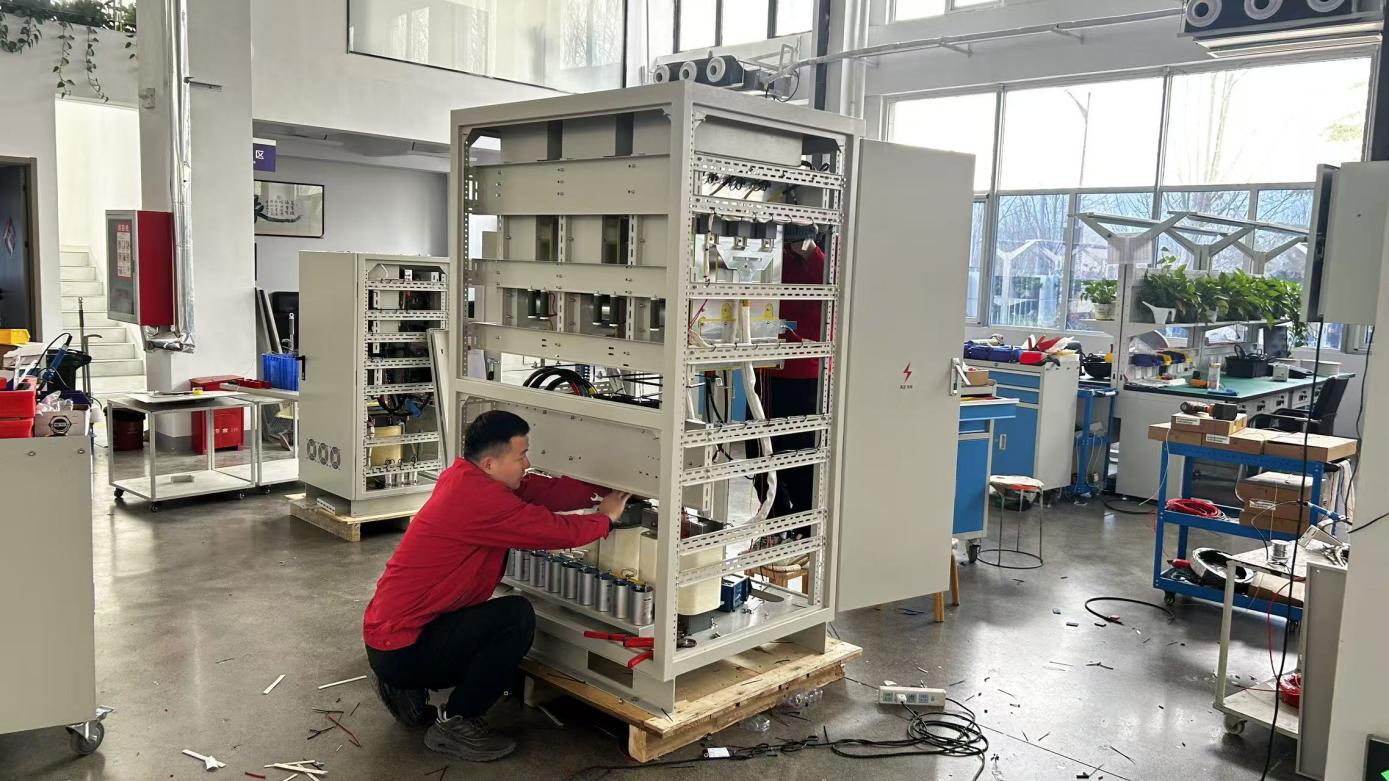
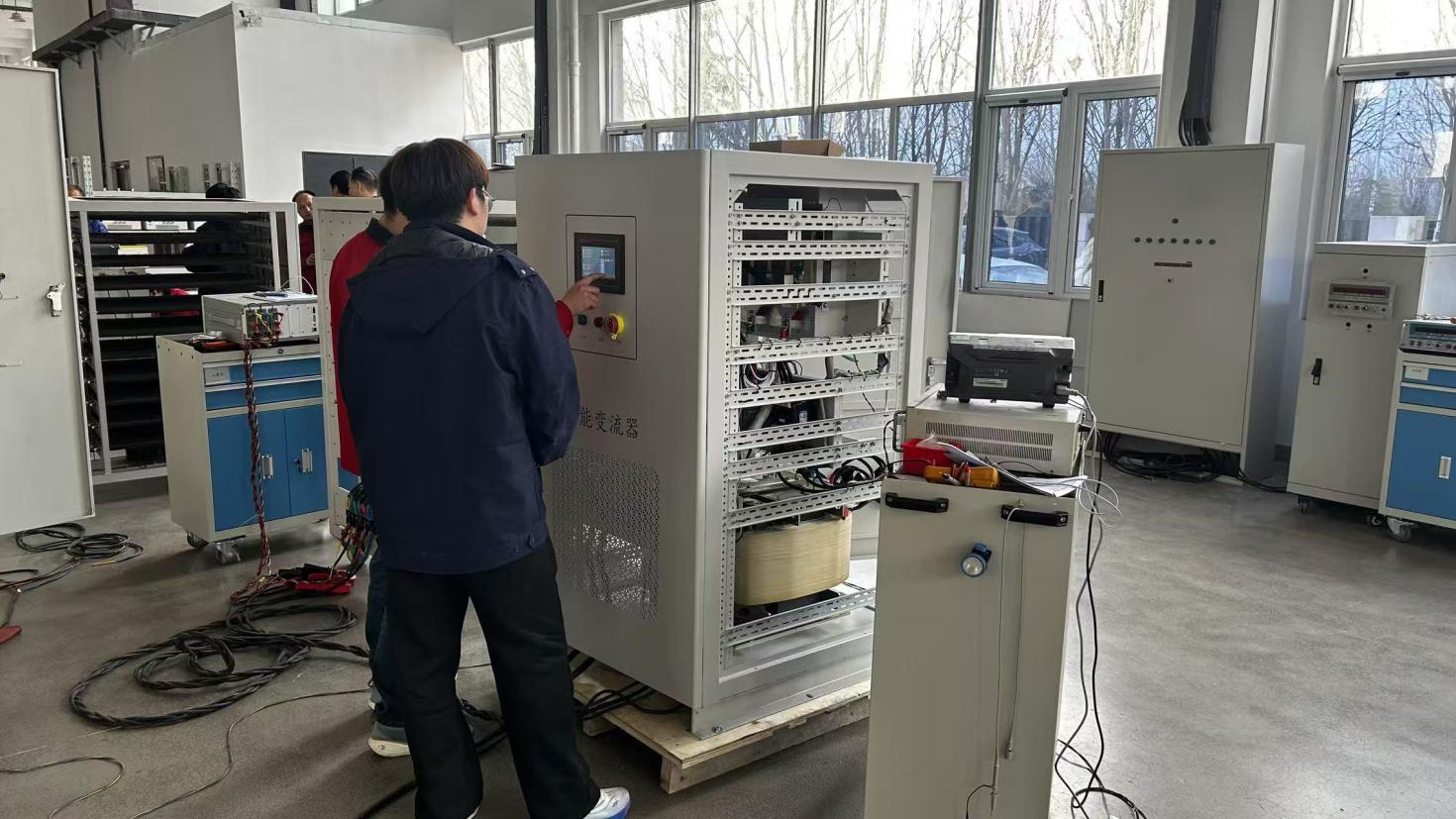
By controlling the entire process from circuit design and PCB layout to assembly, transformer winding, and high-voltage burn-in testing, we ensure that every regenerative simulator shipped to Barcelona meets high standards of reliability and safety.
Our global partnership strategy provides Catalonian tech companies with direct-from-factory engineering support. We offer customization for unique testing voltages (up to 1500V DC and custom multi-phase AC), variable frequency limits (from 45Hz up to 400Hz), and local industrial interface integration (Modbus, CAN bus, Ethernet, or analog control systems).
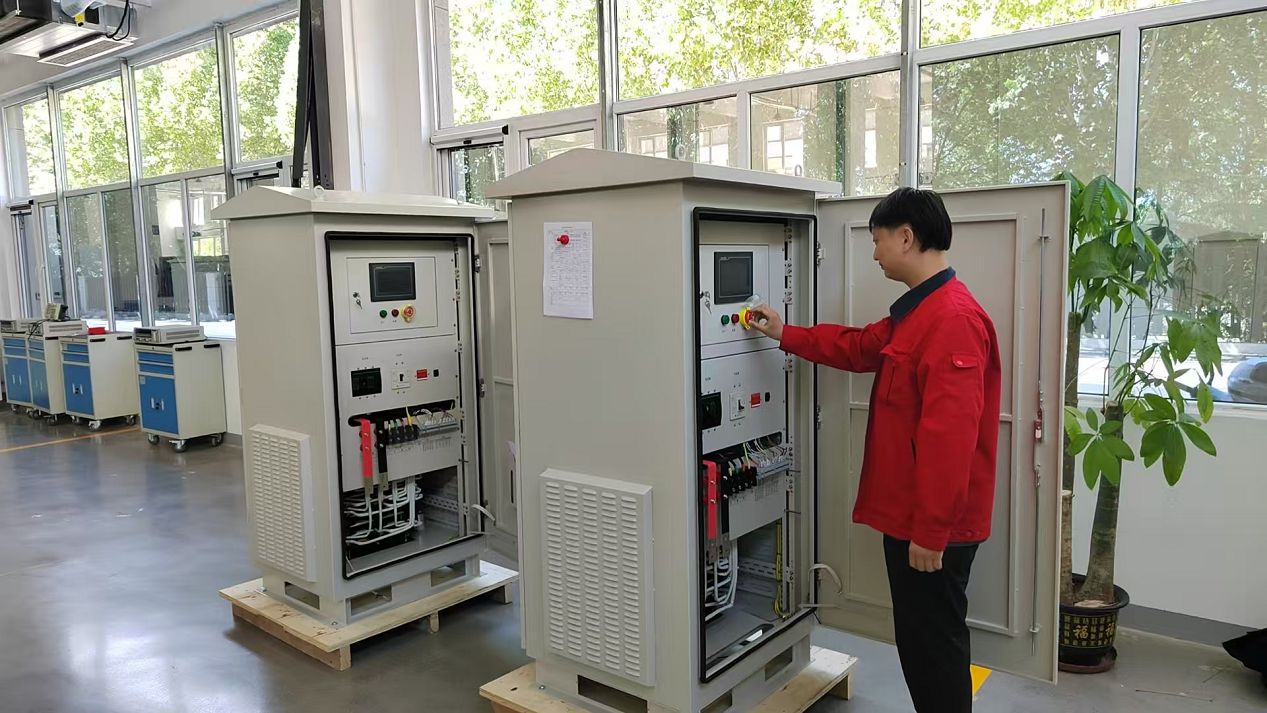
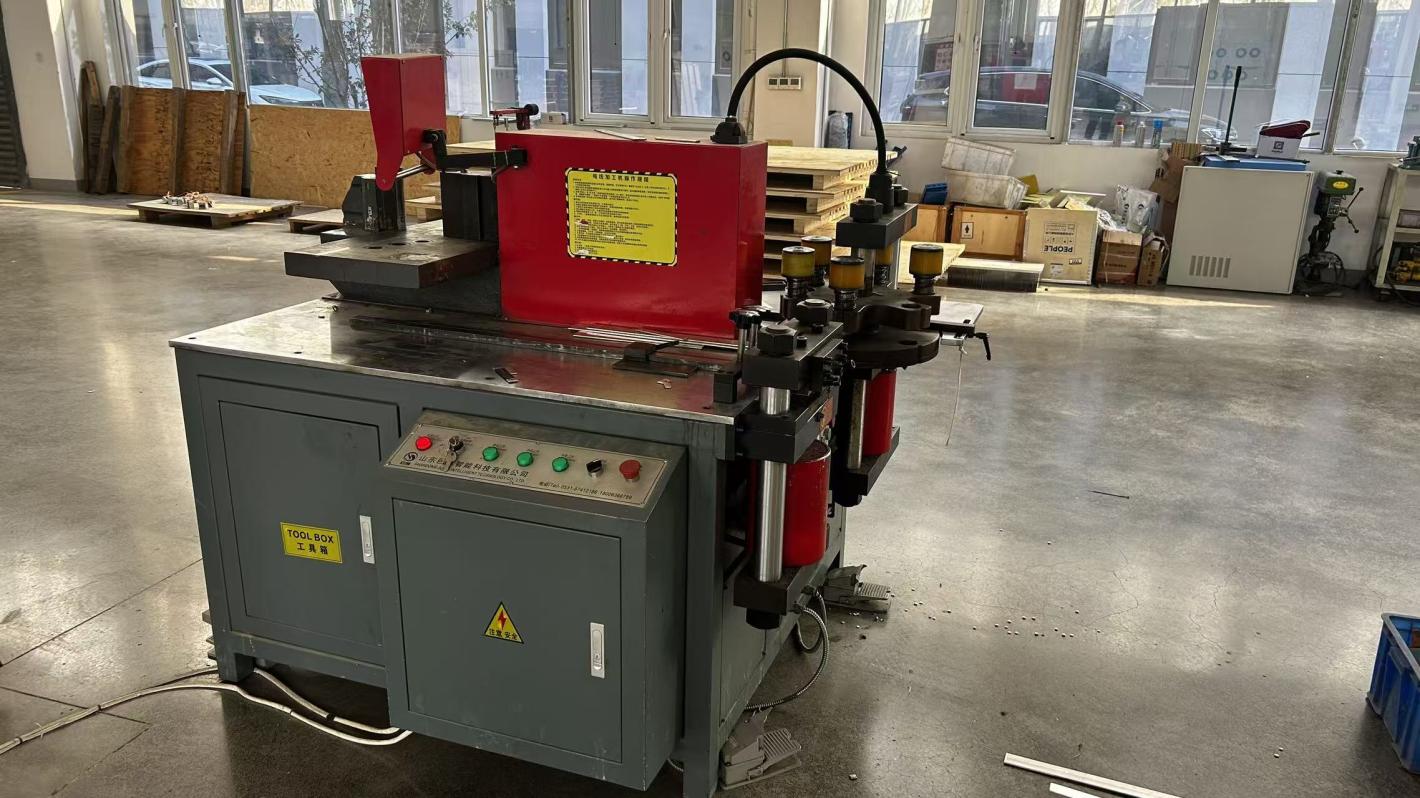
In-House Manufacturing Processes & Quality Control
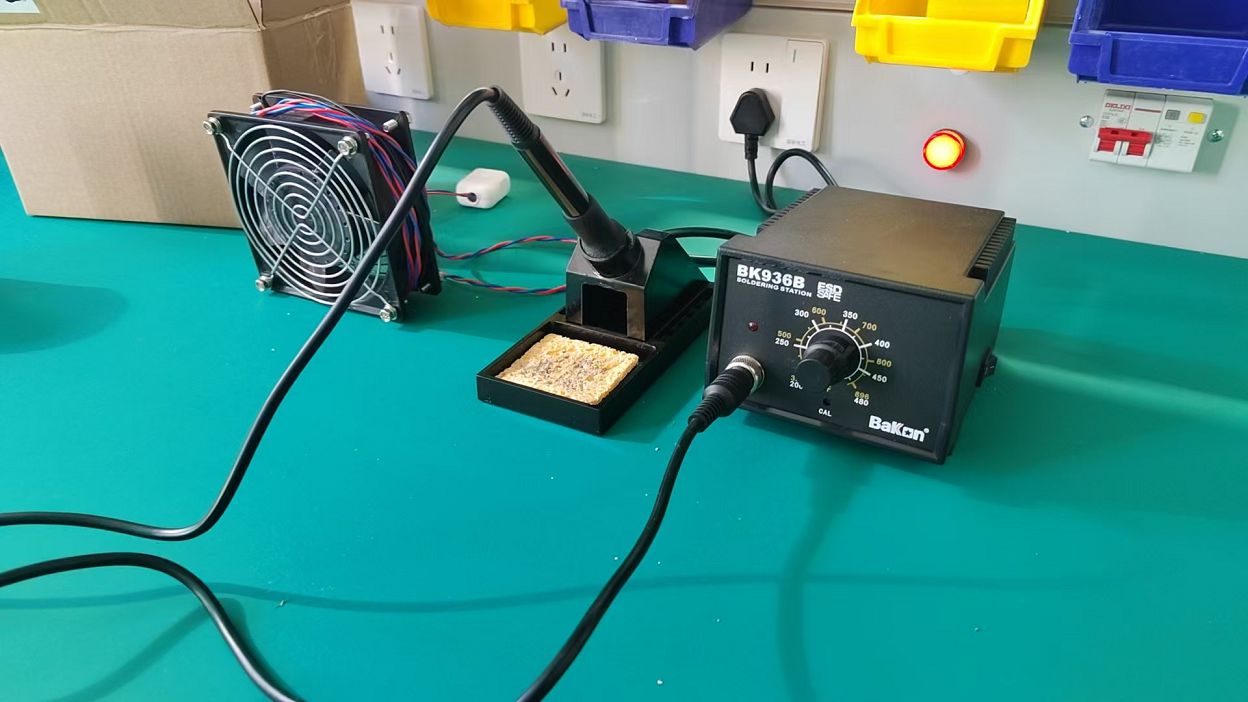
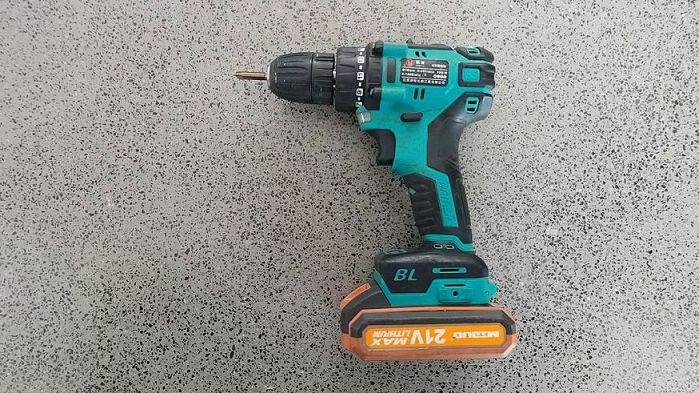
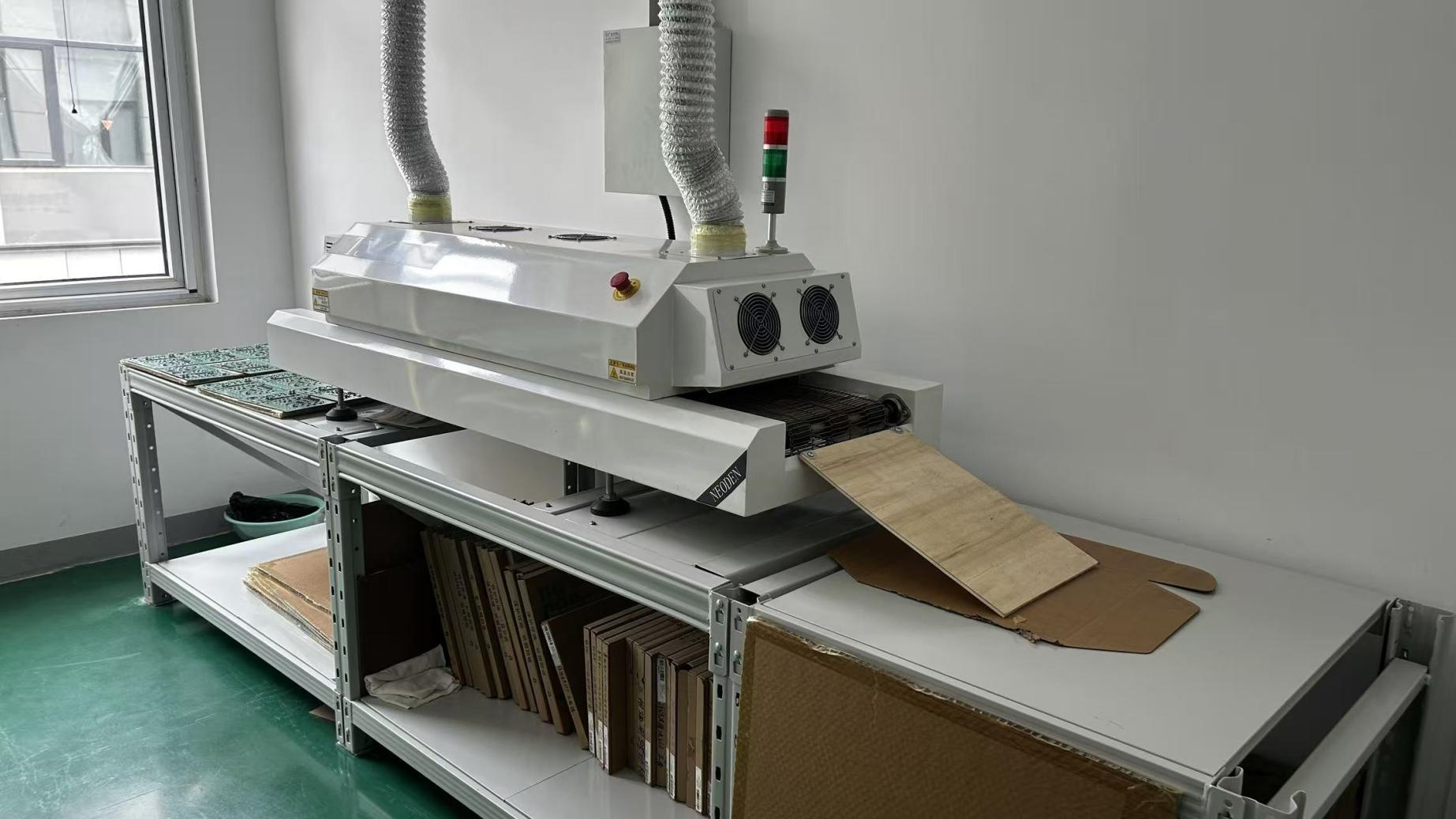
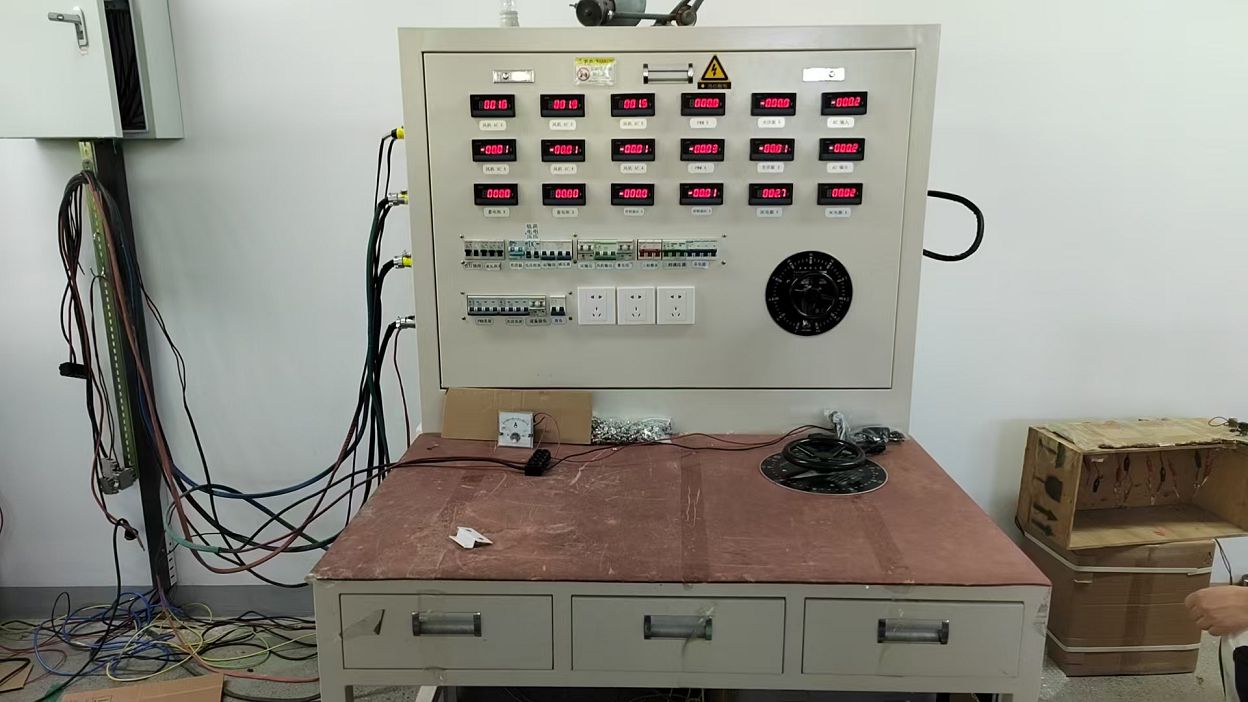
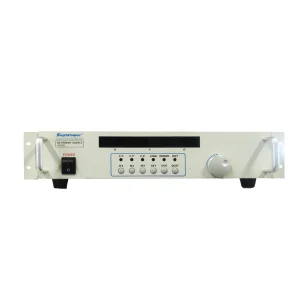
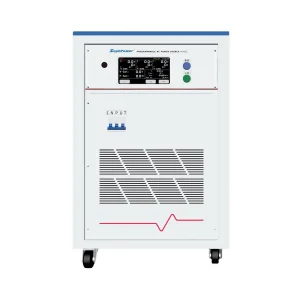
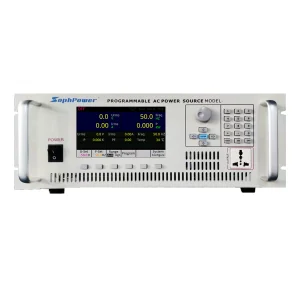
Programmable Linear AC Sources & High Voltage DC Supplies
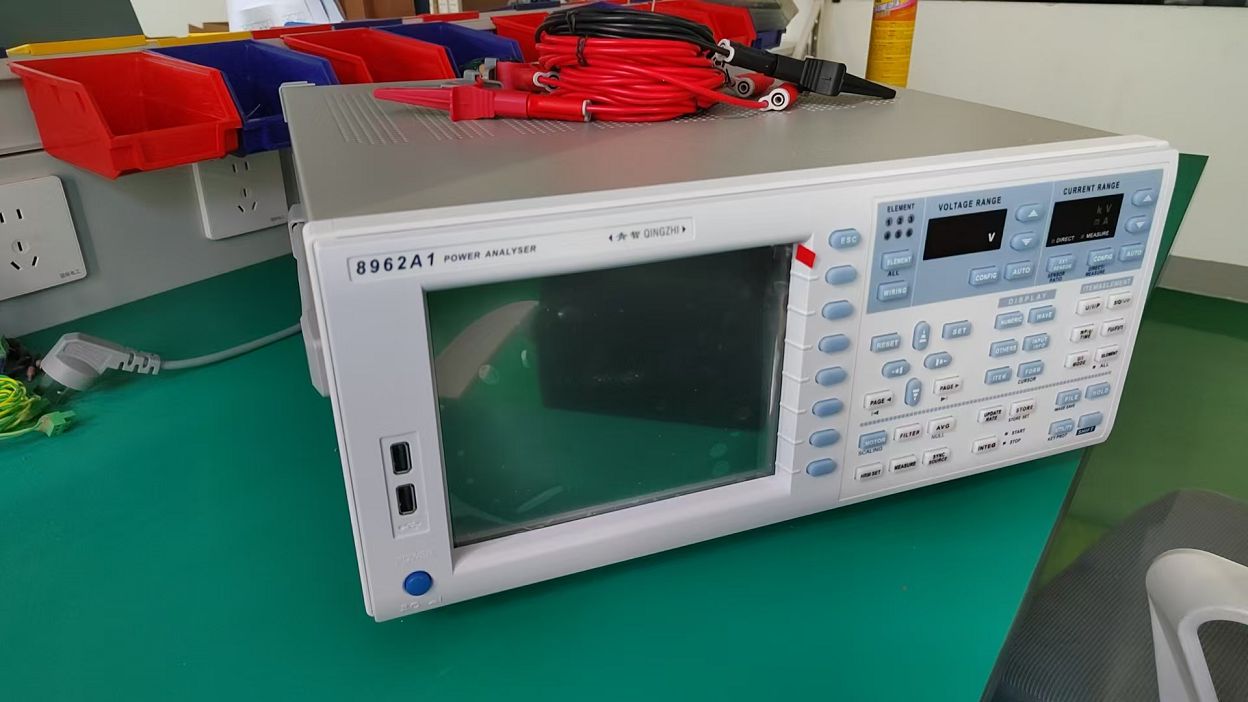
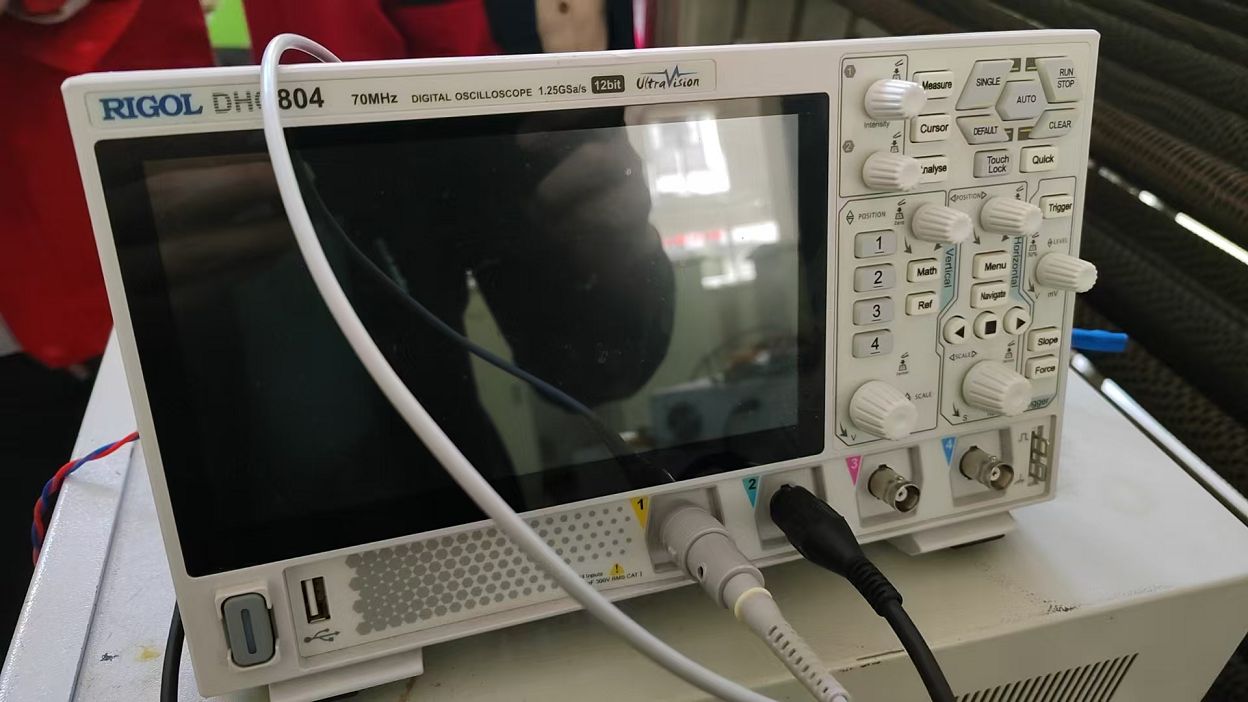
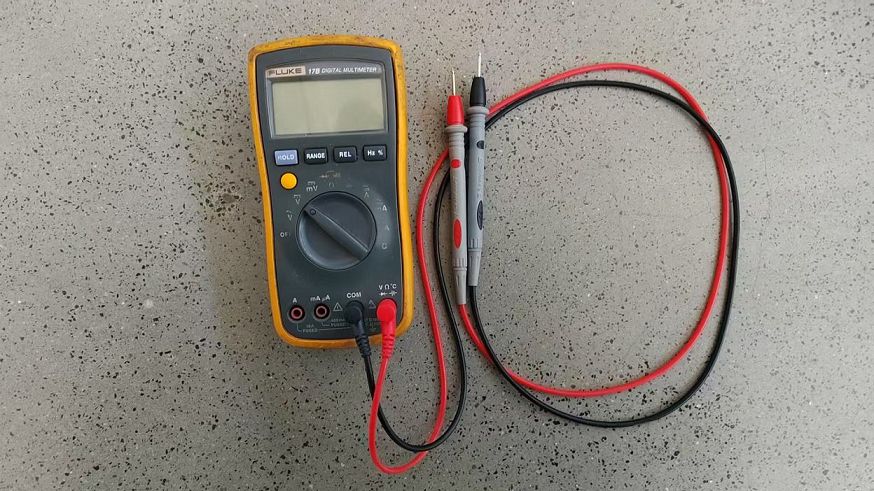
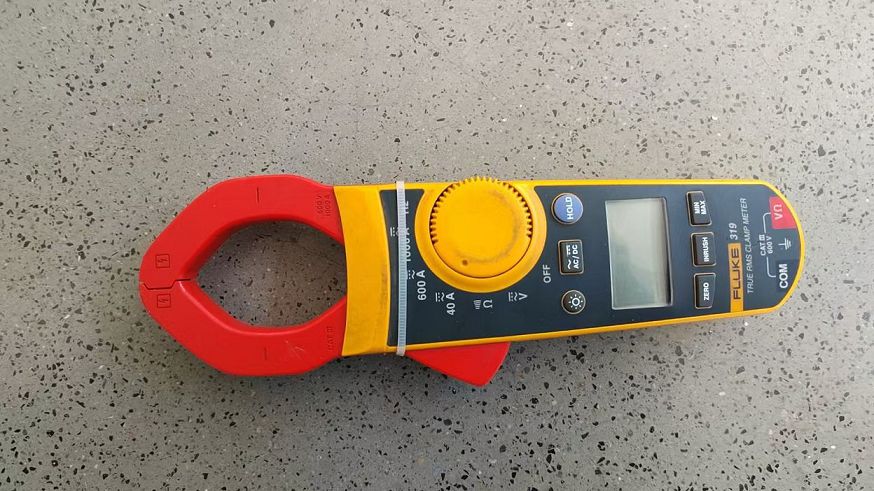
Supplementary power testing instruments deployed in R&D labs throughout Spain.
Professional Calibration and Precision Verification
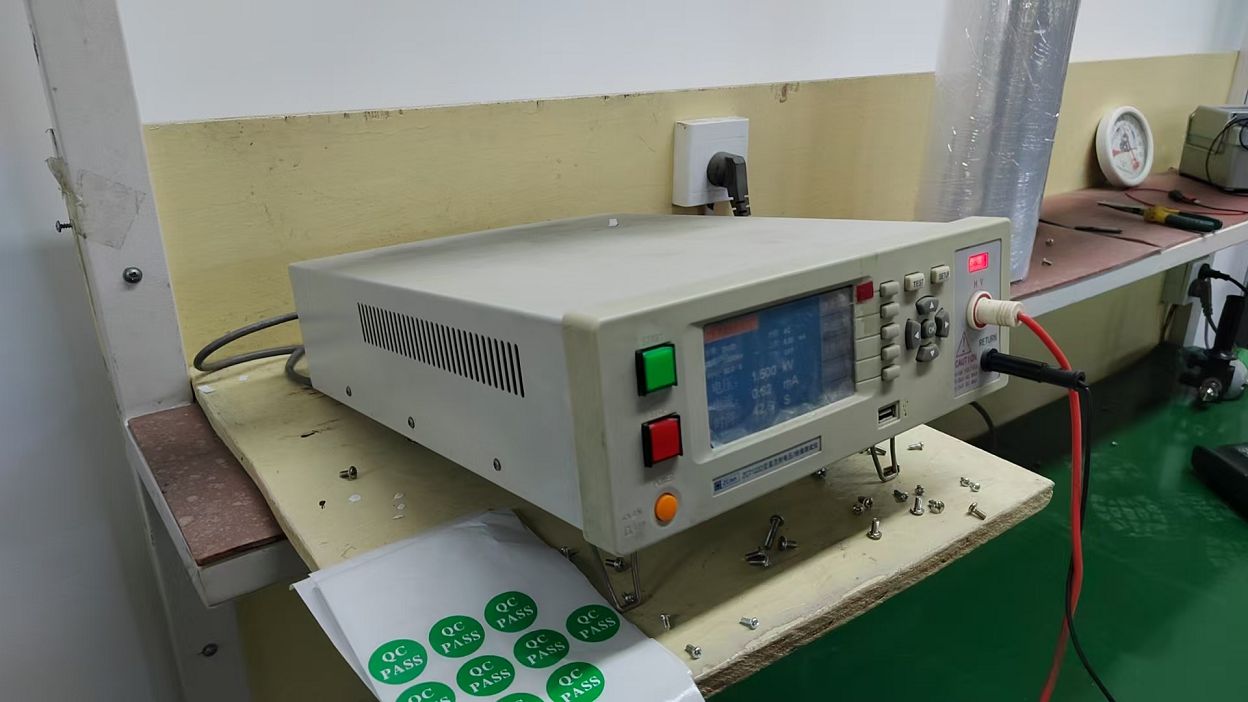
We believe that a grid simulator is only as good as its measurement precision. To verify voltage accuracy, transient rise time, and low harmonic distortion metrics, our testing benches utilize high-accuracy metrology equipment. Every unit is calibrated against traceable reference sources before packaging.
Whether simulating grid voltage disturbances for wind turbines or analyzing the feedback profiles of bidirectional PV inverters, our simulators provide the high accuracy required for certification processes in compliance with Catalonian EN standards.
Supporting Lab Gear & Design Frameworks
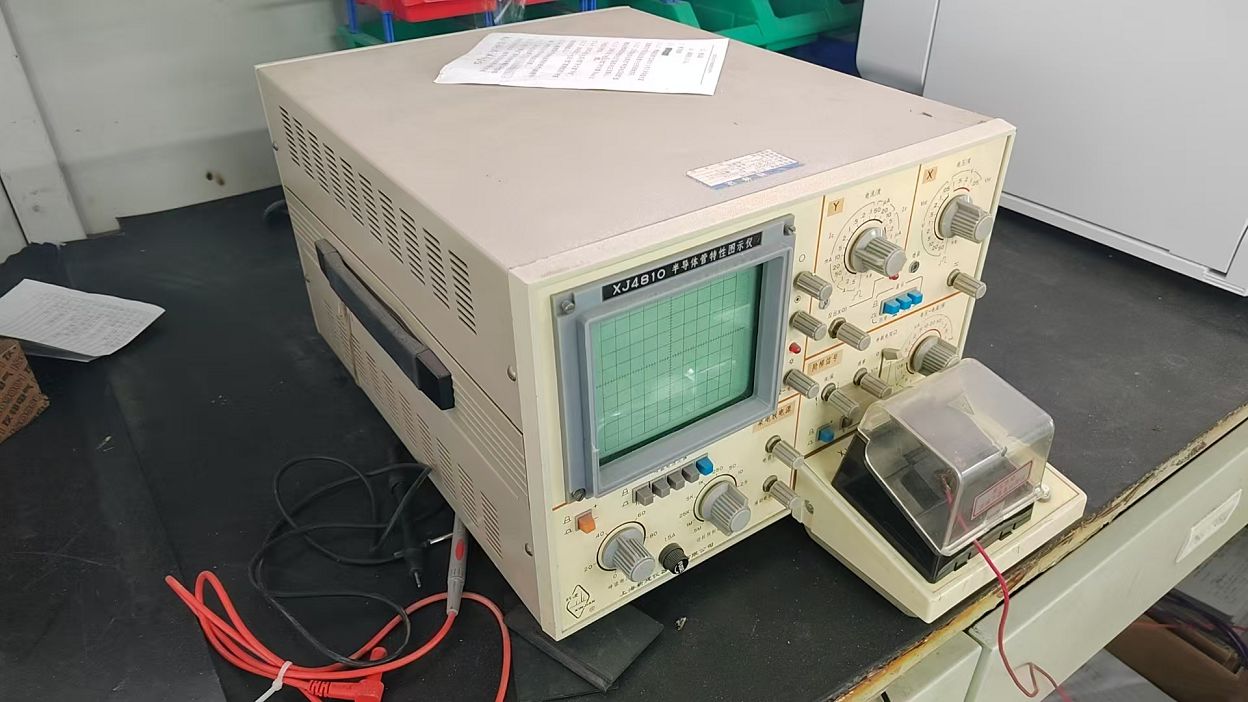
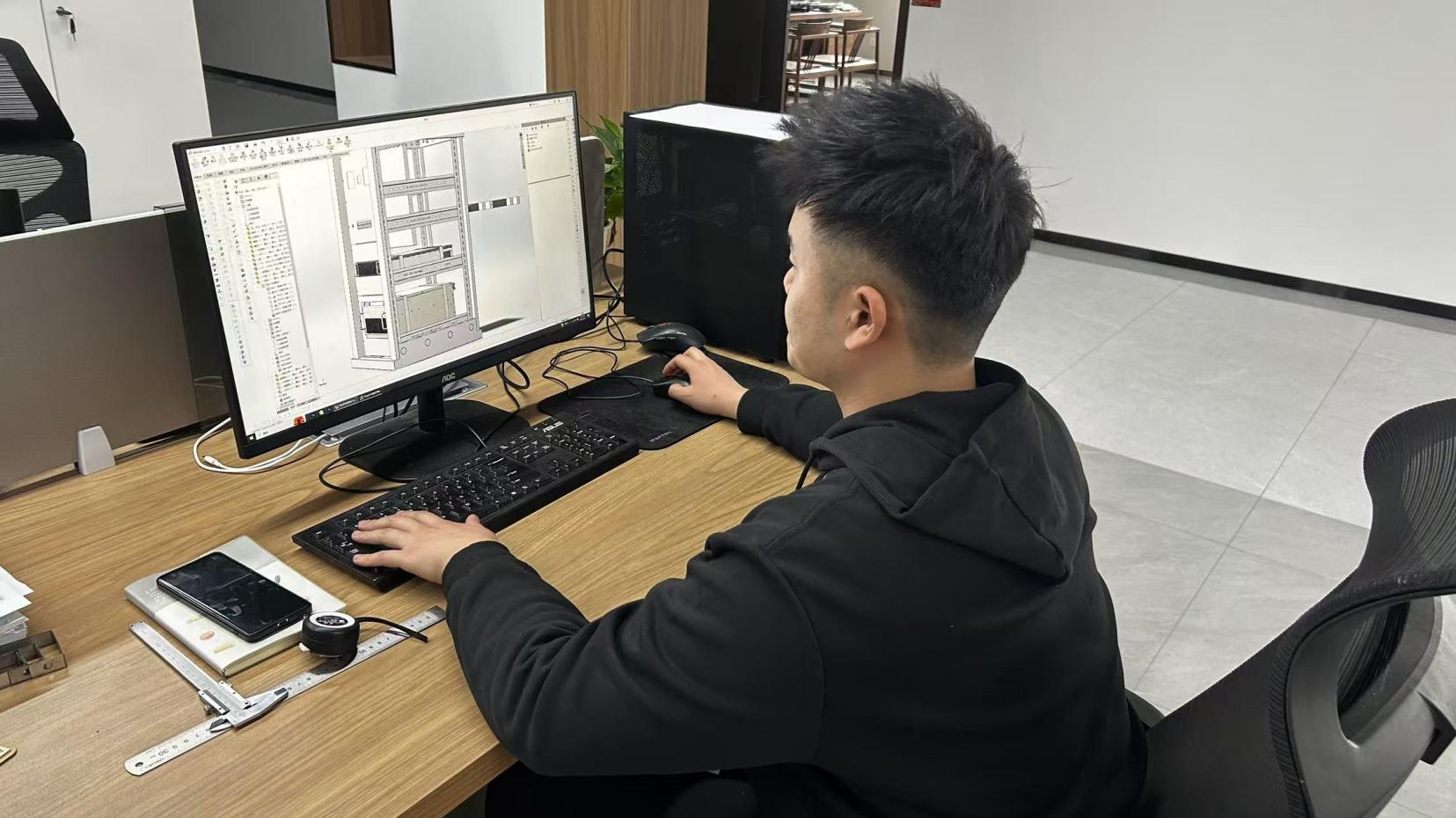
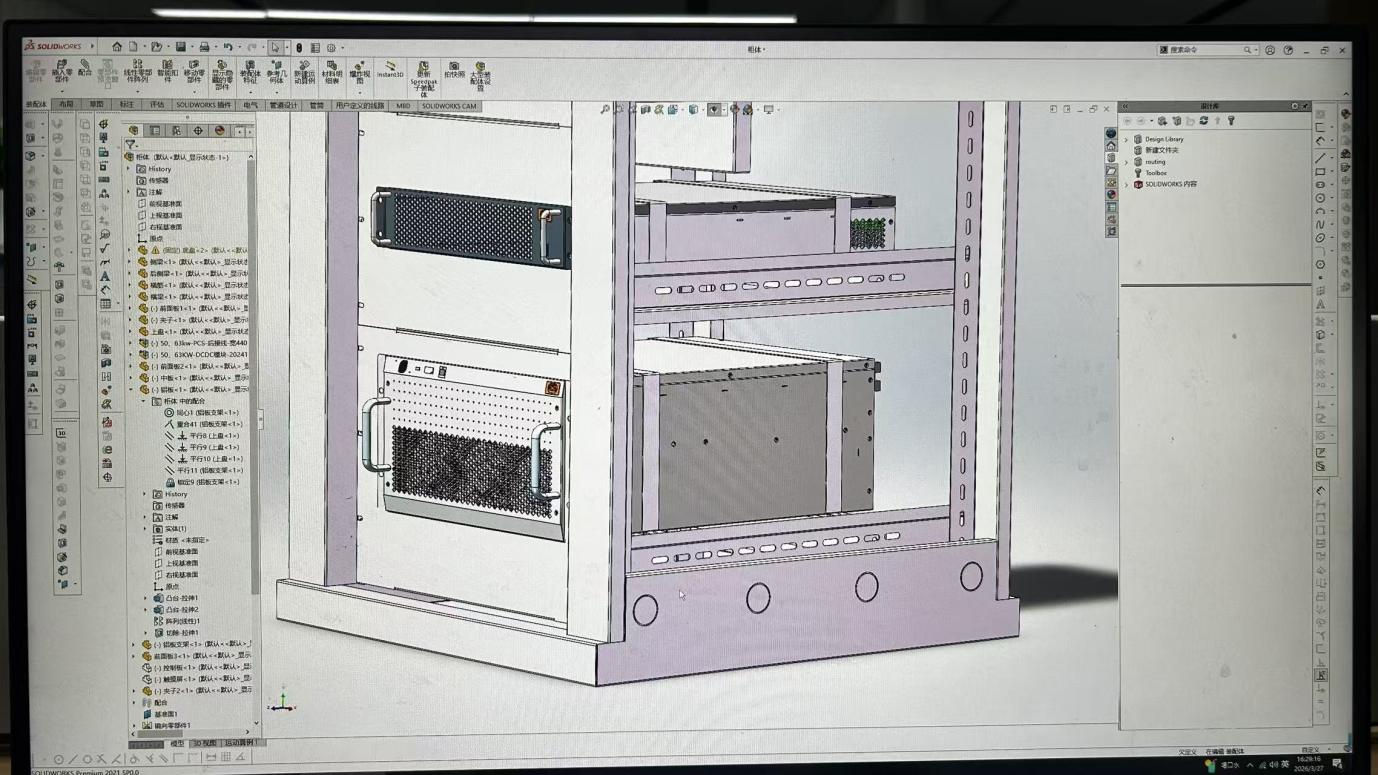
Sophpower's design workflow leverages professional schematic capture, thermal modeling, and finite element analysis (FEA) to structure the interior layout of high-voltage transformers and inductors. This ensures efficient cooling and stable continuous load operations at full capacity.
Key Insights on Regenerative AC Grid Simulators
Common questions answered by Sophpower's technical engineering directors.
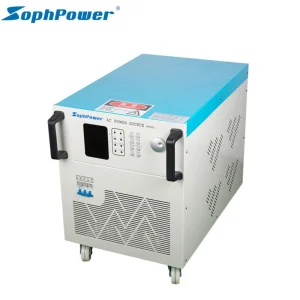
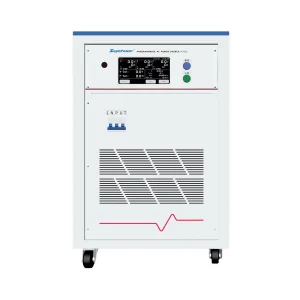
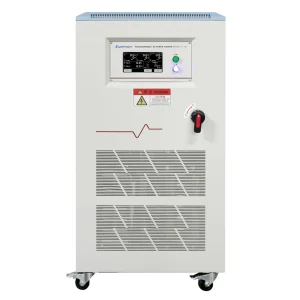
High-Power Frequency Converters & Variable AC Power Sources
Providing stable voltage conversion and programmable frequency control for high-power electrical testing.
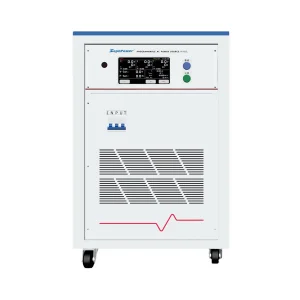
Accelerate Your Power Testing Capabilities Today
Connect with our expert application engineers to configure a regenerative AC grid simulator or specialized programmable supply tailored to your specific tests in Barcelona.
Send Inquiry Now