Featured DC Power Emulation Solutions for Boston Labs
Engineered to accommodate high-slew-rate dynamics and ultra-stable load simulation for advanced R&D corridors across New England.
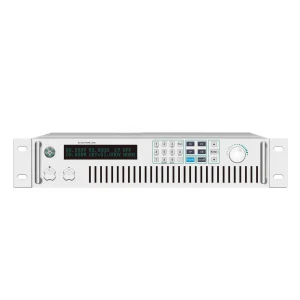
Industrial Profile: Power Testing & Emulation Needs in Greater Boston
Insights into Massachusetts' growing high-tech corridors and why precision load validation determines market readiness.
The Boston Innovation Landscape & Demands for Custom Power Profiles
The Boston metropolitan area—spanning Kendall Square, the Route 128 technology corridor, and extending into Worcester—represents one of the world's most concentrated clusters of biotech, robotic systems engineering, defense technology, and clean energy startups. These fast-evolving industries face unique challenges when deploying physical hardware products. Device validation, dynamic battery pack profiling, and power semiconductor component stress-testing require robust systems capable of emulating complex profiles without voltage drift or system degradation.
For instance, Boston's growing subsector of warehouse automation and humanoid robotics demands rigorous testing of DC motor control loops. Under normal operation, regenerative braking and sudden torque requirements impose extremely volatile current demands on local power buses. A DC electronic load utilized in these environments cannot simply act as a static resistor. It must operate as a high-speed, programmable emulator capable of switching loads at microsecond intervals while recording voltage transient behaviors with laboratory-grade precision.
Macro Industry Context: From Linear Sources to Bidirectional Emulation
Across the global power electronics industry, the transition toward decarbonization and high-density electrification has pushed testing equipment manufacturers to provide higher efficiency, smarter control interfaces, and larger capacity ranges. Modern testing labs cannot afford the thermal losses and workspace overhead associated with traditional analog load benches. As energy conservation goals tighten, engineers look for high-efficiency programmable electronic loads to support constant current (CC), constant voltage (CV), constant resistance (CR), and constant power (CP) modes.
Sophpower Electronics Co., Ltd. addresses this transition directly. Our equipment leverages advanced switching topologies combined with high-frequency DSP control to maximize response times while maintaining compact cabinet dimensions. By exporting directly to North American markets and specifically tailoring our logistics and integration supports for the Boston research base, we help testing facilities fulfill national and international compliance metrics, including UL, CE, and CSA standards.
Our State-of-the-Art Production & QA Workflows
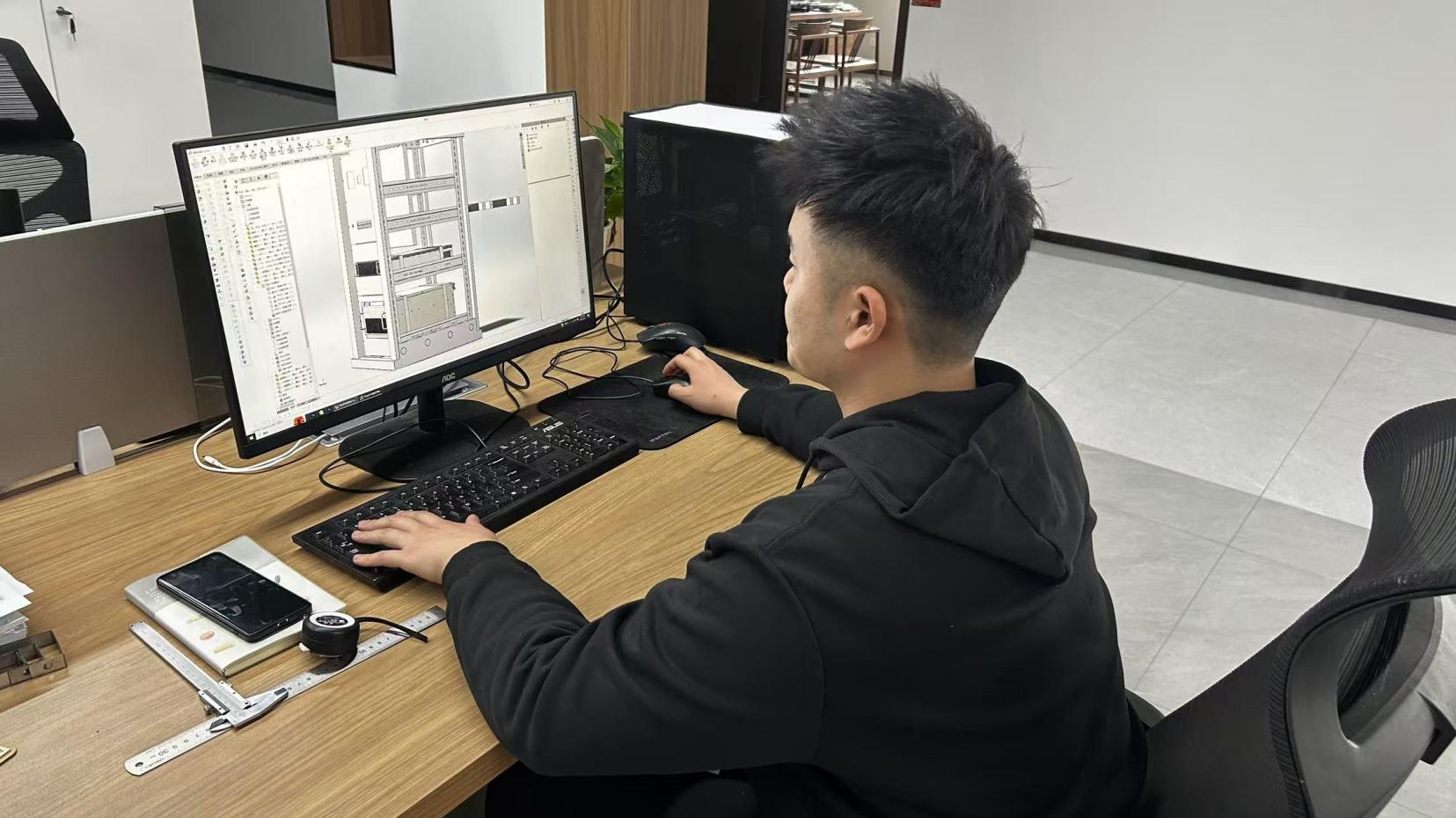
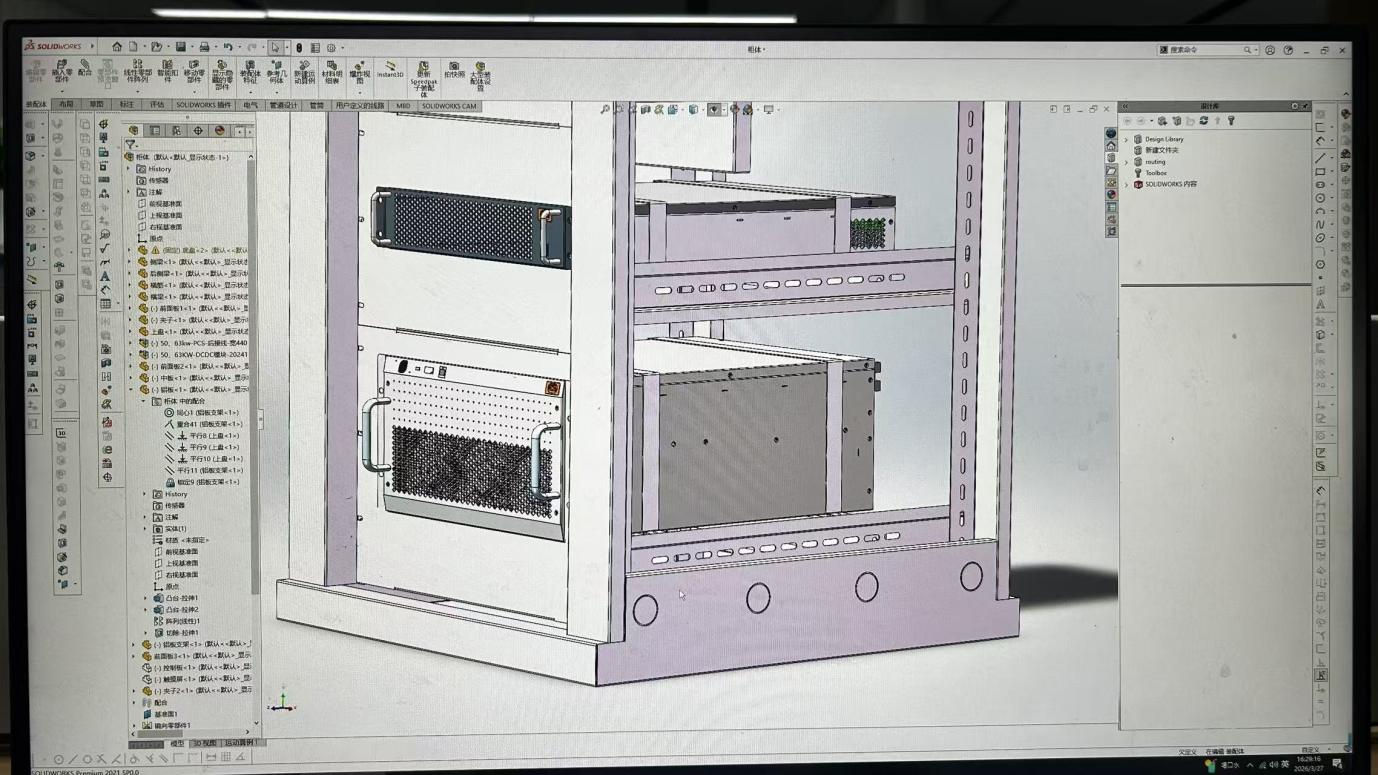
Under the rigorous oversight of our engineering team in our ISO-certified facilities, every instrument goes through meticulous assembly, debugging, and verification.
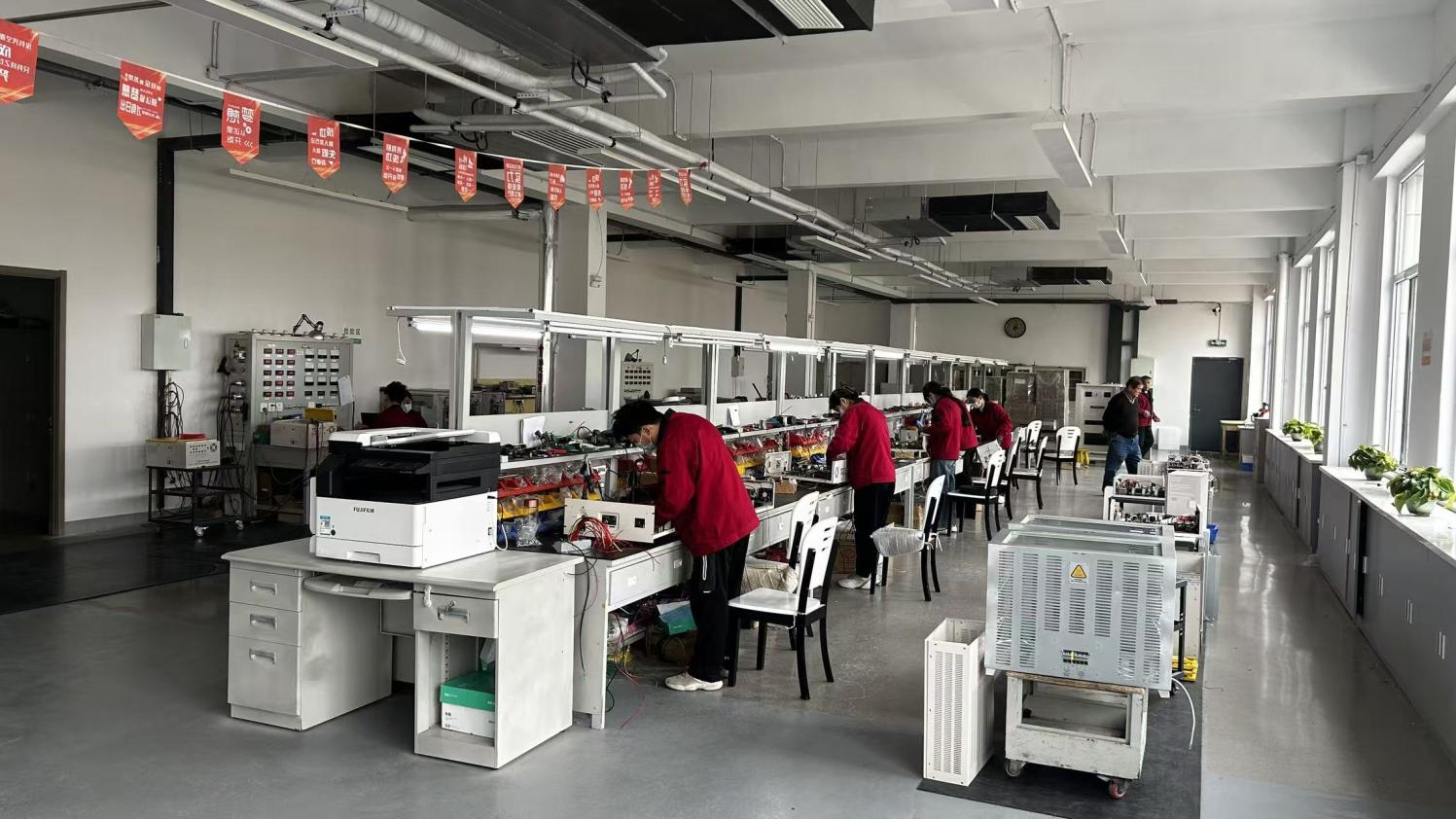
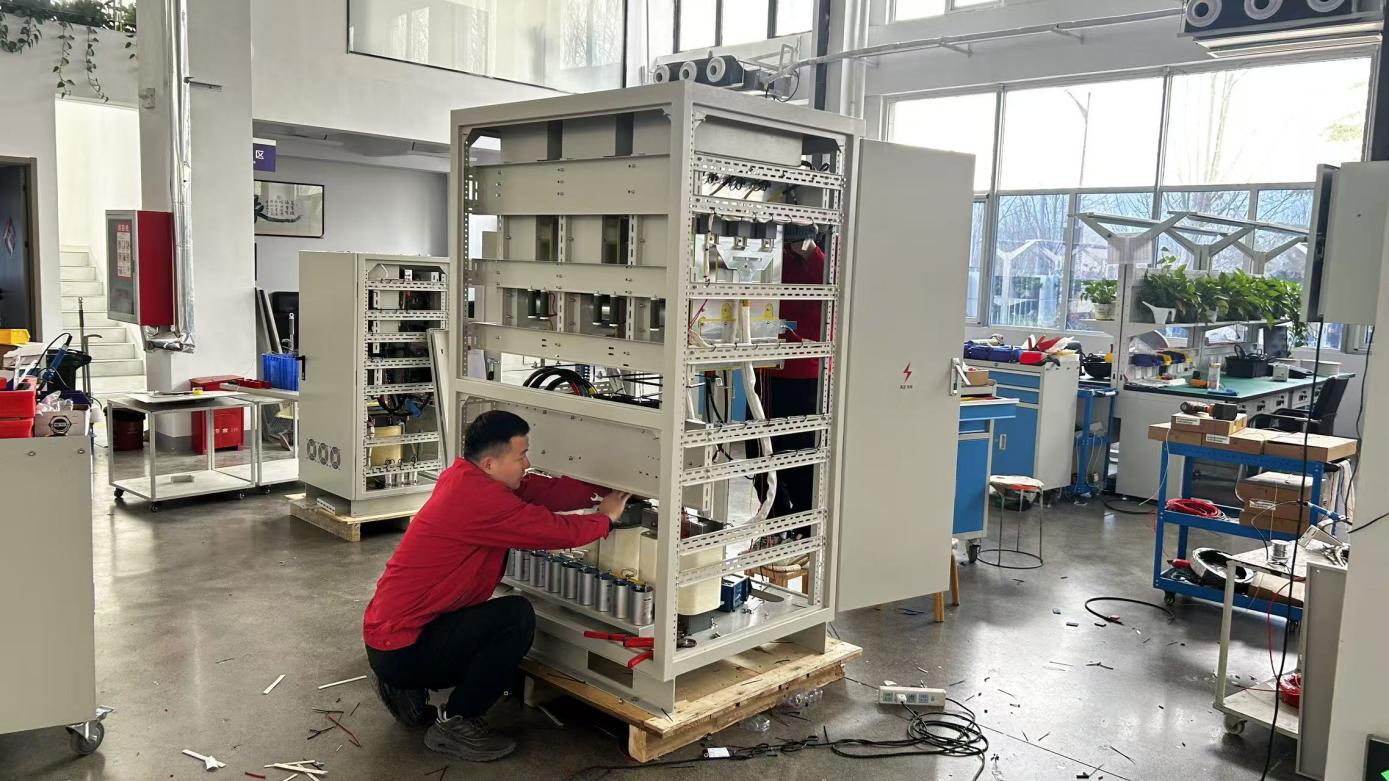
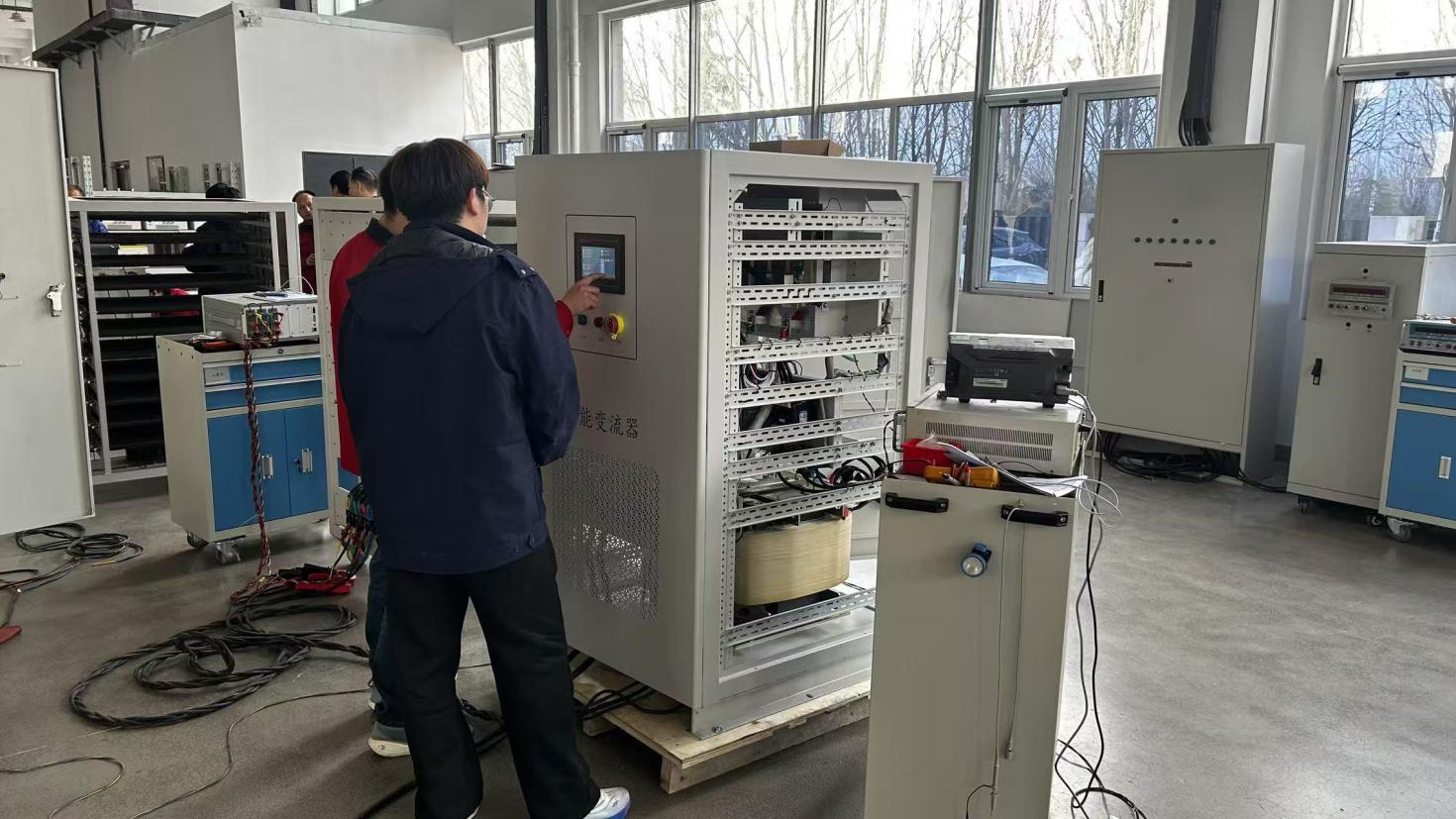
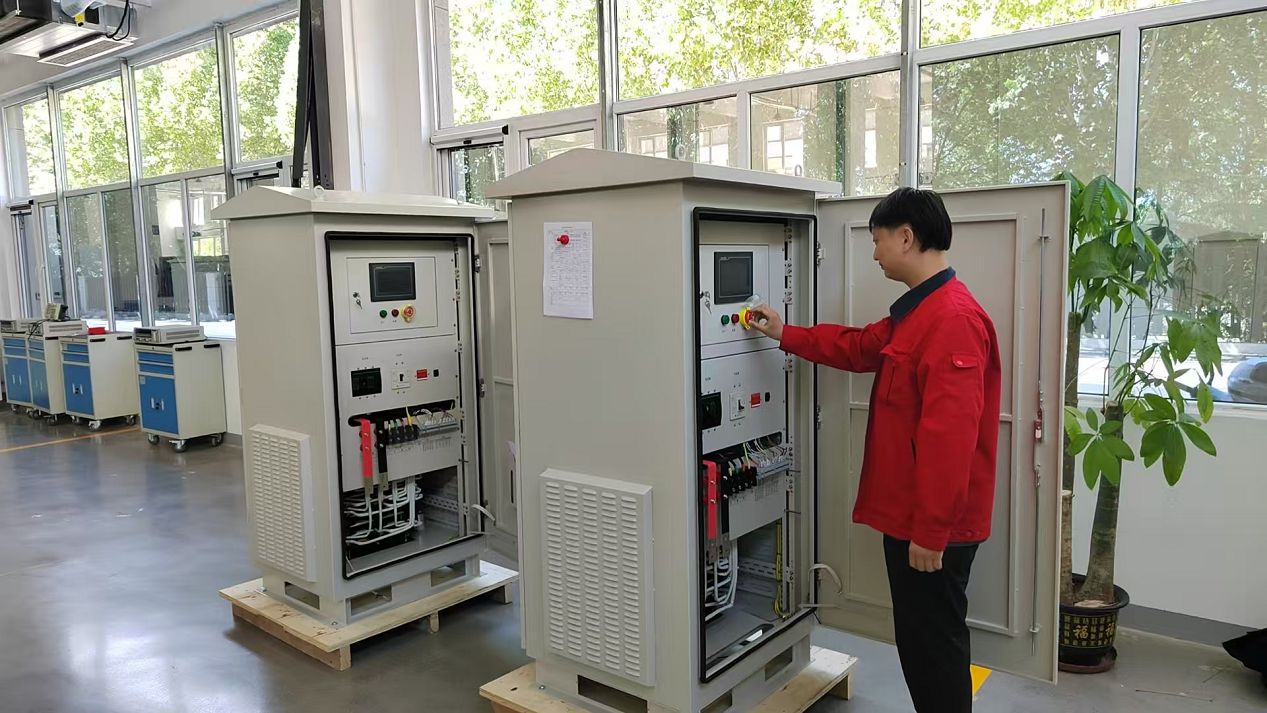
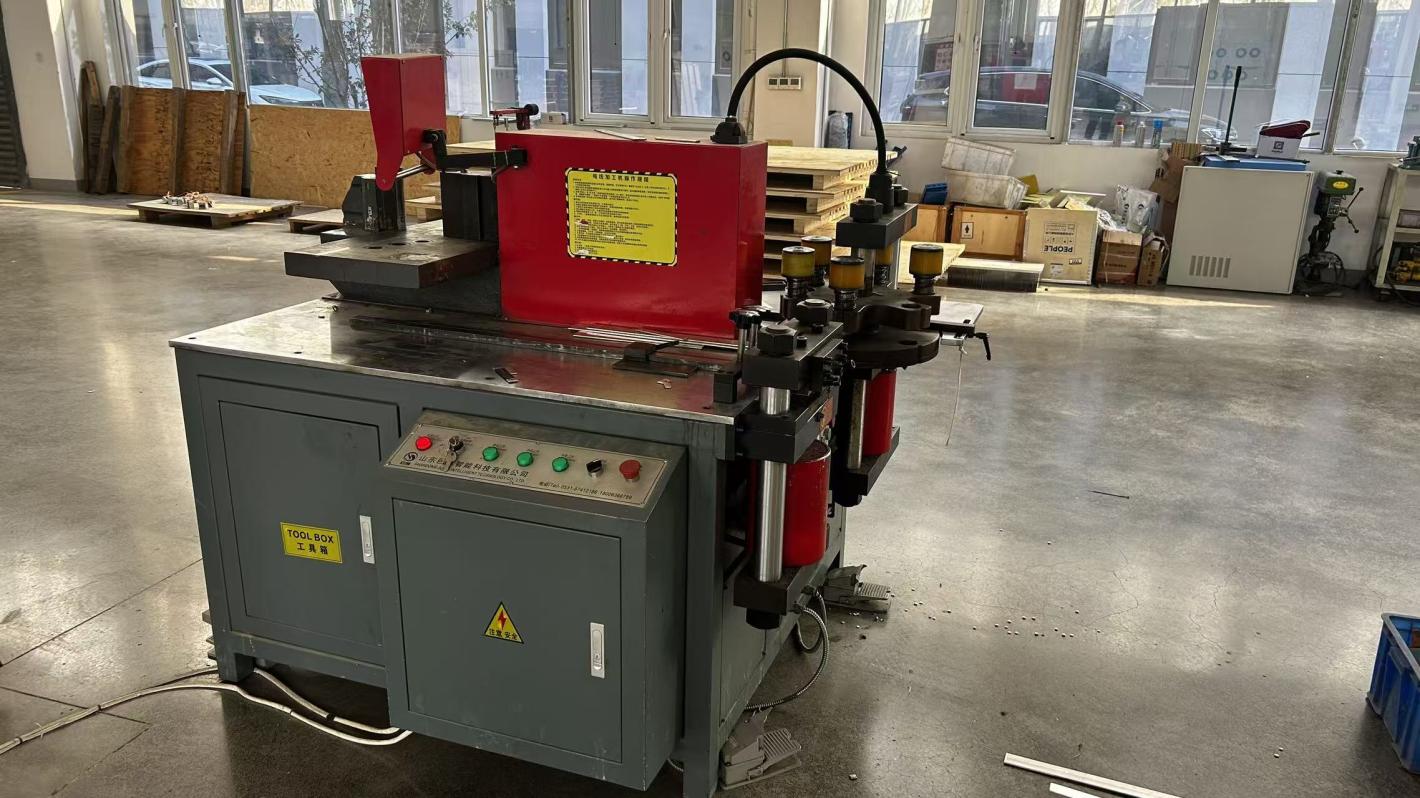
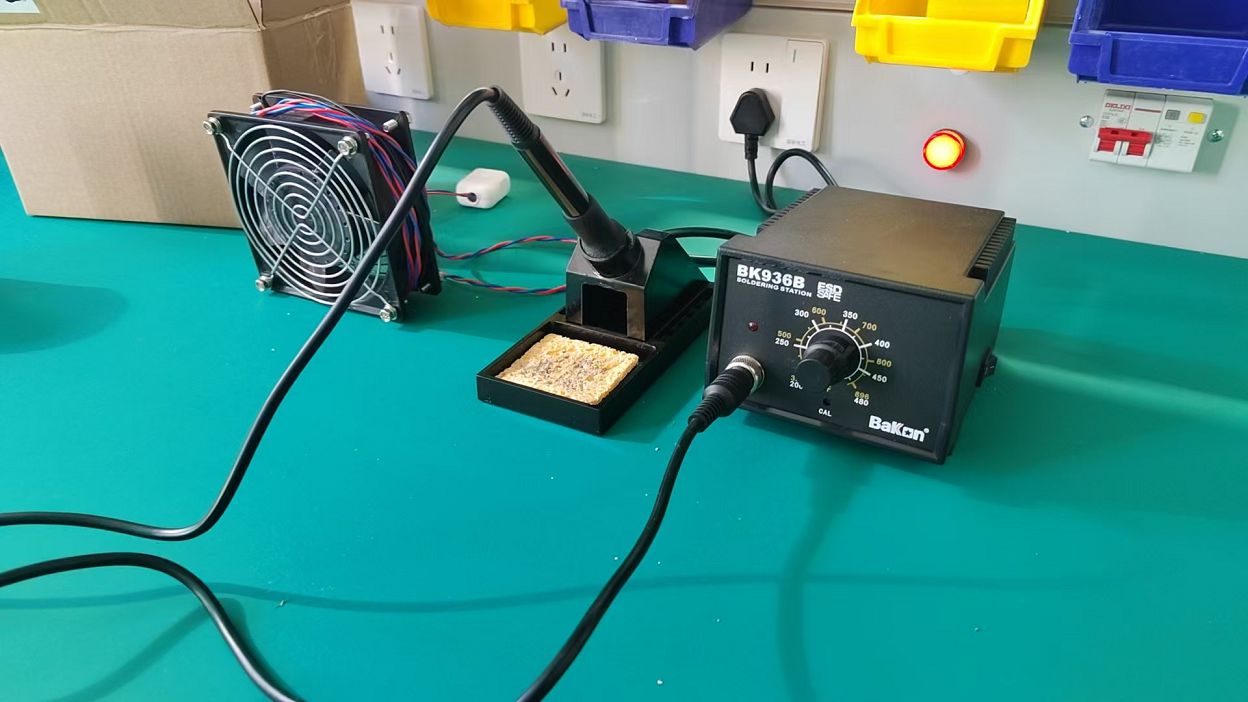
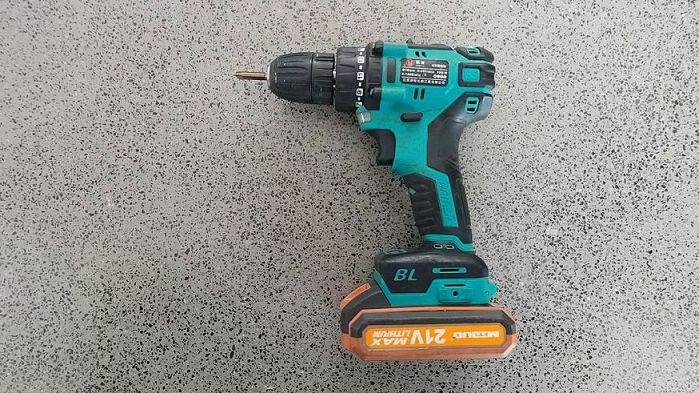
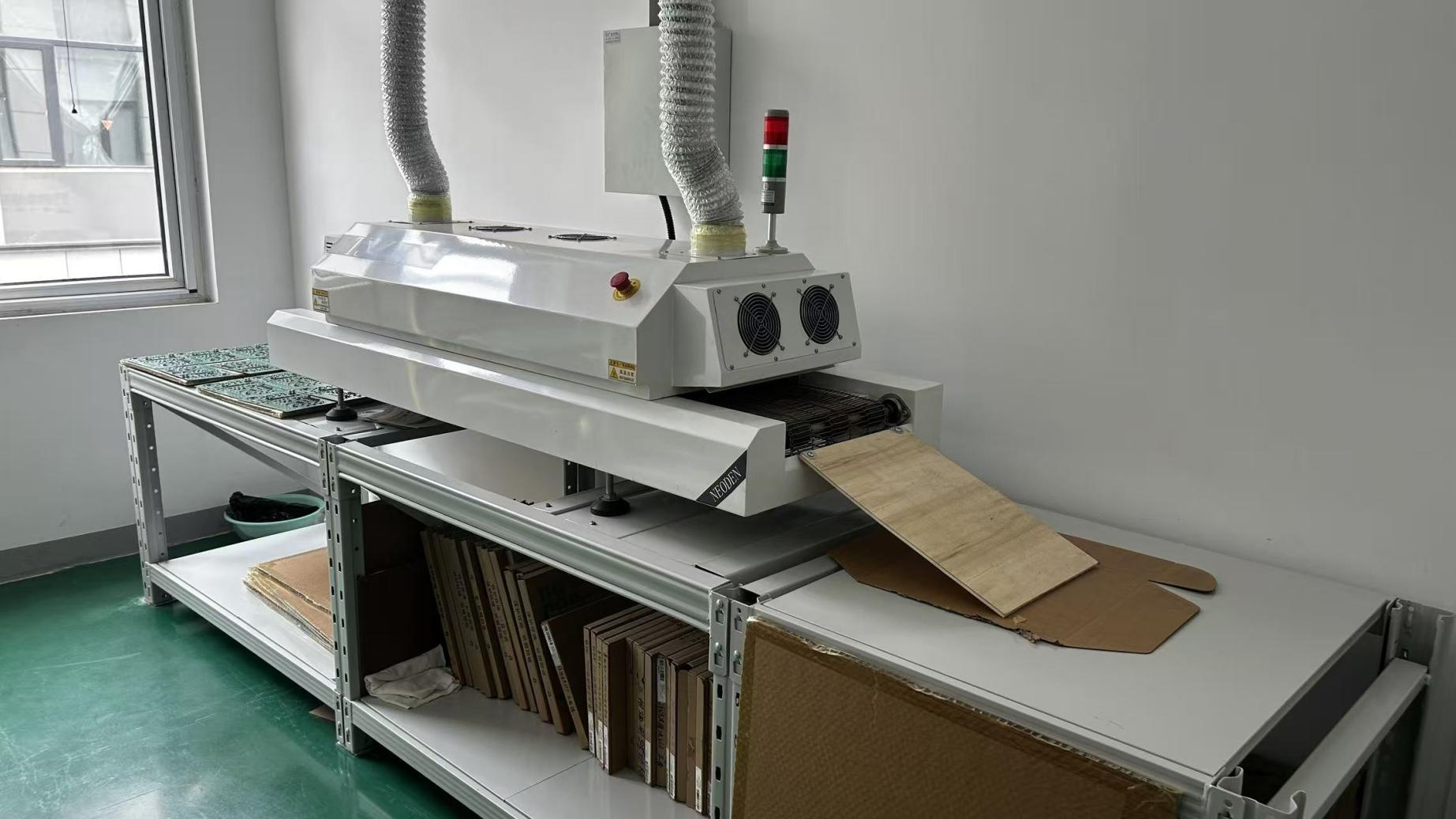
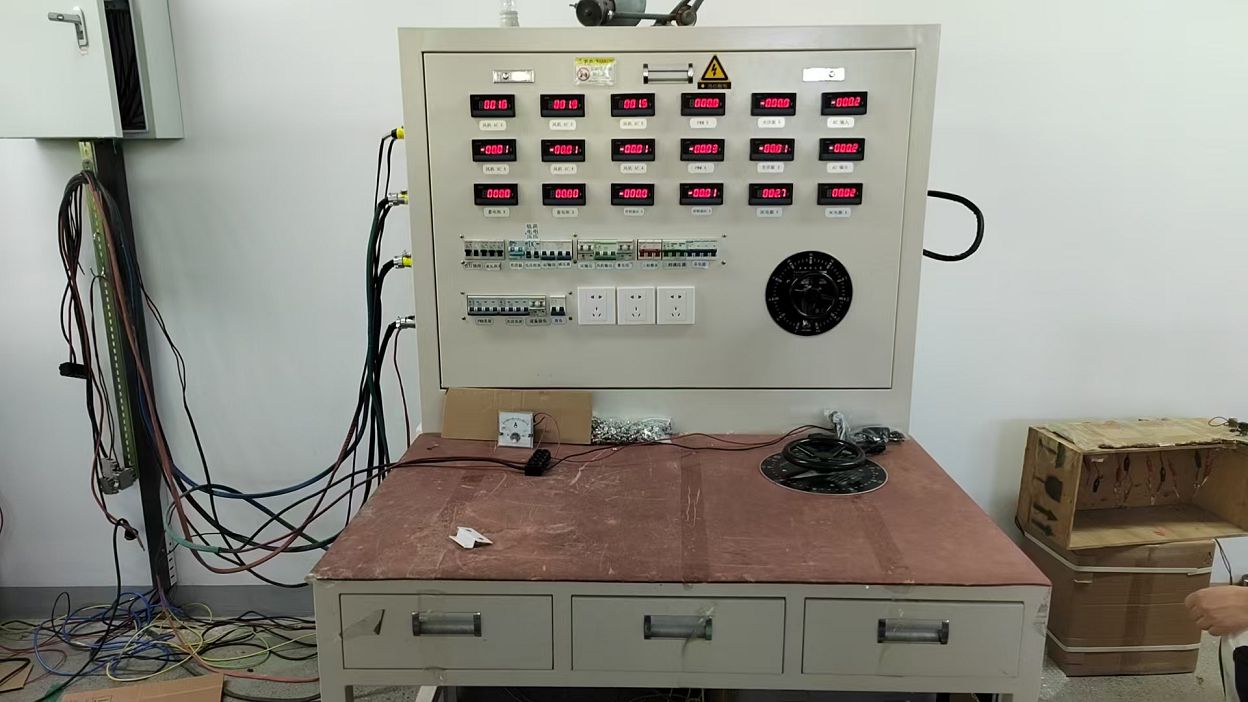
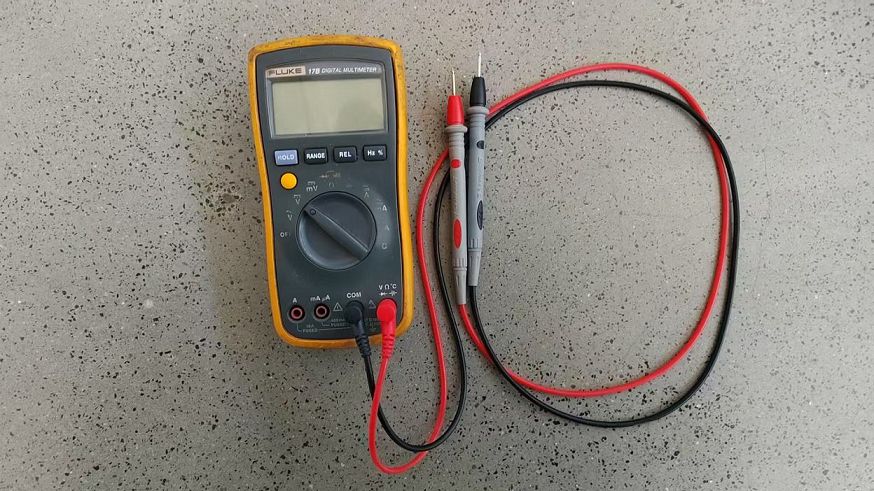
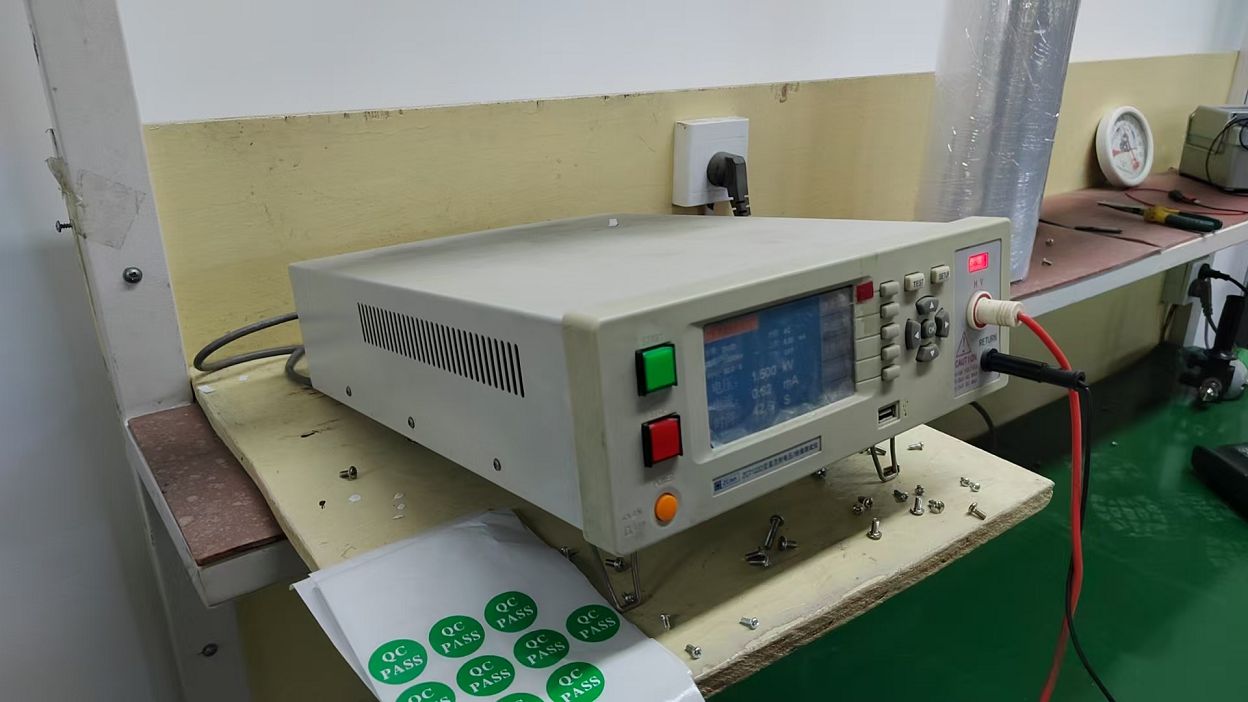
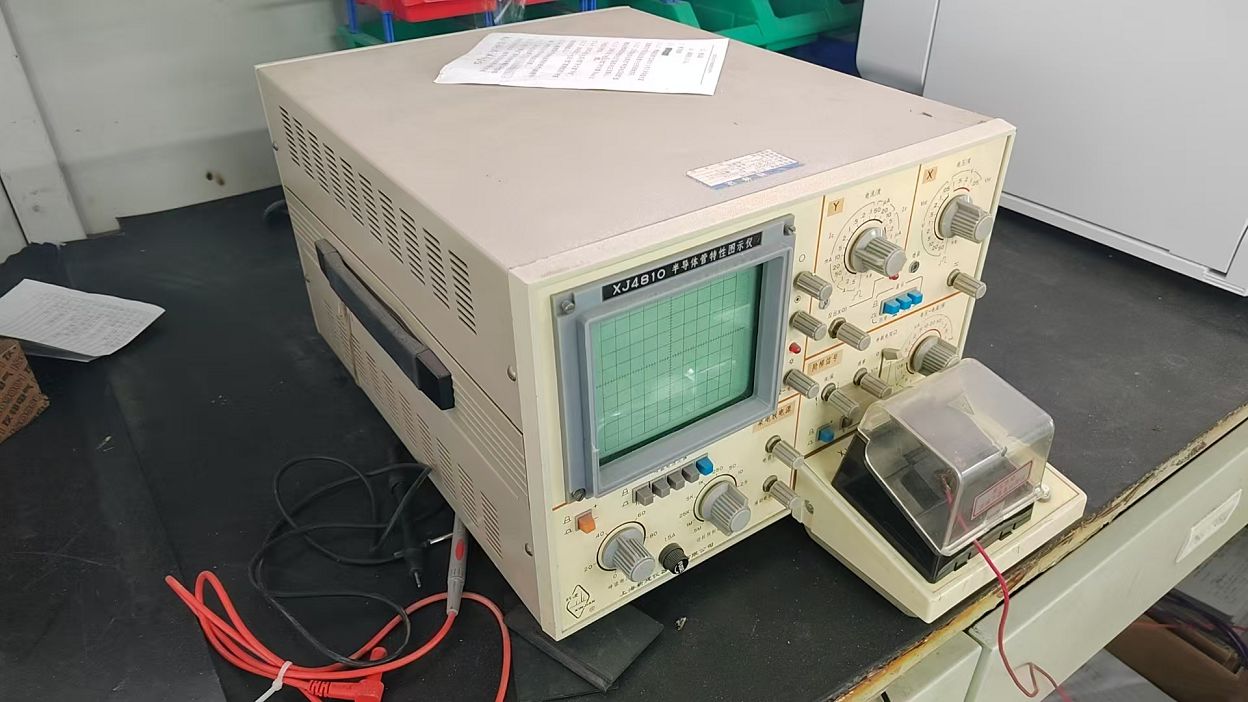
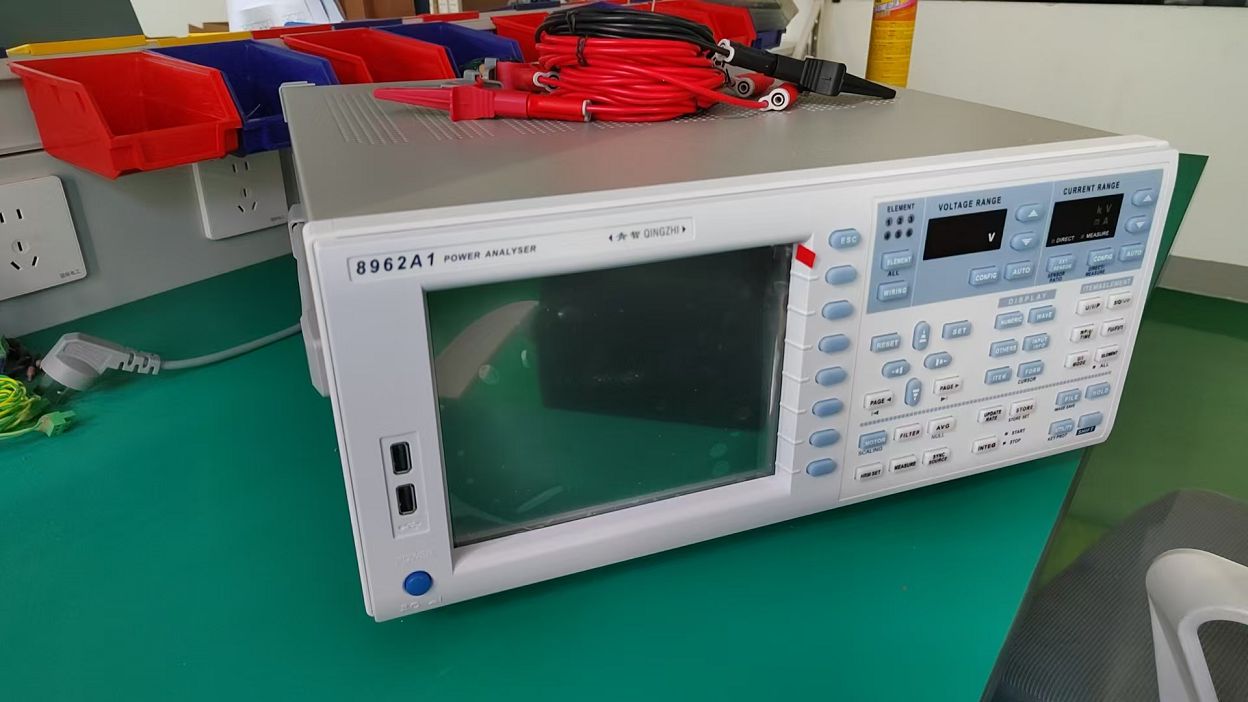
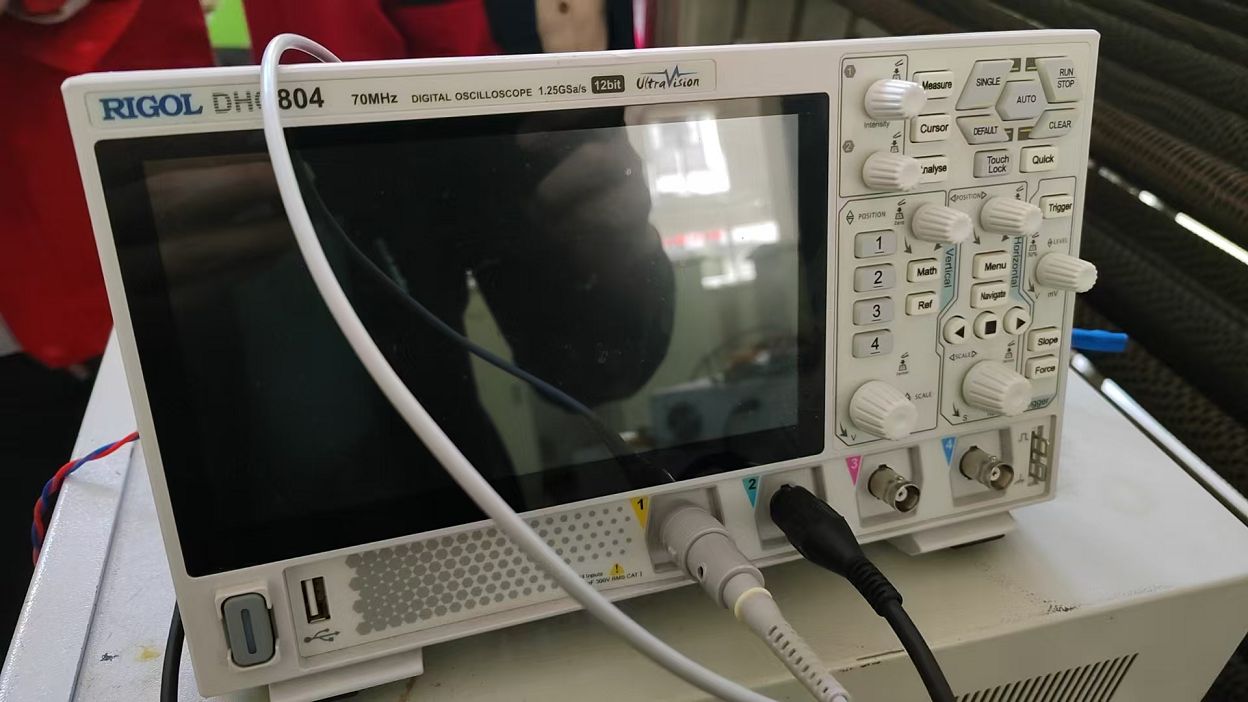
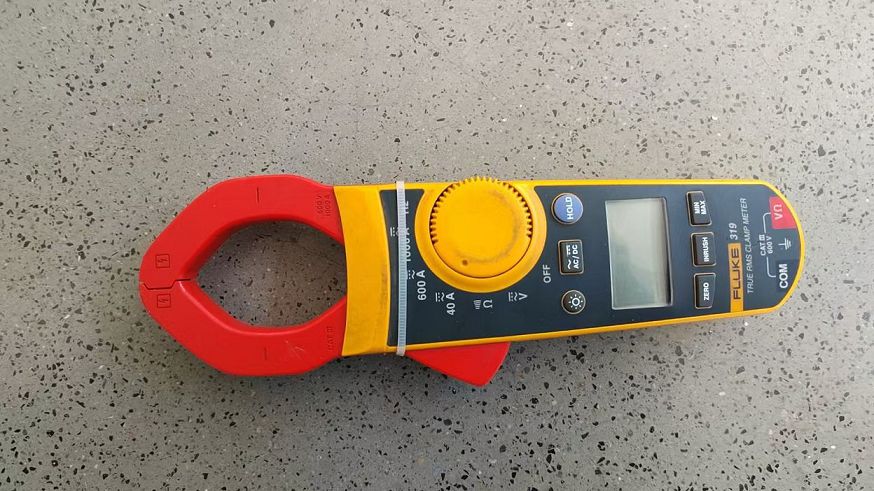
Advanced Laboratory Instrumentation & Calibration
We employ advanced diagnostic, testing, and modeling instrumentation to guarantee that all manufactured electronic loads exhibit less than 0.05% error margins.
Localized Application Scenarios in Boston's Key Tech Sectors
The deployment of high-power test setups is rarely a one-size-fits-all endeavor. The requirements diverge significantly depending on the application context:
- Biotech & Medical Devices (Cambridge, MA): High-precision biomedical implants and complex hospital life-support systems depend on isolated switch-mode power supplies. Standard testing requires highly accurate 150V or 500V DC electronic loads that can simulate minimal load changes to check output ripple, line regulation, and thermal limits under cleanroom-style conditions.
- EV Power Trains & Smart Charging Stations (Somerville/Woburn): Developers of electric vehicle supply equipment (EVSE) require dynamic load arrays to simulate vehicle battery interfaces. Dynamic load modulation is necessary to test the communication safety handshake and the circuit breaker safety parameters under over-voltage or thermal faults.
- Defense & Marine Technology: For ruggedized power modules operating in naval and aerospace systems, our programmable loads emulate extreme environments with rapid duty cycles. This testing determines if internal components can survive current spikes without triggering false thermal shutdowns.
Technical Roadmap & Future Outlook of Power Load Engineering
As power architectures push toward wider bandgap semiconductors (such as Silicon Carbide [SiC] and Gallium Nitride [GaN]), rise and fall times are shifting from microseconds to nanoseconds. Standard instrumentation must evolve to keep pace. Sophpower is currently engineering its next generation of modular programmable DC electronic loads to incorporate ultra-high-speed digitization with direct optical isolating channels.
Furthermore, digital twin architecture is quickly becoming the benchmark for integration. In future updates, engineers will be able to synchronize their hardware-in-the-loop (HIL) simulators directly with Sophpower hardware via high-speed EtherCAT or Modbus TCP interfaces. This allows real-time emulation of complex impedance models in aerospace grids without manual reprogramming, streamlining testing protocols for complex defense and automotive systems.
Comprehensive Industrial Power Systems
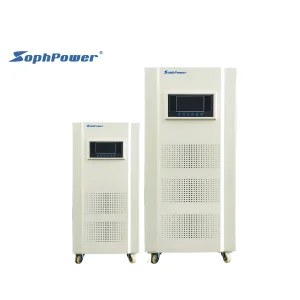
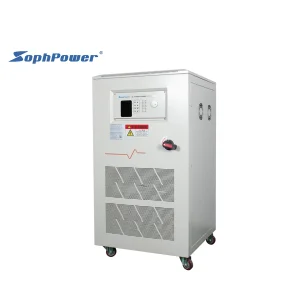
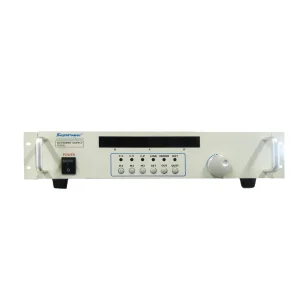
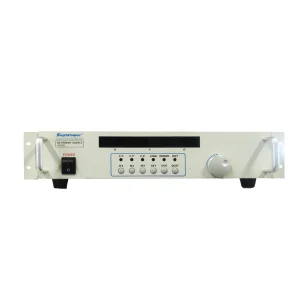
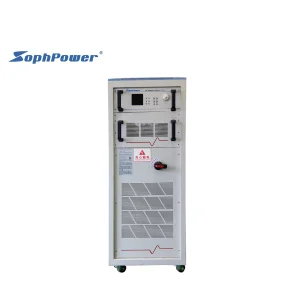
Explore our full line of programmable loads, precision AC frequency converters, and industrial-grade automatic voltage regulators.
About Sophpower Electronics Co., Ltd.
An Established High-Tech Enterprise Delivering Reliable Power Verification Systems to Global Markets Since 2006.
Established in 2006 in Shenzhen, China's hardware engineering capital, Shenzhen Sophpower Electronics Co., Ltd. has developed into a reliable partner for companies needing precise, robust test power. For nearly two decades, our team of engineers has focused on developing high-accuracy AC power sources, linear power systems, bidirectional simulators, variable DC power sources, and automatic voltage stabilizers.
By emphasizing localized technical support, fast customs clearing pipelines, and customized electrical configurations, we ensure that research institutes and manufacturing plants across New England get fast access to the equipment they need. Our manufacturing process conforms to rigorous quality standards, ensuring our equipment operates safely and reliably in heavy-duty environments.
Frequently Asked Questions
Direct engineering answers to frequently asked questions about deploying, calibrating, and operating programmable DC electronic loads.