Featured Systems: Sydney Infrastructure Grid Applications
Configured to match Australian testing standards and local regulatory demands, these systems deliver optimal accuracy for utilities, defense contractors, and R&D divisions.
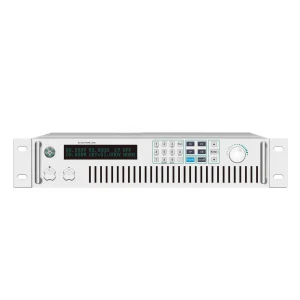
Sydney PowerGrid Ready: Programmable DC Load 500V/120A/4800W
View Specifications
Sydney Rail Systems: Programmable DC Load 500V/120A/3600W
View Specifications
Sydney EV Fleet Dev: Programmable DC Load 150V/240A/4800W
View Specifications
Sydney Solar Array Simulator: Programmable DC Load 500V/120A/2400W
View SpecificationsSydney’s Decarbonization and Electrification Frontier
The Sydney metropolitan region and the broader New South Wales (NSW) commercial zones are accelerating a monumental transition toward renewable energy, high-reliability microgrids, and electric transportation fleets. With large-scale investment programs spanning Sydney’s Tech Central, the Aerotropolis in Western Sydney, and dynamic smart infrastructure initiatives, the requirement for robust testing, commissioning, and validation equipment has reached unprecedented heights.
DC electronic loads are no longer just basic benchtop instruments for engineers. They serve as critical components in simulating real-world electrical stress. For system integrators working on solar installations, battery energy storage systems (BESS), and electric vehicle (EV) charging stations along the eastern seaboard, having high-precision programmable loads is a key factor in ensuring compliance with strict Australian Standards (AS/NZS).
Additionally, Sydney’s strategic defense projects, maritime system developments in the harbor zones, and satellite communications laboratories in Macquarie Park demand extreme precision. Sophpower’s programmable DC electronic loads satisfy these requirements, offering the flexibility to run complex load patterns and replicate dynamic operating conditions.
2006
Year Established
500V+
Voltage Capabilities
600A+
Maximum Current Range
100%
Quality Checked
Global Industry Trends & Architectural Paradigm Shifts
Examining how energy conservation, silicon carbide (SiC) topologies, and high-frequency power electronics are reshaping testing parameters globally.
Wide-Bandgap Semiconductor Integration
The global push for higher efficiency in power conversion has led to the widespread adoption of Silicon Carbide (SiC) and Gallium Nitride (GaN) components. This shift requires DC electronic loads to manage high slew rates (di/dt) and maintain stability during high-frequency transient responses without causing oscillations.
Regenerative & Bidirectional Energy
Sustainable engineering relies on minimizing wasted energy. Regenerative electronic loads return absorbed energy to the local grid with efficiency ratings exceeding 90%. This reduces operational costs, minimizes heat dissipation, and simplifies HVAC configurations in crowded testing facilities.
Software-Defined Emulation
Modern testing environments require real-time system modeling. Today's loads support software-defined profiles that mimic solar cell outputs, rapid battery discharge characteristics, and transient fault states, enabling automated and comprehensive product validation.
Targeted Application Engineering in Sydney
Different industrial applications present distinct power-testing challenges. Here is how our DC programmable loads address specific needs across New South Wales:
1. Solar Inverter Validation: High-performance PV setups utilize sophisticated MPPT algorithms. Our electronic loads simulate varying solar conditions—such as clouds passing over panels—to test inverter response times and extraction efficiency.
2. EV Charger Infrastructure: Electric vehicle public chargers require testing across dynamic loading stages. Our systems evaluate vehicle-to-grid (V2G) systems and high-current fast-charging stations to verify system stability.
3. Telecommunications Power Supplies: The expansion of 5G infrastructure throughout Western Sydney requires reliable backup power. We provide electronic loads to test battery systems and power distribution units (PDUs) to confirm performance under fault conditions.
Primary Product Inventory for Sydney Infrastructure
Our full range of programmable electronic loads, laboratory DC power supplies, and automatic voltage regulators for demanding industrial integrations.
Sydney SmartGrid: Programmable DC Load 150V/240A/2400W
Details & Data
Sydney Microgrid Research: Programmable DC Load 500V/120A/1200W
Details & Data
Sydney Marine Drive Test: Programmable DC Load 500V/600A/600W
Details & Data
Sydney Aerospace Lab: Programmable DC Load 150V/120A/600W
Details & Data
Sydney Avionics Platform: Programmable DC Load 150V/240A/1200W
Details & Data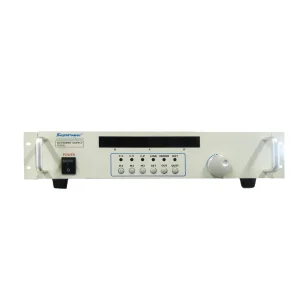
Sydney Uni R&D: 60V/50A Adjustable Lab DC Power Supply
Details & Data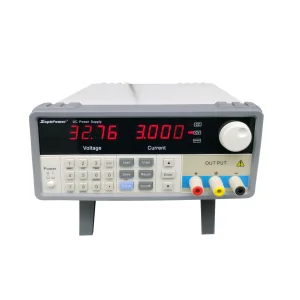
Sydney Heavy Rail: AC-DC Converter Programmable Power ADC6003
Details & Data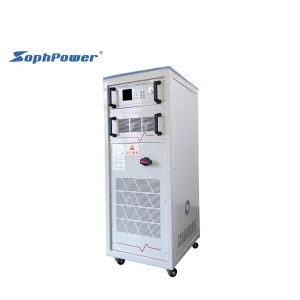
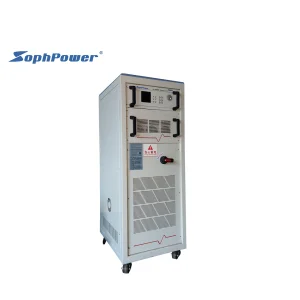
Sydney Substation Test: 600V/50A Regulated DC Power Supply
Details & DataSpecialized Power Regulation & Energy Conversion Solutions
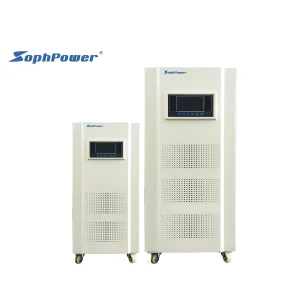
Ensuring stable grid power delivery, active transient testing, and clean energy source simulation.
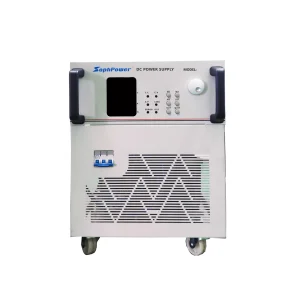
The Technical Roadmap of Next-Gen DC Electronic Loads
As microgrids transition to higher voltage standards to reduce losses, developers are pushing testing configurations to 1500V and beyond. Sophpower is matching this trend by refining architectural typologies for enhanced safety, modularity, and control:
Modular Parallel Topologies
By implementing clean master-slave parallel designs, users can scale their testing systems from individual 4.8kW benchtop assemblies to multi-megawatt setups, ensuring safety and minimizing load imbalance issues.
Real-Time Digital Twin Control
Integrating digital control boards allows systems to stream performance telemetry over Ethernet, CAN, or Modbus. This data can feed directly into lab management software, enabling real-time modeling of system behavior.
Active Fault Emulation
To verify system safety, our electronic loads can simulate typical grid and component failures—including localized short circuits, voltage drops, and high-frequency current spikes.
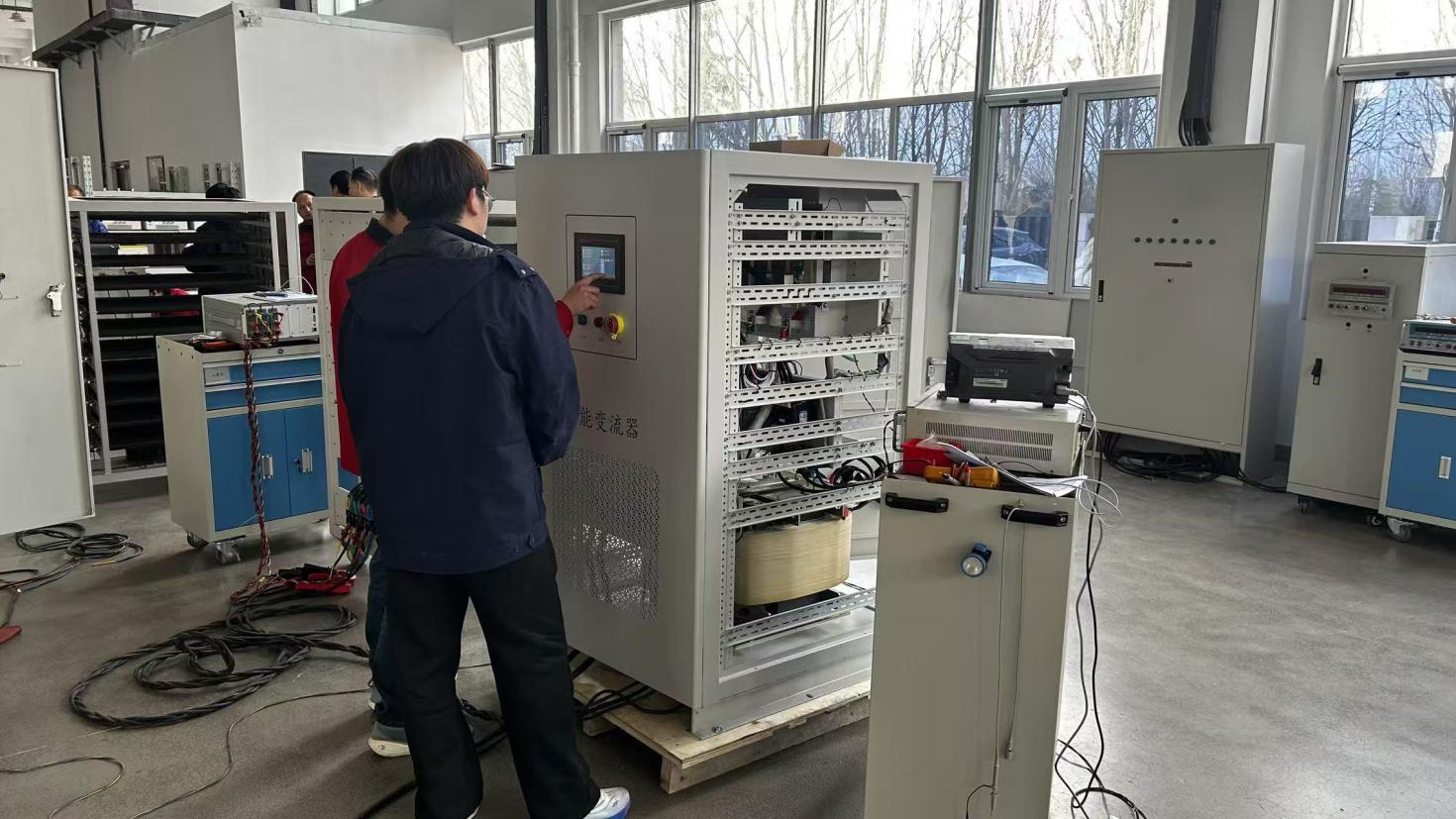
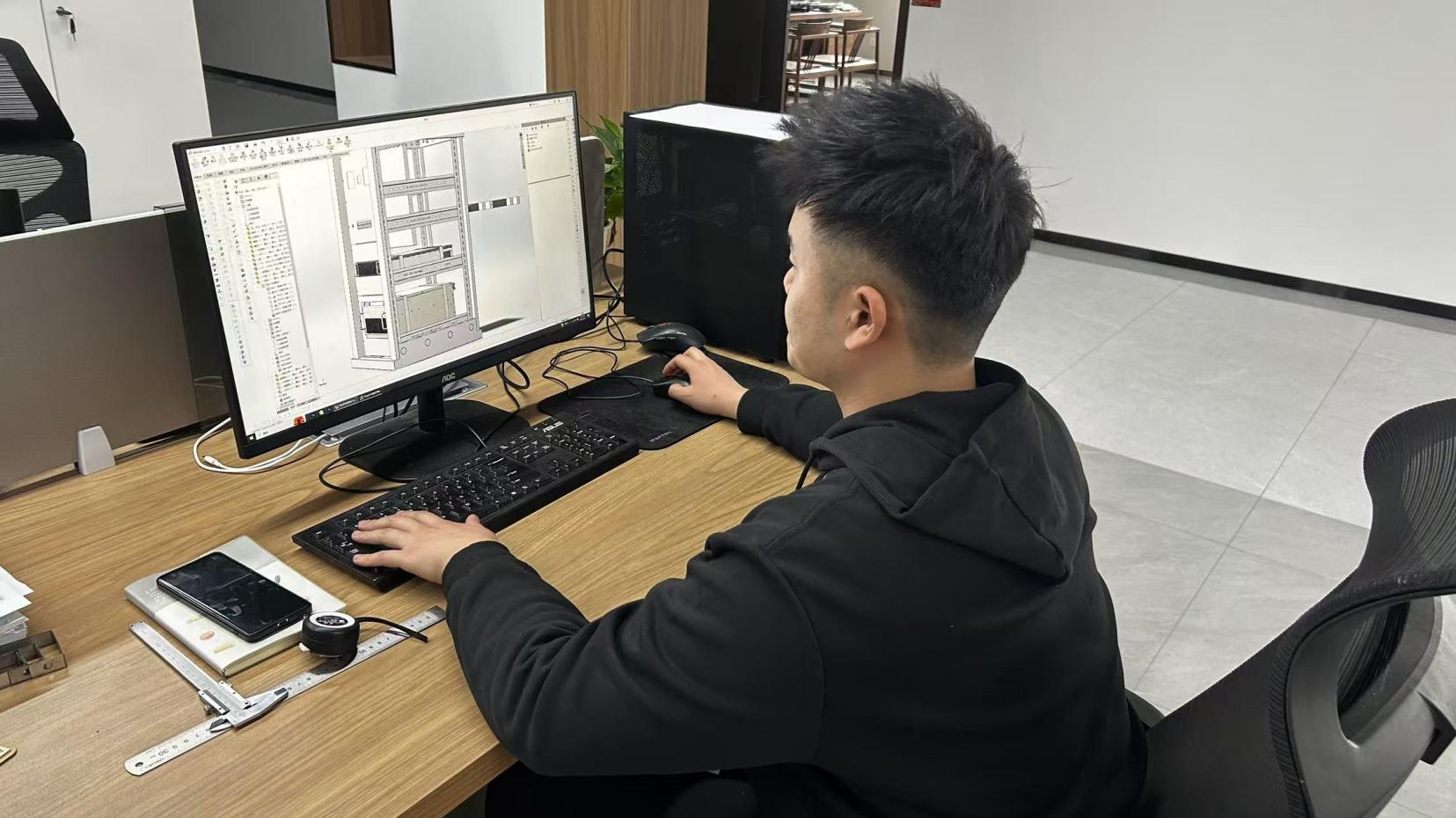
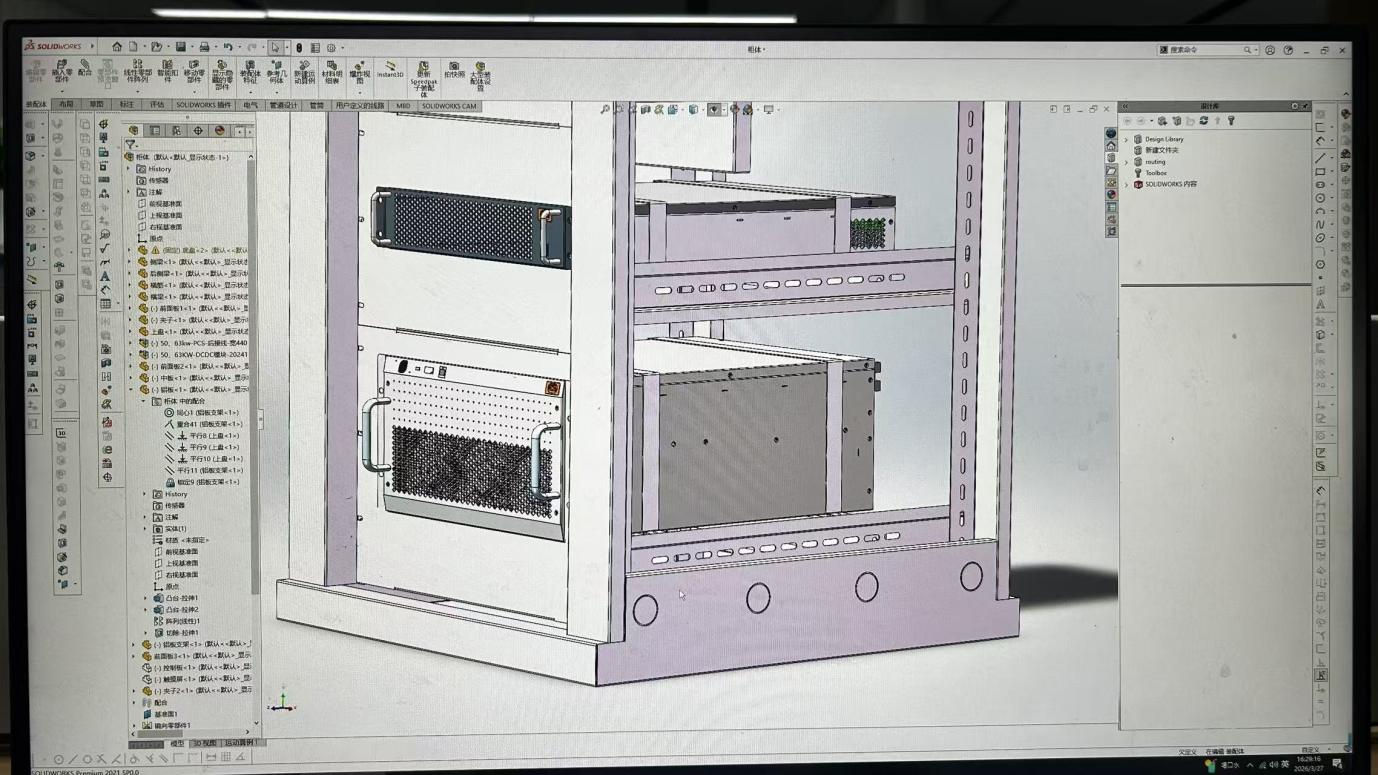
Manufacturing Infrastructure & Quality Control
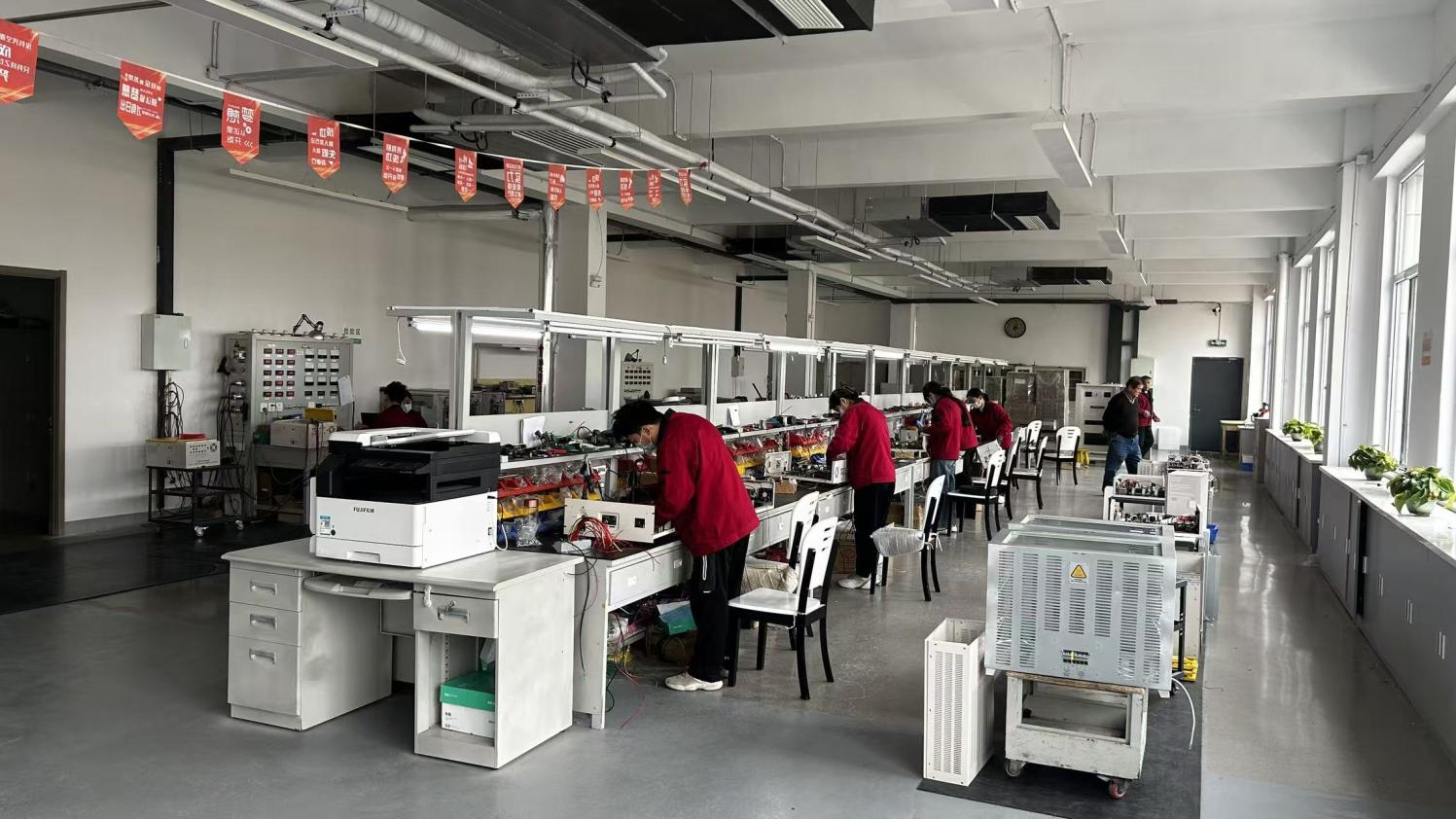
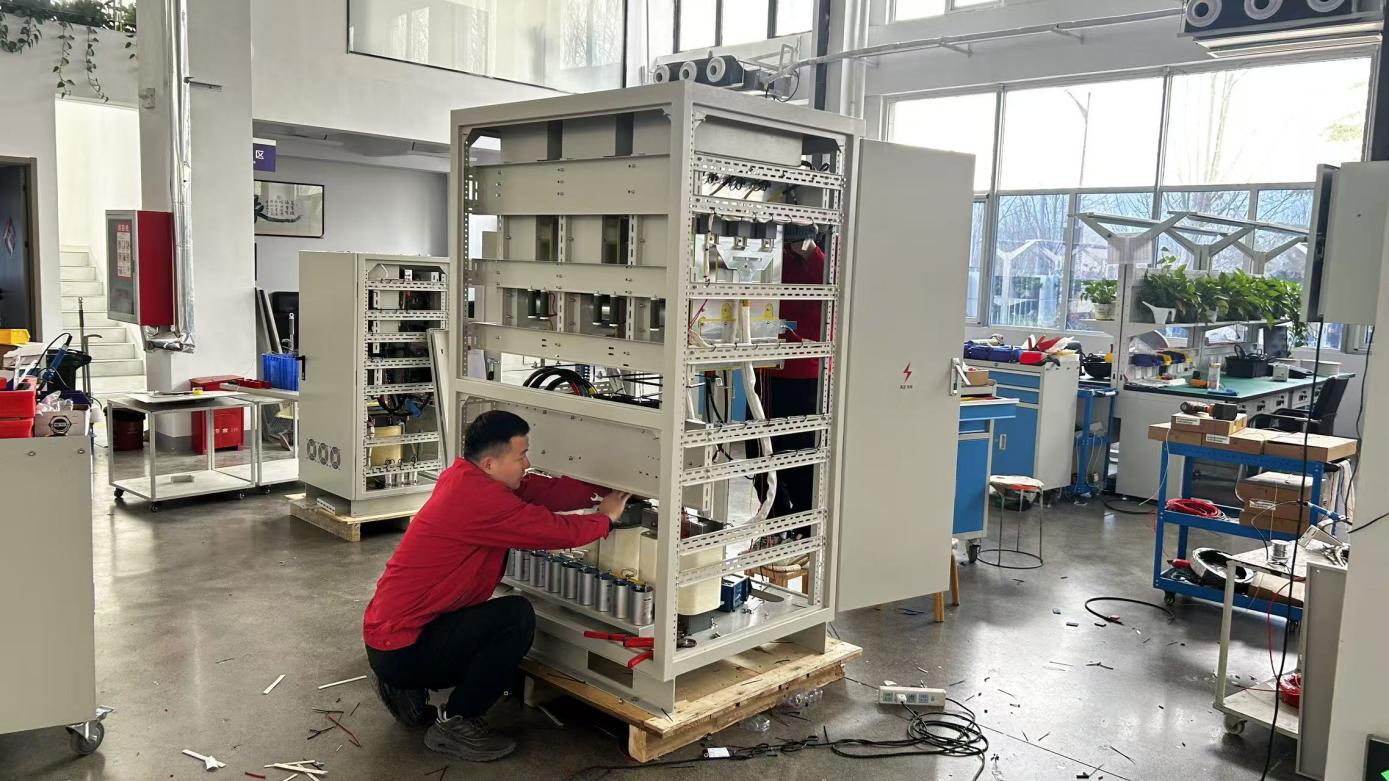
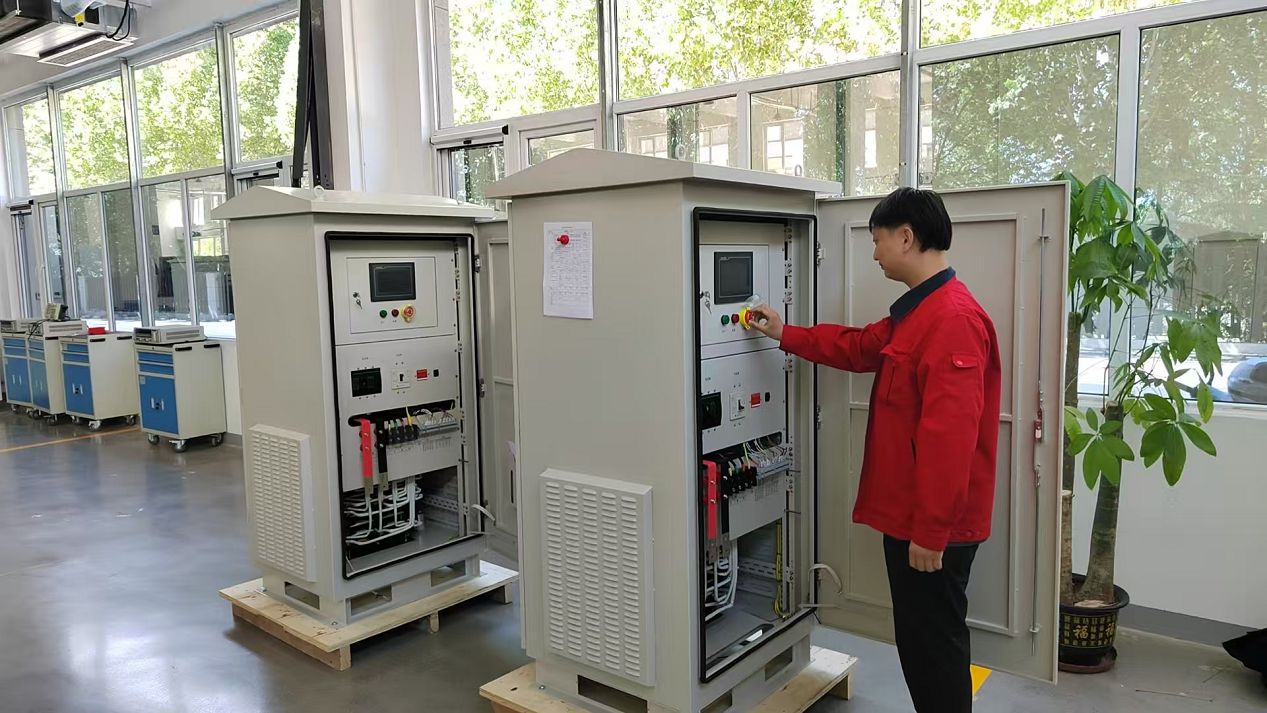
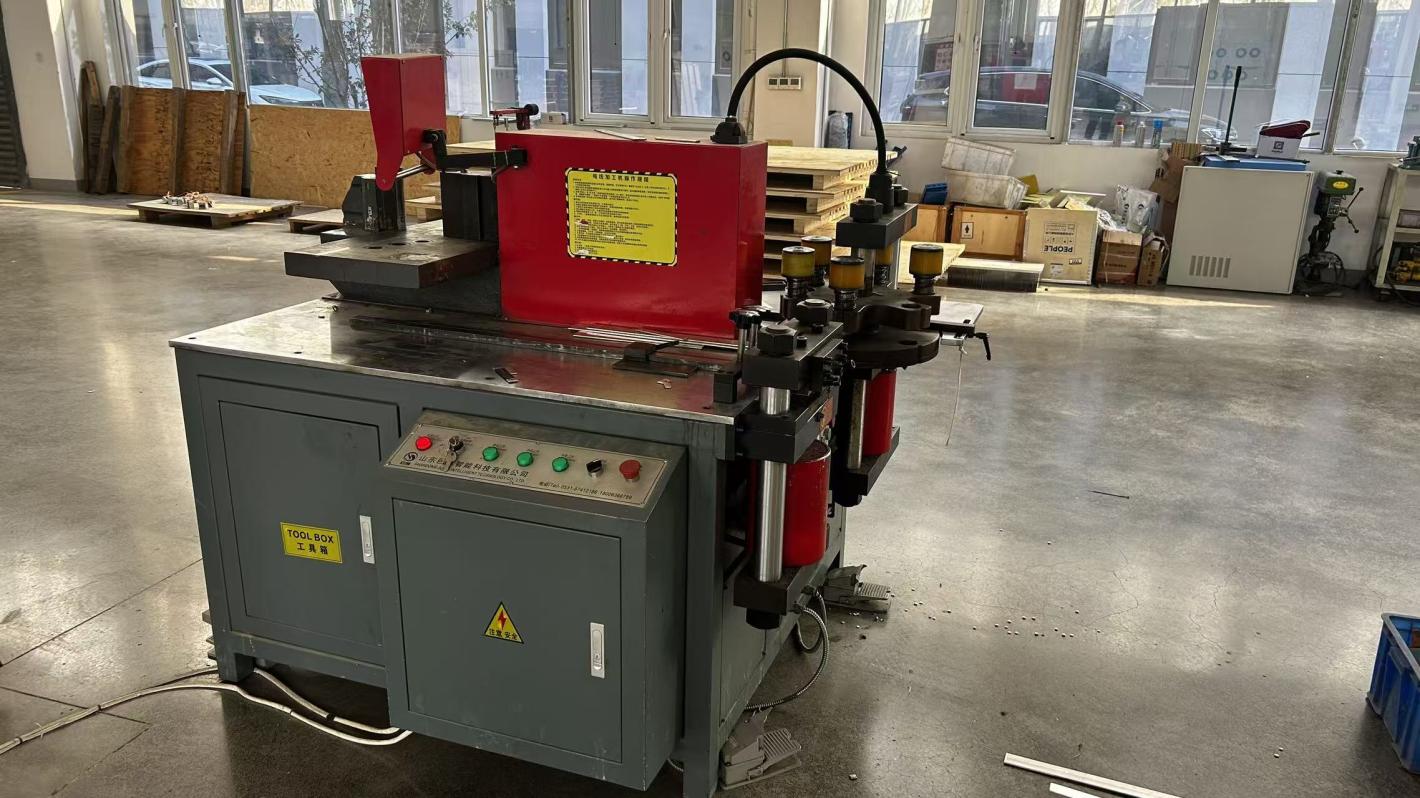
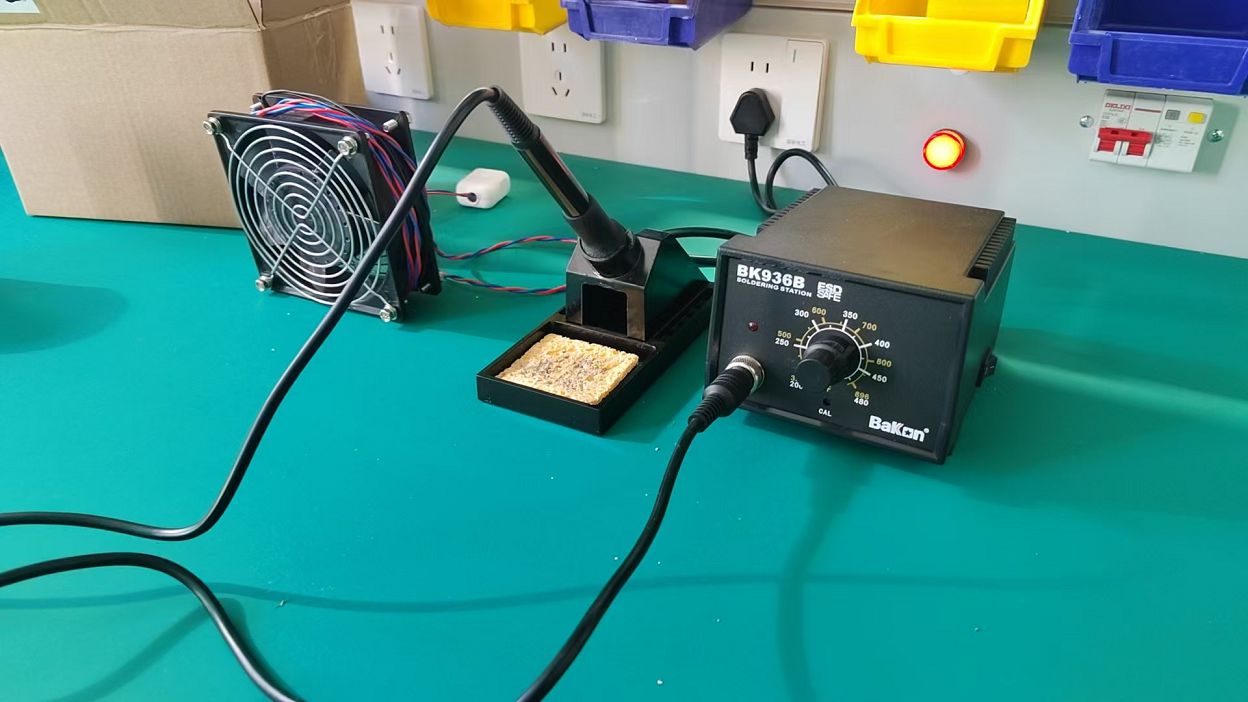
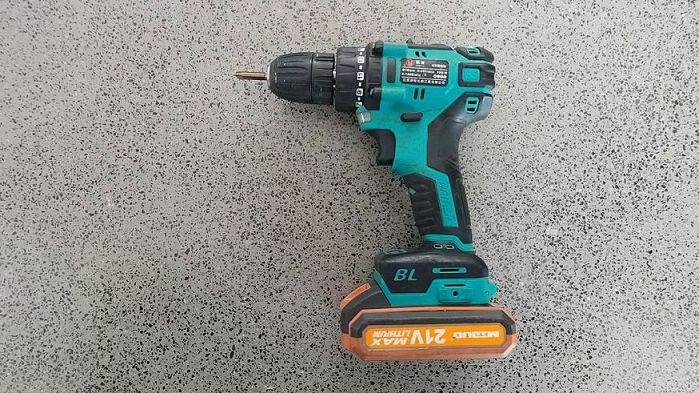
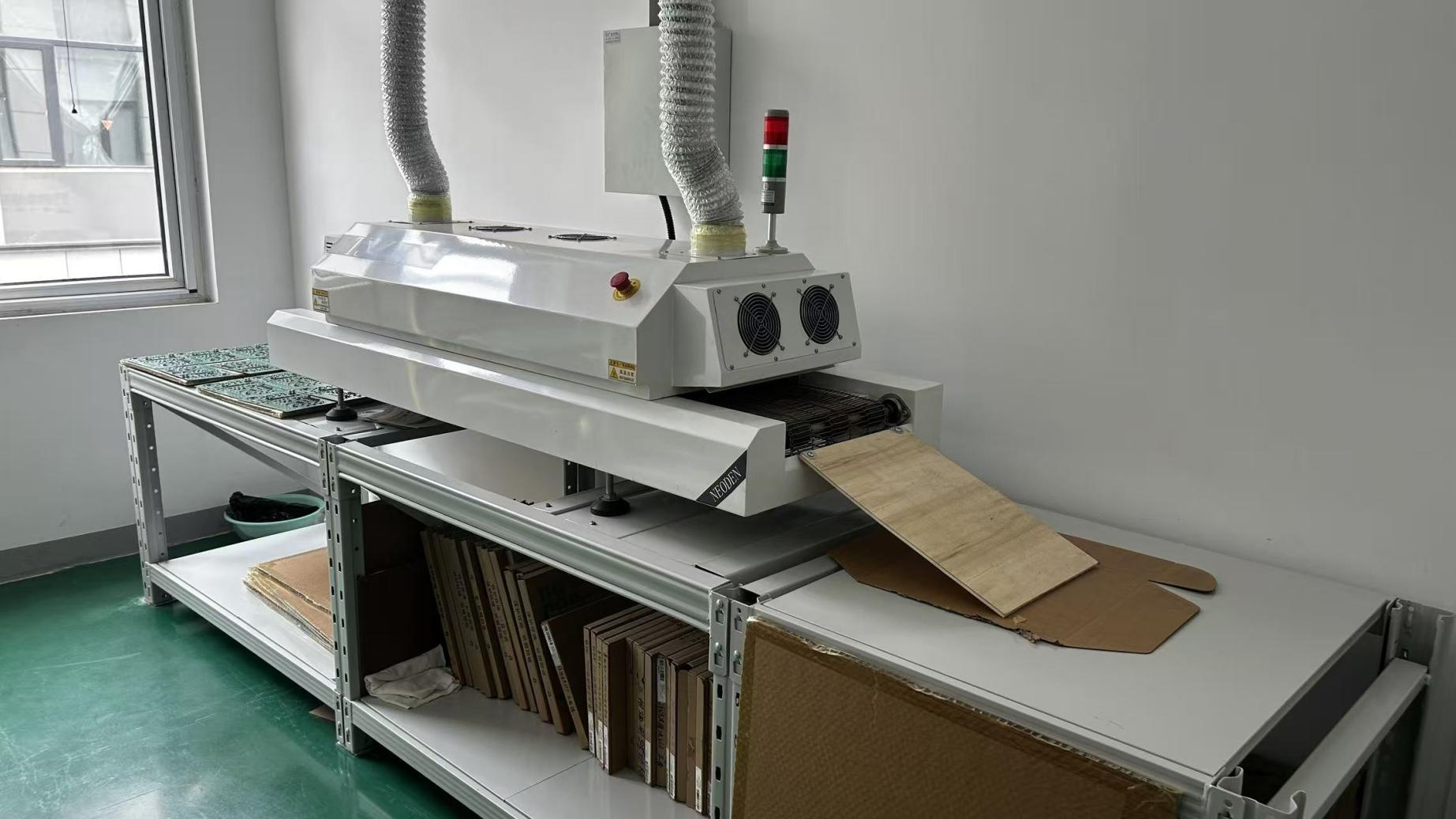
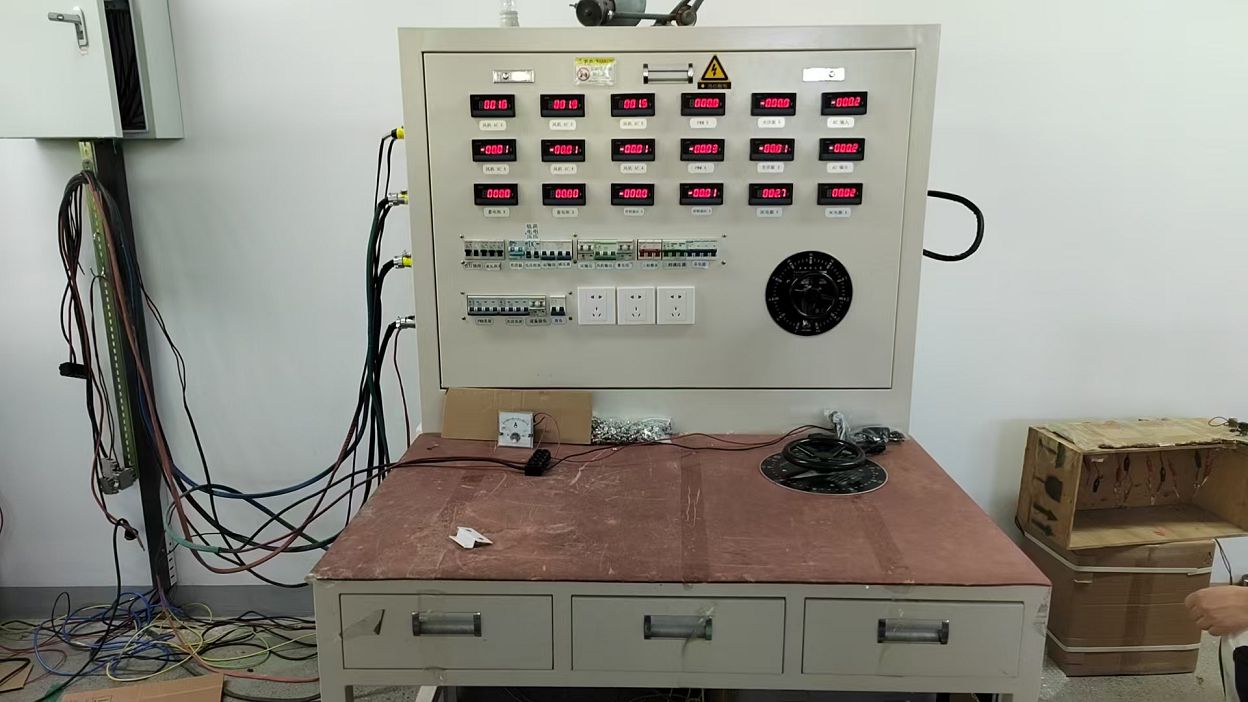
Shenzhen Sophpower Electronics Co., Ltd. was established in 2006 in Shenzhen, China. As a high-tech enterprise focused on sustainable growth, Sophpower employs an experienced team of engineers specializing in testing power supplies. Our primary product portfolio includes AC Power Sources, Linear AC Power Sources, Bidirectional AC Power Sources, DC Power Supplies, Bidirectional DC Power Supplies, Voltage Regulators, and UPS systems. We also customize testing power supplies to meet specific application requirements.
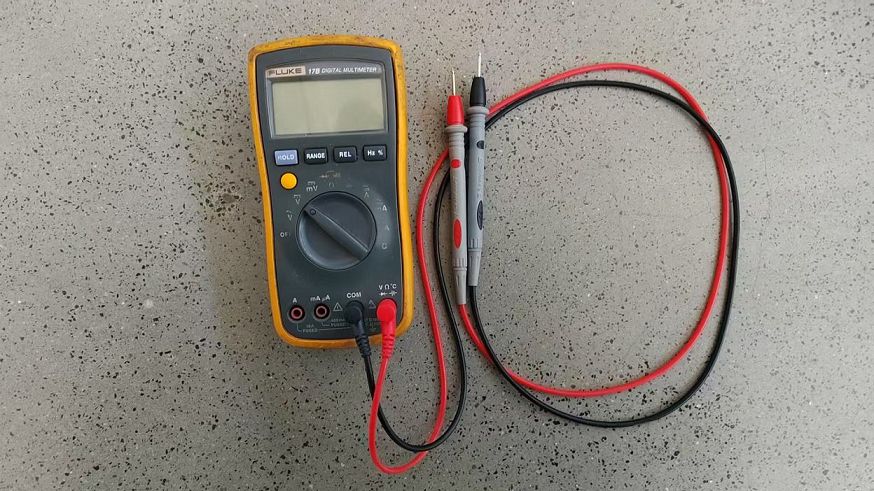
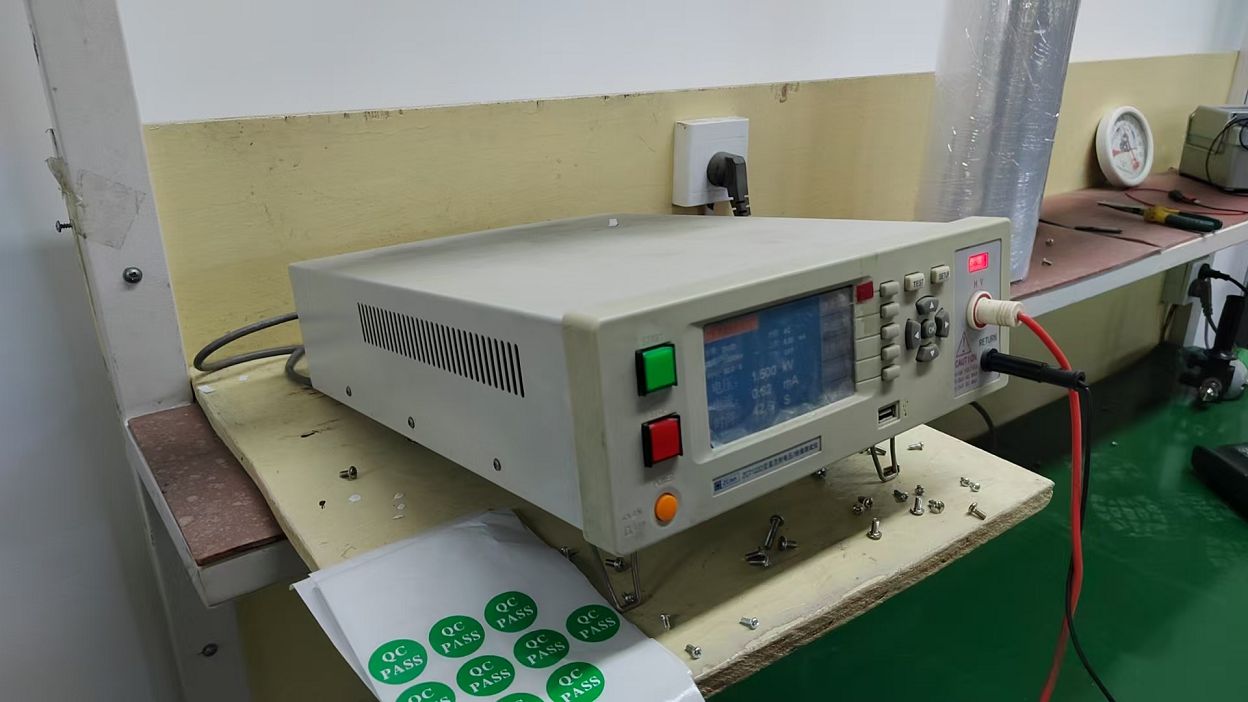
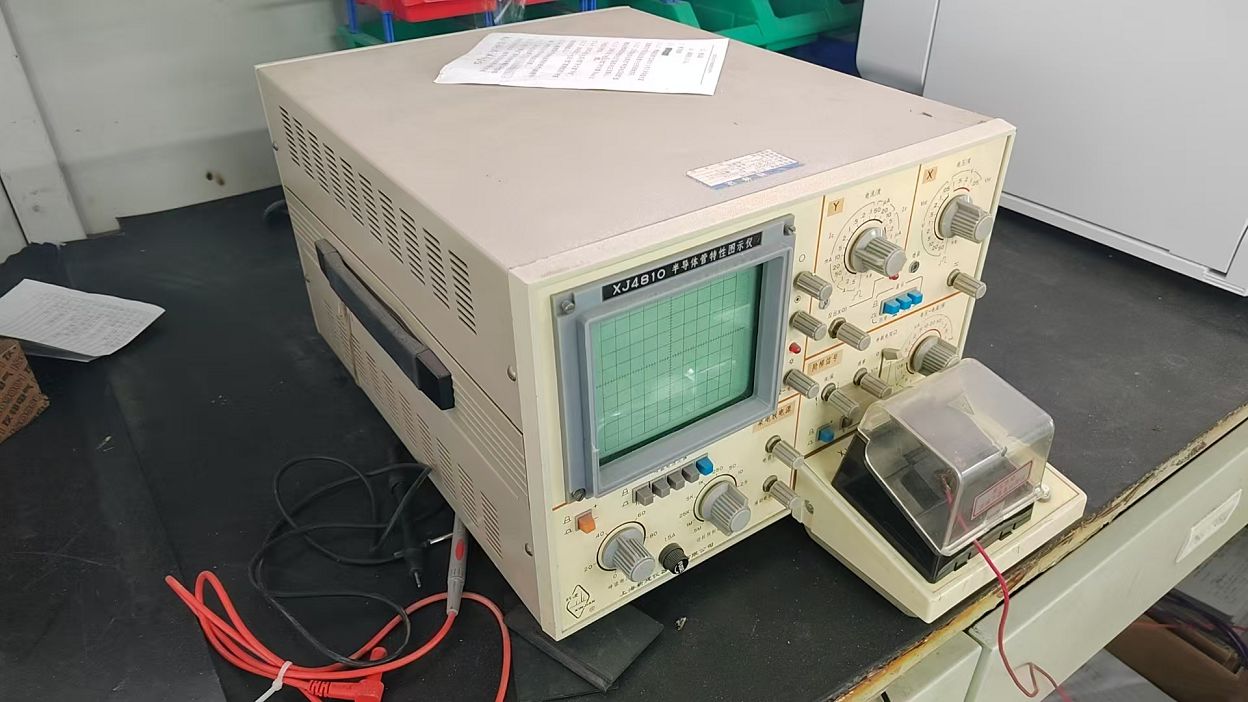
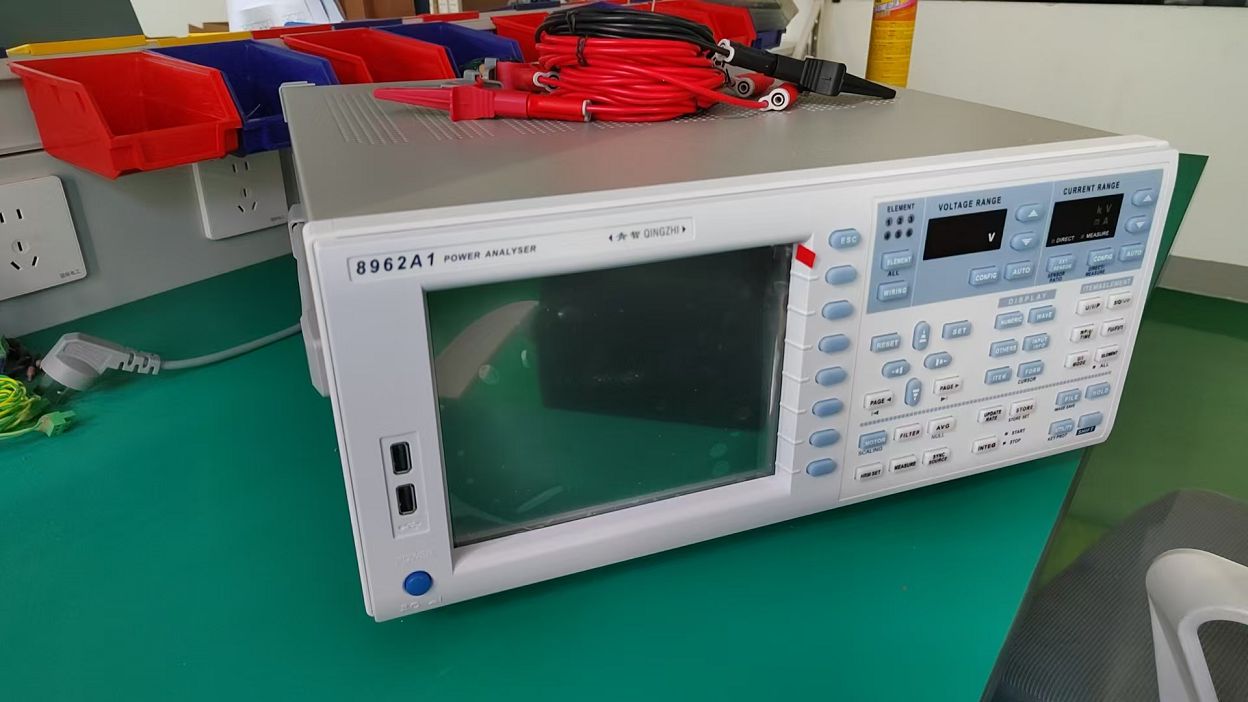
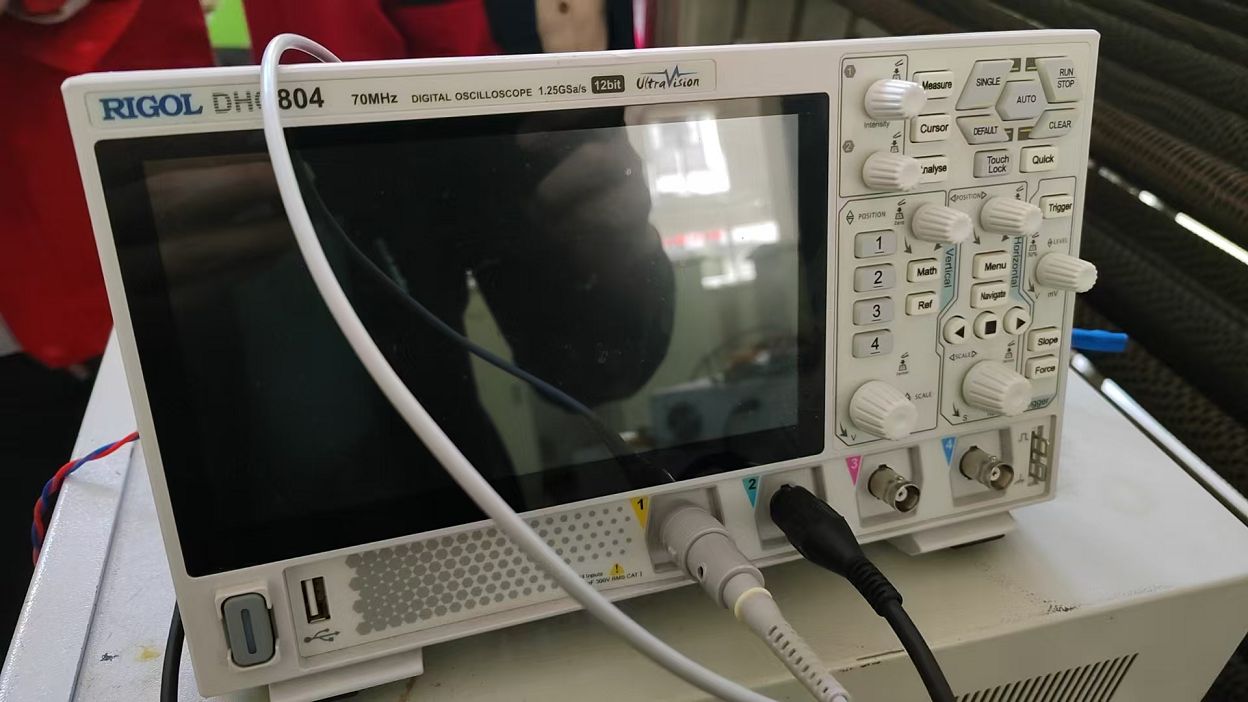
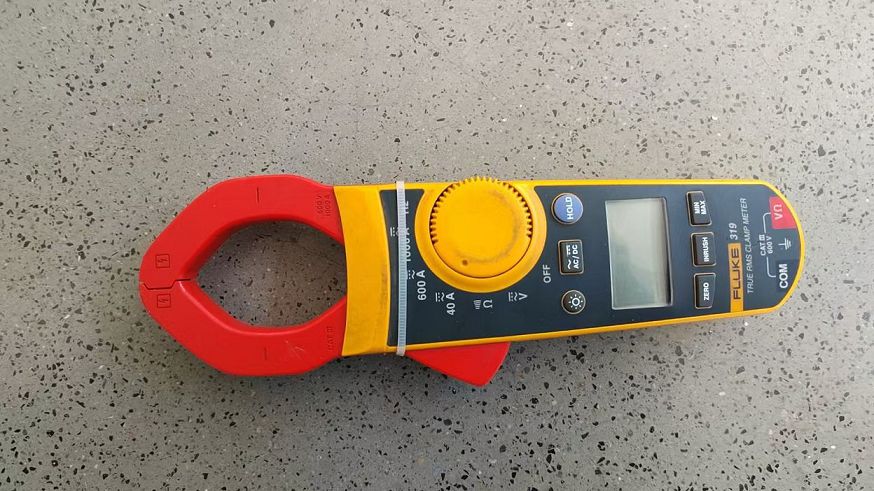
Metrology & Laboratory Test Equipment
Ensuring reliable product performance through rigorous testing and quality control protocols.
Technical Q&A: DC Electronic Loads
Common engineering questions regarding deployment, integration, and thermal management of programmable loads.
What is the primary difference between Constant Current (CC) and Constant Resistance (CR) modes?
In Constant Current (CC) mode, the electronic load sinks a programmed current level regardless of output voltage variations from the power source, making it ideal for testing power supplies and battery capacities. In Constant Resistance (CR) mode, the load behaves as a fixed resistor, dynamically adjusting current consumption proportionally to voltage variations, which is useful for simulating passive loads.
How does slew rate affect transient response testing?
The programmable slew rate determines the speed at which current transitions between two states (e.g., switching from 10A to 100A). Fast slew rates evaluate a power supply's transient recovery behavior and uncover voltage spikes or drop-outs that could disrupt downstream components.
Can Sophpower electronic loads be connected in parallel for high-power demands?
Yes. Our programmable DC electronic loads support parallel master-slave configurations. This allows user setups to expand current capacity while maintaining centralized control and unified measurement reporting.
Are these systems compatible with automated production line architectures?
Absolutely. Our DC electronic loads feature standard interfaces (such as RS232, USB, GPIB, and LAN) and support standard SCPI commands. This ensures seamless integration into LabVIEW-controlled testing systems and automated production configurations.
Begin Your Engineering Assessment
Contact our technical support team for customized configurations, detailed product specifications, and direct delivery options to Sydney or international ports.
Send Inquiry Now