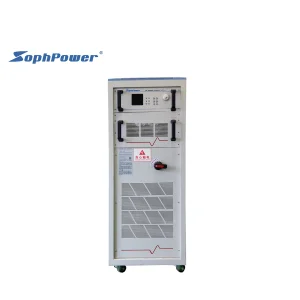
Featured High-Precision Voltage Regulators & Power Supplies
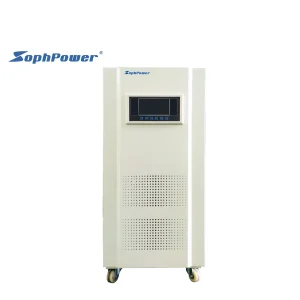
High Quality 30kVA AC Automatic Voltage Regulator
View Specifications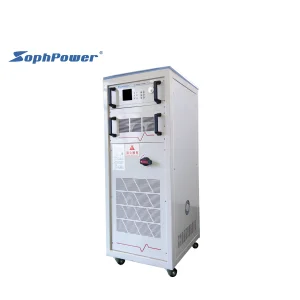
50kw 250v High Power Programmable Dc Power Supply
View Specifications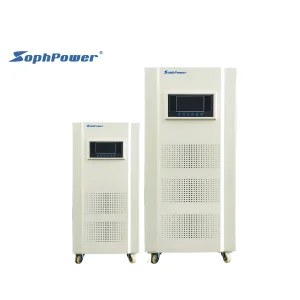
100kVA 3 Phase Automatic Voltage Regulator/Stabilizers
View Specifications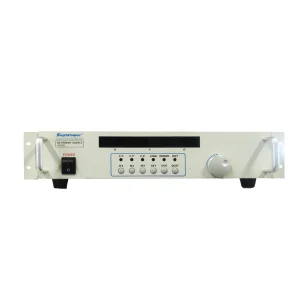
1500V 1A Programmable DC Regulated Power Supply
View Specifications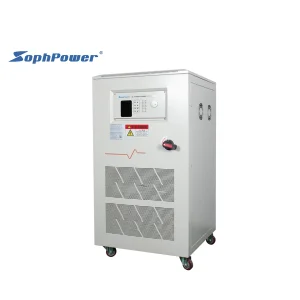
Single Phase 30kVA AC Power Source Frequency Converter
View Specifications
Factory Price 120kVA Automatic Voltage Regulator
View Specifications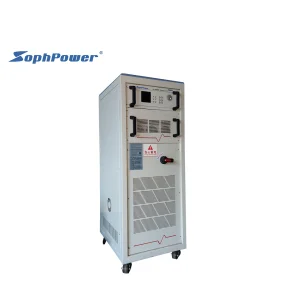
LED Display 30KW 300v Programmable Dc Power Supply
View Specifications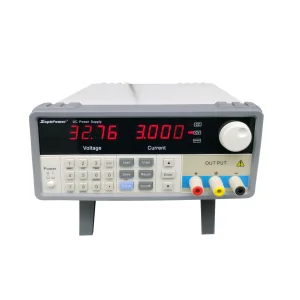
60v AC to DC Converter Programmable Power Supply
View SpecificationsGlobal Commercial & Industrial Landscape of Phase Conversion
In modern industrial operations, access to reliable three-phase electric power is a fundamental prerequisite for running heavy-duty machinery, high-speed CNC centers, agricultural pumps, and testing laboratories. However, a major global infrastructural challenge persists: electric utility companies frequently limit three-phase distribution lines to heavily industrialized zones due to the immense cost of line extension. Consequently, light commercial structures, agricultural farms, and remote manufacturing workshops are left only with single-phase grids.
This structural power gap has driven the exponential growth of the global phase converter market. Historically dominated by heavy, mechanical rotary machinery, the industry has undergone a technological revolution. Contemporary facilities require solid-state electronic phase converters and high-precision AC/DC stabilizers capable of producing clean, balanced voltage with minimal total harmonic distortion (THD). Today’s smart power systems integrate active digital signal processing (DSP) control algorithms to guarantee seamless utility voltage translations under severe transient loads.
From powering automated CNC milling tools in suburban North America to stabilizing rural pump networks across Western Europe and Australia, the application profile is incredibly vast. Without robust conversion interfaces, equipment motors run hot, mechanical vibrations increase, control electronics trigger fault codes, and production efficiency drops. Sophisticated manufacturers are shifting away from cheap, static capacitor configurations to active digital controllers that safeguard equipment health.
China's Supply Chain Powerhouse: Shenzhen Sophpower Electronics
When sourcing premium industrial power electronics, global enterprises look to Chinese manufacturing hubs—particularly Shenzhen—for unmatched technological agility and cost efficiency. As a premier, high-tech hub, Shenzhen houses a concentrated ecosystem of semiconductor suppliers, precision magnetics manufacturers, and raw metal fabrication plants. This cluster allows for rapid prototyping, robust customization, and swift scalability that Western manufacturers struggle to match.
Founded in 2006, Shenzhen Sophpower Electronics Co., Ltd. has evolved into a global leader in power testing systems. Supported by an elite engineering team with decades of experience, Sophpower develops advanced AC Power Sources, Linear AC Power Sources, Bidirectional AC Power Sources, DC Power Supplies, Bidirectional DC Power Supplies, Voltage Regulators, and Uninterruptible Power Supplies (UPS). Sophpower stands out in its ability to quickly engineer custom electrical specifications tailored to specific customer application needs.
Production Facilities & Advanced Quality Systems
Operating from a vertically integrated facility, Sophpower controls every stage of production—from the initial layout of multi-layer circuit boards to complex copper busbar processing and high-power thermal debugging. The facility utilizes advanced assembly lines, dynamic testing stations, and state-of-the-art diagnostic instruments to ensure each unit meets global regulatory standards. Below is an overview of the company's hardware assets and production processes:
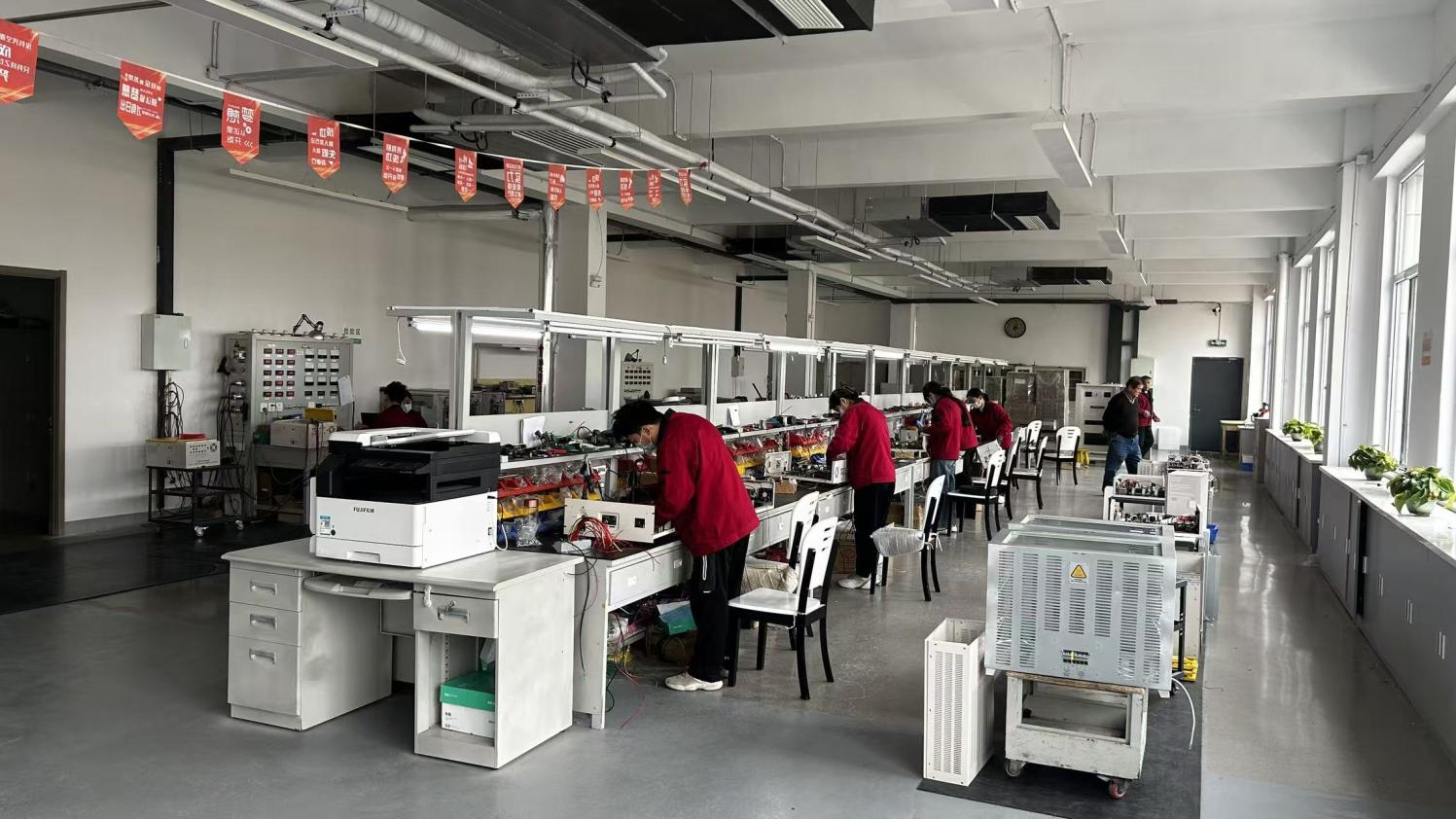 Circuit Assembly
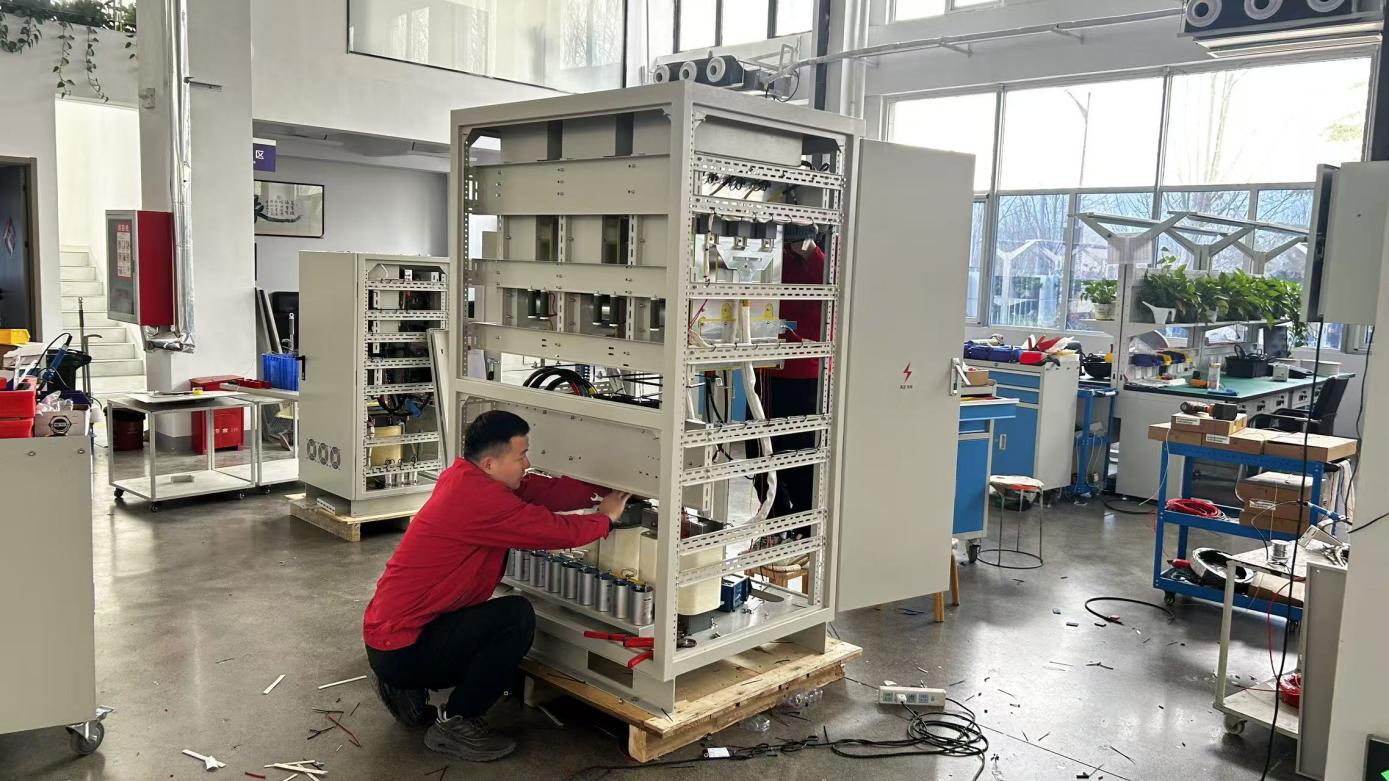 Circuit Board Assembly
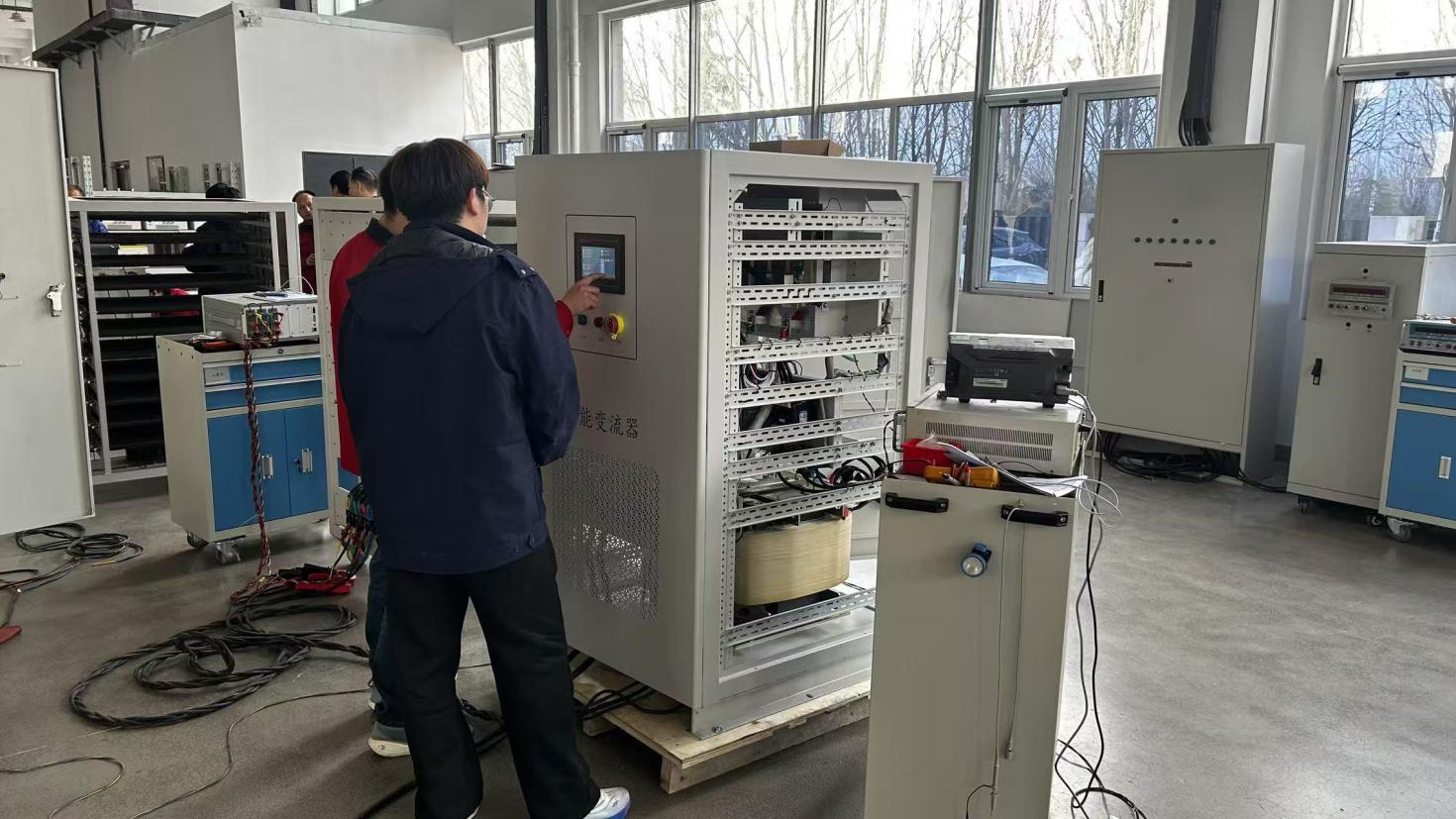 Debugging Process
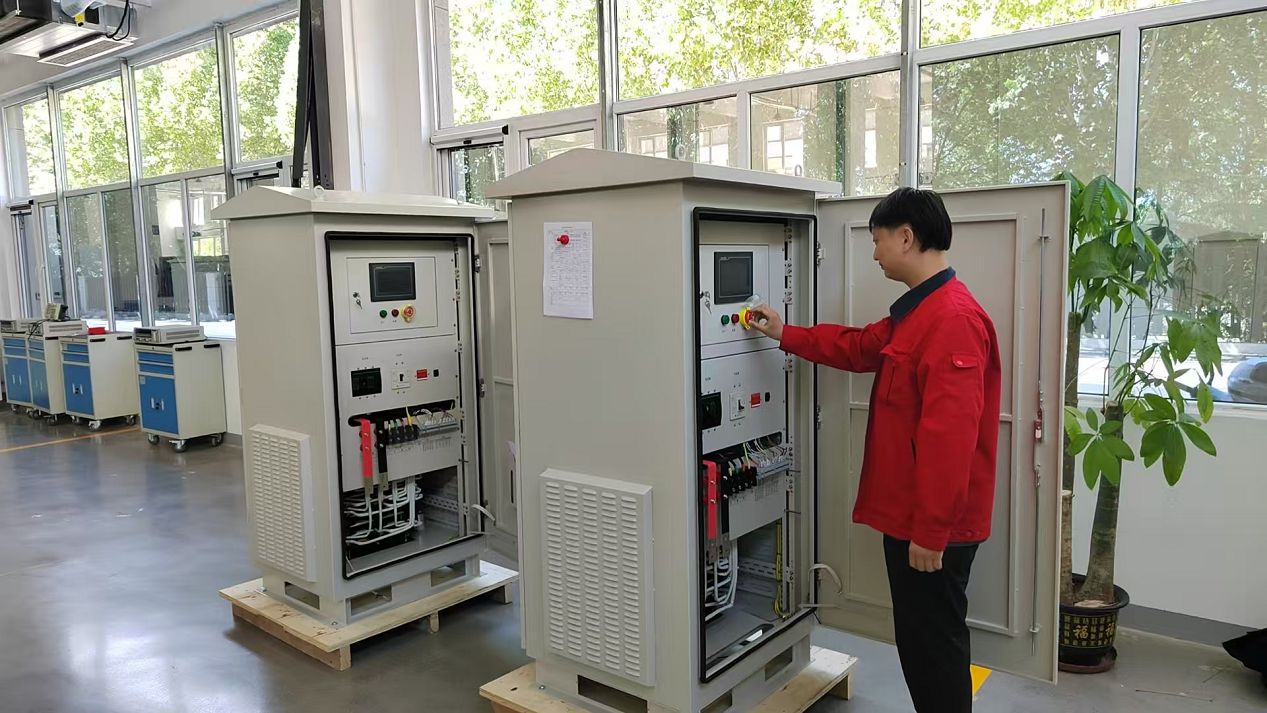 Quality Inspection
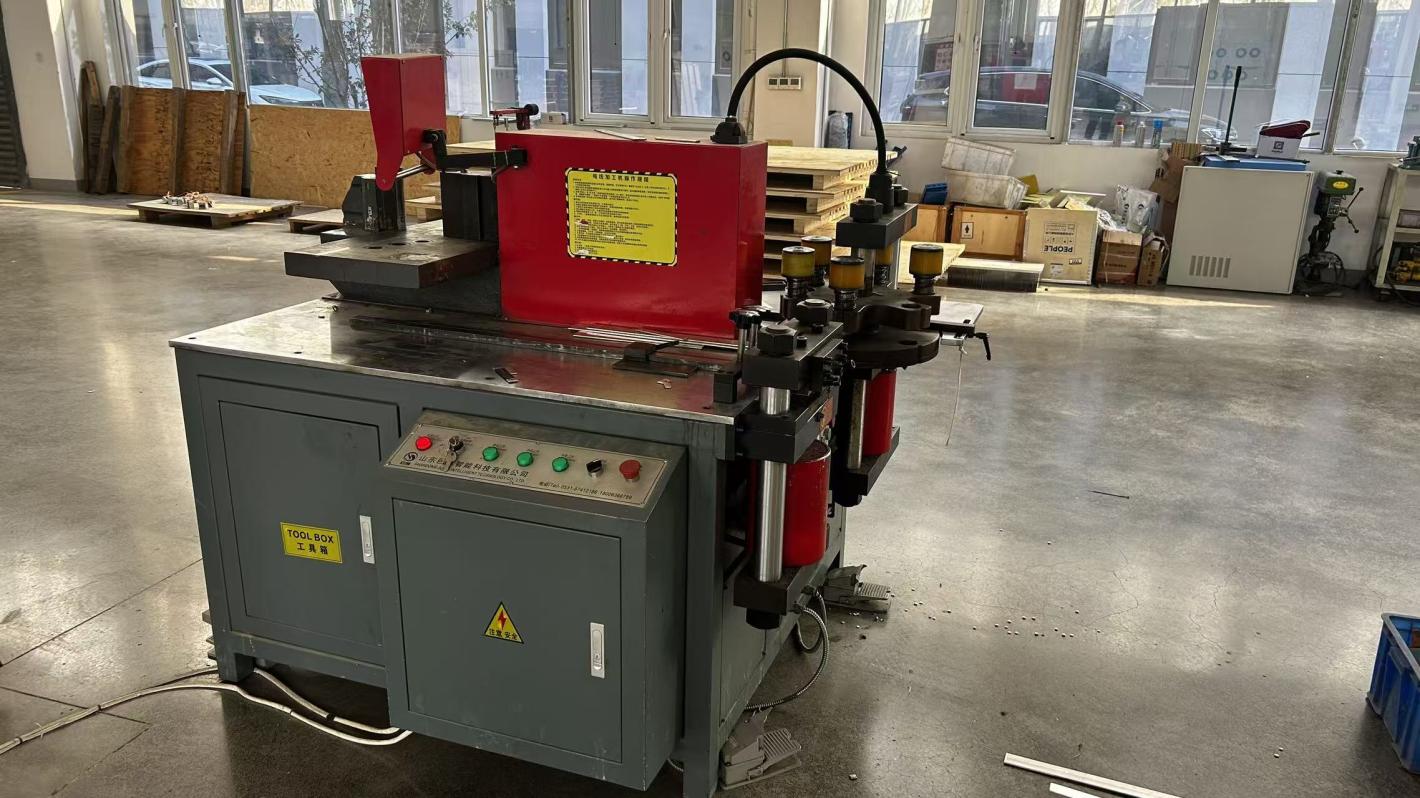 Copper Bar Production
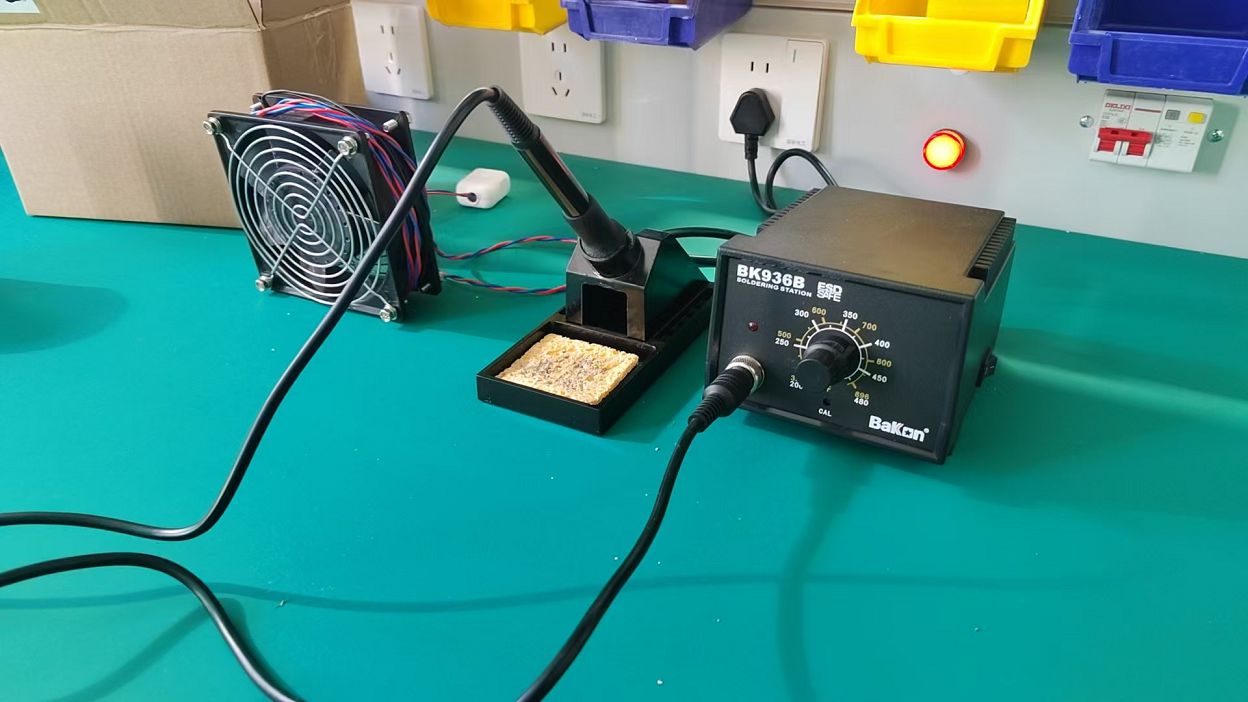 Electric Ferrowire
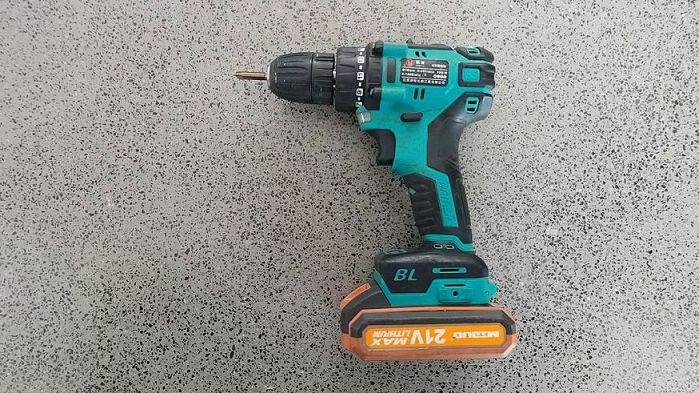 Electric Drill Tools
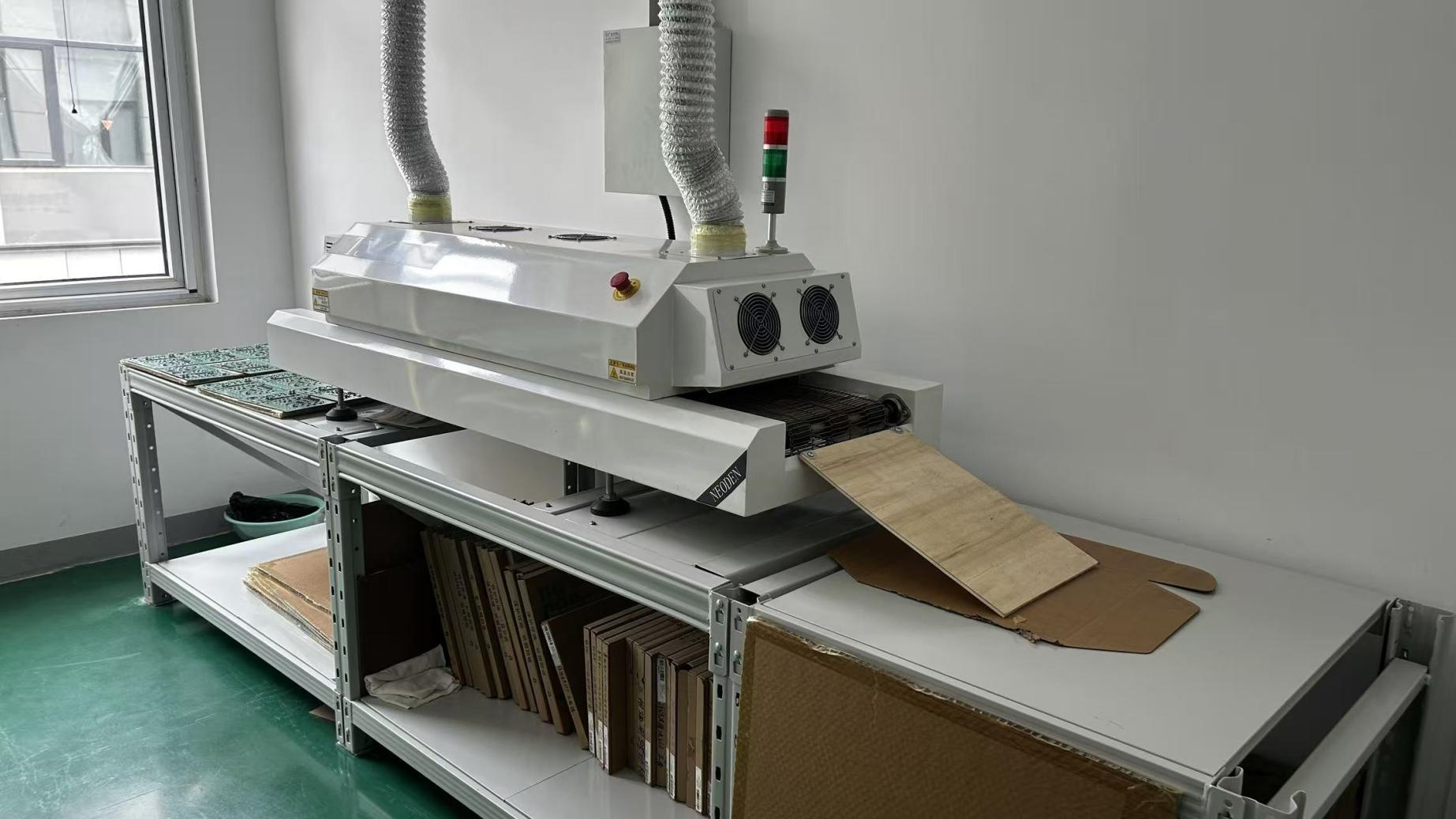 Reflow Soldering
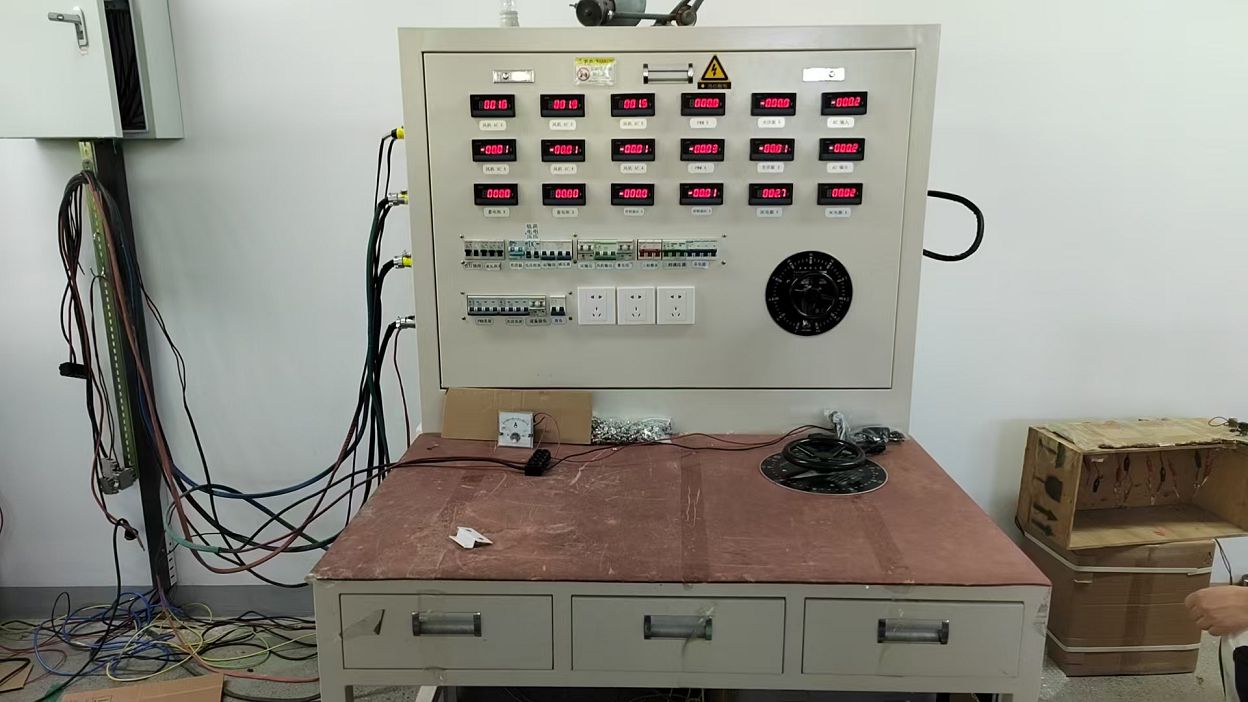 Production Workbench
 R&D Drawing Design
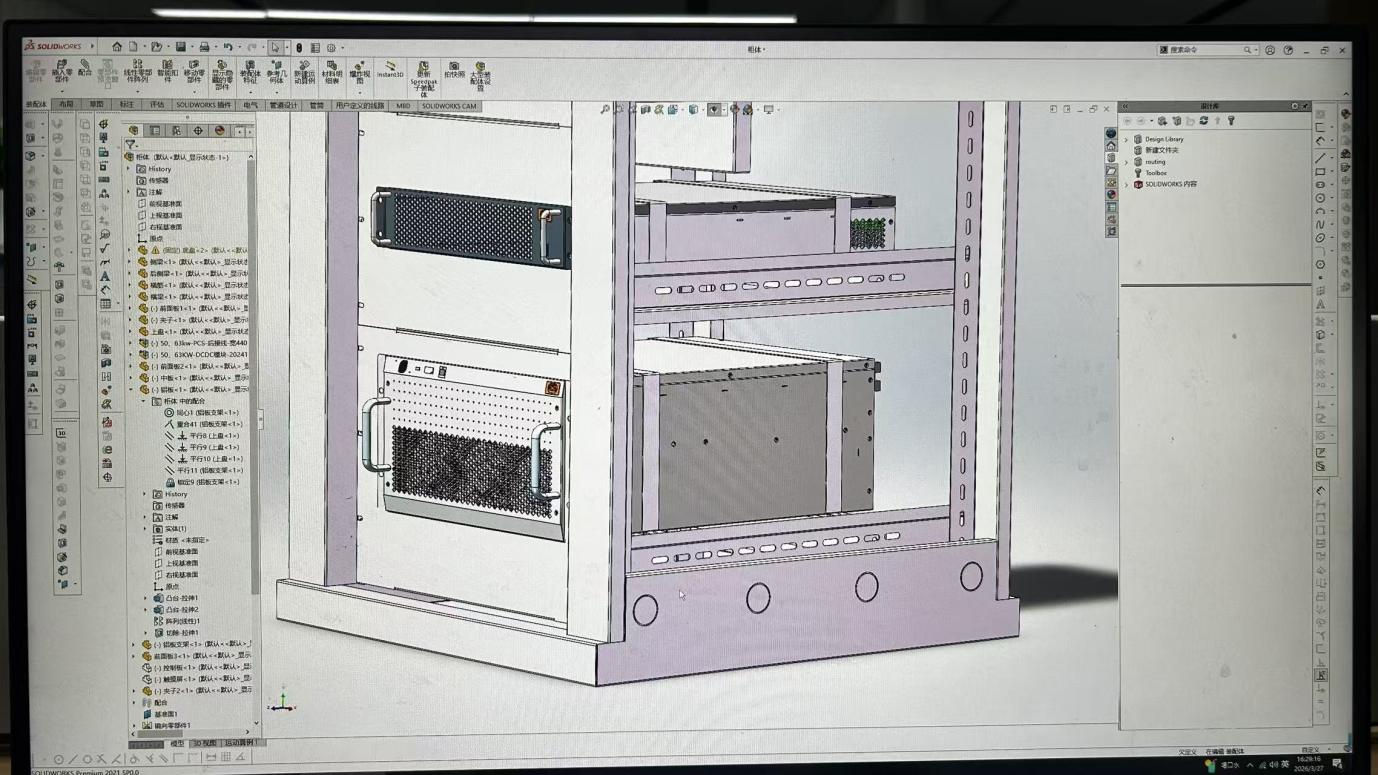 Computer CAD Systems
Precision Diagnostic Calibration & Quality Validation
In compliance with global safety standards and power utility quality guidelines (such as IEEE-519 limits for harmonic distortion), Sophpower operates a high-precision testing lab. The engineering team utilizes specialized diagnostic gear to evaluate power efficiency, output balance, electromagnetic compatibility (EMC), and peak voltage transients. Below is our suite of testing and validation instruments:
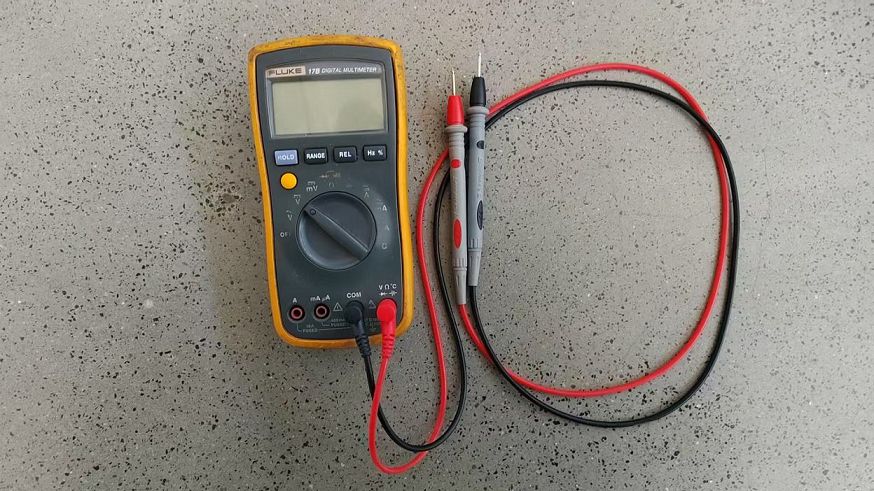 Digital Multimeters
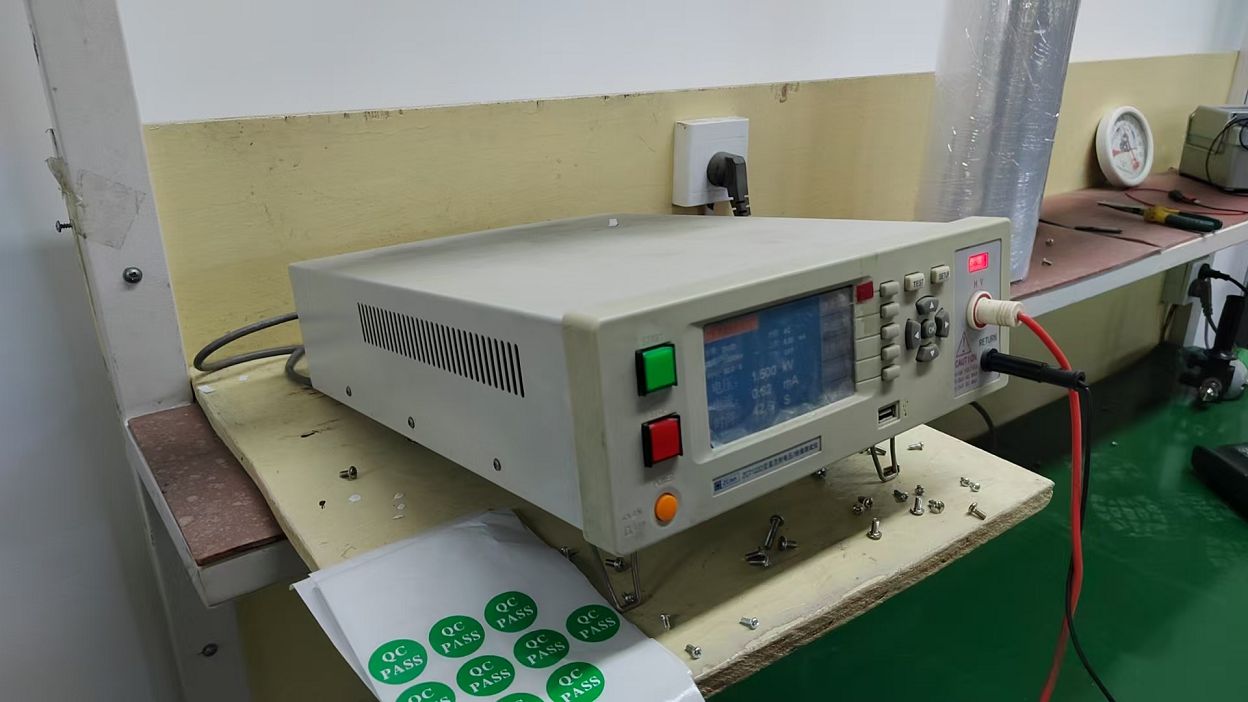 LCR AutoTester

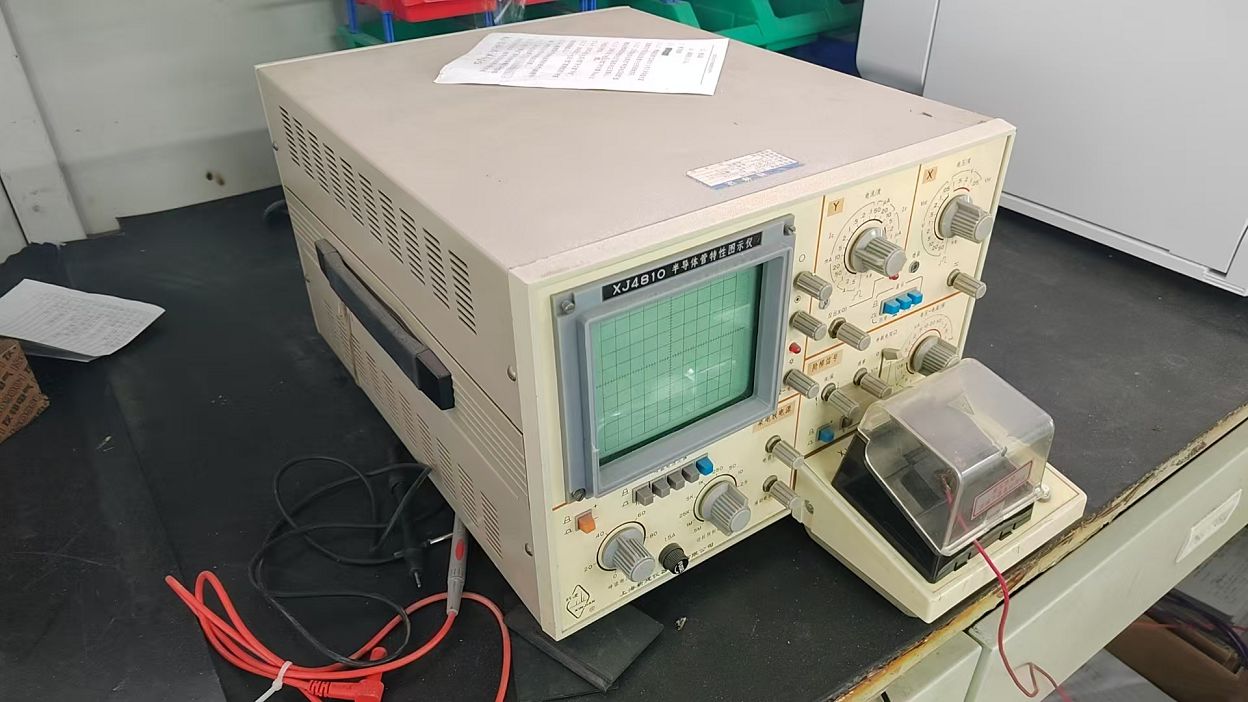 Semiconductor Plotter
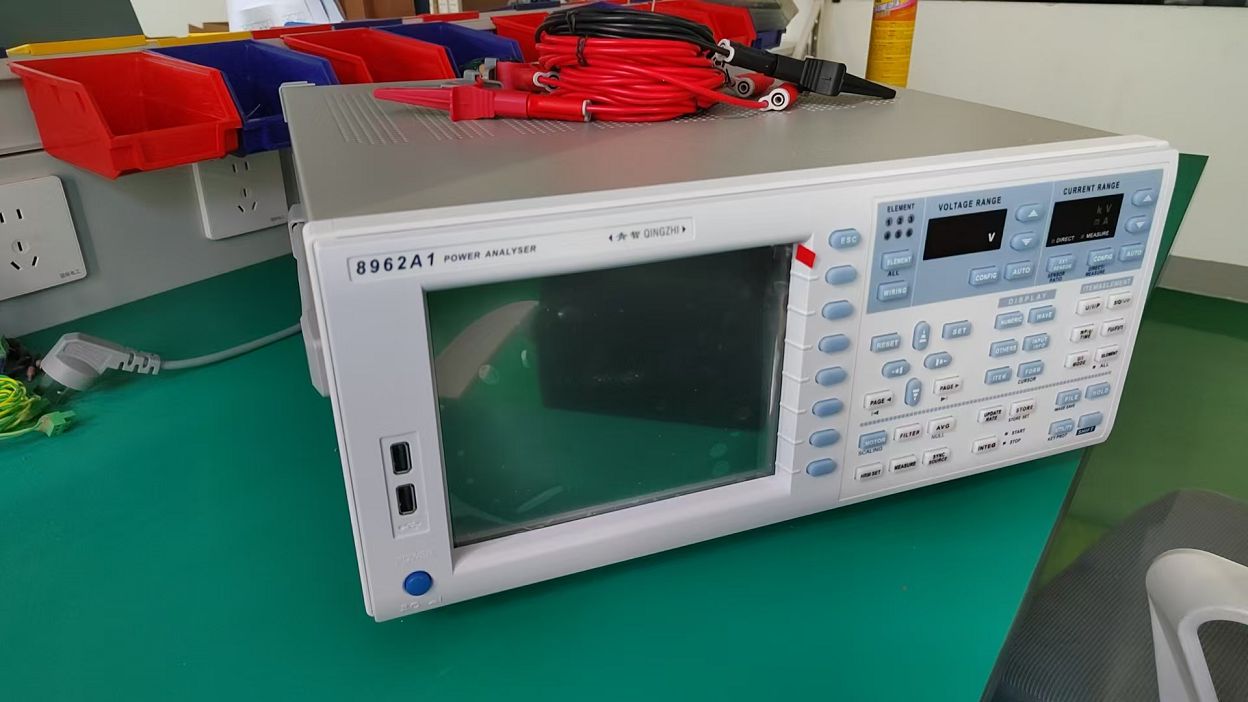 Digital Oscilloscope
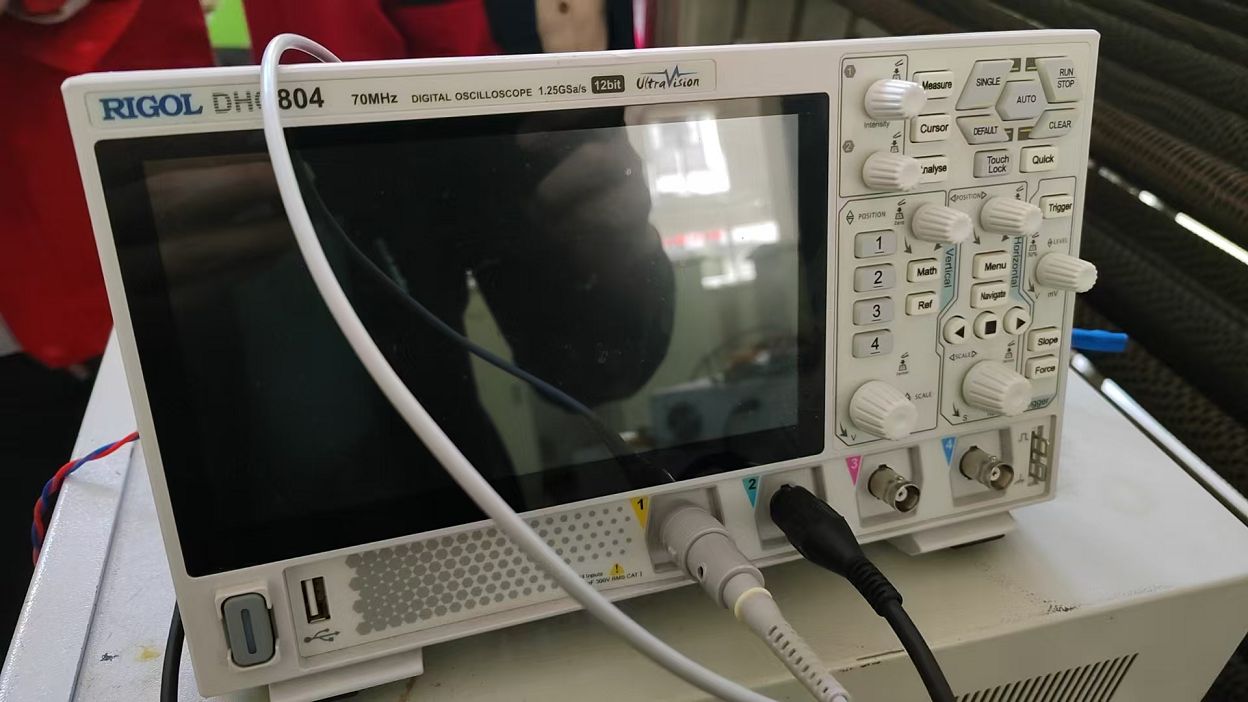 Power Quality Analyzer
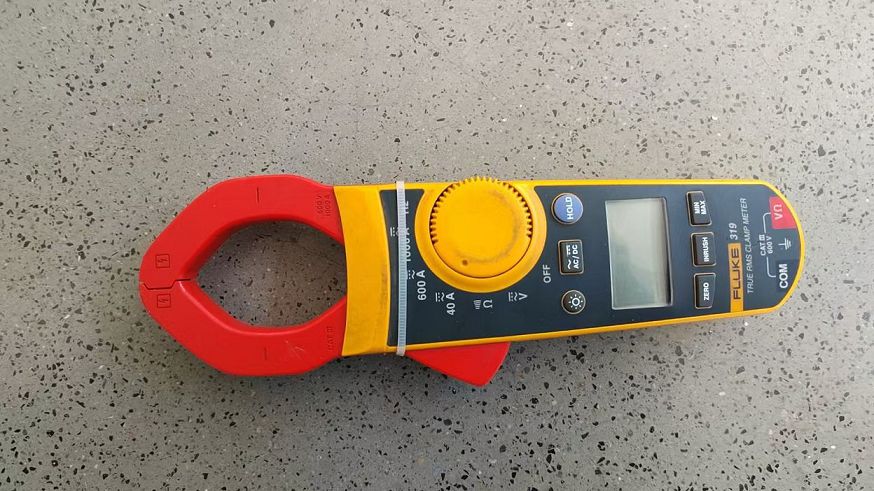 Clamp Current Meter
Localized Application Scenarios & Critical Engineering Solutions
Understanding the distinct environmental and electrical challenges across different operating environments is critical for selecting the correct phase conversion equipment:
CNC Machining & Precision Lathes
Computer Numerical Control (CNC) machinery utilizes delicate control boards, variable frequency drives (VFDs), and servomotors that are highly sensitive to voltage fluctuations. Traditional rotary converters can exhibit phase lag or high voltage unbalances on the third leg, causing CNC computer systems to trigger alarms and shut down mid-cycle. High-precision solid-state conversion or active stabilizers resolve this by providing perfect, microprocessor-controlled phase symmetry under active tool loads.
Agricultural Irrigation & Pumps
Submersible deep-well irrigation pumps require significant inrush current (LRA - Locked Rotor Amps) during startup. Standard single-phase supplies often experience severe voltage drops under these conditions. Sophpower's heavy-duty AC automatic voltage regulators combined with robust converters handle high starting surges, ensuring reliable operation without tripping protective circuit breakers.
Aeronautics & Global Grid Simulation
Testing avionics gear and marine equipment requires mimicking foreign electrical grids. Sophpower’s programmable AC frequency converters allow test labs to convert single-phase 50Hz utility power to precise 400Hz three-phase output. These systems maintain total harmonic distortion (THD) below 2%, delivering the laboratory-grade clean power required for aerospace validation.
Key Decision Metrics for Industrial Procurement
Industrial procurement teams must evaluate key electrical performance metrics to ensure long-term operational reliability:
1. Waveform Purity & THD
Standard converters frequently introduce harmonic noise into electrical lines, overheating nearby motors and degrading electronics. High-end solid-state systems generate pure sine wave outputs, reducing electromagnetic interference (EMI) and maintaining motor operating efficiency.
2. High Surge Current Capability
Electric motors require up to 6 times their running current during startup. Industrial-grade converters must be sized to supply these transient currents without dropping voltage below operational thresholds.
3. Operational Lifespan & MTBF
Solid-state systems reduce mechanical wear compared to rotary converters, which rely on physical bearings. Clean thermal design and high-quality switching components extend service life and improve Mean Time Between Failures (MTBF) in harsh environments.
Future Industry Trends: Smart Power Grids & High-Efficiency Semiconductors
The industrial power landscape is shifting toward digitization and enhanced energy conservation. A primary technological driver is the adoption of Silicon Carbide (SiC) and Gallium Nitride (GaN) power transistors to replace traditional silicon IGBT switches. These wide-bandgap semiconductors operate at higher frequencies and temperatures, reducing system footprint, lowering switching losses, and increasing overall energy efficiency beyond 98.5%.
Additionally, the rise of decentralized smart grids and distributed energy resources has increased demand for bidirectional power flows. Modern bidirectional DC power supplies allow industrial facilities to feed braking energy from large motors back into the grid, lowering total utility consumption. Incorporating internet-of-things (IoT) connectivity also enables real-time diagnostic reporting and predictive maintenance, minimizing unplanned downtime in mission-critical applications.
Expert Q&A: Phase Conversion and Voltage Regulation
What is the primary difference between a rotary phase converter and a digital solid-state converter?
A rotary phase converter uses a mechanical generator motor to create the third leg of electricity, which can lead to voltage variations under dynamic loads. A digital solid-state converter utilizes power electronics and digital signal processing to actively synthesize three-phase power, ensuring precise voltage balance (within 1%) and clean sine wave delivery under varying loads.
Can I operate a 3-phase CNC machine on a single-phase utility connection?
Yes, but you must use a high-precision phase converter or electronic frequency converter. CNC machines contain sensitive computer boards that can trigger alarms if the input phases are unbalanced. A balanced power system ensures clean, stable phase lines, protecting the machine's control logic and variable frequency drives (VFDs).
How do automated voltage regulators prevent machinery damage during utility brownouts?
Automatic voltage regulators (AVRs) continuously monitor the incoming power lines. When utility voltage drops (brownouts) or spikes, the AVR dynamically adjusts transformer ratios or uses solid-state switches to stabilize the output voltage within safe operating limits, preventing equipment damage and runtime errors.
What certifications should global sourcing directors look for in manufacturing power units?
Compliance with international standards is vital. Look for CE, RoHS, ISO 9001, and UL/FCC-aligned manufacturing practices. These certifications confirm that the equipment meets necessary environmental, electromagnetic emission, and safety regulations.
Premium Programmable DC Power Supplies & Industrial Load Simulators
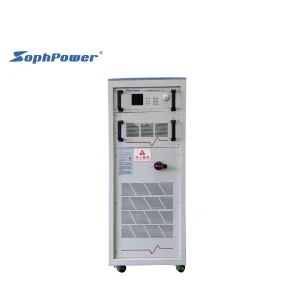
250v 200a Programmable DC Switching Power Supply
View Specifications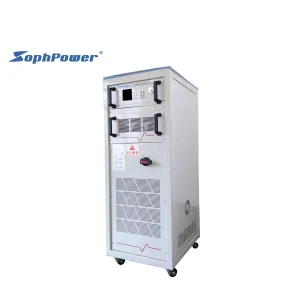
100v 500a Adjustable DC Output Power Supply
View Specifications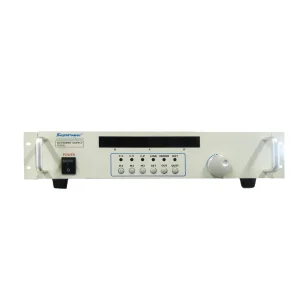
High Voltage Laboratory DC Switching Power Supply 0-1500v
View Specifications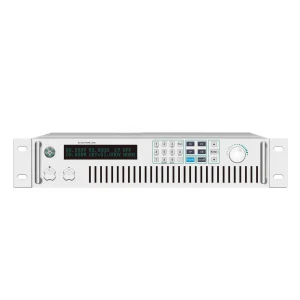
Programmable DC Electronic Load 500V 120A 1200W
View Specifications
40v 30 Amps DC Regulated Power Supply Adjustable
View Specifications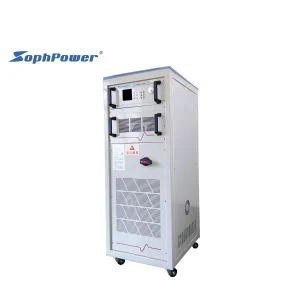
100KW DC Stabilized Power Supply 1000a 100v
View Specifications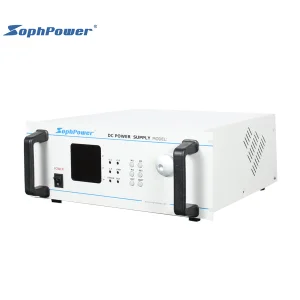
2000v 1a High Voltage Programmable DC Power Supply with RS485
View Specifications