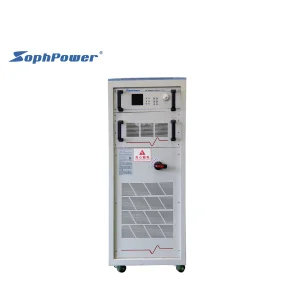
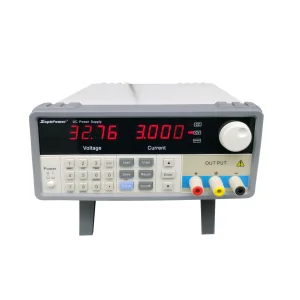
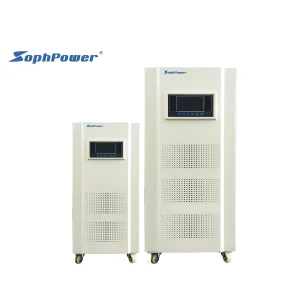
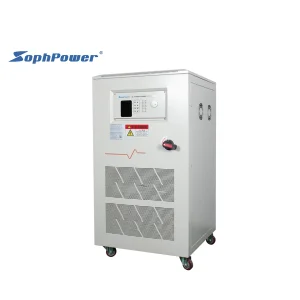
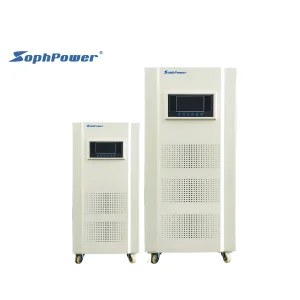
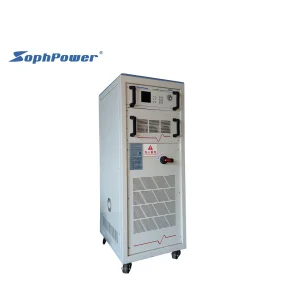
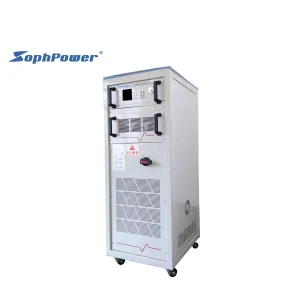
Featured Industrial Power Equipment
Explore high-precision automatic voltage regulators, programmable DC power systems, and testing utilities developed for heavy industrial deployment.
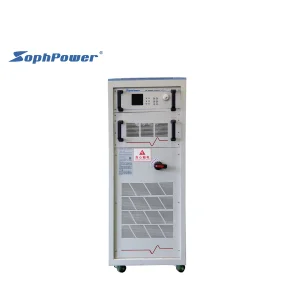
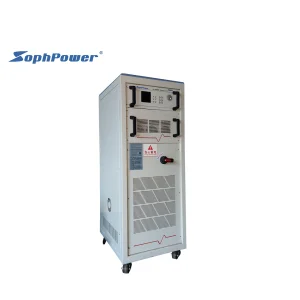
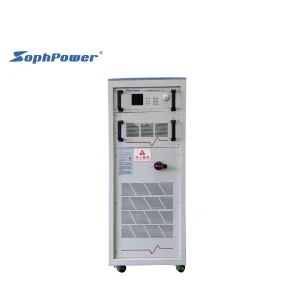
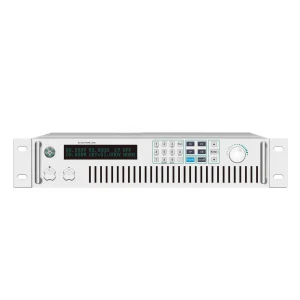
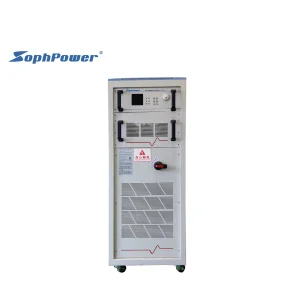
Industrial Reliability: The Core of Standby Power Infrastructure
In the globalized industrial landscape, standby generators and secondary power systems form the bedrock of business continuity. As grid instability increases due to extreme weather, infrastructure wear, and surging demands from data centers, modern enterprises require uninterrupted and stabilized electrical feed systems. A reliable standby power solution is not just an alternator coupled to a combustion engine; it is a complex grid of power modulation, voltage regulators, and variable frequency converters working in perfect harmony to secure continuous operation.
Shenzhen Sophpower Electronics Co., Ltd., established in 2006 in Shenzhen, China, stands at the technological forefront of this sector. As a national high-tech enterprise, Sophpower focuses on designing, validating, and manufacturing specialized AC Power Sources, Linear AC Power Sources, Bidirectional AC/DC Power Sources, Voltage Regulators, and UPS. Operating as a critical partner to top China standby generator factories, our technologies guarantee that backup power sources maintain stable voltages, survive transient load drops, and deliver flawless clean-sine waveforms under critical conditions.
Global Procurement Needs & Macro Industry Solutions
How large-scale facilities scale their backup energy infrastructure to mitigate power failure risks and regulatory audits.
Tier III & IV Data Facilities
Data centers require instant standby generator ramp-up with zero phase disruption. Sophpower's bidirectional AC/DC systems and high-power frequency converters enable rigorous simulation testing of automatic transfer switches (ATS) under active loads to ensure seamless power handovers.
Renewables & Grid Integration
Standby power solutions for modern grids demand bi-directional flow handling to manage battery storage and solar integration. Our laboratory-grade DC power converters provide simulation variables to validate power factor adjustments up to 600kVA scales.
High-Load Industrial Plants
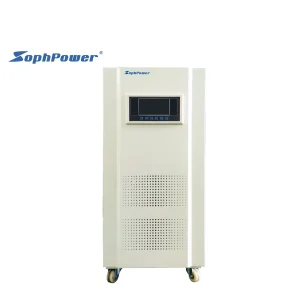
For manufacturing processes using heavy electric motors, standby generators must handle severe surge currents. Our three-phase automatic stabilizers buffer initial high-torque startup draws, saving system controllers from overcurrent lockouts.
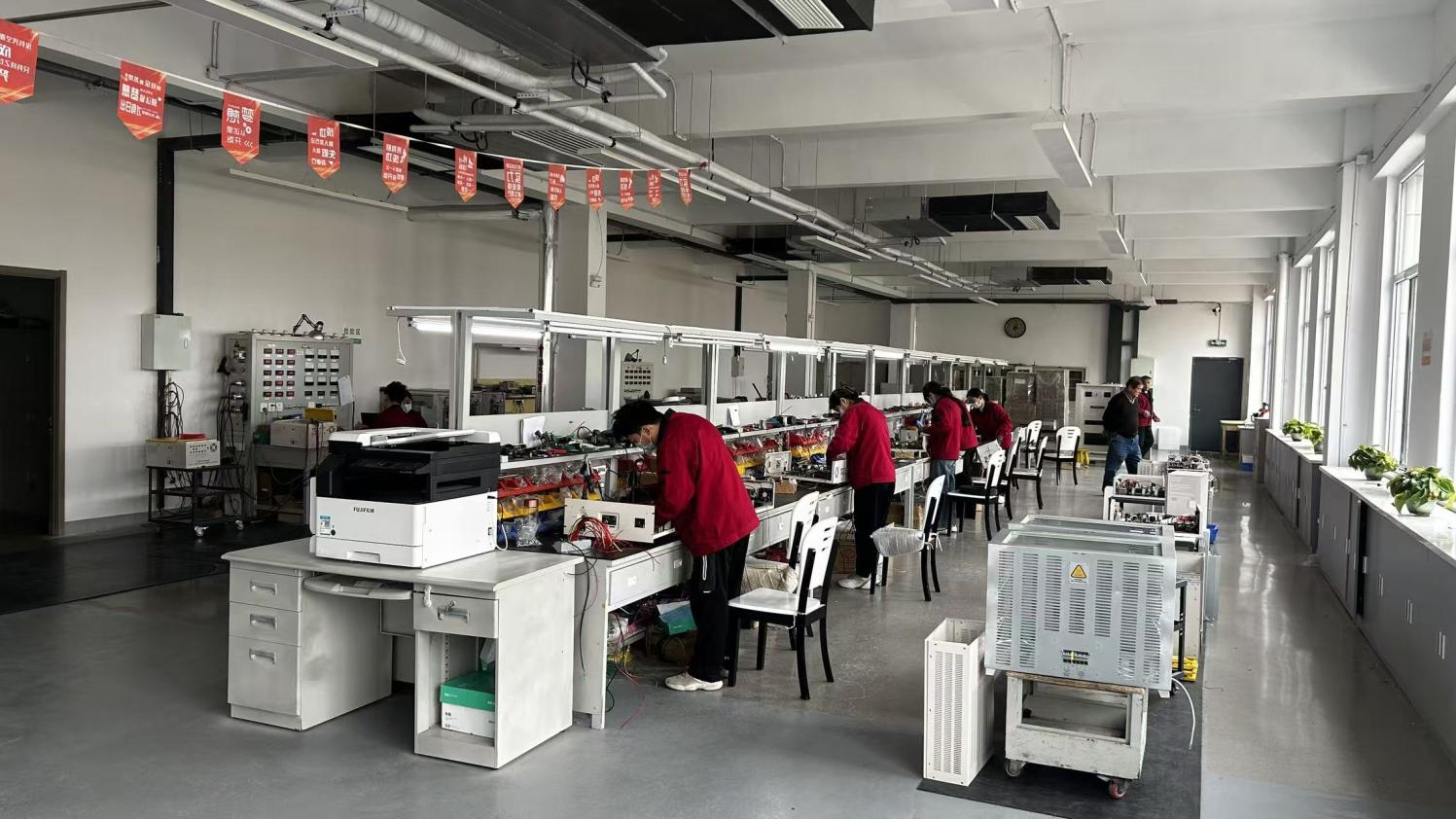
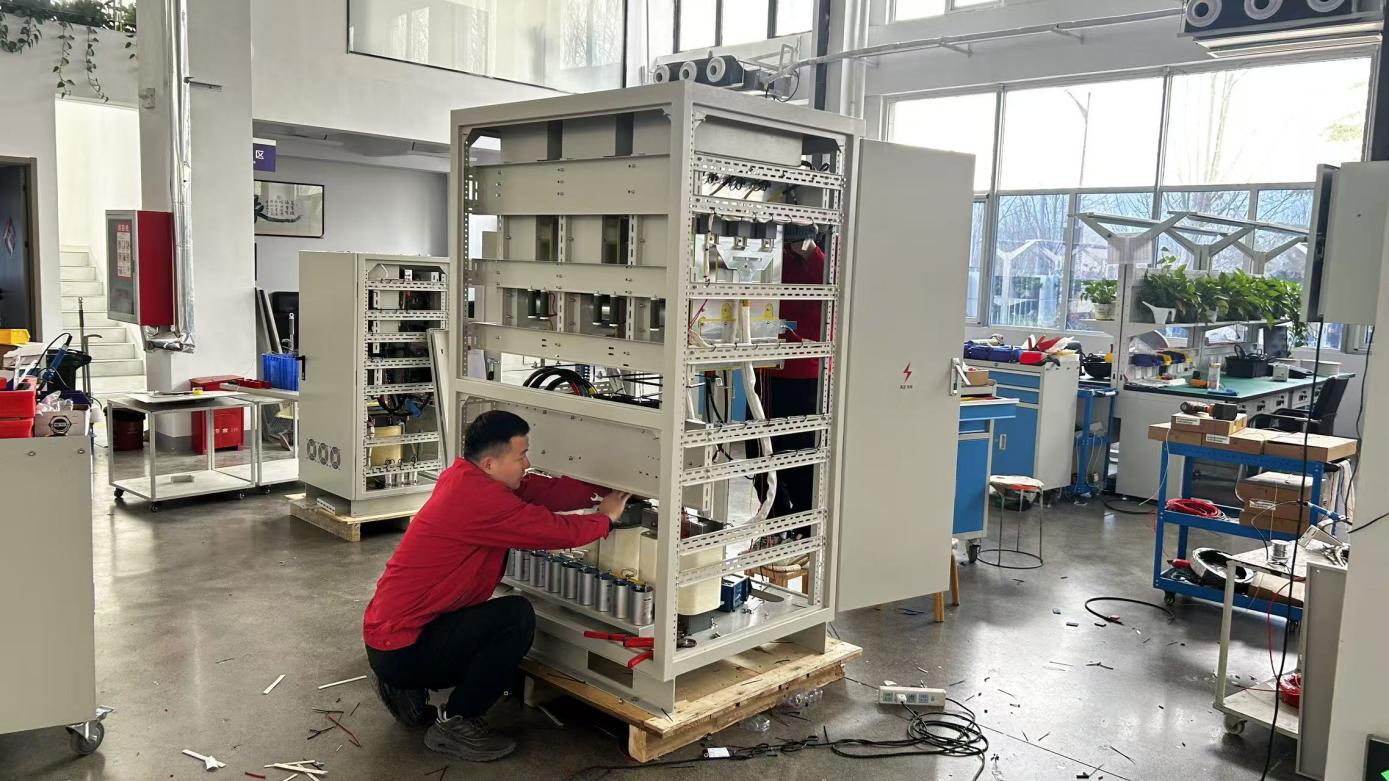
Inside Sophpower: State-of-the-Art Factory & Production Line
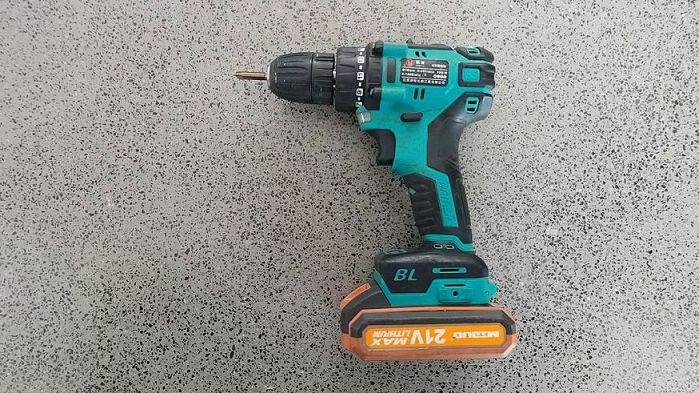
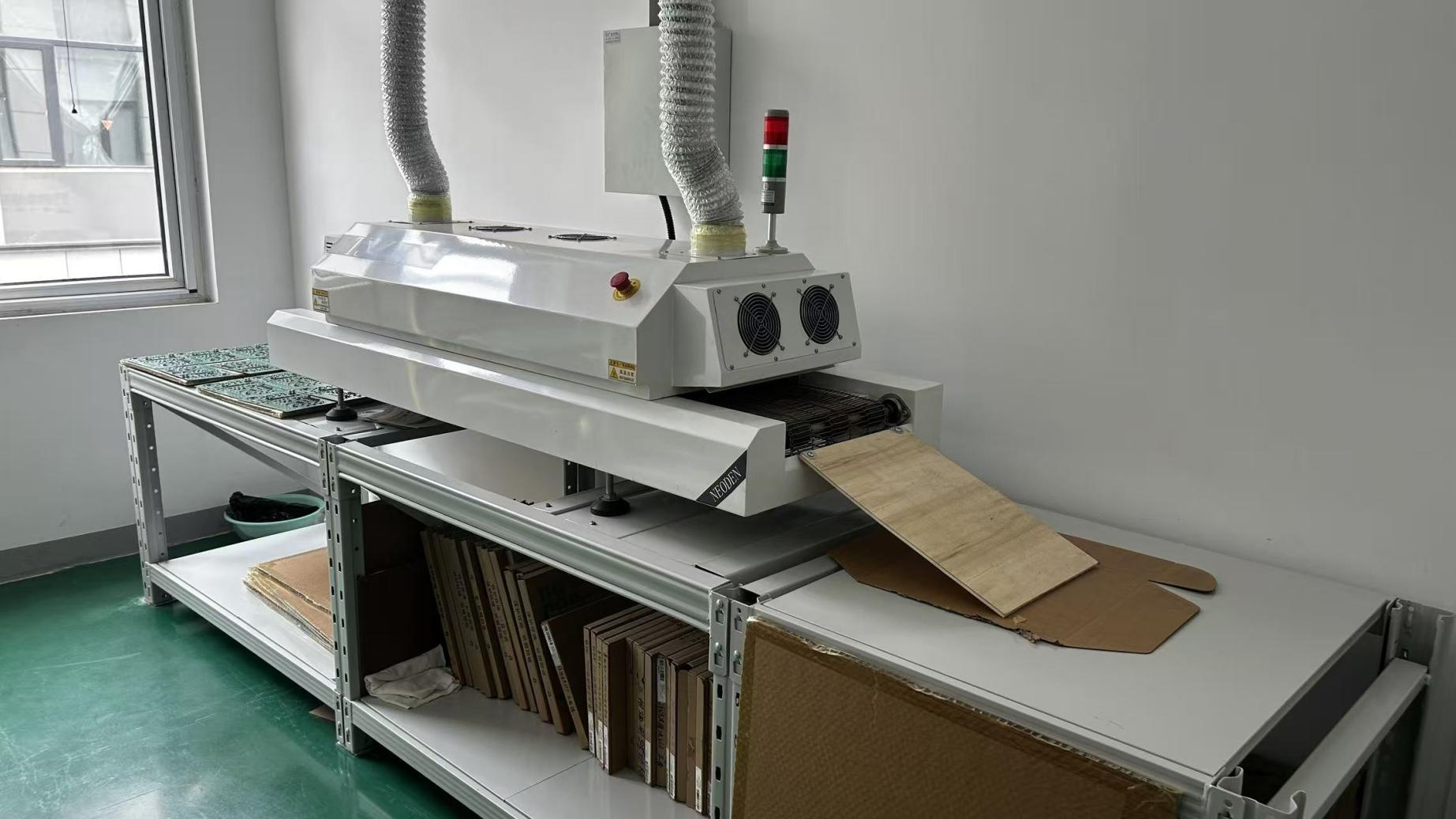
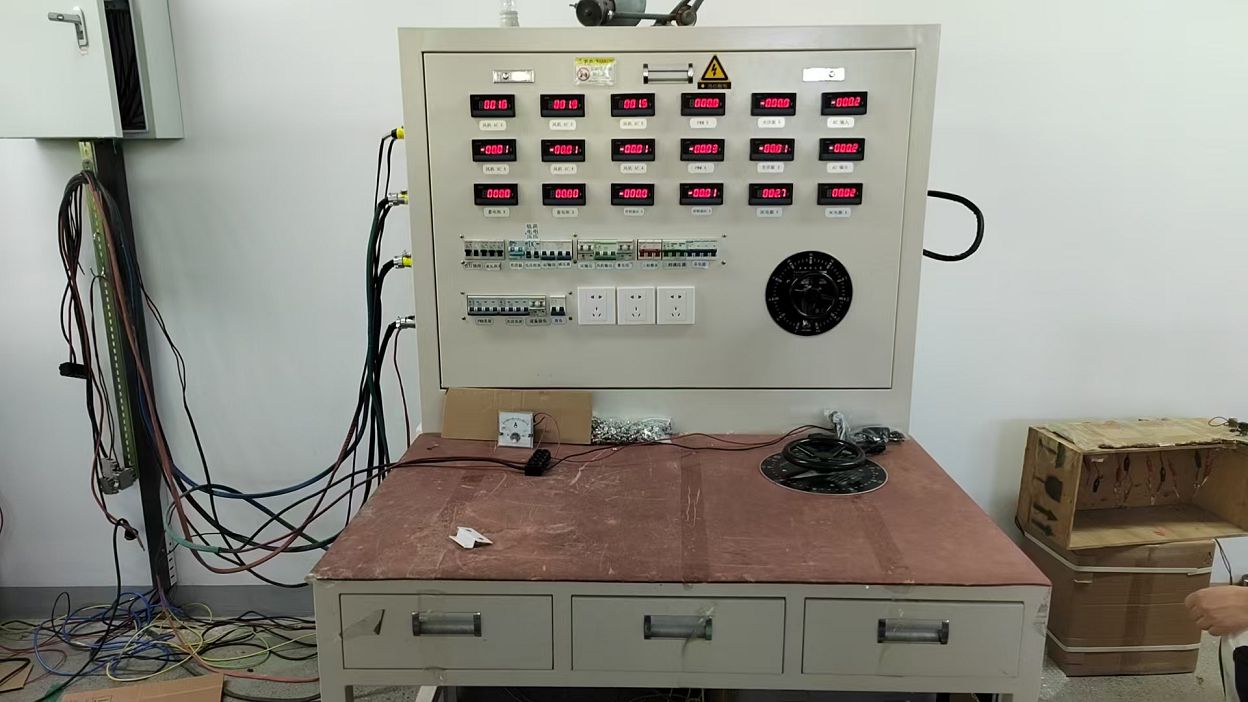
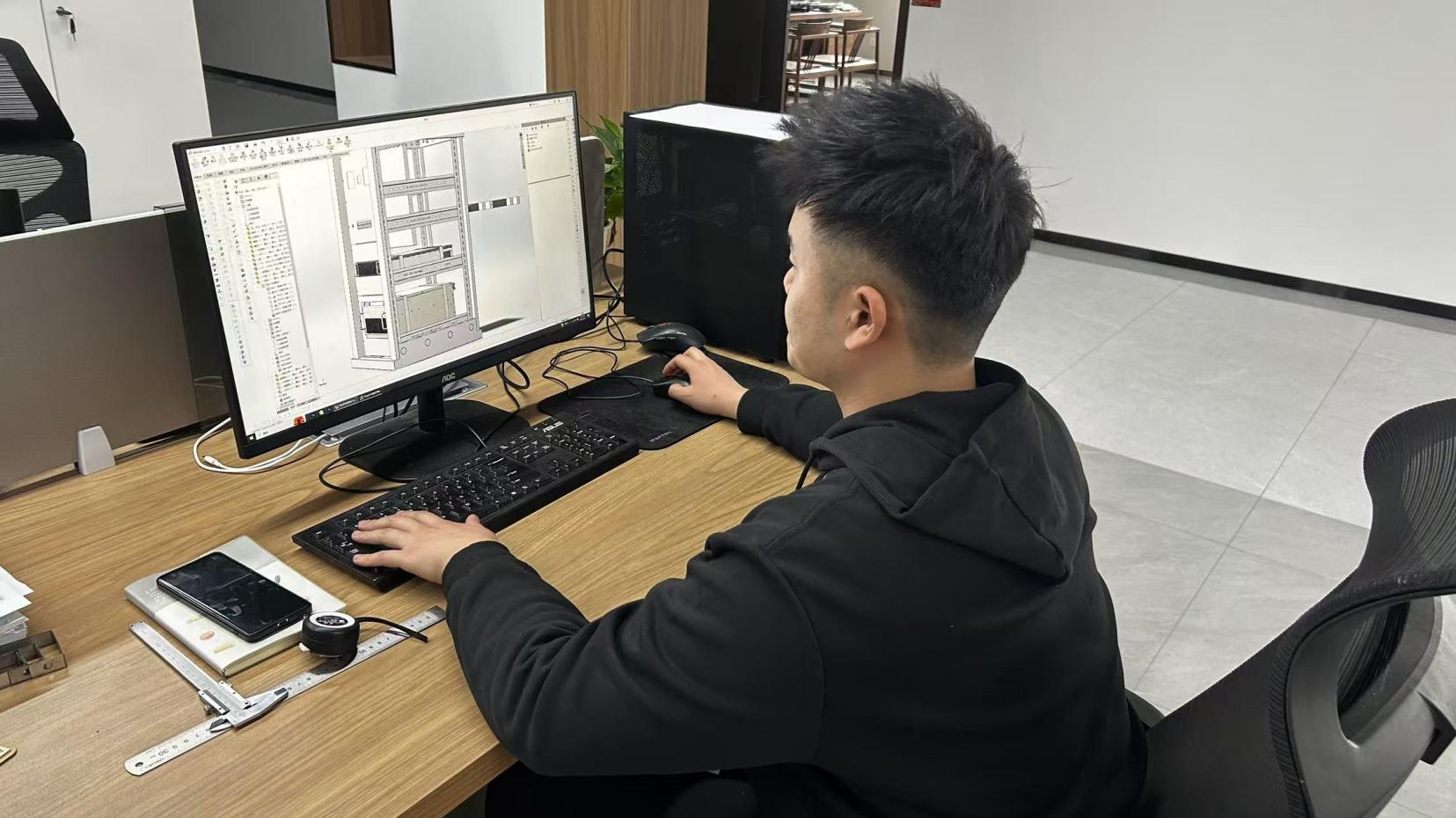
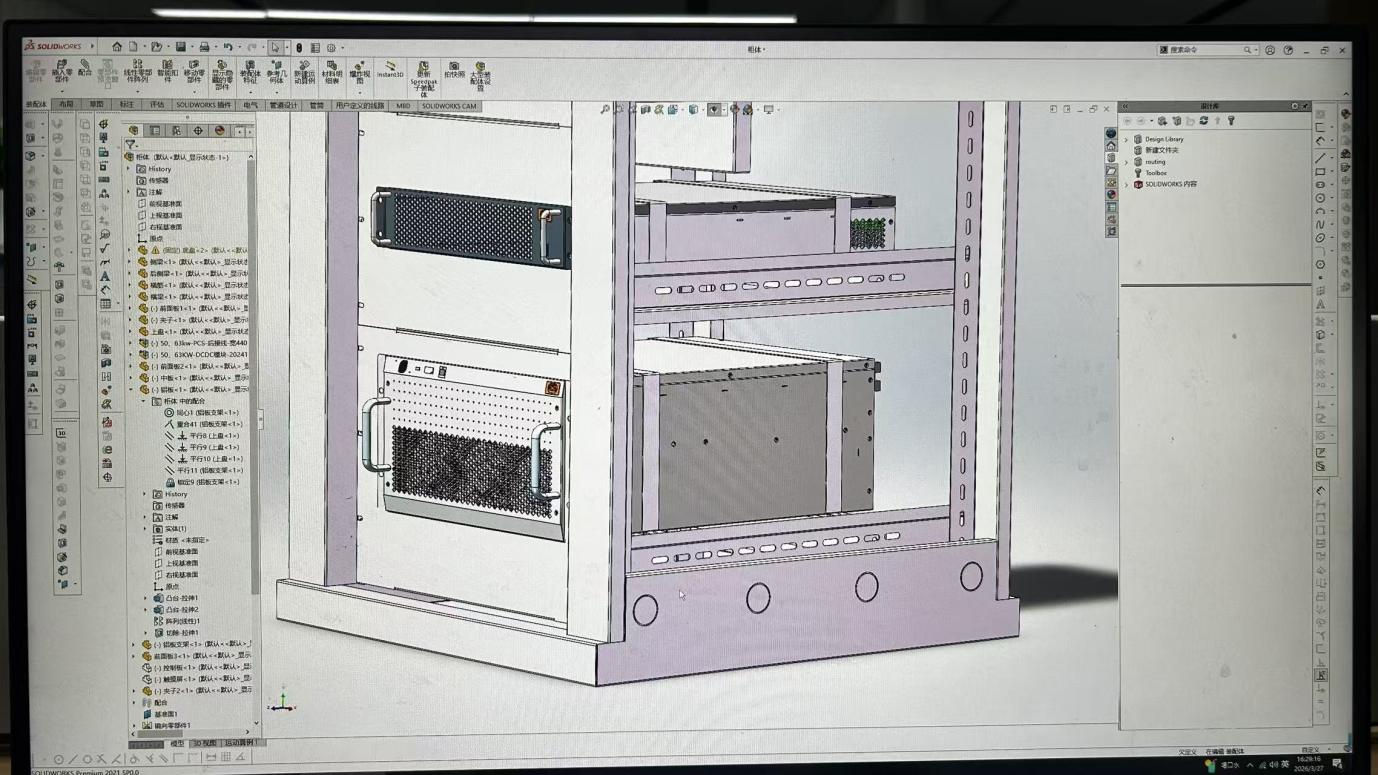
Take a comprehensive visual tour of our production facilities, testing zones, and assembly workstations designed for maximum reliability.
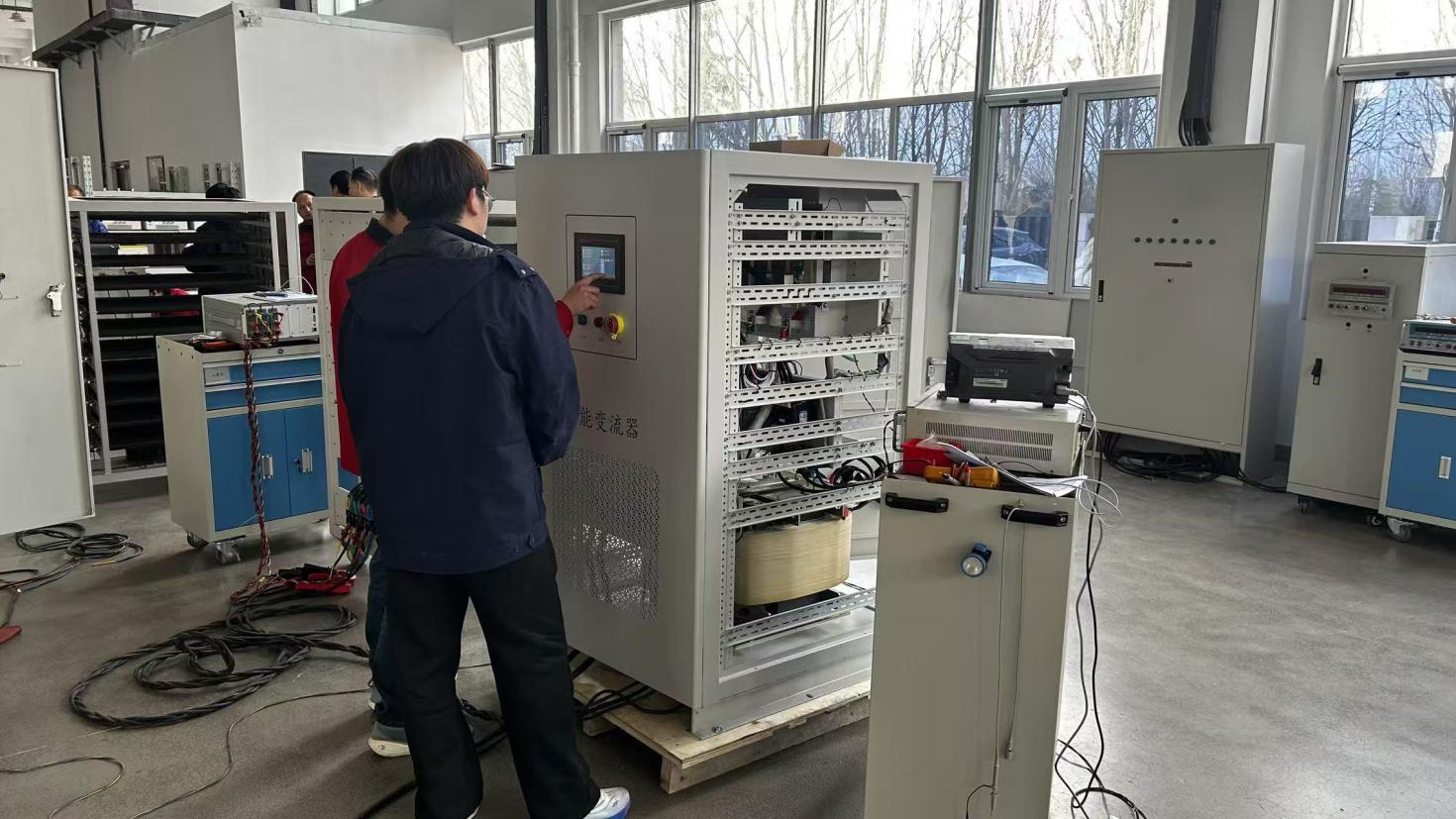
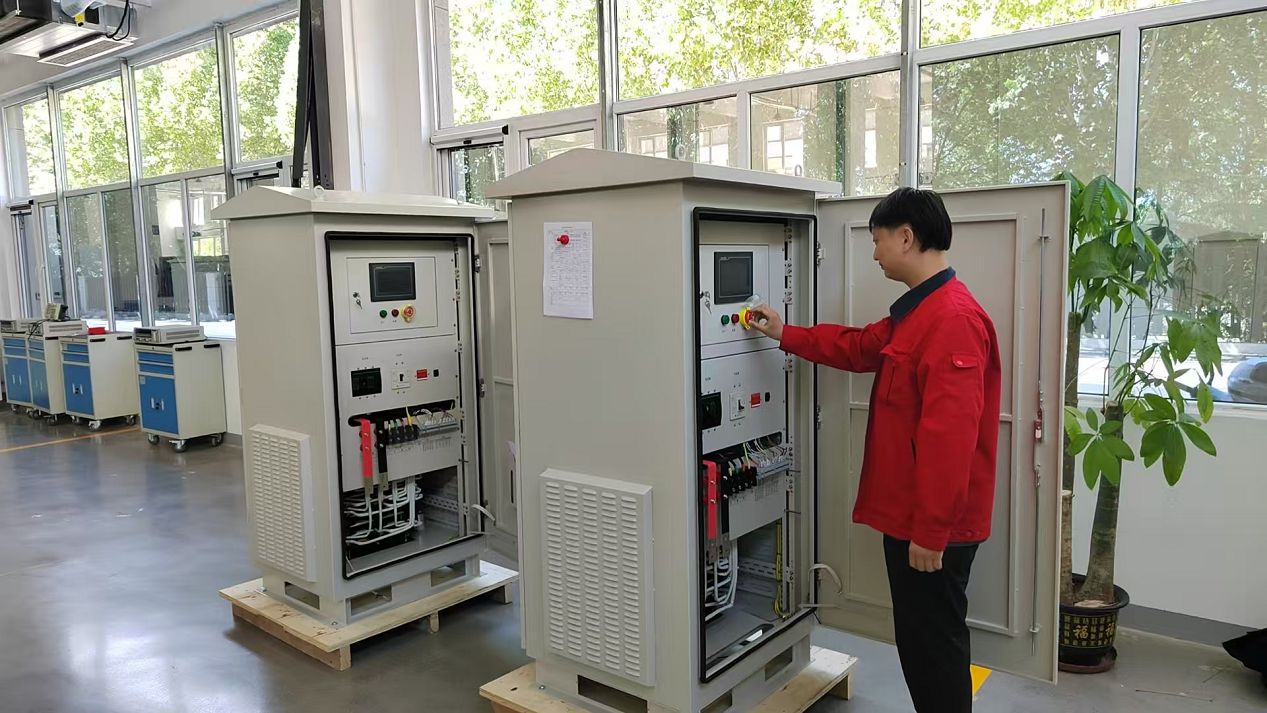
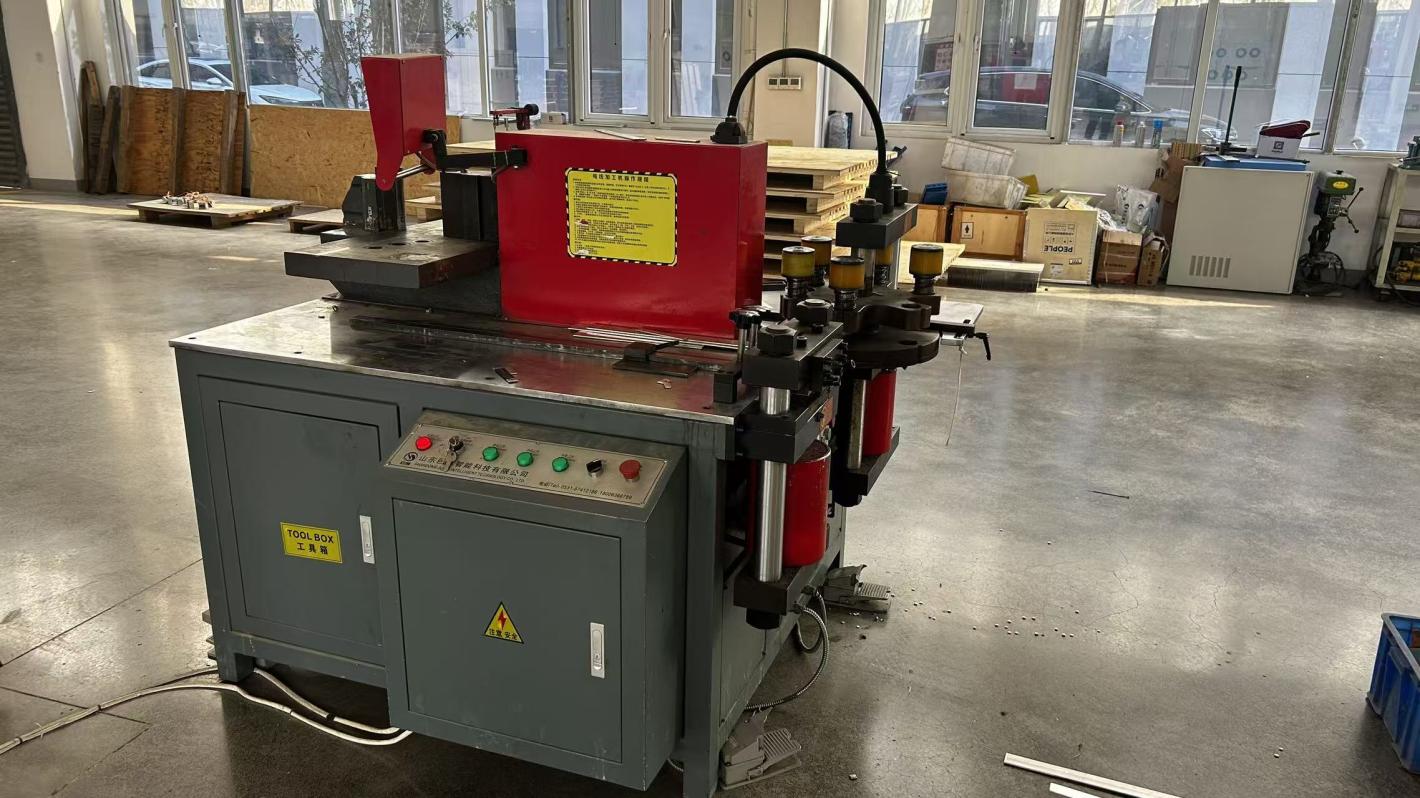
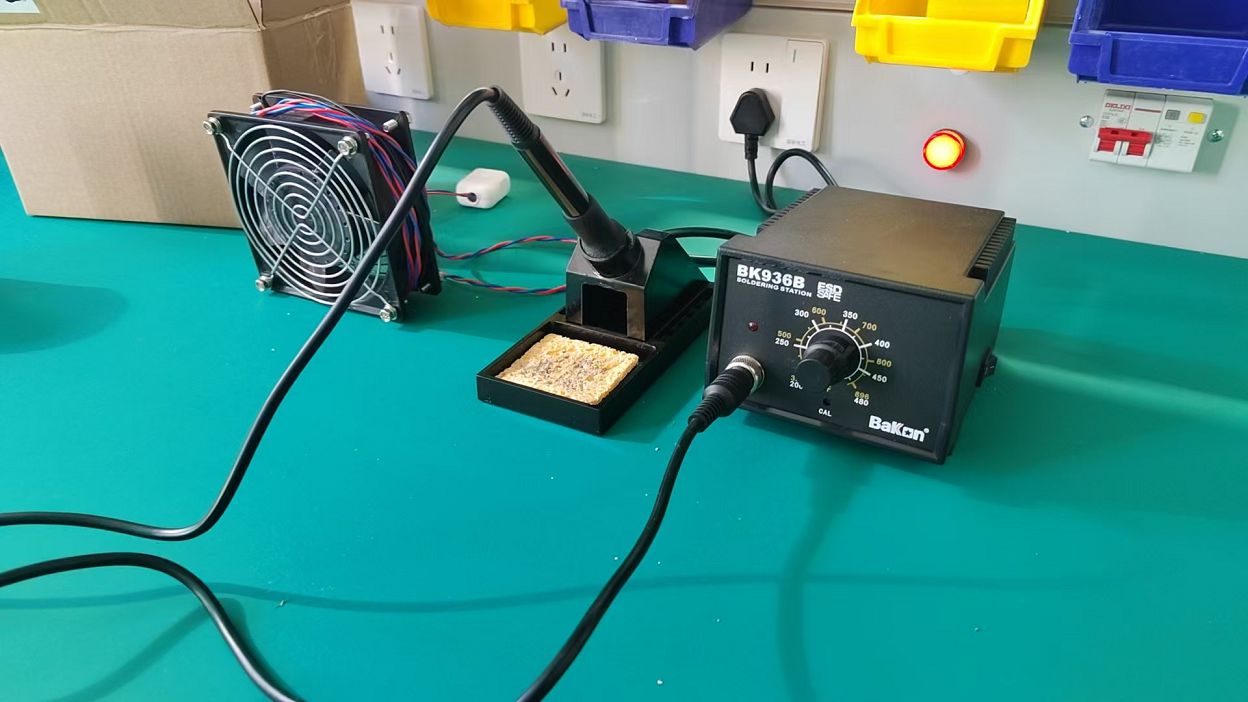
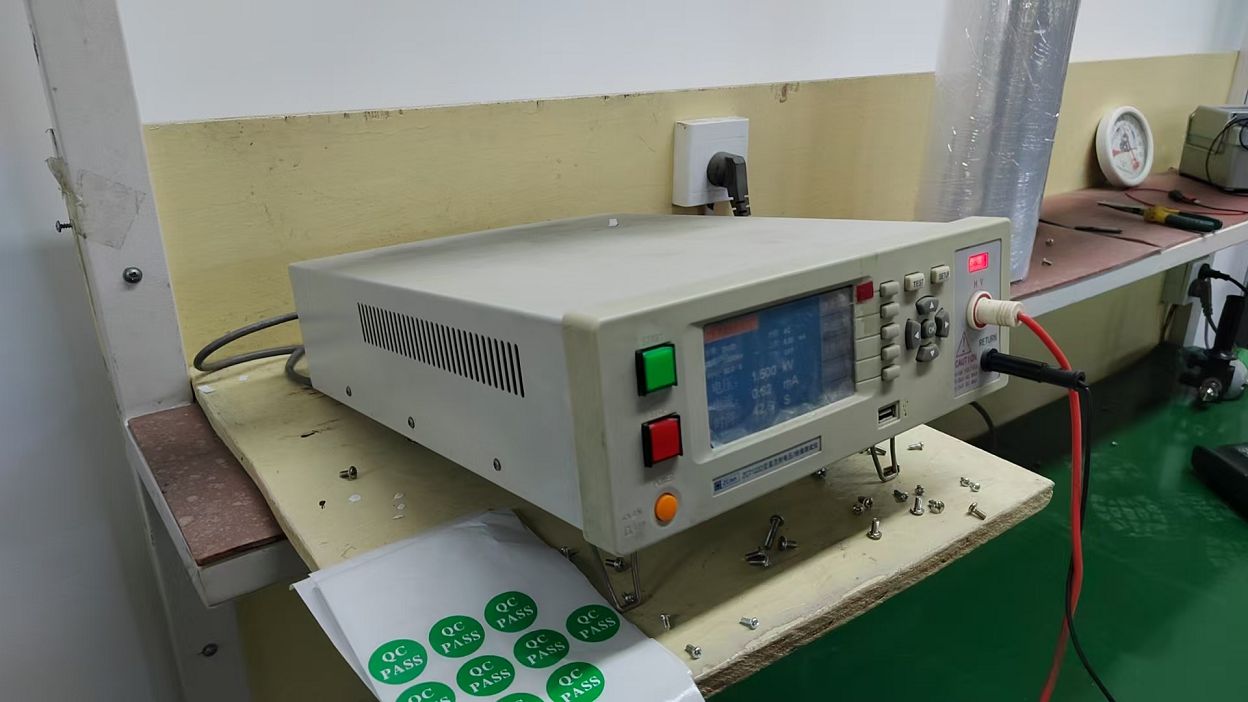
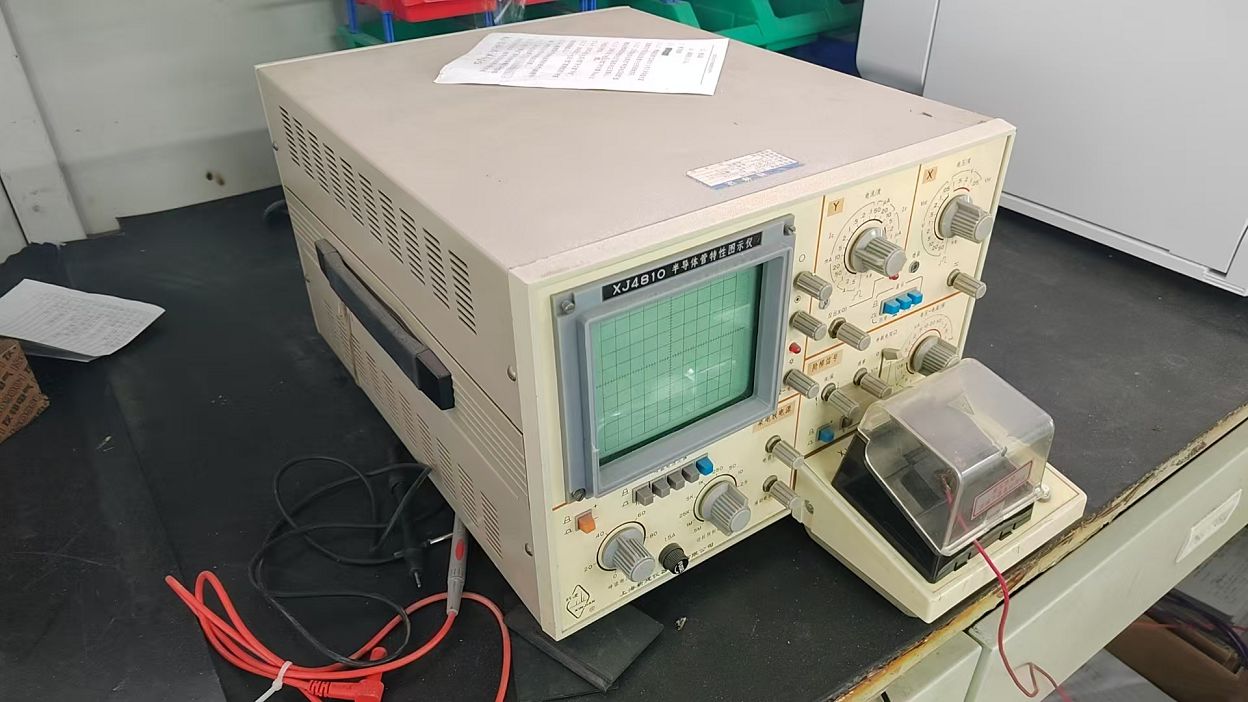
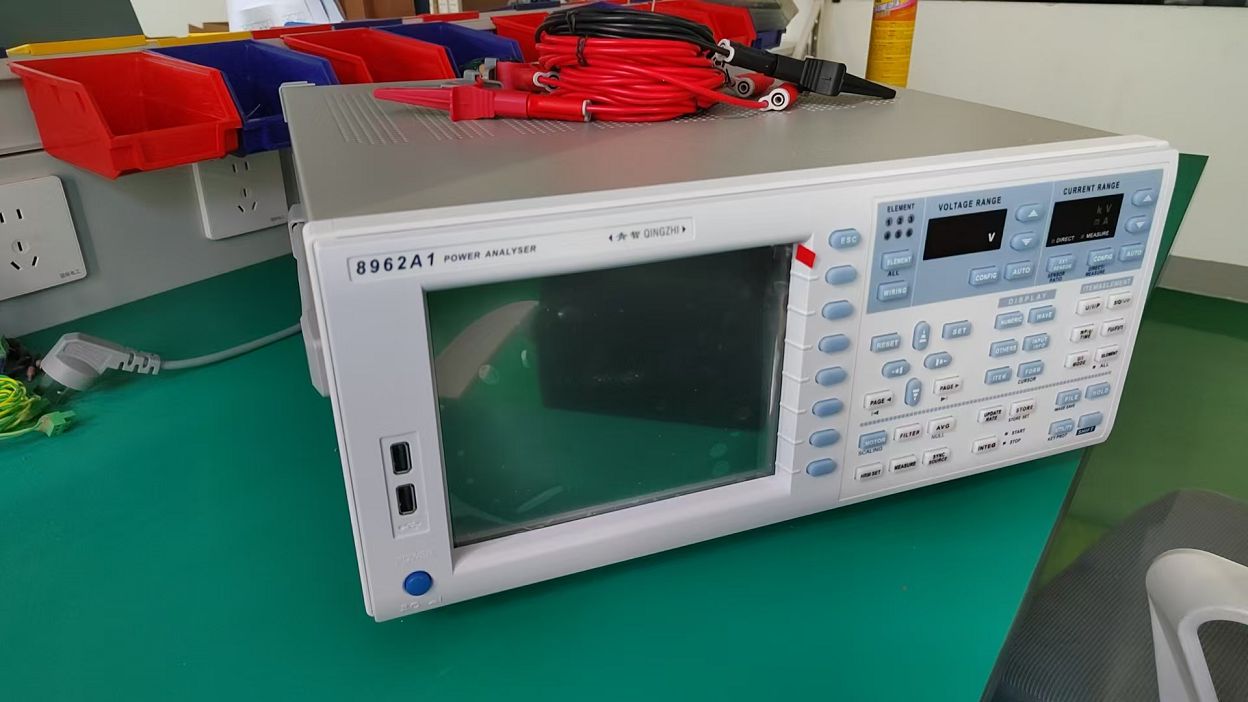
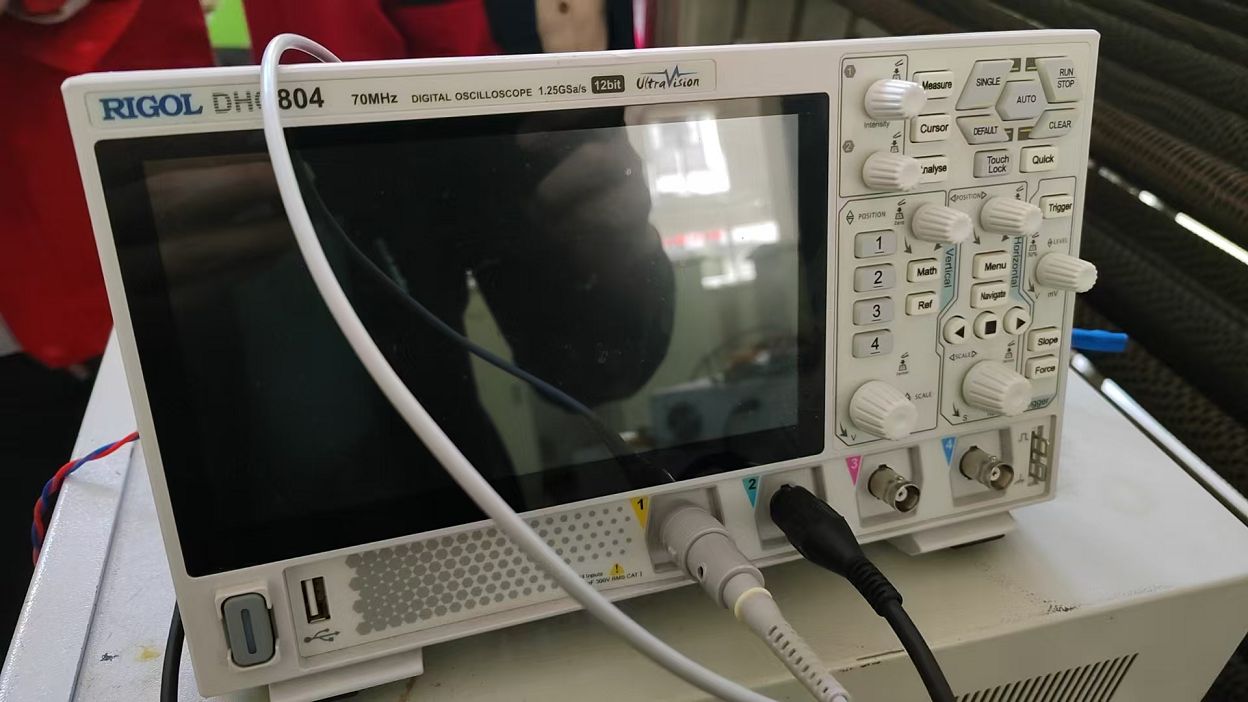
Technical Diagnostics & Instrumentation Systems
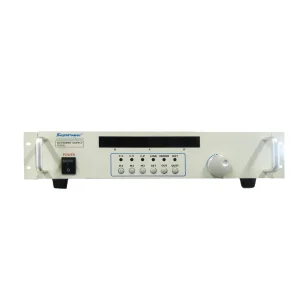
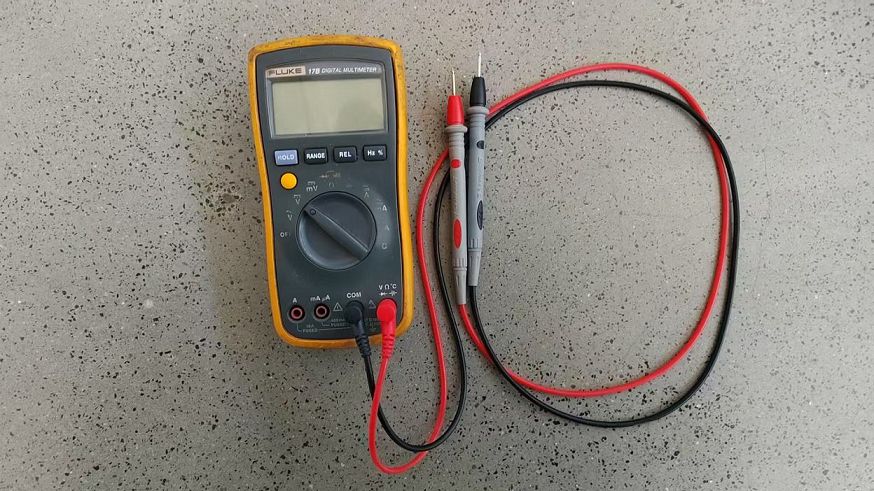
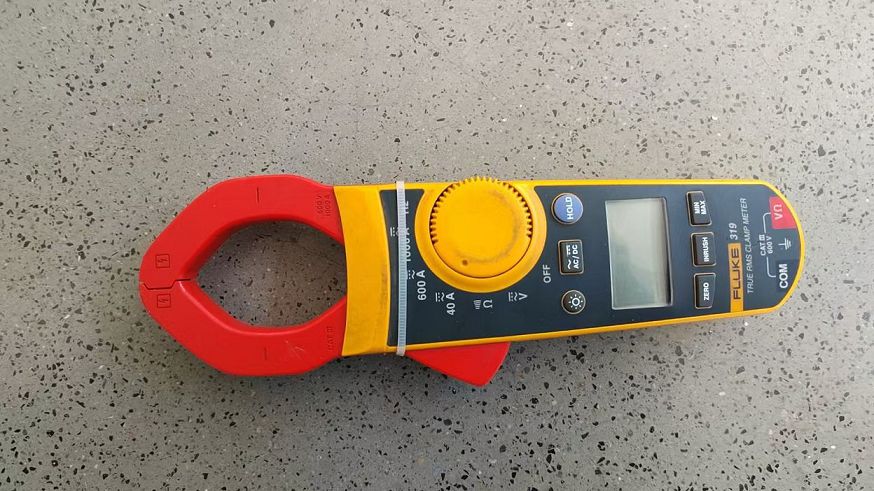
Our testing facility utilizes lab-grade instruments to calibrate every voltage regulator and converter before global shipping.

Technical Roadmap & Future Outlook
As green mandates push global grids away from coal and gas, standby generator plants are adapting. The transition to hybrid power solutions combines classic diesel generator blocks with hydrogen cell reserves, solid-state batteries, and high-frequency power switching. This integration presents challenges: maintaining phase synchronization with varying storage arrays requires microsecond-level switching adjustments.
Sophpower's roadmap targets this integration gap. By scaling up the response speed of our Linear AC Power Sources and developing Bidirectional DC Supplies with wide operating bands (up to 1500V), we enable factories to run simulation parameters on alternative fuels and high-capacity battery packs without risking structural damage. This technical foresight ensures our partners in the standby power supply industry remain compliant with incoming Tier 5 emission and efficiency requirements worldwide.
Standby Power & Testing Systems FAQ
Critical answers from our engineers on stabilizing backup generators and high-voltage grid testing.
Full Power & Control Product Line
Deploying specialized power testing instruments, phase converters, and variable supplies built to withstand demanding industrial trials.