Industrial Testing & Power Supply Solutions
Premium precision testing devices and heavy-duty AC/DC converters powering international manufacturing lines.
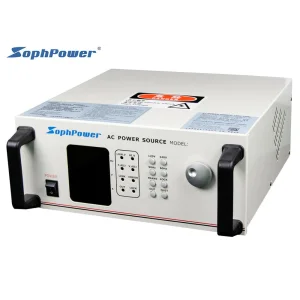
115V 400Hz Ac Power Source 1Kva Ac Power Supply AFC-110
View Details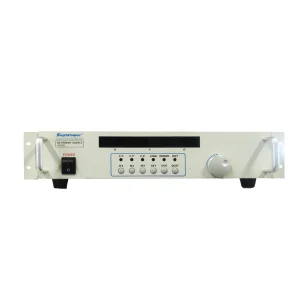
300v 30a programmable adjustable dc power supply
View Details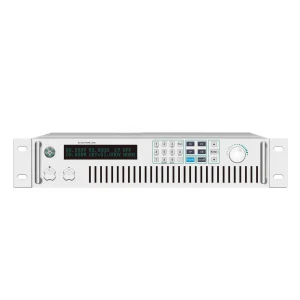
Programmable Dc Electronic Load 500V120A1200W
View Details
1000v 1a programmable dc power supply
View Details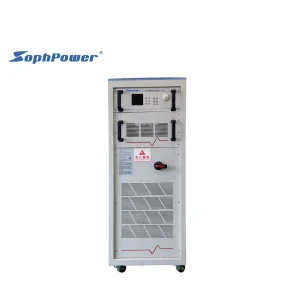
800v 50a programmable dc switching power supply
View Details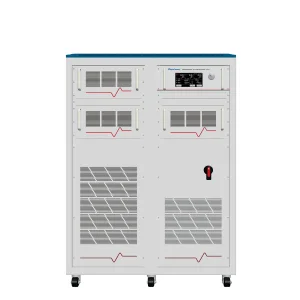
Three Phase 120kVA AC Source
View Details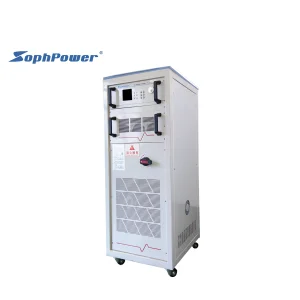
300v 200a ac to dc converter power supply
View Details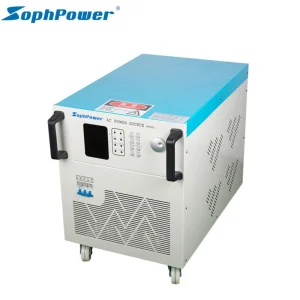
10KVA 3 phase power frequency converter 60hz 50hz
View DetailsExecutive Analysis: Sourcing High Power LED Drivers Globally
In modern industrial, municipal, and architectural illumination, the selection of the correct High Power LED Driver is a foundational engineering decision. As the global transition toward solid-state lighting accelerates, demands on driver efficiency, thermal load management, and longevity have scaled exponentially. High-power lighting arrays—ranging from 150W up to several kilowatts for stadium and horticultural systems—require extremely stable driver configurations. For global procurement directors, identifying the top suppliers involves assessing more than unit cost; it demands auditing manufacturer laboratory testing rigor, system component longevity, and compliance certifications.
The global market for high-power LED drivers is characterized by diverse technical architectures. A true master in this segment must offer products designed for variable outdoor conditions, high transient input protection, and seamless integration with intelligent control systems like DALI-2, Zhaga Book 18, and wireless mesh networks. When researching the *Top 10 High Power LED Driver Suppliers & Exporters*, engineering teams prioritize vendors who understand system integration risks, such as high inrush current management, total harmonic distortion (THD), and electromagnetic interference (EMI) mitigation.
Global Procurement Drivers & Technical Sourcing Requirements
When sourcing industrial-grade LED driver units, key technical parameters must align with site-specific power profiles. Industrial facilities routinely suffer from voltage sags, phase imbalances, and harmonic noise generated by large motor drives and switching components. A robust high-power LED driver must handle these input variations without flickering or degrading.
Key design requirements include:
- Wide Input Voltage Windows: Drivers must operate natively across variations such as 90-305V AC for general applications, or 347-480V AC for North American industrial high-voltage drops.
- Dimming Interoperability: Precision 0-10V, PWM, DALI-2, and DMX/RDM dimming capabilities with smooth control resolution down to 0.1% for architectural applications.
- Thermal Management: Advanced thermal foldback design where the driver limits output currents dynamically to protect the LEDs when ambient operating temperatures cross safe limits.
- Safety & Compliance Frameworks: Full compliance to international safety guidelines including UL8750 Class P, EN61347-2-13, and class-leading electromagnetic compatibility (FCC Part 15 Class B).
About Sophpower Electronics Co., Ltd.
Shenzhen Sophpower Electronics Co., Ltd. was established in 2006, located in Shenzhen, China. As a High-tech enterprise with sustainable and rapid growth, Sophpower has a group of technical engineers with rich experience in the field of testing power supply. Main products including AC Power Source, Linear AC Power Source, Bidirectional AC Power Source, DC Power Supply, Bidirectional DC Power Supply, Voltage regulator and UPS. Can provide customized test power supply according to customer's requirements.
Our advanced precision power units and testing instrumentation are extensively utilized by top-tier global LED driver manufacturers, quality control laboratories, and R&D facilities to simulate demanding real-world grid scenarios, verifying driver integrity before global distribution.
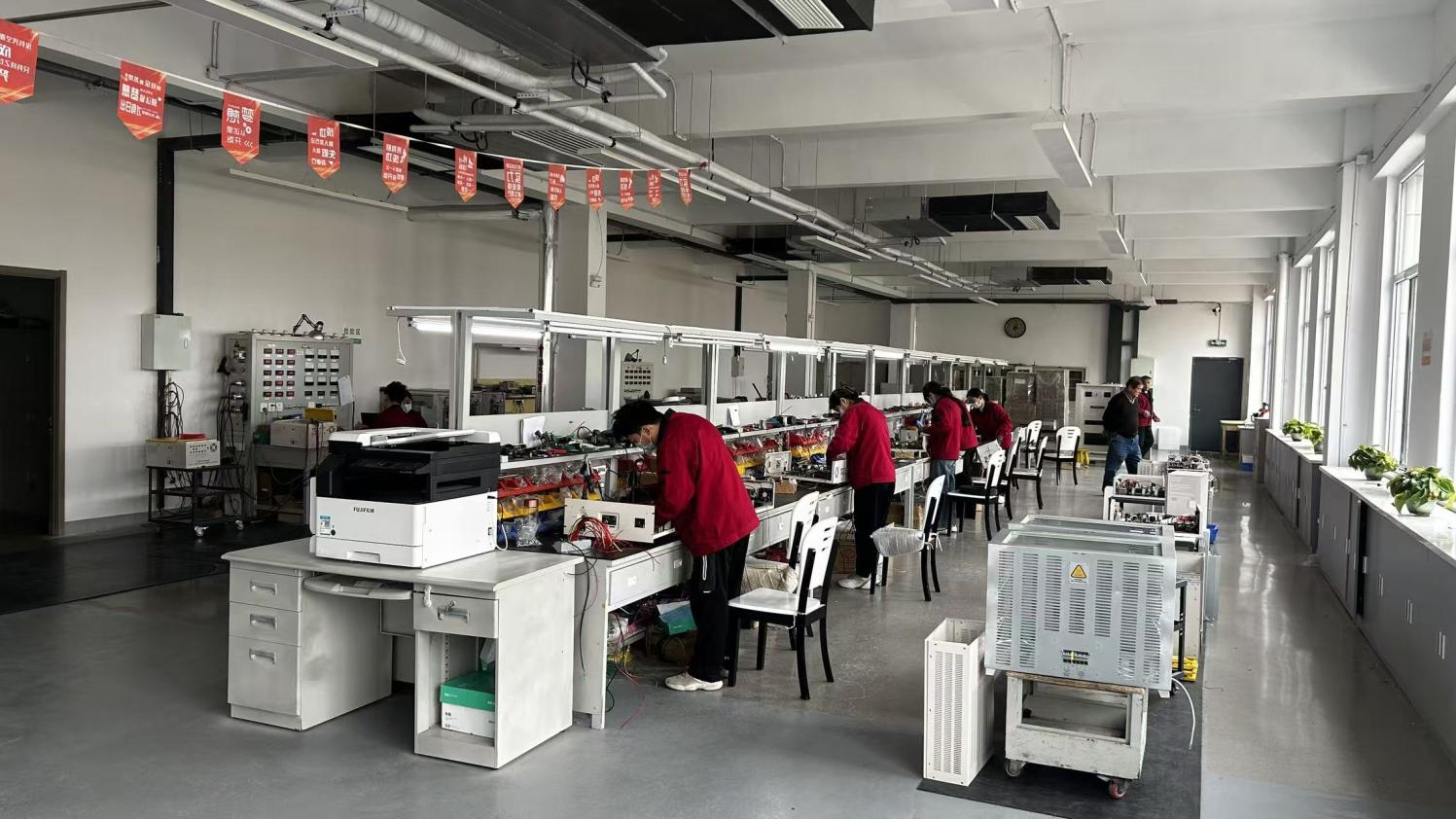
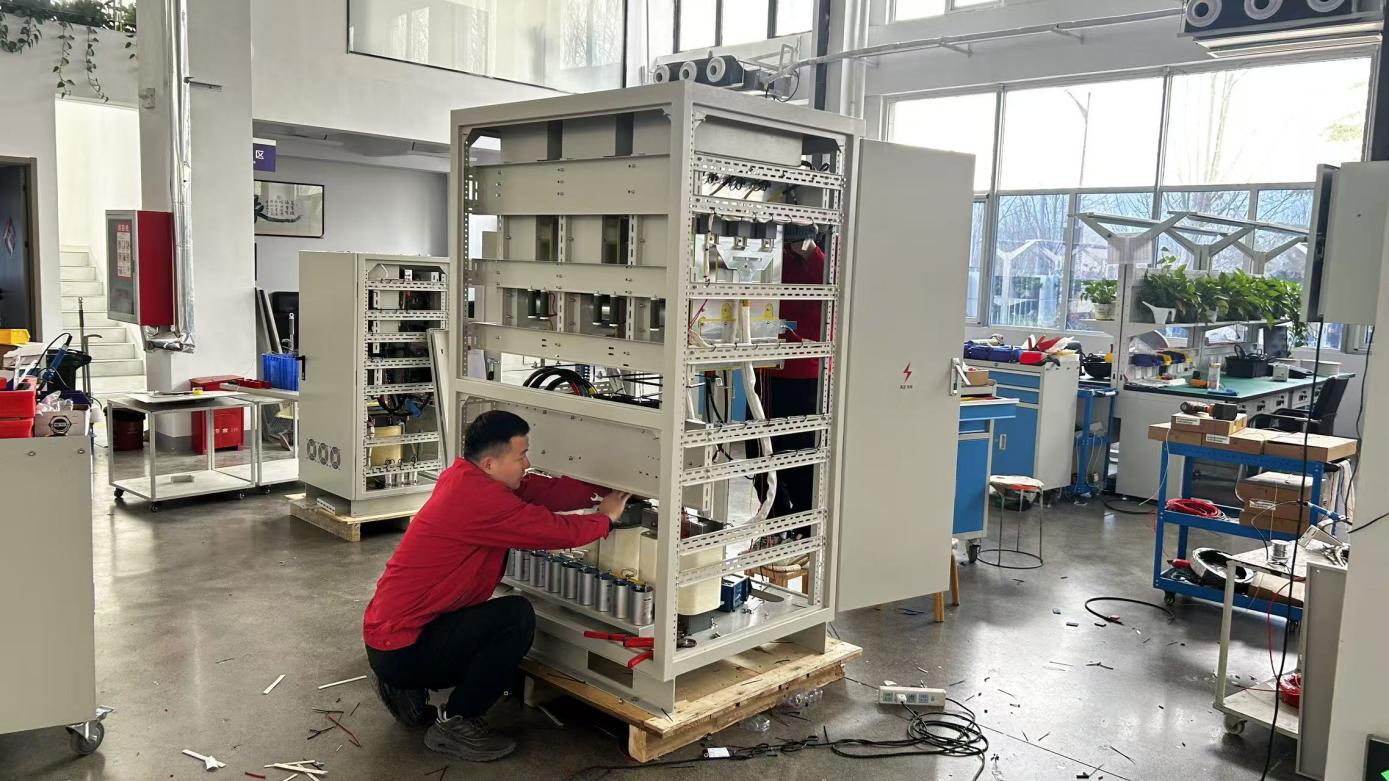
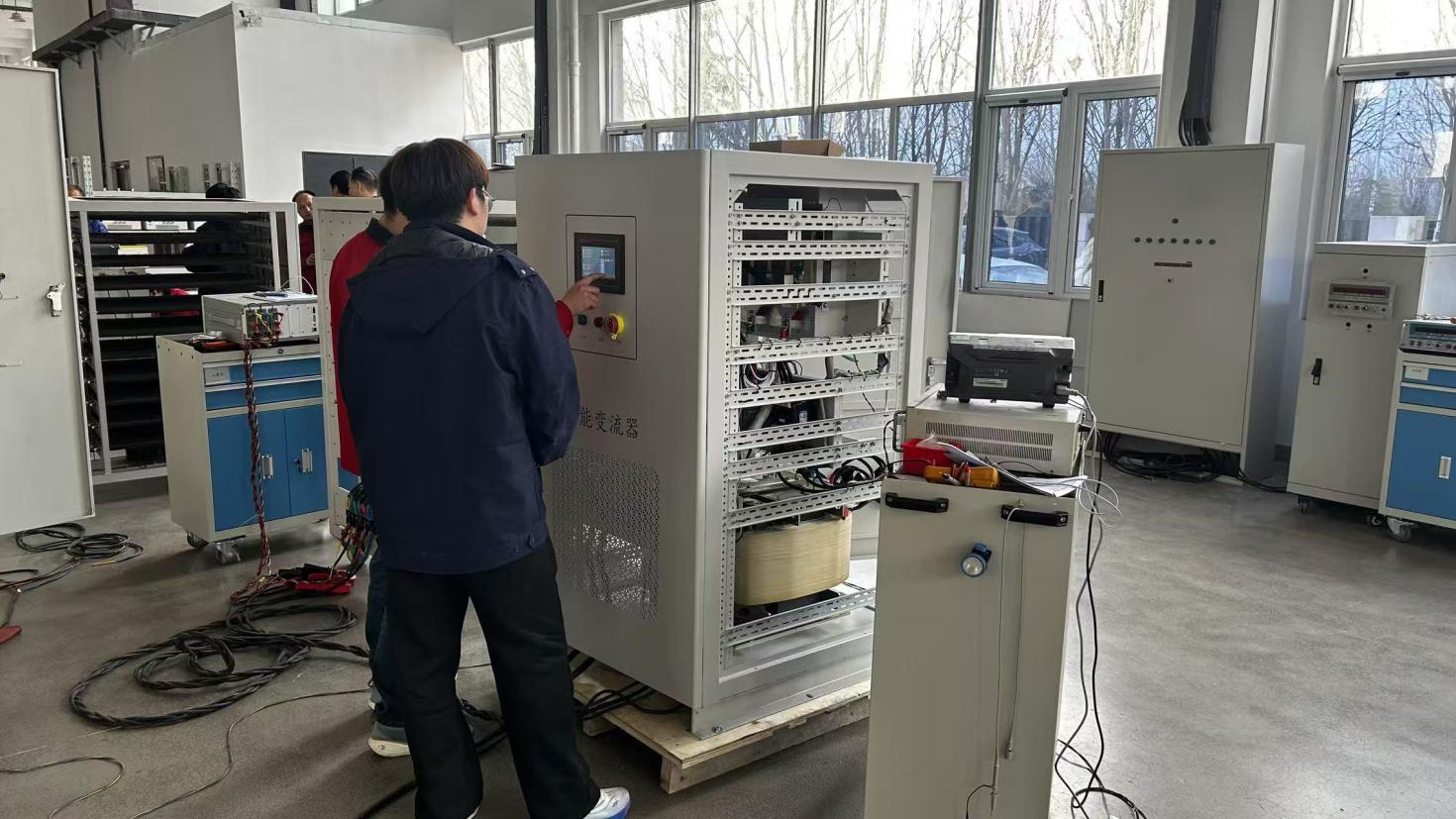
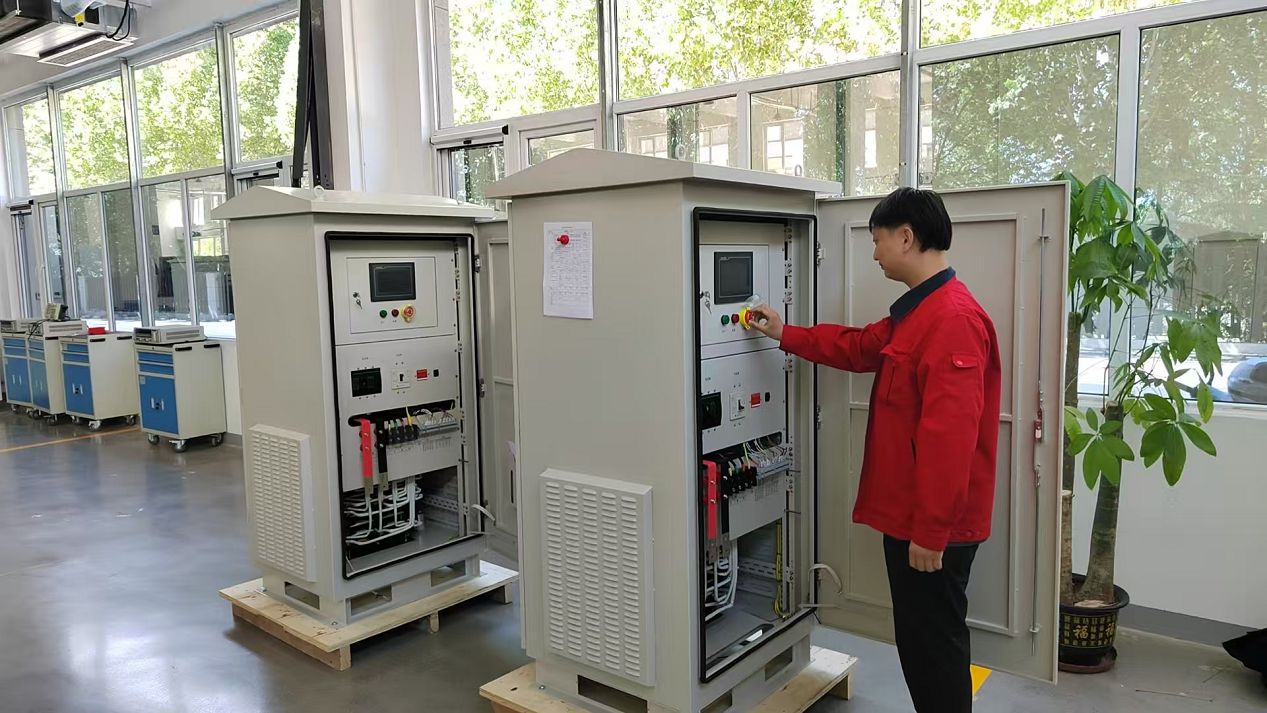
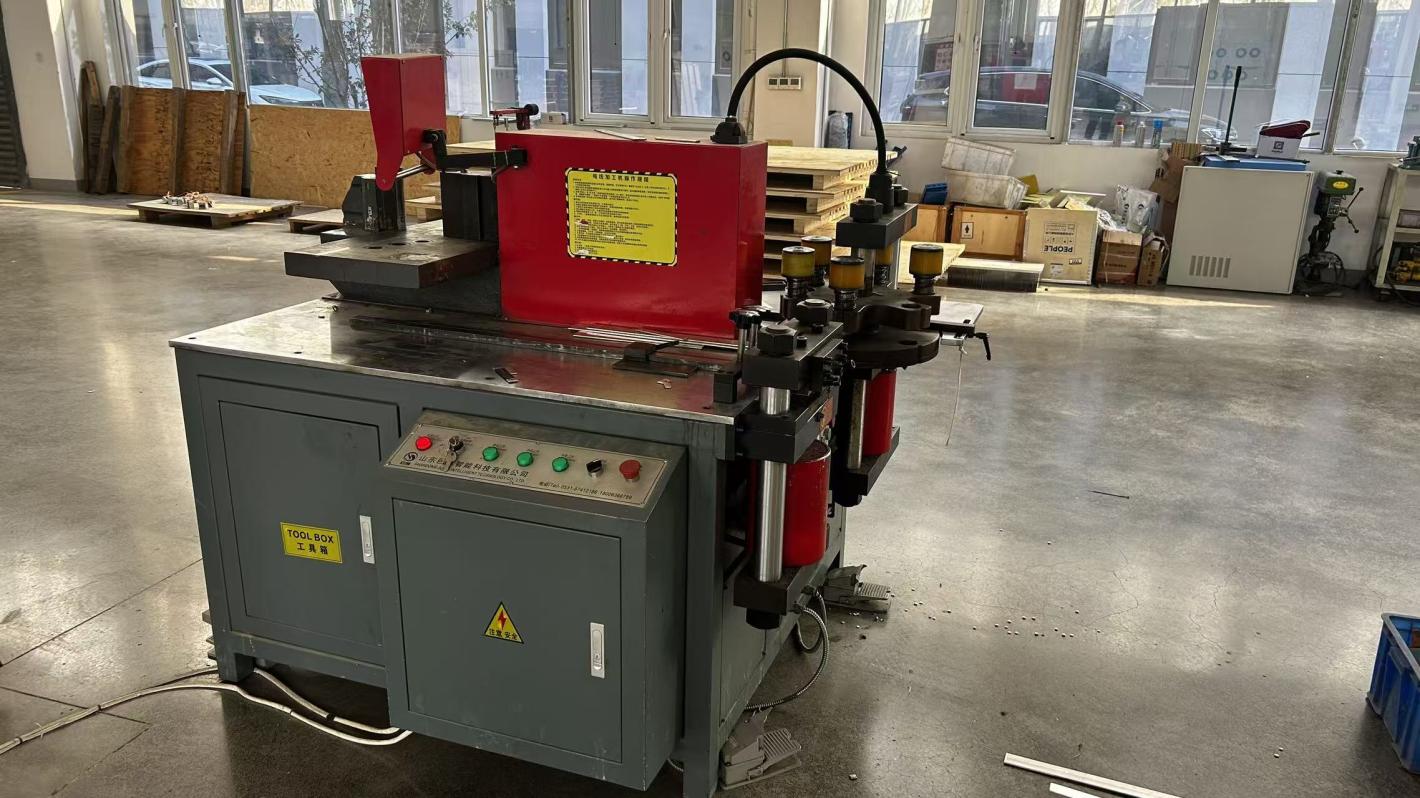
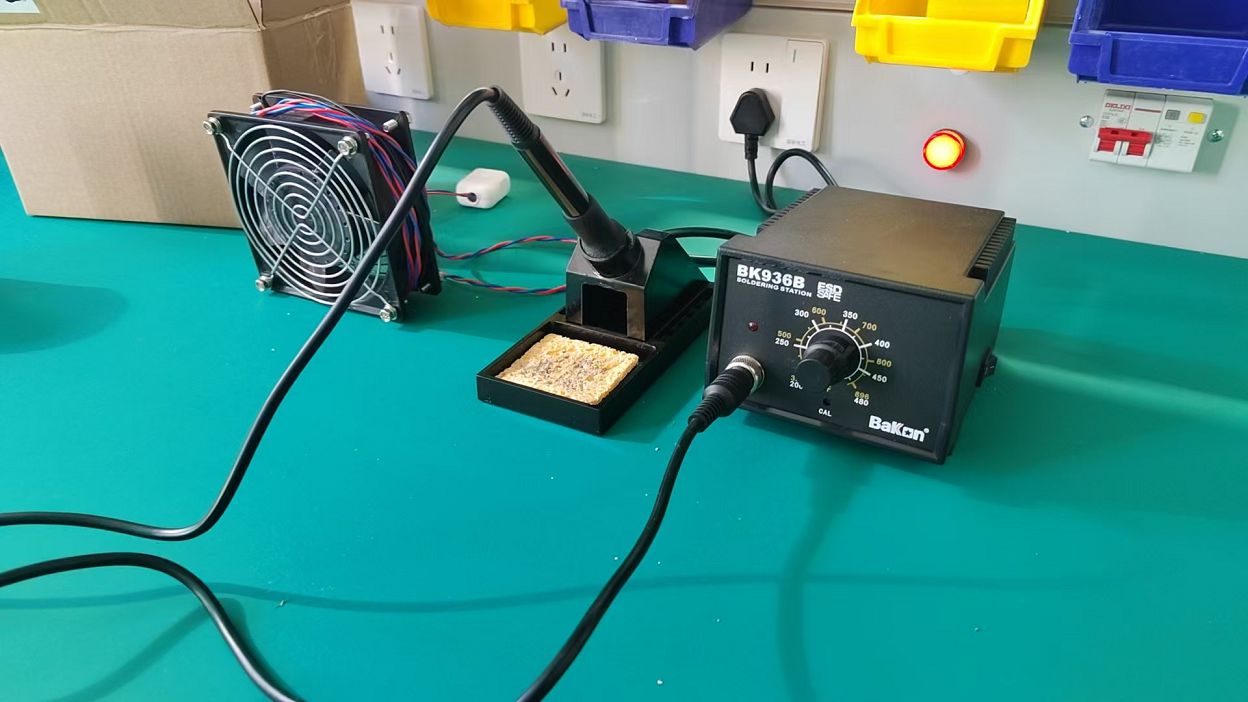
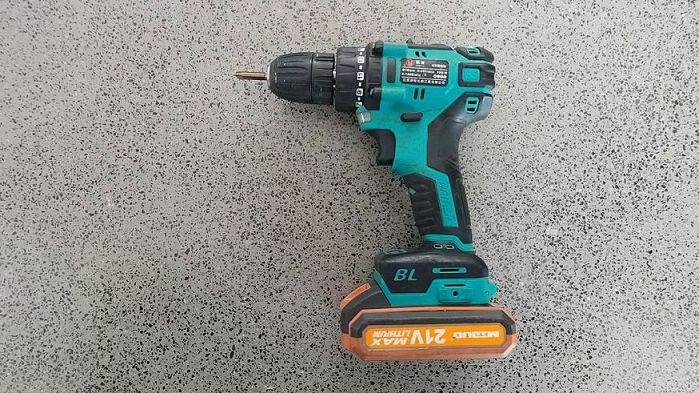
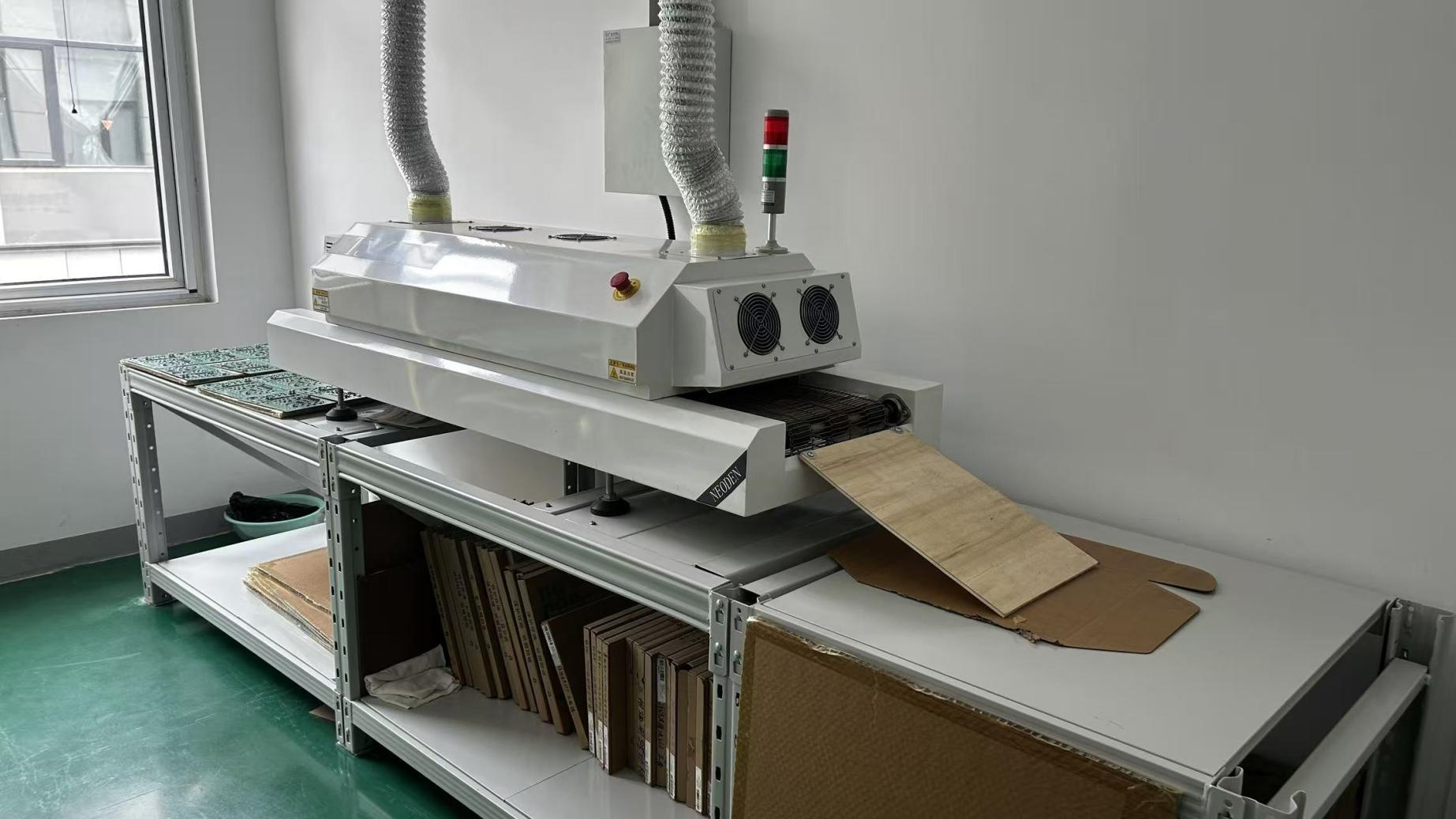
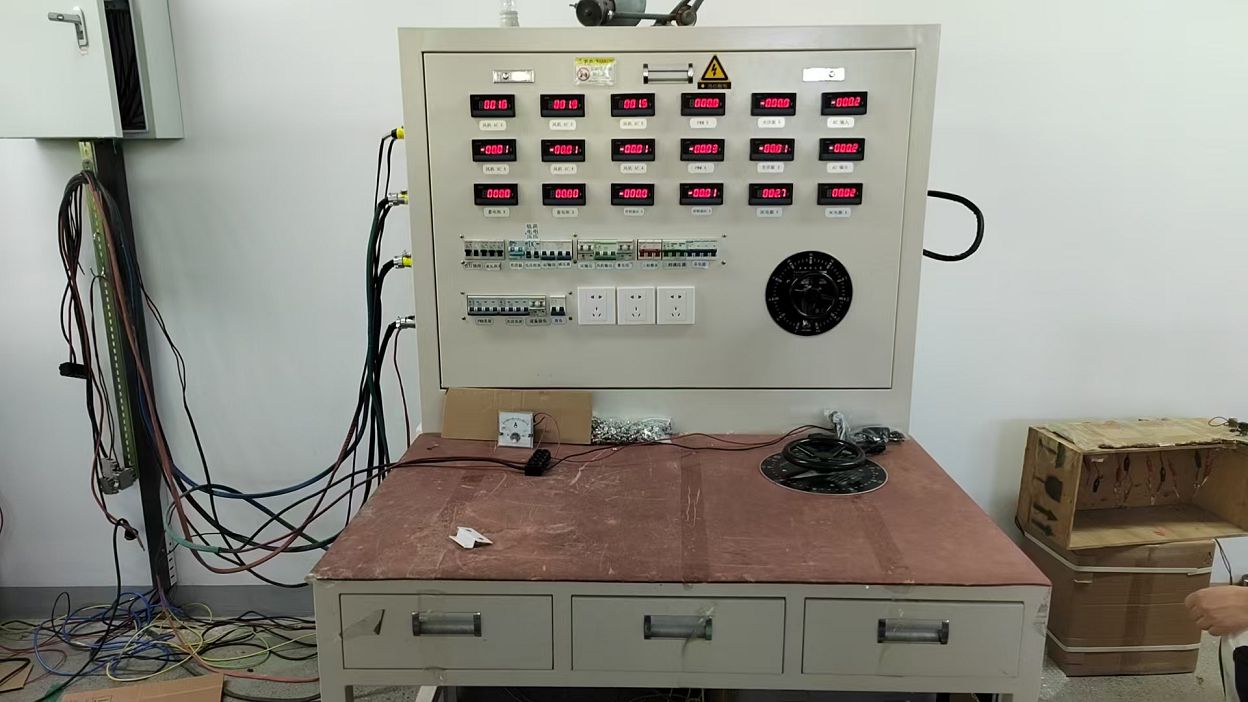
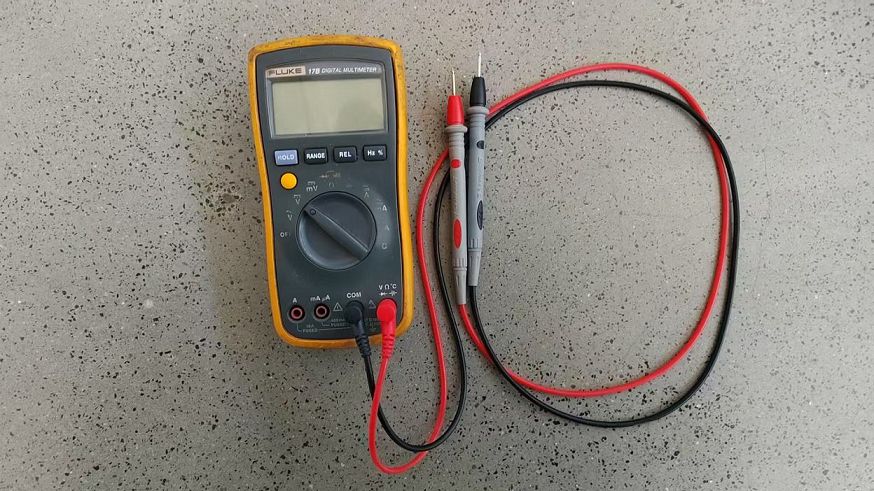
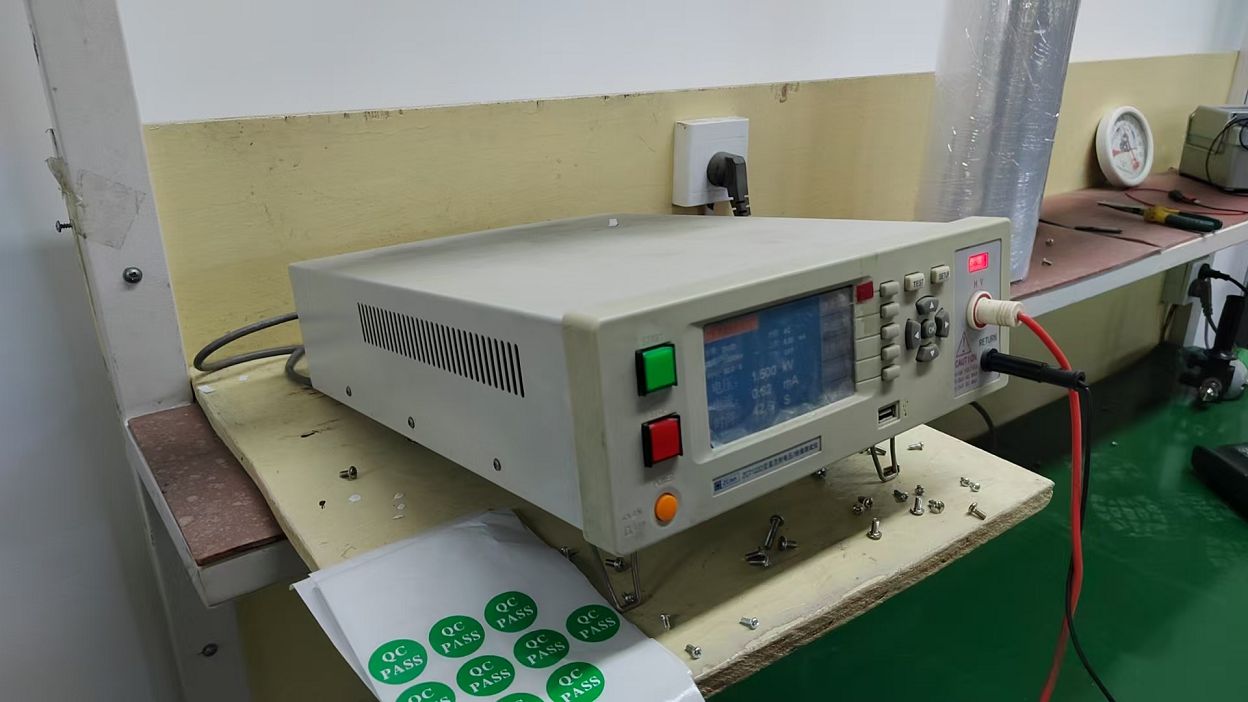
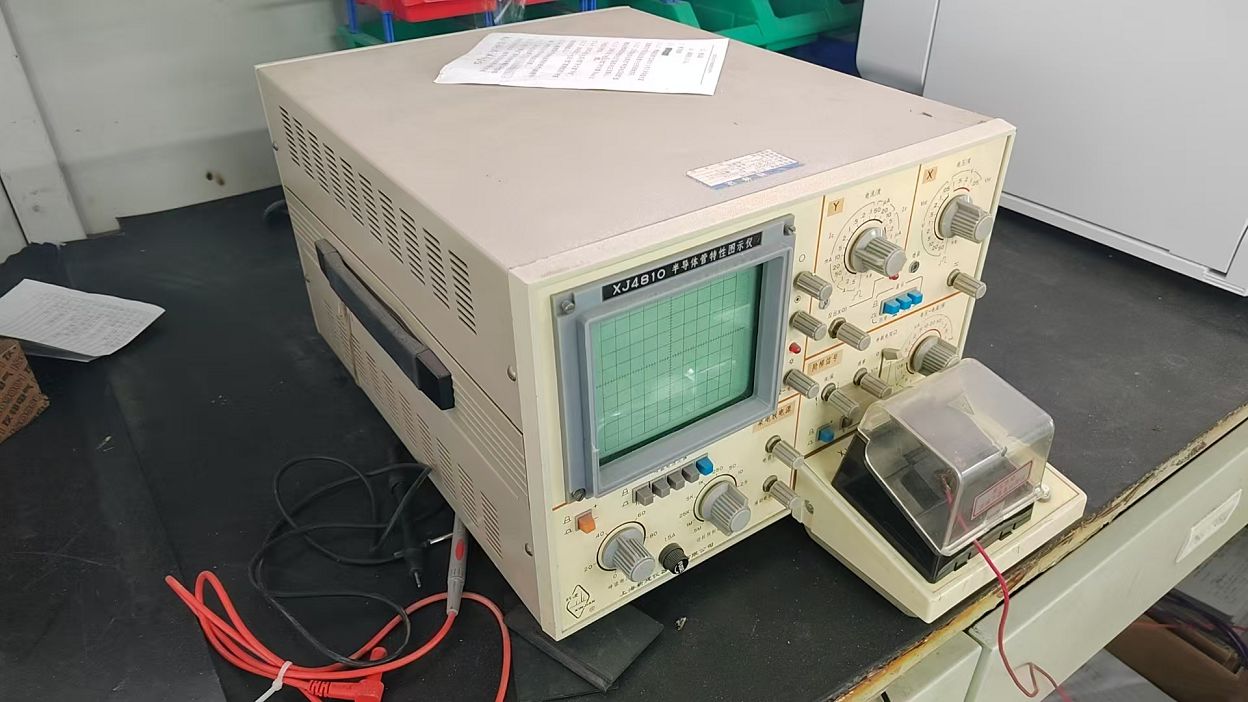
Production Line & Advanced Quality Verification Systems
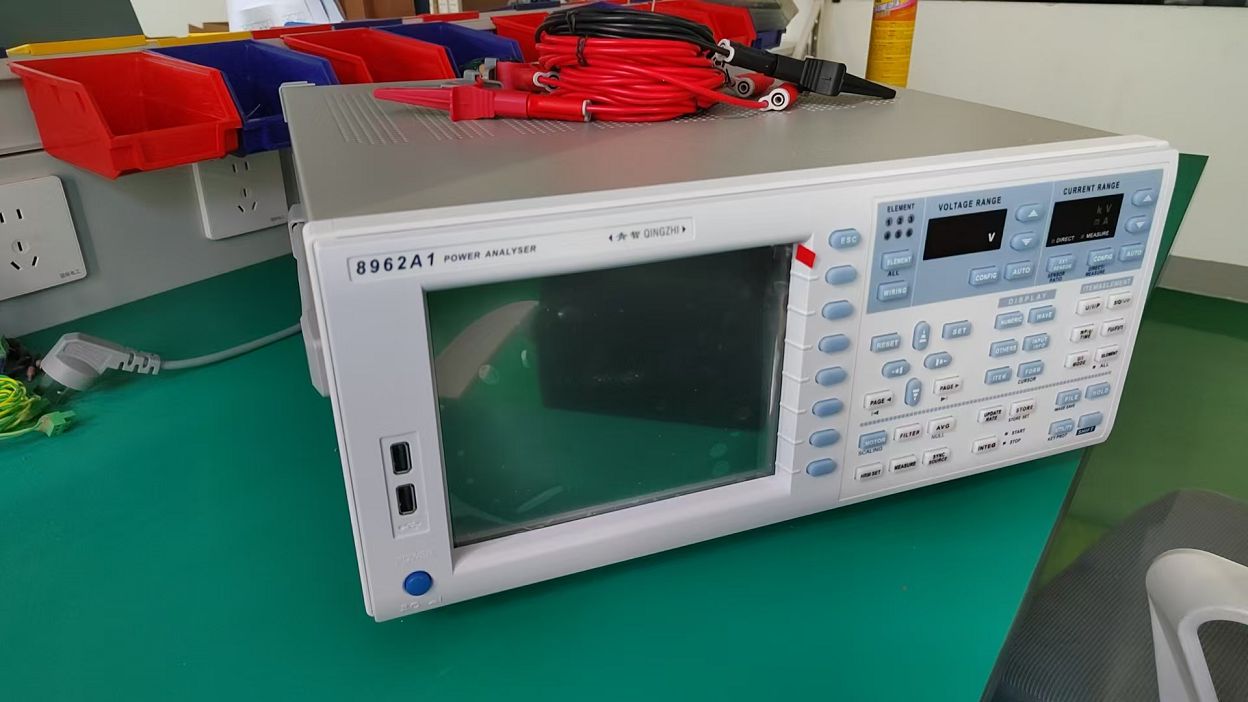
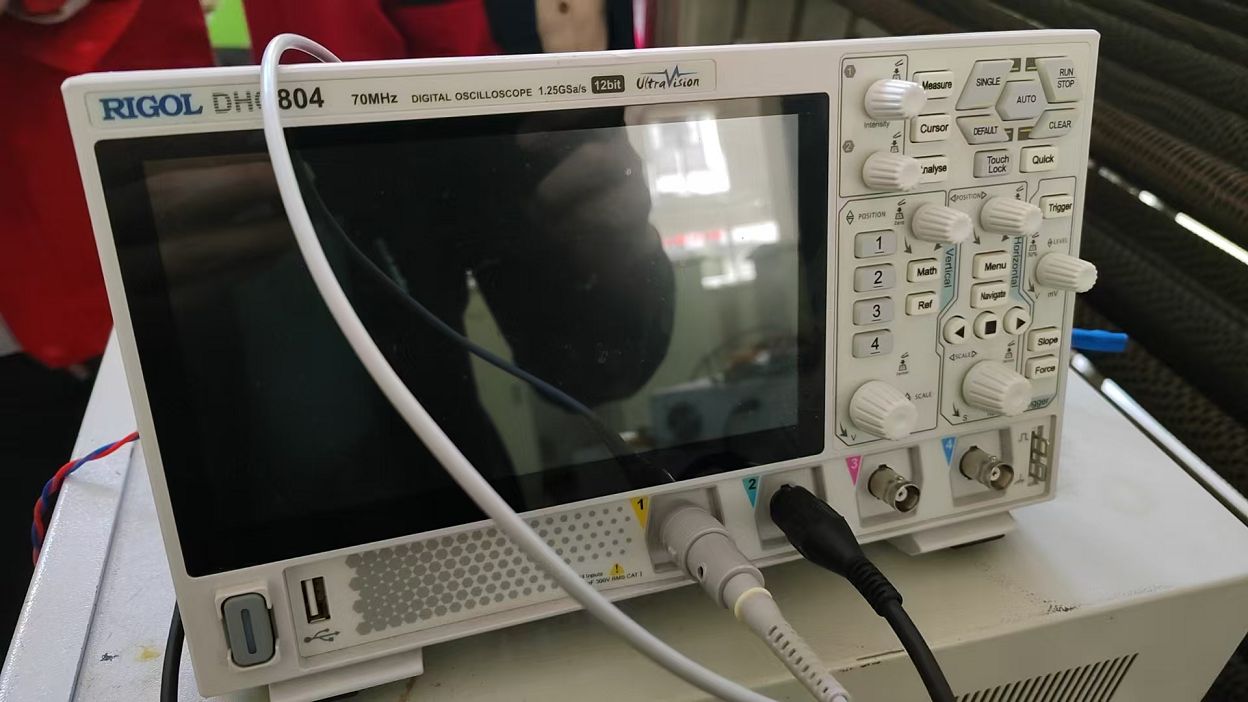
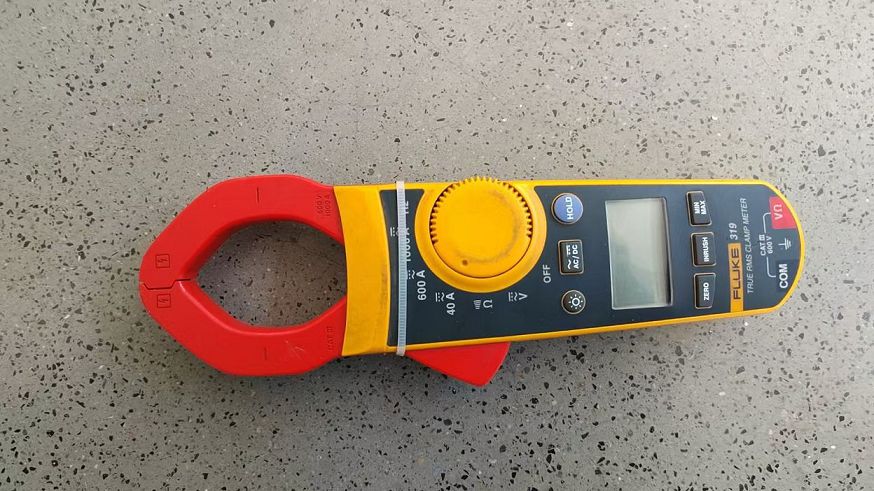
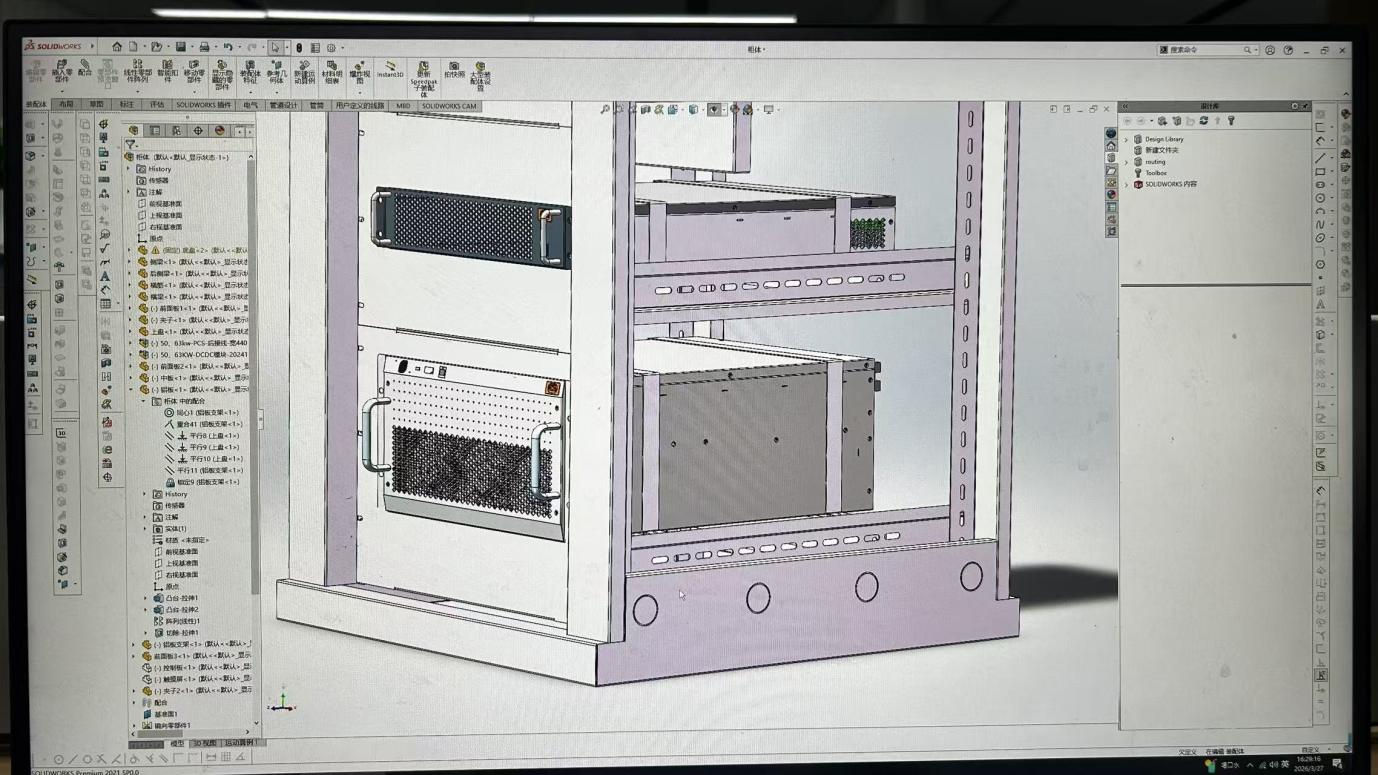
Below is a visual inspection of our state-of-the-art production environments, precision copper manufacturing installations, and testing instruments that guarantee the reliability of Sophpower solutions.


Technical Roadmap: Next-Gen High-Power LED Driver Architectures (2025–2030)
The high-power LED driver sector is undergoing a rapid transition toward higher power density and silicon-alternative semiconductor topologies. As demands push drivers into sub-compact housings while operating under extreme ambient loads, traditional Silicon-based MOSFET structures are meeting their thermal limits. The adoption of Gallium Nitride (GaN) and Silicon Carbide (SiC) switches is changing the engineering baseline.
Through utilizing GaN components, modern drivers can operate at significantly higher switching frequencies. This translates to smaller magnetic components (inductors and transformers) and a reduction in driver housing footprints by up to 40% while raising native efficiency to 96% and beyond. The technical roadmap below highlights how drivers are evolving to accommodate upcoming smart city, agricultural, and industrial infrastructure regulations.
| Technology Parameter | Legacy Standards (2018-2022) | Current Benchmark (2023-2025) | Next-Gen Target (2026-2030) |
|---|---|---|---|
| Switching Materials | Silicon (Si) MOSFETs | First Gen GaN / SiC Hybrid | All-GaN / Monolithic Integrated Driver Chips |
| Average Efficiency | 89% - 92% | 93% - 95.5% | 96.5% - 98.2% |
| Control Protocol | Analog 0-10V / Simple PWM | DALI-2 / Zhaga Book 18 / Bluetooth Mesh | D4i / AI-enabled IoT Edge Diagnostics |
| Surge Suppression | 4kV line-to-line / 6kV line-to-earth | 6kV / 10kV Built-In Protection | 15kV / 20kV with intelligent auto-trip |
Macro-Industry Solutions & Global Compliance Safety Matrix
Top-tier exporters of LED drivers must satisfy rigorous regional quality criteria to safely deploy products in high-exposure areas. For instance, outdoor applications such as streetlighting grids, horticultural farms, and stadium floodlights are subject to extreme temperature swings, moisture exposure, and power surges. The table below represents the required regulatory framework that top exporters must comply with to guarantee structural dependability across global jurisdictions:
| Target Market | Safety Certification | EMI / EMC Standards | Harmonics / Power Factor Rules |
|---|---|---|---|
| United States & Canada | UL 8750 (Class 2 / Non-Class 2) | FCC Part 15 Class A/B | ANSI C82.77, Title 24 compliance |
| European Union | EN 61347-1, EN 61347-2-13 | EN 55015, EN 61547 | EN 61000-3-2 Class C (Harmonics) |
| Global/International | IEC 61347, CB Scheme validation | CISPR 15 / IEC 61547 | IEC 61000-3-3 (Voltage fluctuations) |
In addition to standard electrical safety certifications, top suppliers must ensure their housing materials hold high IP ratings (IP65, IP67, or IP68) to prevent degradation from moisture ingress and aggressive industrial gases. Additionally, testing laboratories utilize specialized AC and DC power testing systems (like Sophpower's variable sources) to verify drivers function consistently across varied grid conditions.
Frequently Asked Questions: High-Power LED Driver Engineering & Sourcing
Q1: Why is Constant Current (CC) preferred over Constant Voltage (CV) in high-power LED drivers?
LEDs are current-driven semiconductor devices that exhibit a negative thermal coefficient. As the temperature of the LED junctions increases, their forward voltage drops. If a constant voltage source is applied, this drop in forward voltage will cause current draw to rise exponentially, resulting in thermal runaway and rapid destruction of the LED array. Constant Current (CC) drivers adjust the output voltage dynamically to lock the current at a fixed target, assuring long-term stability and consistent luminance across the array.
Q2: How does total harmonic distortion (THD) affect industrial grid networks?
High THD in LED drivers injects harmonic currents back into the local distribution grid, creating losses in power distribution lines, overheating transformers, and interfering with nearby electronics. Regulatory bodies restrict THD in high-power equipment, generally requiring values under 20% or even 10% in sensitive environments. Proper filter design in the driver's power factor correction stage ensures high power quality and minimizes phase angles distortions.
Q3: What is the purpose of testing LED drivers under variable frequency AC sources?
Industrial LED drivers are shipped globally and must withstand voltage anomalies, load swings, and frequency drift (e.g., 50Hz in Europe to 60Hz in North America, and up to 400Hz in special military/aviation fields). By using high-precision variable frequency AC sources, quality control engineers simulate grid instability, verifying that the driver continues outputting flat currents under severe grid conditions.
Q4: What is the benefit of Bidirectional DC sources in testing high-power LED drivers?
Bidirectional DC power supplies are useful for testing driver systems because they simulate energy absorption and regenerative feedback. They allow developers to emulate exact load characteristics of complex LED matrices while recycling up to 95% of tested energy back to the grid, saving operating costs during continuous burn-in processes.
Q5: How does high power factor (PF) impact industrial facility energy bills?
A low power factor indicates that a device draws more apparent power than it uses for actual work. Industrial customers are penalized by power companies if their overall PF drops below 0.90 or 0.95. High-power LED drivers with active power factor correction (PFC) achieve PF values above 0.98, maximizing efficiency and eliminating reactive power fees.
Q6: What is the difference between Class 2 and Non-Class 2 LED drivers according to UL standards?
Class 2 drivers conform to UL1310, meaning output voltage is under 60V DC and power output is limited to 100W. This standard reduces the risk of electrical shock and fire, allowing installer wiring without conduit. Non-Class 2 drivers exceed these limits, making them suitable for high-power industrial installations where high voltages are required to run long series of LED chips efficiently.
Q7: What is thermal foldback protection and why is it critical for industrial streetlights?
Thermal foldback is a protective mechanism that monitors internal temperatures via thermistors (NTC) on the driver PCB or the LED module. If temperature limits are exceeded, the driver lowers the output current. This prevents thermal degradation, allowing the light to run safely at a lower brightness rather than switching off completely.
Precision Power & System Diagnostics Equipment
High-power programmable DC switching systems and voltage stabilization solutions for global research laboratories.
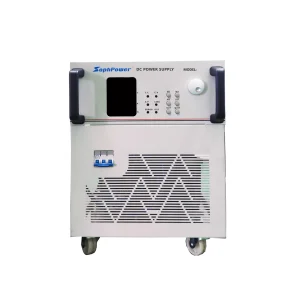
100v 200a Variable Dc Power Supply Adjustable
View Details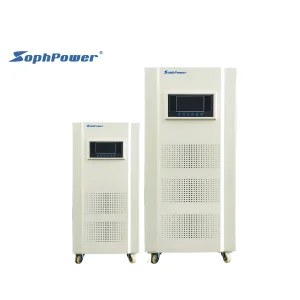
1000kVA AC automatic voltage regulator stabilizer
View Details
1500V 1A programmable dc regulated power supply
View Details
60V 200A laboratory dc switching power supply
View Details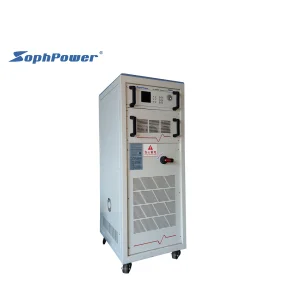
700v 60a programmable dc output power supply
View Details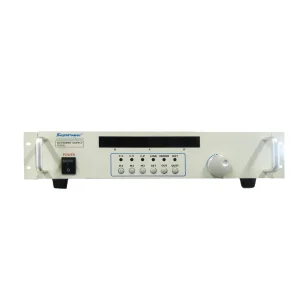
600v dc power supply adjustable
View Details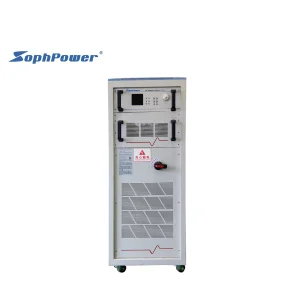
1000v 100 Amp Programmable Dc Power Supply
View Details