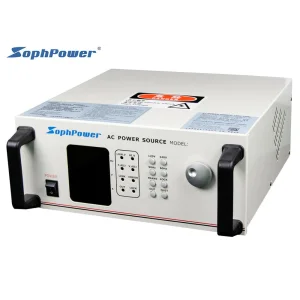
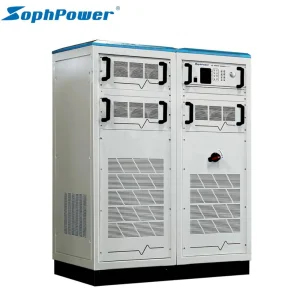
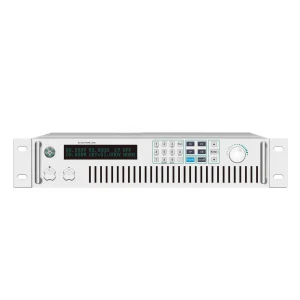
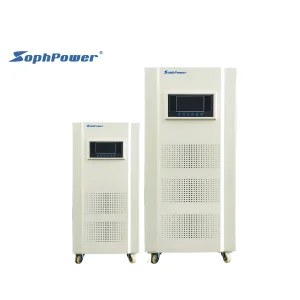
Premium Test Instruments & Custom Power Quality Assemblies
Explore our industrial grade programmable power supplies, frequency converters, and high-voltage analytical equipment engineered for seamless OEM system integration.
The Global Evolution of Power Quality Engineering
A Deep Technical Analysis on OEM Calibration, Hardware Standards, and Smart Grid Intention Mining
1. Global Industrial & Commercial Energy Realities
Modern commercial and industrial grid topologies are undergoing a structural shift. The ubiquity of non-linear loads, high-frequency switching power systems, variable speed motor controllers, and utility-scale renewable energy interfaces has dramatically introduced harmonic distortions, voltage sags, flickers, and transient faults. In high-tech manufacturing, semiconductor fabrication, and hyperscale data centers, a power disruption lasting milliseconds can translate into millions of dollars in losses, lost telemetry data, and damaged processing machinery.
Power Quality Analyzers (PQAs) are no longer simple post-incident diagnostics tools. Today, they act as active, real-time edge processing sentinels embedded into intelligent electrical networks. An industrial power quality analyzer monitors active power, reactive power, apparent power, power factor, phase angles, and harmonic components up to the 50th order, providing predictive warnings before catastrophic component degradation occurs.
2. Technology Trends: Next-Gen Monitoring Architectures
The engineering landscape of power quality monitoring is shifting rapidly toward cloud-integrated IoT telemetry, high-speed DSP-FPGA hybrid processing, and autonomous edge analytics.
Edge AI & Anomaly Profiling
Instead of merely logging wave data, modern OEM power analyzers utilize embedded algorithms to classify transients, identify harmonic signatures of specific industrial machinery, and flag degradation profiles autonomously.
High-Fidelity Hardware Sampling
Precision calibration requires multi-channel ADCs supporting up to 1024 samples per cycle, capturing microsecond transients and high-frequency noise that cheaper, low-end monitoring boards miss.
Open Protocol & Cloud API Integration
Modern buyers expect easy integration. Modern hardware supports Modbus TCP/RTU, IEC 61850, MQTT, and OPC UA to integrate telemetry data directly into enterprise SCADA and MES networks.
3. Global Procurement Demands: Why OEM Customization is Essential
Industrial procurement managers, system integrators, and engineering firms don't just buy off-the-shelf catalog products. Global markets demand highly specialized form factors, custom enclosures, modified voltage input ratios, ruggedized sensor interfaces, and localized firmware configurations. A customizable OEM architecture allows clients to:
- Modify Form Factors: Din-rail mounting for space-constrained switchgear, panel mounting for control desks, or portable rugged enclosures for field testing.
- Expand Measurement Capabilities: Dual-source voltage inputs, split-core Rogowski coil integrations, or high-isolation inputs for medium voltage applications.
- Tailor Software Interfaces: Custom white-labeled software dashboards, pre-programmed compliance templates (EN 50160, IEEE 519), and customized alarming parameters.
4. China Factory 4.0: Resilient Supply Chains & Sophpower Shenzhen Advantages
Based in Shenzhen, China's Silicon Valley, Shenzhen Sophpower Electronics Co., Ltd. represents the peak of modern power electronics manufacturing. By operating an integrated Factory 4.0 model, we ensure complete control over the production lifecycle, from raw PCB assembly (PCBA) to high-precision hardware calibration.
Our Shenzhen facility benefits from a dense, localized supply chain ecosystem. We source high-grade passive components, advanced microprocessors, and custom-wound magnetic cores within hours, minimizing manufacturing lead times. Our internal engineering department oversees SMT assembly, wave soldering, CNC metalwork, precision copper-bar fabrication, and rigorous environmental stress screening (thermal burn-in and vibration tests).
Every Sophpower system undergoes strict calibration testing using professional oscilloscopes, LCR autotesters, and multi-meters to guarantee that voltage, current, and phase angle metrics align with international standards.
5. Localized Applications: Engineering Solutions Across Industries
The deployment of high-performance power quality analyzers spans critical vertical applications:
- Renewable Energy Systems: Solar and wind parks generate transient voltages and high harmonic currents through inverters. Power quality analyzers track total harmonic distortion (THD) and interharmonics at the grid connection point to ensure compliance with grid codes.
- Automotive and Aerospace Testing: EV motor dynos and avionics subsystems demand highly stable variable AC/DC power sources. Utilizing PQAs ensures that source power does not distort during dynamic load changes.
- Heavy Metal and Chemical Plants: Arc furnaces and large motor starters pull enormous reactive currents, causing localized voltage sags. Continuous logging allows for automated capacitor bank or SVG control.
Sophpower Advanced Production & Testing Facility
Take an inside look at our state-of-the-art Shenzhen production workshop, where we control every stage of manufacturing to deliver high-reliability custom OEM systems.
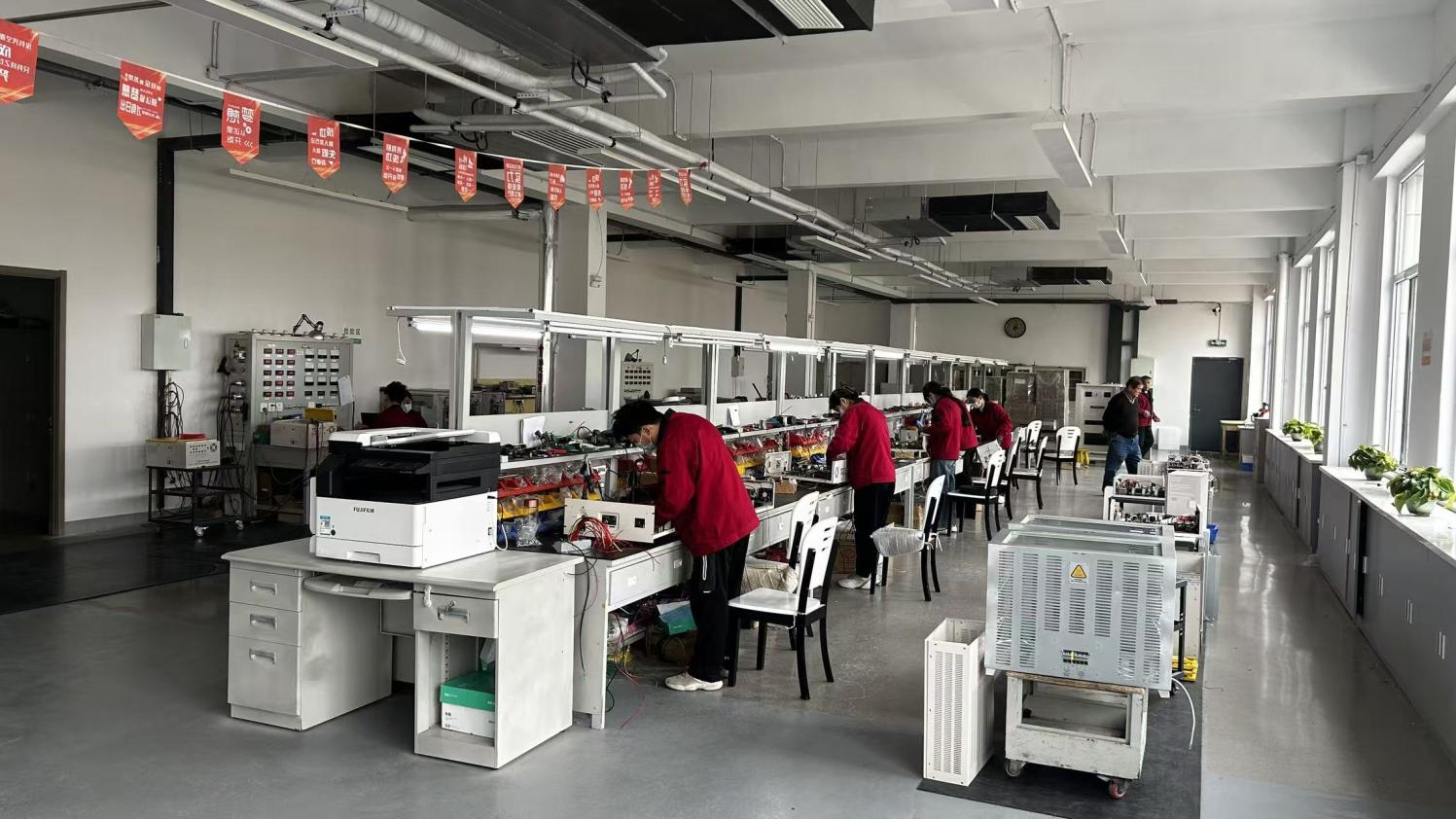 Circuit Assembly
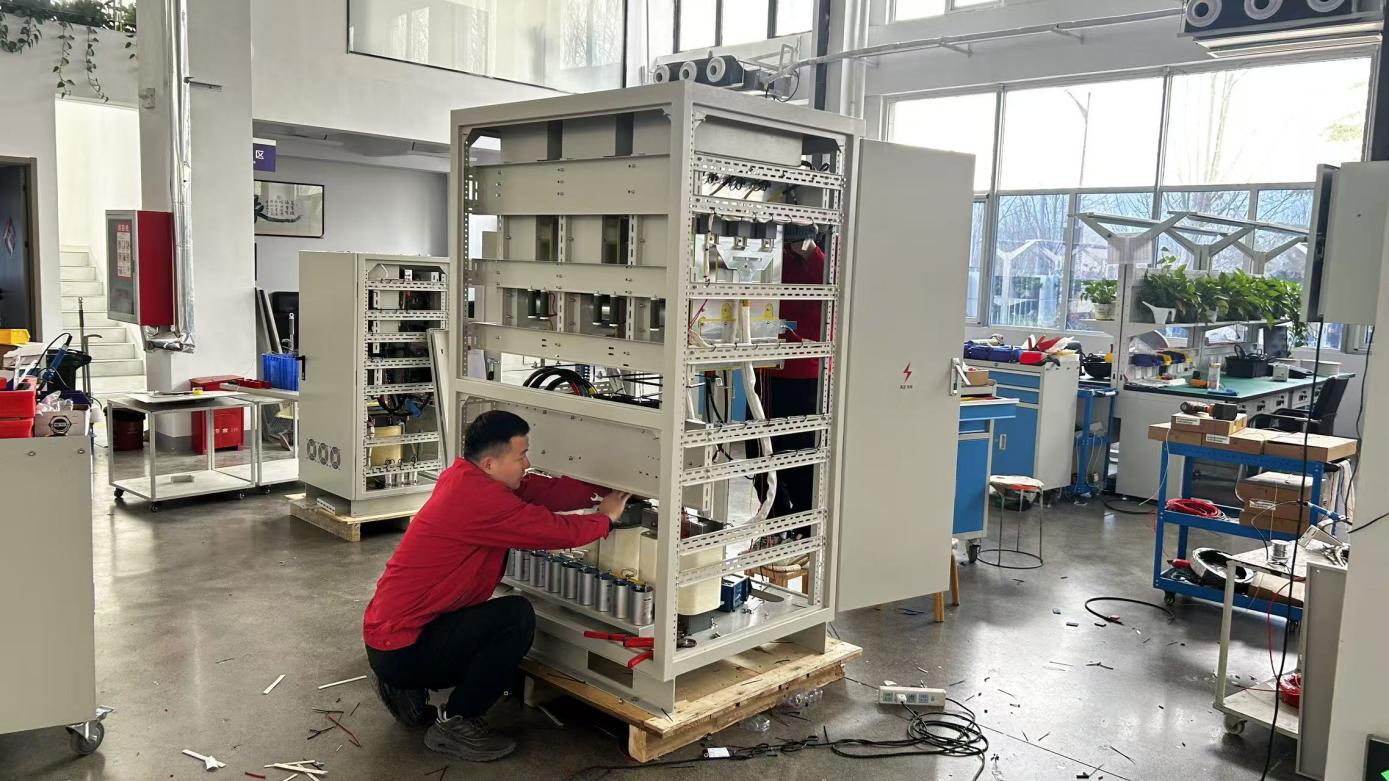 Circuit Board Assembly
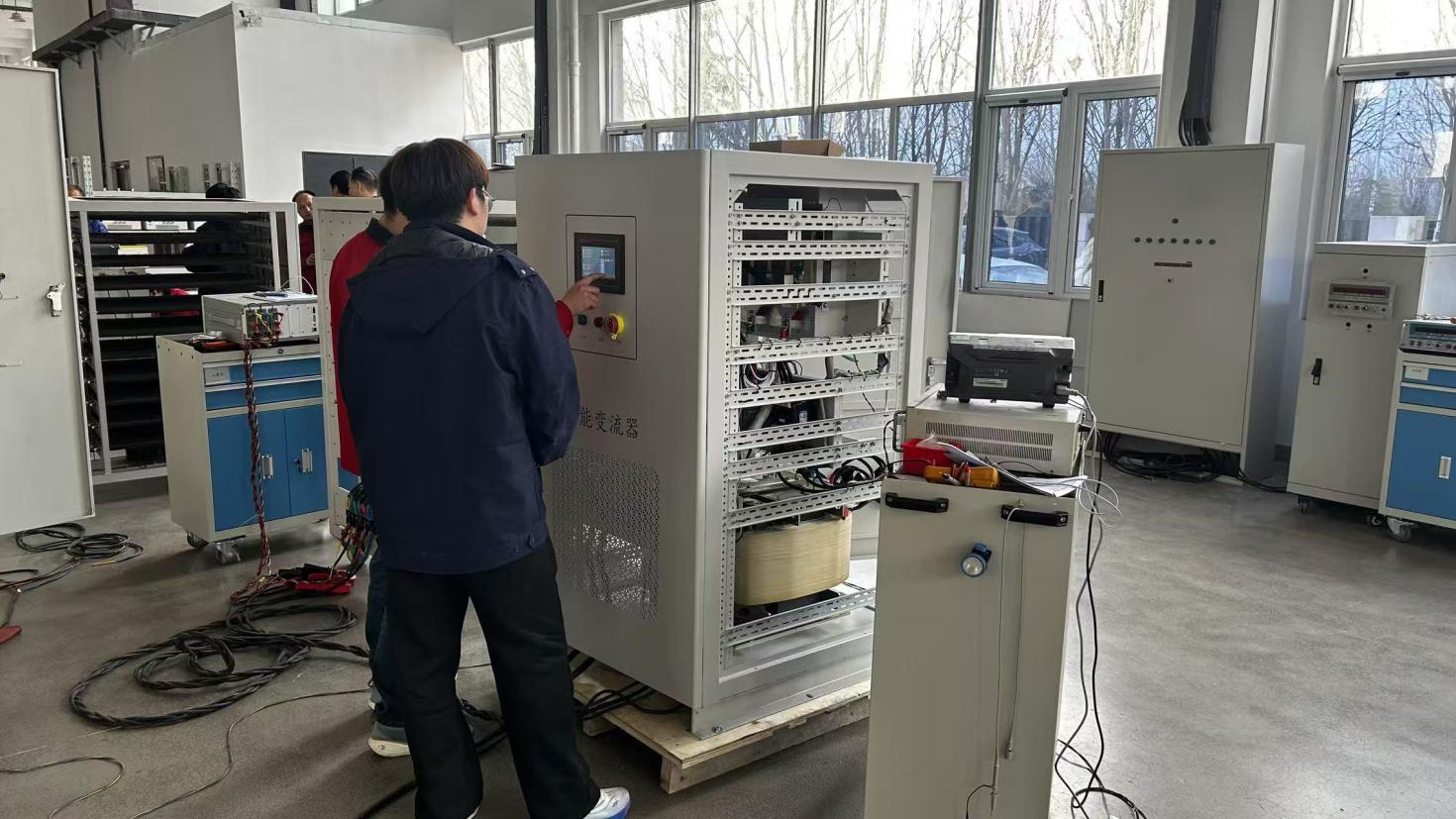 Debugging Process
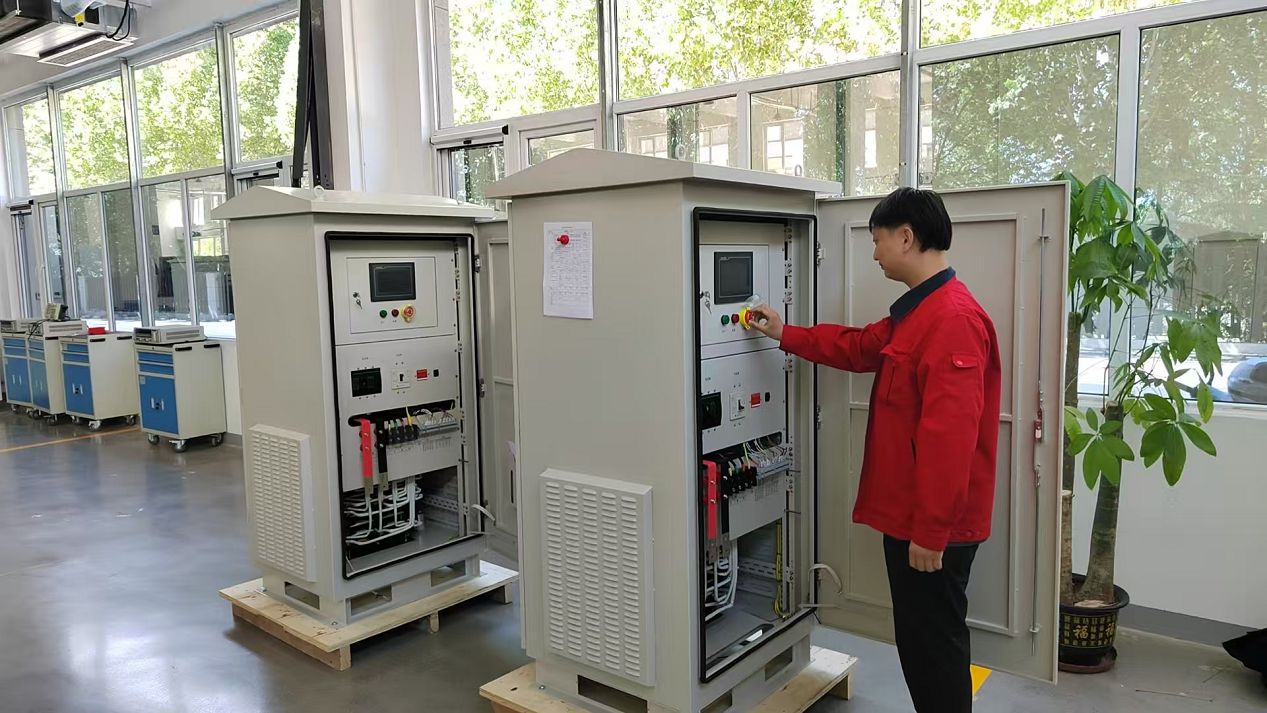 Quality Inspection Process
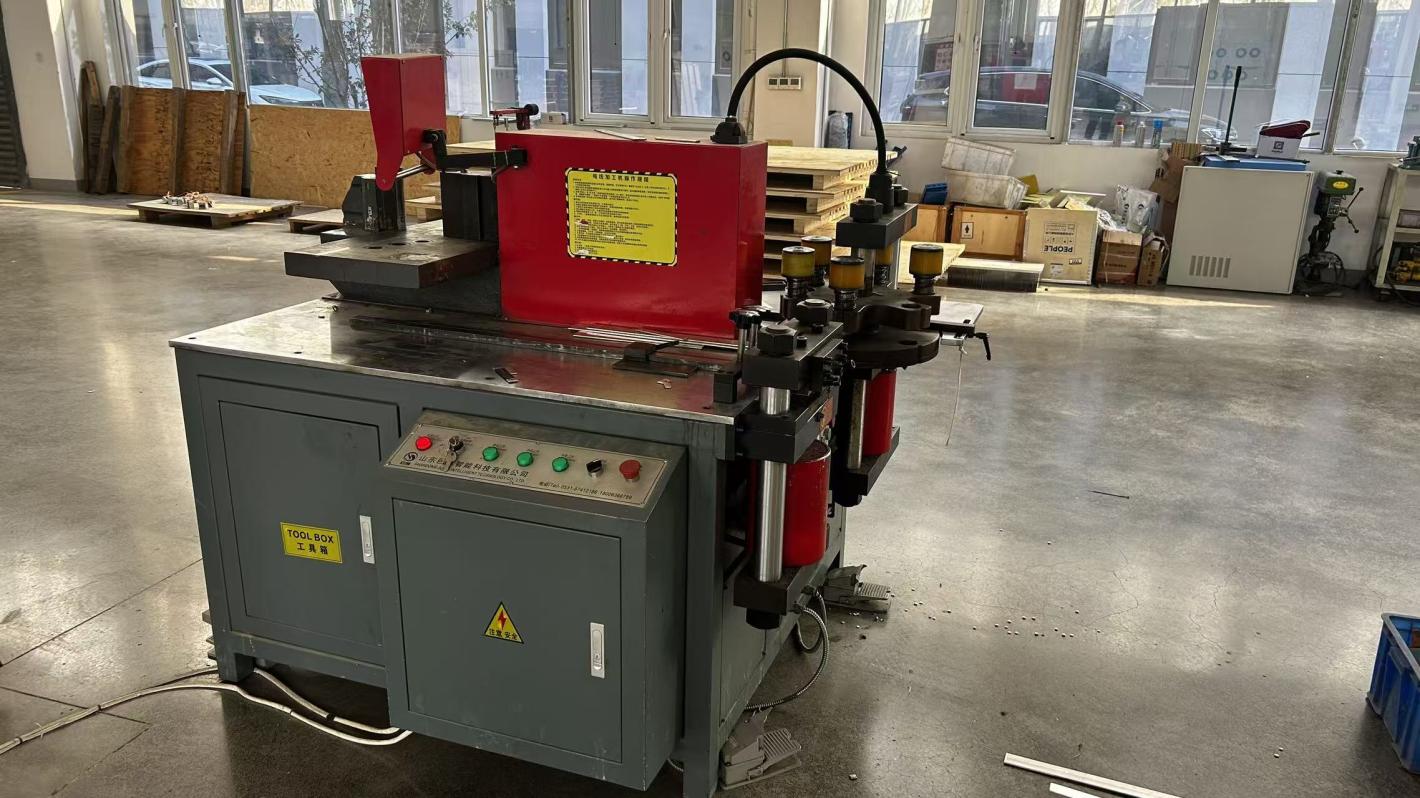 Copper Bar Production Equipment
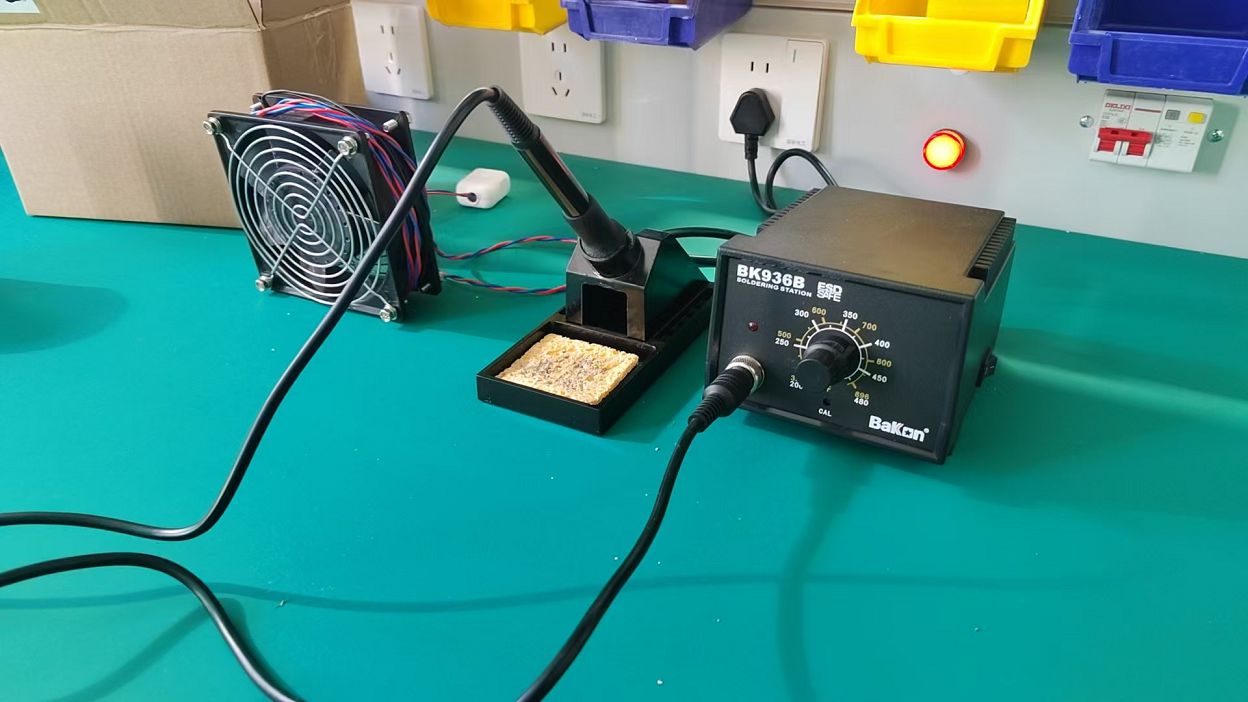 Electric Ferrowire
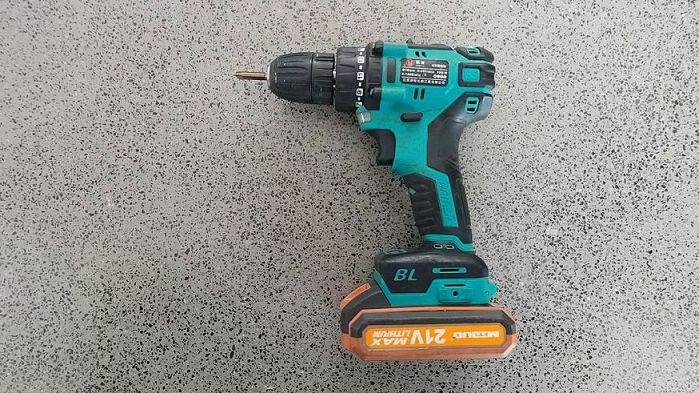 Electric Drill
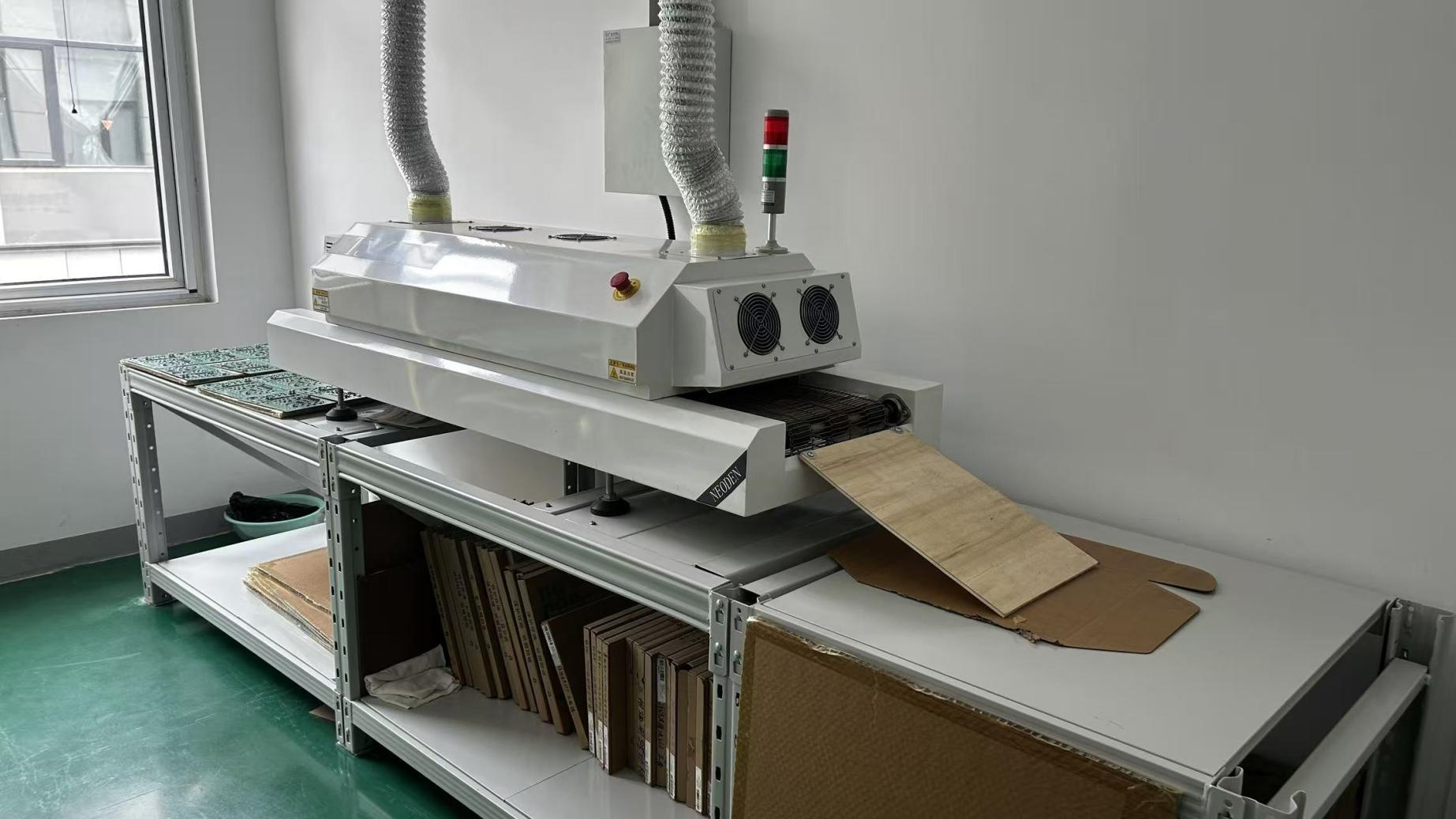 Reflow Soldering Machine
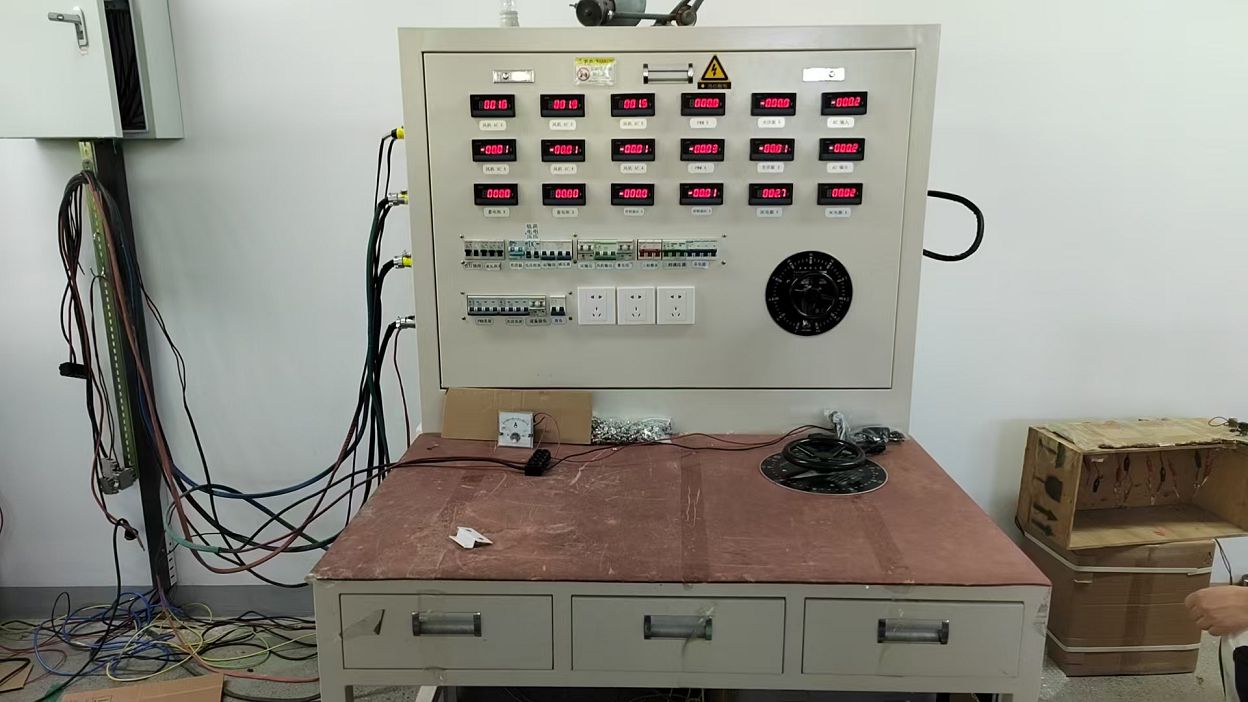 Production Workbench
Shenzhen Sophpower Electronics Co., Ltd. was established in 2006, located in Shenzhen, China. As a High-tech enterprise with sustainable and rapid growth, Sophpower has a group of technical engineers with rich experience in the field of testing power supply. Main products including AC Power Source, Linear AC Power Source, Bidirectional AC Power Source, DC Power Supply, Bidirectional DC Power Supply, Voltage regulator and UPS. Can provide customized test power supply according to customer's requirements.
Precision Laboratory Instrumentation & Measurement Standard
Our quality control engineers leverage class-leading metrology and debugging instruments to calibrate every customized OEM unit to absolute precision.
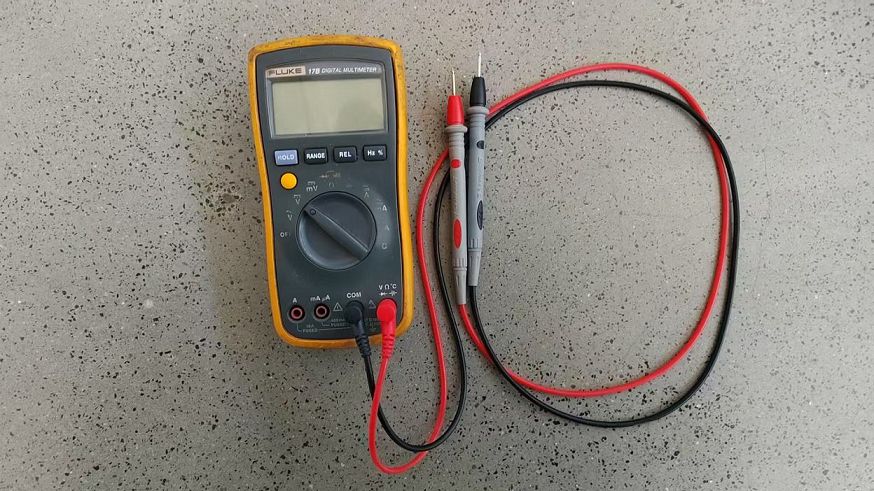 Multimeter Calibration
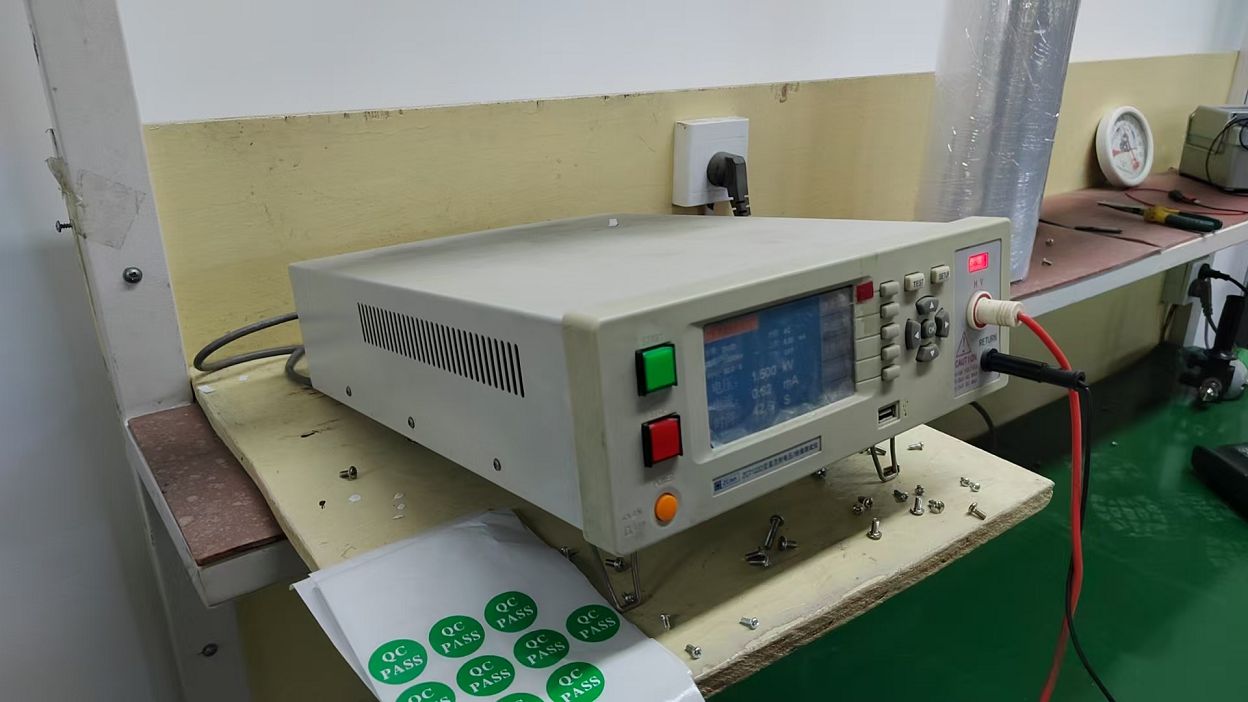 LCR AutoTester
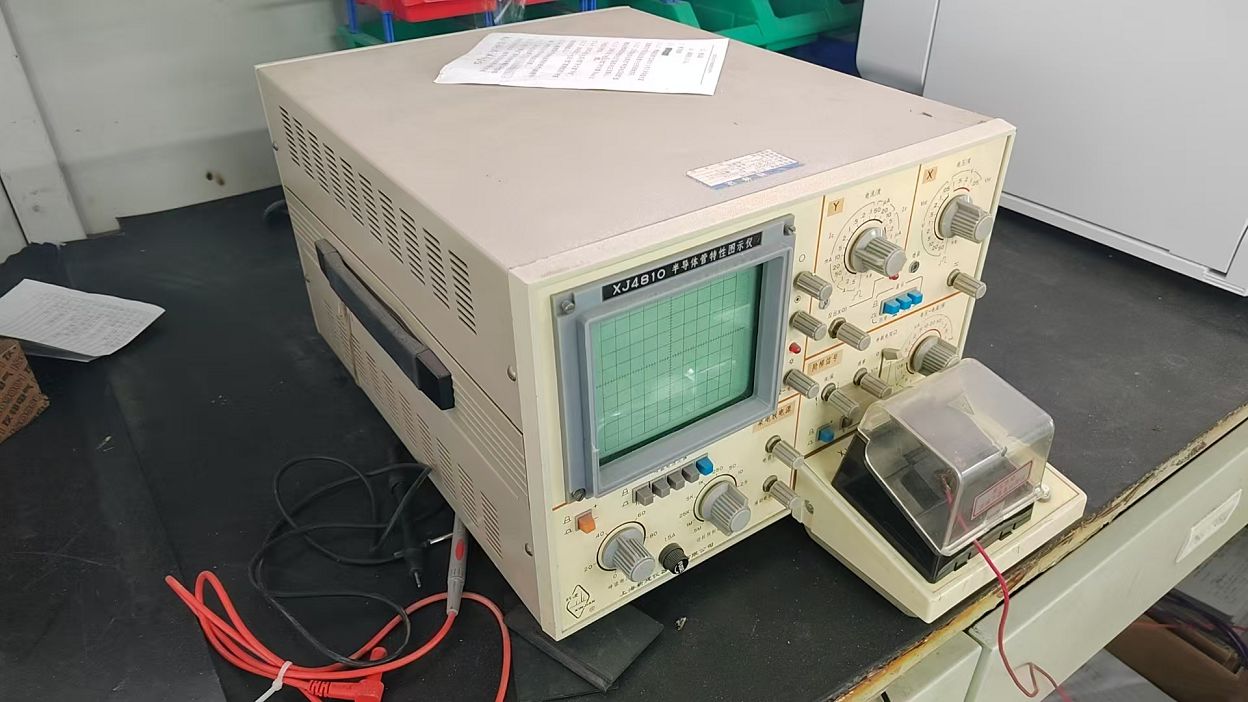 Semiconductor Characteristic Plotter
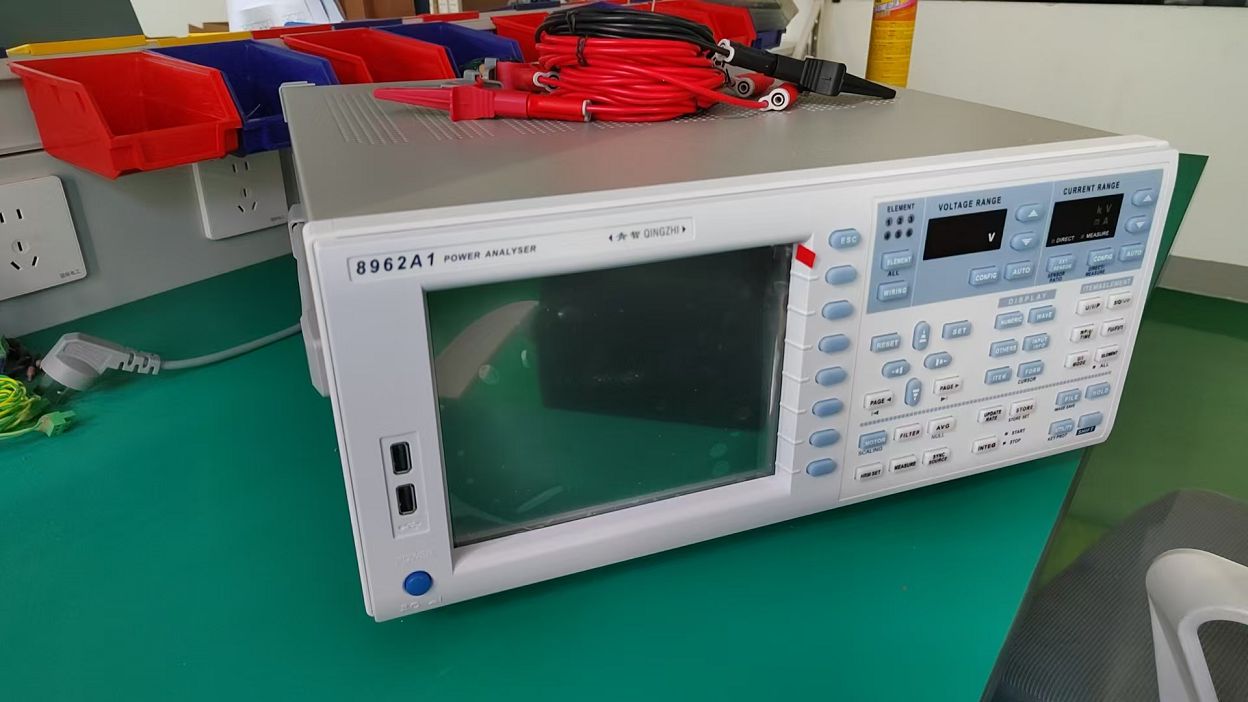 Digital Oscilloscope Diagnostics
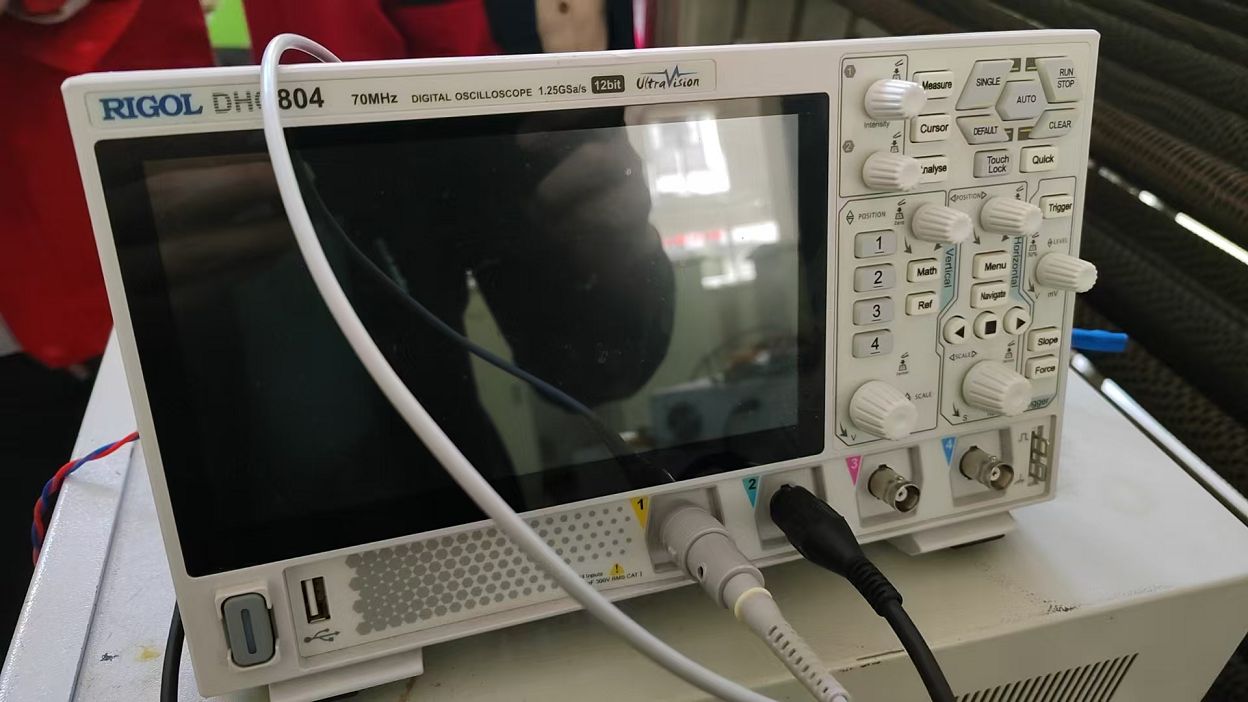 Power Quality Analyzer Testing
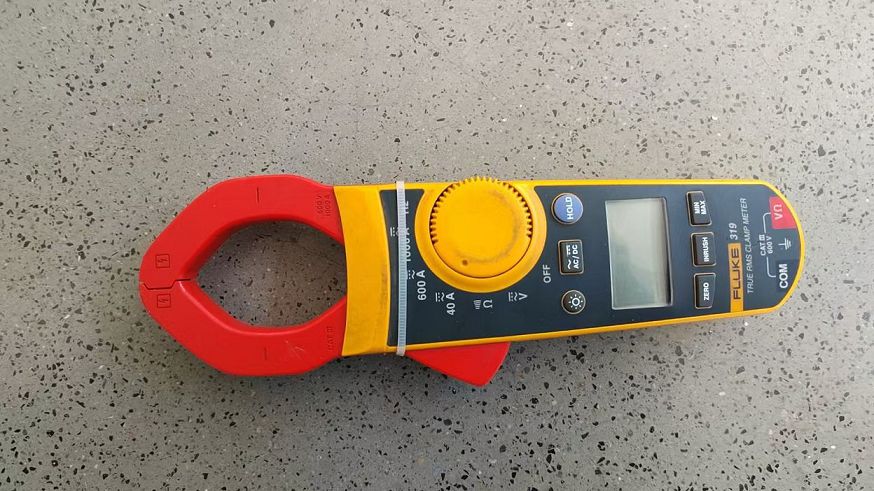 Clamp Current Meter Testing
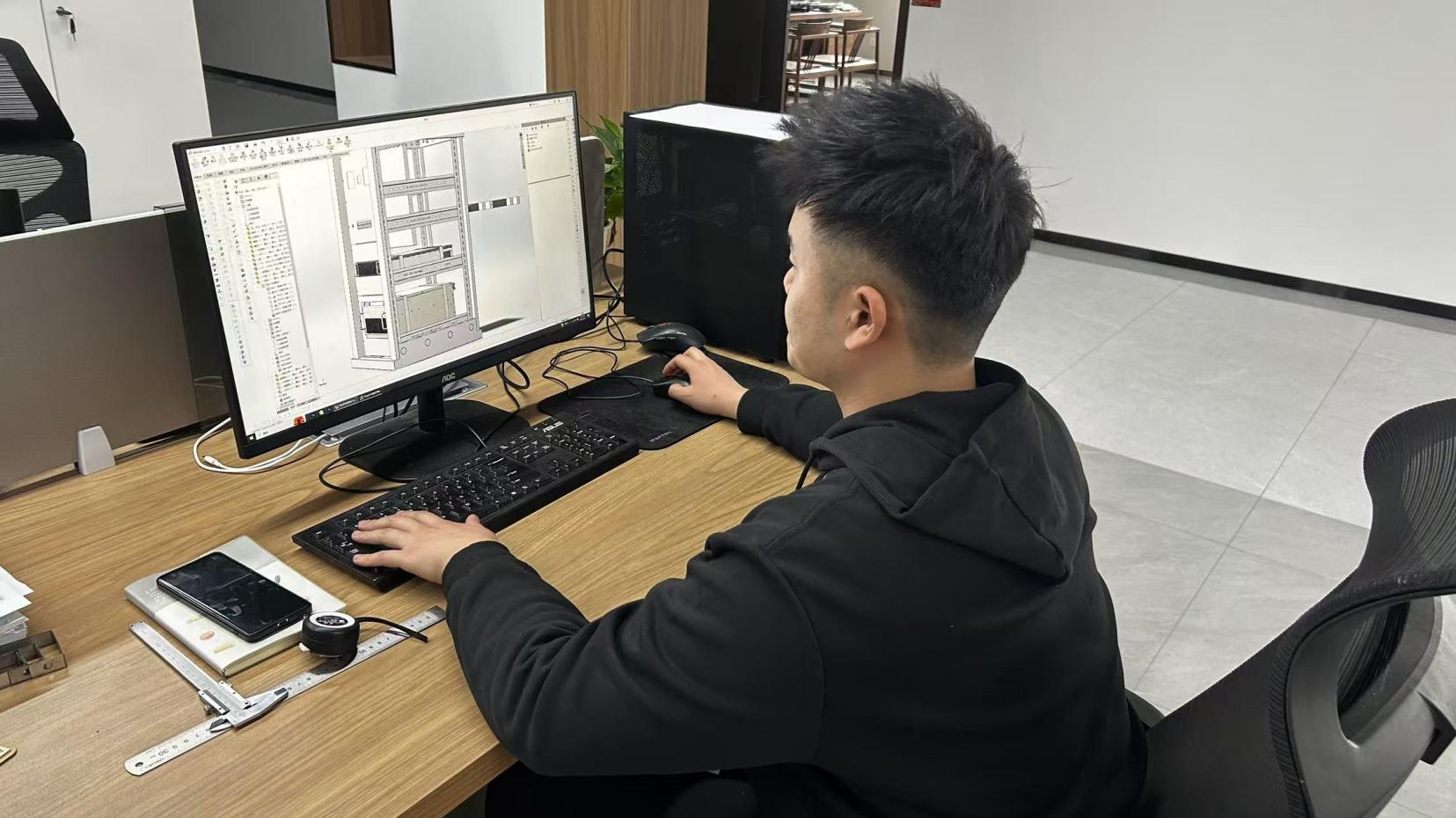 CAD Drawing & Design
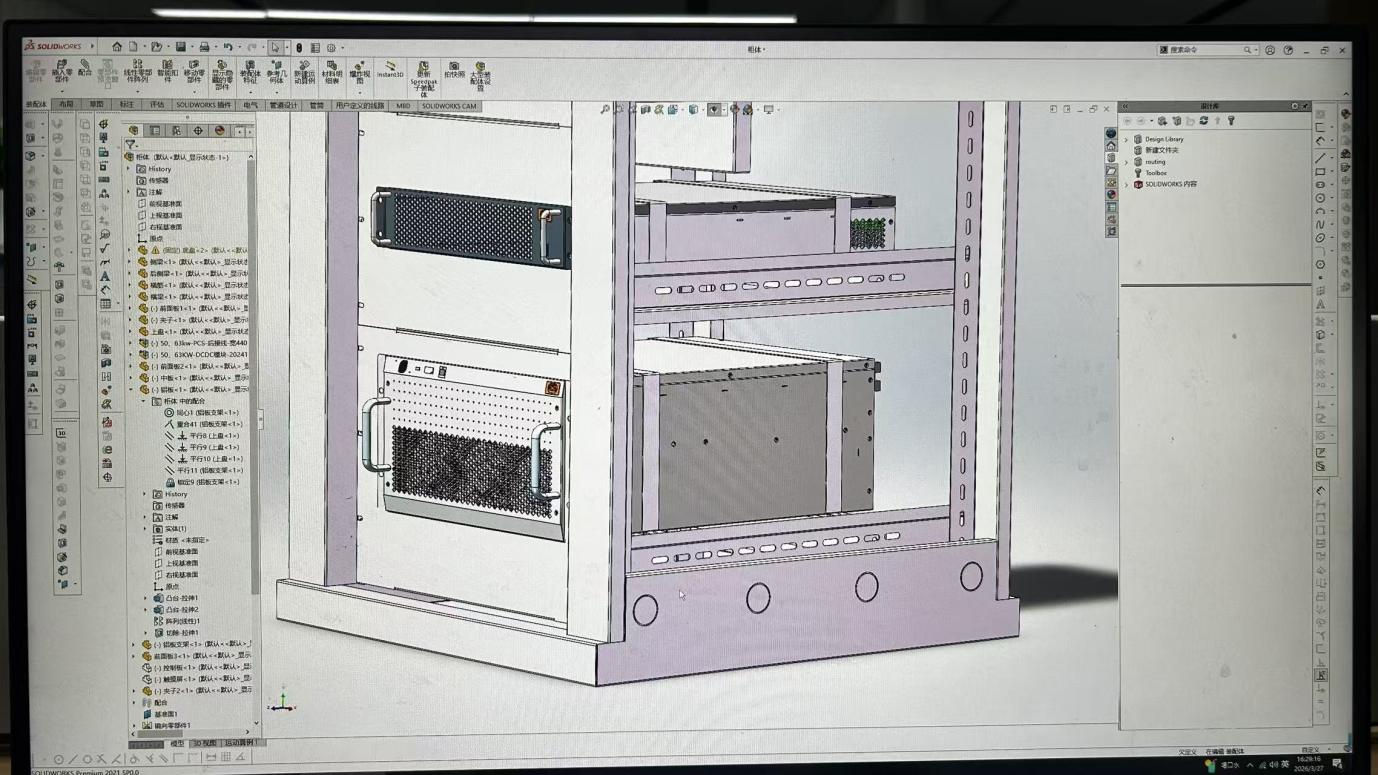 Control Computer & Software
Expert FAQ: Technical Knowledge Base & OEM Sourcing Details
Comprehensive technical and commercial answers directly from our senior energy engineering team.
Industrial Power Supplies, Regulators & Loads
Complete your testing and integration layouts with our reliable variable DC power supplies, phase frequency converters, and voltage stabilizers.