Precision Instrumentation & Power Modules
Explore our premium programmatic power modules, frequency converters, and electronic loads designed for high reliability, ultra-low ripple, and rapid transient recovery times.
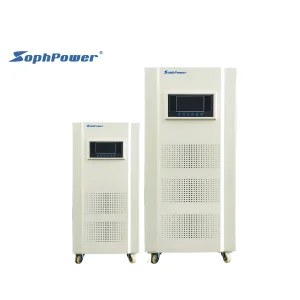
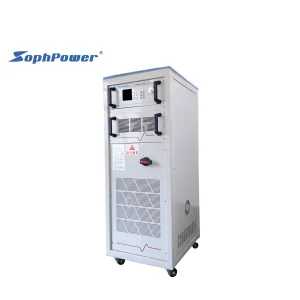
Industrial Paradigm Shift: Evolution of Programmable Control Systems
Analyzing the transition from passive voltage regulation to high-speed digital loop feedback control in modern automated test architectures.
Across the landscape of global power electronics, the concept of a Programmer Control System has evolved far beyond simple variable output transformers. In the era of automated manufacturing, semiconductor fabrication, and EV powertrain evaluation, laboratories and factory floors require high-density, dynamically responsive power profiles. Traditional analog control topologies suffer from inherent limitations: slow settling times, susceptibility to thermal drift, and a lack of integrated loop telemetry. Modern programmable systems resolve these limitations through FPGA/DSP architectures running high-speed PID control loops.
This digital revolution allows for the simulation of complex electrical environments. For instance, testing a vehicle-to-grid (V2G) inverter demands a system that can rapidly switch from sinking to sourcing current, simulating active battery pack dynamics and transient load fluctuations. By leveraging DSP control, engineers can achieve settling times in the microsecond range, ensuring that even the most rapid voltage transients do not trigger false failures in the Unit Under Test (UUT).
As a global supplier situated at the heart of the world’s manufacturing capital, Shenzhen Sophpower Electronics Co., Ltd. has stood at the forefront of this transition. Established in 2006, our engineers have developed specialized digital interfaces supporting SCPI commands over Ethernet, GPIB, RS485, and Modbus protocols. This digital compatibility permits direct, seamless integration into automated test systems (ATE) running LabVIEW, MATLAB, or proprietary software backends, reducing integration overhead and simplifying line deployments.
Manufacturing Infrastructure & In-House Assembly Processes
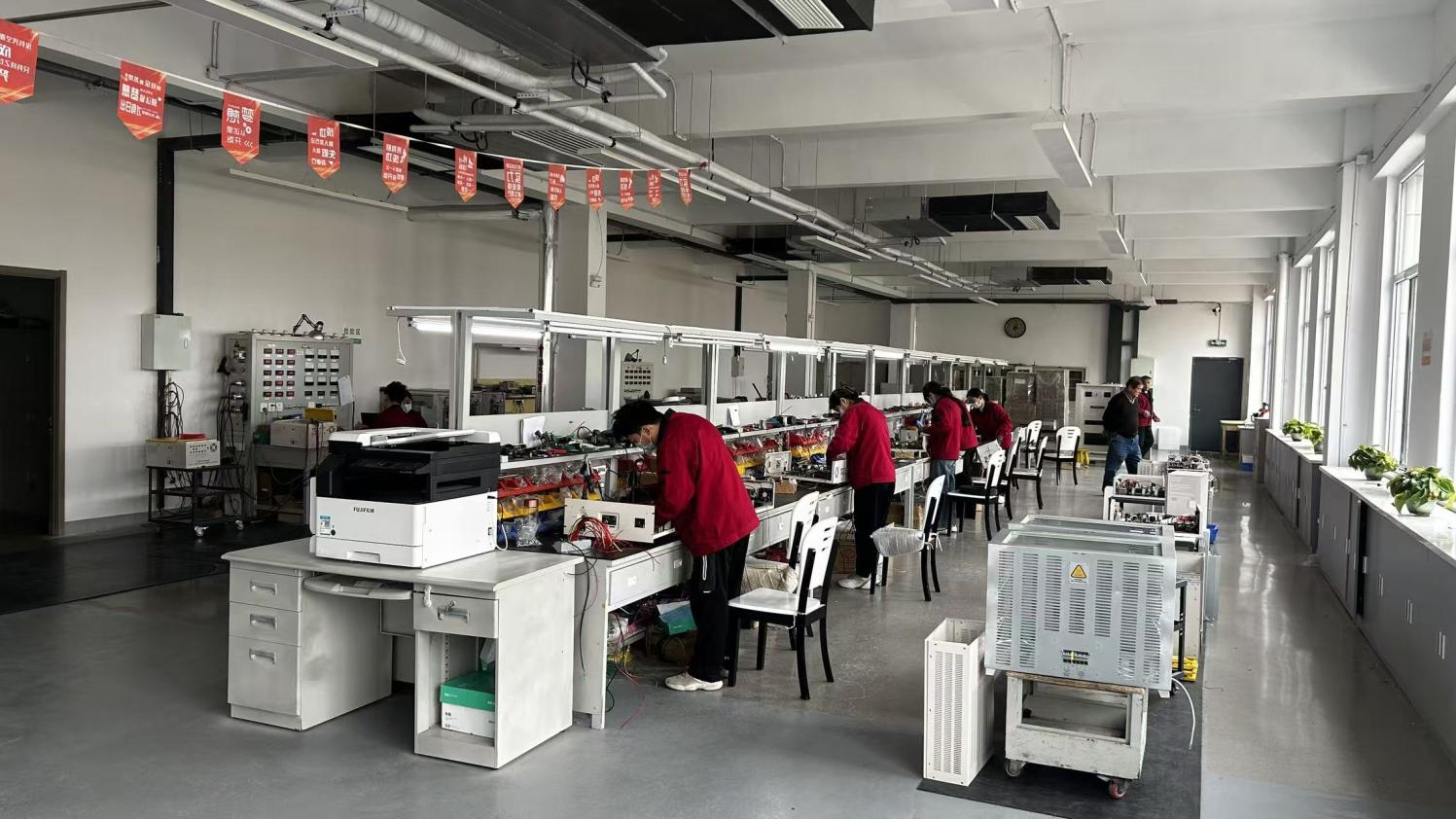
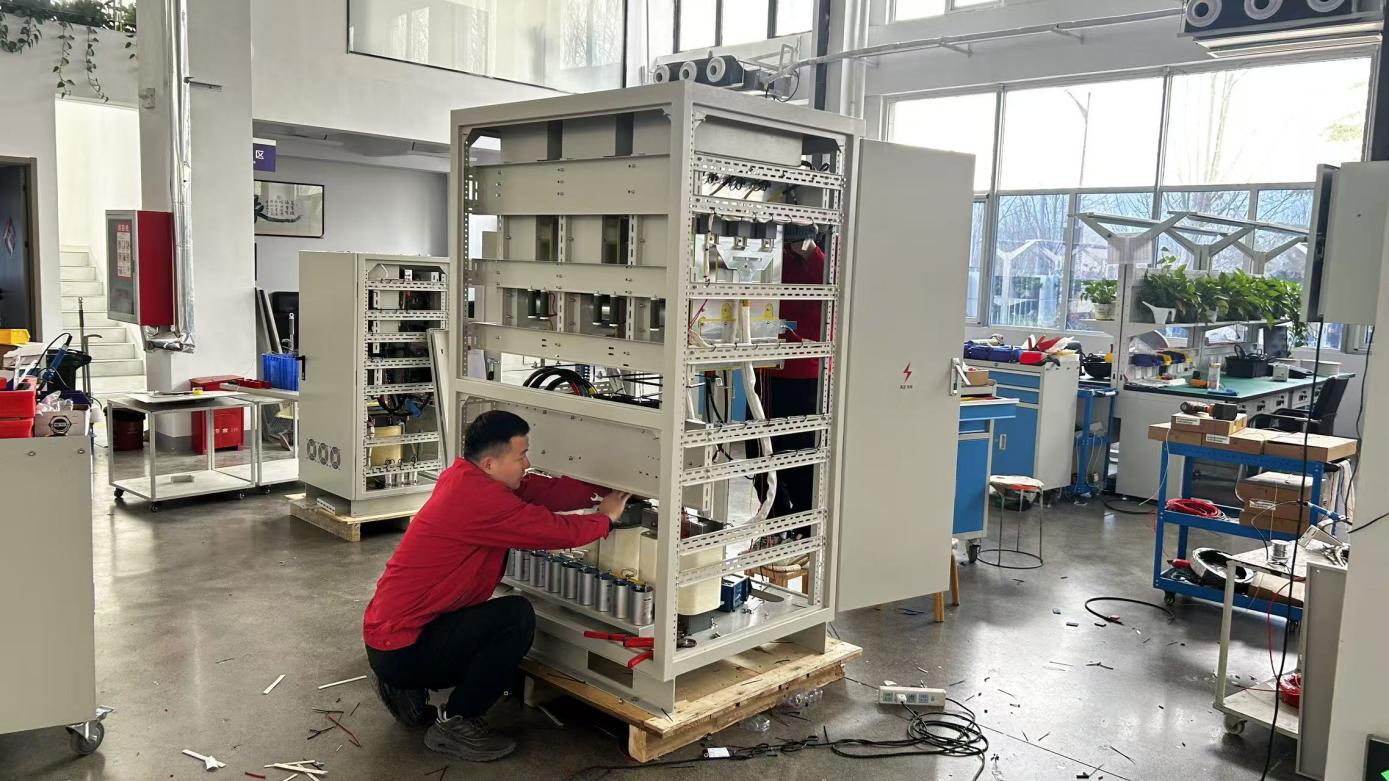
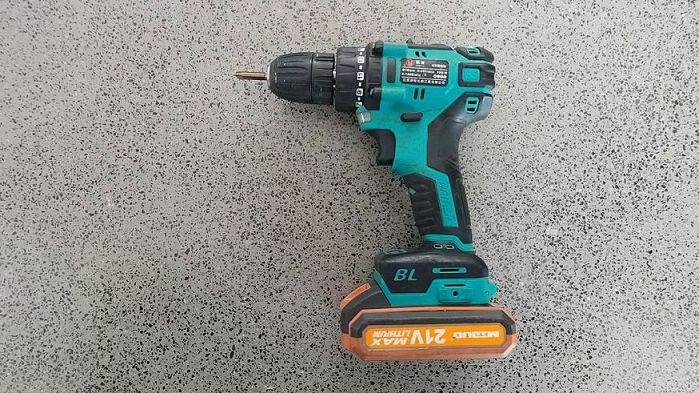
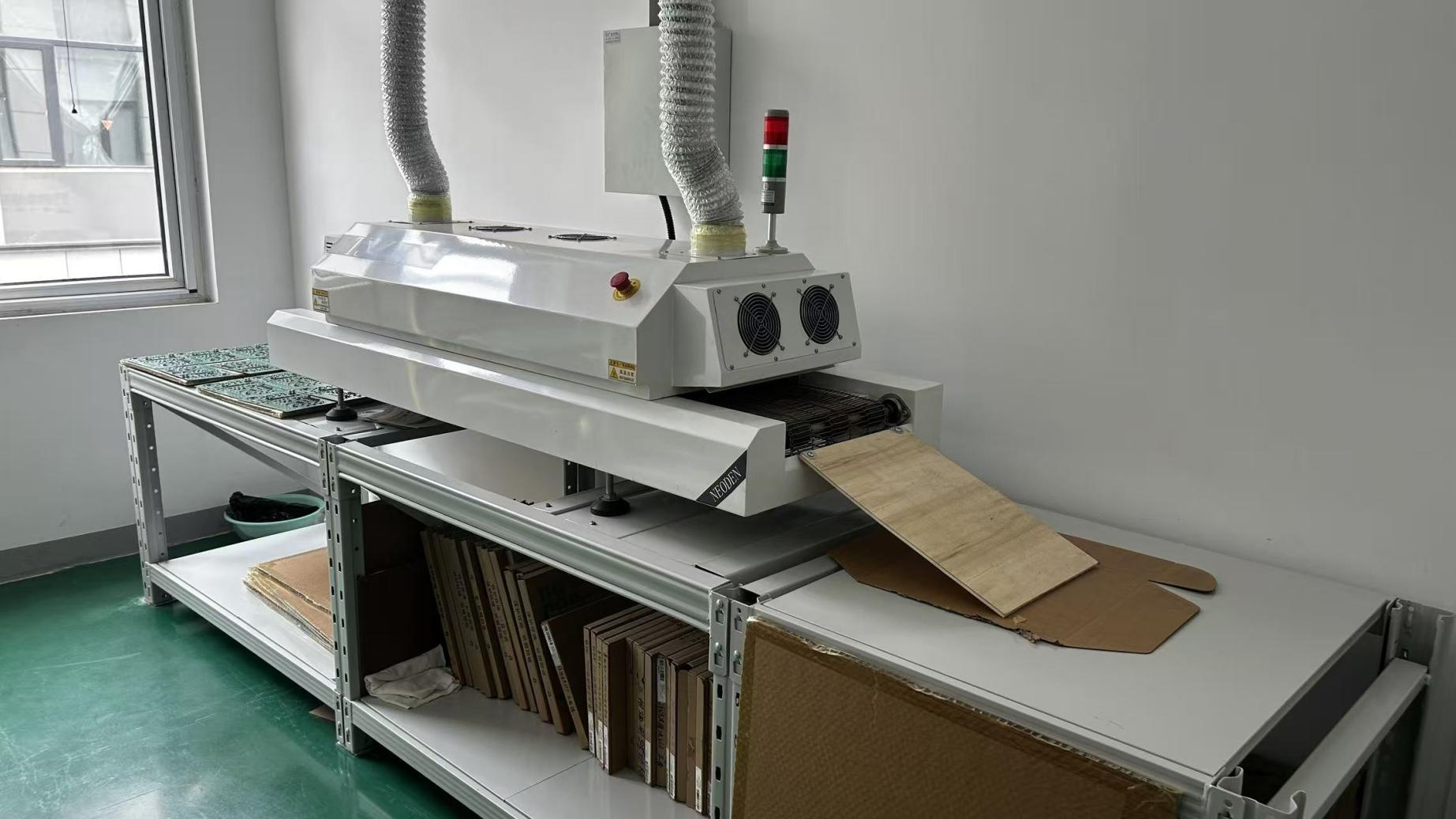
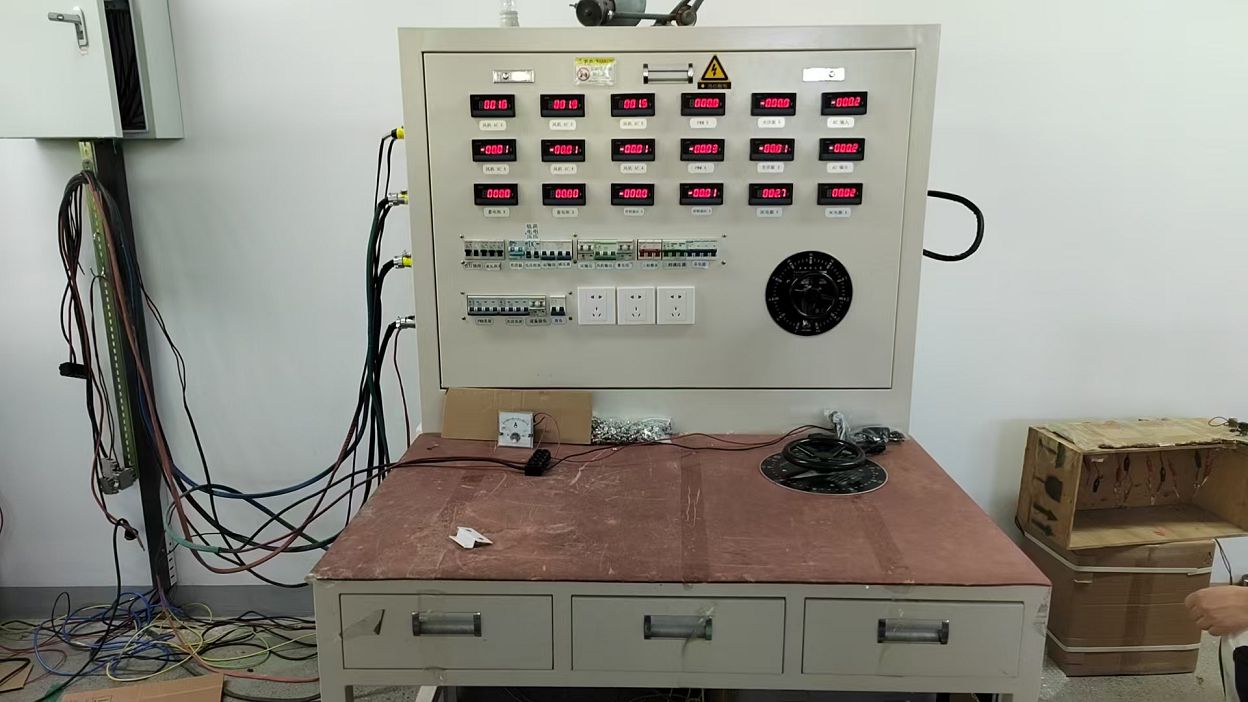
Shenzhen Sophpower Electronics employs rigorous assembly and verification standards. Our facilities integrate advanced SMT assembly lines, robust structural busbar layout stations, and active debugging zones.
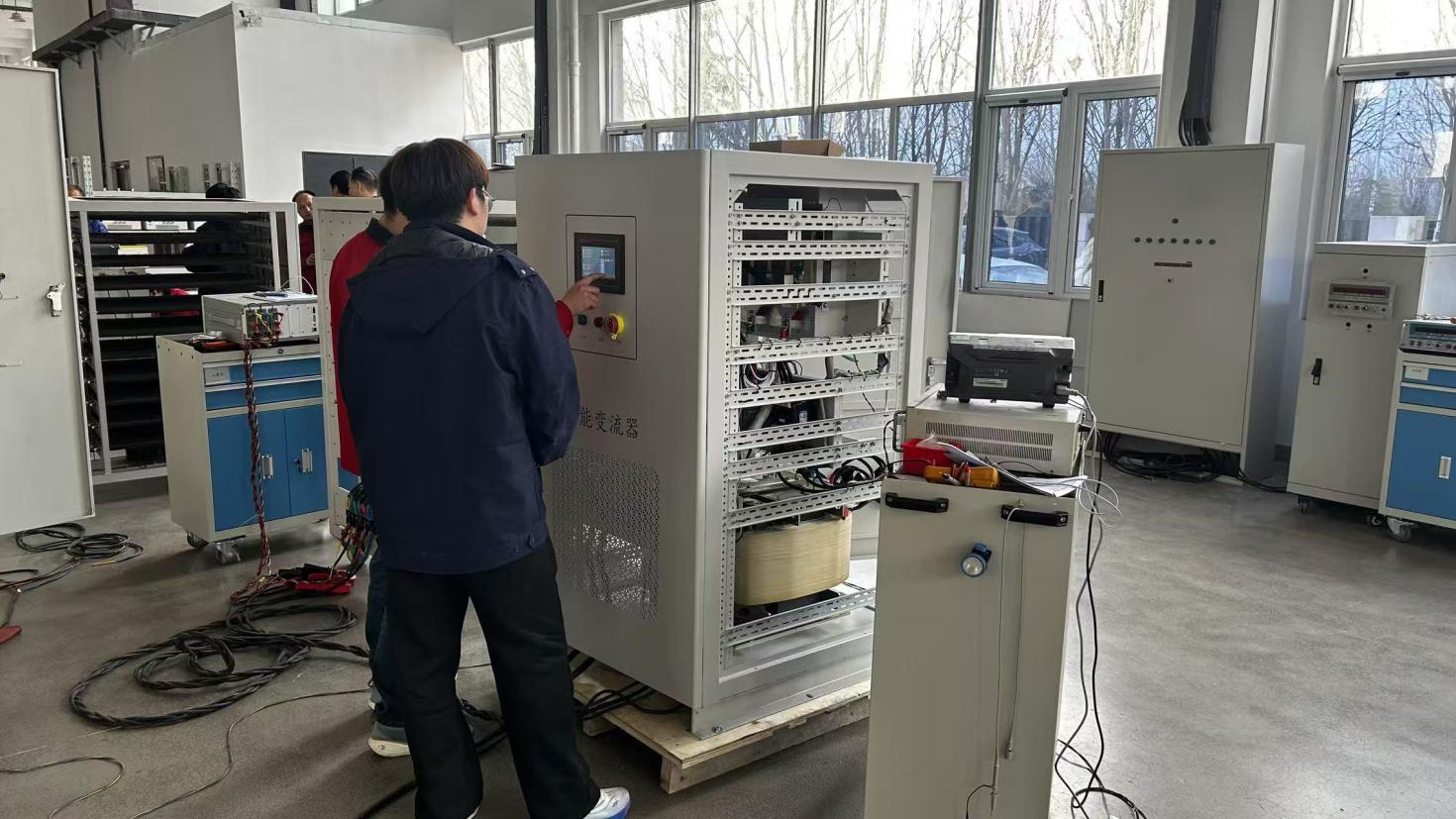
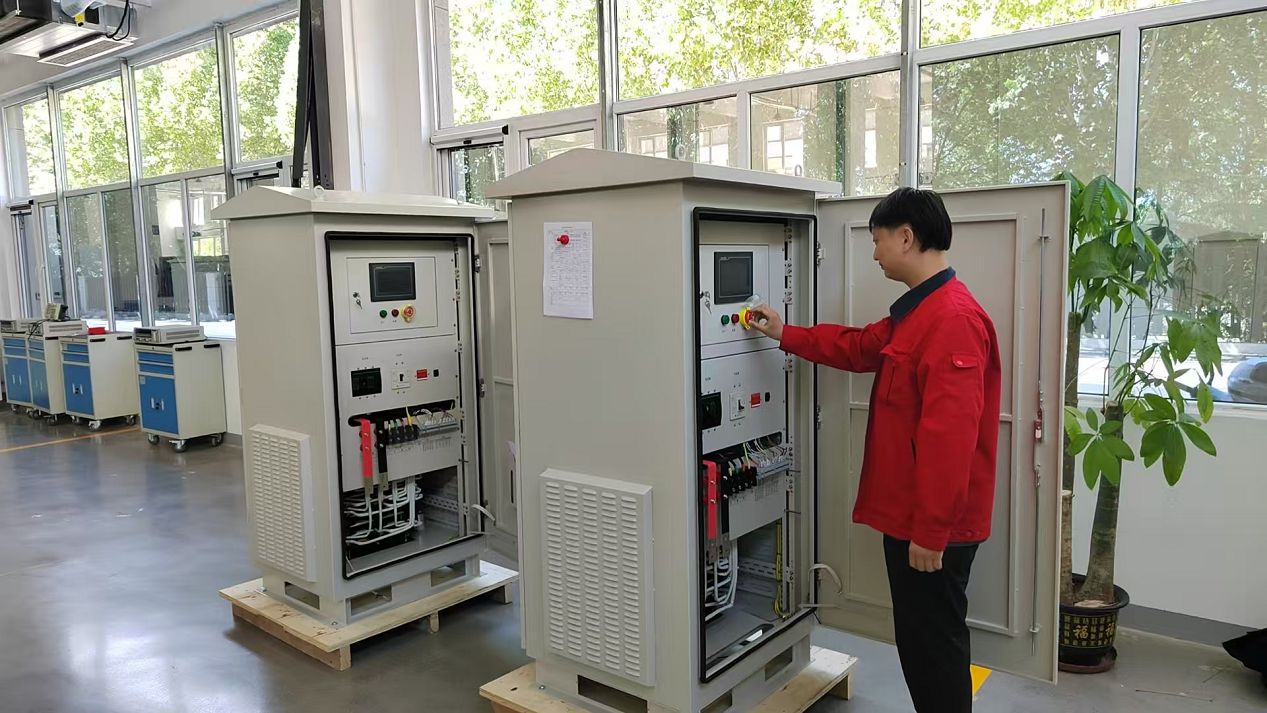
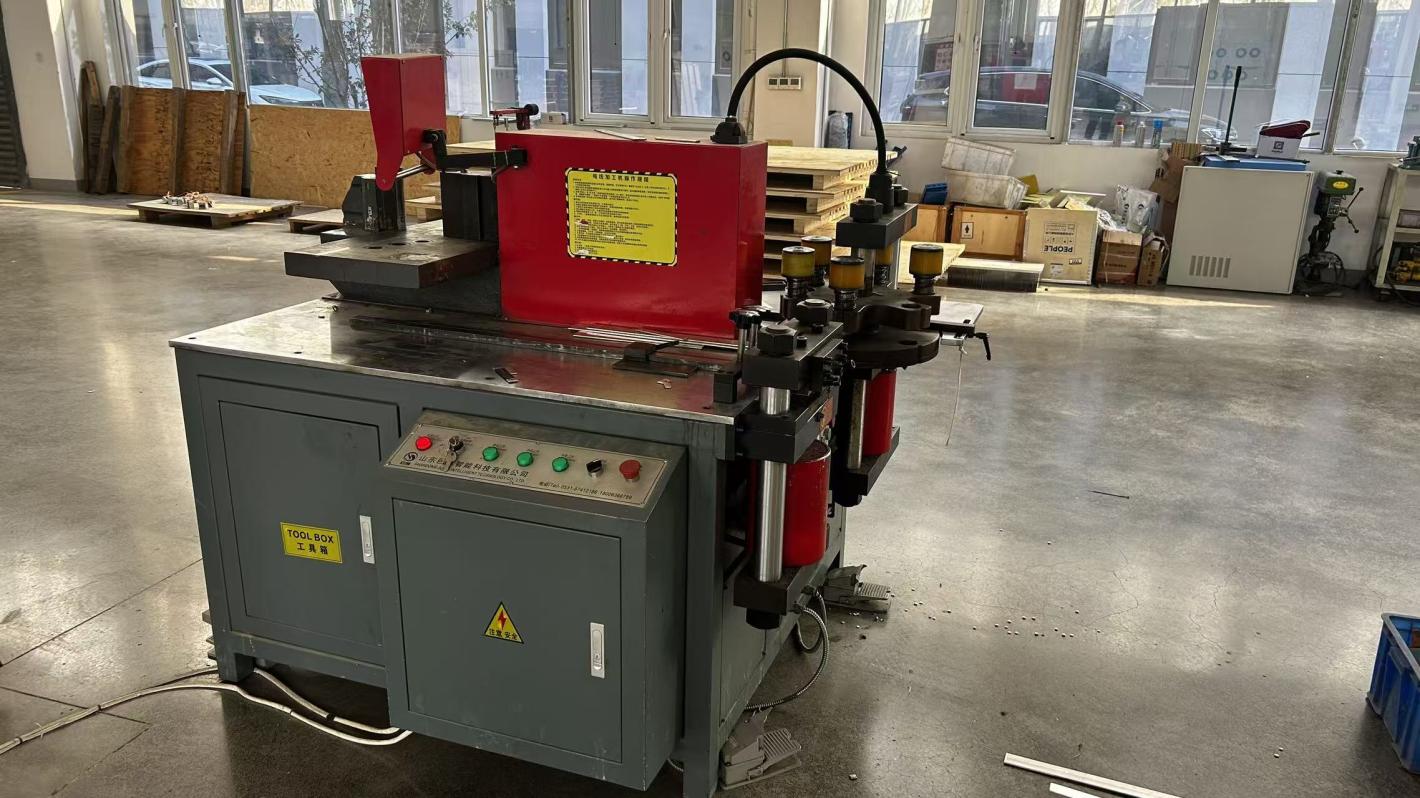
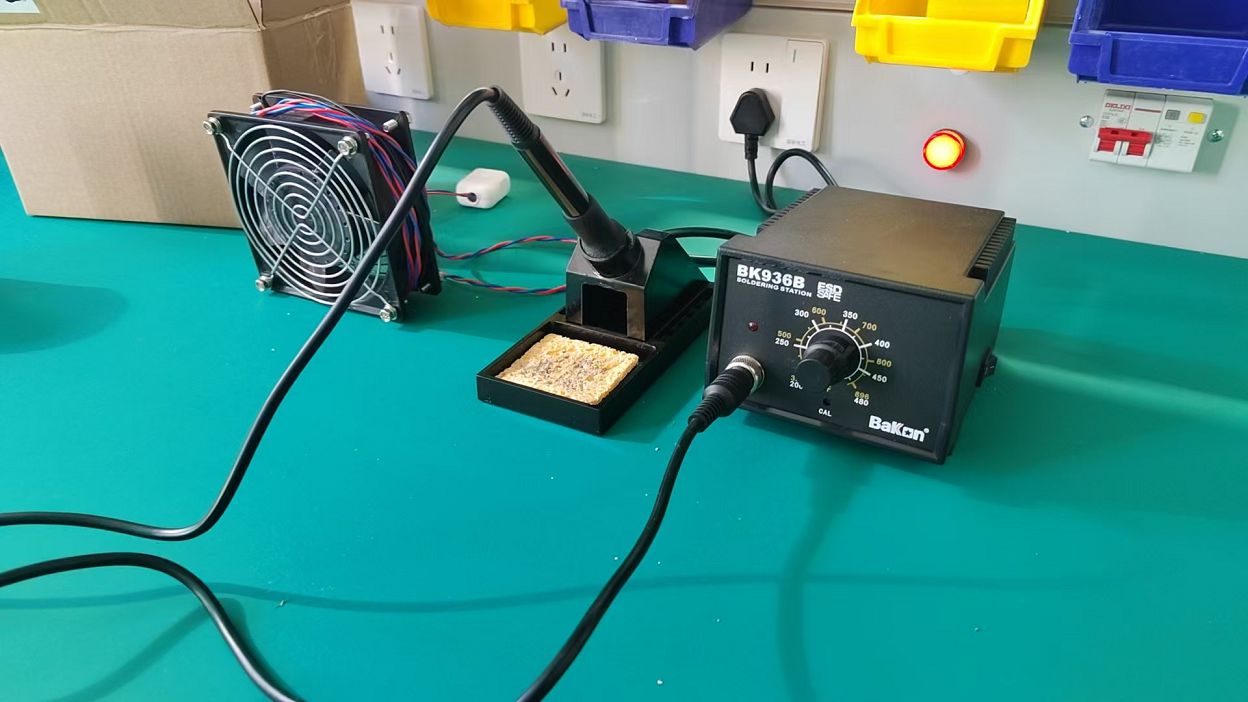
Advanced Control Architectures in Programmable Systems
A deep technical dive into loop response, thermal management, and output optimization strategies.
Understanding the internal topology of high-capacity DC supplies and AC converters is essential for successful system integration. To manage megawatts of power while preserving high precision, our systems employ multiphase interleaved switching topologies. This architecture balances currents across several small, high-frequency switches rather than a single large IGBT, lowering individual thermal loading and drastically decreasing ripple current.
Furthermore, our AC systems support adjustable output frequencies (e.g., 40Hz to 400Hz, essential for aerospace and defense electronics testing). They utilize a specialized double conversion scheme: rectified input DC is fed into a high-capacity inverter stage that synthesizes a pure sine wave with less than 0.5% Total Harmonic Distortion (THD). Dynamic voltage regulation is managed by a closed-loop controller that monitors phase output and updates switching times in real-time, preventing voltage sag under inductive and capacitive loads.
| Topological Component | System Specification | Testing Application Benefit |
|---|---|---|
| FPGA/DSP Control Core | Up to 100 kHz sampling frequency | Ultra-fast PID execution for step load adjustments, preventing UUT damage. |
| Interleaved Buck-Boost | Multiphase phase-shifted switching | Minimizes output filter requirements, lowering output impedance and capacitance. |
| Galvanic Isolation Barrier | Up to 3000 VAC isolation rating | Ensures complete isolation between output rails and control circuitry, protecting operators and host controllers. |
| Wideband Inverter Loop | Frequency range 45Hz – 400Hz (variable) | Replicates global grid profiles and specialized avionics power configurations (115V / 400Hz). |
Thermal management is another core focus. When operating high-current switching modules, like our 100kW or 80kw variable DC systems, parasitic inductance can produce severe voltage spikes during switching transitions. By optimizing copper busbar geometries and employing low-inductance planar laminations, our designs minimize these stresses. This layout is backed by active cooling configurations utilizing dual-bearing fans and heat sink ducting, securing long operational lifespans under high-duty-cycle test runs.
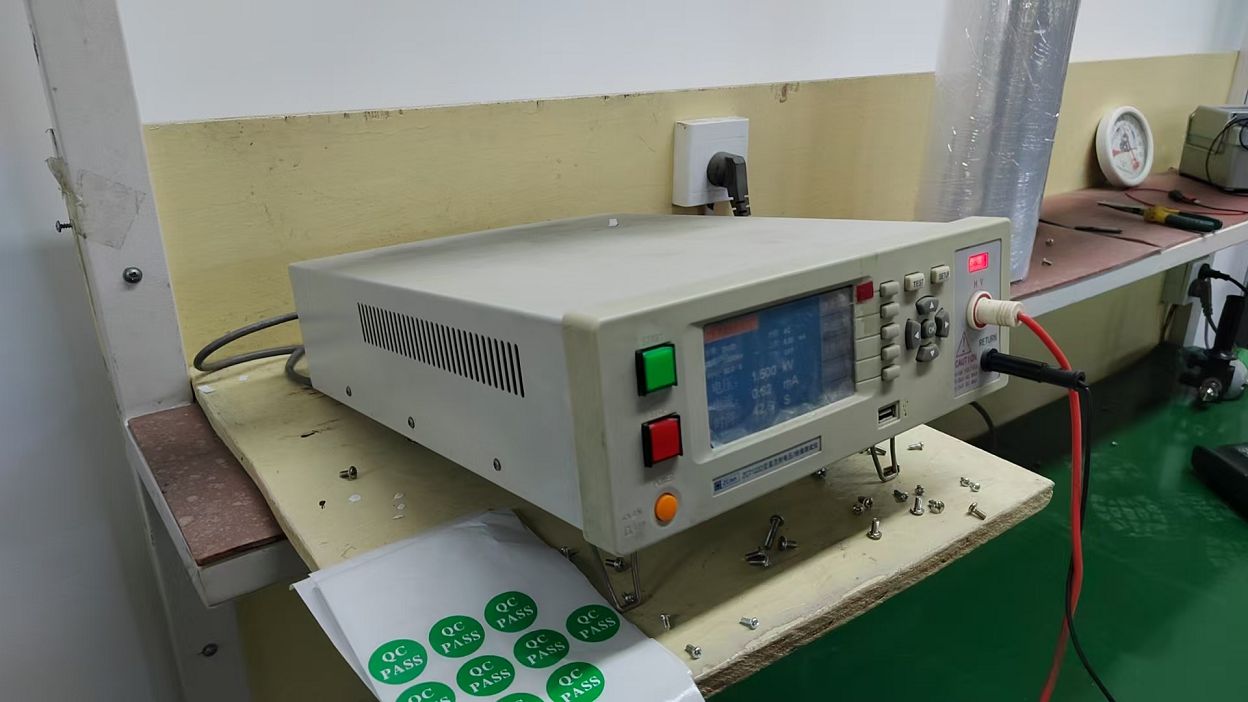
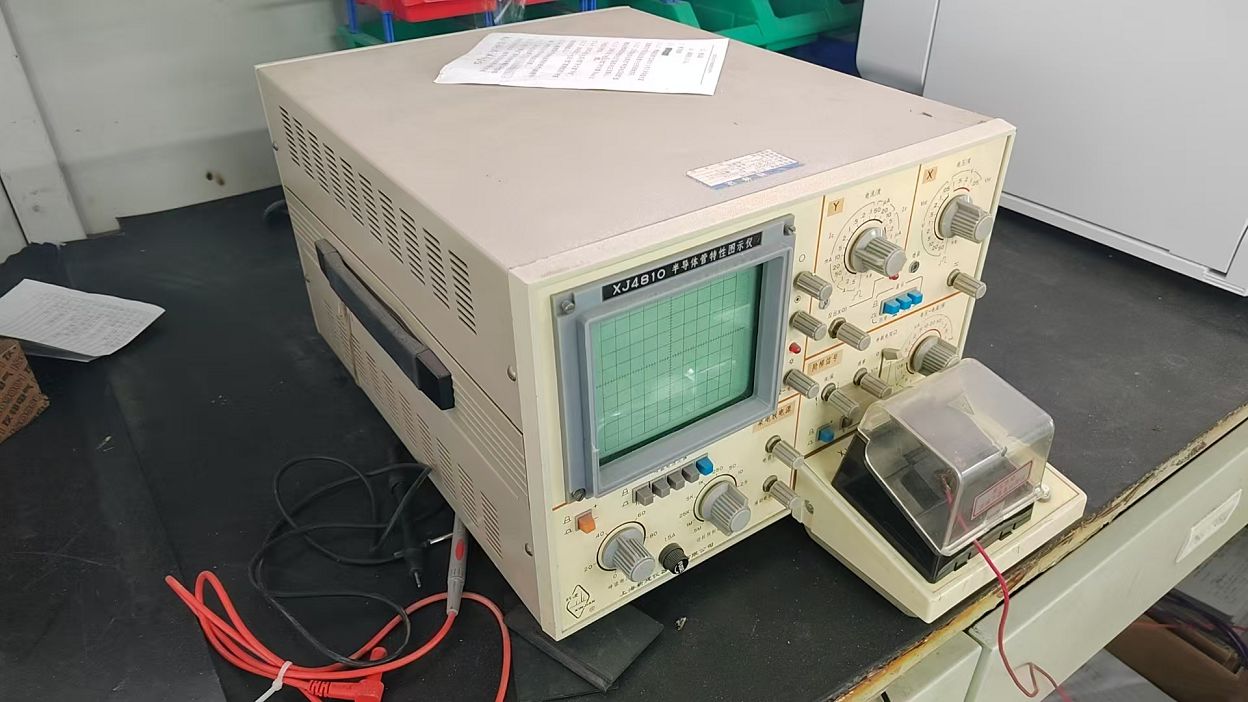
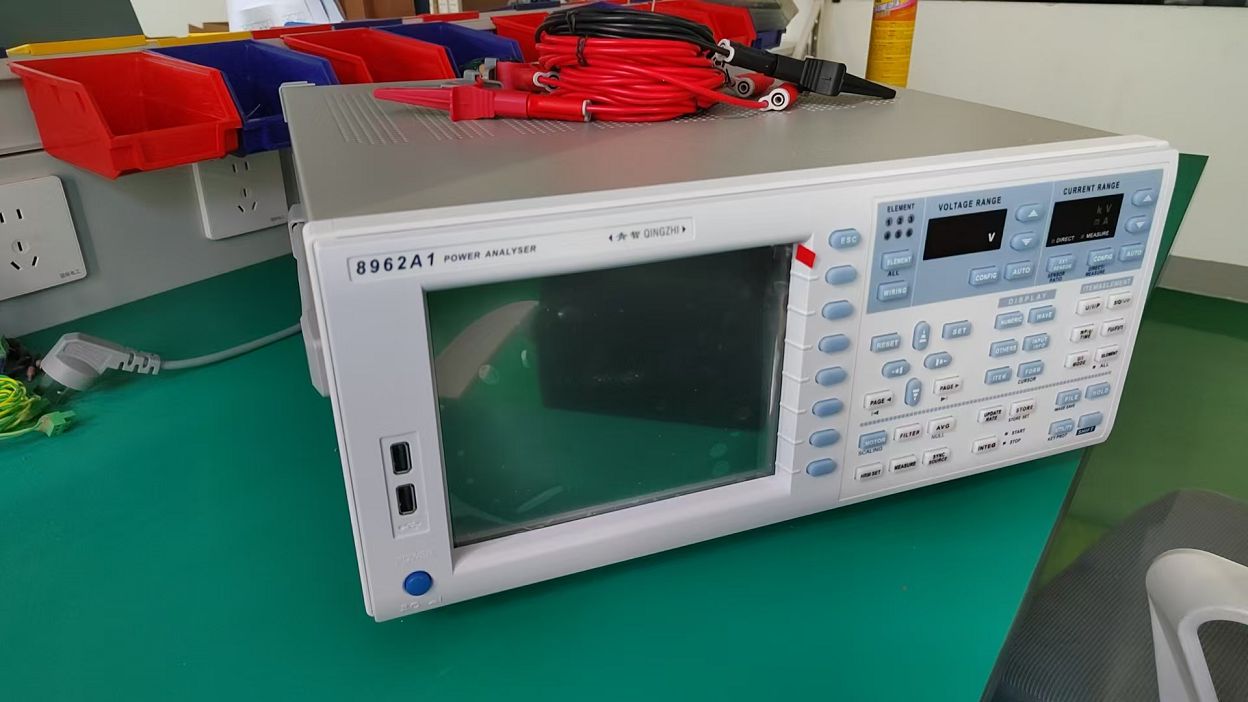
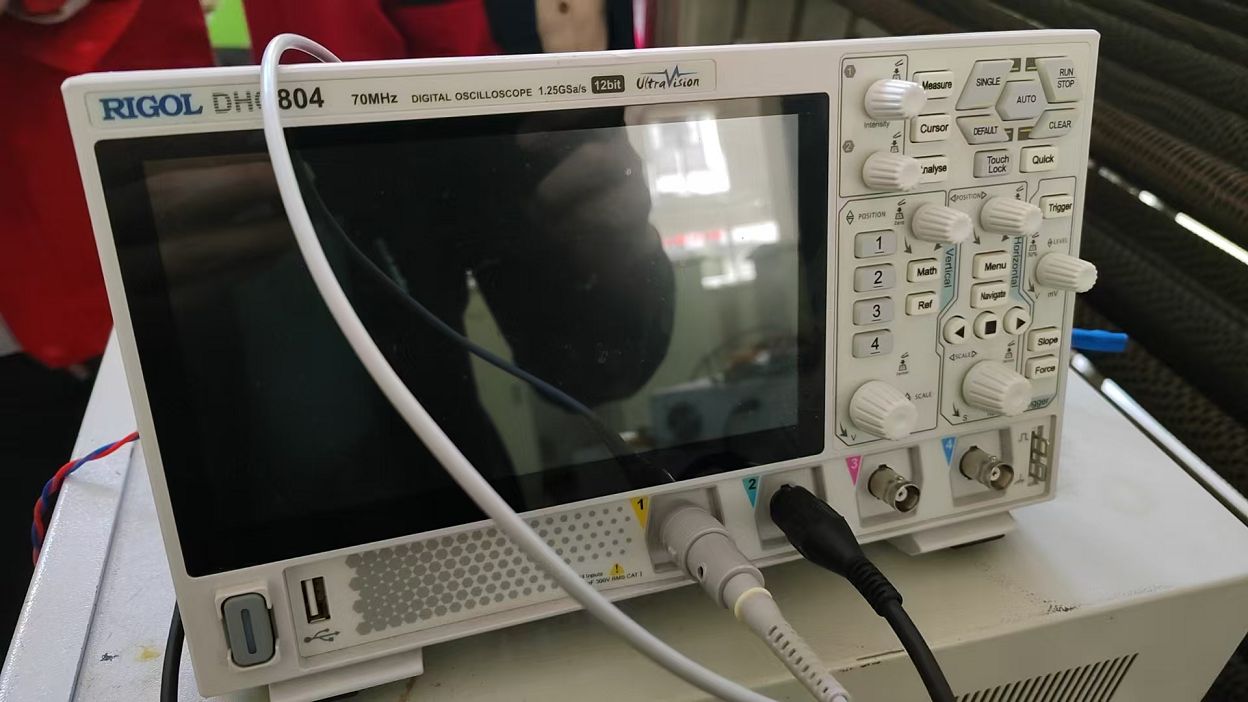
Metrology Validation & Quality Inspection Systems
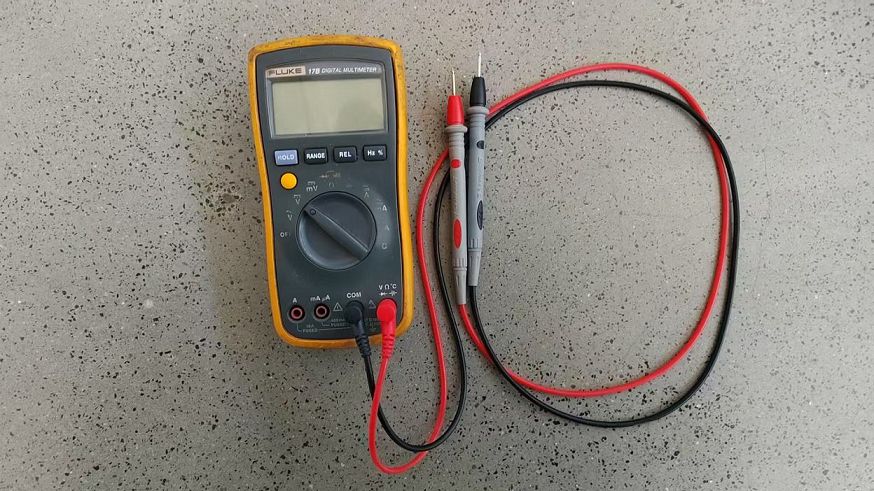
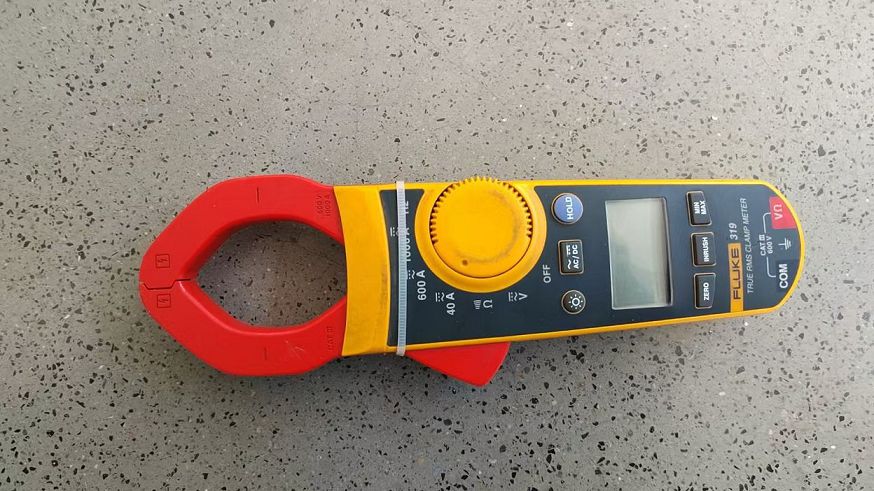
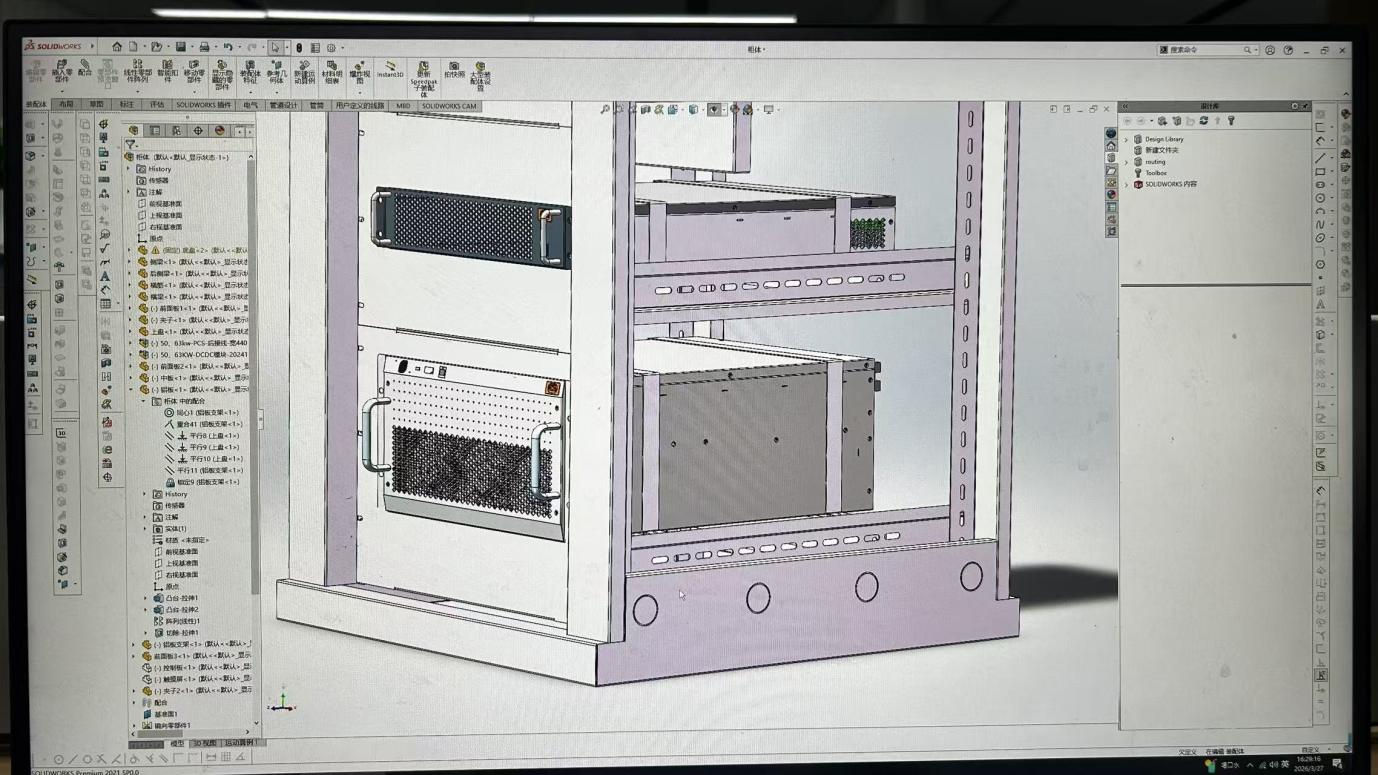
Reliability requires verification. We utilize a range of precision tools and software design platforms to guarantee that every system meets rated specifications prior to delivery.

Global Applications, Compliance & Compliance Architecture
Aligning programmable hardware capabilities with international regulatory structures and diverse operational environments.
Operating on a global stage means accommodating varied power infrastructure requirements. A tester developed in North America operates on a 480V 60Hz split-phase grid, whereas industrial sites in Europe require 400V 50Hz, and maritime networks often operate on 440V 60Hz. Under our Global Grid Simulation Architecture, our programmable AC power sources function as customizable converters, allowing laboratories to replicate international grid conditions regardless of local power constraints.
To maintain reliable compliance, our systems align with major global testing criteria. This includes EMC directives to minimize radiated emissions from high-power switches, and dielectric isolation tests to confirm safety under transient fault conditions. Our products are designed to support compliance workflows for standards such as IEEE 1547 (concerning grid interconnection of distributed resources) and UL 1741, helping manufacturers validate solar inverters and battery storage systems under controlled laboratory conditions.
Additionally, integrating bidirectional DC channels improves system efficiency. During regenerative motor testing, rather than converting kinetic energy to heat in massive resistor banks, our bidirectional systems recover up to 95% of the absorbed power and return it to the local grid. This recovery reduces the thermal load within the laboratory facility while yielding substantial long-term savings in electricity costs.
Technical Roadmap: Wide-Bandgap Devices & AI-Driven Diagnostics
The next frontier of power design focuses on high switching frequencies, high power densities, and integrated predictive maintenance systems.
Our engineering roadmap is driven by the adoption of Silicon Carbide (SiC) and Gallium Nitride (GaN) power semiconductors. By replacing silicon IGBTs with SiC MOSFETs, we can increase switching frequencies up to 5-10 times. Higher switching frequencies reduce the size of the internal filters and inductors, allowing us to pack 100kW of variable DC power into standard 19-inch rack-mount chassis. This design saves valuable floor space in test facilities.
We are also incorporating smart IoT microprocessors directly into our power supplies' control systems. These processors analyze current waveforms, ripple signatures, and capacitor temperatures in real time. Using predictive algorithms, they can identify signs of early degradation—such as capacitor ESR degradation or gate-drive resistance drift—well before a component failure occurs.
This predictive approach changes how test operators handle system maintenance. Rather than facing unplanned downtime during an active testing cycle, operators receive warnings suggesting a swap or service window, keeping production lines moving and reducing overall operational risk.
Technical Knowledge Base & FAQ
Detailed technical answers addressing common challenges in system selection, safety mechanisms, and control interfaces.
How does Sophpower ensure minimal ripple and noise in high-power (e.g. 500V/150A) DC switching power supplies?
Our high-power systems utilize multi-stage L-C output filtering coupled with phase-shifted PWM controllers. By interleaving several switching stages, the effective output ripple frequency is multiplied by the number of phases, allowing us to filter out high-frequency switching noise with minimal output inductance. This design delivers a clean DC output with low ripple and noise, making the supply suitable for sensitive semiconductor testing.
What is the typical transient recovery time of the programmable DC power supplies when subjected to a 10% to 90% load step?
When subjected to a 10% to 90% step change in load, our digital loop control system detects the resulting voltage deviation and dynamically updates the PWM duty cycle. The typical response time is less than 2 milliseconds to return within 0.1% of the set voltage. This fast transient recovery prevents voltage dips and spikes from affecting adjacent equipment.
Can your variable frequency AC sources handle non-linear loads with crest factors exceeding 3.0?
Yes. Our programmable AC power sources are designed to supply the high peak currents demanded by rectifiers and non-linear loads. The inverter stage features high peak-current margins, enabling them to supply loads with crest factors up to 3.0 or 4.0 without voltage waveform distortion or triggering overcurrent protection.
What protection mechanisms are integrated to protect the power supply when testing inductive loads like motors or solenoids?
Inductive loads can generate reverse EMF spikes that feed back into the power supply's output terminals. To protect our systems, we integrate reverse polarity diodes, active overvoltage clamping, and fast-acting hardware overvoltage shutdown circuits. When back-EMF exceeds safe limits, the protection circuitry dissipates the energy or safely isolates the output stage.
Are custom voltage and current profiles supported, and how are they programmed?
Yes, custom profiles are fully supported. Users can program voltage/current ramps, steps, and complex profiles through our front-panel interface, or by sending standard SCPI commands via RS232/RS485, Ethernet (LXI), or GPIB. This makes it straightforward to run test profiles like automotive crank simulations or battery charge/discharge cycles.
How does Shenzhen Sophpower handle hardware safety isolation for high-voltage models (up to 1500V)?
Safety is built into our high-voltage models. We implement galvanic isolation barriers between the high-voltage output circuitry, internal low-voltage control loops, and user interfaces, with isolation ratings up to 3000 VAC. In addition, our systems feature mechanical emergency stop terminals, interlocking protection ports, and automatic output discharge circuits to quickly reduce terminal voltage to safe levels when the output is turned off.
High-Power System & Variable Supply Configurations
High-voltage switching systems, variable laboratories supplies, and high-capacity frequency converters for manufacturing lines and test labs.