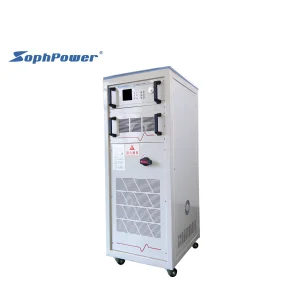
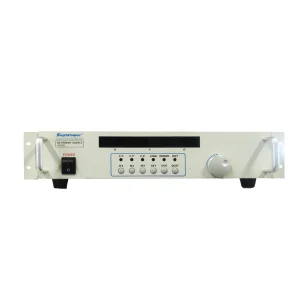
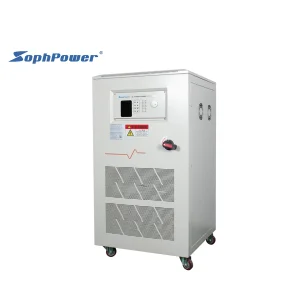
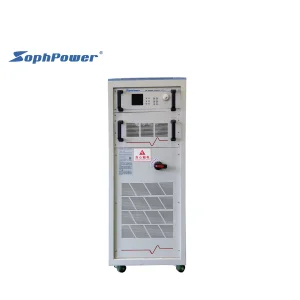
Precision Programmable AC & DC Instruments
Engineered for clean waveforms, rapid transient response, and uncompromising reliability.
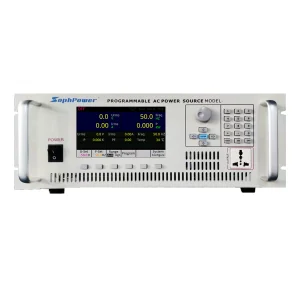
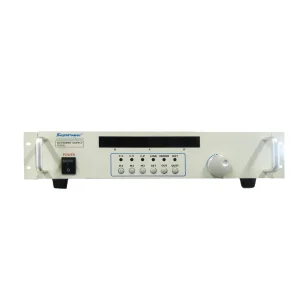
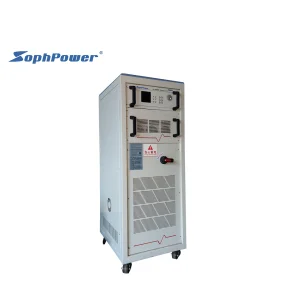
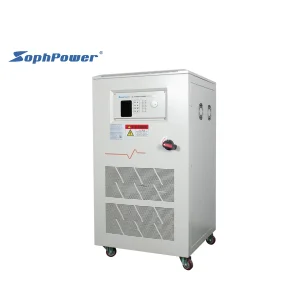
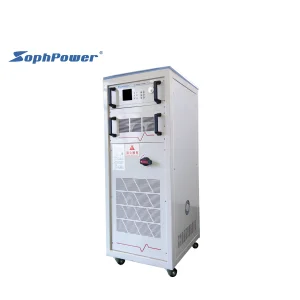
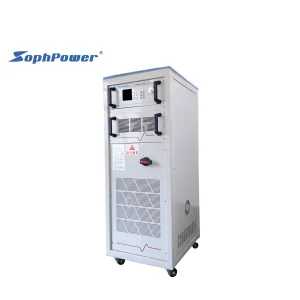
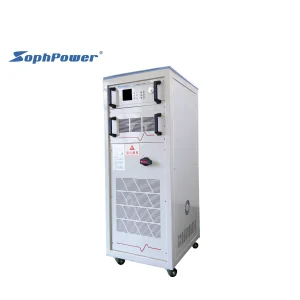
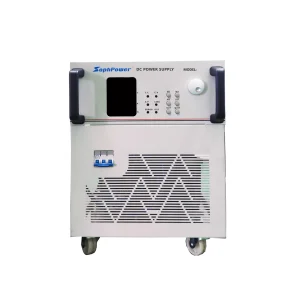
Demystifying Modern Power Topologies: The Strategic Role of Programmable Linear Power Sources
In the contemporary landscape of high-precision manufacturing, microelectronics validation, and advanced aerospace engineering, the stability of electrical input is paramount. Power supplies are no longer regarded as simple conversion accessories; they are critical metrological tools that determine the validity of experimental and production test cycles. Designers of high-sensitivity equipment find themselves balancing the choice between switching mode power supplies (SMPS) and linear power architectures. While SMPS designs have captured significant market share due to their efficiency and power-density ratios, the Programmable Linear Power Source remains the irreplaceable gold standard for applications requiring zero electromagnetic interference, absolute output purity, and lightning-fast transient response.
The Mechanics of Purity: Linear vs. Switching Topologies
To understand why aerospace testing complexes, medical imaging laboratories, and semiconductor characterization benches mandate linear regulation, one must examine the fundamental electrical topology. A switching power supply operates by rapidly toggling a pass transistor between fully-on and fully-off states. This high-frequency switching (typically from 20 kHz to over 1 MHz) inevitably introduces high-frequency ripple voltage and radiated electromagnetic interference (EMI) into the output line. For basic industrial drives and digital logic circuits, this noise is negligible. However, for sensitive RF circuits, analog-to-digital converters (ADCs), and precision medical instrumentation, switching noise can easily mask weak sensor signals or introduce artificial calibration errors.
In contrast, a linear power source operates the pass transistor in its linear region, continuously adjusting the voltage drop across it to maintain a stable, regulated output. Because it lacks high-frequency switching stages, its output is intrinsically free of high-frequency switching noise. The residual output ripple is restricted to low-frequency line components, typically under 2 mV RMS under full load conditions. Furthermore, the transient recovery time—the speed with which the regulator returns to its set voltage level after a sudden step change in load current—is orders of magnitude faster in linear topologies (typically < 100 microseconds) compared to switching regulators (which often require milliseconds to settle).
Strategic Sourcing: Global Procurement Dynamics
As manufacturing conglomerates and R&D organizations face tightening schedules and stricter international compliance standards, sourcing decisions are increasingly scrutinized. Purchasing departments are looking for vendors who not only provide raw equipment but can act as engineering partners capable of delivering customized testing solutions. A typical procurement cycle for programmable linear power sources must evaluate total cost of ownership (TCO), system-level safety features, programming interfaces (such as LXI-compliant LAN, GPIB, USB, and RS-232), and the ability of the manufacturer to support custom high-capacity configurations. Modern production lines require seamless integration into automated test equipment (ATE) racks, making robust software driver support (such as LabVIEW, IVI-C, and IVI-COM) a non-negotiable metric.
Ultra-Low Ripple & Noise
Operates with negligible ripple levels (<2mV RMS), protecting high-frequency transceivers, analog sensors, and low-power ICs from harmonic interference.
Microsecond Transient Response
Instantaneous compensation for sudden dynamic load variations, preventing voltage sags or spikes from damaging sensitive devices under test (DUT).
Advanced Programming & ATE
Equipped with industry-standard SCPI command sets and native system drivers for seamless integration into automated laboratory systems.
Shenzhen Sophpower Electronics Co., Ltd.
Established in 2006 in Shenzhen, China, Sophpower Electronics has grown to become a premium high-tech enterprise focusing on the R&D and manufacturing of elite testing power systems. Our core engineering team brings decades of collective field experience in power electronics conversion, precision metrology, and custom hardware design.
Our comprehensive portfolio includes advanced AC Power Sources, Linear AC Power Sources, Bidirectional AC Power Sources, high-voltage DC Power Supplies, Bidirectional DC Power Supplies, voltage regulators, and industrial UPS units. As a key global exporter, we customize test power systems to meet specific enterprise criteria, delivering robust solutions to top-tier labs, military contractors, and manufacturing networks worldwide.
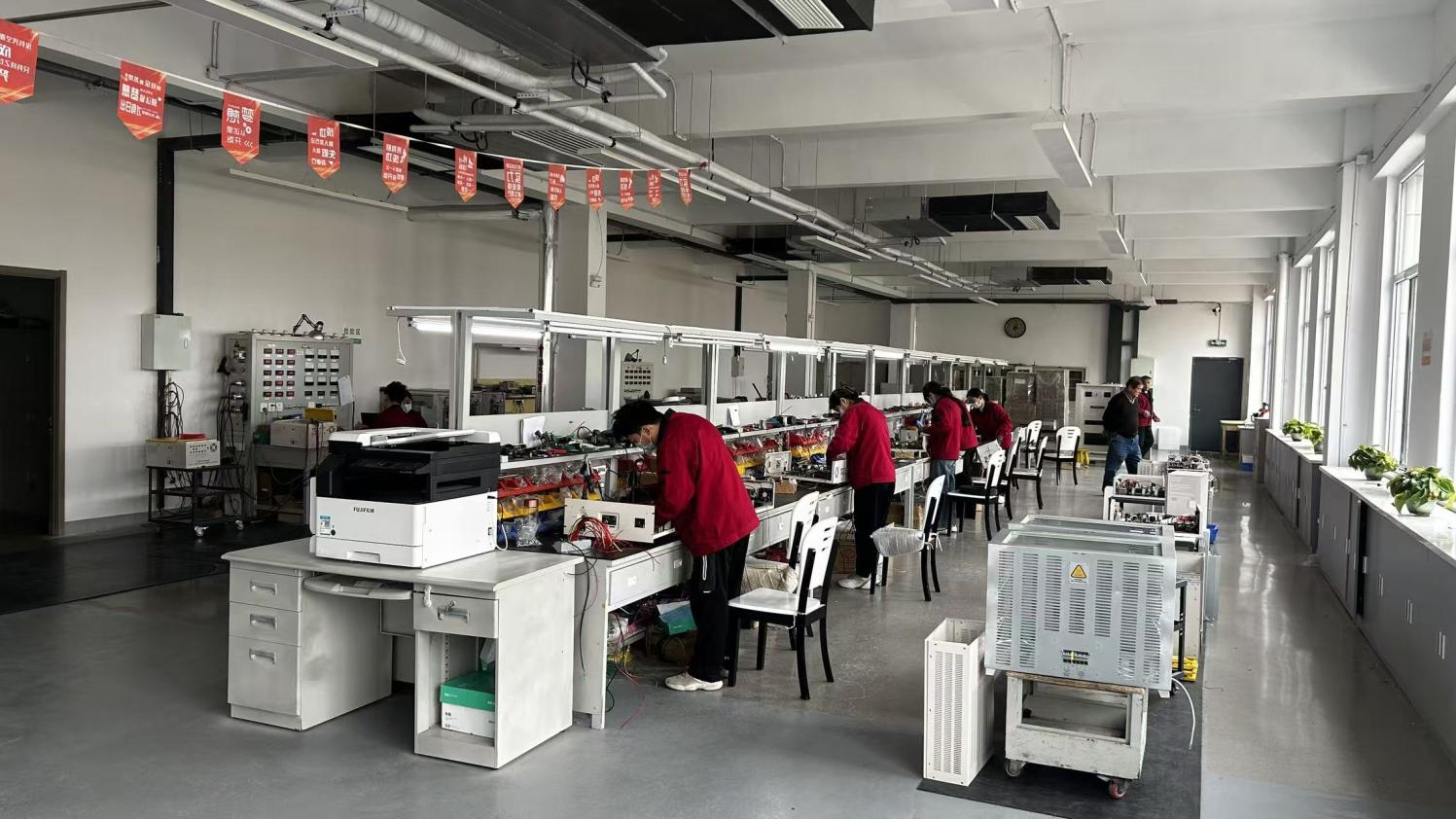
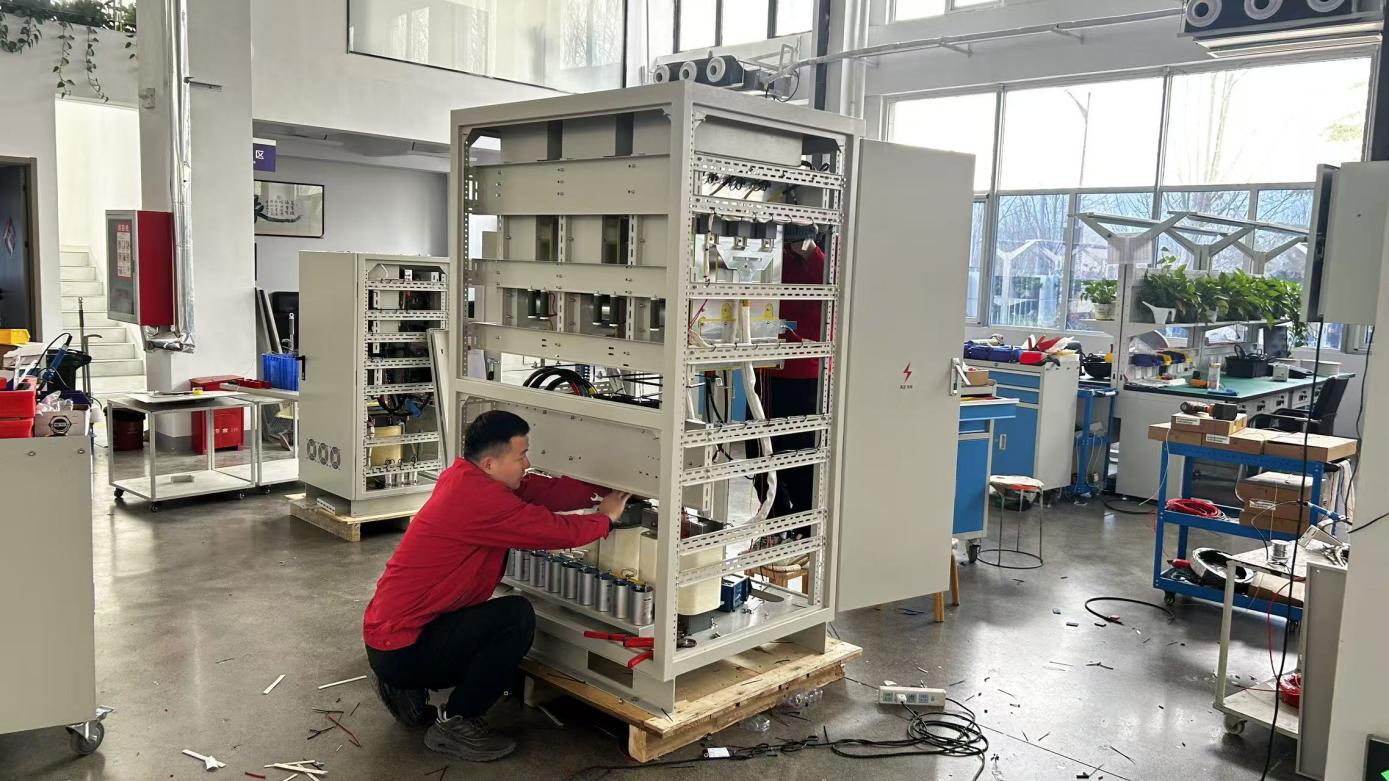
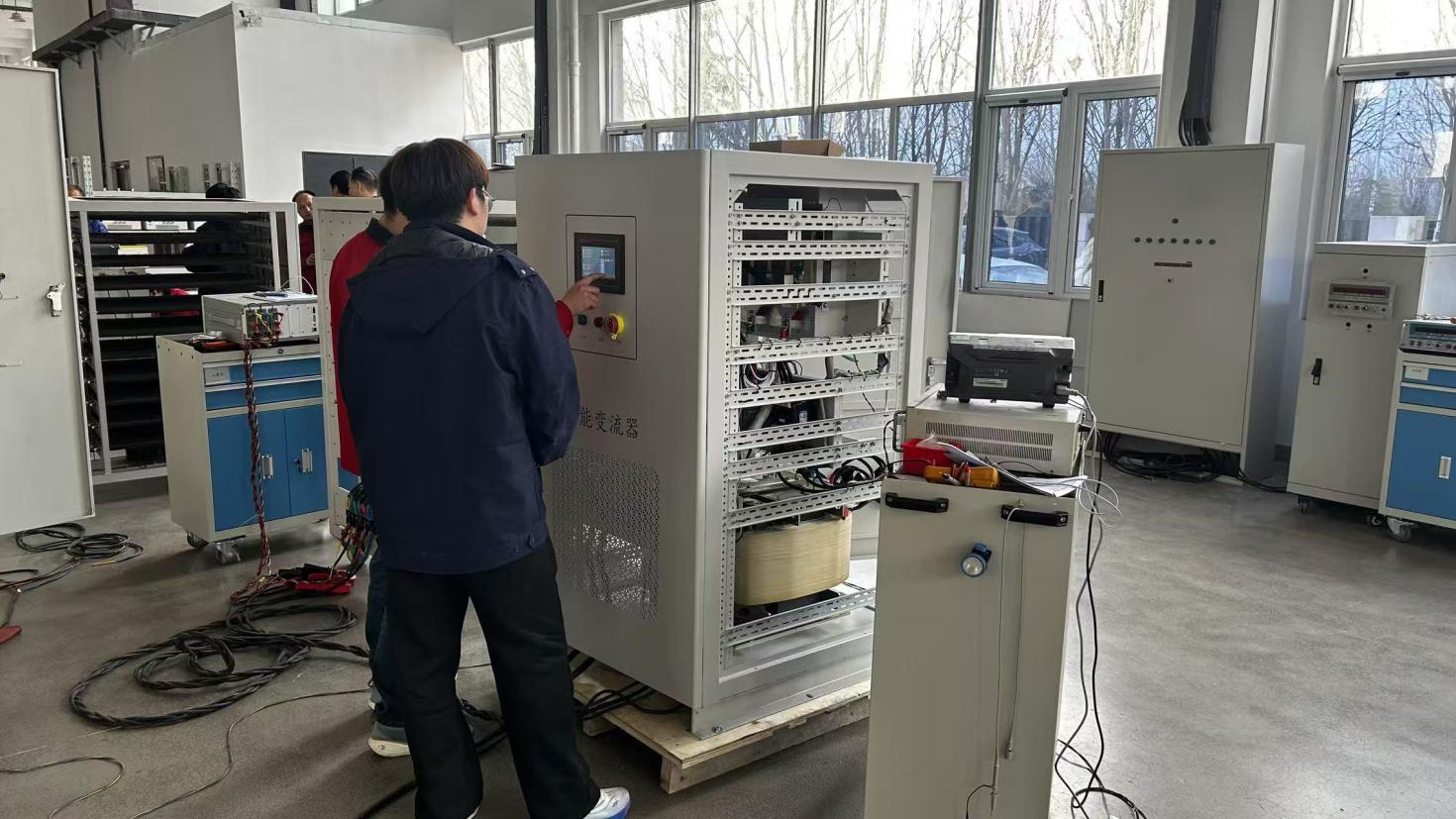
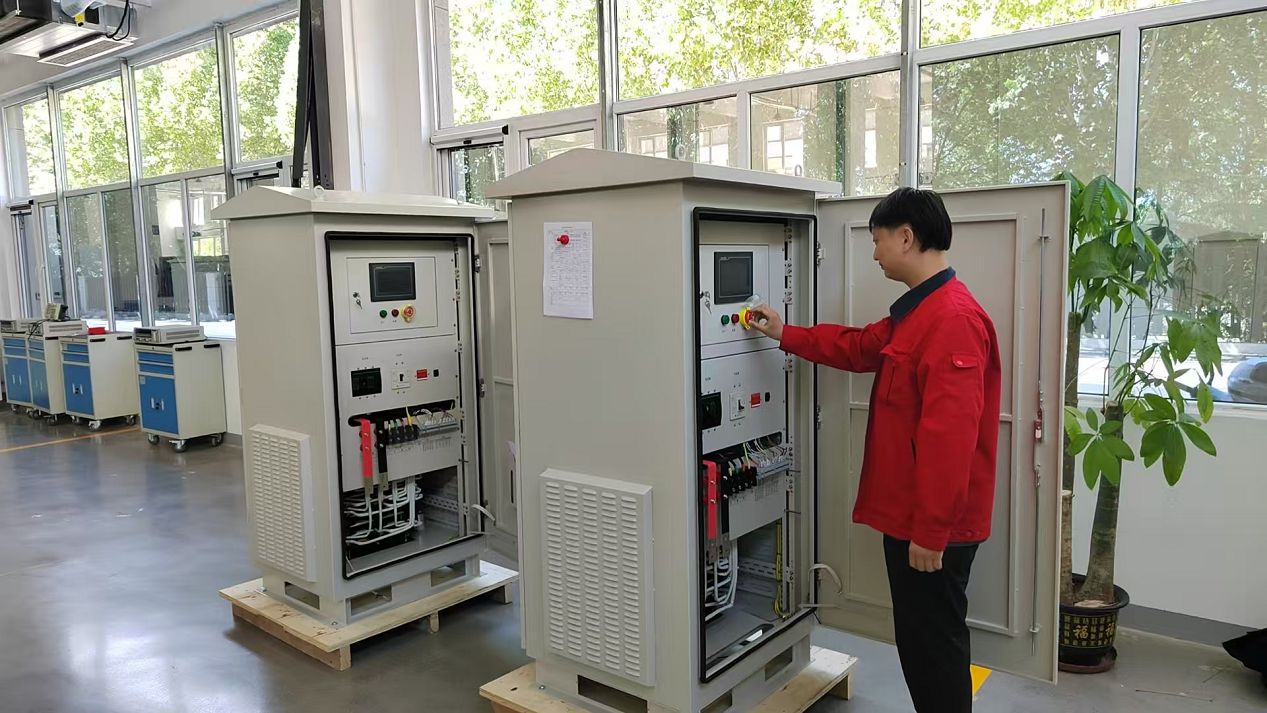
Rigorous Production Workflow & Tooling
Every stage of production is optimized to achieve peak electrical parameters and long-term durability.
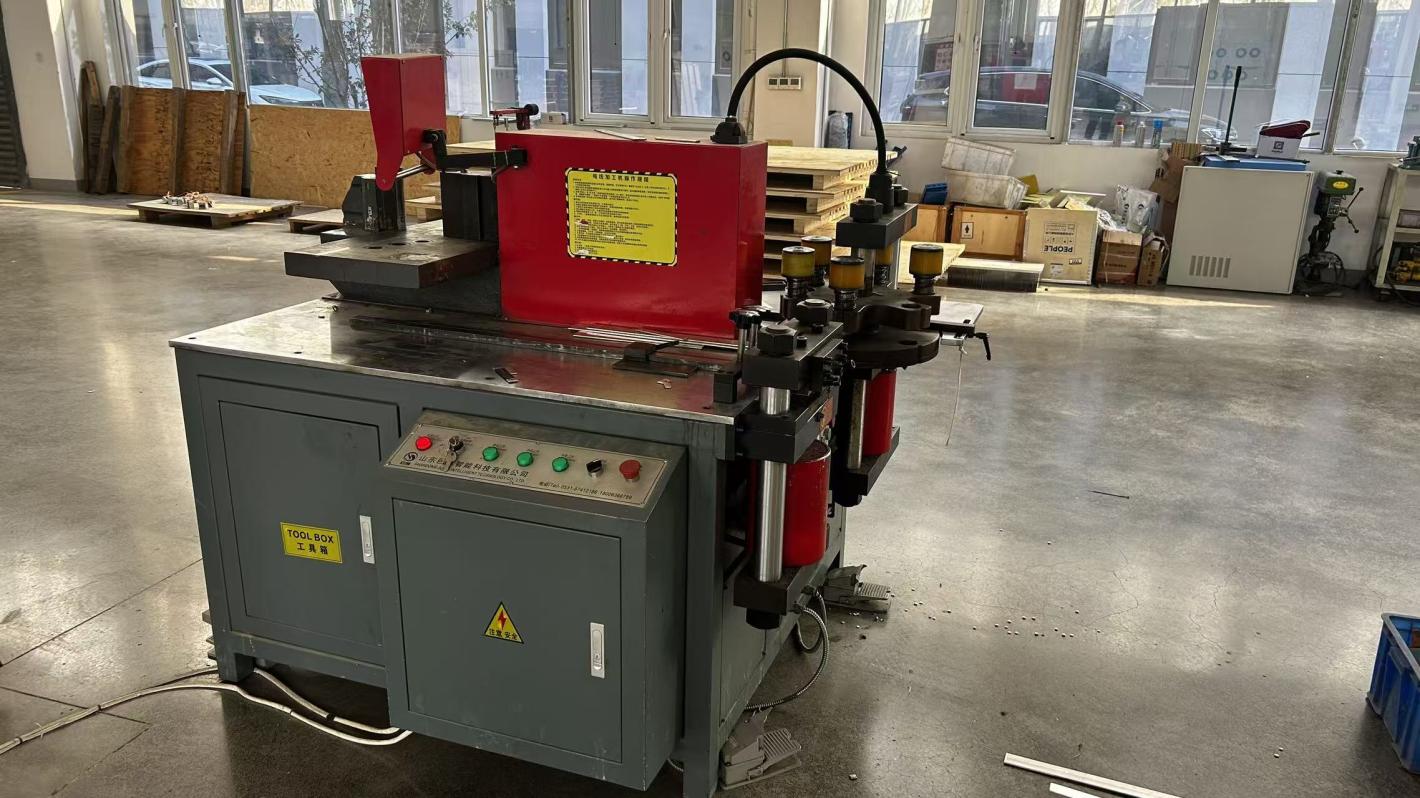
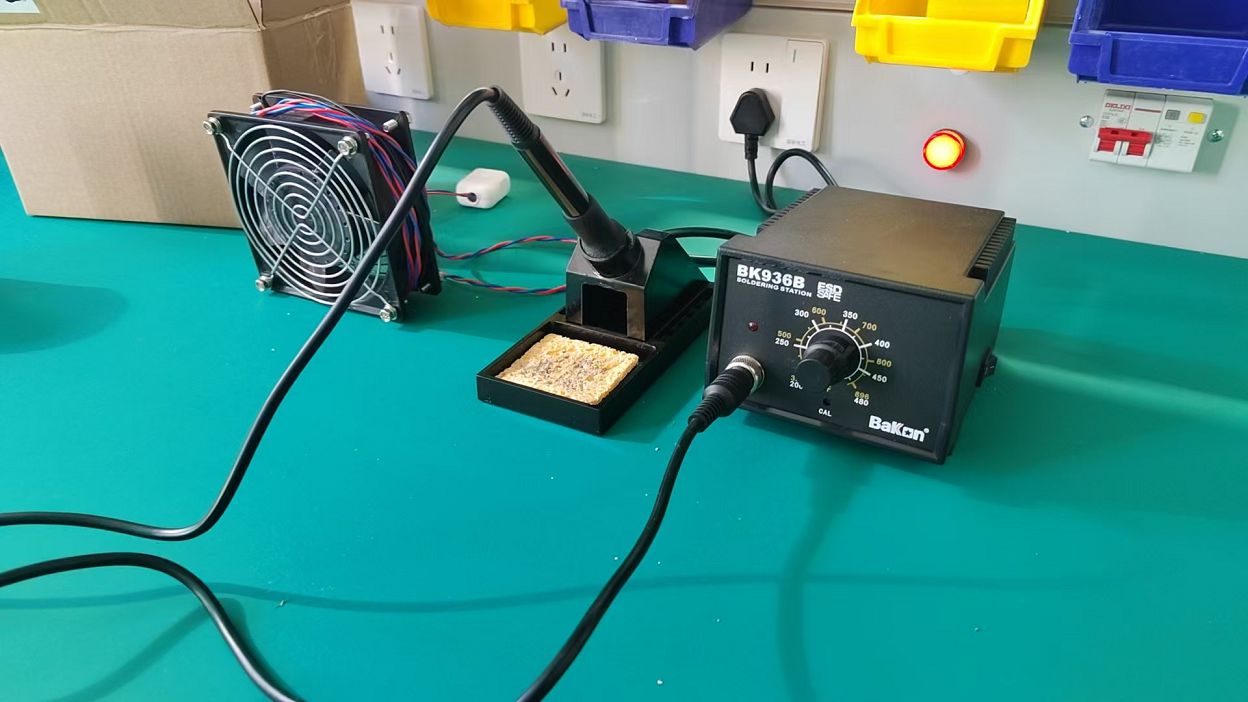
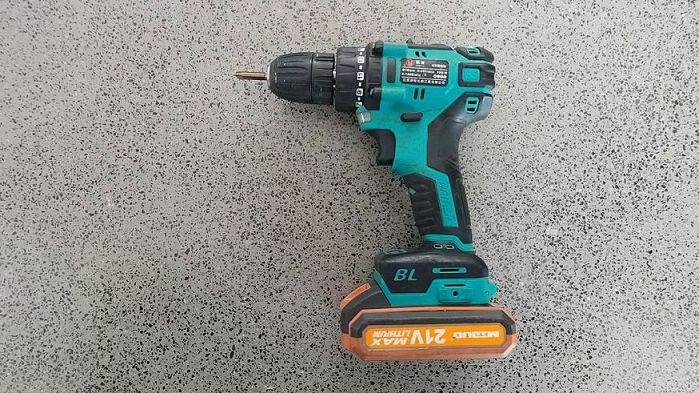
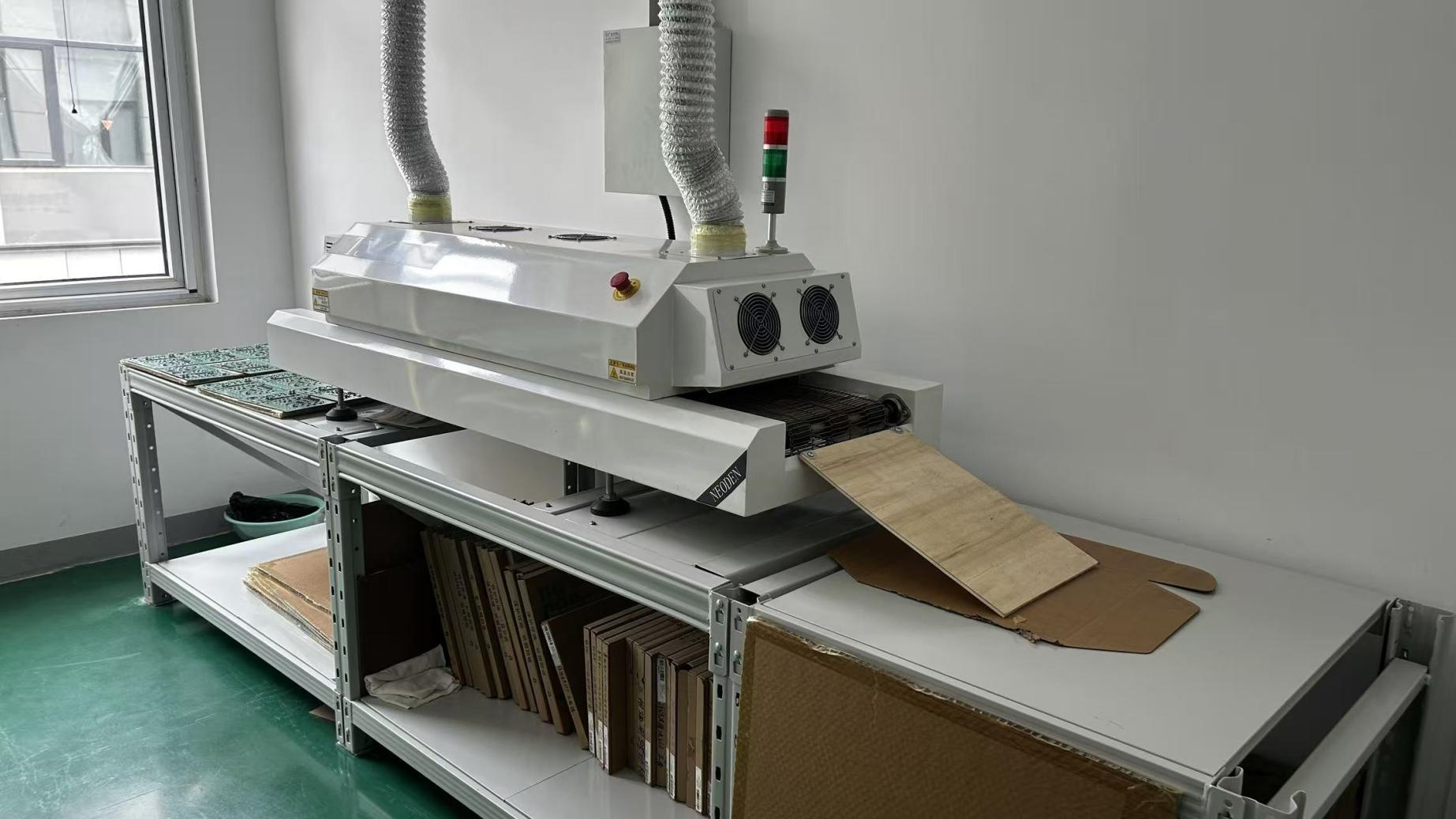
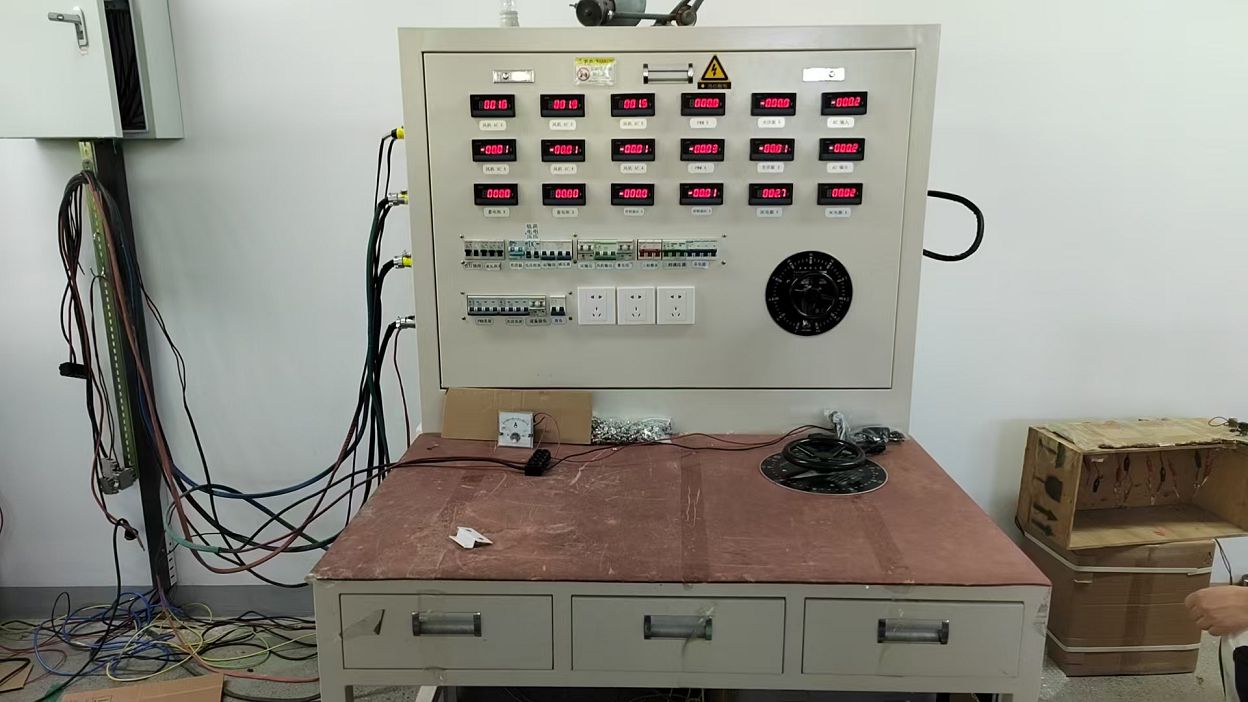
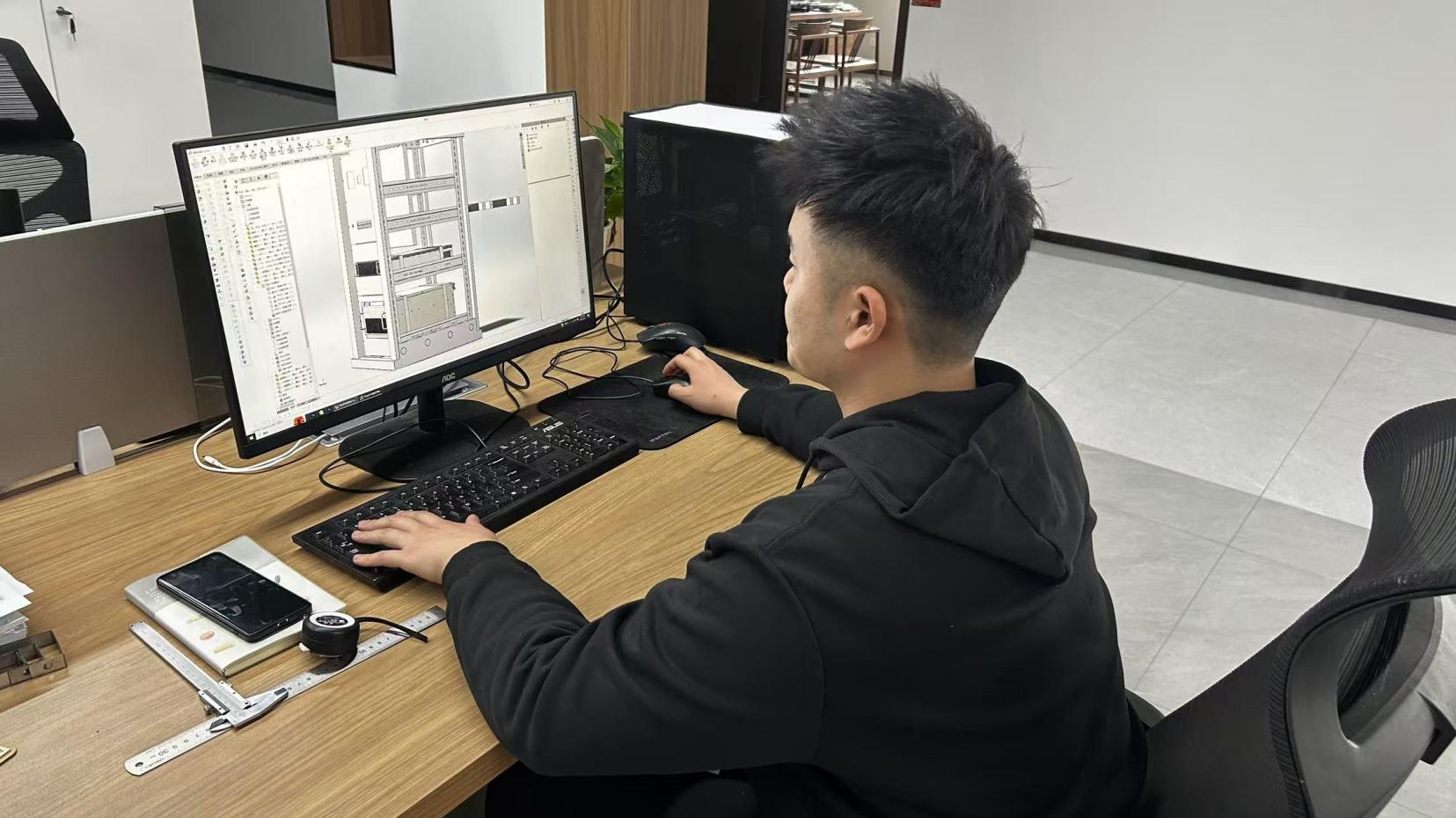
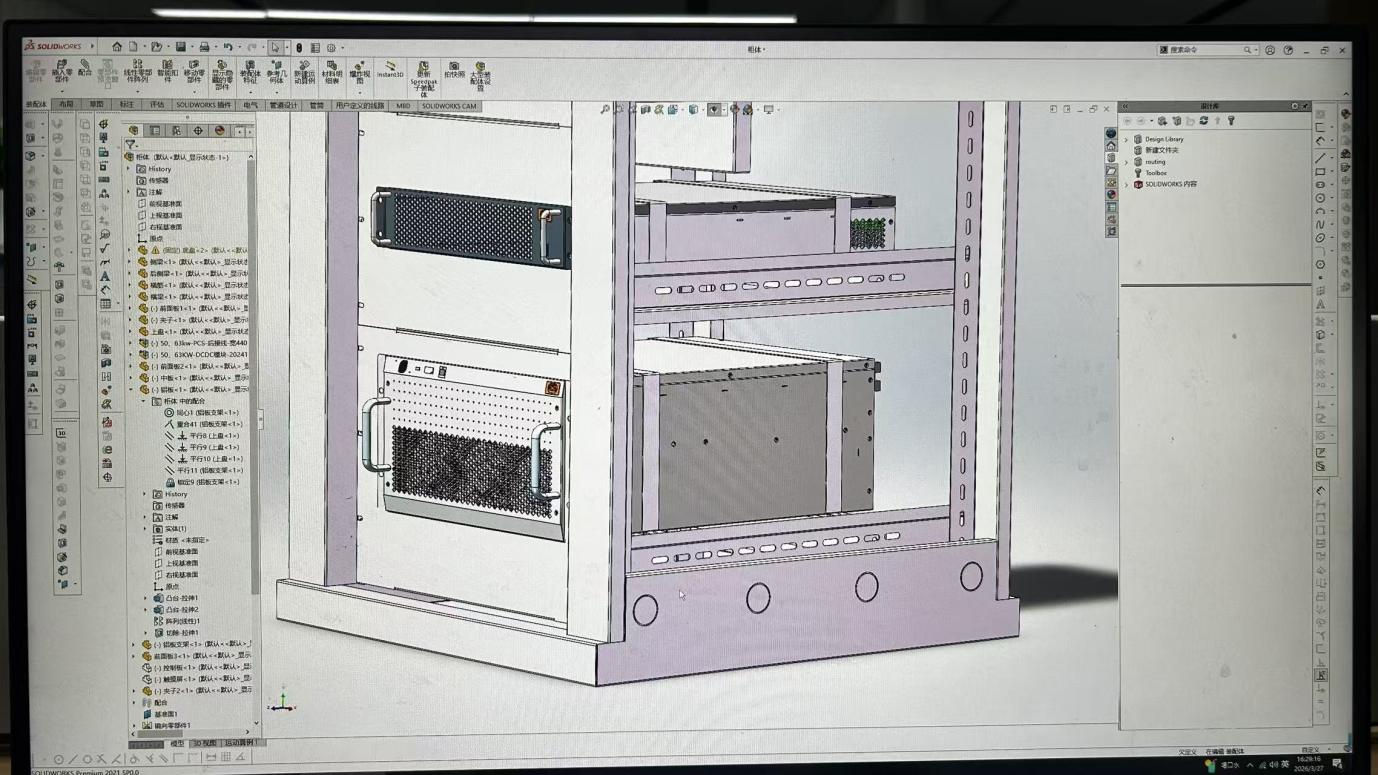 CAD Layout & Diagnostic Control Center
High-Performance Calibration & Diagnostics
Underpinning our manufacturing with certified instruments to guarantee precise specs.
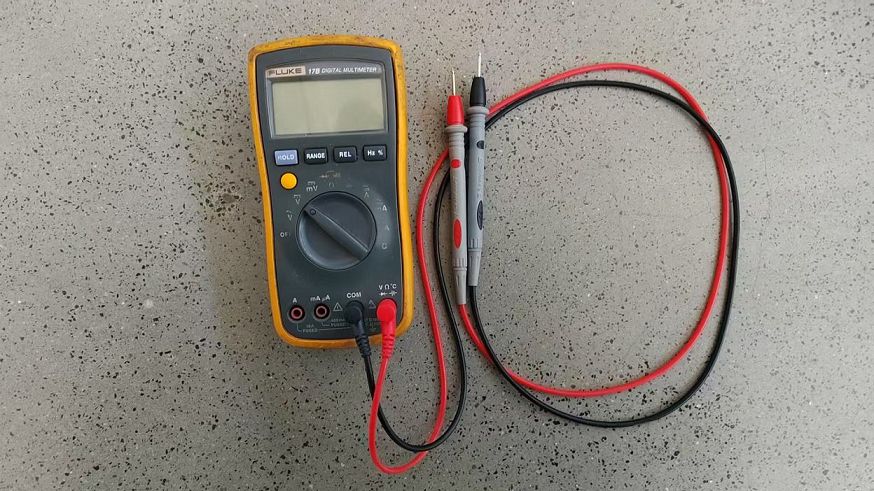
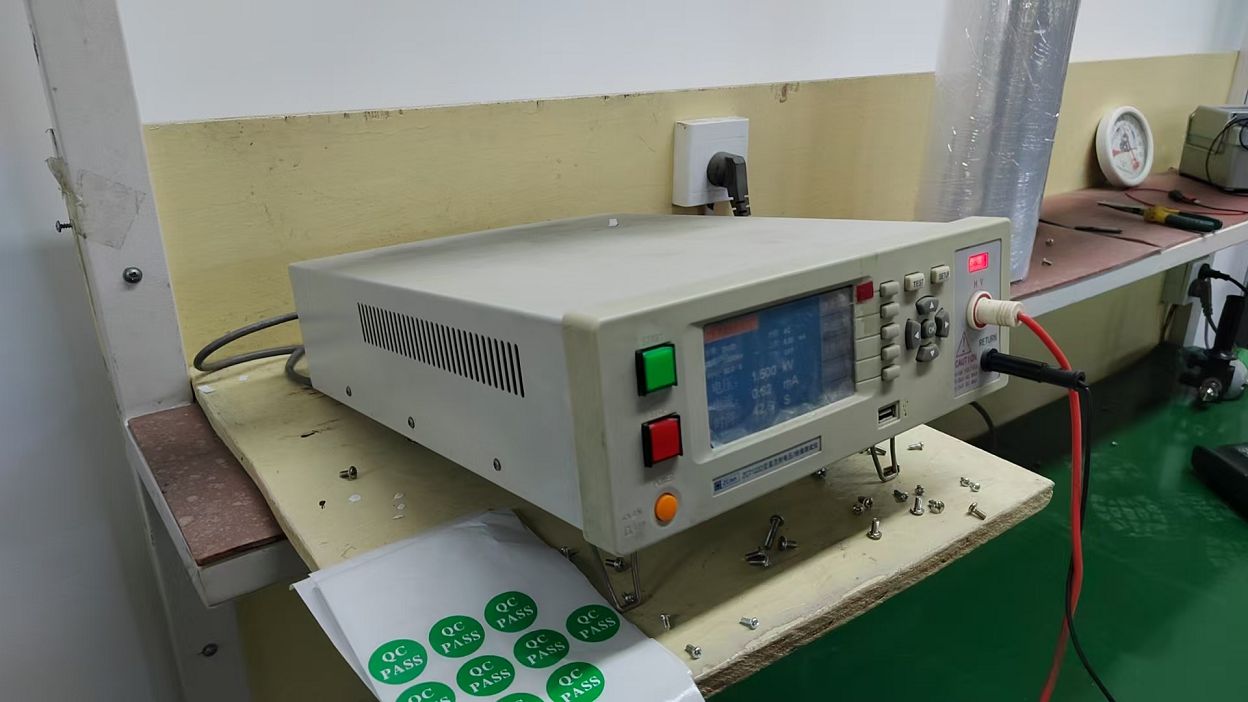
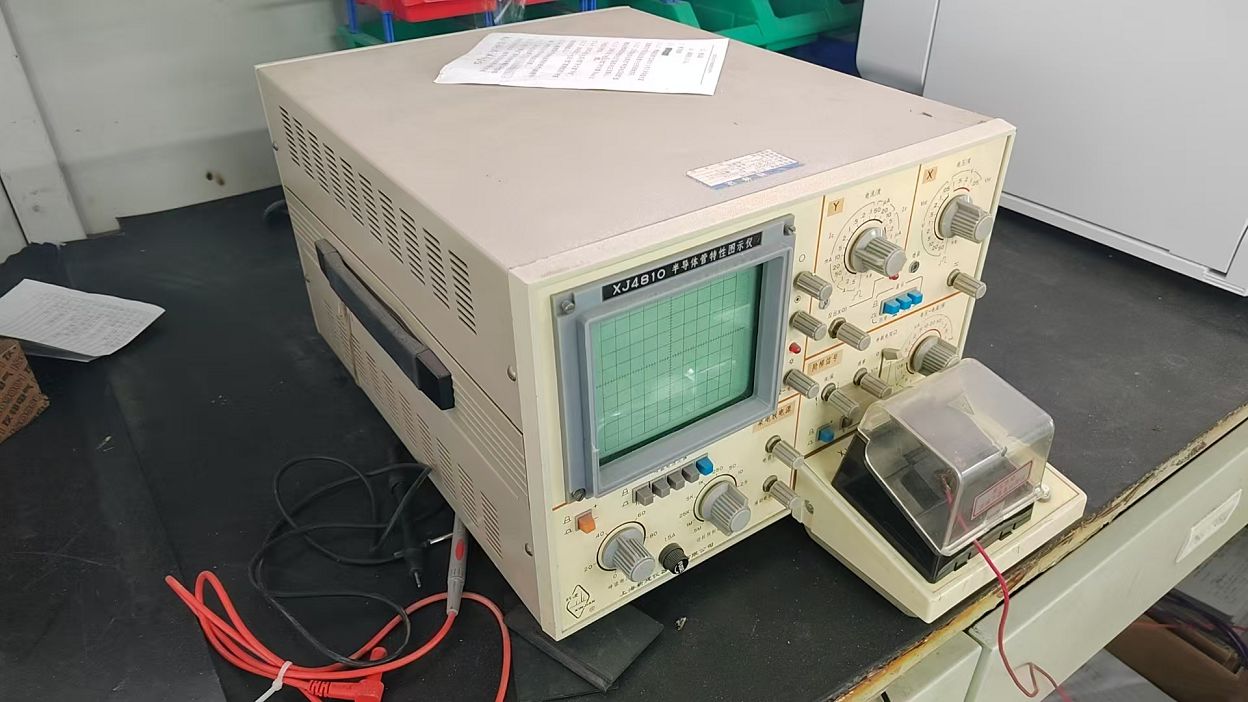
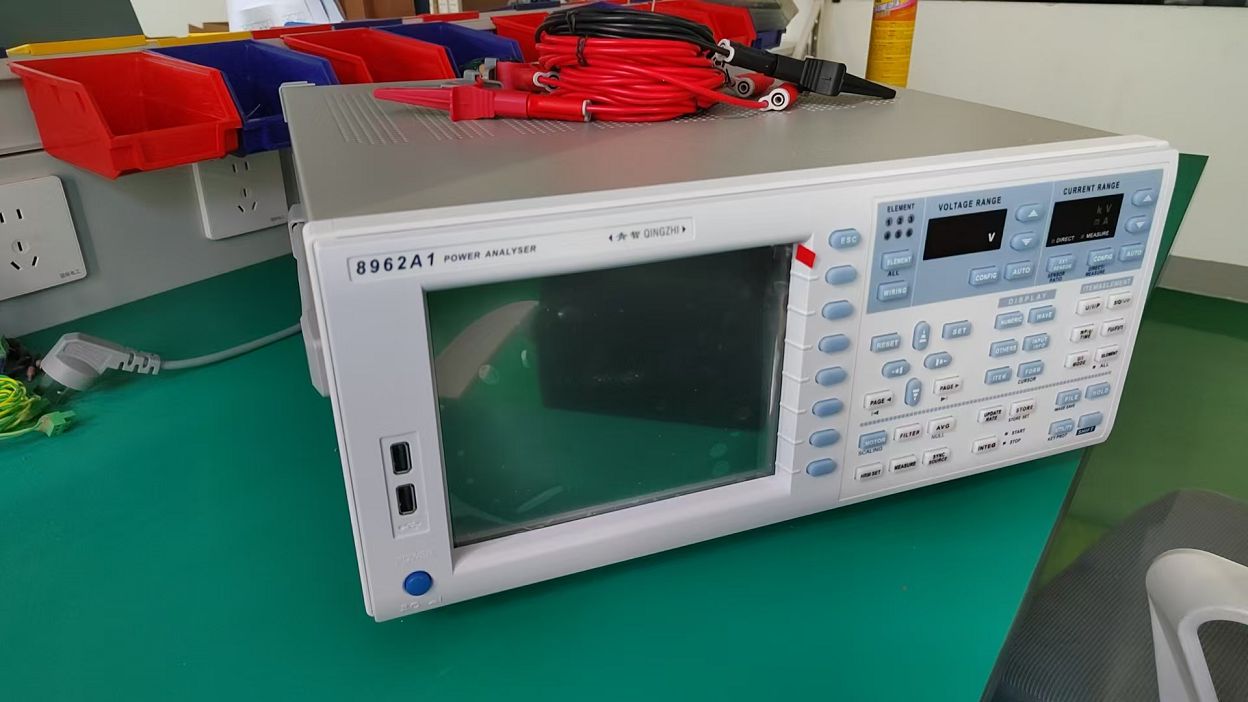
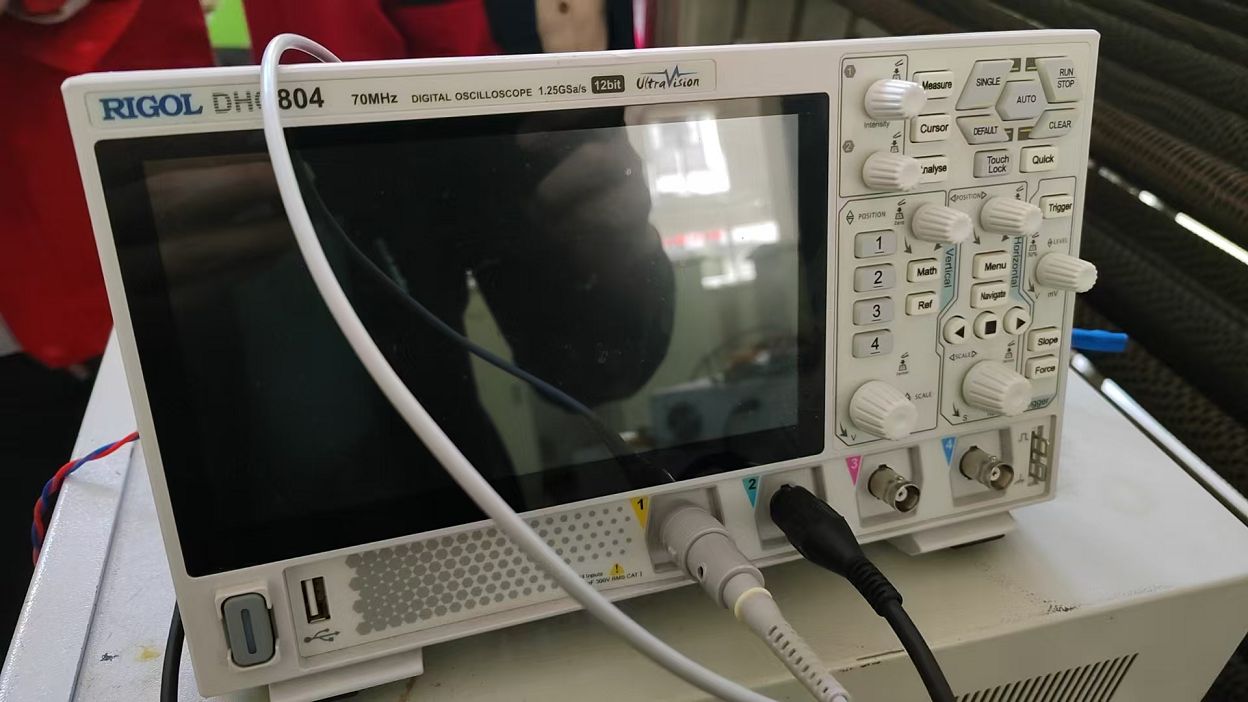
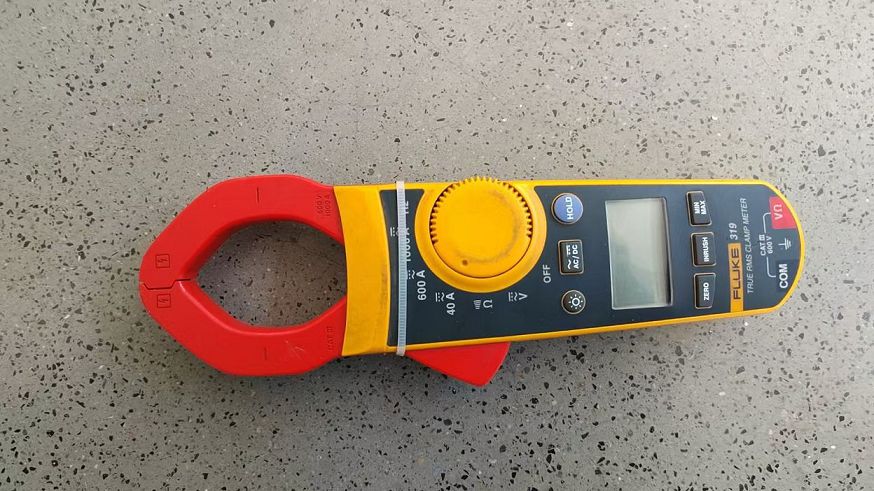
 verification workflow to ensure NIST-traceable calibration metrics.
Strategic Comparison: Output Profiles & Transient Recovery Metrics
To help system architects select the ideal model for their configuration, the following comparative mapping outlines the distinct technical features of linear regulators compared to switching-mode topologies across key metrics:
| Performance Characteristic | Sophpower Programmable Linear AC Source | Standard Switching AC Power Supply | Key Operational Benefit |
|---|---|---|---|
| Output Ripple & Noise (0-20MHz) | < 2 mV RMS / 10 mV pp | > 50 mV RMS / 250 mV pp | Prevents noise injection in RF/ADC circuits. |
| Transient Recovery Time | < 50 µs to 100 µs | 1 ms to 5 ms | Guarantees voltage stability during rapid load shifts. |
| Electromagnetic Radiations (EMI) | Extremely Low (No switching elements) | High (Requires heavy filters) | Simplifies compliance setup for EMC testing. |
| Total Harmonic Distortion (THD) | < 0.3% at full linear range | < 1% to 2% under load | Delivers pure sine wave representations. |
| Programming Resolution | 16-bit DAC controls | 12-bit typical controls | Supports high-precision incremental step sweeps. |
Macro-Industry Application Profiles for Sophpower Instruments
1. Aviation, Defense, & Aerospace Avionics Testing
Avionics packages, radar receivers, and guidance computers utilize 400Hz frequency systems to minimize component weight. The standard utility grid (50Hz/60Hz) is unsuitable for simulation. The Sophpower Adjustable 40-400Hz AC Power Supply & Frequency Converter series delivers variable frequency profiles with zero switching harmonics, allowing aerospace labs to replicate generator variations, voltage sags, and surges without introducing external anomalies.
2. Semiconductor and IC Verification Lines
In modern microelectronics fabrication, measuring microampere-level leakage currents during deep-sleep states requires power supplies with ultra-low current noise floors. Sophpower's variable high-voltage DC units (e.g., 1000V 1A and 1500V 1A models) provide exceptionally stable output rails. System engineers can perform step-by-step sweeps with high resolution, ensuring clean data collection without the need for large passive filtering networks.
3. Medical Imaging & High-Sensitivity Instrumentation
High-resolution diagnostic equipment such as MRI scanners, ultrasound processors, and patient monitors rely on clear analog signals. Any high-frequency ripple from a switching power source can manifest as visual artifacts or sensor errors. Using Sophpower's linear AC and DC regulated power supplies ensures that calibration systems operate on a clean ground loop, fulfilling strict regulatory verification steps.
4. Automotive Electronics & EV Power Grid Simulation
With the expansion of electric vehicles (EVs) and smart grids, simulating fluctuating battery potentials and line transients is critical. Sophpower's high-capacity cabinet-level DC switching configurations (extending up to 50kW and 1000V outputs) provide the power envelope needed to simulate vehicle battery buses, permitting thorough testing of on-board chargers, dc-dc converters, and motor drive controllers under stress conditions.
Quality Standards & Export Capabilities
Sophpower Electronics implements a comprehensive quality assurance framework from design to final export packing, ensuring robust equipment performance in various environments.
1. Global Compliance
Our power supplies align with CE, FCC, and RoHS standards. Our ISO 9001:2015 certified manufacturing facility in Shenzhen ensures repeatable design control and trace manufacturing processes.
2. Customized Systems
We recognize that off-the-shelf units may not meet every specific engineering target. Our team offers custom voltage/current combinations, tailored cabinet designs, and modified communication protocols.
3. Support Infrastructure
Through international distributor networks and direct support engineers, Sophpower provides rapid troubleshooting, calibration procedures, and replacement parts to keep your lines running.
Frequently Asked Technical Questions
Answers to common design and purchasing questions from our global engineering clients.
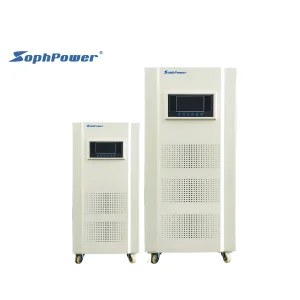
Industrial Voltage Regulators & Power Supplies
High-capacity stabilizer and power conversion units for industrial, factory, and laboratory installations.