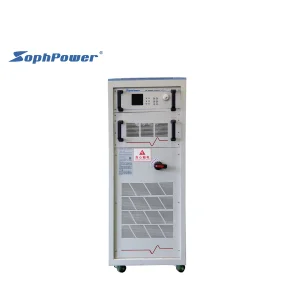
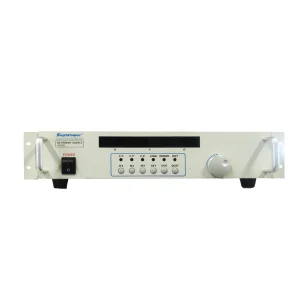
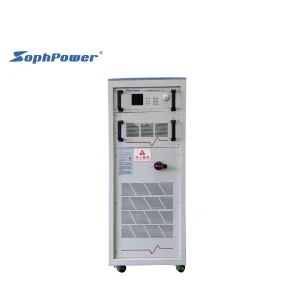
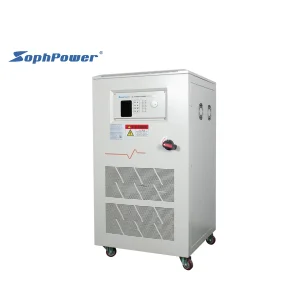
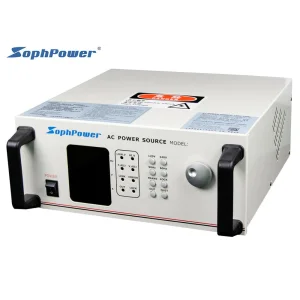
Premium Test & Industrial Power Supplies
Select models engineered for high stability, galvanic safety, and laboratory precision.
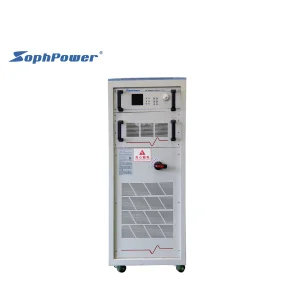
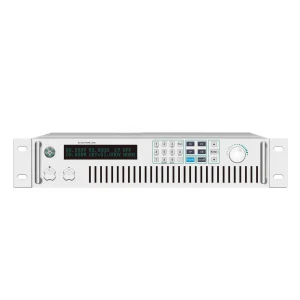
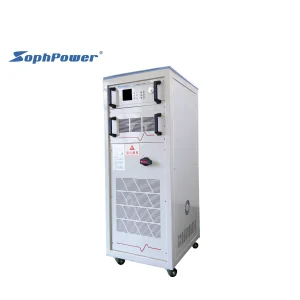
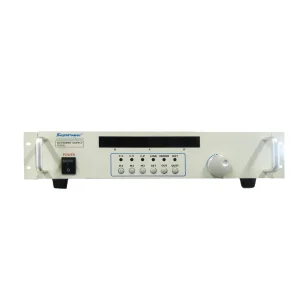
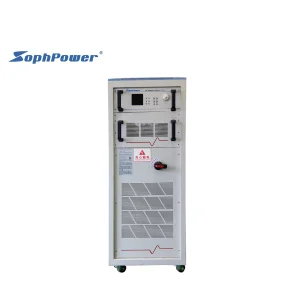
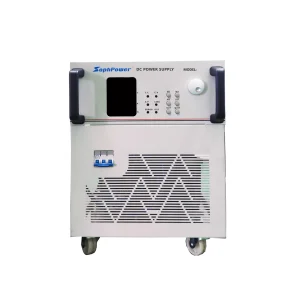
Global Commercial & Industrial Isolation Transformer Landscape
In the modern era of precision electronics, industrial automation, and volatile clean energy integration, power quality management has become a critical parameter for corporate operational integrity. Isolation transformers represent the primary line of defense against transient spikes, electrostatic interference, ground loops, and high-frequency noise that threaten highly sensitive manufacturing, medical, and laboratory instrumentation globally.
Industrial facilities in regions with aging power grids, such as parts of North America and Western Europe, or those in rapidly expanding manufacturing centers in Southeast Asia and South America, face substantial operational risks due to electrical anomalies. The galvanic isolation provided by high-capacity magnetic shielding isolates the load circuit from the primary source, eliminating the connection path for common-mode noise. By decoupling the output from the input grounding grid, isolation transformers guarantee isolated reference neutrals, shielding highly precise semiconductor testing equipment, advanced robotics, medical imaging setups, and high-frequency communication links from electrical degradation.
Complete Galvanic Separation
By preventing physical electrical conduction between input and output, isolation transformers prevent catastrophic voltage surges from breaching secondary circuits, offering high-level safety compliance for operators and equipment.
Common-Mode Noise Attenuation
Utilizing high-grade electro-static shields (Faraday cages) between the primary and secondary windings, isolation transformers provide unparalleled suppression of common-mode noise (up to 120 dB attenuation).
Ground Loop Elimination
Operating separate ground points for the supply side and load side breaks the current paths that introduce ground-loop noise, which is crucial for clean measurements in R&D laboratories and high-fidelity communications.
Unrivaled Manufacturing Efficiency: The Shenzhen Edge
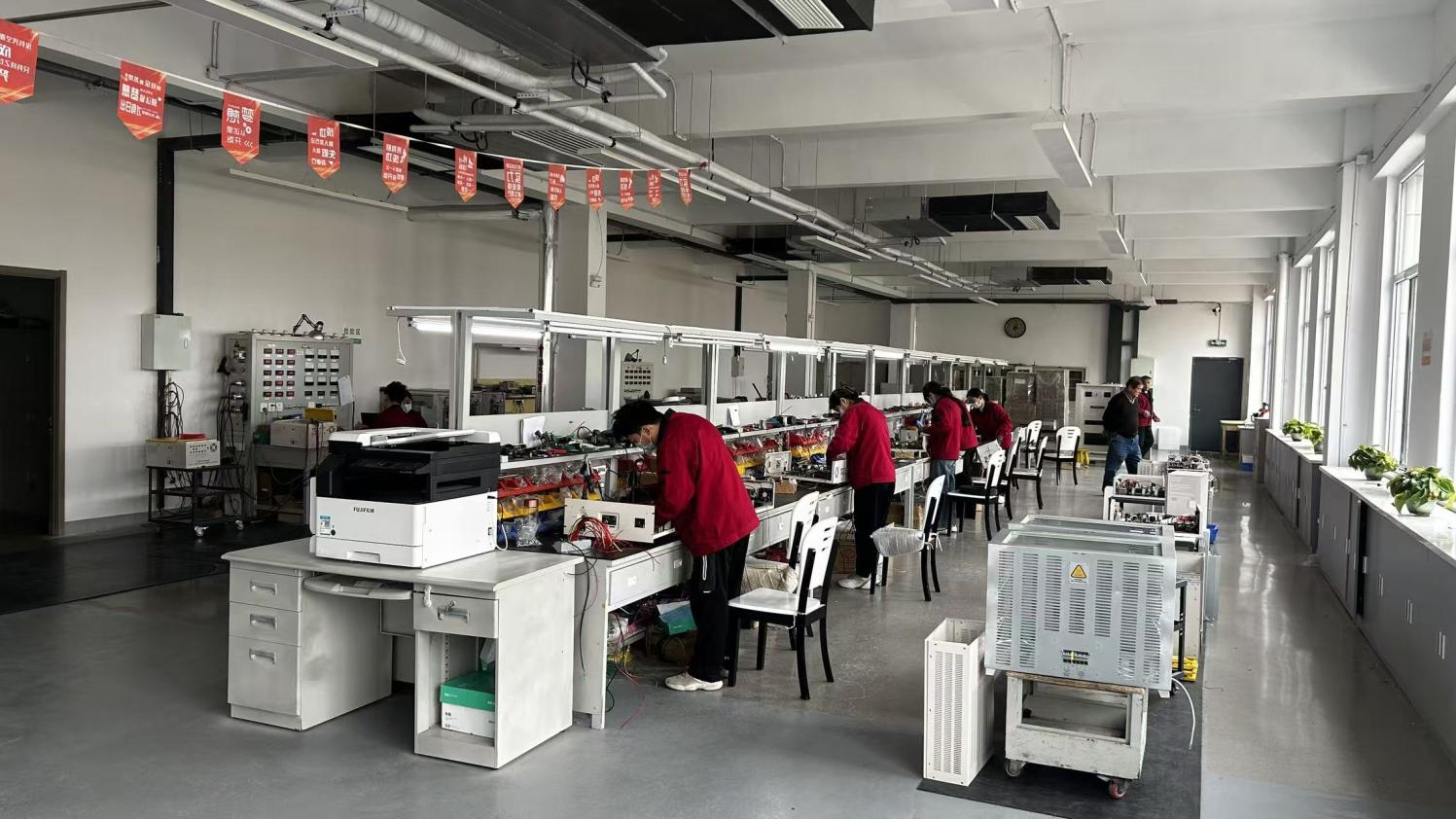
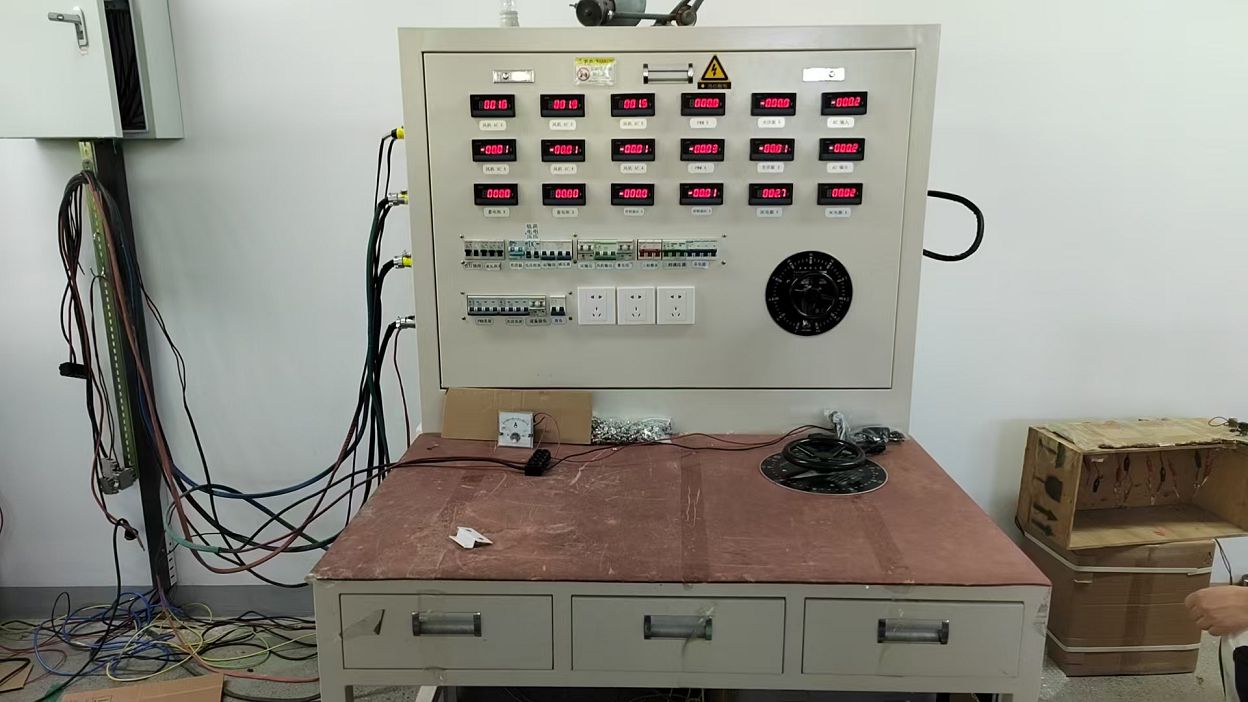
Shenzhen, China, stands as the global epicentre of high-power electronics engineering. Localizing manufacturing in Shenzhen allows companies like Shenzhen Sophpower Electronics Co., Ltd. to optimize the entire manufacturing lifecycle, from component sourcing to thermal simulation, automated winders, and heavy-duty load testing. The geographic proximity of key raw material suppliers (high-permeability silicon steel sheets, oxygen-free copper, and Class H insulating materials) shortens development periods and keeps lead times down to fractions of what Western competitors offer.
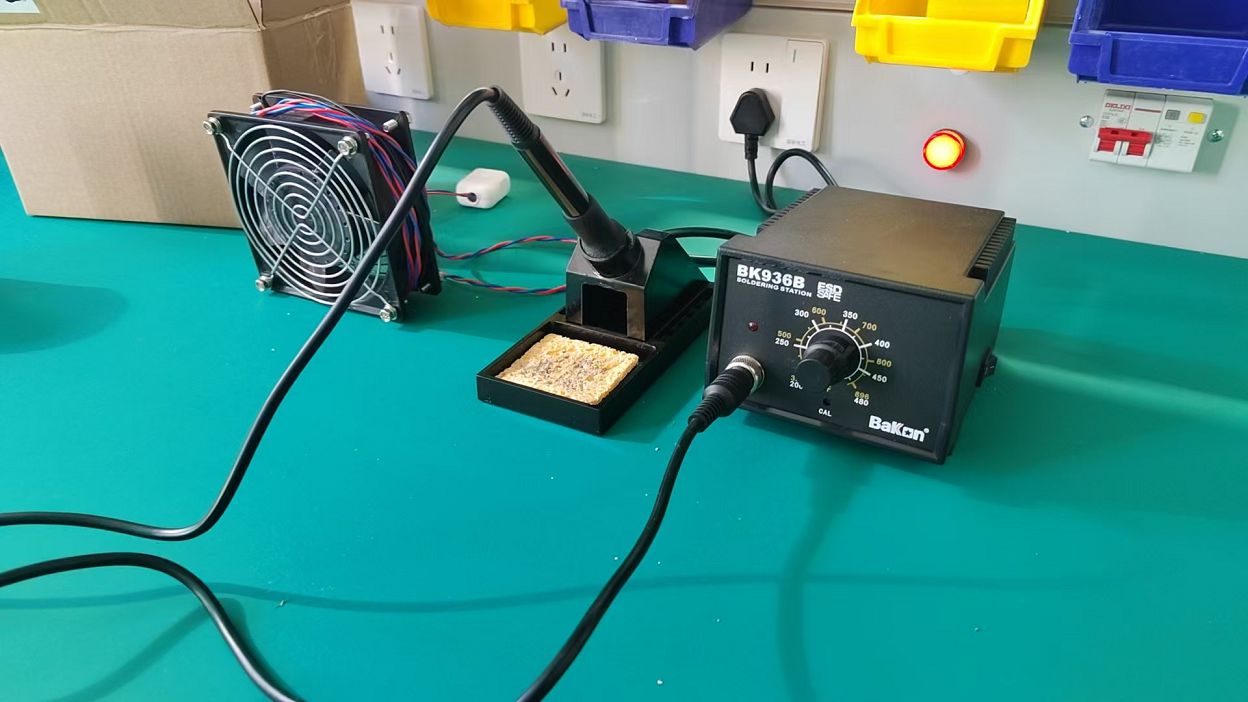
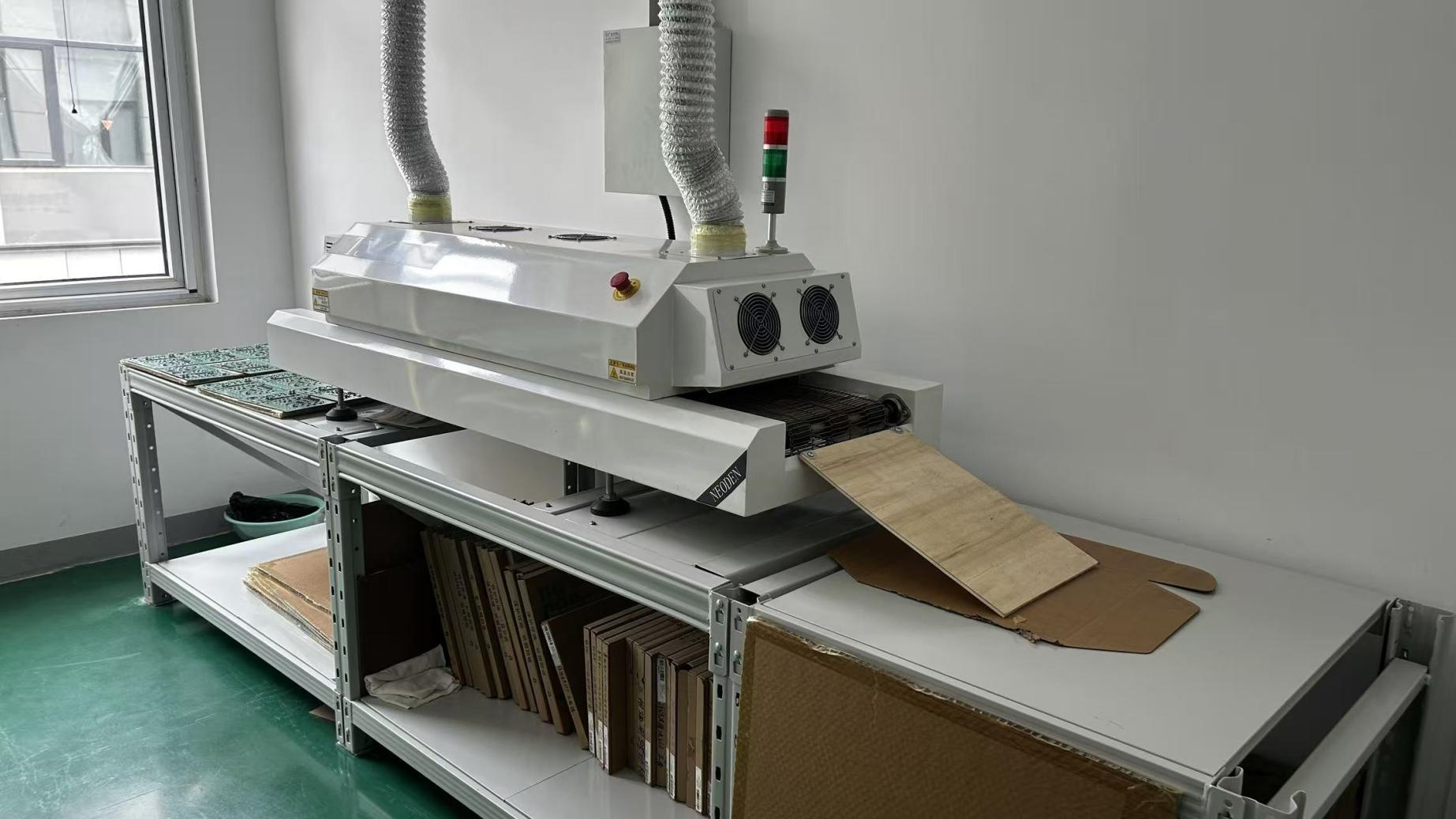
Furthermore, Chinese factory efficiency is powered by vertically integrated engineering pipelines. With advanced reflow soldering machines, precise debugging workstations, and computerized simulation environments operating under one roof, Sophpower ensures high dimensional precision, excellent heat dissipation parameters, and custom electrical configurations (custom turns ratios, electrostatic screens, thermal protection relays) without inflating baseline costs.
About Shenzhen Sophpower Electronics Co., Ltd.
Shenzhen Sophpower Electronics Co., Ltd. was established in 2006, located in Shenzhen, China. As a High-tech enterprise with sustainable and rapid growth, Sophpower has a group of technical engineers with rich experience in the field of testing power supply. Main products including AC Power Source, Linear AC Power Source, Bidirectional AC Power Source, DC Power Supply, Bidirectional DC Power Supply, Voltage regulator and UPS. Can provide customized test power supply according to customer's requirements.
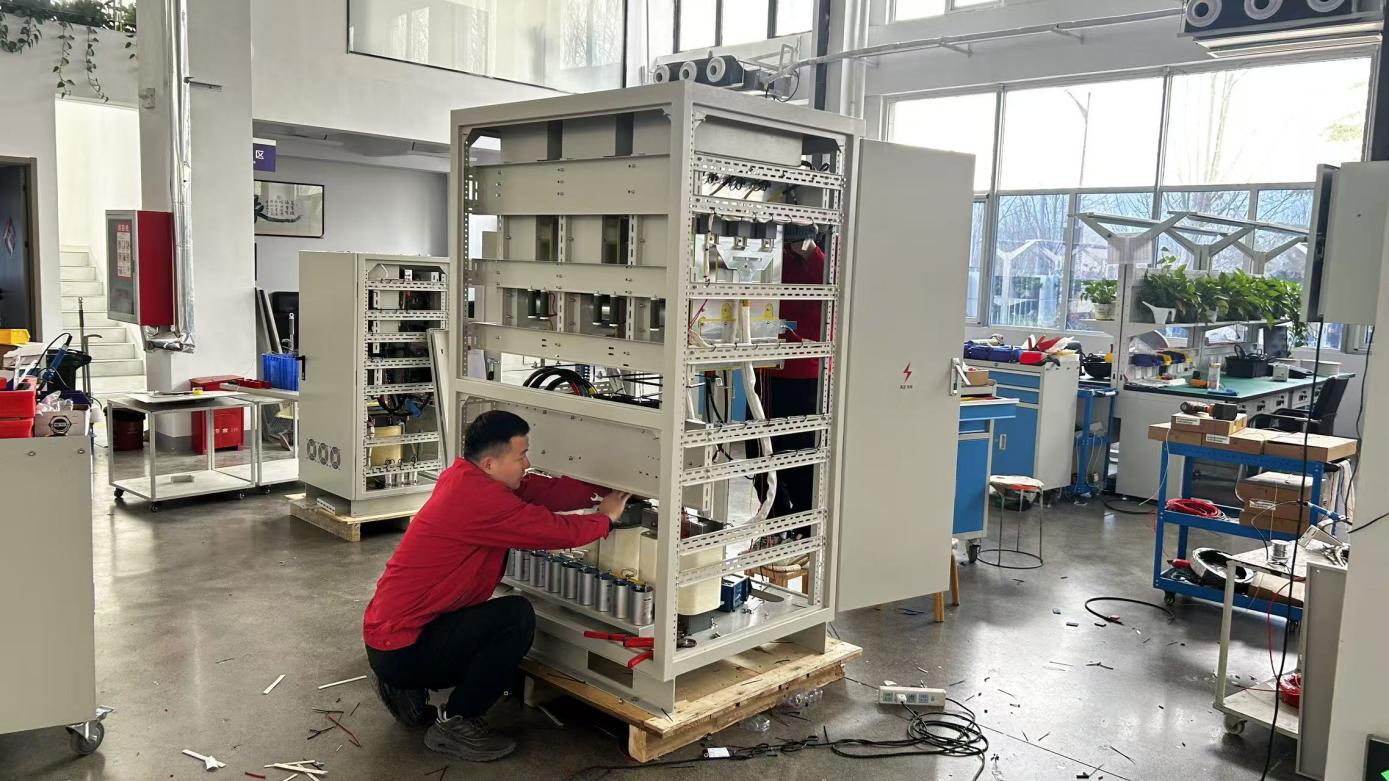
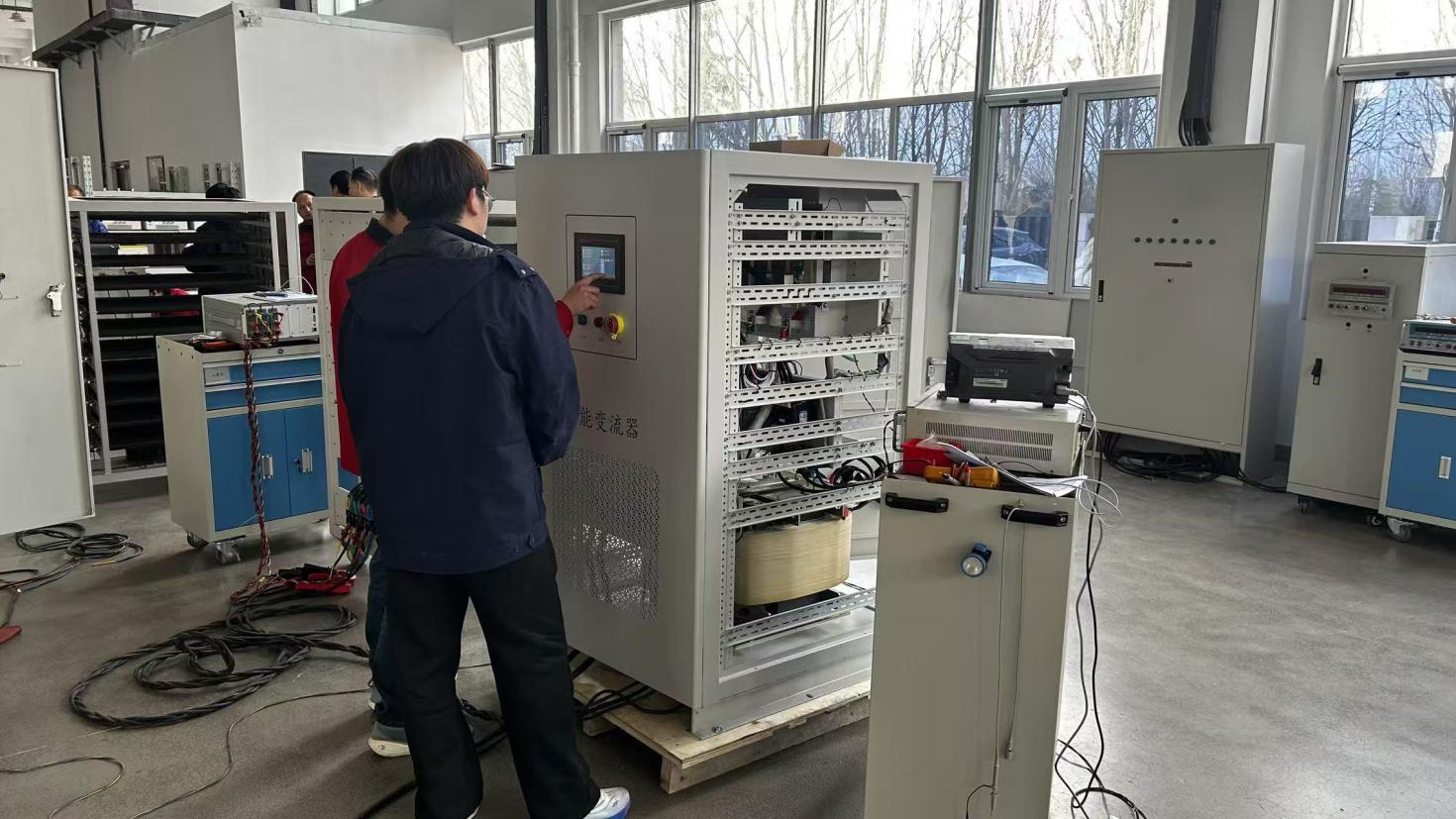
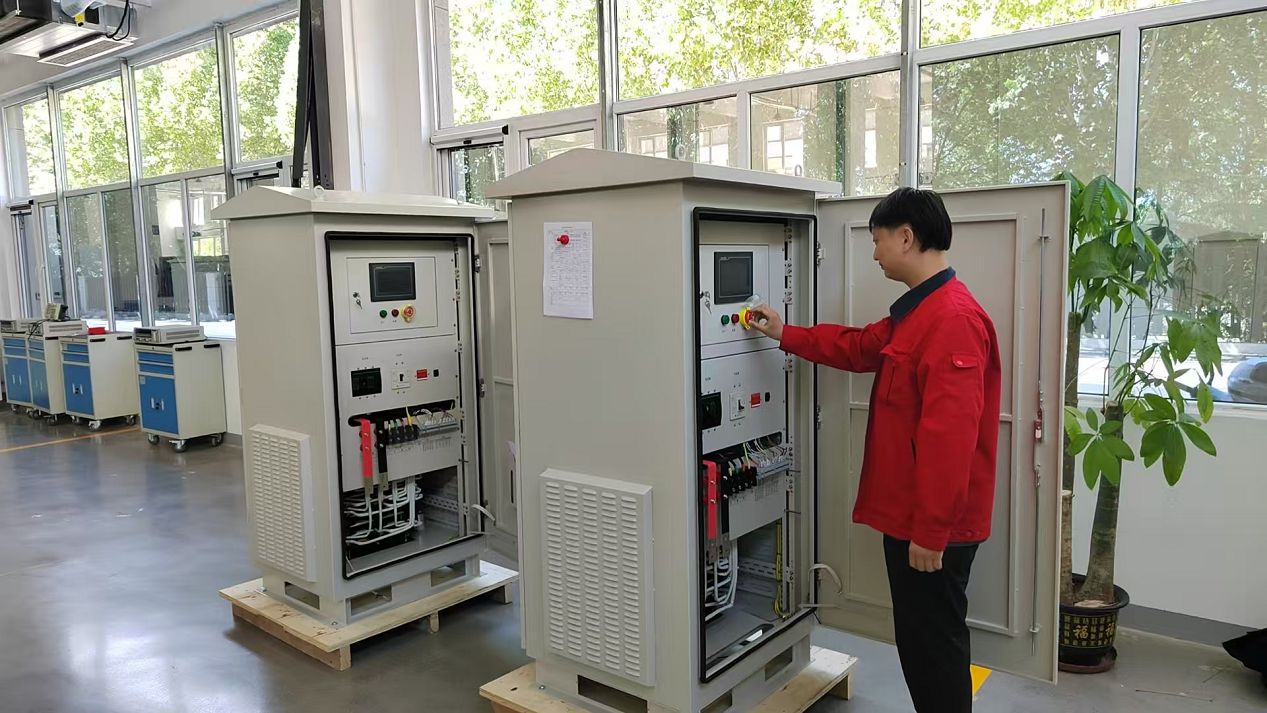
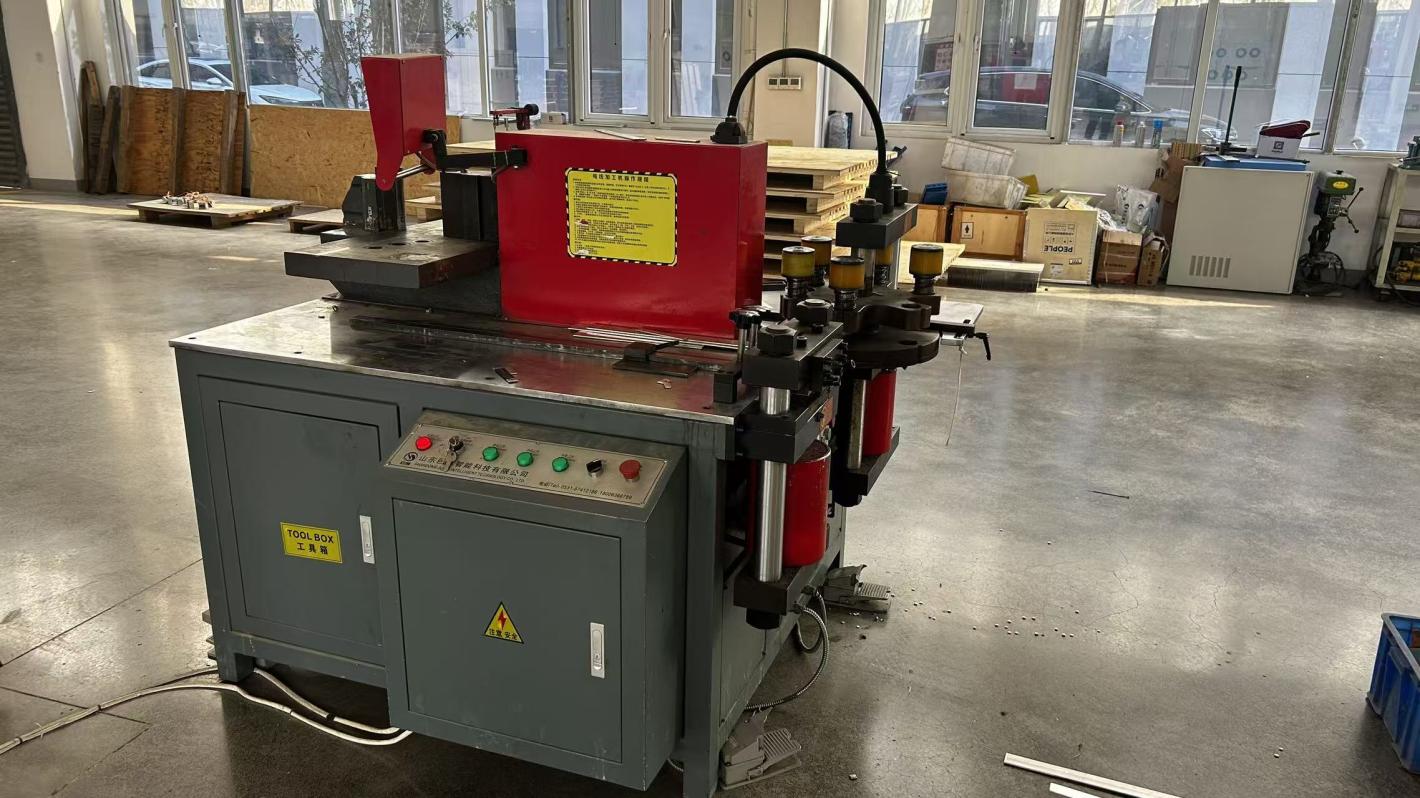
State-of-the-Art Factory Infrastructure & Equipment
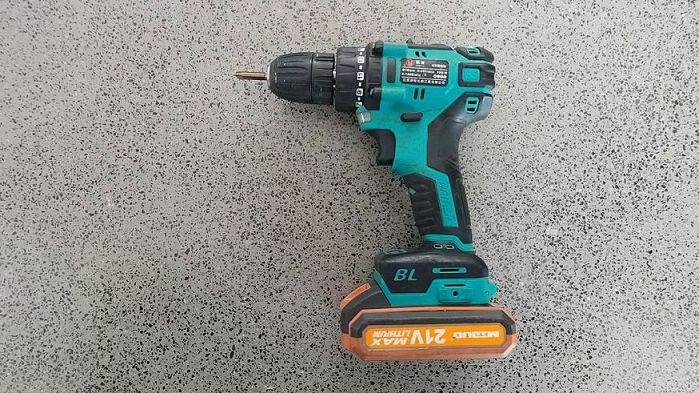
We employ specialized machinery, meticulous debugging practices, and advanced measurement instrumentation to maintain international standards.
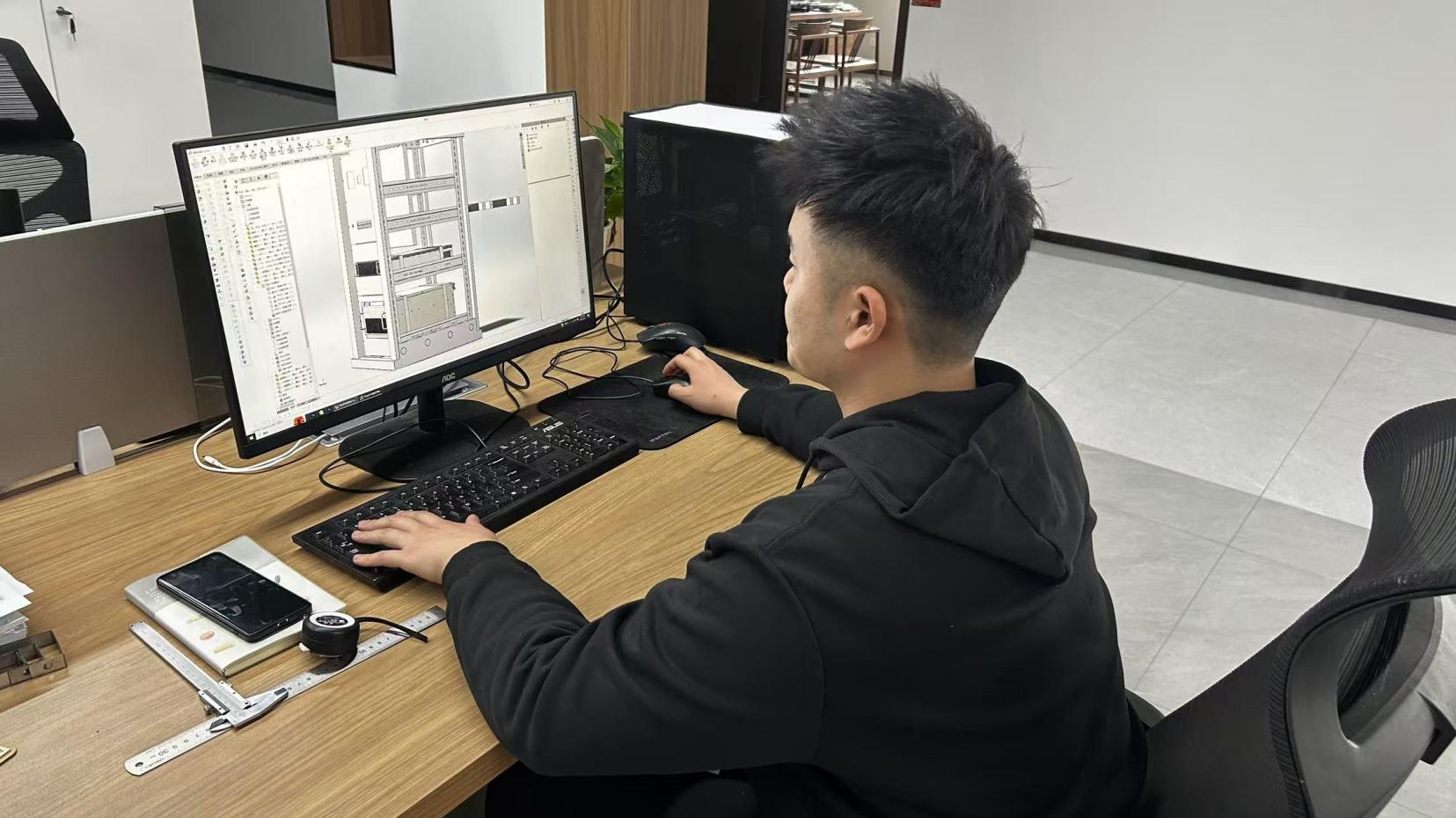
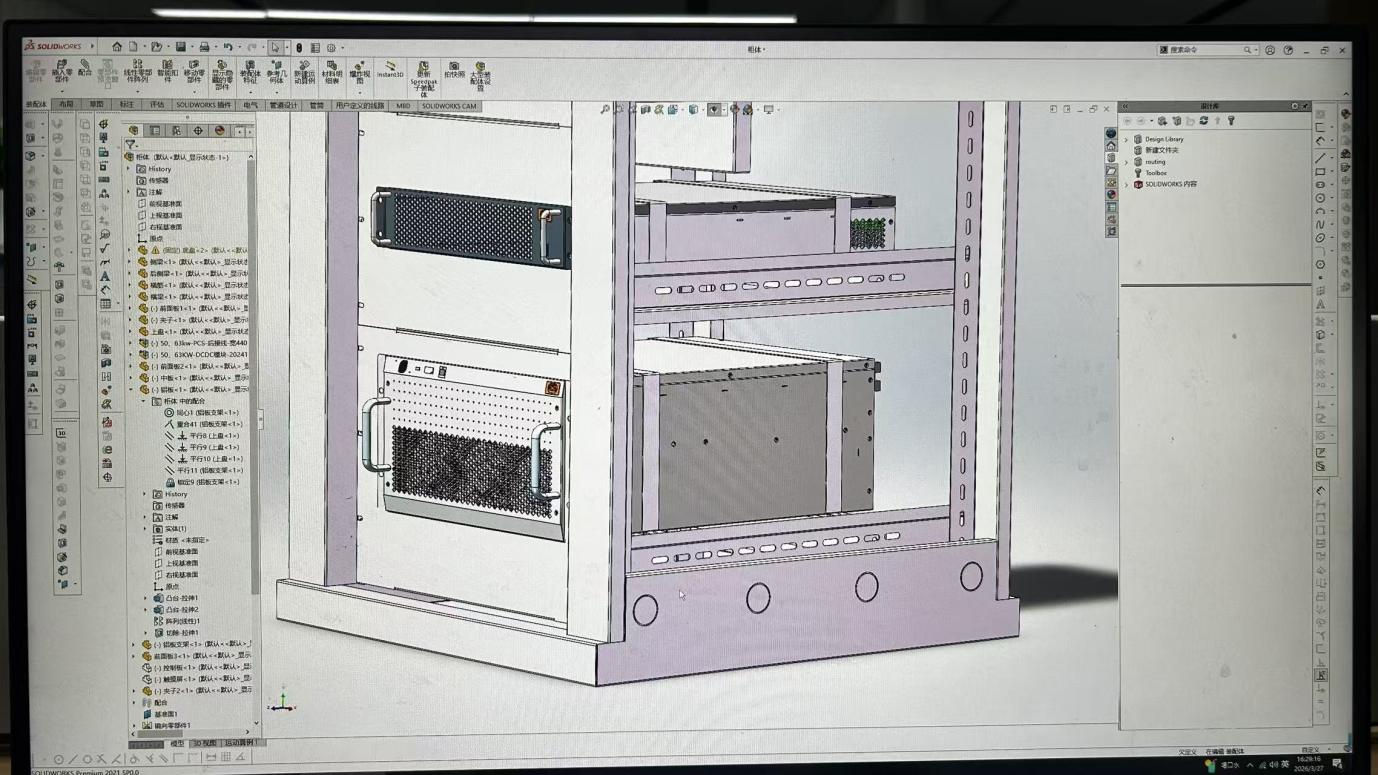
Production & Assembly Processes
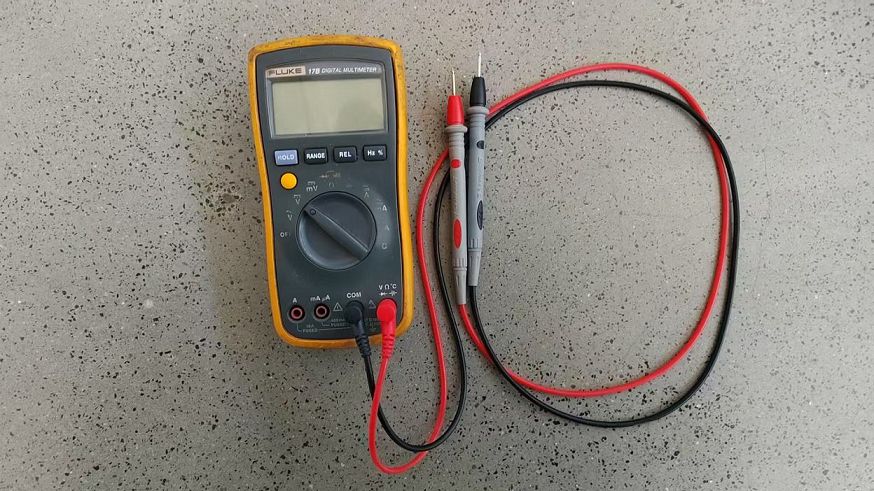
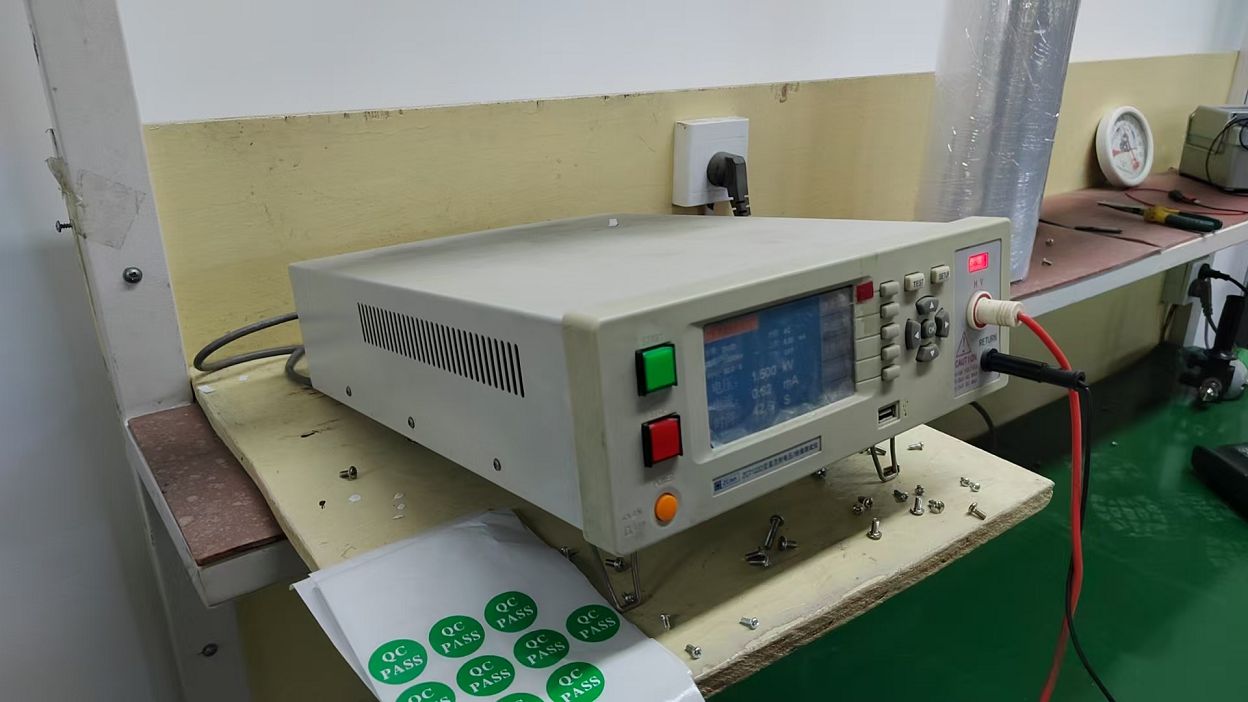
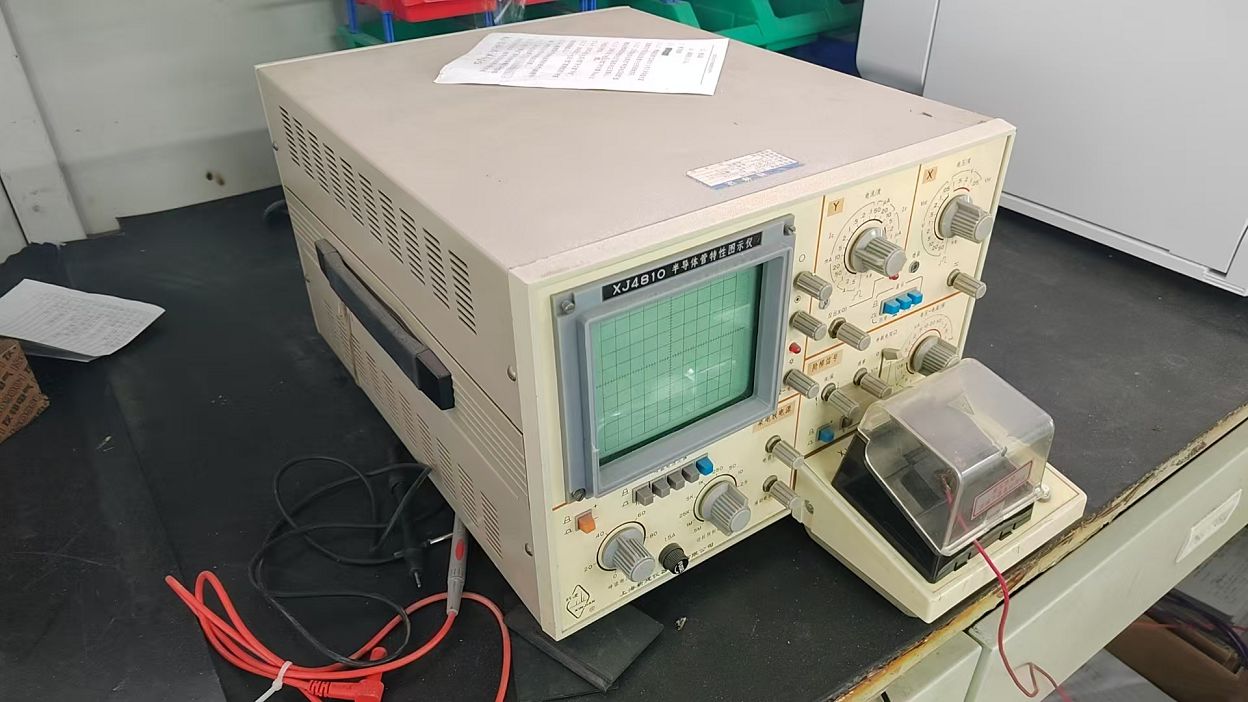
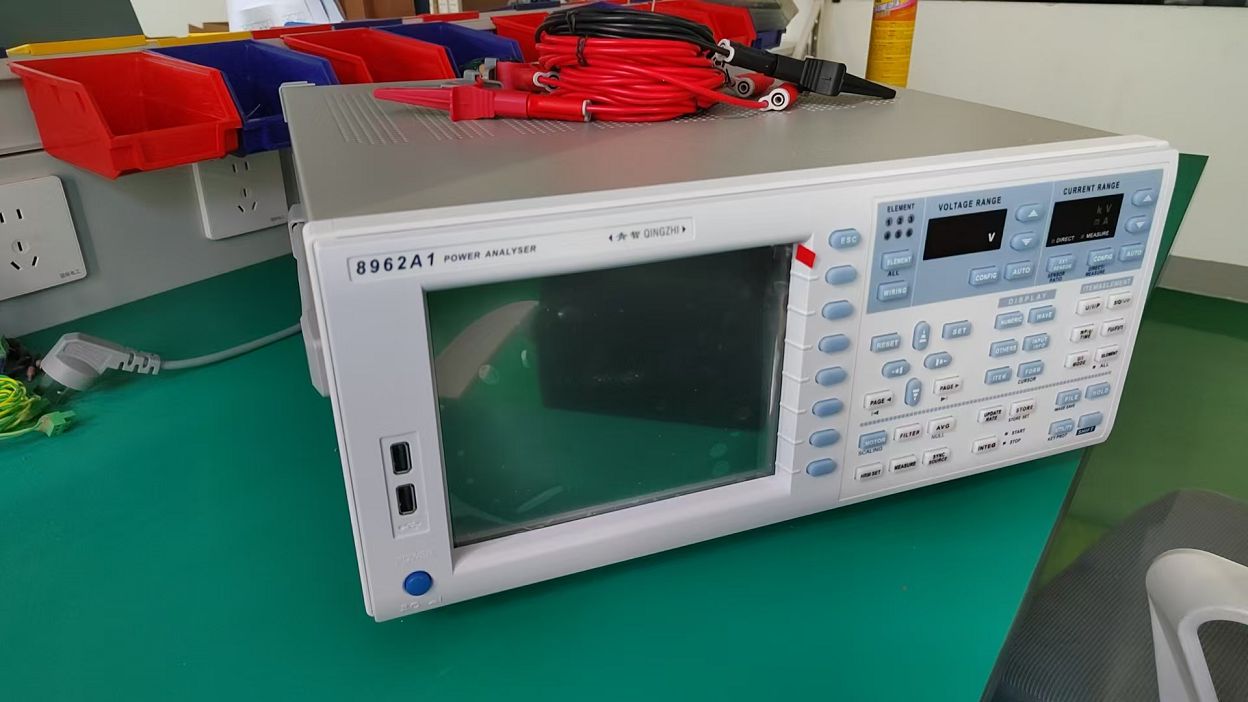
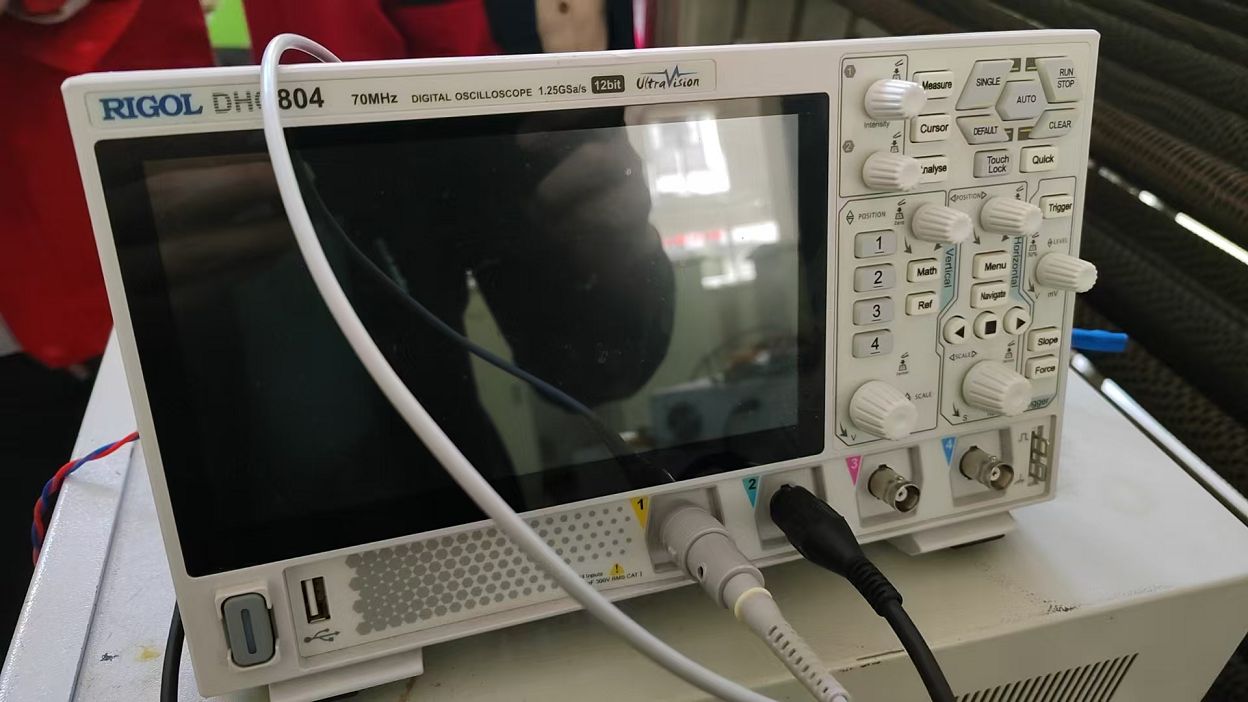
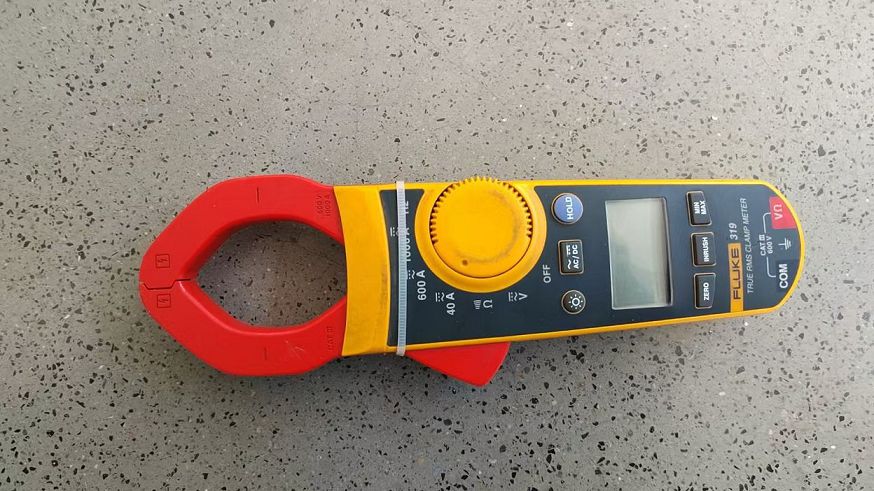
Quality Inspection & Testing Equipment
Localized Applications & Custom Engineering
In high-tech industrial settings, standard transformers fall short. Different application domains exhibit disparate electromagnetic challenges. For instance, in medical equipment suites (MRI, CT, X-ray machinery), leakage current must be kept under micro-ampere levels to safeguard patients and meet IEC 60601-1 standards. Our medical-grade isolation transformers utilize custom-insulated shields and unique winding techniques to limit capacitive leakage currents to negligible quantities.
Similarly, in photovoltaic (PV) power systems and clean energy microgrids, isolation transformers manage the interface between grid networks and high-frequency inverters. Unfiltered switching frequencies generate massive harmonic pollution. Robust copper-winding and custom-designed magnetic cores suppress harmonic-induced losses, mitigating overheating hazards and maintaining system stability. For precision semiconductor test bays, isolation transformers ensure clean power, avoiding test degradation from voltage noise.
Global Enterprise Sourcing Requirements
How Procurement Managers evaluate high-grade isolation transformers for mission-critical applications.
Procuring isolation equipment for international facilities requires aligning engineering parameters with legal standards. Enterprise clients analyze efficiency indices, impedance matching, operating temperatures, and safety certifications. Operating in diverse environments also demands specific ingress protection ratings (IP20 for clean laboratories to IP65 for outdoor installations) and robust thermal protection mechanisms.
| Evaluation Parameter | Standard Requirement | Sophpower Industrial Spec | Operational Impact |
|---|---|---|---|
| Galvanic Isolation Strength | 2500 V AC for 1 minute | Up to 4000 V AC / DC | Protects against catastrophic voltage spikes and grid faults. |
| Electrostatic Shielding | Single-shielded (60 dB suppression) | Double/Triple Faraday shields (120 dB) | Eliminates high-frequency noise from modern switched-mode equipment. |
| Insulation Class | Class B (130°C) or Class F (155°C) | Class H (180°C) as standard | Allows continuous operation under heavy loads in elevated ambient temperatures. |
| Total Harmonic Distortion (THD) | Input THD translates directly to load | Low harmonic transfer design | Prevents distortion from propagating, keeping wave forms clean. |
| Customization Level | Fixed inputs/outputs (Standard units) | Variable configurations, tailored impedance | Ensures perfect alignment with local voltages (110V, 220V, 380V, 480V). |
Future-Proofing Industrial Power: Emerging Industry Trends
The global energy sector is transitioning rapidly. The integration of high-density renewable energy, electric vehicle (EV) charging arrays, and massive hyperscale data centers is modifying the composition of electrical networks. This shifting dynamic calls for next-generation isolation systems capable of handling bi-directional power flows and highly non-linear loads.
In response, isolation transformers are increasingly integrated with real-time temperature, voltage, and winding health monitoring sensors. Smart thermal sensors feed back to remote control systems, allowing preventative shutdowns before failure. Furthermore, using eco-friendly insulating fluids and high-efficiency core materials like amorphous metal alloys helps enterprises meet stricter environmental laws. Advanced transformers ensure reliable isolation while cutting core losses, minimizing operational carbon footprints.
Technical Q&A / Frequently Asked Questions
Essential technical guide answering critical installation, design, and engineering queries.
Professional Power Solutions for Advanced Laboratory & Factory Needs
Select models for industrial energy management, power analysis, and laboratory calibration.