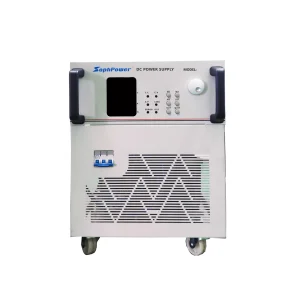
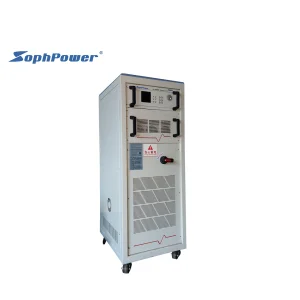
Featured Industrial Grid-Stabilizing Power Converters
Discover our top-tier programmable AC/DC power sources engineered to maintain seamless frequency conversion in high-temperature settings across Riyadh, Dammam, and Jeddah.
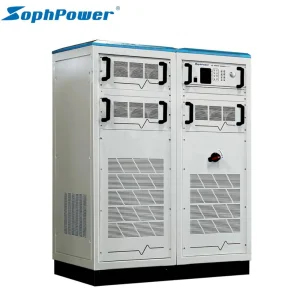
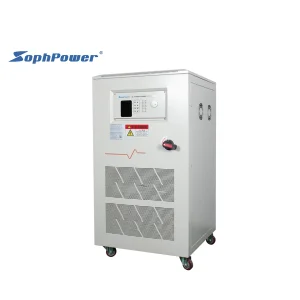
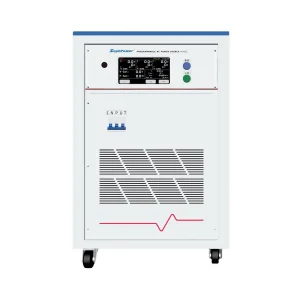
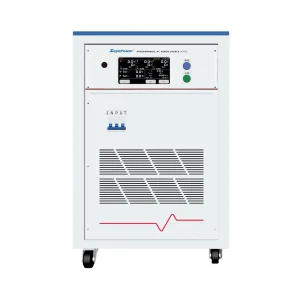
Saudi Arabia's Industrial Power Infrastructure & Dynamic Grid Landscape
As the Kingdom of Saudi Arabia advances rapidly under the blueprint of Vision 2030, the demand for stable, high-capacity electrical grids has spiked exponentially. Unlike conventional grids, industrial zones in Riyadh, Jubail, Yanbu, and the gigaproject NEOM require exceptional power quality to sustain petrochemical processing plants, heavy metallurgy, desalination plants, and massive automated manufacturing facilities.
Historically, Saudi Arabia operated on a legacy dual-frequency and dual-voltage system. While standard household connections have stabilized at 230V 60Hz, heavy industrial infrastructure often interfaces with imported European or Asian machinery that runs natively on 50Hz. This divergence necessitates heavy-duty, highly efficient Three-Phase Output Variable Frequency Converters to reconcile mismatching machinery frequencies and prevent voltage sagging, harmonic distortion, and thermal degradation.
"Operating in ambient temperatures that routinely exceed 50°C in the summer demands that power conversion systems possess ruggedized thermal designs, exceptional ventilation pathways, and robust galvanic isolation to prevent catastrophic outages."
Grid Compatibility
Seamlessly converting 60Hz grid power to stable 50Hz or 400Hz outputs ensures heavy imported machinery performs within tight operational specifications without de-rating.
Global Macro-Trends in Power Conversion & Grid Emulation
Across the global industrial landscape, the rise of renewable energy integration, electric vehicle (EV) charging stations, and smart manufacturing ecosystems is driving a transition towards highly versatile, programmable three-phase output systems. Industrial laboratories require precise grid simulators to replicate fluctuating supply anomalies, transient voltage dips, and sub-harmonic noise.
Modern variable frequency converters are no longer just passive conversion devices; they are digital power processing units. Equipped with sophisticated IGBT (Insulated Gate Bipolar Transistor) topologies and advanced DSP controllers, these units offer bidirectional power flow, grid-tied synchronization, and programmable voltage ramp rates. From aerospace testing (400Hz aviation applications) to marine harbor power links, high-power three-phase output devices constitute the bedrock of infrastructural efficiency.
State-of-the-Art Factory Advantages: Shenzhen Sophpower Electronics
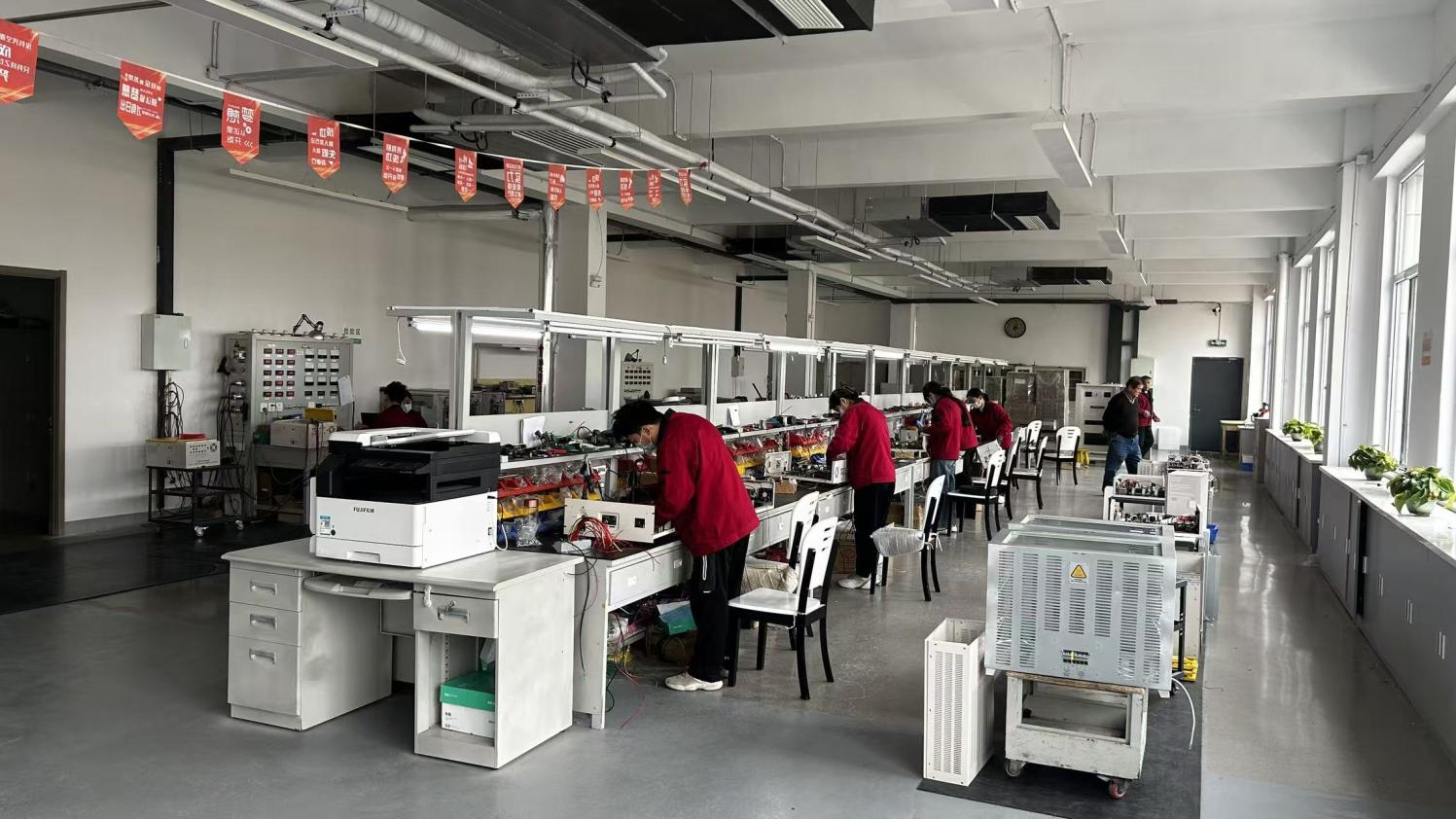
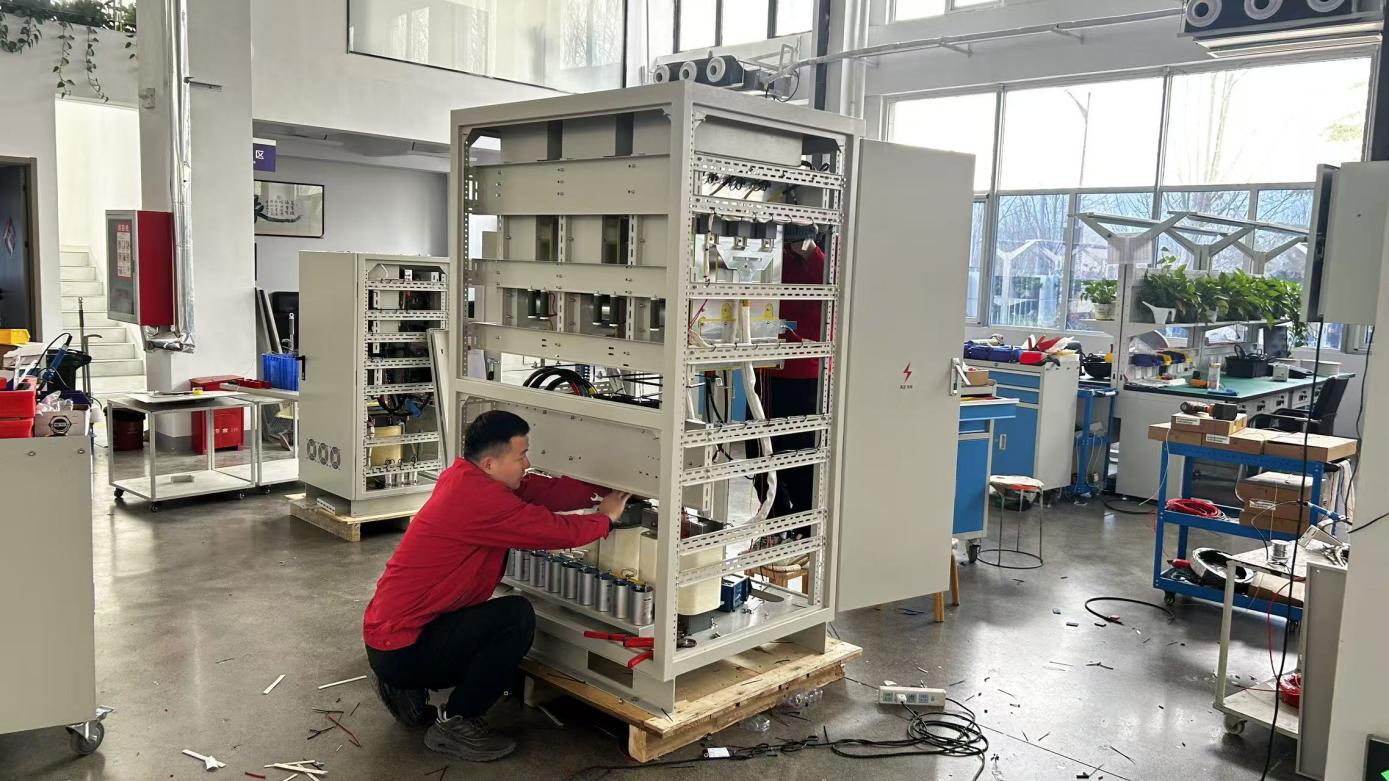
Established in 2006 in Shenzhen, China, Shenzhen Sophpower Electronics Co., Ltd. has grown into a premier high-tech enterprise dedicated to the design, debugging, and quality manufacturing of advanced test power supplies. Benefiting from Shenzhen's unparalleled electronics supply chain cluster, Sophpower integrates top-tier semiconductors, precise transformer components, and proprietary digital control boards to produce rugged, reliable systems.
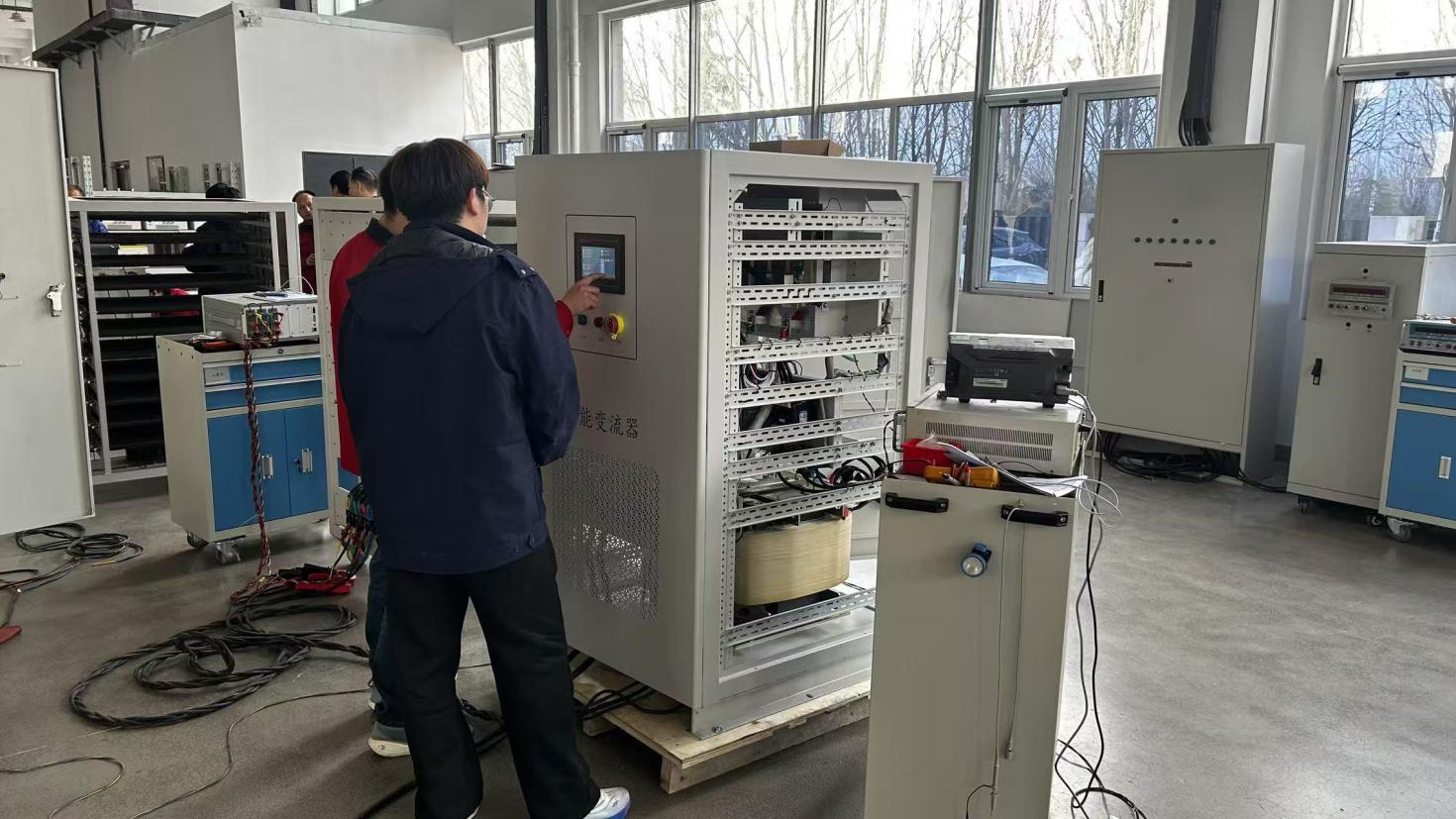
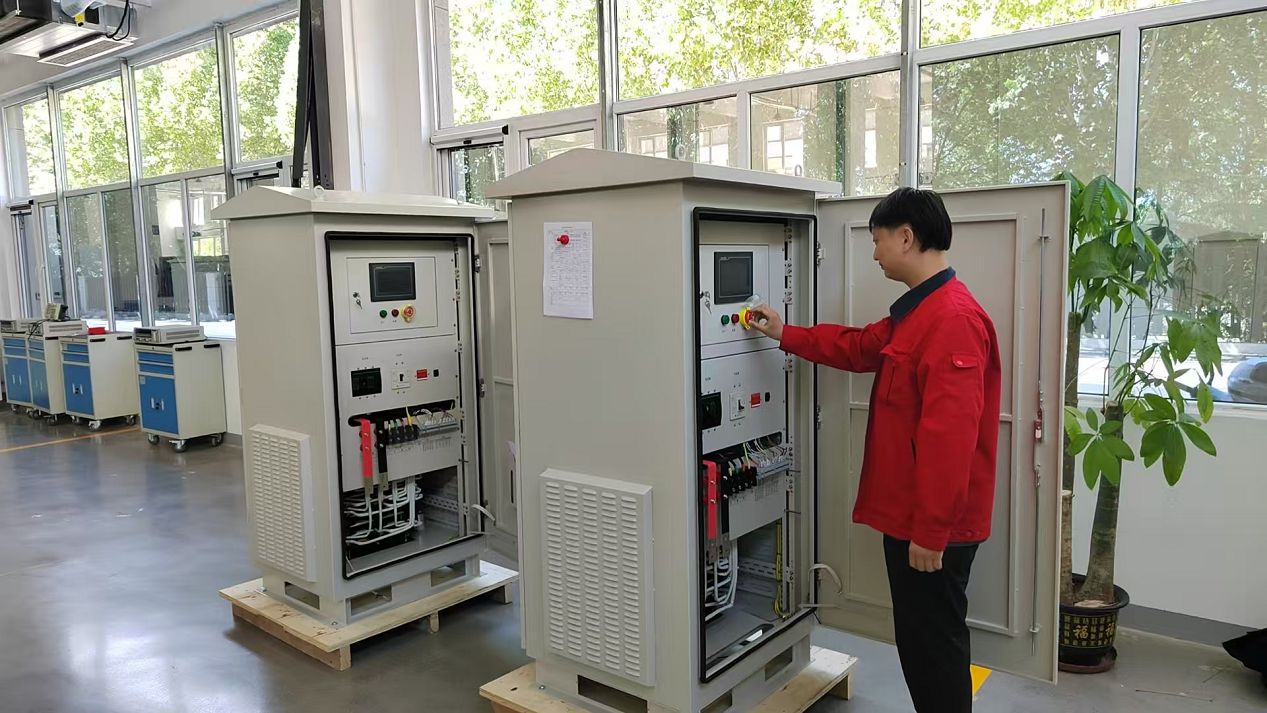
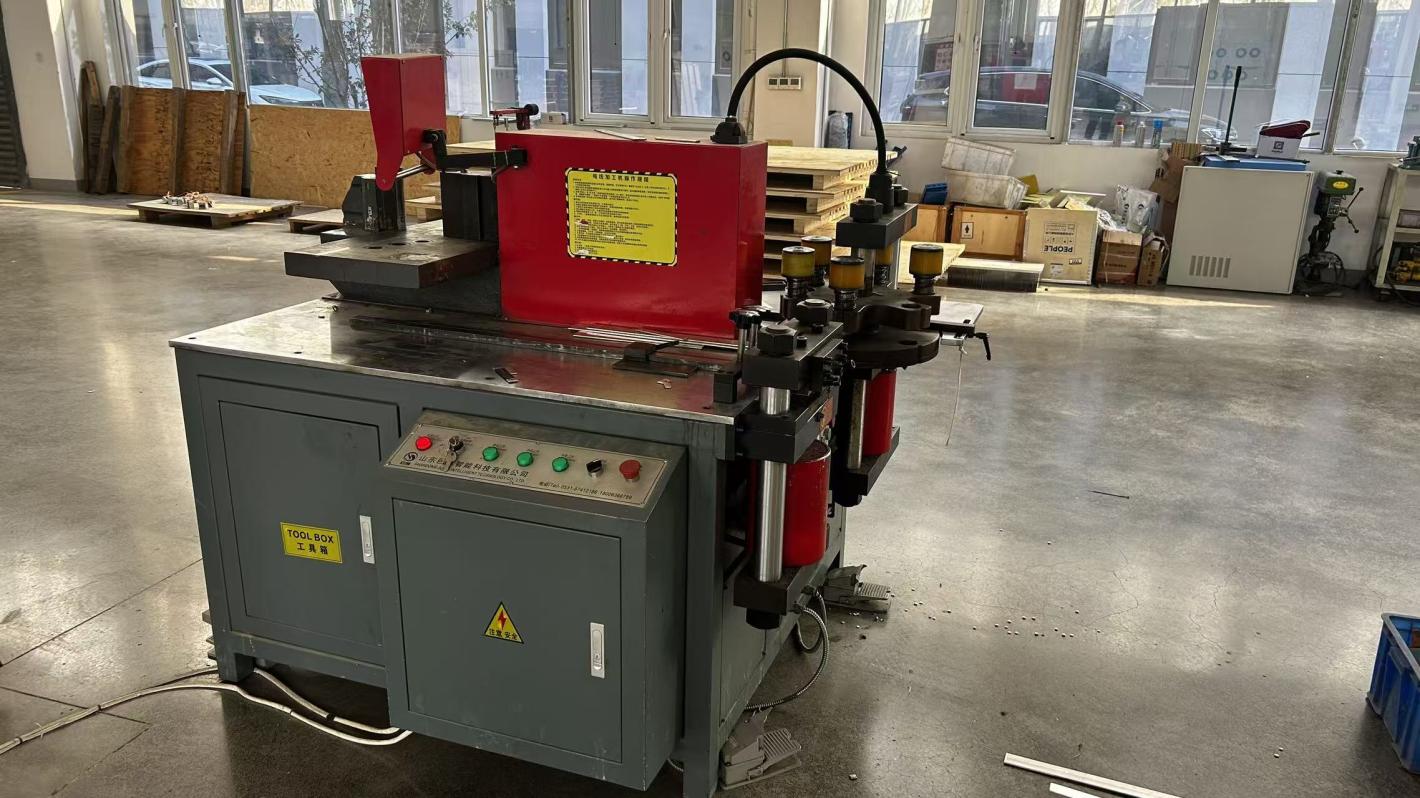
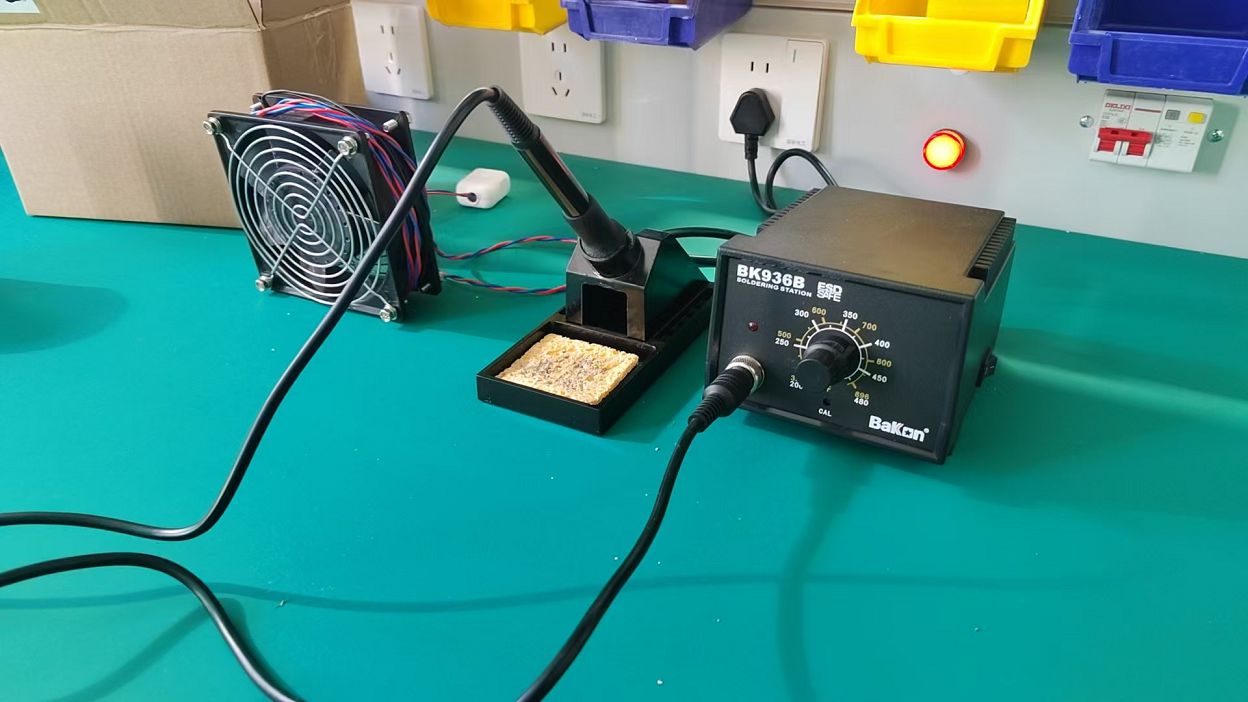
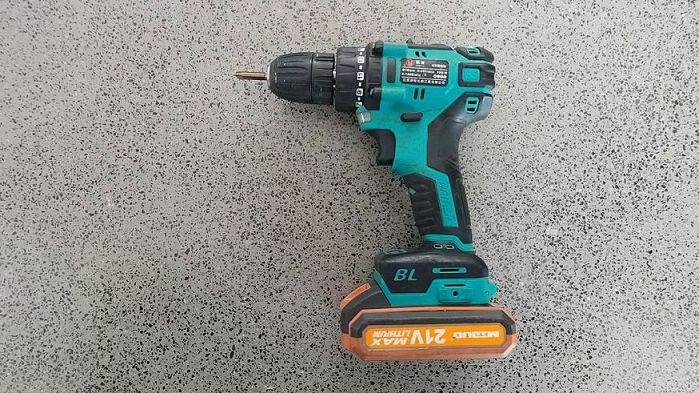
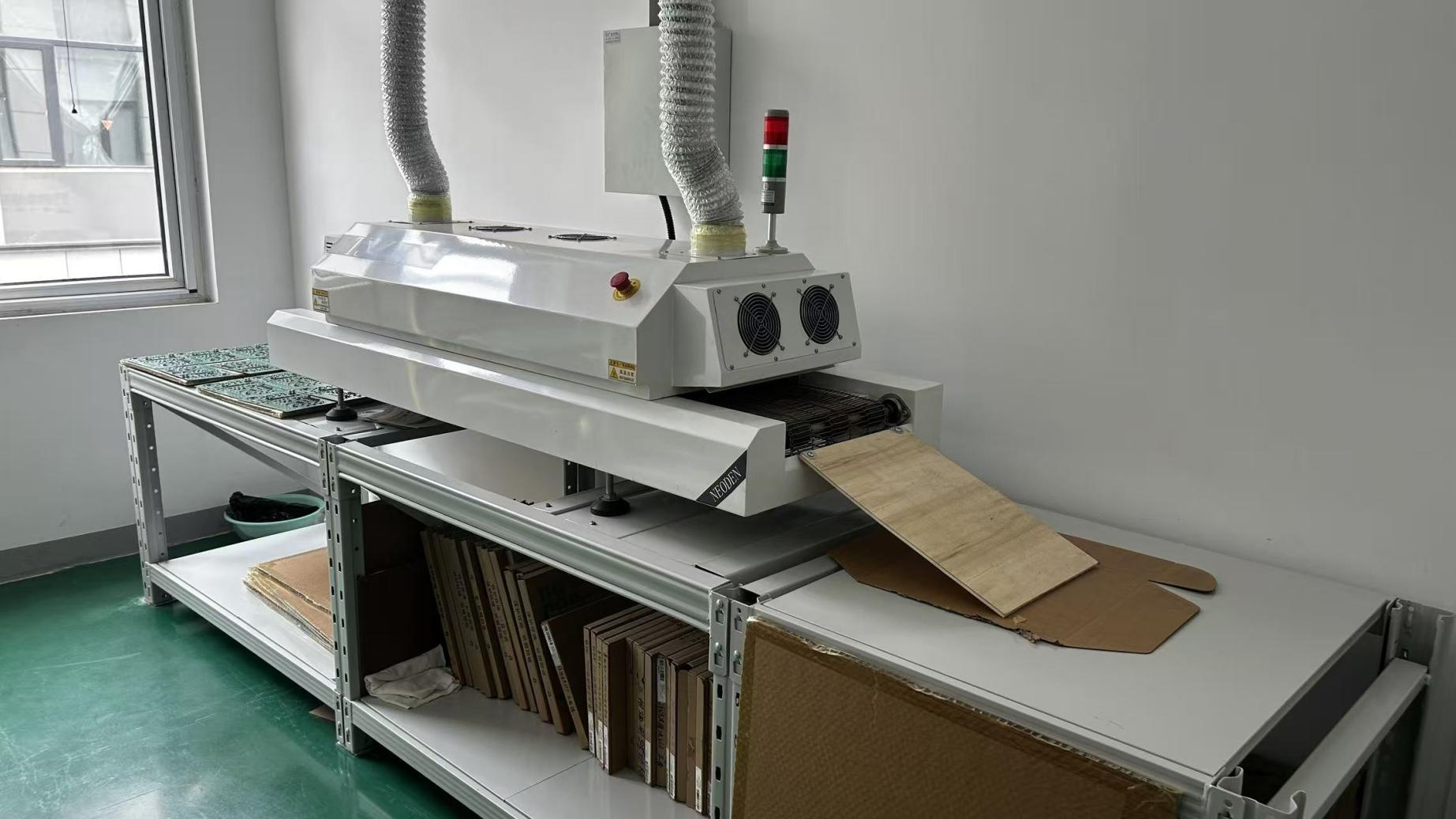
Our factory utilizes advanced production equipment including reflow soldering machines, precision copper bar processing units, and high-performance calibration rigs. Every power converter undergoes a rigid quality inspection cycle featuring thermal chamber testing, vibration testing, and full-load burn-in sessions to meet international standards (CE, ISO 9001, and SASO/Saber alignment for Saudi imports).
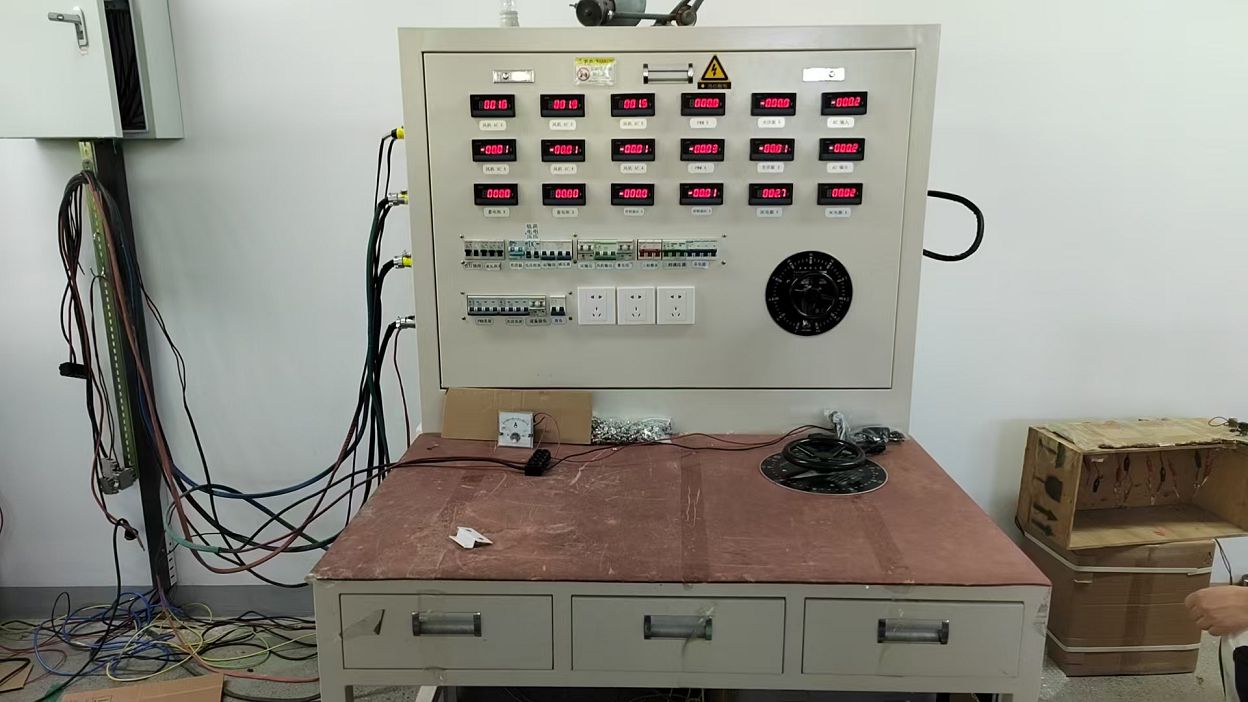
Scientific Quality Assurance & Lab Diagnostics
We rely on calibrated laboratory instrumentation to guarantee that harmonic distortions, voltage levels, and thermal behaviors meet stringent global parameters.
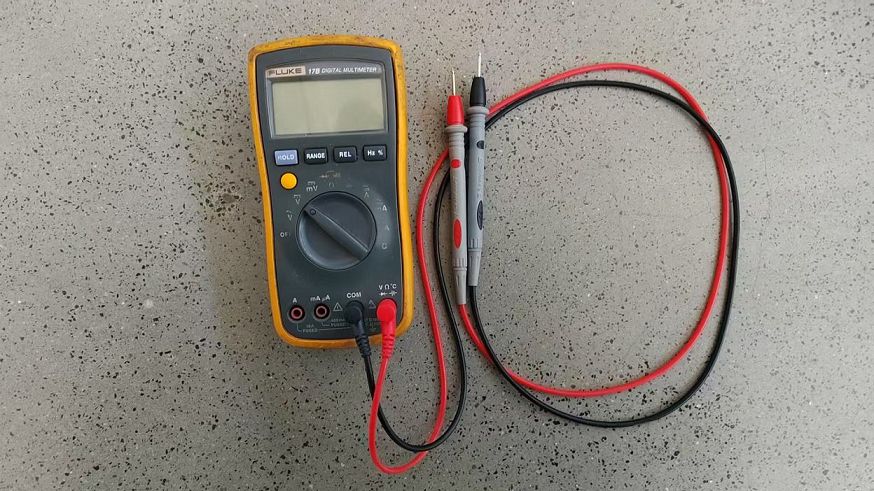
Industrial Multimeters
Used for fundamental component resistance verification, diode checking, and safe trace continuity mapping.
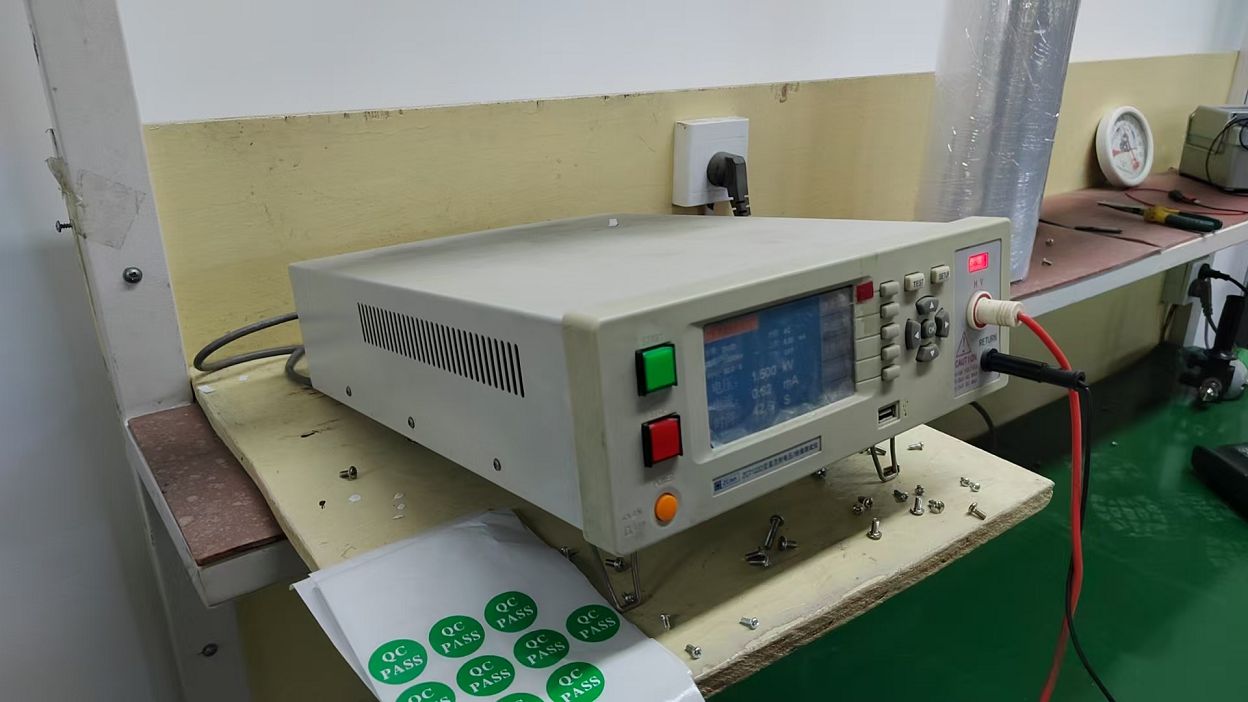
LCR AutoTesters
Measures inductance, capacitance, and resistance parameters dynamically under variable frequencies.
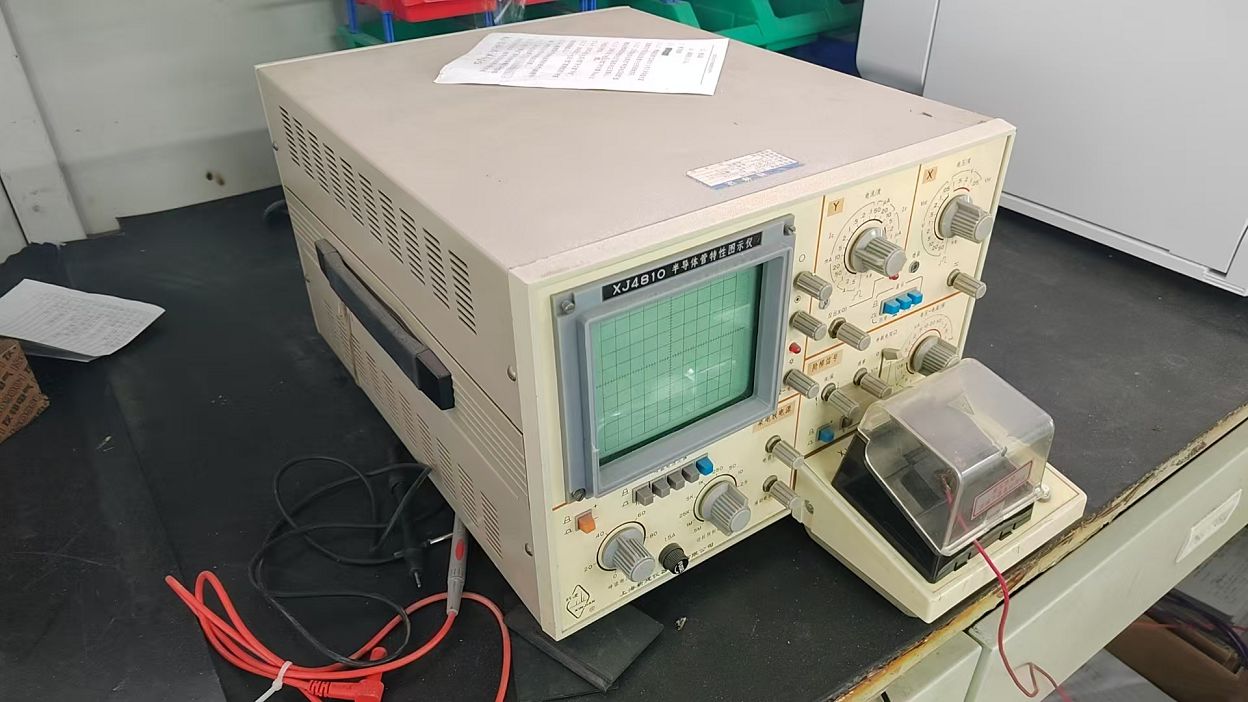
Semiconductor Plotters
Ensures IGBTs and dynamic switches perform reliably without thermal leakage or voltage degradation.
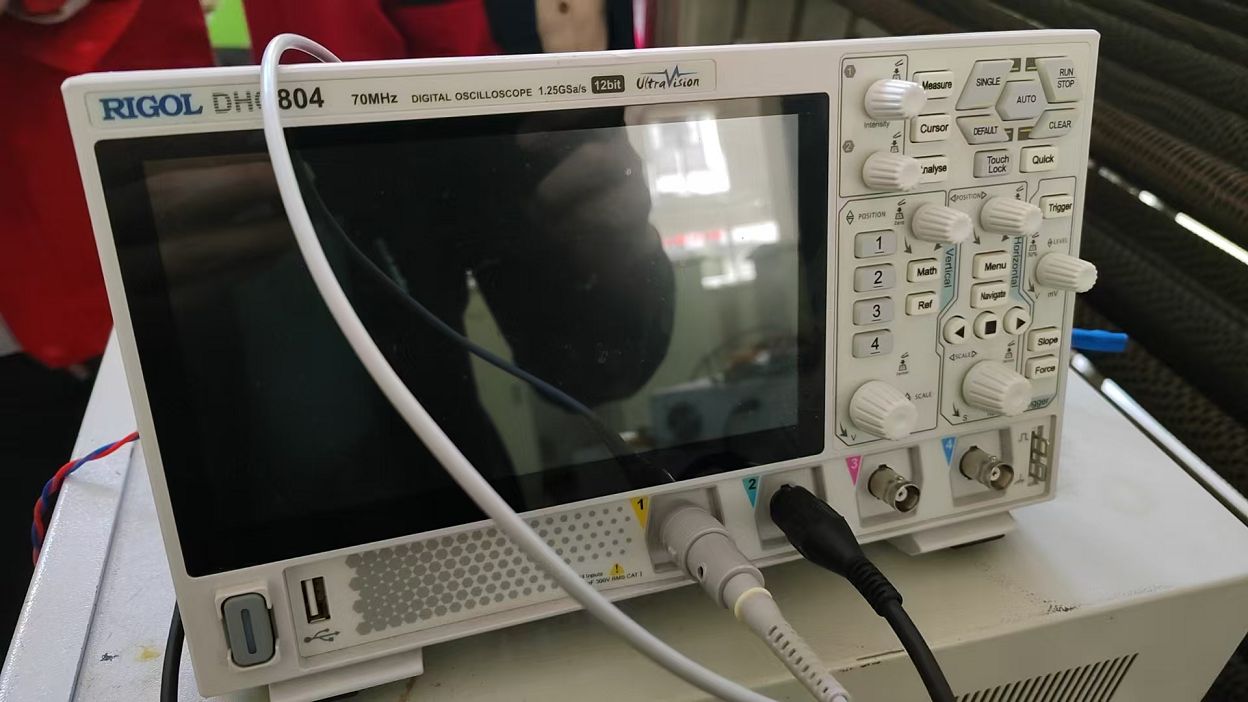
Digital Oscilloscopes
Captures sub-microsecond transients and harmonic ripples to ensure pure, uncorrupted sinusoidal outputs.
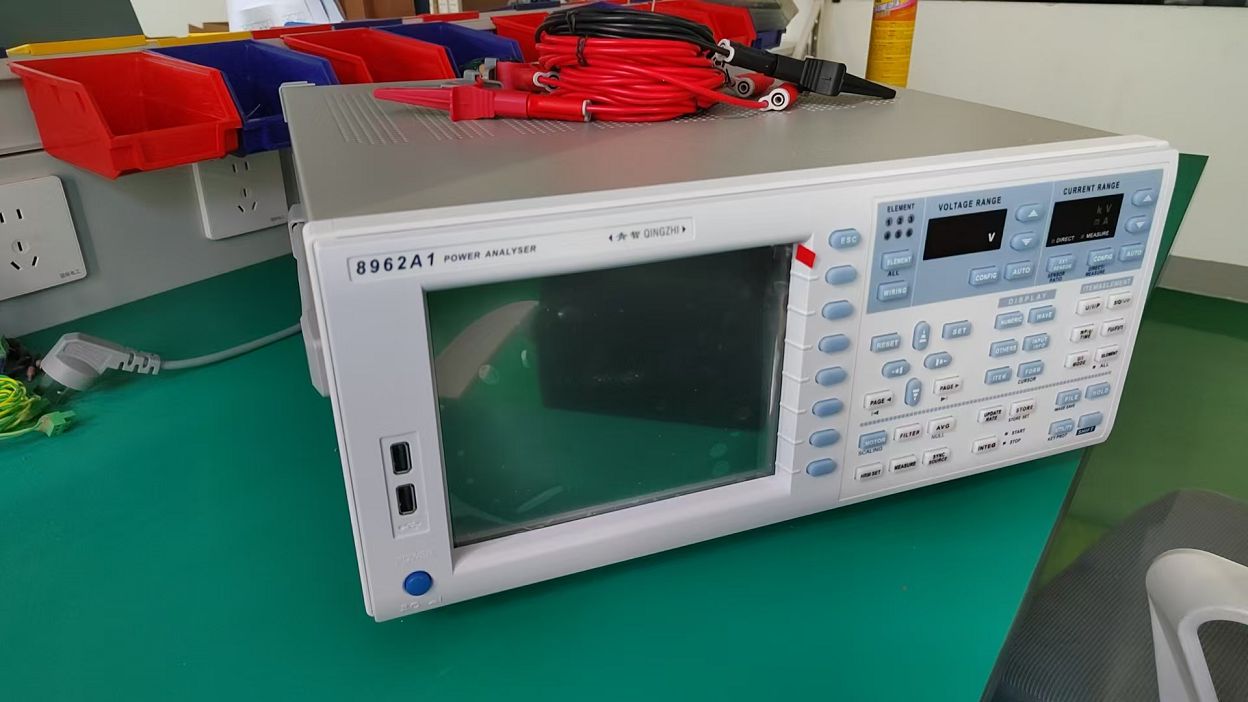
Power Quality Analyzers
Calculates total harmonic distortion (THD), displacement factors, power efficiency, and phase balancing.
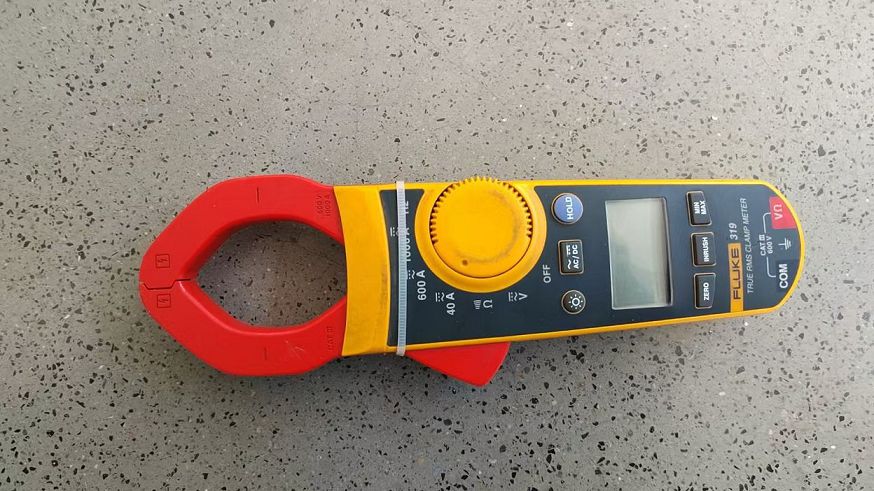
Clamp Current Meters
Monitors real-time operational currents on major output cables without interrupting connection paths.

Localization & Operational Adaptation for Saudi Arabian Projects
Petrochemical & Gas Refining
Petrochemical refining complexes under SABIC or Saudi Aramco demand non-stop operation. Our three-phase converters act as vital filters that isolate critical control loops and electric motors from volatile transient currents, guaranteeing process consistency.
Desalination Plant Testing
Reverse osmosis desalination networks utilize high-power pumps that suffer high starting inrush currents. Our soft-start, programmable variable frequency configurations buffer the grids, preventing grid collapses during pump activation cycles.
Renewable PV Solar & Wind Labs
As dynamic solar arrays are installed under Vision 2030, our programmable DC electronic loads and bidirectional AC supplies act as real-world simulated loads, stress-testing PV inverters before they tie into the local utility grid.
Global Procurement Checklist for Industrial Decision Makers
Procuring high-capacity power supplies from overseas manufacturers requires meticulous consideration of electrical compatibility, regulatory conformity, and shipping methodologies. When procuring three-phase output systems for deployment in Saudi Arabia, engineering buyers should prioritize the following parameters:
- Thermal De-rating Overhead: Ensure the converter output capacity is sized with a 20-30% cushion to account for severe summer derating factors.
- Saber and SASO Registration: Work exclusively with manufacturers registered in the Saber system to ensure hassle-free customs clearance at Saudi borders.
- Transient Recovery Time: Opt for high-speed IGBT controllers with a transient recovery time under 2ms to mitigate voltage sagging during motor starts.
- Galvanic Isolation: Check that your power source provides physical output isolation transformers to safeguard delicate laboratory computers from downstream electrical faults.
Complete AC & DC Power Supply Catalog
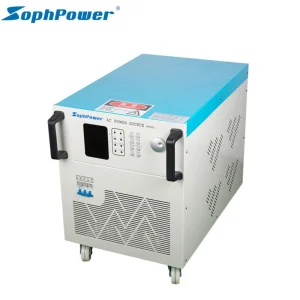
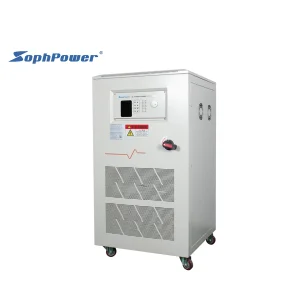
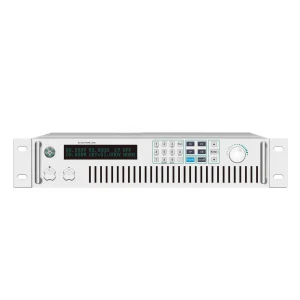
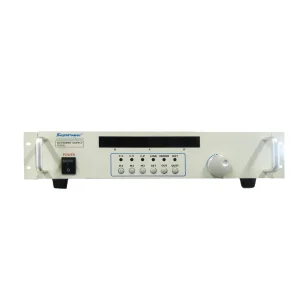
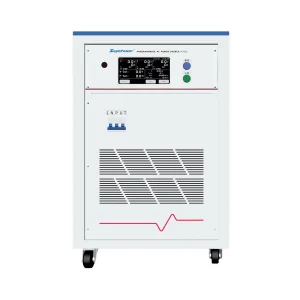
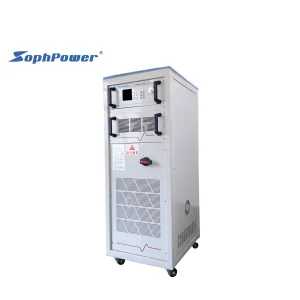
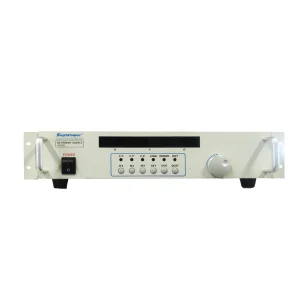
Our wide-range catalogue covers variable voltage, adjustable frequency systems, switch-mode power supplies, and high-precision DC electronic loads for industrial testing.
Alternative Configurations Available
Technical Q&A: Three-Phase Output Systems
Read our in-depth engineering FAQ to resolve technical inquiries about frequency stabilization, grid testing, and localized Saudi operations.