Primary Power Conversion Systems
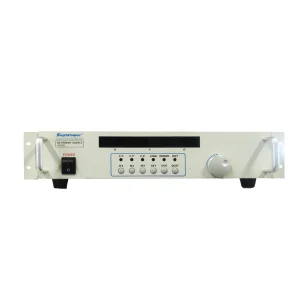
Engineered high-capacity and variable frequency programmable power sources serving semiconductor fabrication and automated test bays across Gyeonggi-do, Incheon, and Seoul.
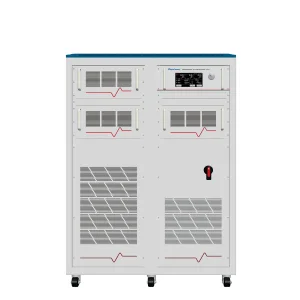
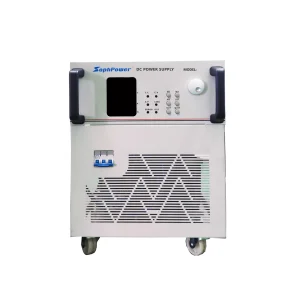
Industrial Power Infrastructure in South Korea
Understanding grid compliance, semiconductor Fab test requirements, and electromagnetic reliability indicators.
Grid Architecture & KEPCO Integration
South Korea's grid operates under a highly unified transmission infrastructure managed by the Korea Electric Power Corporation (KEPCO). Operating at a strict 60Hz nominal frequency, the local commercial network leverages 220V single-phase and 380V three-phase configurations. For industrial facilities running heavy-duty machinery or highly sensitive automated test equipment (ATE) lines, grid stability is crucial.
Voltage sags, harmonic distortions, and frequency drift can lead to catastrophic component failures, particularly within semiconductor manufacturing plants (fabs) in Gyeonggi-do (e.g., Pyeongtaek, Yongin) and battery manufacturing clusters in Ulsan and Daejeon. Under these high-stakes conditions, programmable single-phase output power systems function not merely as converters, but as active line conditioners, isolating delicate hardware from localized grid perturbations.
The Dynamic Demands of Semiconductor R&D & Production
Semiconductor testing profiles require exact voltage and current programming accuracy down to the millivolt and milliampere levels. When checking high-speed memory chips, RF modules, or optoelectronic devices, power supplies must feature high transient response speeds, ultra-low electromagnetic interference (EMI), and minimal Total Harmonic Distortion (THD).
Linear-regulated single-phase AC sources are preferred for R&D testing due to their minimal output noise (often less than 5mV RMS). In high-power factory burn-in environments, switch-mode single-phase and three-phase output systems are selected for their superior efficiency (exceeding 88%), smaller physical footprints, and high power density.
Specialized Engineering & Validation Systems
High-precision programmable linear AC sources and power converters optimized for EMC certification labs and heavy manufacturing.
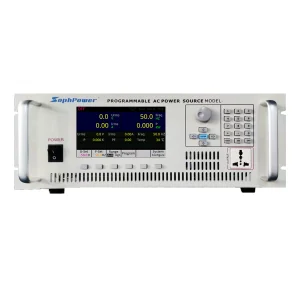
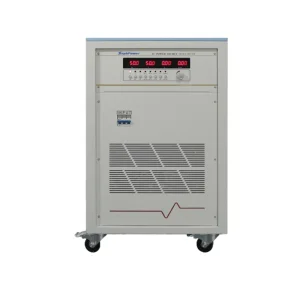
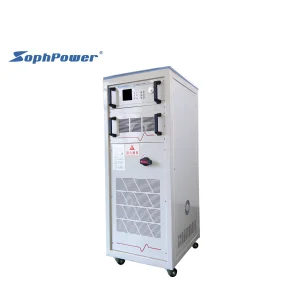
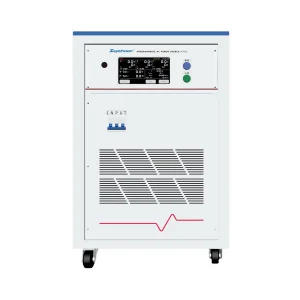
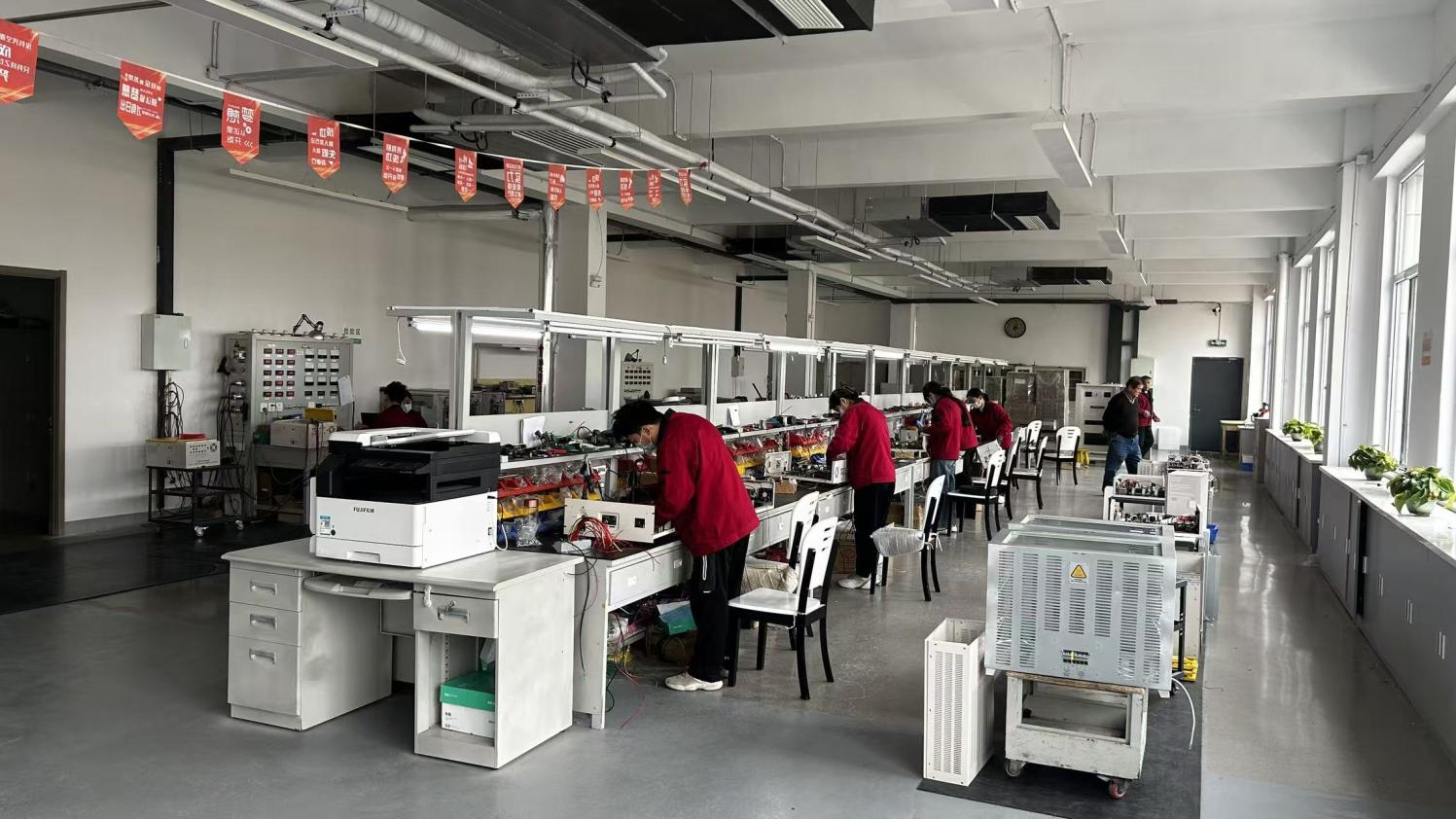
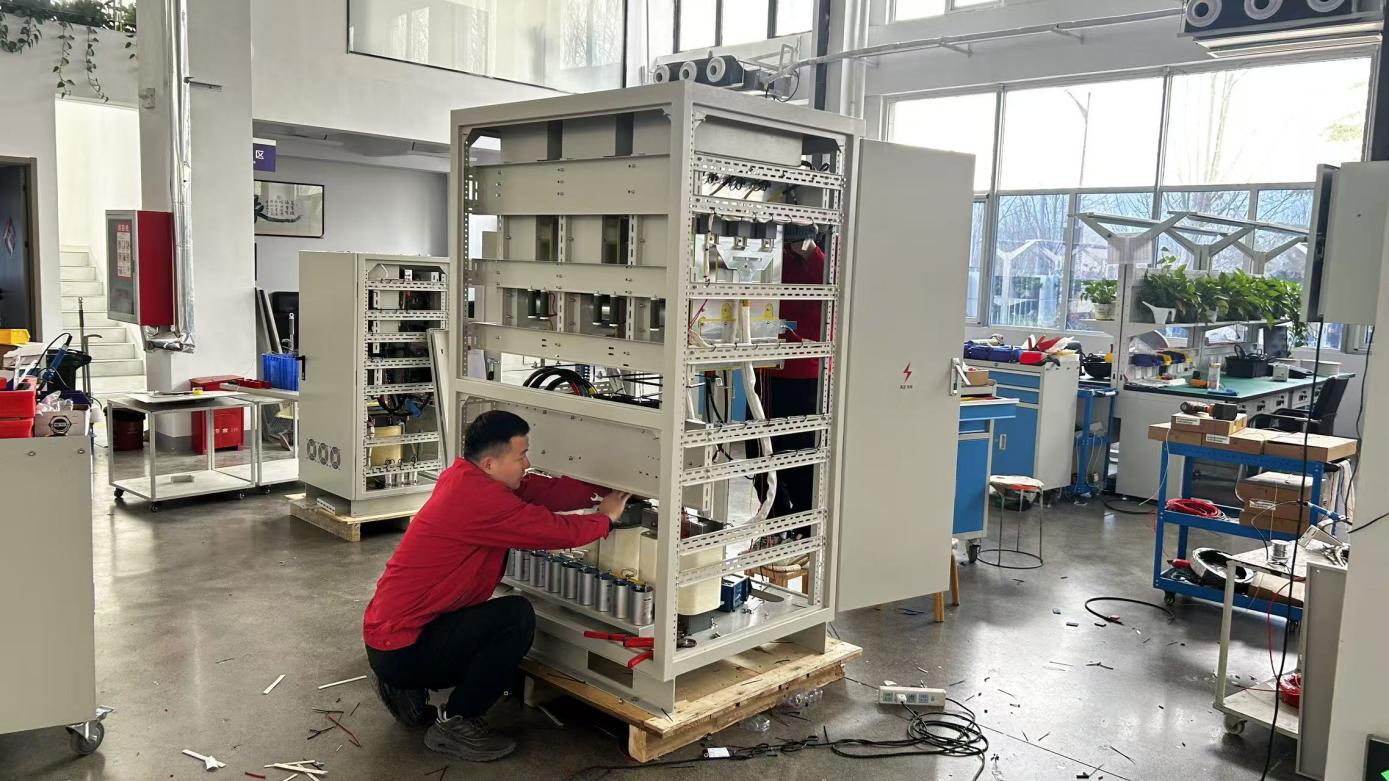
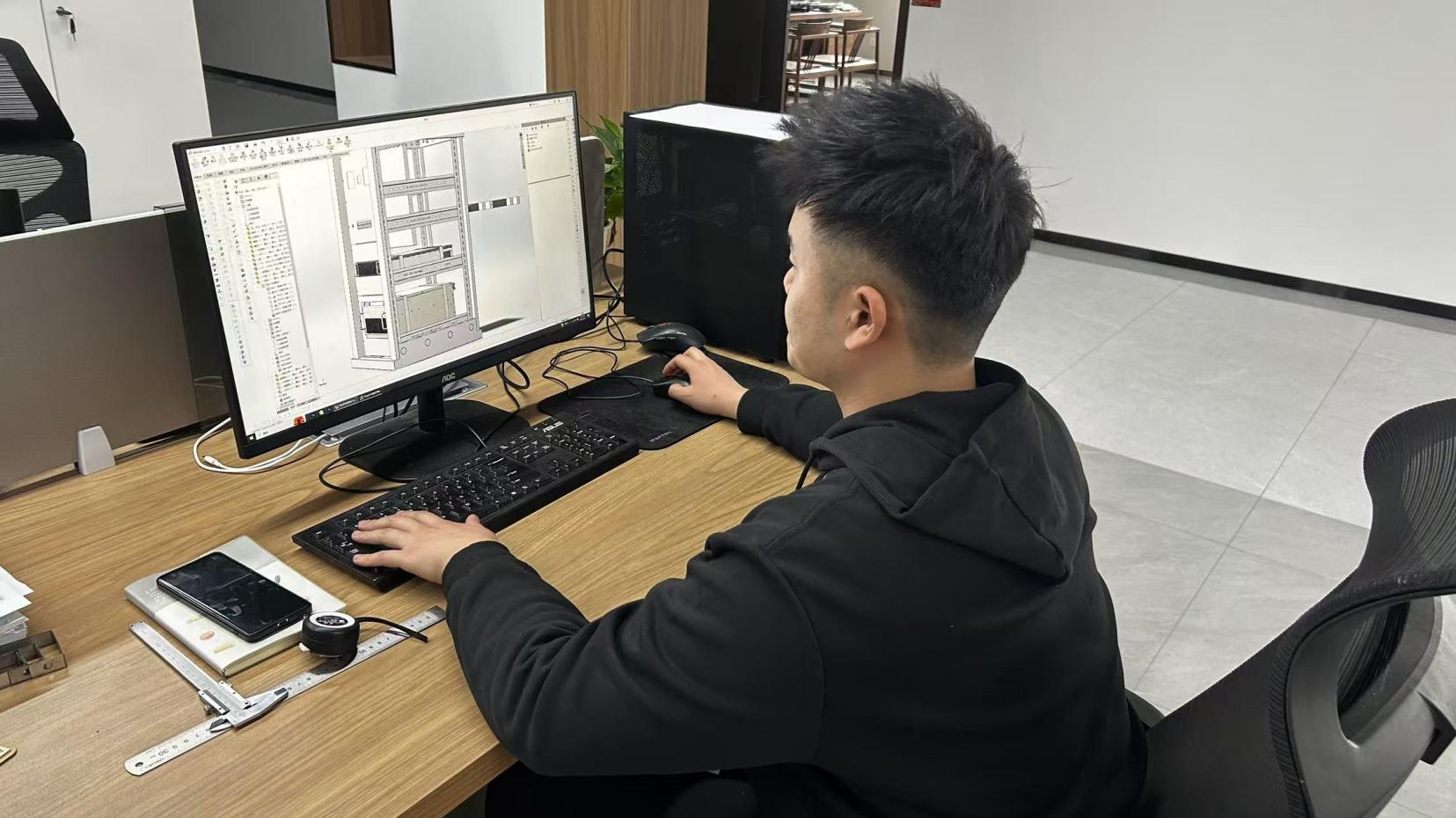
State-of-the-Art Production & Laboratory Testing Facilities
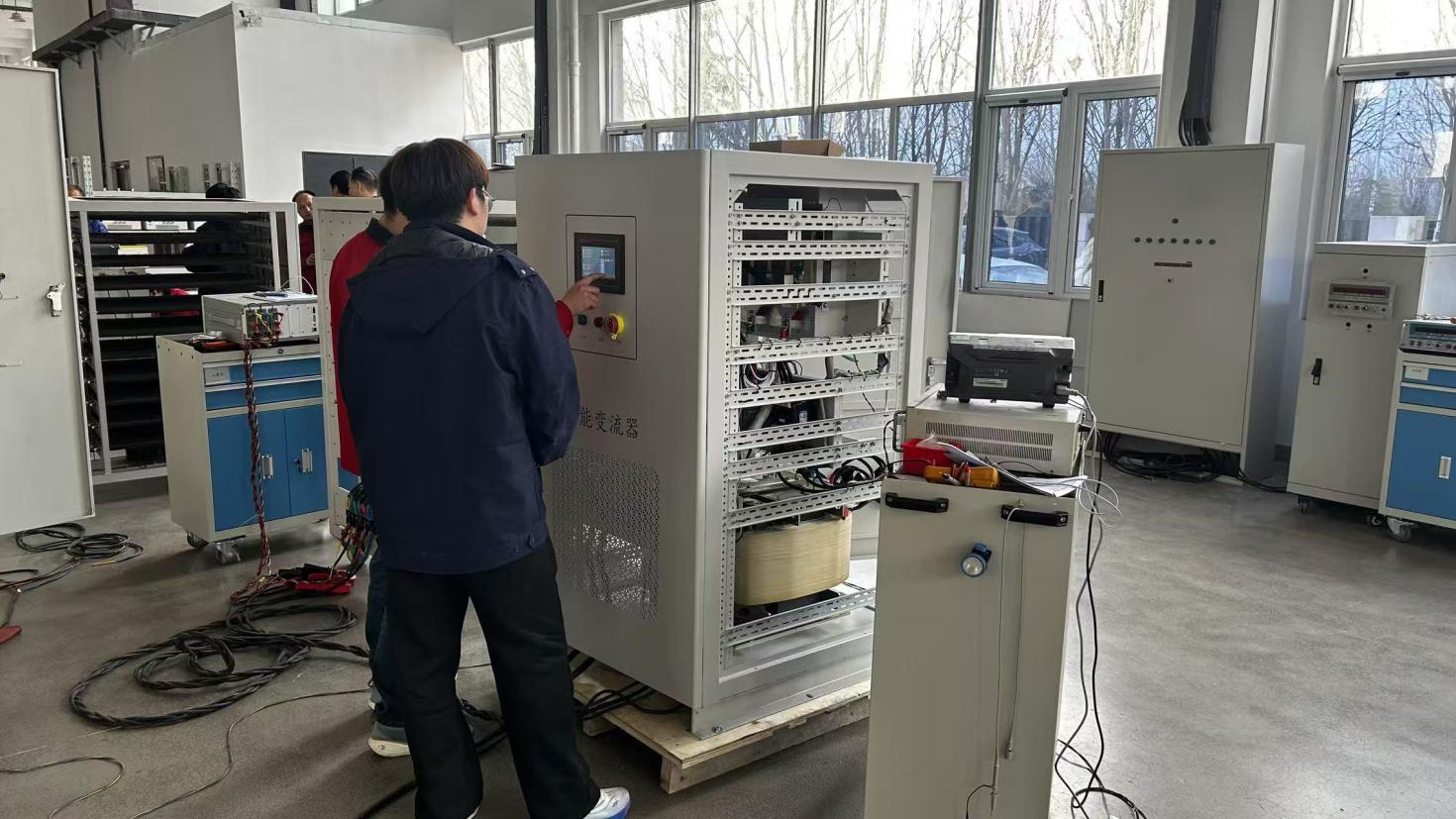
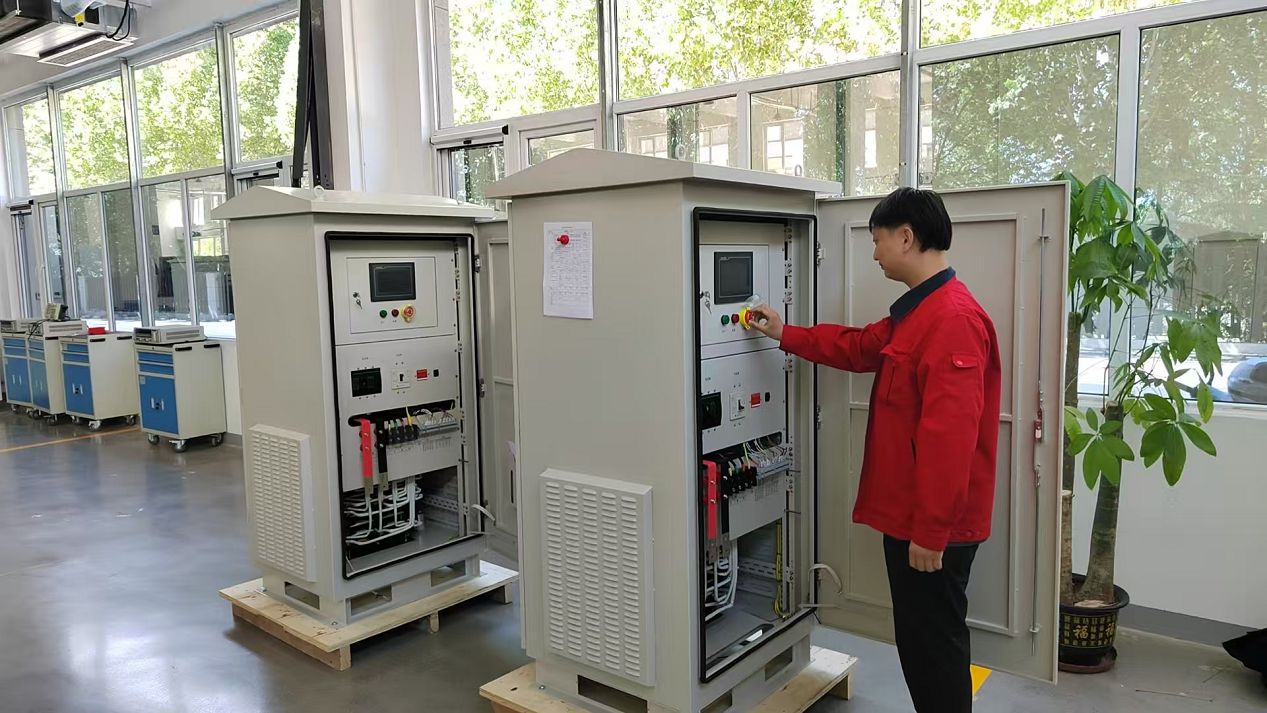
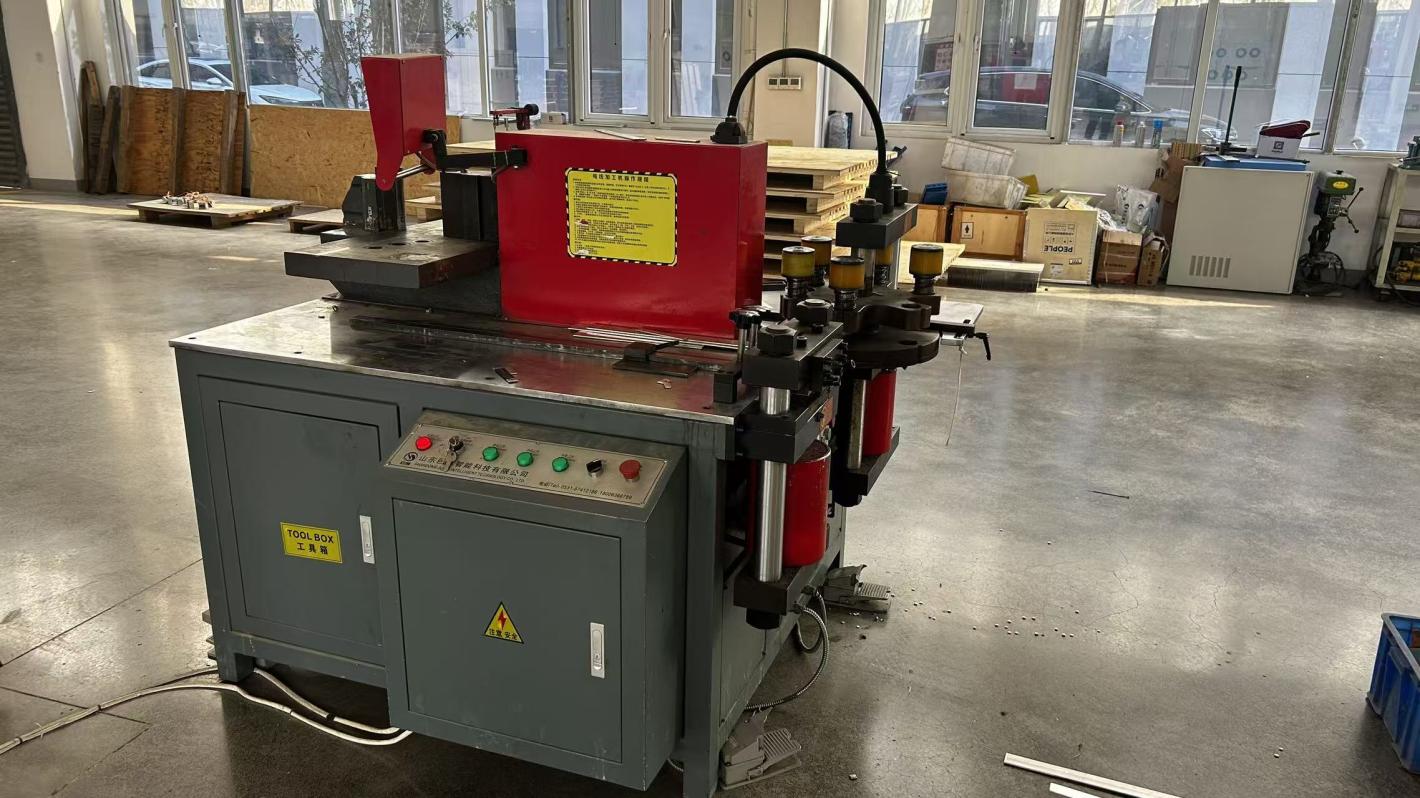
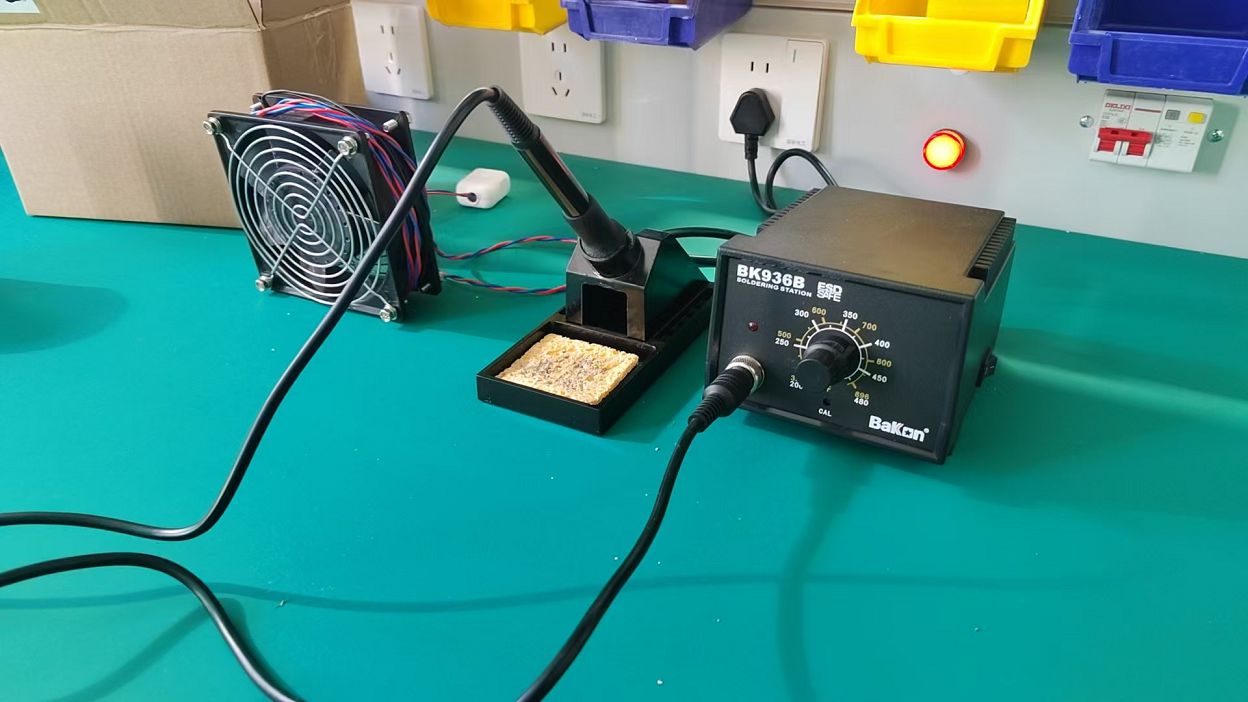
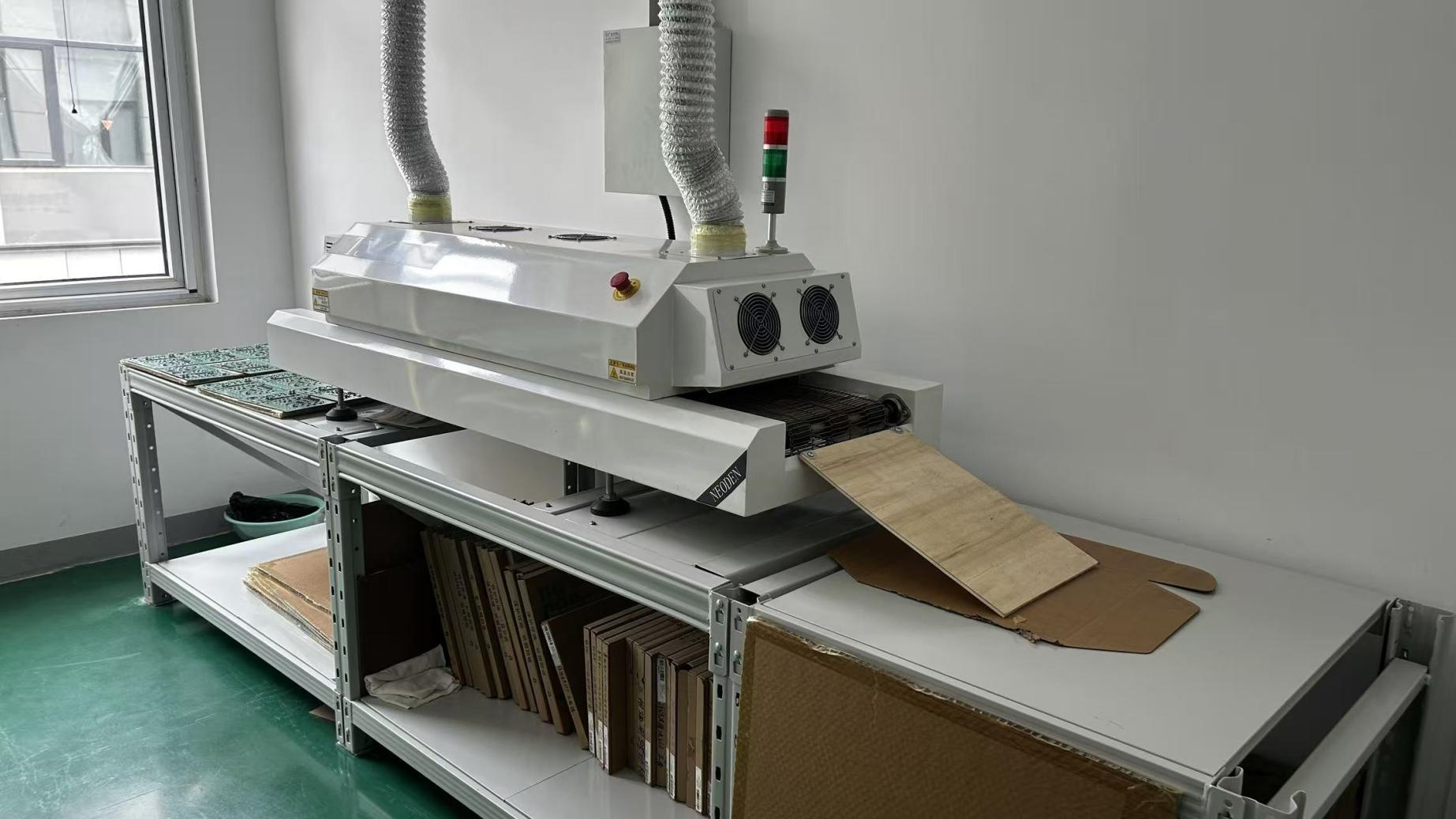
A deep look inside Shenzhen Sophpower Electronics Co., Ltd. (Est. 2006). High-tech electronic assembly, precision copper bar manufacturing, and specialized laboratory testing.
Shenzhen Sophpower Electronics Co., Ltd. was established in 2006, located in Shenzhen, China. As a High-tech enterprise with sustainable and rapid growth, Sophpower has a group of technical engineers with rich experience in the field of testing power supply. Main products including AC Power Source, Linear AC Power Source, Bidirectional AC Power Source, DC Power Supply, Bidirectional DC Power Supply, Voltage regulator and UPS. We provide customized test power supply according to customer's requirements.
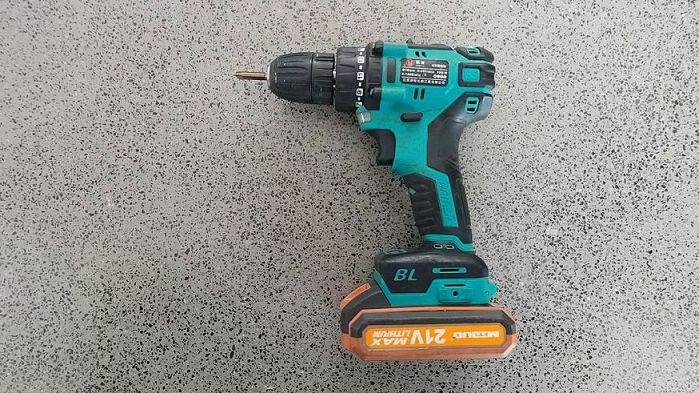
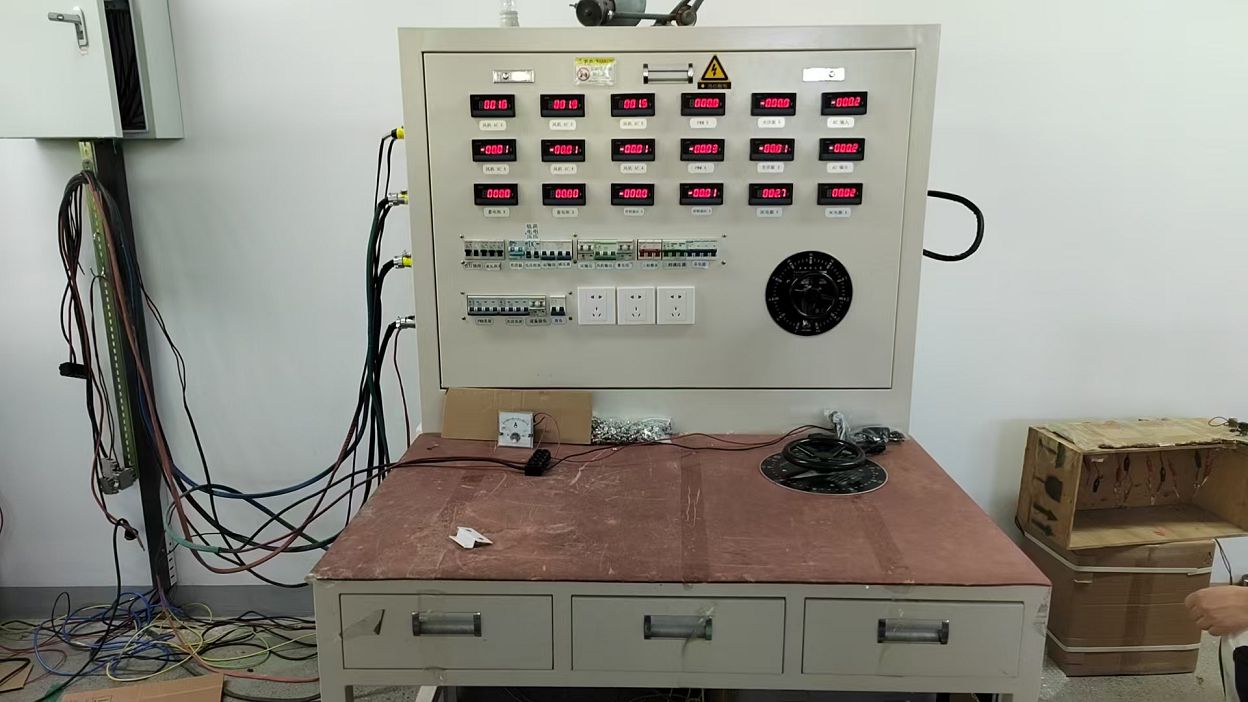
Our manufacturing and testing methodologies are designed to align with strict global industrial benchmarks. By combining automated reflow soldering with precision manual soldering, assembly lines build complex multi-layered control boards. In the debugging phase, each power supply undergoes a series of stress tests at maximum loads to check thermal dissipation, ripple coefficients, and efficiency curves.
Metrology Validation & Diagnostics Portfolio
Calibrated measurement tools verify output profiles, voltage slew rates, and harmonic limits before shipment.
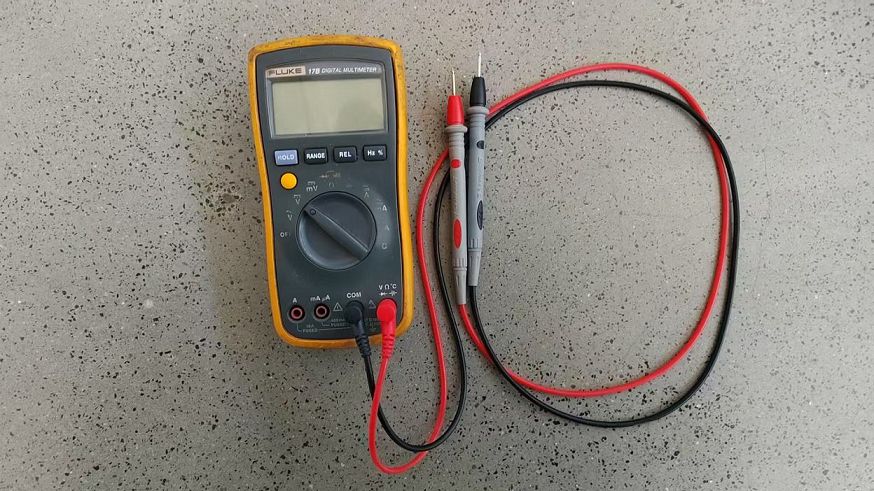
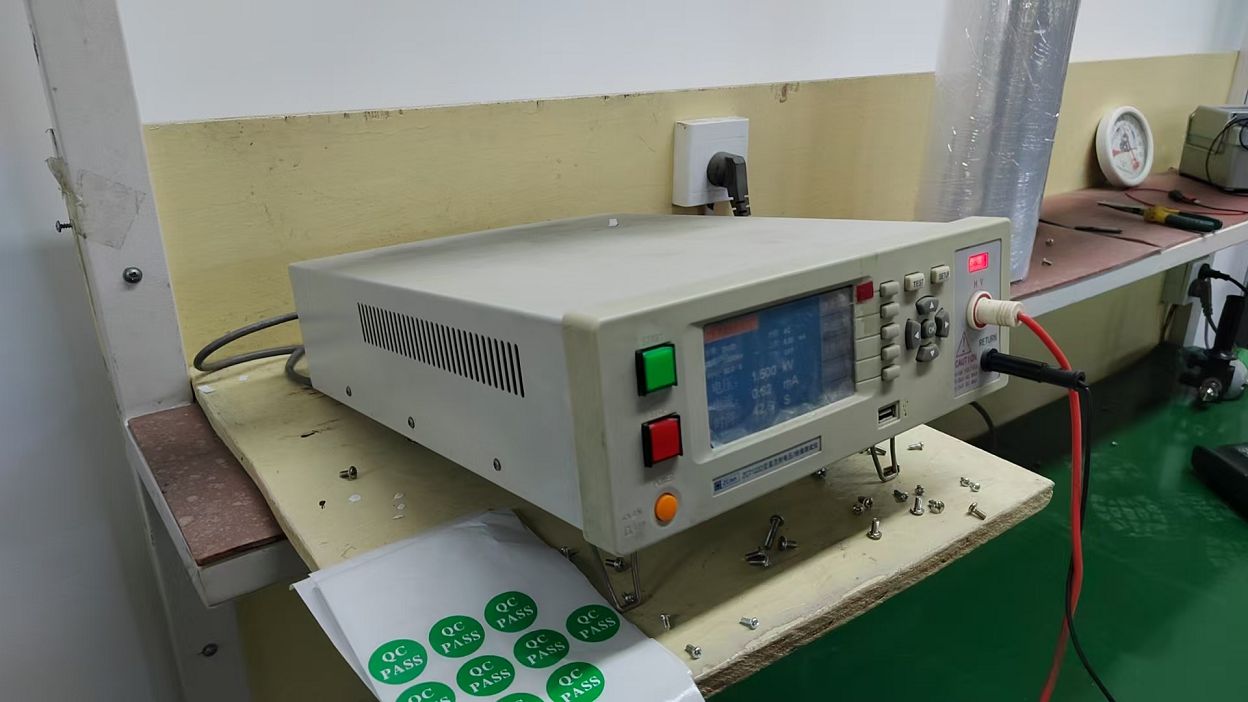
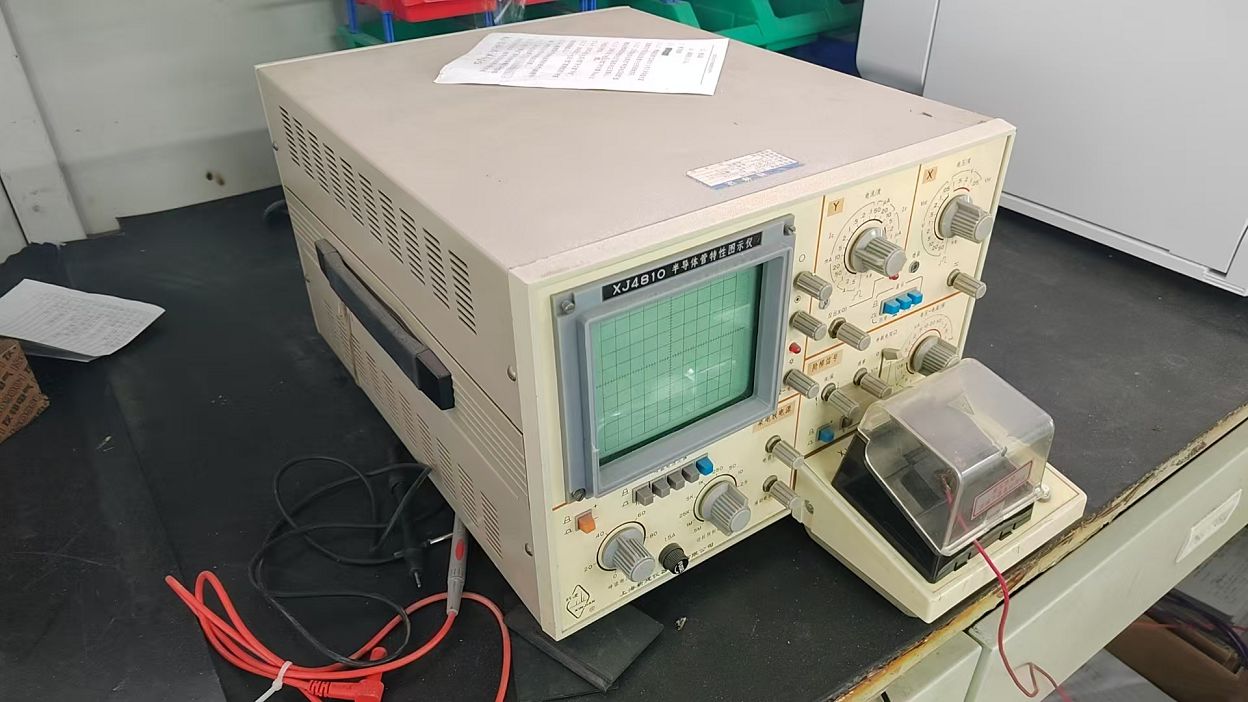
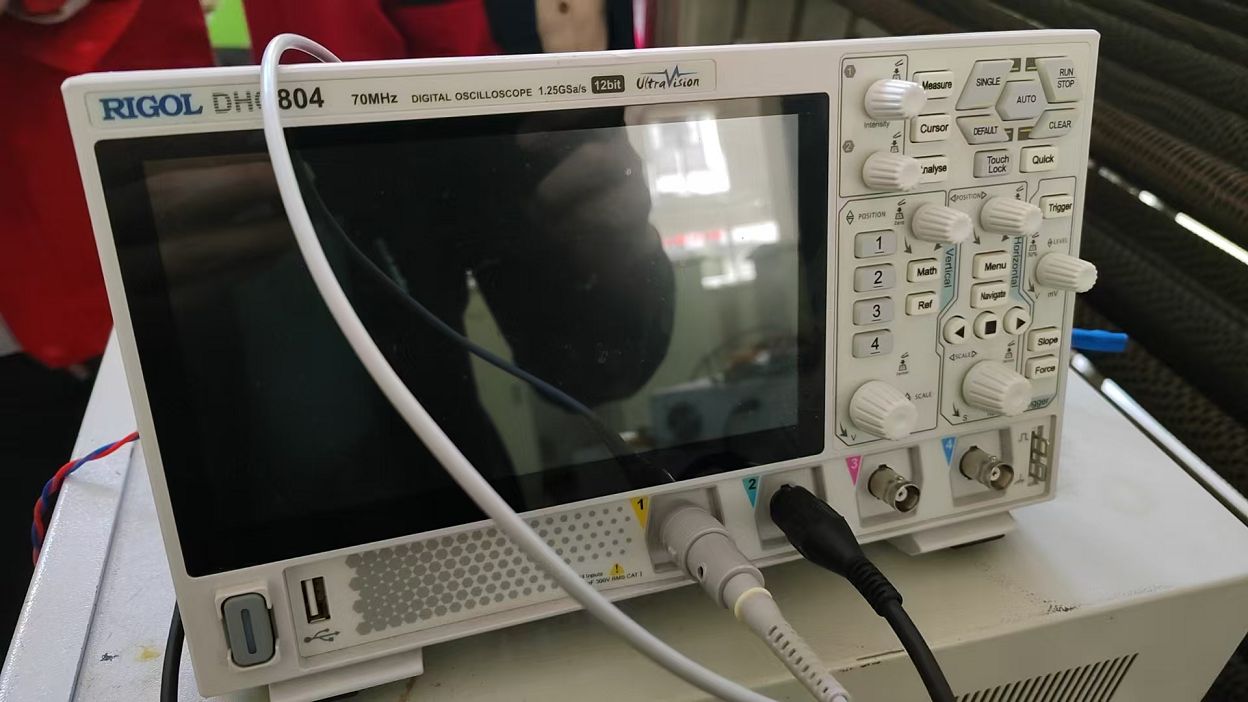
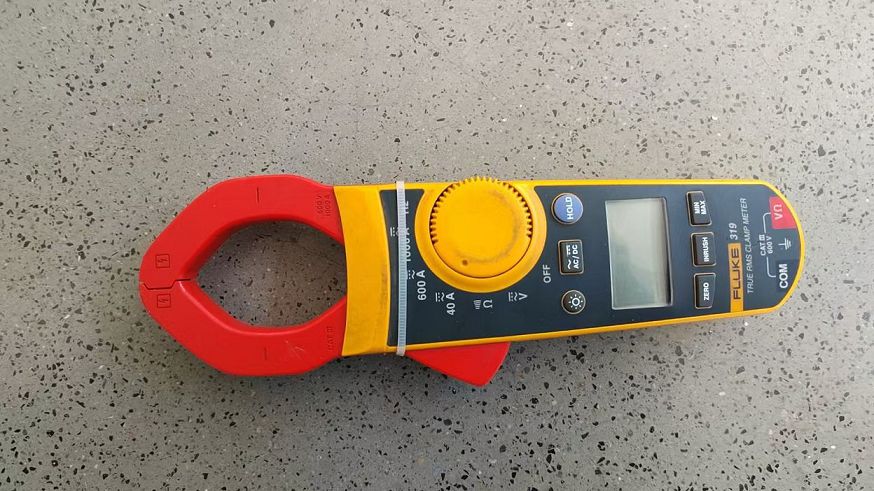
In power electronics, performance claims require verification. Our testing facilities employ multimeters, LCR auto-testers, semiconductor plotters, and digital oscilloscopes to record the exact parameters of each power source. Our quality control procedure focuses on checking response characteristics during abrupt steps in impedance (0 to 100% current changes).
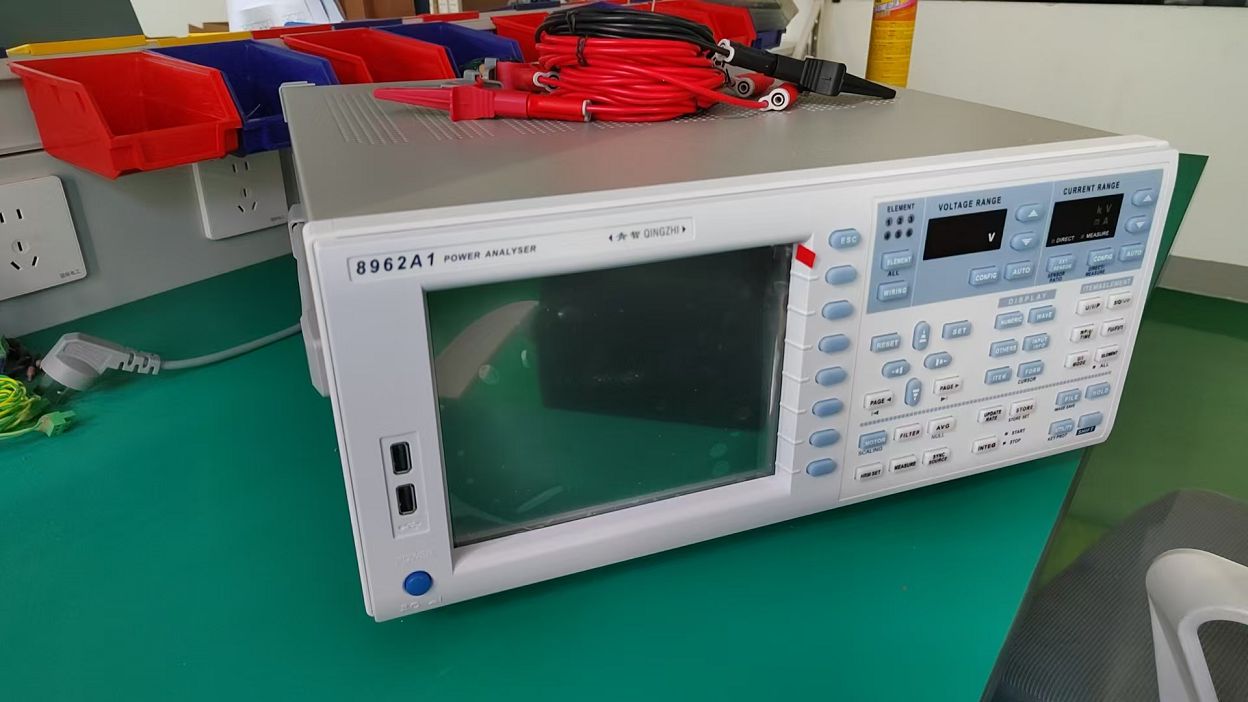
Using multi-channel digital oscilloscopes, our technicians verify parameters such as overshoot voltage, recovery duration, and high-frequency ringing. Precision power quality analyzers inspect input power factor values and output harmonic spectrum profiles, ensuring that every shipped unit complies with Korea's EMC regulations and grid-feedback restrictions.
Need custom power ratings or special grid emulation firmware?
Our engineering division develops custom solutions for unique voltages, dynamic frequencies, and communication configurations to match your local requirements.
Technology Roadmap & Global Trends
How developments in wide bandgap (WBG) semiconductors and smart grids are changing precision power systems.
The Adoption of Silicon Carbide (SiC) and Gallium Nitride (GaN)
The global power supply industry is undergoing a transition from traditional silicon-based IGBT switch topologies to wide bandgap technologies. Silicon Carbide (SiC) and Gallium Nitride (GaN) MOSFETs allow for higher switching frequencies, lower thermal losses, and compact chassis sizes.
For our Korean enterprise clients, this shift means lighter weight systems, higher power densities, and improved dynamic step response characteristics. Moving from 20kHz switching frequencies up to 100kHz and higher helps reduce filter inductances and output ripple values, providing cleaner power delivery to sensitive test loads.
Active Front End (AFE) and Bidirectional Power Flow
Sustainability demands require minimizing electrical losses during burn-in cycles. Modern testing facilities in South Korea are increasingly utilizing Active Front End (AFE) technologies.
Instead of wasting load energy as heat, bidirectional DC power supplies and regenerative AC loads recycle energy back into the local industrial network with high efficiency (often over 90%). This design reduces both electricity consumption and cooling costs in cleanrooms.
Topology Comparison: Switching vs. Linear
| Performance Dimension | Linear-Regulated Power Source | Switch-Mode (PWM) Power Source |
|---|---|---|
| Typical Power Efficiency | 35% - 50% (High heat generation) | 85% - 94% (Cool operational profile) |
| Output Noise & Ripple | < 5mV RMS (Extremely low) | < 50mV RMS (Requires filtering) |
| Transient Response Slew-Rate | < 20 microseconds (Ultra-fast response) | < 500 microseconds (Moderately fast) |
| Physical Footprint / Weight | Large, heavy (Requires linear transformers) | Compact, light weight (High power density) |
| Primary Application Areas | EMC testing, R&D labs, sensitive chip verification | Industrial automated test lines, EV motor burn-in |
Localization Support & Compliance for South Korea
Technical support, regulatory certifications, and customized integration options for Korean manufacturers.
Providing high-quality hardware is only part of the solution; ensuring compliance with local industrial standards is equally critical. Products entering South Korea's manufacturing ecosystem must meet safety and electromagnetic compatibility (EMC) regulations, including the Korea Certification (KC) and Korea Communications Commission (KCC) requirements. Our products are designed and manufactured to meet these standards, minimizing compliance roadblocks for your engineering projects.
We provide integration support with SCPI (Standard Commands for Programmable Instruments) control command structures, LabVIEW drivers, and Modbus protocol compatibility. This allows our power supplies to connect into automated test stations containing components from vendors such as National Instruments, Keysight, and Rohde & Schwarz.
Additionally, we supply comprehensive calibration records traceably verified against recognized international benchmarks. This helps ensure compliance with domestic quality frameworks (such as KAS or KOLAS accredited auditing processes) commonly utilized by our client base in Korea.
Frequently Asked Questions
Technical answers to frequent integration and selection questions from engineering and procurement specialists.
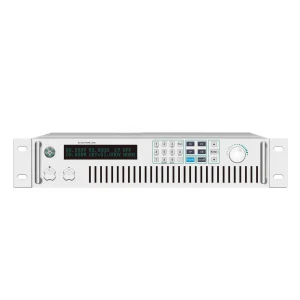
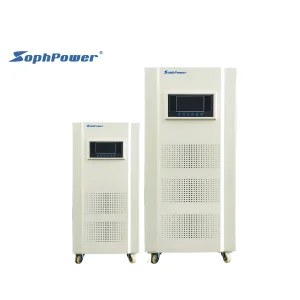
Comprehensive Product Catalog
Explore our full line of programmable AC sources, high-capacity DC power supplies, voltage regulators, and electronic loads.
Partner with a trusted power supply manufacturer
Serving South Korean high-tech industries with high-performance power solutions since 2006.