High-Power Grid Emulators & AC Sources
Precision laboratory power testing instruments featuring advanced regenerability, high frequency response, and bidirectional control loops optimized for demanding industrial clusters in Turkey.
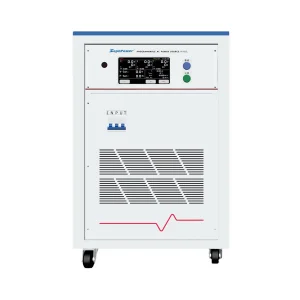
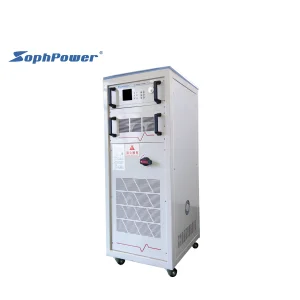
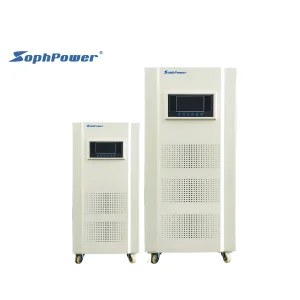
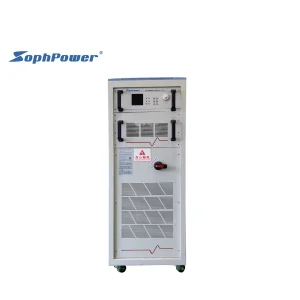
Turkey's Green Energy Transition and Grid Simulation Demands
The industrial landscape in Turkey is experiencing an unprecedented structural pivot towards electrification, decarbonization, and grid modernization. Driven by the ambitious national strategies laid out by the Ministry of Energy and Natural Resources (ETKB), Turkey's commitment to wind and solar PV expansions (such as the YEKA initiatives) requires a highly resilient grid framework. However, integrating massive capacities of renewable, variable power systems introduces substantial power quality complications, transient events, and safety risks to local grids operated by TEİAŞ (Turkish Electricity Transmission Corporation).
To safely test, validate, and certify grid-tied devices such as solar inverters, wind turbine energy converters, and energy storage systems (BESS), manufacturers and research laboratories need sophisticated testing platforms. A Regenerative AC Grid Simulator is the definitive instrument to achieve this. By functioning as a fully programmable four-quadrant bidirectional AC power source, it emulates diverse and extreme grid environments—voltage sags, frequency deviations, harmonics distortion, and high-frequency voltage fluctuations—while recycling up to 90% or more of the reactive and active test energy back to the local utility grid. This saves substantial power costs during high-capacity endurance runs.
Why Four-Quadrant Bidirectional Simulation Matters
Conventional AC sources can only source power (Quadrant I and II). When testing grid-tied utility systems (such as solar inverters that generate active power), a traditional source cannot sink this reverse power flow safely, requiring external passive dummy loads that convert energy into wasted heat. Our Regenerative AC Grid Simulators operate seamlessly in all four quadrants, serving as both a programmable AC source and a fully controllable regenerative electronic load.
- Simulates microgrids, utility grids, and marine grids.
- Energy recovery efficiency reduces heat emission inside Turkish testing labs.
- Fully compliant with TEİAŞ Connection Guidelines & European EN 50549-1/-2 regulations.
Sophpower Technical Capabilities & Global Impact
Founded in 2006, Shenzhen Sophpower Electronics is an engineering-first high-tech enterprise. We deliver specialized AC grid simulators, bidirectional DC power supplies, and customized test power configurations worldwide.
Macro-Level Industrial Solutions for Turkish Enterprises
Whether you are located in the bustling industrial zones of Kocaeli, Bursa, Ankara (OSTİM OSB), or Izmir (Aegean Free Zone), our Regenerative AC Grid Simulators address multiple macro-level industrial engineering challenges:
Grid-Tie Solar & Wind Inverter Validation
For manufacturers looking to export to European markets or integrate into Turkey's domestic YEKA networks, inverters must pass rigorous Low-Voltage Ride-Through (LVRT), High-Voltage Ride-Through (HVRT), and anti-islanding validation. The Sophpower Regenerative Simulator emulates instant voltage drops, sweeps, and phase jumps to evaluate inverter dynamic performance.
EV Charging Station (EVSE) Testing
Turkey's national electric vehicle sector (championed by Togg) is growing exponentially, creating demand for fast DC charger deployment and vehicle-to-grid (V2G) integrations. Testing chargers requires bidirectional AC/DC systems to mimic vehicle grid-backfeeding scenarios under variable regional voltages.
Aerospace and Defense Systems Testing
In Turkish defense hubs around Ankara (e.g., Aselsan, TUSAŞ, Roketsan), electronic systems require 400Hz frequency converter simulation to mimic aircraft and military vehicle AC power networks. Sophpower's variable-frequency capabilities provide high-resolution outputs ranging from 45Hz to 400Hz.
Featured High-Power Laboratory Equipment
Precision linear voltage regulators, switching power modules, and programmable test instrumentation.
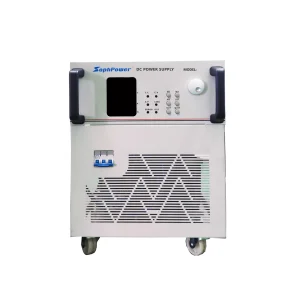
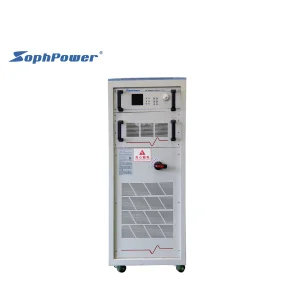
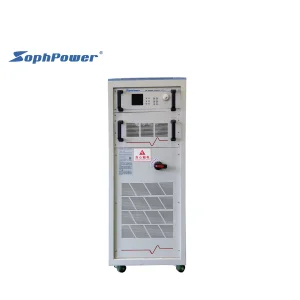
Sophpower Grid Simulators: Technical Excellence & Specifications
Sophpower's regenerative power architectures leverage high-switching frequency IGBT/SiC topologies and dual-core DSP control. This configuration provides dynamic control bandwidth, exceptionally low output impedance, and ultra-low harmonic distortion (THD) under complex linear or non-linear load demands.
| Performance Specification | Sophpower Series Value / Support Limit | Significance for Turkish Industrial Users |
|---|---|---|
| Regenerative Efficiency | Up to >92% (At rated capacity) | Minimizes operational utility billing and cooling footprints inside Turkish R&D centers. |
| Harmonic Distortion (THD) | <0.5% (with linear load), <2.0% (with non-linear load) | Ensures high-accuracy measurements, mirroring local TEİAŞ transmission codes. |
| Output Frequency Range | 45 Hz - 100 Hz (Standard), up to 400 Hz (Customized options) | Allows testing of industrial drives, aerospace subcomponents, and microgrids. |
| Voltage Fault Simulation | HVRT, LVRT, Zero-Voltage Ride Through (ZVRT) | Satisfies EPDK grid-connection compliance testing protocols. |
| Dynamic Slew Rate | < 2 ms (from 10% to 90% voltage step change) | Ideal for testing rapid voltage drops and electrical transient responses. |
| Interface / Communication | RS485, LAN/Ethernet, GPIB, CAN, Modbus | Integrates into automated SCADA manufacturing systems in Turkish factories. |
Shenzhen Sophpower Electronics Manufacturing & Quality Control
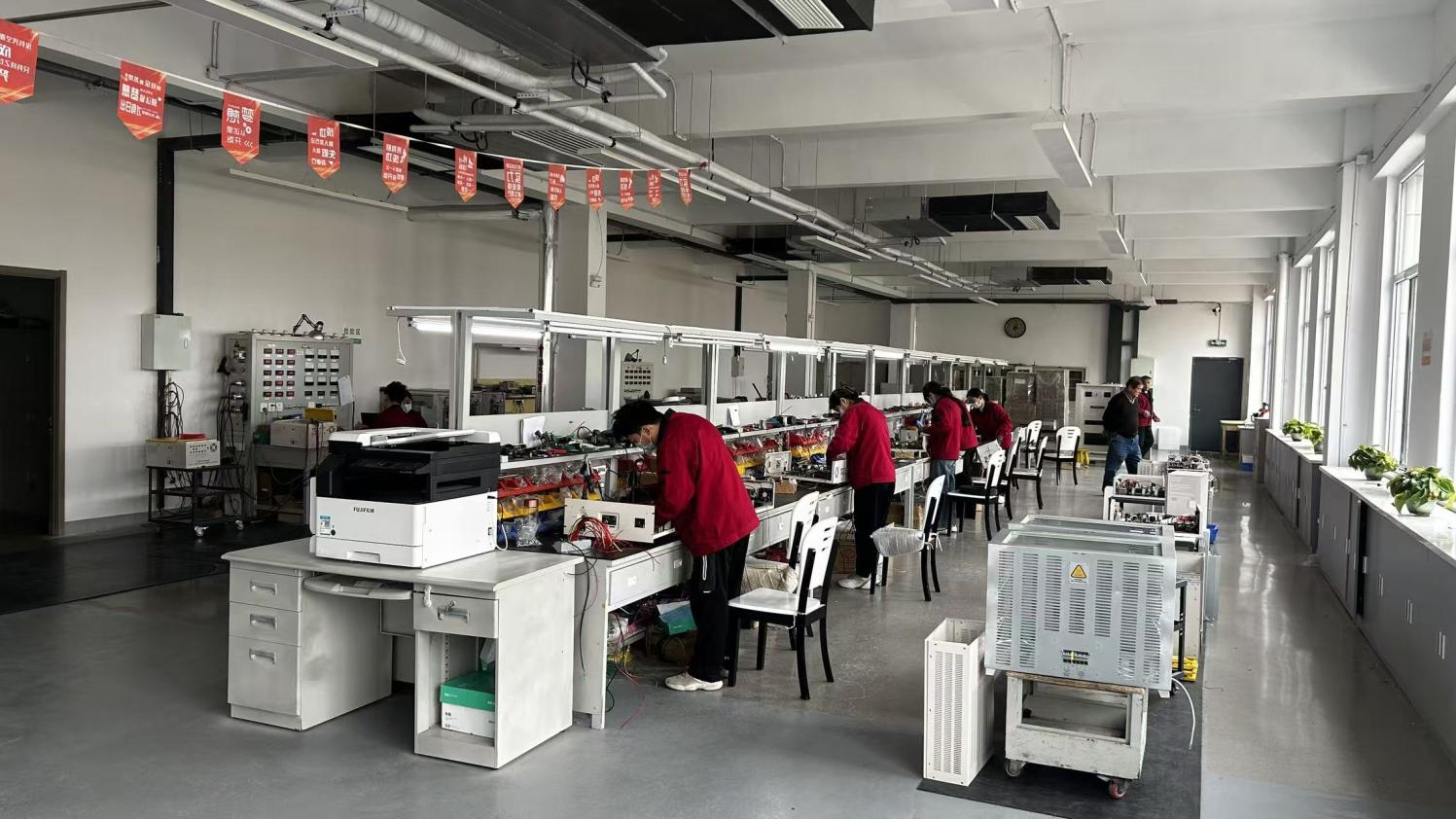
We combine advanced production infrastructure with rigorous quality assurance protocols. Every regenerative AC grid simulator and DC power source undergoes systematic inspection—from PCB component assembly and dynamic thermography testing to high-power load cycles prior to dispatch.
Our ISO 9001-certified factory utilizes automated reflow soldering, precision copper bar manufacturing, and specialized diagnostic tooling. This guarantees structural durability and component reliability, protecting your investments against electrical and thermal fatigue.
 Circuit assembly
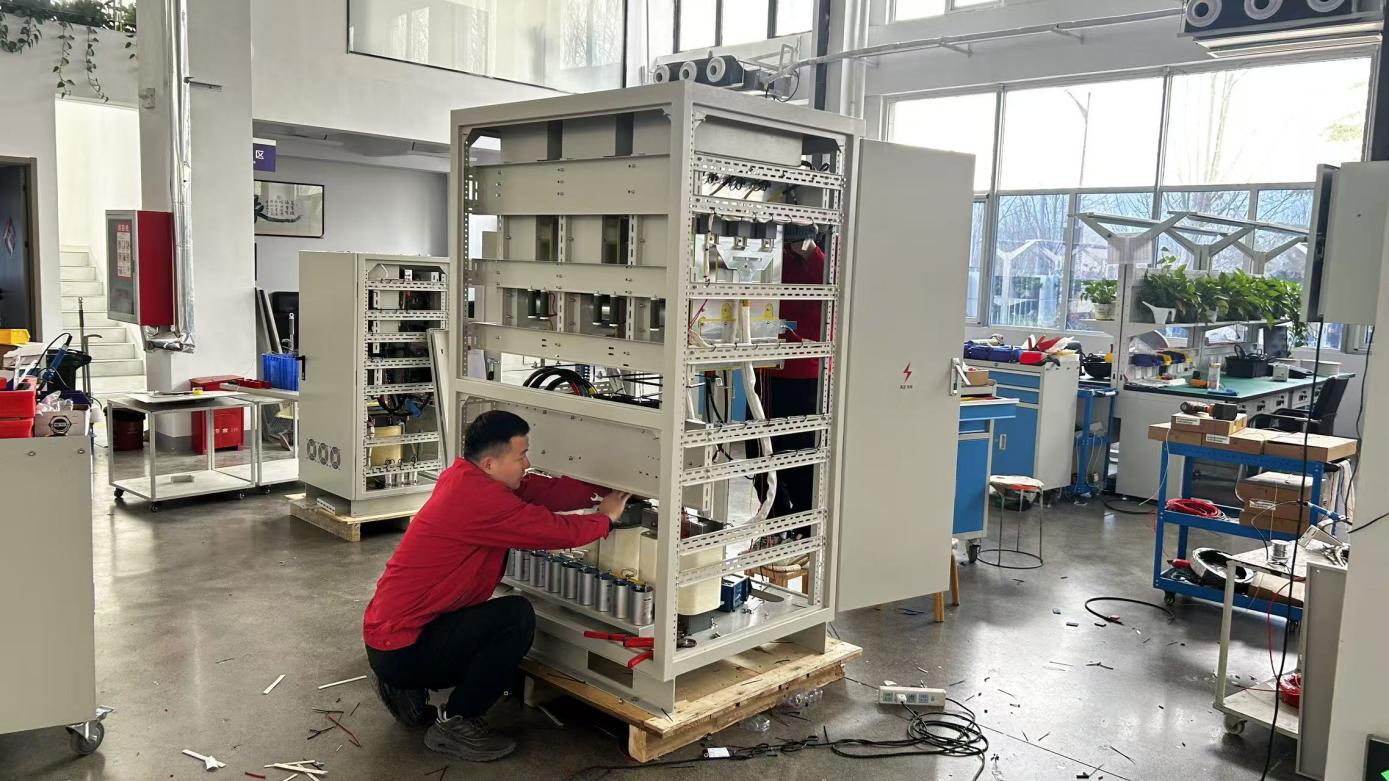 Circuit board assembly
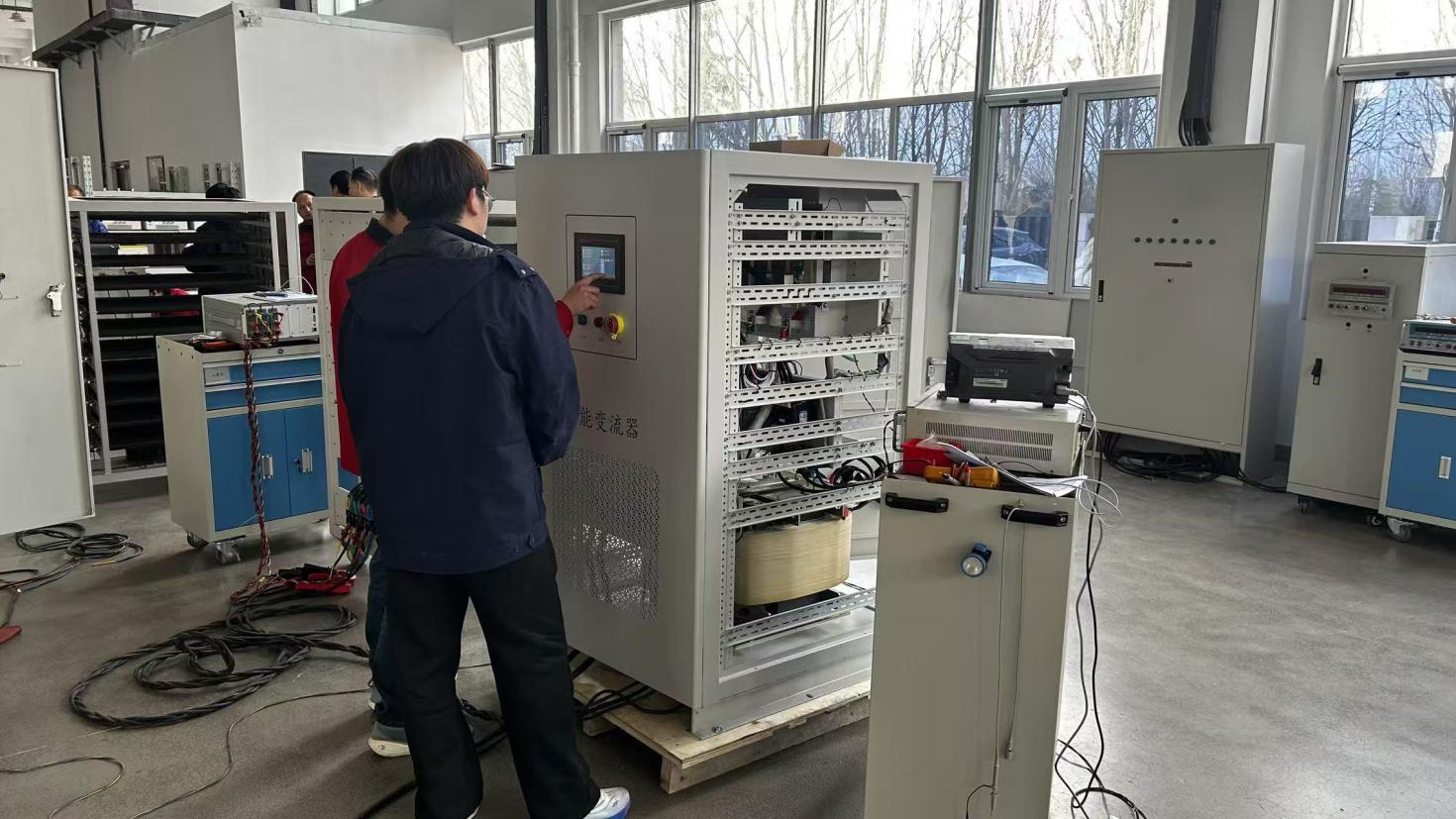 Debugging process
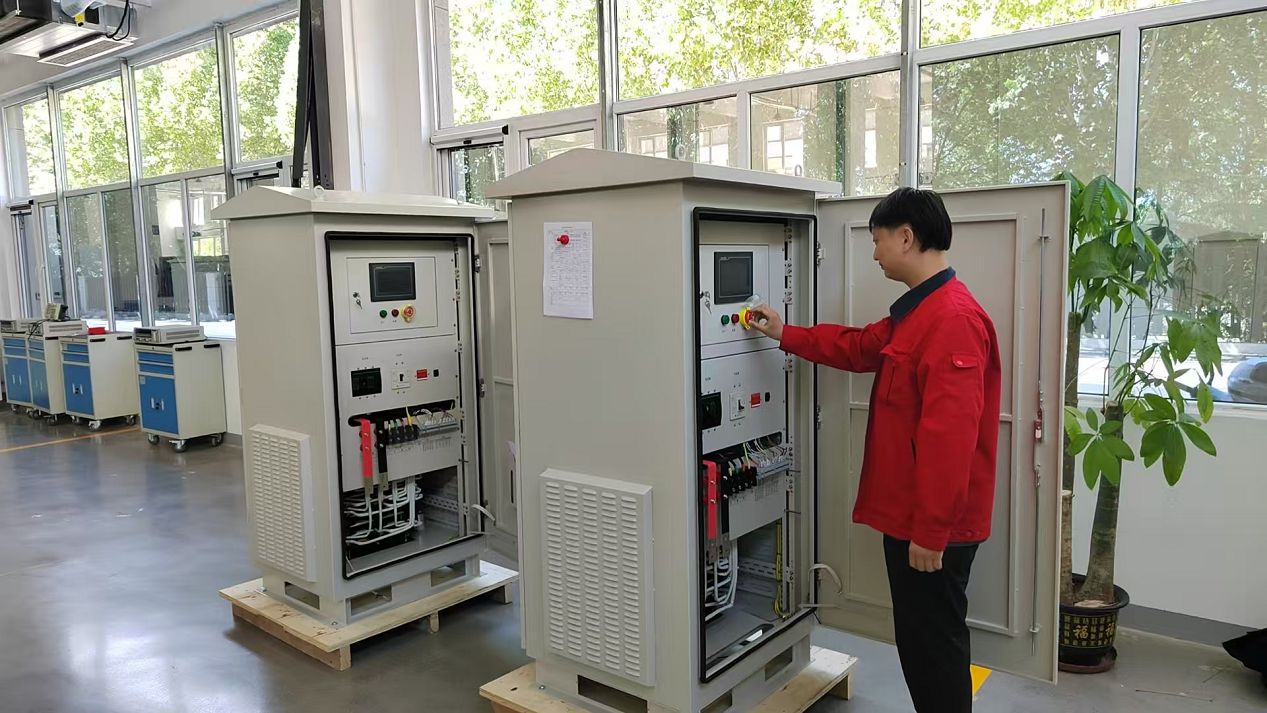 Quality inspection process
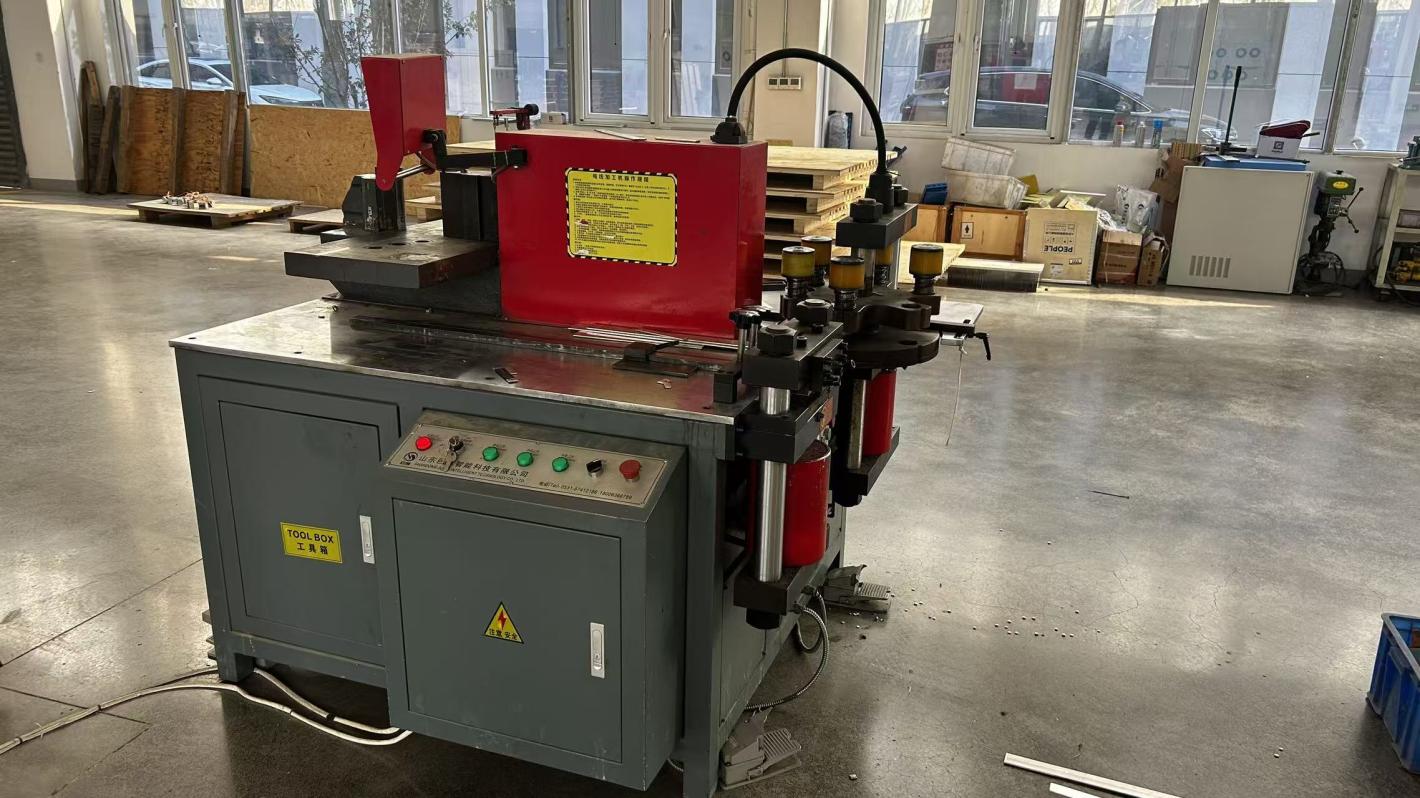 Copper bar production
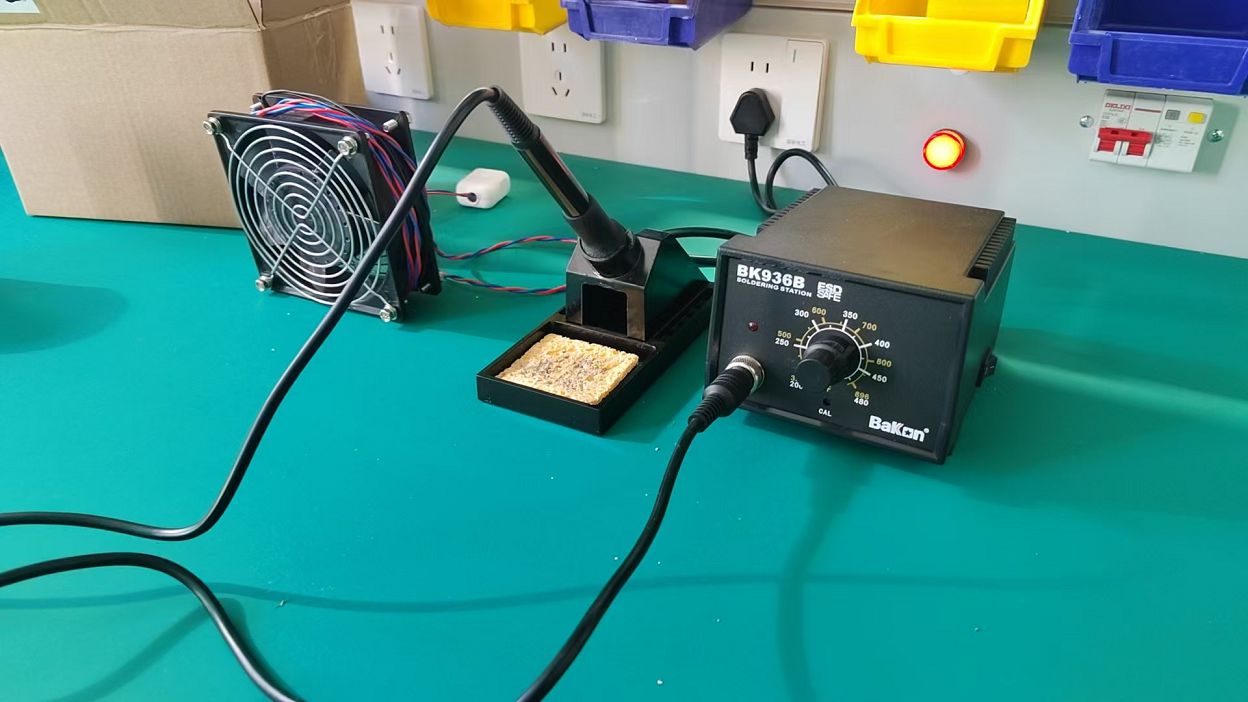 Electric ferrowire
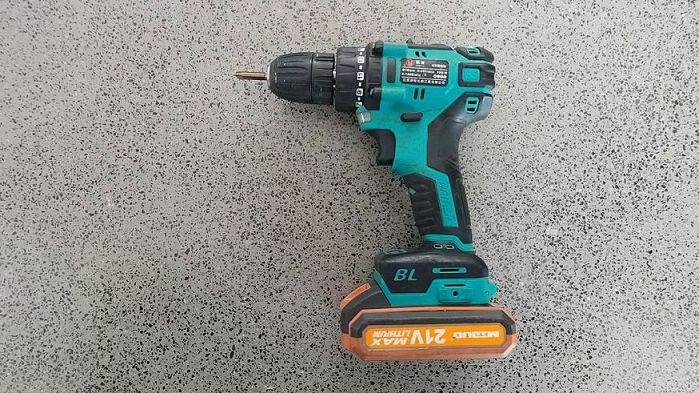 Electric drill
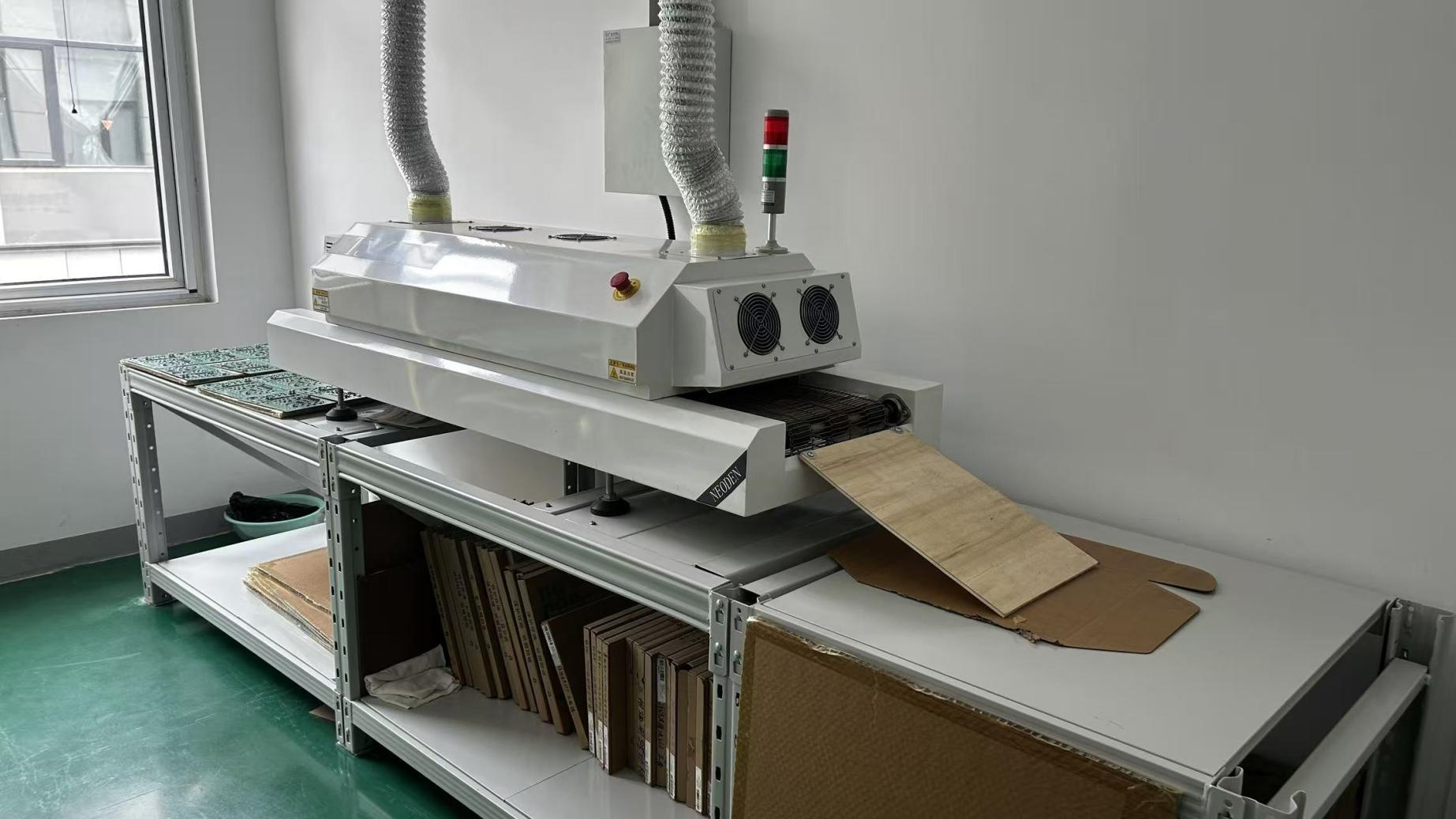 Reflow soldering
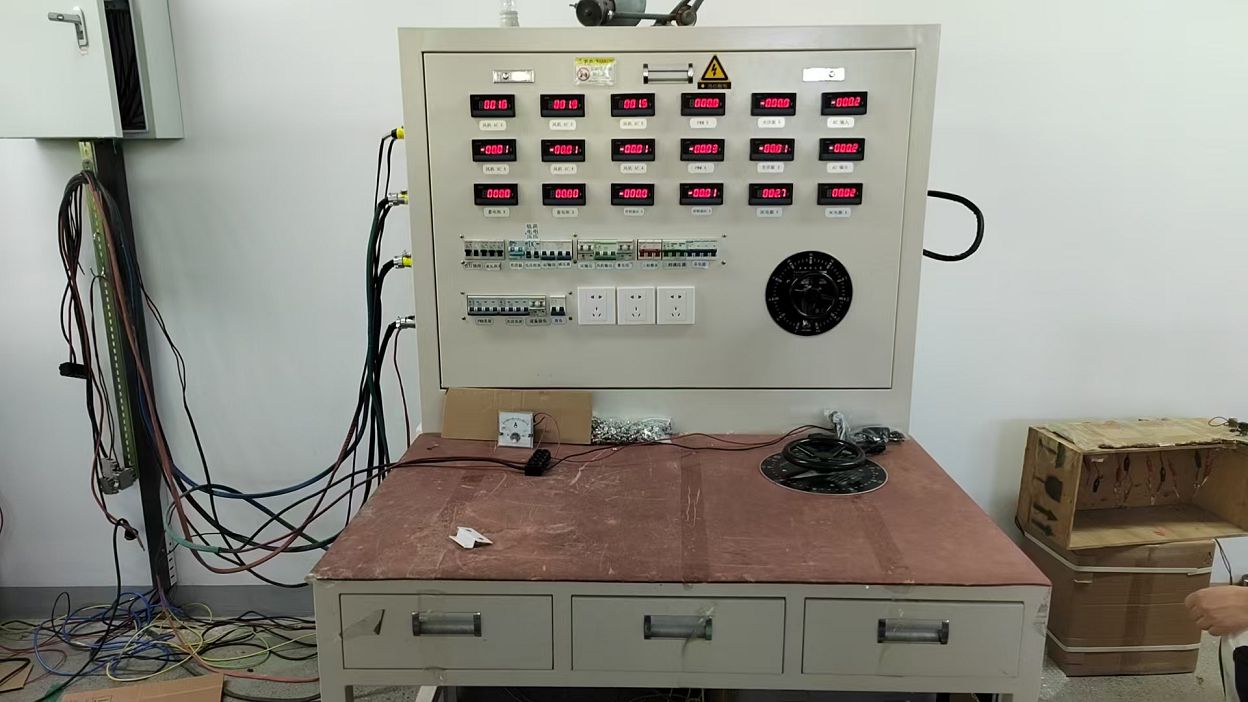 Debugging workbench
Calibrated Instrumentation and Quality Verification
Our quality verification processes leverage state-of-the-art diagnostic equipment. By deploying calibrated oscilloscopes, semiconductor plotters, and power analyzers, Sophpower validates every dynamic parameter of the Regenerative AC Simulators before delivery to our clients in Turkey.
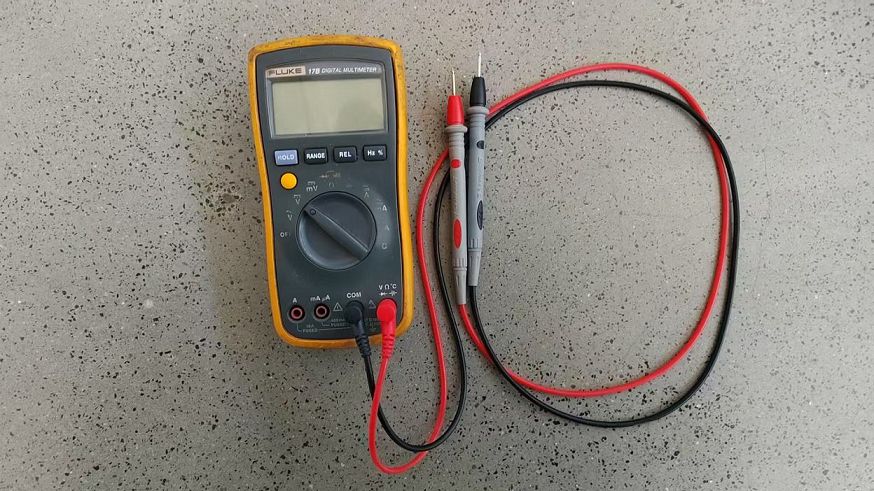 Multimeter
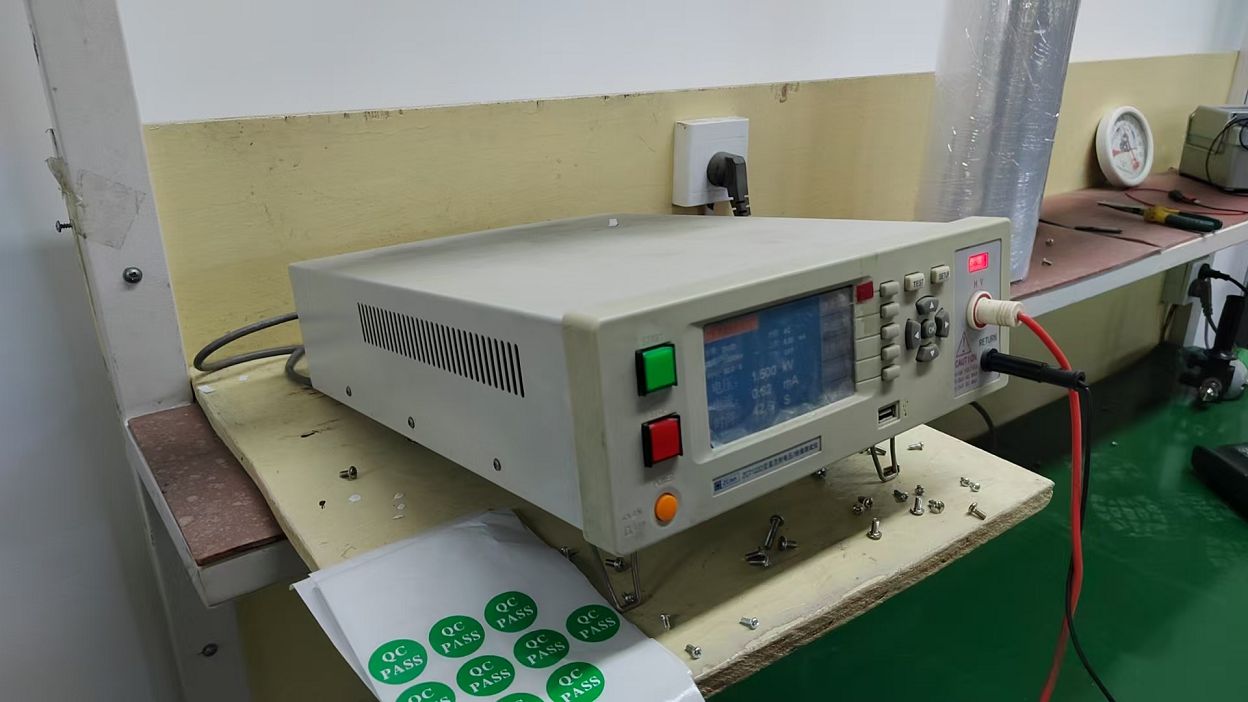 LCR AutoTester
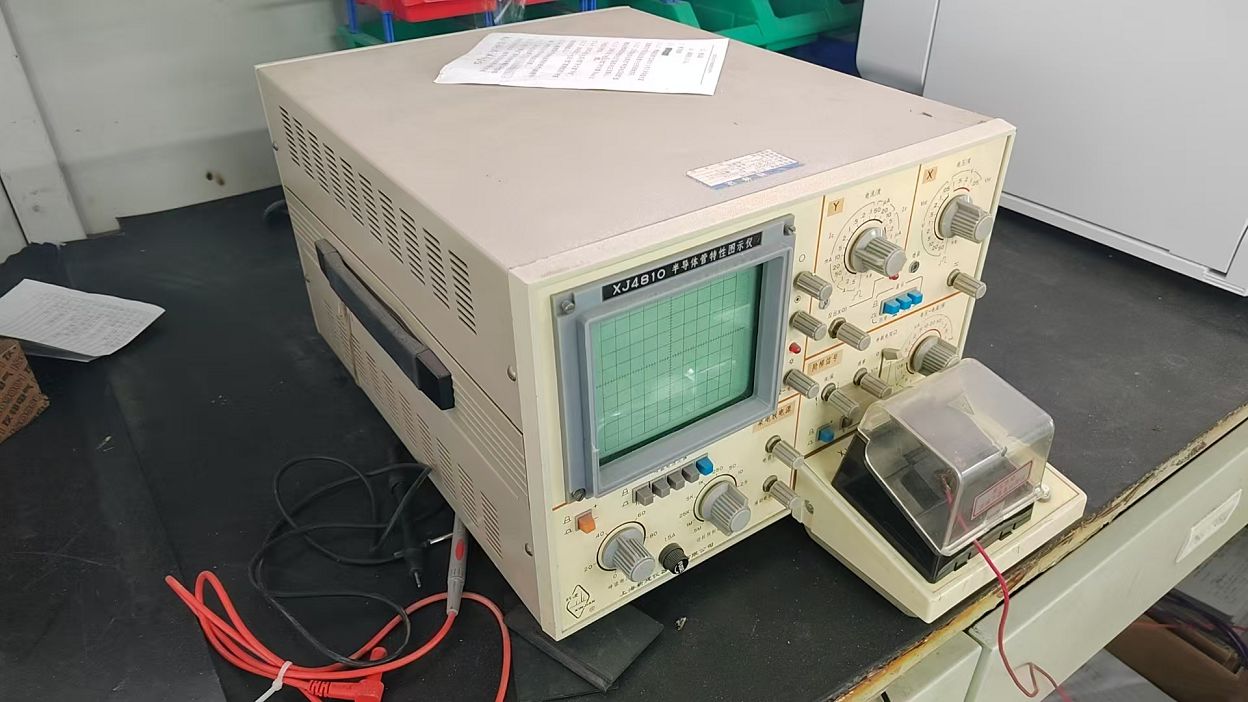 Semiconductor Plotter
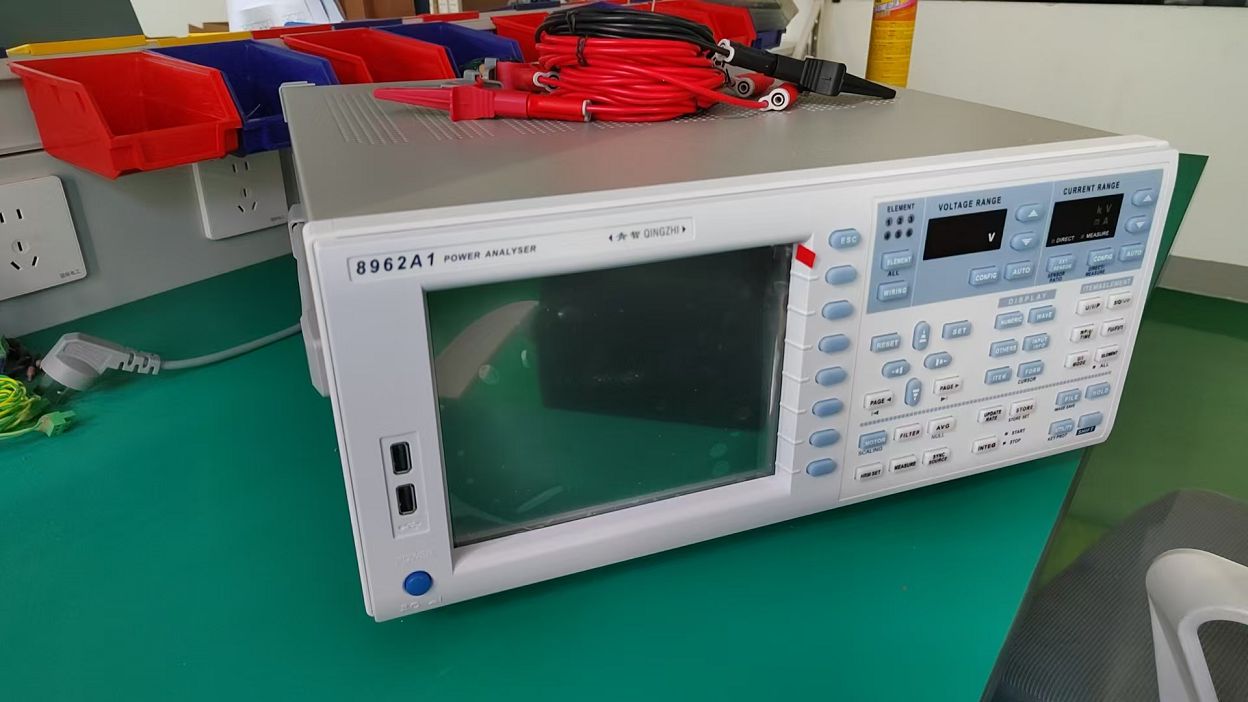 Digital Oscilloscope
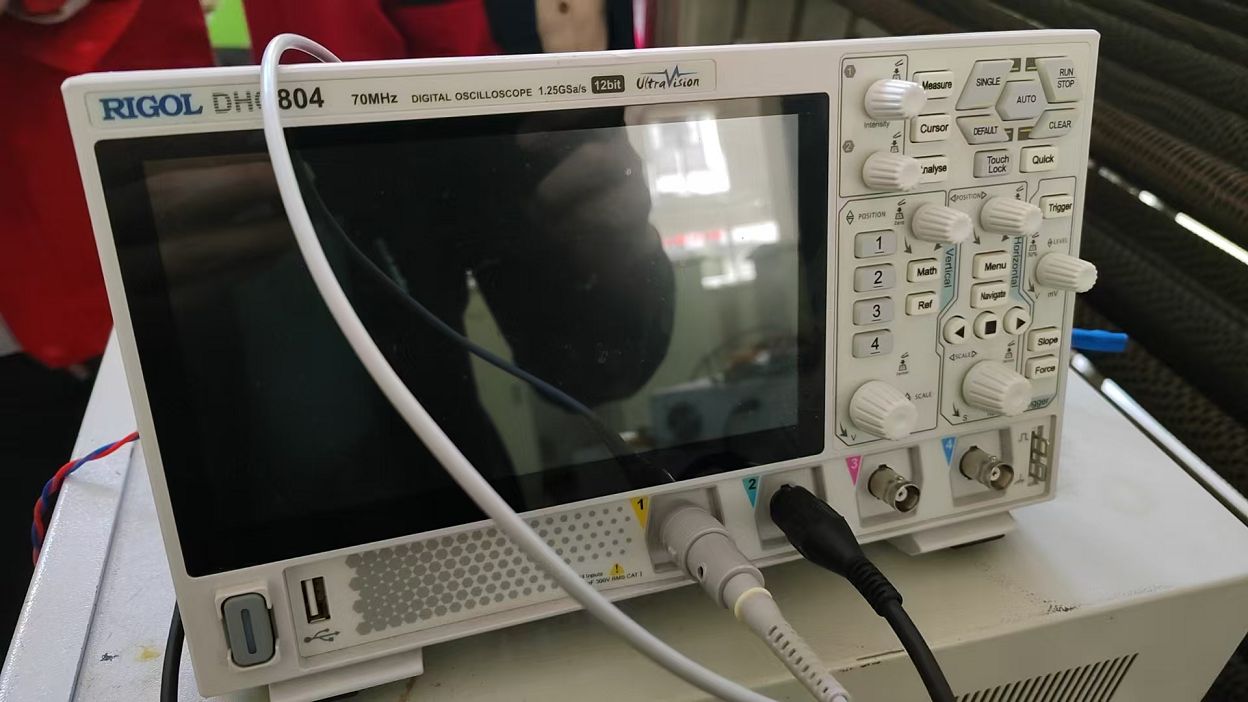 Power Quality Analyzer
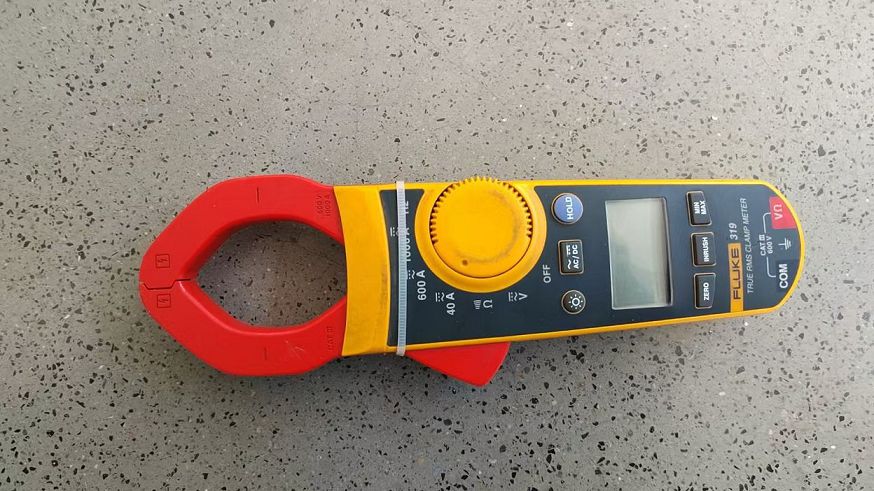 Clamp Current Meter
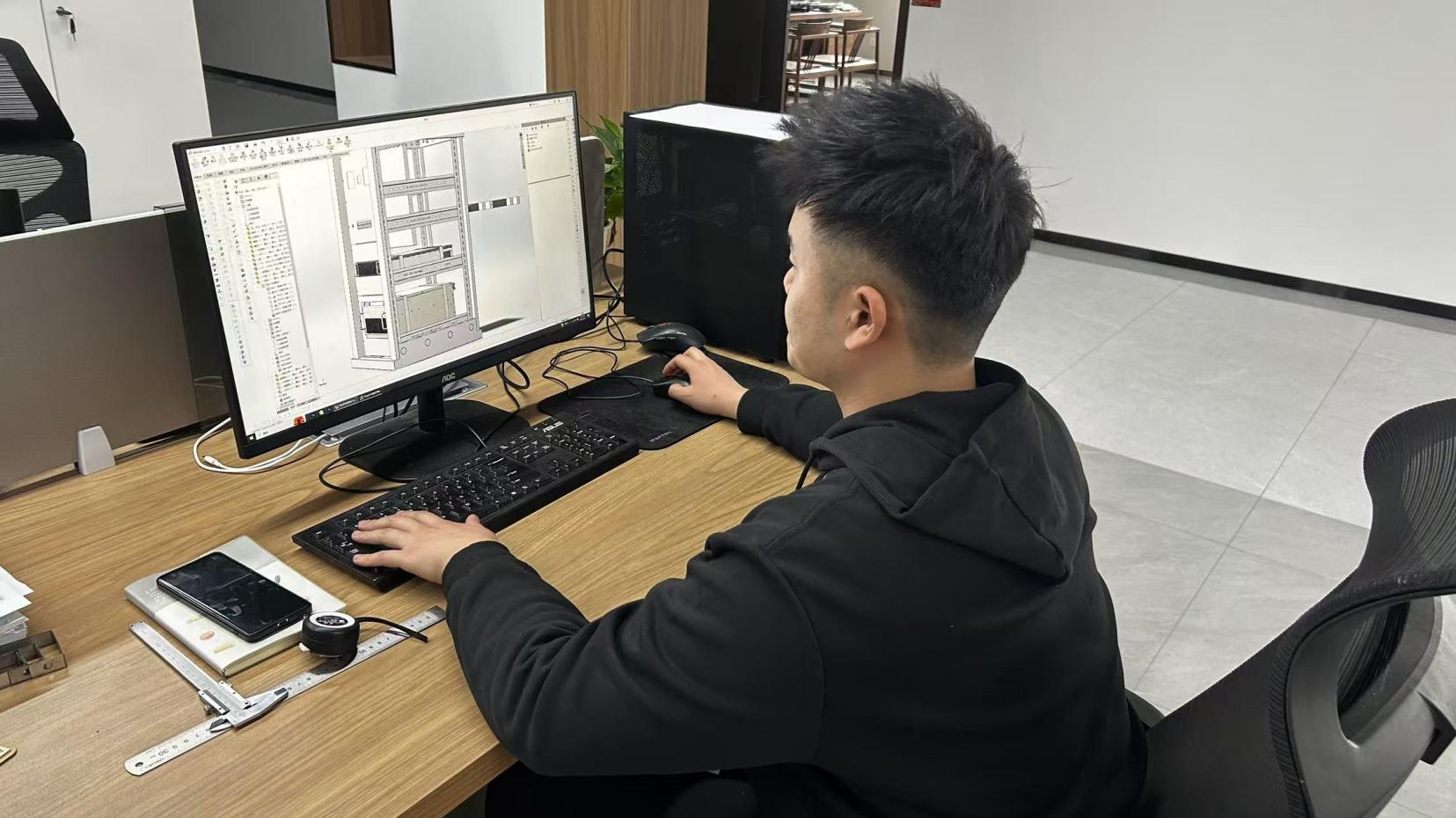 Drawing Design
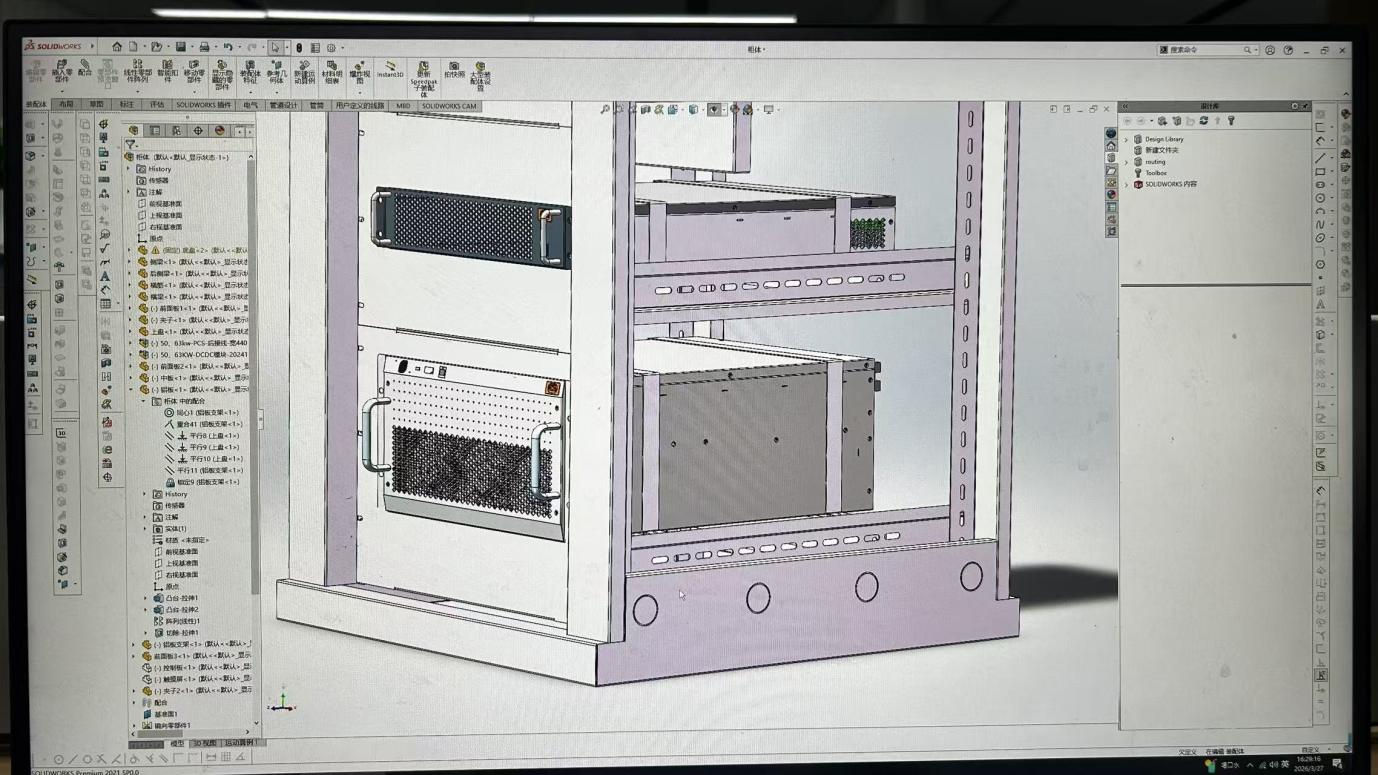 CAD Layout Station
Technical Roadmap: The Future of Bidirectional Simulation
As microgrids evolve to incorporate vehicle-to-everything (V2X), solid-state transformers, and local utility distribution, grid emulators must support higher frequencies and more complex control interfaces.
Silicon Carbide (SiC) Integration
Sophpower is integrating next-generation Silicon Carbide switches into high-power simulator stages. This reduces switching losses, extends output bandwidth beyond 2 kHz, and achieves higher power density—enabling compact test bays for Turkish R&D laboratories.
V2G & Smart-Charging Emulation
Future firmware iterations will support native CCS/CHAdeMO and EV communication protocol emulation. This enables testing of complex V2G and V2H (Vehicle-to-Home) systems directly with our grid simulators without requiring dedicated gateway hardware.
Hardware-in-the-Loop (HIL) Compatibility
By integrating low-latency analog interfaces, our simulators connect with RTDS or OPAL-RT real-time hardware-in-the-loop systems. This allows design engineers to run dynamic closed-loop simulations of complex grids in real time.
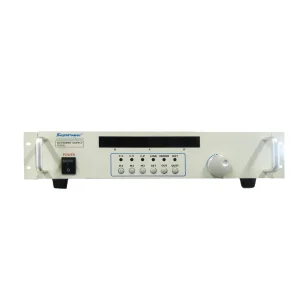
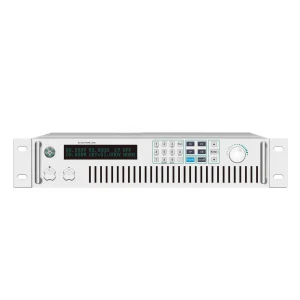
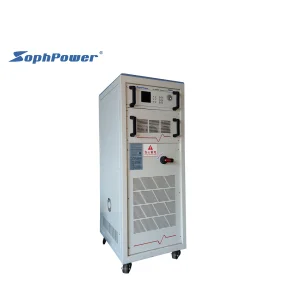
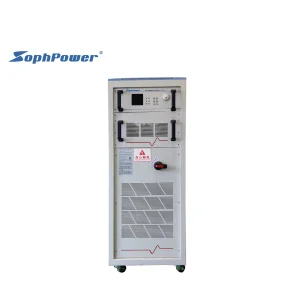
Sophpower Complete Testing & Calibration Product Portfolio
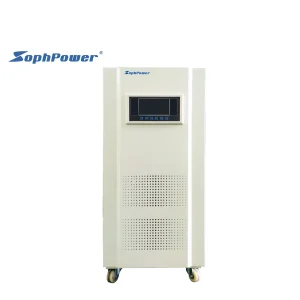
Select from our comprehensive range of high-performance programmable AC and DC power systems, engineered for precision, longevity, and stability.
Frequently Asked Technical Questions
Get answer to fundamental questions regarding Regenerative Grid Simulation technology, certifications, and deployments in the Turkish market.
A standard AC source is unidirectional; it supplies power to a load but cannot absorb reverse power. A Regenerative Grid Simulator operates in all four quadrants. When the device under test (DUT)—such as a grid-tied solar inverter—produces energy, the simulator sinks this energy and returns it to the utility grid with low harmonic distortion. This design avoids the need for massive resistive load banks, reducing power bills and thermal management requirements.
Yes. Our regenerative simulators feature programmable voltage and frequency dynamics, enabling them to simulate voltage drops to zero volts, phase shifts, and frequency transients. This capability supports compliance testing according to TEİAŞ regulations, IEEE 1547, and European grid codes like EN 50549.
We provide remote engineering assistance, detailed technical documentation, and coordinate with local engineering service agencies in Turkey for on-site commissioning, annual calibration, and maintenance support. Our design team helps customize parameter configurations to match local industrial grid requirements.
Sophpower simulators are equipped with standard interfaces including RS485, LAN, USB, and optional GPIB or CAN. They support standard SCPI commands and Modbus RTU/TCP protocols, enabling integration into LabVIEW, MATLAB, or custom laboratory automation frameworks.
Ready to Optimize Your Power Testing Laboratory?
Get in touch with Sophpower's application engineers today to discuss your project requirements, receive a detailed technical specification outline, or request a commercial quote tailored to the Turkish market.
Submit Request for Quotation