Featured Laboratory & Power Grid Simulation Systems
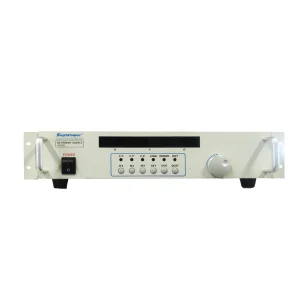
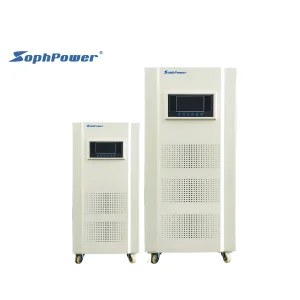
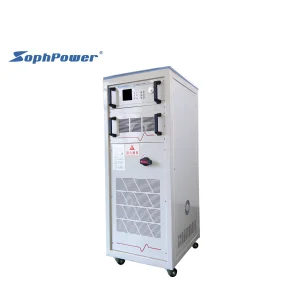
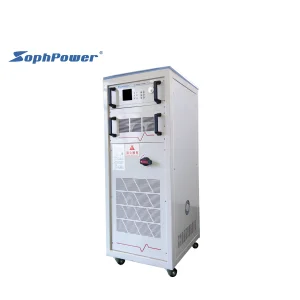
The Evolving Landscape of the UK Grid: Microgrids, EVs & Net-Zero 2050
The United Kingdom is currently undergoing one of the most radical grid transitions in its industrial history. Driven by the legally binding commitment to achieve Net-Zero greenhouse gas emissions by 2050, the integration of utility-scale renewable energy assets—particularly North Sea offshore wind farms and distributed PV installations—has introduced unprecedented volatility to the National Grid. No longer can the grid be modeled as a stable, centralized distribution network with unidirectional current flow.
To cope with localized harmonic distortion, sudden transient voltage drops, and rapid frequency fluctuations, UK testing facilities, universities, and commercial manufacturers require advanced grid simulation. Under the local G98 and G99 Engineering Recommendations (mandated by the Energy Networks Association), any grid-connected equipment, notably wind-turbine inverters, PV micro-inverters, and commercial energy storage systems (BESS), must undergo rigorous fault ride-through (FRT) and anti-islanding verification before being commissioned.
| Standard | Target Area | Testing Requirement |
|---|---|---|
| G98 Compliance | Micro-generation < 16A per phase | Over/Under Voltage, Frequency deviation & Islanding detection |
| G99 Compliance | Industrial Generation > 16A per phase | Active power curtailment, Reactive response & Fault Ride-Through |
| BS EN 50549 | Distributed Generating Plants | Dynamic grid support, reactive power controls & ramp rates |
Understanding 4-Quadrant Bidirectional Simulation: An Engineering Deep-Dive
A Regenerative AC Grid Simulator does not merely generate synthesized sine waves; it utilizes a four-quadrant regenerative topology. When testing grid-tied inverters (such as solar inverters or EV vehicle-to-grid chargers), the inverter attempts to pump current back into what it perceives as the utility grid. A standard programmable AC source would experience a reverse-power condition, leading to trip faults or internal damage unless coupled with massive resistive load banks.
Shenzhen Sophpower's bidirectional grid simulators resolve this by acting as a highly efficient active rectifier. Our units return up to 92% of the sinked power back to the primary building power supply. The transition between sourcing and sinking modes occurs seamlessly in microseconds, preventing voltage spikes and ensuring an extremely stable reference voltage waveform during transient testing.
1. Low Harmonic Distortion (THD)
Featuring an advanced multi-level DSP control loop, our simulators guarantee a Total Harmonic Distortion (THD) of < 0.5% under full linear load. This provides an ultra-clean baseline for sensitive instrumentation validation.
2. Precise Waveform Synthesis
Simulate actual UK grid disturbances such as sub-harmonic pollution, voltage sags, spikes, phase shifts, and inter-harmonics up to the 50th order, mapping exactly to G99 test scripts.
3. High Power Density & Scalability
From compact benchtop setups to large, parallel-connected multi-megawatt configurations. The system architecture supports synchronous modular expansion without sacrificing transient response speed.
Global Sourcing Paradigms: What Procurement Directors Demand in 2024
Procurement processes in the defense, automotive, aerospace, and energy sectors have transitioned from a localized-only approach to globalized strategic sourcing. UK engineering firms and manufacturing hubs (ranging from the West Midlands automotive cluster to high-tech research centers in Cambridge and Bristol) require global suppliers who can integrate seamlessly with their standard operations.
Key demands from procurement directors include:
- CE & UKCA Compliance Certification: Essential for safe and legal deployment within the European Economic Area and Great Britain.
- Open Communication Protocol Protocols: Built-in support for SCADA control via Ethernet, RS485, GPIB, and Modbus RTU/TCP protocols, ensuring integration into high-performance Hardware-in-the-Loop (HIL) setups such as OPAL-RT or RTDS.
- Robust Preventive Support and Warranties: Fast lead times, complete engineering design documentation, and modular spare parts packages to minimize equipment downtime.
Sophpower addresses these expectations by offering localized technical assistance and custom compliance testing reports, ensuring smooth customs clearing and rapid commissioning upon arrival at UK sites.
China Industry 4.0: Supply Chain Resilience & Cost Advantages
As a premier power electronics manufacturer based in Shenzhen—the global epicenter of advanced component logistics—Shenzhen Sophpower Electronics Co., Ltd. leverages a highly optimized local supply chain. The proximity to raw materials, rapid-turnaround PCB fabrication shops, semiconductor agents, and custom transformer winding facilities enables us to move from design freeze to physical prototype in a fraction of the time taken by Western counterparts.
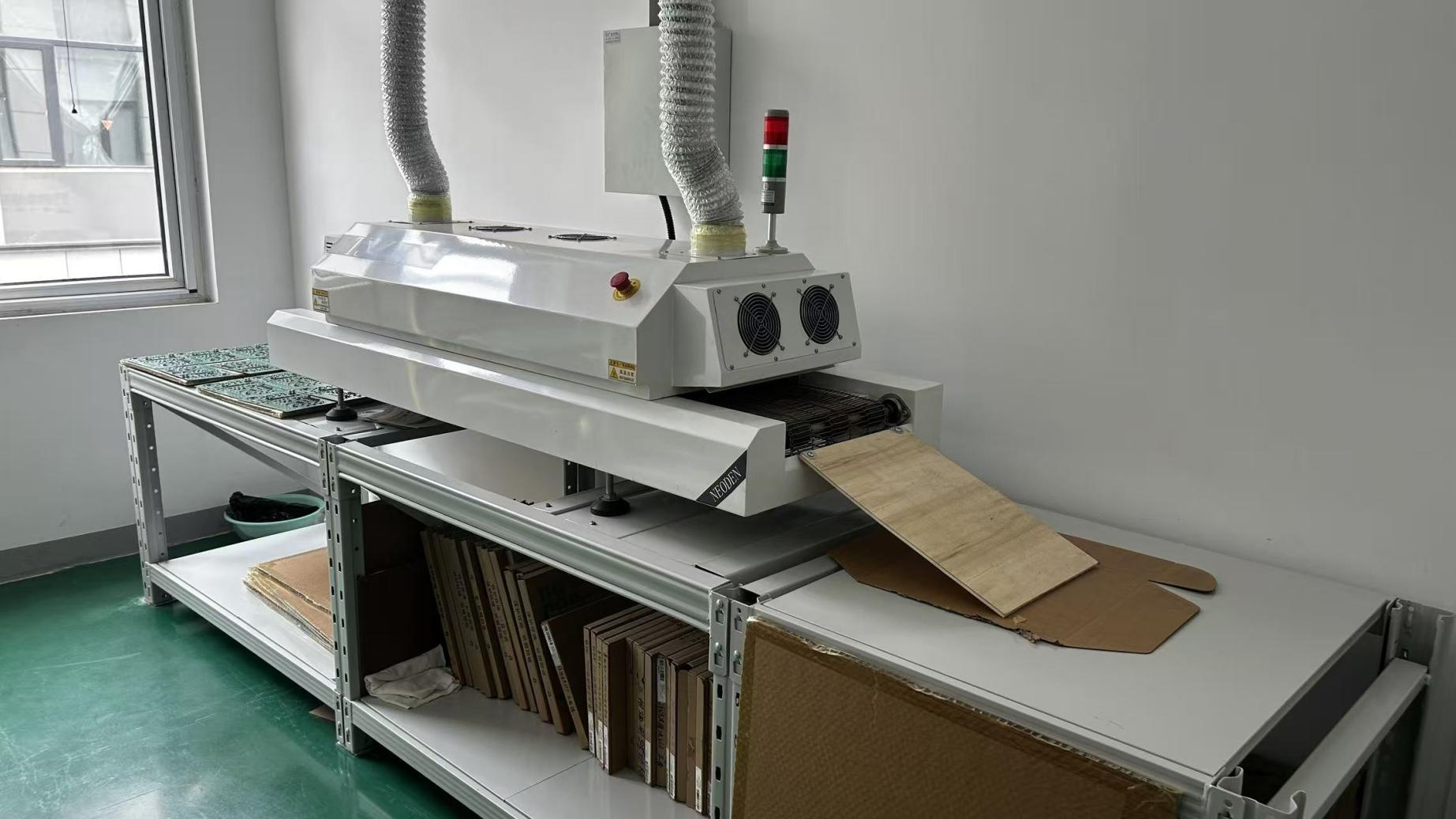
Our Industry 4.0 production philosophy integrates digital quality traceability at every step. Every circuit assembly, reflow soldering run, and mechanical chassis integration is tracked via serial numbers. This optimization is reflected directly in our competitive pricing structure, enabling UK labs to access top-tier regenerative testing instruments without standard budget overruns.
Why Sophpower Electronics?
- Established in 2006: Over 18 years of technical expertise.
- Shenzhen High-Tech Hub: Rapid deployment of complex industrial components.
- Full Customization Capabilities: Dedicated R&D engineering division for unique applications.
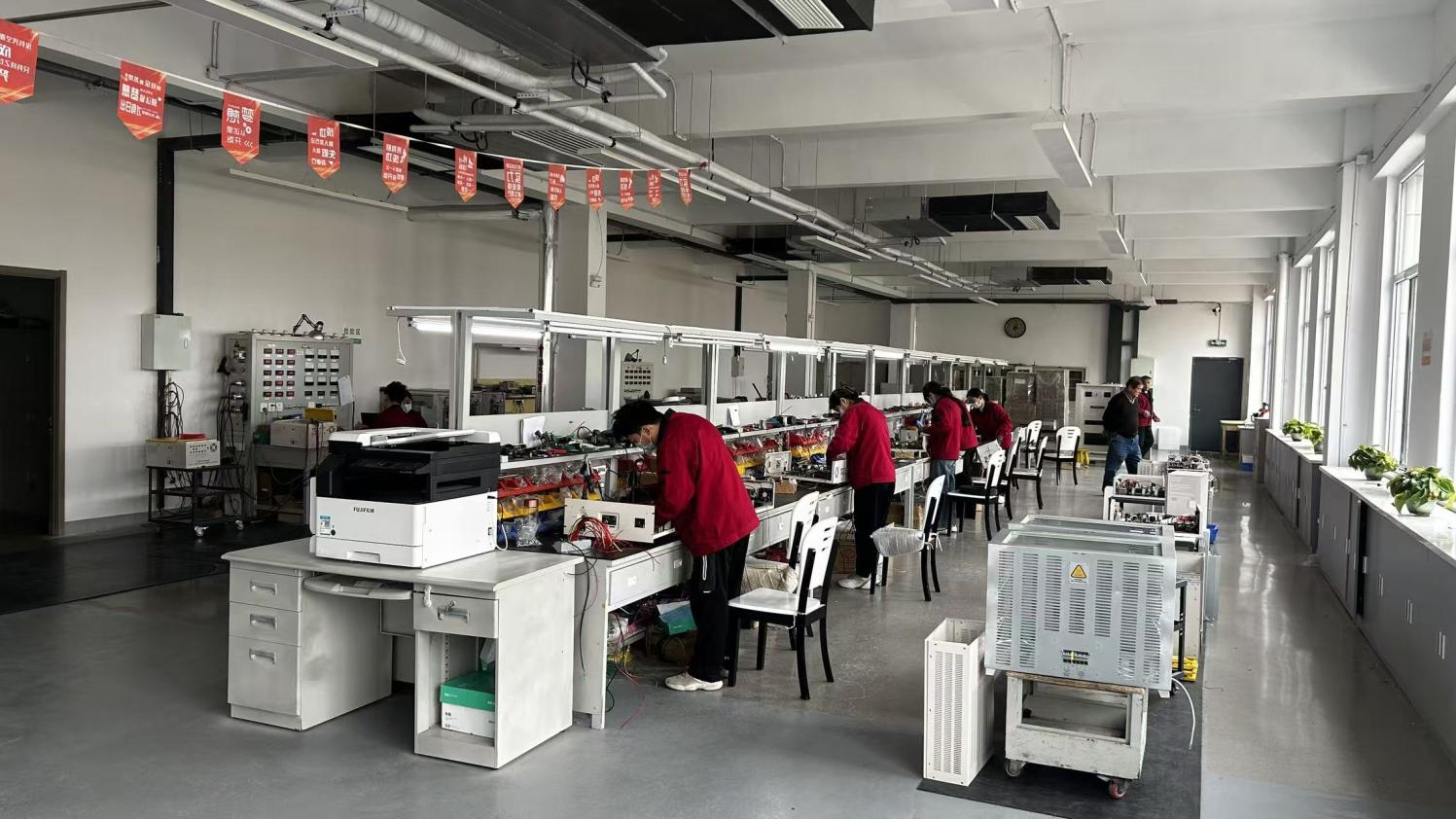
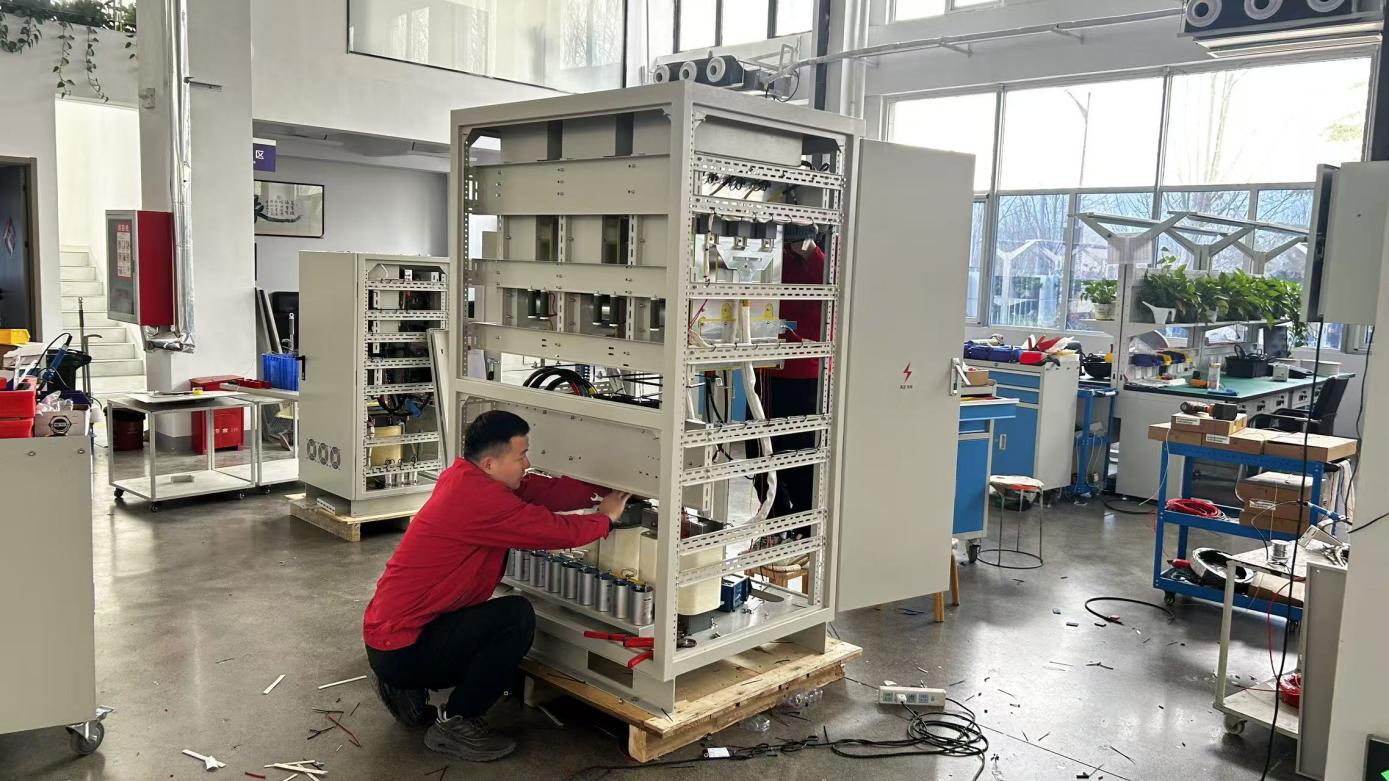
- State-of-the-Art Production Facility: Integrated assembly lines and dedicated quality control processes.
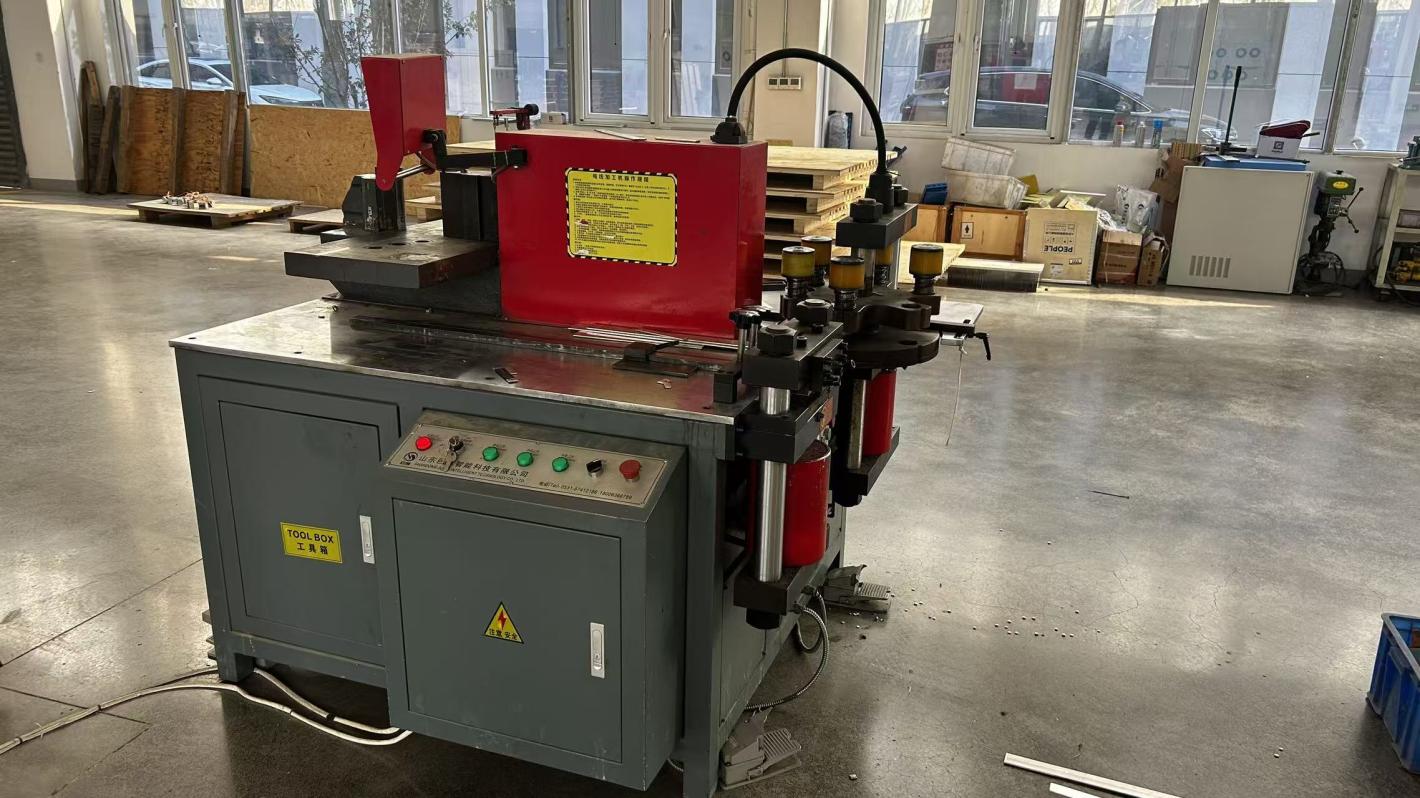
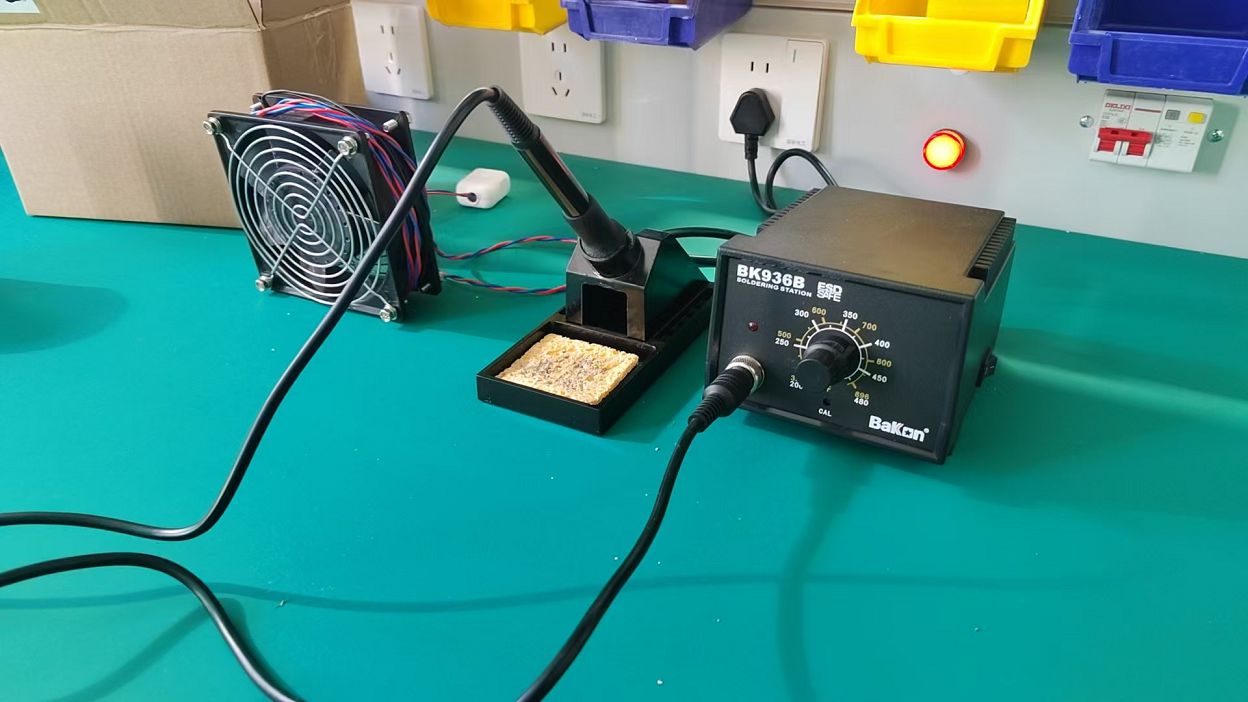
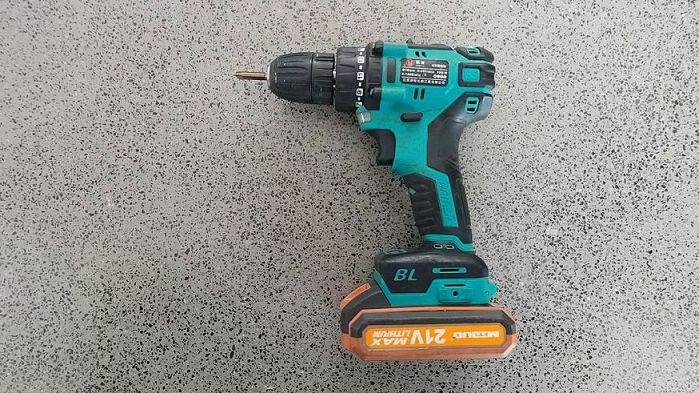
Inside the Factory: Precision Assembly & Production Operations
Our production floor incorporates advanced manufacturing workflows to ensure electrical reliability under continuous operational stress.
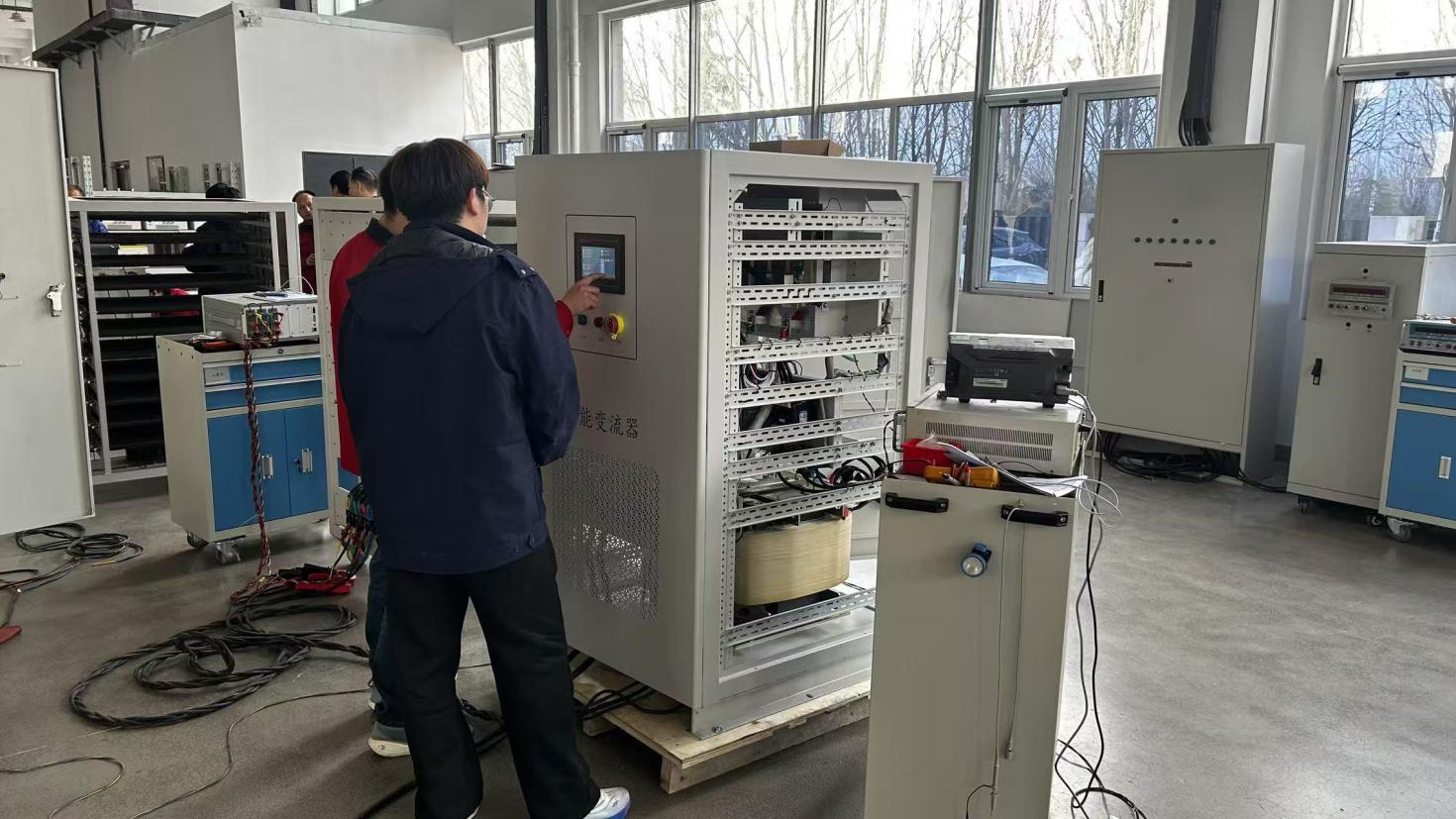
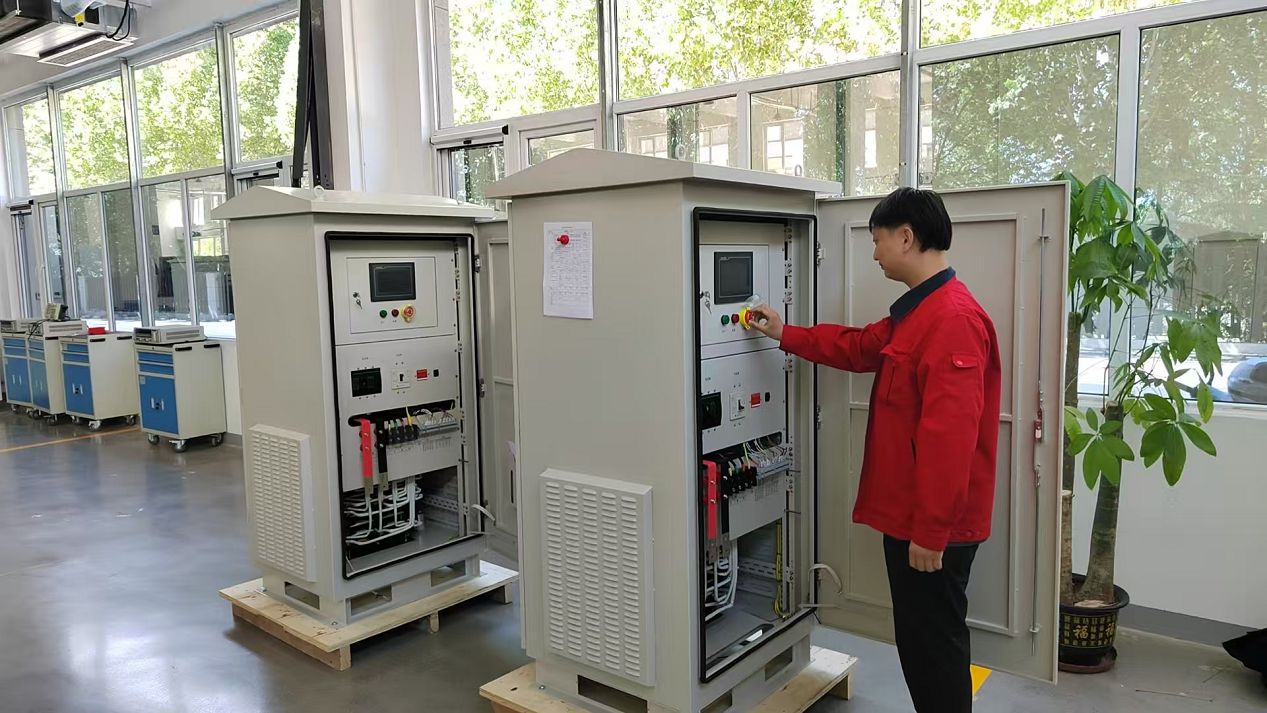
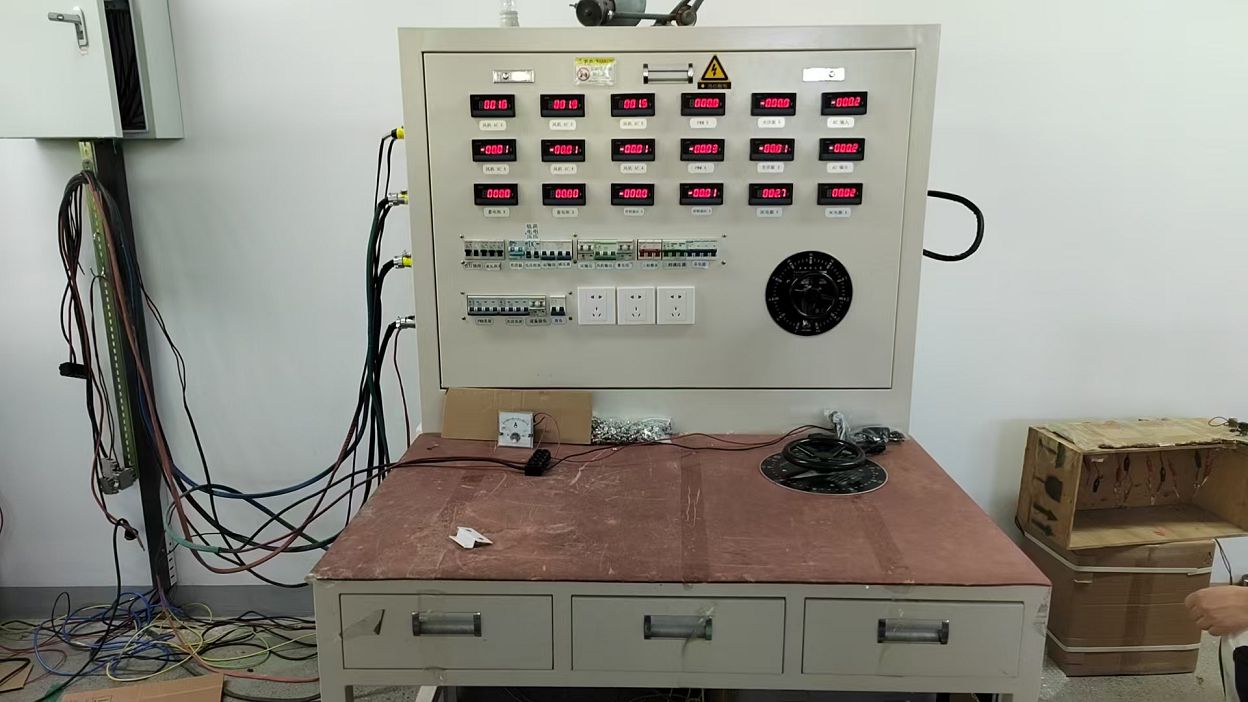
Rigorous Calibration & Testing Verification
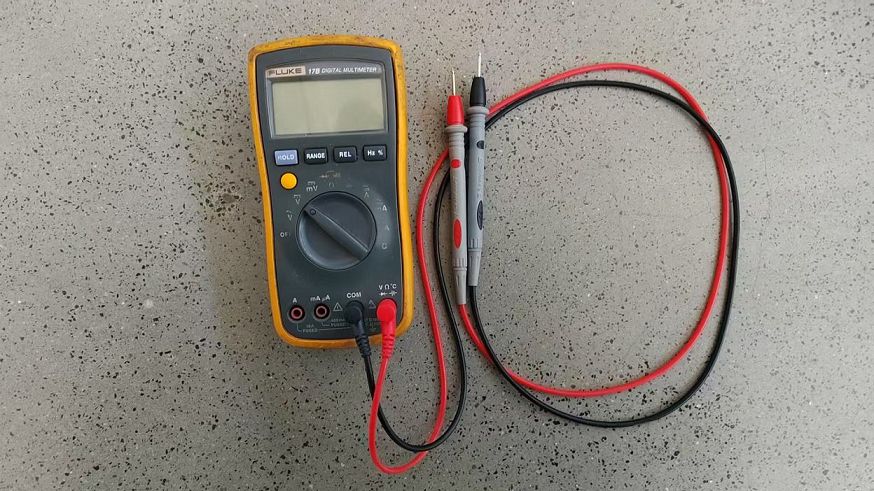
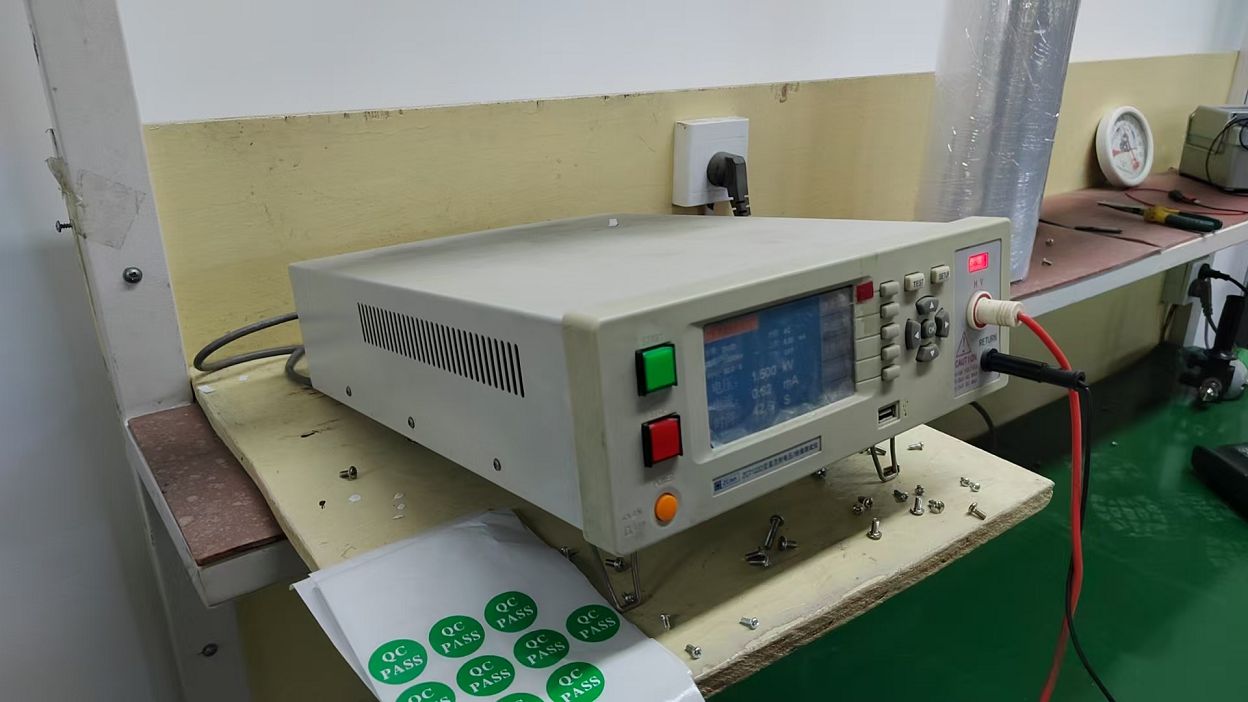
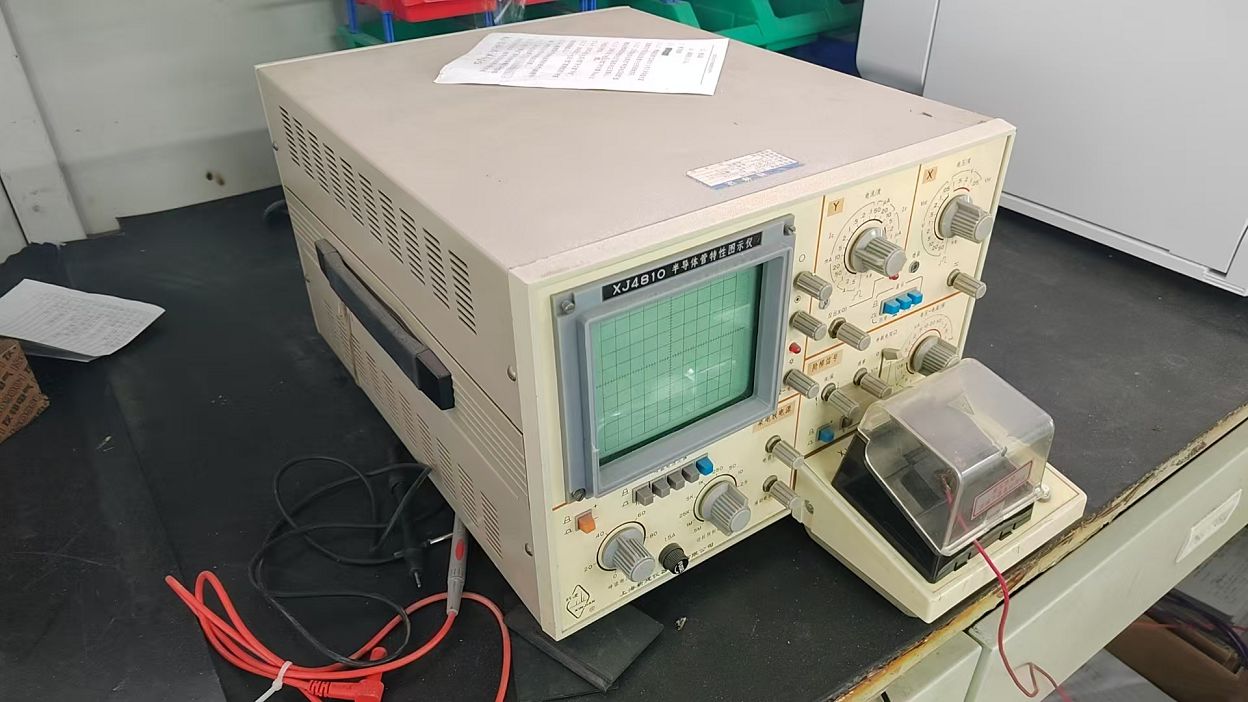
Before shipment, every power supply, grid simulator, and voltage regulator undergoes full-load thermal stress cycles, transient waveform responses, and isolation insulation checks.

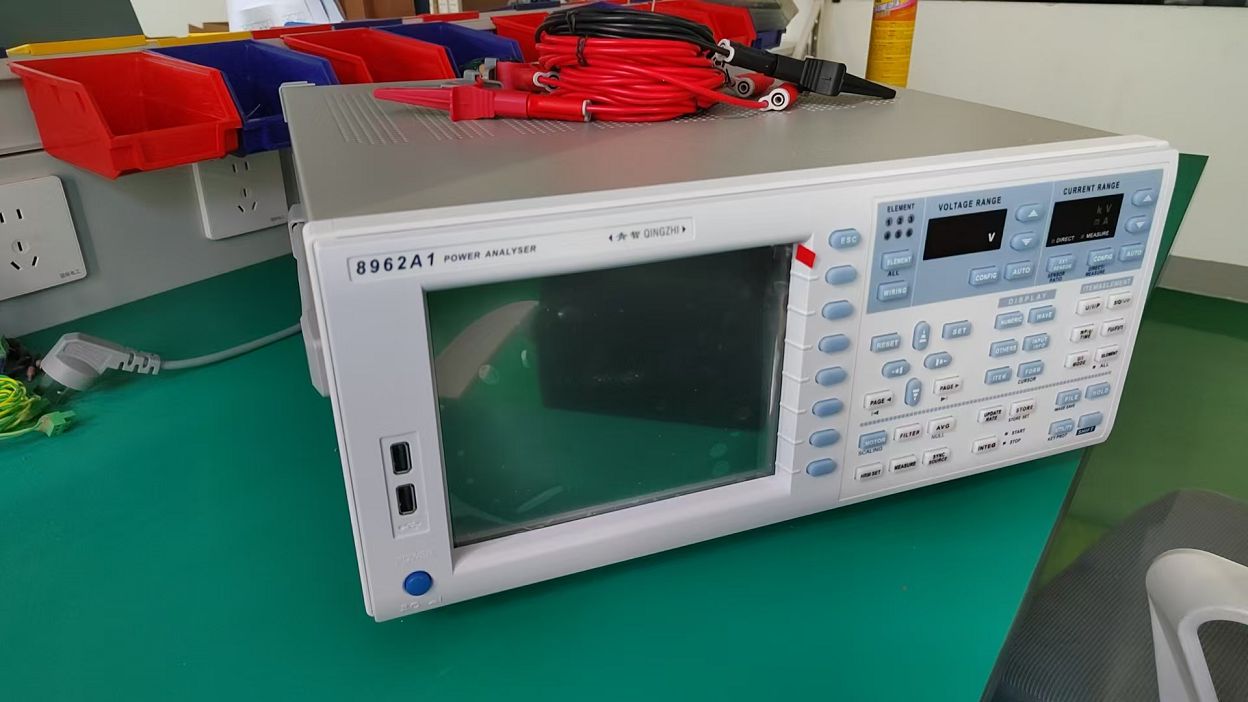
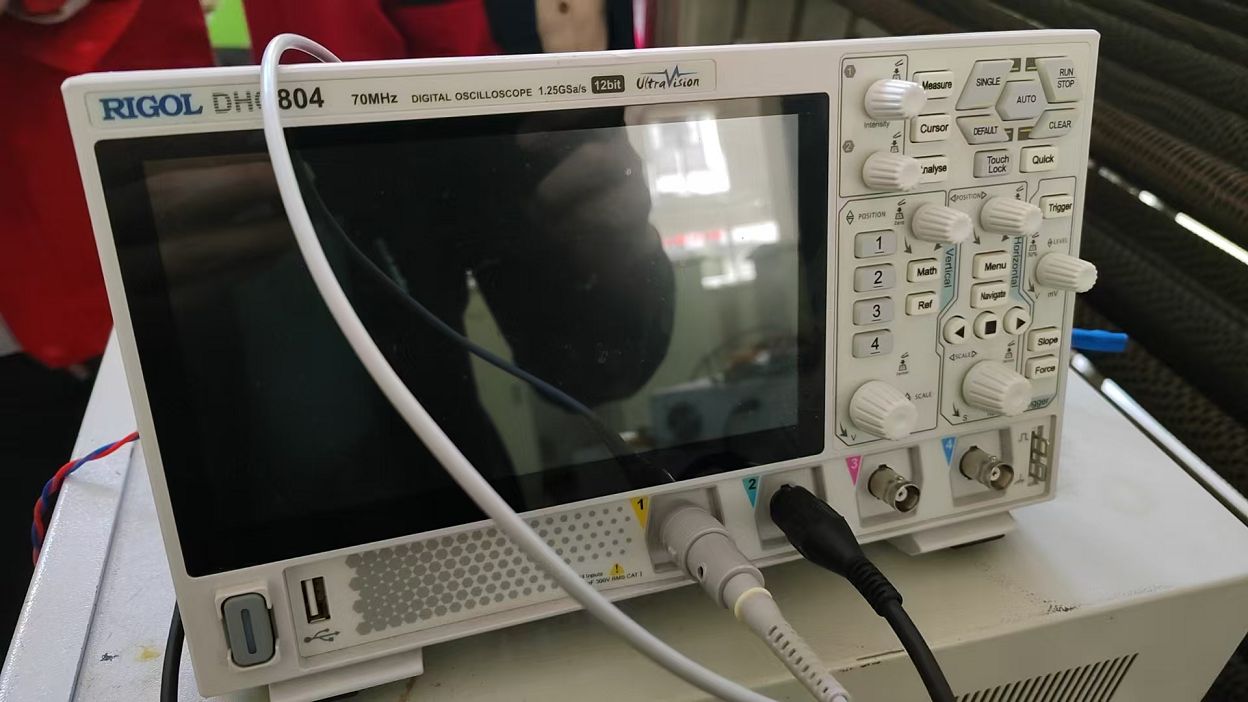
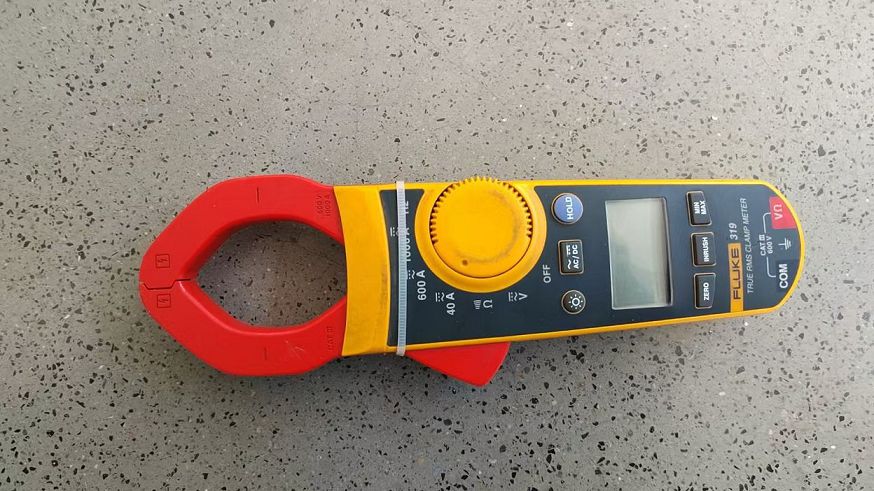

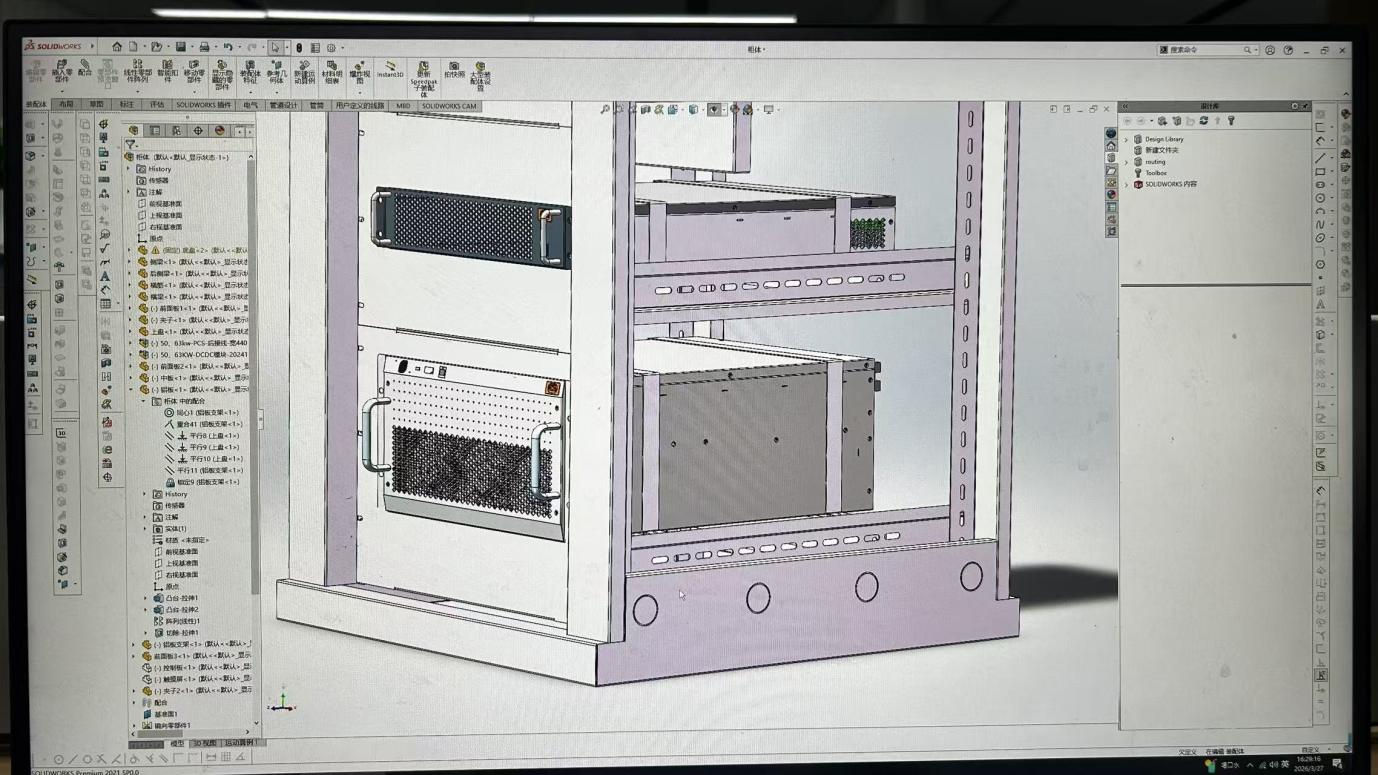
Localized UK Industrial Applications
The scope of grid simulation stretches across several key commercial growth centers within England, Scotland, Wales, and Northern Ireland:
Electric Vehicle Infrastructure (EVSE & V2G)
With the UK banning new internal combustion engine cars by 2035, massive investments are flowing into rapid charging stations. High-power bidirectional DC power supplies and AC grid simulators are utilized to test V2G (Vehicle-to-Grid) system feedback loops without burdening the local distribution network.
Offshore Wind & Solar Grid-Tie Integration
Wind farms operating off the coast of Scotland and East Anglia rely on multi-megawatt converters. To pass G99 testing, manufacturers must simulate transient fault conditions (LVRT/HVRT) to prove their generation units won't trip during local grid sags.
Aerospace & Military R&D (400Hz Simulation)
UK defense contractors and civil aviation research facilities in Filton and Derby require precise 400Hz variable frequency AC sources to replicate auxiliary aircraft generator power. Sophpower's variable frequency AC units adapt quickly to aviation compliance parameters.
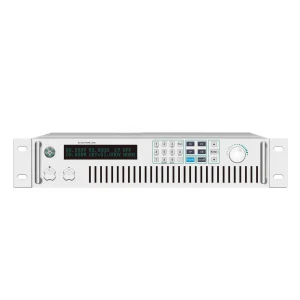
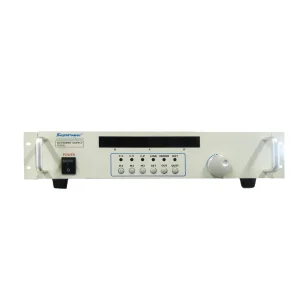
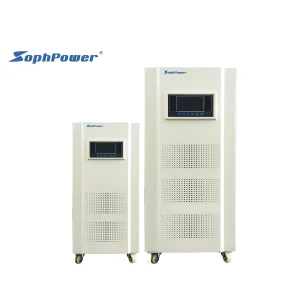
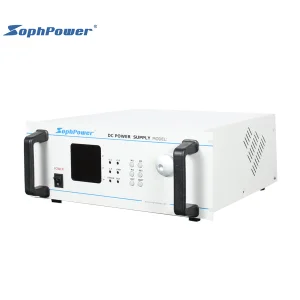
Complete Test Power Systems Portfolio (UK Standards Compatible)
Regenerative AC Grid Simulators: Technical FAQ
Ready to Elevate Your Testing Rigor?
Contact Shenzhen Sophpower Electronics' application engineering department. We specialize in designing customized, high-reliability, and cost-efficient grid simulators tailored for UKCA / CE compliance and specialized industrial research settings.