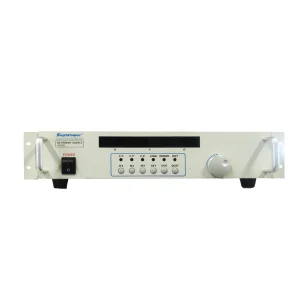
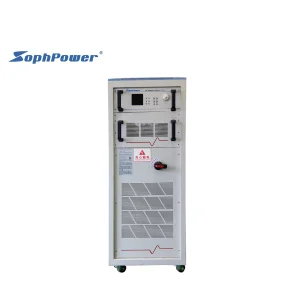
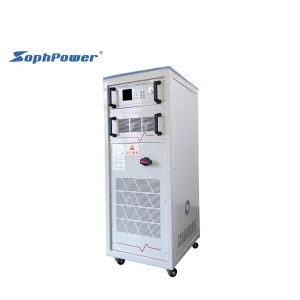
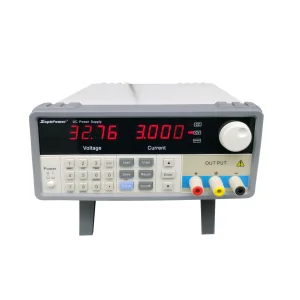
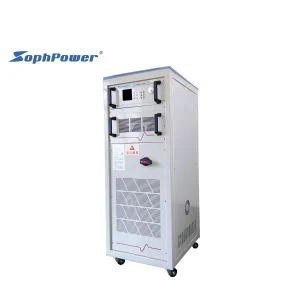
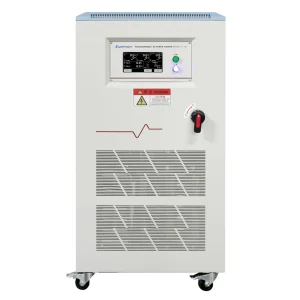
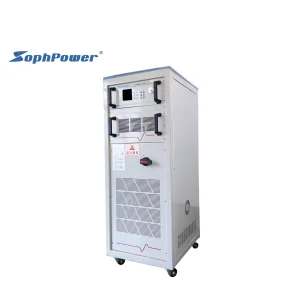
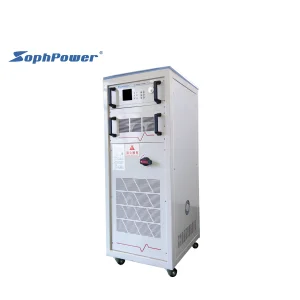
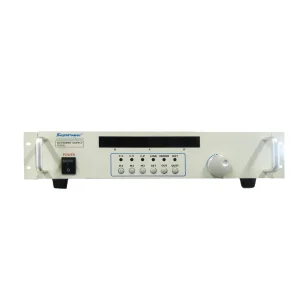
Featured Algerian Grid-Spec Solutions
Deploying robust testing systems optimized for the high ambient temperatures and electrical fluctuations of the Algeria regional network.
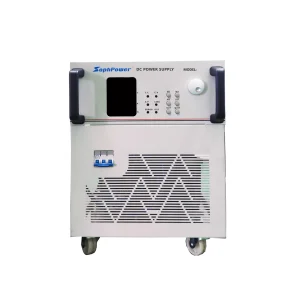
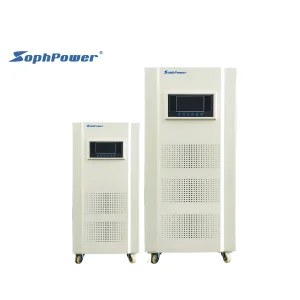
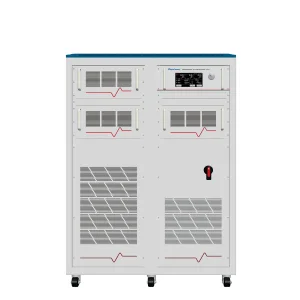
The Strategic Role of Grid Simulation in Algeria's Energy Transition
Algeria is currently executing one of the most ambitious energy transition plans in the Middle East and North Africa (MENA) region. Guided by the Renewable Energy and Energy Efficiency Development Plan, Algeria aims to deploy over 15,000 MW of renewable power generation capacity by 2035. This massive structural shift translates into large-scale utility solar installations across the High Plains and the Sahara, including regions like Hassi R'Mel and Adrar. However, integrating massive quantities of variable solar photovoltaic (PV) power into the national transmission grid operated by Sonelgaz presents severe power stability challenges.
To safely integrate these resources, electrical components—most notably utility-scale solar inverters, grid-tied battery energy storage systems (BESS), and localized distribution equipment—must undergo rigorous compliance testing. This is where Regenerative AC Grid Simulators become indispensable. These advanced systems allow researchers, manufacturers, and compliance bodies to mimic grid disturbances under laboratory conditions. By simulating voltage drops, frequency deviations, phase imbalances, and harmonic distortion, engineers can verify the Low Voltage Ride Through (LVRT) and High Voltage Ride Through (HVRT) performance of inverters before deploying them into the harsh Algerian desert environments.
Grid Code Compliance
Enforce adherence to strict international standards (such as IEEE 1547, IEC 62109, and Sonelgaz national grid code specifications) by simulating absolute grid parameters in a controlled testing bay.
Bidirectional Clean Energy Flow
Unlike standard AC loads that waste test energy as ambient heat, regenerative grid simulators recycle up to 90% or more of the electrical testing power back into the factory's utility line, reducing thermal footprints.
Advanced Desert Condition Emulation
Test the operation limits of electrical equipment at ambient temperatures above 45°C. Simulators verify voltage stability and insulation parameters in challenging local environments.
15 GW
Algerian Renewable Capacity Target by 2035
>90%
Regenerative Power Recovery Efficiency
2006
Year of Establishment for Technical Expertise
100%
Tailored Project Integration & Safety Testing
Advanced Features & Testing Paradigms for Modern AC Simulators
Technological advancement in power electronics has transformed grid simulation from basic variable voltage output to sophisticated four-quadrant regenerative operation. A modern grid simulator behaves both as a source (delivering energy to the device under test) and a sink (absorbing the energy generated by the device under test, e.g., a solar inverter). Here are the industry trends driving adoption in Algeria and globally:
Four-Quadrant Operation & Bidirectional Grid Infeed
A true regenerative AC simulator operates across all four quadrants of the voltage-current relationship. This feature is vital for evaluating systems with phase-shifted or reactive currents. Energy feedback to the local grid significantly limits thermal emissions, which would otherwise present safety and cooling issues in warm climates.
Harmonic Superposition and Grid Distortion Synthesis
In regions such as southern Algeria where grids are weak or extended over long distances, high levels of harmonic distortion are common. Sophpower grid simulators allow engineers to inject programmable harmonics up to the 50th order. This capability enables manufacturers to test how their equipment tolerates distorted environments without suffering premature component failures.
Microgrid and Smart Grid Emulation
As microgrids powered by hybrid solar-diesel-storage systems become the standard for remote oil fields in Hassi Messaoud, grid simulators play a key role. They emulate transient dynamics when a microgrid transitions from islanded mode to grid-connected mode, verifying control algorithms and safety mechanisms.
Essential Technical Testing Parameters:
- Frequency Range: Continuous adjustment between 45Hz and 400Hz for defense, aerospace, and commercial grid systems.
- Voltage Transient Responses: Programmable simulation of voltage sags, spikes, and step changes to verify under-voltage/over-voltage protections.
- Phase Angle Programming: Independent programming of three-phase parameters to simulate unbalanced load environments.
- Output Waveform Selection: Sinusoidal, square, clipped, and user-defined arbitrary waveforms for specialized stress tests.
- Low THD Output: Extremely low total harmonic distortion (<0.5% with linear loads) ensuring highly accurate testing baselines.
About Shenzhen Sophpower Electronics Co., Ltd.
Shenzhen Sophpower Electronics Co., Ltd. was established in 2006, located in Shenzhen, China. As a High-tech enterprise with sustainable and rapid growth, Sophpower has a group of technical engineers with rich experience in the field of testing power supply. Main products including AC Power Source, Linear AC Power Source, Bidirectional AC Power Source, DC Power Supply, Bidirectional DC Power Supply, Voltage regulator and UPS. Can provide customized test power supply according to customer's requirements.
With nearly two decades of research and manufacturing excellence, our systems have been widely integrated by national labs, energy research institutes, utility testing facilities, and prominent global solar inverter manufacturers. We emphasize precision and reliability, engineering our testing systems to tolerate continuous duty cycles under intense operational environments. This reliability makes our products ideal for the growing heavy industrial, petrochemical, and renewable sectors in Algeria.
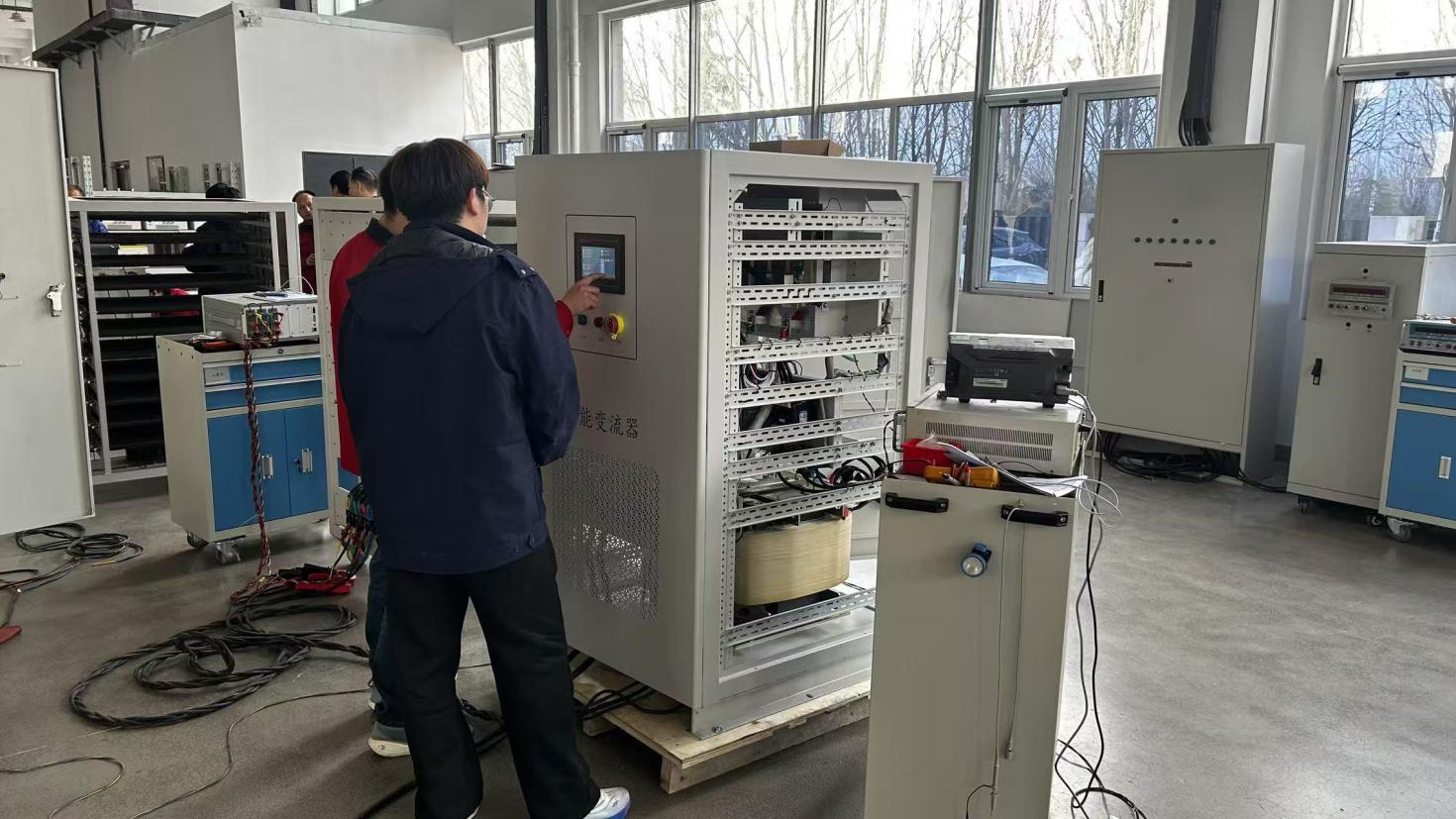
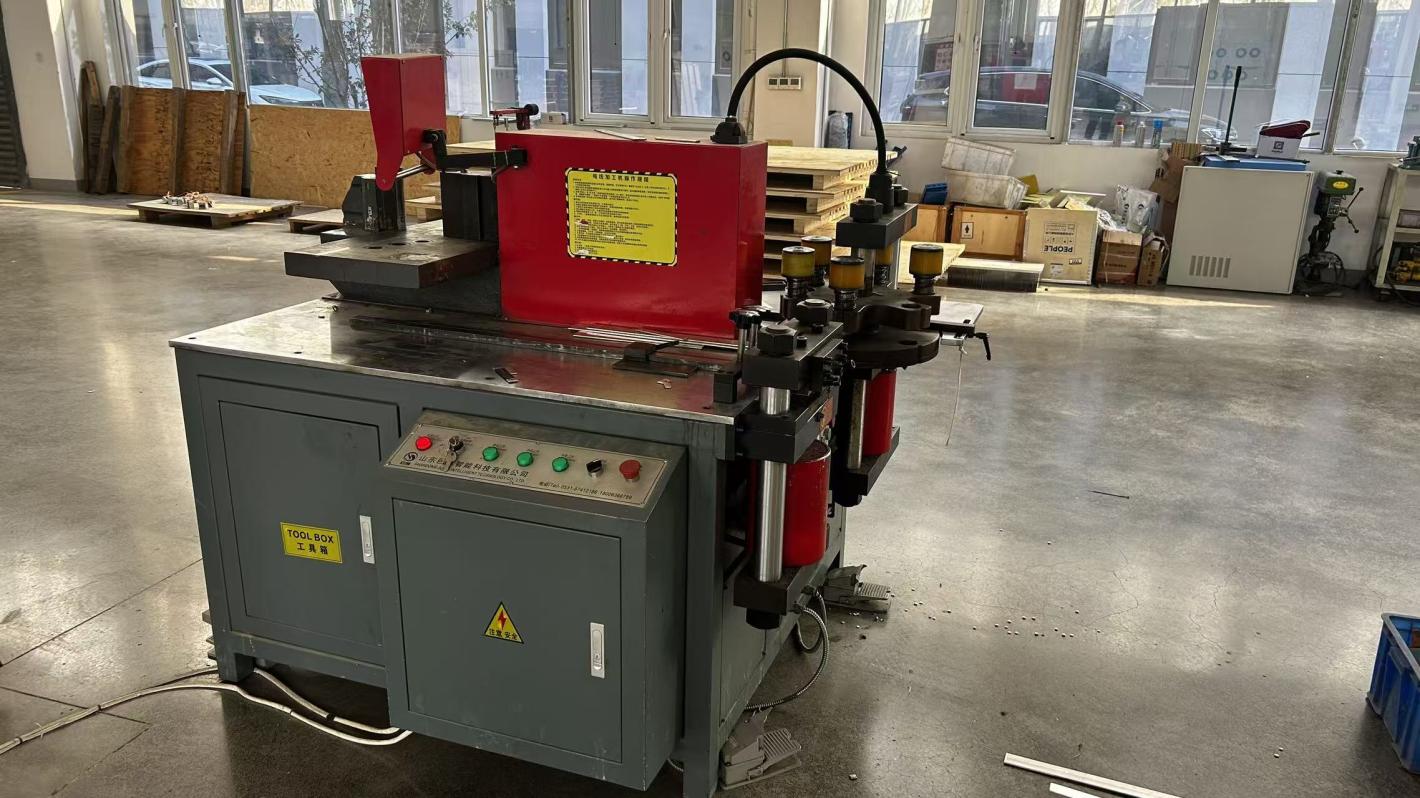
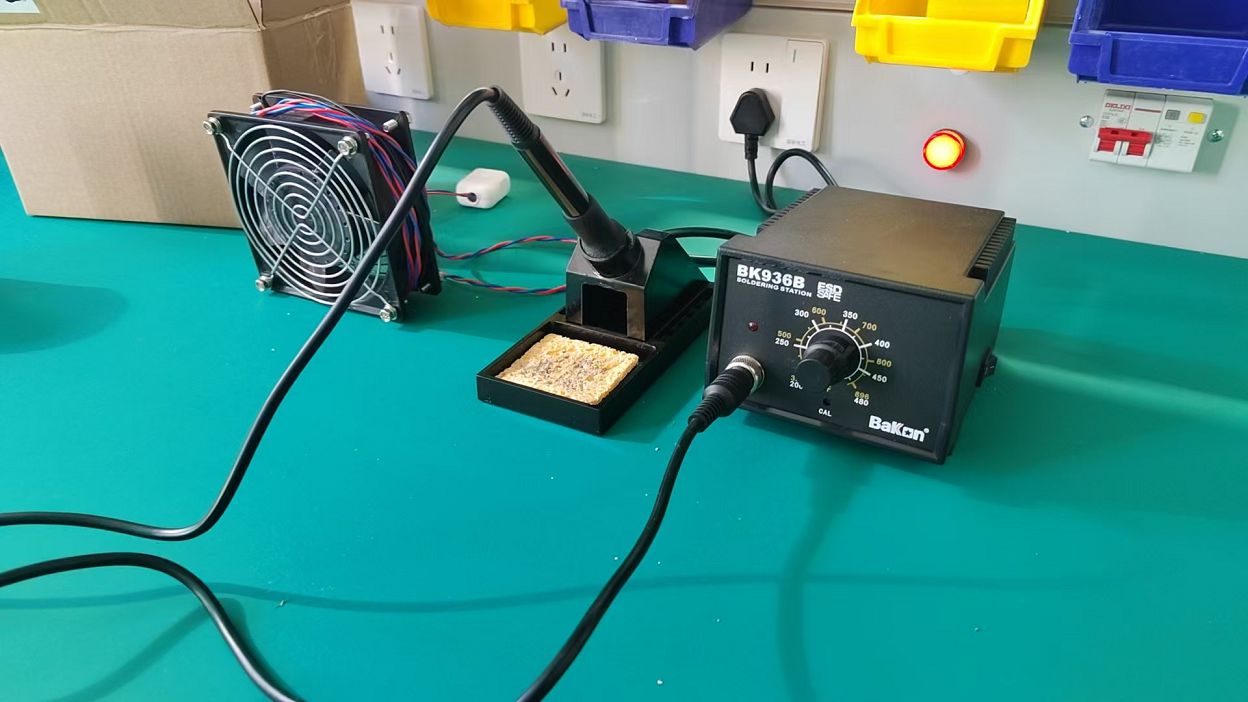
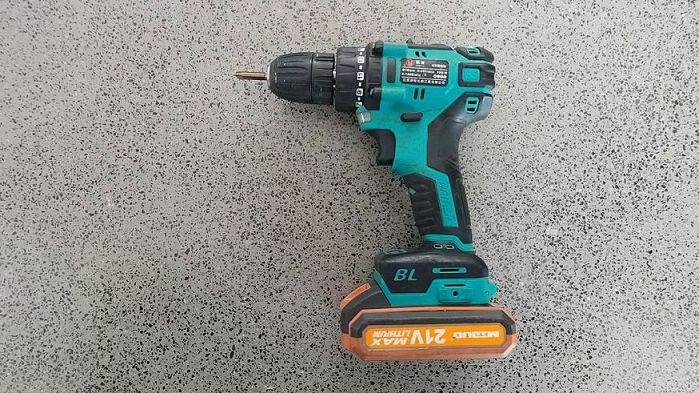
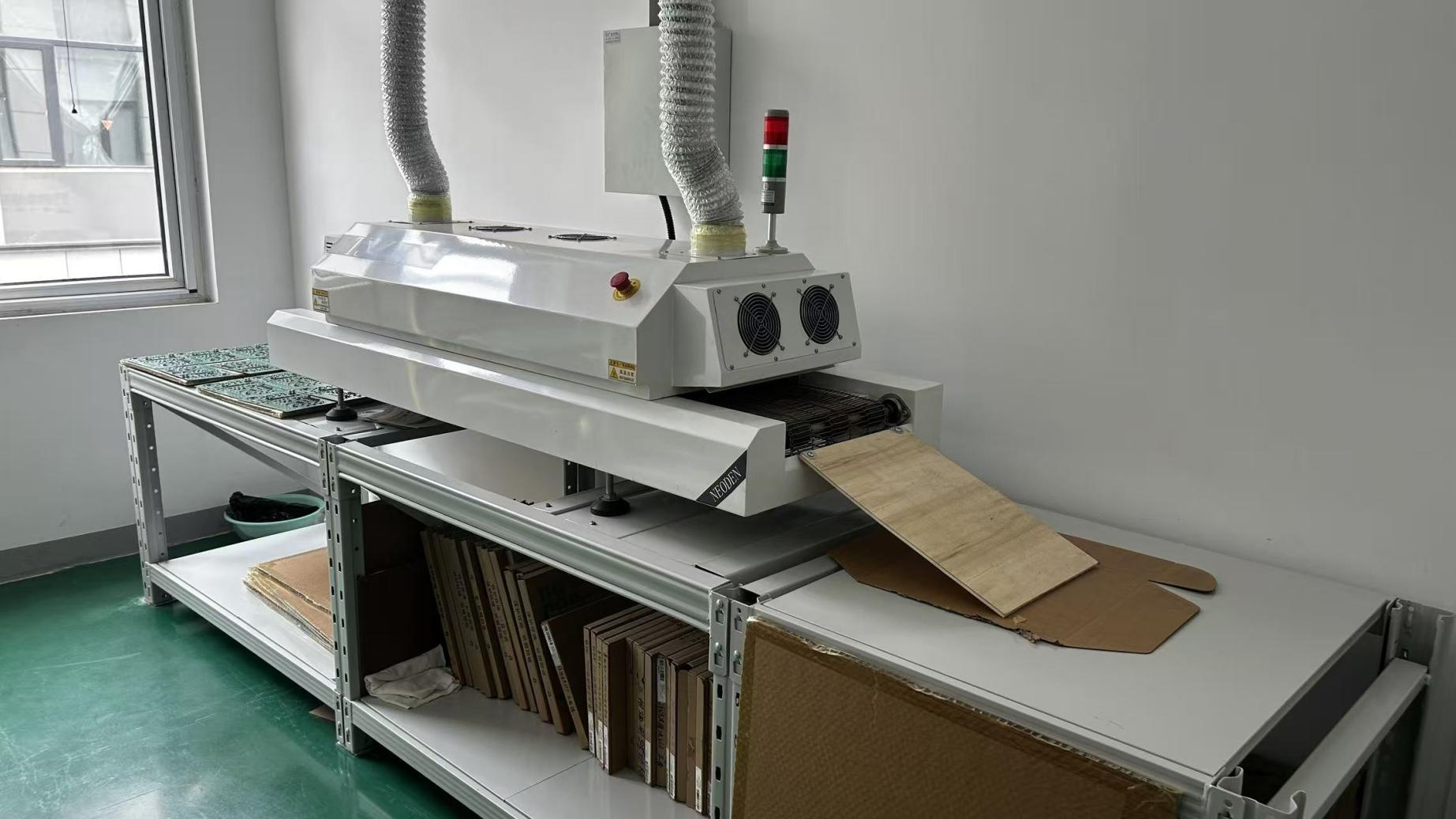
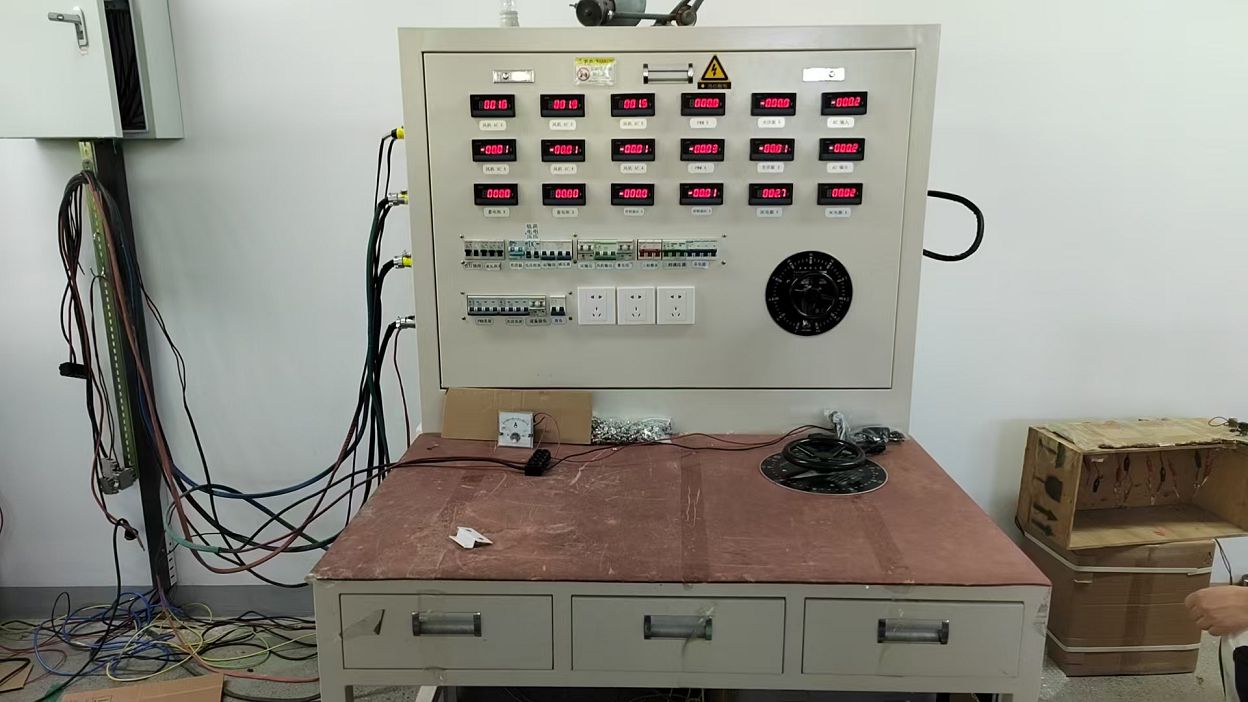
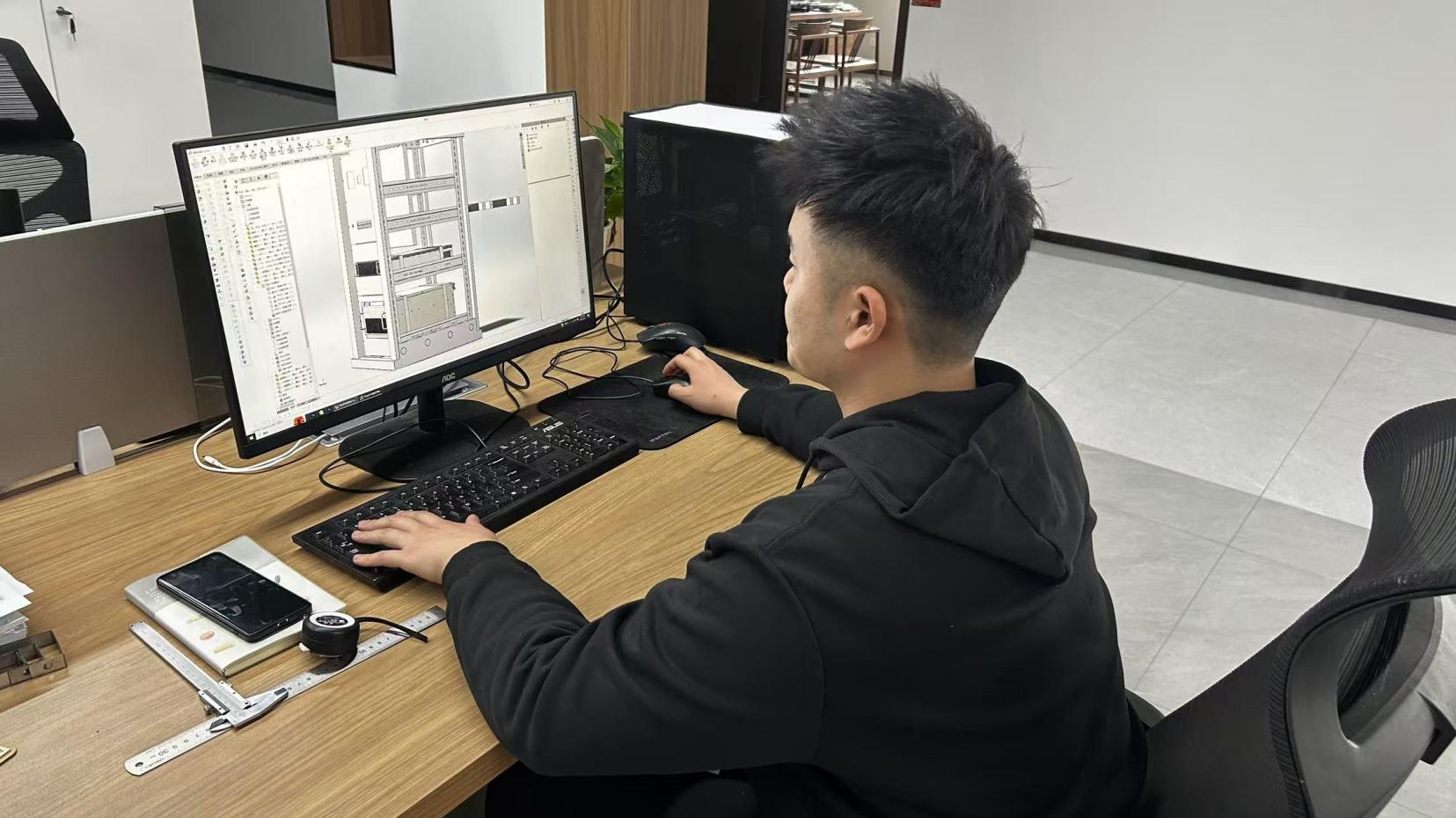
Advanced Manufacturing & Quality Inspection Flow
Each system undergoes strict assembly, debugging, and multi-stage testing processes to guarantee optimal performance under challenging environmental conditions.
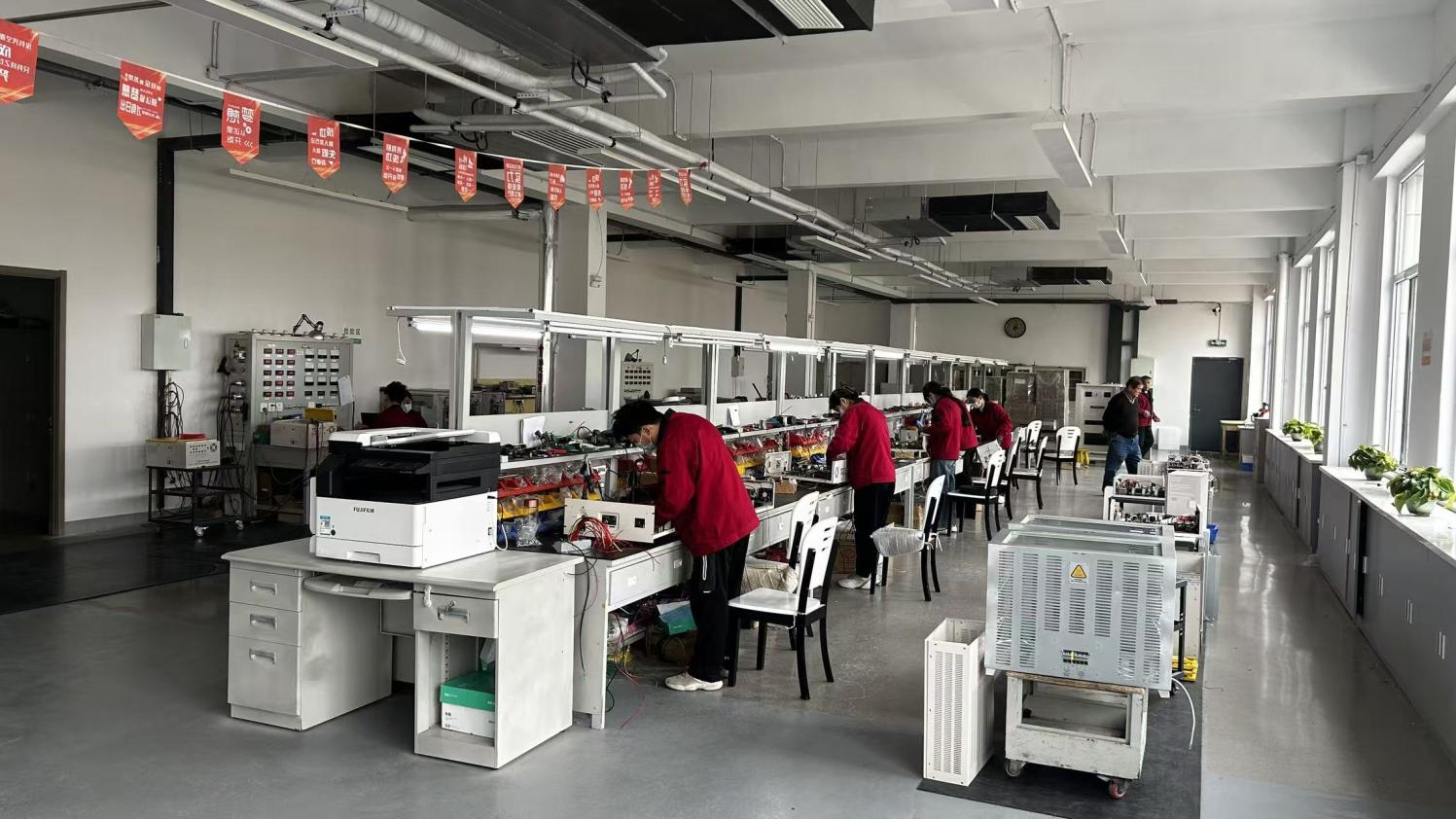
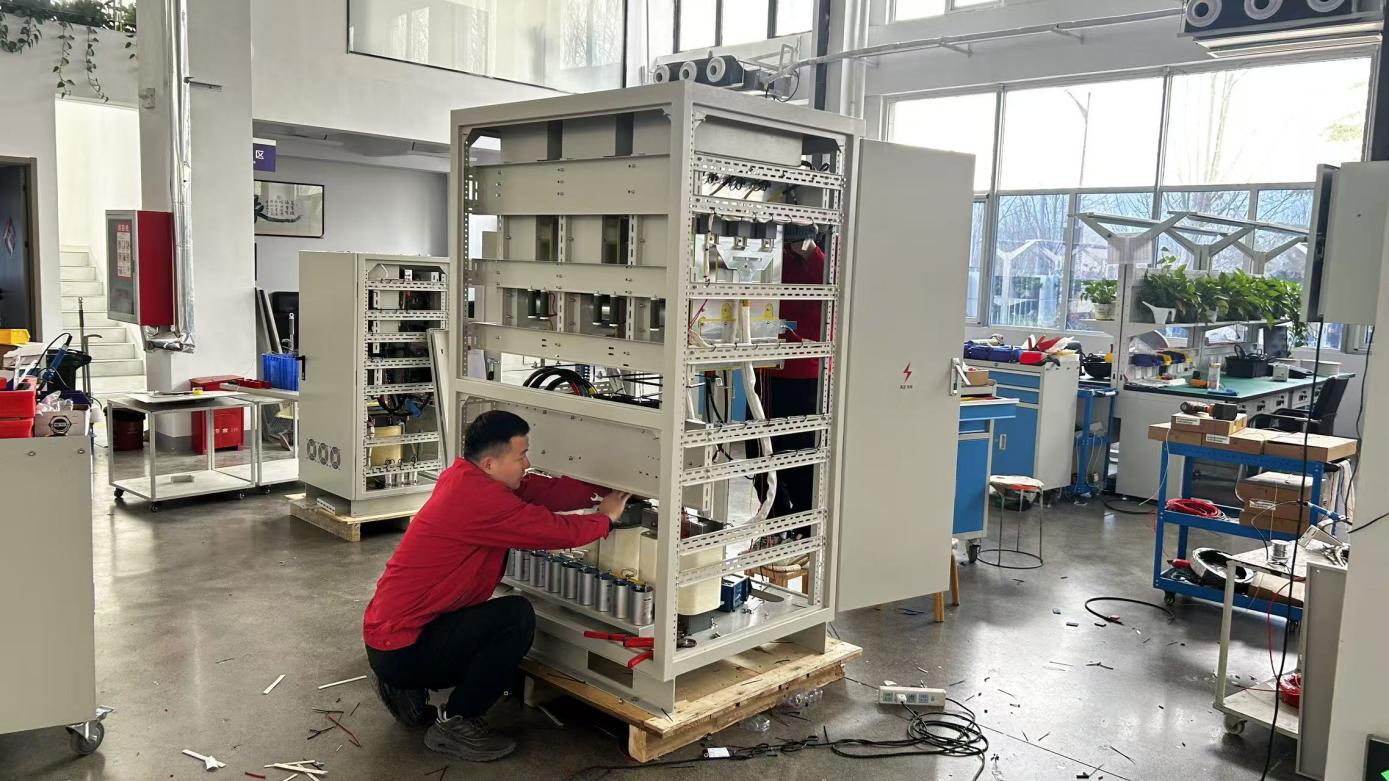
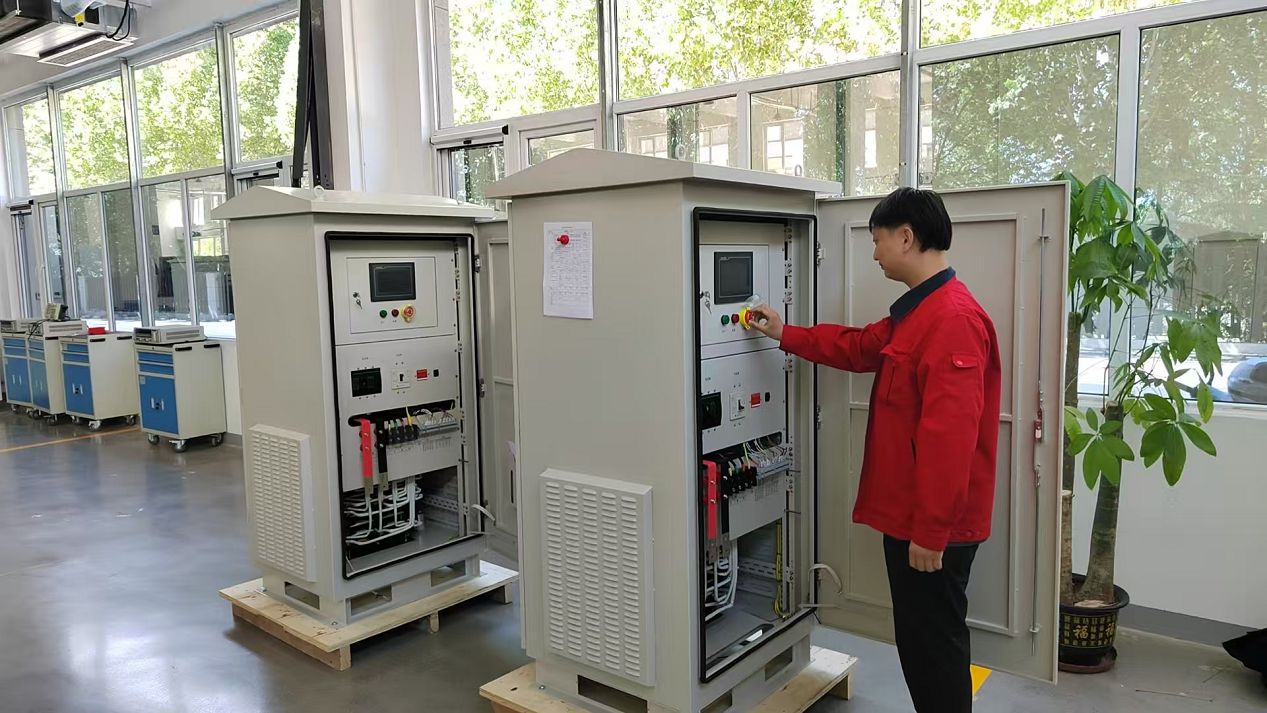
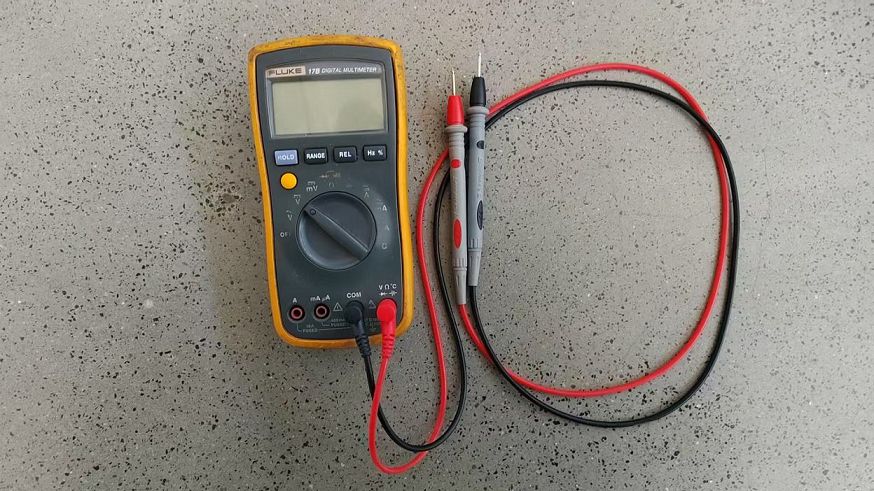
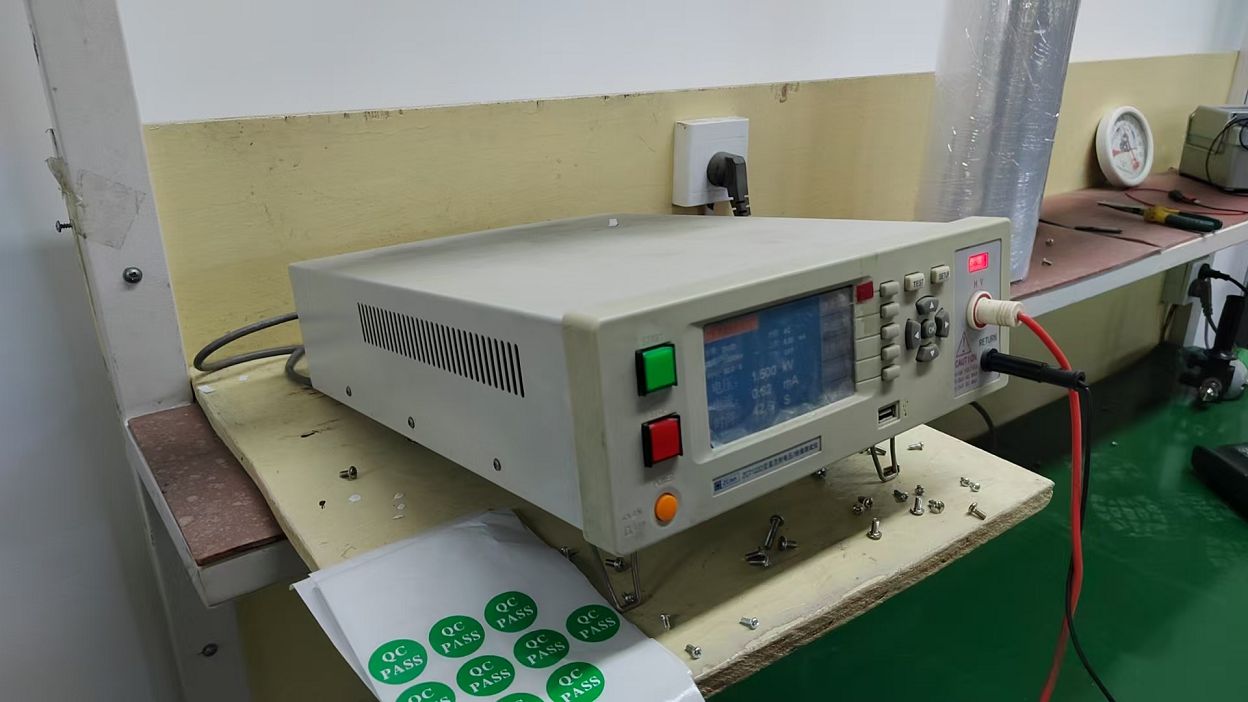
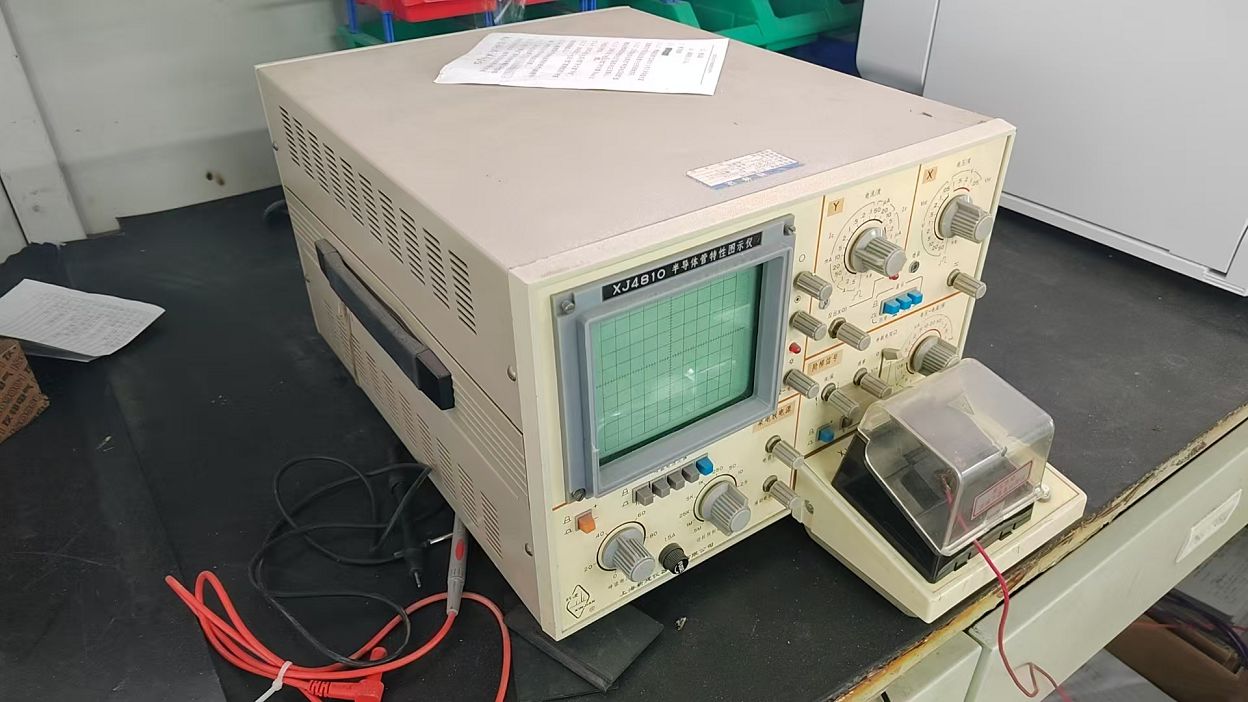
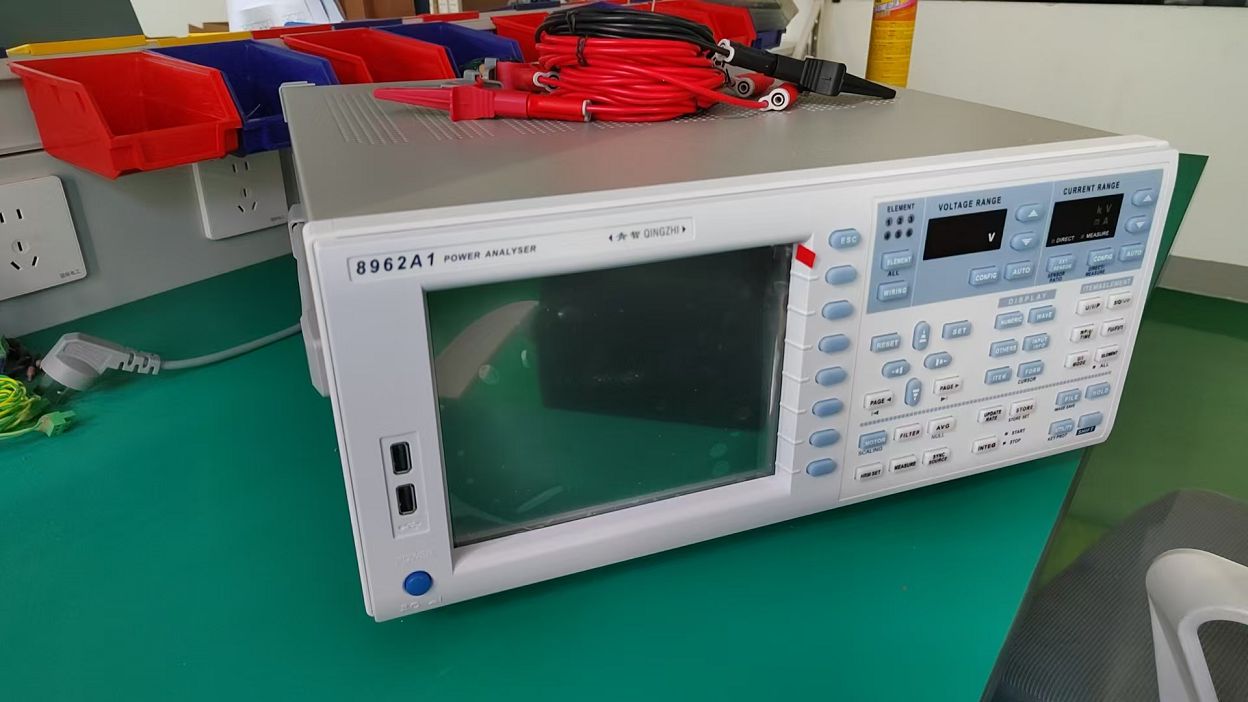
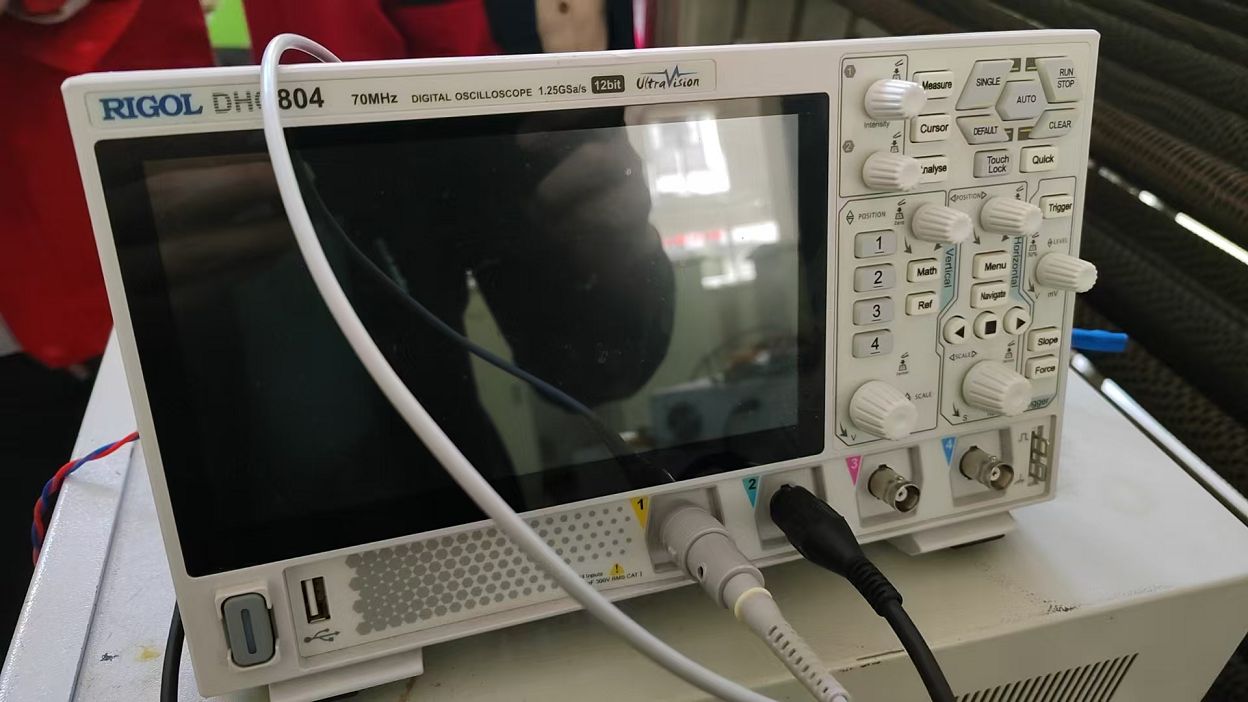
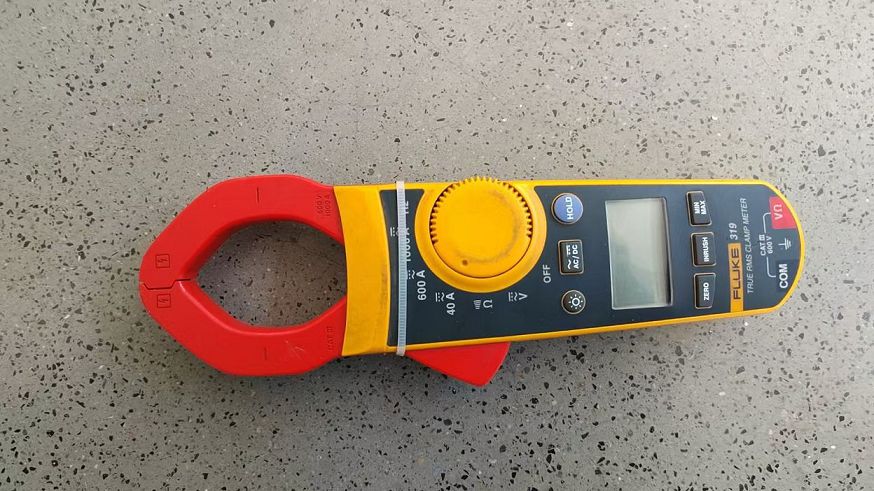
Advanced Diagnostics & Metrology Center
We leverage high-performance analytical tools to verify the harmonic composition, stability limits, and thermal envelopes of every power supply system we design.
Why Sourcing from Shenzhen Sophpower Electronics Delivers Unmatched Value
Sourcing large-scale power electronics equipment involves managing total cost of ownership, securing technical support, and ensuring reliable transport logistics. Working with a specialized Chinese high-tech manufacturer like Sophpower Electronics offers distinct advantages for engineering firms and distributors in Algeria:
Custom Engineering and Modularity
Unlike rigid off-the-shelf brands, Sophpower offers highly flexible customized solutions. Whether you require distinct voltage thresholds, tropicalized insulation to withstand fine Sahara dust, or modified mechanical footprints for specialized testing containers, our team is equipped to design it.
Efficient Production and Cost Advantage
Located in Shenzhen, the heart of the global electronics supply chain, we secure high-grade raw components, advanced power modules (IGBTs), and CNC-machined copper bus bars with minimal local transport delay. This structural cost advantage is passed directly to our buyers in the form of competitive pricing.
Strict Quality Control Protocols
Every AC Simulator and Stabilizer goes through multiple testing phases, including long-term burn-in tests under load, insulation verification, and transient overshoot checks. Diagnostic instrumentation such as Power Quality Analyzers and Digital Oscilloscopes guarantee that each unit performs as specified.
Deep Industry Technical Q&A (FAQ)
Review technical specifications, functionality limits, and export capabilities to address your grid simulation procurement questions.
A Regenerative AC Grid Simulator is a bidirectional (four-quadrant) system. It acts as both a source and an active electronic load. When the DUT pushes energy back, the simulator converts that energy to synchronize with the local factory grid line and feeds it back with high efficiency (typically >90%). This process reduces energy costs and minimizes cooling requirements.
For equipment destined for Algerian industrial testing facilities, we integrate custom thermal solutions. This includes selecting higher thermal margin power components, implementing forced-air cooling systems, and applying conformal coatings to protect circuit assemblies from dust-induced insulation breakdown.
Complete High-Power Systems Portfolio
Explore our complete catalog of industrial-grade DC and AC testing systems designed for laboratory diagnostics, grid emulation, and manufacturing quality control.