Primary Power Emulation Systems for Norway
Optimized for marine electrical testing, laboratory validation, and compliance verification across Norwegian industrial standards.
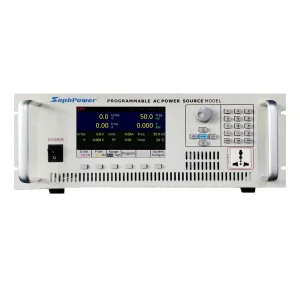
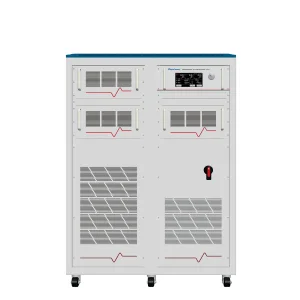
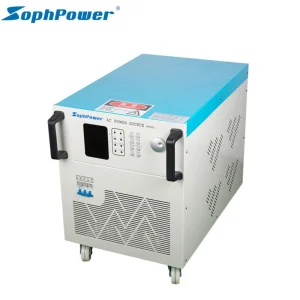
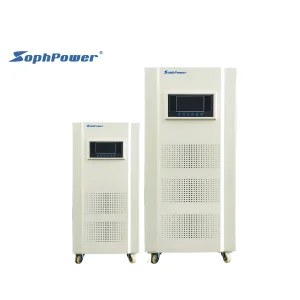
Norway’s High-Tech Industrial Landscape & Electrification Challenges
Norway is globally recognized as a pioneer in green electrification, heavily supported by hydro-power and leading-edge marine technology. From offshore wind farms in the North Sea to hybrid propulsion vessels navigating the Fjords, Norwegian engineering relies on flawless power quality. Sophisticated subsea robotics, marine automation components, and electric vehicle (EV) charging infrastructures necessitate a highly controlled electromagnetic testing environment.
In high-end R&D laboratories based in Oslo, Bergen, and Trondheim, engineers face severe challenges concerning harmonic disturbances. Introducing high-frequency switching noise into sensitive sonar instrumentation or subsea monitoring equipment can distort measurements. This makes the choice of testing power supplies critical. Selecting a programmable linear AC power source is vital for delivering absolute signal purity, shielding delicate DUTs (Devices Under Test) from unwanted ripple and electromagnetic interference (EMI).
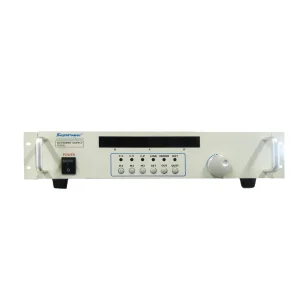
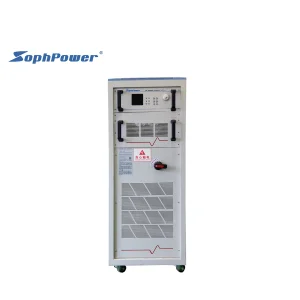
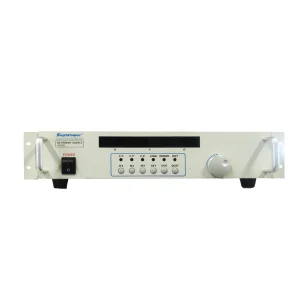
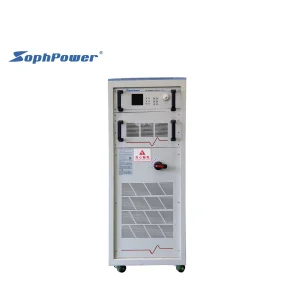
Sophpower Electronics offers programmable linear AC power sources engineered specifically to emulate complex utility anomalies, transient spikes, and frequency fluctuations down to ultra-low THD (Total Harmonic Distortion) thresholds. This ensures compliance with DNV GL standards and local Norwegian utility safety regulations.
Key Testing Parameters for the Norwegian Grid
- Ultra-Low Noise: Output THD < 0.3% is essential for precision sonar and marine communication instruments.
- Frequency Versatility: Direct conversion capability from standard 50Hz to 60Hz and up to 400Hz/800Hz for specialized aerospace/defense applications.
- Transient Simulation: Instantaneous recovery times (< 100 microseconds) to model line drops, brownouts, and surges typical in offshore wind parks.
- Rugged Operations: Enhanced durability matching Norway's cold, humid coastal operating conditions.
Linear vs. Switch-Mode AC Power Sources
Why linear technology remains the gold standard for high-precision testing in harsh subsea and marine engineering applications.
Why Choose Linear Topology?
Linear power sources utilize transistor amplification working in their linear region, operating similarly to class AB amplifiers. This design offers a pure sine wave, extremely high stability, and fast response times. It has no high-frequency switching frequency, resulting in virtually zero EMI/RFI noise. For testing high-frequency acoustic arrays, communication equipment, and sensitive medical sensors, linear technology is the only reliable choice.
When to Leverage Switching Technology?
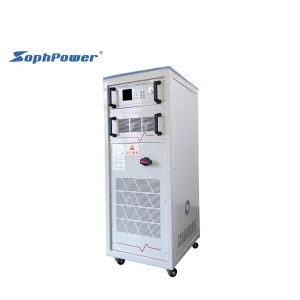
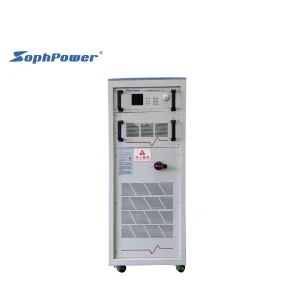
Switching (or switch-mode) power supplies are highly efficient (often >90%) and offer higher power density, allowing them to provide high power outputs in compact physical enclosures. They are ideal for high-capacity burn-in testing, EV battery charging validation, and heavy industrial machinery testing. Sophpower excels in both technologies, offering hybrid solutions tailored to the needs of the Norwegian manufacturing sector.
State-of-the-Art Production & Quality Control
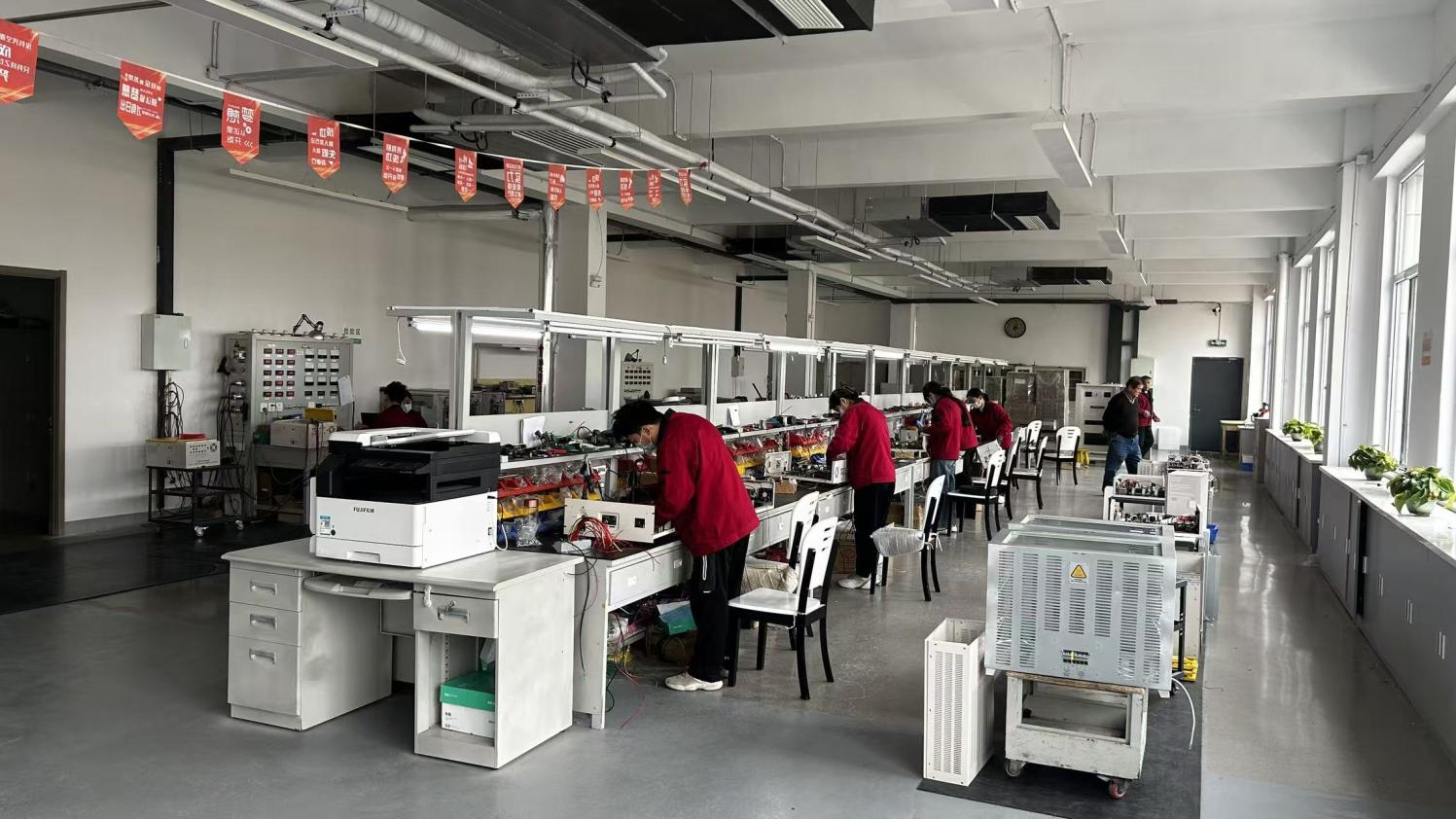
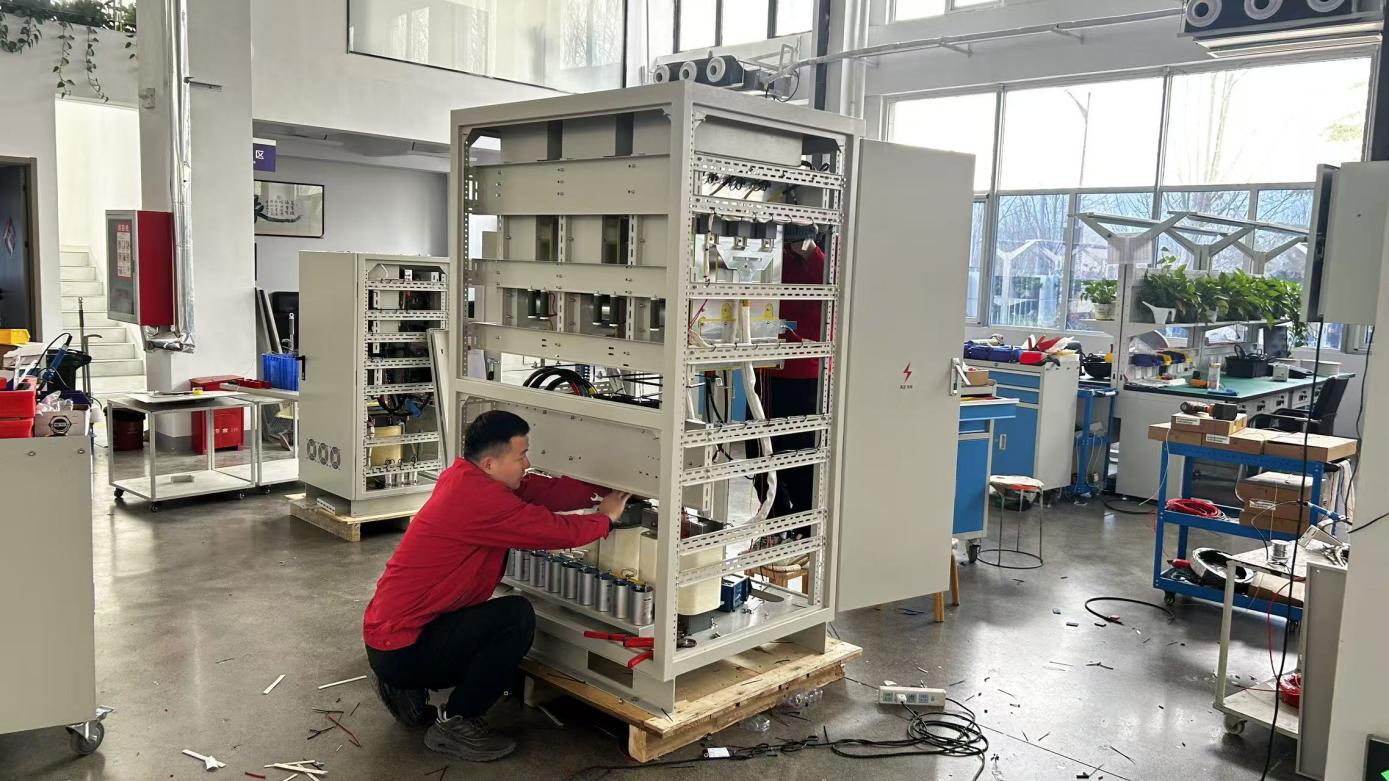
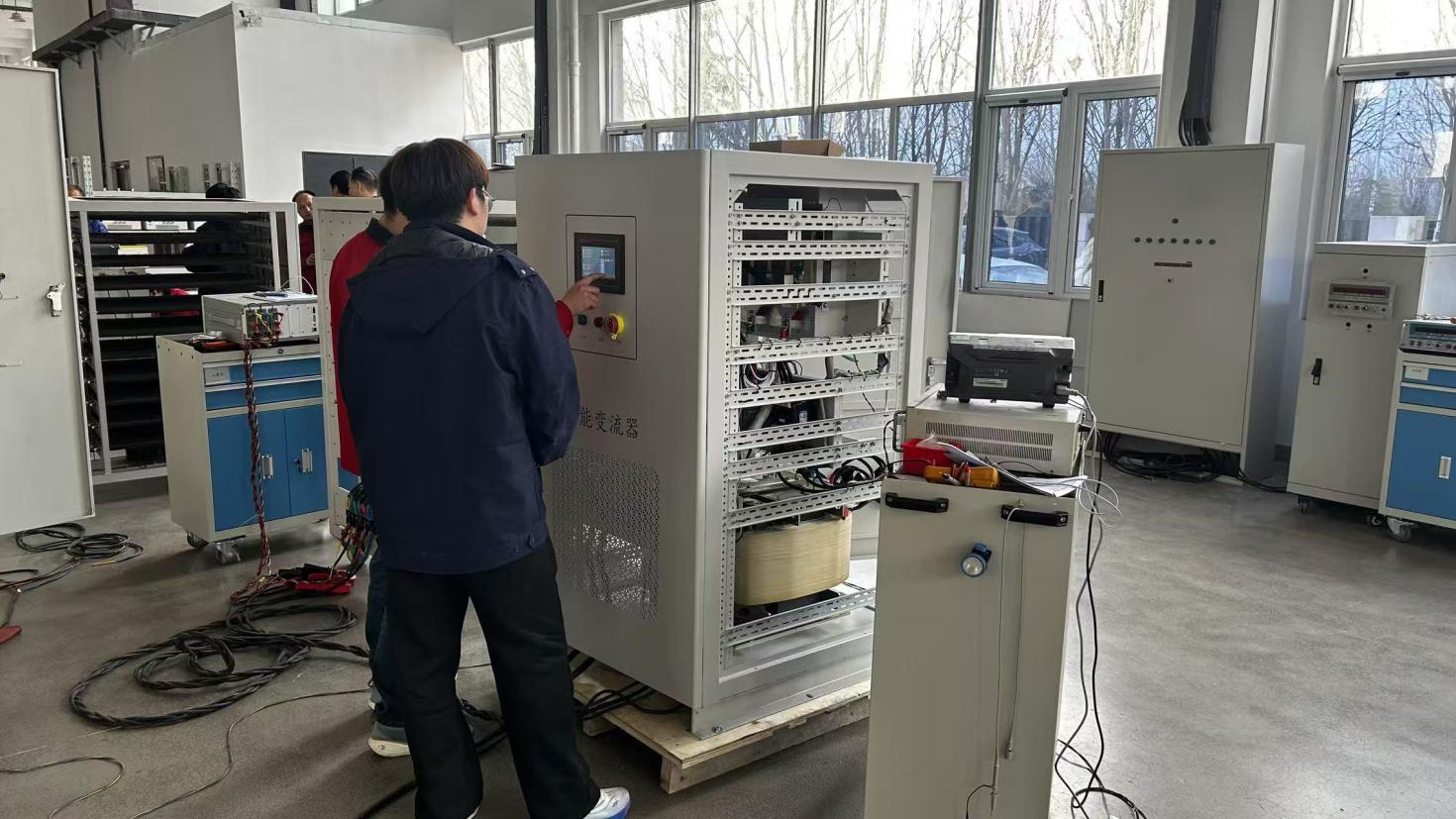
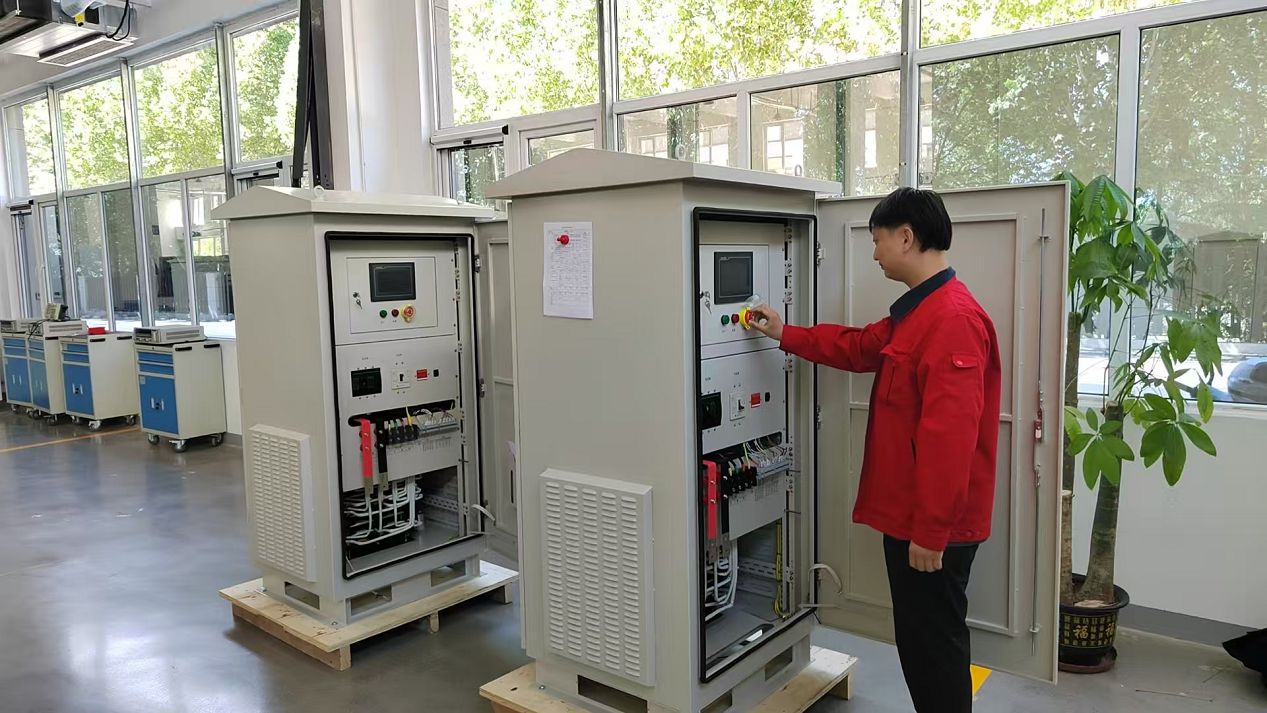
Established in 2006, Shenzhen Sophpower Electronics is an ISO 9001 certified manufacturer dedicated to engineering premium power testing equipment.
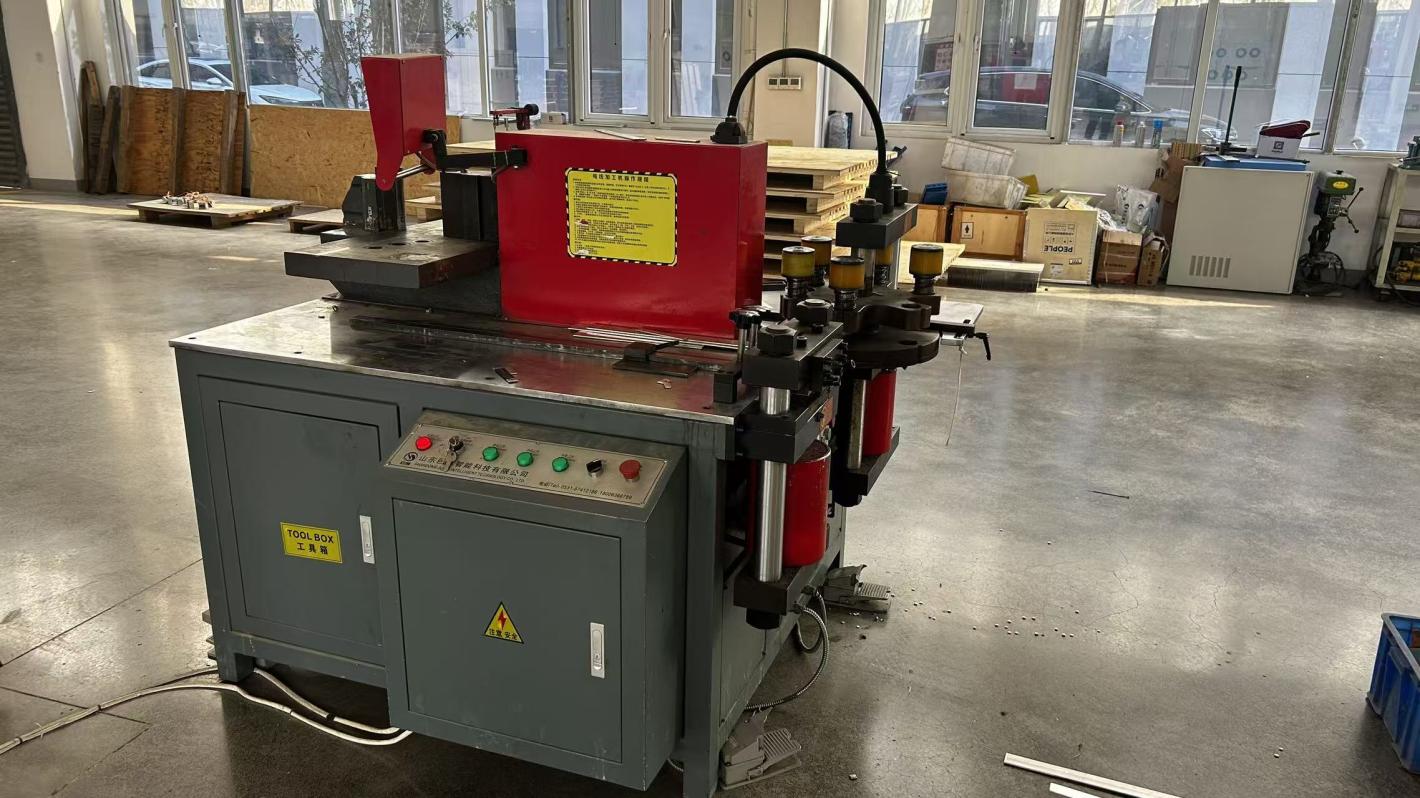
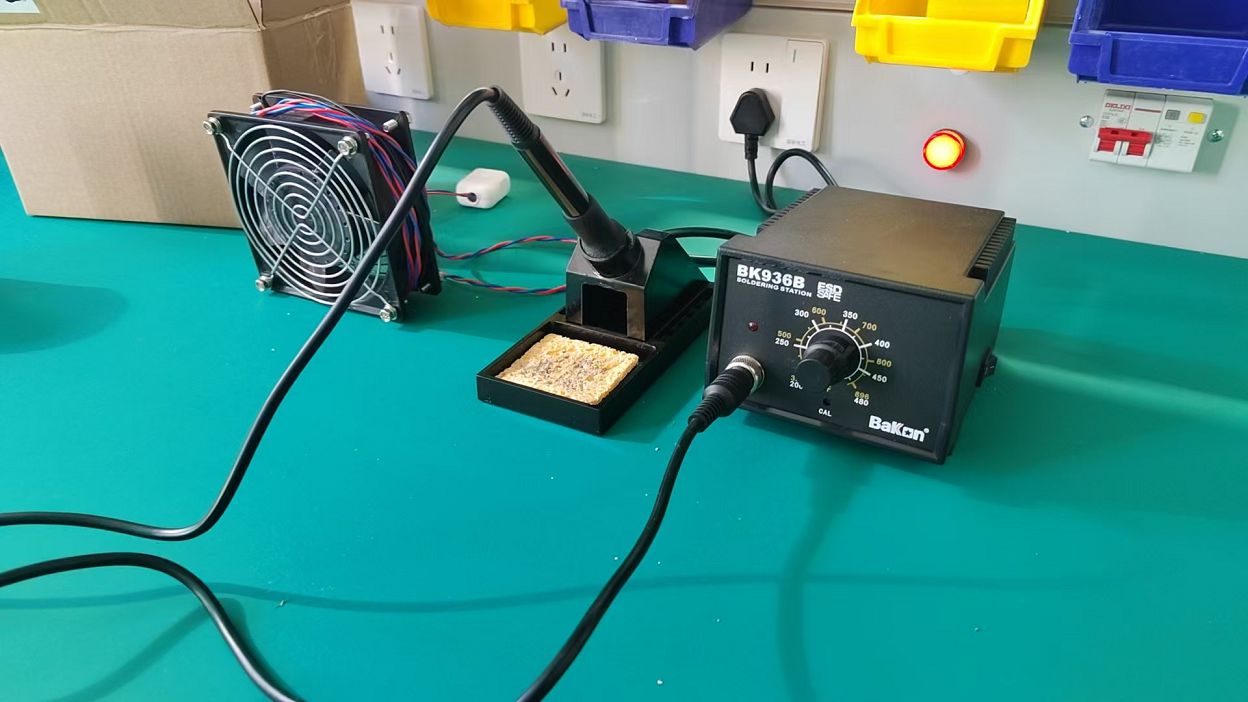
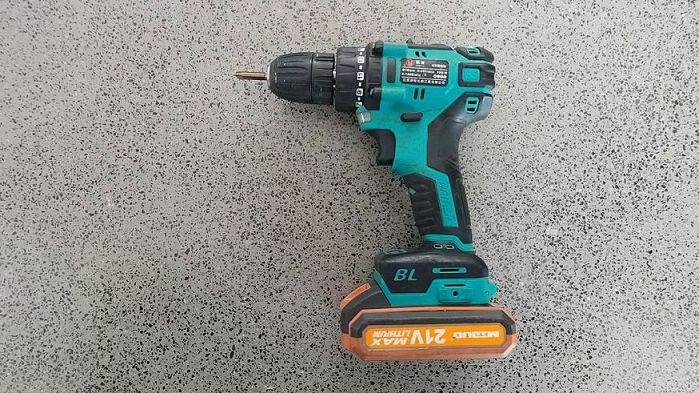
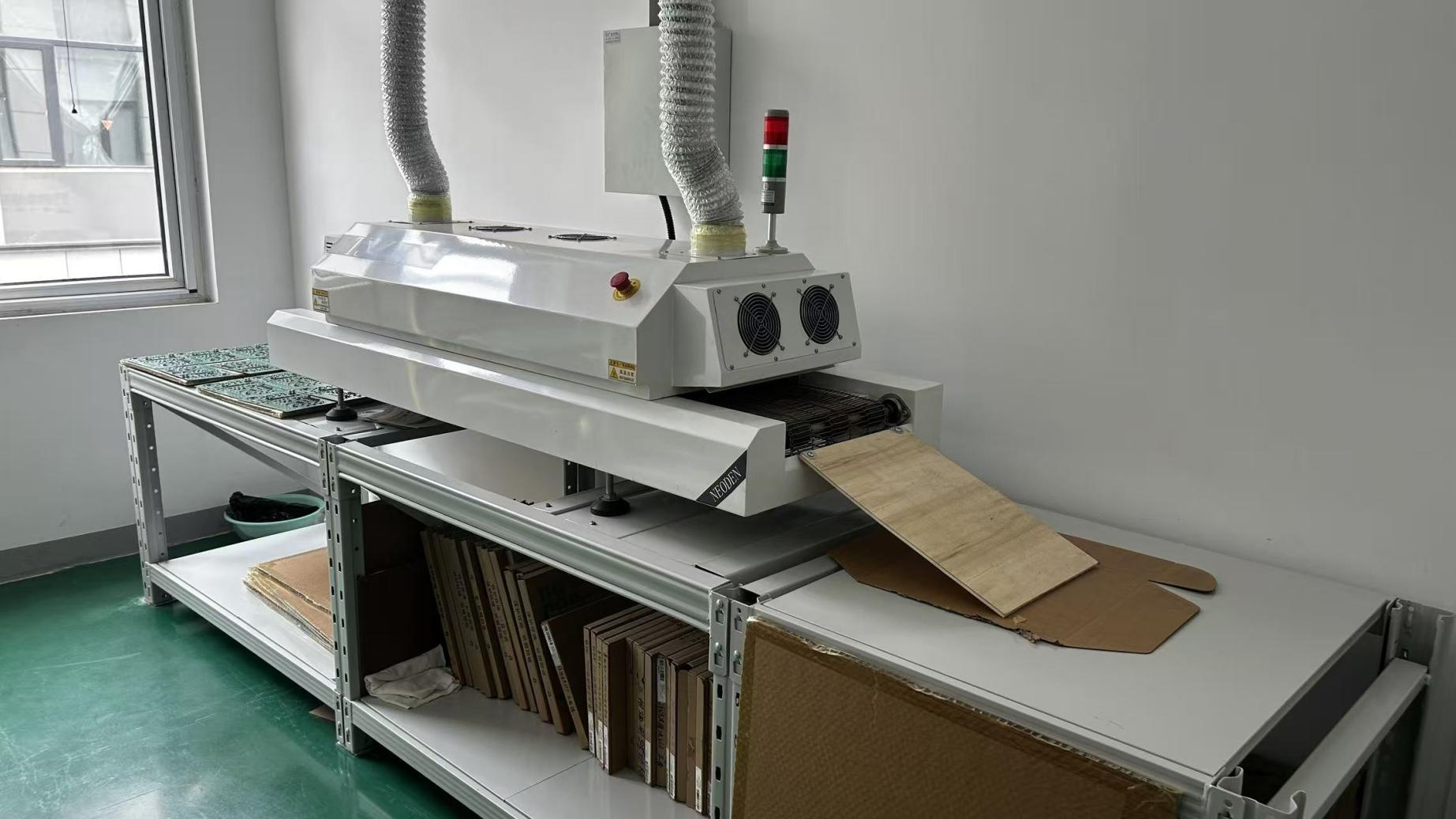
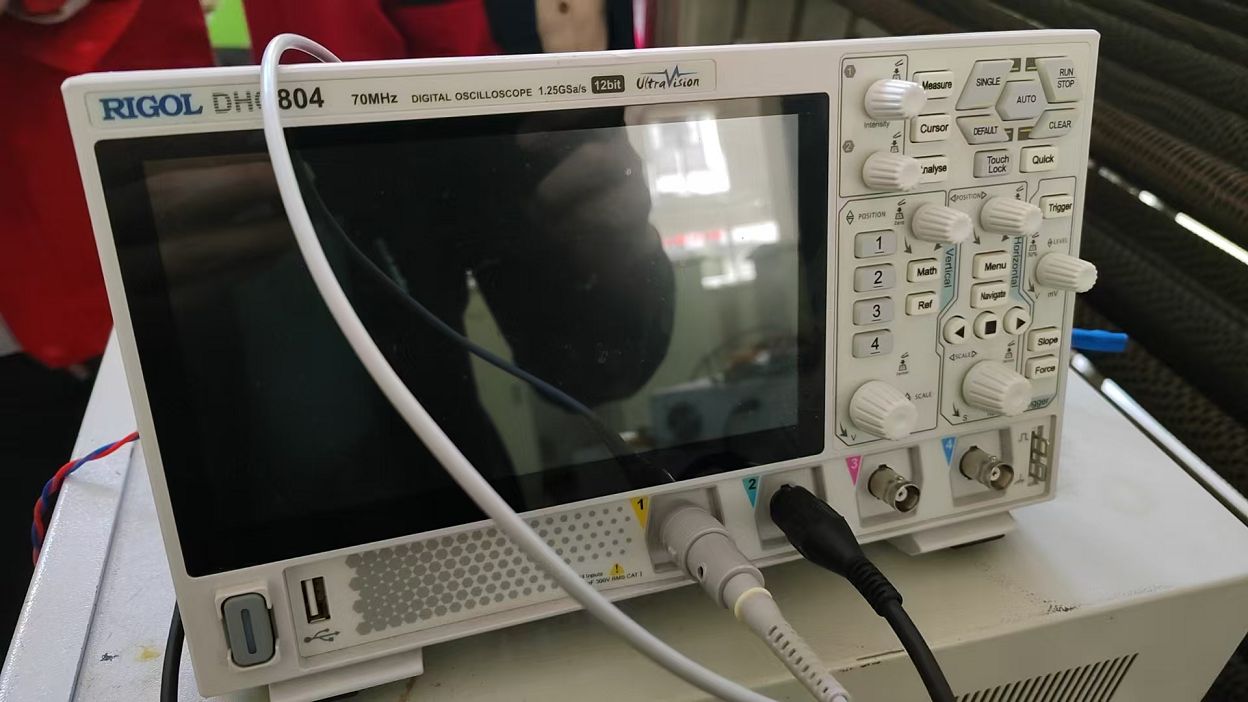
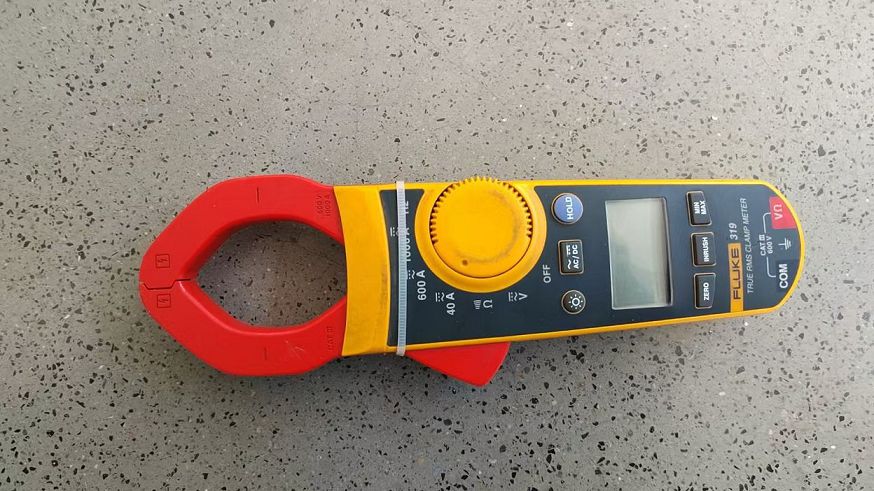
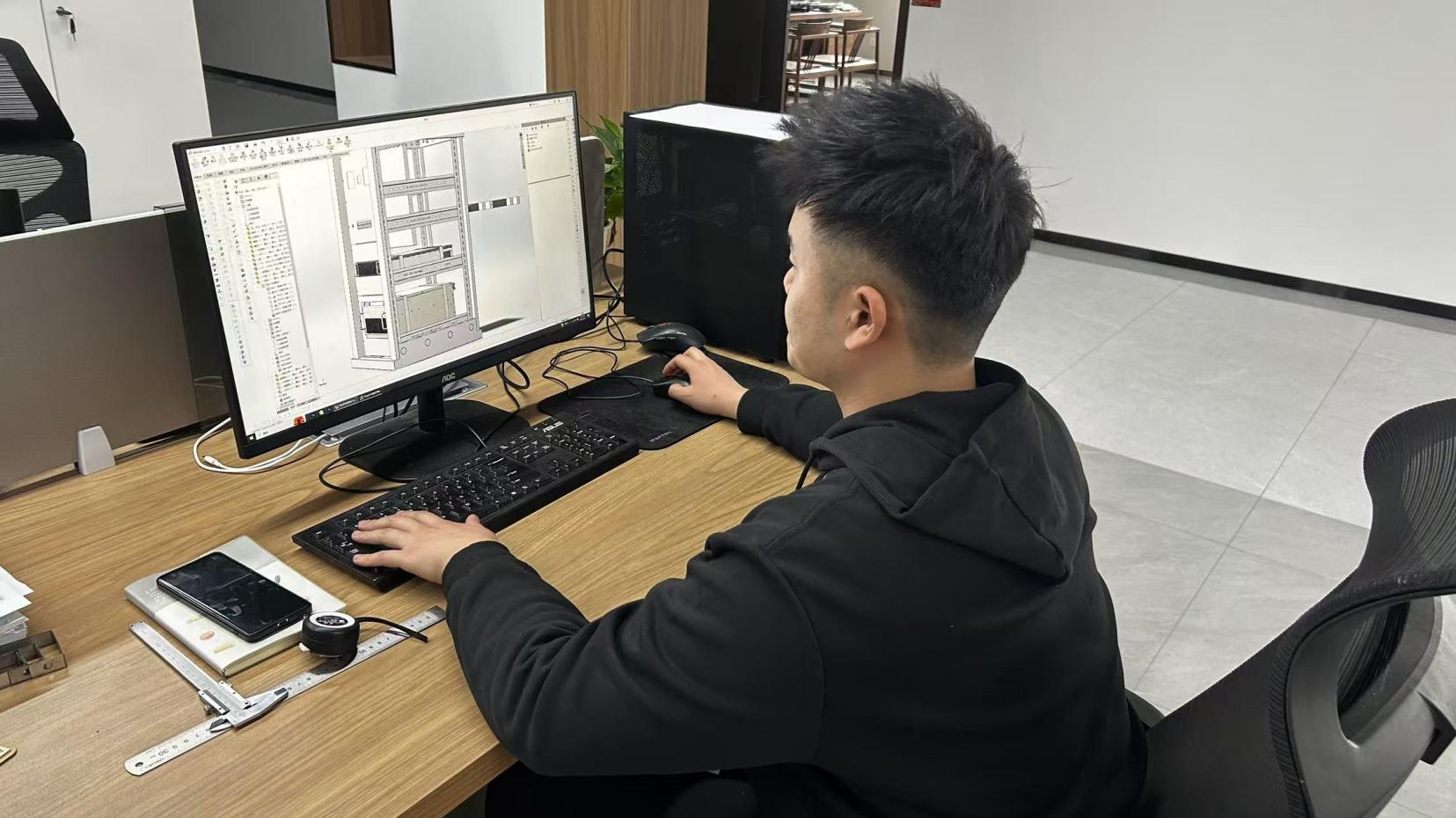
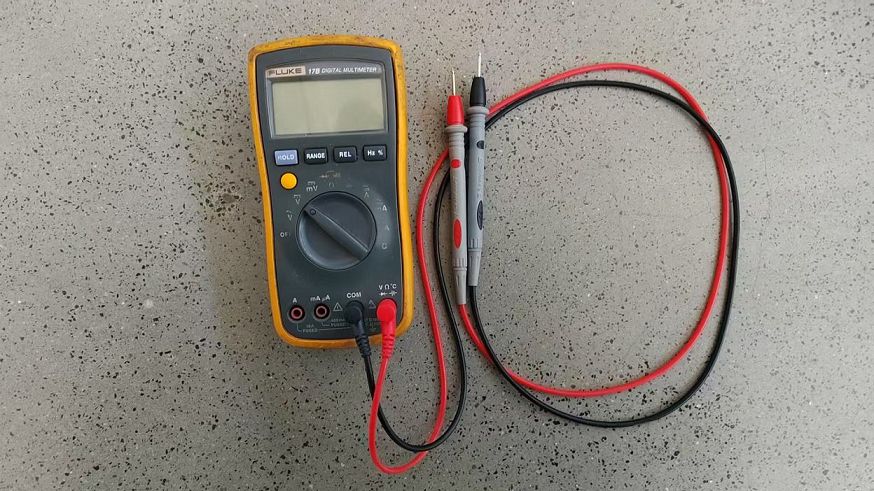
Sophpower relies on a rigorous design, manufacturing, and validation workflow to ensure our power systems withstand the demanding criteria of Norway's testing facilities. Here is a look inside our high-tech assembly and debugging infrastructure:
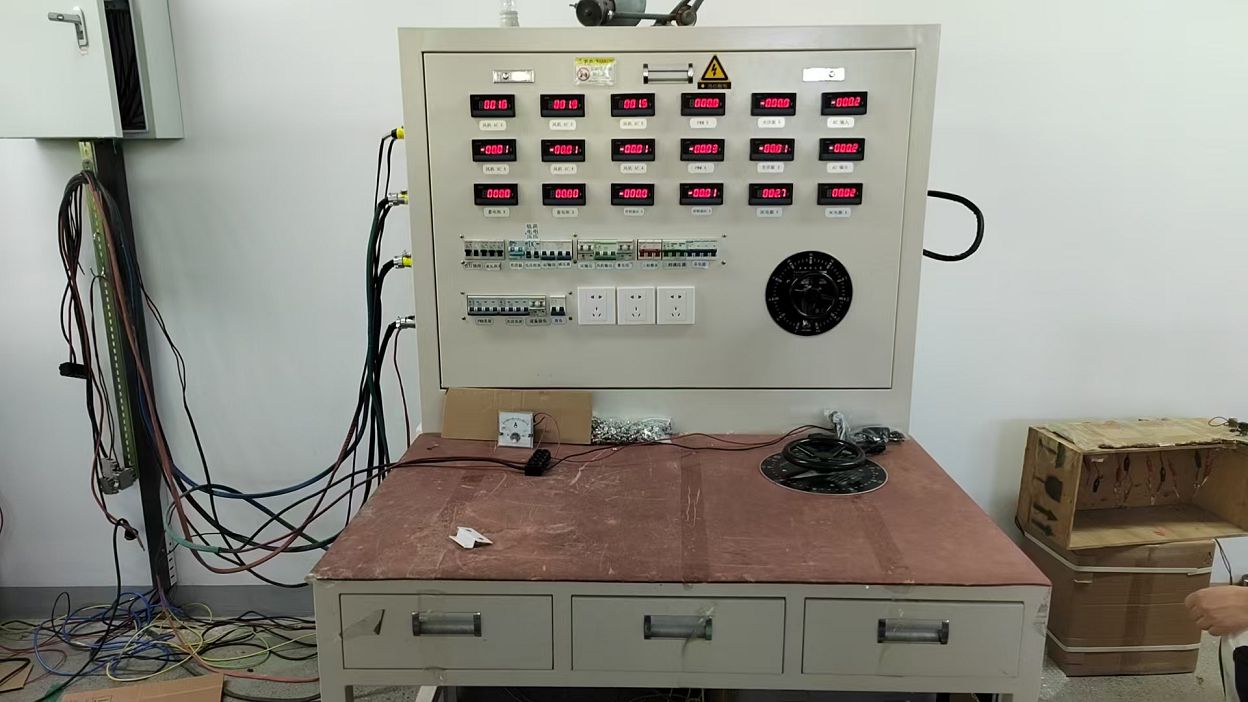
Precision Calibration & Testing Equipment
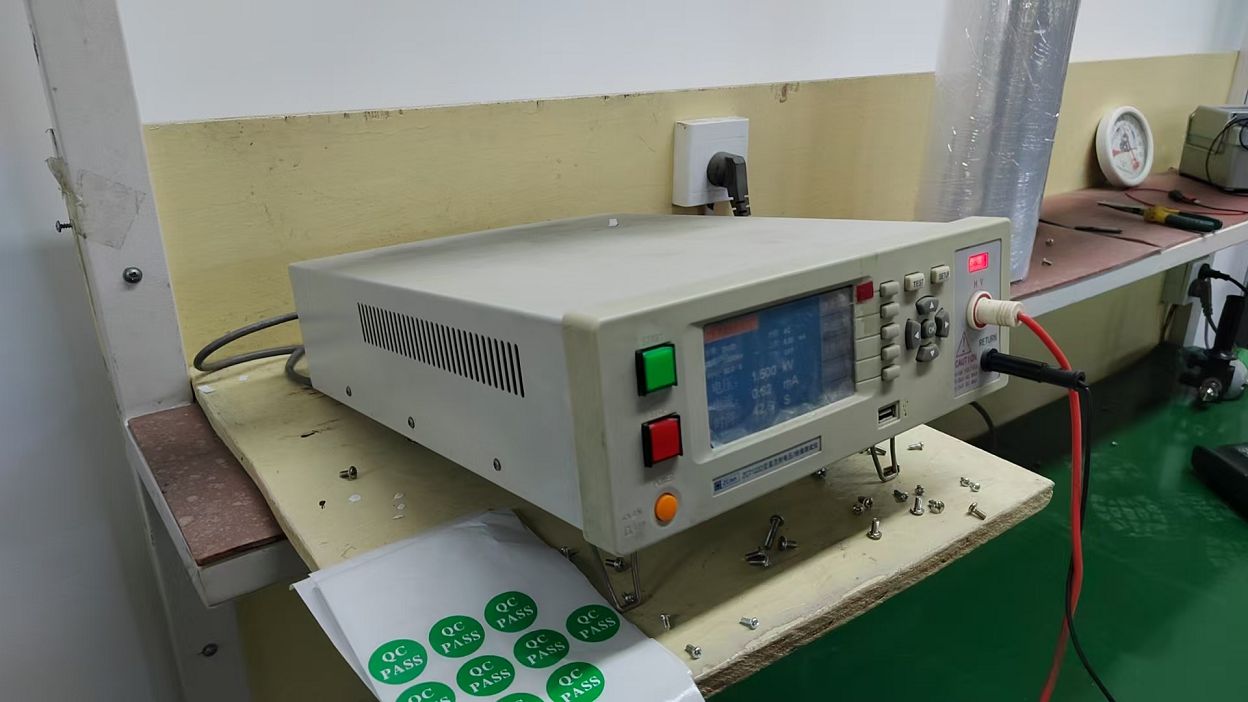
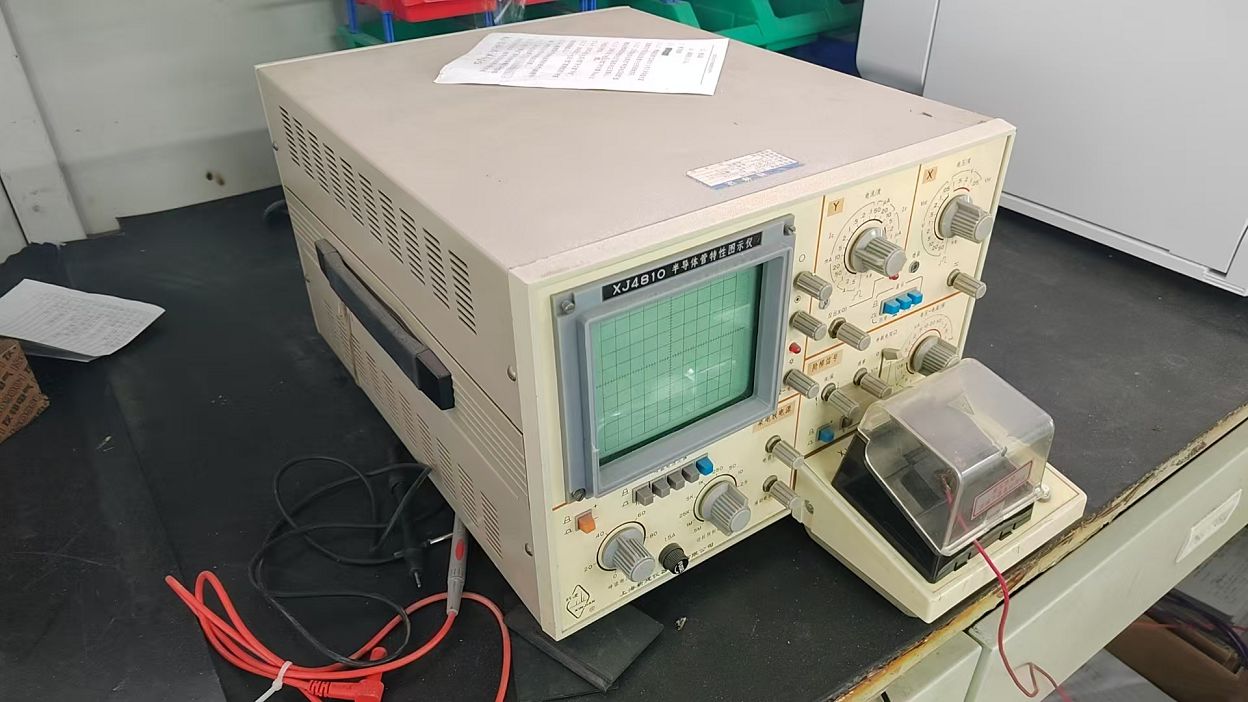
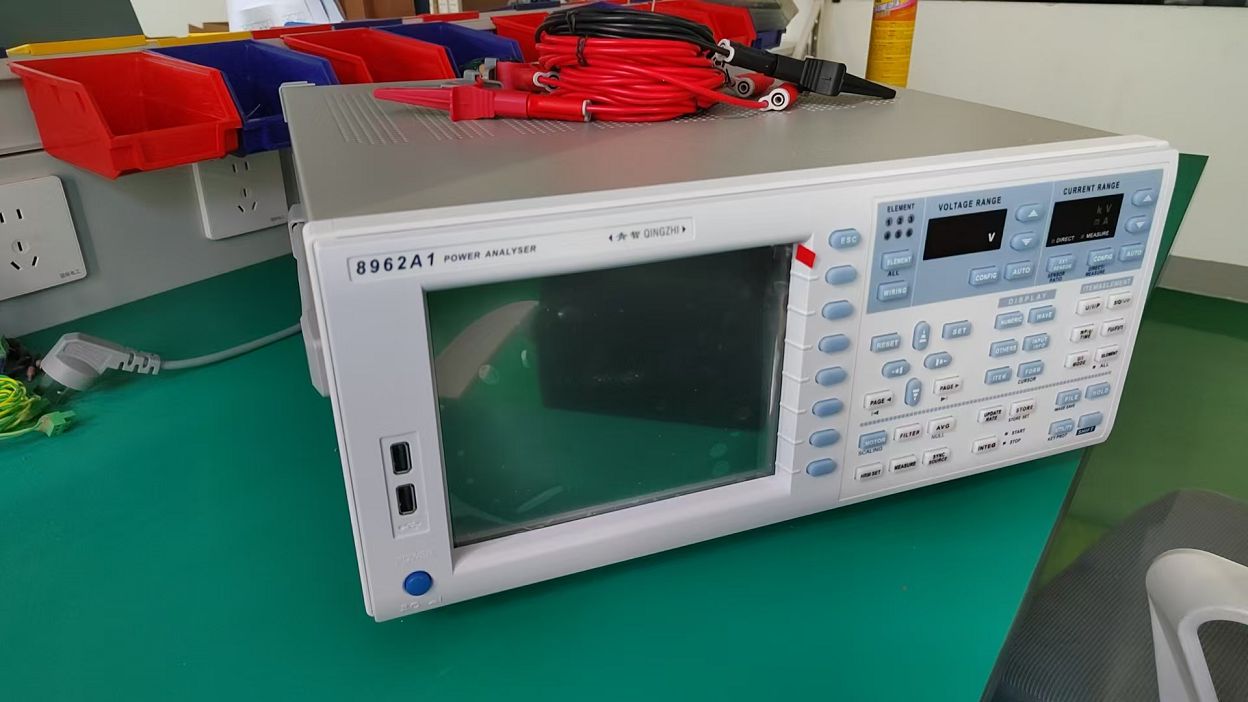
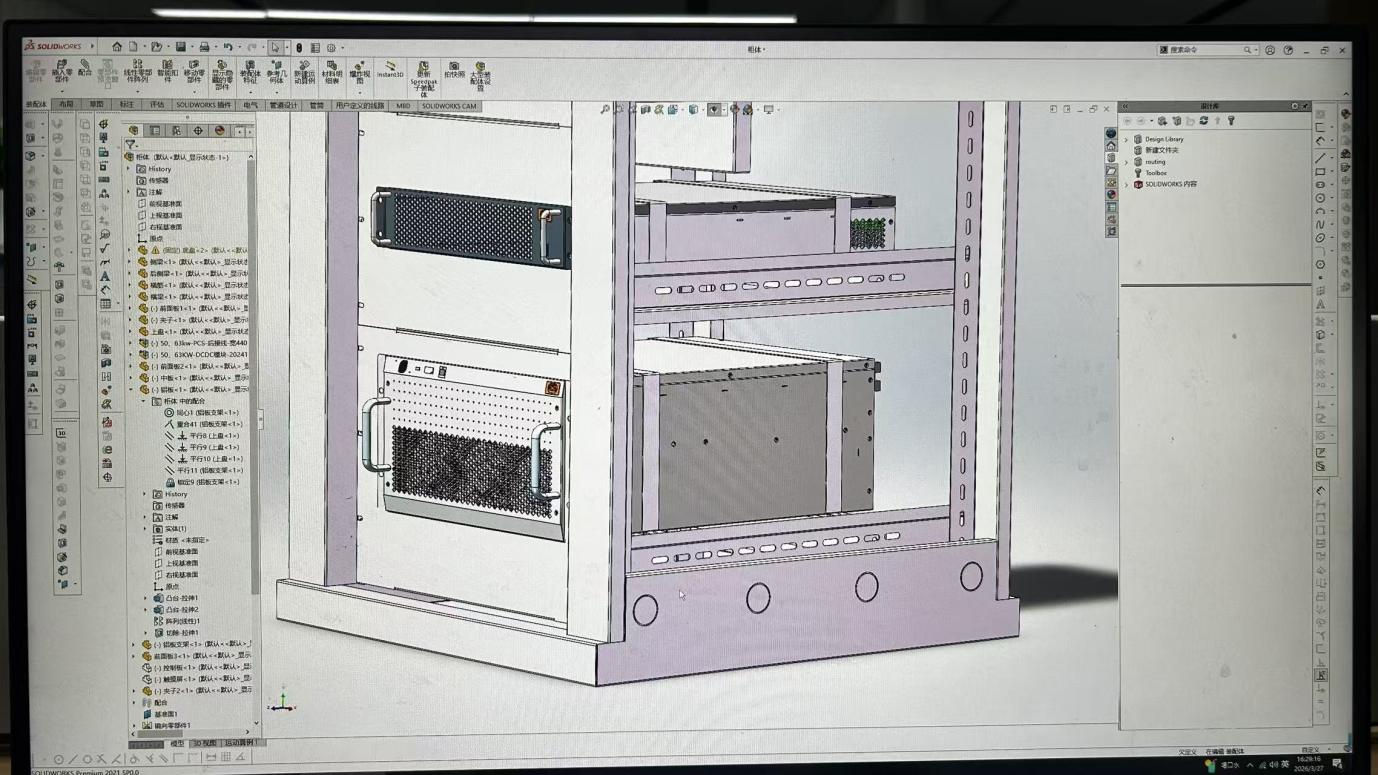
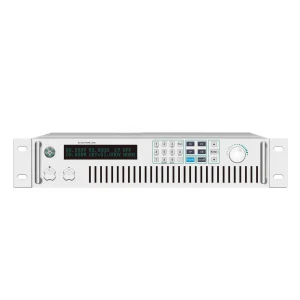
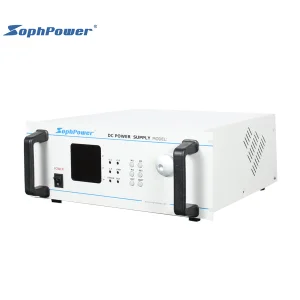
High-Efficiency DC Supplies & Precision Testing Electronic Loads
Comprehensive laboratory power systems and loads configured for European and Nordic integration guidelines.
Norway Market Compliance & Localized Support
Safe, compliant, and reliable distribution across all major industrial nodes from Oslo to Tromsø.
EU & EFTA Standards
Our systems are engineered to meet strict CE directives, including the Low Voltage Directive (LVD) and Electromagnetic Compatibility (EMC) regulations, making them compliant with NEMKO standards.
DNV GL Compatibility
Our power sources provide low-noise testing capabilities, serving as reliable tools to verify that shipboards, subsea electronics, and control platforms comply with DNV GL standards.
Secure Delivery & Logistics
We manage shipping processes from our advanced manufacturing facility directly to Norwegian ports and technology parks, ensuring all customs documentation runs smoothly.
Technological Roadmap & Future Outlook
Driving the future of clean grid emulation and advanced hardware-in-the-loop (HIL) simulation.
Phase 1: Dynamic High-Frequency (HIL) Emulation
Integrating our programmable linear AC power sources with modern Hardware-in-the-Loop platforms, enabling developers to simulate complex wind turbine grid interactions in real time.
Phase 2: Ultra-Wide Bandwidth Linear Amplification
Expanding our linear power supply performance limits to support output frequencies up to 5000Hz, catering to the microgrid testing and aerospace developments in Norway's defense sector.
Phase 3: Clean Energy Regeneration Integration
Developing bidirectional topologies that feed load energy back into the local grid during high-capacity burn-in testing, lowering overhead carbon footprints for energy-conscious manufacturers.
Frequently Asked Questions
Answers to common technical, compliance, and ordering inquiries from Norwegian engineers and buyers.