High-Performance Programmable Power Solutions for Ghana Projects
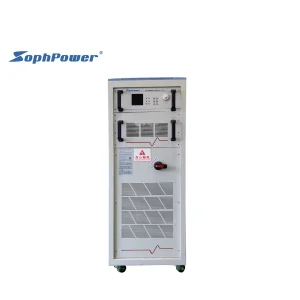
Accra Smart Grid Simulation 200v 150a programmable ac to dc converter power supply
View Specifications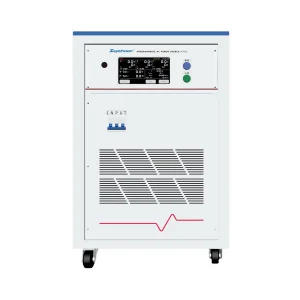
Tema Heavy Industrial Three Phase 30kVA Programmable AC Power Supply 45Hz-400Hz Variable Frequency Converter AC Power Source
View Specifications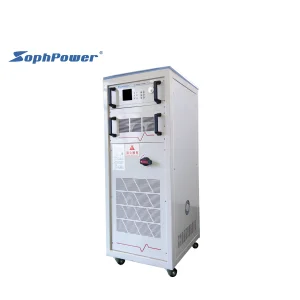
Tarkwa Goldfields Calibration 50kw 250v High Power Programmable Dc Power Supply
View Specifications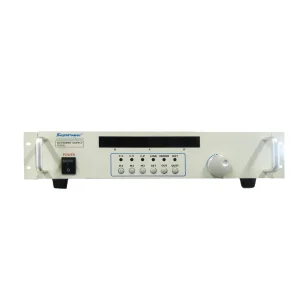
Ghana National Labs 300v switch mode power supply dc adjustable
View SpecificationsGhana's Industrial Evolution: The Crucial Need for Grid Simulation
As West Africa's shining star of economic growth, Ghana's manufacturing, mining, and technology sectors are experiencing unprecedented development. Initiatives like the "One District, One Factory" (1D1F) policy have spurred the growth of light industrial parks in Accra, Tema, and Kumasi. However, this rapid industrialization faces a critical bottleneck: grid instability and power quality anomalies.
The Electricity Company of Ghana (ECG) and the Ghana Grid Company (GRIDCo) frequently struggle with voltage fluctuations, frequency variations, and localized harmonics. For local factories, calibration labs, and research universities, this unpredictability poses a severe risk to sensitive electronic systems. Without a highly controlled environment, manufacturers cannot reliably test export-bound electrical products or run automated production lines.
This is where Programmable AC Power Supplies and variable frequency converters become indispensable. By isolating the input mains and recreating pure, programmable sine waves, local businesses can simulate standard worldwide grid specifications (e.g., 110V/60Hz for North American exports, 220V/50Hz for ECOWAS markets, or 115V/400Hz for specialized aerospace applications). Our state-of-the-art power supplies act as the barrier shielding advanced R&D and critical production lines from the vulnerabilities of local grids.
Key Ghanaian Applications:
- Gold Mining Labs: Calibration of deep-earth instrumentation systems.
- Telecom Infrastructure: Power testing of base stations and rectifiers.
- Agriculture Tech: Stress-testing variable frequency motors in irrigation.
How Programmable AC Power Supplies Overcome Local Power Limits
Programmable AC power sources utilize advanced switching or linear topologies to output precise AC voltage waves. Unlike standard transformers or mechanical voltage regulators, a programmable AC source allows users to manipulate the waveform parameter by parameter—adjusting frequency, phase angle, DC offset, start/stop angle, and harmonically injecting noise to replicate extreme sag and swell conditions.
1. Double Conversion Architecture
For industrial facilities in Tema, we recommend our line of double conversion AC sources. The system rectifies incoming fluctuating grid AC to DC, cleanses it, and then utilizes insulated-gate bipolar transistor (IGBT) switches to reconstruct a pristine AC output. This guarantees that any spikes, dips, or harmonic pollutions originating from the local distribution grids in Accra do not reach the unit under test (UUT).
2. Simulation of Fluctuations and Transients
Our programmable systems feature a built-in function generator capable of simulating complex power line disturbances (PLDs). Engineers can program simulated blackouts, brownouts, sags, surges, and frequency sweeps via intuitive front panels or remote RS485/Ethernet connection interfaces. This allows local manufacturers to pre-qualify their equipment for the demanding grid conditions found across rural West African regions.
3. Low Total Harmonic Distortion (THD)
When executing precise instrument calibration, the purity of the reference signal is paramount. Our variable frequency converters boast a total harmonic distortion (THD) of less than 0.3% to 0.5% at full load, providing an ideal, clean testing environment for medical devices, telecommunication equipment, and digital avionics labs.
About Shenzhen Sophpower Electronics Co., Ltd.
Established in 2006 in Shenzhen, China, Sophpower Electronics has grown into a globally recognized high-tech enterprise specializing in testing power supplies. With close to two decades of rapid R&D growth, Sophpower hosts a dedicated group of veteran electrical engineers who possess deep expertise in advanced power topologies and grid simulation technologies.
Our primary product lines include precision AC Power Sources, Linear AC Power Sources, Bidirectional AC/DC Power Sources, High-power DC Power Supplies, Voltage Regulators, and heavy-duty Industrial UPS. By manufacturing both off-the-shelf and customizable power architectures, we empower factories across Ghana and Africa to resolve complex test-bench requirements under strict international compliance standards.
Inquire About Custom BuildsState-of-the-Art Factory Floor & Workflow
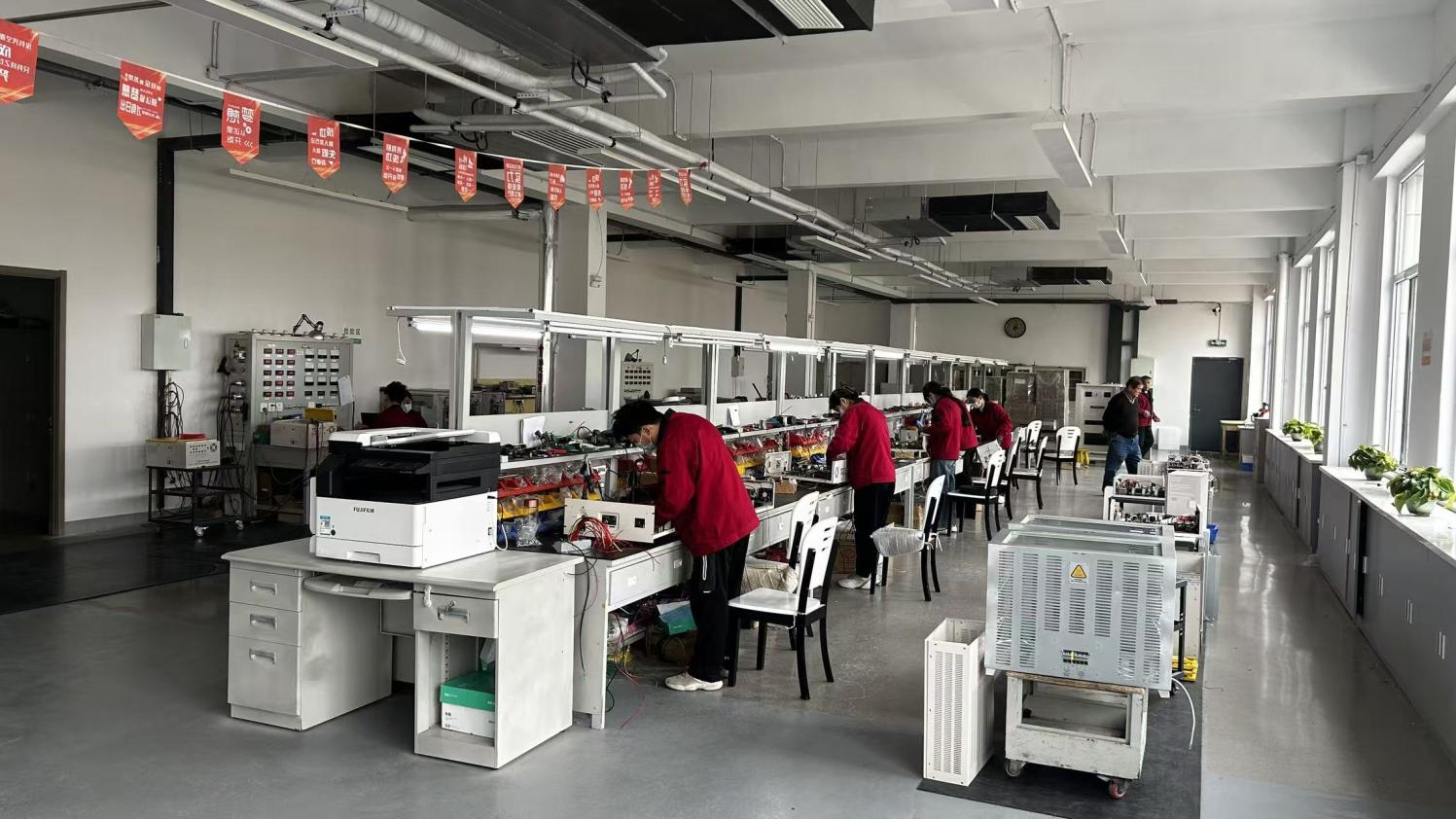
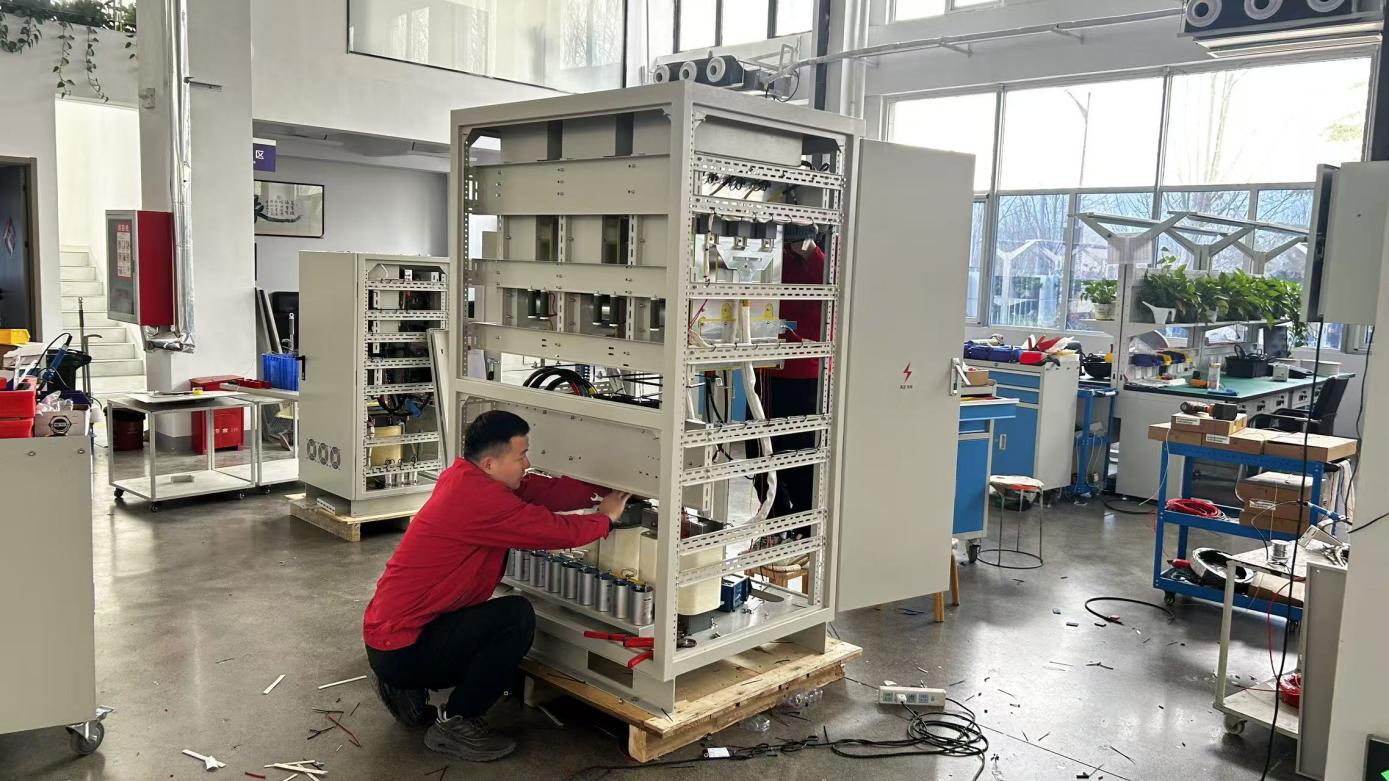
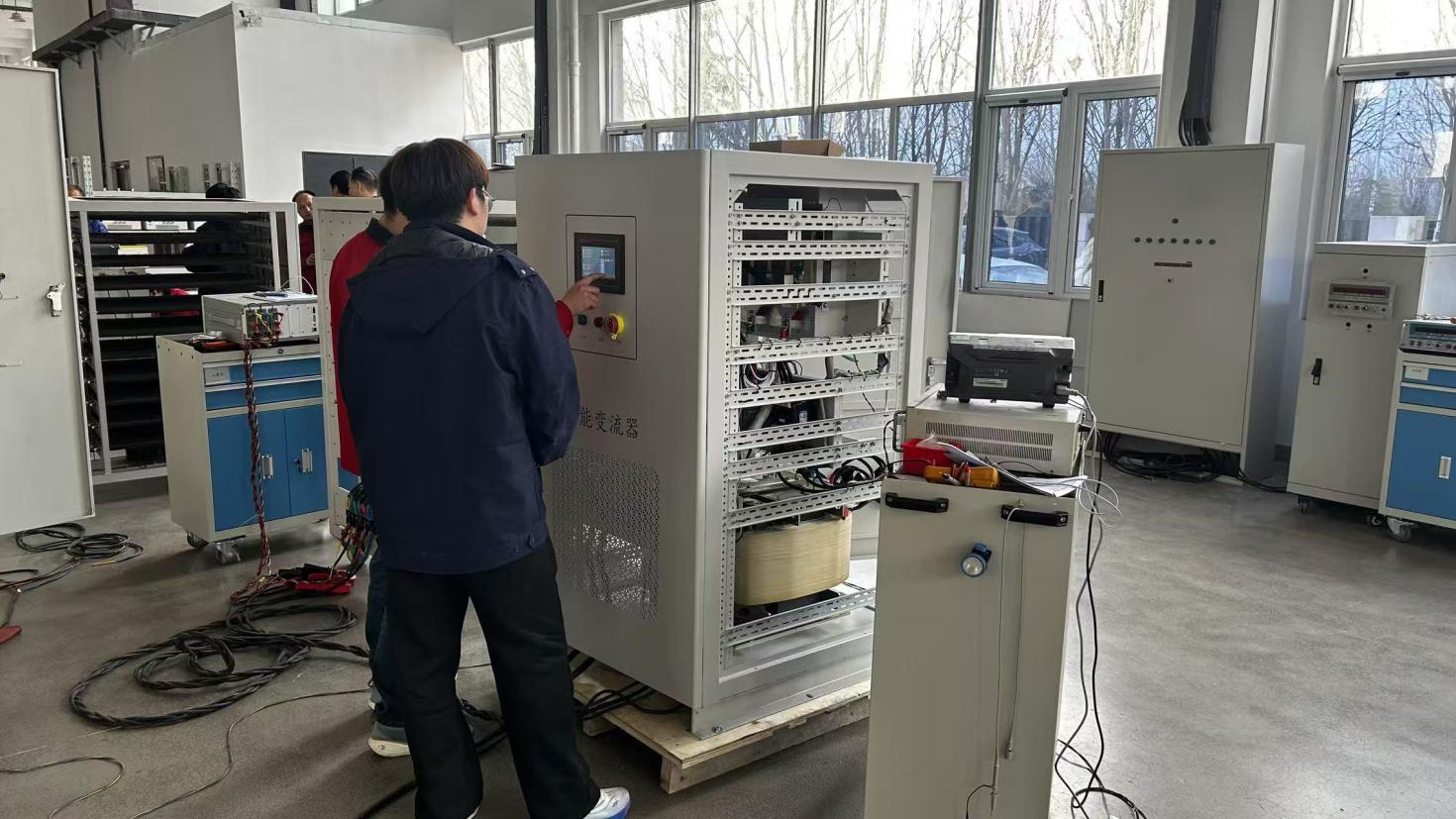
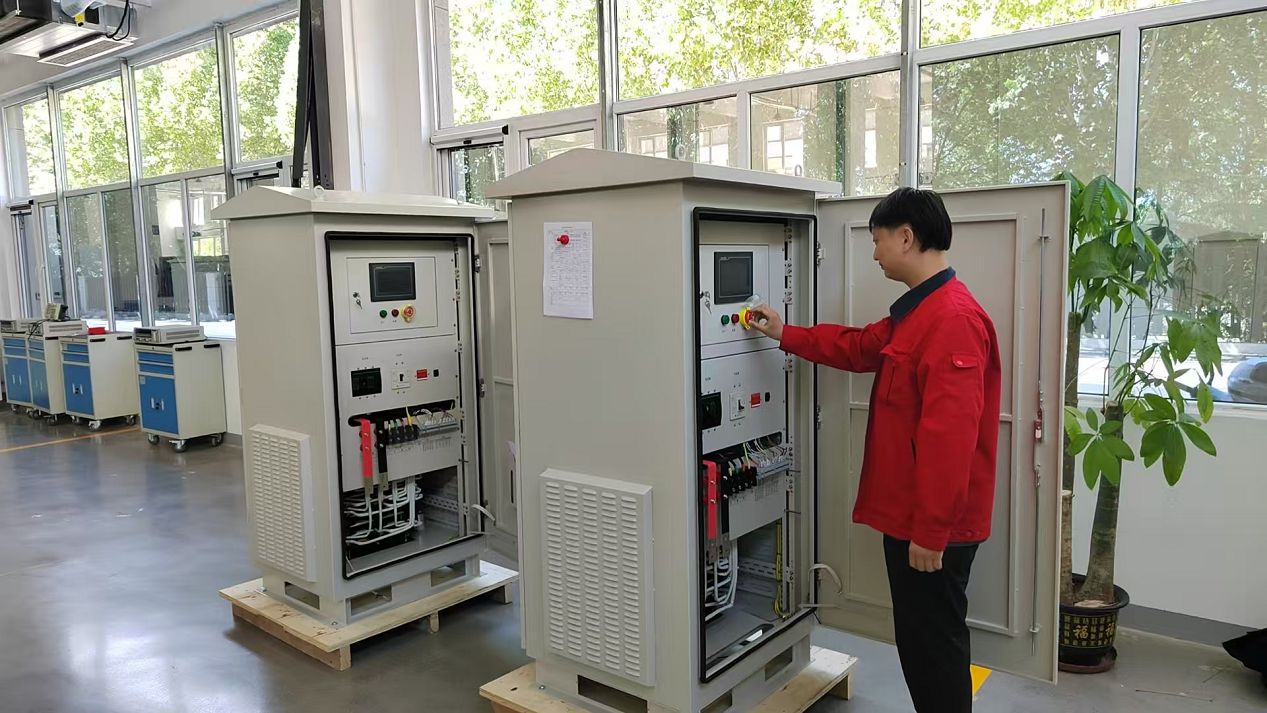
Global Quality Control & Production Capacities
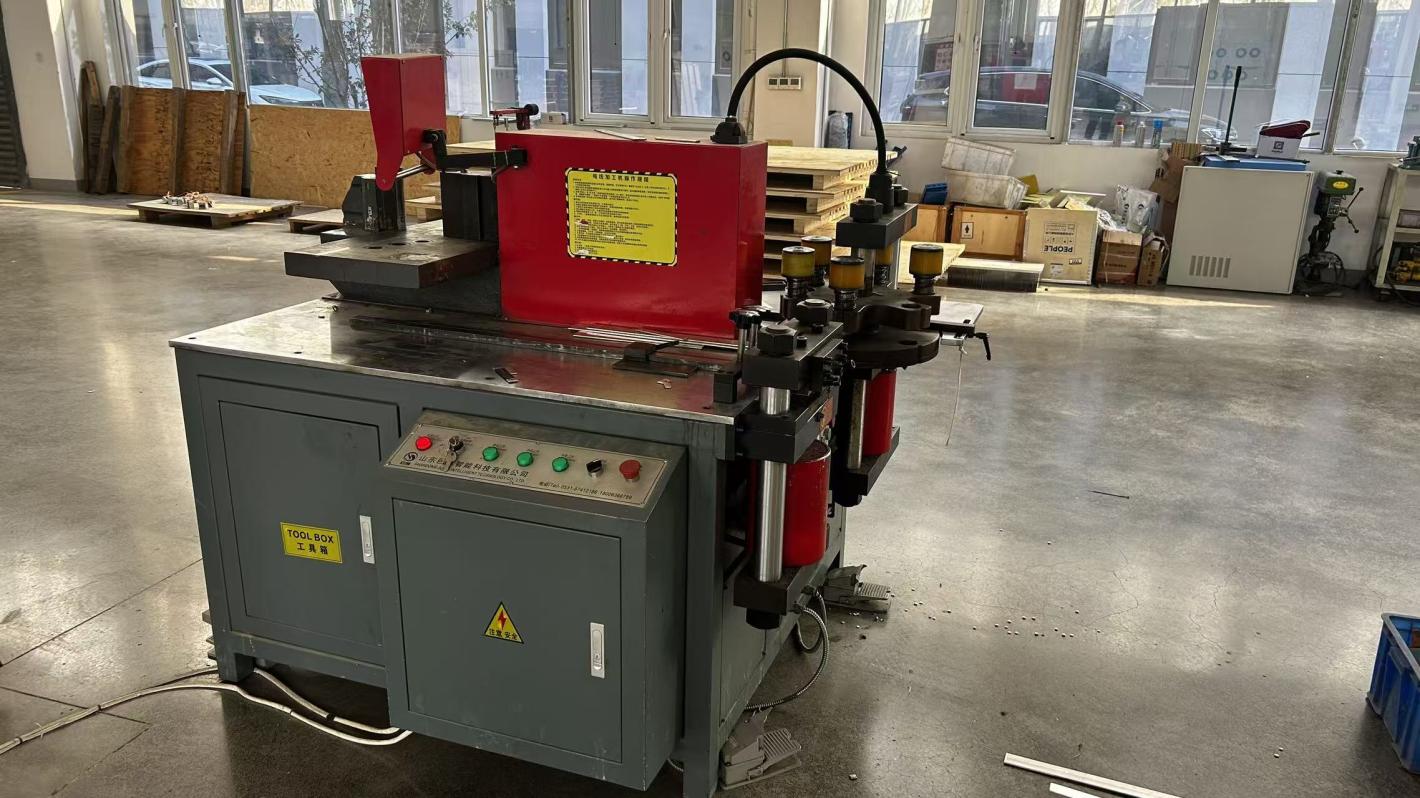
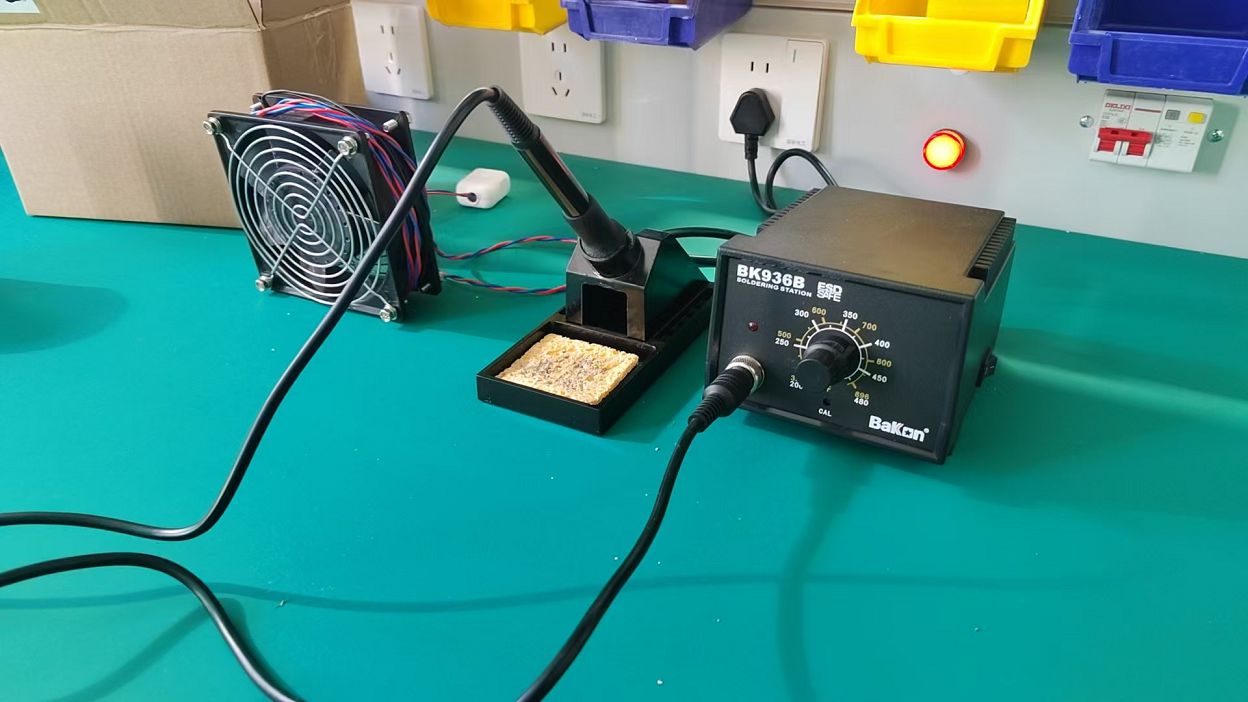
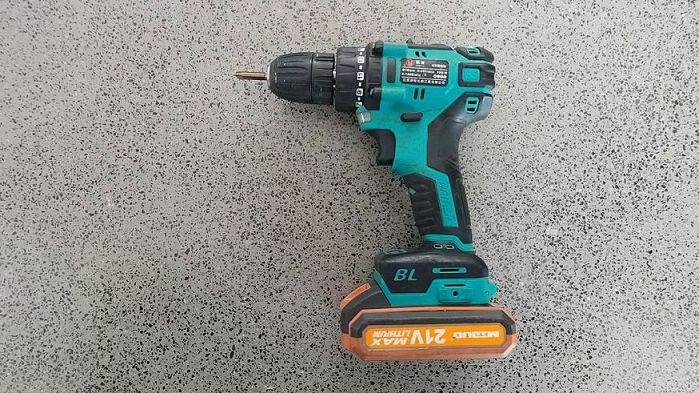
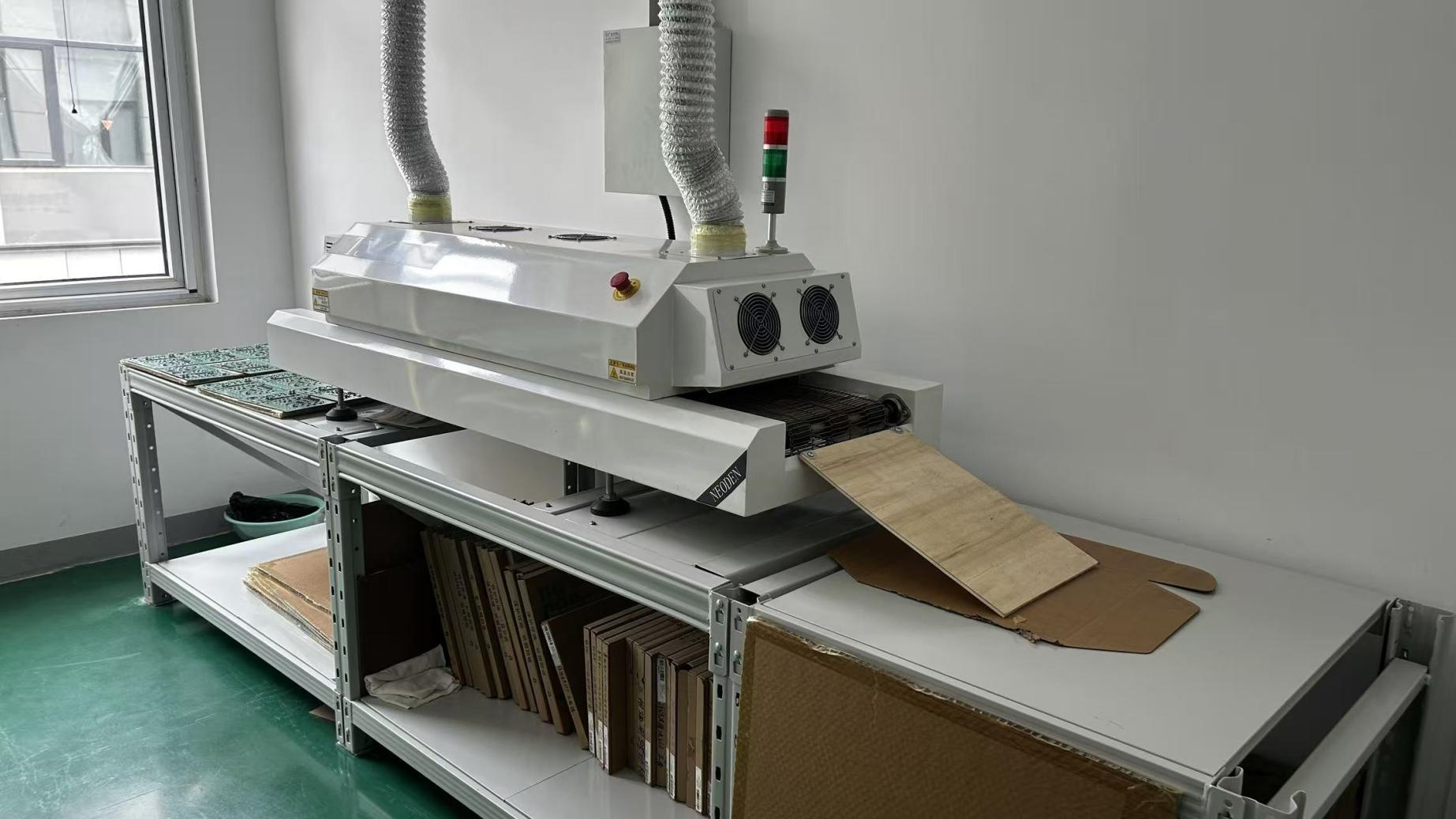
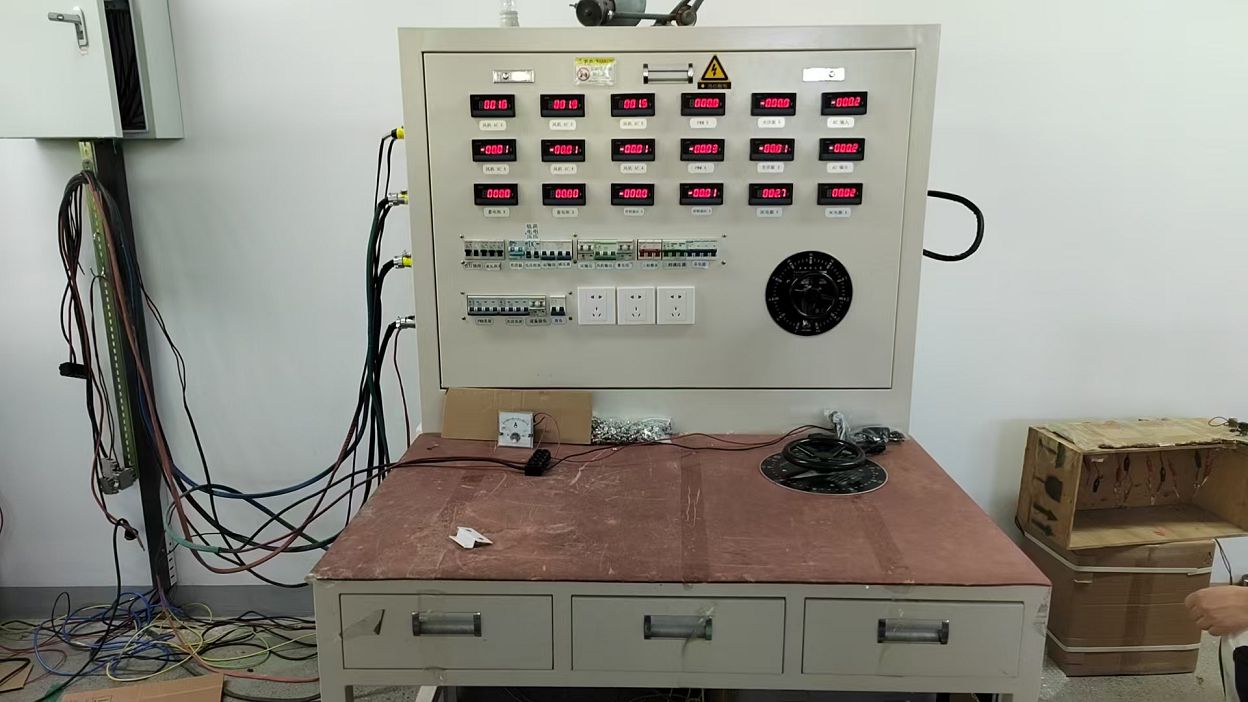
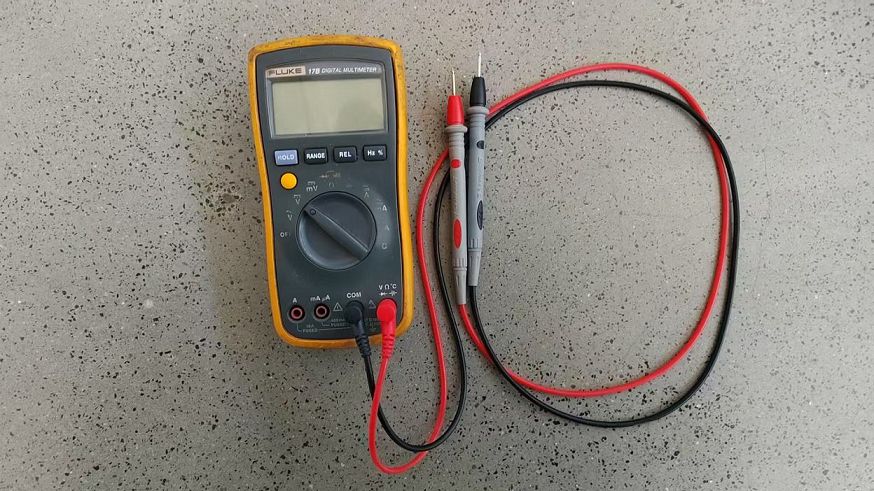
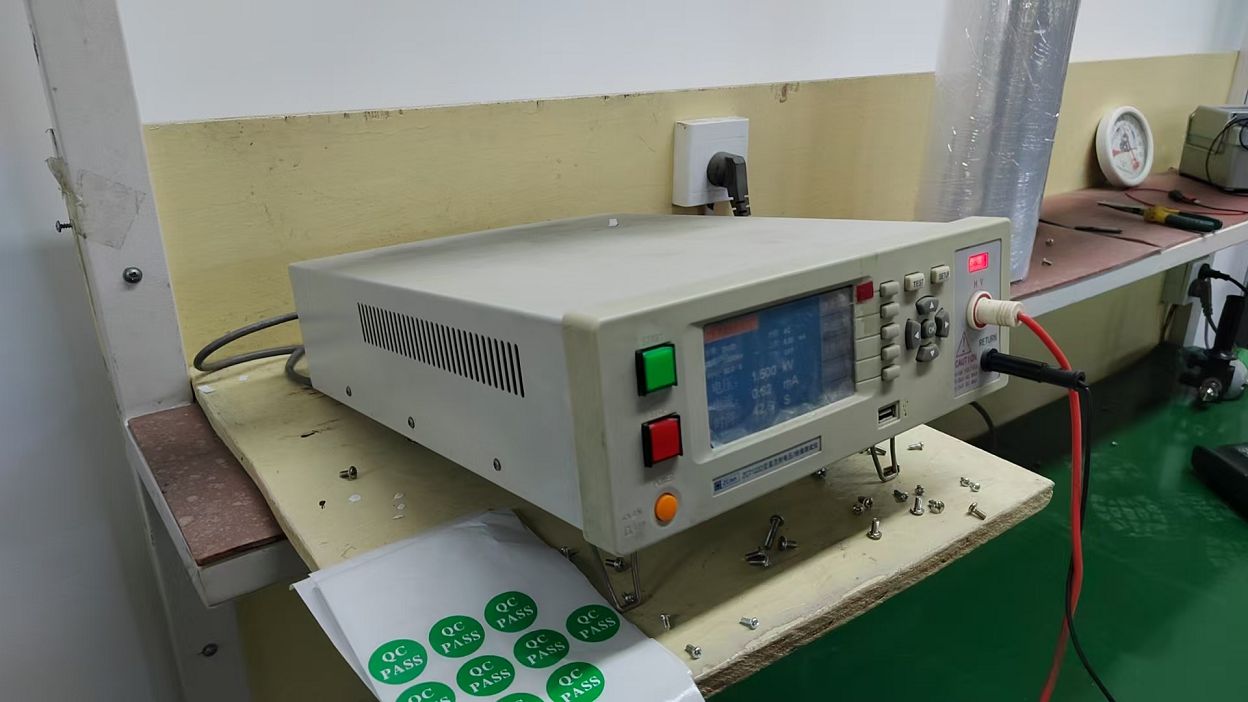
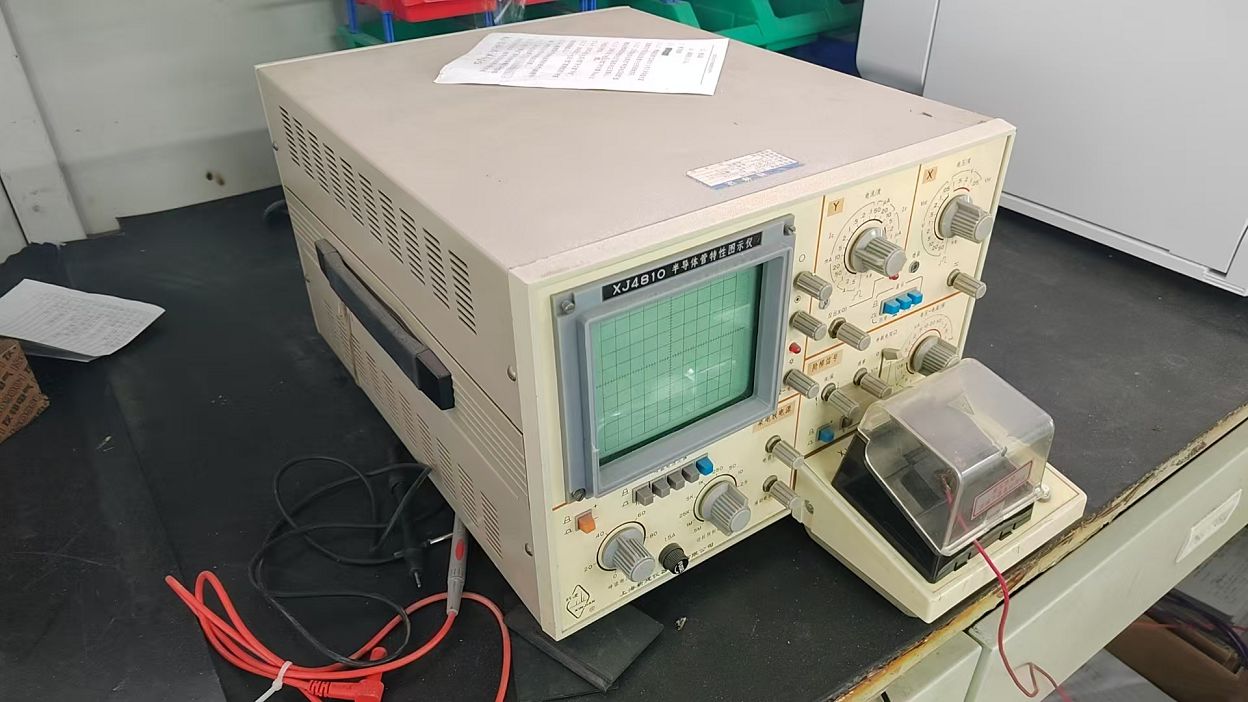
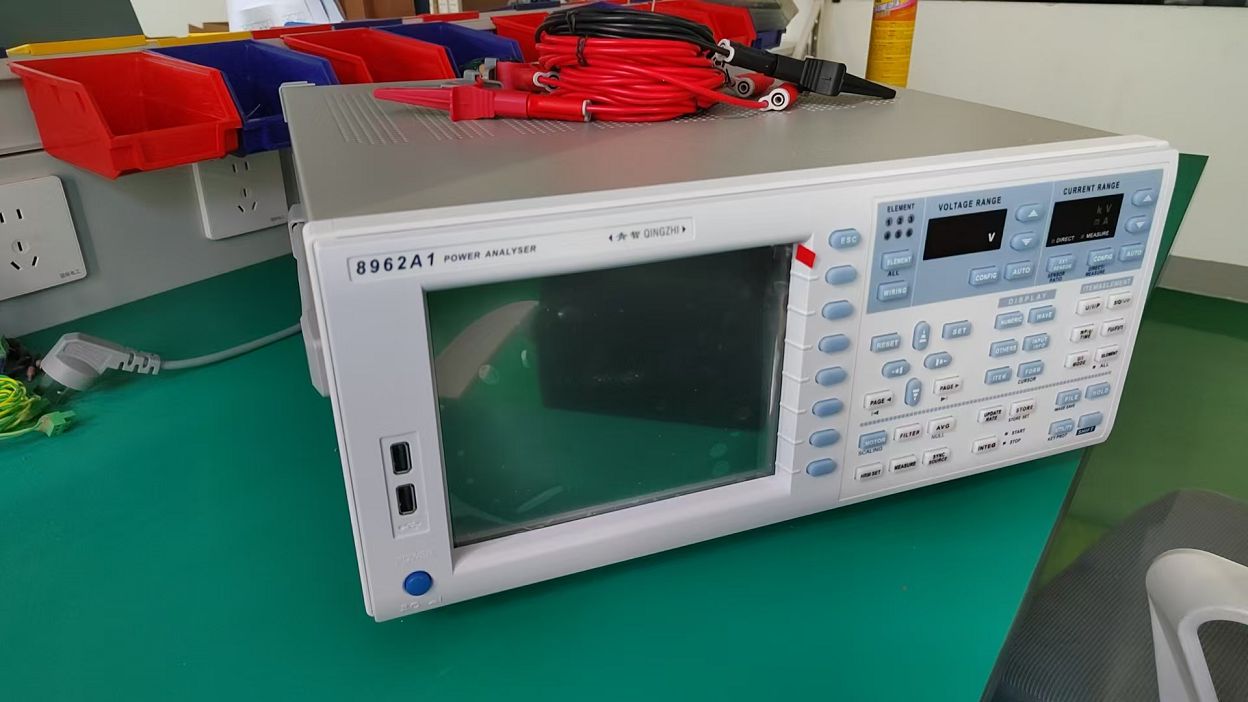
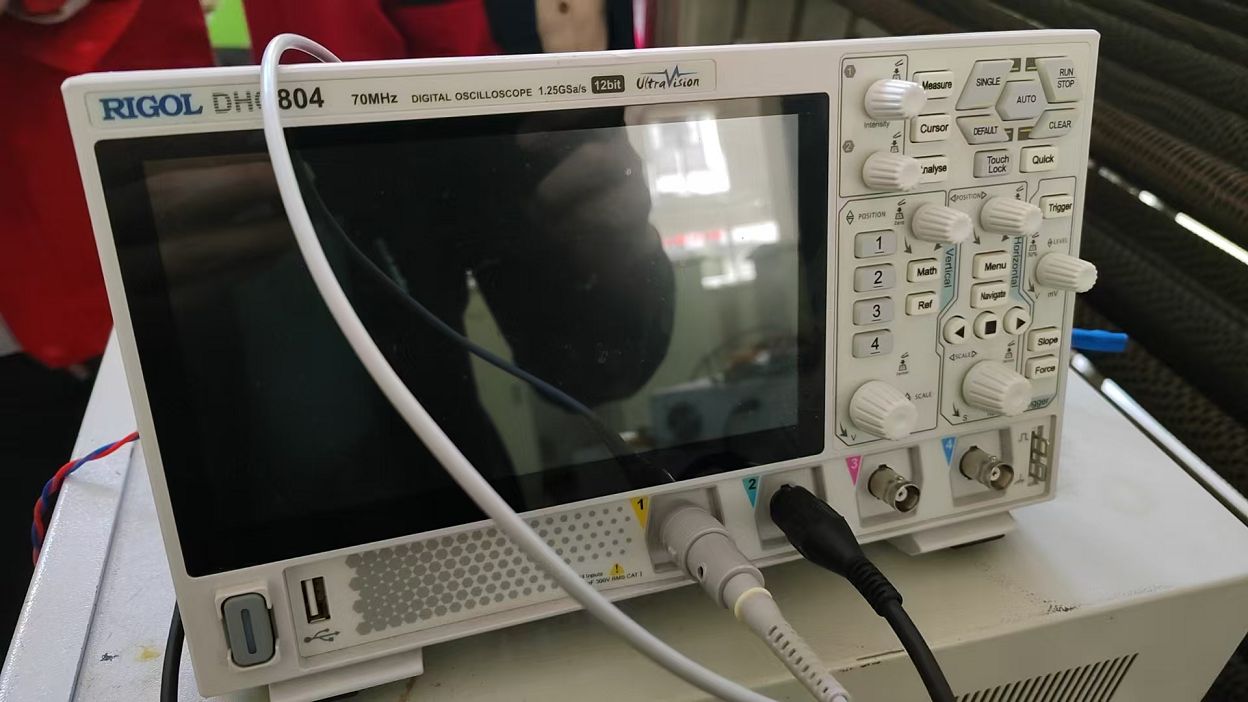
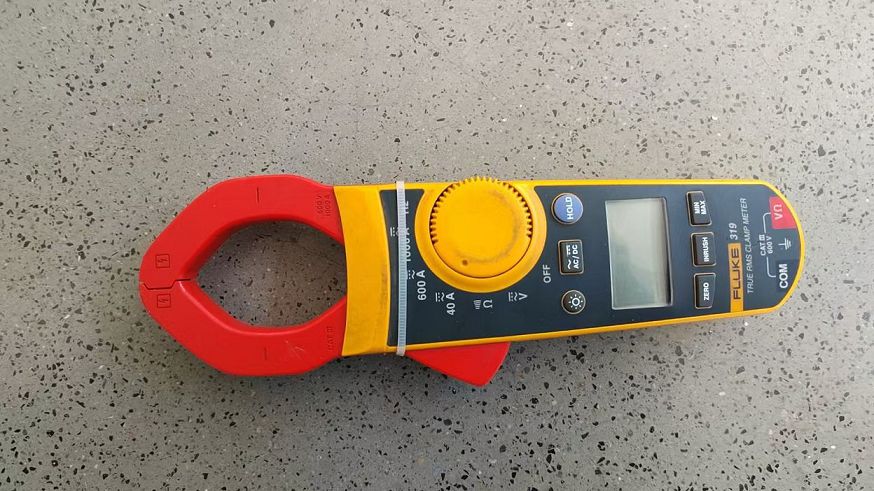
Sophpower's testing equipment represents the core of our technical expertise. The production process involves rigid engineering checks utilizing premium automated assembly systems. Below is an overview of the advanced tooling and calibration instruments implemented in our manufacturing cycles to ensure that every AC and DC power source exported to Ghana operates with maximum MTBF (Mean Time Between Failures).

Navigating Import Regulations for Ghana Enterprises
Successfully importing high-power electrical equipment into Ghana demands rigid adherence to local customs protocols and product quality approvals. The main regulatory bodies overseeing this are the Ghana Standards Authority (GSA) and the Energy Commission of Ghana.
All industrial equipment exported by Sophpower Electronics complies with relevant ECOWAS (Economic Community of West African States) standards alongside international standards like CE, RoHS, and ISO 9001:2015. We supply complete conformity declarations, certified calibration documentation, and secure packaging designed to withstand West Africa's maritime shipping humidity.
For large-scale tenders in Kumasi or Accra, we work hand-in-hand with engineering design teams to supply CAD drawings, circuit diagrams, and technical datasheets, facilitating smooth clearance processes under Ghana's Integrated Customs Management System (ICUMS).
Required Import Certifications
- GSA Conformity: Assuring alignment with national electrical safety frameworks.
- CE Mark / IEC Standards: Testing for EMI/EMC compliance and safety.
- ISO 9001:2015: Verified quality control systems.
- HS Code Harmonization: 8504409090 classification for smooth tariffs.
Programmable AC/DC & Voltage Stabilizers Catalog
Ghana Telecom Labs 2000v 1a High Voltage Programmable Dc Power Supply with RS485
View Specifications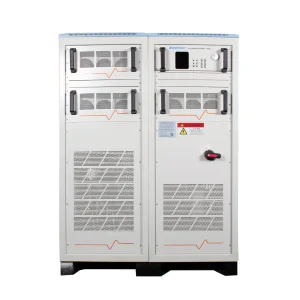
Tema Heavy Ind. 50kw 500v 100a Variable Dc Regulated Power Supply
View Specifications
Ghana Renewable Microgrid 100V dc output power supply 0-20 amps adjustable
View Specifications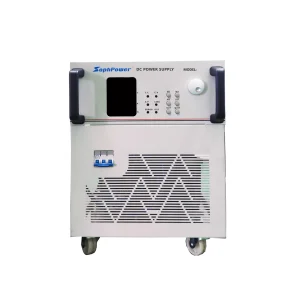
Accra Research Lab 60v 100a laboratory dc switching power supply
View Specifications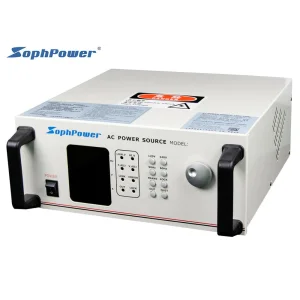
Kotoka Airport Aviation Testing 115V 400Hz Ac Power Source 1Kva Ac Power Supply AFC-110
View Specifications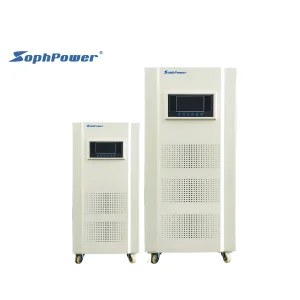
Ghana Factory Grid Stabilizer SCR 250kVA 3 phase ac voltage regulator stabilizer
View Specifications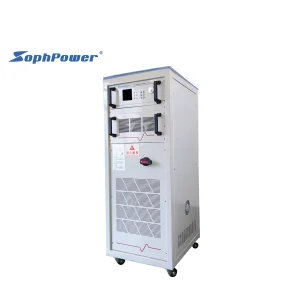
Kumasi Polytech Calibration Lab 500v 100a laboratory dc regulated power supply
View Specifications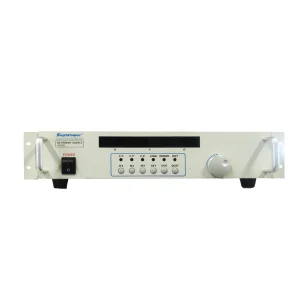
Ghana Solar PV R&D 1500V 1A programmable dc regulated power supply
View Specifications
Accra Automotive Test Bench 300v 30a programmable adjustable dc power supply
View Specifications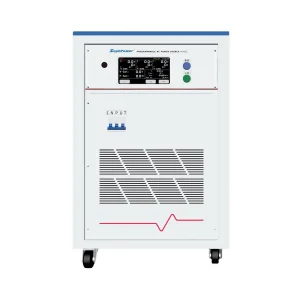
Tema Smart Factory Three Phase 15kVA Programmable AC Power Supply 45Hz-400Hz Variable Frequency Converter AC Power Source
View Specifications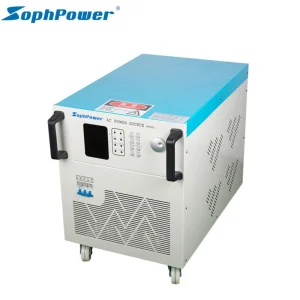
Accra Port Import Calibration 10KVA 3 phase power frequency converter 60hz 50hz
View Specifications
Ghana Scientific Research 2kw laboratory power supply dc adjustable
View SpecificationsGlobal Logistics & Technical Support for West African Clients
Custom Engineering
No two testing lines are alike. We engineer custom power solutions with adjustable ranges, custom cabinets, specific communication protocols (MODBUS, RS232/485, GPIB), and heavy duty IP protection classes for dusty goldfields or coastal salt spray environments in Ghana.
Reliable Export Logistics
We maintain established logistics partnerships managing consolidated sea freight to Tema Port and express air courier shipments to Kotoka International Airport (ACC). Full customs declaration assistance is provided.
Technical Training Support
Every system includes detailed calibration guides, step-by-step schematics, and remote video consultation options. We assist local engineering personnel in installation, setup, and preventive maintenance processes.