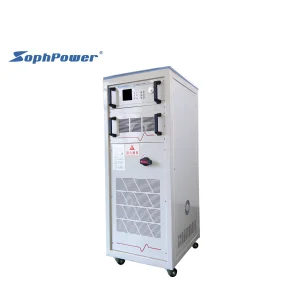
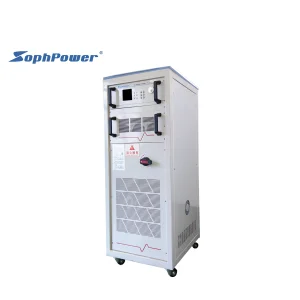
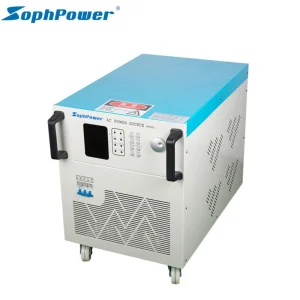
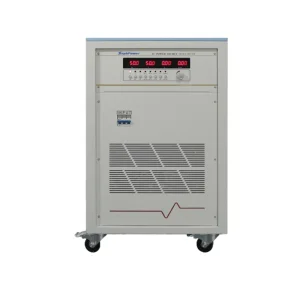
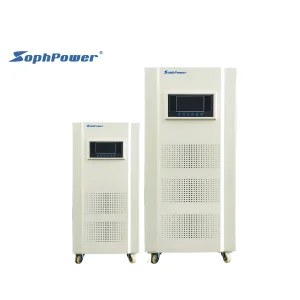
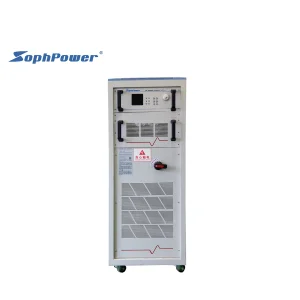
Featured High-Precision Programmable Instruments
Industry-leading high-power testing equipment designed for battery cycle analysis, aerospace simulation, and automotive power supply performance metrics.
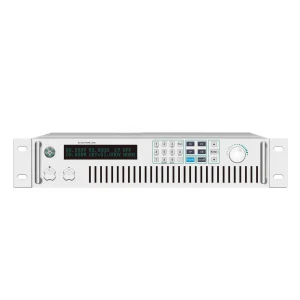
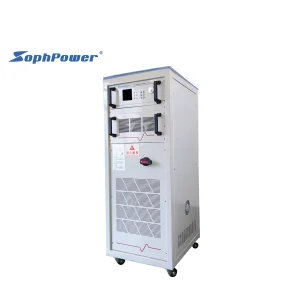
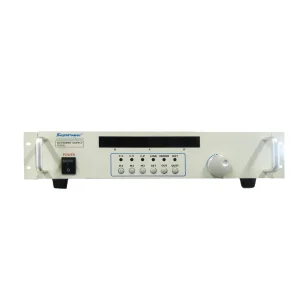
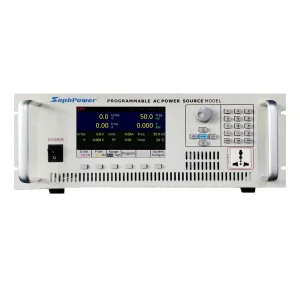
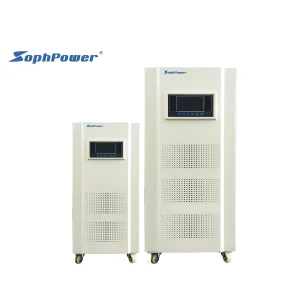
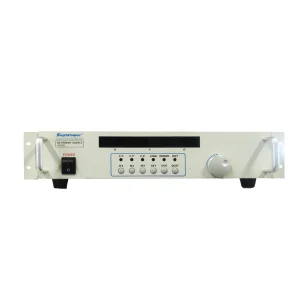
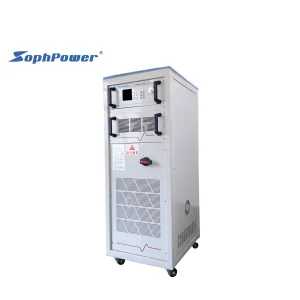
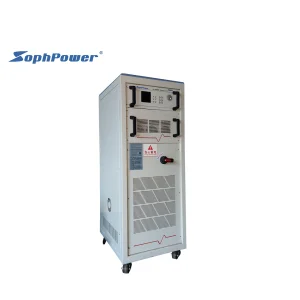
Global Commercial & Industrial Landscape of Electronic Loads
The shift toward electrification, smart grids, and high-capacity battery networks demands highly sophisticated test loads.
The global electronic load market is undergoing a structural paradigm shift driven by the accelerating demand for energy transition technologies. From electric vehicle powertrain validation and solar microinverter testing to advanced telecommunication power modules and aerospace energy systems, the programmable electronic load is no longer a passive component. It has evolved into a dynamic simulator that acts as a mission-critical tool for quality assurance, safety compliance, and R&D stress testing.
Today's industrial ecosystems require instruments capable of emulating complex, non-linear load profiles under harsh conditions. Standard resistive load banks are rapidly being replaced by high-speed programmable DC and AC electronic loads. These units offer precision controls such as rapid transient slew rates, arbitrary waveform generation, and energy regenerative capabilities. This energy regeneration allows up to 95% of the drawn electrical energy to be fed back into the local grid, drastically reducing the total cost of ownership and thermal management overhead inside industrial test bays.
Modern Application Paradigms & Localized Scenarios
Electric Vehicle (EV) Powertrains & Charging Stations: With automotive manufacturers moving toward 800V architectures to facilitate ultra-fast charging, electronic loads must accurately simulate battery discharge profiles. They test the durability of onboard chargers (OBC) and DC-DC converters under fast, transient fluctuations. This testing ensures the safety of the power electronics over millions of duty cycles.
Aerospace, Defense, and Marine Grid Testing: In mission-critical defense and aerospace platforms, power delivery systems (running at custom frequencies like 400Hz) require robust AC and DC electronic loads to evaluate voltage sags, phase imbalances, and system recovery times under extreme simulated failures. This guarantees operation in high-stress, real-world conditions.
Shenzhen Sophpower Electronics Co., Ltd.
Shenzhen Sophpower Electronics Co., Ltd. was established in 2006, located in Shenzhen, China—the global heart of high-tech hardware innovation and supply chain integration. As a certified High-tech enterprise, Sophpower maintains sustainable and rapid growth. Our core engineering team comprises seasoned power electronics veterans with decades of collective experience in power testing instrumentation and industrial control technologies.
Our primary product lineup includes Programmable AC Power Sources, Linear AC Power Sources, Bidirectional AC Power Sources, High-Power DC Power Supplies, Bidirectional DC Power Supplies, Voltage Regulators, and Industrial UPS systems. Sophpower is recognized globally for its custom engineering capabilities, adjusting voltage ranges, current capacities, response speeds, and interface protocols to match the exact specifications required by research institutes, automotive OEMs, and manufacturing plants worldwide.
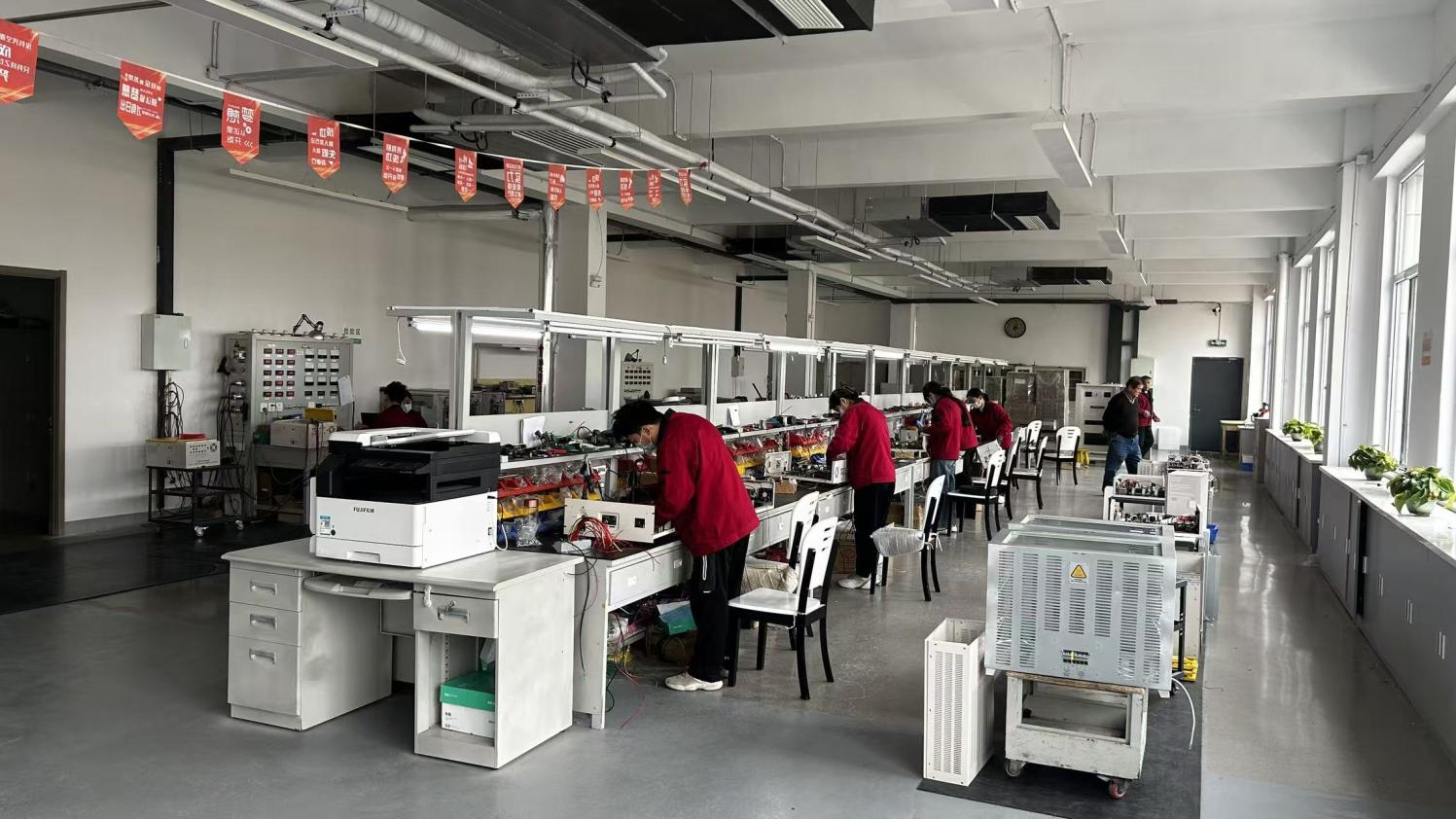 Circuit Assembly
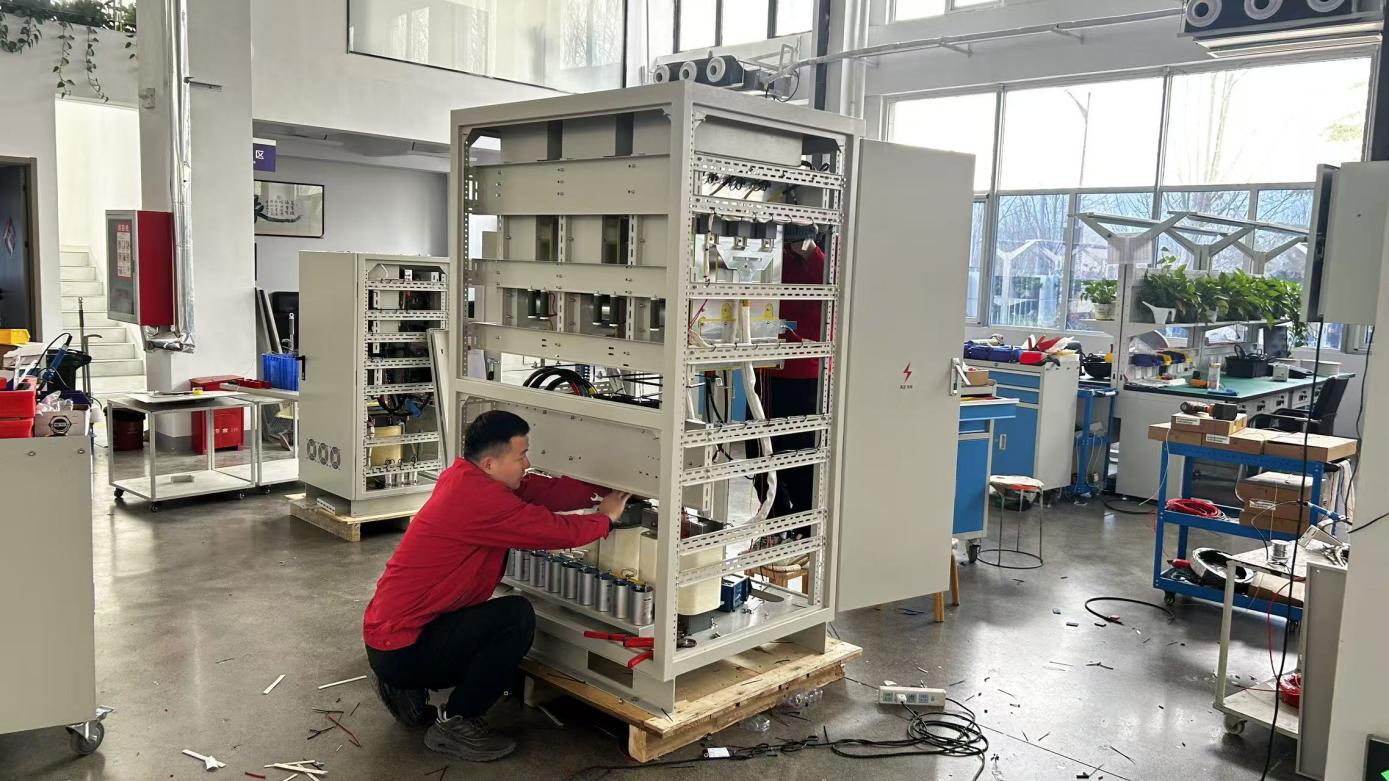 PCB Assembly
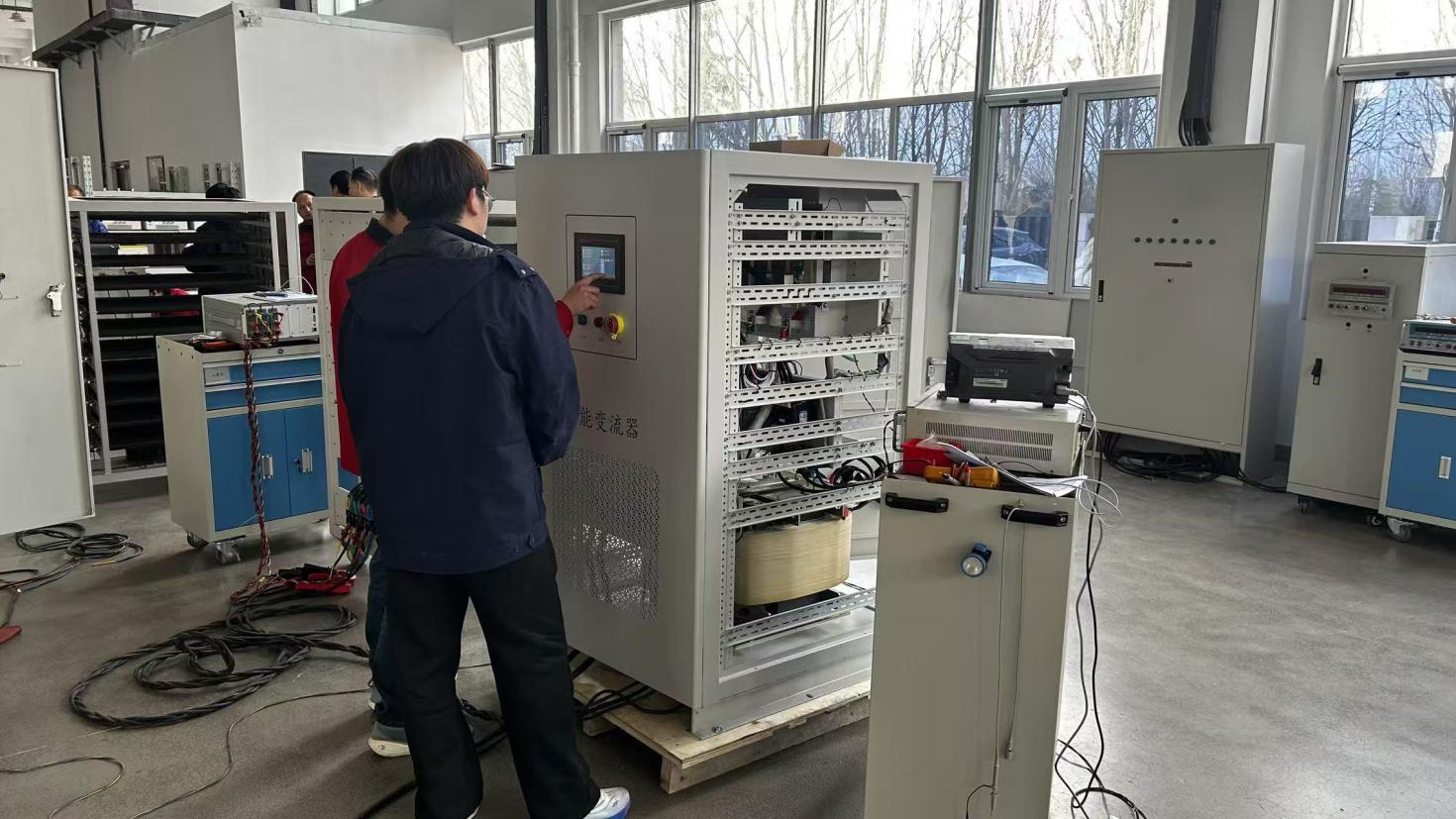 Debugging Process
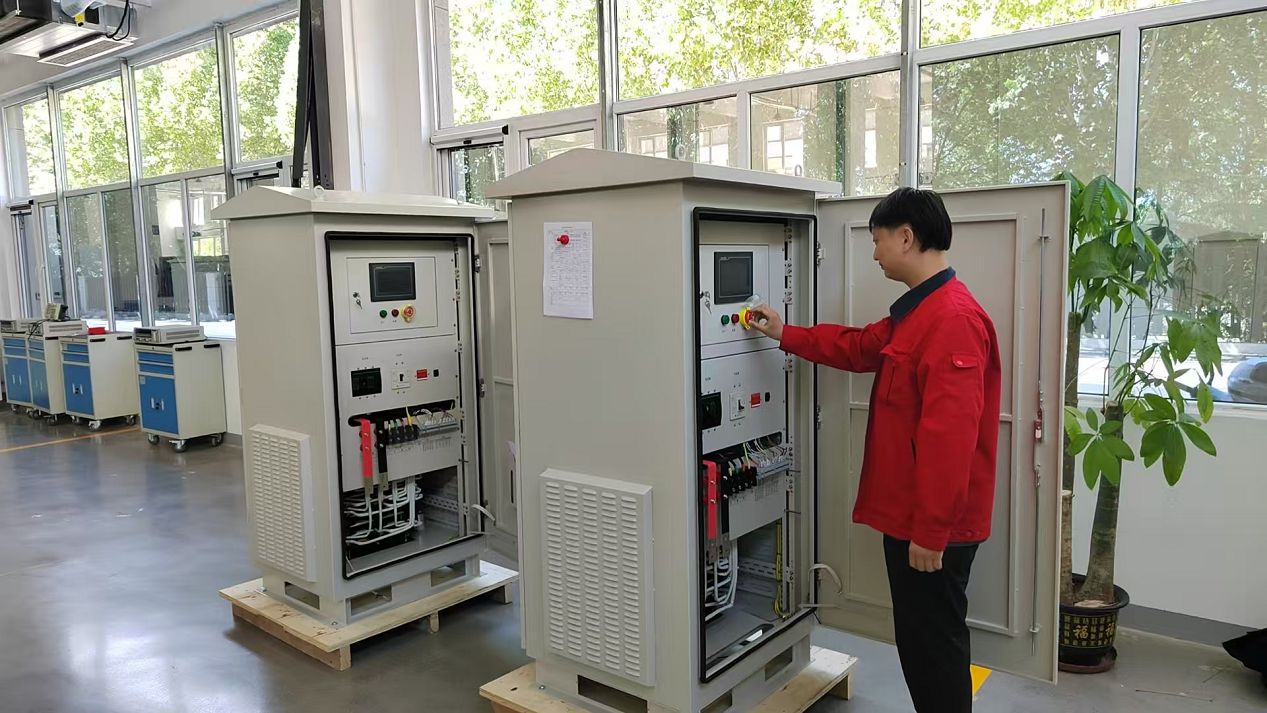 Quality Inspection
Technical Infrastructure & Manufacturing Advantages
How our integrated Shenzhen production facility guarantees high yield, precision tuning, and cost-efficient supply chain execution.
Operating in Shenzhen allows Sophpower to tap into the world’s most comprehensive electronics supply chain. From micro-controllers, IGBTs, and MOSFETs to custom-wound high-frequency magnetic transformers, we secure top-grade raw materials with minimized lead times. Our facility incorporates advanced fabrication processes, including precise copper bar production and advanced reflow soldering machines, reducing parasitic resistance and increasing signal integrity across all high-current paths.
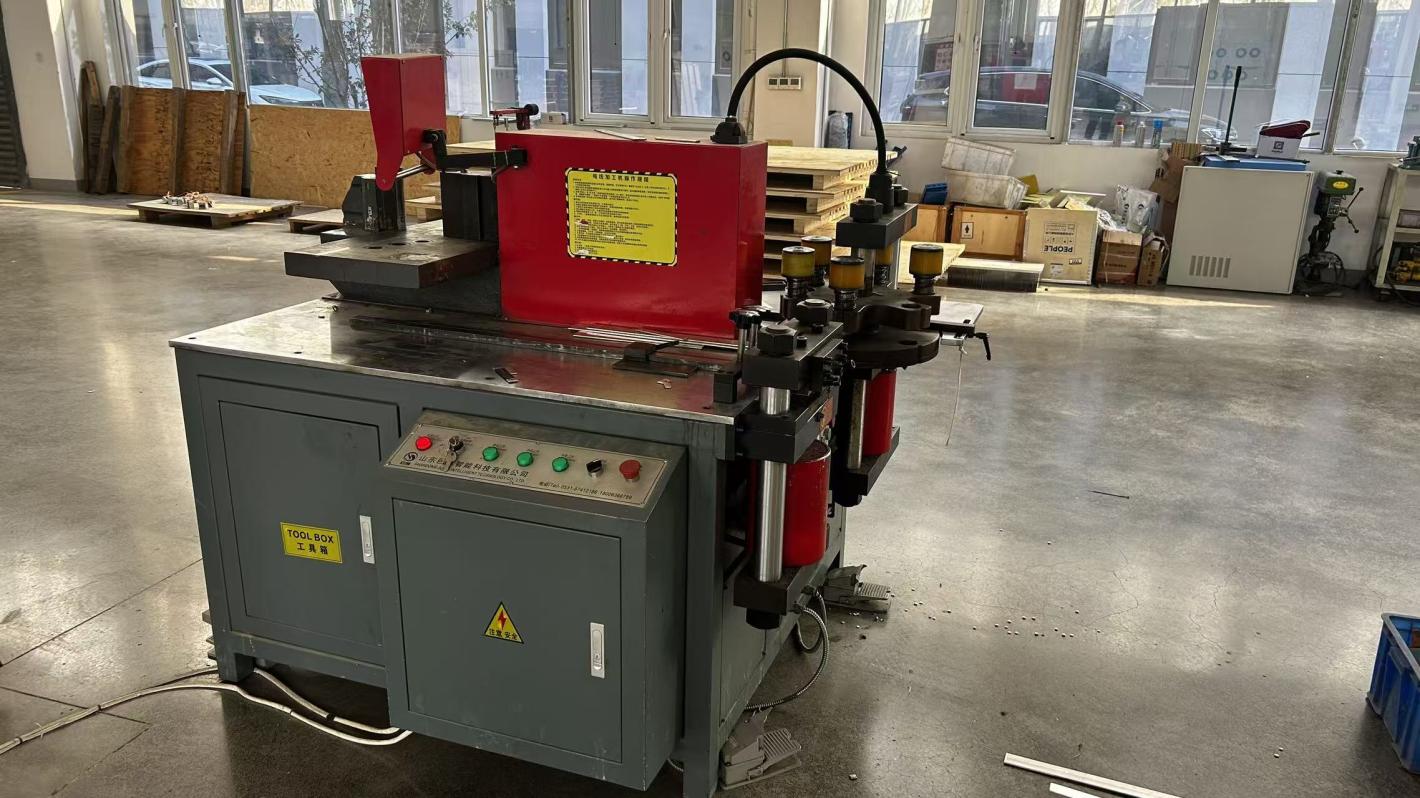 Copper Bar Production
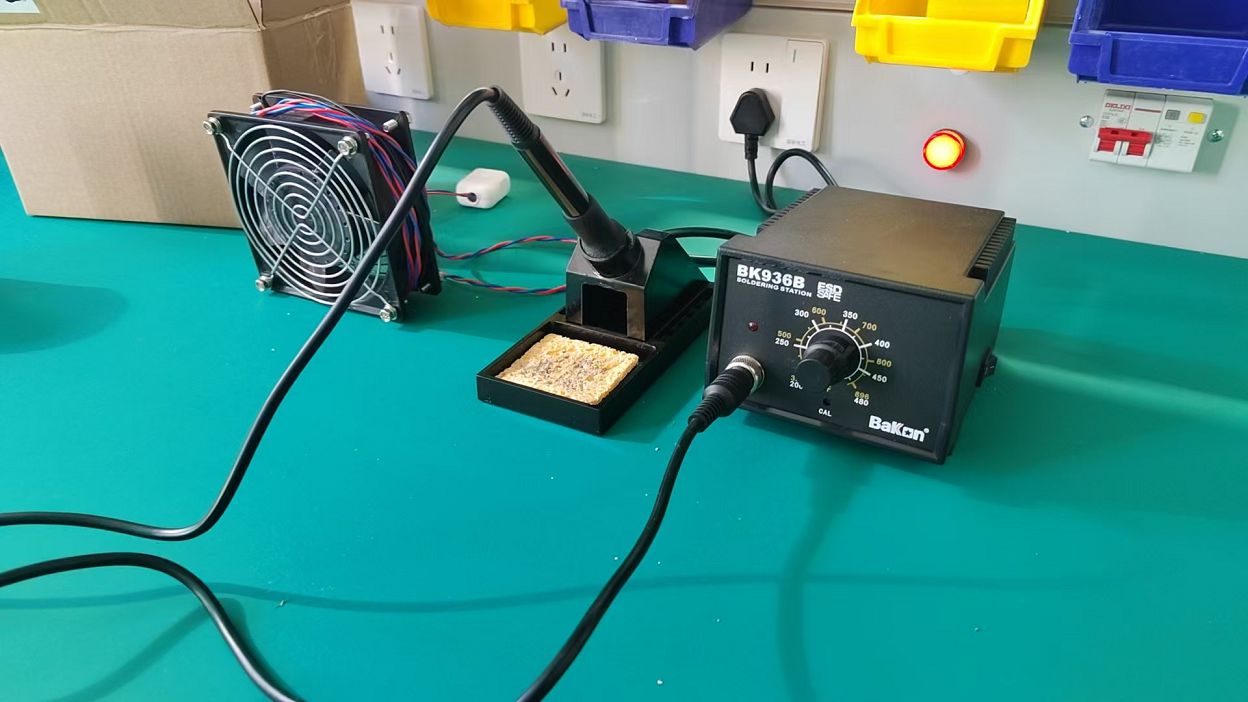 Electric Ferrowire
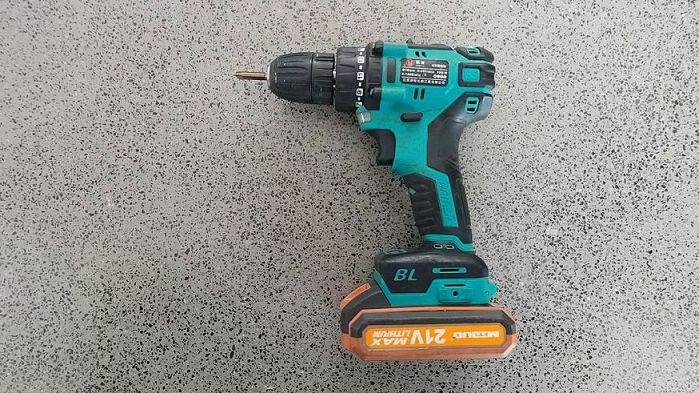 Precision Drilling
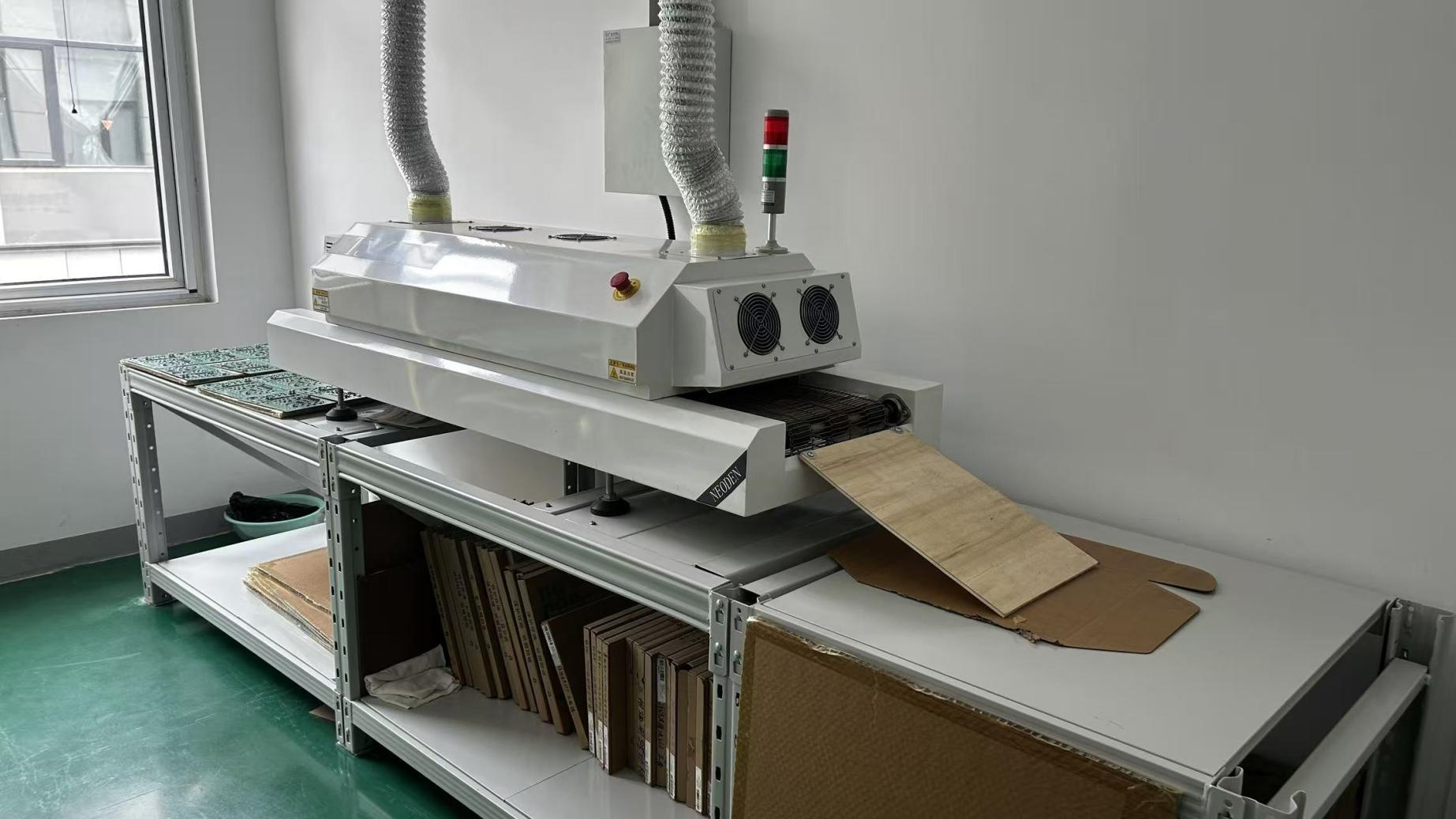 Reflow Soldering
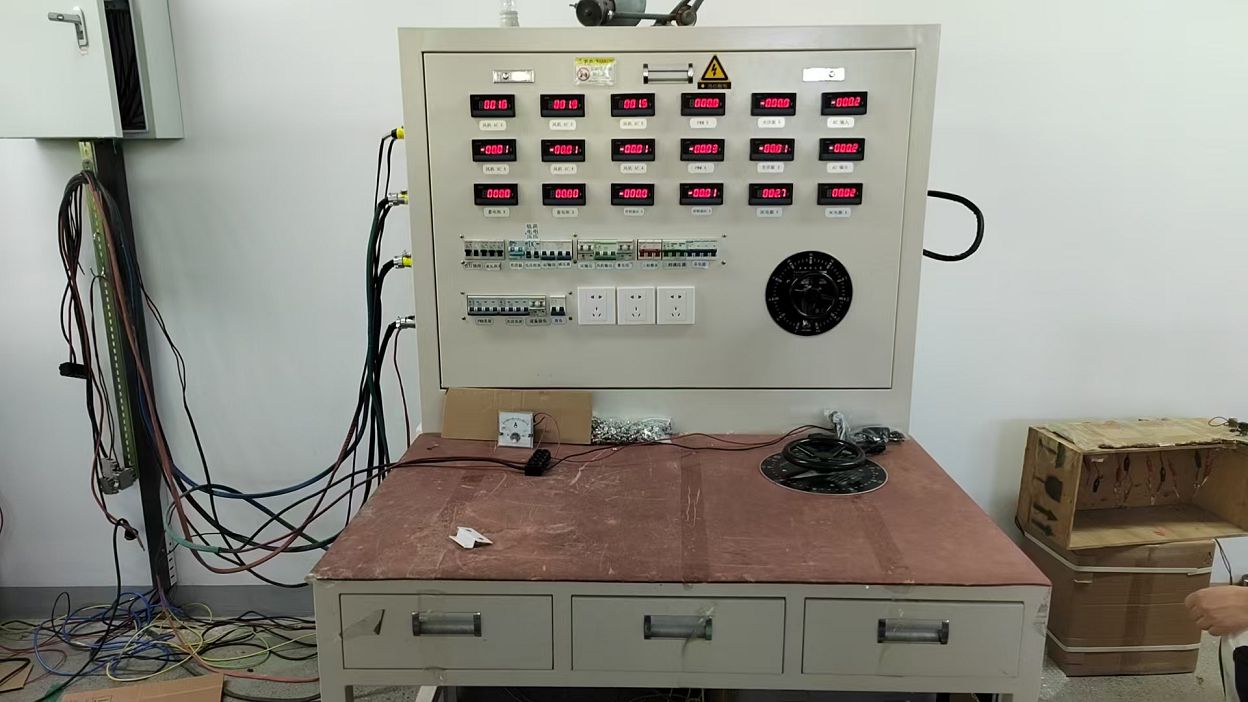 Assembly Workbench
Optimized Processing for Structural Reliability
Every piece of equipment on our assembly floor plays a critical role in achieving high MTBF (Mean Time Between Failures) parameters:
- Reflow Soldering Machine: Guarantees uniform solder joints on logic boards, preventing microscopic fractures caused by thermal cycling.
- Copper Bar Production Equipment: Shapes and cuts heavy-duty copper busbars, essential for low thermal dissipation during 600A+ continuous loads.
- Rigid Debugging & Structural Workbenches: Isolates instrumentation during initial power-on phases to protect analog sensor circuits from electromagnetic interference.
By controlling all fabrication steps in-house, Sophpower manages costs while ensuring structural integrity and conformance to international safety regulations.
Diagnostic Calibrations & Quality Control Protocols
Every Sophpower product undergoes mandatory calibration using high-tier precision diagnostics to guarantee steady-state accuracy.
Precision testing requires diagnostic equipment of equivalent or higher accuracy classes. In our testing lab, calibration engineers deploy multi-tier validation methods to inspect signal noise ratios, response dynamics, harmonic distortion, and thermal profiles. This validation is done prior to export packaging.
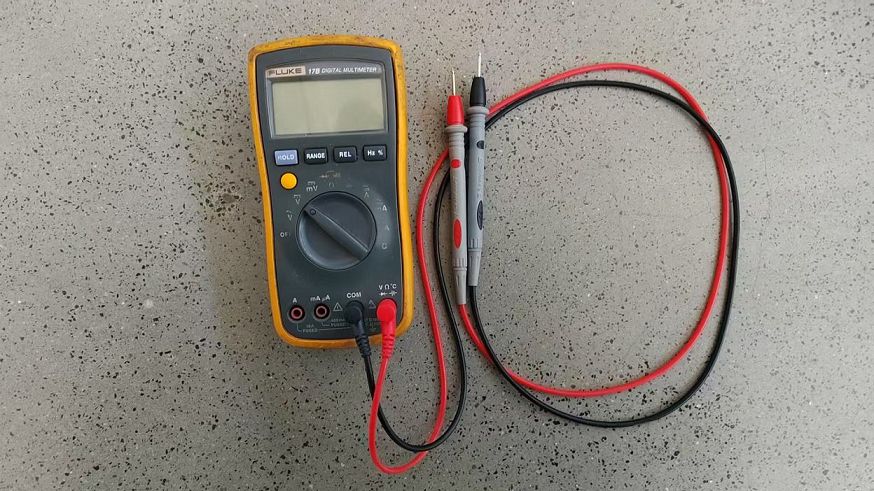 Benchtop Multimeters
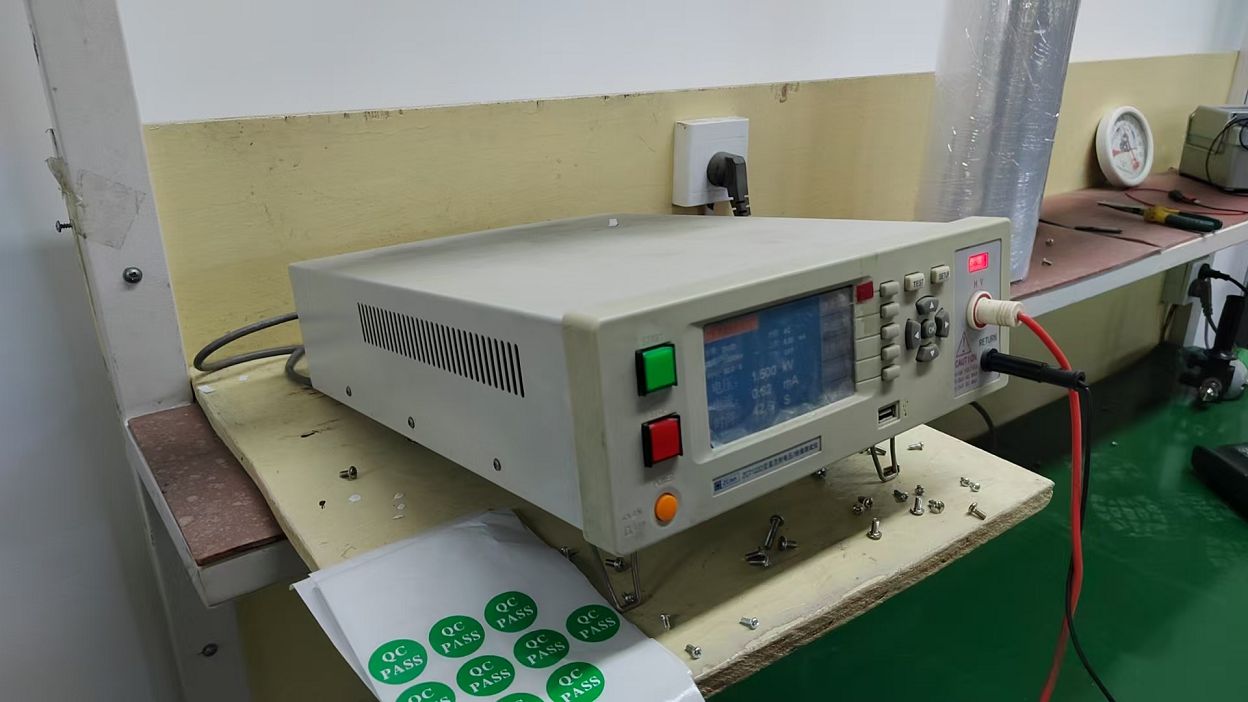 LCR AutoTesters
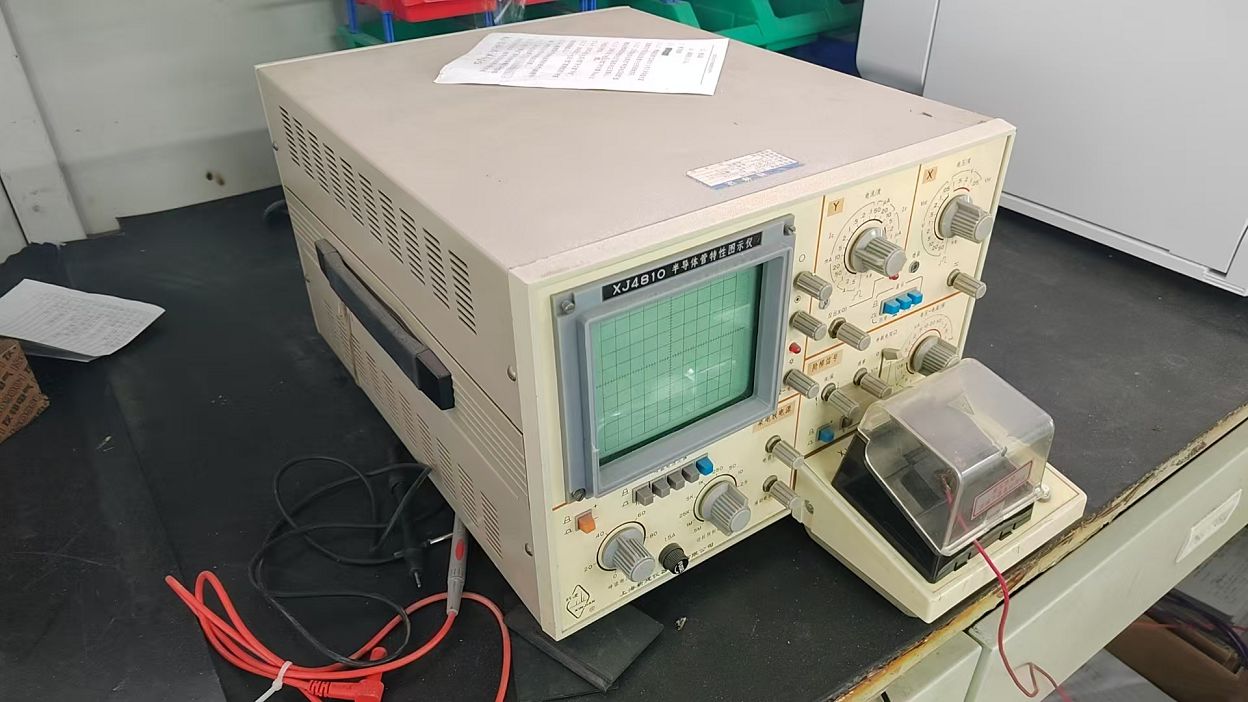 Semiconductor Plotters
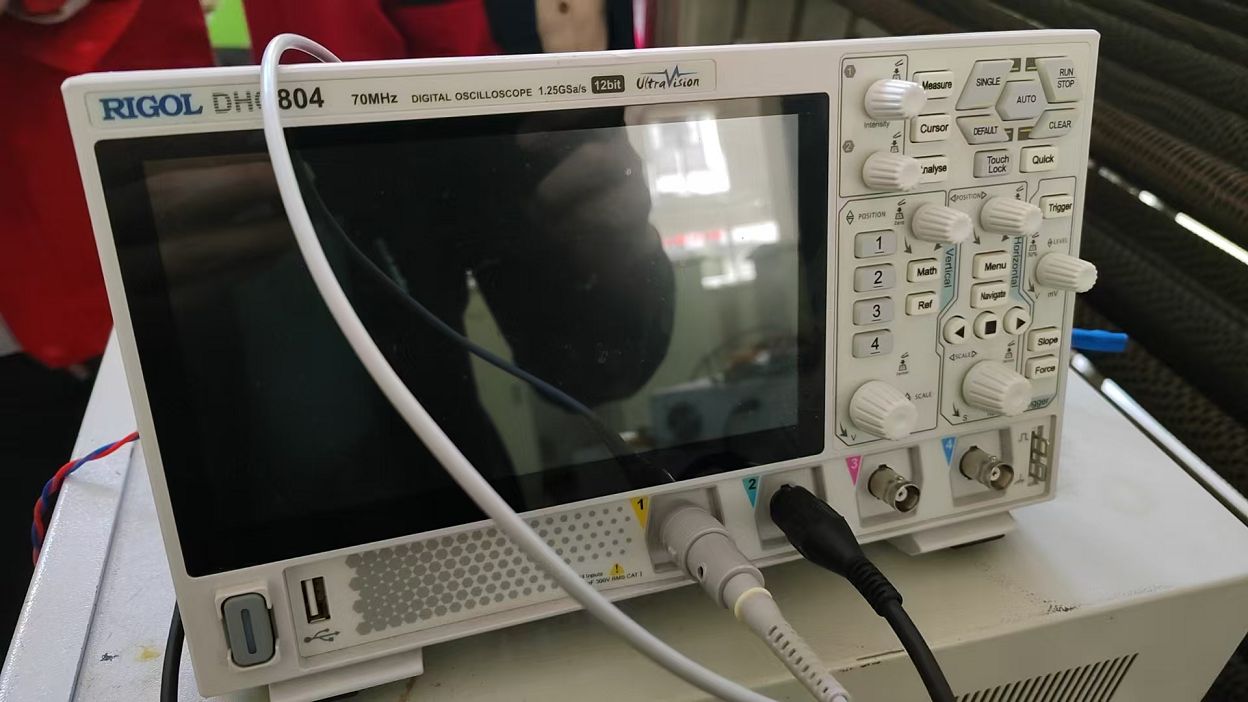
 Digital Oscilloscopes
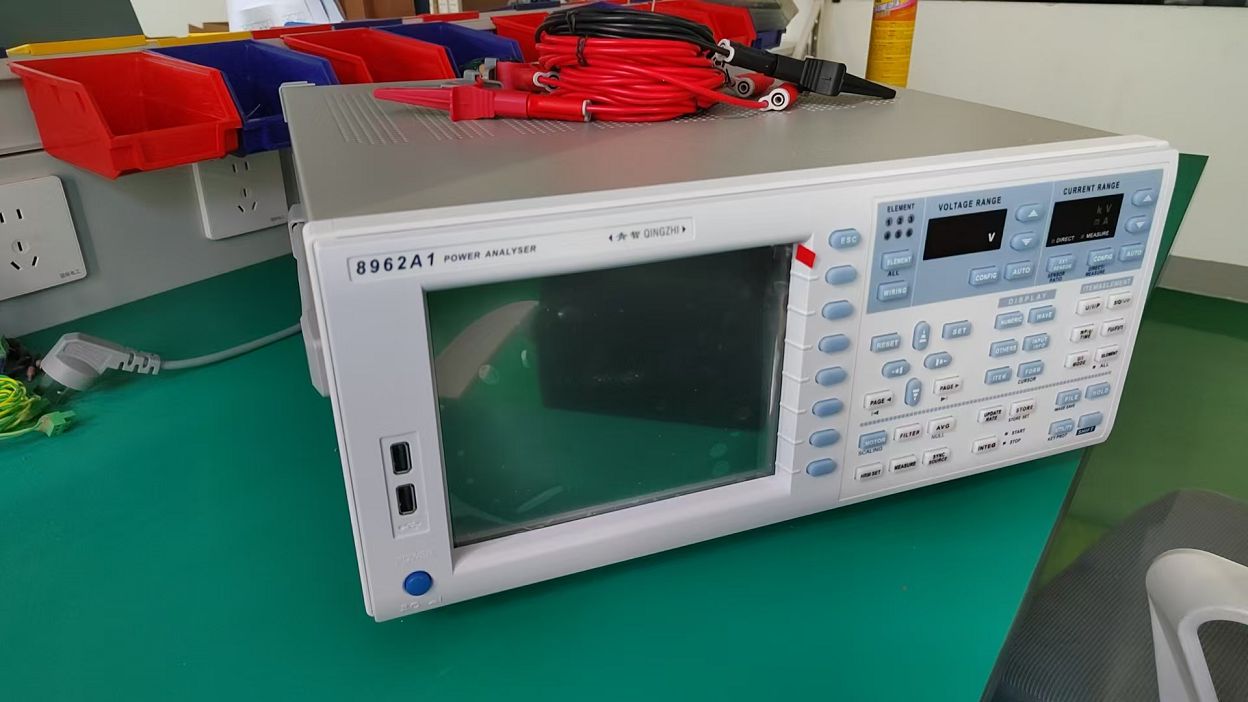
 Power Quality Analyzers
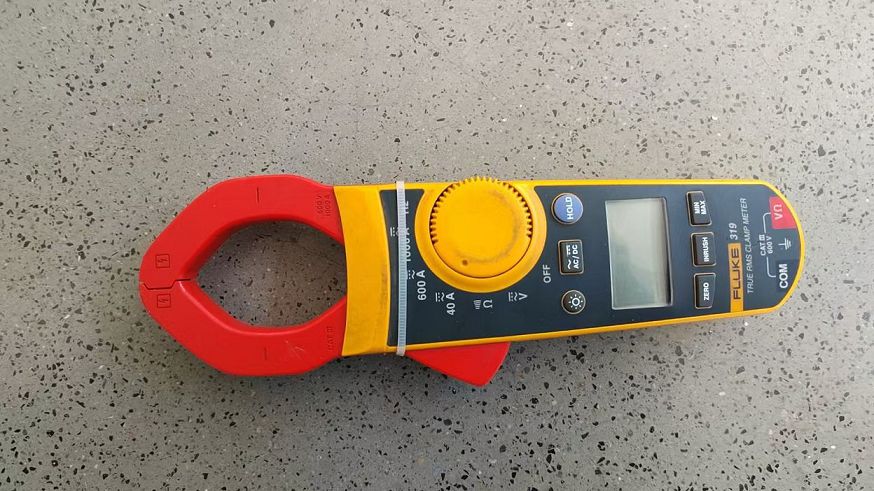 Clamp Current Meters
Using digital oscilloscopes and power quality analyzers, we trace voltage rise times and peak overshoot during abrupt current shifts. Using LCR autotesters, we match passive inductors and capacitors to minimize ripple currents. This rigorous testing approach is why Sophpower power electronics perform reliably in challenging operational settings.
Custom R&D Design Capabilities
No two testing requirements are exactly identical. Some applications necessitate rapid slew rates of up to 10 A/µs, while others need specific communication bus integrations such as CAN bus, RS485, GPIB, or Ethernet using SCPI protocols.
Our engineering team works closely with procurement departments to review drawings and schematic models, ensuring that the custom systems we build match our customers' technical interfaces. Our computer-aided design (CAD) workflow shortens custom prototyping, taking custom designs from concept to completed, tested units in weeks rather than months.
 Drawing & Schematic Design
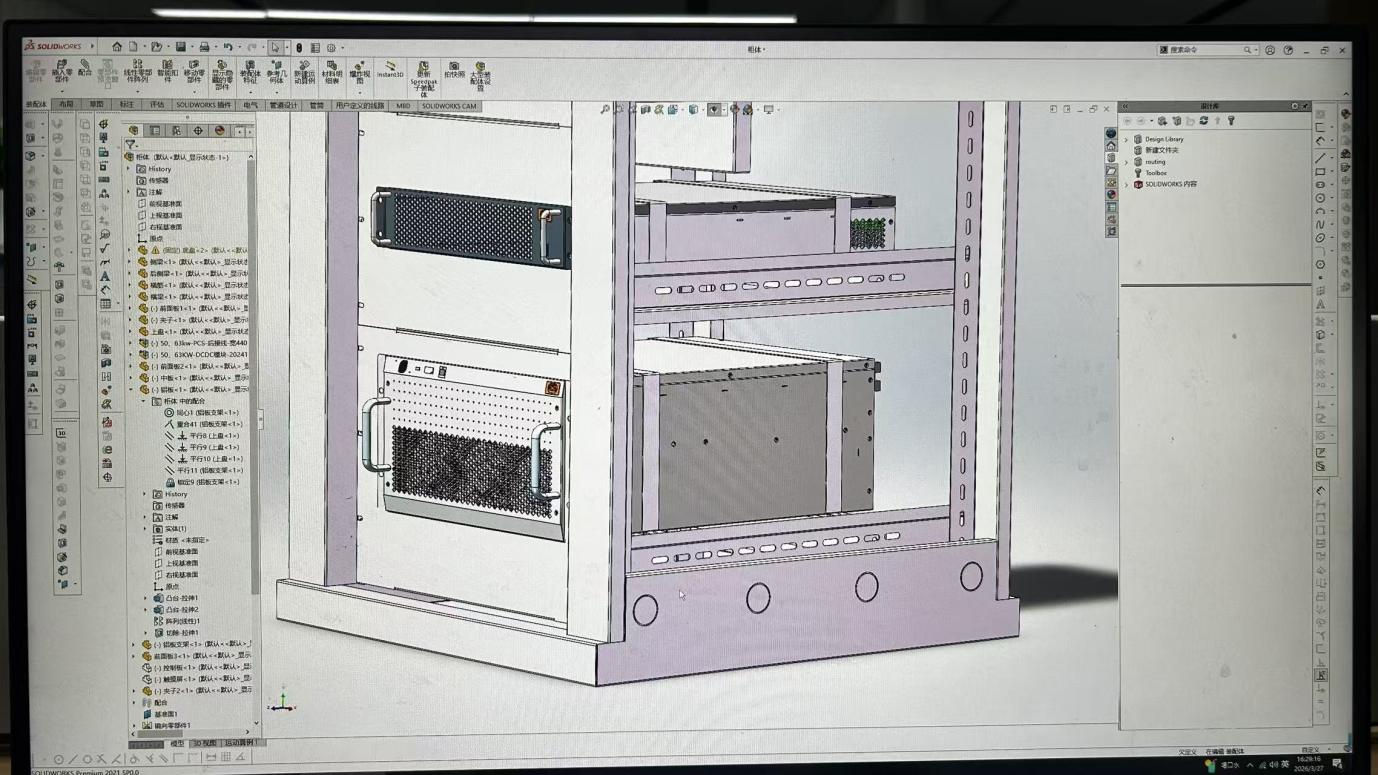 Computer CAD Modeling
Future Technological Horizons in Electronic Load Designs
The electronic load landscape is shifting rapidly due to several key developments:
- Wide Bandgap (WBG) Semiconductors: Integrating Silicon Carbide (SiC) and Gallium Nitride (GaN) components allows electronic loads to switch faster, handle higher voltages, and minimize internal thermal losses, resulting in smaller footprints.
- Bidirectional Energy Flows: Unified test benches now combine programmable DC power supplies and regenerative electronic loads into a single bidirectional unit, simplifying lab setups.
- Automated Hardware-in-the-Loop (HIL) Testing: Real-time hardware emulation allows engineers to simulate complex grid anomalies, battery aging curves, and sudden dynamic load steps safely under lab-controlled conditions.
Technical Sourcing Q&A & FAQ
Key technical answers to guide engineers and procurement specialists when sourcing industrial testing equipment.
1. What is the fundamental difference between standard resistive loads and programmable electronic loads?
Traditional resistive load banks present a fixed resistance, where current changes directly with voltage. Programmable electronic loads dynamically control current, voltage, resistance, or power levels using active semiconductor networks. This enables complex, non-linear load simulations and transient profiles necessary for validating modern batteries, EV drives, and switching power supplies.
2. Why is transient response slew rate critical for evaluating switching power systems?
Slew rate (typically measured in A/µs or A/ms) determines how quickly an electronic load can change its current draw. High-speed slew rates enable testing of a power supply’s transient recovery envelope, ensuring it can handle sudden load steps without triggering voltage drop-offs or system resets.
3. What benefits do regenerative DC electronic loads offer to commercial testing facilities?
Regenerative electronic loads convert the absorbed DC energy back into clean, synchronized AC power that is fed directly into the local utility grid. By recovering up to 95% of the test energy, they reduce electricity costs and minimize heat output, lowering the need for expensive air conditioning systems in high-power test environments.
4. How does Sophpower ensure quality control on high-voltage equipment?
Every Sophpower unit undergoes a structured QA protocol. This includes automated optical inspections of PCBs, high-voltage insulation tests, extended burn-in cycles under load, and final calibration using traceable laboratory digital oscilloscopes, power quality analyzers, and precision multimeters.
5. Can Sophpower customize voltage and current parameters for specialized grid test beds?
Yes. We specialize in engineering custom testing equipment. Our R&D team works from initial design schematics to create customized power ratings, special housing configurations, and specific interfaces like CAN, RS485, and Ethernet using SCPI command sets.
Additional High-Performance Power Systems
Discover our broad selection of programmable DC loads, frequency converters, and automatic AC voltage regulators.