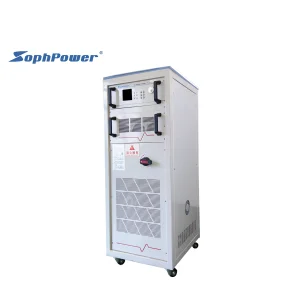
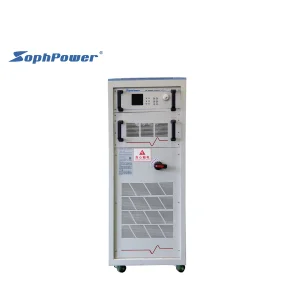
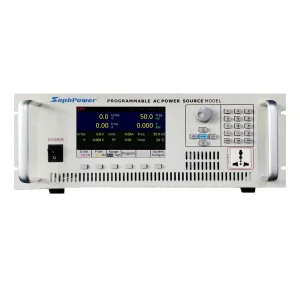
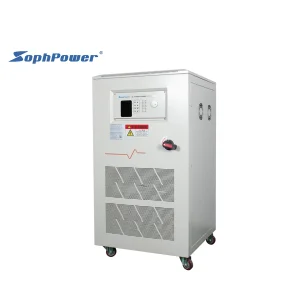
Precision Programmable Power & Control Systems
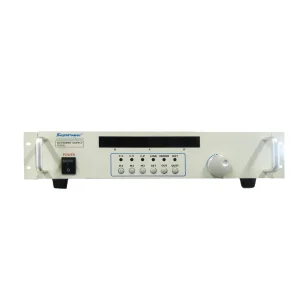
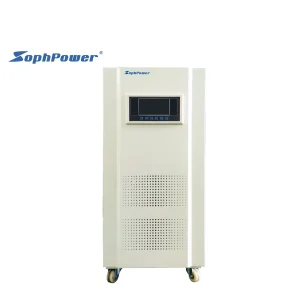
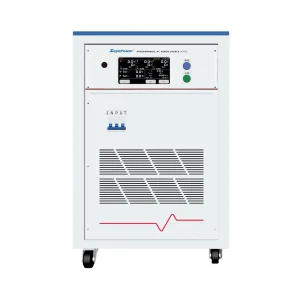
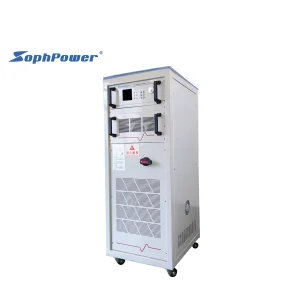
Explore our industrial-grade, programmable variable frequency converters, linear AC/DC sources, and voltage regulators designed to power and test commercial LED controller systems.
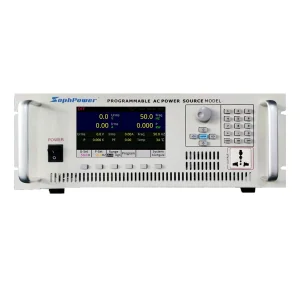
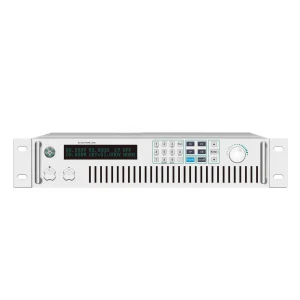
The Global LED Controller & Industrial Control Landscape
Deep-dive research into solid-state lighting infrastructures, smart control mechanisms, and the crucial role of power stabilization.
1. The Evolution of Smart LED Controller Topologies
Modern architecture is increasingly reliant on smart lighting grids. From dynamic stadium displays and outdoor media facades to industrial high-bay grids, the demands placed on LED controllers have scaled exponentially. No longer simple PWM dimming units, contemporary LED controllers operate on complex fieldbus configurations (DALI-2, Art-Net, DMX512-A, and wireless BLE mesh) to translate digital signals into precise visual matrices.
However, an LED controller is only as stable as the power supply energizing it. As these controllers integrate highly sensitive microprocessors, IoT antennas, and fast-switching MOSFET components, they become highly vulnerable to grid anomalies. High inrush currents during cold starts can degrade controller capacitors, while harmonic distortion in the supply lines can disrupt signal modulation, leading to flicker or catastrophic node failure. This is why global LED system developers rely on high-precision programmable testing power supplies during production and burn-in validation.
2. The Shenzhen Manufacturing and Design Advantage
Shenzhen, China, serves as the ultimate epicentre for solid-state lighting and electronics fabrication. The localized supply chain density offers an unmatched operational efficiency advantage. From raw PCB layout and copper bar production to advanced SMT lines and automated testing, Shenzhen manufacturers achieve a rapid prototype-to-market cycle that is impossible to replicate elsewhere.
For international buyers and procurement officers, sourcing LED controllers and matching power conversion devices directly from a specialized factory ensures high customizability. Whether you require precise 50Hz/60Hz conversion, variable DC outputs to simulate automotive battery fluctuations (e.g., 0-40V, 60V 50A testing setups), or ruggedized cabinet systems capable of handling harsh environments, Shenzhen's engineering clusters offer integrated production pathways that optimize BOM (Bill of Materials) costs while preserving premium components.
Why Clean Power Conditioning Dictates LED Controller Longevity
Understanding the electrical challenges behind major LED system failures and the necessity of programmable power testing.
Mitigating Harmonic Distortion and Voltage Transients
In large-scale commercial LED installations (such as smart city street lighting grids or high-density LED displays), the aggregated power supplies behave as non-linear loads. This generates massive harmonic distortion back into the local distribution network. When electrical noise and voltage fluctuations occur, the controllers' wireless microchip units and logic gates run hot, resulting in dropped control packets or system crashes.
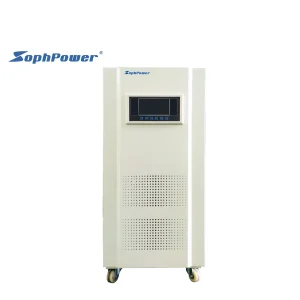
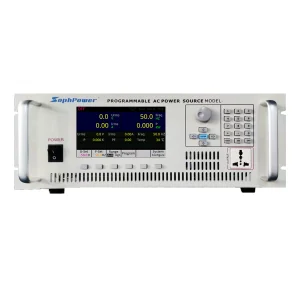
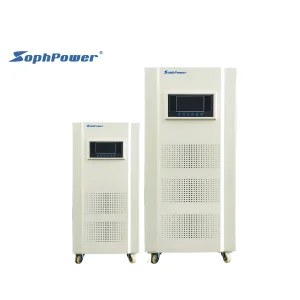
By implementing Automatic AC Voltage Regulators and stabilizers, operators can stabilize voltage margins within ±1% deviation. During the design and validation phases, utilizing a Programmable Linear AC Power Source allows engineers to inject voltage sags, surges, and frequency fluctuations deliberately to verify the fault-tolerance limits of the LED controller before mass deployment.
Strict Quality Standards and Simulation Setup
For high-reliability sectors such as marine lighting or aviation signaling, LED controller devices must be qualified under specific frequency ranges (often up to 400Hz). Utilizing high-capacity 45Hz-400Hz variable frequency converters guarantees that testing protocols match the harsh, real-world electrical conditions found in ships, trains, and aircraft generators. This systematic validation is crucial for fulfilling strict international certification standards like CE, FCC, and UL.
State-of-the-Art Power & Controller Testing Facilities
Established in 2006, Sophpower Electronics has developed a formidable R&D and manufacturing infrastructure, ensuring every unit meets rigorous industrial standards.
Shenzhen Sophpower Electronics Co., Ltd. was established in 2006, located in Shenzhen, China. As a High-tech enterprise with sustainable and rapid growth, Sophpower has a group of technical engineers with rich experience in the field of testing power supply. Our main products include AC Power Sources, Linear AC Power Sources, Bidirectional AC Power Sources, DC Power Supplies, Bidirectional DC Power Supplies, Voltage Regulators, and UPS. We specialize in providing customized test power supplies fully tailored to our clients' precise industrial demands.
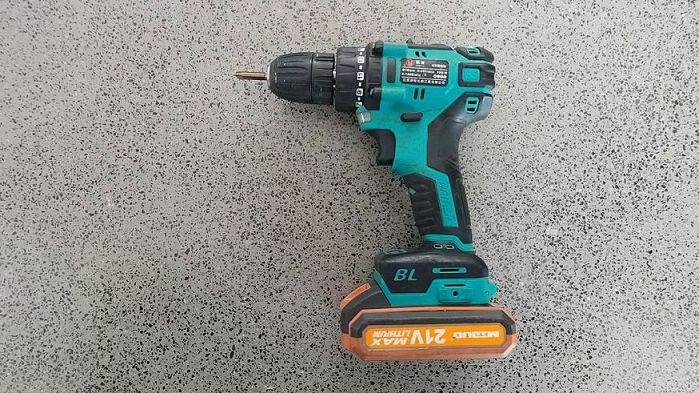
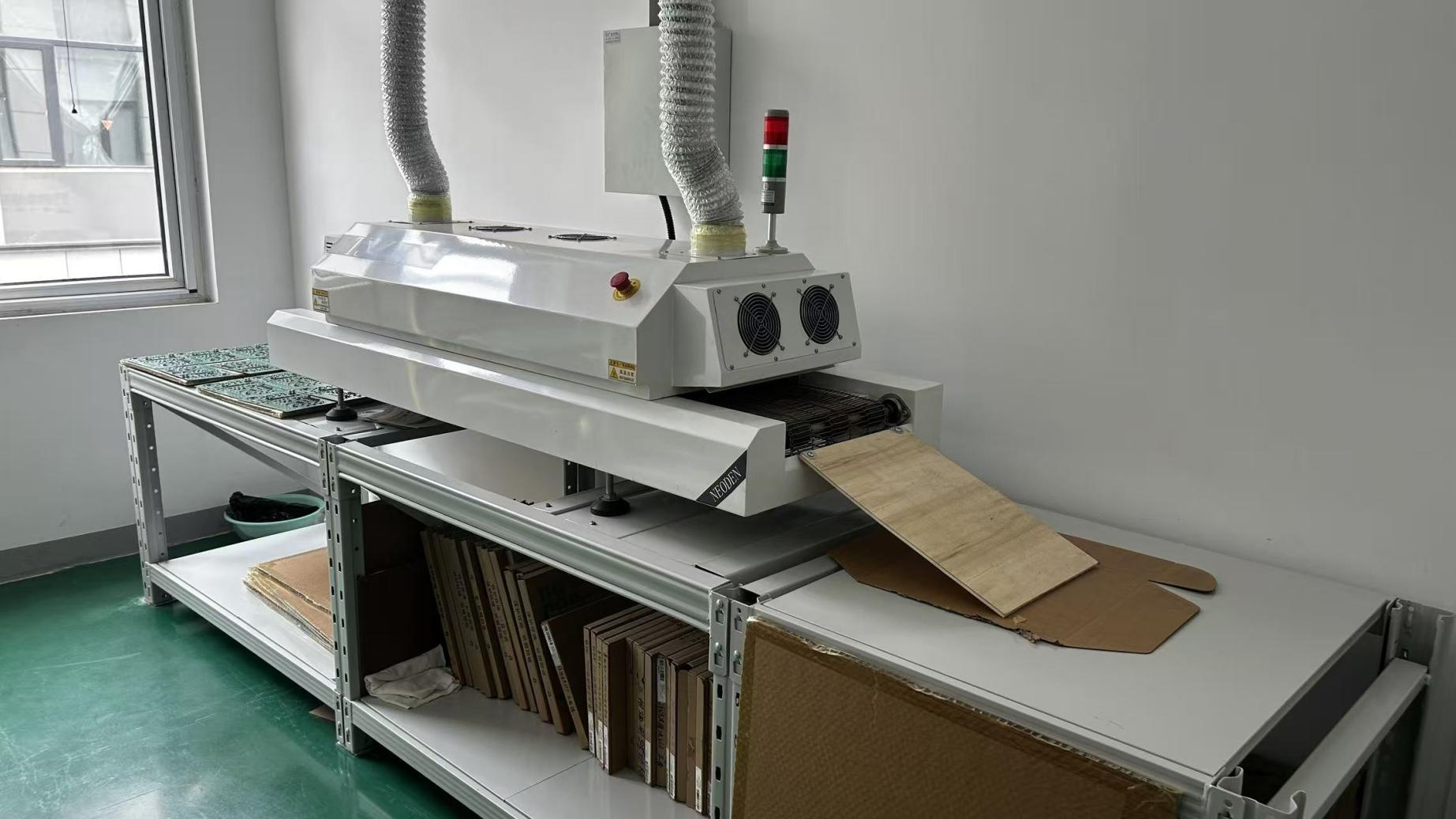
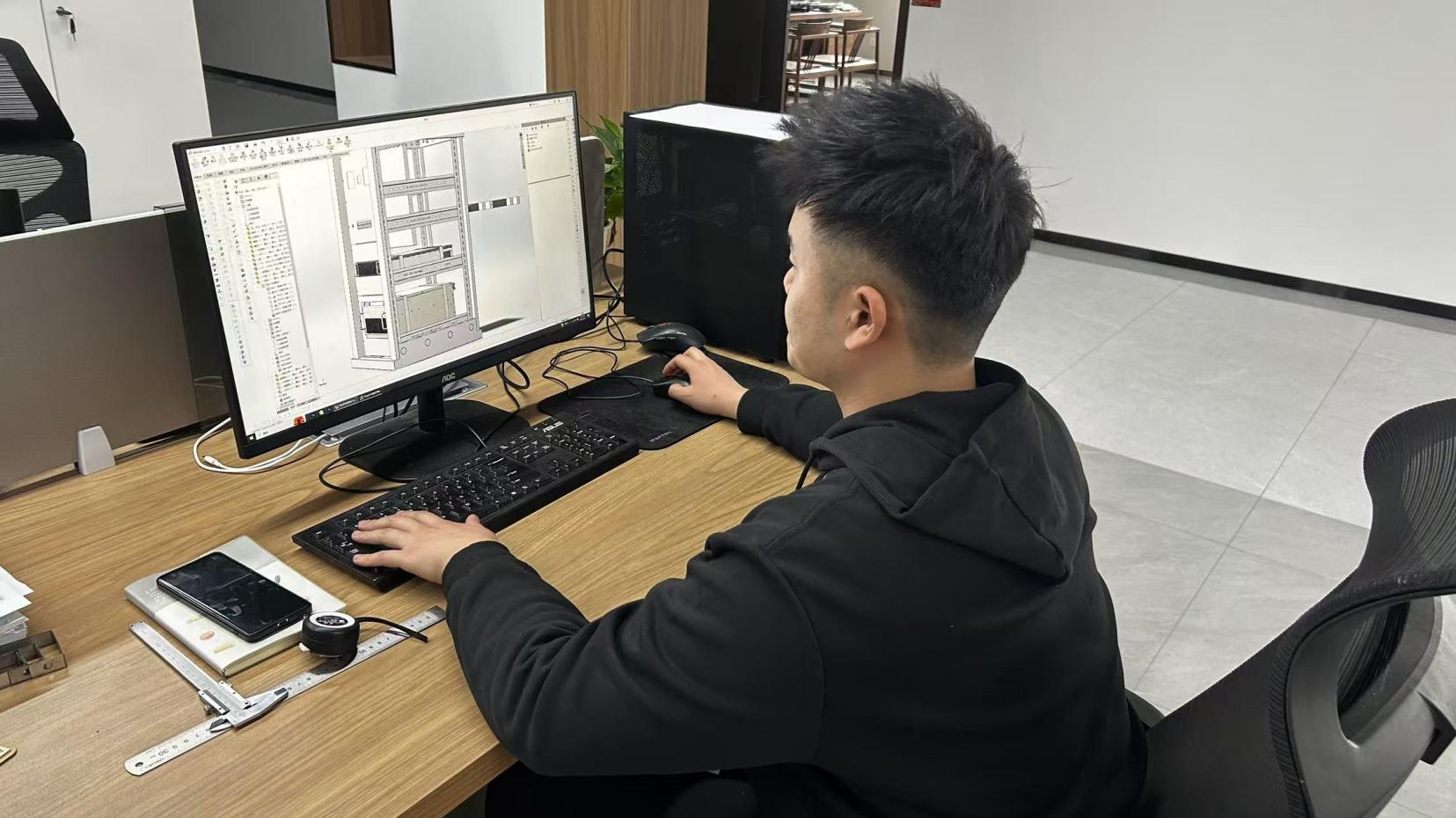
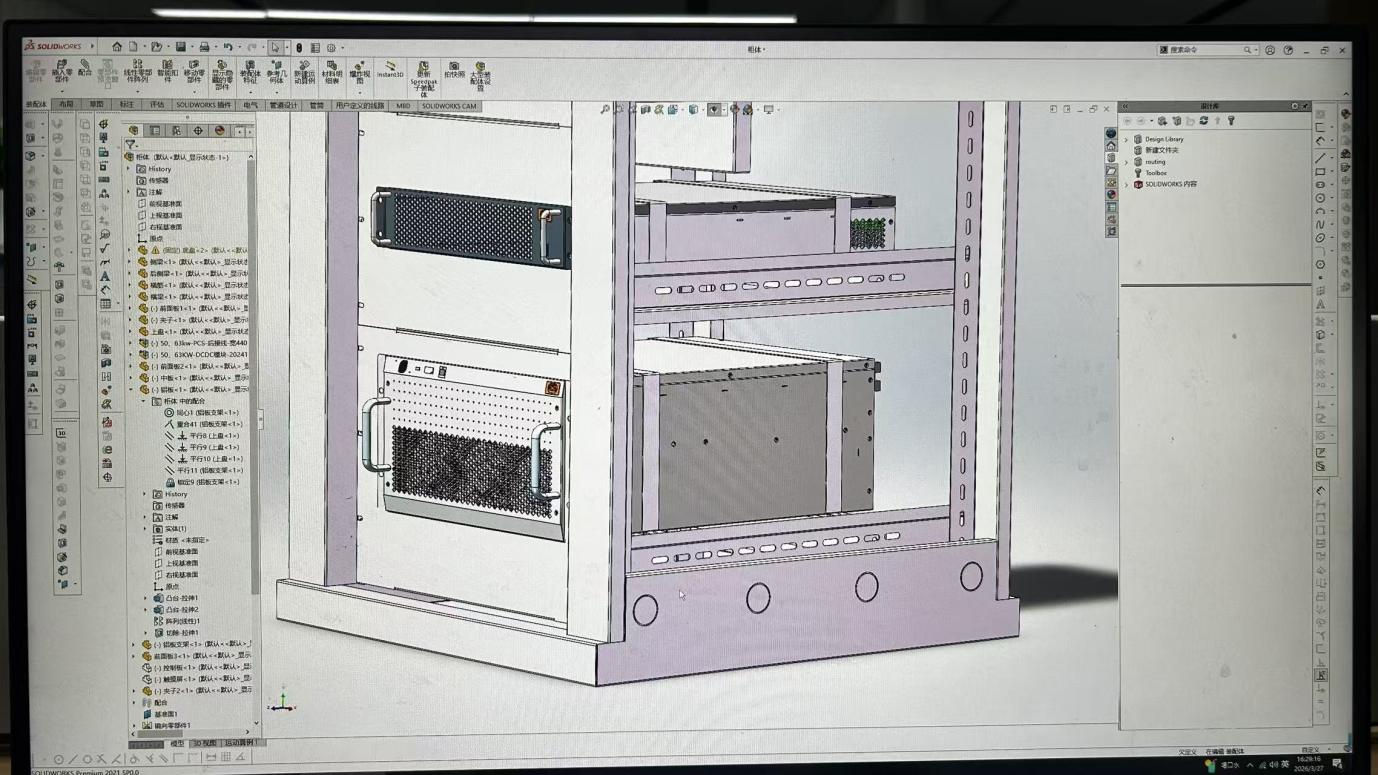
Manufacturing Process & Equipment Showcase
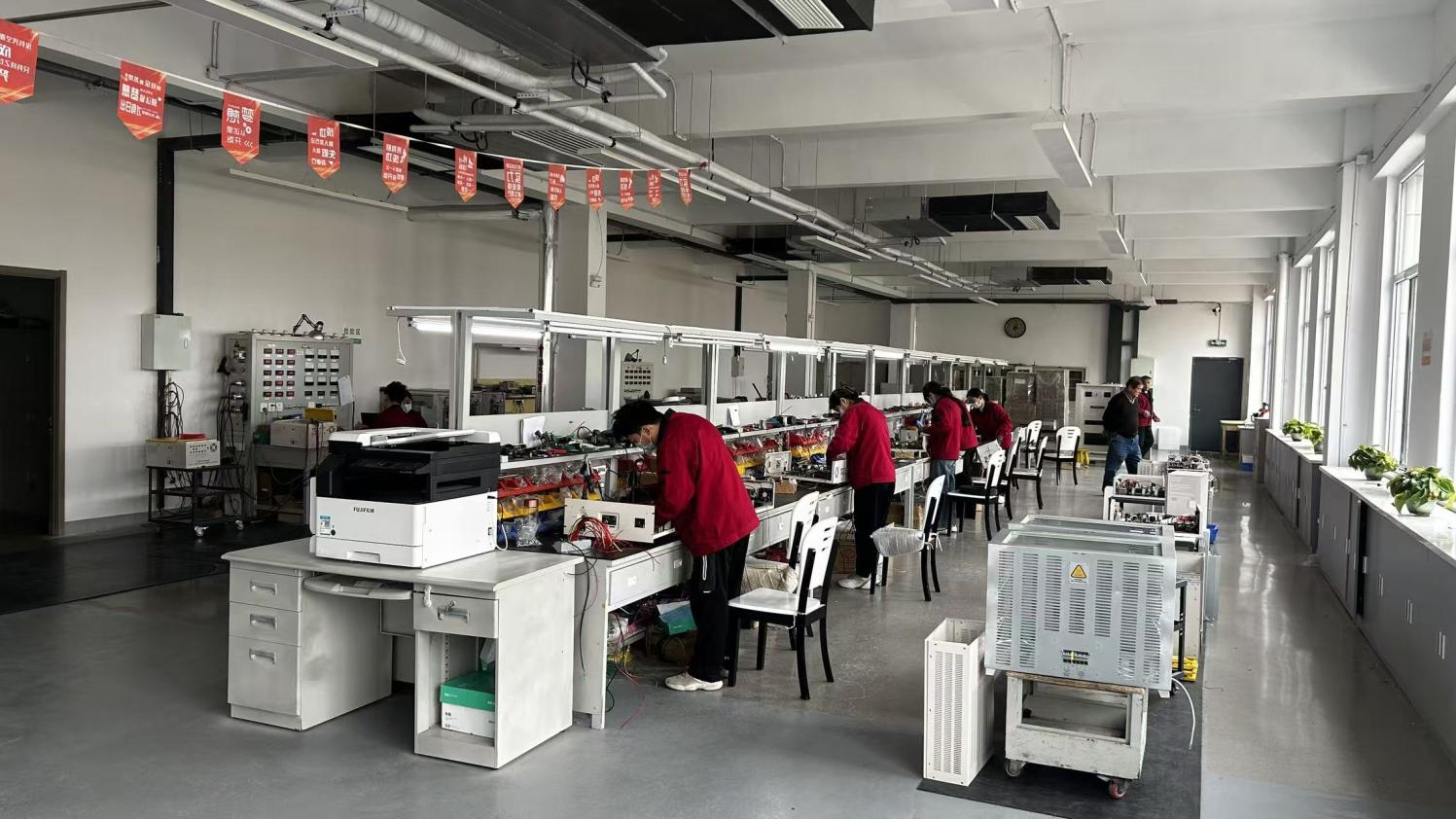
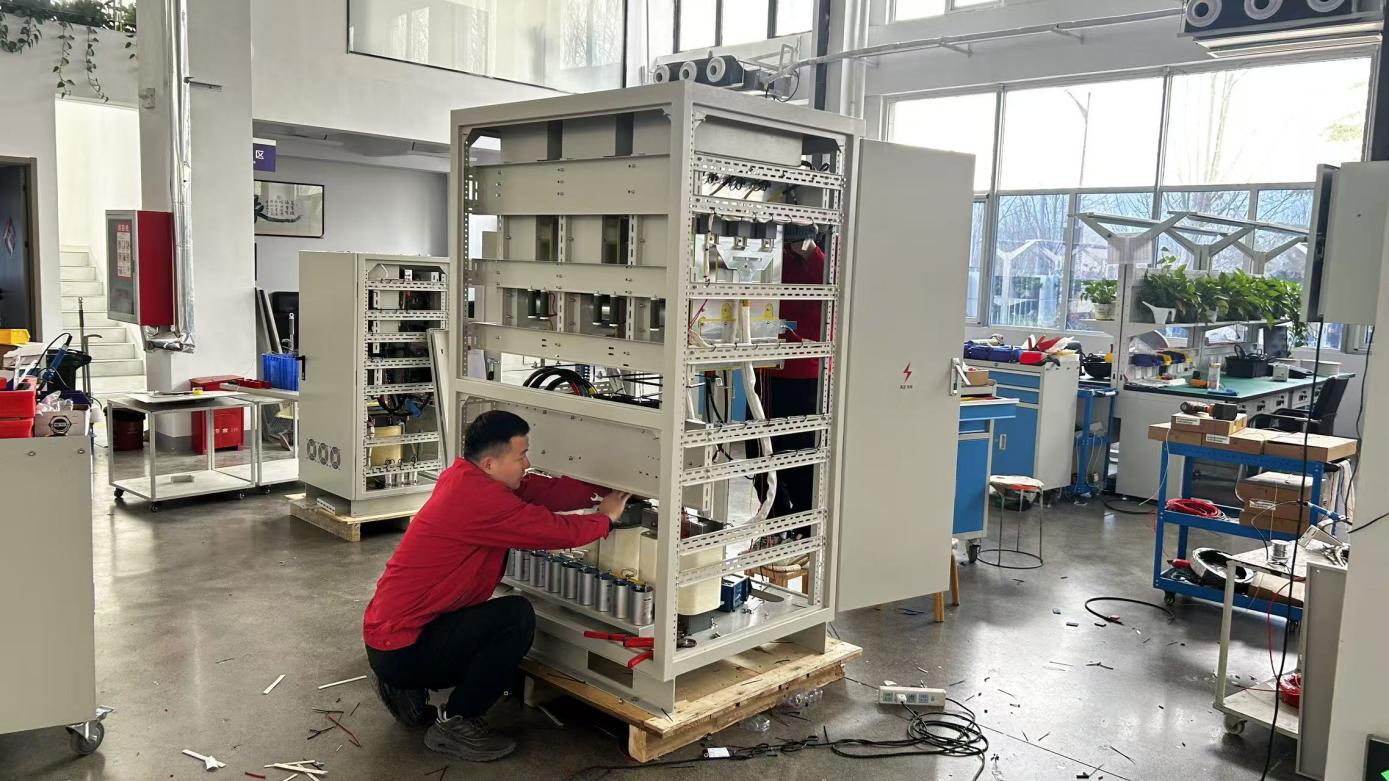
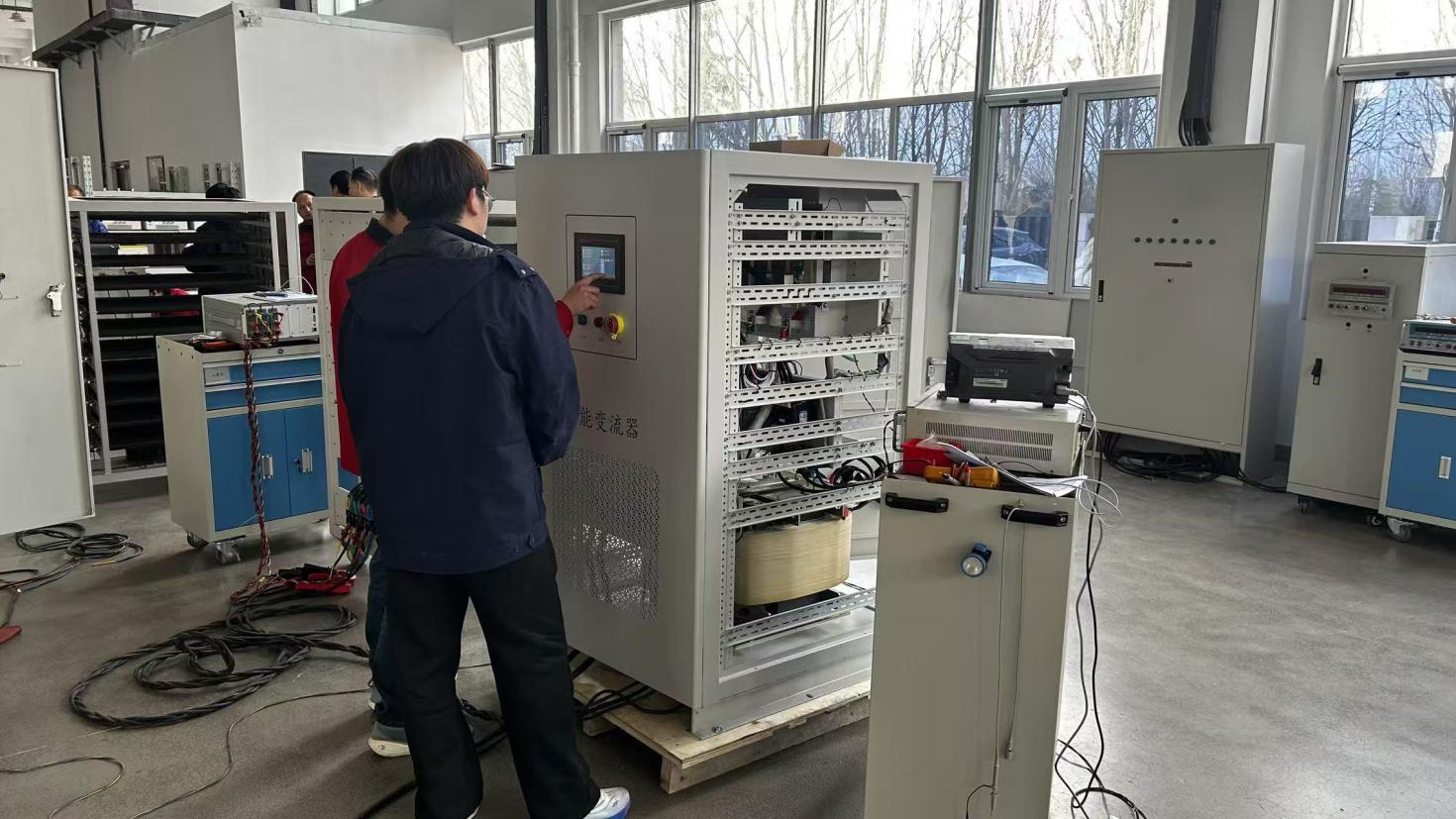
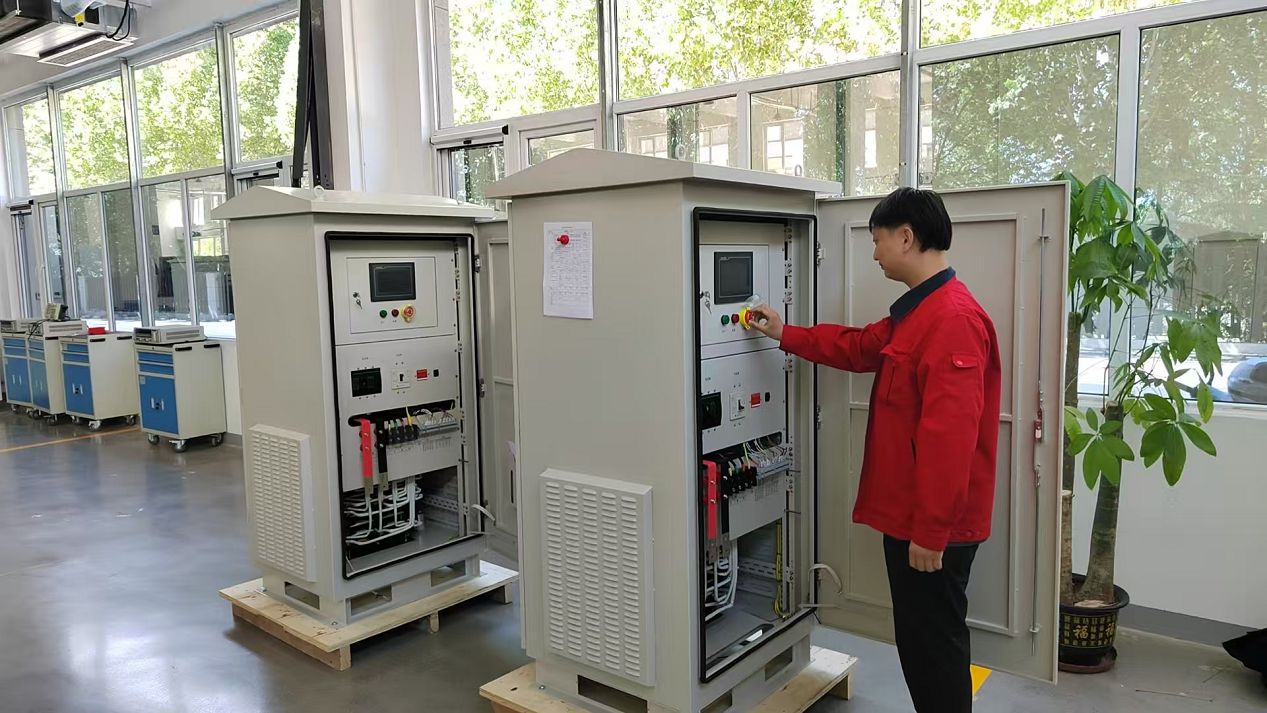
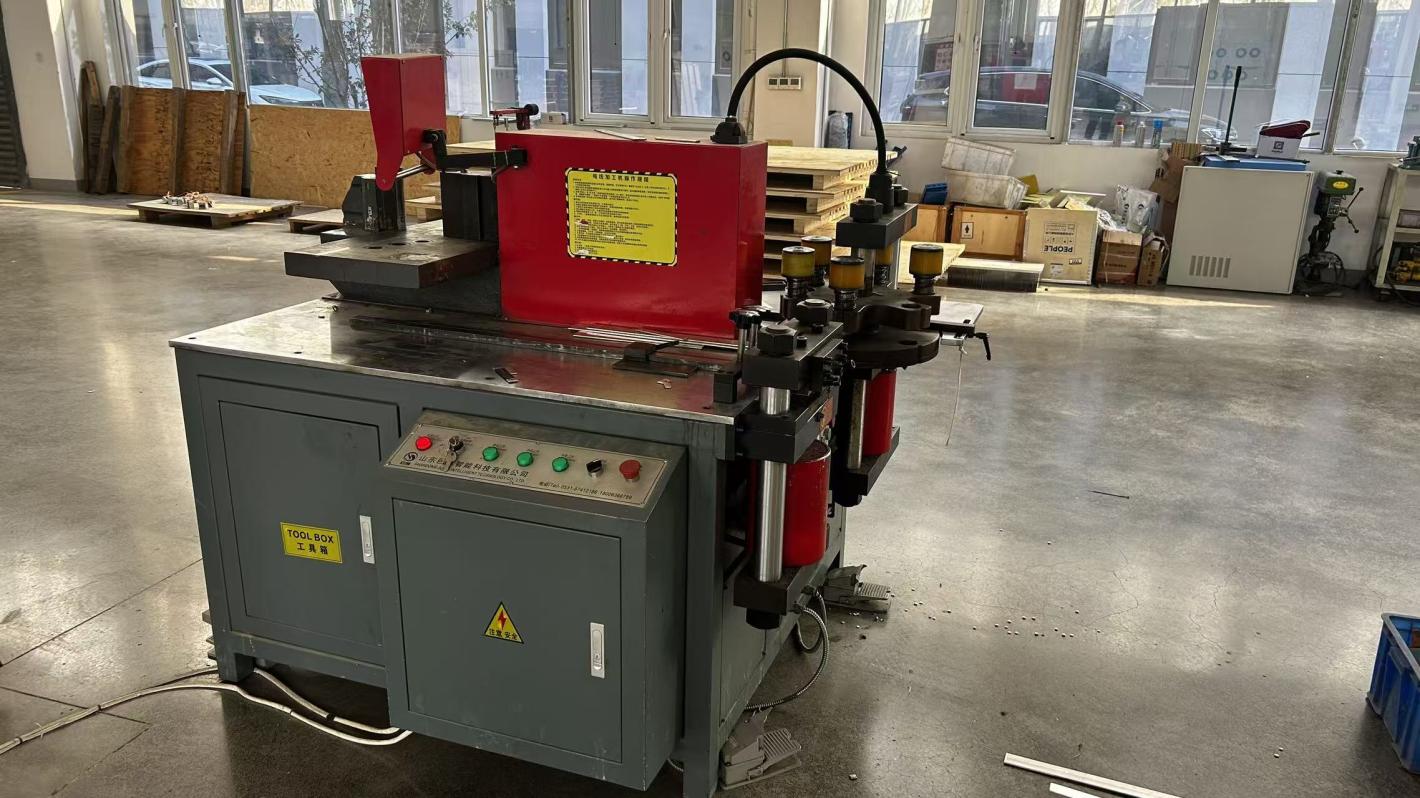
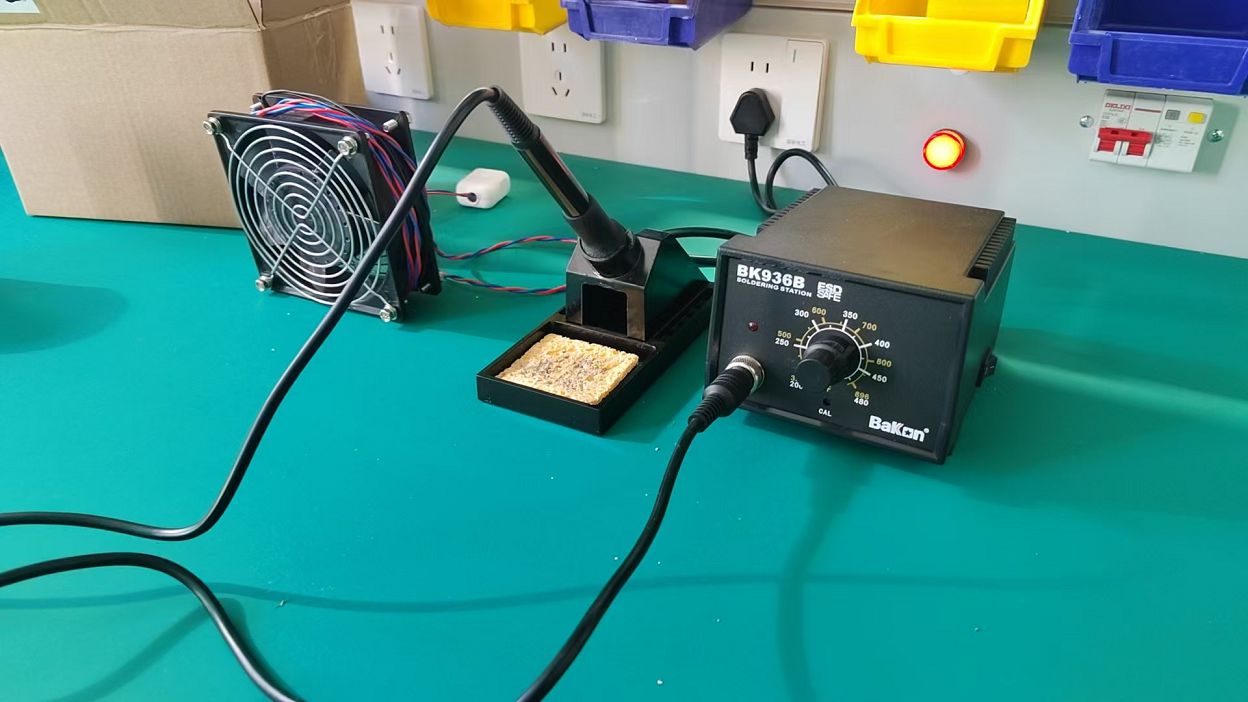
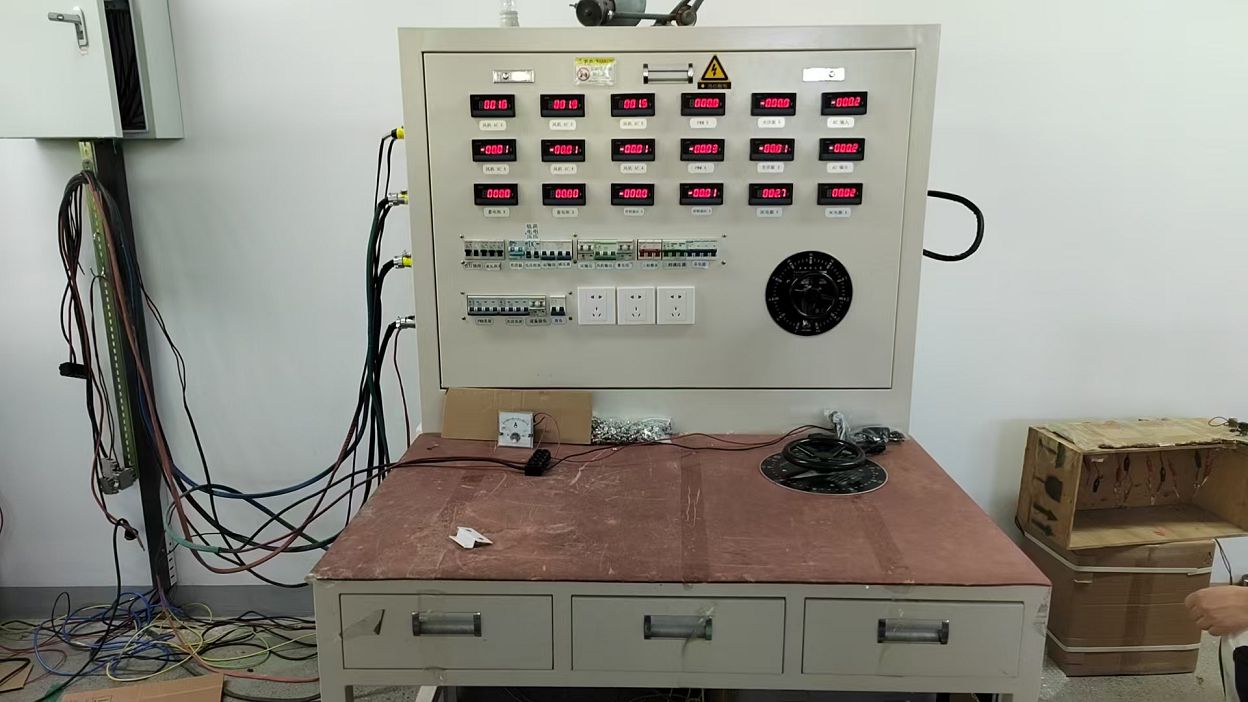
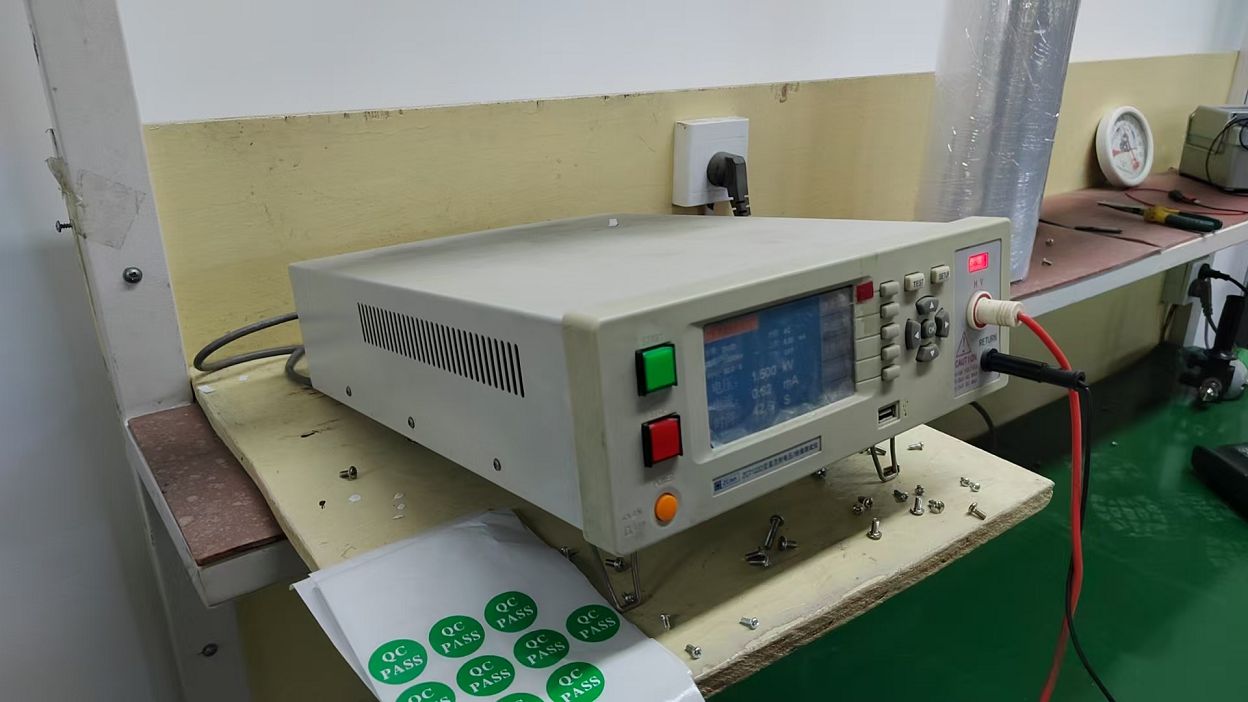
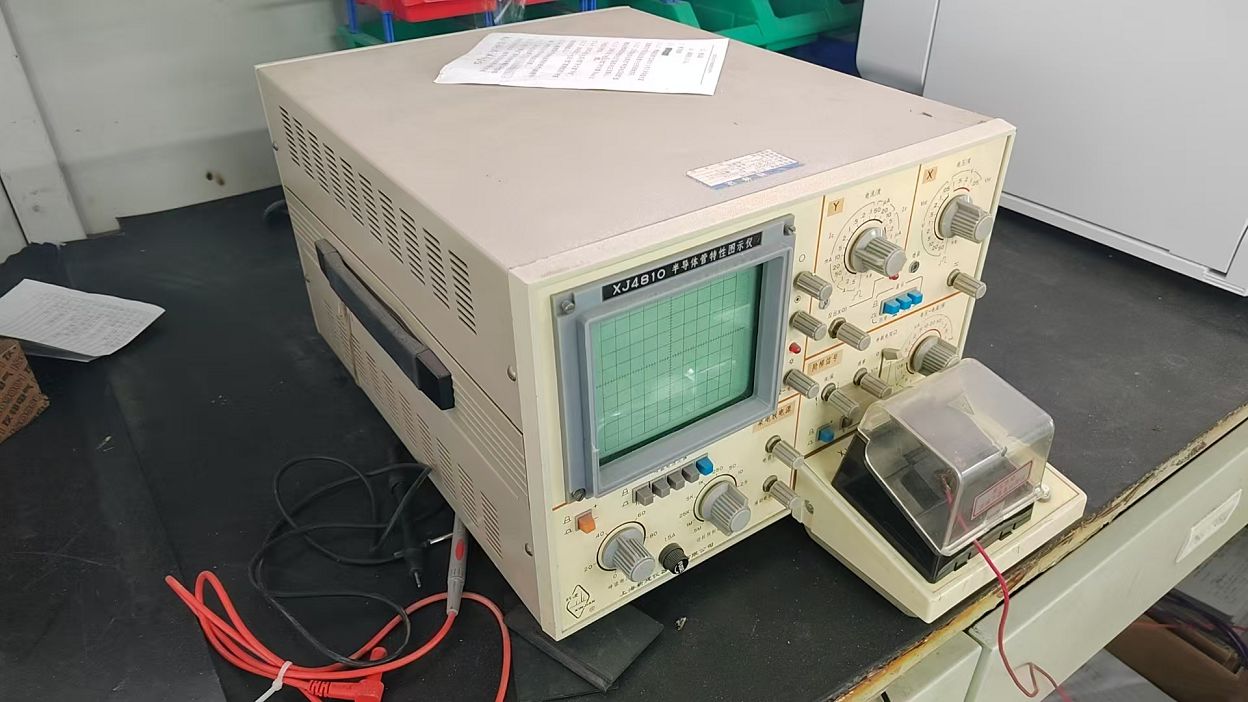
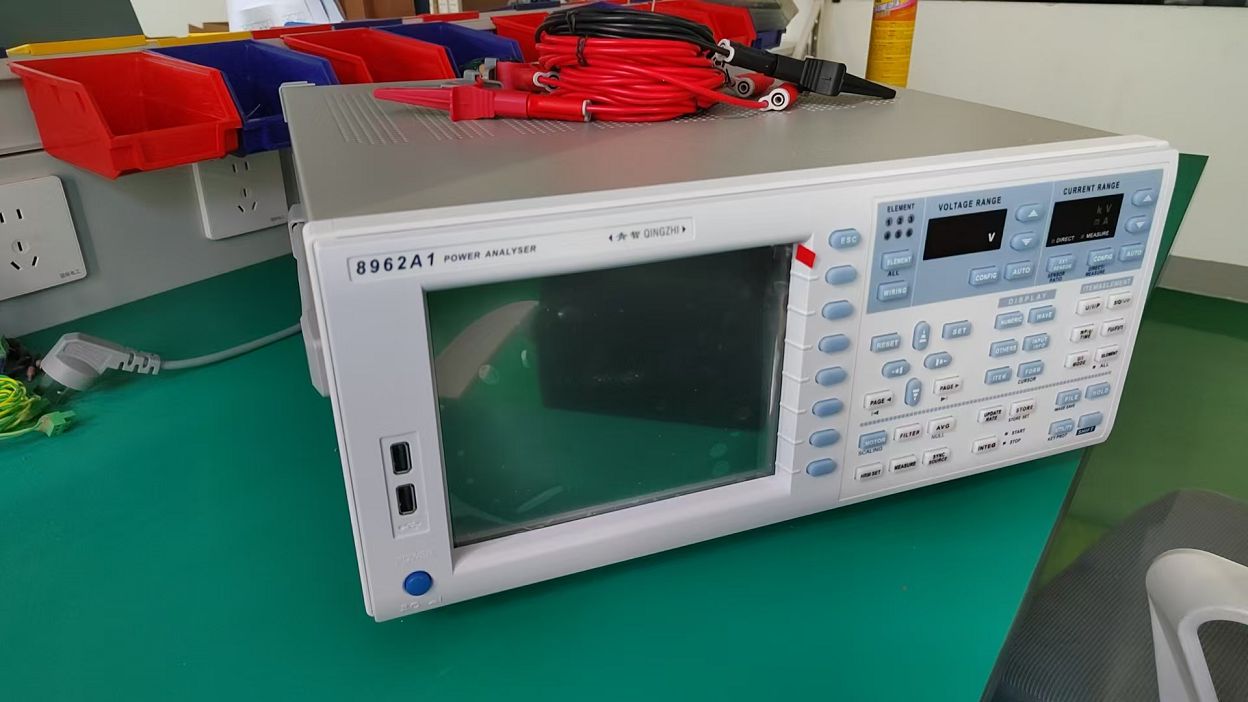
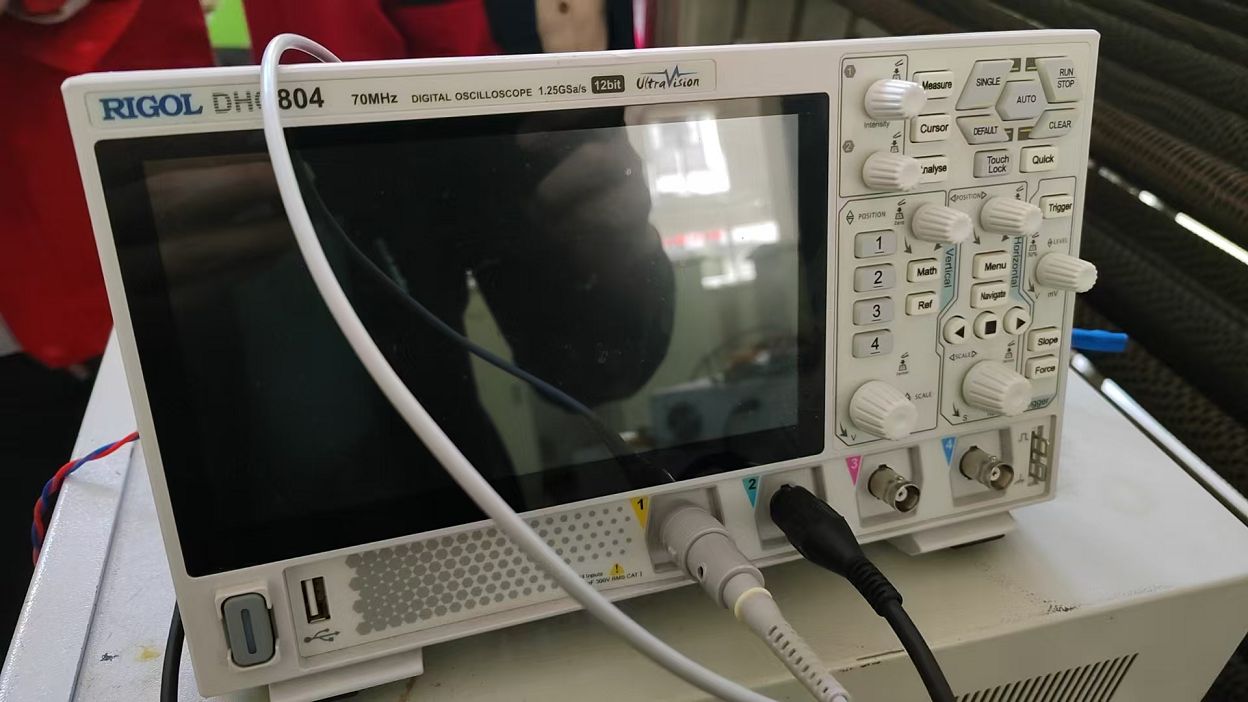
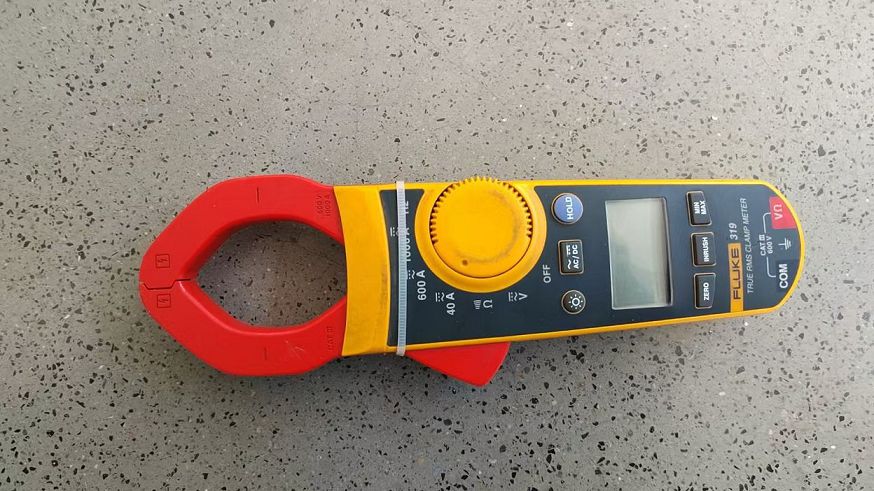
Engineering Diagnostics & Quality Control Lab
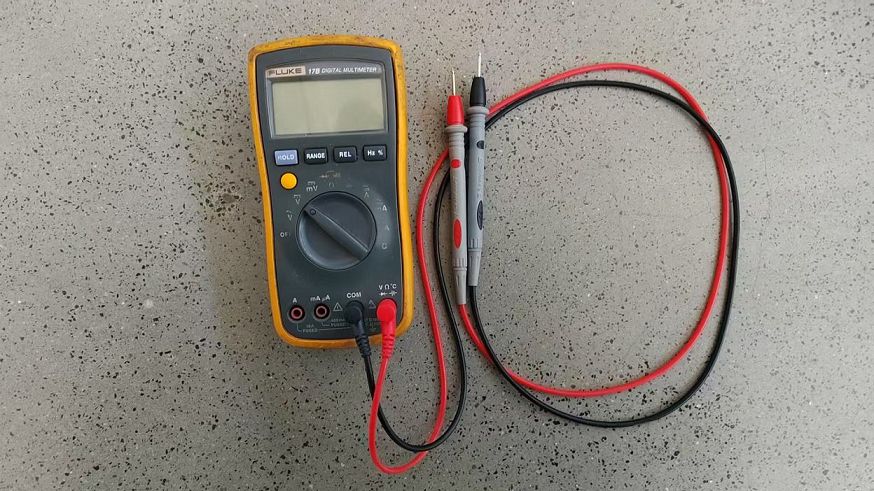
Advanced diagnostic machinery deployed in our lab to verify linear electrical behaviors, semiconductor characteristics, and dynamic output stabilization.
Localized Applications and Sourcing Scenarios
From modern architectural installations to rigorous laboratory validations: where Sophpower products prove their reliability daily.
Smart City & Architectural Facades
Pixel-by-pixel addressable LED controllers governing architectural skyscrapers need constant DC voltages to mitigate localized voltage drops along lines running hundreds of meters. Engineers use programmable DC supplies to test signal drivers under varied supply line resistances, ensuring uniformity of color temperature and brightness across the entire facade.
Automotive & EV Lighting Control
Automotive dynamic tail-lights and intelligent headlight controller modules must survive severe transient anomalies, such as alternator load dumps. Utilizing laboratory adjustable power supplies, manufacturers can simulate cold-crank curves and electrical noise profiles, verifying that the built-in LED controllers survive extreme field conditions.
Industrial Test Labs & Burn-In Facilities
Industrial testing facilities require robust, bidirectional DC and variable AC frequency systems to perform accelerated life testing (ALT) and burn-in inspections. By testing LED controllers with programmable parameters, manufacturers guarantee they can operate reliably in various global environments, regardless of local grid inconsistencies.
Frequently Asked Questions
Direct technical answers from our engineering team regarding LED controllers, programmable power setups, and system compatibility.
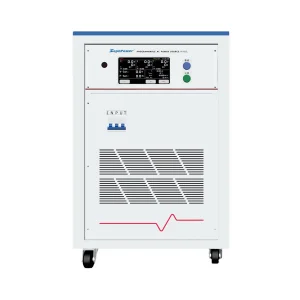
Advanced Variable DC Power & Voltage Stabilizer Lines
Complete your testing setups and ensure clean, stable power delivery with our specialized industrial-grade power electronics.