Featured Power Testing & Simulation Products
Explore our premium grade AC power sources, variable linear converters, and programmable DC electronic loads engineered for highly dynamic transient simulations.
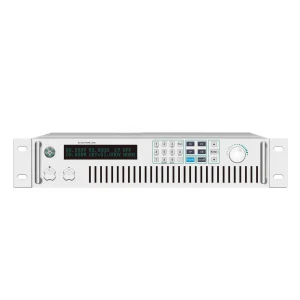
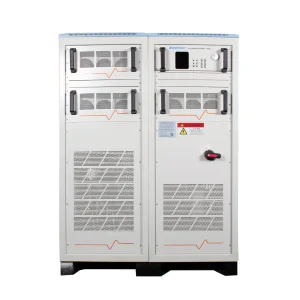
Understanding the Industrial Status of Dynamic Load Simulators
In the modern landscape of smart grid engineering, micro-mobility, electric vehicles (EV), and aerospace power distribution, standard static test loads are no longer sufficient. Dynamic load simulators are critical instruments used to emulate real-world, rapidly changing electrical load profiles. Unlike passive resistors, dynamic load simulators leverage fast-switching solid-state technology (such as MOSFETs and IGBTs) to mimic complex transient events like sudden step changes, inrush currents, and variable source impedances.
Globally, the dynamic load simulator market is seeing massive growth driven by decarbonization policies. Every stage of the energy conversion process—from photovoltaic grid-tied inverters to automotive battery management systems (BMS)—requires stringent verification under simulated transient disruptions. This shift is turning what was once a specialized laboratory tool into a mandatory component on high-throughput assembly lines worldwide.
- Precision Transient Emulation: Reproduces dynamic transients (up to microsecond levels) to verify DUT stability and limit risk.
- Hardware-in-the-Loop (HIL) Integration: Interfaces with real-time computational models for closed-loop validation of controllers.
- Regenerative Energy Recovery: Feeds up to 95% of dissipated electric energy back into the local grid, minimizing thermal dissipation and energy consumption.
Top 10 Global Dynamic Load Simulator Manufacturers
A rigorous industry report outlining the leading dynamic load simulator manufacturers globally based on performance, precision, custom manufacturing engineering capabilities, and market share.
01. Chroma ATE Inc.
Widely recognized for their extensive line of AC/DC electronic loads and automated test systems (ATS), Chroma provides dynamic loads tailored for highly dynamic micro-mobility, battery cell, and hydrogen fuel cell stack testing.
02. Keysight Technologies
Keysight leads the ultra-precise measurement space. Their regenerative system electronic loads simulate dynamic high-speed source and sink scenarios, heavily integrated into advanced aerospace HIL simulators.
03. AMETEK Programmable Power
Housing brands like Sorensen and California Instruments, AMETEK is a titan in high-power test emulation. Their dynamic simulators dominate aircraft power compliance testing and grid-connected inverter emulation.
04. Shenzhen Sophpower Electronics
Founded in 2006, Sophpower Electronics offers flexible, custom-engineered dynamic load simulators, linear AC power sources, and bi-directional test systems, delivering world-class response speed at competitive price points.
05. NH Research (NHR)
Part of NI (National Instruments), NHR manufactures regenerative load simulators targeting battery pack test cycles, EV chargers, and microgrid power system components requiring fast slew rates.
06. EA Elektro-Automatik
European leader EA specializes in high power density regenerative DC electronic loads. Their equipment employs wide-bandgap (SiC) semiconductors, providing compact form factors and heat reduction.
07. Kikusui Electronics Corp.
Japan-based Kikusui delivers exceptionally robust electronic loads with integrated arbitrary waveform generators, allowing users to draw user-defined dynamic current profiles easily.
08. GW Instek
GW Instek provides cost-effective, high-reliability dynamic electronic loads. Their systems are widely utilized in university research labs and consumer electronics QA lines globally.
09. Chroma Power Grid
Focusing purely on massive utilities and megawatt-level grid-tie dynamic testing, they supply regenerative simulated grids to mimic high-voltage faults and multi-phase phase shifts.
10. NH Automation & Power
Specializing in industrial marine and aerospace system dynamic simulators, building specialized load systems that withstand high vibration and harsh testing bay environments.
Shenzhen Sophpower Electronics: Empowering Global Power Testing
Founded in 2006 in Shenzhen, China's core electronics capital, Shenzhen Sophpower Electronics Co., Ltd. is a premier High-tech enterprise specializing in testing power supplies. Our veteran engineering team designs and manufactures high-performance AC Power Sources, Linear AC Sources, Bidirectional DC Supplies, and Custom Dynamic Loads.
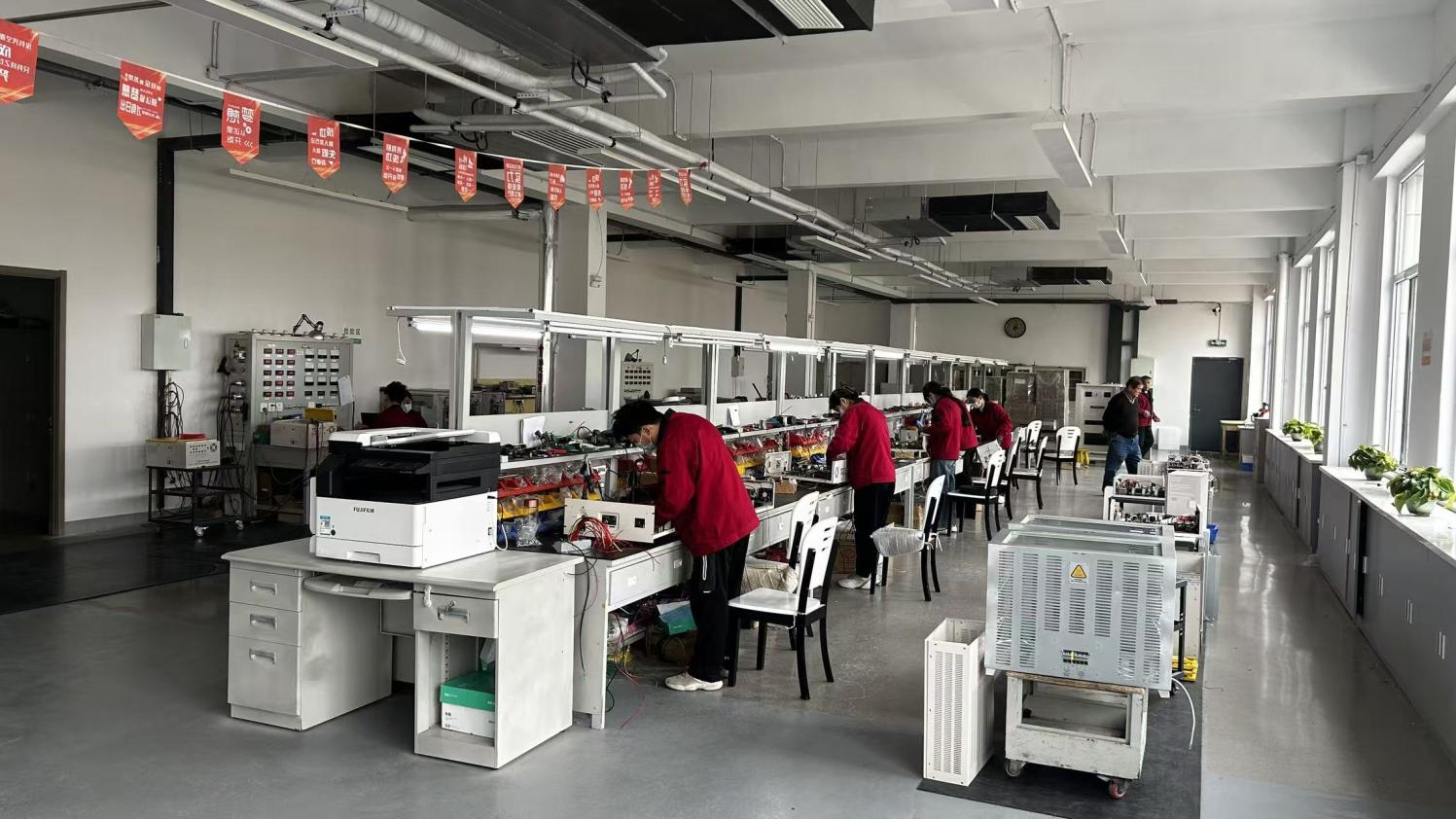 Circuit Assembly Process
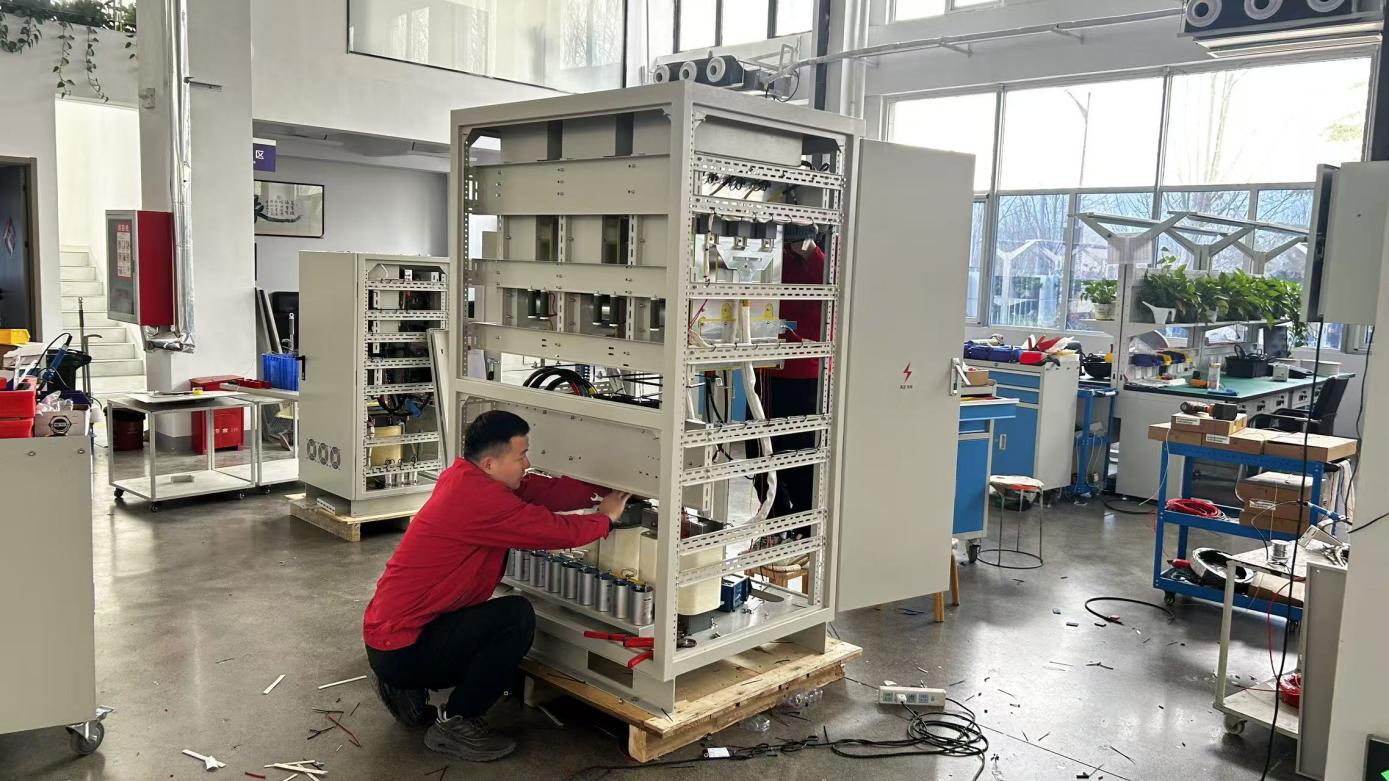 Circuit Board Assembly
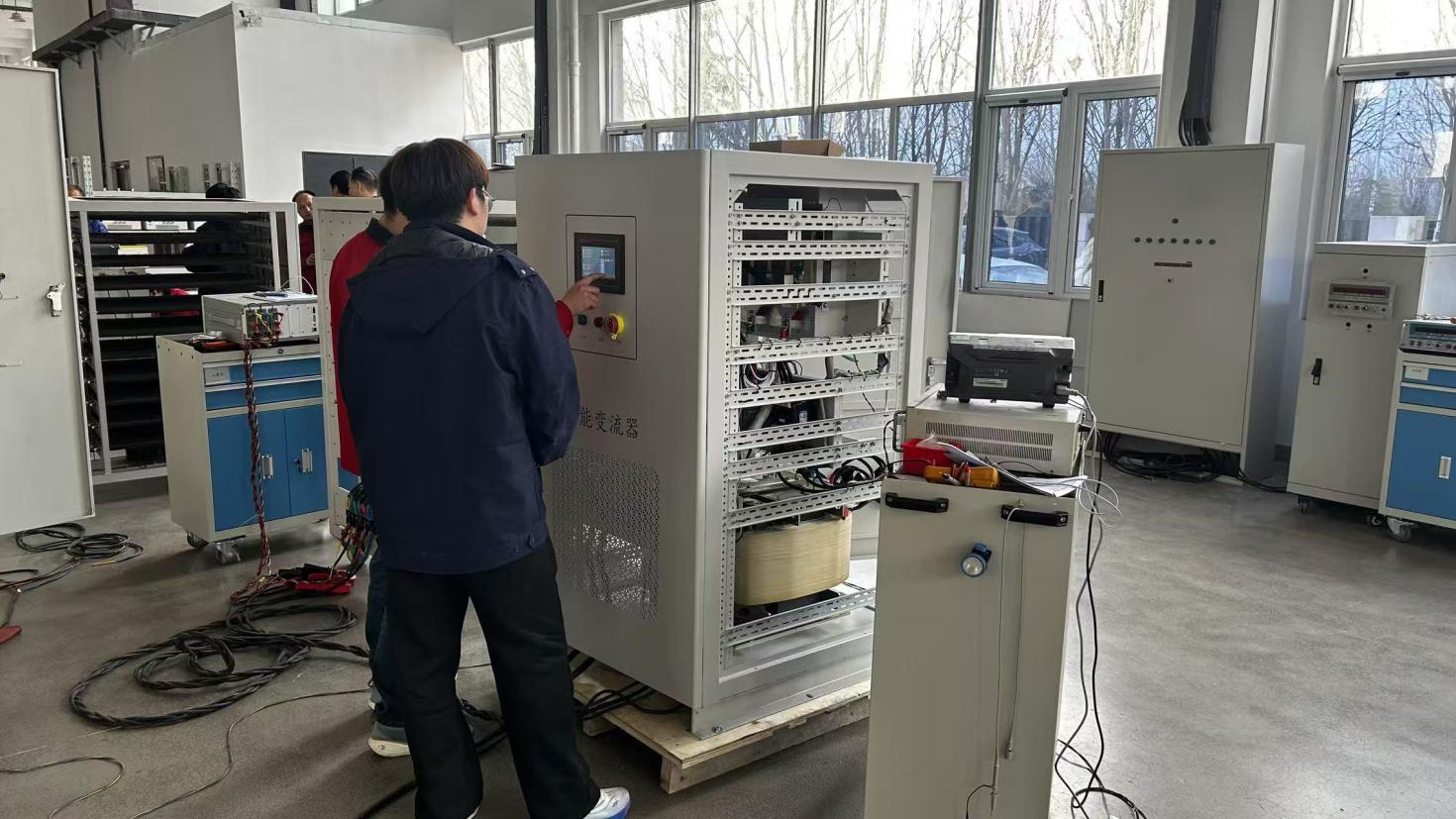 Detailed Debugging Process
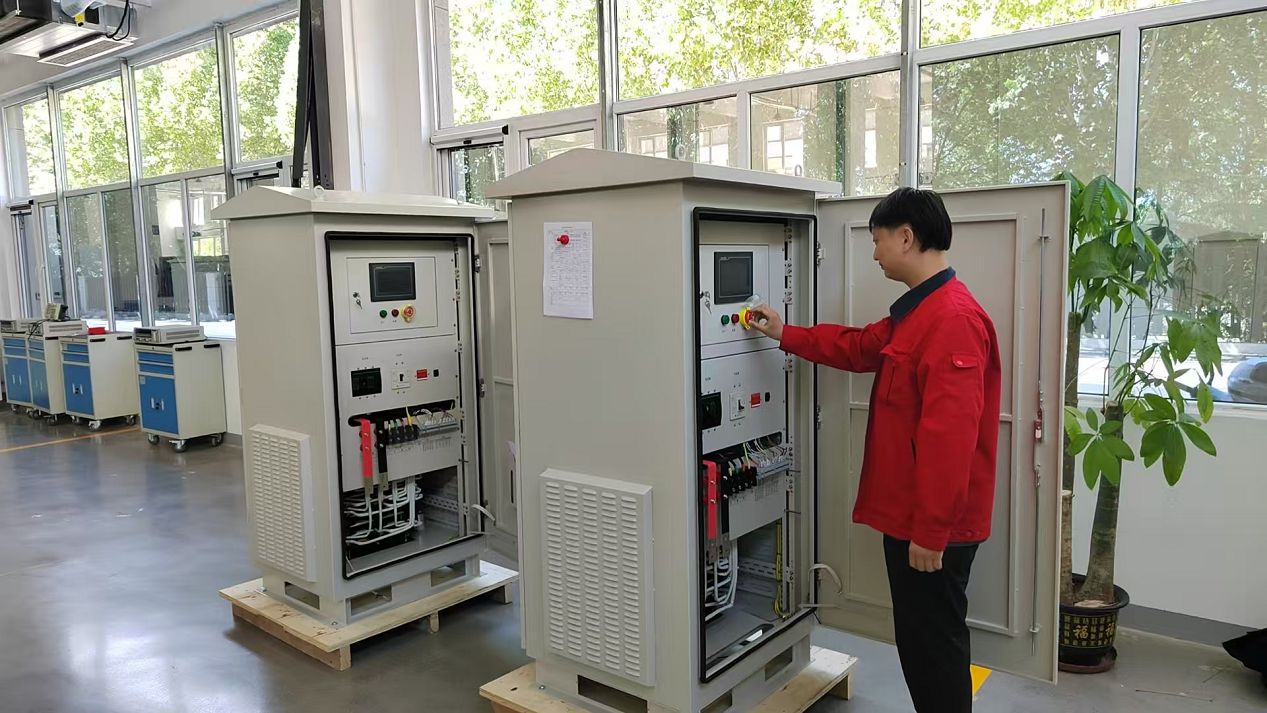 Rigorous Quality Inspection
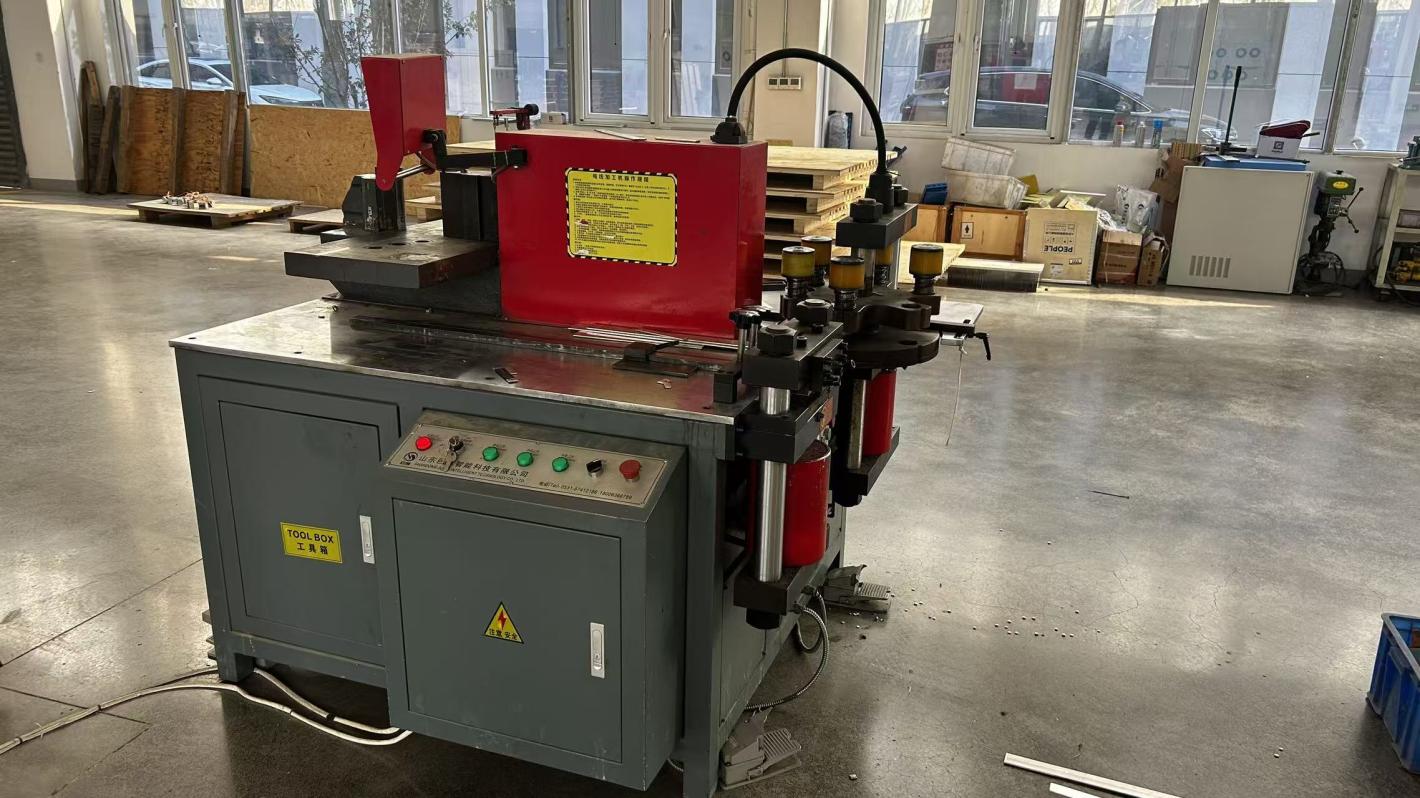 Copper Bar Production Equipment
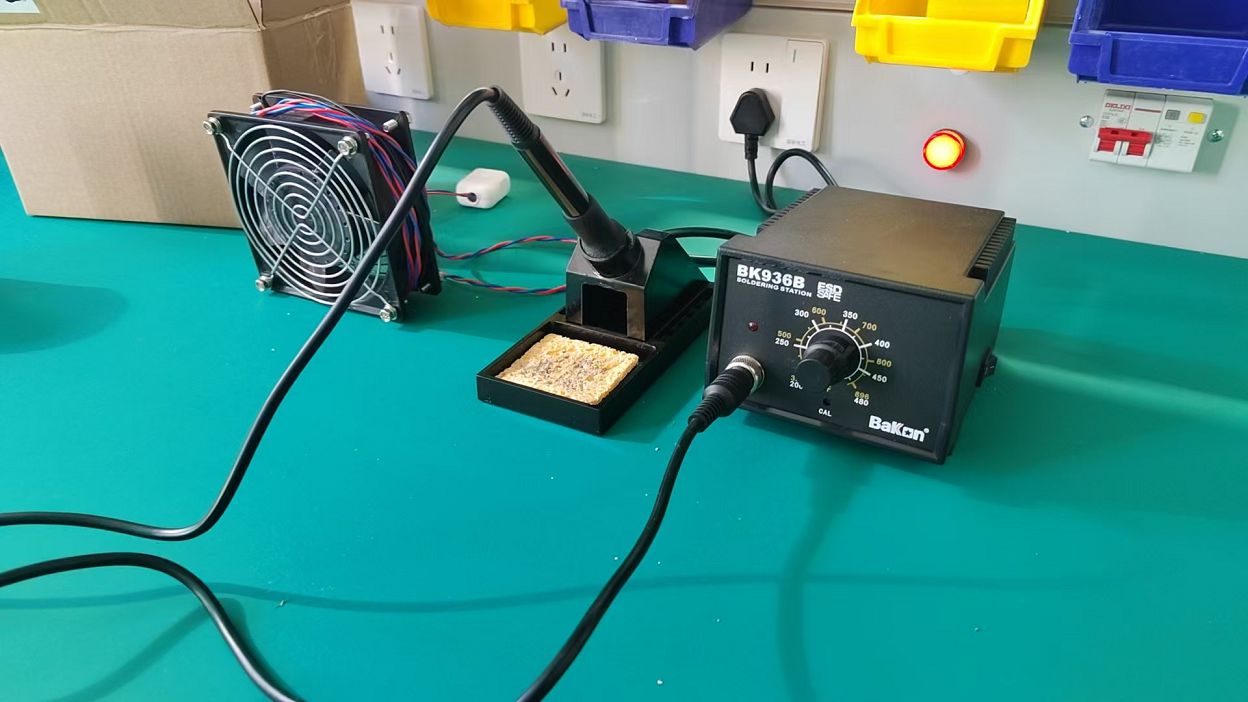 Electric Ferrowire Operations
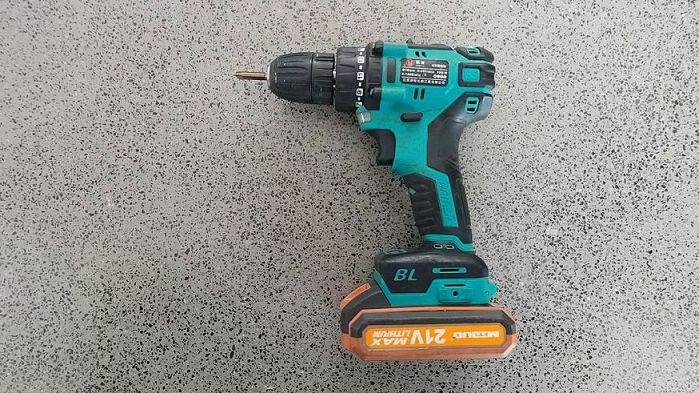 Electric Drill Machining
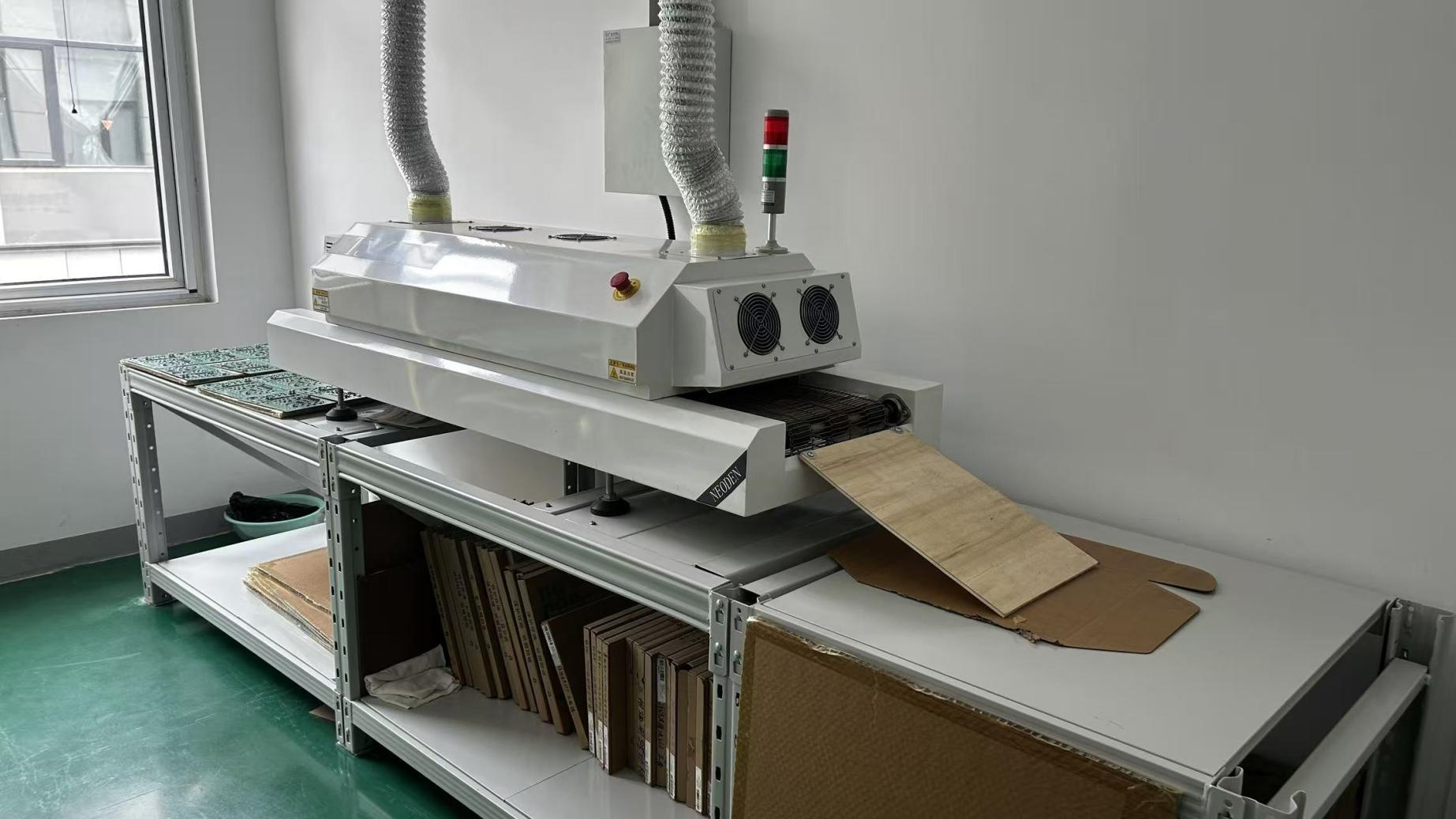 Precision Reflow Soldering
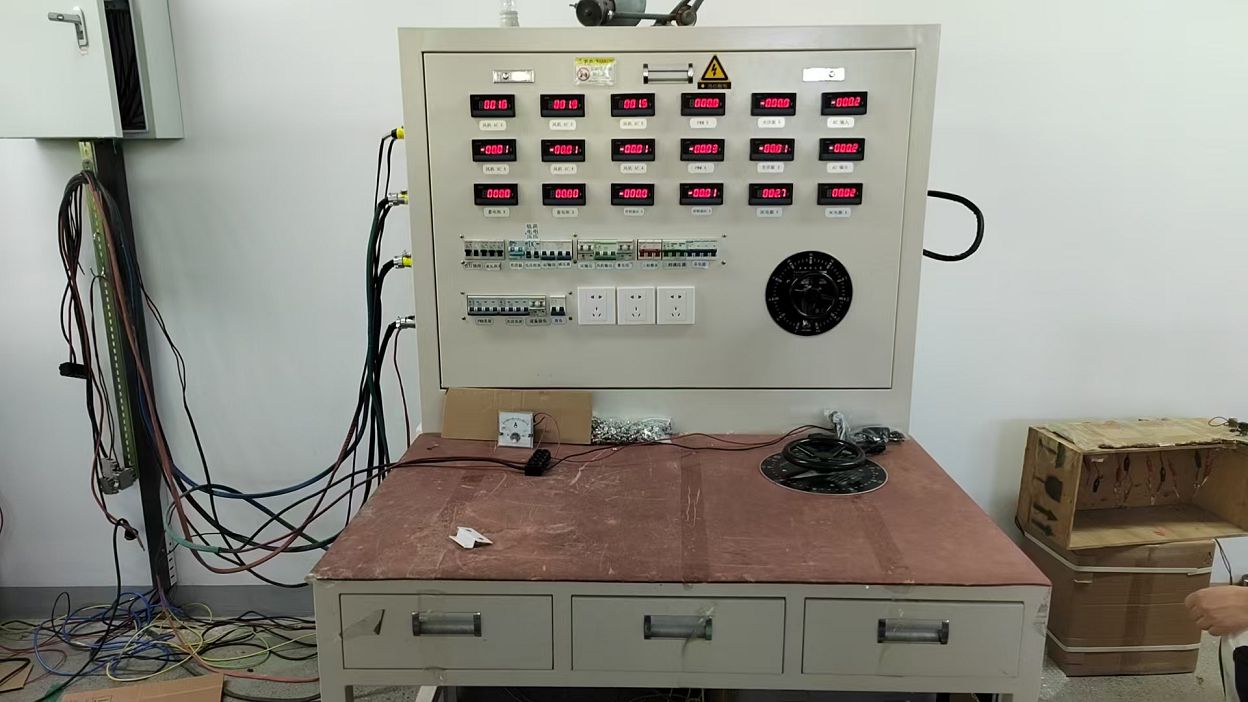 Engineering Workbench
Why Partner with a China-based Exporter like Sophpower?
China's advanced power electronics ecosystem provides unmatched manufacturing speed, cost efficiency, and supply chain depth. At Sophpower Electronics, our local access to top-grade semiconductors, structural components, and high-frequency magnetics allows us to prototype custom dynamic loads in a fraction of the time required by Western OEMs. Furthermore, our compliance with global certification frameworks (CE, RoHS) combined with rigorous QA protocols ensures every unit shipped exceeds expectations.
Localized Applications and Global Procurement Challenges
How dynamic testing changes across industries and regions, and how procurement managers navigate these complex compliance and logistical criteria.
EV Drivetrain & BMS (North America)
Procurement teams at EV manufacturing sites require dynamic simulators that emulate the regenerative braking cycles of heavy trucks, demanding rapid transit switching speeds under high power conditions.
Renewable Microgrid Integration (Europe)
Under strict European grid compliance codes, dynamic simulators mimic complex grid faults, local phase imbalances, and harmonic distortion to verify microgrid inverter stability.
Aerospace & Defense (Global)
Military-spec power systems (MIL-STD-704) require testing units to withstand extreme voltage fluctuations. Sophpower's dynamic linear AC power systems are highly trusted in aviation testing installations.
Industry Technological Development Trends
The paradigm shift in dynamic load emulation is defined by three high-tech engineering milestones.
Silicon Carbide (SiC) Integration
Modern dynamic loads increasingly implement SiC switches. This allows for transition switching frequencies exceeding 100 kHz, resulting in highly lifelike pulse simulations and drastically smaller cooling blocks.
Ultra-Fast Transient Slew Rates
Newer test setups require current transition slew rates exceeding 10A/μs. Generating such rates without inducing ringing/oscillations requires extremely sophisticated digital control algorithms (DSP-driven loops).
Regenerative Utility Interfacing
By routing the dynamic load energy back to the local utility grid, modern laboratories eliminate massive cooling loops, reduce utility costs, and support green enterprise initiatives.
Sophpower Professional Instruments & Testing Bench
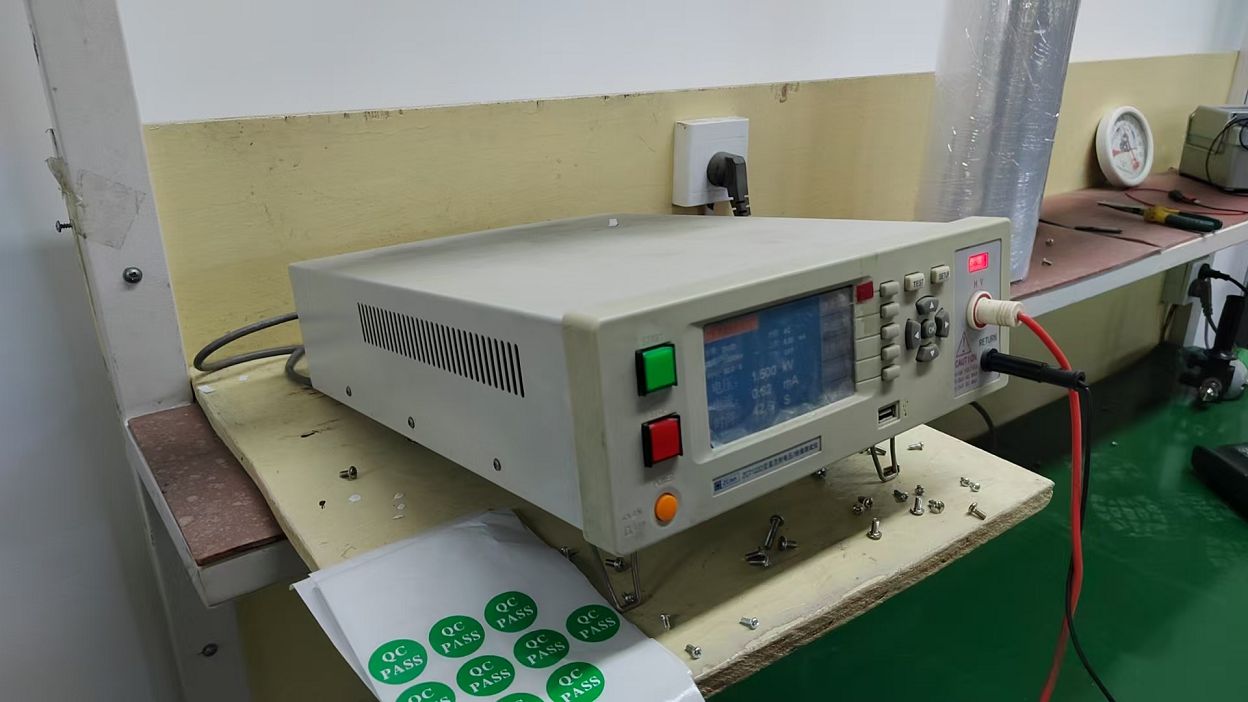 LCR AutoTester Device
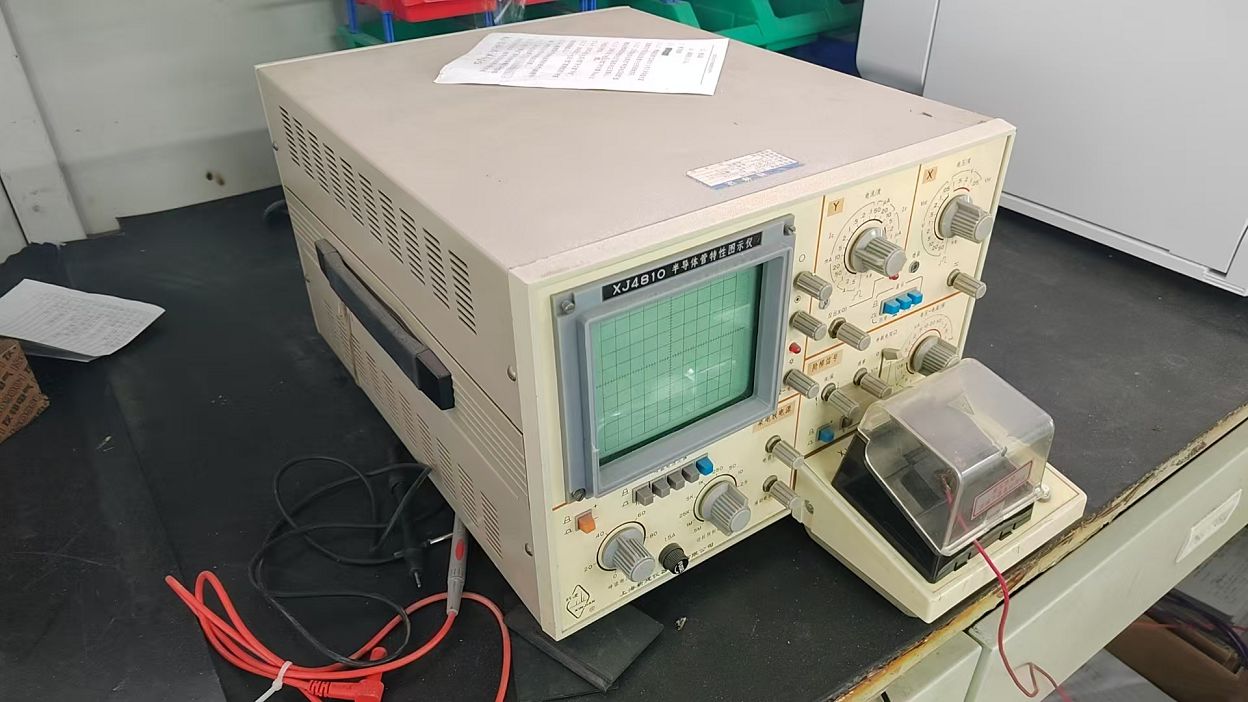 Semiconductor Plotter
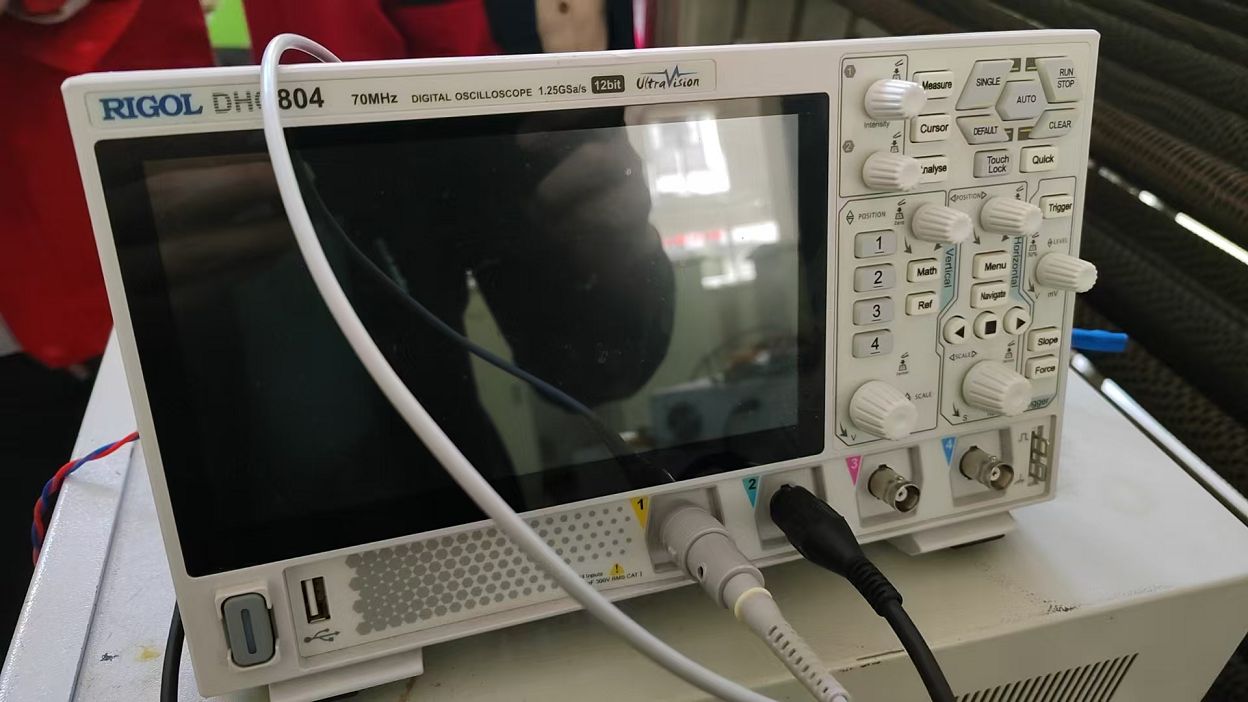
 Digital Oscilloscope Analyzer
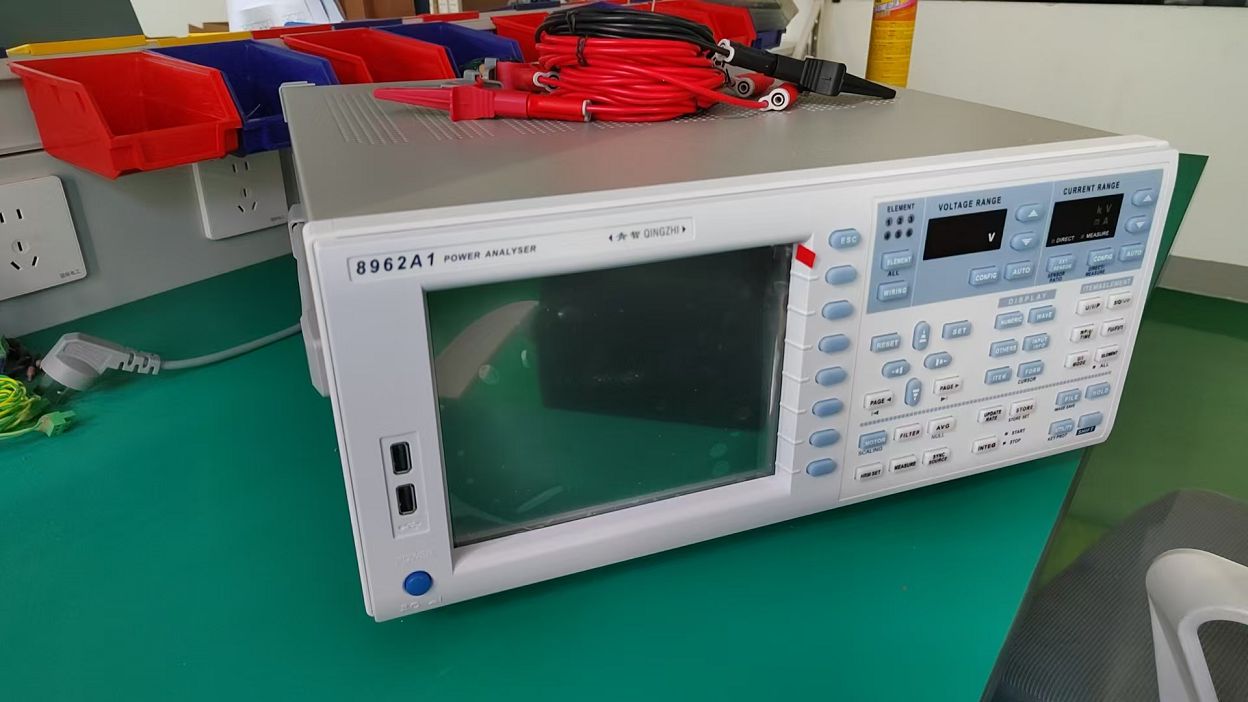
 Power Quality Analyzer
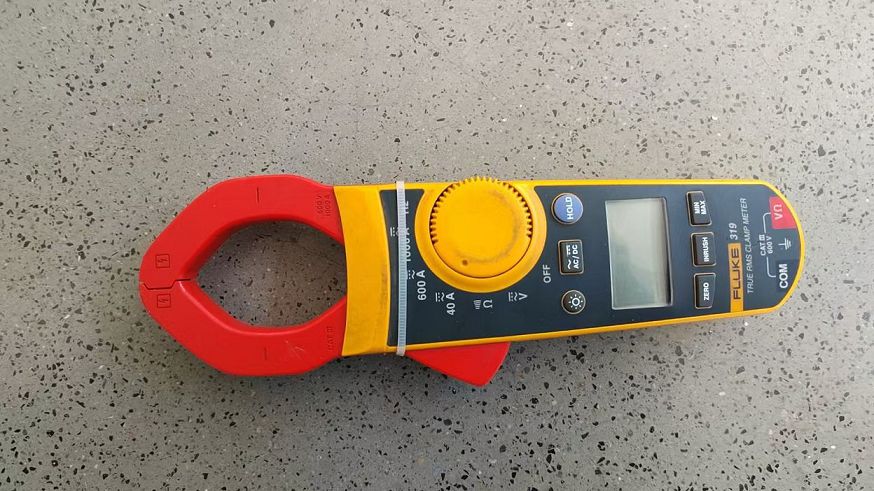 Clamp Current Meter
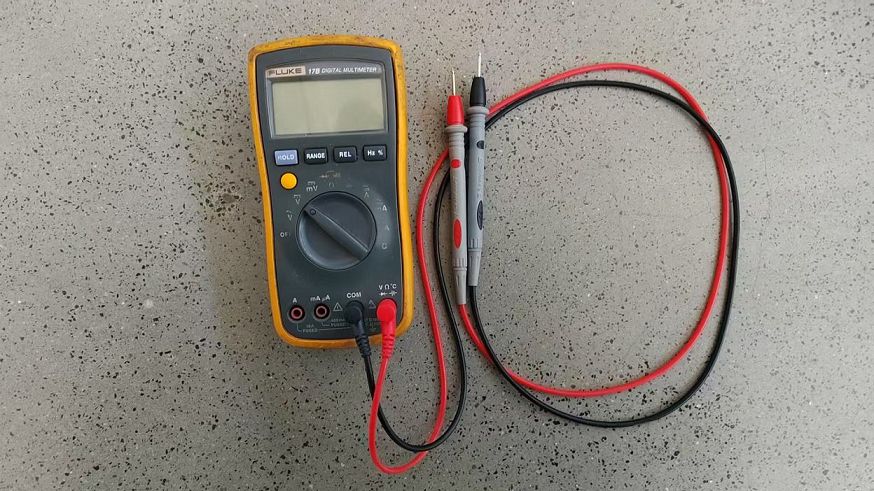 Benchtop Digital Multimeter
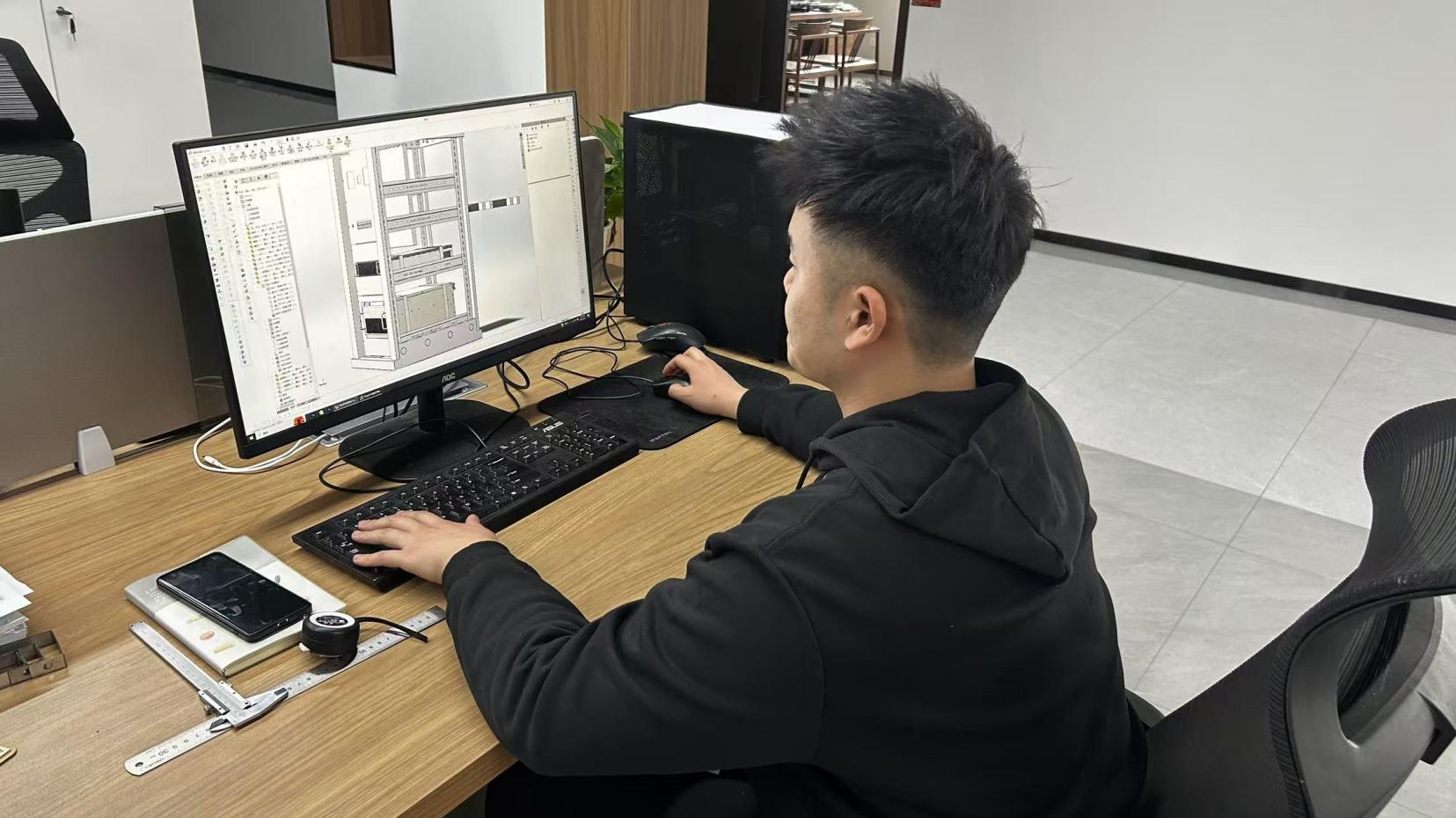 CAD Hardware Design
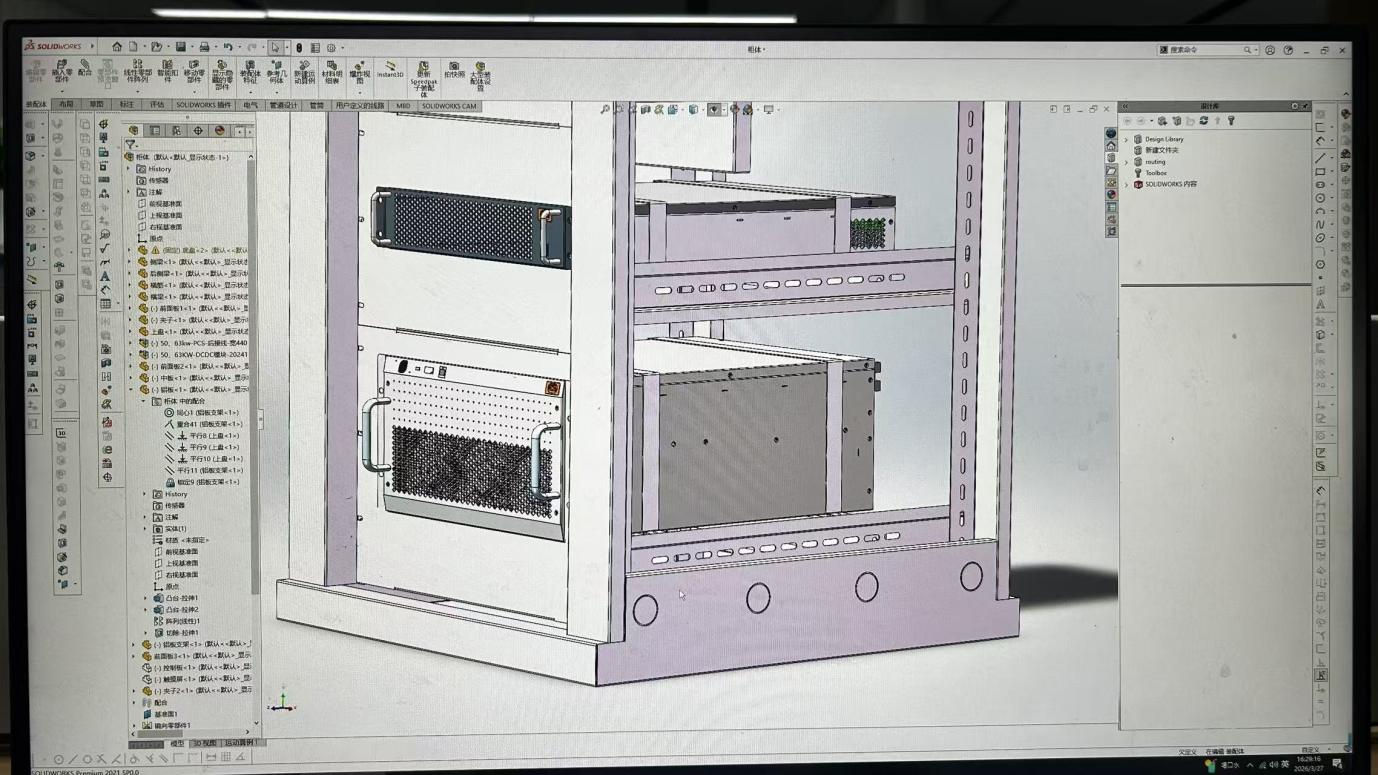 Computer Debugging Center
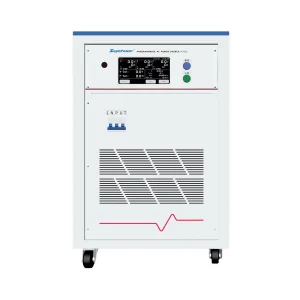
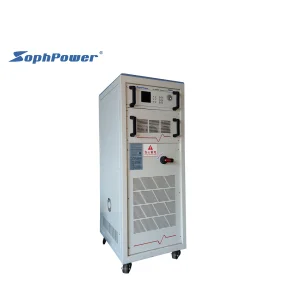
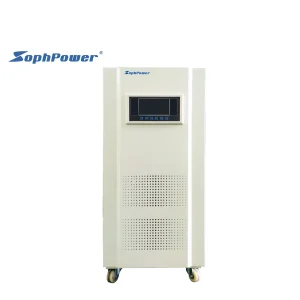
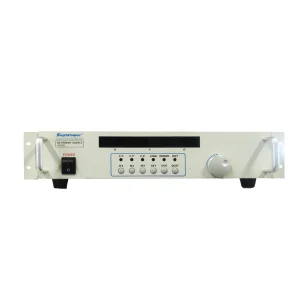
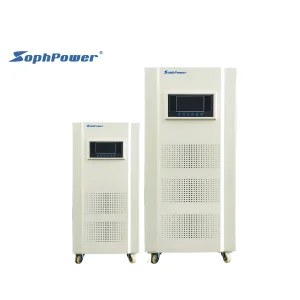
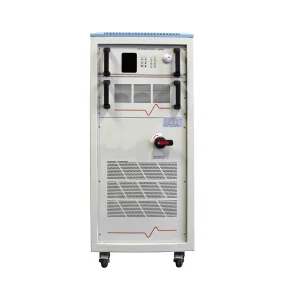
Advanced Programmable Loads & Regulators
Heavy-duty industrial linear sources, automatic voltage regulators, and high-frequency power units for testing facilities.
Industrial Procurement FAQ: Dynamic Load Simulators
Critical engineering considerations, standard definitions, and optimization suggestions for test facility procurement directors.