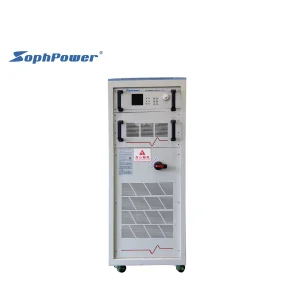
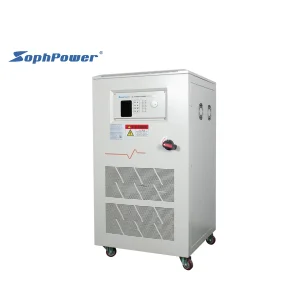
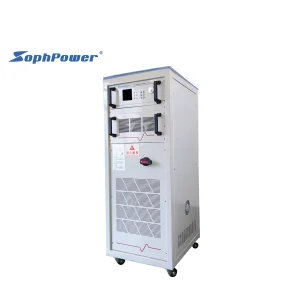
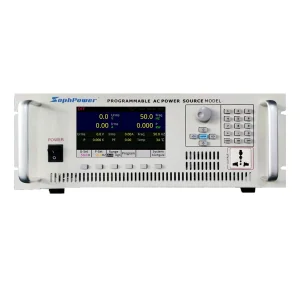
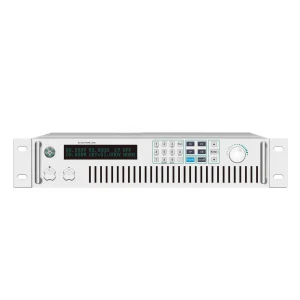
Featured DC Power Solutions & Regulators
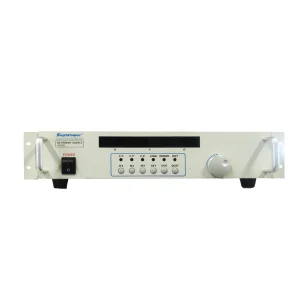
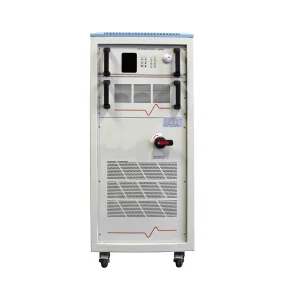
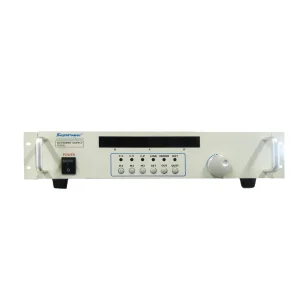
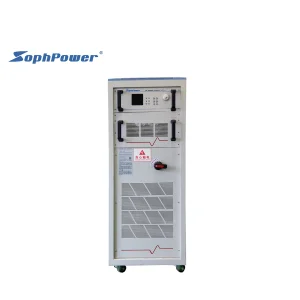
Explore high-power programmable systems, switching units, and stabilization systems engineered for precise lab and industrial application environments.
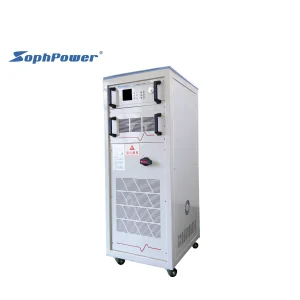
1. Market Landscape of High-Precision DC Voltage Regulation
Analyzing global demand, structural market segments, and modern topology developments
In modern industrial automation, telecommunications, and electric vehicle testing, the role of a DC voltage regulator has evolved from a basic protection component to a core element of system energy architecture. Industrial platforms now require microsecond-level response times, zero overshoot, and extreme power efficiency. Modern regulation technologies have branched into distinct sub-sectors: high-density switching converters (buck, boost, resonant LLC topologies) and ultra-stable programmable linear power sources, which remain critical in precise research and development settings.
As semiconductor substrates shift toward wide-bandgap (WBG) materials like Silicon Carbide (SiC) and Gallium Nitride (GaN), power electronics engineers face the challenge of sourcing hardware that balances high thermal threshold capability with strict electromagnetic compatibility (EMC). This whitepaper provides a rigorous framework for evaluating top manufacturers, addressing the critical balance between efficiency, line/load regulation, and total lifecycle costs.
2. Evaluation Metrics for Power Supply Suppliers
A structured approach to reviewing technical parameters, safety, and supply chains
Procuring industrial-grade DC regulators requires a deep understanding of their technical specs. The performance of these devices impacts downstream microcontrollers, sensors, and actuator loops. Procurement teams should evaluate suppliers using three main categories:
Power Performance Metrics
Focus on line regulation (<0.01% typical shifts) and load regulation to maintain stable voltage outputs despite varying input parameters or changes in impedance loads.
- Input range adaptability
- Dynamic response profiles
- Ultra-low ripple & noise
Thermal & Reliability Profiles
Thermal stress is the leading cause of component failure in power electronics. Active cooling, heat exchange efficiency, and semiconductor junction tolerances must be evaluated.
- Smart cooling architectures
- Over-temperature safeties
- Comprehensive MTBF data
Control & System Integration
Modern systems require high levels of connectivity. Digital communication buses allow real-time monitoring and software control for testing setups.
- Ethernet/USB/RS485/CAN interfaces
- SCADA API integration
- SCPI programming capabilities
3. Top 10 DC Voltage Regulator & Power Supply Manufacturers
A detailed review of global market leaders, including key strengths and product specialties
| Company Name | Headquarters | Primary Specialization & Topology Focus | Ideal Project Scale & Applications |
|---|---|---|---|
| Shenzhen Sophpower Electronics Co., Ltd. | China (Shenzhen) | High-power programmable DC supplies, Bidirectional systems, Lab-grade AC/DC sources | Medium-to-large industrial test labs, automated production validation, aerospace, grid simulation |
| Texas Instruments | United States | Board-level DC-DC switching regulators, linear regulators, integrated module controllers | Embedded electronic systems, consumer tech, automotive and mobile devices |
| Analog Devices (ADI) | United States | Low-noise, high-reliability ICs, Buck-Boost converters, power management (PMIC) | Precision medical diagnostic systems, space-grade avionics, telecom networks |
| Infineon Technologies | Germany | SiC/GaN power modules, automotive regulator chips, smart high-side switches | Electric vehicle drivetrains, industrial motors, wind and solar power systems |
| Mean Well | Taiwan | Standardized switching power supplies, DIN-rail regulators, LED drivers | General factory building automation, LED displays, standard DIN-rail setups |
| TDK-Lambda | Japan | High-reliability industrial power supplies, programmable lab regulators | Semiconductor tooling systems, complex automation lines, global utility grids |
| Vicor Corporation | United States | High-density power converter modules (Factorized Power Architecture) | Hyperscale data centers, supercomputing, advanced military vehicle systems |
| Delta Electronics | Taiwan | Industrial telecom power rectifiers, highly efficient DC-DC modular blocks | Telecom infrastructure hubs, industrial servers, EV charging stations |
| STMicroelectronics | Switzerland | Automotive power management ICs, linear and switching regulator controllers | ADAS systems, smart appliances, industrial IoT sensor arrays |
| Murata Power Solutions | Japan | Sub-miniature DC-DC modules, isolated board-mount converters | Distributed board-mount power, telecom base stations, medical equipment |
This list includes suppliers specializing in different areas of power design. While semiconductor giants like Texas Instruments and Analog Devices focus on board-level integrated circuits, systems integrators require complete, chassis-level solutions. Manufacturers such as TDK-Lambda and Sophpower Electronics fill this need by building finished products like rack-mount test systems, programmable laboratory chambers, and clean, high-capacity industrial power systems.
4. Engineering Deep Dive: Shenzhen Sophpower Electronics
Established in 2006, Sophpower integrates advanced engineering, thorough testing protocols, and custom high-power configurations.
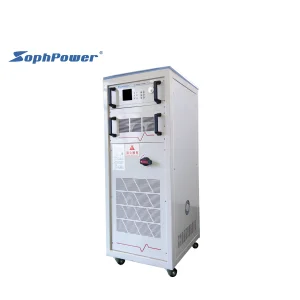
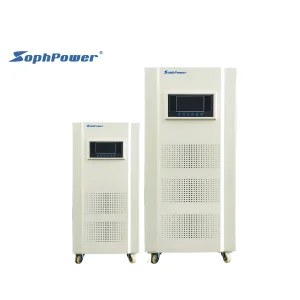
Shenzhen Sophpower Electronics Co., Ltd. is a high-tech enterprise focused on developing robust testing power supplies. Located in Shenzhen's technology corridor, Sophpower employs a dedicated team of engineers with extensive experience in precision power systems. The company specializes in AC Power Sources, Linear AC Power Sources, Bidirectional AC Sources, DC Power Supplies, Bidirectional DC Power Supplies, Voltage Regulators, and UPS configurations.
Sophpower's engineering approach focuses on customization, allowing them to adapt high-voltage, high-current, and unique frequency outputs to fit specific client requirements. Their systems are widely used in commercial testing labs, aerospace research facilities, and component evaluation environments where standard off-the-shelf power options are insufficient.
- Custom voltage output curves, programmable via software
- Bidirectional energy recycling back to the grid (up to 95% recovery)
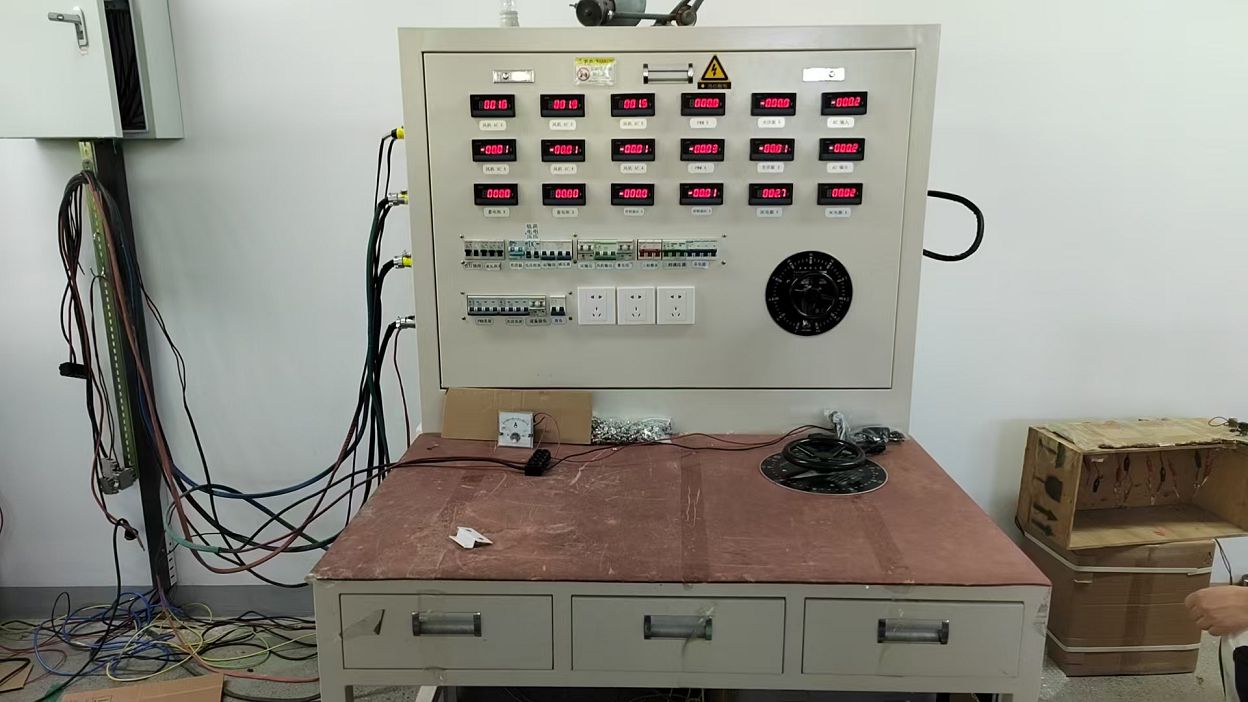
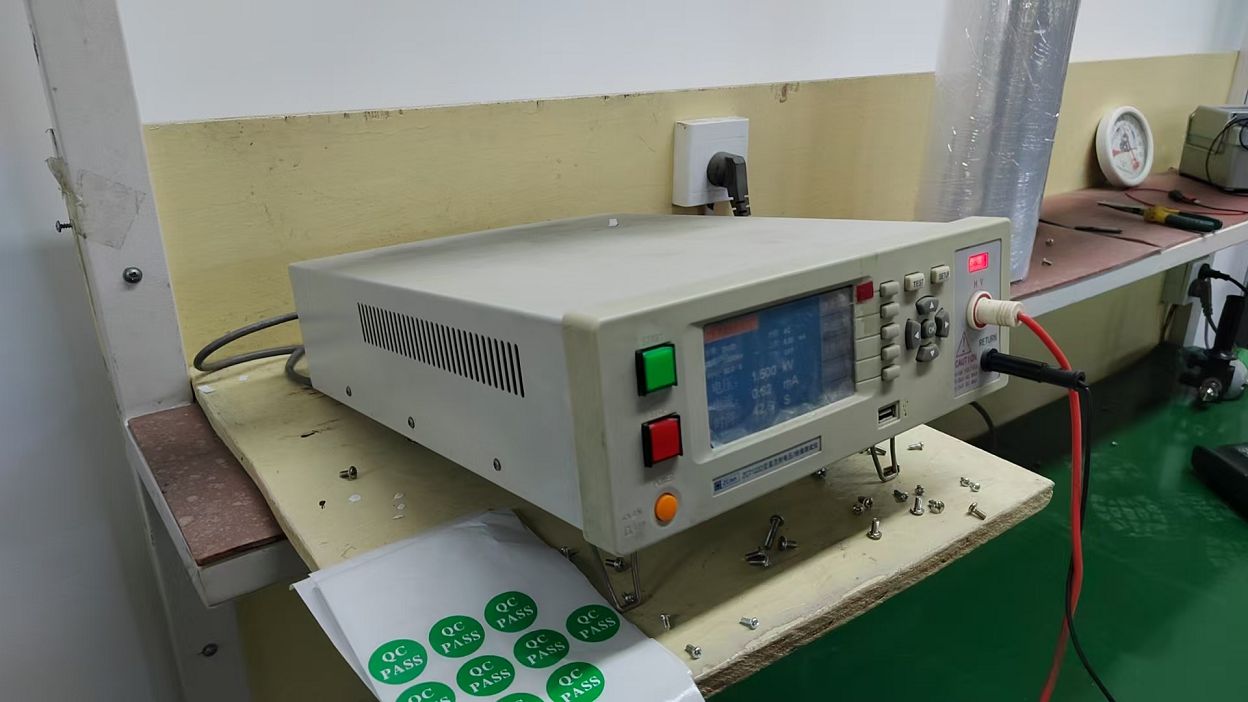
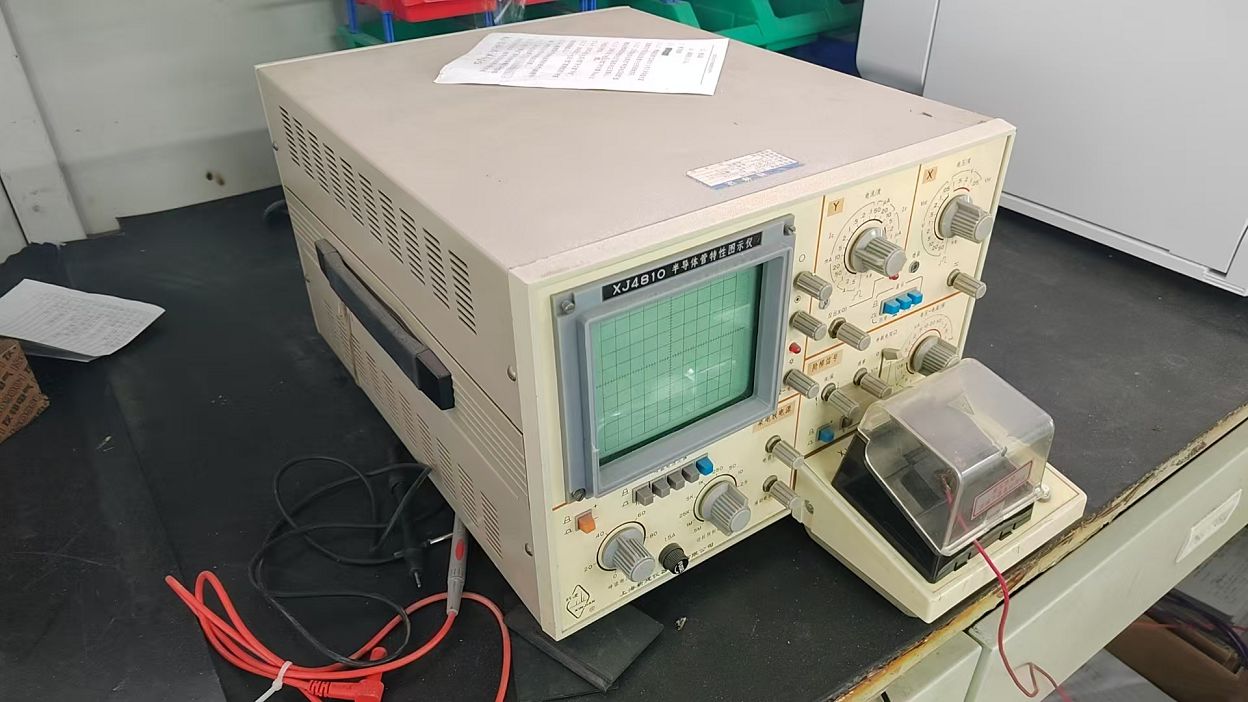
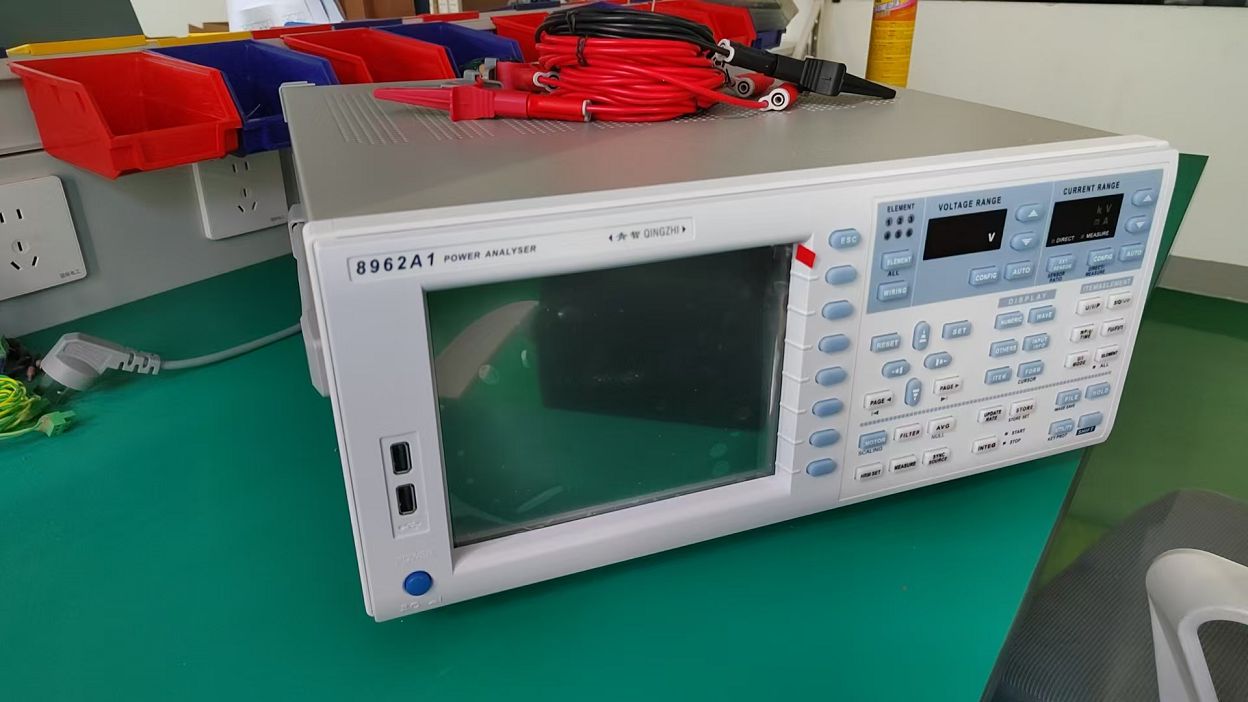
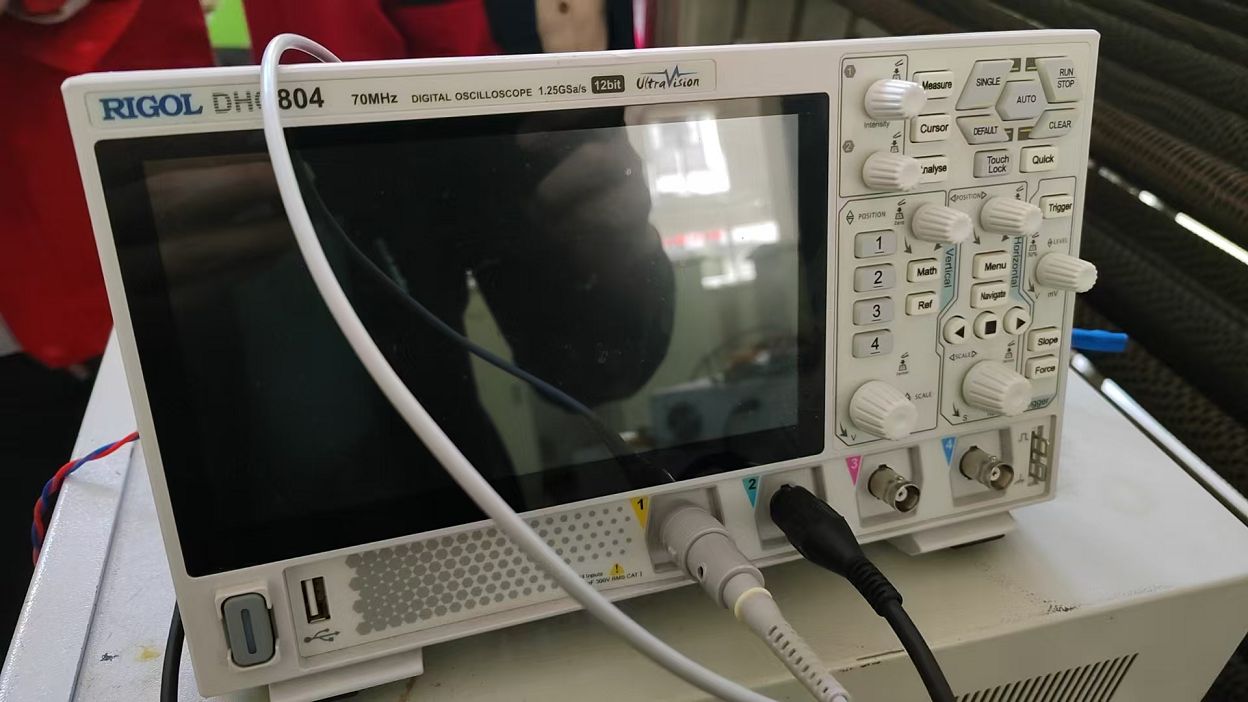
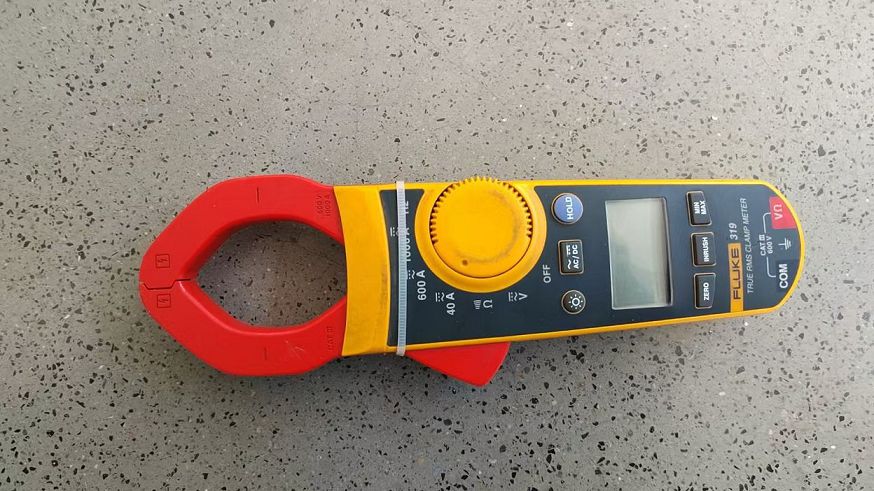
- Advanced testing setups equipped with modern diagnostic tools
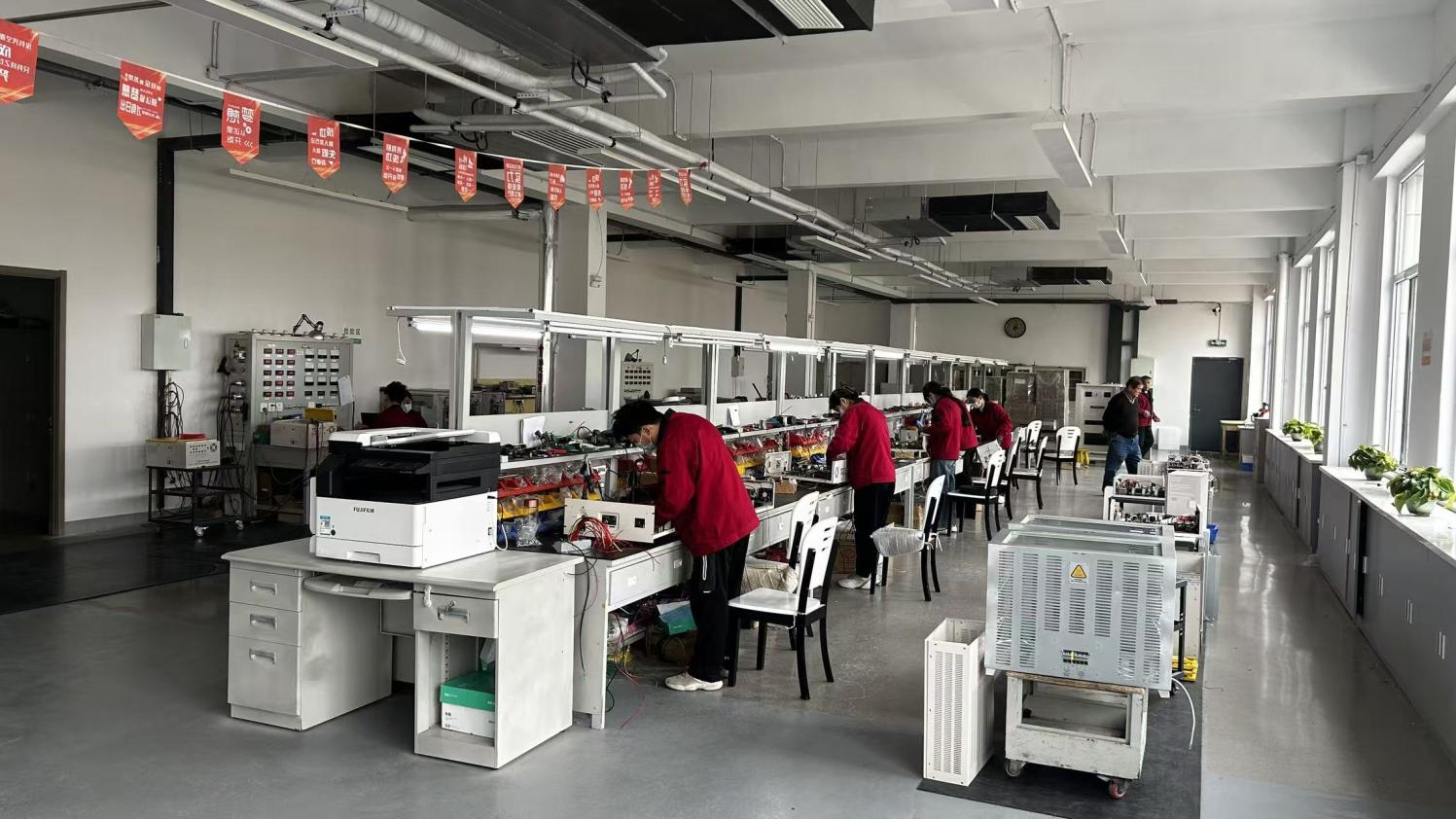
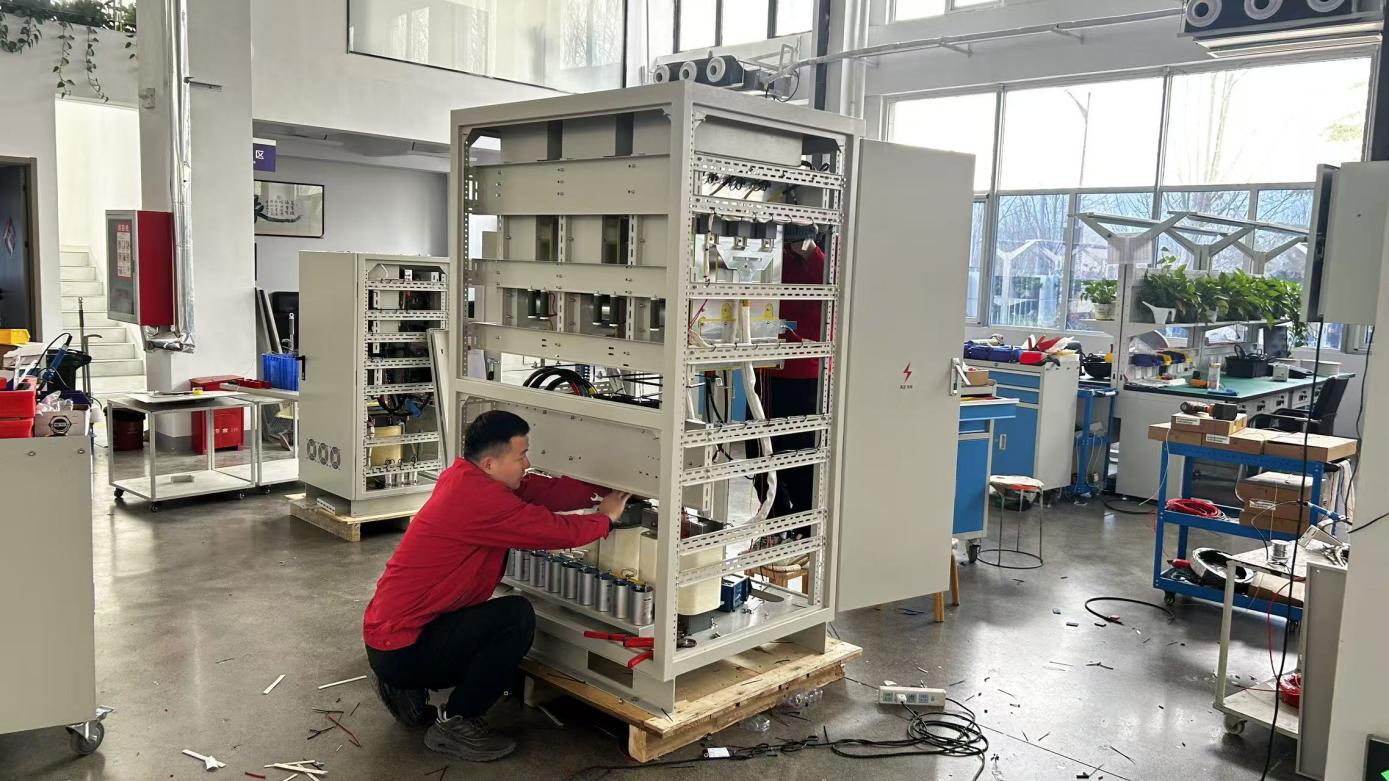
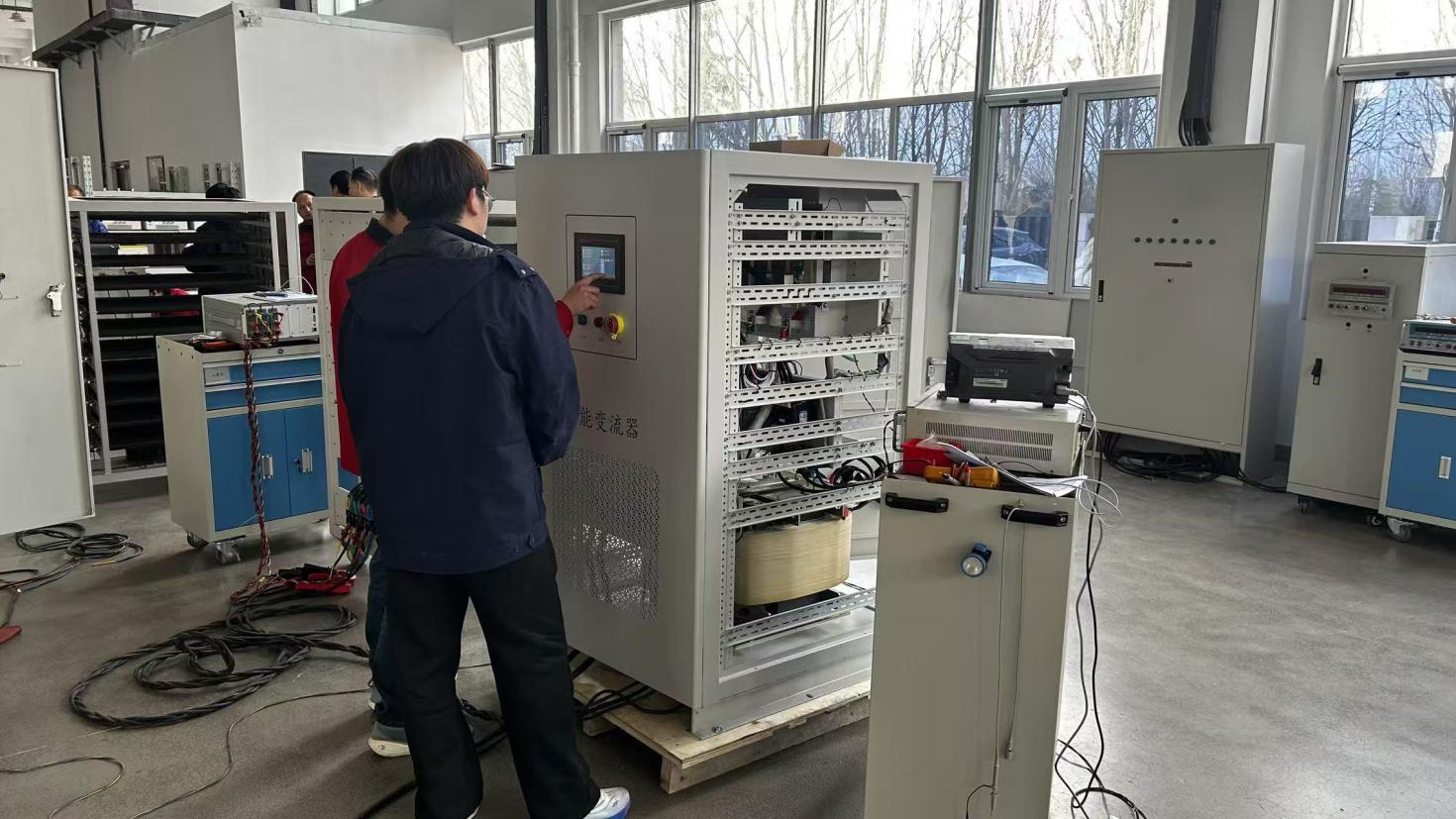
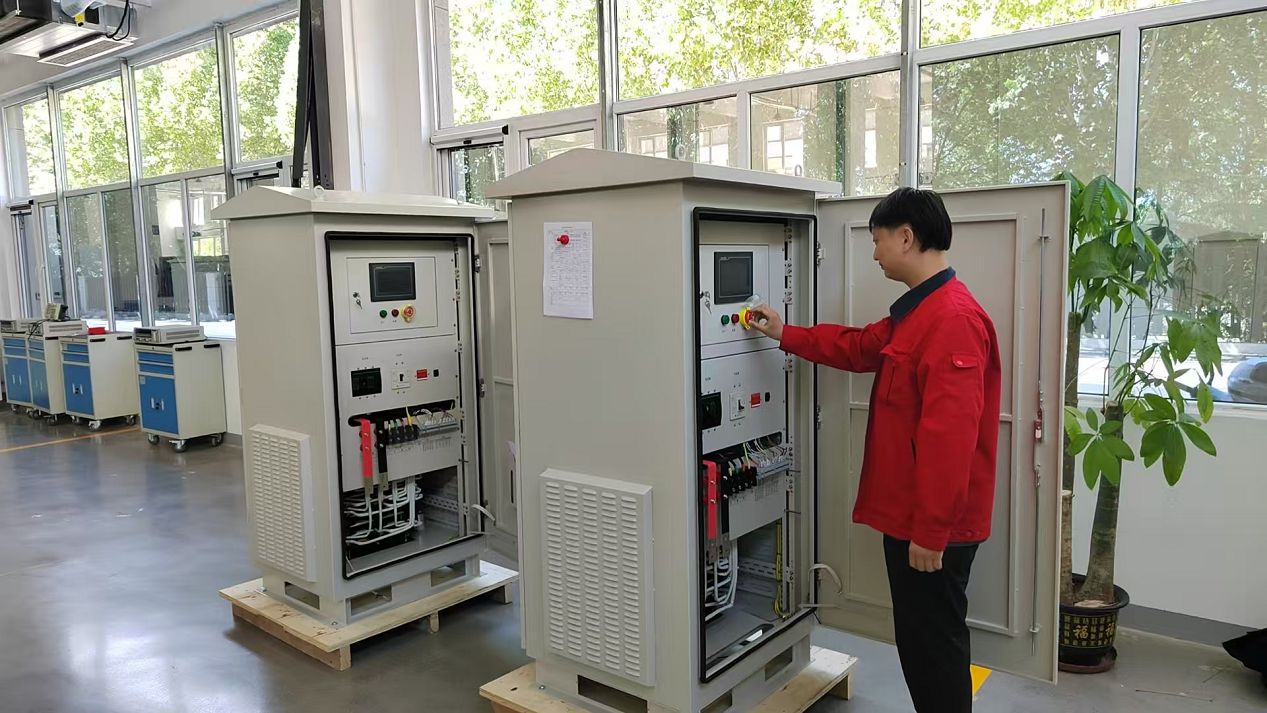
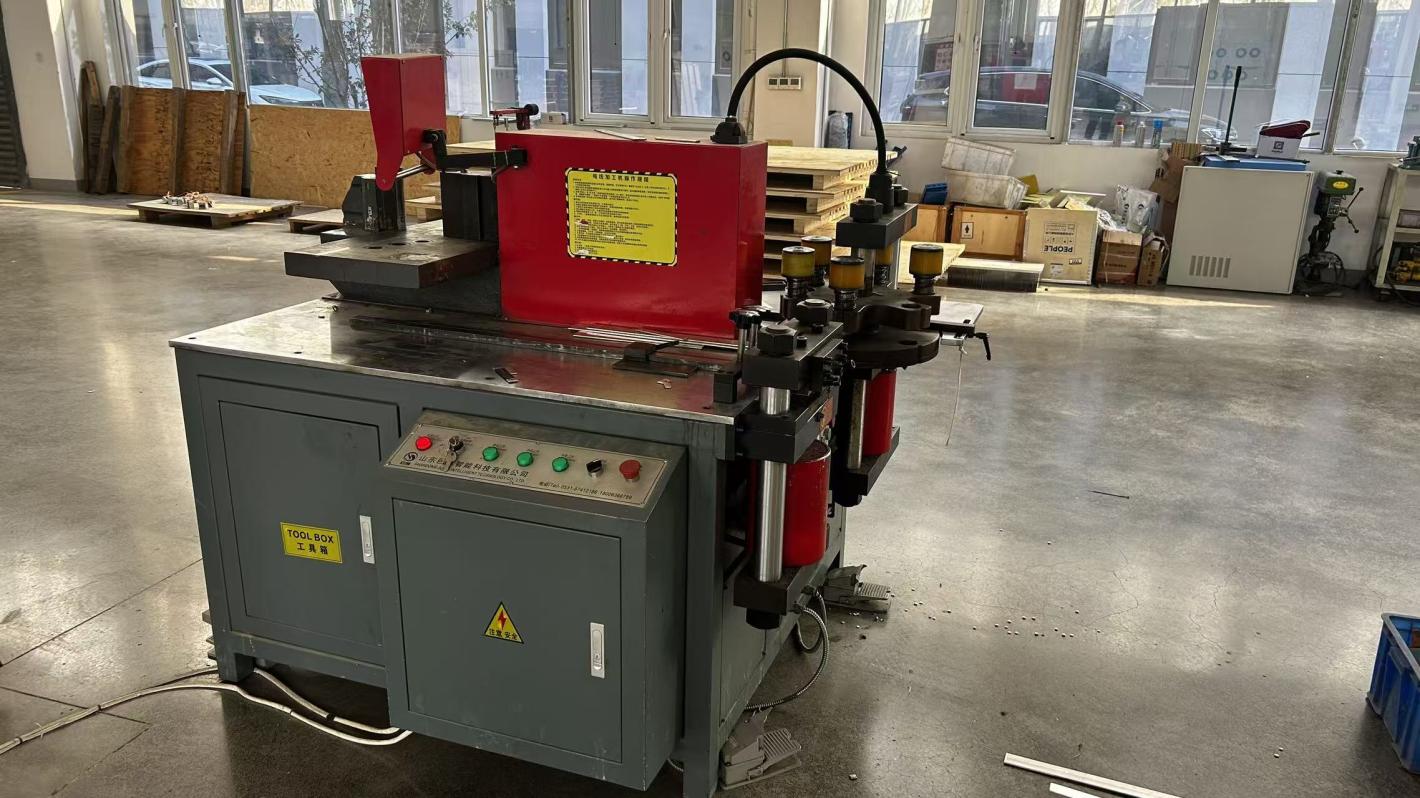
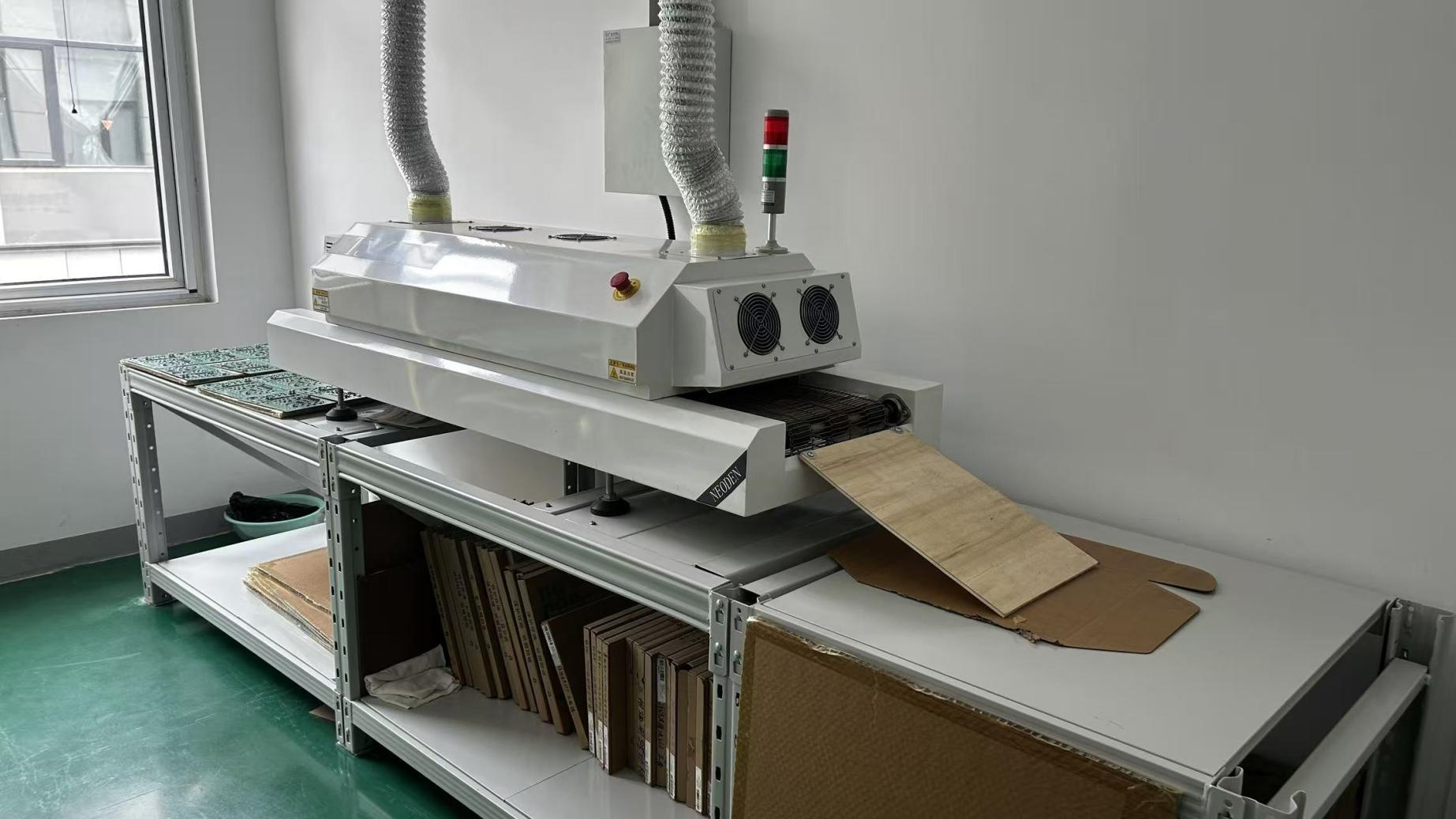
Manufacturing Tooling & Quality Assurance Setup
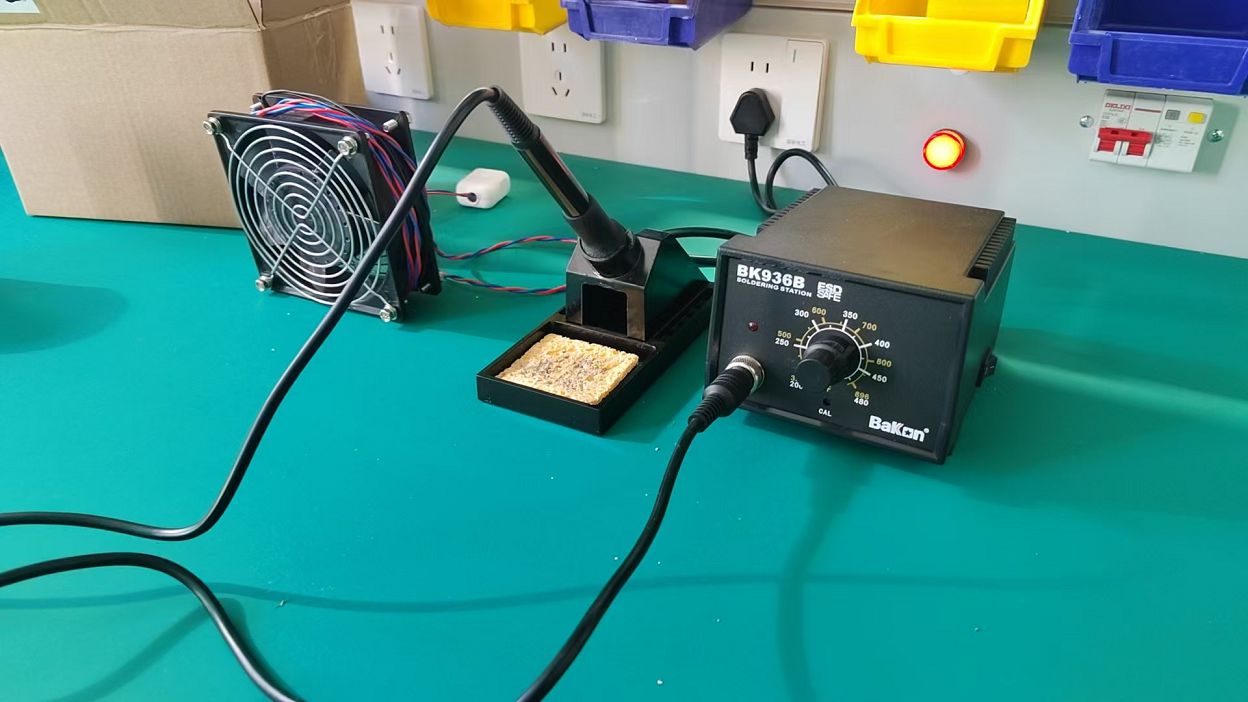
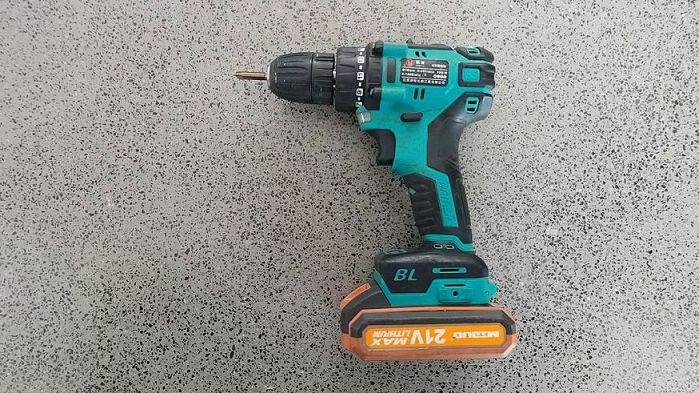
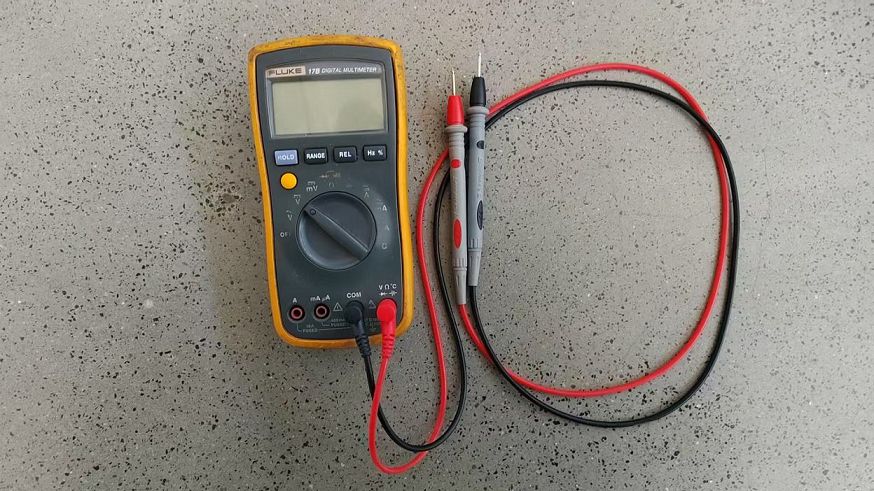
Precision Laboratory Instruments

5. Technology Roadmap: Next-Gen Voltage Regulation
A look at upcoming technologies shaping power electronics over the next decade
The voltage regulation industry is moving away from purely analog control loops. Power designers are adopting digital signal processing (DSP) to handle control feedback in real time. This change enables dynamic loop adjustment, allowing regulators to adapt their parameters to varying loads on the fly.
Simultaneously, the use of wide-bandgap (WBG) semiconductors is transforming hardware design. Silicon-based switches are being replaced by Gallium Nitride (GaN) and Silicon Carbide (SiC) devices. These materials allow for higher switching frequencies, which helps reduce the physical size of inductors and capacitors while improving conversion efficiency, particularly under heavy loads.
High-frequency GaN Topologies
Operating switching frequencies above 1 MHz allows designers to reduce the size of magnetic components. This leads to lighter, more compact power systems, which is especially beneficial for aerospace and modular industrial applications.
Bidirectional Grid-Tie Capabilities
Modern test systems are shifting toward bidirectional power designs. Instead of dissipating excess energy as heat, these systems feed energy back into the local grid, helping to lower utility costs during long-term reliability tests.
6. Macro Industry Applications & Power Solutions
How customized DC voltage regulation addresses the needs of major global industries
Renewable Energy & Grid Simulation
Simulating solar arrays and battery banks requires power supplies that can mimic rapid fluctuations in weather and load. Programmable DC sources enable researchers to reproduce these conditions in a controlled laboratory environment.
Electric Vehicle (EV) Drivetrain Testing
Testing battery packs, motor controllers, and onboard chargers requires high-voltage DC systems. These setups must deliver fast transient responses to match rapid acceleration and regenerative braking profiles.
Aerospace Avionics & Defense systems
Avionics testing demands clean, stable power inputs that mimic onboard generator networks. Low electromagnetic interference (EMI) is essential to protect sensitive communication and radar equipment during testing.
7. China Industry 4.0: Supply Chain Resiliency
Evaluating the manufacturing speed, component supply chains, and engineering ecosystems of Shenzhen
Shenzhen's electronics manufacturing ecosystem offers significant advantages for sourcing power electronics. The close proximity of component suppliers, assembly facilities, and testing labs helps shorten development cycles. For manufacturers like Sophpower Electronics, this infrastructure makes it easier to source high-grade copper busbars, transformers, and specialized enclosures quickly, reducing overall production lead times.
Through modern manufacturing setups, automated reflow soldering, and computerized diagnostic tools, these facilities can scale production while maintaining consistent quality. This balance of speed and reliability makes regional manufacturers competitive partners for international engineering and procurement teams.
8. Localization, Global Regulatory Compliance, and Standards
Navigating key safety certifications and compliance frameworks for global installations
Deploying high-power equipment globally requires adherence to strict safety and electromagnetic standards. Industrial systems must carry appropriate certifications to ensure safety and compliance at installation sites. Key frameworks include:
CE & UL Certifications
CE marking indicates compliance with European safety and environmental standards, while UL listing is critical for acceptance by facility inspectors and insurers in North America.
Electromagnetic Compatibility (EMC)
Compliance with FCC Part 15 and EN 55011 is necessary to ensure that high-frequency switching regulators do not interfere with nearby communication networks or instrumentation.
9. Technical FAQ: Sourcing DC Voltage Regulators & Supplies
Answers to common engineering and procurement questions regarding high-power DC systems
Additional Specialized Power Products
Browse our extended catalog of high-capacity DC sources, programmable frequency converters, and electronic loads.