Top-tier High-Voltage & AC/DC Programmable Power Systems
Engineered for precise simulation, product validation, and high-reliability backup applications.
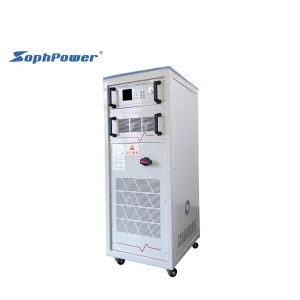
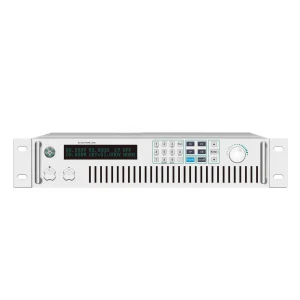
1. Global Landscape of Industrial Backup Power Supplies
In the contemporary digital and highly automated industrial landscape, power quality and supply continuity are non-negotiable. Critical operations spanning data centers, semiconductor fabrication plants, medical facilities, and automated assembly lines require advanced backup power supply systems capable of handling transients, phase imbalances, voltage sags, and complete blackouts. A minor interruption can lead to significant data loss, equipment damage, or catastrophic pipeline downtime.
This whitepaper details the architectural distinctions between standard consumer-grade backup power systems and high-precision, industrial-grade programmable DC and AC power solutions. Unlike passive standby systems, modern industrial test and backup setups leverage programmable switching technologies. These systems integrate variable DC switching supplies, programmable electronic loads, and frequency converters to provide clean, regulated power under all operational circumstances.
Scalable Voltage Architectures
From low-voltage logic arrays up to 1500V high-voltage DC configurations, industrial suppliers support flexible setups to match diverse testing and operation envelopes.
Transient Recovery & Stability
Advanced topologies guarantee microsecond-level recovery times when encountering dynamic load steps, minimizing voltage fluctuations to sensitive loads.
Harmonic Distortion Suppression
Low THD (Total Harmonic Distortion) in variable frequency AC converters ensures that sensitive laboratory testing remains unaffected by grid anomalies.
2. Technology Roadmap and Future Outlook
The transition from analog-controlled power topologies to fully digitized, software-defined power architectures defines the current state of technology. Modern backup systems do not simply store power; they communicate dynamically with the grid and downstream loads. Future development is concentrated in three key technical trends:
- Wide Bandgap (WBG) Semiconductors: The integration of Silicon Carbide (SiC) and Gallium Nitride (GaN) components into DC-DC stages allows switching frequencies to double while minimizing thermal management losses. This yields power supplies with over 95% efficiency and drastically reduced physical footprints.
- Bidirectional Grid Integration (Regenerative Power): Modern power conversion systems enable energy recovery from loads, such as motor testing or battery cycling, back into the AC grid. This cuts operational costs and stabilizes internal local grids.
- Predictive Health Analytics: Armed with IoT interfaces and sensor arrays, contemporary systems trace variables like ESR in capacitors and IGBT junction temperatures. Machine learning algorithms flag performance drops before they result in hardware breakdown.
| Technology Parameter | Traditional Linear/Switching | Advanced SiC/GaN Hybrid Platforms | Next-Gen Regenerative Smart Systems |
|---|---|---|---|
| Power Efficiency | 75% - 85% | 90% - 96% | >97% (System Peak) |
| Dynamic Recovery Time | < 5 ms | < 100 µs | < 50 µs (Bidirectional transition) |
| Power Density | Low to Moderate (Weighty) | High (Compact 3U/6U rack units) | Ultra-High (Modular card architectures) |
| Communication Protocols | Analog 0-10V, RS232 | RS485, GPIB, CAN, LAN (LXI) | EtherCAT, EtherNet/IP, Edge API, Cloud Telemetry |
3. Company Profile: Shenzhen Sophpower Electronics Co., Ltd.
Established in 2006 in Shenzhen, China, Shenzhen Sophpower Electronics Co., Ltd. has developed into a high-tech manufacturing leader specializing in advanced test and backup power supply architectures. Sophpower maintains a dedicated core engineering group with extensive practical experience in the design, development, and testing of complex electrical power supplies.
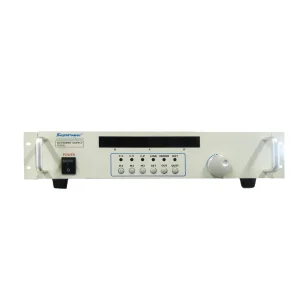
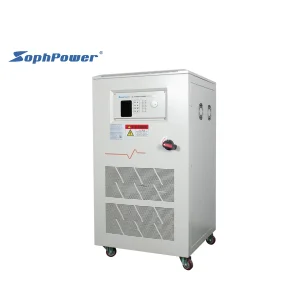
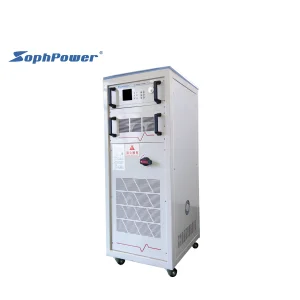
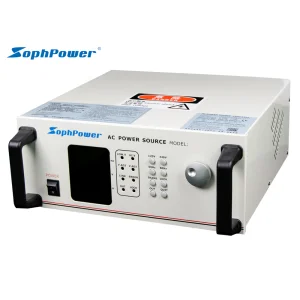
Sophpower's portfolio covers broad power profiles, including variable AC power sources, linear AC power sources, bidirectional regenerative AC and DC sources, high-voltage switching DC power supplies, electronic loads, and industrial uninterruptible power supplies (UPS). Drawing on deep engineering reserves, the company provides bespoke, customized testing power supplies tailored to the unique regulatory, voltage, and physical requirements of global buyers.
China's Supply Chain Resilience & Manufacturing Advantages: Located in Shenzhen—the global epicenter of hardware innovation—Sophpower benefits from a robust supply chain ecosystem. From immediate access to high-grade magnetic cores and rapid-turn multi-layer PCBs to proximity with semiconductor packaging hubs, the company translates localized efficiency into tangible advantages for international buyers: short production lead times, extensive customization agility, and competitive price-to-performance metrics.
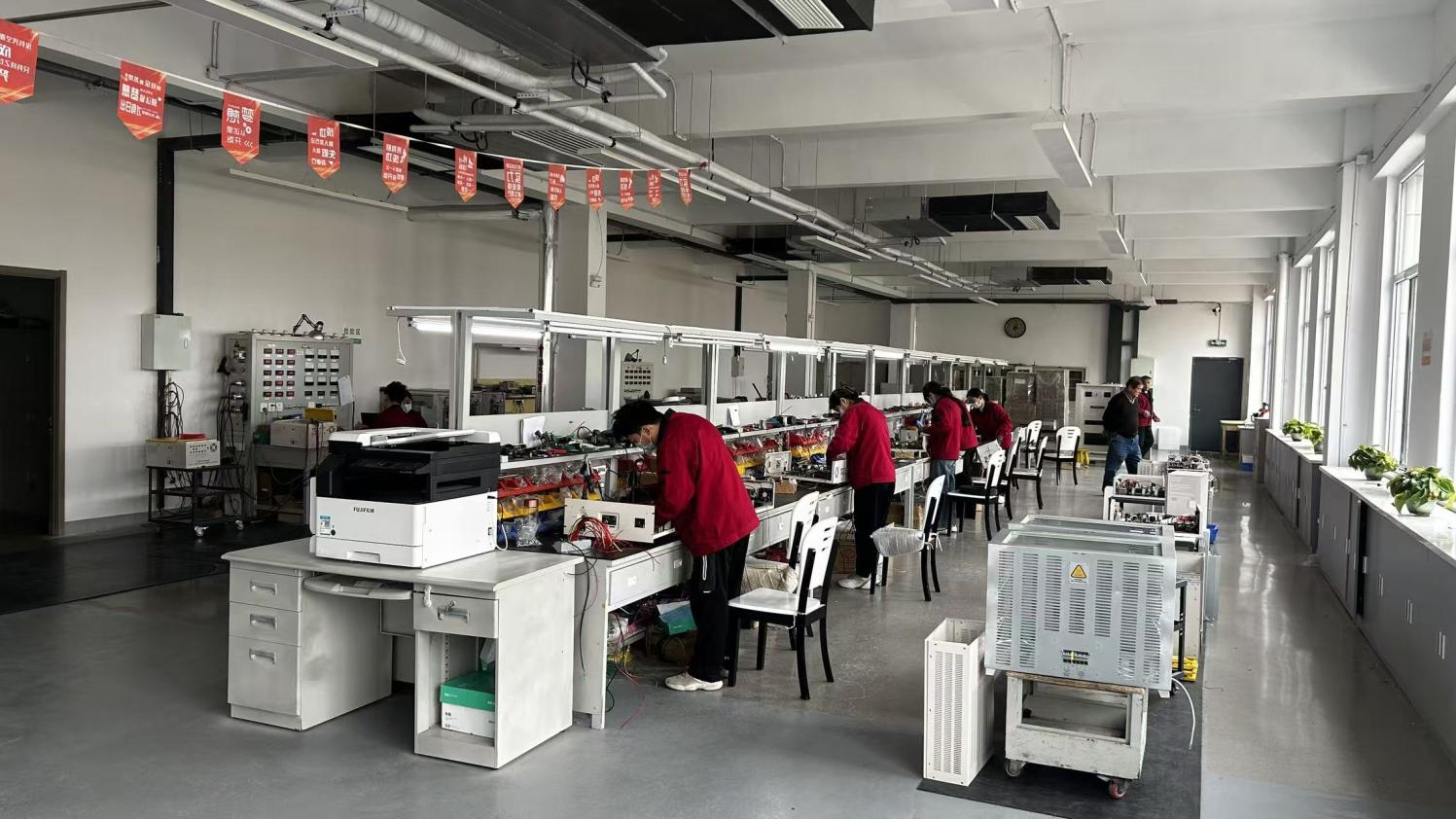
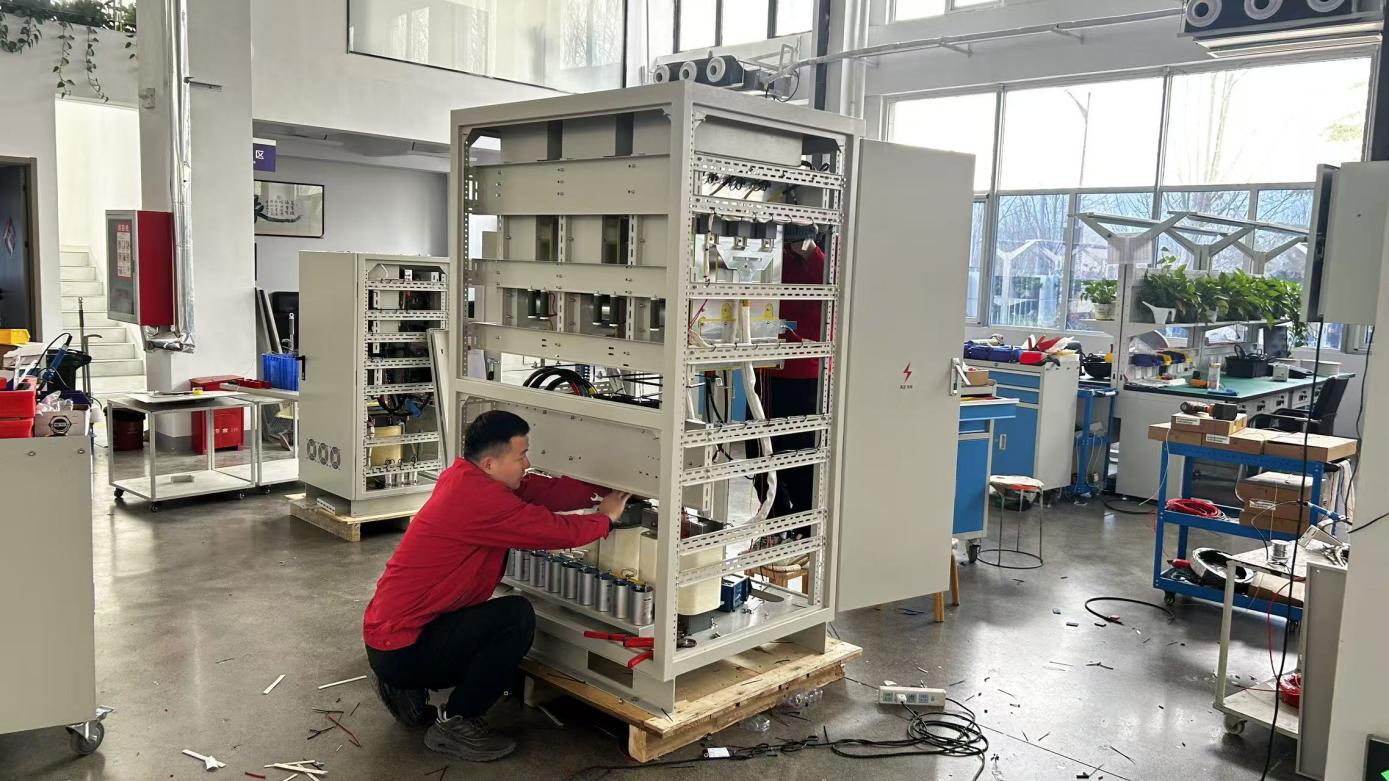
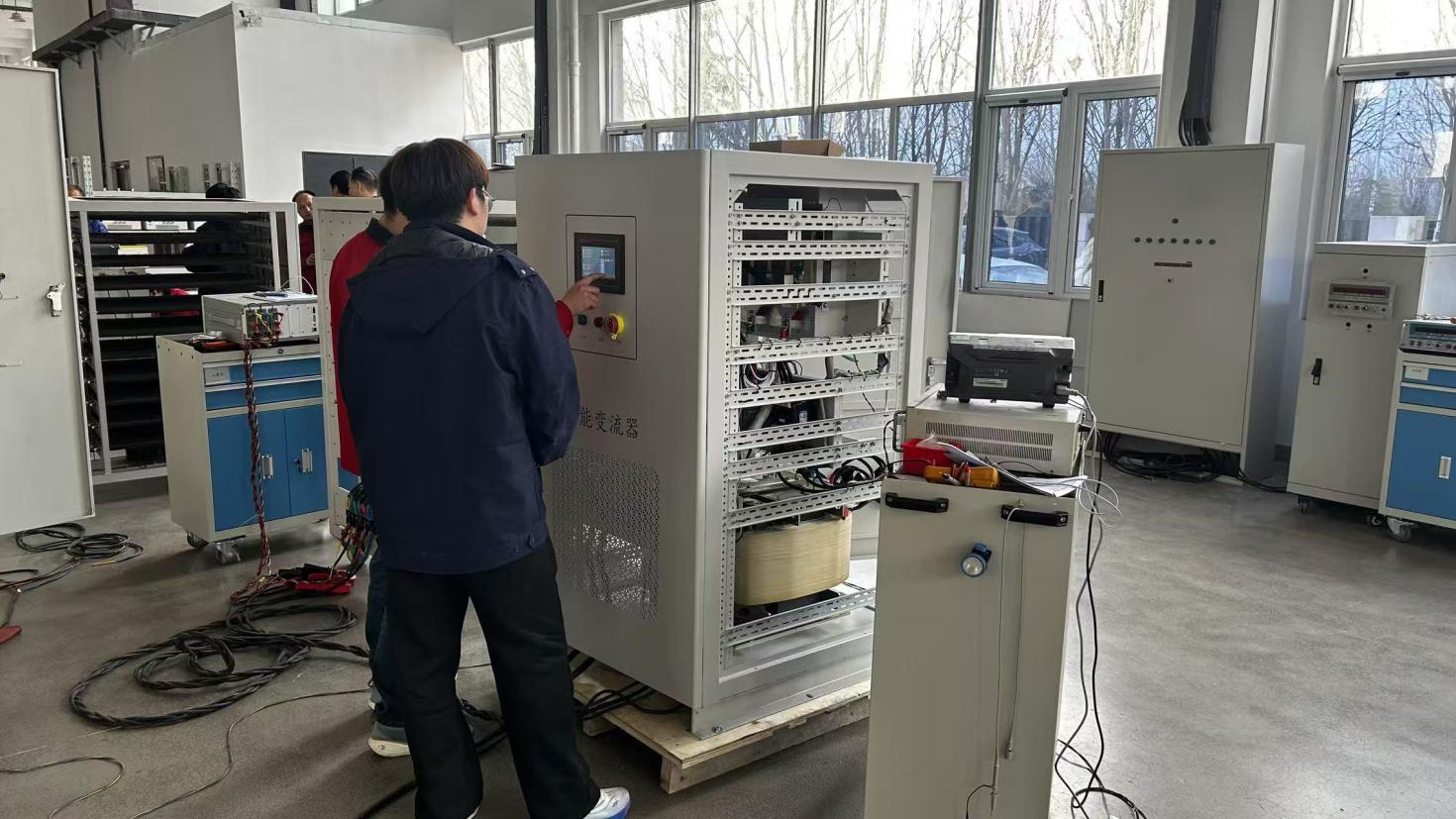
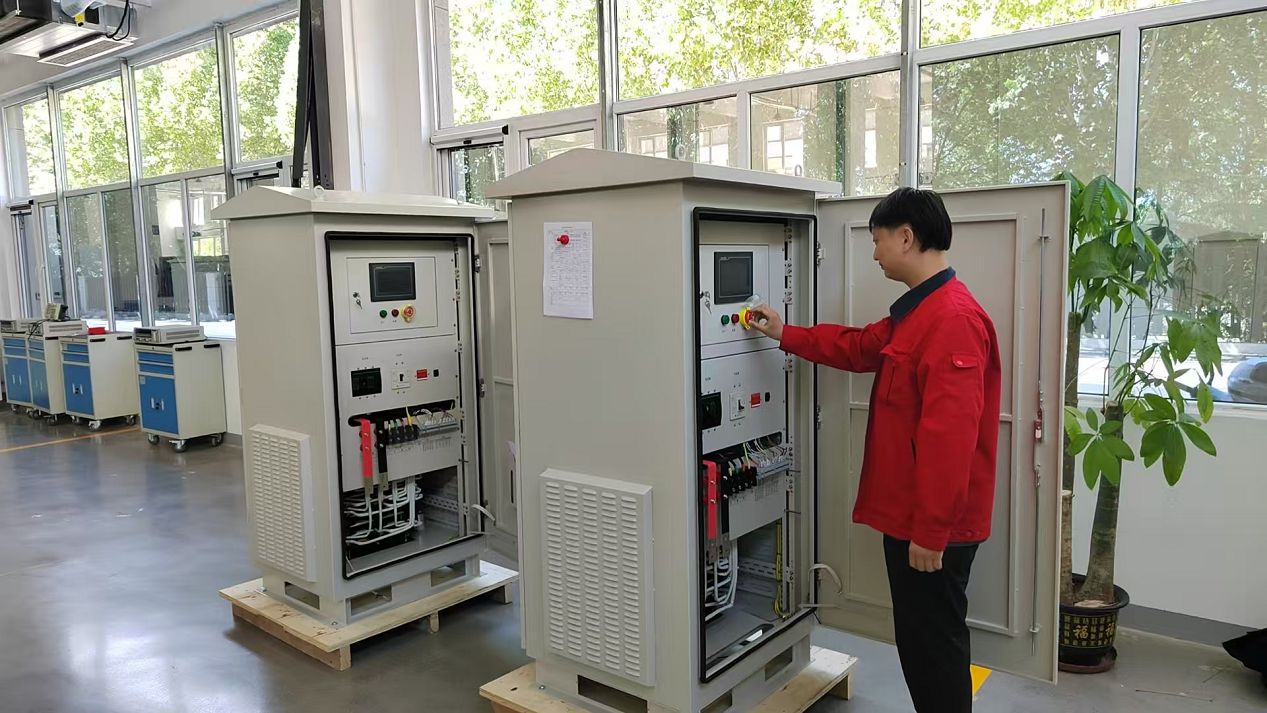
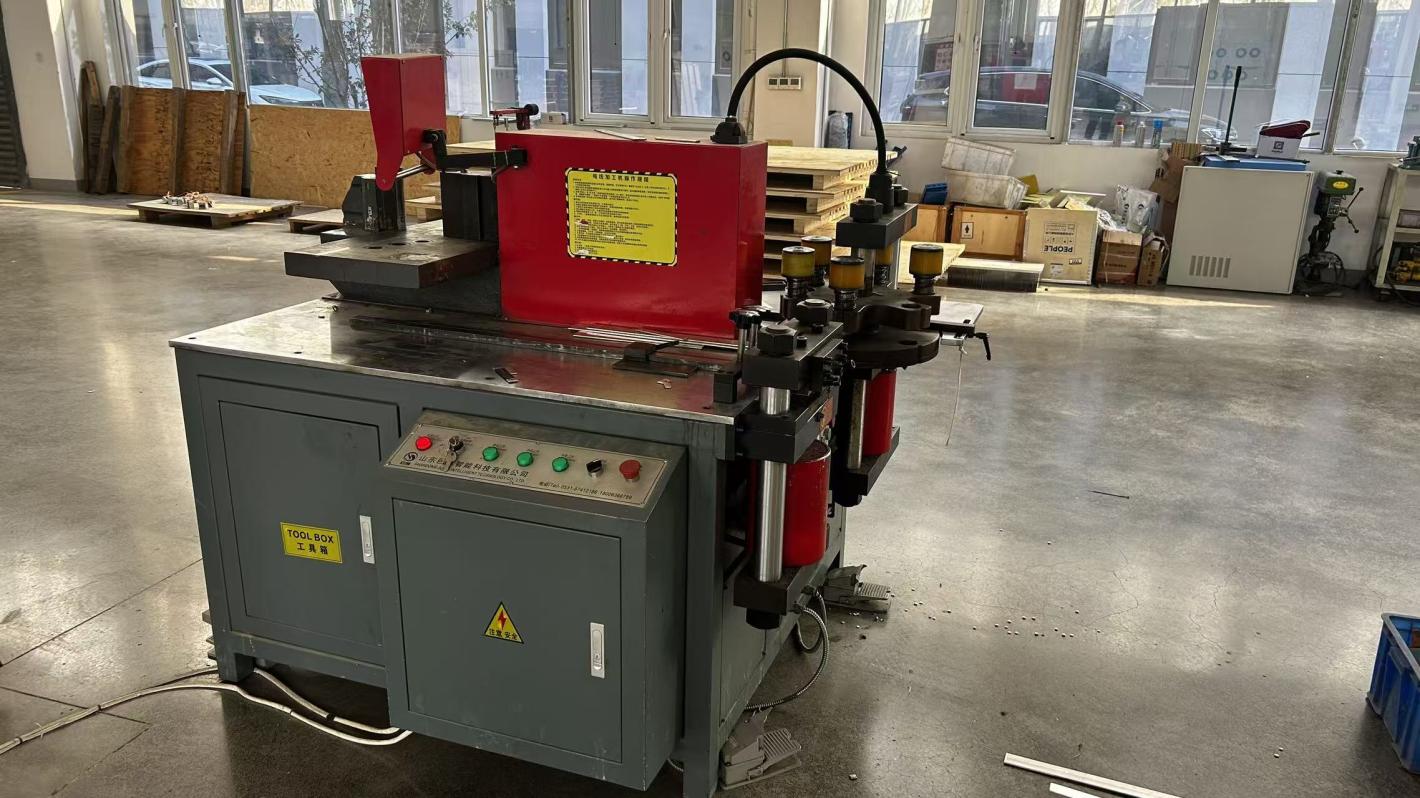
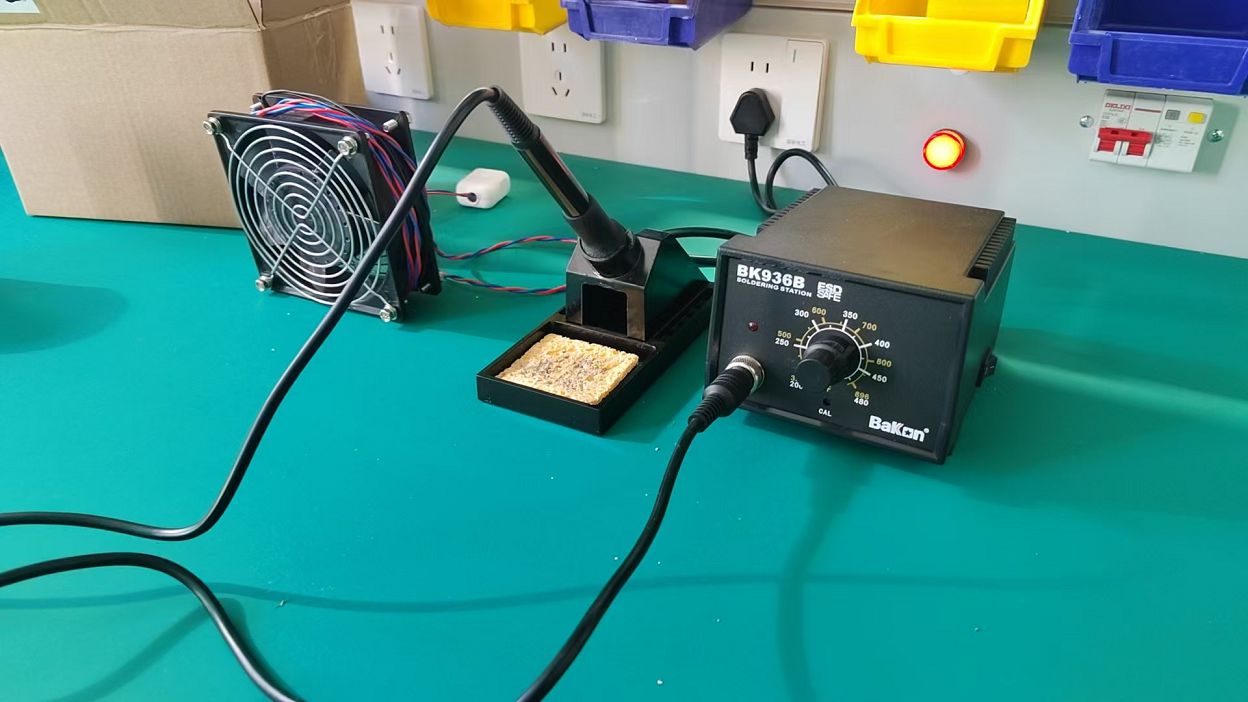
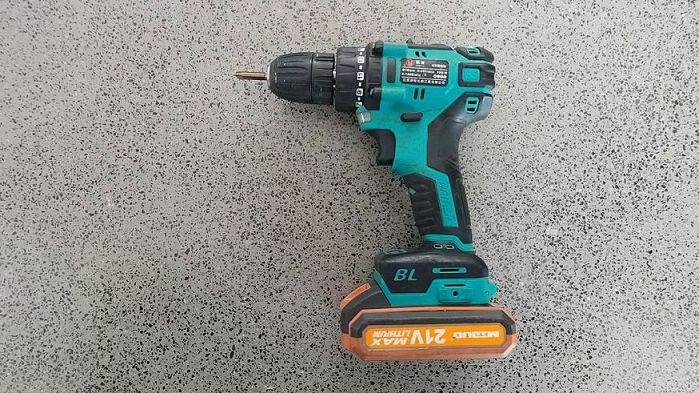
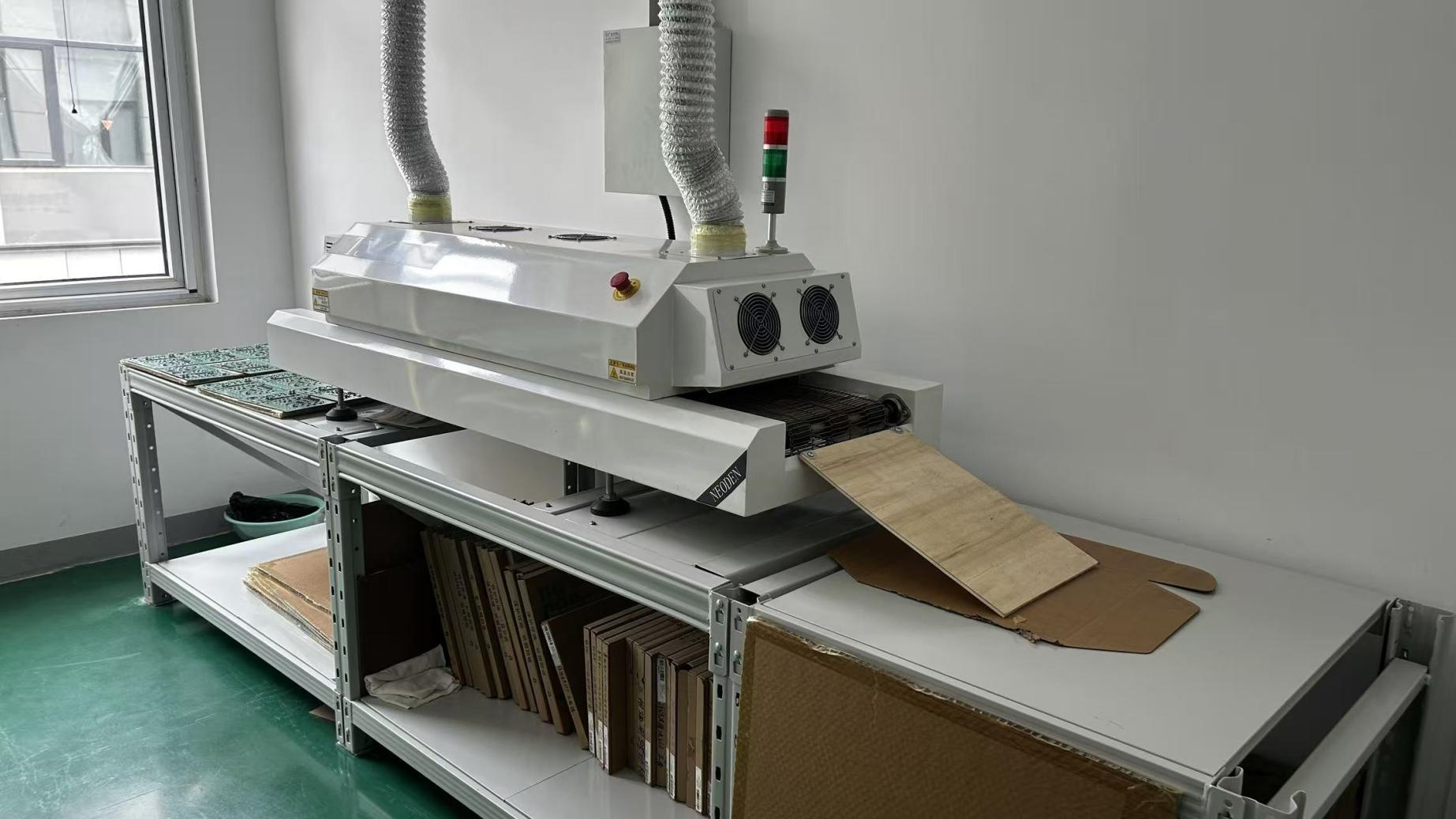
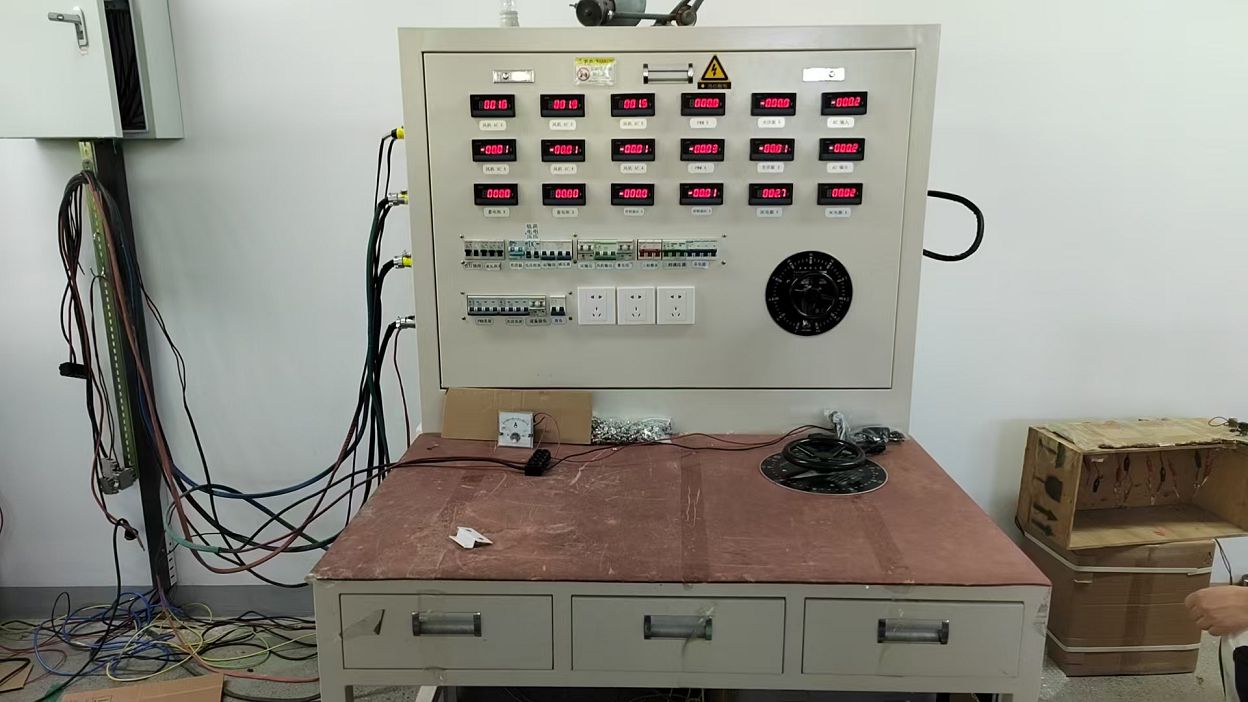
4. High-Precision Diagnostic Laboratory and R&D Testing
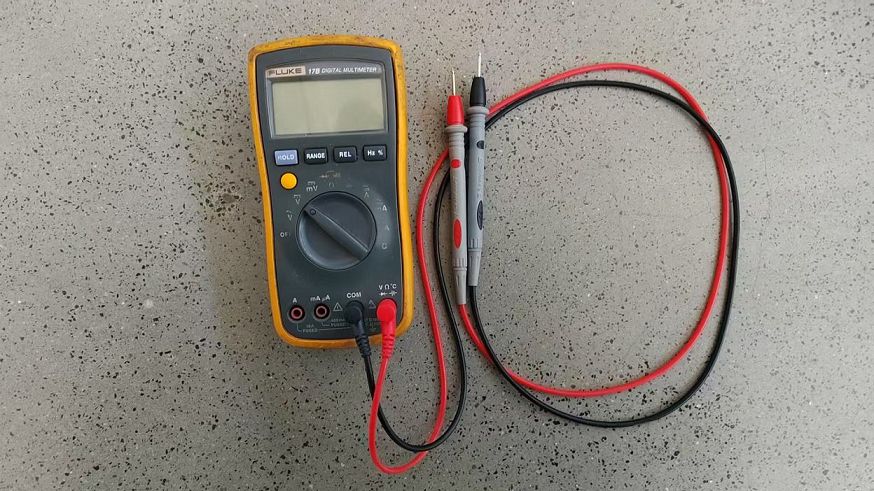
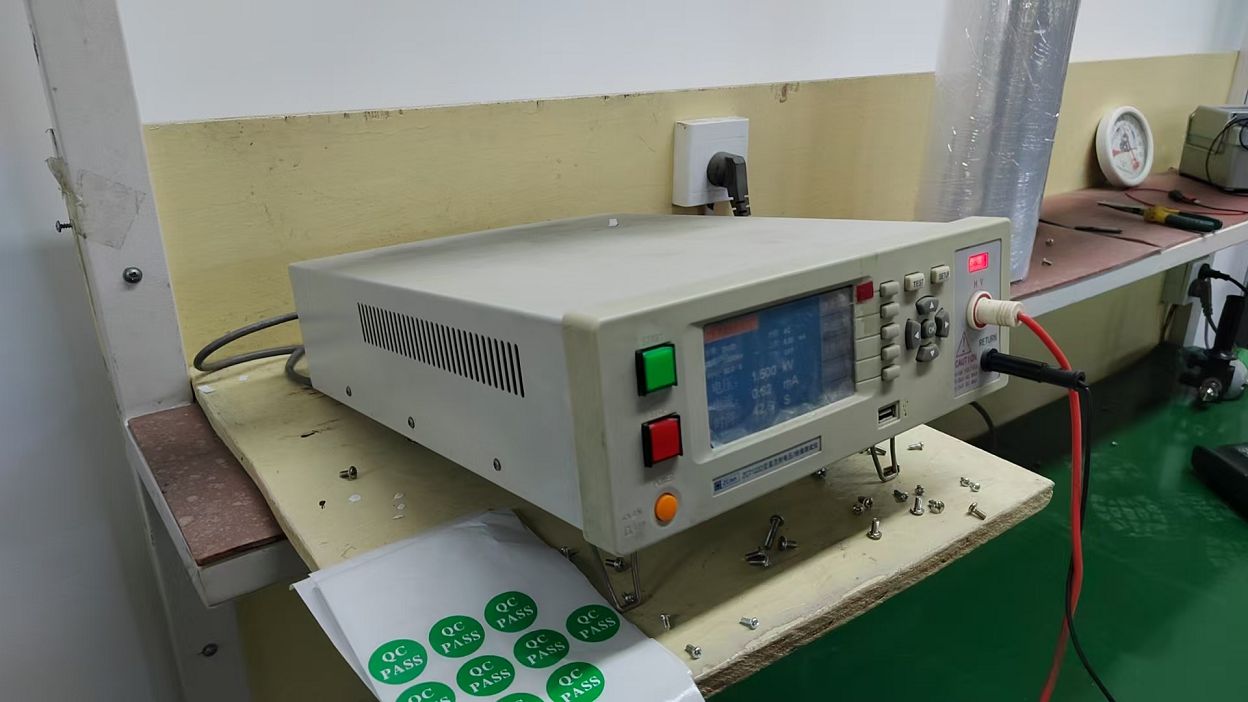
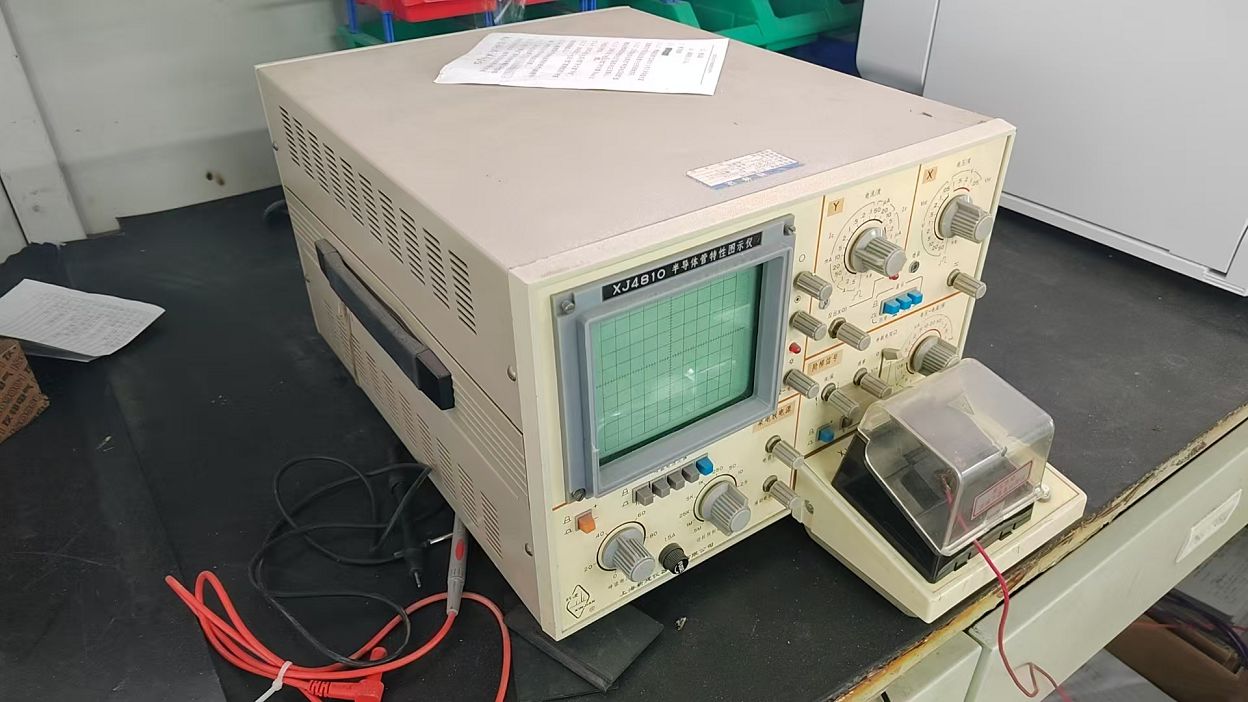
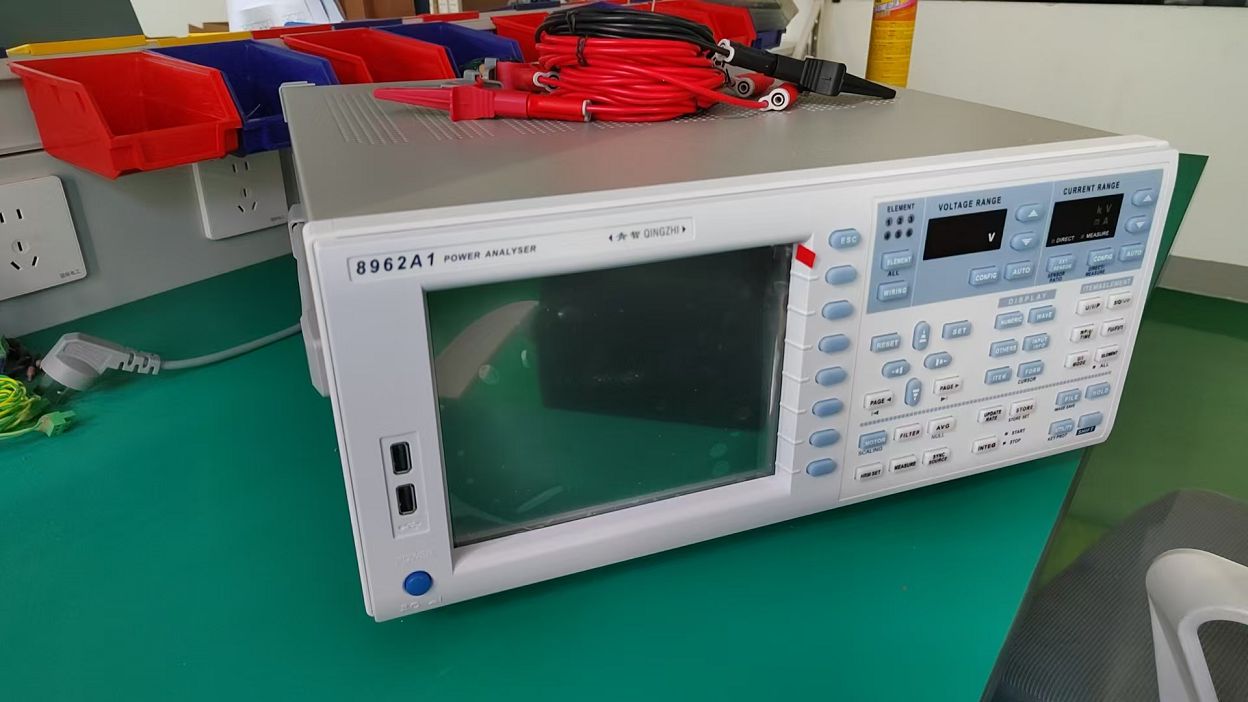
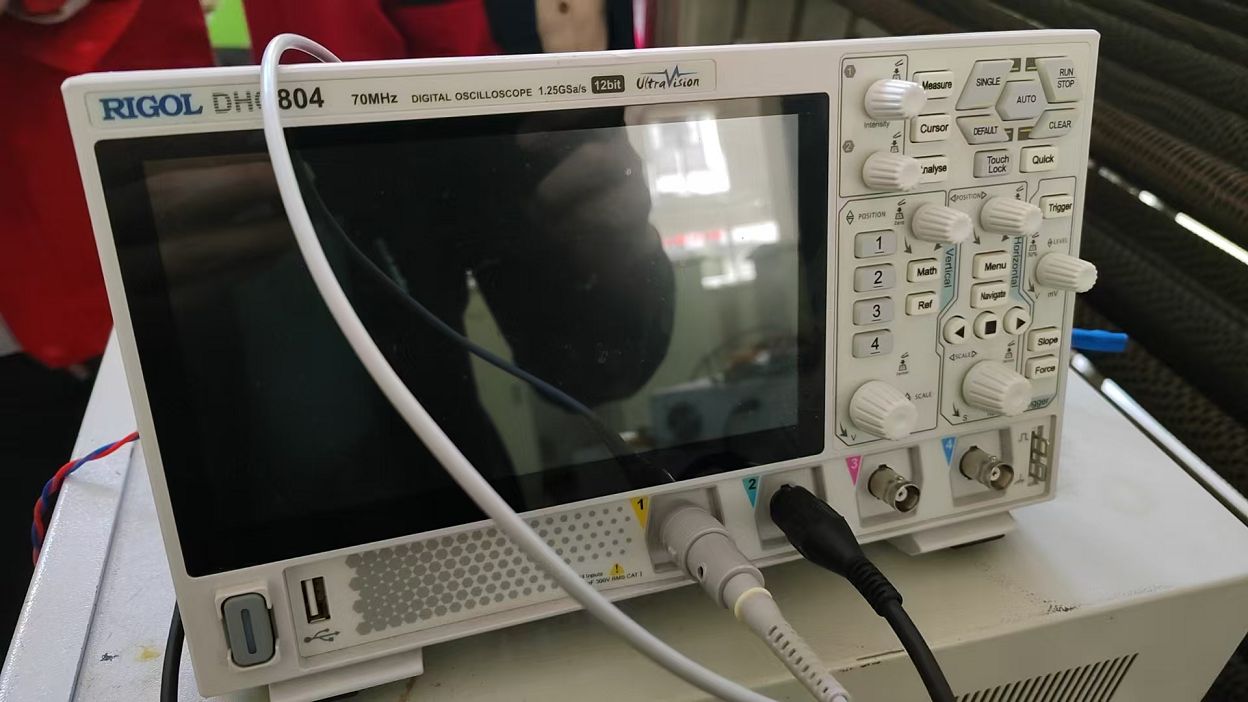
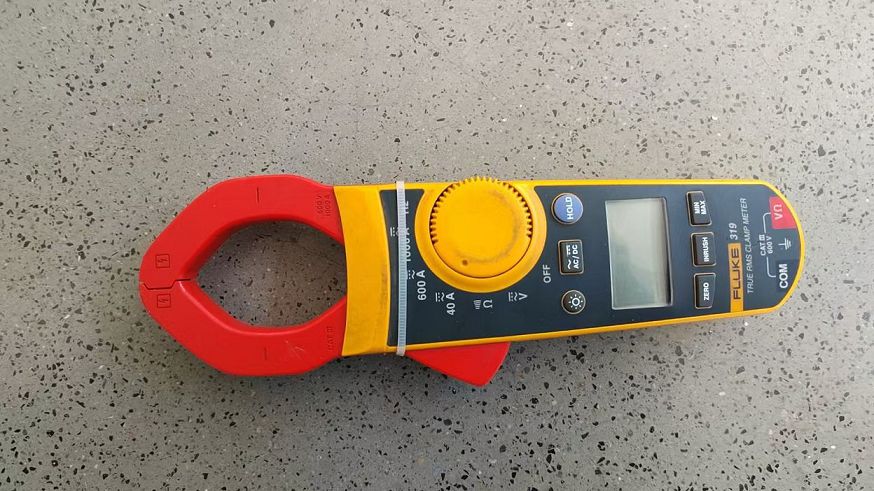
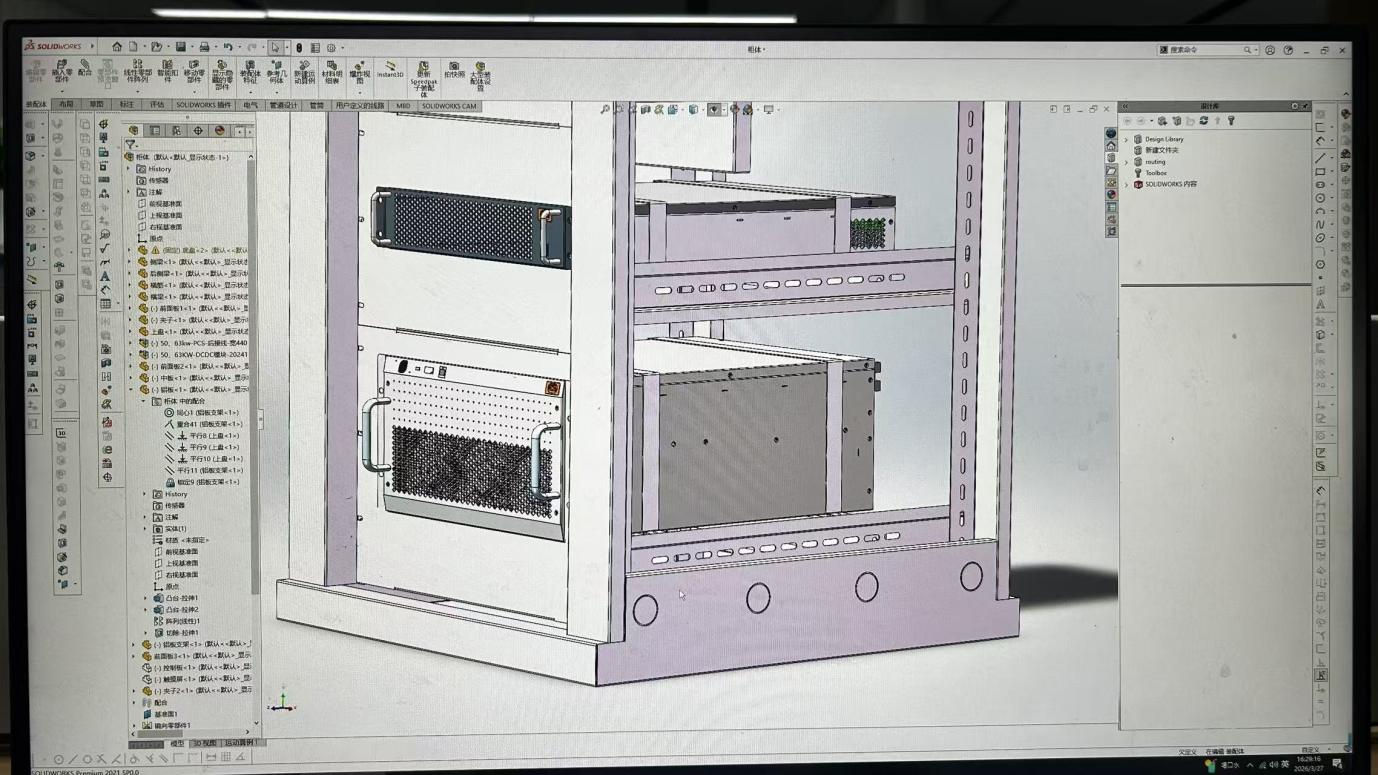
A power supply is only as reliable as the equipment used to validate it. At Sophpower, precision testing equipment is integrated into every step of design, validation, and calibration. This hardware layout ensures that every high-voltage programmable DC unit, variable AC converter, and digital load meets global compliance benchmarks and exhibits exceptional reliability in critical environments.


5. Localized Application Scenarios of Advanced Power Supplies
Industrial backup and programmable power systems operate within distinct grid topologies, regulatory frameworks, and environmental challenges globally. Effective deployments adapt to local parameters:
A. North American Industrial Grids (480V / 60Hz Systems)
In the US and Canada, manufacturing sites operate with 480V three-phase configurations. Backup power supplies must incorporate high-capacity isolation transformers and transient surge suppression to comply with UL 1778 standards. In EV testing environments, bidirectional DC systems simulate 800V DC fast-charging architectures under dynamic load conditions.
B. European Union Operations (400V / 50Hz and CE Harmonization)
In Europe, clean energy integration (solar PV and offshore wind) introduces grid voltage fluctuations. High-power variable frequency converters are used as localized buffers to insulate advanced lab systems. These converters dynamically smooth incoming current profiles and conform to strict EN 61000 EMC standards.
C. APAC Semiconductor Fab Facilities
In regions like Taiwan, South Korea, and mainland China, semiconductor fabs cannot tolerate a voltage sag exceeding 2 milliseconds. Static transfer switches coupled with high-efficiency online double-conversion UPS architectures provide continuous raw DC power feeds to cleanroom lithography modules.
Industrial Power Supply FAQ (Selection & Applications)
Get expert insights into configuring programmable DC switching systems, AC frequency converters, and electronic loads.
Programmable switching power supplies utilize high-frequency pulse width modulation (PWM) to regulate output voltage, providing high efficiency, compact dimensions, and light weight, especially in configurations exceeding 10kW. Conversely, linear power supplies offer lower ripple and faster response times, making them suitable for low-noise applications. However, they are heavy and inefficient at high power levels.
Bidirectional power supplies can operate as both a source (delivering power to the device under test) and a sink (absorbing returned power and feeding it back to the local AC utility). During vehicle deceleration or battery discharge phases, this design prevents energy waste and eliminates the need for large, heat-generating resistive load banks.
They isolate sensitive lab electronics from external grid fluctuations, surges, and frequency variations. By converting incoming AC to DC, and then converting it back to a clean, adjustable AC output (e.g., 40Hz to 400Hz), they ensure stable testing conditions regardless of local power quality issues.
Provide the nominal and peak voltage, current, and total power requirements. Additionally, specify the target operating temperature range, control interfaces (RS485, LAN, CAN, or GPIB), dimensional constraints, efficiency targets, and regulatory standards (e.g., CE, UL) to ensure compatibility.
They feature comprehensive safety protections, including overvoltage protection (OVP), overcurrent protection (OCP), overpower protection (OPP), and overtemperature protection (OTP). These parameters prevent damages to both the load module and the source unit under test.
Advanced Variable Frequency & High-Voltage Power Lineup
Engineered for commercial, research laboratory, and industrial applications globally.