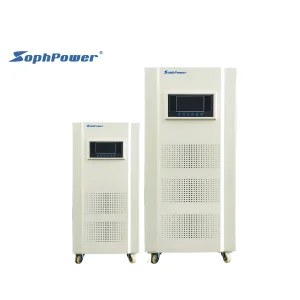
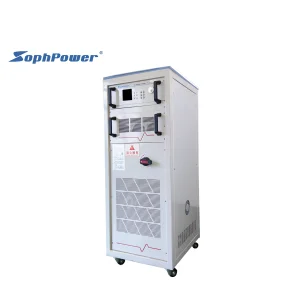
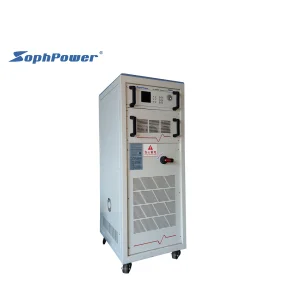
Featured Testing & High-Power Systems
Our industrial-grade power solutions depend directly on our proprietary custom heat sink technologies to maintain long-term system stability.
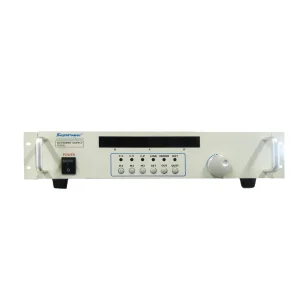
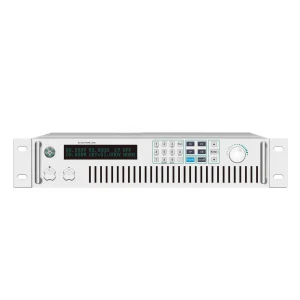
Understanding the Global Demand for High-Performance OEM/ODM Heat Sinks
In the modern era of power electronics, electrification, and artificial intelligence, heat generation has emerged as the primary bottleneck limiting performance, lifespan, and reliability. High-power systems, such as variable frequency converters, AC/DC regulated power supplies, and traction inverters, generate enormous amounts of waste heat at the semiconductor junction level. Managing this heat effectively requires more than off-the-shelf components. This is why leading companies rely on a specialized OEM/ODM Heat Sink Supplier to engineer customized thermal paths optimized for specific cabinet sizes, airflows, and electrical parameters.
As system power densities rise—especially with the widespread deployment of Silicon Carbide (SiC) and Gallium Nitride (GaN) devices—junction temperatures must be tightly regulated. High junction temperatures reduce mean time between failures (MTBF) and compromise electrical insulation. Standard extrusion processes often fall short, calling for complex engineering methods like bonded fins, copper heat pipes embedded in aluminum bases, or vapor chambers that deliver highly localized cooling.
Material Science & Design Options: Aluminum vs. Copper
Selecting the right raw materials is the first step in high-performance thermal design. As an established OEM/ODM heat sink manufacturer, we evaluate the system's thermal resistance requirements, weight limits, and cost targets:
- Aluminum 6063 & 6060: The industry standard for extruded heat sinks due to their excellent extrudability, corrosion resistance, and thermal conductivity (~200 W/m·K).
- Copper (C1100): Selected when local heat flux is exceptionally high. Copper features twice the thermal conductivity of aluminum (~400 W/m·K) but carries a higher cost and weight penalty.
- Bi-Metal Composites: A hybrid structure utilizing a copper baseplate connected to aluminum fins, combining the rapid spreading capability of copper with the lightweight heat dissipation of aluminum.
Macro-Level Industry Solutions: Where Custom Heat Sinks Matter Most
Custom heat sinks play a key role across several high-growth industrial sectors:
1. Renewable Energy & Grid Inverters: Utility-scale wind and solar inverters process megawatts of power. The heat sinks within these systems must resist harsh outdoor conditions, thermal cycling, and high humidity while ensuring continuous cooling over a 20+ year system life.
2. EV Charging Stations (DC Fast Charging): Modern 350kW+ EV fast chargers produce considerable waste heat within tight, sealed enclosures. Liquid-cooled cold plates are increasingly required here to dissipate the heat without drawing in external dust or moisture.
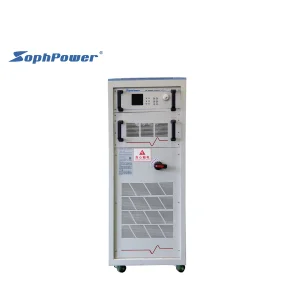
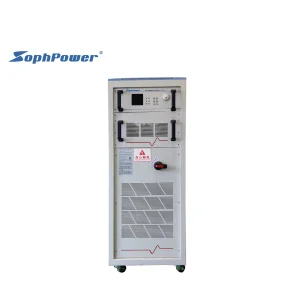
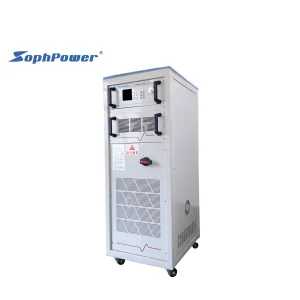
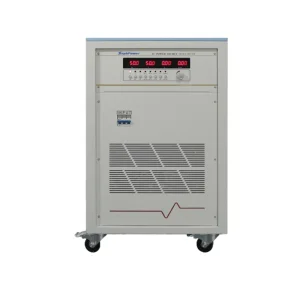
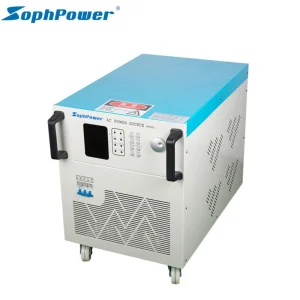
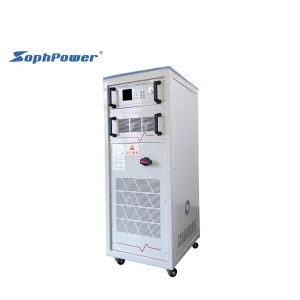
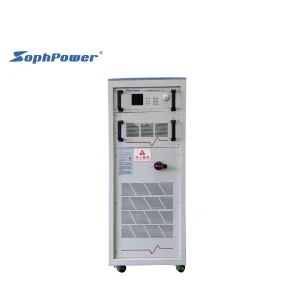
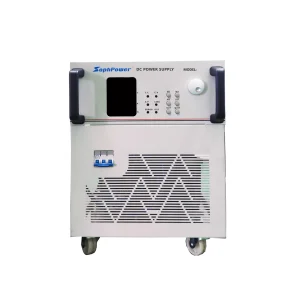
3. Advanced Power Conversion Systems: Our own high-capacity power supplies (like the 100kW variable DC supplies and 600kVA stabilizers listed below) integrate custom-machined heat sinks designed to handle dense thermal loads under continuous full-load laboratory testing.
Advanced Manufacturing & Assembly Facilities
Take a inside look at Sophpower's state-of-the-art facilities, raw material processing equipment, and assembly pipelines.
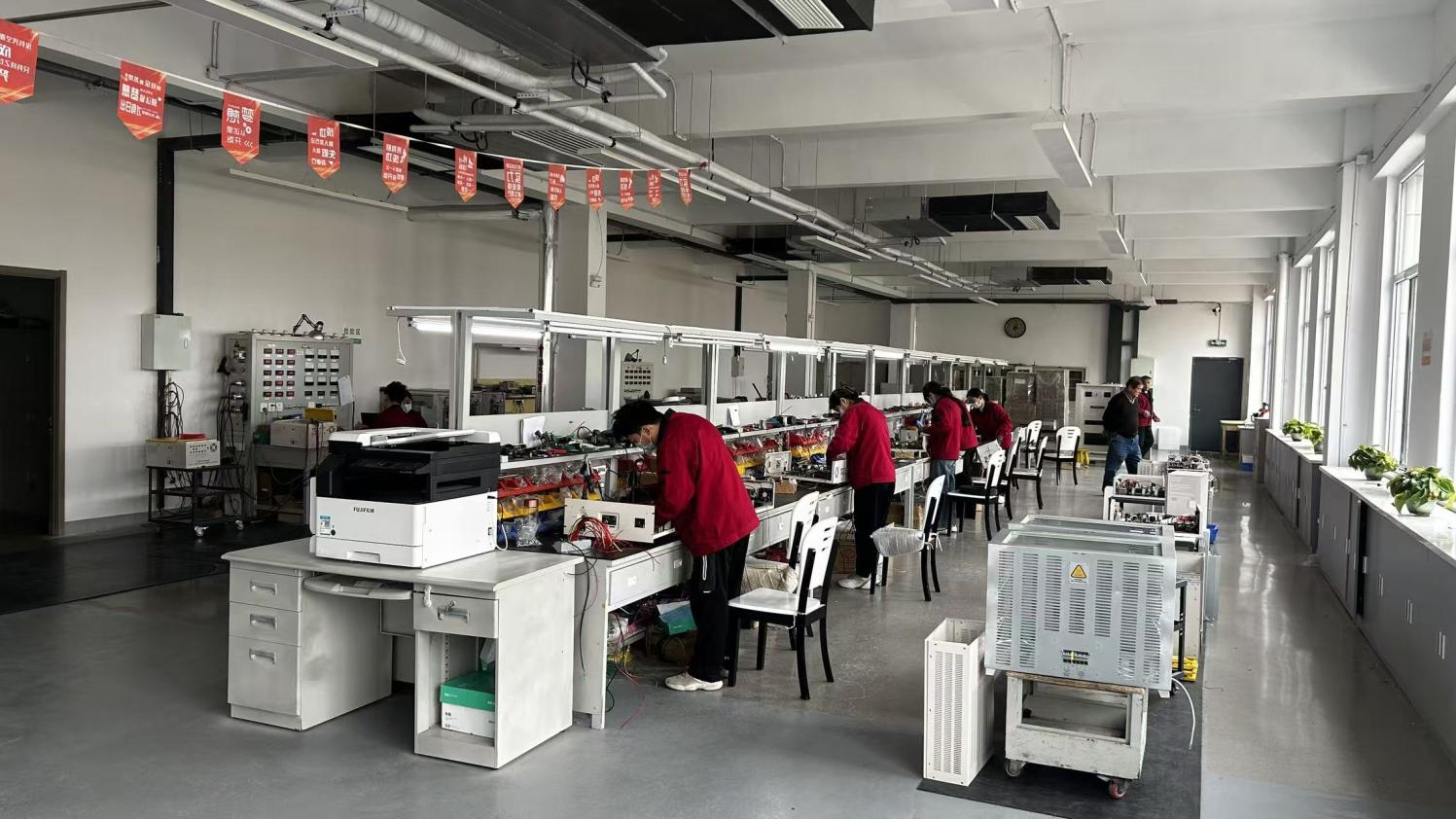 Circuit Assembly Process
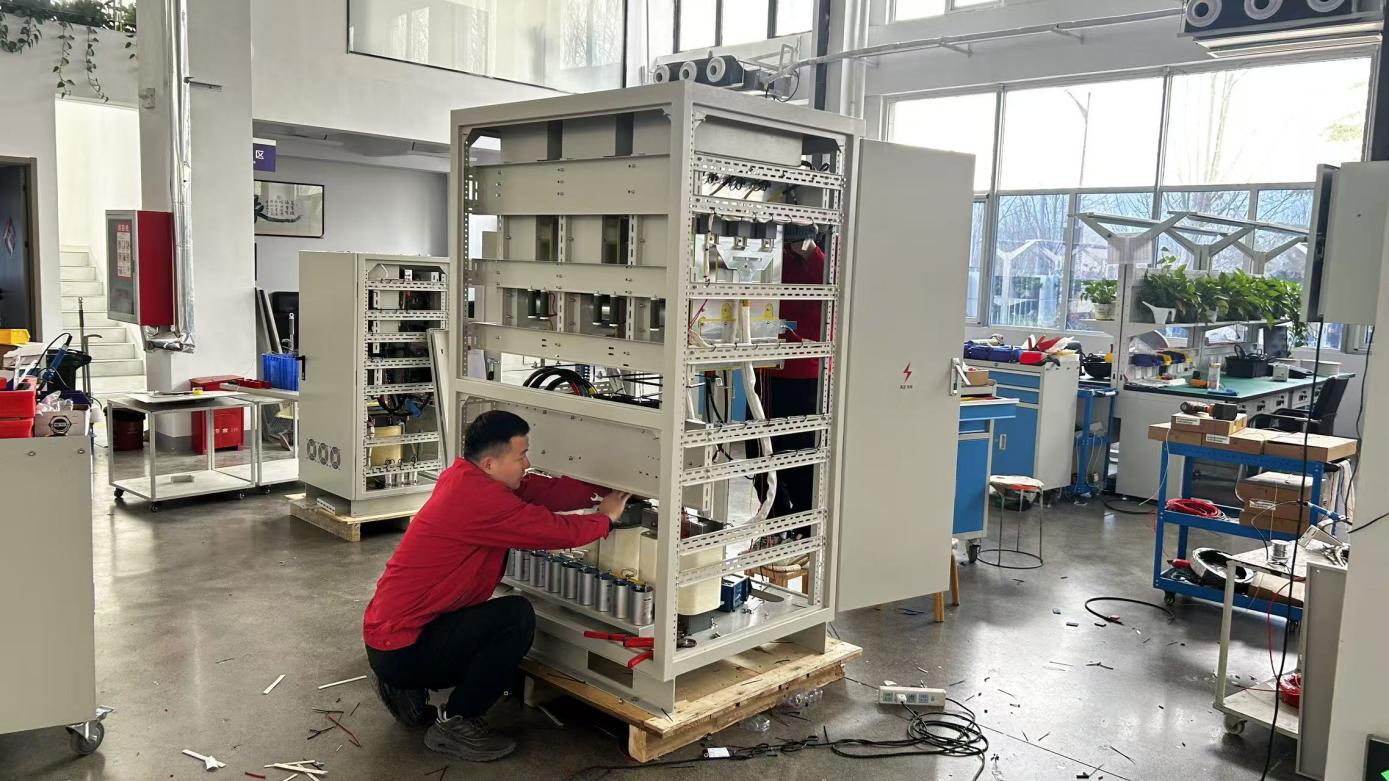 Circuit Board SMT/Assembly
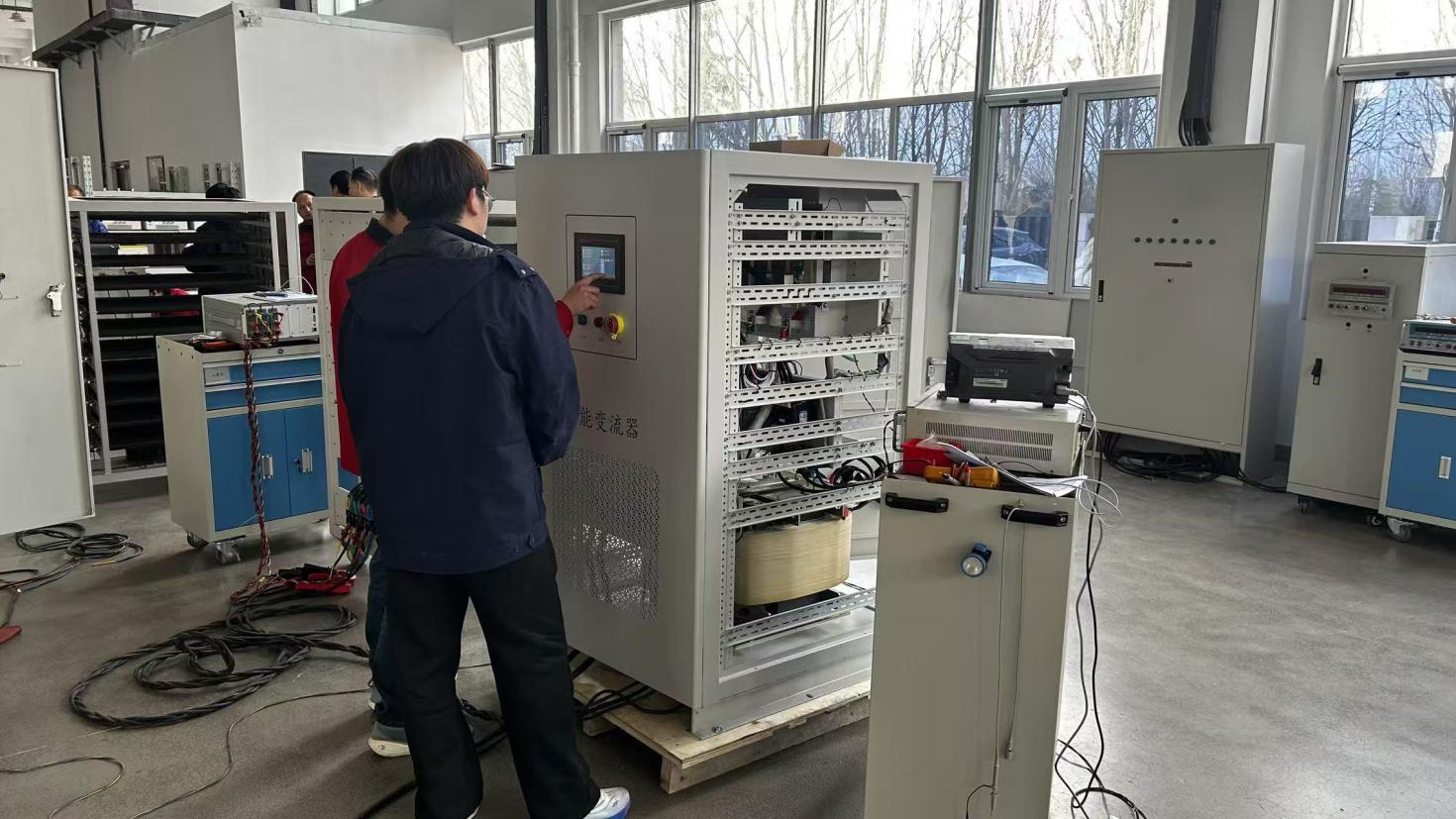 System Debugging & Calibration
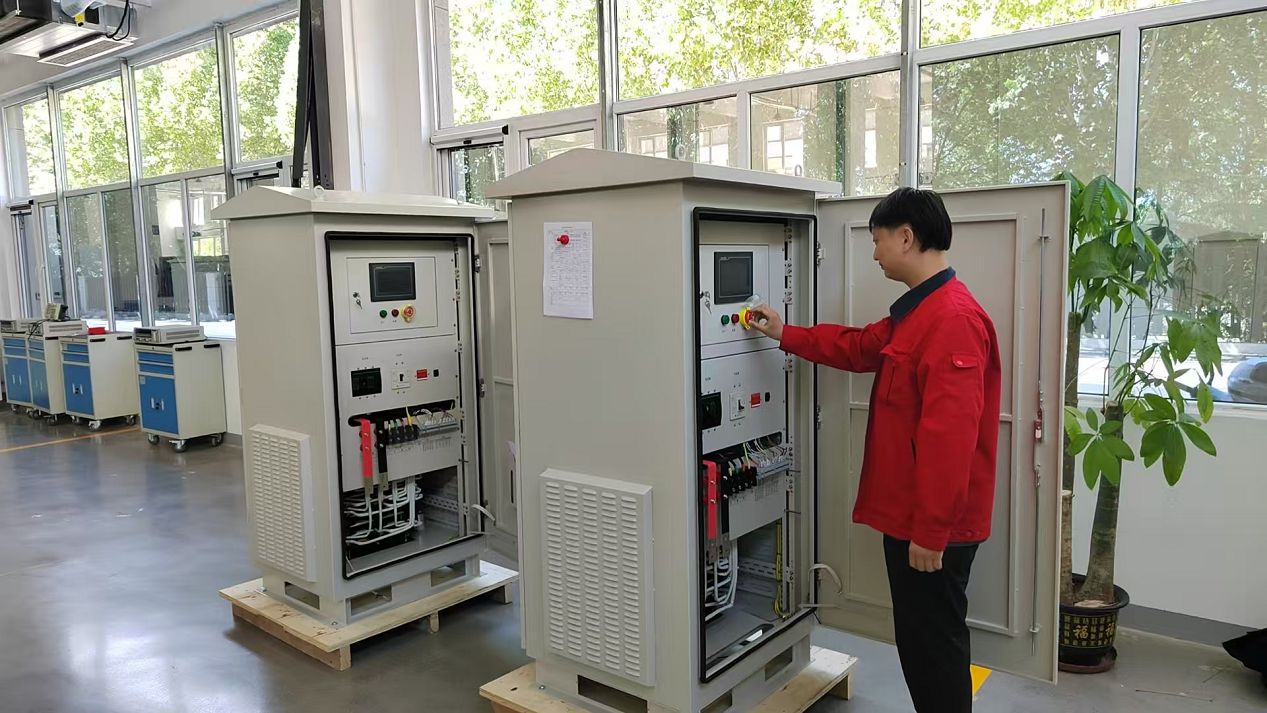 Rigorous Quality Inspection
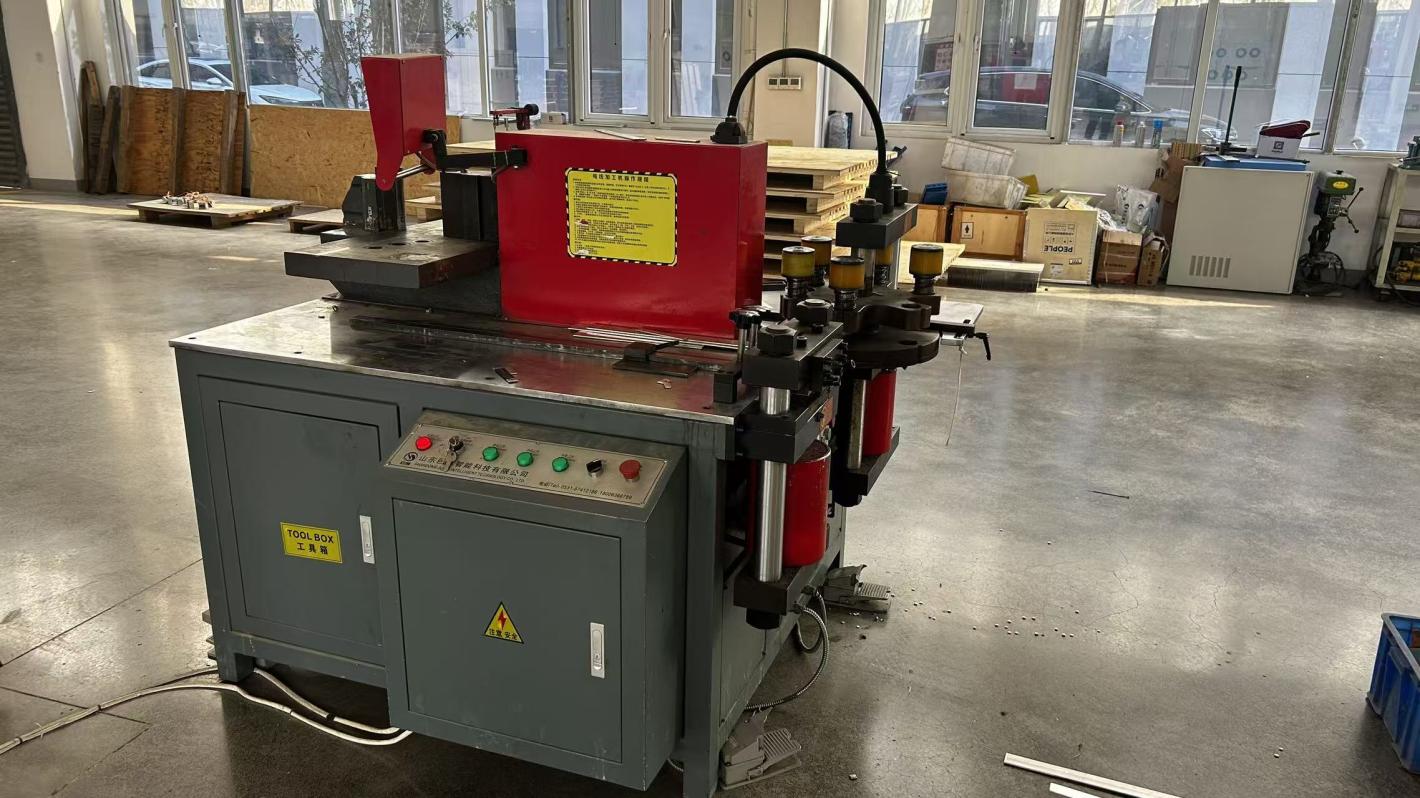 Copper Bar Machining Equipment
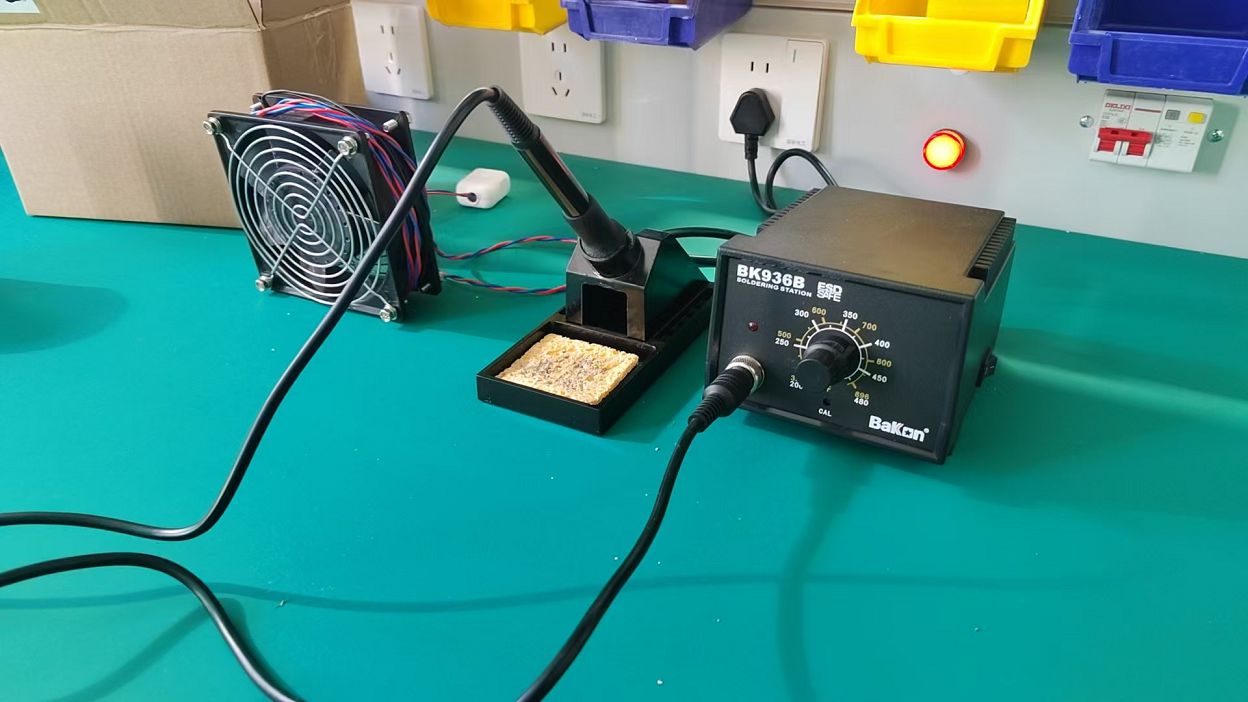 Wire Preparation System
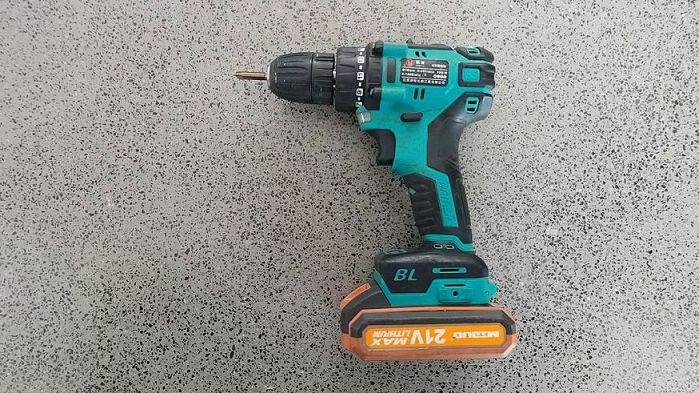 Precision Drilling Operations
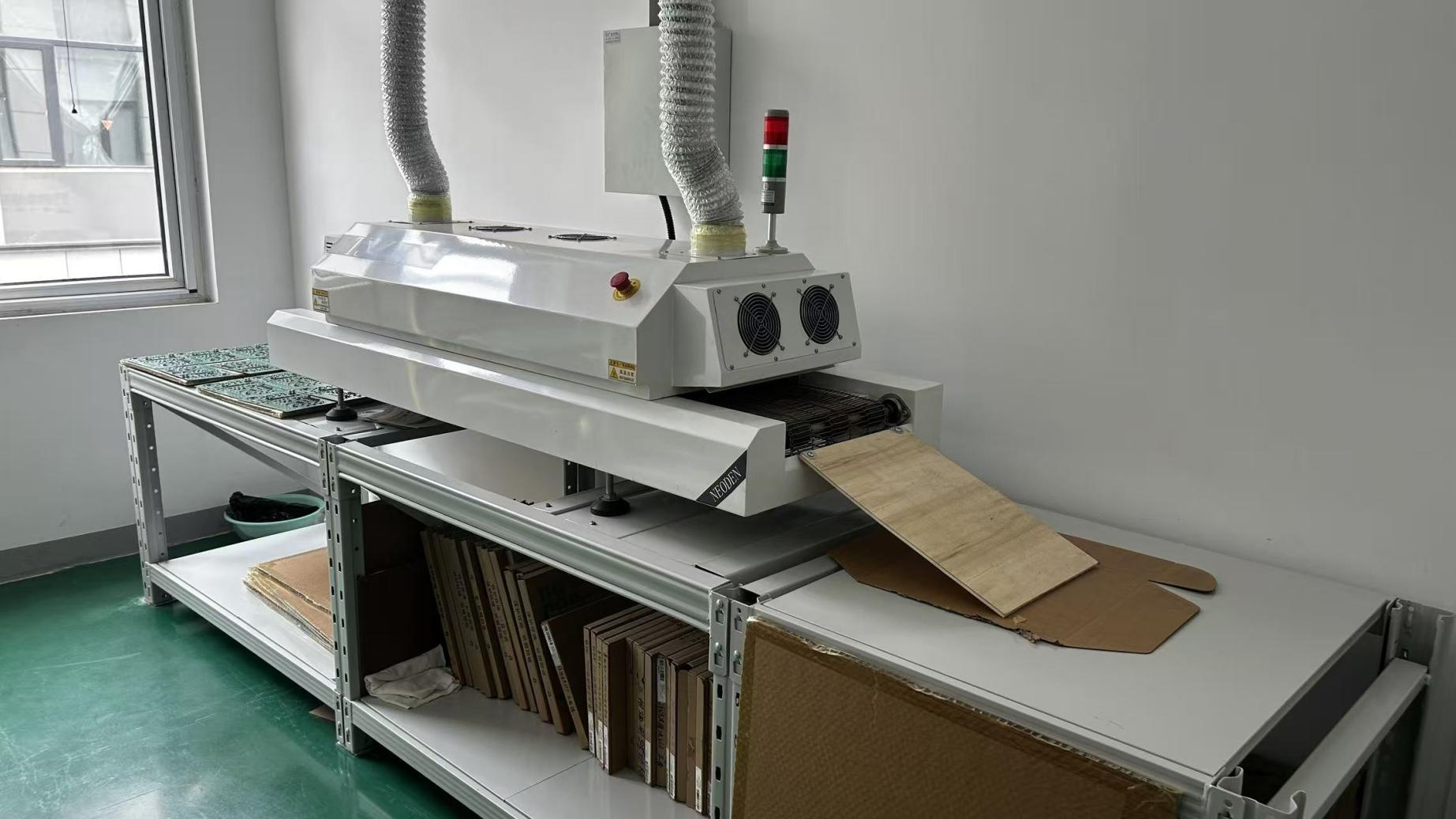 Reflow Soldering Line
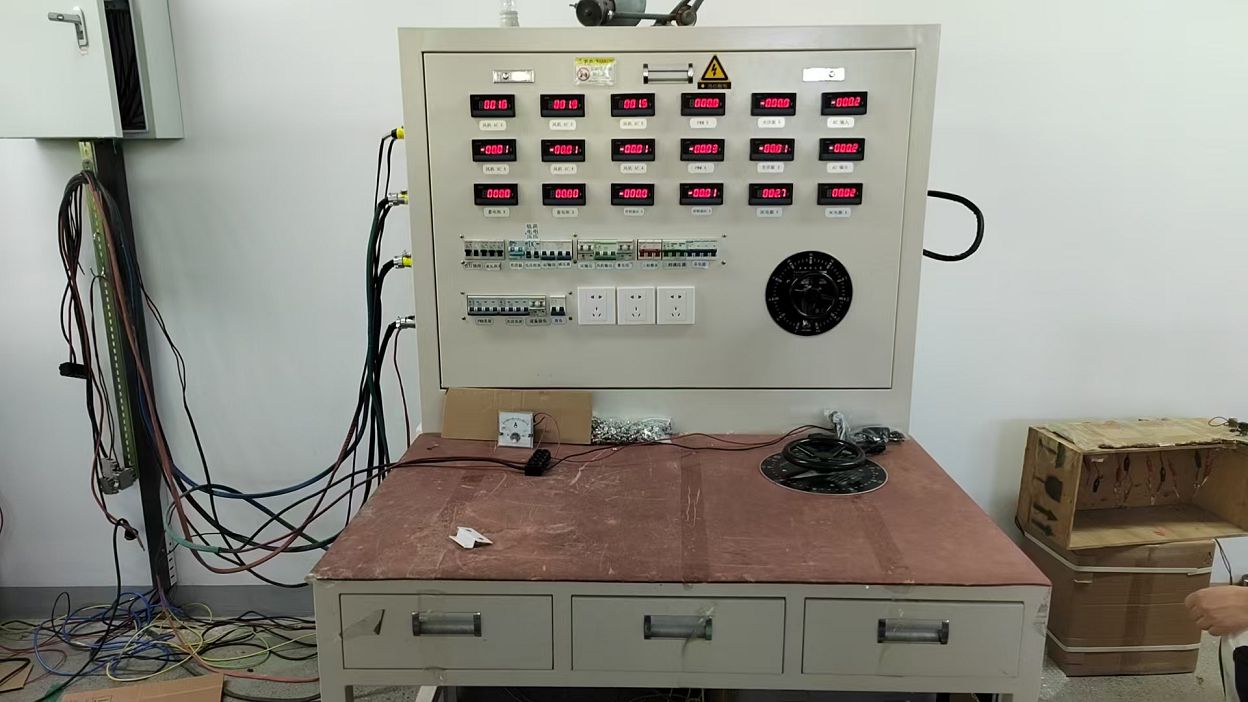 Final Integration Workbench
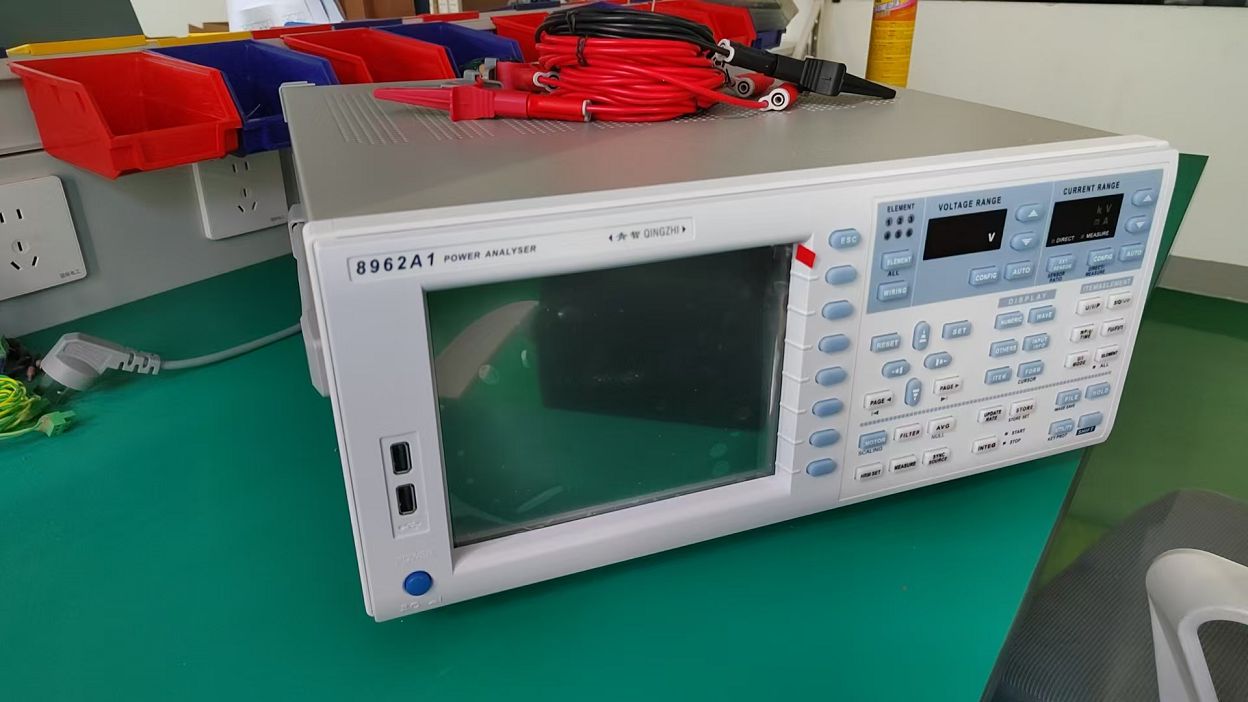
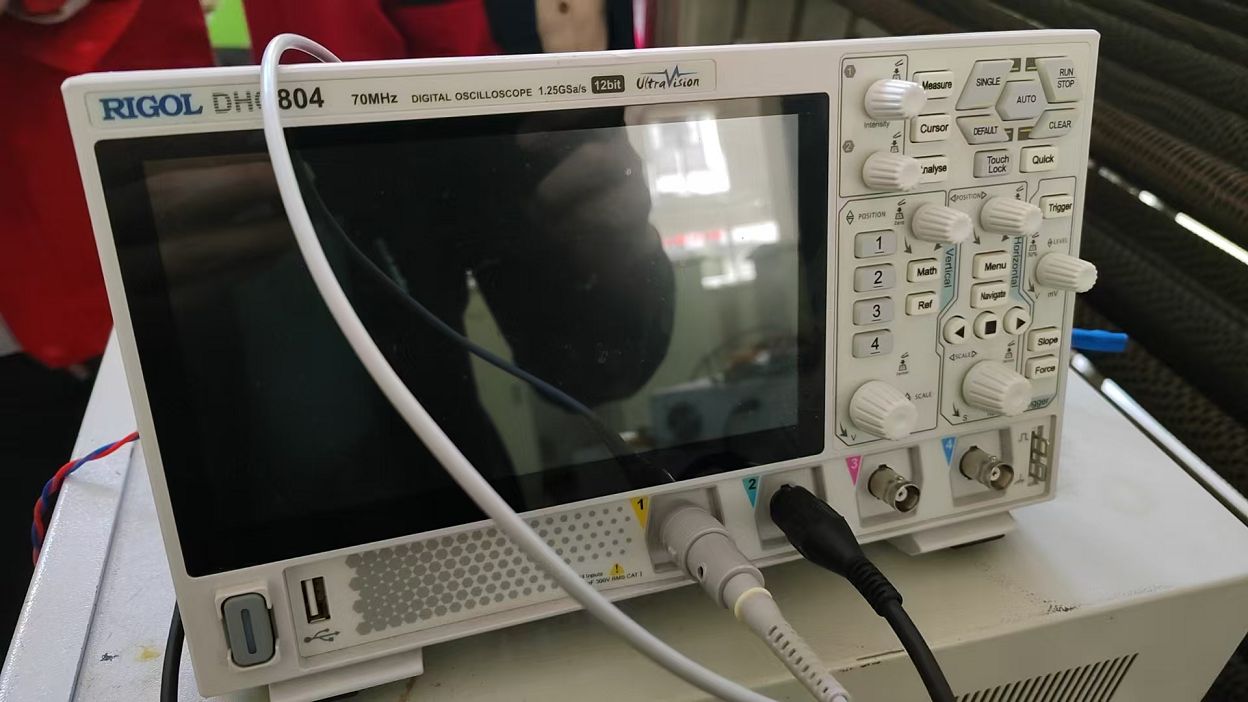
Calibration, Testing & Verification Instruments
Our quality assurance team utilizes calibrated laboratory instrumentation to verify electrical and thermal metrics for every custom batch.
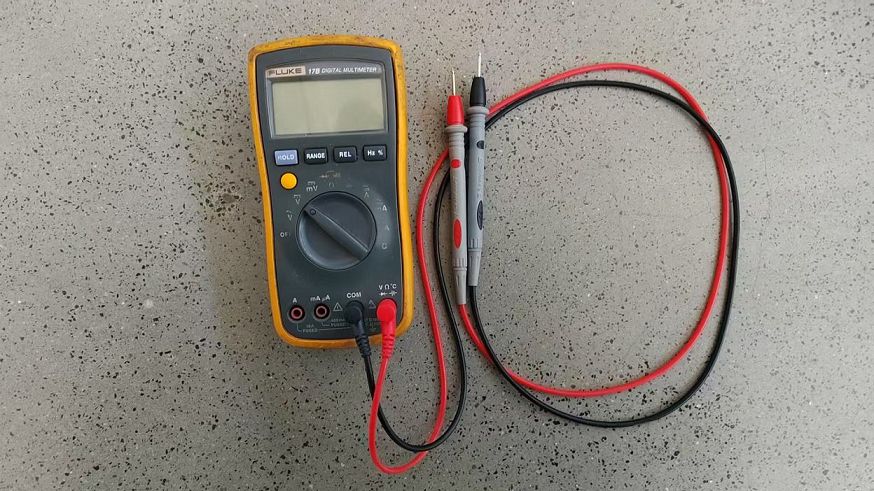 Digital Multimeter
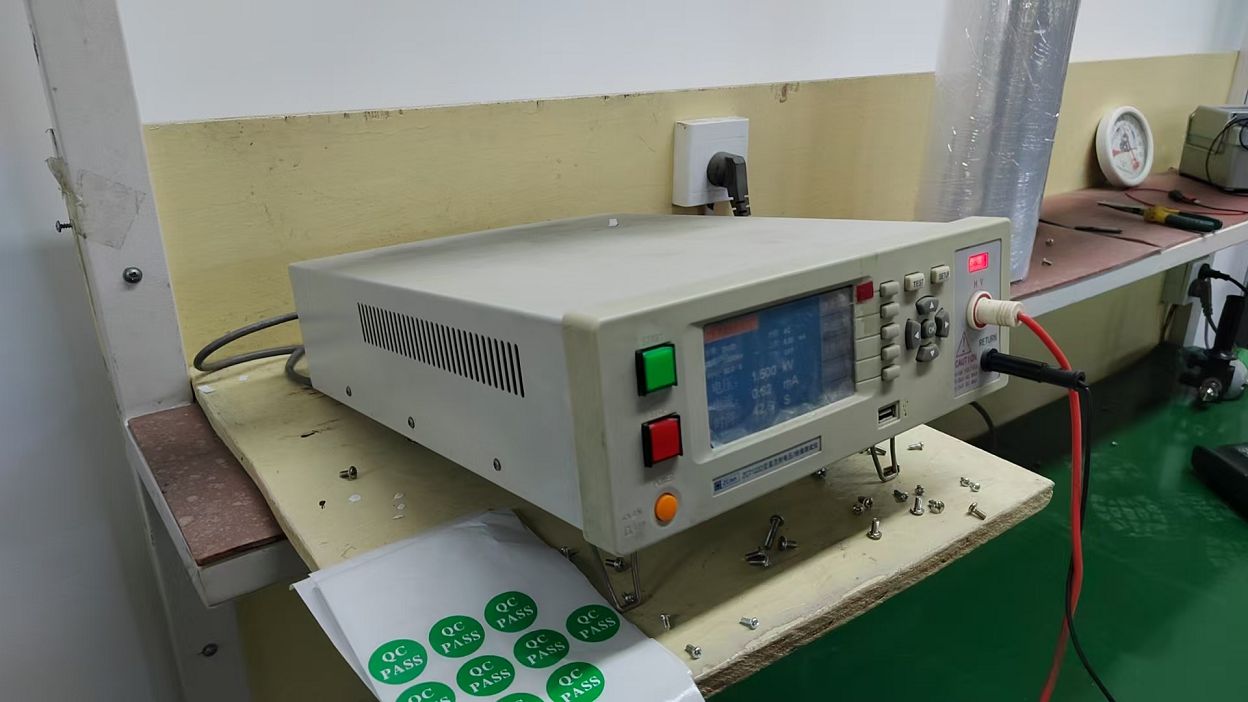 LCR AutoTester
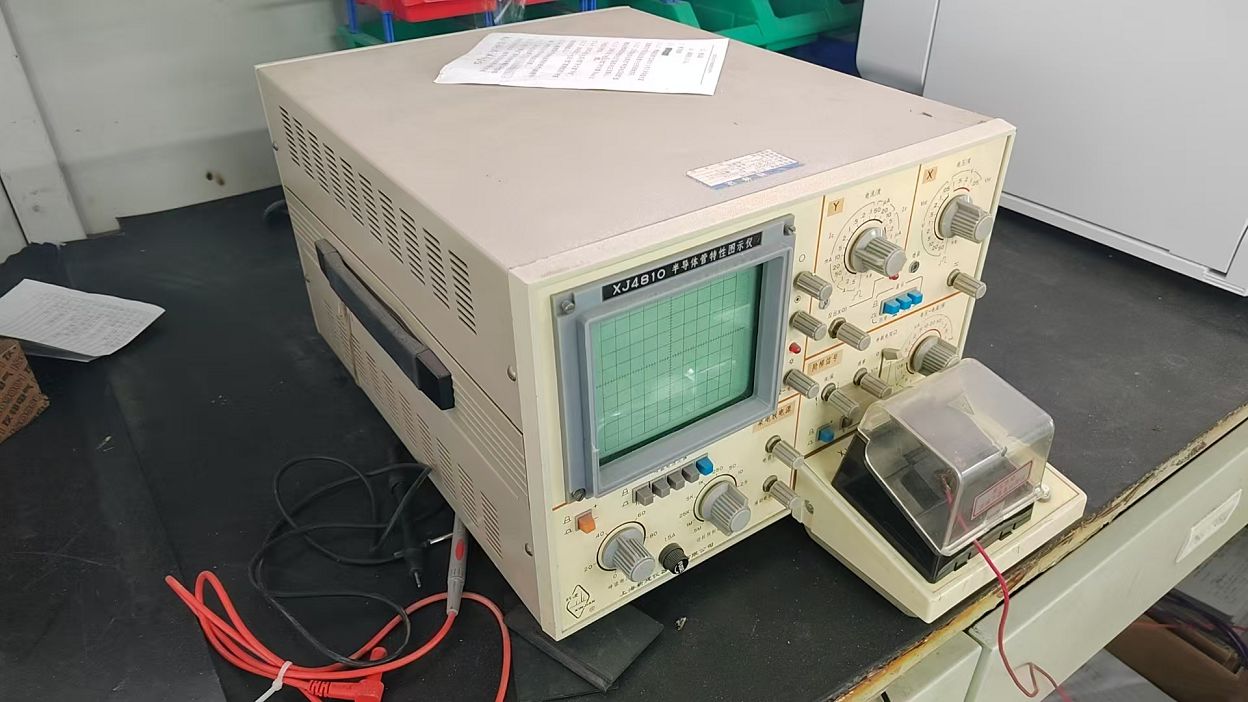 Semiconductor Plotter
 Digital Oscilloscope
 Power Quality Analyzer
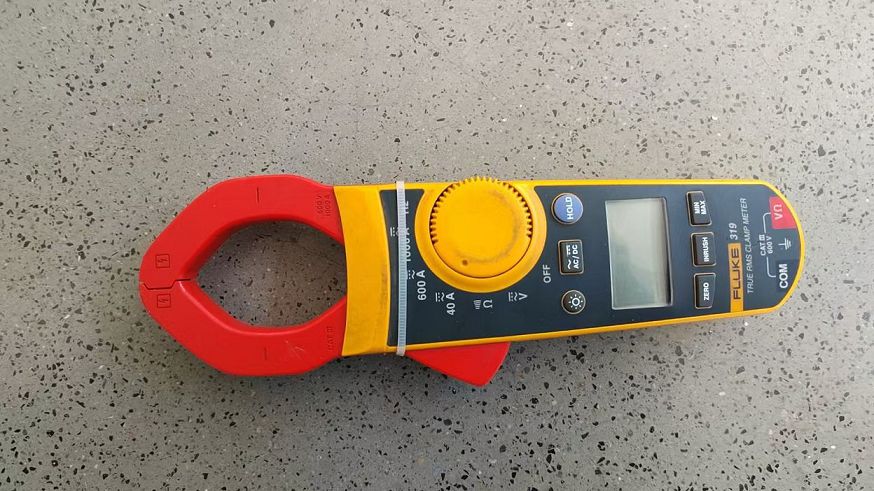 Clamp Current Meter
 CAD Drawing Design
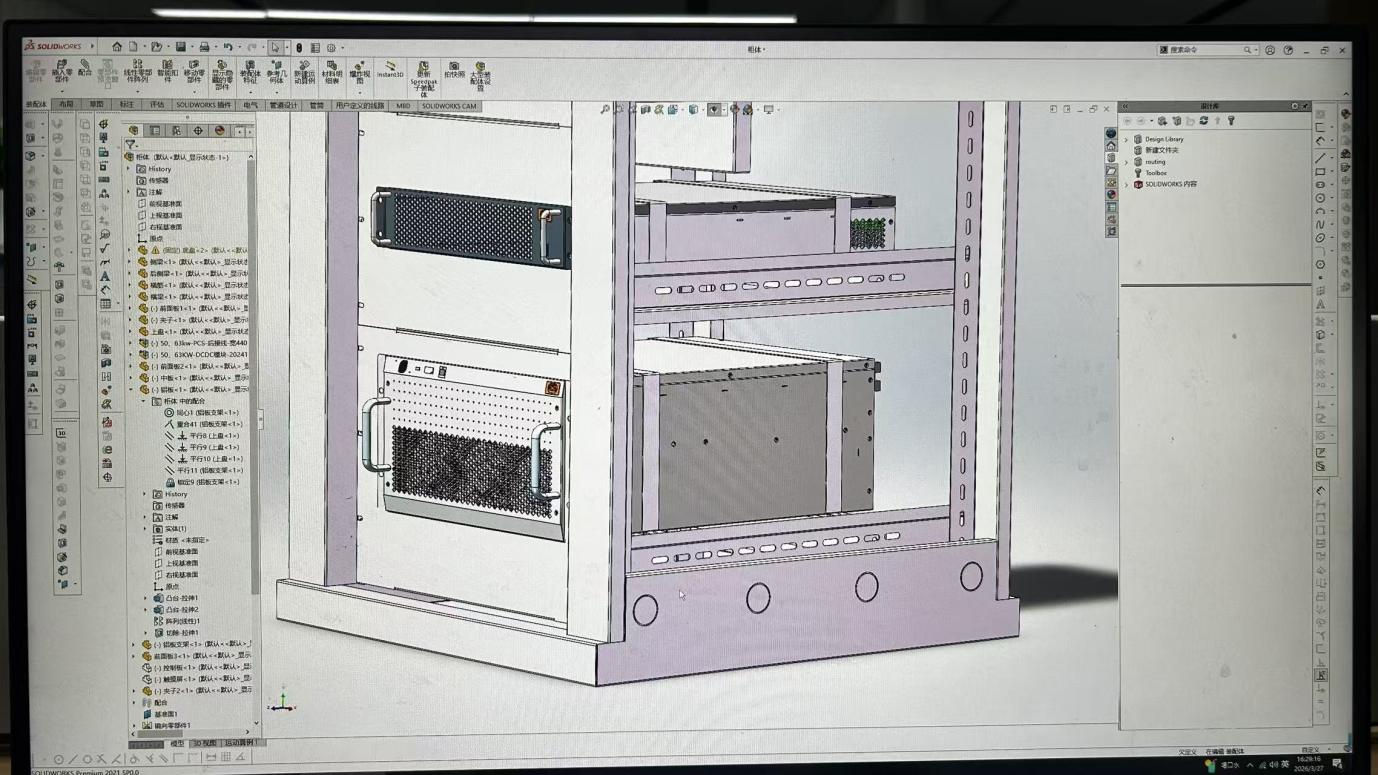 Simulation & Testing Computer

OEM/ODM Customization Roadmap: The Design & Engineering Flow
Engineering an optimized heat sink requires a structured process that moves from simulation to validation. By following a clear design flow, we minimize thermal bottlenecks, control development costs, and ensure compatibility with modern power electronics:
- Thermal Load Definition: We identify total thermal dissipation requirements (in Watts) along with the maximum allowed semiconductor junction temperature (Tj).
- CFD Thermal Simulation: Using FloTHERM or ANSYS Icepak, we model airflow speed, velocity distribution, pressure drop, and convective heat transfer across the fin matrix.
- Fabrication Optimization: We select the most efficient production method—whether extrusion, skiving, bonding, or CNC post-machining—to balance performance and budget.
- Interface Material Analysis: We calculate contact resistance, specifying Phase Change Materials (PCM), thermal grease, or gap pads to eliminate insulating air gaps.
- Prototype Validation: We run physical tests on prototype heat sinks in environmental chambers, checking actual thermal resistance values under simulated loads against the initial CFD model.
Innovative Trends in Thermal Engineering
The transition to high-frequency converters and wide-bandgap (WBG) materials is driving two major developments in thermal engineering:
Liquid Cooling Plates: For mega-watt level converters and dense power cabinets, air cooling reaches its limits. Direct-contact liquid cooling plates route water or glycol loops close to the heat-producing substrates, achieving exceptionally low thermal resistance values.
Phase-Change Vapor Chambers: Vapor chambers replace thick solid metal bases. Working on the principle of continuous evaporation and condensation, they spread heat uniformly across large surfaces to prevent localized hot spots.
Frequently Asked Questions
Get authoritative answers to common thermal management, design, and customization questions.
Industrial Testing Instruments & Stable Power Converters
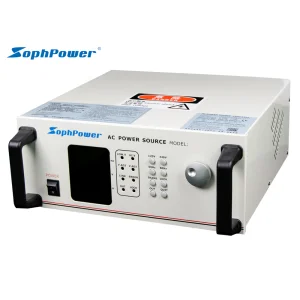
Explore our high-performance DC and AC power solutions, all designed for continuous laboratory, industrial, and compliance testing.