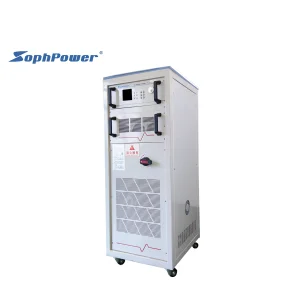
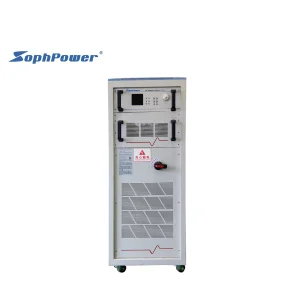
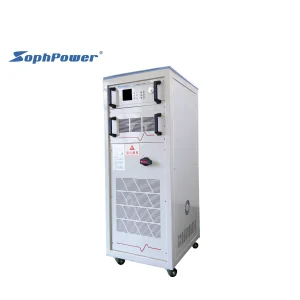
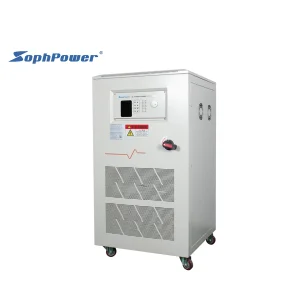
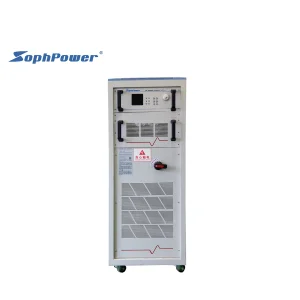
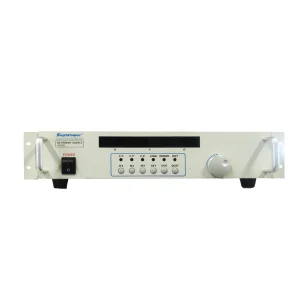
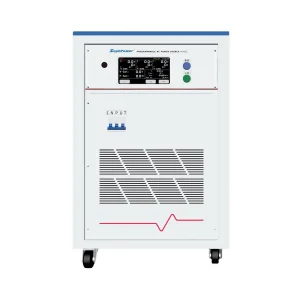
Primary Industrial Power System Portfolio
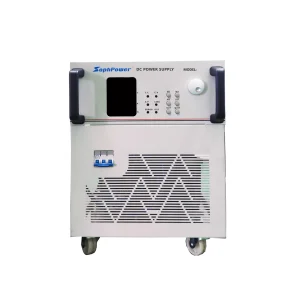
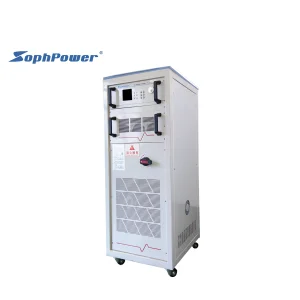
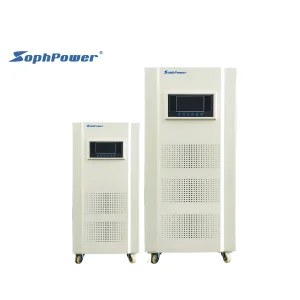
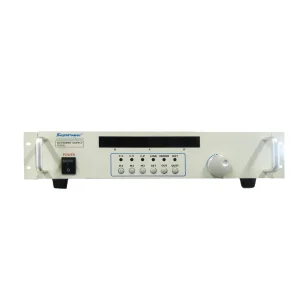
Explore our foundational range of CE-certified, high-reliability compact power systems engineered to minimize spatial footprint while maximizing power density and efficiency.
Executive Summary: Pioneering Power Conversion Technology
Since its inception in 2006, Shenzhen Sophpower Electronics Co., Ltd. has established itself as an industry-leading, high-tech enterprise specializing in the design, development, and manufacturing of robust testing power supplies. Located in Shenzhen, China, the epicenter of global electronic hardware innovation, Sophpower harnesses over 18 years of engineering expertise to develop comprehensive power solutions tailored for high-demand, mission-critical settings.
Our focus is centered on translating user search intent—namely, the search for highly reliable, space-efficient, and safety-certified power systems—into real-world technical solutions. Guided by rigorous E-E-A-T (Experience, Expertise, Authoritativeness, and Trustworthiness) criteria, we ensure every product, from linear AC power sources to custom bidirectional DC power supplies, conforms to strict global compliance frameworks, providing our international clientele with uncompromised operational continuity.
Key Capabilities at a Glance
- Broad Product Range: AC Power Sources, Linear AC Systems, Bidirectional Emulators, Variable Frequency Converters, and Precision DC Power Supplies.
- Custom Engineering: Bespoke mechanical and electrical tailoring to meet highly specified laboratory and factory requirements.
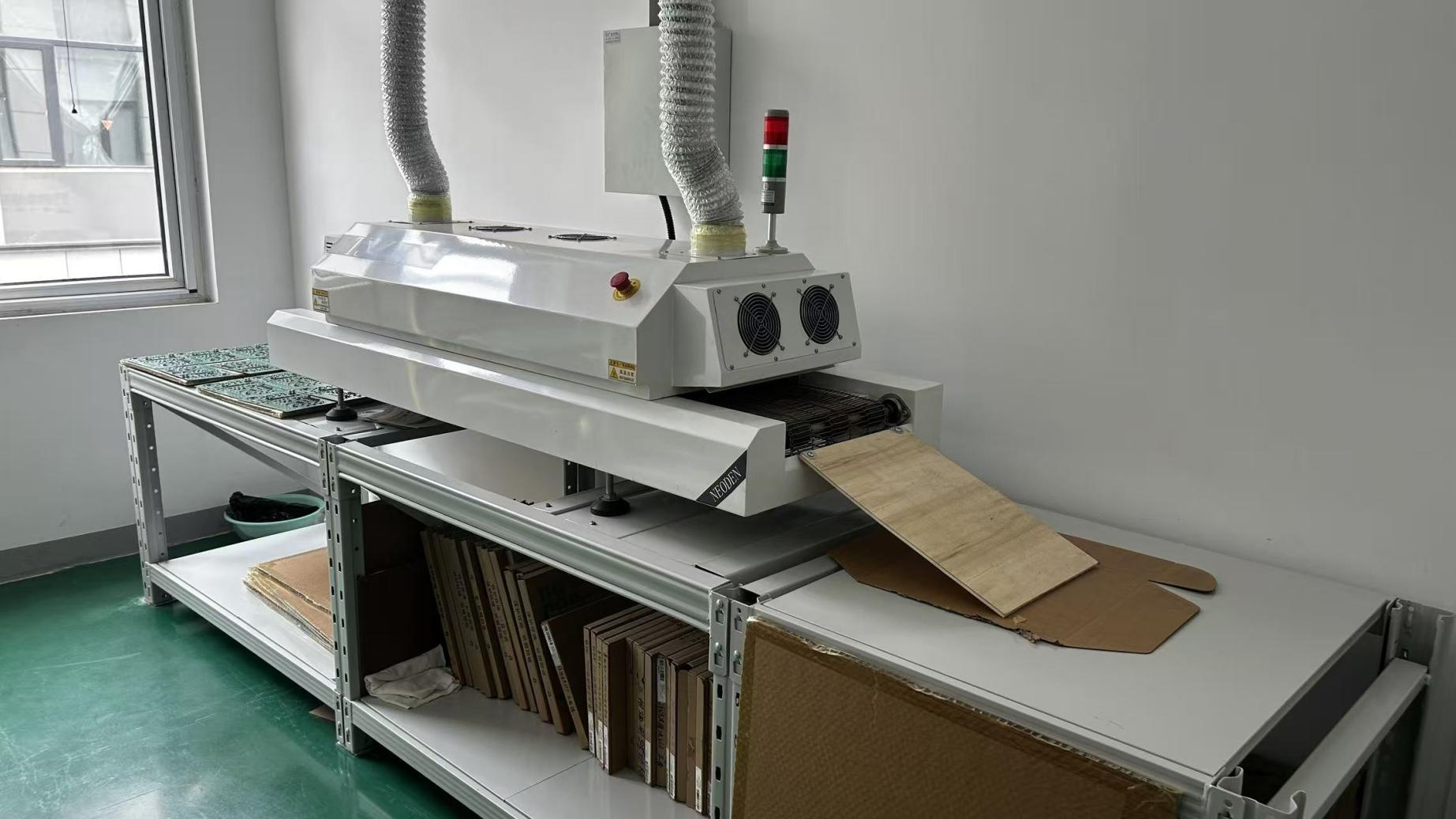
- Quality-Assured: In-house SMT circuit assembly, structural debugging, and detailed power quality diagnostics.
- Compliance Leadership: Globally recognized CE certification guaranteeing compatibility with low-voltage and electromagnetic compatibility regulations.
Next-Generation Compact Power Supply Technical Roadmap
An authoritative breakdown of semiconductor advancements, digital control loops, and modern thermal management strategies that define the future of high-power density conversion.
1. Transition to Wide Bandgap (WBG) Semiconductors
Traditional silicon-based power components are approaching their physical operational limits. To address this, Sophpower's ongoing R&D roadmap focuses heavily on the integration of Silicon Carbide (SiC) and Gallium Nitride (GaN) devices into our compact power supplies. These materials possess higher breakdown voltages, superior thermal conductivity, and significantly faster switching speeds, allowing for a substantial reduction in the physical dimensions of magnetic components (such as inductors and transformers) without sacrificing output capacity.
2. High-Frequency Switching Topologies
By shifting from standard hard-switching topologies to Soft-Switching Resonant Topologies (such as LLC or phase-shifted full-bridge), our compact units minimize switching losses. This allows operating frequencies to exceed 100 kHz, boosting overall system efficiency to above 94% under full-load states. Lower heat dissipation directly corresponds to less reliance on bulky heatsinks, resulting in an exceptionally compact footprint.
3. Advanced Digital Control Loops
Analog controllers are increasingly being replaced by high-performance Digital Signal Processors (DSPs). Real-time digital control loop execution enables dynamic parameter adjustments (such as voltage ramping, transient recovery speed optimization, and phase matching). This allows users to experience ultra-precise setpoints, negligible drift over time, and the flexibility to program custom output profiles directly via standard communication buses (RS485, GPIB, LAN, and CAN).
4. High-Efficiency Thermal Direct-Cooling
Compact form factors present severe heat accumulation challenges. Sophpower employs intelligent forced-air systems characterized by dynamic thermal sensors that adjust fan velocity based on load current and real-time internal heat sinks temperatures. This decreases noise levels while maximizing fan lifespan, assuring that safety ratings are kept intact under continuous usage conditions.
Macro Industry Applications & System Integrations
How Sophpower's compact power supplies act as critical infrastructure across key global industries, including aerospace, electric vehicles, and precision laboratory diagnostics.
Electric Vehicle (EV) Testing
Our high-voltage DC programmable supplies are ideal for simulating battery charge/discharge cycles, testing traction inverters, and benchmarking EV charger efficiency under severe transient conditions.
Photovoltaic & Solar Simulation
Capable of executing high-accuracy MPPT (Maximum Power Point Tracking) algorithms, providing developers with the stable, programmable input profiles necessary to evaluate grid-tied solar inverters.
Aerospace Grid Emulation
Delivering specialized variable frequency AC supplies (45Hz to 400Hz) to simulate aircraft onboard utility systems, ensuring compliance with strict military and civil avionics test protocols.
Industrial Automation
DIN-rail and rackmount-compatible compact systems that withstand high vibration, shock, and electrical disturbances typical of factory assembly floors and robotics clusters.
What Does CE Compliance Mean for Your Facility?
- LVD (Low Voltage Directive 2014/35/EU): Guarantees that our power systems provide adequate protection against electric shock, mechanical hazards, and fire propagation.
- EMC (Electromagnetic Compatibility Directive 2014/30/EU): Ensures our compact switching units emit negligible electromagnetic interference (EMI) while retaining robust immunity to external electrostatic discharges (ESD) and voltage surges.
- RoHS (Restriction of Hazardous Substances): Free of lead, mercury, cadmium, and hexavalent chromium, facilitating straightforward recycling and compliance with EU environmental mandates.
Global Compliance & Local Technical Infrastructure
Navigating global regulatory landscapes requires a manufacturer that prioritizes safety certificates and technical localization. Every Sophpower compact power unit is engineered with high-dielectric barrier isolation, integrated input-to-output filtering, and robust thermal limits to ensure full conformity with international standards.
To support global supply chains, we provide extensive integration guidance, remote technical diagnostics, and dedicated local field engineering partnerships. By offering localized regulatory compliance validation alongside active technical consultations, we protect our enterprise buyers from unforeseen product integration risks and long regulatory approval cycles.
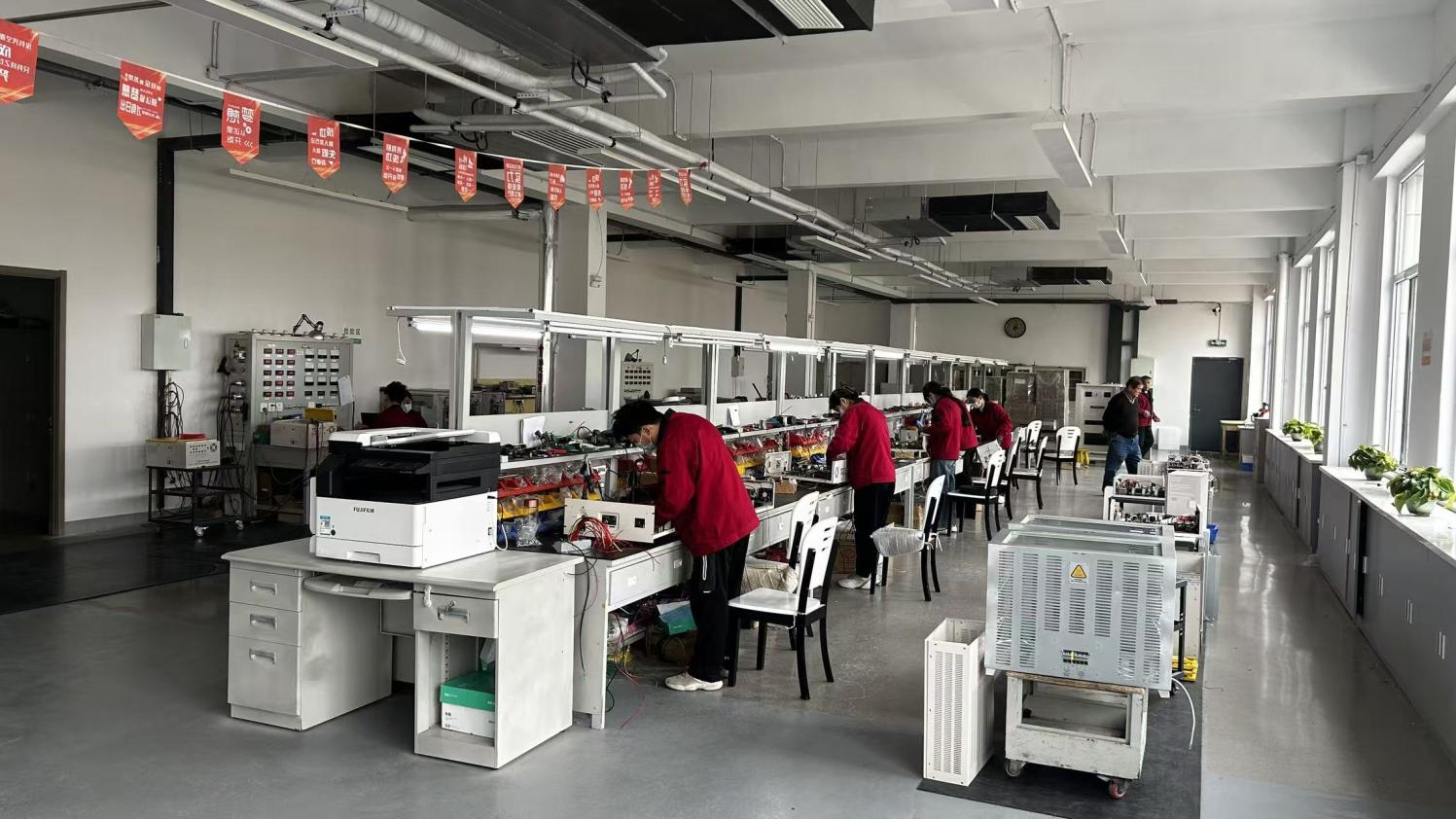
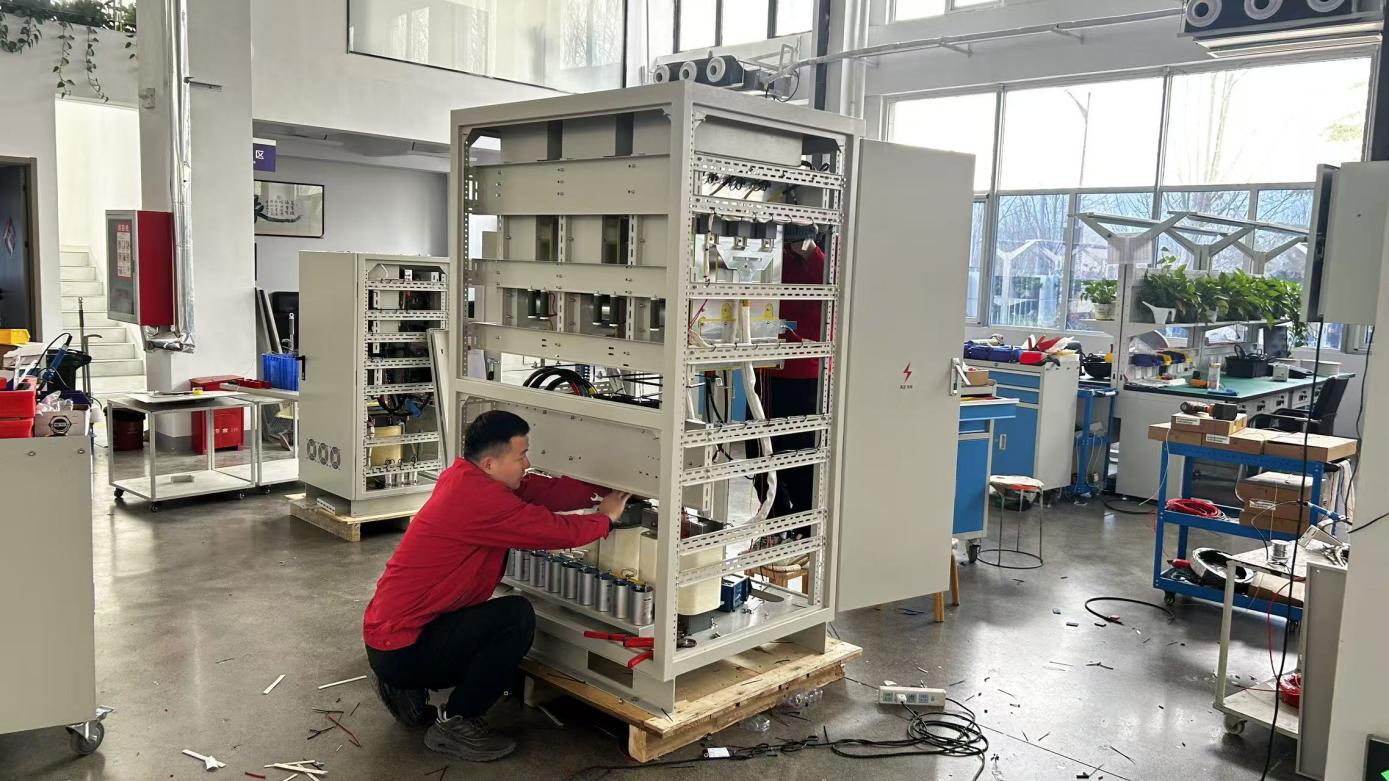
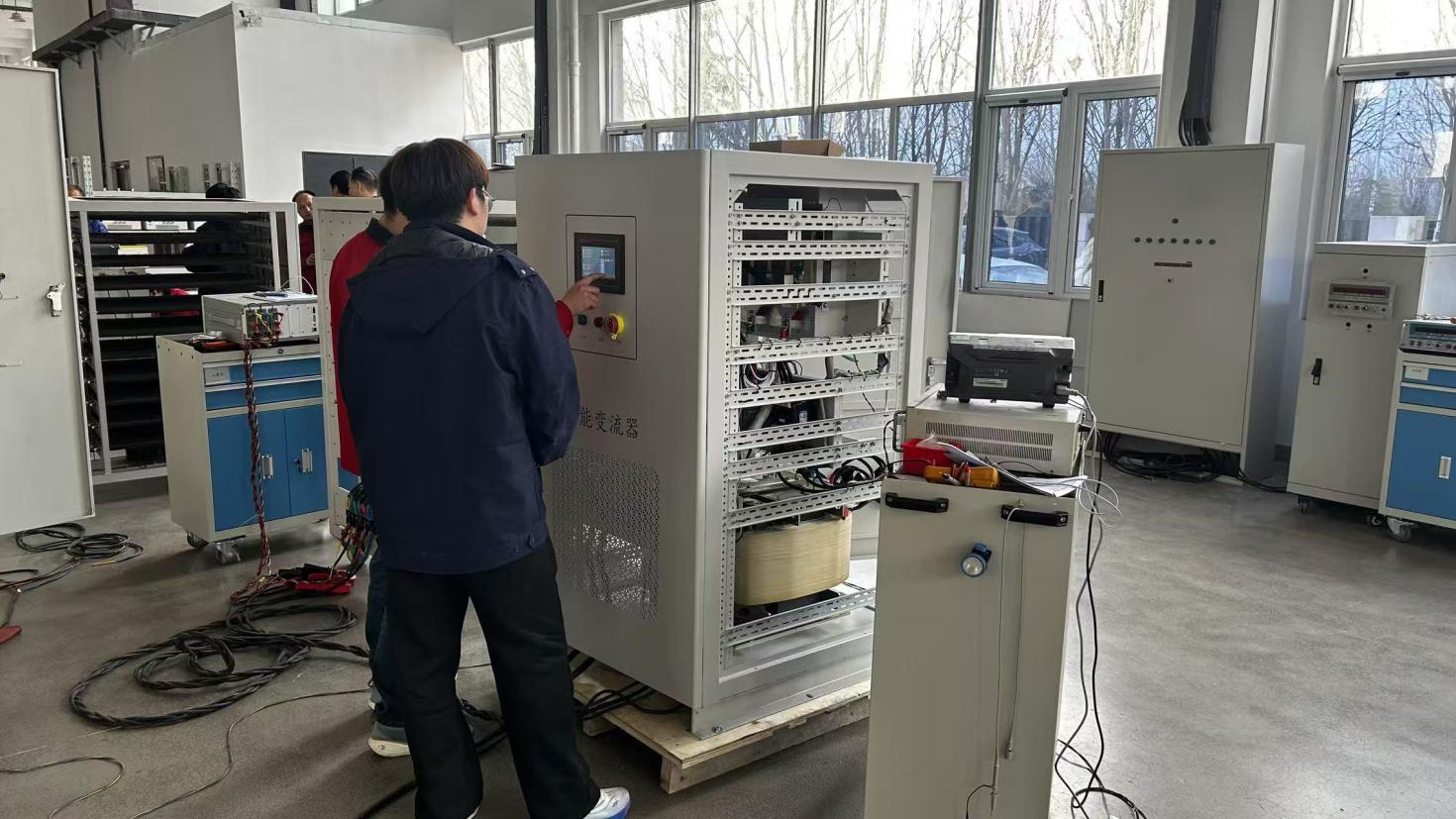
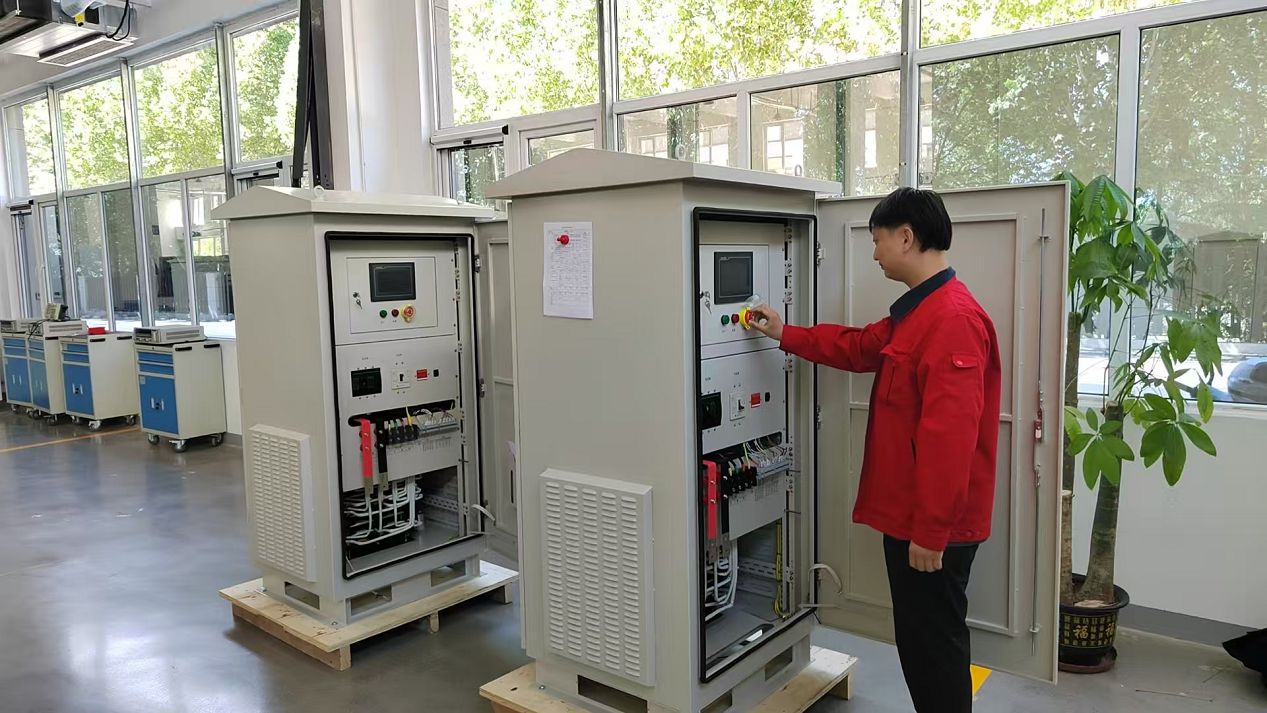
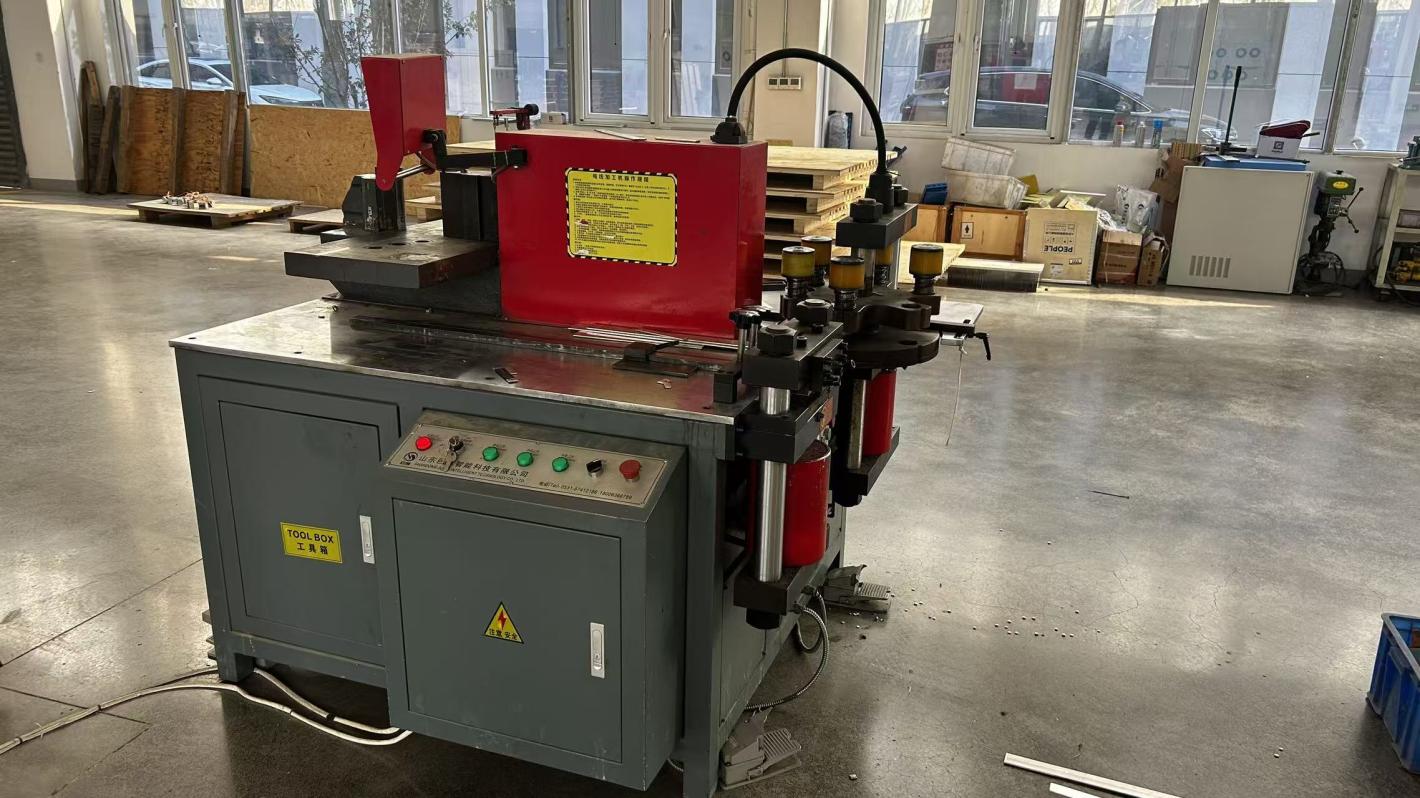
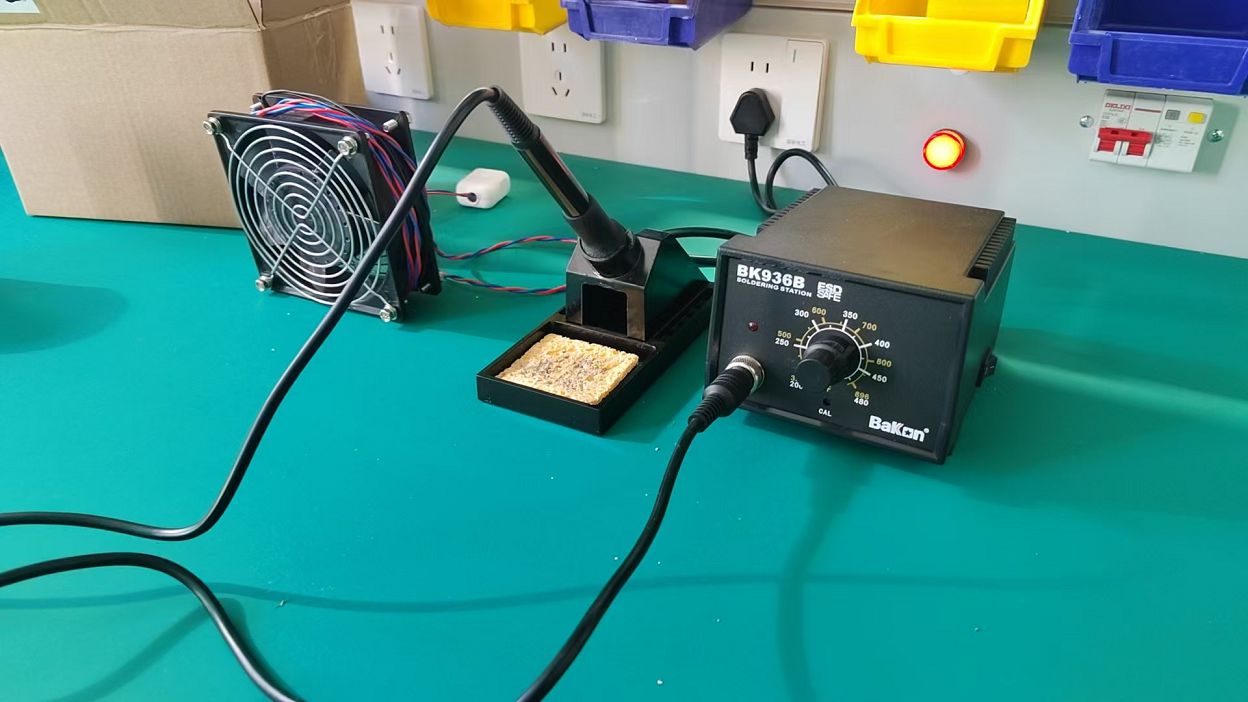
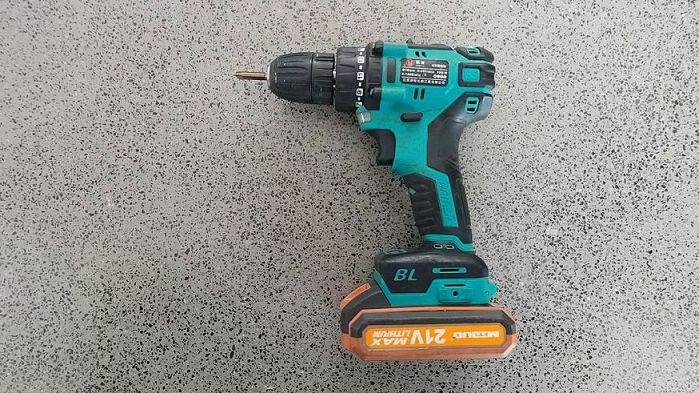
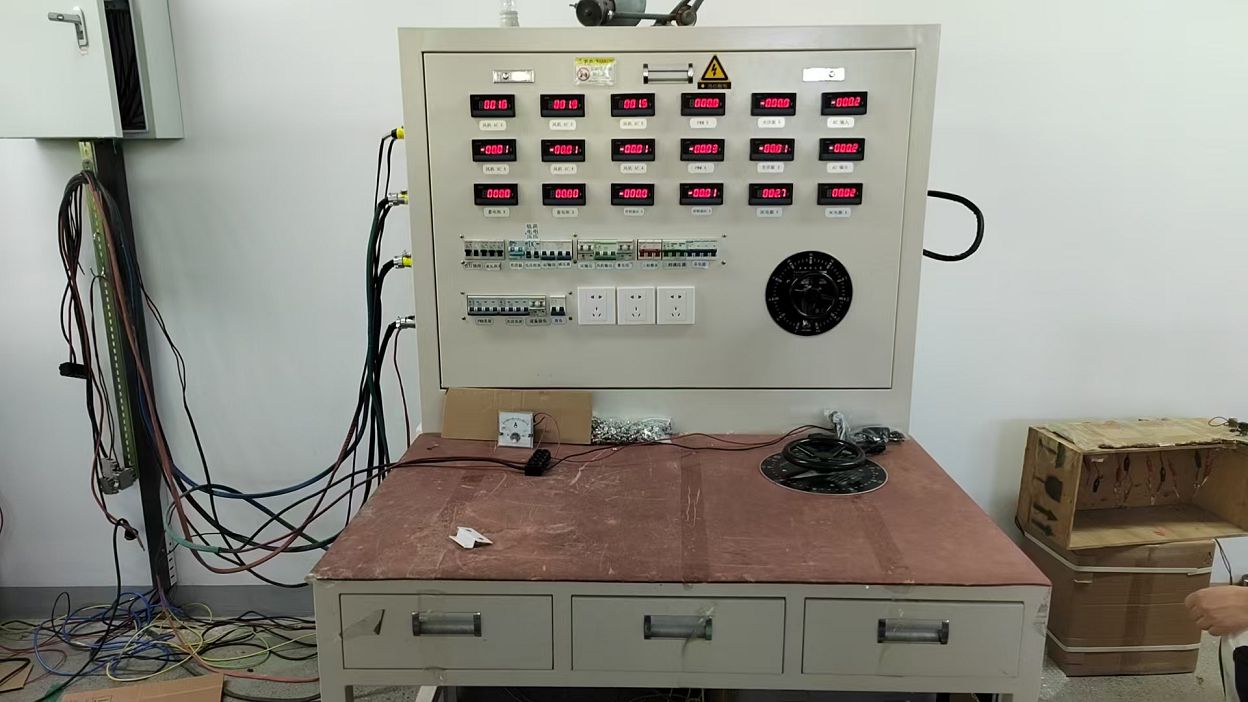
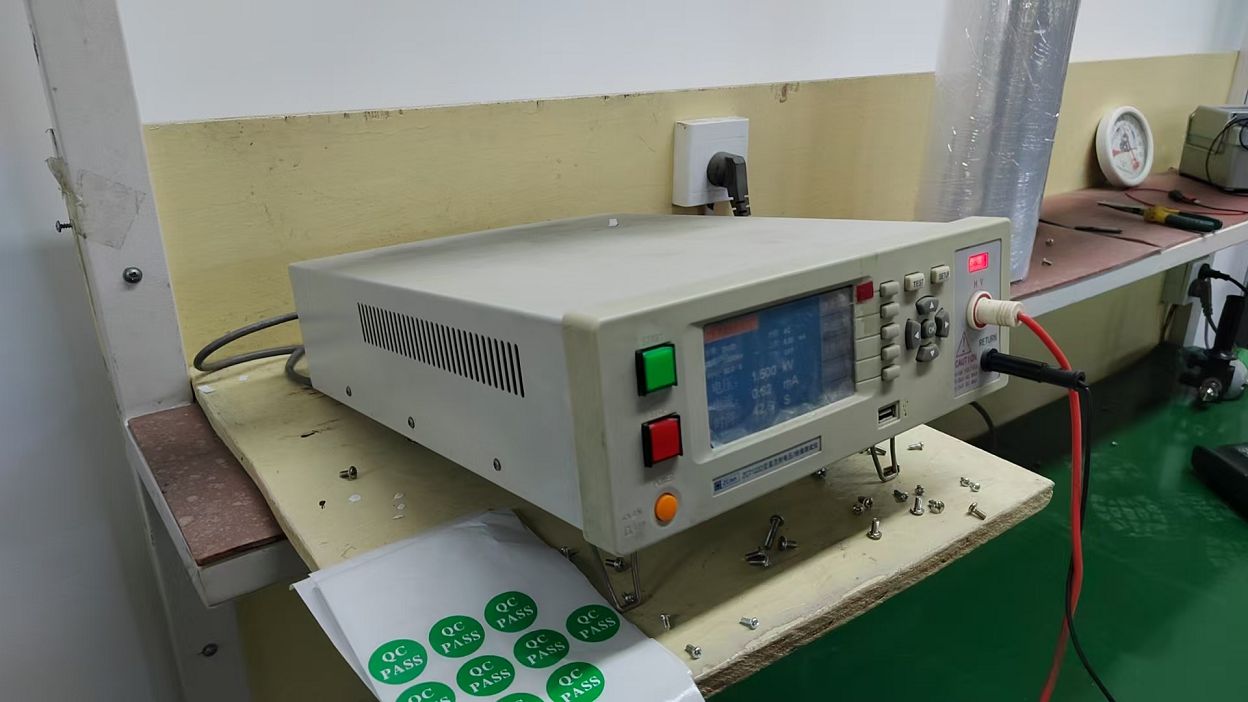
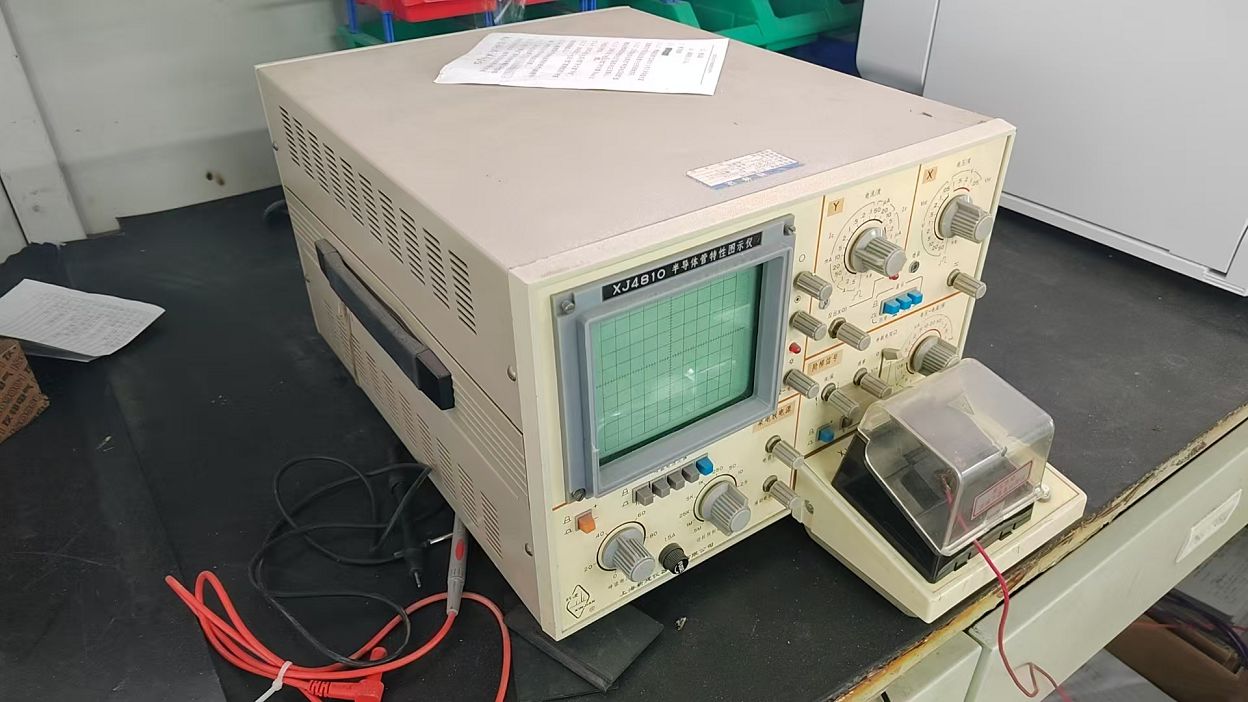
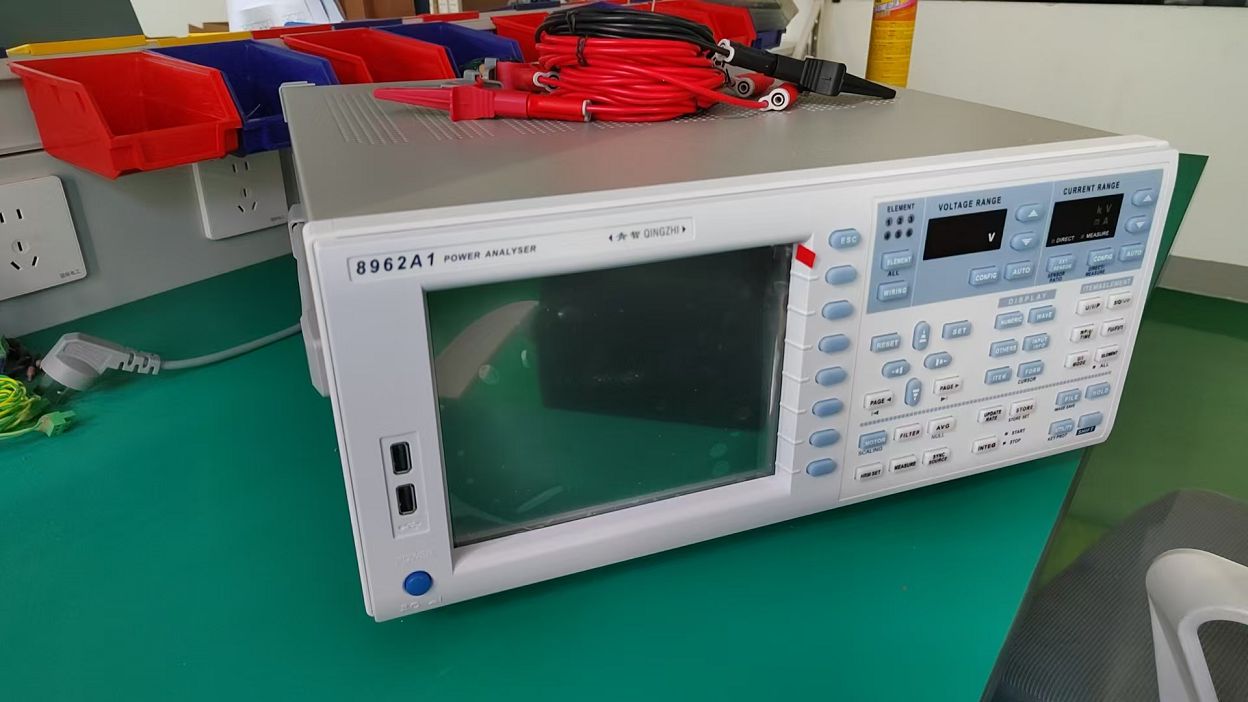
Shenzhen Sophpower Factory 4.0: Rigorous Production & Quality Control
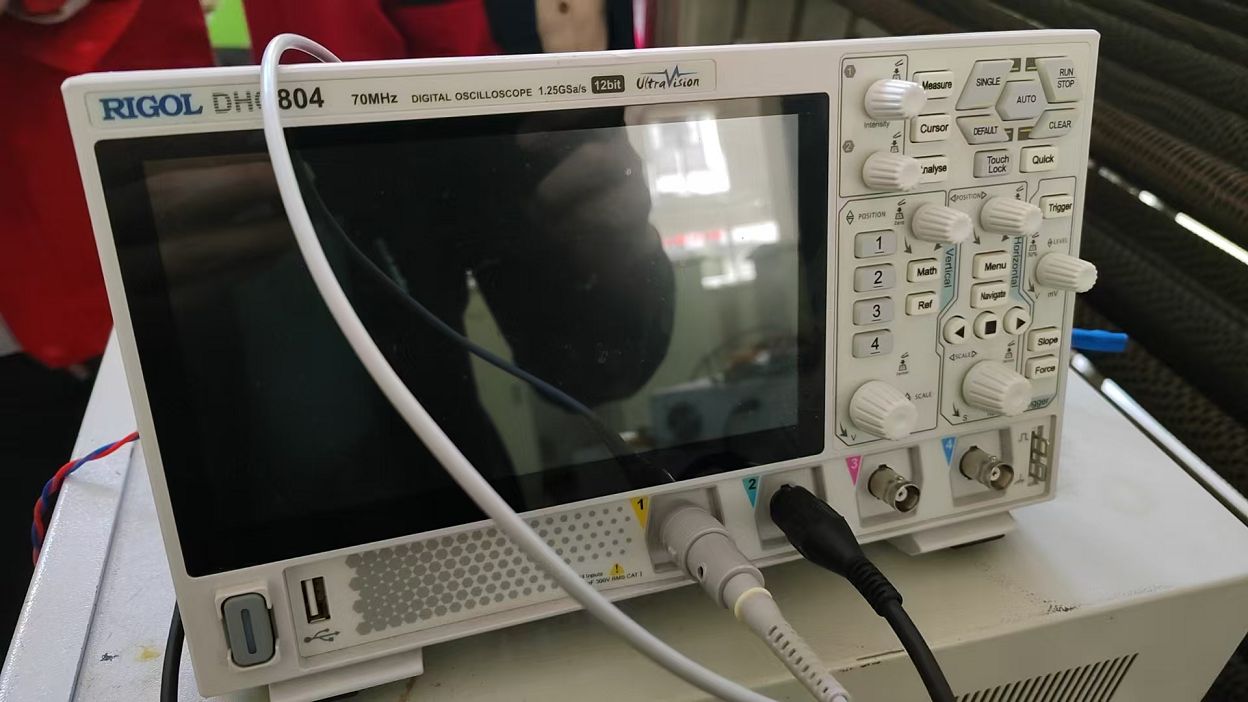
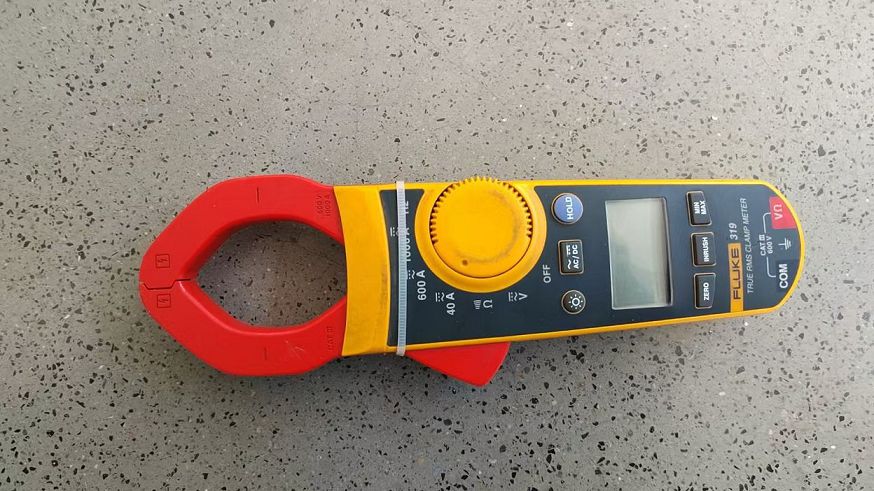
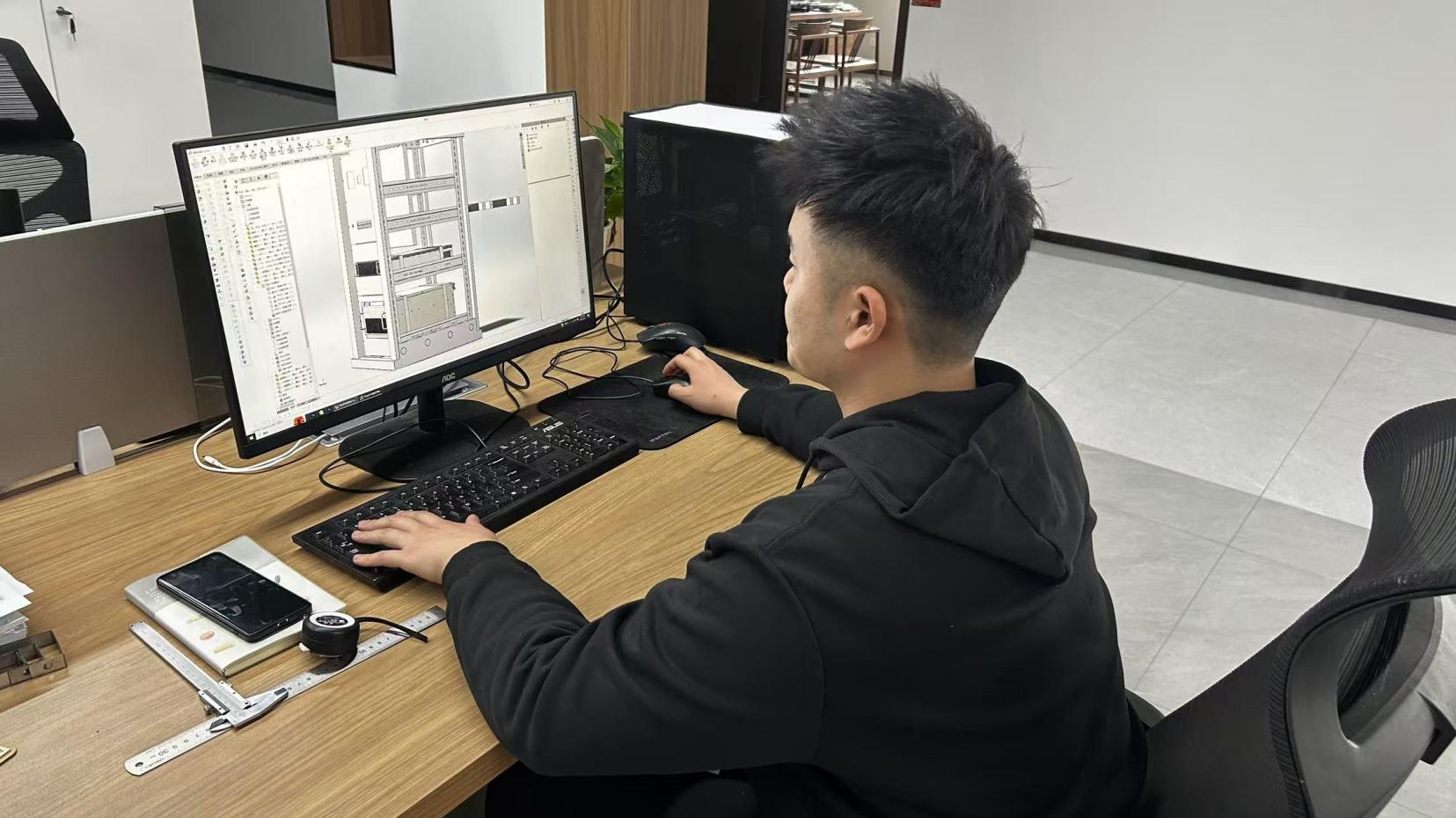
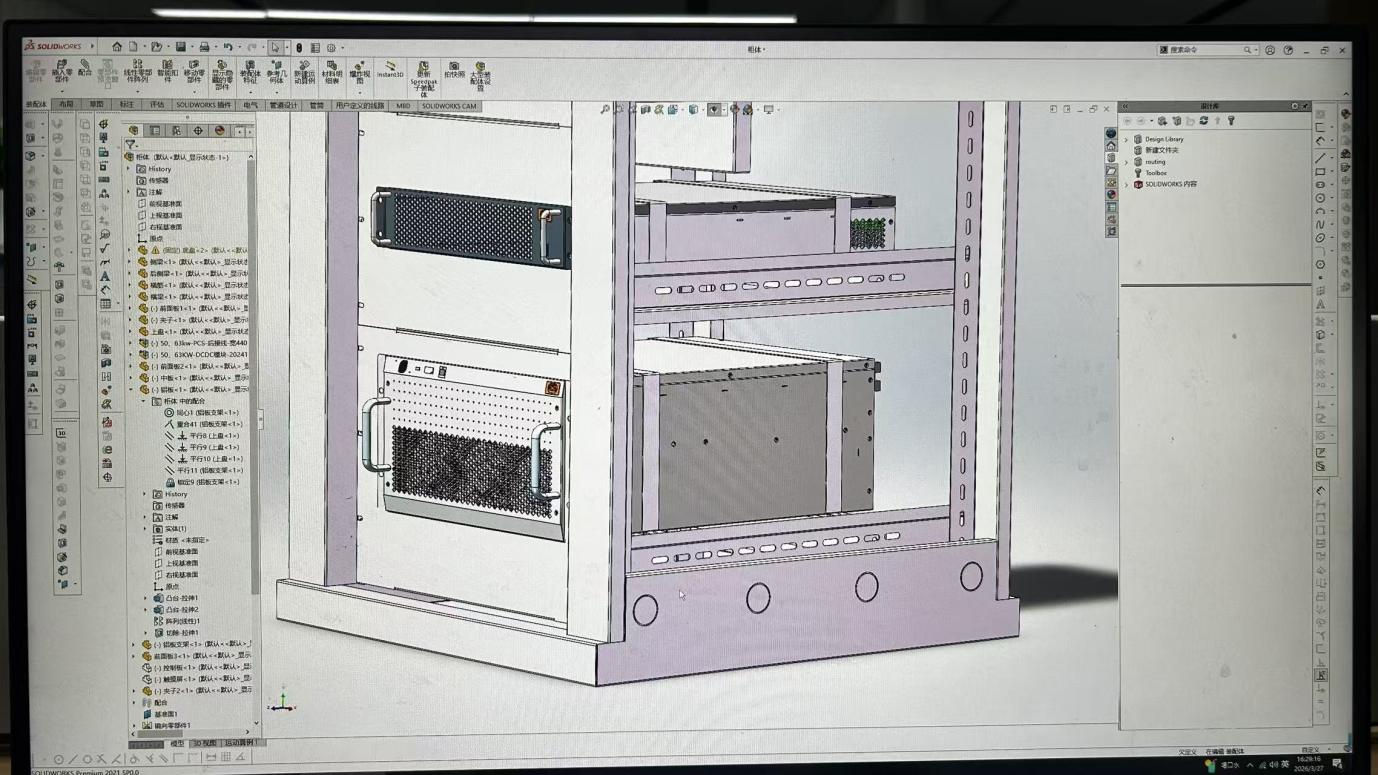
A transparent look at our advanced manufacturing lines in Shenzhen, China. From raw copper fabrication to computerized calibration, we oversee every detail of the supply chain.

Sourcing Strategies & Enterprise Procurement Frameworks
A breakdown of total cost of ownership (TCO), reliability assessment, and long-term procurement considerations for enterprise purchasing managers.
Deconstructing Total Cost of Ownership (TCO)
For industrial procurers, the upfront capital expenditure represents a fraction of the actual cost of a power system. Operational costs, conversion losses (efficiency drop), downtime risk, and recalibration intervals represent the real drivers of lifetime expenditures. Our compact power supplies are optimized for MTBF (Mean Time Between Failures) exceeding 50,000 hours, minimizing ongoing maintenance overheads.
Agile Supply Chain and Lead-Time Mitigation
Geopolitical variables and semiconductor availability can disrupt system assembly timelines. Sophpower maintains a resilient supply network, sourcing high-grade components locally in Shenzhen while keeping safety stocks of crucial DSP, SiC MOSFET, and core power control chips. This ensures predictable, shortened lead-times even under volatile market environments.
Technical FAQ: Operational & Architecture Guidance
Highly detailed engineering answers regarding compliance, topologies, and installation parameters.
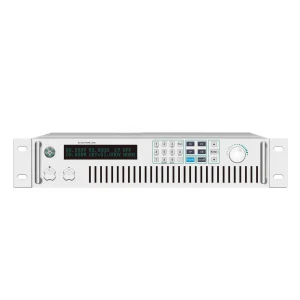
Advanced Programmable & Special Purpose Systems
Explore our high-performance programmable systems, heavy-duty variable frequency converters, and high-voltage DC power conversion units designed for testing and development labs.