Featured Grid Simulation & Voltage Regulation Systems for Kenya
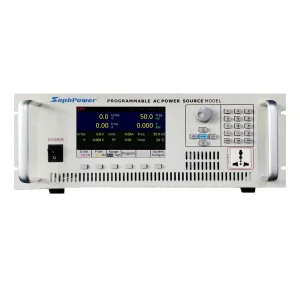
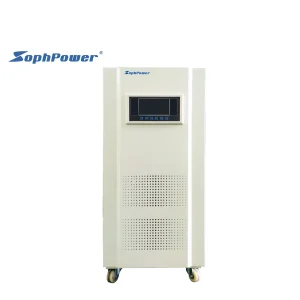
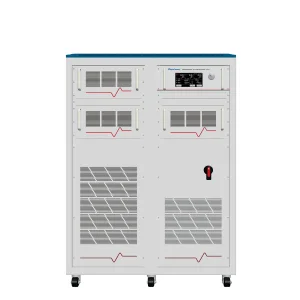
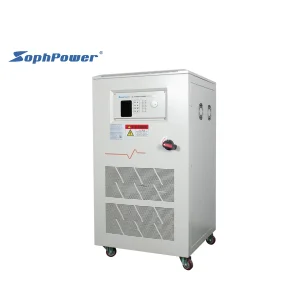
Highly accurate single & three-phase AC programmable systems tailored to withstand variable Kenyan industrial voltage margins.
Energy Transition & Grid Vulnerability in Kenya’s Manufacturing Landscape
Understanding the technical challenges of the Kenyan electricity grid and the critical role of stabilizing variable power test sources.
Kenya stands at the absolute vanguard of Africa’s renewable energy revolution, boasting one of the world's most dynamic grid infrastructures. Geothermal energy, heavy hydro, wind, and distributed solar PV projects contribute to more than 90% of the country’s daily generation mix. However, this high penetration of intermittent solar and fluctuating geothermal base loads creates a highly variable voltage profile across standard distribution channels. For industrial hubs stretching from Nairobi's Industrial Area to Mombasa's maritime ports and the tech incubation campuses in Konza Technopolis, this variability presents a significant operational risk to manufacturing, compliance testing, and R&D activities.
Kenyan manufacturing facilities and R&D laboratories routinely experience severe voltage sags, swells, transient spikes, and harmonic distortion (THD). The utility grid operated by Kenya Power and Lighting Company (KPLC) operates at a nominal 240V single-phase / 415V three-phase configuration at 50Hz. However, importing machinery built to global standards—such as American industrial gear running on 60Hz/120V or Japanese machinery on 50Hz/60Hz dual systems—requires rigorous frequency conversion and voltage adaptation. Standard voltage regulators cannot alter standard frequency, which makes linear and switching AC/DC power sources highly necessary in the local market.
Kenyan Grid Simulation Capability for Importers and Assemblers
Sophpower's programmable AC power sources enable Kenyan importers, assembly plants, and testing bodies (like the Kenya Bureau of Standards - KEBS) to simulate actual power grid variations. By utilizing our variable frequency units, local engineers can adjust voltage limits, output frequencies, and harmonic content to test products under realistic local and global conditions.
Local Applications of Programmable Power in Kenyan Verticals
- Horticultural Packaging & Cold-Chain Logistical Hubs: Standardizing and testing variable speed refrigeration compressors imported from various global markets to ensure stable operation during peak regional grid fluctuations.
- Telecommunications & Off-Grid Infrastructure: Designing and validating battery back-up solutions, solar inverters, and dual hybrid-fuel generator control units across rural Kenya.
- Medical Calibration Facilities: Providing ultra-stable, low-THD linear AC power to delicate laboratory, imaging, and scanning equipment in Nairobi's regional healthcare centers.
Global Supply Chain Dynamics and the Industrial Paradigm Shift
How high-precision programmable power supply architectures drive automated electronics testing and manufacturing worldwide.
On a global scale, the rise of electric vehicles (EVs), distributed microgrids, IoT-driven industrial automation, and the expansion of massive hyperscale data centers has changed the role of the industrial test bench. The traditional legacy power grid is no longer a simple, predictable channel of energy flow. Modern electronics inject complex harmonics back into the utility lines, requiring power sources to act not only as clean supplies, but also as sophisticated electronic loads.
Our globally exported programmable DC electronic loads and bidirectional power sources allow for energy recovery back to the grid. This bidirectional design reduces thermal dissipation, limits cooling costs, and cuts overall electricity use by up to 90% during high-power burn-in tests. As global compliance rules tighten—such as EN 61000-3-2 and IEEE 519 standards for harmonic current emissions—the need for high-performance test equipment becomes critical for manufacturers exporting to European, North American, and East African markets alike.
The Shenzhen Advantage: Sophpower’s Advanced Production Infrastructure
Established in 2006, Shenzhen Sophpower Electronics integrates engineering expertise, reliable component sourcing, and rigorous quality testing.
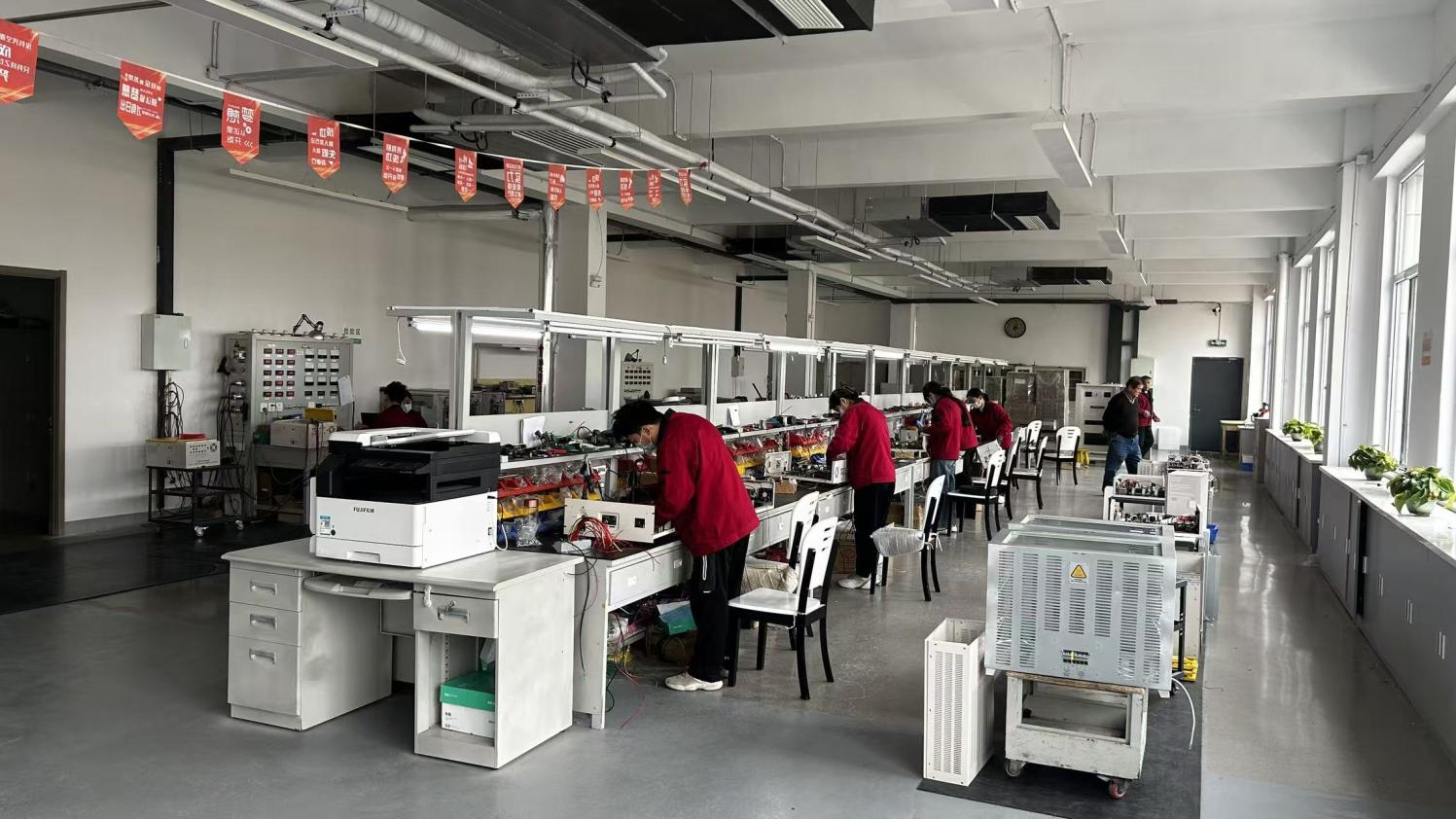
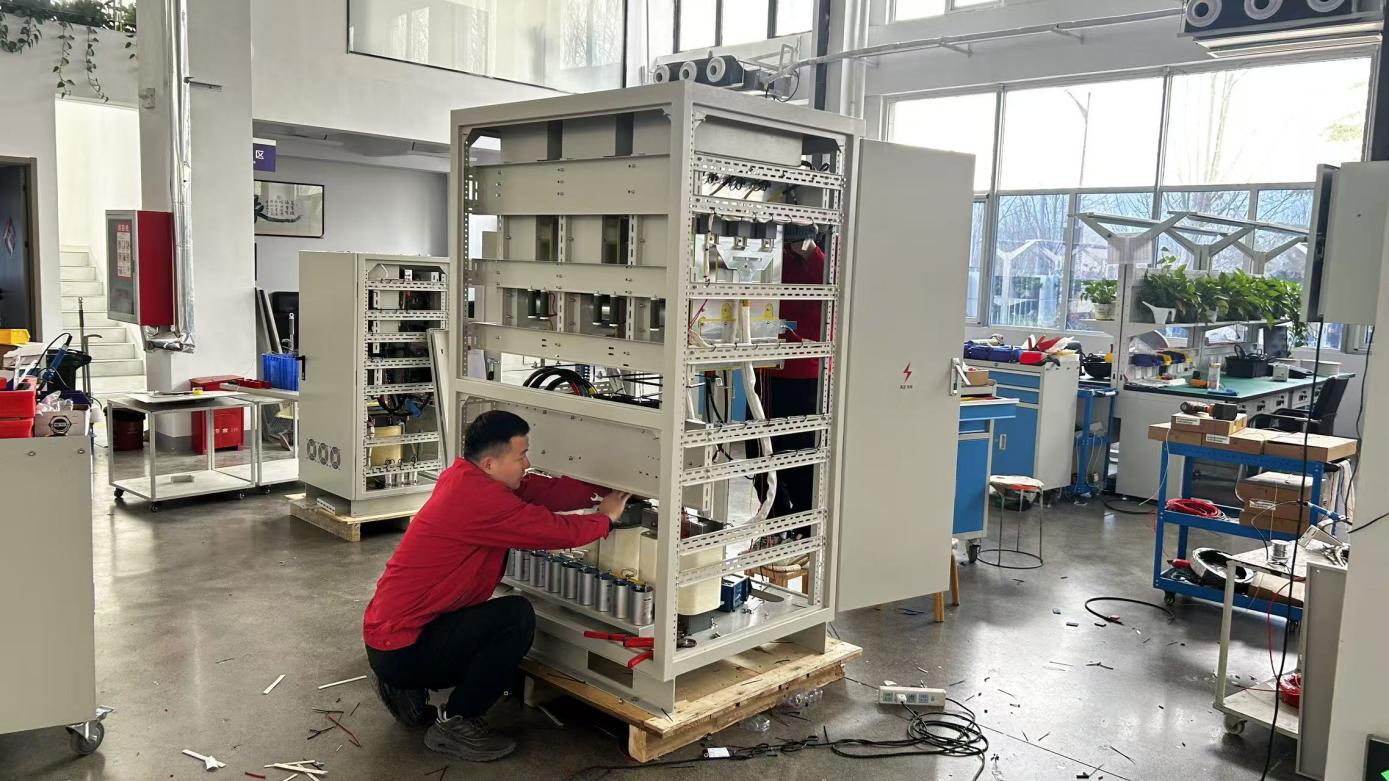
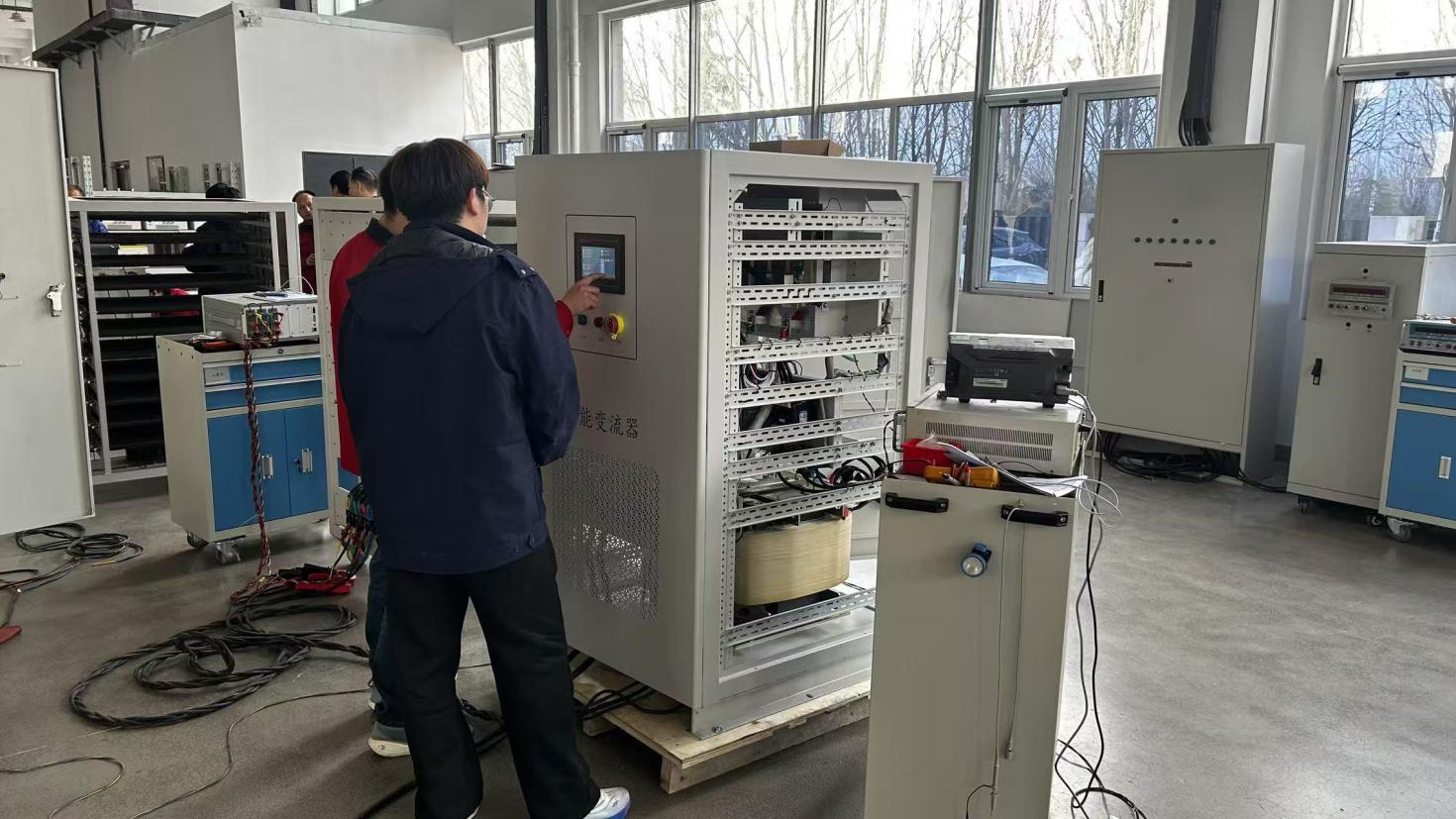
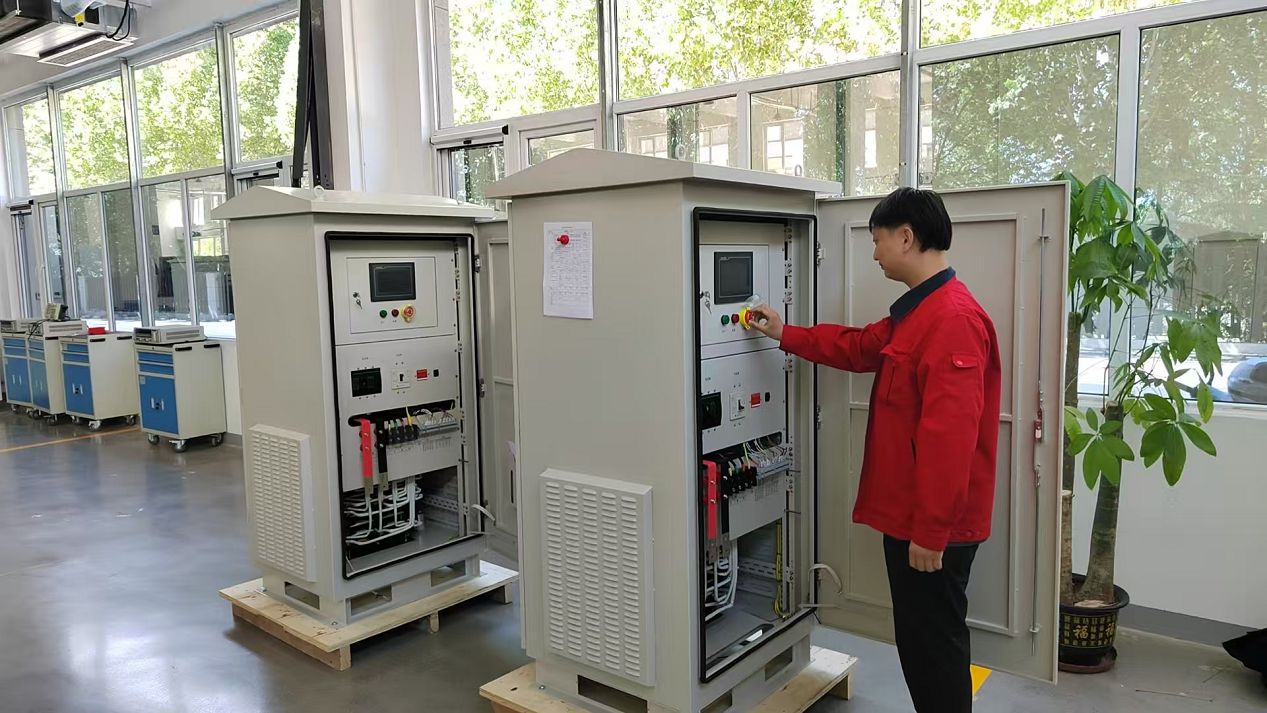
Shenzhen Sophpower Electronics Co., Ltd. operates at the core of the global power electronics manufacturing ecosystem. Leveraging Shenzhen's unmatched electronic components supply chain, we deliver rapid design iteration, advanced custom engineering, and shorter lead times than legacy Western suppliers. Our experienced engineering team focuses exclusively on high-performance test power supplies, maintaining strict manufacturing control at every step of production.
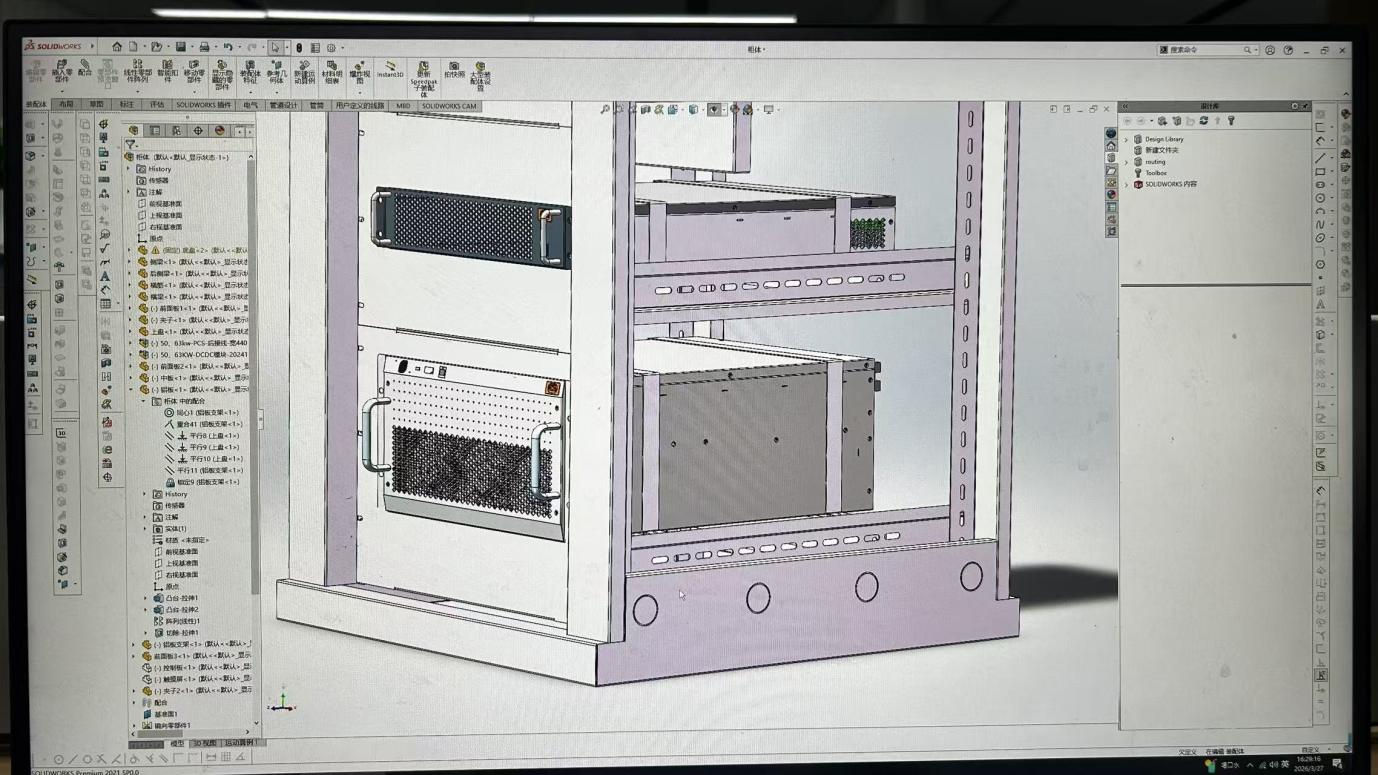
State-of-the-Art Factory Assembly & Quality Control
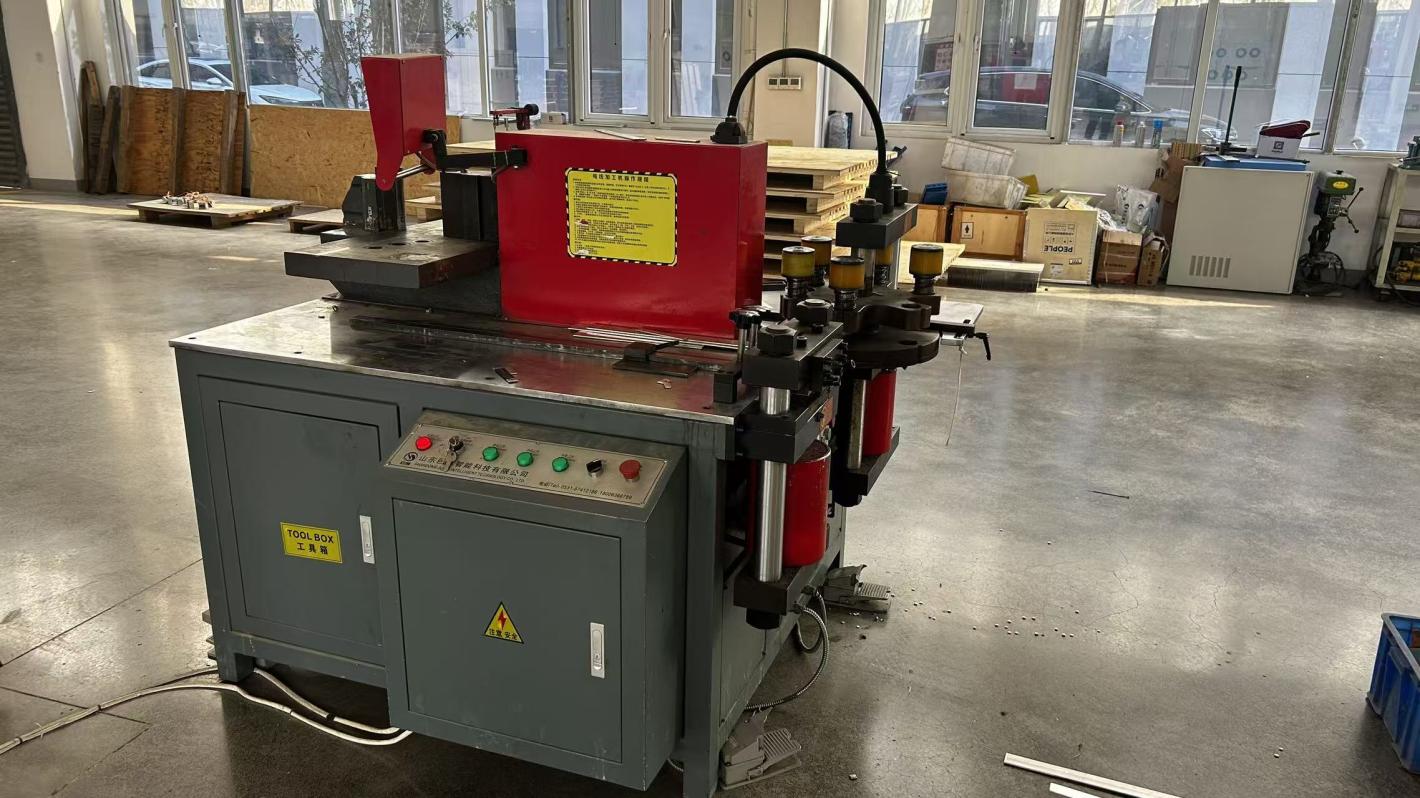
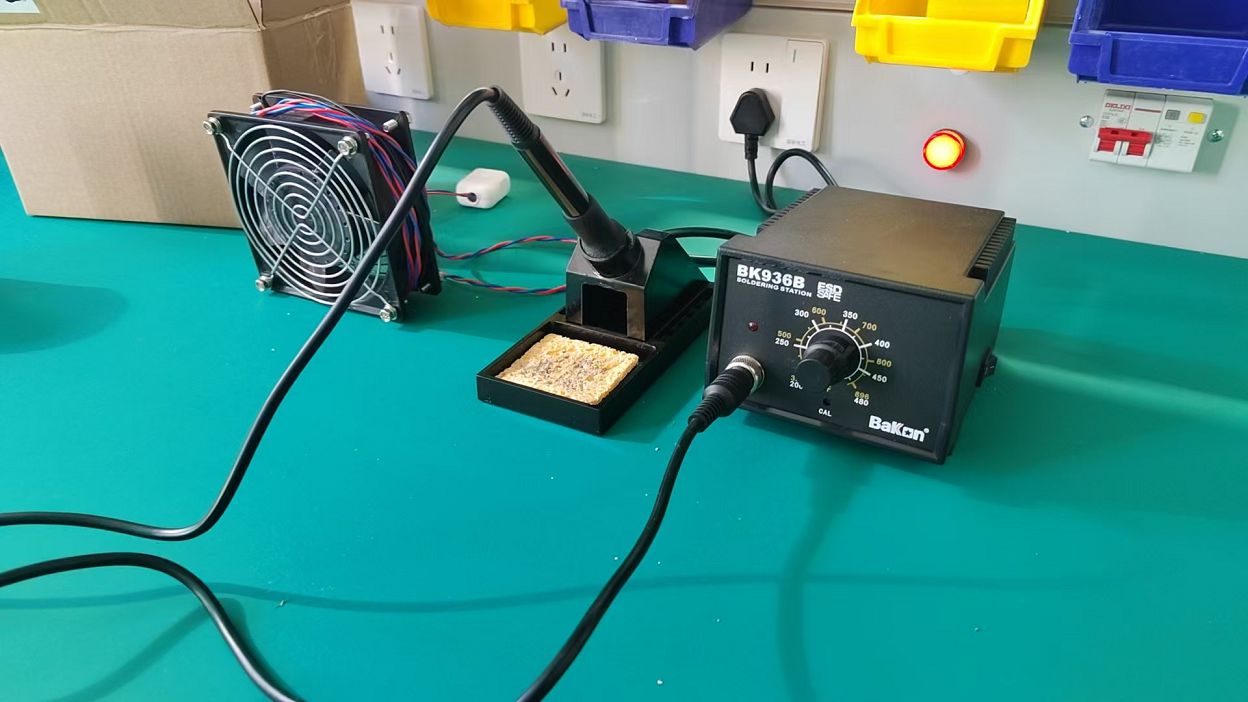
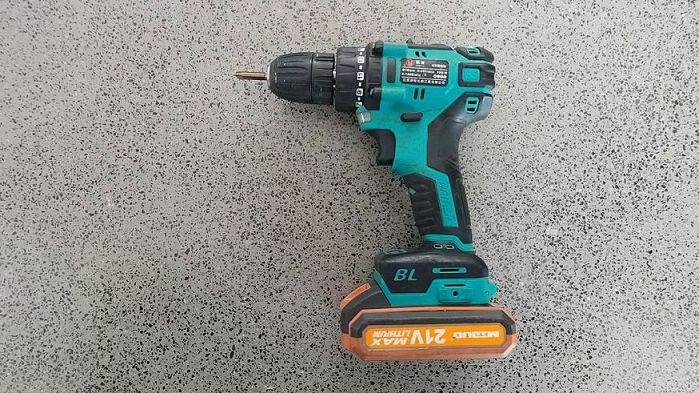
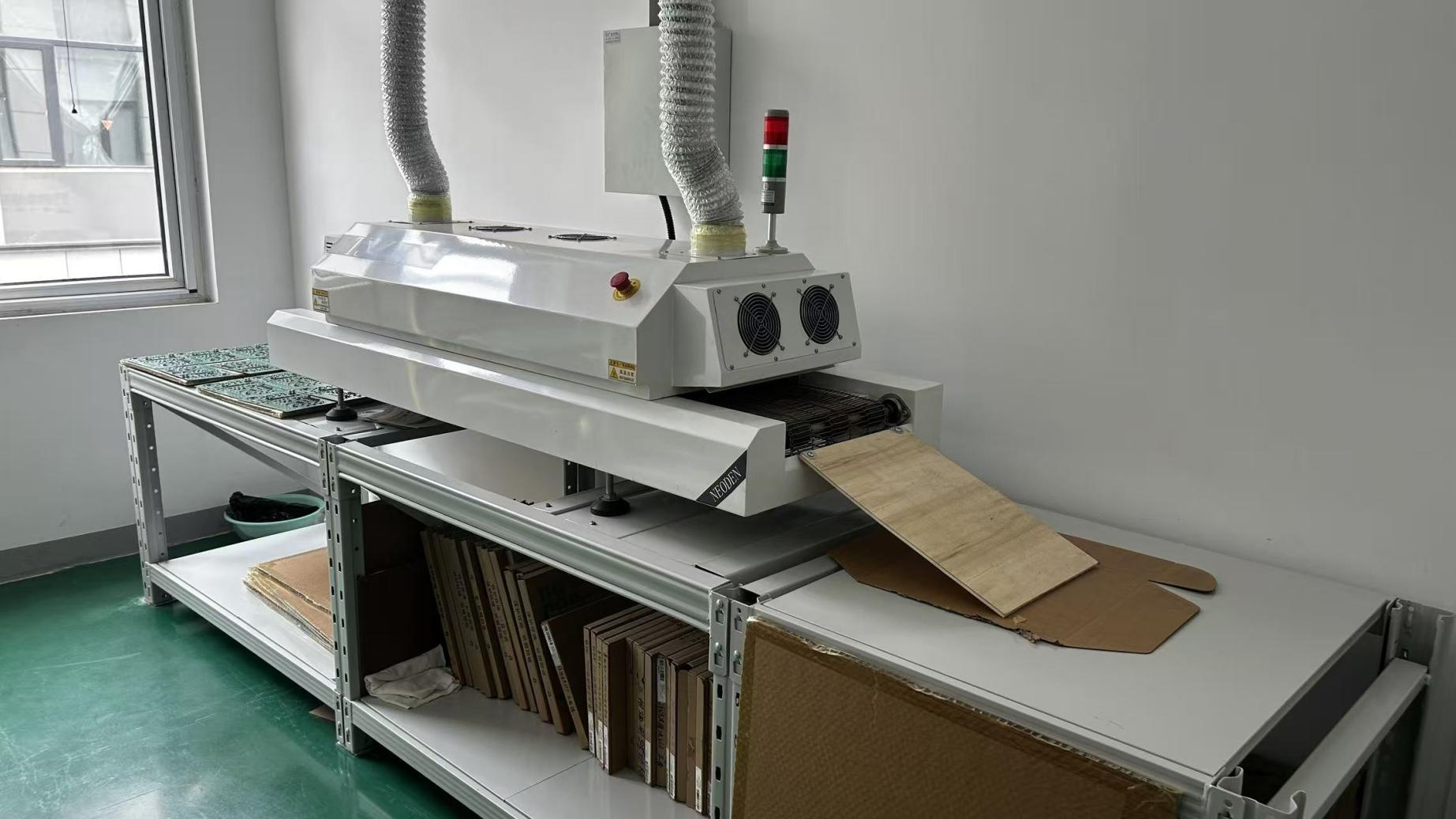
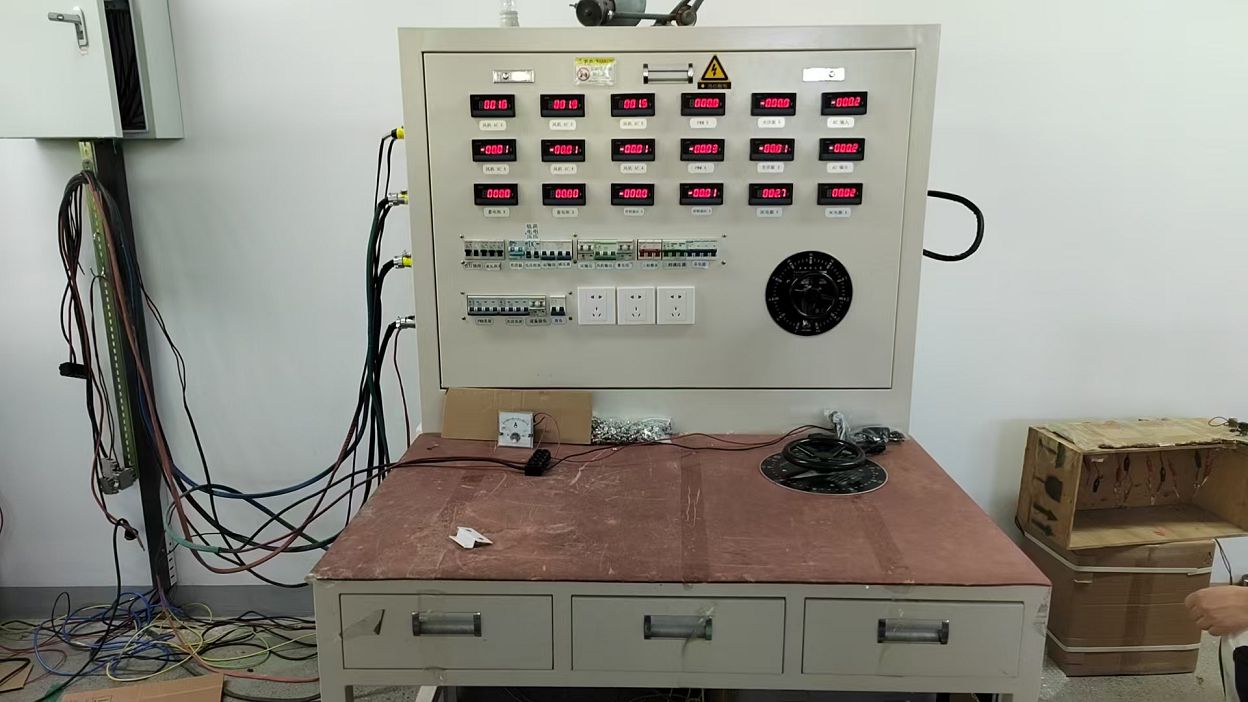
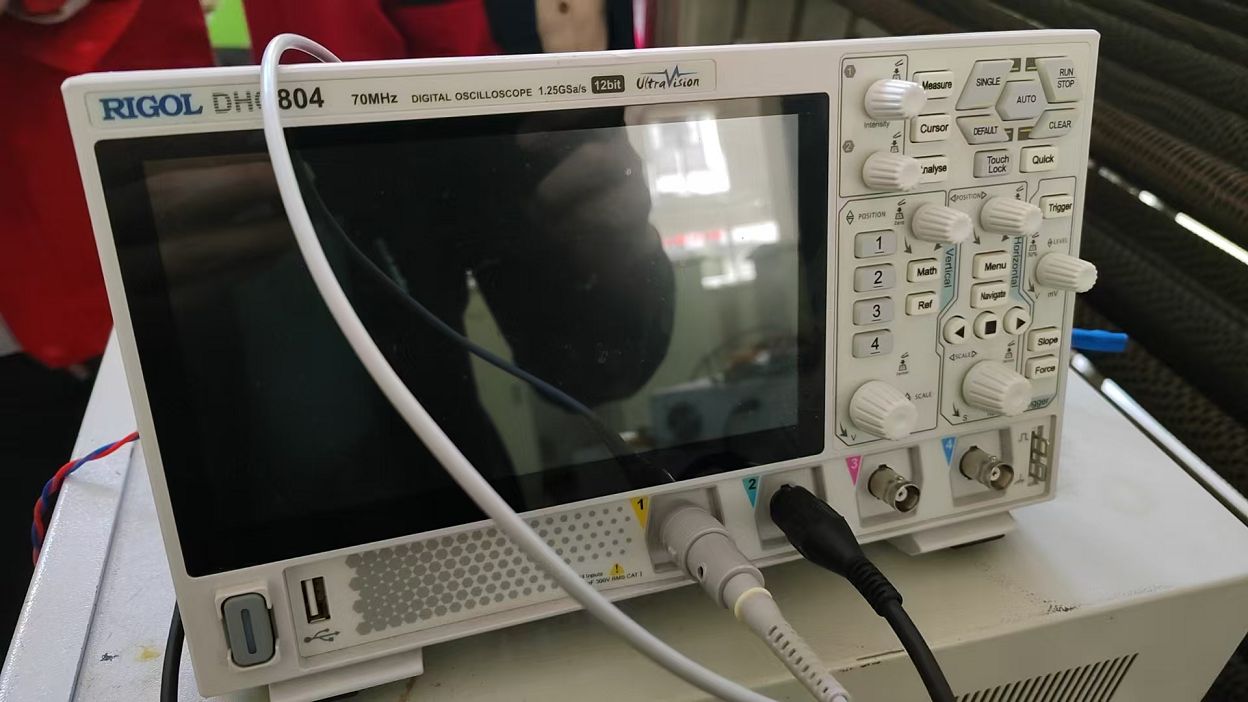
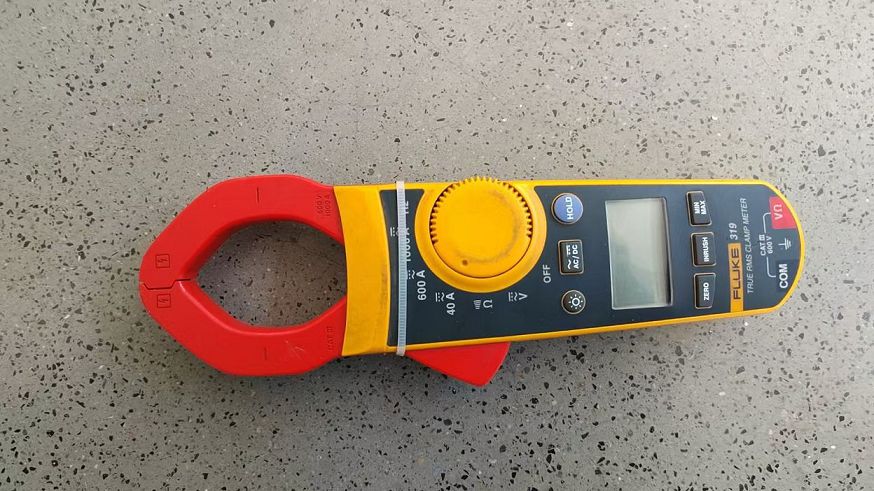
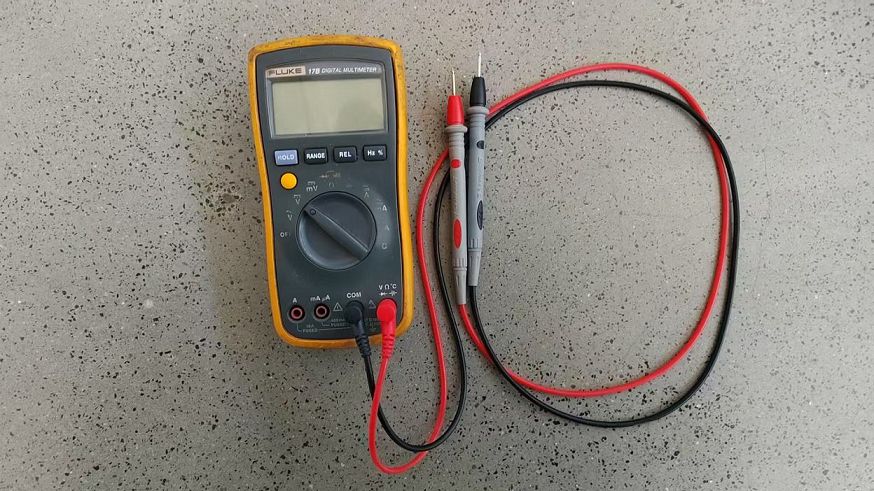
Advanced Diagnostic & Metrological Verification Equipment
Every single power supply unit from Sophpower undergoes exhaustive calibration using high-grade measurement instruments. These tools verify structural integrity and ensure the low-noise output required for high-accuracy applications.
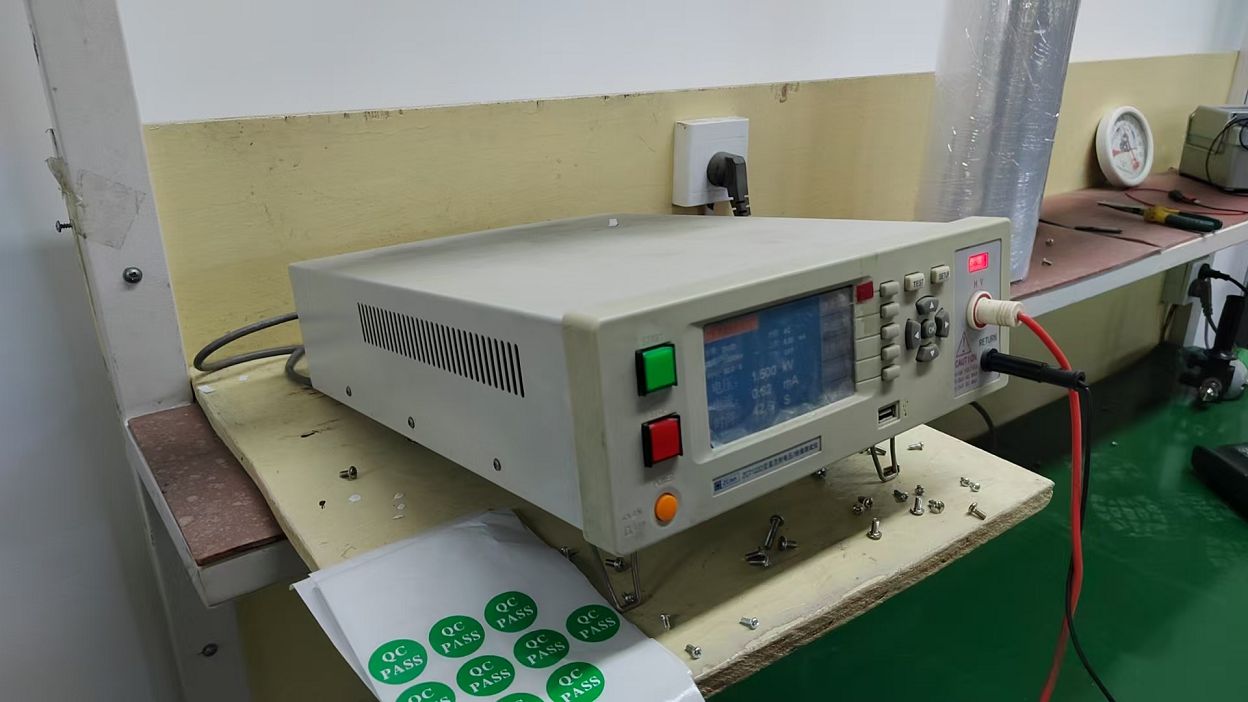
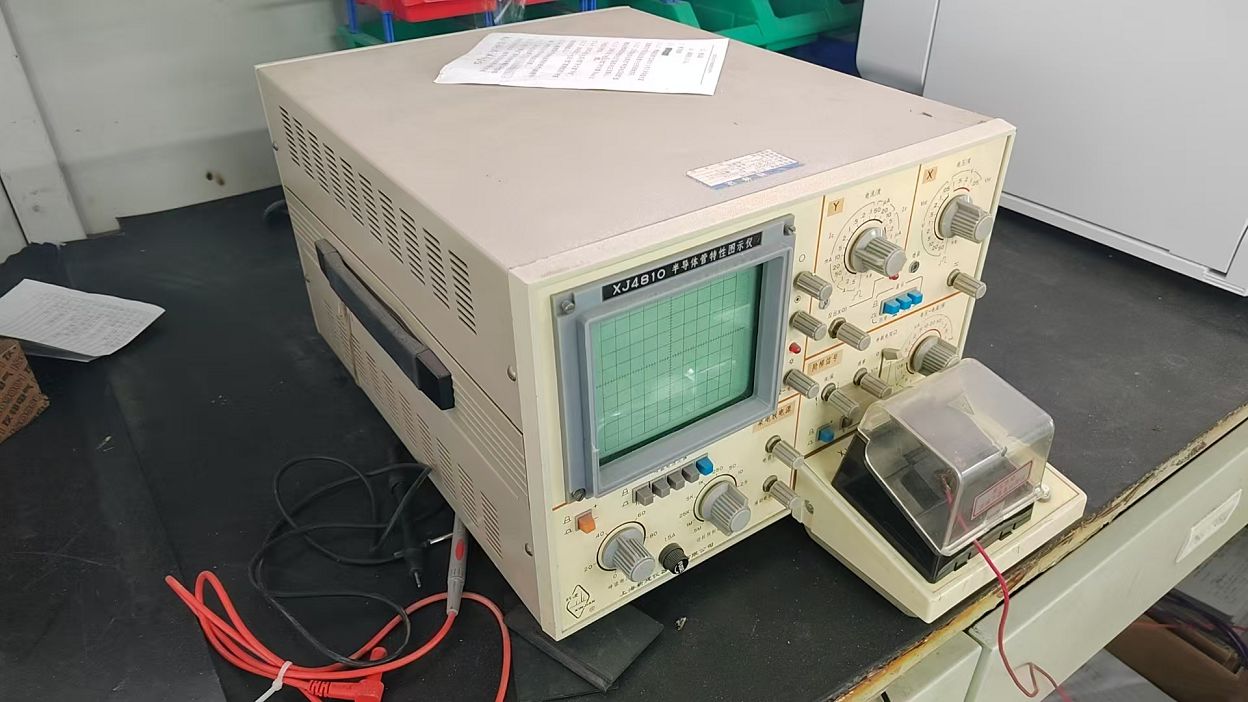
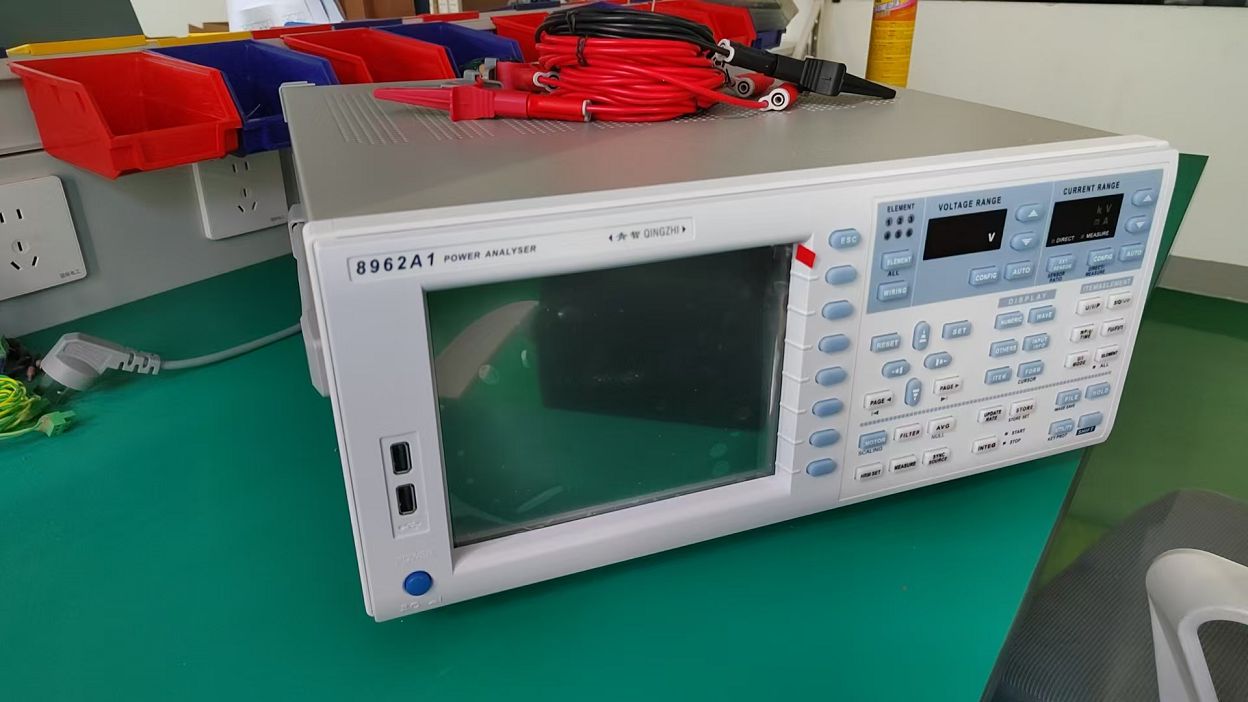

Future-Proofing Power Supply: Wide-Bandgap Semiconductors and Bidirectional Architectures
The convergence of Silicon Carbide (SiC) design, regenerative loads, and IoT automation controls.
The power electronics industry is transitioning toward Wide-Bandgap (WBG) semiconductors, such as Silicon Carbide (SiC) and Gallium Nitride (GaN). Compared to traditional silicon components, SiC technology permits higher switching frequencies, reduces heat losses, and allows for more compact power supply designs. Our latest product designs utilize these advancements to decrease physical size while increasing dynamic response times.
Additionally, bidirectional power supplies are becoming the standard for testing automotive batteries, PV inverters, and energy storage systems. The ability to supply power and absorb energy back into the local grid helps facilities lower energy costs and heat output. With modern SCADA, Modbus, Ethernet, and USB connections built-in, Sophpower systems integrate directly into automated factories and testing laboratories globally.
Key Procurement Metrics for Purchasing High-Capacity Power Sources
Crucial technical details to evaluate when choosing a power supply provider for East African and global applications.
Procuring industrial-grade power supplies requires evaluating specific design parameters to ensure long-term stability and cost efficiency:
- Total Harmonic Distortion (THD): Pure linear power supplies should maintain a THD of <0.5% for high-precision testing, while switching systems should be <2% to prevent interference with sensitive equipment.
- Transient Recovery Time: The unit's ability to recover from a 50% load change within <100 microseconds is essential when testing loads that change rapidly.
- Cooling Infrastructure: Smart, temperature-controlled fan cooling prevents dust buildup and extends the component lifespan in challenging climates.
- Compliance Standards: Ensure equipment meets CE, RoHS, and LVD standards, and matches the verification requirements of regional inspection authorities like KEBS.
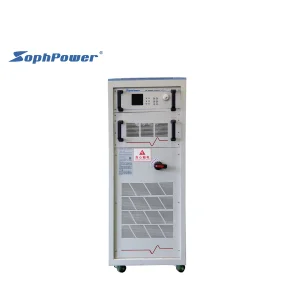
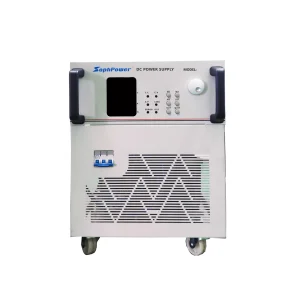
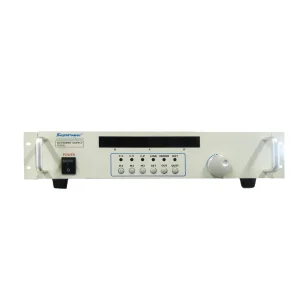
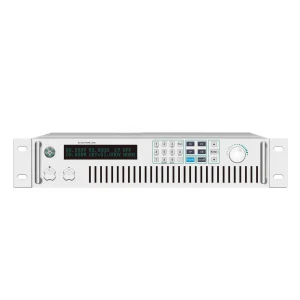
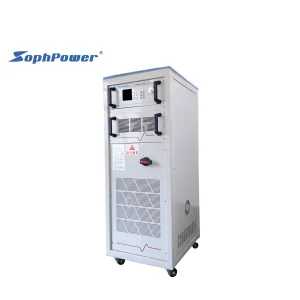
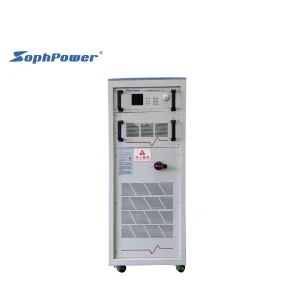
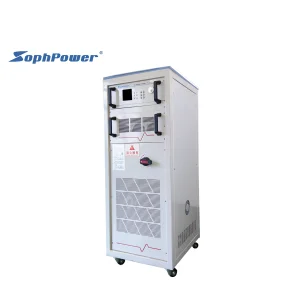
High-Performance Programmable DC Power Supplies & Electronic Loads
Rugged switching and linear power systems engineered for industrial testing, battery simulation, and laboratory applications.
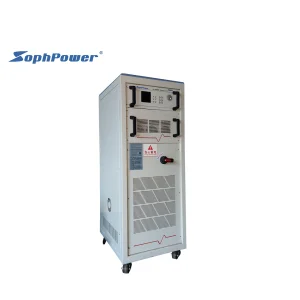
Compact Laboratory Power Systems
High-resolution diagnostic systems designed for desktop engineering and production validation.
Frequently Asked Technical Questions (FAQ)
Technical and logistical insights for importing, installing, and utilizing Sophpower electronic testing solutions in East Africa.
Need a Custom Power System Configuration?
Contact our engineering support team directly to discuss voltage, frequency, interface, and compliance requirements for your next project.
Send Inquiry Now