Precision Power Control & Testing Modules
Industrial-grade regulated AC/DC power sources and high-capacity programmable electronic loads, crucial for turbine simulation, dynamic grid testing, and load-bank validation.
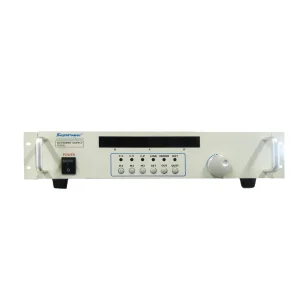
Factory price 60v 50a laboratory dc power supply adjustable
Inspect Specifications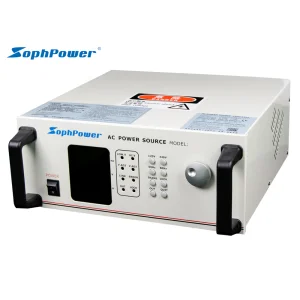
AFC-120 Adjustable AC Power Source Single Phase Frequency Converter 60 / 50Hz 2kVA
Inspect Specifications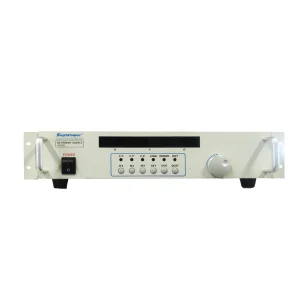
150V 20A programmable variable dc power supply
Inspect Specifications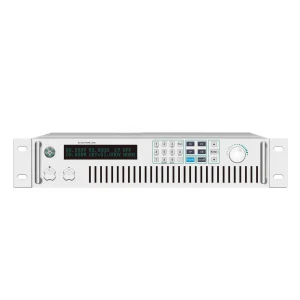
Programmable Dc Electronic Load 500V120A4800W
Inspect Specifications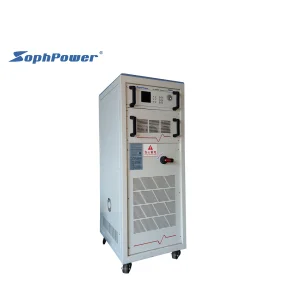
700v 60a programmable dc putput power supply
Inspect Specifications
Programmable Dc Electronic Load 500V120A3600W
Inspect Specifications
High efficiency AC to DC 0~300V output power supply adjustable
Inspect Specifications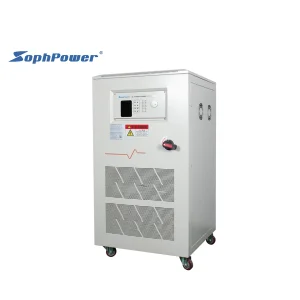
60kVA Three Phase Frequency Converter Ac Power Source Sophpower AFC-360
Inspect SpecificationsThe Strategic Role of Turbine Generators in Modern Energy
Turbine generators serve as the core of global electricity generation, translating mechanical power from steam, wind, water, or gas into steady electrical current. In an era dominated by the energy transition and grid decentralization, the demand for high-reliability turbine systems is reaching unprecedented levels. Large-scale thermal power plants, off-shore wind complexes, and regional hydropower schemes require ultra-stable electrical testing interfaces to ensure that generator outputs sync seamlessly with national power grids.
From a technical standpoint, the primary challenge during turbine installation and commissioning lies in voltage control, power quality analysis, and frequency conversion. Without precise control systems, harmonic distortions and voltage transients can cause thermal stress, winding damage, and cascading failures in power distribution networks. Robust testing with customizable AC/DC power sources is mandatory to prevent these failures.
Information Gain: The Electrical Testing Link
While typical turbine manufacturers focus exclusively on mechanical assembly (turbines, blades, casings), Sophpower Electronics delivers the essential electrical verification environment. Our advanced frequency converters, programmable loads, and variable power systems simulate variable mechanical speeds, allowing engineers to test turbine output dynamics without risking damage to the utility grid.
China's Factory Efficiency & Supply Chain Advantage
How Shenzhen Sophpower Electronics integrates vertical manufacturing processes, advanced diagnostic tools, and certified quality control protocols to supply the global grid sector.
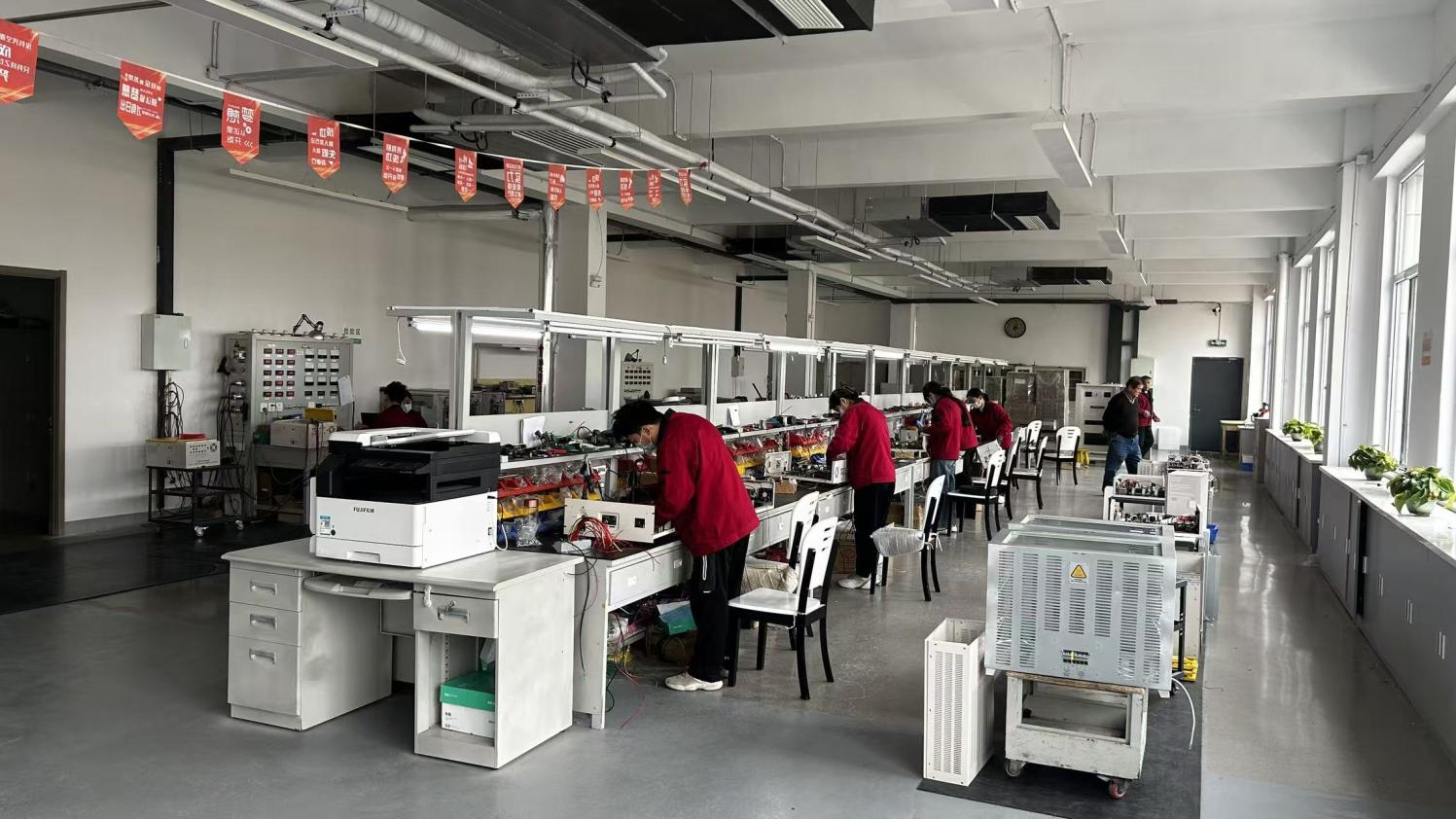
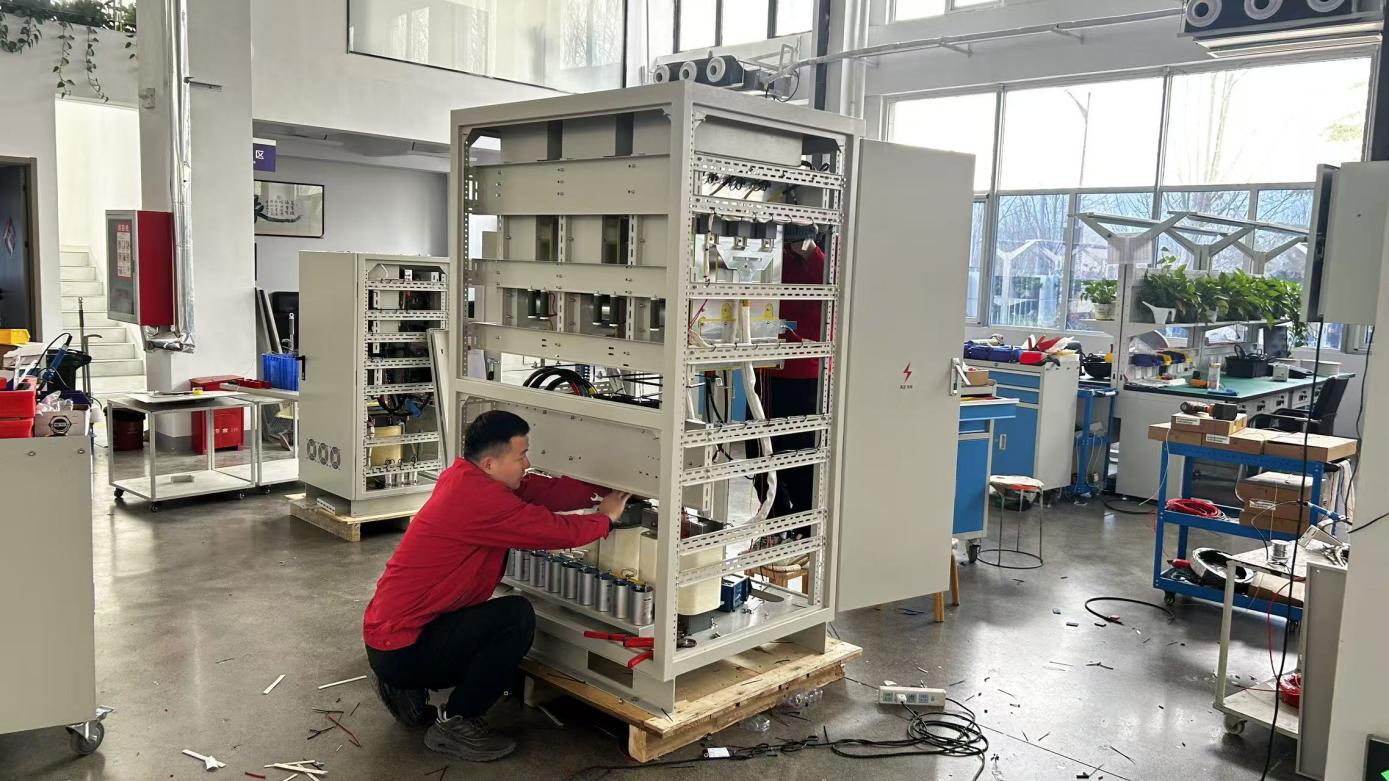
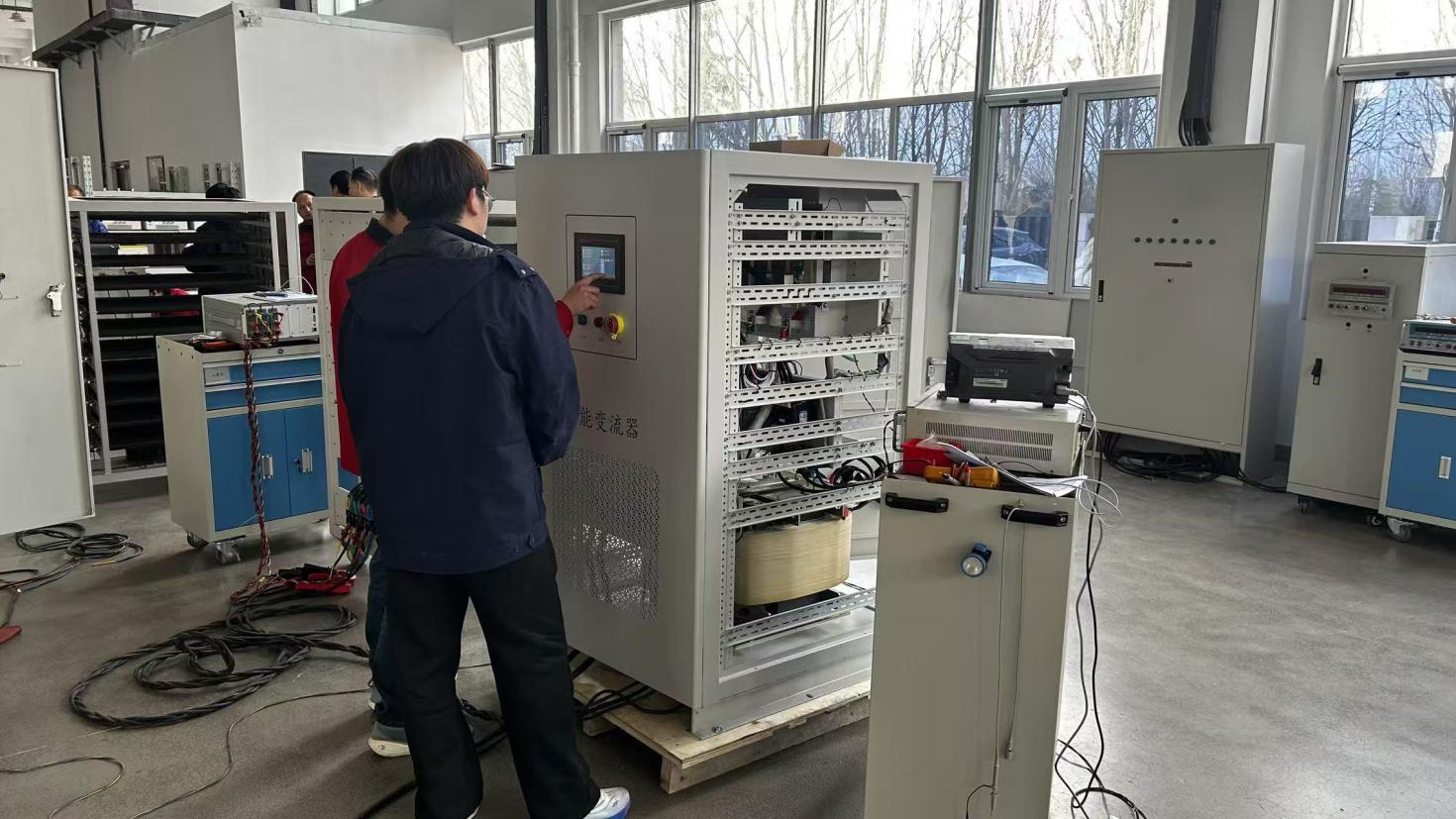
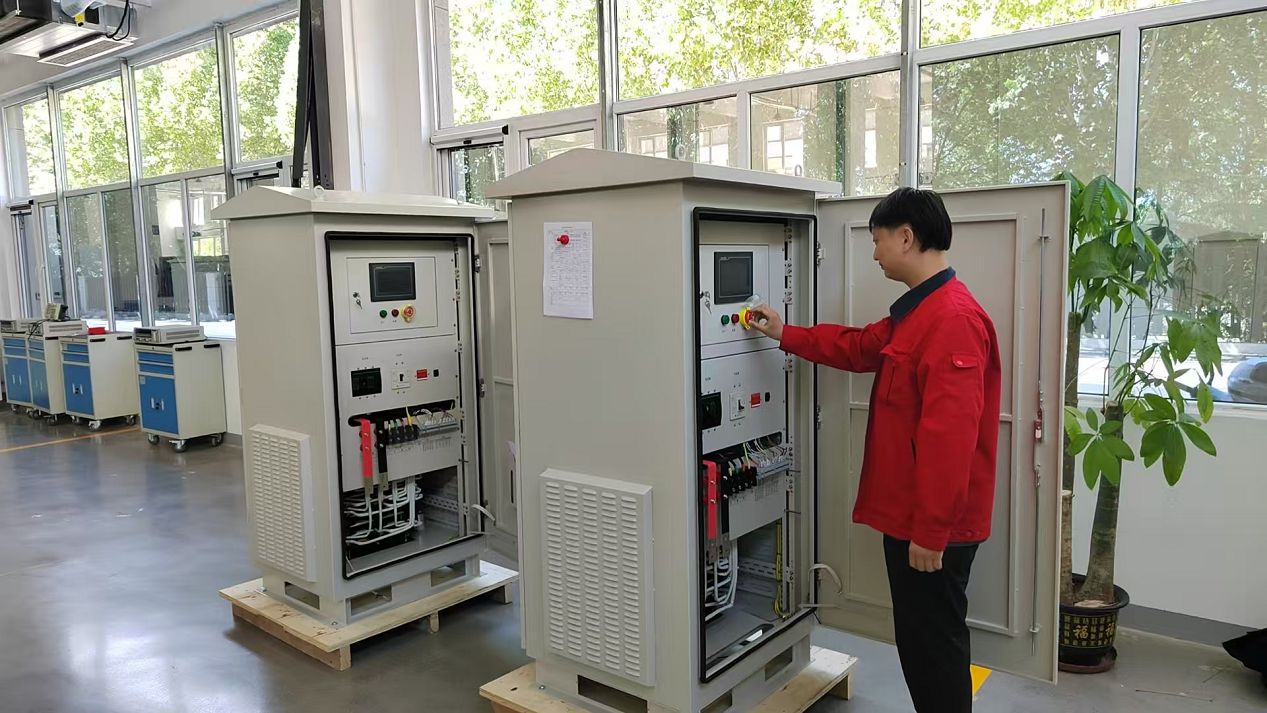
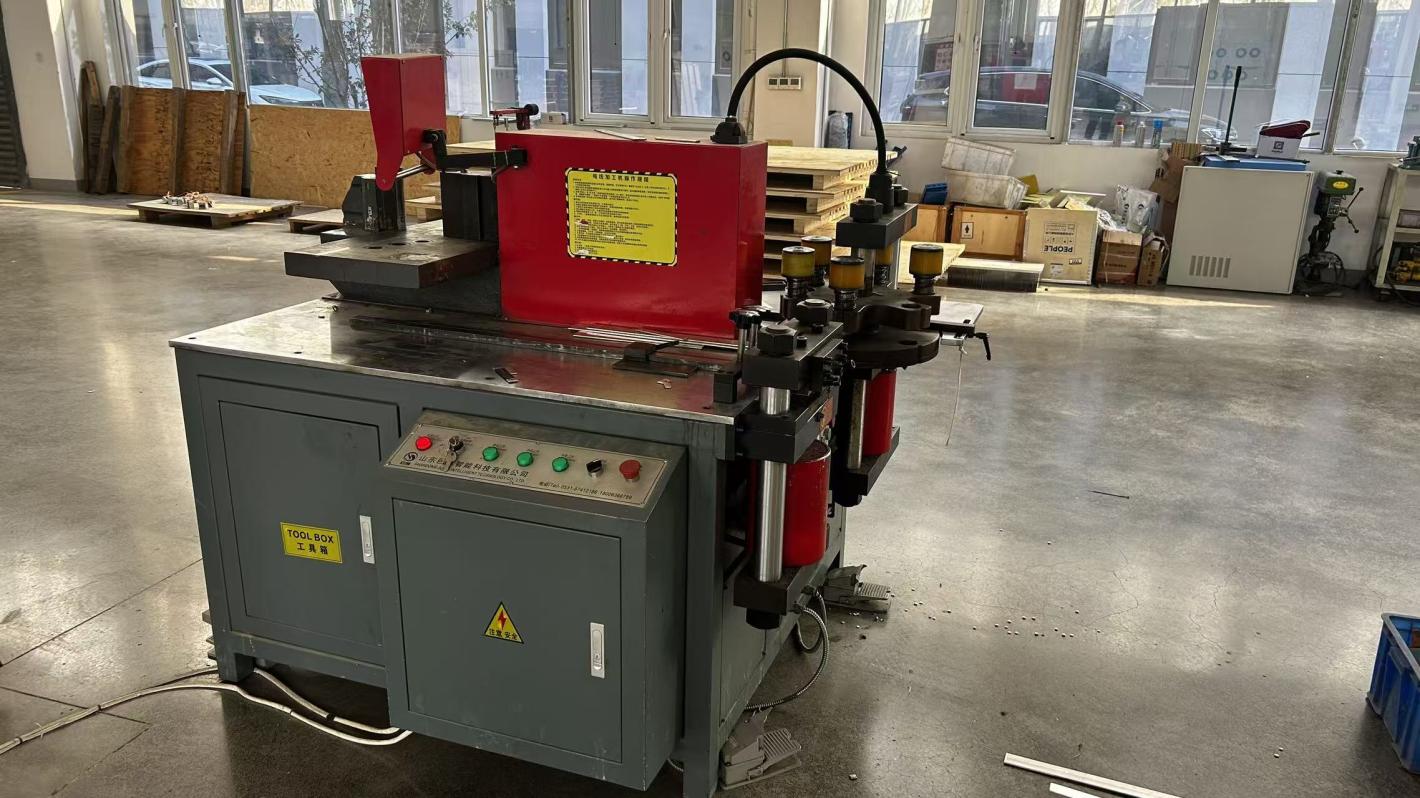
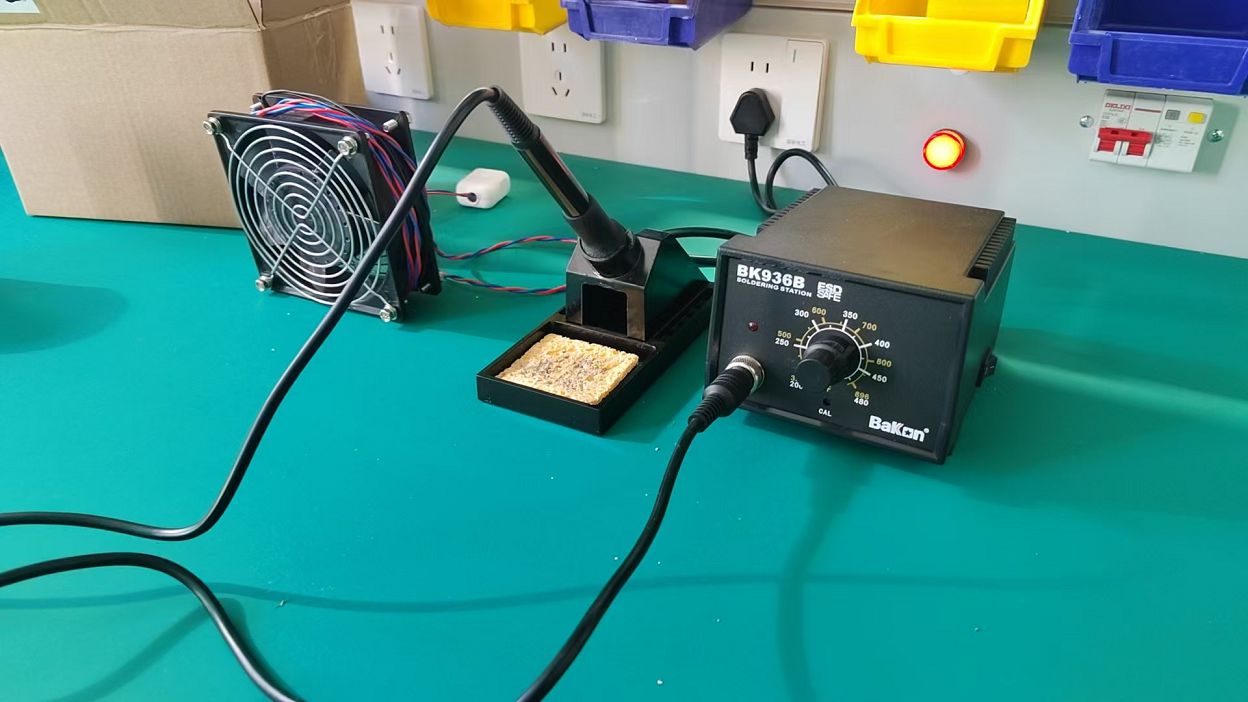
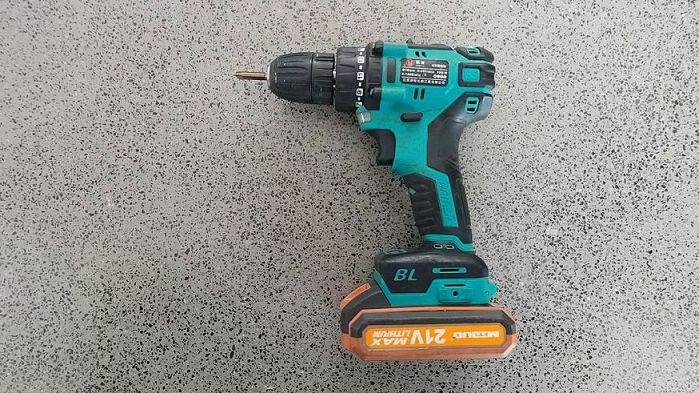
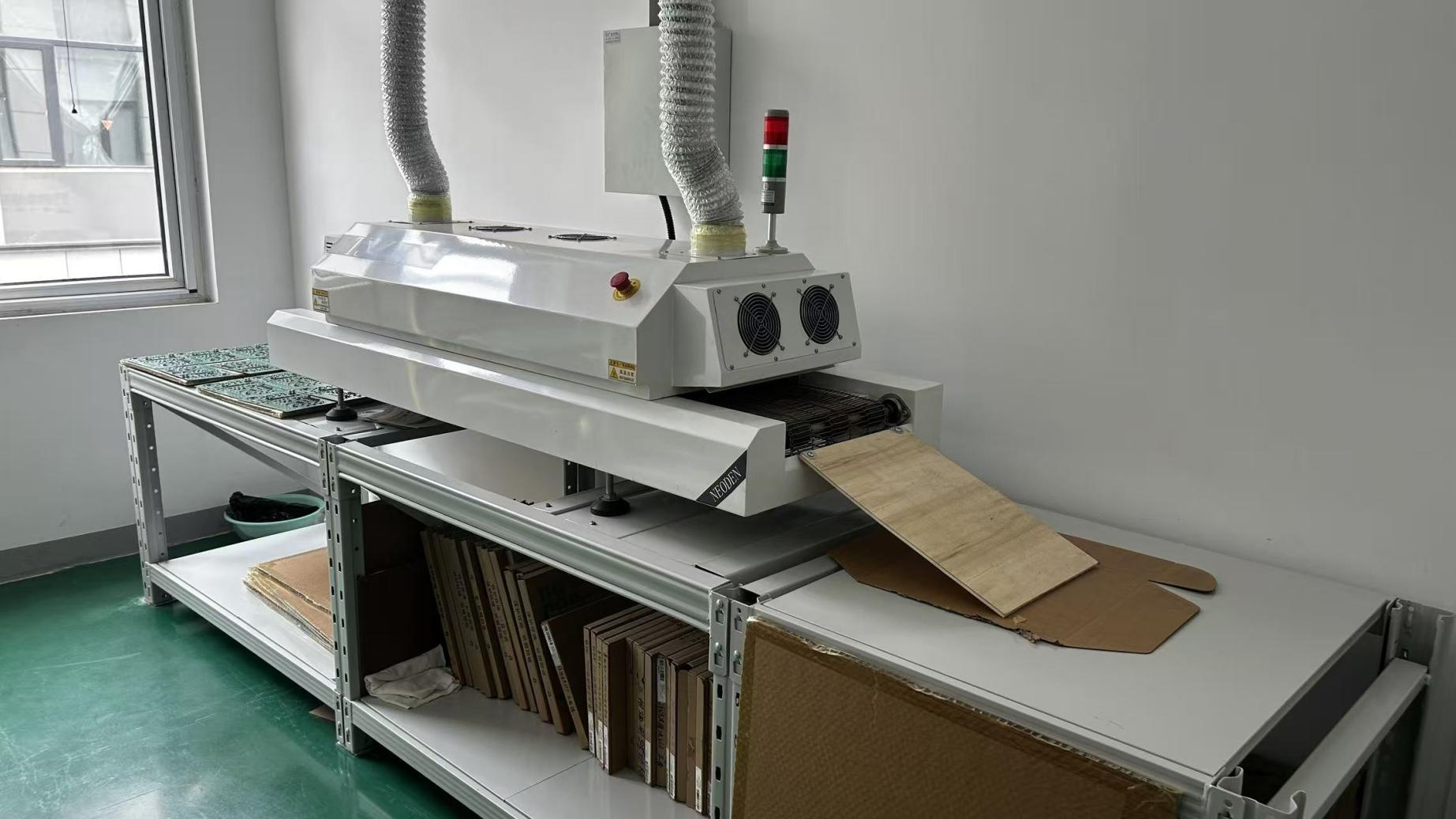
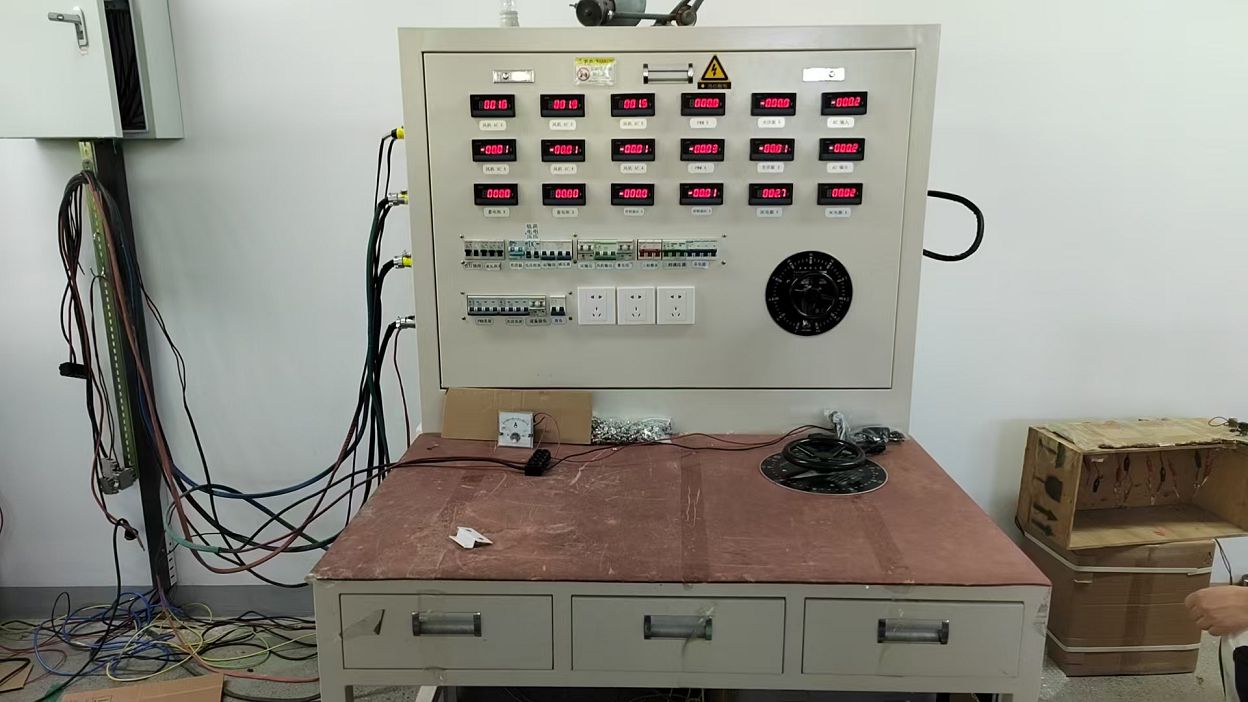
Shenzhen Sophpower Electronics Co., Ltd., founded in 2006, operates a sophisticated high-tech facility in Shenzhen, China. Our manufacturing advantage stems from a specialized focus on power testing engineering. We run an optimized production ecosystem—from PCB mounting and copper bar customization to computerized quality diagnostics. This localized industrial concentration guarantees that our systems, whether linear AC power sources or complex DC electronic loads, are constructed with extreme thermal tolerance and precision.
Our agile engineering team works closely with global turbine system integrators, adapting test beds to simulate fluctuations in voltage and frequency across different local energy grids. By standardizing component manufacturing and utilizing automated diagnostic tools, we provide premium performance at competitive rates, ensuring rapid customization and dispatch for large-scale operations.
State-Of-The-Art Metrology & Diagnostic Apparatus
Our engineering laboratory uses calibrated measurement instruments to verify power stability and validate our output parameters.
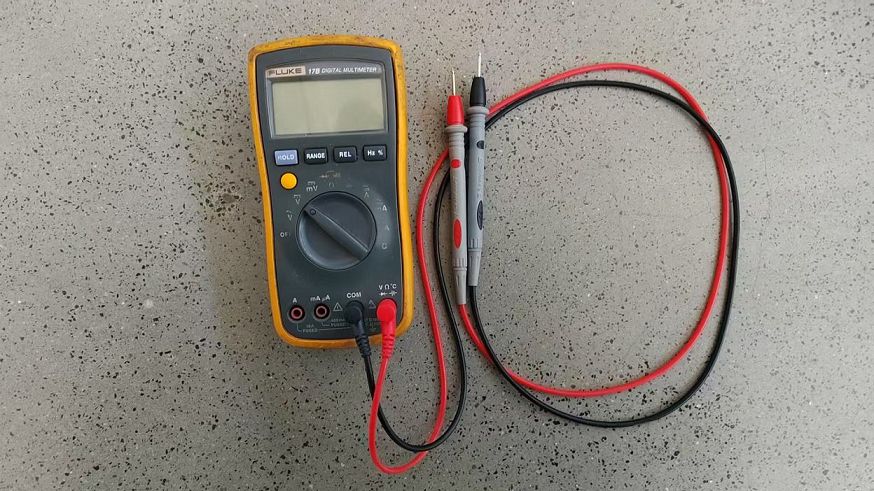
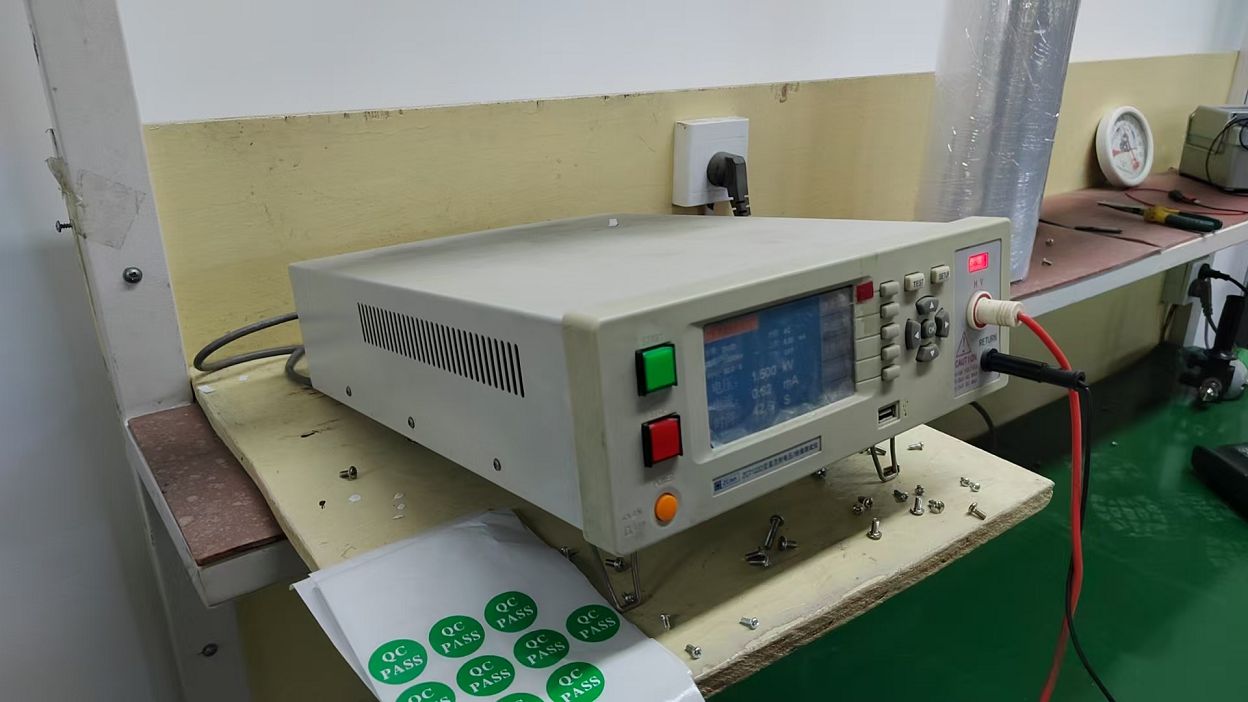
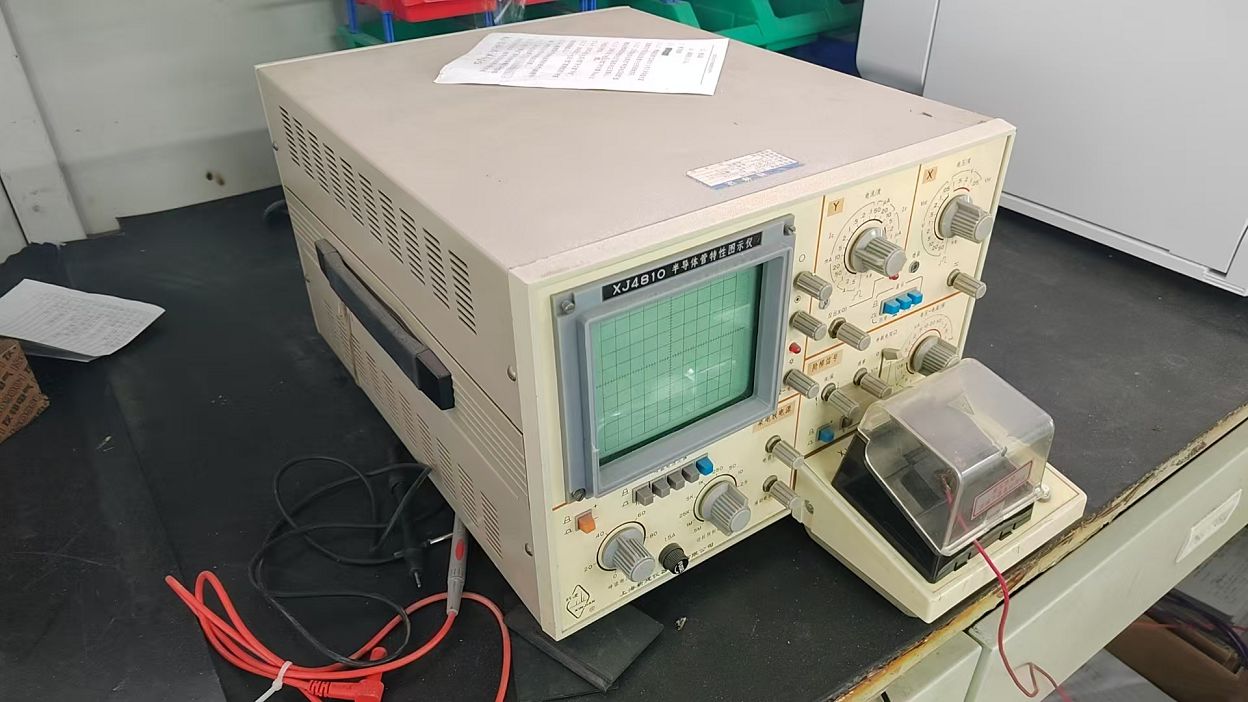
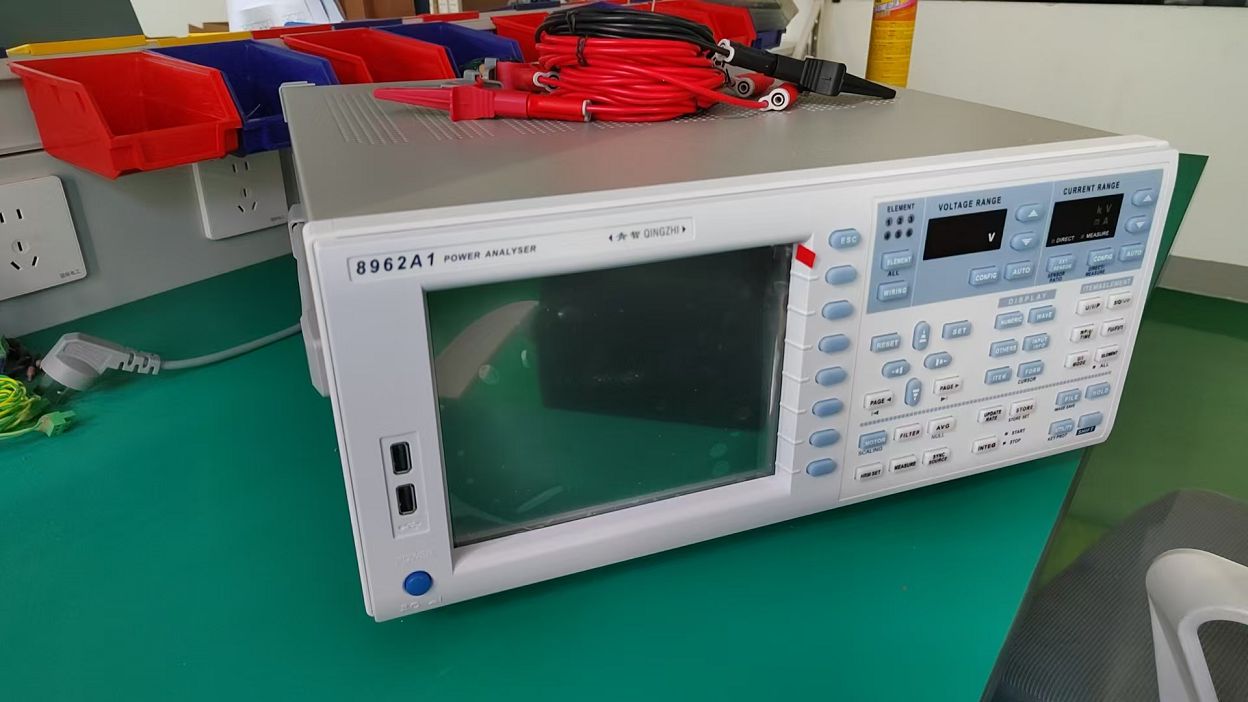
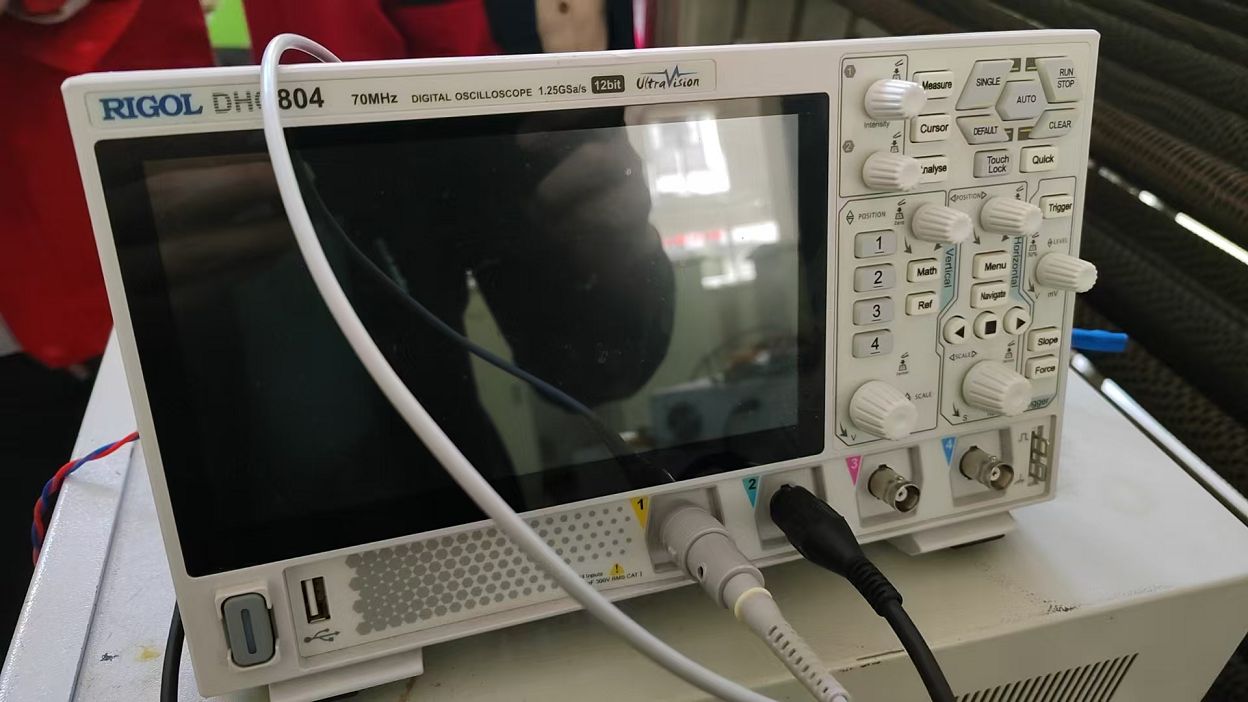
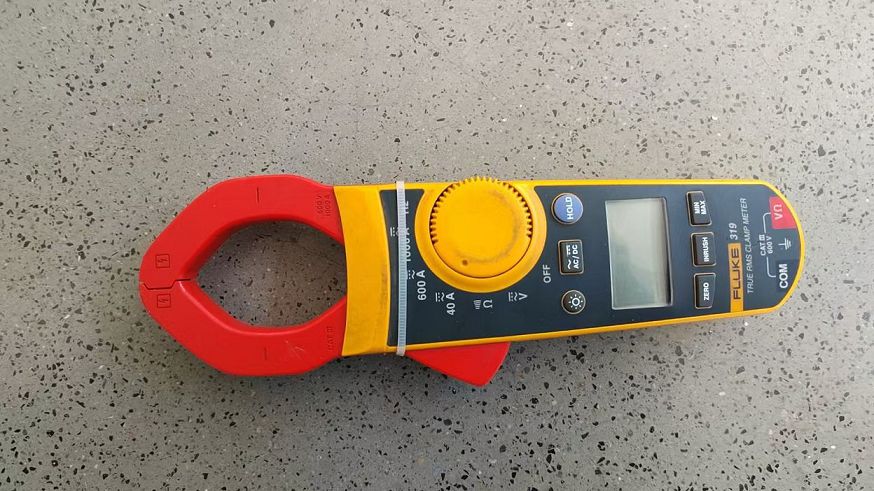
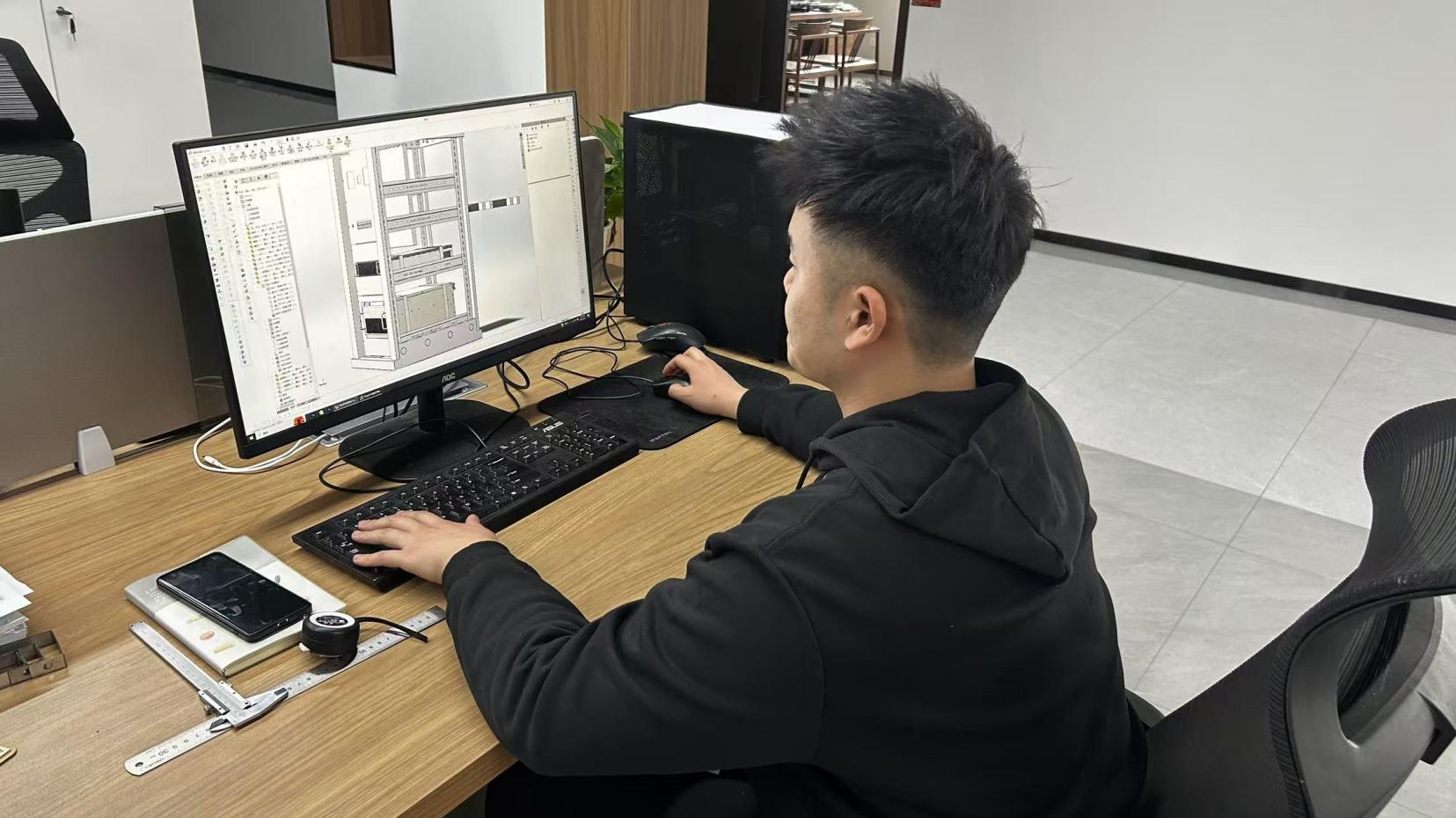
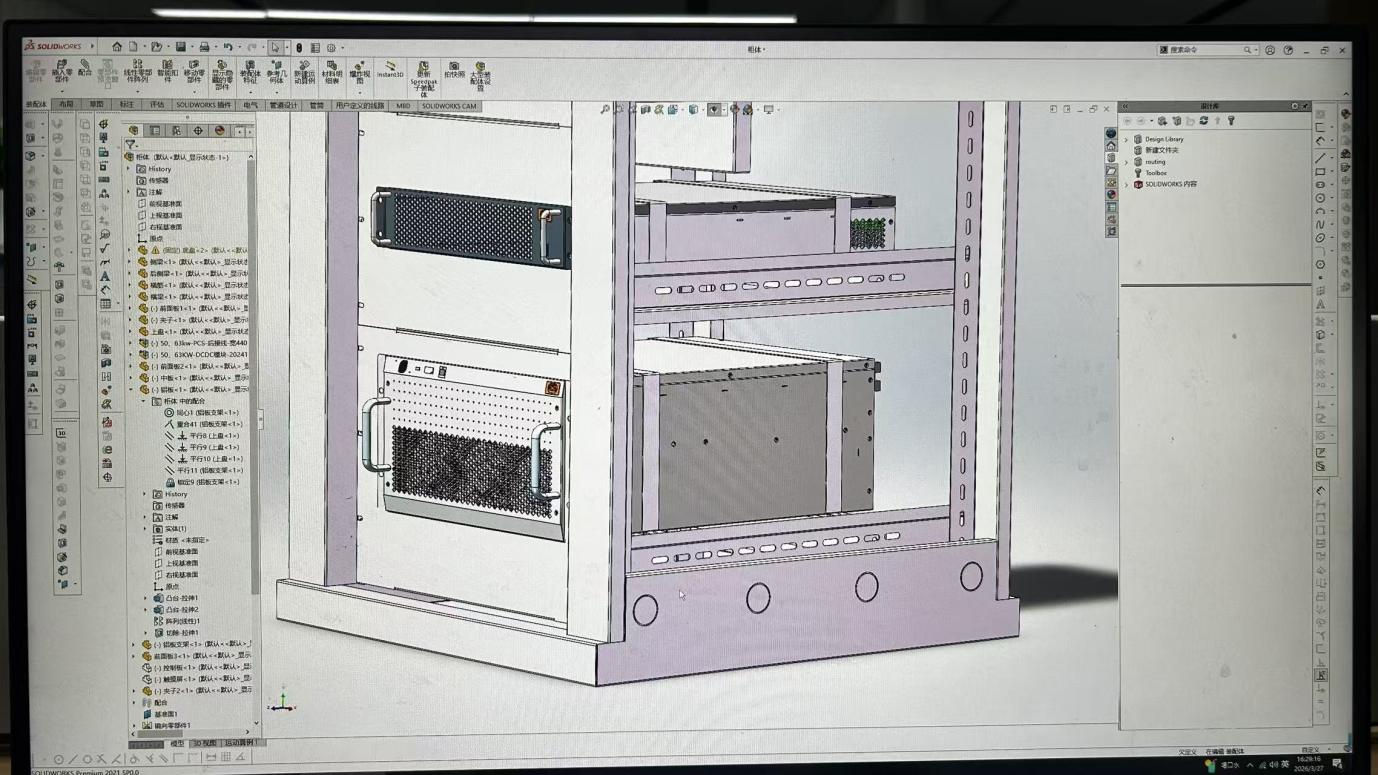
Reliable power supplies are built on strict testing standards. At Sophpower Electronics, our testing infrastructure uses high-performance diagnostic tools to analyze every component. Using high-resolution digital oscilloscopes and power quality analyzers, we track and optimize harmonic distortion (THD), phase angle displacement, transient recovery responses, and electromagnetic compatibility. This methodical approach ensures that our AC power supplies and automatic voltage regulators can handle the harsh spikes and surges typical of turbine operations.
Localized Application Scenarios in Modern Power Grids
Exploring how global industrial operators apply Sophpower systems to simulate grid conditions and maintain voltage stability.
1. Wind Turbine Grid Simulation
Due to changing wind speeds, wind turbine generators deliver variable electrical outputs. Engineers use our high-capacity AC frequency converters and programmable DC power supplies to emulate grid-connected states. This enables wind farms to test low-voltage ride-through (LVRT) scenarios, protecting equipment from sudden drops in transmission voltage.
2. Hydroelectric Governor Testing
Hydroelectric turbine installations depend on rapid governor response rates to manage water hammer variations. Sophpower's bidirectional power systems and electronic loads simulate sudden load rejections. This allows plant controllers to calibrate valve actuators and check frequency control parameters in a safe testing environment.
3. Microgrid Stability & Storage Validation
Decentralized microgrids rely on micro-turbines and battery storage systems to operate independently. Our high-voltage programmable power systems serve as artificial utility grids, verifying how micro-turbines behave during black-start conditions and sudden load step changes.
Emerging Market Trends in Power Electronics
The rise of high-speed micro-turbines, combined with distributed energy systems, requires advanced performance from testing hardware. Traditional testing equipment is being replaced by high-efficiency, high-density programmable devices. There is an increasing demand for bidirectional energy recovery options that return excess power to the factory mains during turbine tests, reducing overall power consumption.
At Shenzhen Sophpower Electronics, we incorporate these digital improvements directly into our production lines. By upgrading our control interfaces with high-speed digital signal processing (DSP) and network integration options, our systems integrate easily with SCADA setups, providing modern energy facilities with remote tracking, automated diagnostic sweeps, and real-time fault logging.
Procurement Best Practices for Turbine Generator Components
Important factors for procurement managers, EPC contractors, and system engineers selecting power testing systems.
Purchasing components for power grids requires analyzing long-term operation costs, international code compliance, and system durability. Industrial hardware must operate in harsh, high-temperature settings while delivering consistent, low-noise power outputs. Choosing equipment with insufficient cooling capacity or low-grade filtering can cause early degradation of main generator windings and regulatory non-compliance.
Working with an experienced manufacturer like Shenzhen Sophpower Electronics ensures that your equipment aligns with critical global standards, including CE, UL, and IEEE codes. Our custom configurations allow clients to select specific protection limits, input line filtrations, and communication cards, avoiding expensive installation workarounds.
Procurement Checklist: Essential Features
- Low Total Harmonic Distortion (THD): Must remain below 2% to protect delicate electronic instrumentation.
- High Crest Factor Capability: Suitable for managing high inrush currents from electric motors and transformers.
- Thermal Architecture: Forced-air cooling and thermal cut-offs to prevent system degradation.
- Connectivity Options: Integrated RS232, RS485, GPIB, and Ethernet connectivity for automated test beds.
- Custom Output Modes: Capability to easily switch between single-phase and three-phase configurations.
Technical FAQ: Turbine Testing & Power Regulation
Answers to common technical queries about grid simulation, frequency converter matching, and dynamic load testing.
Why is a frequency converter necessary during turbine generator integration?
Turbine generators operate at variable rotational speeds depending on steam pressure, water flow, or wind velocity. This results in variable frequency output. An adjustable frequency converter is required to adjust this output to match the national grid's target frequency (typically 50Hz or 60Hz), preventing phase and frequency mismatches that can trigger safety relays.
What is the difference between Linear and Switching AC Power Sources?
Linear AC power sources deliver ultra-low noise outputs, excellent transient recovery times, and minimal electromagnetic interference, making them ideal for precise lab validation. Switching AC power sources offer much higher energy efficiency, compact physical footprints, and higher power densities, which is beneficial for high-power industrial grid testing and production line burn-in testing.
How does a programmable DC electronic load assist in turbine testing?
A programmable DC electronic load acts as an adjustable load profile, simulating sudden step-up or drop-off demands on the turbine's DC auxiliary systems. This allows engineers to measure voltage sag, recovery times, and governor responsiveness without requiring massive physical resistor banks.
Can Sophpower Electronics customize voltage outputs for marine turbine setups?
Yes. Our engineering division specializes in developing custom test power systems to meet specific requirements. We regularly build high-voltage AC and DC systems that meet the unique requirements of marine generators, aerospace power buses (including 400Hz configurations), and heavy mining equipment.
How do your automatic voltage regulators improve overall power quality?
Our automatic voltage regulators monitor utility line voltages continuously and compensate for sags, surges, and spikes using high-efficiency transformer configurations and digital control circuitry. This ensures a steady voltage supply to sensitive electrical components, preventing overheating and downtime.
Regulators, Converters & Variable Power Supplies
High-power systems designed to withstand demanding industrial settings, providing reliable voltage regulation and frequency control.
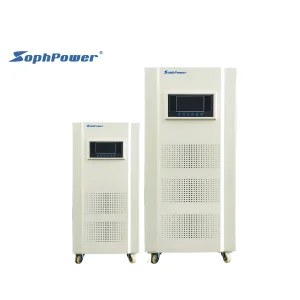
Top quality 1000kVA AC automatic voltage regulator stabilizer
Inspect Specifications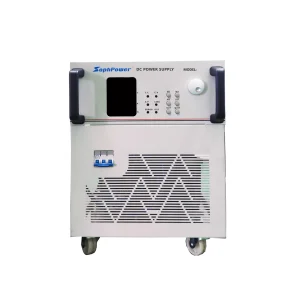
100v 200a Variable Dc Power Supply Adjustable
Inspect Specifications
40v 30 Amps Dc Regulated Power Supply Adjustable
Inspect Specifications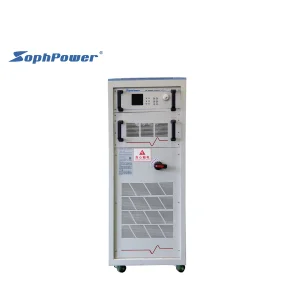
300v 50kw programmable dc adjustable power supply
Inspect Specifications
600v 20a laboratory power supply dc adjustable
Inspect Specifications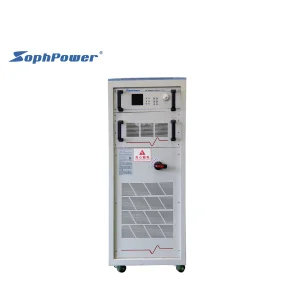
1500v 20a high voltage programmable dc power supply
Inspect Specifications
Programmable Dc Electronic Load 150V/240A/4800W
Inspect Specifications