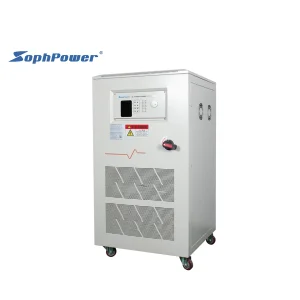
Featured Engineering & Test Power Solutions
Explore our top-tier programmable DC switching power supplies and high-capacity AC frequency converters designed for global laboratory and industrial automation environments.
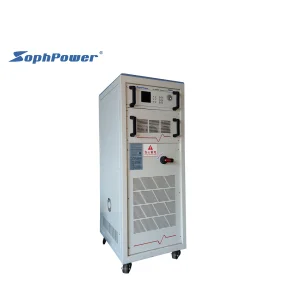
700v 60a programmable dc output power supply
View Specifications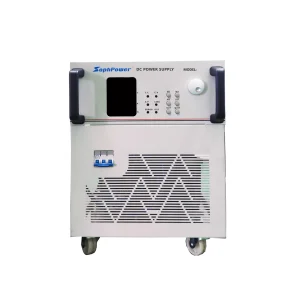
150v 80a dc switching power supply 10kw
View Specifications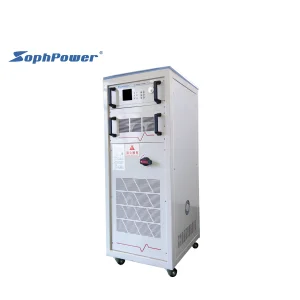
50kw High Voltage Dc Switching Power Supply 1000V 50A
View Specifications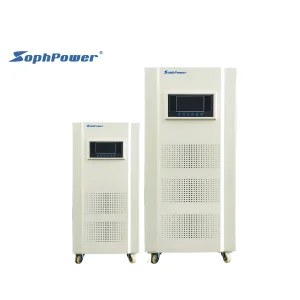
High Performance SCR Three Phase 200kVA Voltage Regulator/stabilizer
View Specifications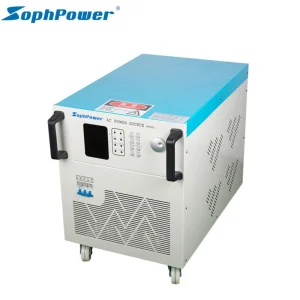
10KVA 3 phase power frequency converter 60hz 50hz
View Specifications
600v 20a laboratory power supply dc adjustable
View Specifications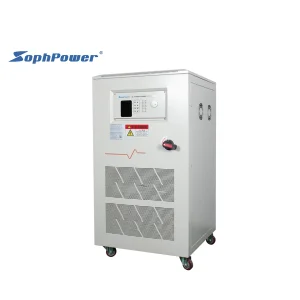
60kVA Three Phase Frequency Converter Ac Power Source Sophpower AFC-360
View Specifications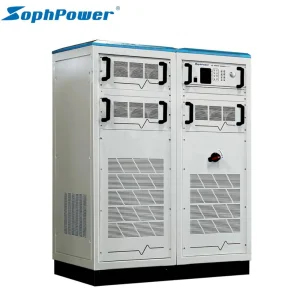
AFC-375 3 phase 50 to 60hz frequency converter and ac power source 75kVA
View Specifications1. The Global Shift to High-Efficiency Switch Mode Power Supplies (SMPS)
Modern electrical grids and advanced industrial applications demand unprecedented power efficiency, compact layouts, and dynamic responsiveness. The transition from legacy linear power units to state-of-the-art Switch Mode Power Supplies (SMPS) has revolutionized electronics manufacturing. By employing high-frequency switching semiconductors (such as Silicon Carbide [SiC] and Gallium Nitride [GaN]), leading manufacturers achieve peak efficiency ratings exceeding 96%, effectively minimizing energy dissipation and reducing thermal load burdens.
For industrial buyers, systems integrators, and electronics laboratories, selecting the right SMPS partner goes beyond evaluating catalog specifications. It requires identifying exporters with deep application-specific expertise, robust quality-assurance processes, and a forward-looking technological roadmap. As carbon neutrality mandates tighten globally, optimizing power conversion topology has evolved from a simple product selection decision into a core corporate strategy.
What is Information Gain in Power Electronics Sourcing?
In power supply sourcing, information gain refers to the actionable knowledge obtained by analyzing actual manufacturing processes, quality-testing benchmarks, and field failure rates, rather than relying solely on datasheets. True quality is defined during the circuit board design phases, debugging sequences, and automated QA stress-testing cycles.
2. Core Technical Roadmap: GaN, SiC, and Digital Topologies
The industry's technical direction is characterized by three major advancements that separate top-tier SMPS manufacturers from low-tier assembly shops:
Wide Bandgap (WBG) Semiconductors
Silicon Carbide (SiC) and Gallium Nitride (GaN) devices enable faster switching speeds and lower internal resistances. This allows developers to reduce the size of inductors and capacitors, resulting in highly compact power units with elevated power densities. SiC is the preferred material for high-voltage, high-current industrial systems, while GaN excels in high-density, low-to-medium power configurations.
Resonant LLC and Phase-Shifted Full-Bridge (PSFB)
Advanced topology architectures, such as LLC resonant converters, permit Zero Voltage Switching (ZVS) and Zero Current Switching (ZCS). By switching at zero crossing points, electromagnetic interference (EMI) is drastically minimized, and switching losses are virtually eliminated. This approach ensures high reliability and extends the operating lifespan of the system.
3. Global Sourcing & Procurement Selection Criteria
Procuring industrial-grade SMPS systems requires a comprehensive evaluation framework. Power supplies are critical components whose failure can result in costly downtime. Technical buyers should focus their due diligence on the following key metrics:
| Evaluation Parameter | Standard Requirement | Advanced Industry Benchmark | Why it Matters |
|---|---|---|---|
| Line & Load Regulation | ±0.5% to ±1% | ≤ ±0.1% (Highly Regulated) | Prevents voltage fluctuations from damaging sensitive electronics. |
| Power Factor Correction (PFC) | ≥ 0.90 | ≥ 0.98 (Active PFC) | Reduces reactive power losses and minimizes total harmonic distortion (THD). |
| Isolation Strength | 1000 VAC RMS | ≥ 3000 VAC or 4242 VDC | Protects operational personnel and high-value control logic. |
| MTBF (Mean Time Between Failures) | 50,000 Hours | ≥ 100,000 to 200,000 Hours | A primary indicator of components' thermal and operational longevity. |
4. Strategic Solutions for Industrial & Test Environments
Switch Mode Power Supplies are deployed across various industries. Modern exporters must deliver solutions optimized for these distinct environments:
Laboratory & ATE Systems
Programmable DC power units require high resolution, low ripple, and rapid transient response. Integration with automated test systems using RS232, RS485, USB, GPIB, or LAN interfaces is essential for efficient production-line testing.
Renewable Energy & Battery Simulation
Bidirectional DC power supplies are crucial for EV motor characterization and battery bank emulation. These units act as both programmable sources and regenerative electronic loads, returning energy to the local grid.
Industrial Control & Grid Stabilization
Robust voltage regulators and AC frequency converters protect high-power motors and automated assemblies from line surges, brownouts, and frequency anomalies common in heavy manufacturing locations.
Factory Focus: Shenzhen Sophpower Electronics Co., Ltd.
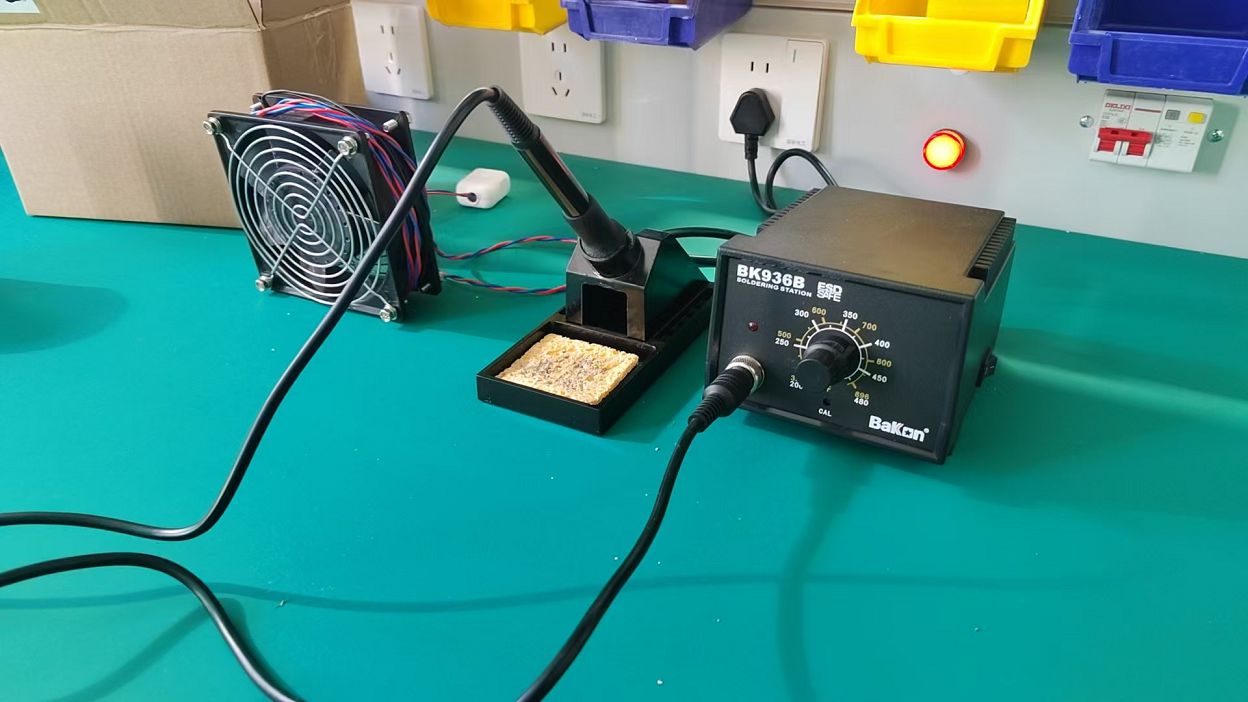
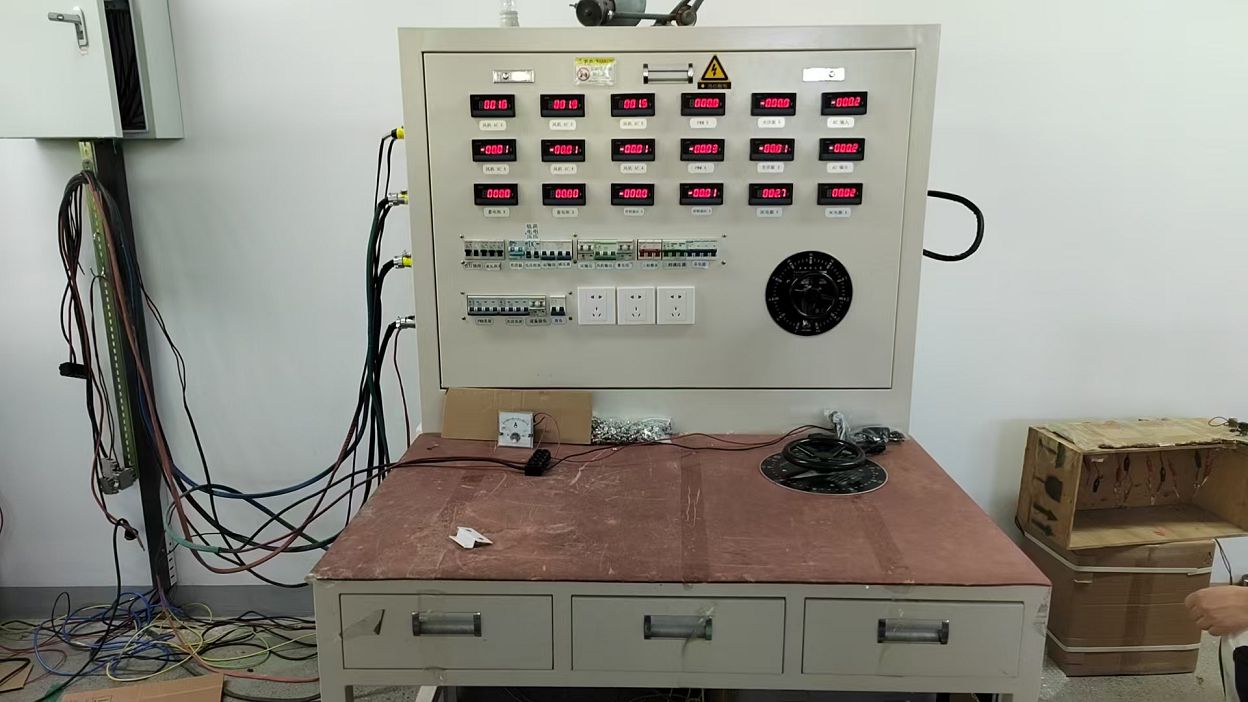
Established in 2006, Shenzhen Sophpower Electronics Co., Ltd. is a high-tech enterprise specializing in testing power supplies. Guided by a team of experienced engineers, Sophpower designs and manufactures customized AC Power Sources, Linear AC Units, Bidirectional DC Supplies, and High-Performance Voltage Regulators.
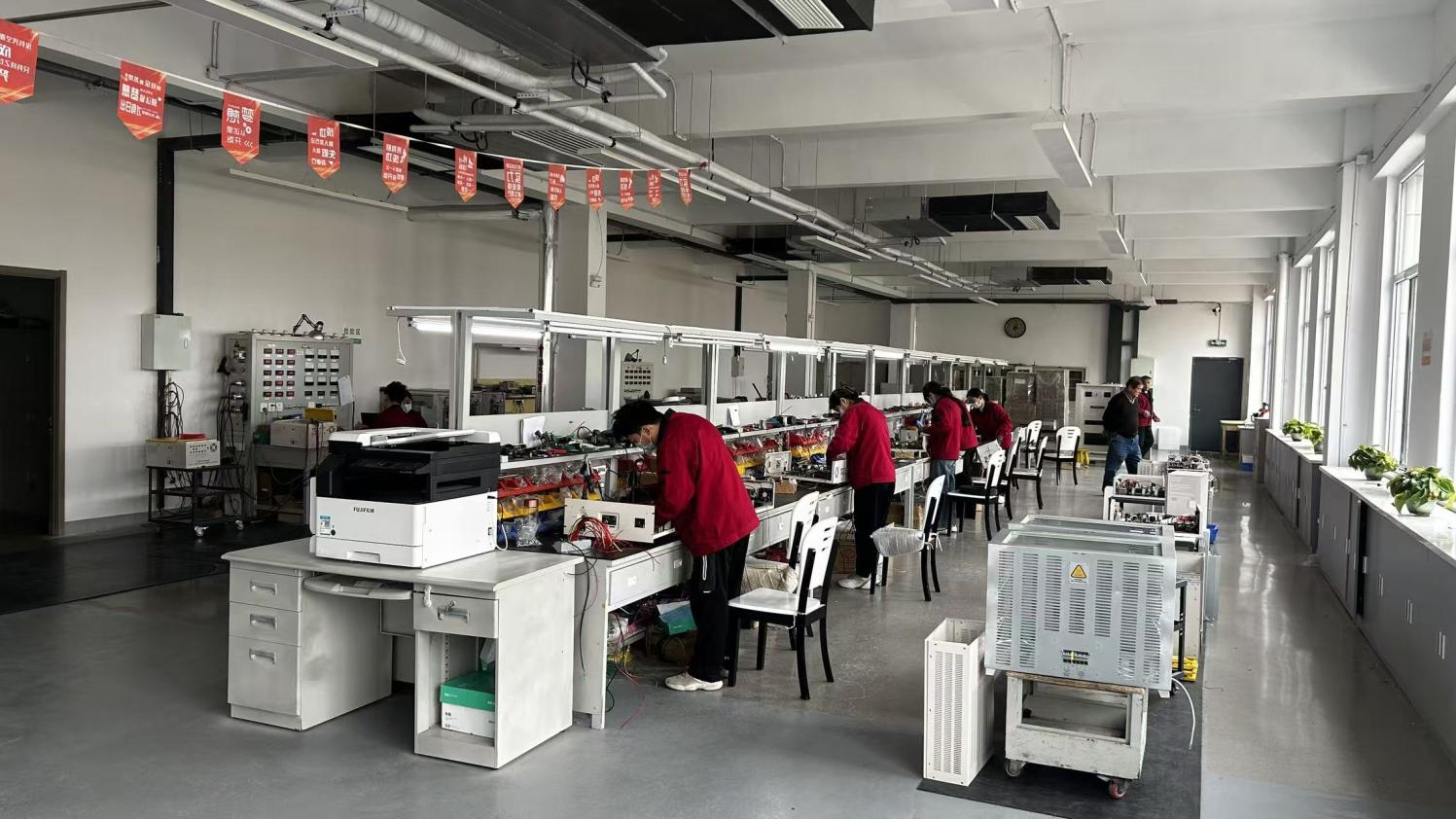
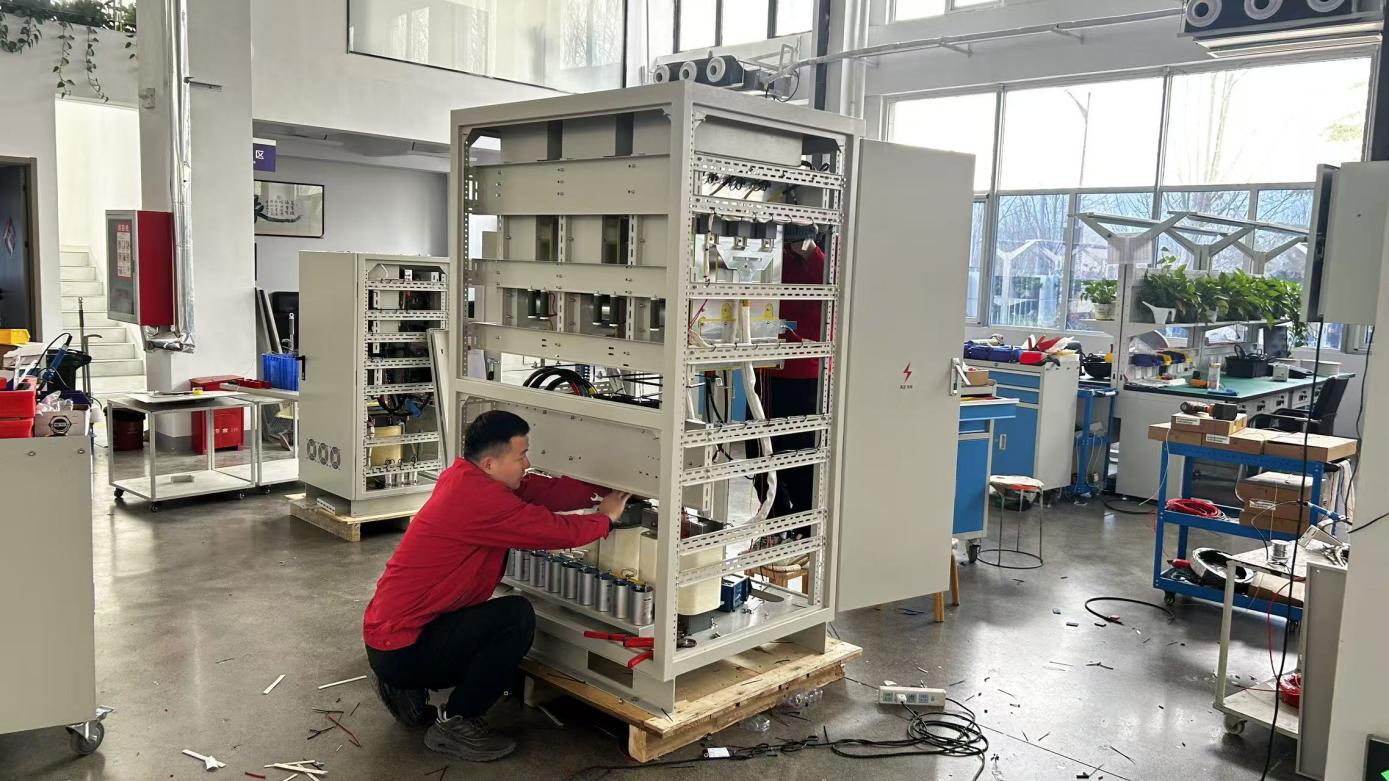
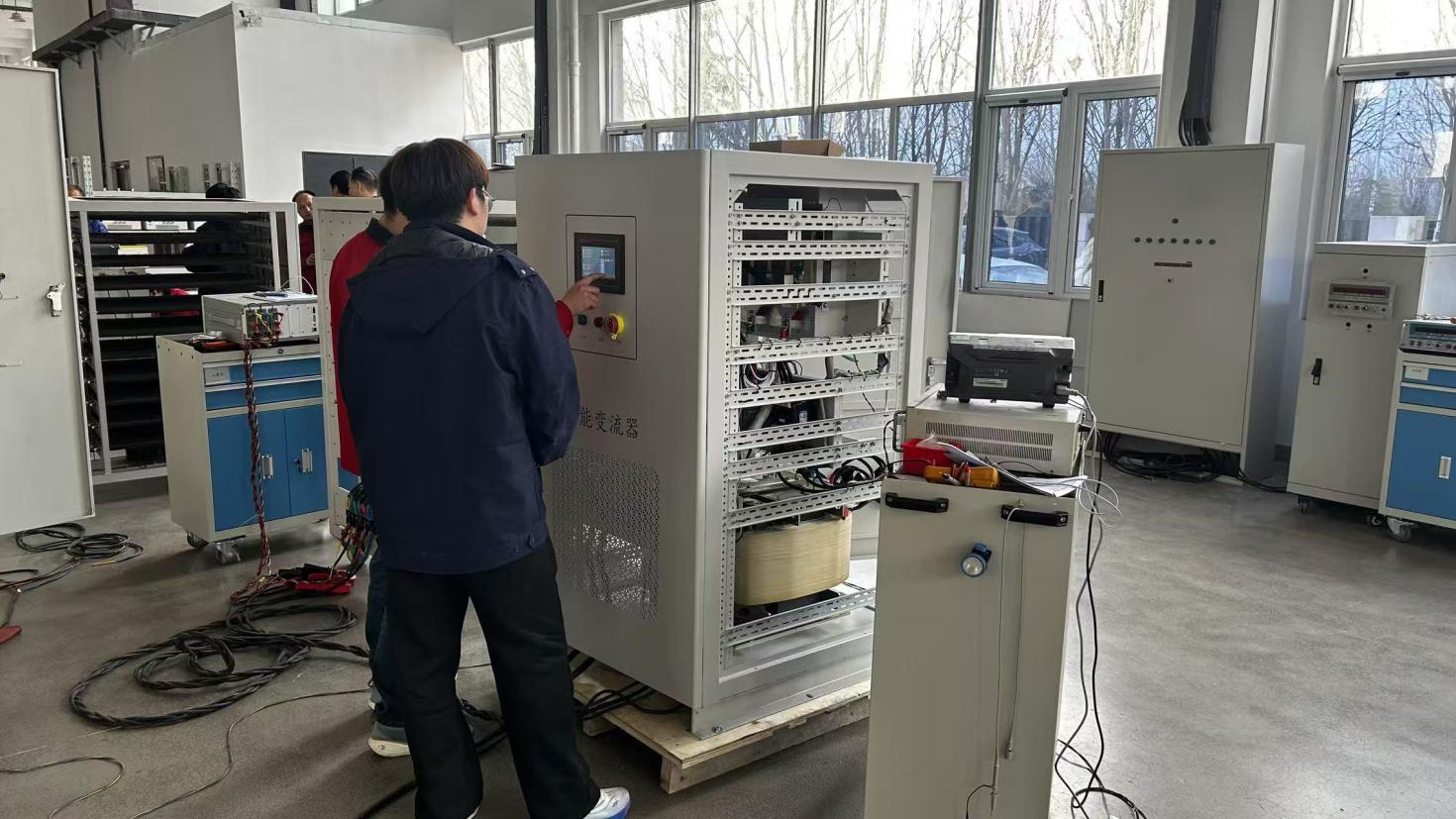
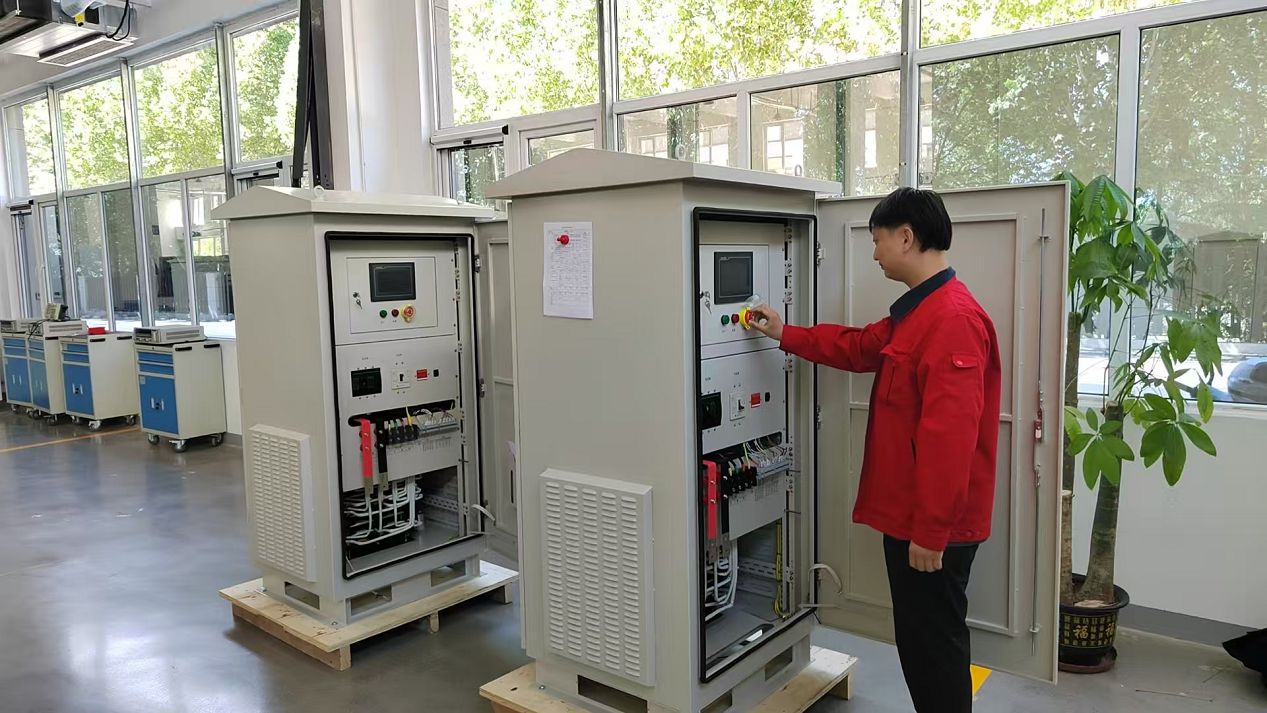



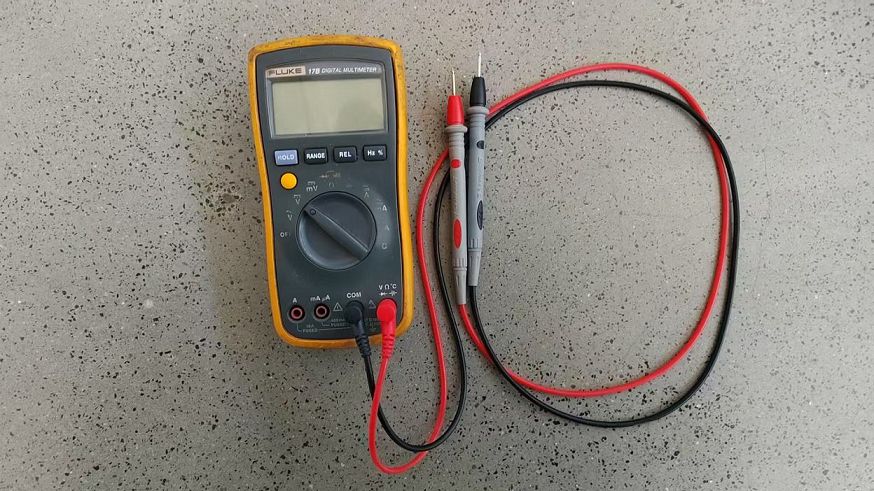
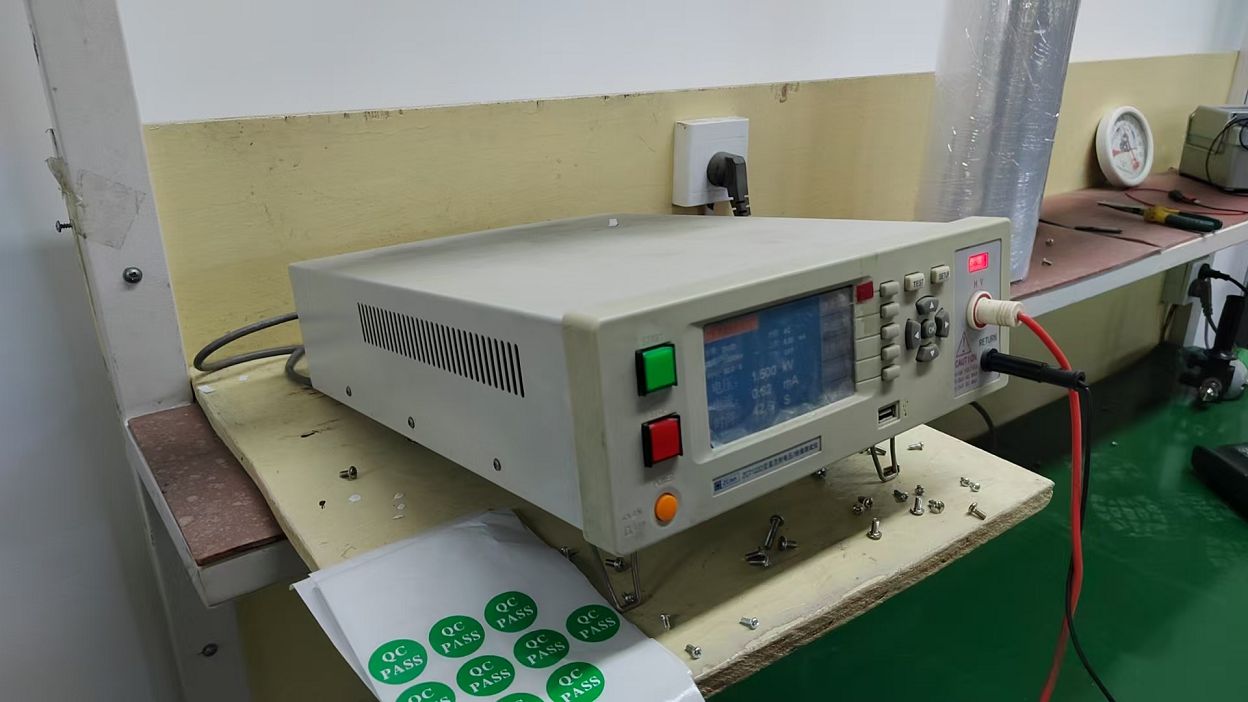
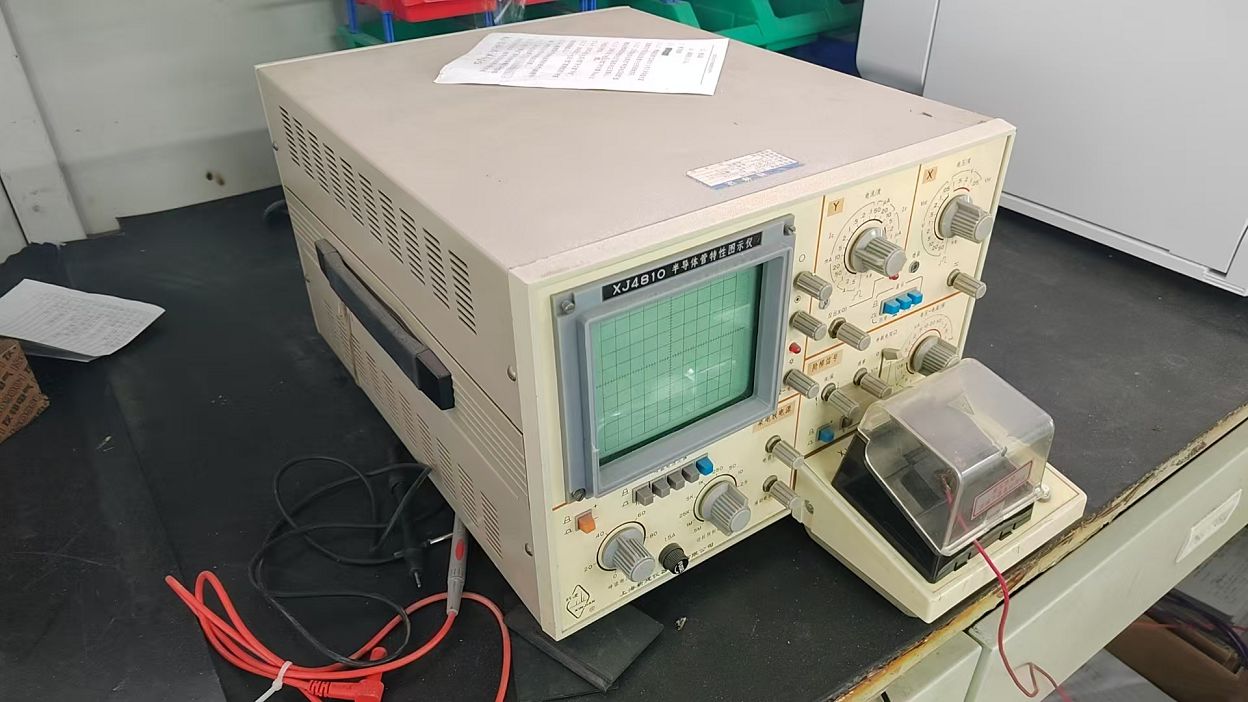
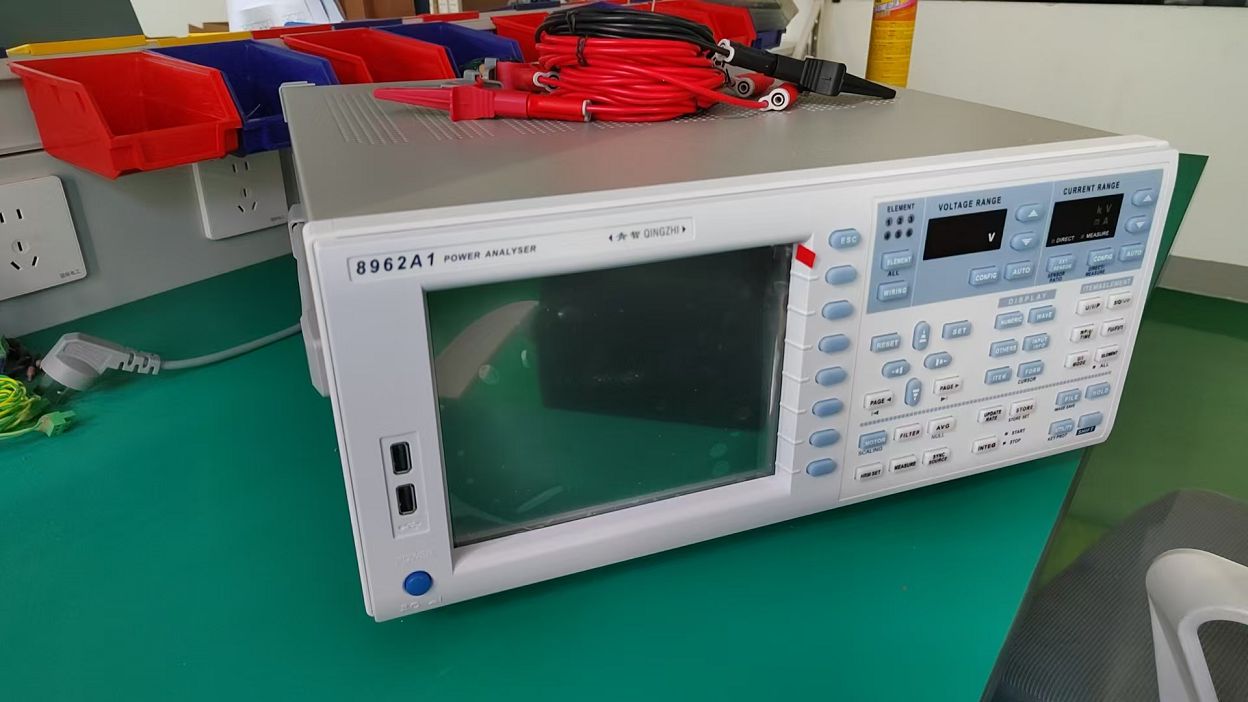
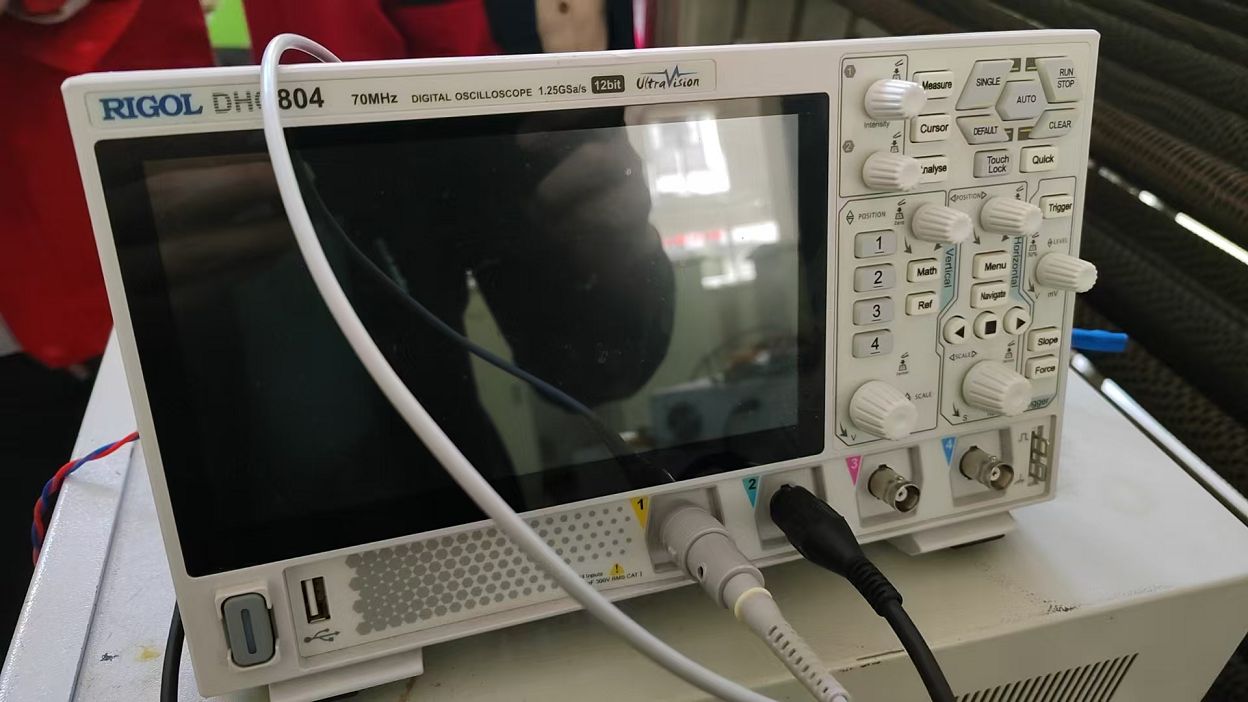
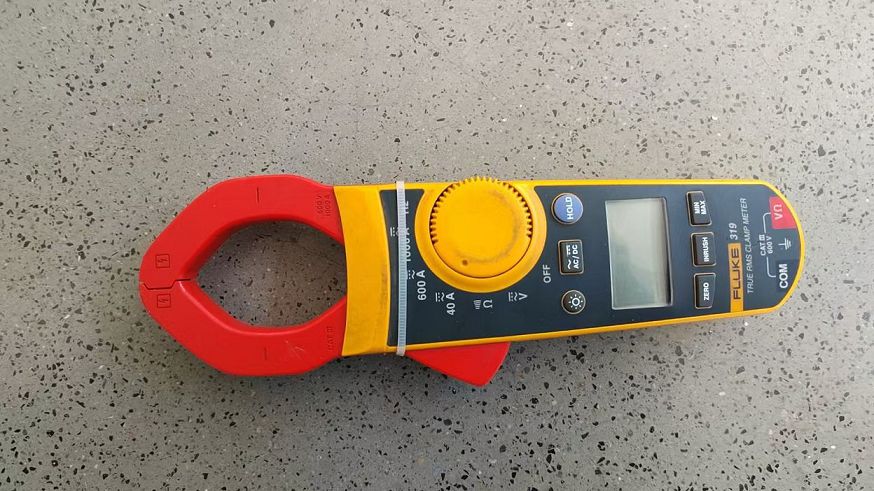
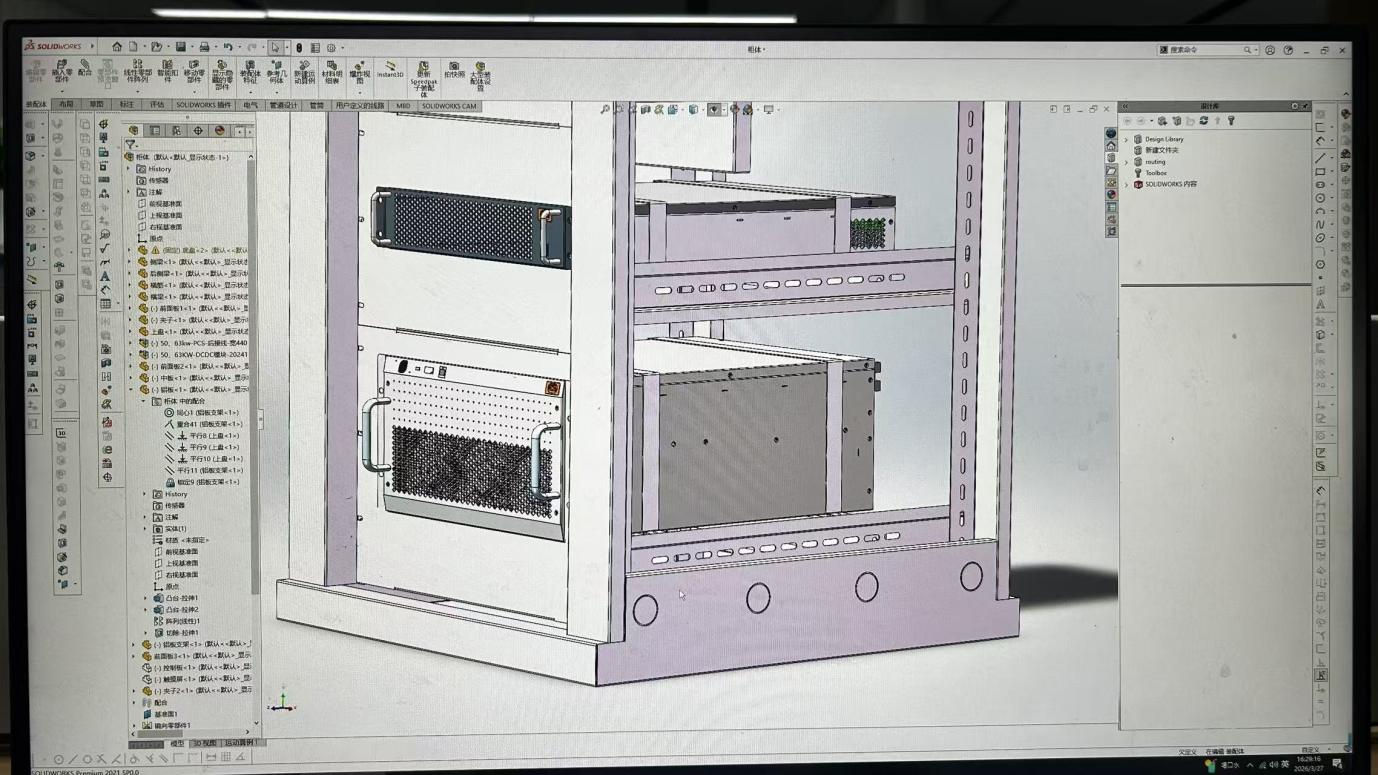
Calibration, Diagnostics & Development Instrumentation

5. Industrial Trends Shaping the Future of SMPS Manufacturing
As smart manufacturing and Industry 4.0 gather momentum, Switch Mode Power Supplies are transforming from passive power converters into intelligent, data-driven systems. Key trends to monitor include:
- Smart Communications Integration: Modern high-power SMPS systems increasingly implement standard industrial communication protocols (EtherCAT, Modbus, CAN Bus, and Profibus). This integration enables real-time voltage telemetry, current draw tracking, and predictive thermal diagnostics.
- Modular Hot-Swappable Architectures: High-reliability applications utilize parallel configurations (such as N+1 redundancy). In the event of a single-module failure, the remaining units dynamically adjust load distribution, allowing maintenance teams to hot-swap modules without interrupting operations.
- Eco-Design Regulations: Exporters targeting markets in the European Union and North America must comply with strict environmental directives, such as the Ecodesign Directive and Energy Star requirements. Power supplies must maintain high conversion efficiency even under light load conditions (e.g., at 10% or 20% capacity).
6. Regulatory Compliance, Grid Protection, & Global Sourcing Safety
Exporting high-voltage and high-current power equipment requires adherence to internationally recognized safety standards. Products must be fully certified to guarantee both operational safety and electromagnetic compatibility (EMC) in industrial settings:
Key Compliance Standards to Verify:
Safety: IEC/EN 62368-1 (for AV & ICT equipment), IEC/EN 61010-1 (for laboratory testing installations), and UL 60950/61010 standards for safety testing.
Electromagnetic Compatibility (EMC): EN 55032 and EN 55035, ensuring minimal spurious emissions and robust immunity to high-frequency transients or static electricity discharges.
Environmental: RoHS (Restriction of Hazardous Substances) and REACH compliance, limiting hazardous compounds in electronic sub-assemblies.
7. Customization & Engineering Agility
Standard off-the-shelf power supplies do not always fit specialized industrial requirements. Customized programmable test configurations, such as high-voltage systems (e.g., 1000V DC switching units or 300kVA stabilization platforms), require tailored engineering design. Selecting a manufacturer with an integrated research and development process, in-house circuit assembly, automated reflow soldering, and diagnostic testing is critical to developing custom products that match specific operational profiles.
Frequently Asked Questions (FAQ)
Get answers to critical technical questions regarding Switch Mode Power Supplies (SMPS) procurement, performance limits, and testing technologies.
What are the primary advantages of an SMPS over a linear power supply?
Switch Mode Power Supplies operate by pulsing a switching transistor at high frequencies (typically 50 kHz to several hundred kHz) rather than dissipating excess voltage as heat. This results in significantly higher conversion efficiency (often 85% to 96% compared to 40% to 60% for linear units), smaller component sizes, lighter overall weight, and compatibility with wider input voltage ranges.
Why is active Power Factor Correction (PFC) essential for industrial SMPS systems?
Active PFC shapes the current draw wave of the power supply to keep it in phase with the AC grid voltage. By achieving power factors of 0.98 or higher, active PFC reduces reactive power loss and minimizes harmonic currents, helping facilities meet electrical code requirements and avoid utility penalties.
How does transient response time impact programmable DC power testing?
Transient response time measures how quickly a power supply's output voltage recovers to its set value after a sudden change in load current. In advanced testing environments, such as semiconductor evaluation or automotive ECU diagnostics, rapid response times (typically under 1 ms or a few hundred microseconds) are crucial for preventing voltage drops or surges from compromising test results.
What are the advantages of bidirectional DC power supplies for electric vehicle (EV) testing?
Bidirectional power supplies function as both power sources and regenerative electronic loads. During battery discharge testing, the system absorbs energy and feeds it back into the local grid rather than converting it to heat. This process reduces energy costs, decreases HVAC cooling demands, and minimizes the overall carbon footprint of testing operations.
Advanced Industrial & Laboratory Catalog
Optimize your testing capabilities with our range of high-precision variable power systems, programmable DC electronic loads, and multi-phase AC power sources.
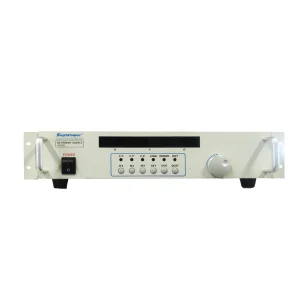
150V 20A programmable variable dc power supply
View Specifications
High Power 300kVA 3 Phase Voltage Regulator Stabilizer
View Specifications
Switch mode regulated power supply 0-800V adjustable
View Specifications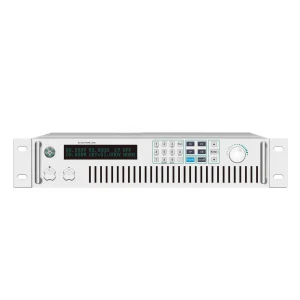
Programmable Dc Electronic Load 150V/240A/4800W
View Specifications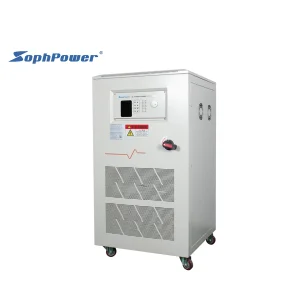
Factory Supply AC Power Source 30kva 60hz /50hz Frequency Converter
View Specifications
LED display 40v 60a dc regulated power supply
View Specifications
Factory price 60v 50a laboratory dc power supply adjustable
View Specifications