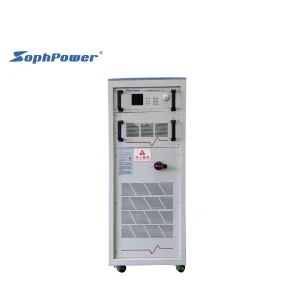
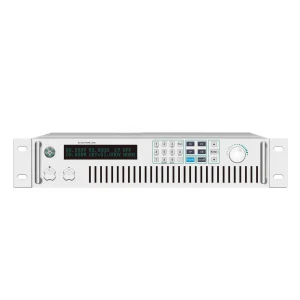
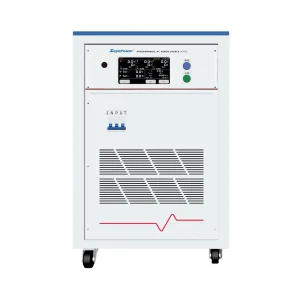
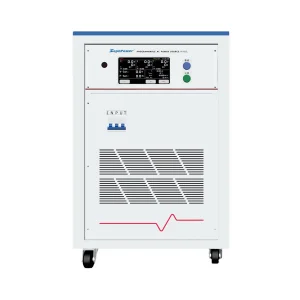
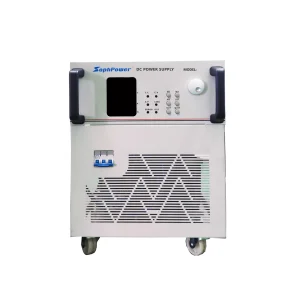
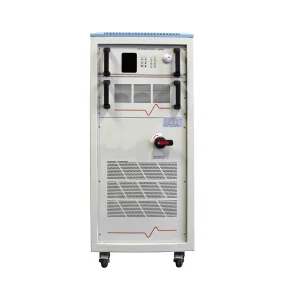
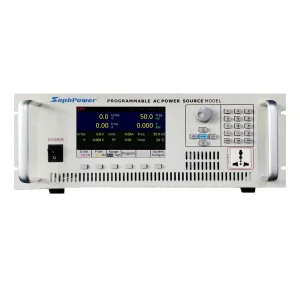
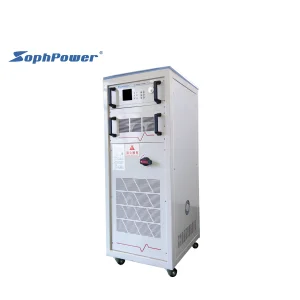
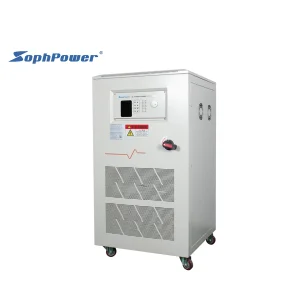
Featured High-Precision Testing Power Supplies
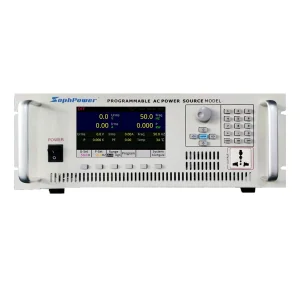
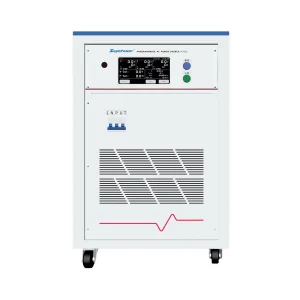
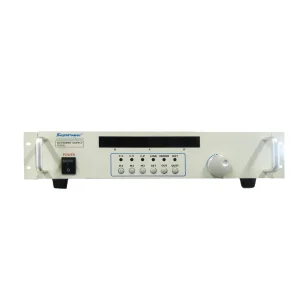
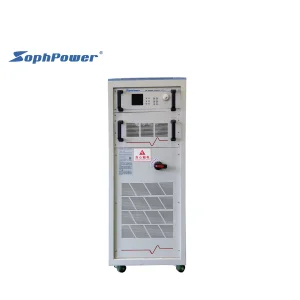
Select programmable systems engineered for strict calibration, high stability, and robust execution in global test facilities.
Procurement Criteria for Enterprise AC Power Analyzers
Deciphering key performance indices required by laboratory directors and instrumentation procurement officers.
Bandwidth & Sampling Rates
Modern harmonic analysis demands high sampling capabilities. Enterprise projects require analyzers that run at minimum 1 MS/s to 10 MS/s to accurately resolve high-frequency switches typical of GaN and SiC converters.
Basic Accuracy Verification
Top-tier suppliers guarantee a basic uncertainty down to ±0.01% to ±0.05% of reading. Calibration traceability to standards like PTB, NPL, or NIST is essential for legal compliance.
Phase Shift Compensation
High-frequency current measurement involves reactive loads where small phase shifts skew power calculations. Automated phase shift compensation techniques prevent errors in power factor calculation at low power factors.
Macro-Industry Solutions & Applications
How global sectors utilize high-precision power instrumentation to meet compliance and safety benchmarks.
| Sector / Industry | Critical Measurement Needs | Applicable Compliance Standards | Technical Feature Focus |
|---|---|---|---|
| Electric Vehicles (EV) | Inverter efficiency, battery pack dynamic discharge/charge, drivetrain system optimization. | ISO 26262, UNECE R100, SAE J2954 | Multi-phase power analysis, transient capturing, bidirectional DC integration. |
| Renewable Energy | Solar inverter grid connection integration, wind generator harmonic outputs, grid compliance. | IEEE 1547, IEC 61727, EN 50549 | High harmonic analysis up to the 500th order, flicker measurement, grid fluctuation testing. |
| Aerospace & Defense | High-frequency 400Hz and 800Hz power quality evaluation, cabin distribution reliability. | MIL-STD-704F, DO-160G | Extended fundamental frequencies up to 2 kHz, robust electromagnetic shielding. |
| Smart Home Appliances | Standby power evaluation, efficiency labeling verification, low-current monitoring. | IEC 62301, Energy Star regulations | Micro-ampere range sensitivity, integration of dynamic energy consumption periods. |
Across these sectors, testing relies on synchronizing the AC power analyzer with a programmable energy supply. For instance, testing electric vehicle supply equipment (EVSE) requires mimicking complex public grid variations using adjustable, highly regulated alternating or direct current systems to confirm the device under test (DUT) maintains steady-state operation.
Technical Roadmap & Future Outlook
The shift toward Wide Bandgap semiconductors, higher channel counts, and software-defined architectures.
The global energy sector is moving quickly toward electrification and localized energy generation, shifting the role of the traditional power analyzer. Previously, measurement systems only needed to track 50/60 Hz signals. Today, the adoption of Silicon Carbide (SiC) and Gallium Nitride (GaN) power devices has introduced switching frequencies above 100 kHz, requiring measurement devices with megahertz-level analysis capability.
Current R&D indicates three major trends that will shape the industry over the next decade:
AI-Driven Diagnostic Software
Analyzers are evolving to run built-in neural networks that flag harmonic patterns, predictive grid faults, and line noise anomalies directly on-chip without requiring manual post-processing.
Modular Multi-Channel Cards
Rather than using fixed hardware, modern laboratories choose systems with hot-swappable testing cards, allowing users to swap between high-precision DC input channels and high-voltage AC phases depending on the active test.
Dynamic Range Autopaging
To measure standby power transitions alongside full mechanical loads, systems need automatic range adaptation within microseconds to prevent clipped peaks or lost data points.
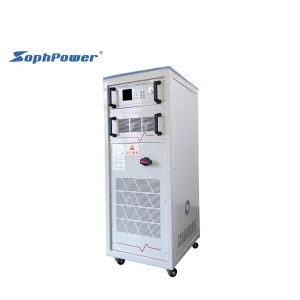
Featured Engineering Partner: Sophpower Electronics
Manufacturer profile and standard facilities for precision power testing production.
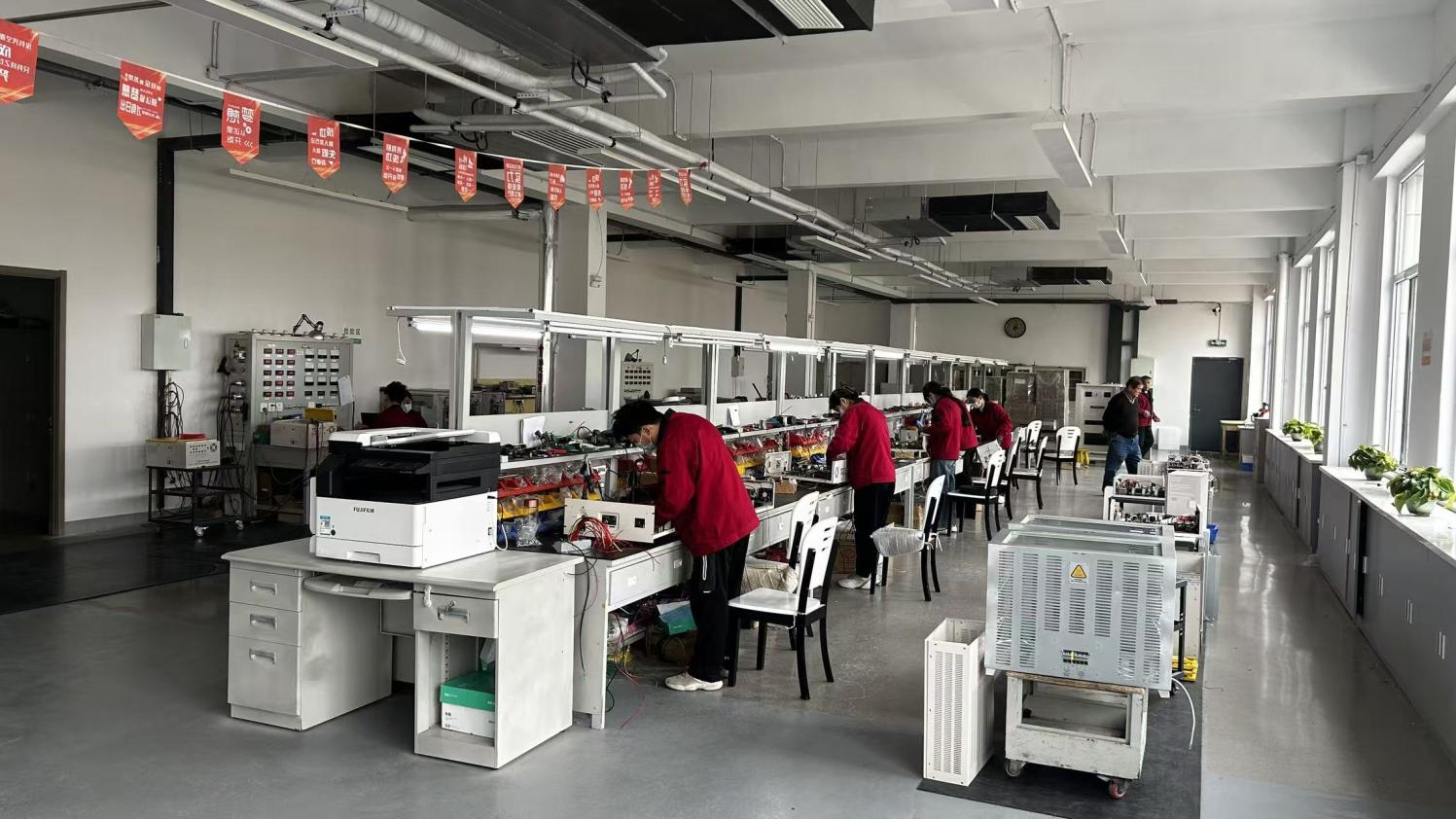
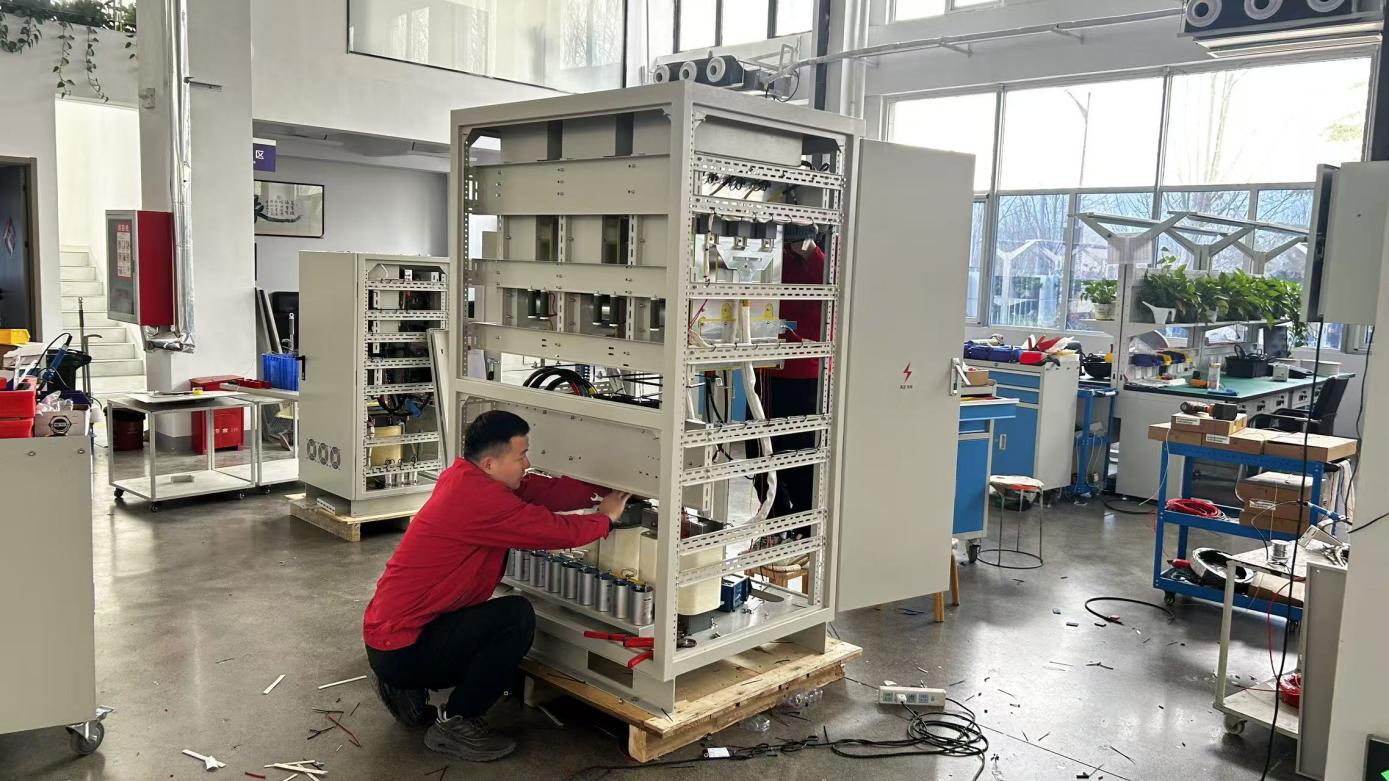
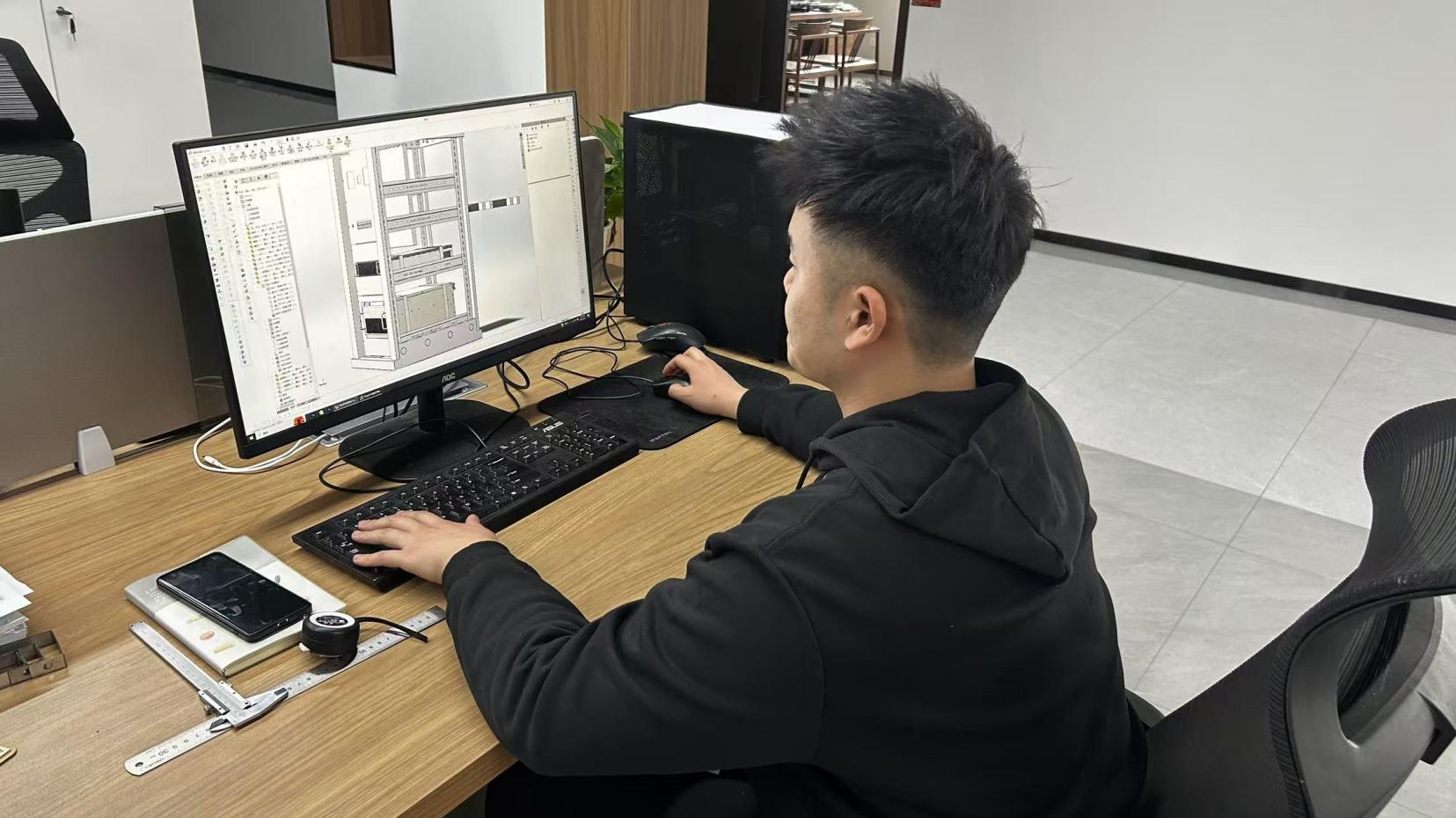
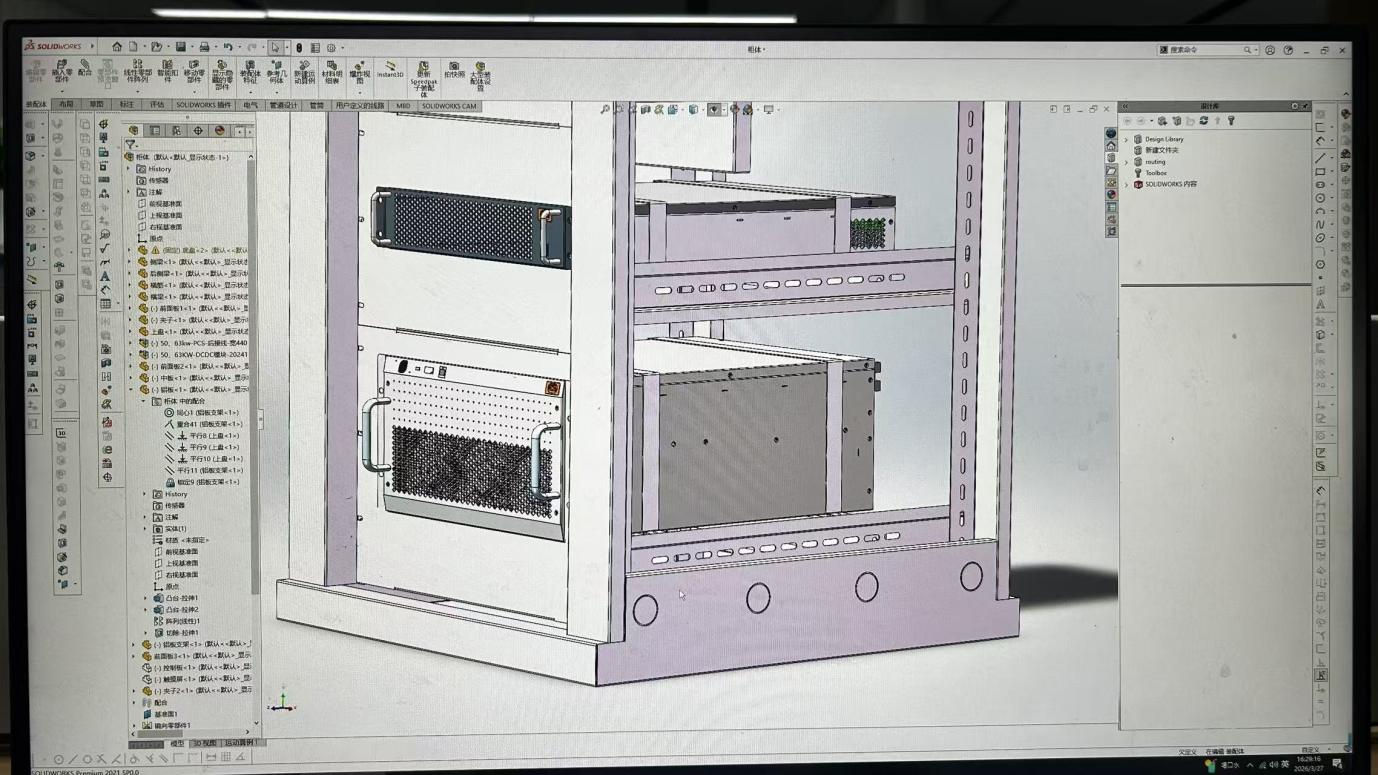
Shenzhen Sophpower Electronics Co., Ltd. was established in 2006, located in Shenzhen, China. As a High-tech enterprise with sustainable and rapid growth, Sophpower has a group of technical engineers with rich experience in the field of testing power supply. Main products including AC Power Source, Linear AC Power Source, Bidirectional AC Power Source, DC Power Supply, Bidirectional DC Power Supply, Voltage regulator and UPS. Can provide customized test power supply according to customer's requirements.
Manufacturing Facility Operations
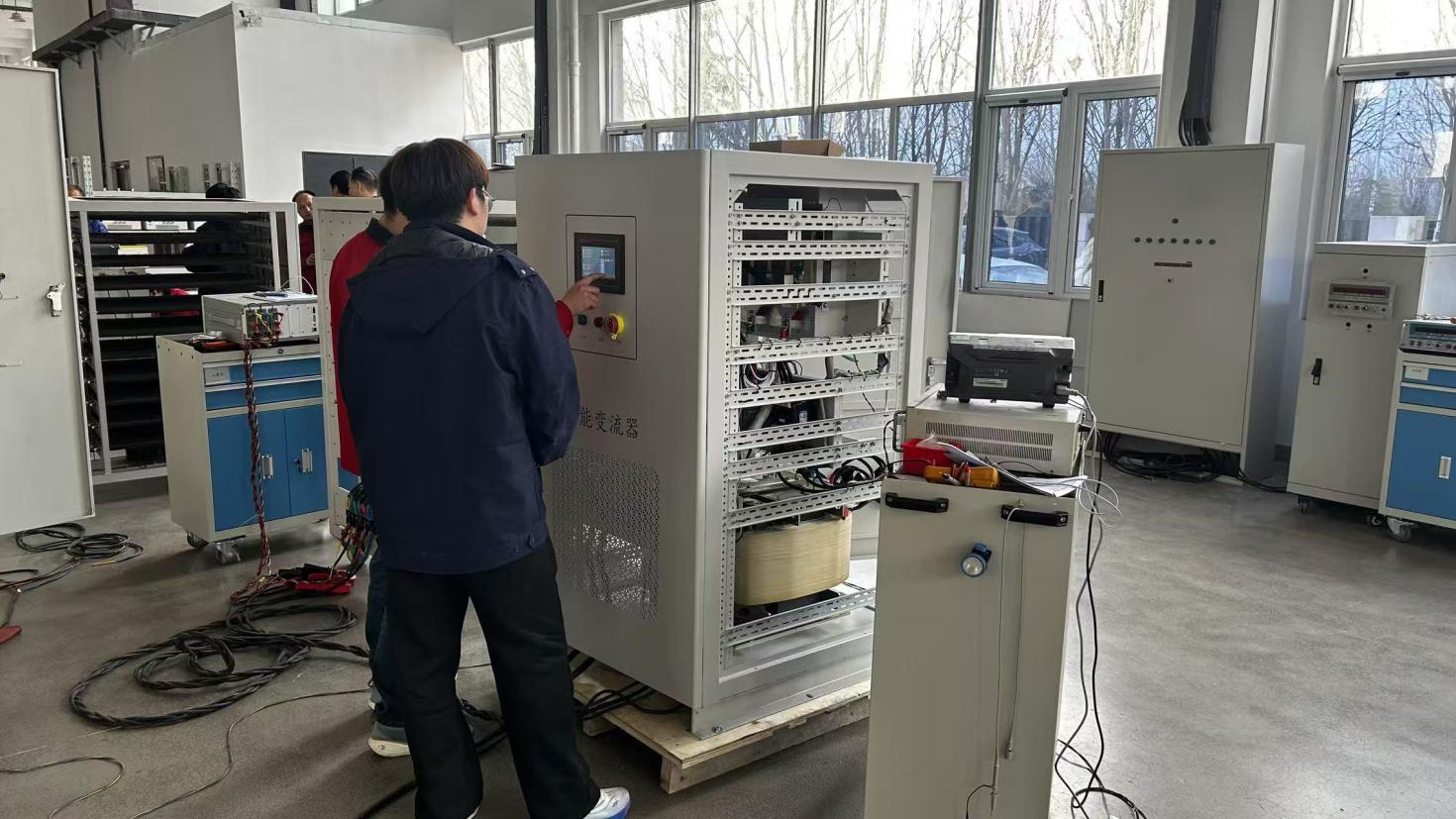
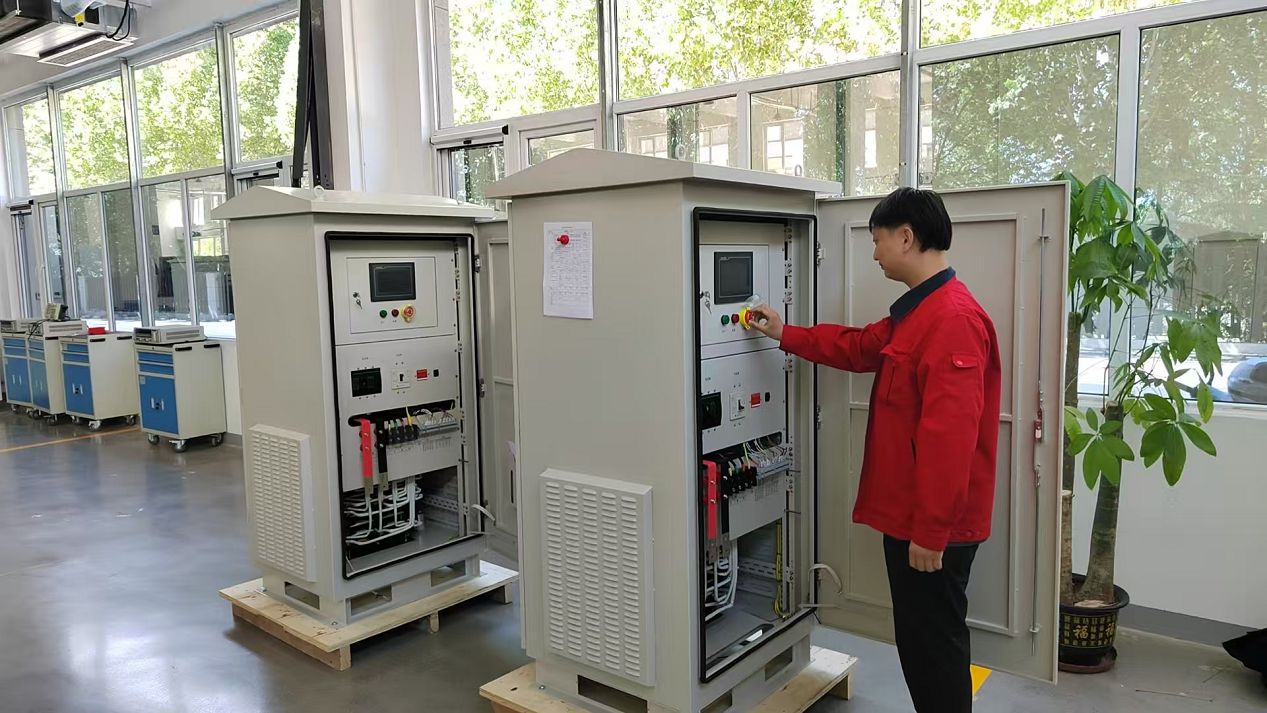
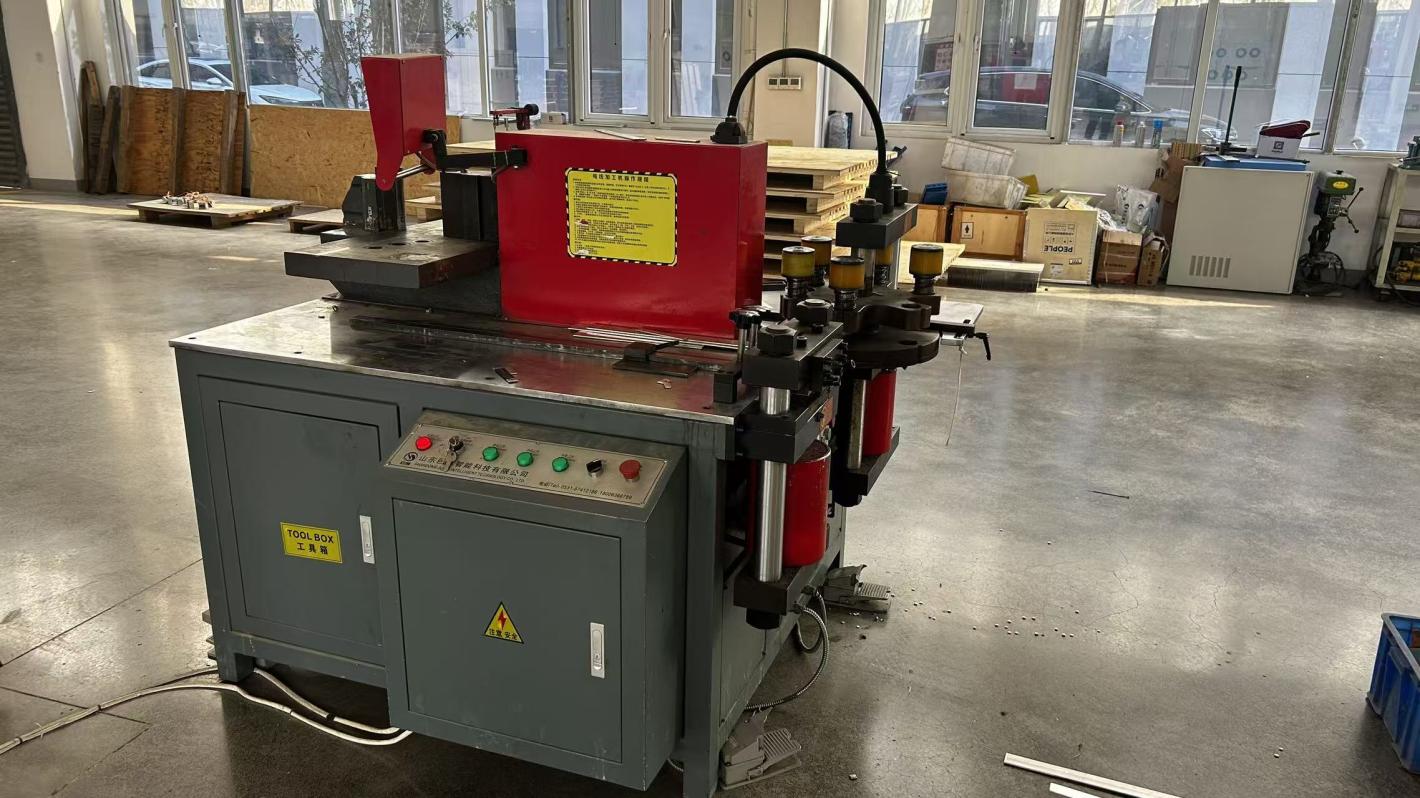
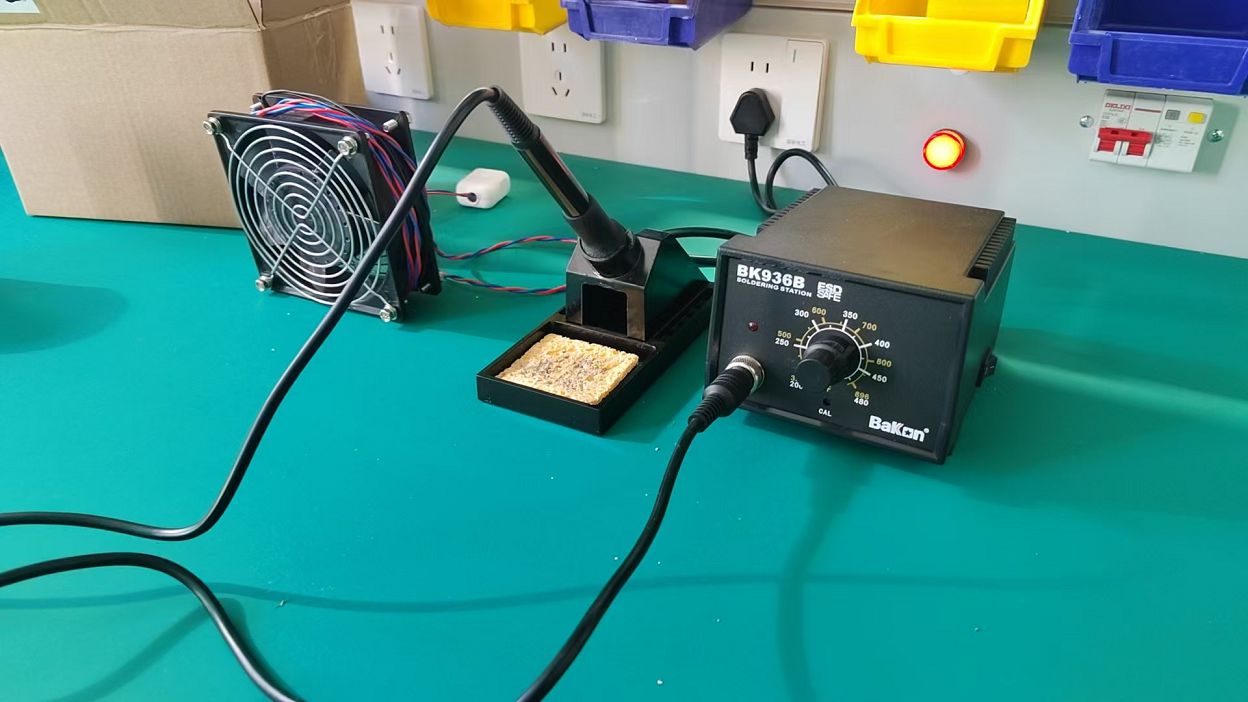
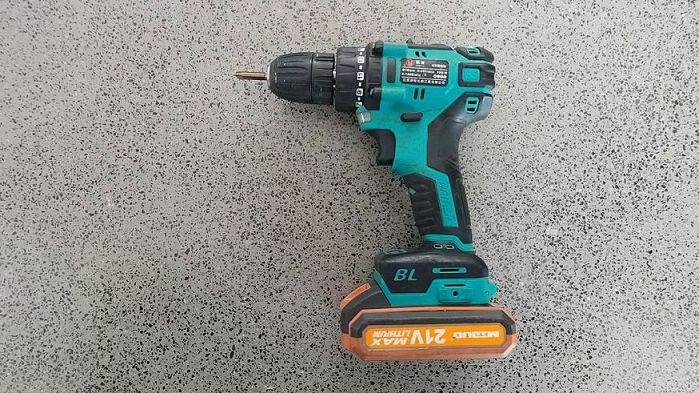
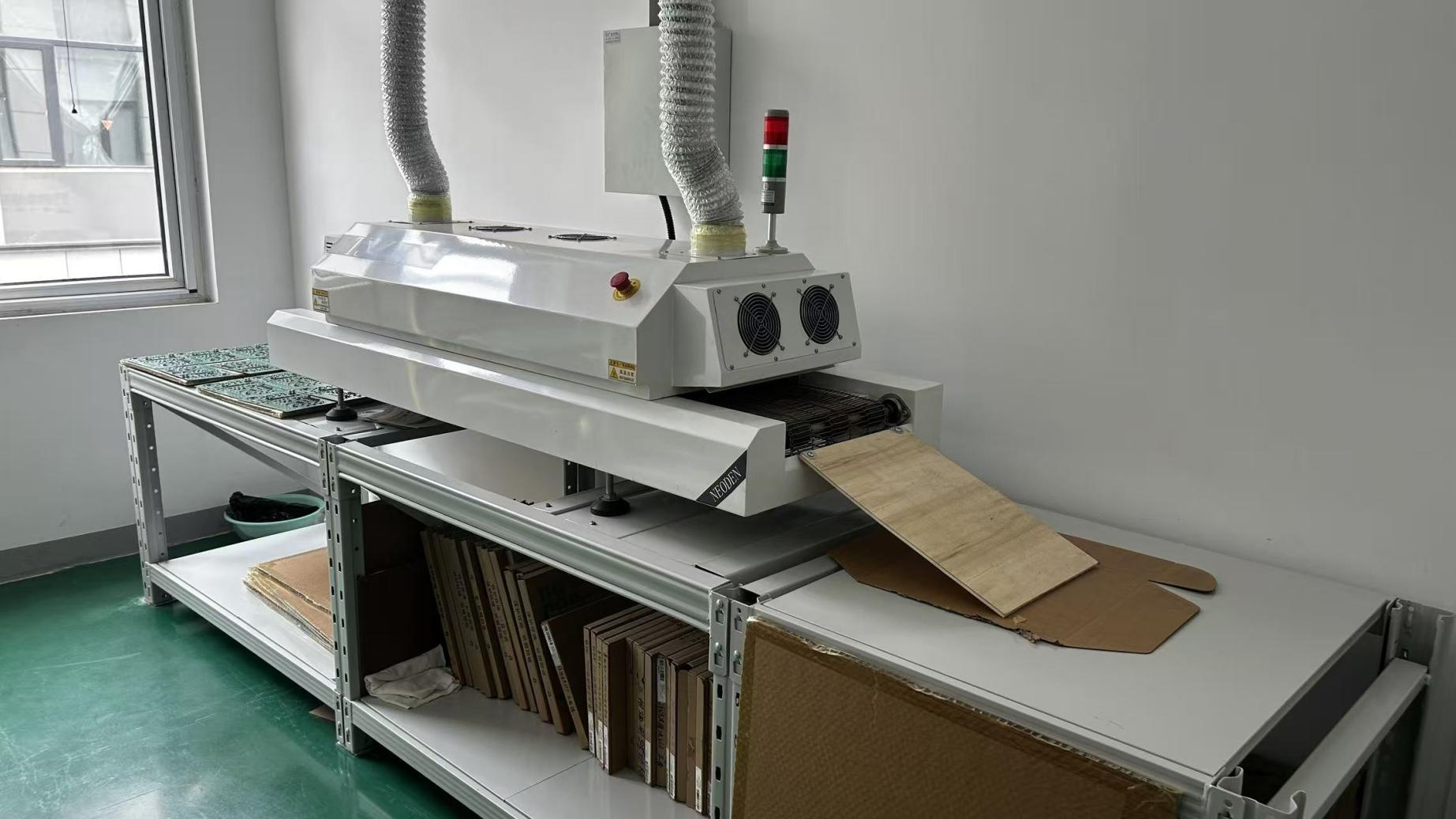
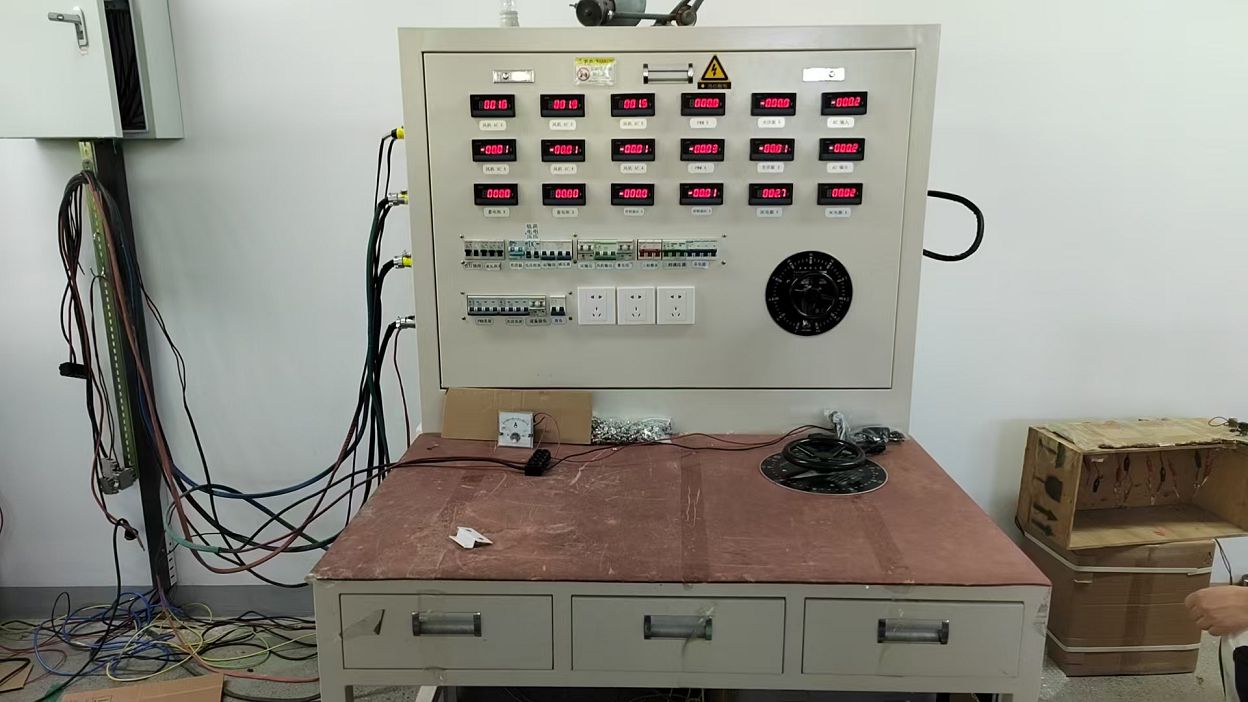
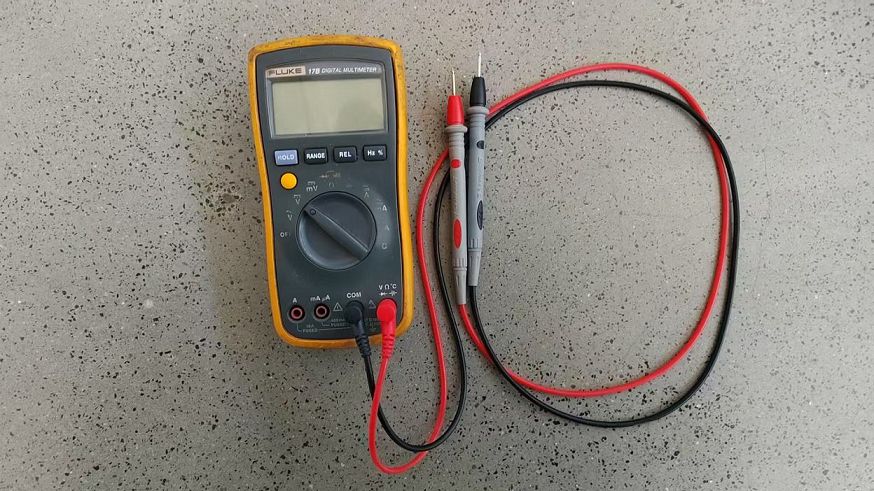
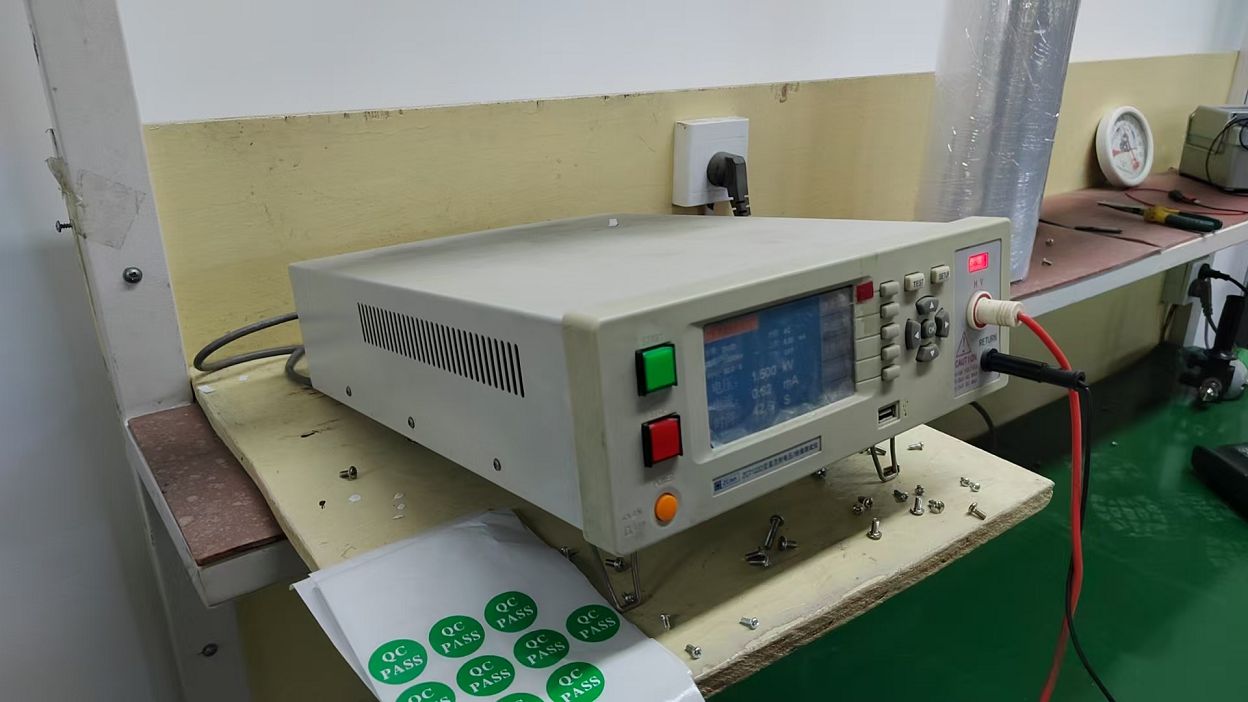
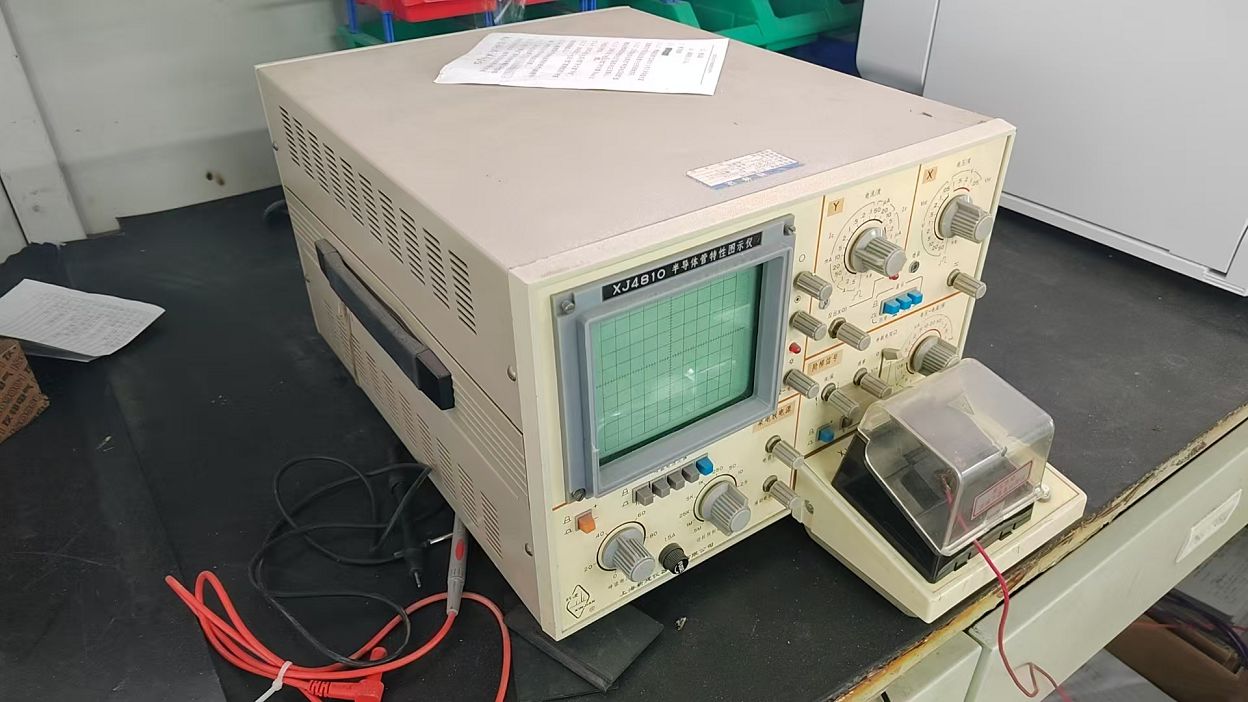
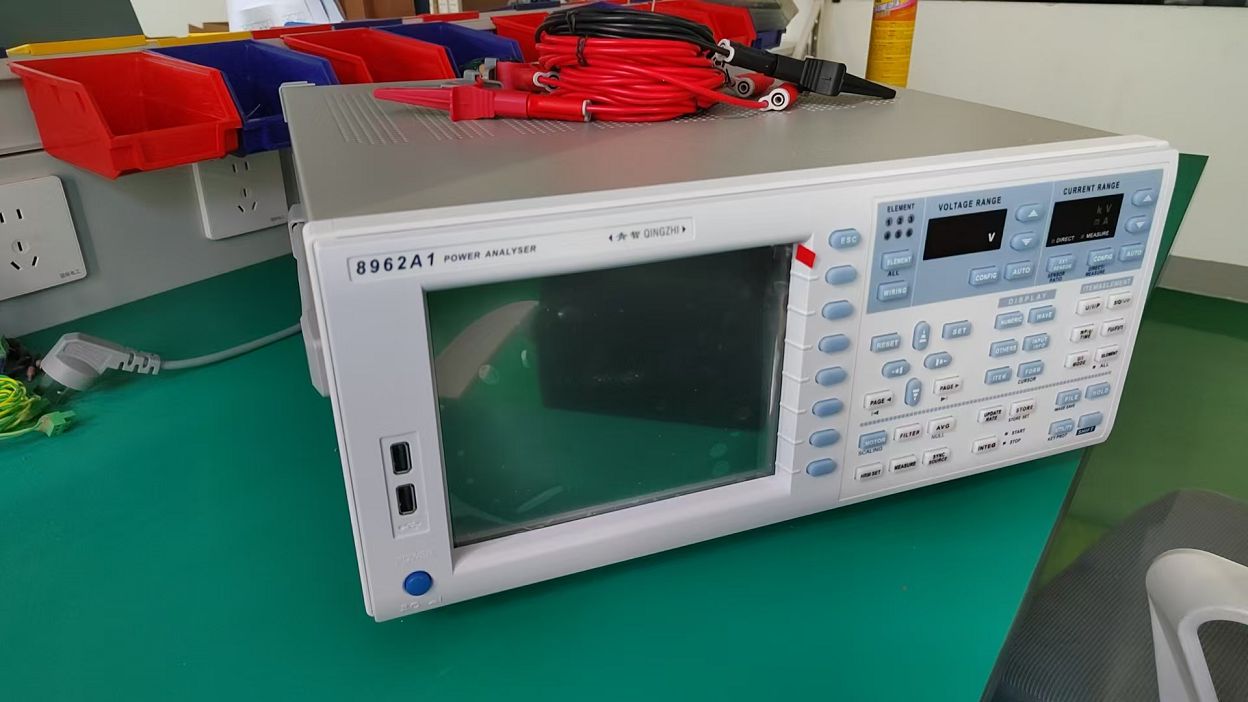
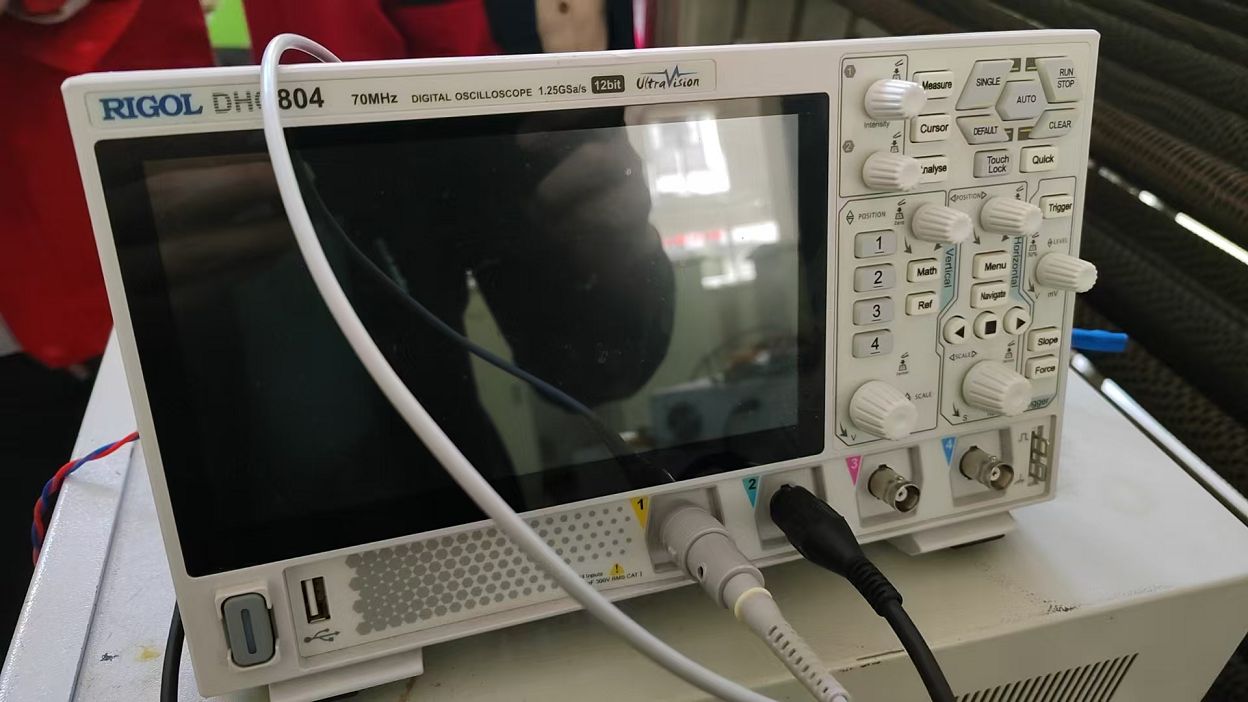
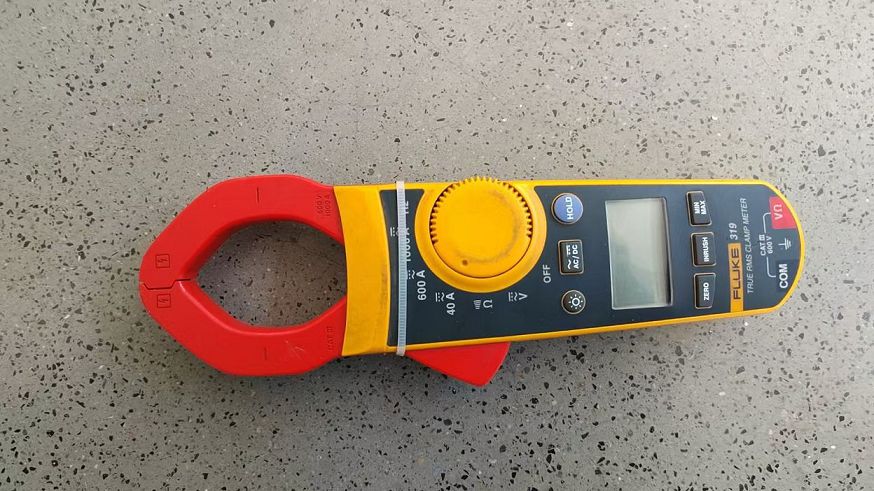
Laboratory Instruments & Verification Tooling
Calibrated reference gear used during multi-stage testing to guarantee system stability and baseline accuracy.
Evaluating the Top 10 Global Suppliers
A comparative approach based on calibration, modular structure, interface support, and field reliability.
Choosing an instrumentation supplier requires assessing their calibration capabilities, software ecosystems, and hardware quality. When evaluating the Top 10 AC Power Analyzer Suppliers, engineering teams should prioritize these five technical attributes:
Calibration Traceability
Ensure the supplier provides certificates showing traceability to standard systems. This is necessary to satisfy audit requirements and comply with quality systems like ISO 9001 and IATF 16949.
Continuous Sample Capturing
Avoid instruments that use gaps during window processing. True real-time gapless processing is needed to capture transient line drops, motor start surges, and sub-cycle harmonic fluctuations.
Sensor Ecosystem Integration
A power analyzer relies on its current transducers. Leading suppliers offer dedicated, integrated current clamps and fluxgate sensors that draw power directly from the analyzer mainframes.
Technical Q&A & Engineering FAQ
Answers to complex electrical integration and instrumentation questions.
More Advanced Instrumentation & Power Supplies
Select programmable systems engineered for strict calibration, high stability, and robust execution in global test facilities.