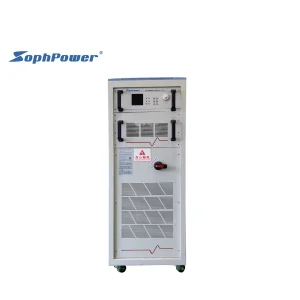
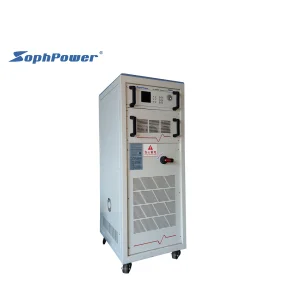
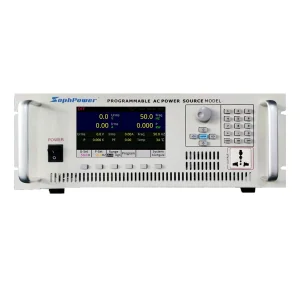
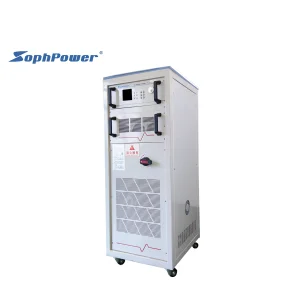
Industrial Power Testing & Simulation Portfolio
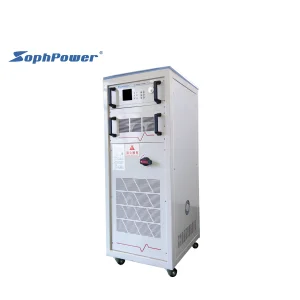
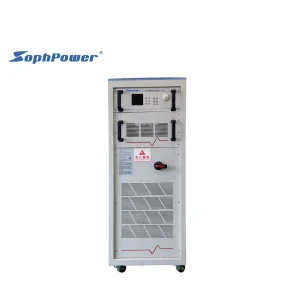
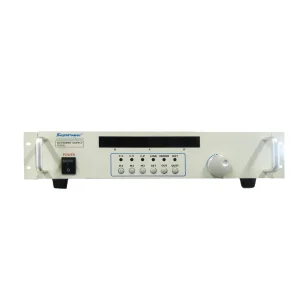
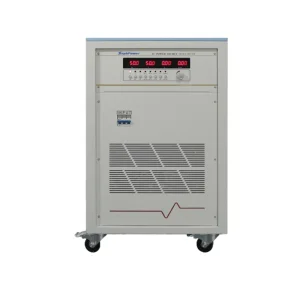
Premium programmable AC/DC power sources providing the operational backbone for charging station validation, safety diagnostics, and regulatory grid certification.
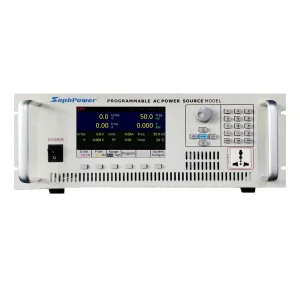
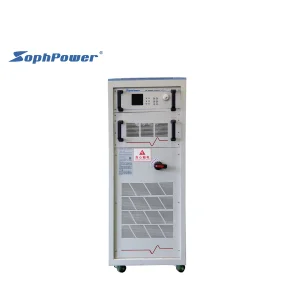
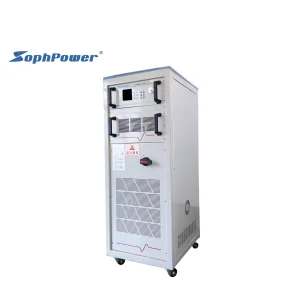
2006
Established
18+ Yrs
B2B Engineering Experience
100%
In-House Quality Audits
ISO
9001:2015 Standards
Engineering and Manufacturing Mobile Charging Stations: B2B OEM/ODM Technical Framework
The global infrastructure landscape is undergoing a critical transition towards electrified transportation networks, micro-mobility, and scalable grid ecosystems. Modern logistics fleets, automotive manufacturers, and municipal operators require decentralized, ruggedized, and highly efficient charging solutions. To address these demands, our engineering capabilities bridge the gap between high-power electrical grid conversion and intuitive vehicle charging interfaces.
Information Gain Insight: Selecting a charging station manufacturer is not simply a transactional procurement of physical enclosures. It requires choosing an experienced power electronics partner with the expertise to design custom topologies, secure international certifications, and ensure stable performance over decades of operation.
1. High-Power Technology Roadmap & Technical Topologies
As charging architectures transition from traditional 400V setups to 800V and 1000V high-voltage platforms, the design of mobile charging systems must adapt. Our engineering team prioritizes silicon carbide (SiC) and gallium nitride (GaN) switching components to minimize thermal loss, decrease chassis footprint, and achieve conversion efficiencies exceeding 96.5%.
| Parameter | Standard Solution | Advanced Custom Architecture |
|---|---|---|
| Input Phase & Voltage | Single Phase 220V AC ± 10% | Three Phase 380V/480V AC (True Active PFC) |
| Output DC Range | 200V - 500V DC Dynamic Range | 50V - 1000V DC Program-Controlled Range |
| Power density | Up to 1.2 W/cm³ | Over 2.8 W/cm³ (Liquid cooled modules optional) |
| Grid Harmonics (THD) | < 5% at rated output | < 3% with advanced active filter loops |
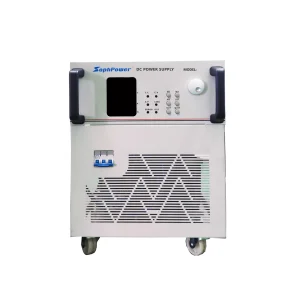
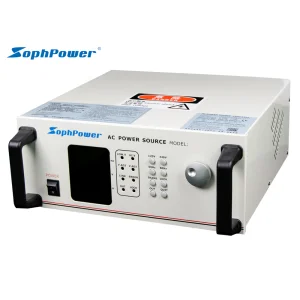
Our programmable DC power supplies and frequency converters play an essential role during the development and integration phase. By emulating clean grids or simulating severe line sag, phase losses, and high harmonic distortions, we ensure that every mobile charging station we build handles fluctuating inputs safely and reliably.
2. Macro-Industry Solutions: Modular, Multi-Scenario Utility
Mobile charging stations serve several key markets, each with distinct operational requirements:
- Commercial Fleet Logistics depots: Fast-charging support for delivery trucks, vans, and shuttles, utilizing dynamic load distribution algorithms to prevent grid peak-fee penalties.
- Automotive Field Testing & Diagnostics: Portable, high-power DC charging cabinets designed to support development engineers testing test-mule EVs across extreme environments.
- Emergency Roadside Assistance: Ruggedized, battery-integrated, trailer-mounted DC chargers capable of providing 100 km of range in under 10 minutes.
- Aviation & Marine Support: High-frequency, specialized output systems designed to charge airport tugs and electric harbor vessels.
3. Localization, Grid Compliance & Worldwide Support
Navigating global grid requirements requires a deep familiarity with local utility codes and regional regulations. Our OEM/ODM design process is structured to deliver compliant designs for multiple jurisdictions, including North America, Europe, Asia-Pacific, and the Middle East.
- Regulatory Certifications: Full safety and design alignment with CE, UL, FCC, and RoHS standards.
- Dynamic Grid Adaptability: Support for variable voltages (110V to 480V) and frequencies (50Hz, 60Hz, or 400Hz for specialized aerospace applications).
- Interoperability Protocols: Full implementation of OCPP (Open Charge Point Protocol) 1.6J and 2.0.1, enabling integration with billing software, fleet management networks, and local grid controllers.
4. China Factory 4.0: Supply Chain Resilience, SMT, and Precision Assembly
Based in Shenzhen, China's hardware capital, Sophpower operates an advanced production facility. We maintain direct, secure access to high-quality passive components, copper wire assemblies, custom enclosures, and modern semiconductor parts. This localized supply chain allows us to lower lead times and optimize production costs without compromising product quality.
Our quality control process is integrated into every phase of production. We run comprehensive inspections from SMT placement and wave soldering, through chassis integration and copper bar production, to final high-load burn-in testing.
Inside Sophpower's Production Facility
Transparency drives trust. Explore our manufacturing, assembly, and quality assurance processes firsthand.
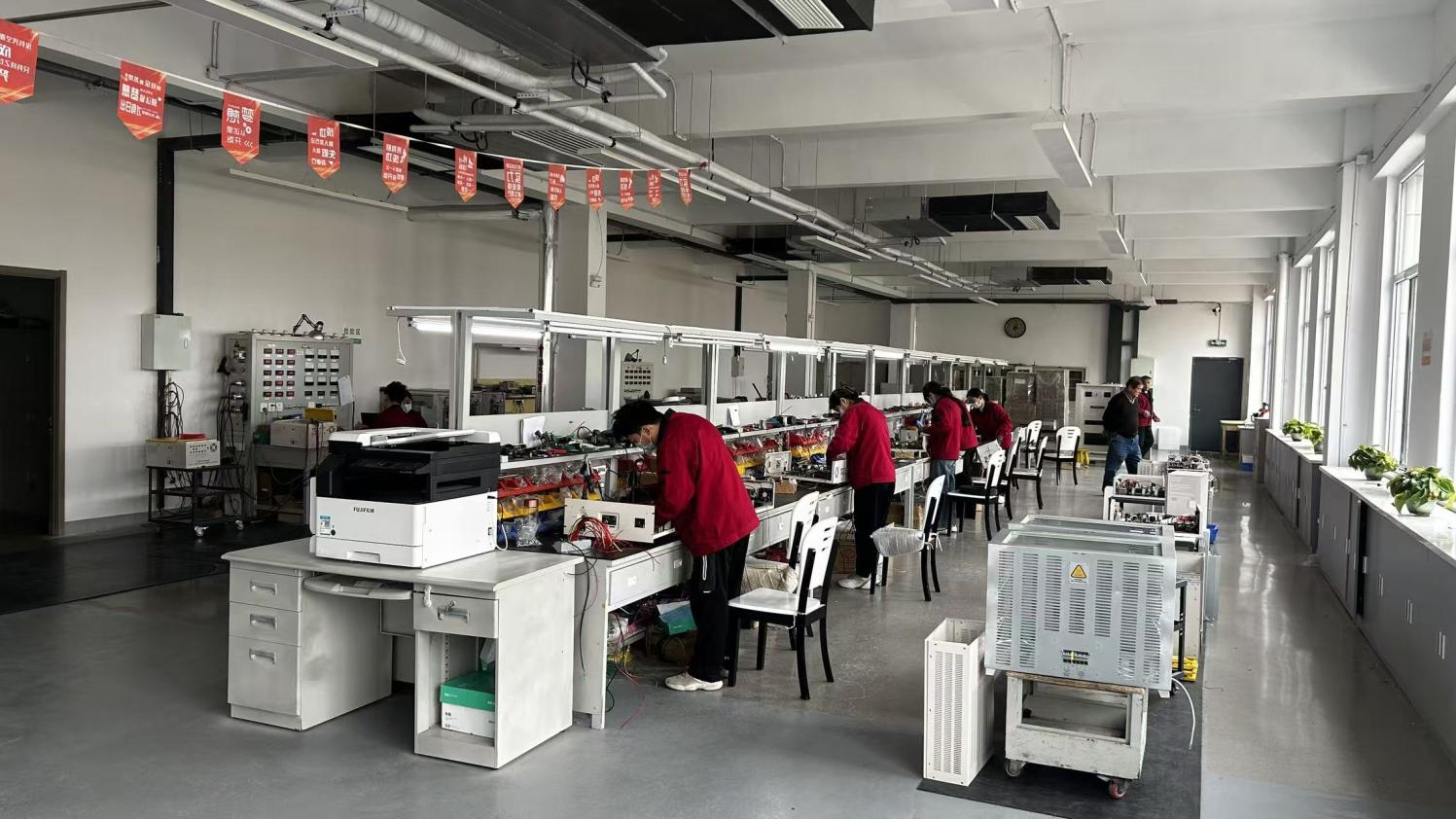 Circuit assembly
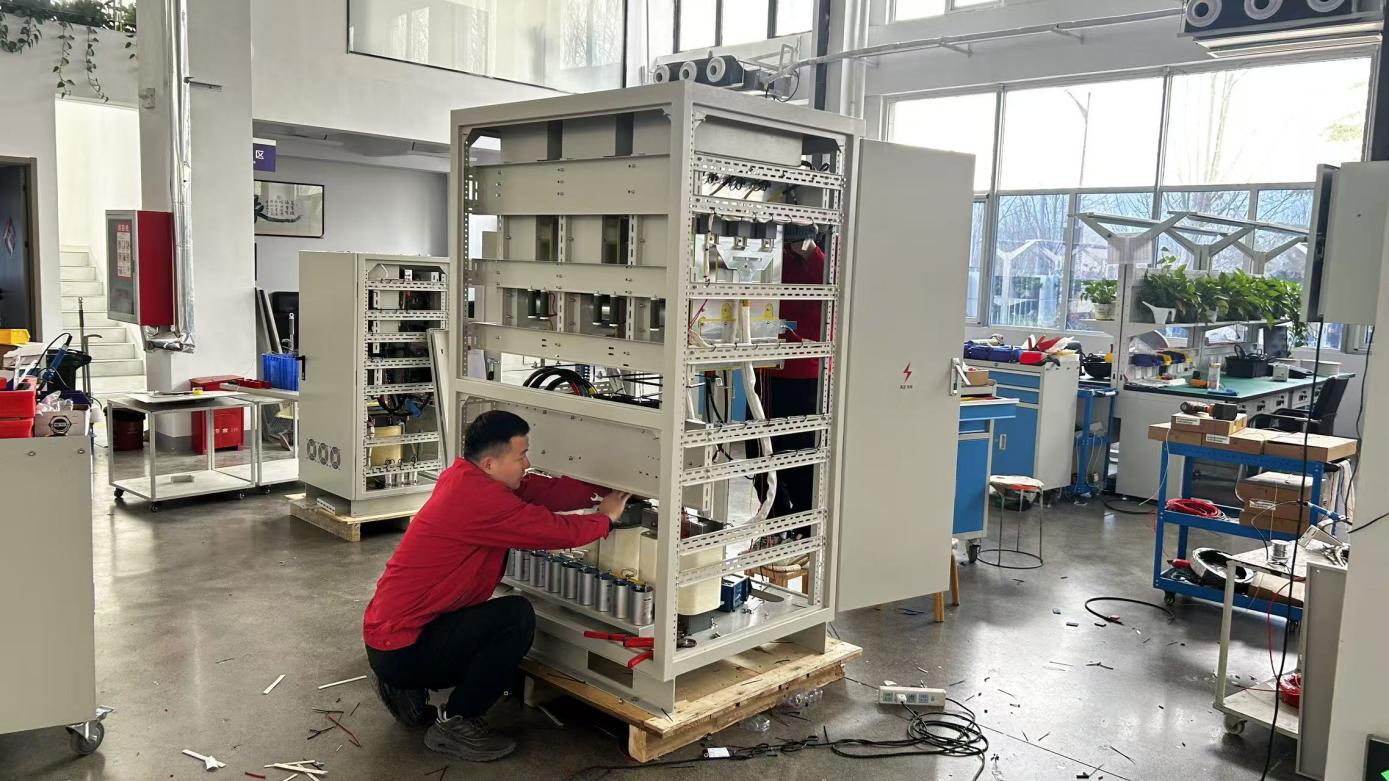 Circuit board assembly
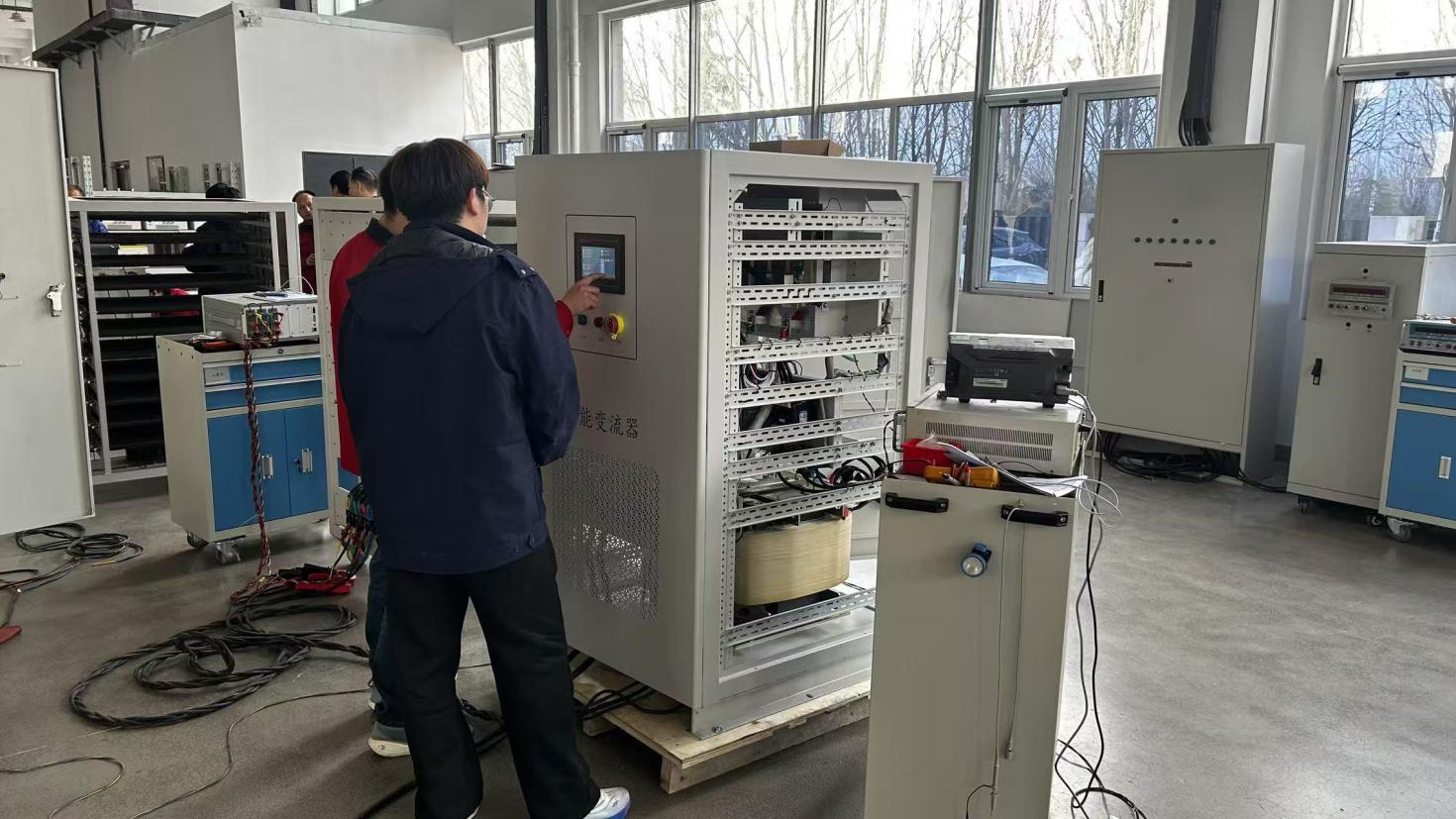 Debugging process
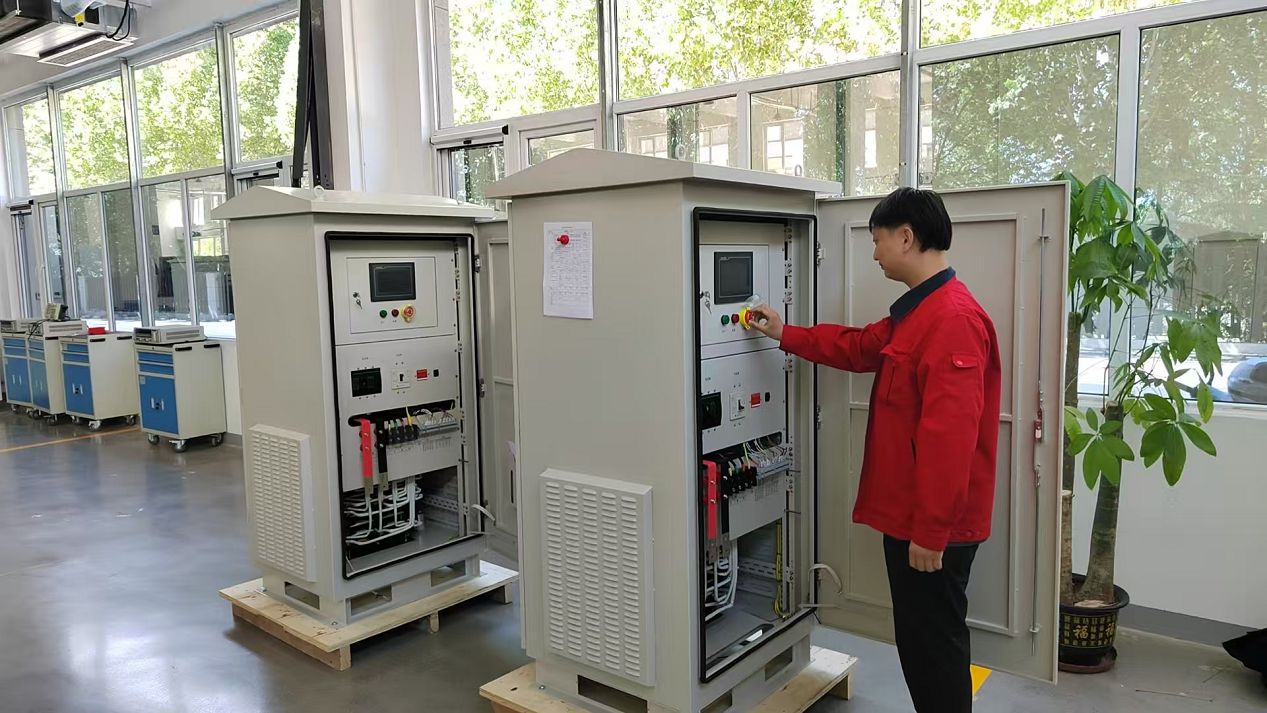 Quality inspection process
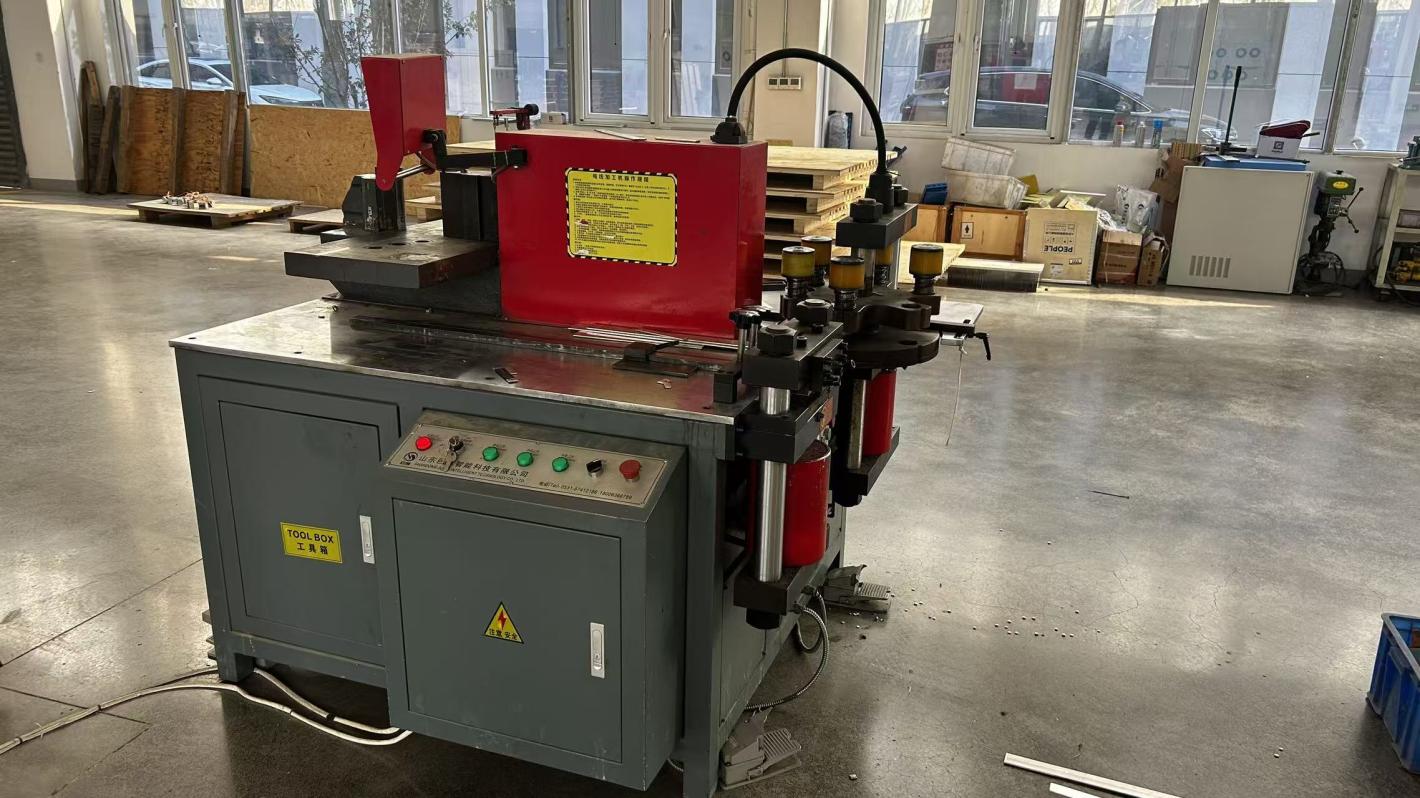 Copper bar production equipment
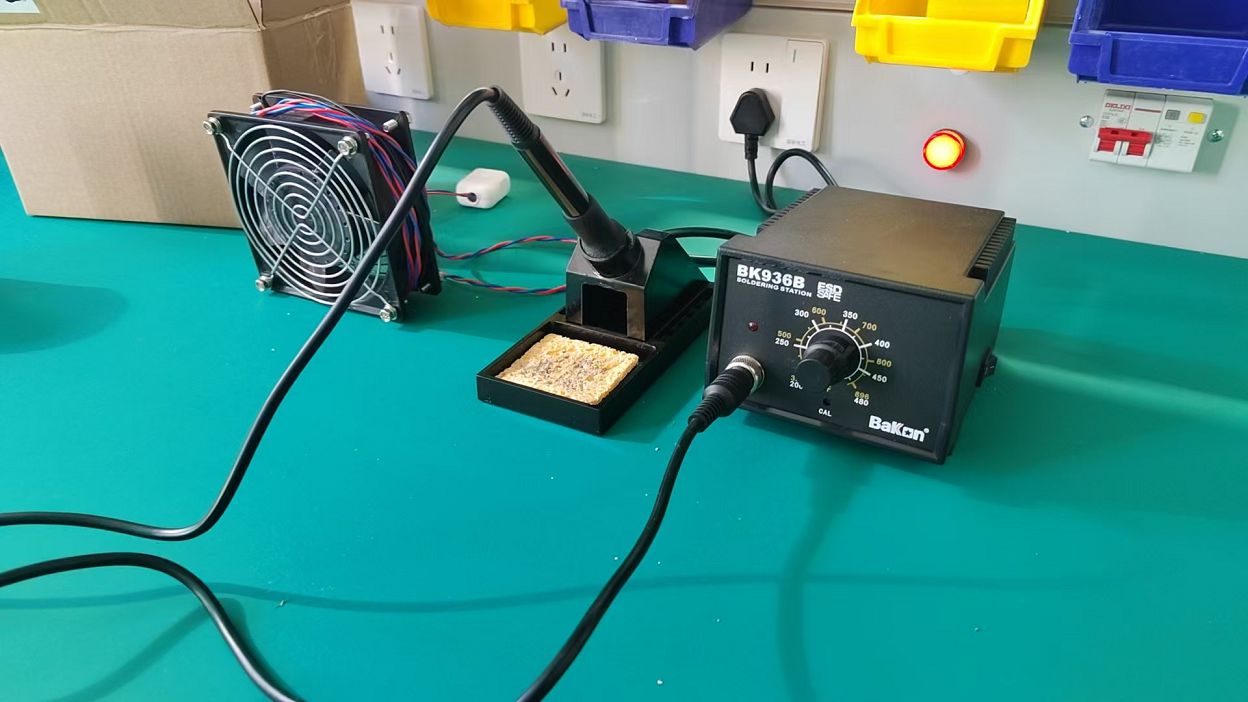 Electric ferrowire
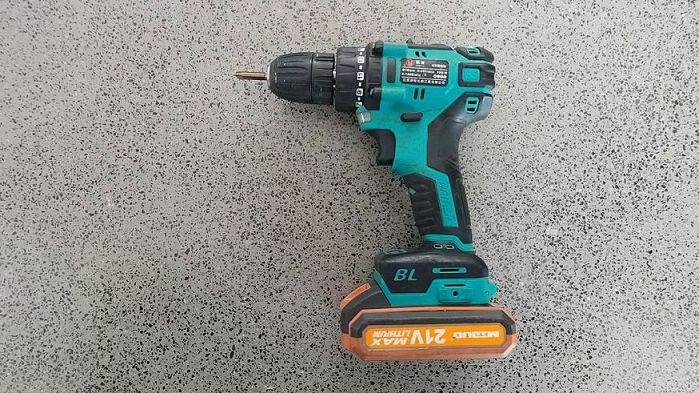 Electric drill
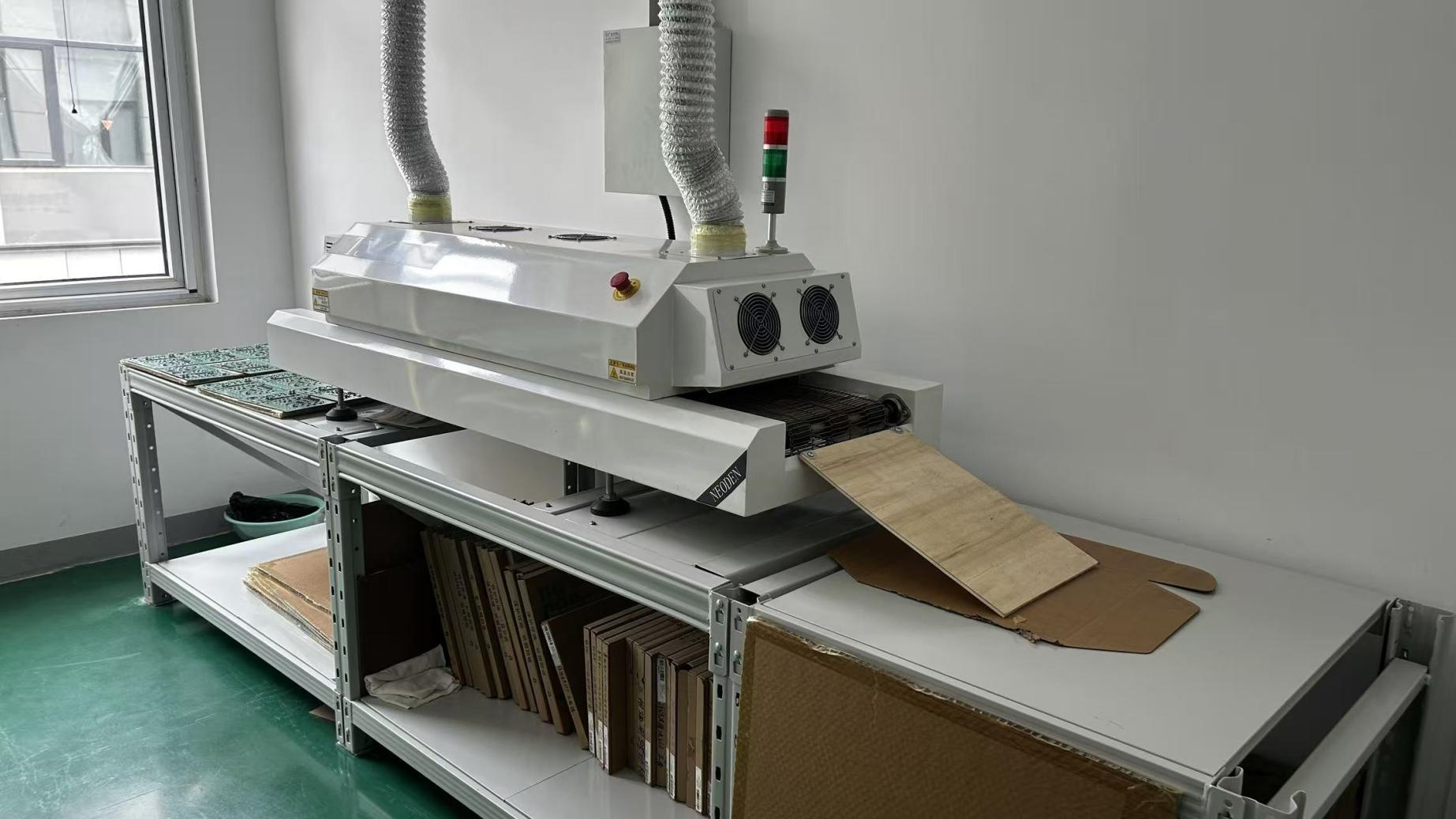 Reflow soldering machine
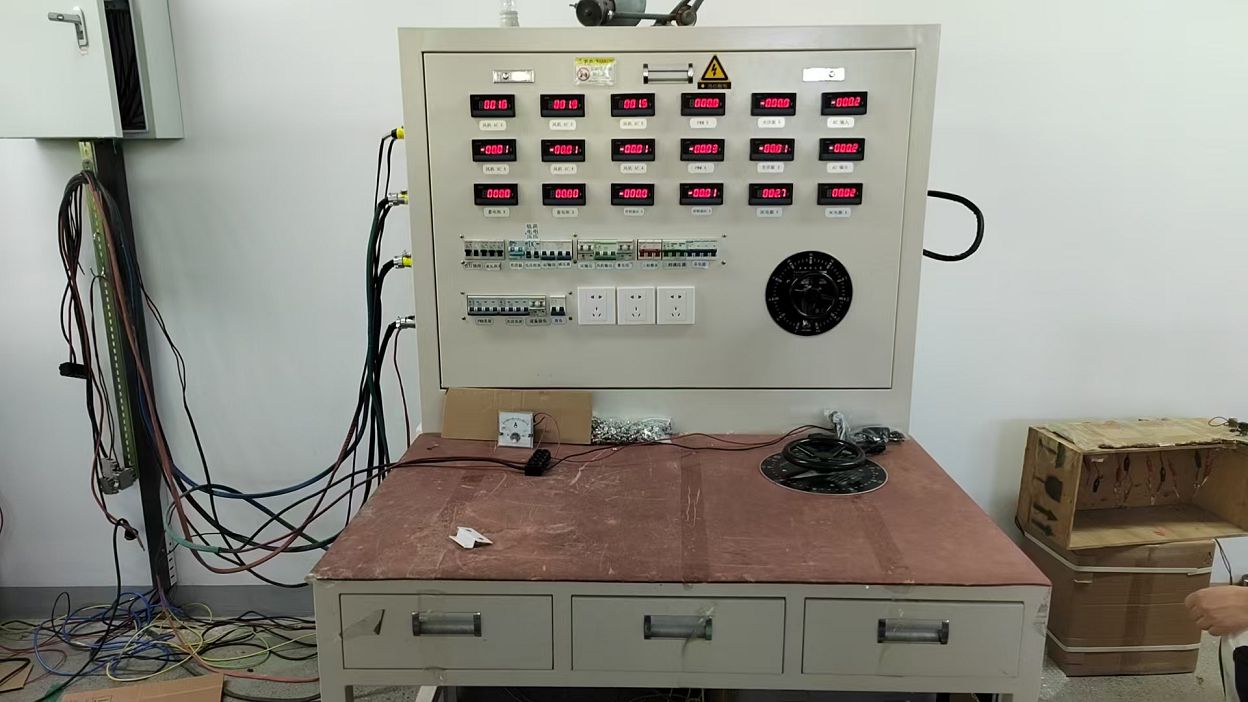 Workbench
Advanced Metrology & Lab Calibration Instrumentation
We leverage high-performance testing instruments to analyze transient responses, verify dielectric insulation, and measure electromagnetic compatibility on all custom designs.
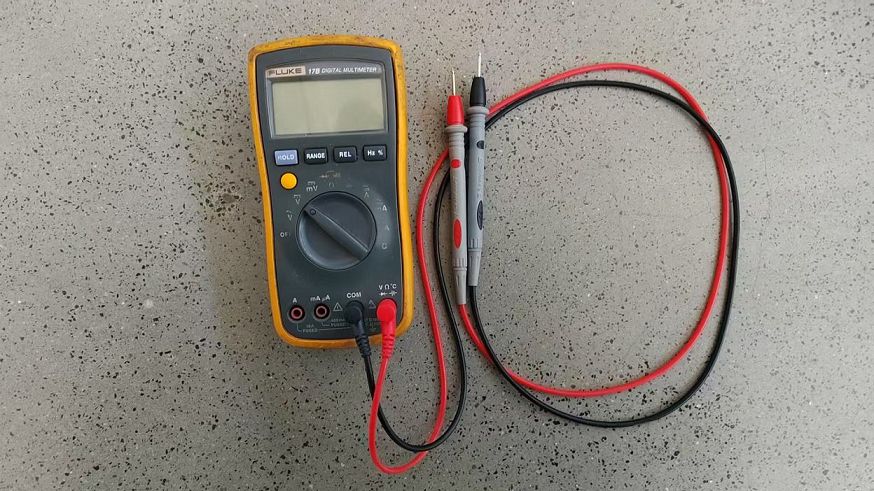 Multimeter Calibration
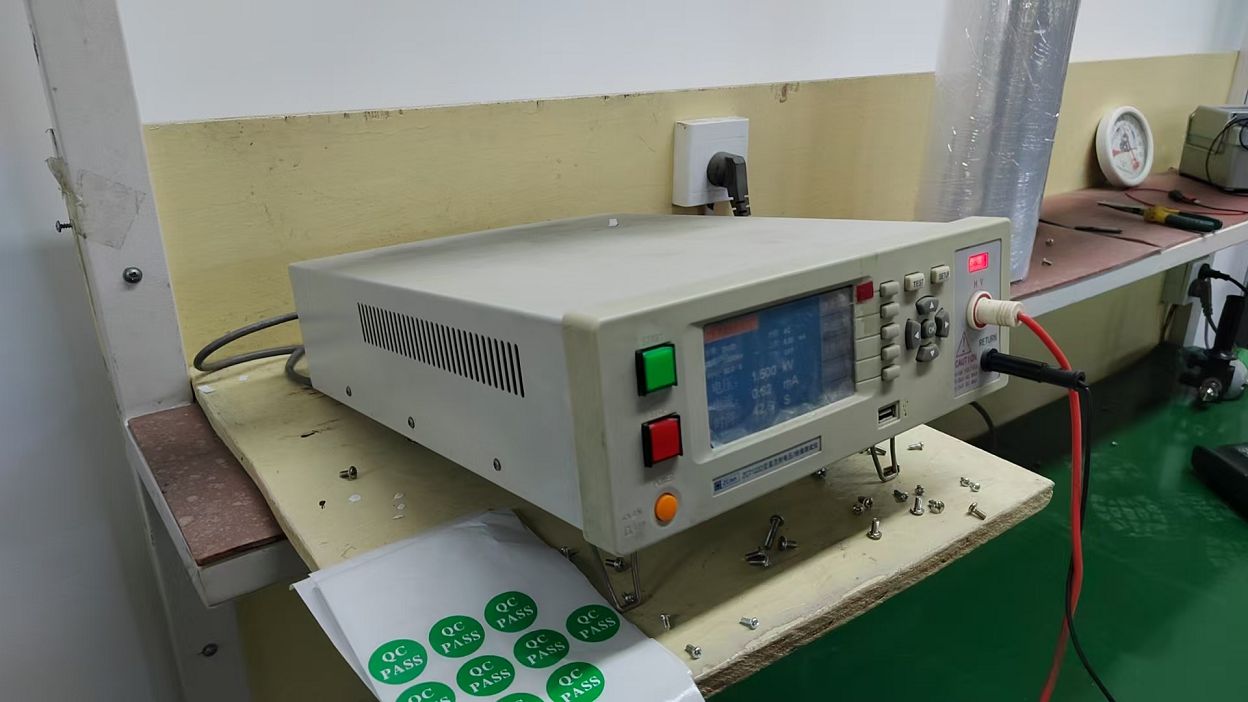 LCR AutoTester Analyzer
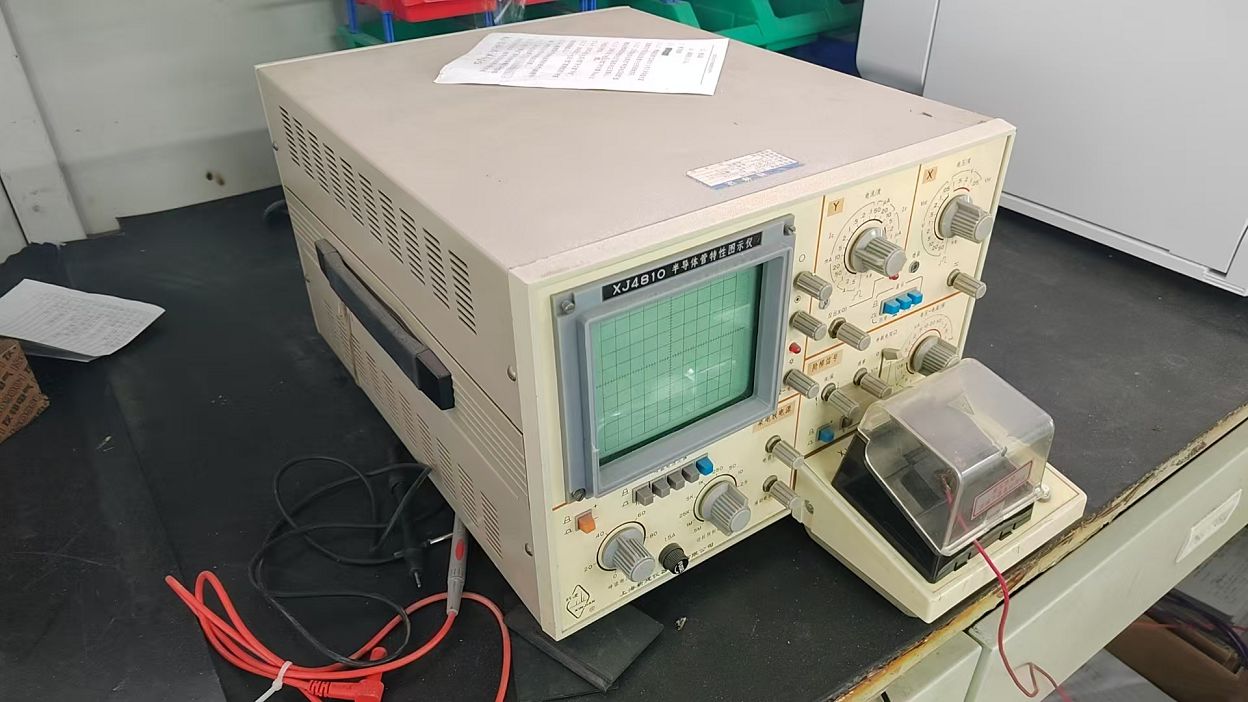 Semiconductor Plotter
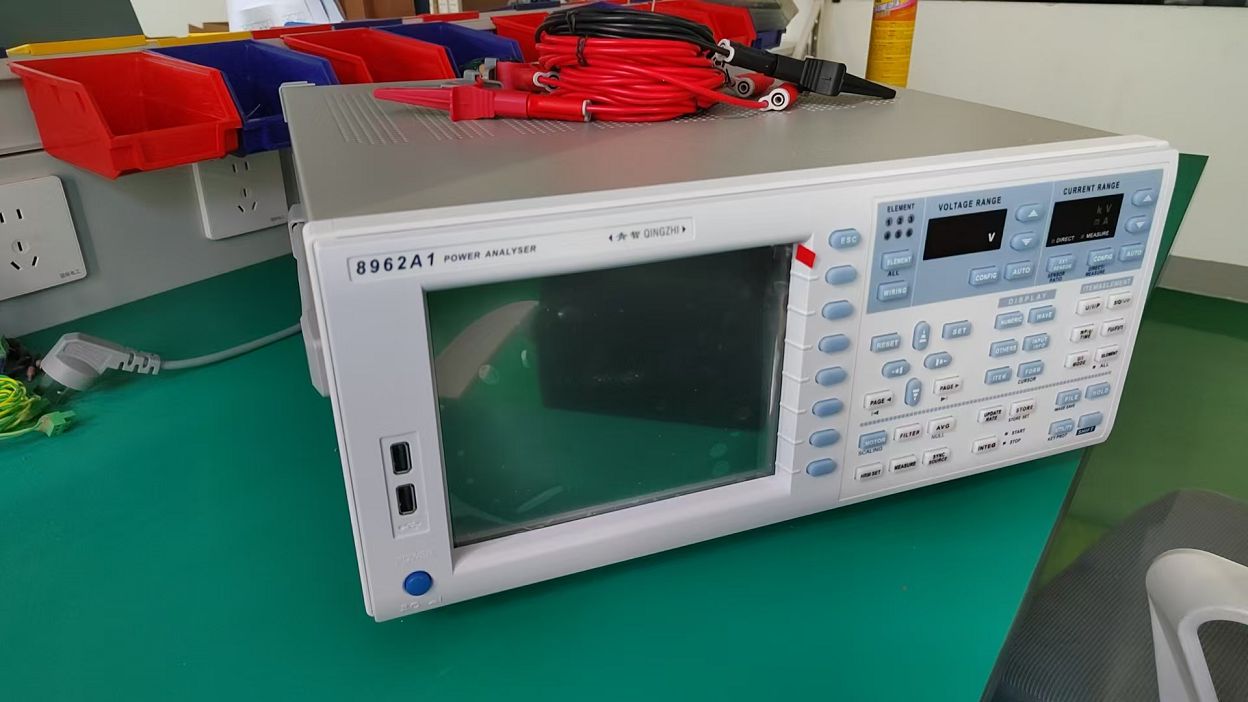 Digital Oscilloscope
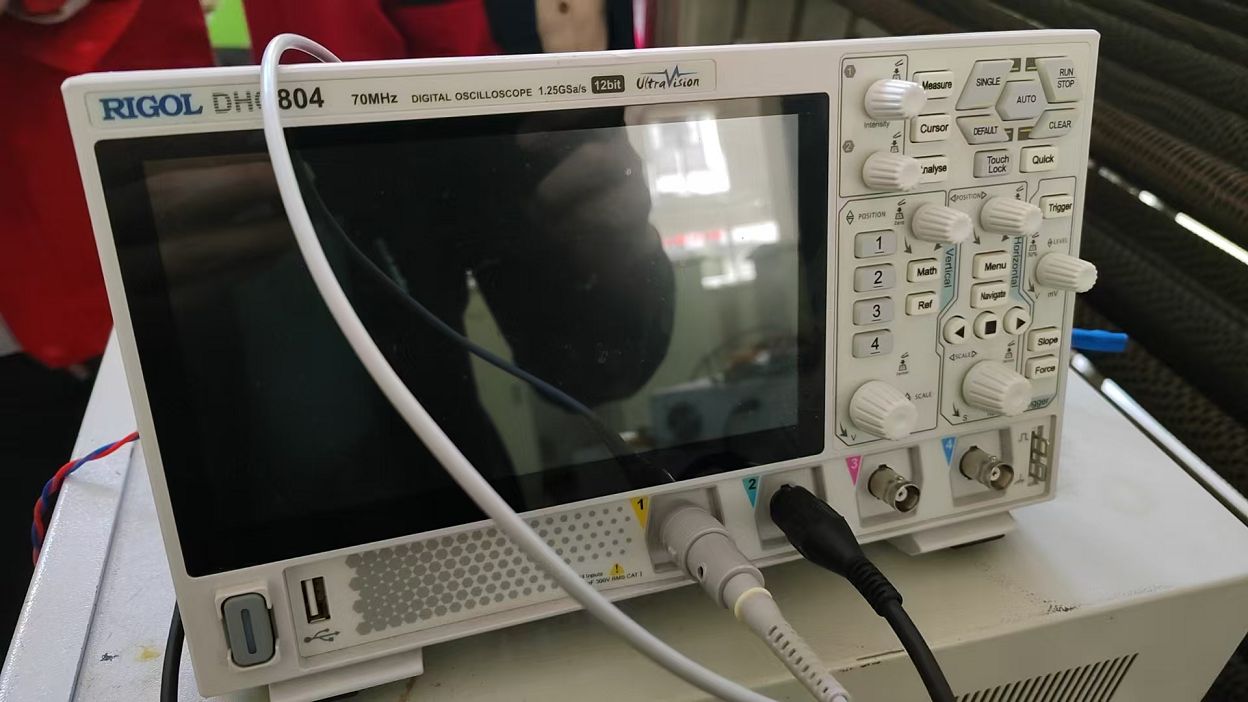 Power Quality Analyzer
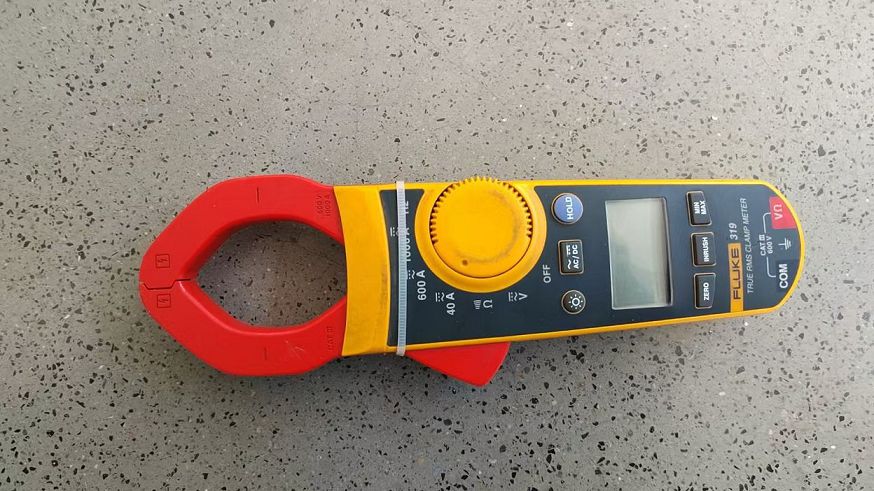 Clamp Current Meter
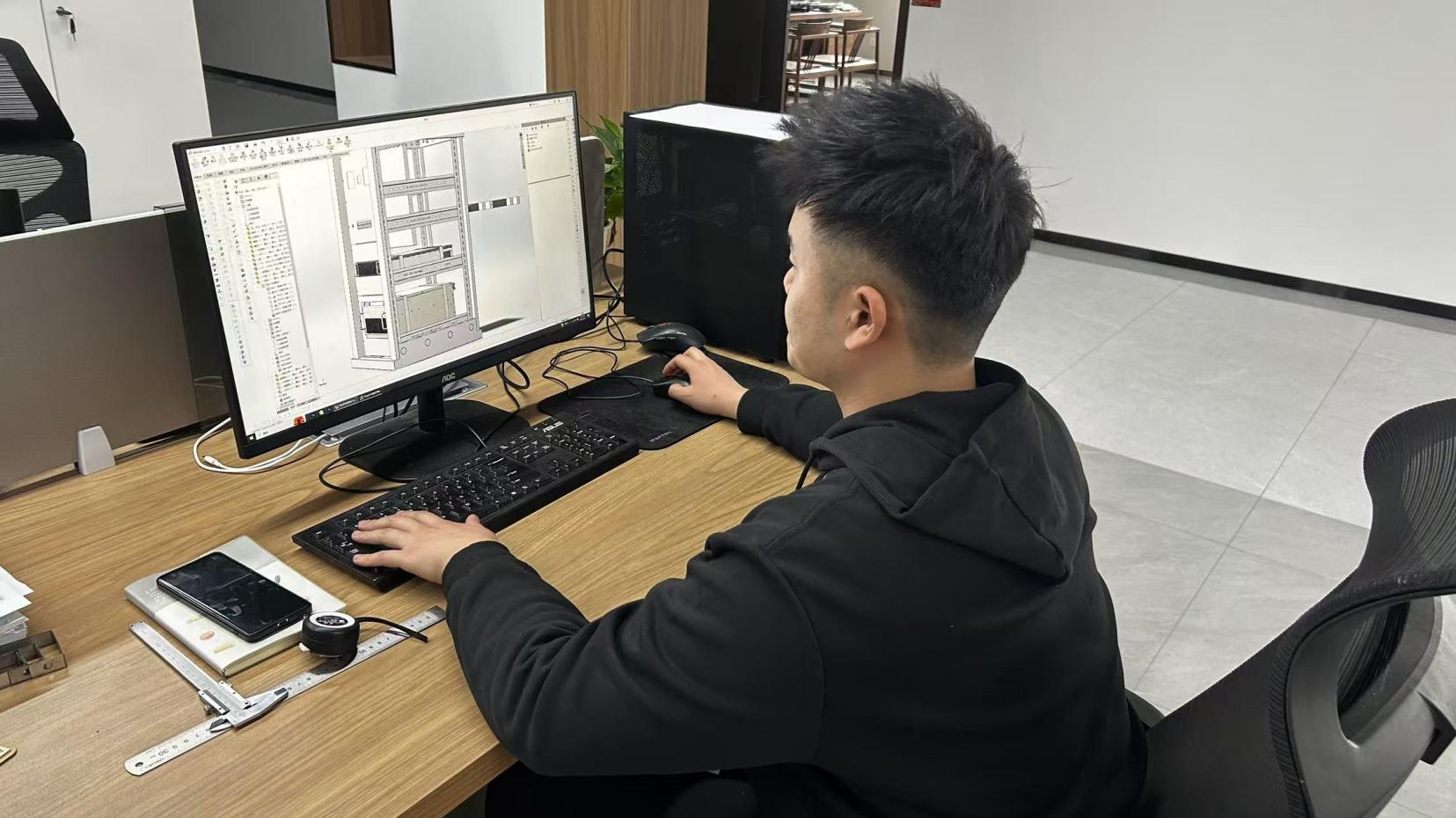 CAD/CAM Structural Drawing
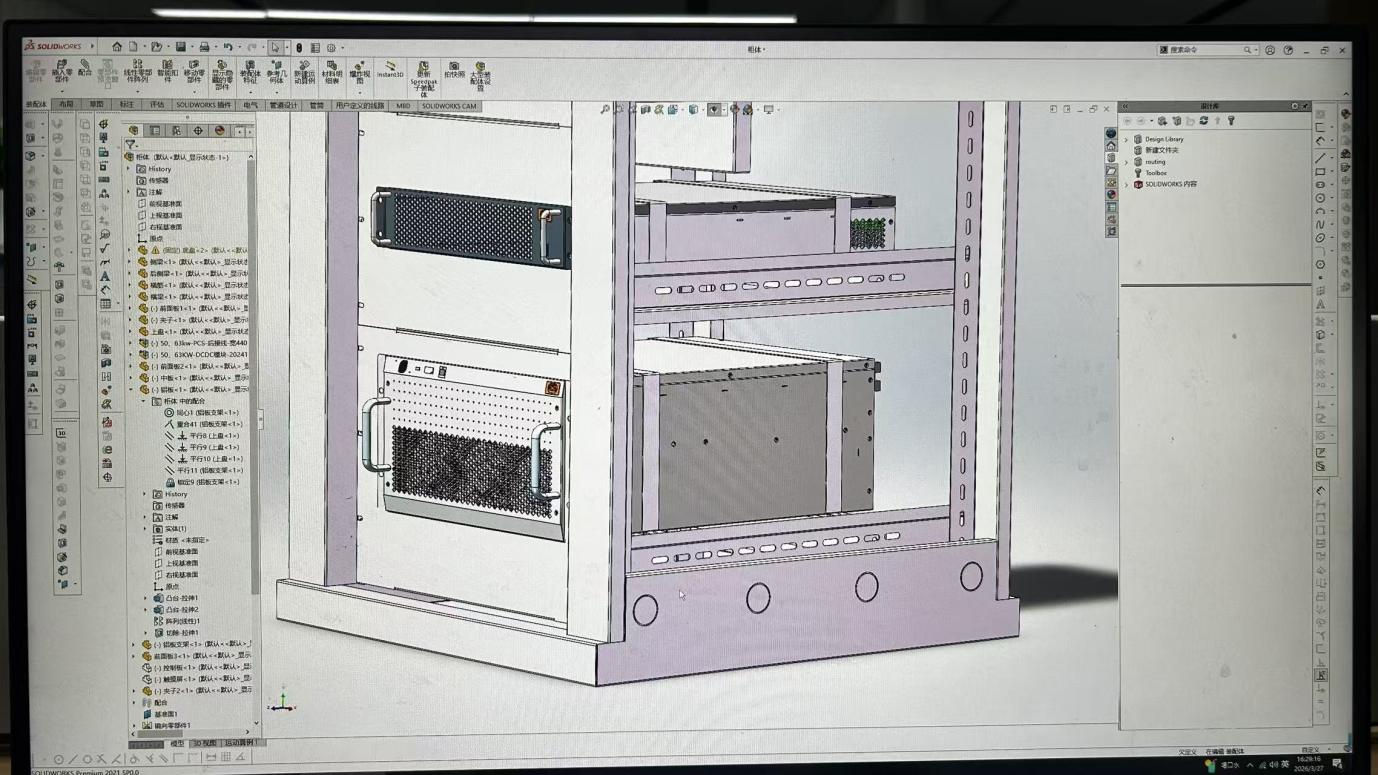 Simulation Workstations
About Shenzhen Sophpower Electronics Co., Ltd.
Shenzhen Sophpower Electronics Co., Ltd. was established in 2006, located in Shenzhen, China. As a High-tech enterprise with sustainable and rapid growth, Sophpower has a group of technical engineers with rich experience in the field of testing power supply. Our main products include AC Power Sources, Linear AC Power Sources, Bidirectional AC Power Sources, DC Power Supplies, Bidirectional DC Power Supplies, Voltage Regulators, and UPS systems. We specialize in providing customized test power supply solutions tailored to the strict, project-specific requirements of global engineering clients.
By pairing high-power electronics manufacturing with software customization, we provide global B2B clients with comprehensive engineering and validation support. From the conceptual layout to the final product shipment, our teams ensure your power systems operate safely and reliably under real-world conditions.
Technical FAQ & Integration Insights
Addressing the common questions raised by engineering teams and B2B buyers during the procurement process.
How do programmable DC sources simulate battery characteristics for mobile charger testing?
Our programmable DC power supplies feature specialized software loops that simulate the internal resistance (IR), state-of-charge (SoC), and terminal voltage profiles of lithium-ion and LFP battery packs. This allows developers to validate charger behavior under conditions like cell balancing, overcharge limits, and short-circuit faults without needing to connect a physical battery.
What are the efficiency benefits of using SiC MOSFETs in your custom power converters?
Silicon Carbide (SiC) semiconductors operate at higher switching frequencies and temperatures than traditional silicon IGBTs. This reduces switching losses by up to 50%, enabling smaller inductors and heat sinks, and resulting in lighter, more efficient mobile charging cabinets.
How does Sophpower ensure electromagnetic compatibility (EMC) in industrial setups?
Our designs incorporate multi-stage input EMI filters, shielded magnetic components, and isolated gate drives. We run compliance sweeps during the prototyping phase to verify that high-frequency switching emissions remain well within EN 61800-3 Class A/B limits.
Can these power systems handle bidirectional V2G (Vehicle-to-Grid) testing?
Yes. Our bidirectional DC power supplies and AC regenerative grid simulators are designed to handle energy flow in both directions. They feed energy back into the local grid with over 93% efficiency, minimizing energy waste during high-load V2G testing cycles.
Power Regulation & Frequency Conversion Equipment
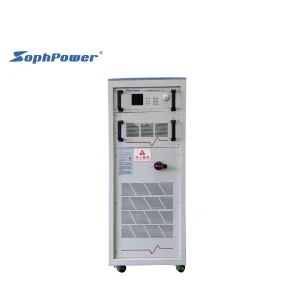
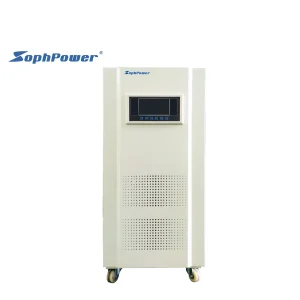
High-capacity voltage regulators and programmable converter models engineered to stabilize voltage and frequency inputs in demanding industrial facilities.