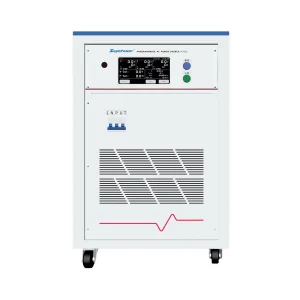
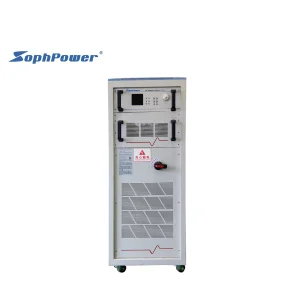
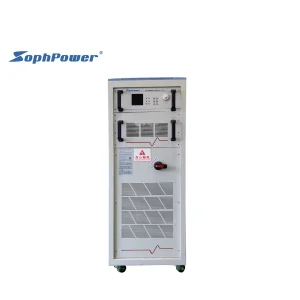
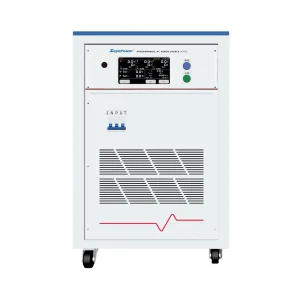
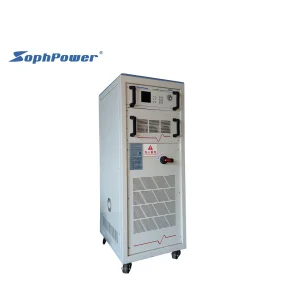
Featured Marine & Laboratory Power Instruments
Premium high-performance power modules engineered to support custom OEM standards and precise industrial specifications.
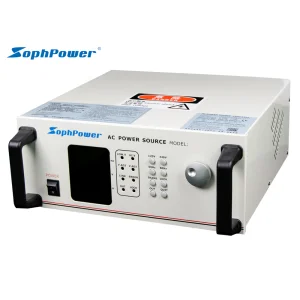
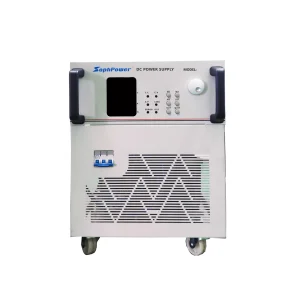
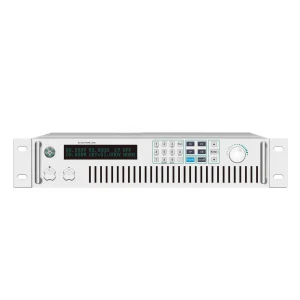
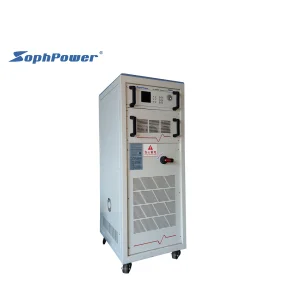
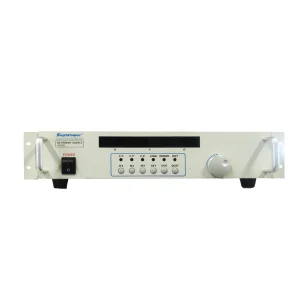
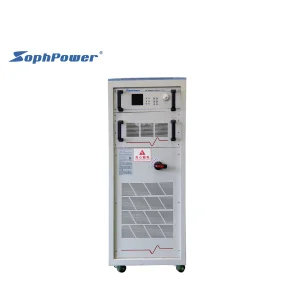
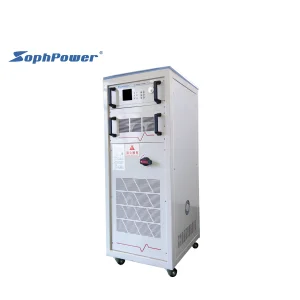
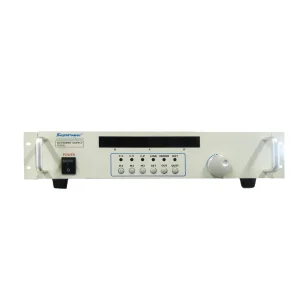
1. Global Industrial Landscape of Marine Power Systems
The modern maritime landscape is undergoing a monumental energy transition. From merchant container vessels and ultra-deepwater offshore drilling platforms to high-speed naval defense ships, the demand for uncompromising power stability, frequency accuracy, and high voltage conversion is escalating. In marine transport and subsea exploration, standard commercial power supplies fall short. These installations operate in environments marked by high relative humidity, extreme thermal variation, constant mechanical shock, and galvanic corrosive vectors.
As a premier global supplier of marine-grade electronics, Sophpower targets these strict criteria. Marine engineering requires power converters and frequency regulation assemblies that satisfy international safety bodies such as DNV-GL, Lloyd's Register, ABS, and Bureau Veritas. High-performance clean power sources are necessary not only for propulsion auxiliary grids but also to safeguard highly sensitive telecommunication systems, dynamic positioning systems (DPS), and acoustic transducers from localized harmonic noise.
2. Marine Power Systems: Industry Megatrends
Exploring the core technological dynamics shaping marine and offshore electrical systems globally.
Electrification & Hybrid Propulsion
Vessels are pivoting toward variable-speed engine gensets coupled with direct current bus grids. This demands programmable bidirectionality in testing power systems to capture energy regenerations and test battery storage integrations.
Wide Bandgap Semiconductor Topologies
Silicon Carbide (SiC) and Gallium Nitride (GaN) materials are replacing legacy IGBT architectures. This transition yields higher thermal threshold, lower active switching loss, and decreases the footprint of high-voltage marine converters.
Smart Ports & Shore-to-Ship Cold Ironing
To achieve zero emissions in ports, modern container carriers shut down shipboard diesel generators and connect to local grids. Variable frequency conversion units, such as Sophpower’s AC Frequency Converters, bridge differences in grid architectures (50Hz vs 60Hz).
3. About Sophpower Electronics
Shenzhen Sophpower Electronics Co., Ltd. was established in 2006, located in Shenzhen, China. As a High-tech enterprise with sustainable and rapid growth, Sophpower has a group of technical engineers with rich experience in the field of testing power supply. Main products including AC Power Source, Linear AC Power Source, Bidirectional AC Power Source, DC Power Supply, Bidirectional DC Power Supply, Voltage regulator and UPS. We can provide customized test power supply according to customer's requirements.
We build systems characterized by extreme line regulation, low total harmonic distortion (THD), and fast transient response. In the marine testing segment, Sophpower products run simulations of shipboard main alternator dropouts and dynamic load steps. This testing ensures that critical maritime components operate properly in both normal and worst-case scenarios.
4. Technical Excellence & Manufacturing Infrastructure
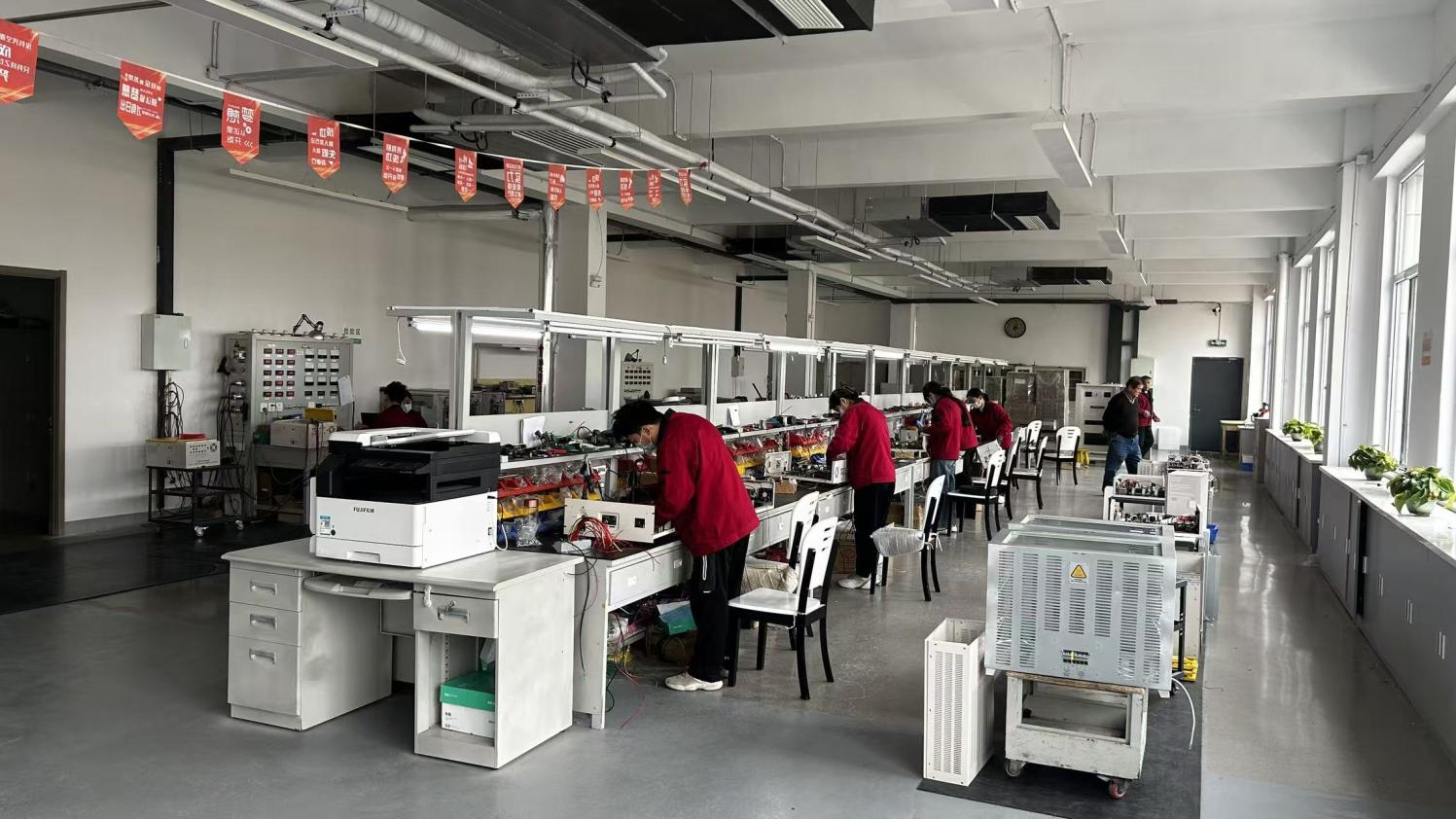
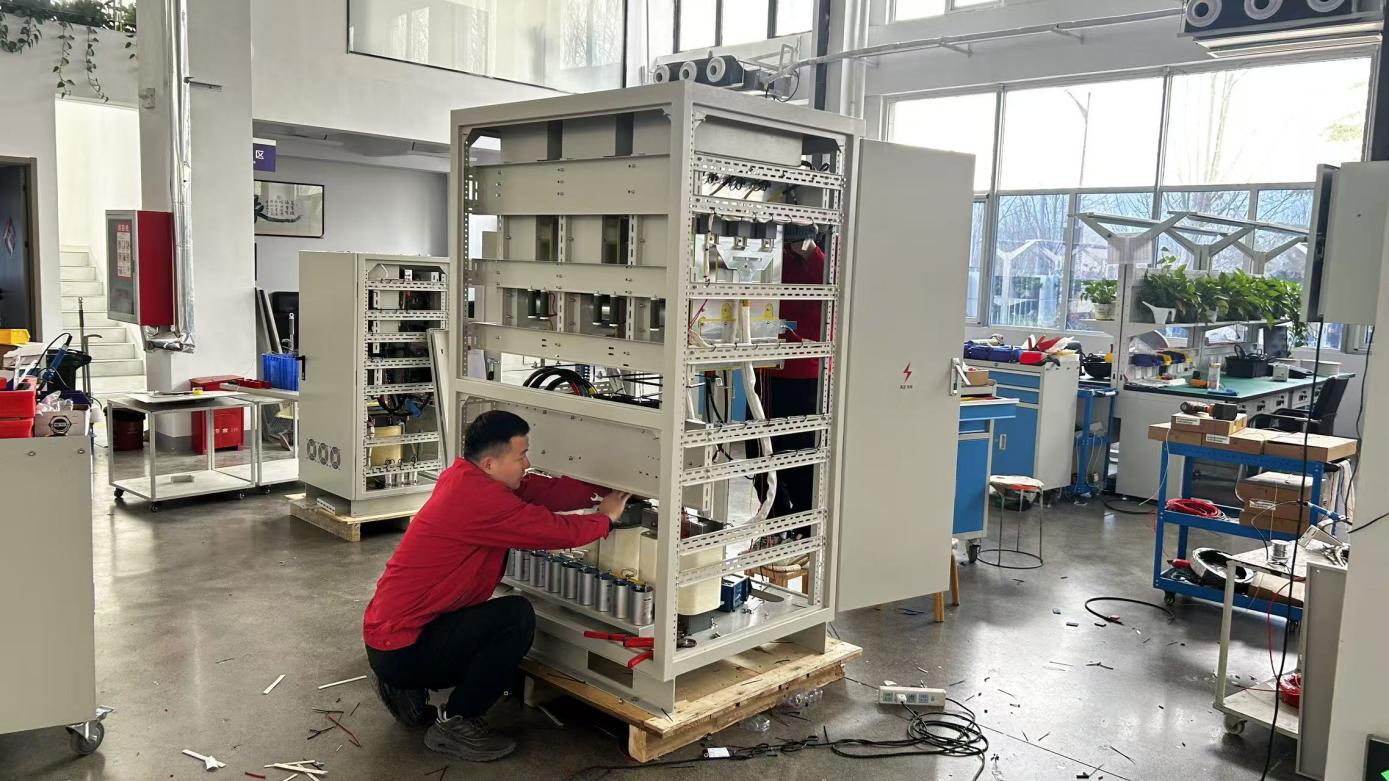
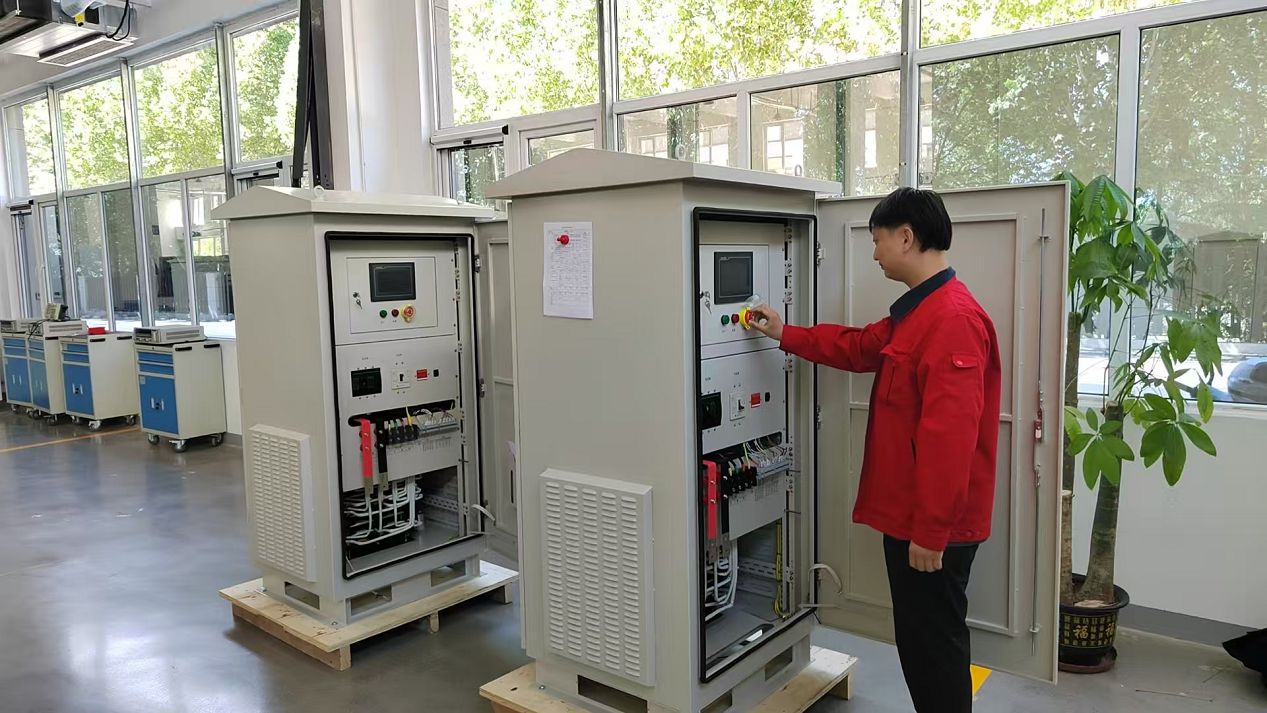
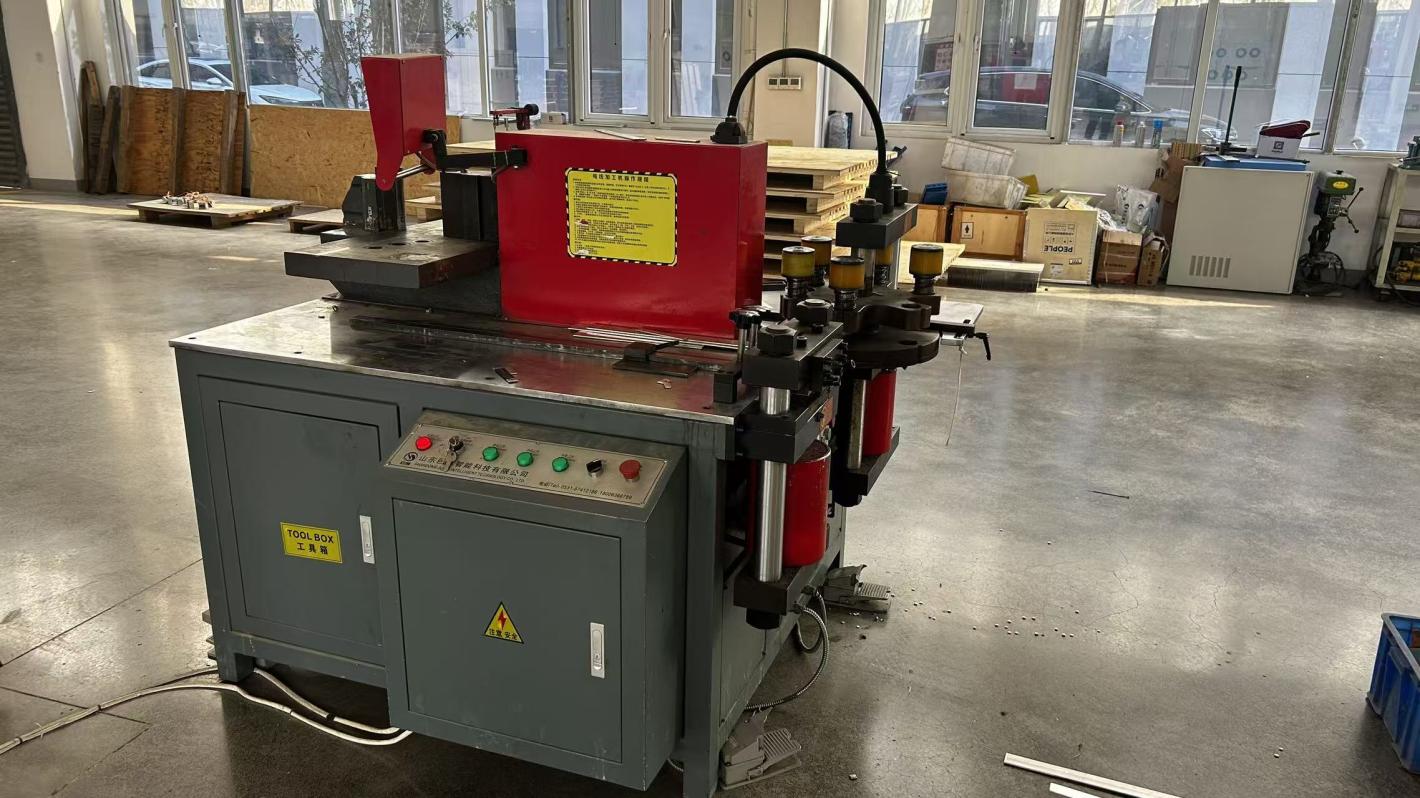
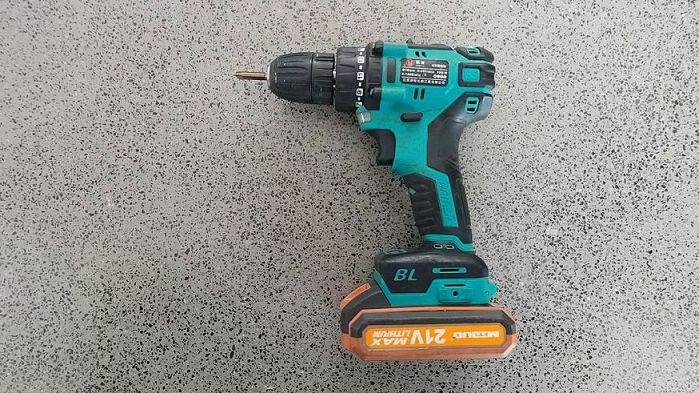
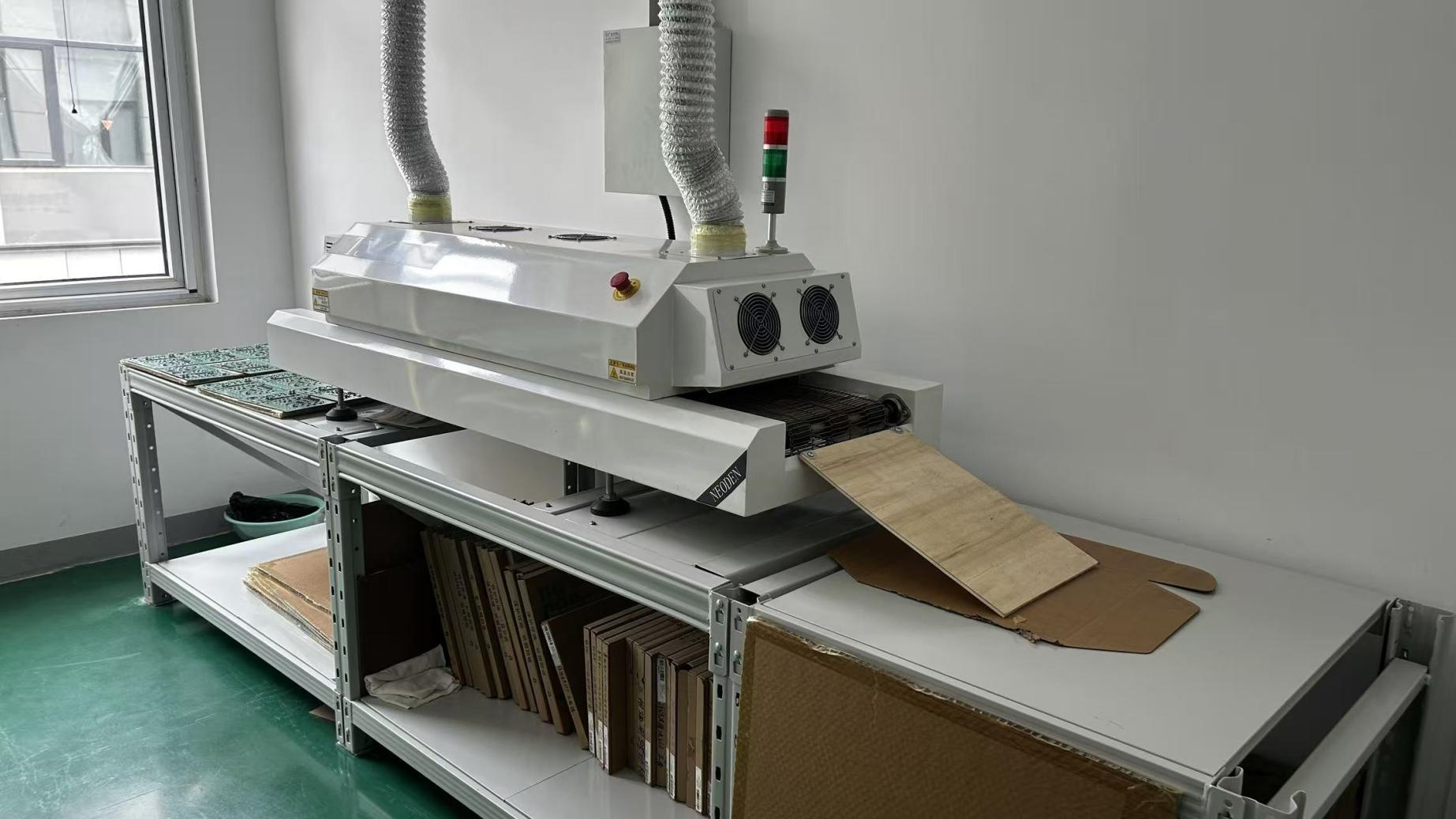
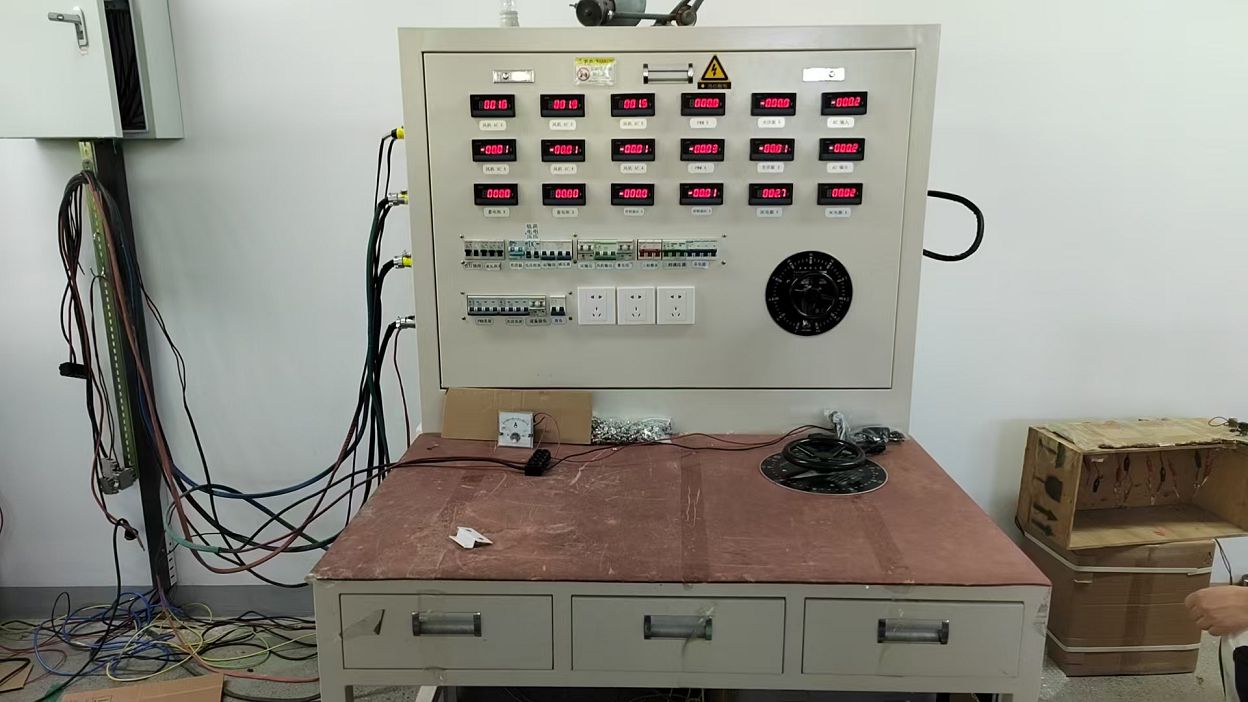
A look inside Sophpower’s production floor in Shenzhen. Our manufacturing processes utilize rigorous quality inspection mechanisms and customized circuit design.
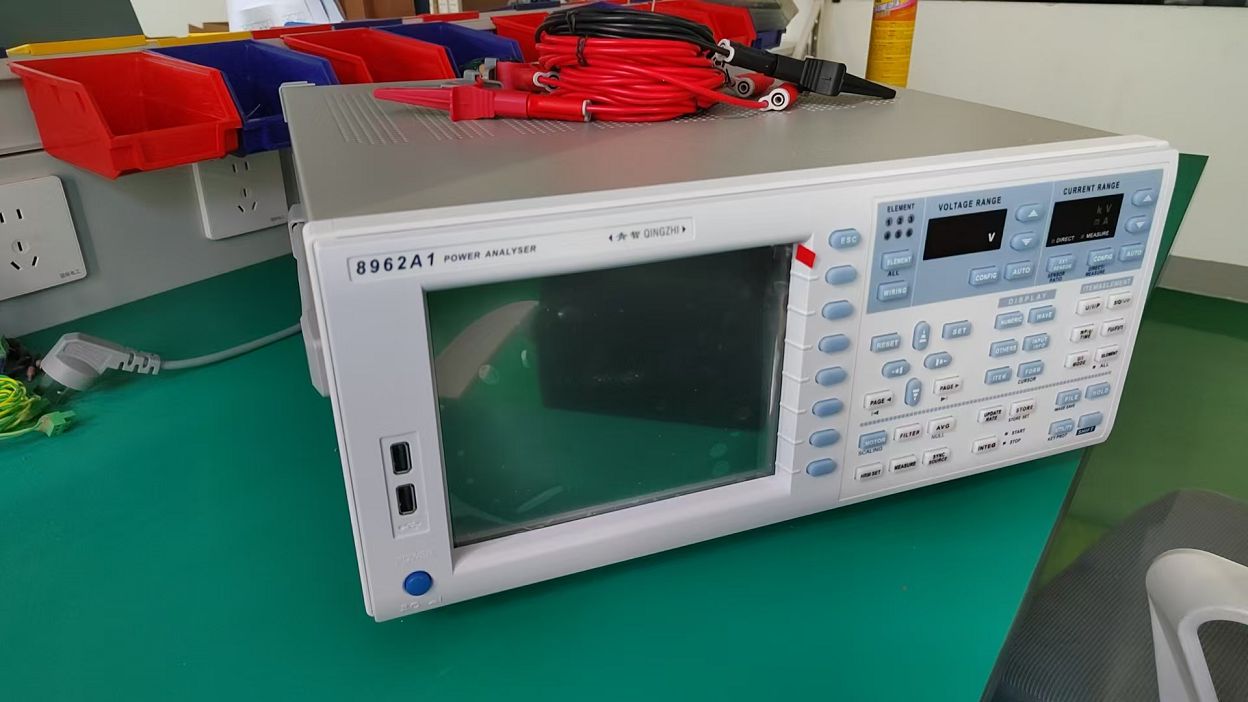
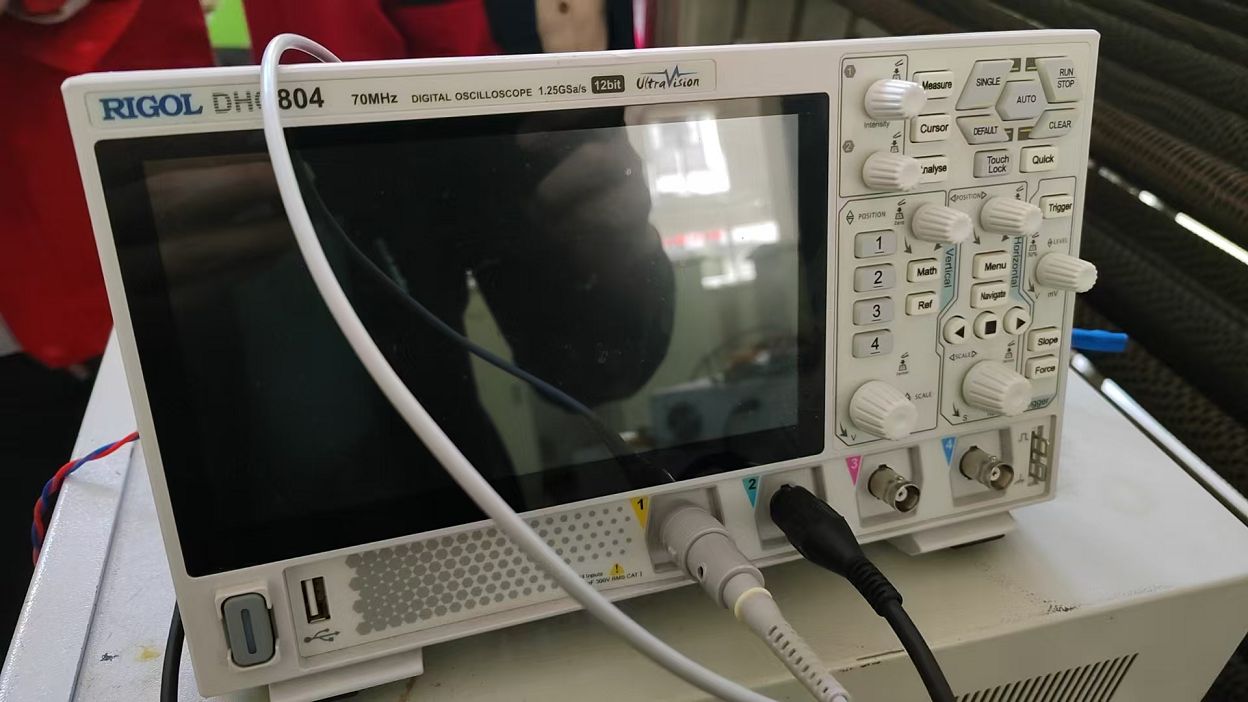
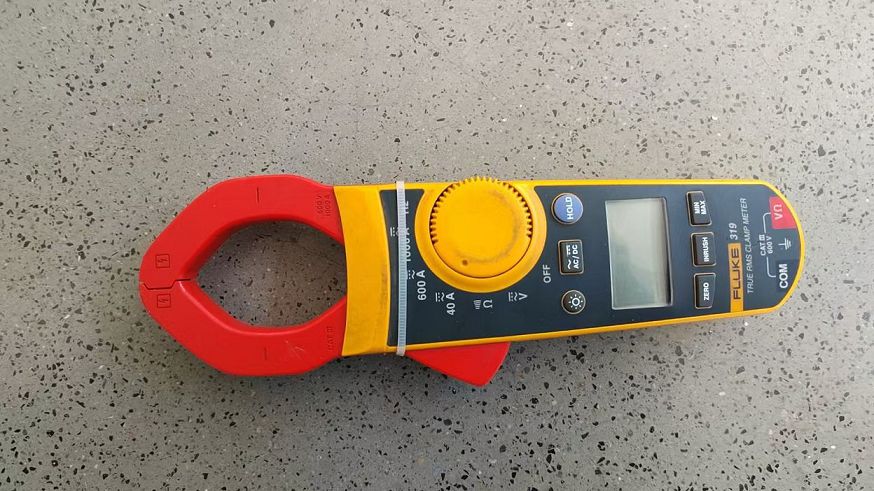
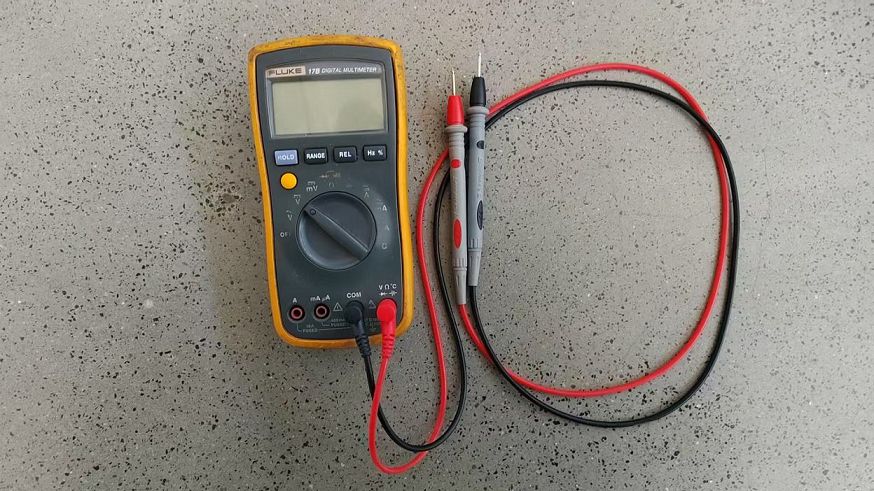
5. Metrology, Verification, & Test Equipment
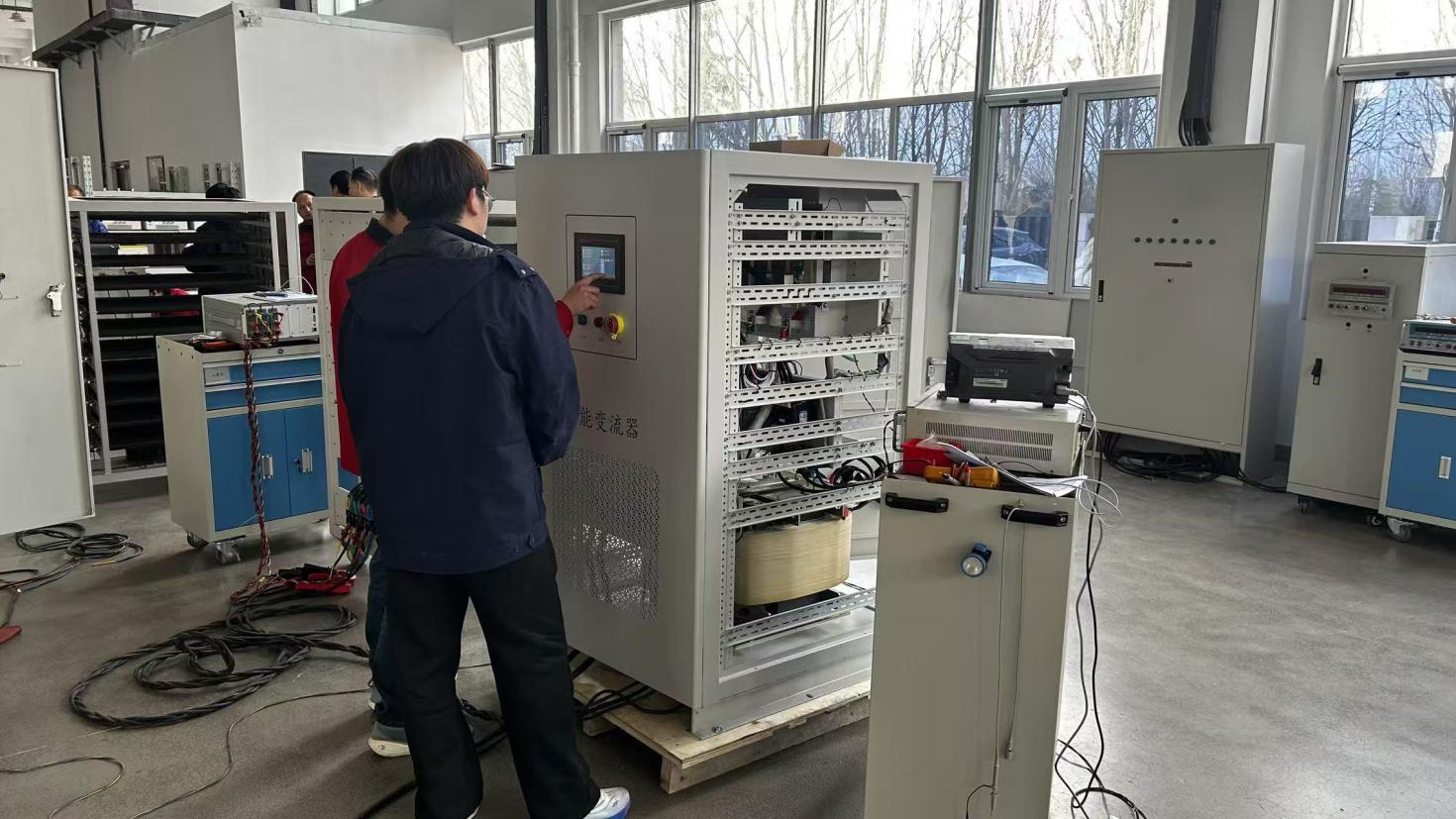
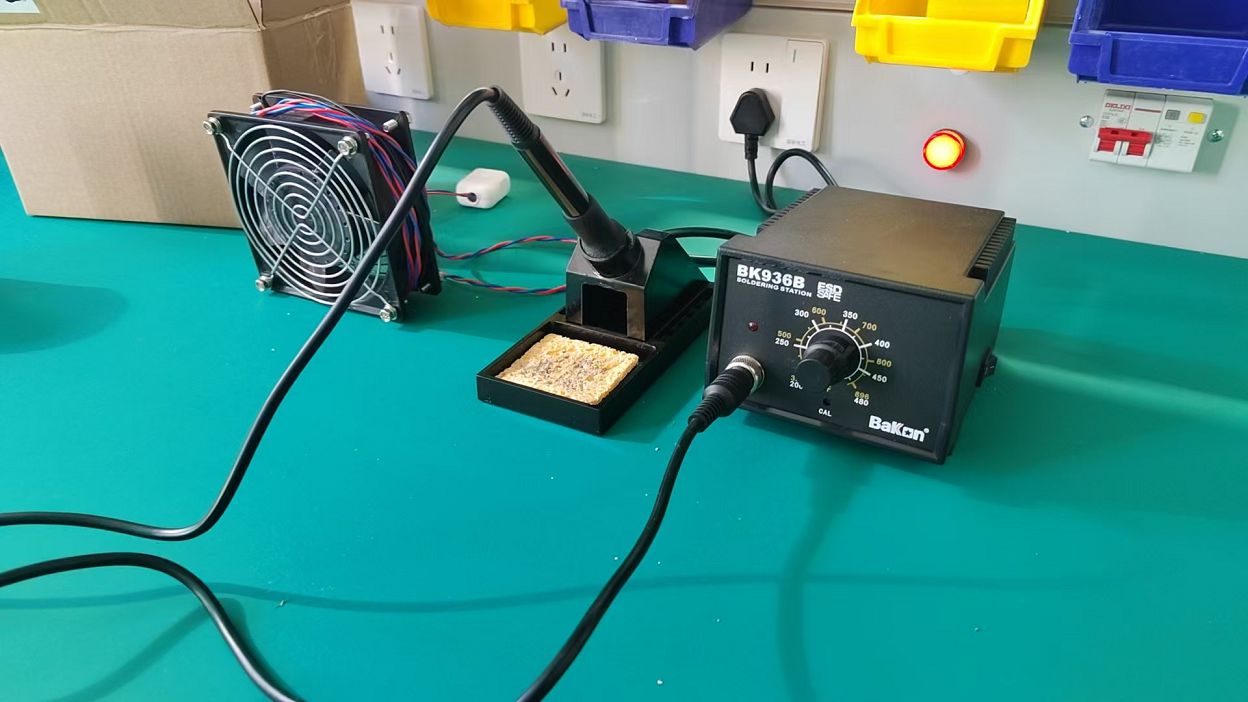
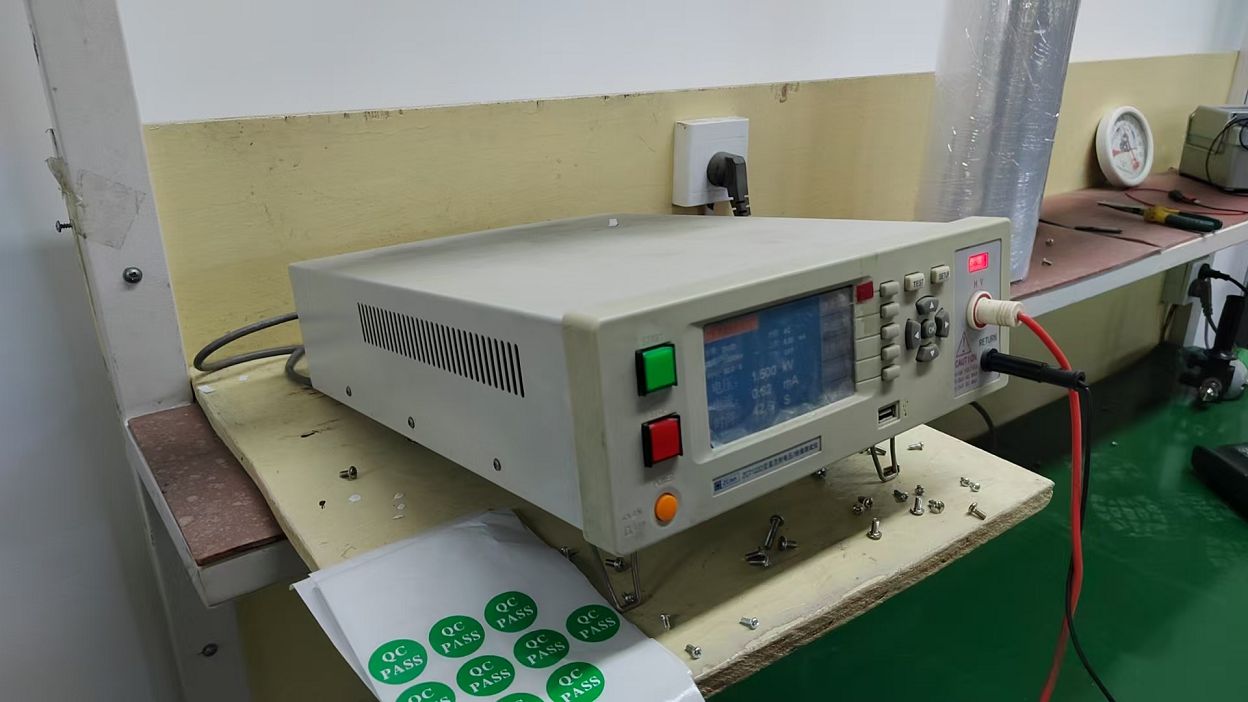
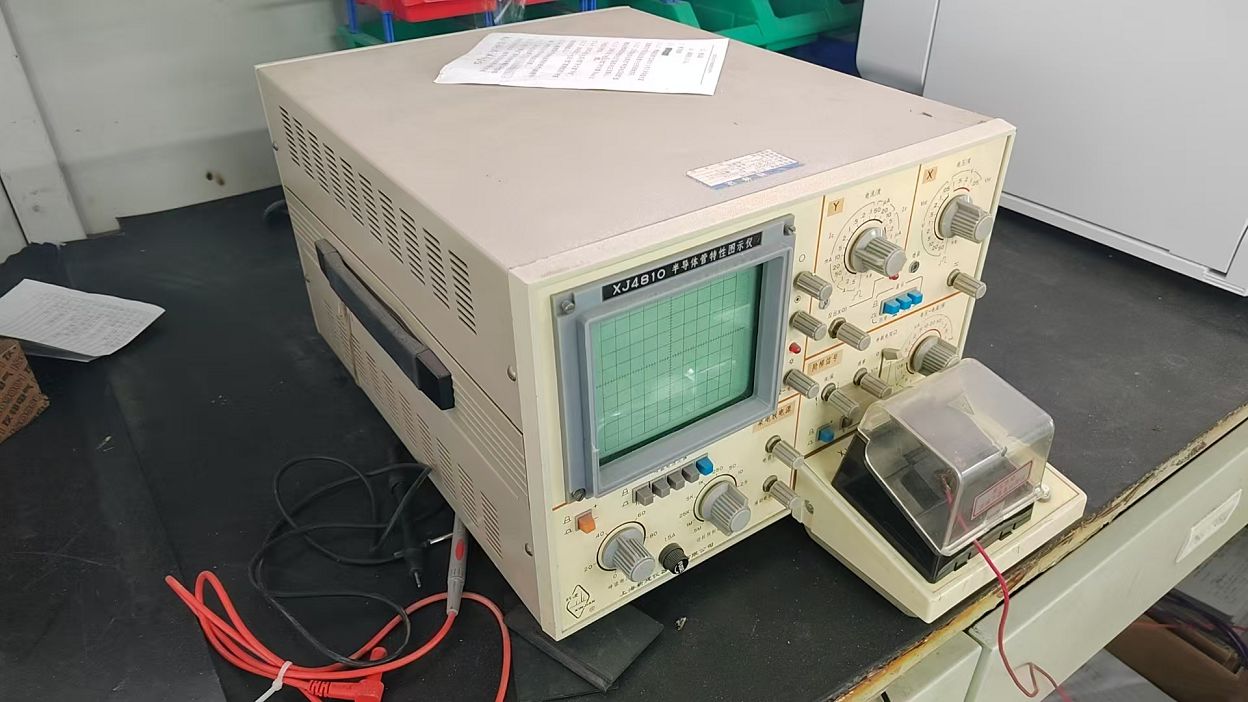
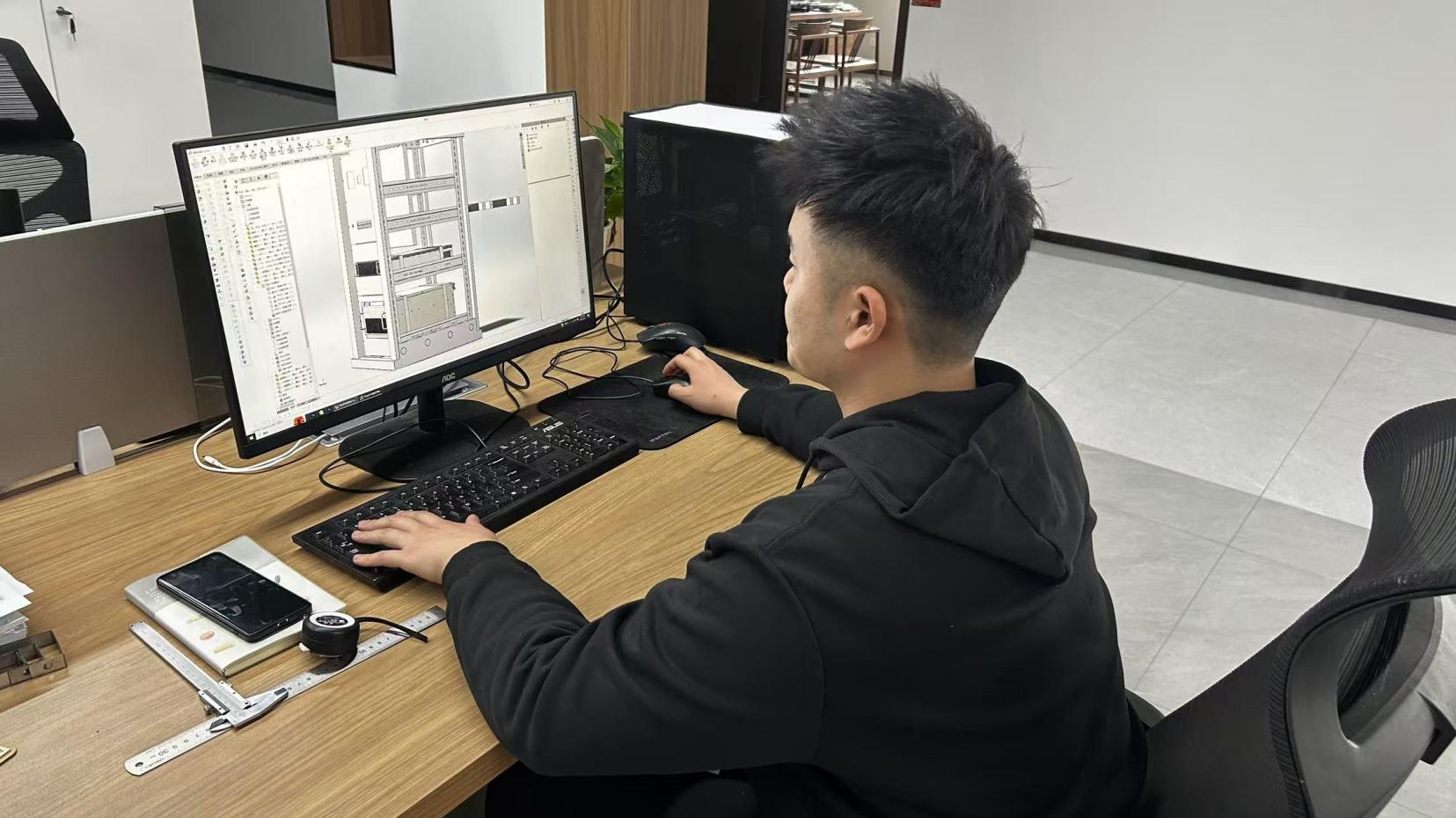
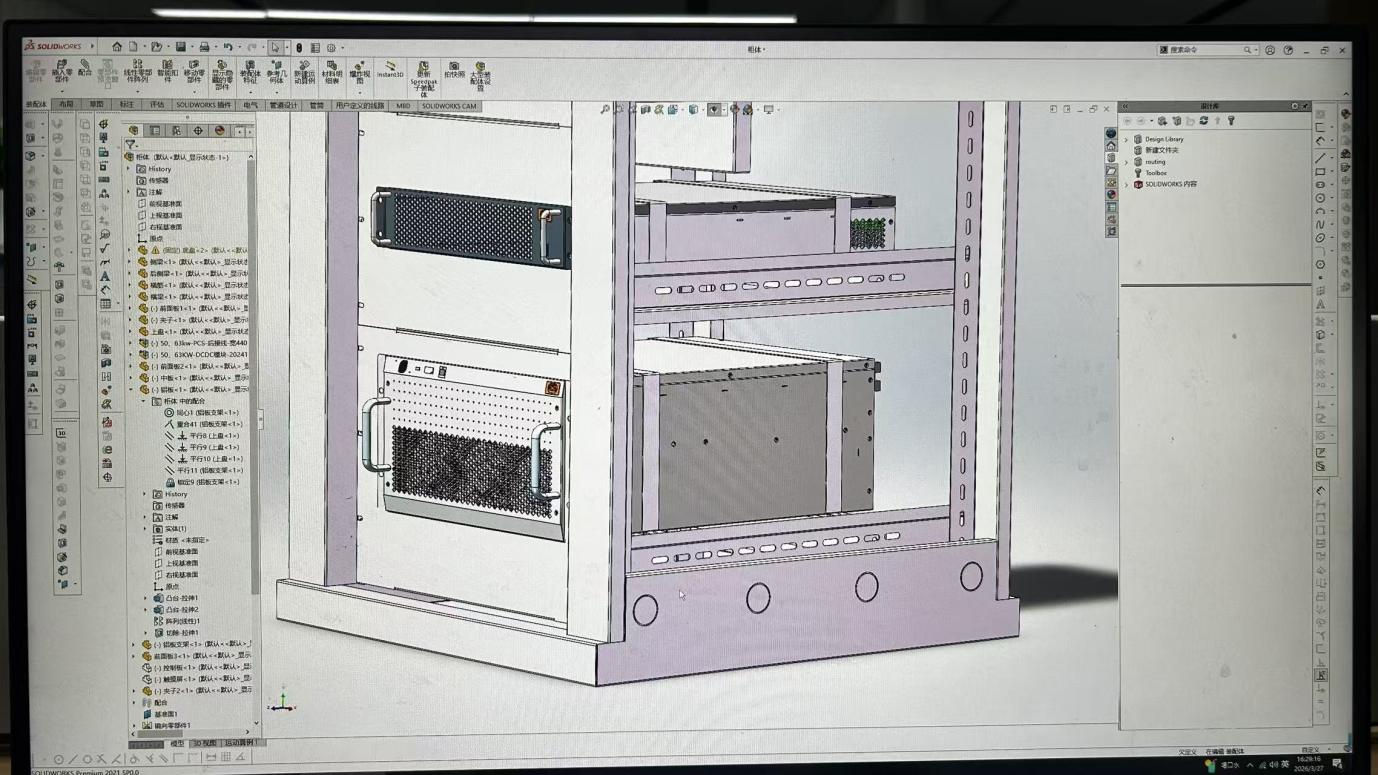
Our engineering department uses modern measurement tools to verify custom design integrity under active thermal and high-voltage conditions.

6. Localized Application Scenarios
Where Sophpower customizable power sources deploy to ensure operational continuity in challenging global environments.
1. Ship-to-Shore Shore Power Converters
While docked at international ports (e.g., Rotterdam, Singapore, Shanghai), vessels encounter incompatible shore power frequencies (50Hz vs. 60Hz). Sophpower variable frequency converters modify high-capacity municipal grid voltages to keep onboard electrical systems functional without running diesel auxiliary units.
2. Sonar & Seismic Exploration Arrays
Subsea geological mapping equipment relies on low-noise DC power sources to maintain measurement accuracy. Sophpower’s programmable high-voltage switching units minimize electrical noise, protecting acoustic sensors from data interference.
3. Dry Dock Test Facilities
Ship repair and dry-dock installations utilize programmable electronic loads and DC power systems to simulate battery banks, auxiliary generators, and propulsion systems under realistic load changes, verifying system performance prior to sea trials.
7. Technical Roadmap: Next-Gen Power Topologies
Industrial marine electrical grids demand continuous efficiency and reliability. The Sophpower R&D roadmap focuses on three main developments:
- Bidirectional Active Front End (AFE): Upgrading converter grids to feed energy back to shore networks during mechanical deceleration or crane lowering phases, reducing local heat load and net consumption.
- Modular Hot-Swappable Architectures: High-power DC and AC components are configured in parallel modular racks. If a module requires service, it can be swapped without taking the entire power bus offline.
- Integration of IoT Remote Diagnostics: Incorporating Modbus/TCP, CAN bus, and Ethernet control interfaces. This enables engineers to monitor system health and predict failures by analyzing temperature and ripple changes.
8. Comprehensive Macro Solutions for Systems Integrators
Industrial contractors and marine engineering firms frequently require integrated power solutions rather than standalone supplies. Sophpower coordinates with design departments to supply complete testing bays.
For instance, when designing variable frequency drives (VFD) for subsea pumps, developers require variable AC sources to simulate localized grid fluctuations alongside DC loads to mimic load profiles. Sophpower integrates programmable AC frequency converters and high-precision DC electronic loads to configure automated testing environments, decreasing manual verification steps and accelerating certification processes.
9. Technical FAQ & In-Depth Guidance
Get professional advice on customized OEM specifications, power topology selectability, and international export safety regulations.
Q1: How does Sophpower ensure marine power supply units withstand high salinity and humidity?
Our manufacturing options include conformal coating on all printed circuit assemblies (PCBA), localized use of hermetically-sealed semiconductor components, stainless steel or powder-coated enclosure options, and custom heat dissipation paths that isolate electronic parts from external air cooling channels.
Q2: Can your AC frequency converters run simulations of standard marine grid irregularities?
Yes. Our programmable single-phase and three-phase AC power sources can simulate voltage sags, swell phenomena, step changes, and harmonic distortion profiles. This allows test teams to verify the performance of marine navigation gear under volatile grid conditions.
Q3: What parameters can be customized for OEM projects?
We customize voltage parameters up to 1500V, current levels up to 100A and beyond, and frequency variations from 45Hz to 400Hz. We also accommodate custom communication configurations (RS485, Modbus, GPIB) and mechanical form factors for cabinet integrations.
Q4: Why is galvanic isolation critical in marine DC switching power supplies?
Galvanic isolation prevents noise feedback loops and isolates control logic from power circuits. In marine installations, isolation prevents stray DC current leakage into the hull, minimizing the risk of electrochemical corrosion to metal structures.
Q5: Are the high-voltage laboratory power supplies suitable for offshore dynamic testing?
Yes, our programmable high-voltage DC units are engineered with low ripple and fast transient response times (under 5ms). This ensures stable power output during sudden load changes, protecting testing equipment from voltage surges.
Additional Specialized Testing Equipment
High-power programmable AC & DC switching models for advanced test labs and electrical manufacturing processes.