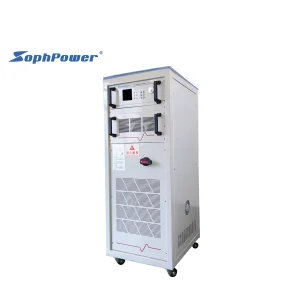
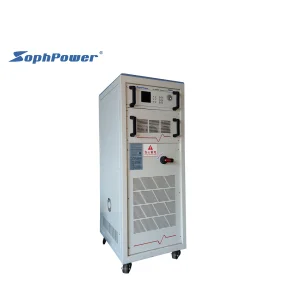
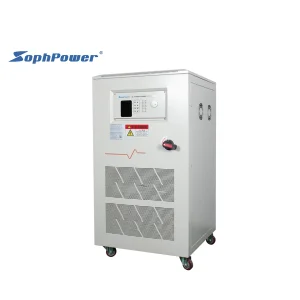
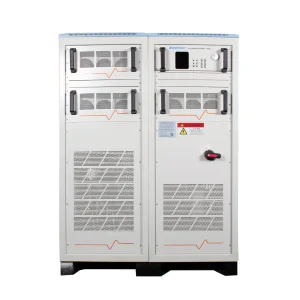
💡 High-Precision Power Calibration Instruments for Thermal Imager Testing
🔬 The Global Landscape of Thermal Imaging Technology
Thermal imaging technology has evolved rapidly from specialized military platforms to a critical cornerstone of modern global industrial manufacturing, safety inspection, predictive maintenance, and medical diagnostics. Operating in the Long-Wave Infrared (LWIR) spectrum, typically 8 to 14 micrometers, thermal cameras read radiative energy emissions and convert invisible thermal fields into readable, calibrated two-dimensional distributions. As modern infrastructure scales, the demand for high-reliability, uncooled microbolometer-based thermal cameras and ultra-sensitive cooled MWIR engines has surged exponentially.
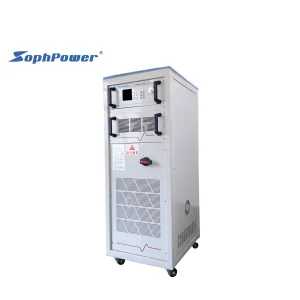
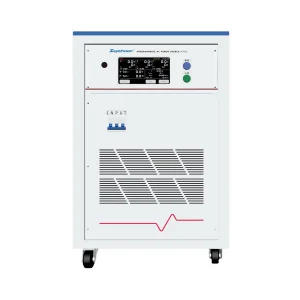
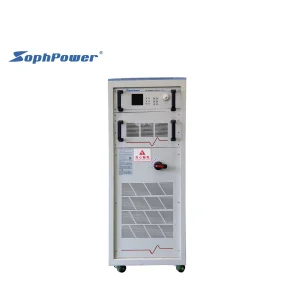
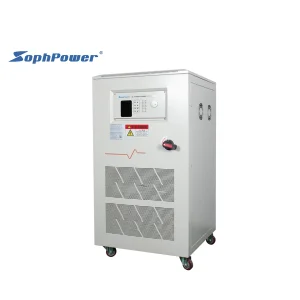
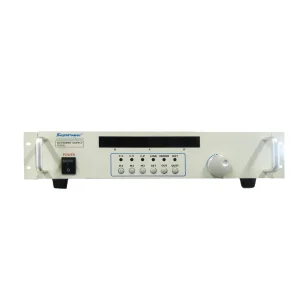
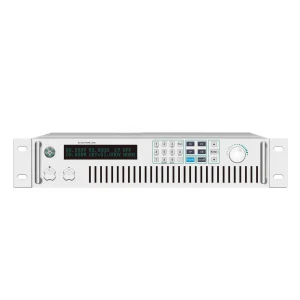
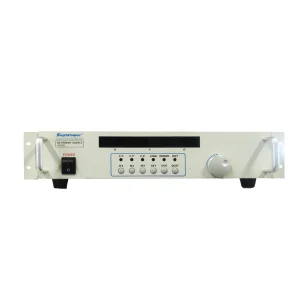
In this demanding technological domain, the quality of a thermal sensor is governed by its Noise Equivalent Temperature Difference (NETD) and spatial resolution. High-performance manufacturing demands absolute precision in testing. Sophpower Electronics Co., Ltd., capitalizing on over 18 years of hardware engineering mastery, provides the essential backbone for thermal camera manufacturers, supply chains, and testing laboratories. By supplying highly regulated programmable DC power sources and advanced electronic loads, we ensure calibration benches operate with minimal electromagnetic noise, allowing sensor calibration to achieve sub-15mK accuracy.
⚡ Localized Industrial Application Scenarios for Thermal Cameras & Systems
To understand the diverse application envelopes of modern thermal imaging systems, we must analyze the specific scenarios where high-density thermography, paired with precision power grids, delivers transformative infrastructure protection and quality control.
Substation & Grid Health
Continuous monitoring of high-voltage switches, transformers, and distribution lines. Thermal imagers instantly identify local hotspots generated by resistance anomalies, preventing catastrophic blackouts. Reliable operation requires precision field-testing systems.
Automated Metallurgy
In steel fabrication, glass tempering, and plastic molding, spatial thermal profiling provides real-time closed-loop control. Sensors trace molten flows and cooling rates, requiring high temperature calibration tolerances.
EV Battery Diagnostics
Lithium-ion cells require stringent thermal tracking during fast-charge profiles. Multi-channel infrared matrices record heat distribution across modules, allowing validation of cooling channels under peak loads.
Border & Perimeter Security
Long-range cooled MWIR cameras enable detection of humans and vehicles up to 20km away in total darkness. System integrity relies on stable power converters to sustain cryocooler operations in harsh environments.
🛠️ Technical Roadmap: Thermal Sensor Design & Future Horizons
The future of thermal imaging systems lies in micro-opto-electro-mechanical systems (MOEMS) integration, pixel shrinkage, and machine-learning-driven edge processing. As microbolometers transition from 17μm pitch down to 12μm and 8μm, pixel density increases while sensitivity requirements tighten.
1. Edge AI Integration
Modern thermal camera cores no longer just output analog video or RAW arrays. Embedded Neural Processing Units (NPUs) directly run object classification algorithms, distinguishing humans, machinery faults, and gas leaks locally, reducing downstream network bandwidth.
2. Multispectral EO/IR Fusion
Combining optical visible images with infrared streams via advanced pixel-level registration algorithms. This provides rich spatial contextual detail combined with absolute thermal measurements, facilitating target acquisition.
3. Low-Drift Sensor Calibration
To prevent measurement drift over seasonal ambient temperatures, automated recalibration algorithms are mapped in dynamic environmental chambers. This process requires extremely quiet DC power regulation to ensure that voltage noise is not misinterpreted as thermal noise.
🇨🇳 China's Advanced Electronics Supply Chain & Manufacturing Resilience
Shenzhen has established itself as the global epicenter for precision hardware fabrication, electronics engineering, and electro-optical manufacturing. Shenzhen Sophpower Electronics Co., Ltd., founded in 2006, operates within this dense technology corridor. Our deep expertise in manufacturing, testing, and calibrating advanced industrial electronics positions us as a trusted partner for global exporters of high-reliability thermal cameras, electrical assemblies, and precision test rigs.
Our state-of-the-art facility integrates circuit design, PCB debugging, component soldering, assembly, and rigorous quality inspection. By executing these critical steps in-house, we control quality parameters and maintain competitive lead times for custom applications.
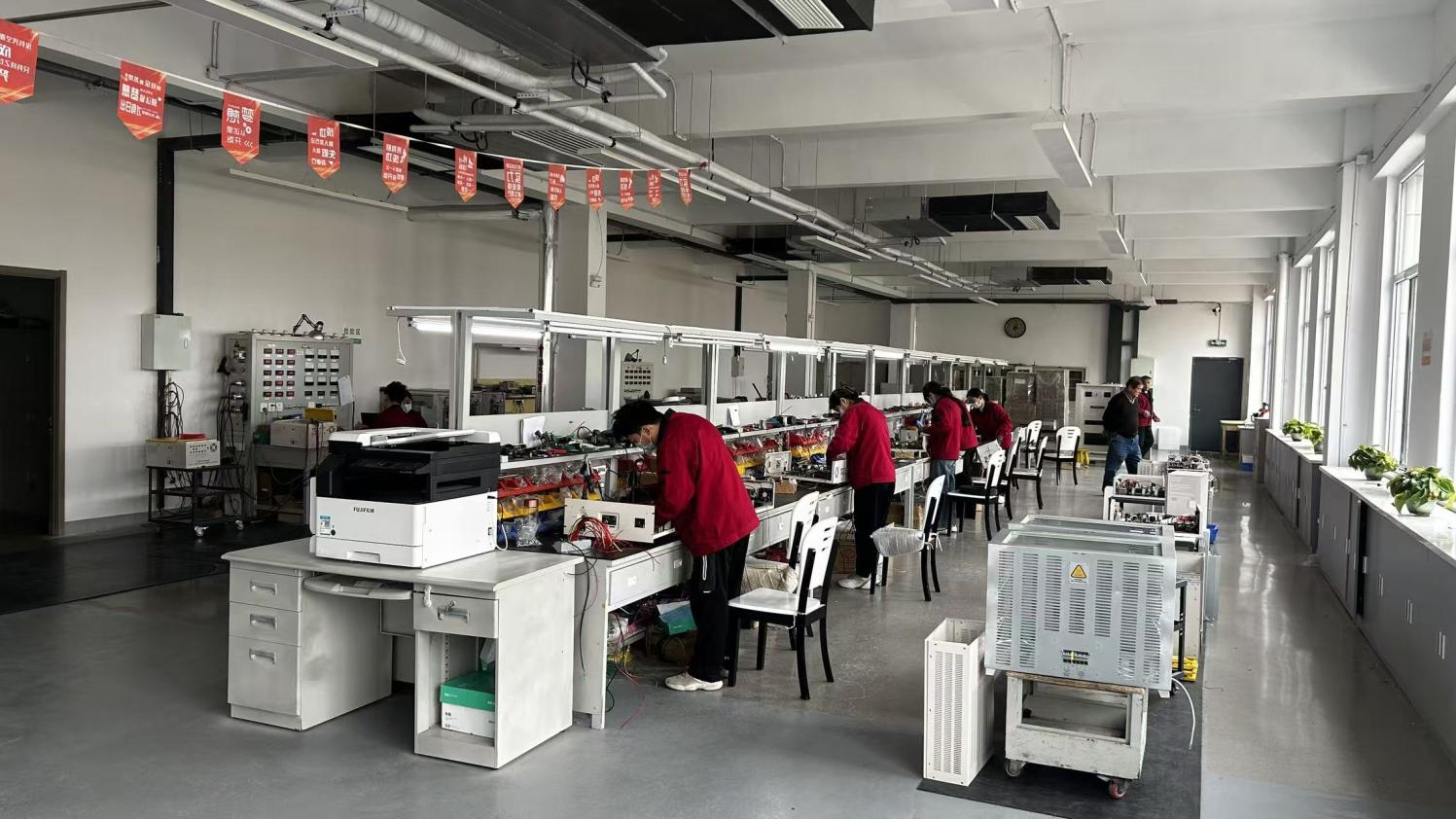 Circuit assembly
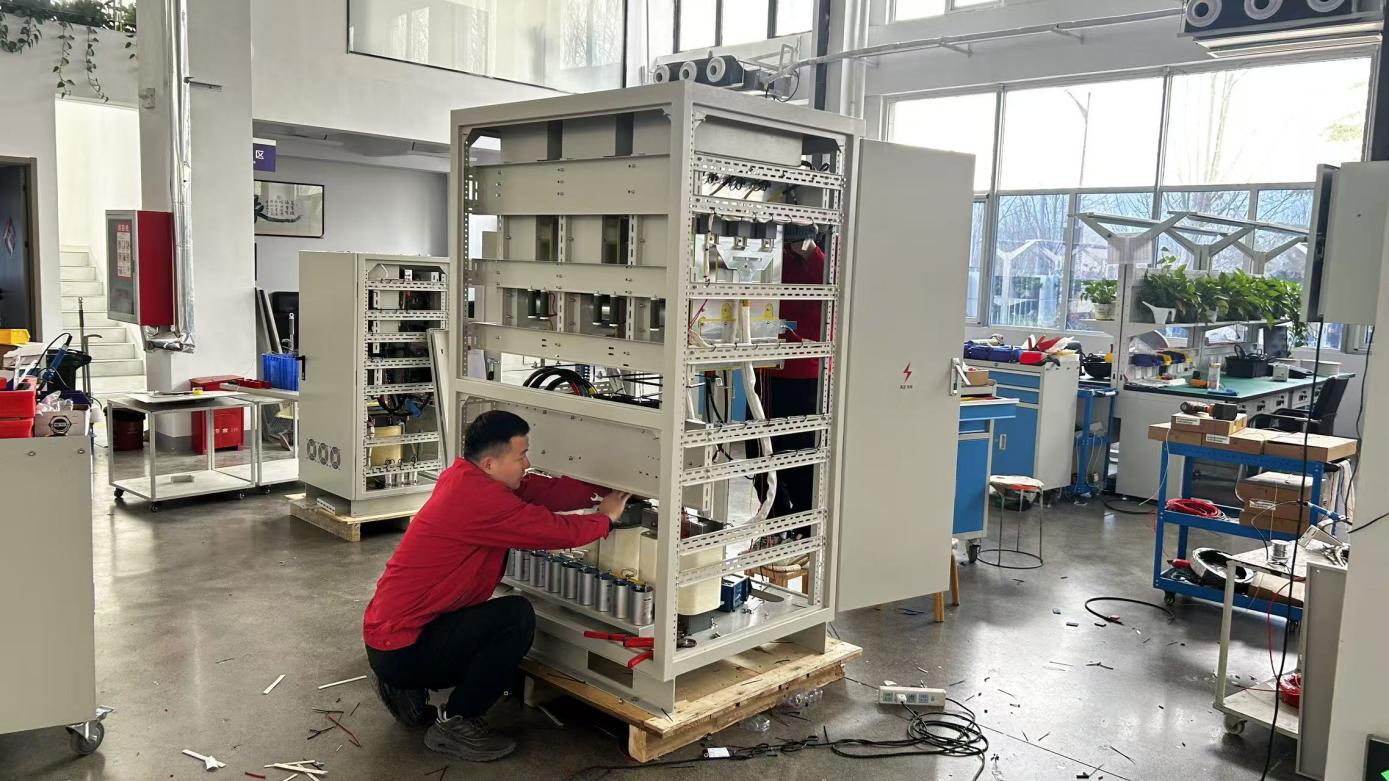 Circuit board assembly
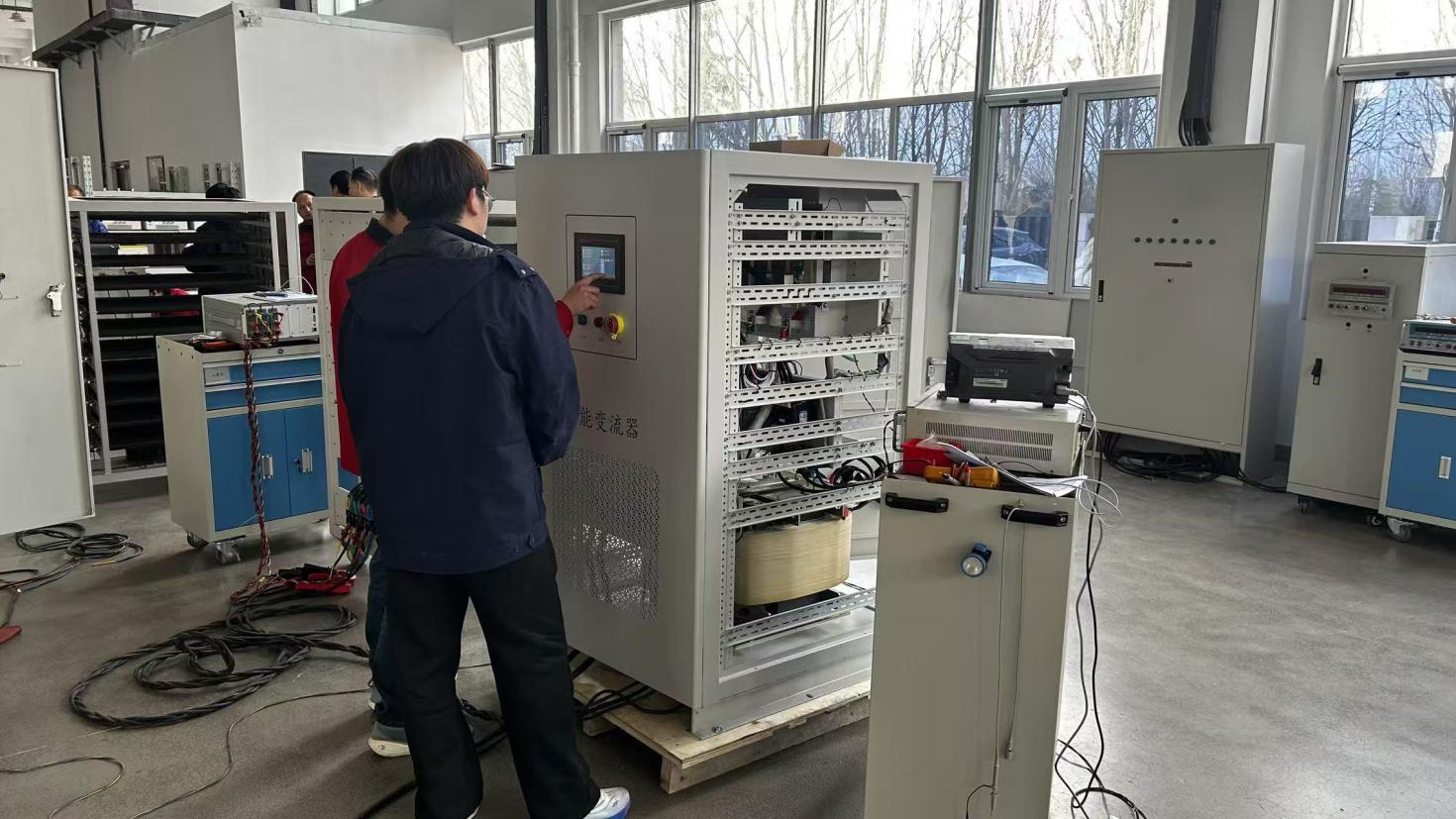 Debugging process
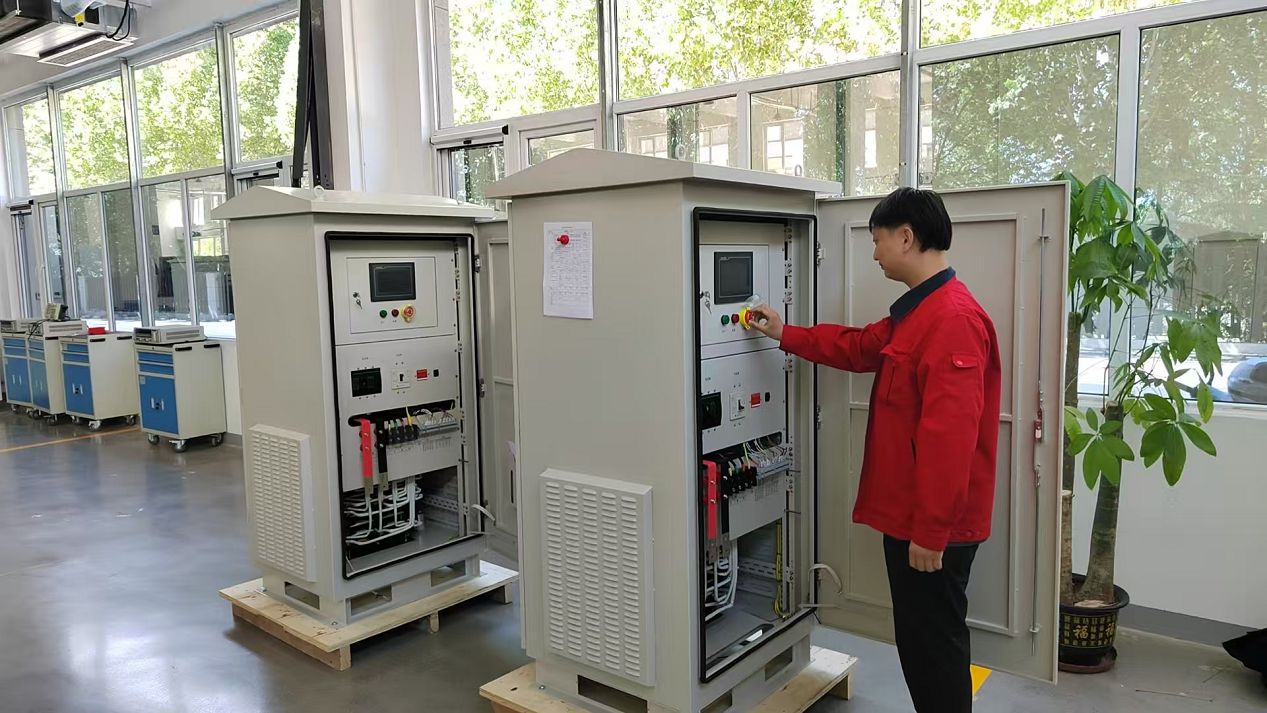 Quality inspection process
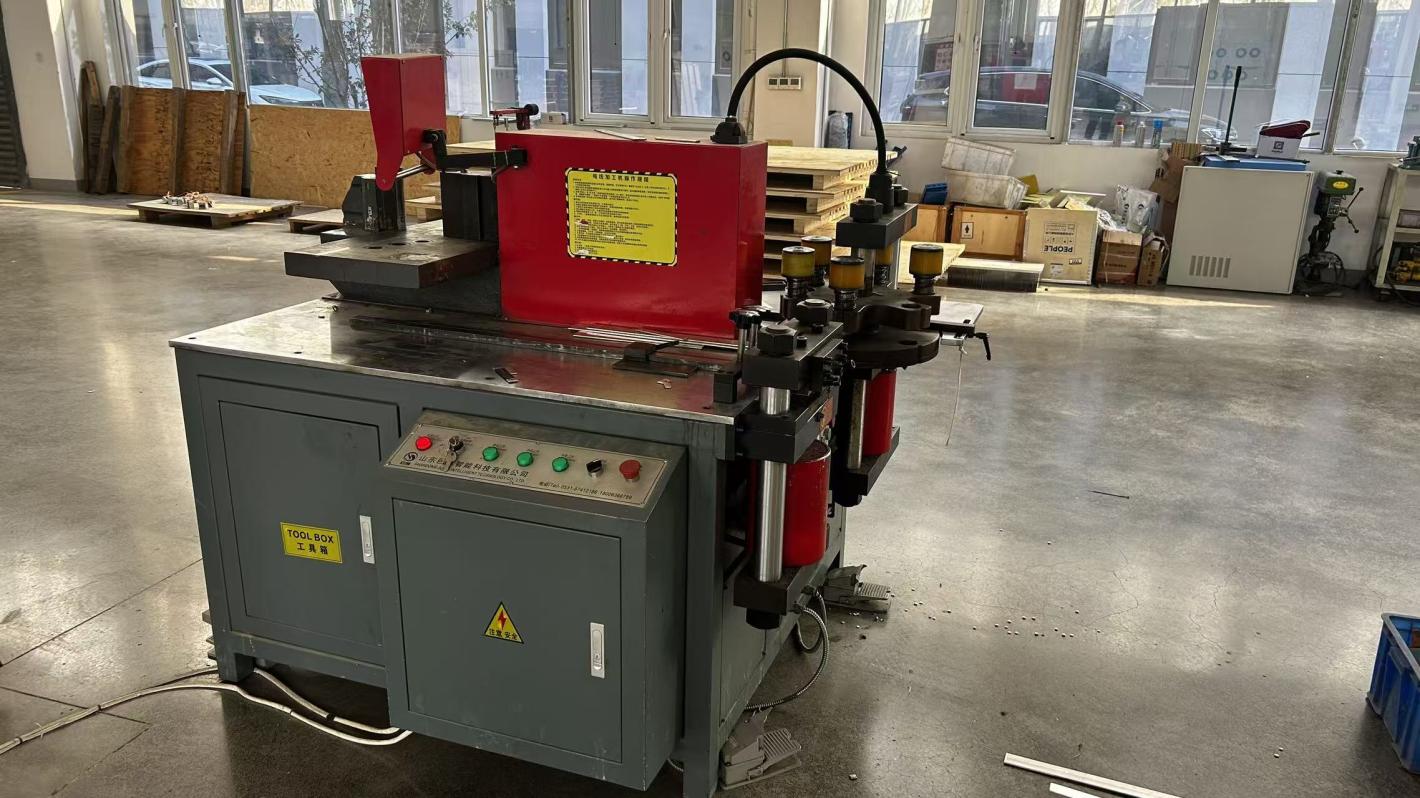 Copper bar production equipment
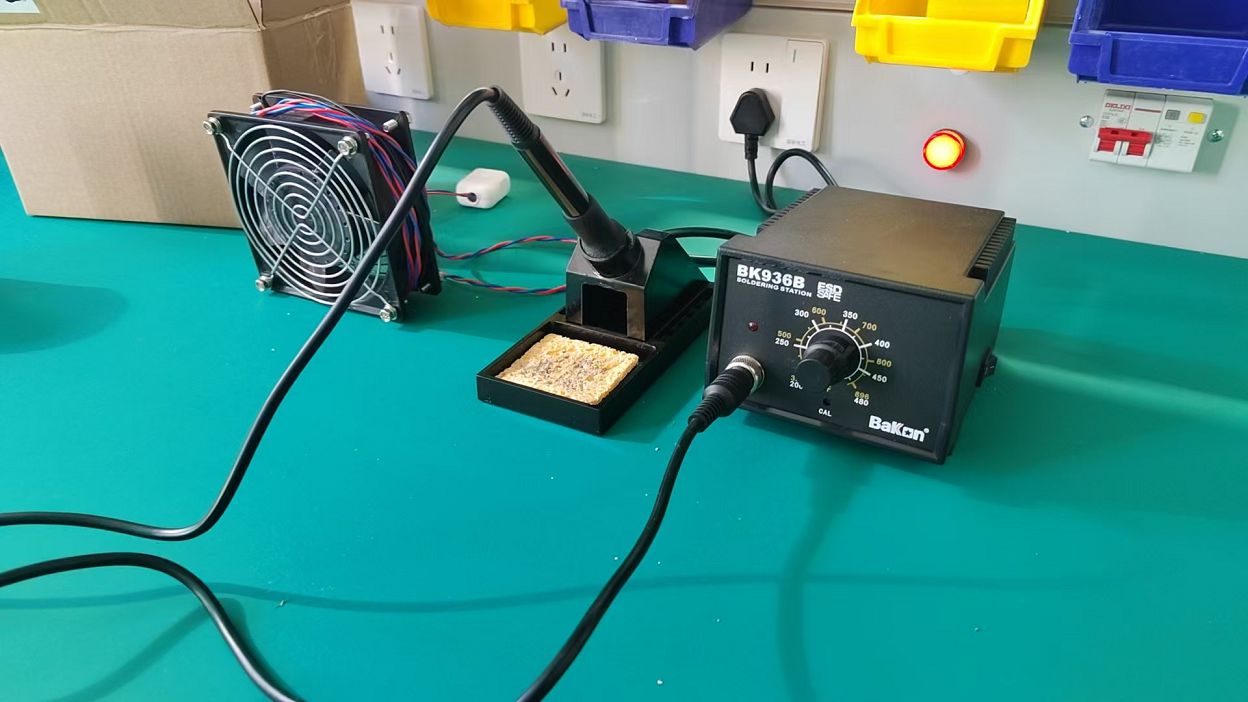 Electric ferrowire
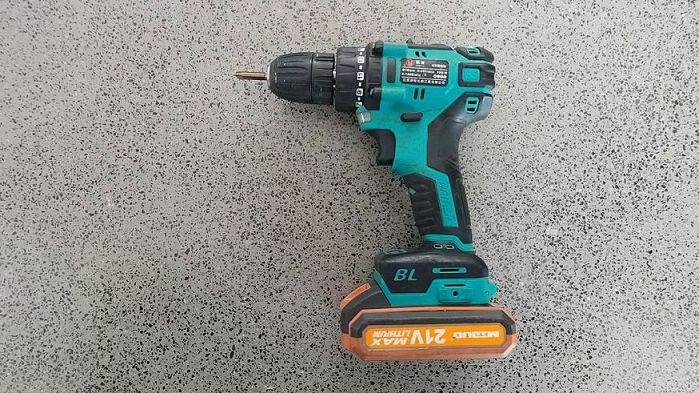 Electric drill
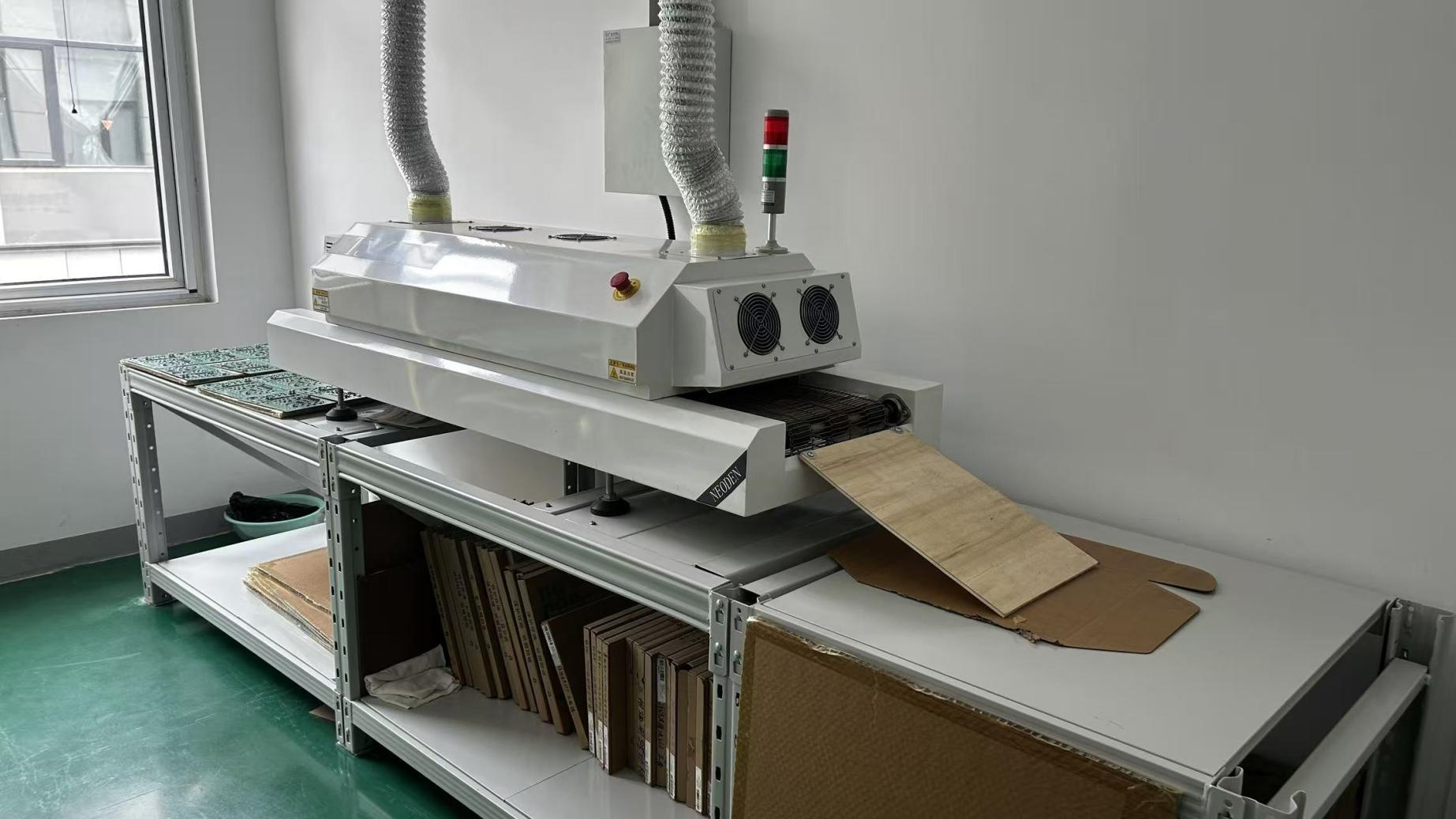 Reflow soldering machine
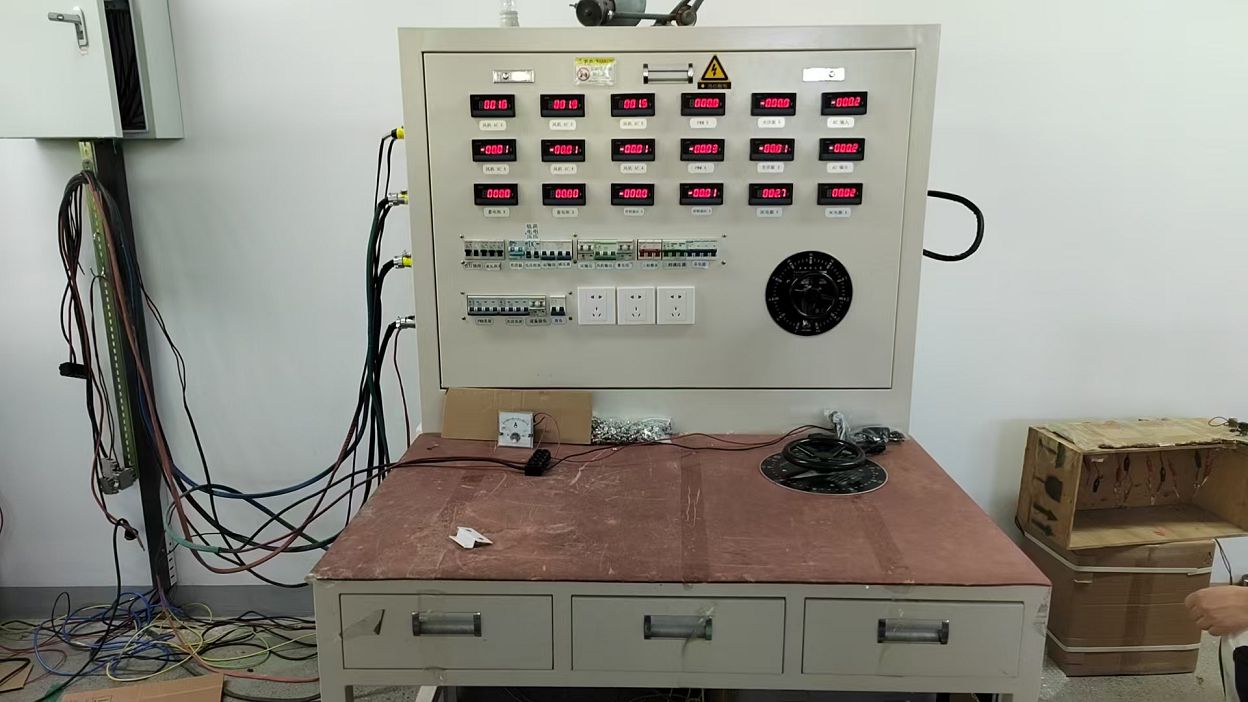 Workbench
🔬 Quality Assurance, Metrology & Laboratory Instrumentation
Uncompromised precision in thermal imaging diagnostics requires rigorous verification metrics. Our calibration laboratories rely on multi-channel scopes, spectrum analyzers, LCR testers, and temperature monitoring systems. This prevents power fluctuations from degrading sensitive sensor matrices.
Laboratory Equipment Fleet
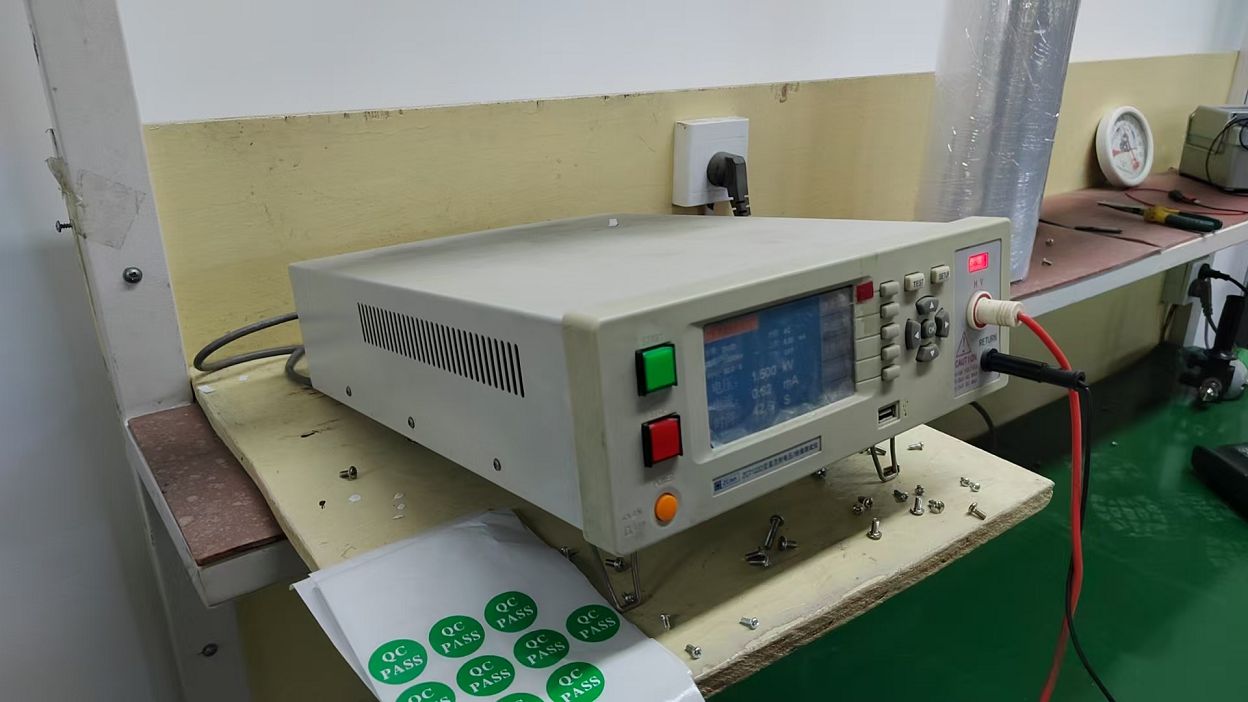

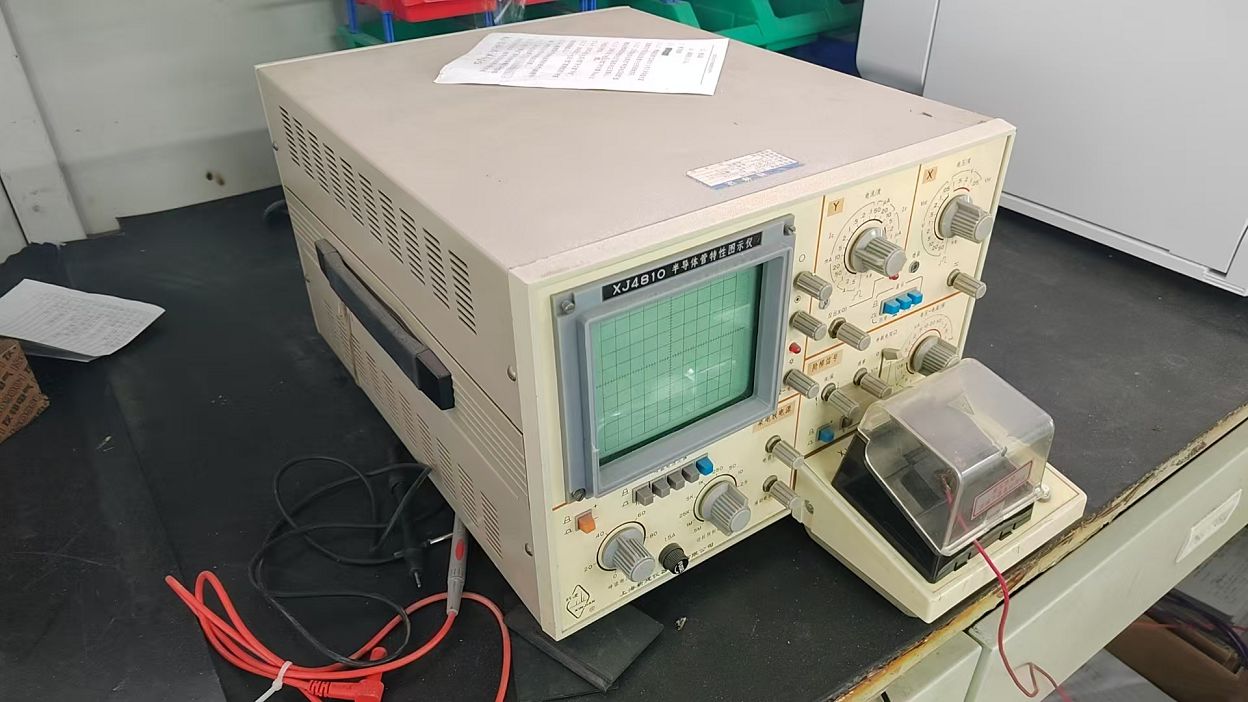
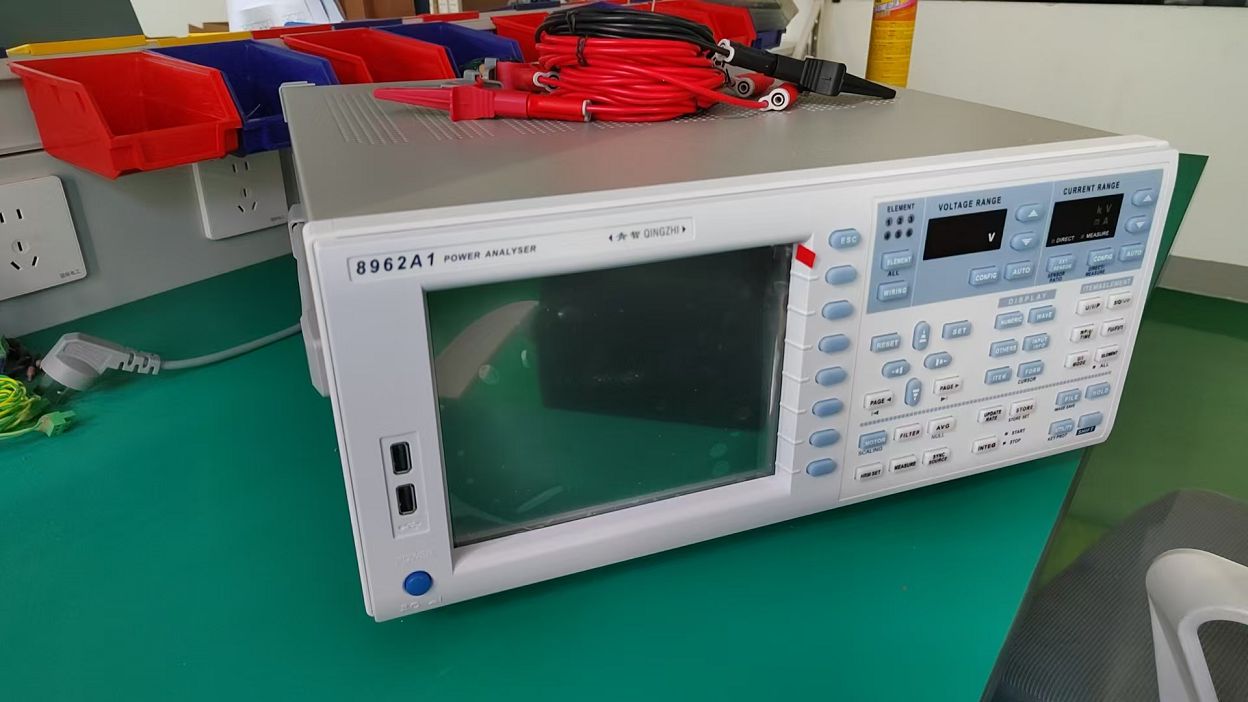
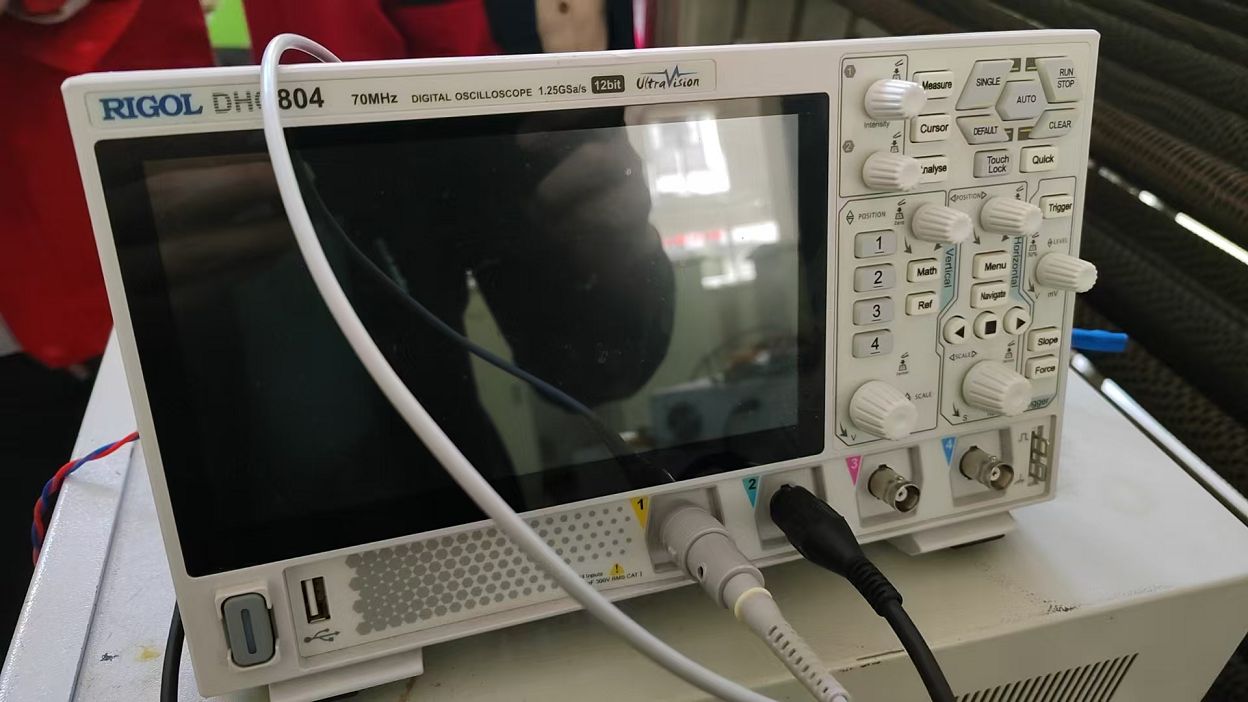
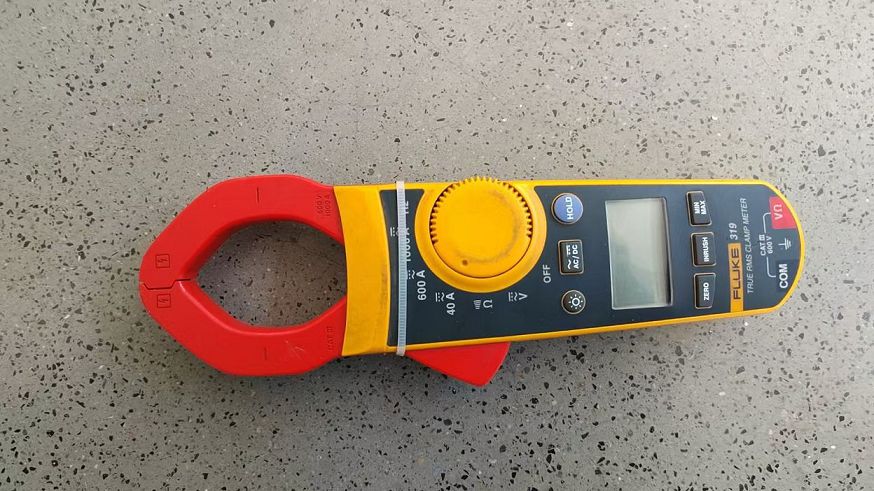
Traceable Metrology & Testing Instruments
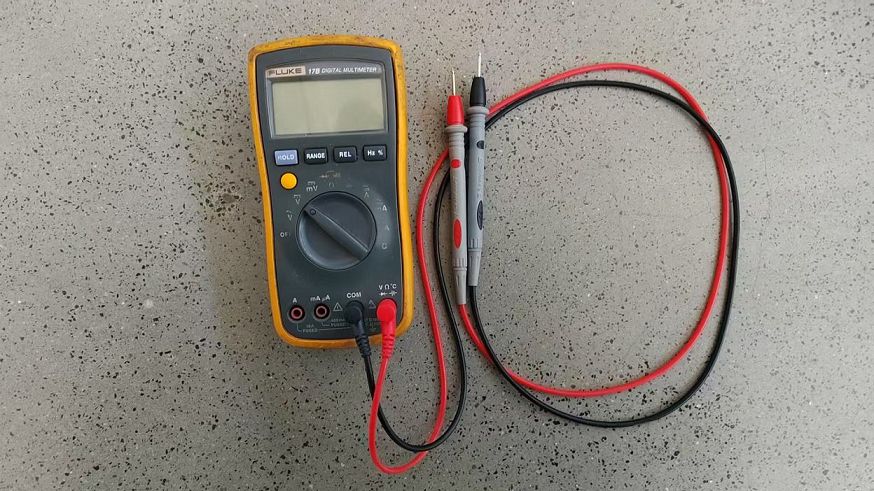 Precision Multimeter
LCR AutoTester
Semiconductor Characteristic Plotter
Digital Oscilloscope
Power Quality Analyzer
Clamp current meter
Precision Multimeter
LCR AutoTester
Semiconductor Characteristic Plotter
Digital Oscilloscope
Power Quality Analyzer
Clamp current meter
In-house CAD Layout and Schematic Engineering
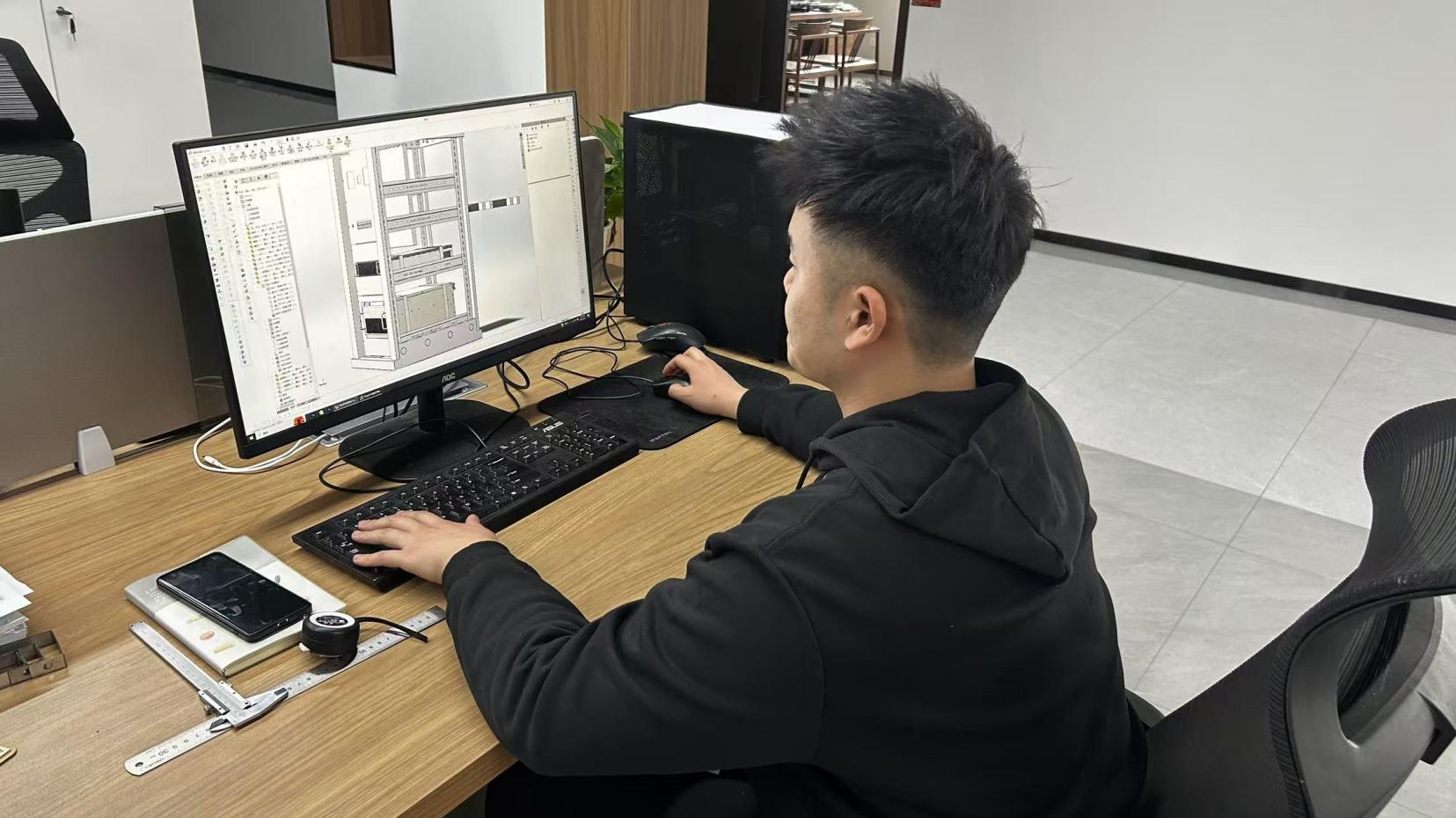 Drawing Design
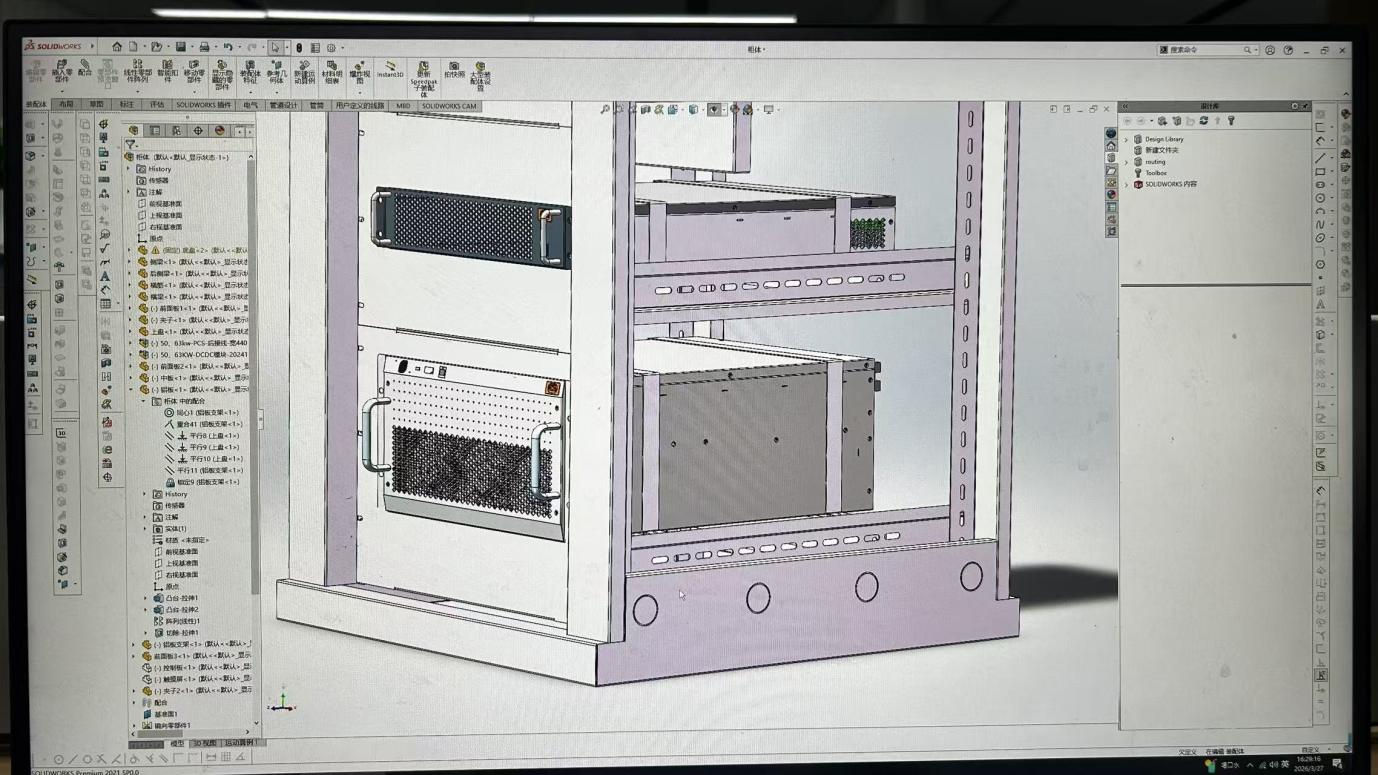 Computer Aided Simulation
🌐 Global Compliance, Export Capabilities & Localized Integration Support
Exporting high-precision diagnostic electronic devices requires strict compliance with international testing and quality frameworks. Sophpower Electronics products conform to CE, RoHS, and FCC directives. Our power systems support various international voltage and frequency standard configurations, from 110V/60Hz grids to complex three-phase 480V networks, ensuring global compatibility.
Through partnership programs, Sophpower offers localized technical support networks, helping system integrators deploy custom test systems directly into manufacturing and assembly plants. Our technical engineers bring extensive field experience to ensure seamless integration and long-term reliability.