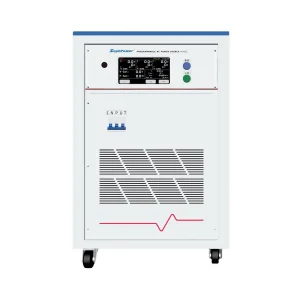
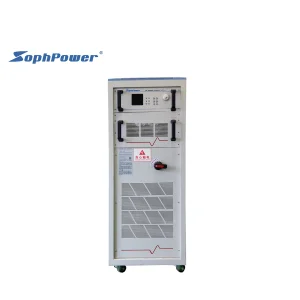
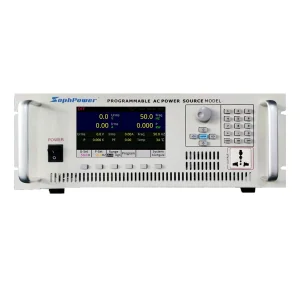
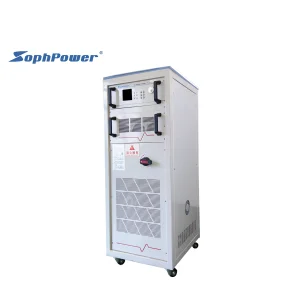
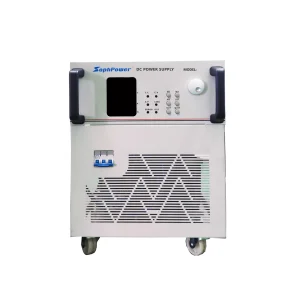
Featured Industrial DC & AC Power Products
Discover our primary range of heavy-duty, programmable, and variable power conversion hardware. Built to comply with severe operational tolerances and custom testing specifications.
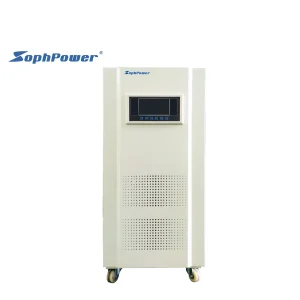
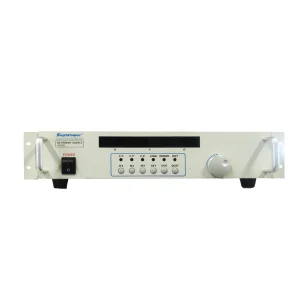
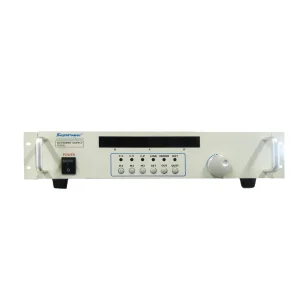
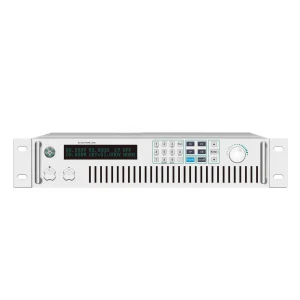
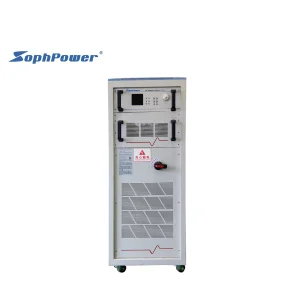
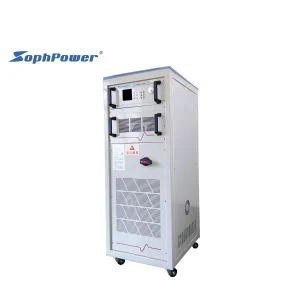
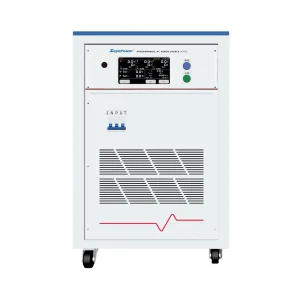
Global Procurement Demands for Industrial DC/DC Converters
How international enterprises scale their power infrastructure with reliable, low-EMI, and thermally managed power converters.
High-Efficiency Power Densities
Modern applications require minimal thermal losses in tight environments. Industrial and military-grade procurement managers prioritize DC/DC converters offering over 95% efficiency, reducing cooling hardware volume and keeping MTBF (Mean Time Between Failures) optimal.
Galvanic Isolation & Safety
Protecting vulnerable DSPs, microcontrollers, and computing networks from high-voltage primary inputs is vital. Wholesale suppliers must deliver isolation barriers ranging from 1.5kVDC up to 5kVAC, tailored to meet strict medical or railway compliance standards.
Thermal & Harsh Environmental Resilience
From grid-connected solar trackers in desert environments to telecommunication towers in the arctic, converters must perform flawlessly. Sourcing experts specify potting types, baseplate-cooled frames, and extended operating parameters ranging from -40°C to +85°C.
Macro-Industry Solutions: Verticals Supported by Sophpower
Supplying specialized conversion systems across advanced technological sectors, bridging the gap between raw voltage and precision electronics.
1. Electric Vehicles & Smart Charging Systems
DC/DC converters in EVs drive auxiliary systems (pumps, steering, safety electronics) from high-voltage lithium battery packs. Our systems support high isolation and high output stability, assisting automotive manufacturers in creating lighter, more reliable drivetrains.
2. Renewable Energy Generation & Storage
In photovoltaic (PV) solar plants, wind turbine sub-systems, and BESS (Battery Energy Storage Systems), bidirectional converters enable fluid power redirection, ensuring high grid compatibility and low harmonics.
3. Telecommunications & 5G Base Stations
Modern communication hardware relies on low-noise 48V bus architectures. Sourcing our low-ripple converters prevents RF noise contamination, ensuring steady signal transmissions and reliable backup system integration.
Technical Roadmap: The Next Generation of DC/DC Power Conversion
A look into how Wide Bandgap (WBG) semiconductors and smart controls are defining the future of power electronics.
Gallium Nitride (GaN) and Silicon Carbide (SiC) Topologies
By leveraging GaN and SiC switches, modern converters operate at much higher frequencies than silicon-based components. This reduces the size of magnetics (transformers and inductors) while increasing dynamic response and thermal headroom.
Digital Control Loops via DSP
Replacing traditional analog feedback circuits with digital signal processors allows for auto-tuning, telemetry monitoring over CAN bus, Modbus, or PMBus, and real-time adaptivity to load fluctuations.
Bidirectional Conversion Capability
Future grids depend on smart batteries feeding back energy during peak load times. Bidirectional topologies operate symmetrically, running buck mode in one direction and boost mode in the opposite, eliminating redundant hardware.
Factory Workflows & Rigorous Assembly Lines
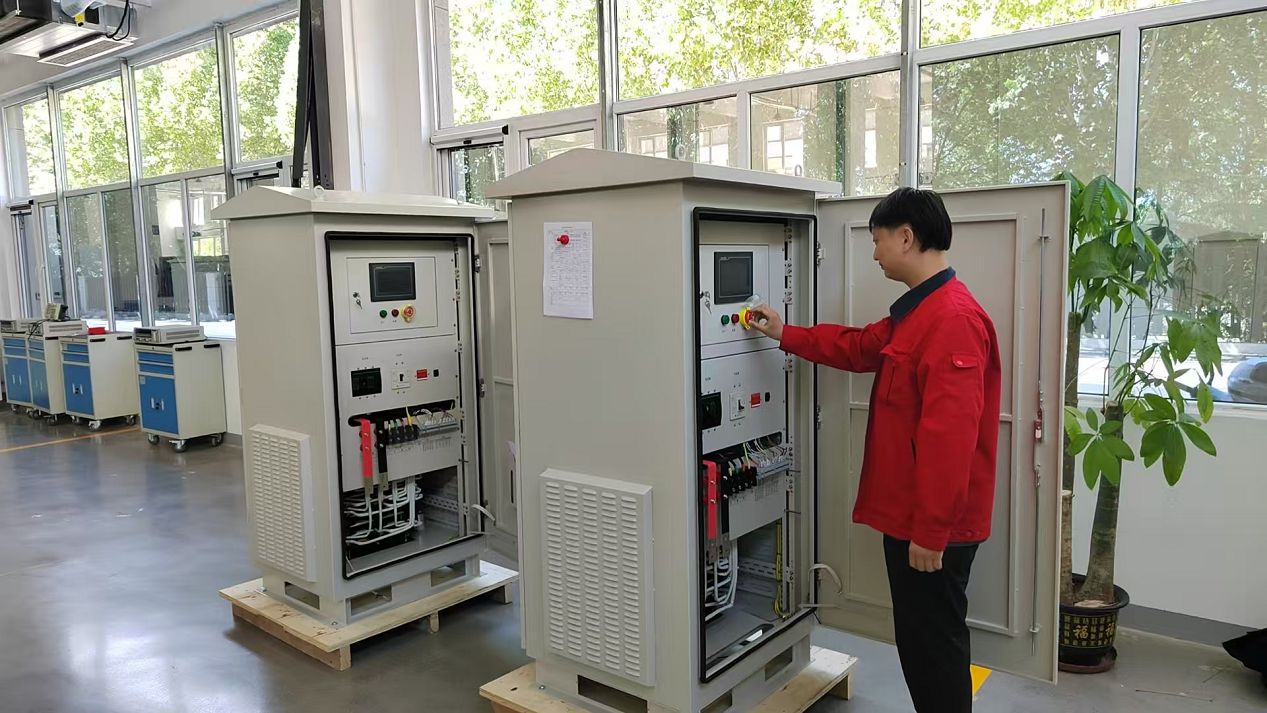
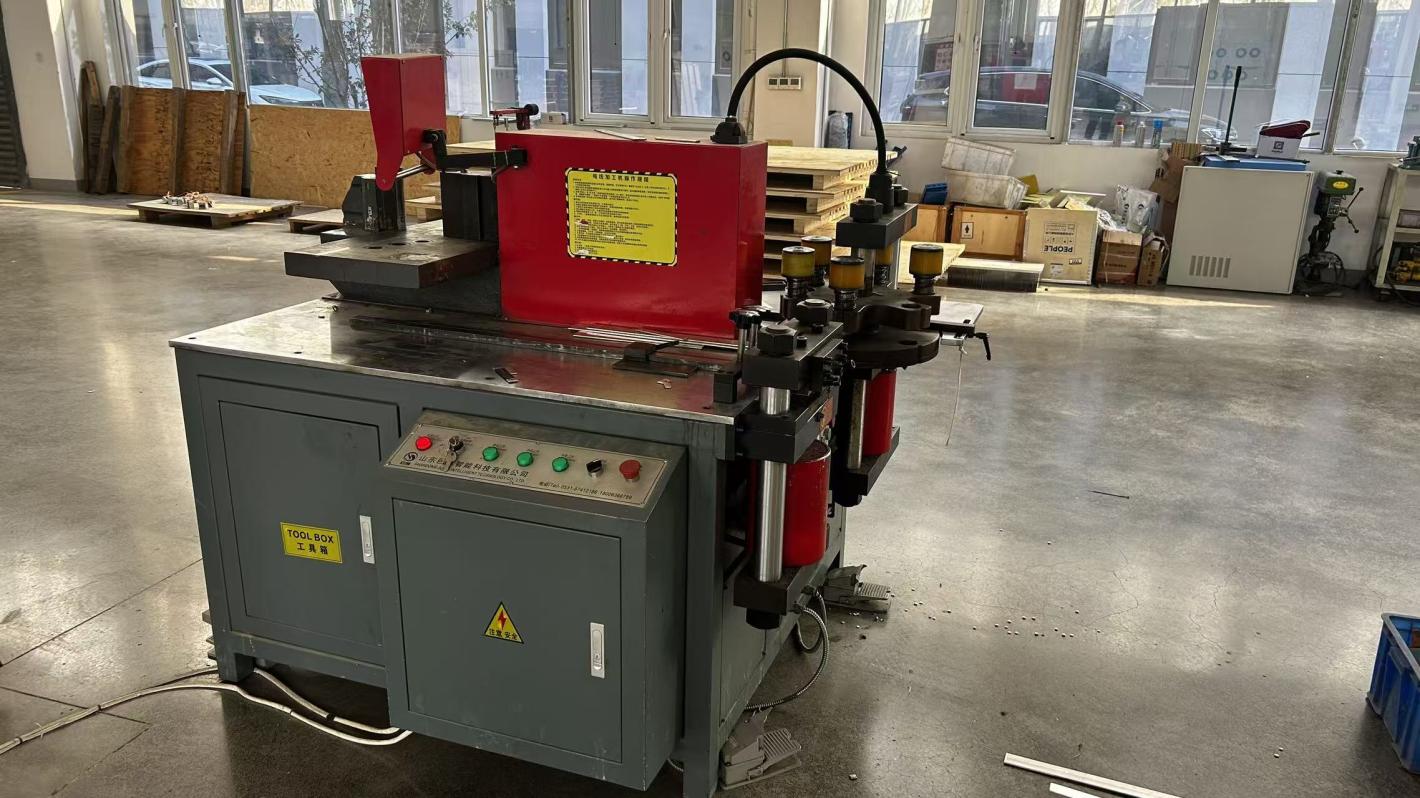
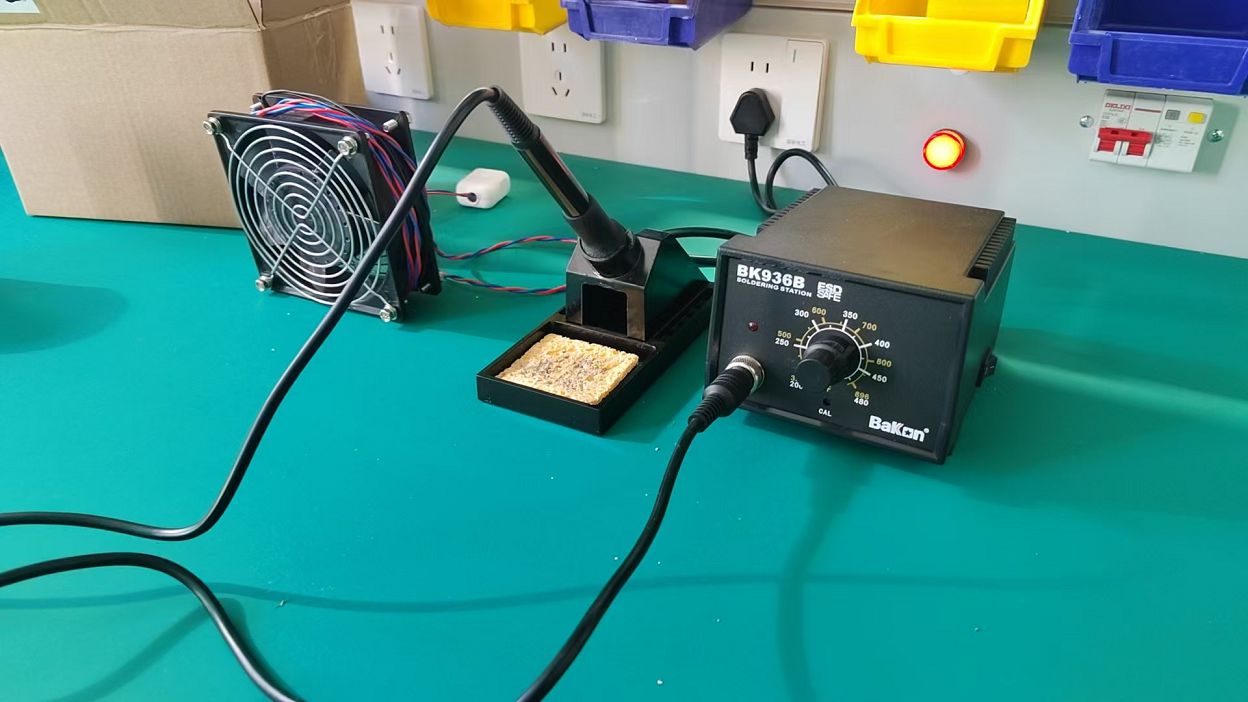
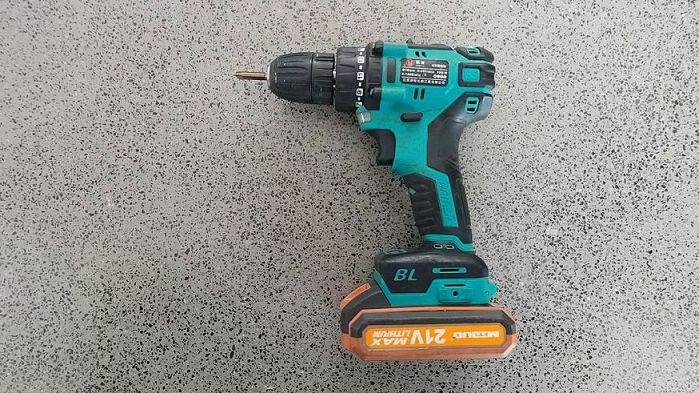
About Shenzhen Sophpower Electronics Co., Ltd.: Established in 2006 in Shenzhen, China, Sophpower is a sustainable, rapidly growing High-tech enterprise. Our technical engineers possess deep testing and power design expertise. Below is a window into our production floors and machinery.
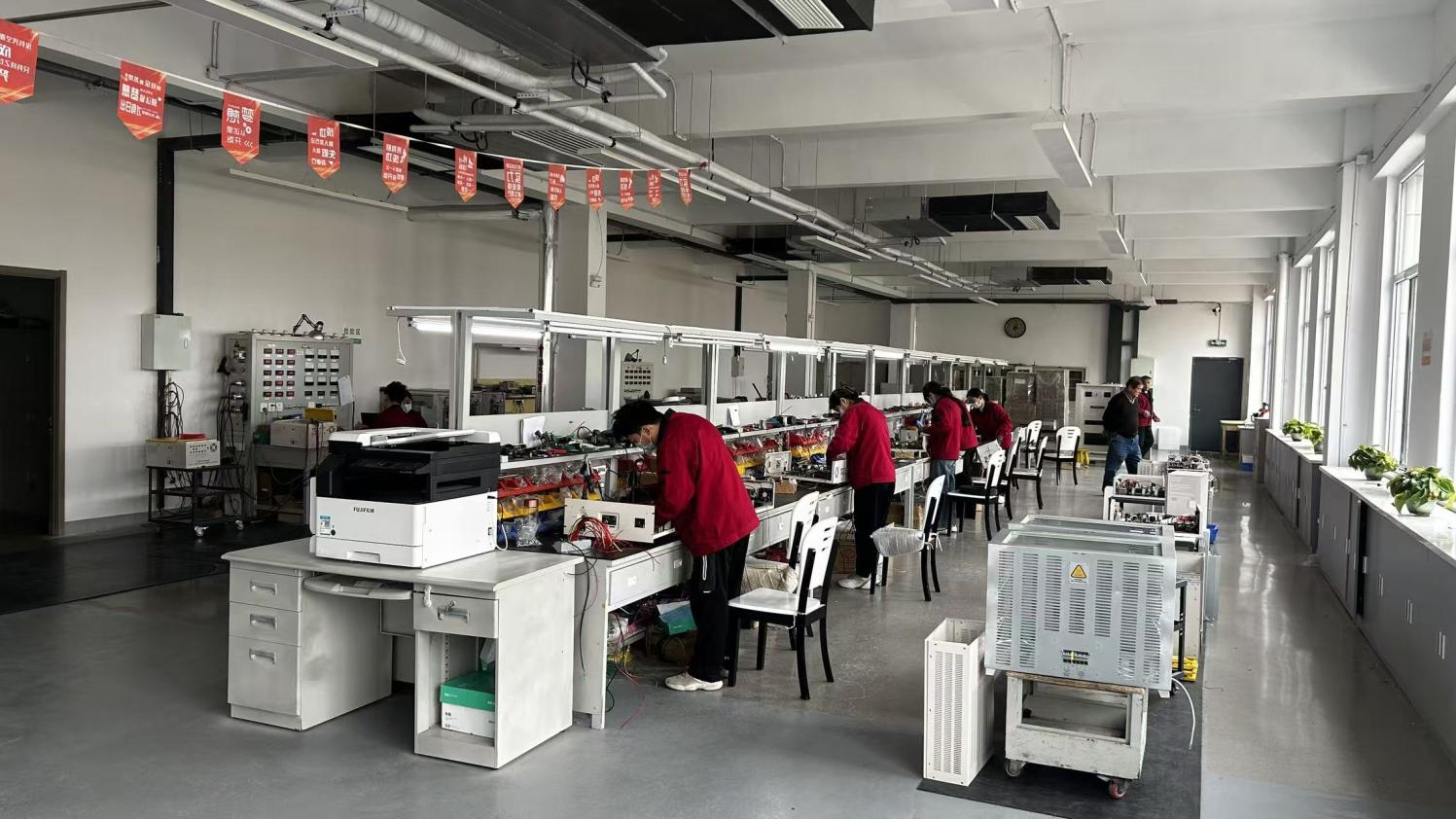
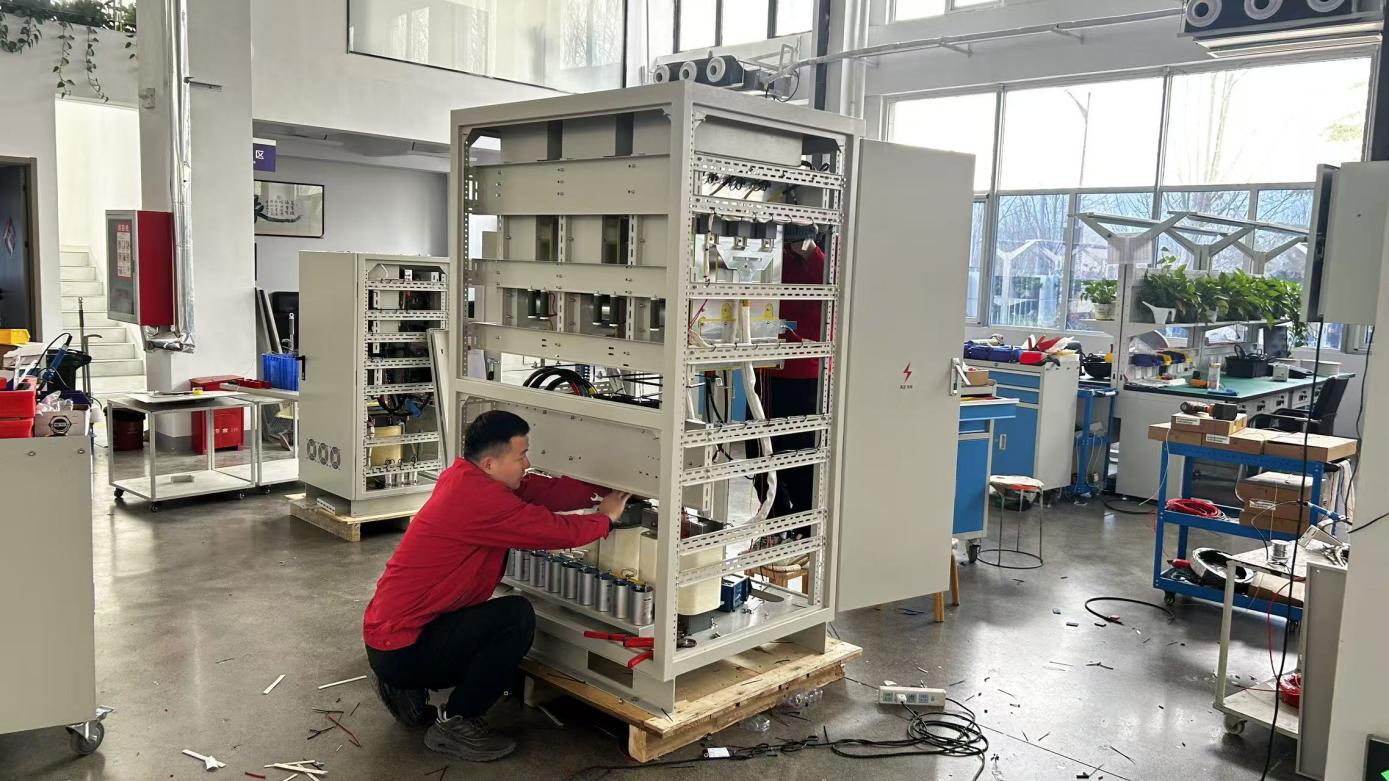
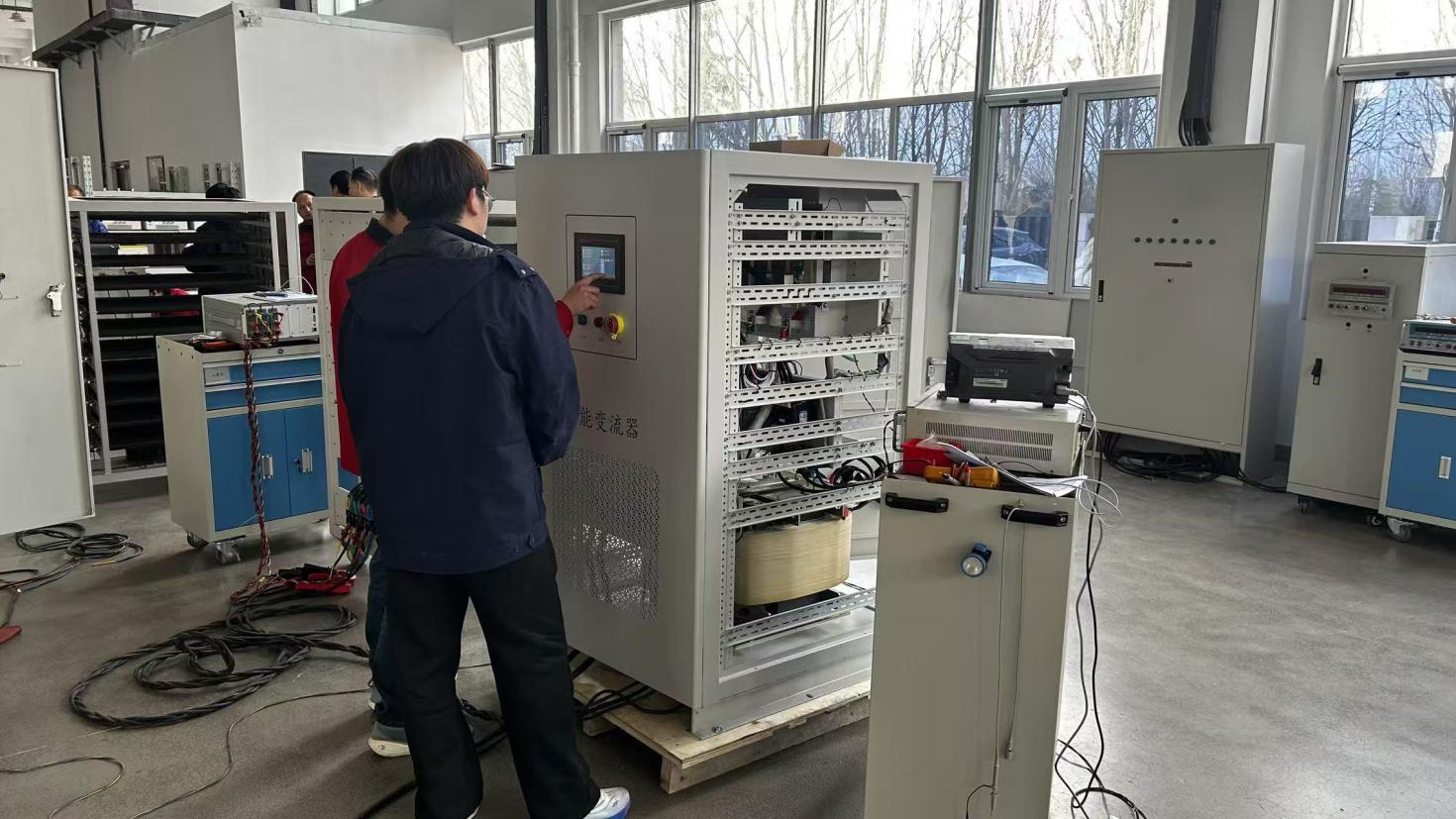
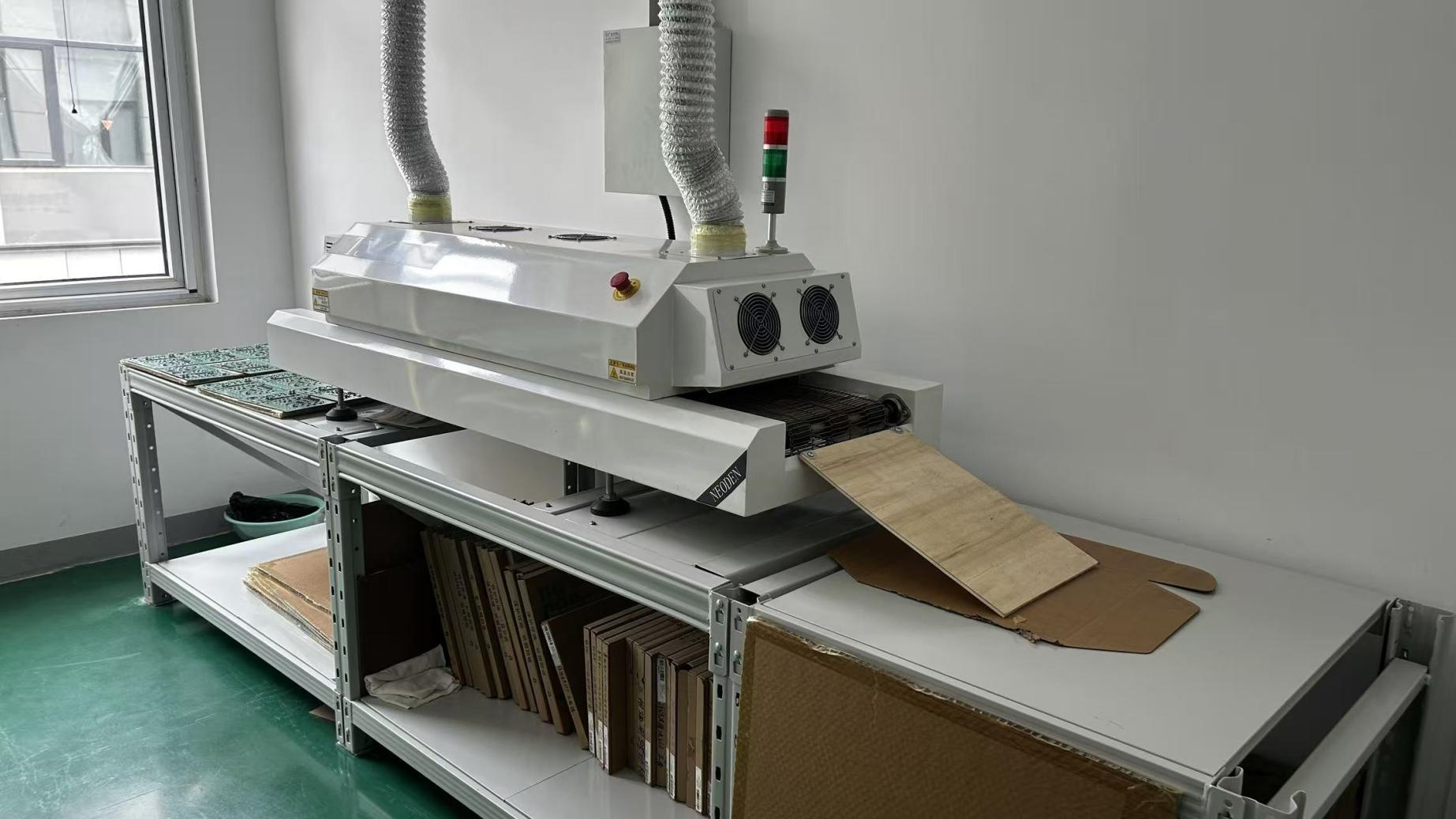
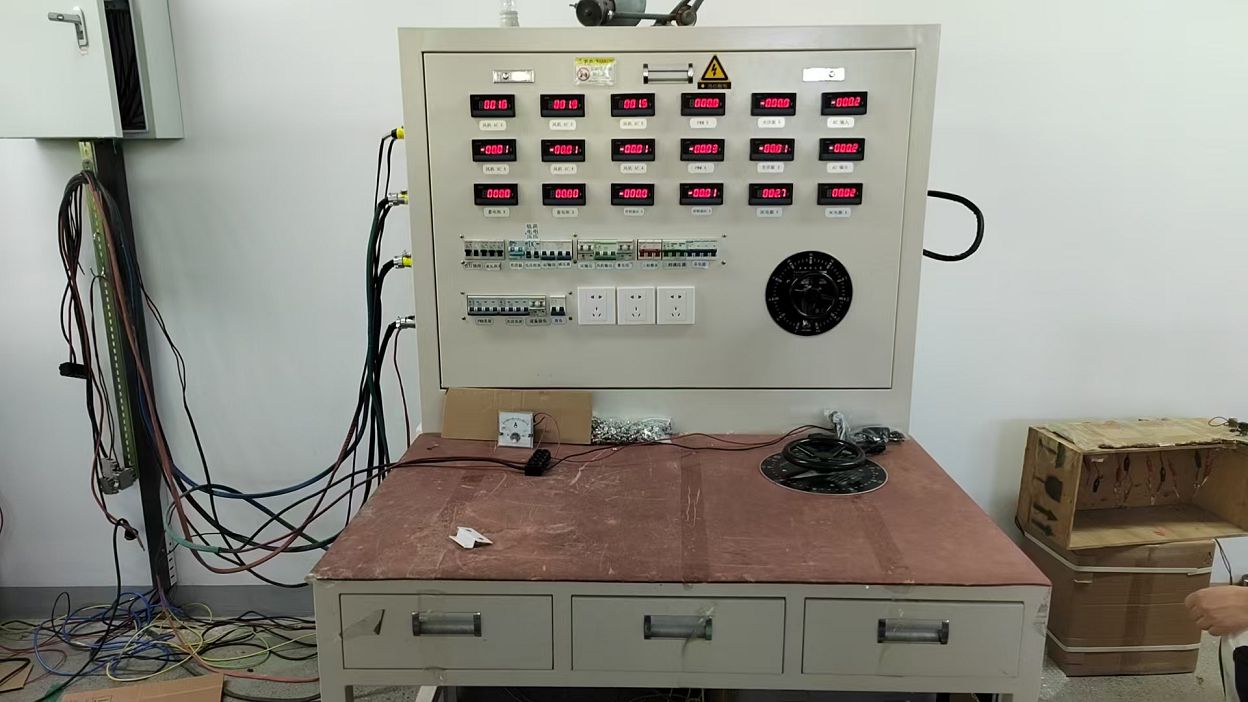

Quality Control & Instrumentation Laboratory
To secure zero-defect output for custom AC Power Sources, Linear Power Sources, and DC Power supplies, our engineering lab utilizes calibrated diagnostic tools. This guarantees strict conformance to customer specifications.
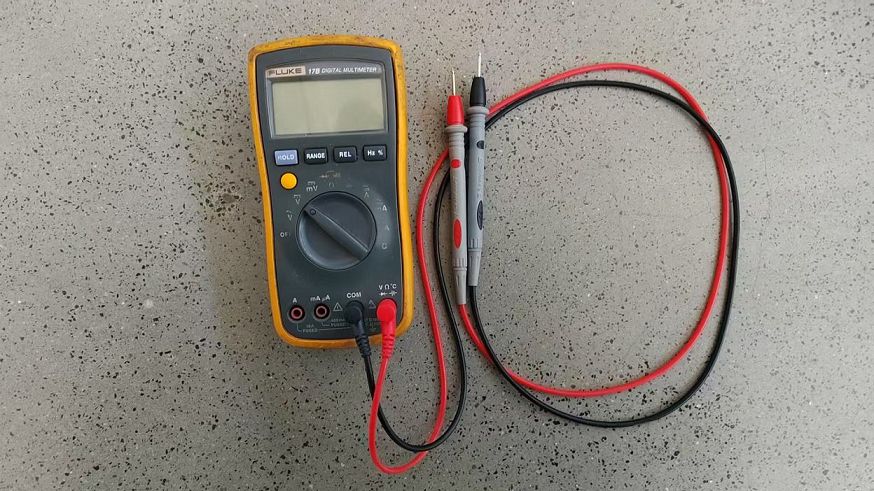
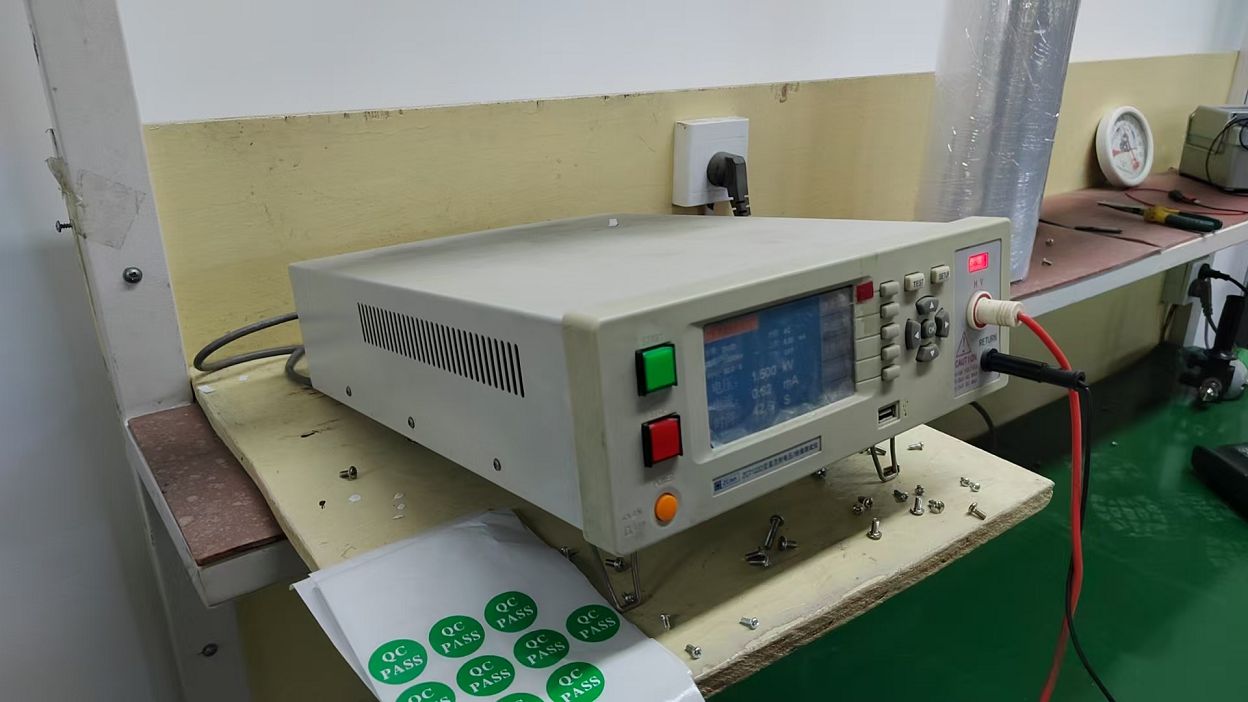
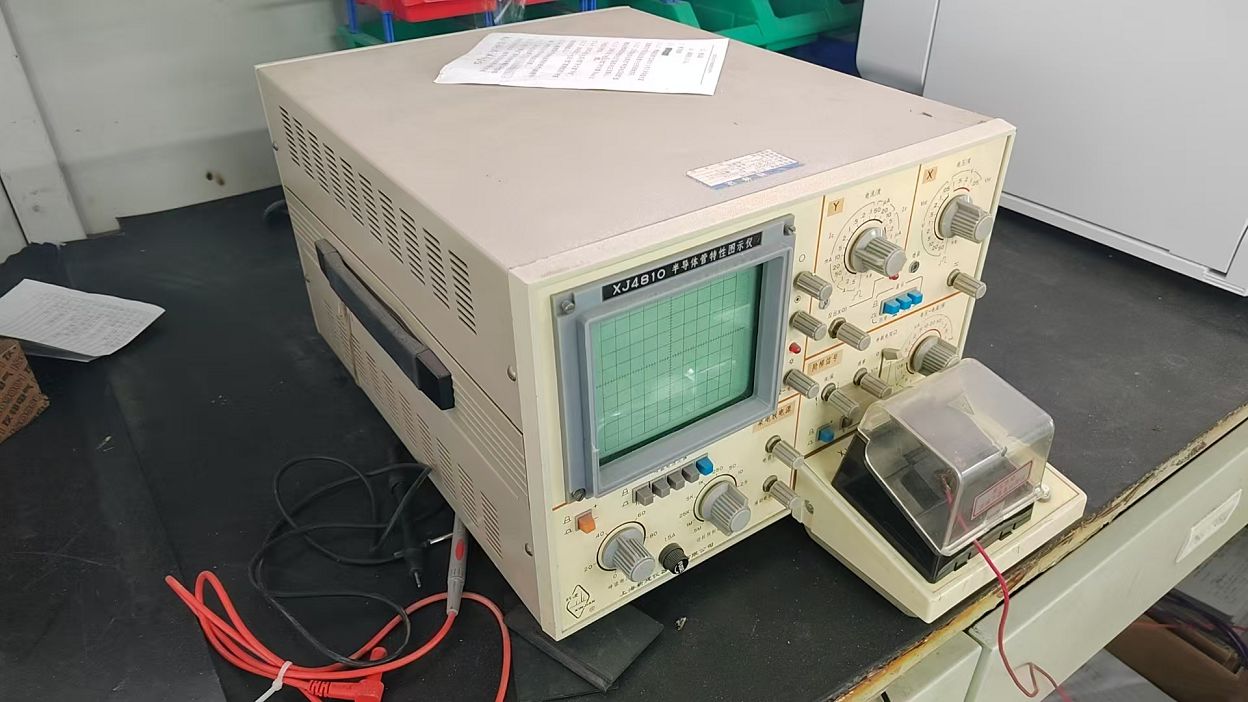
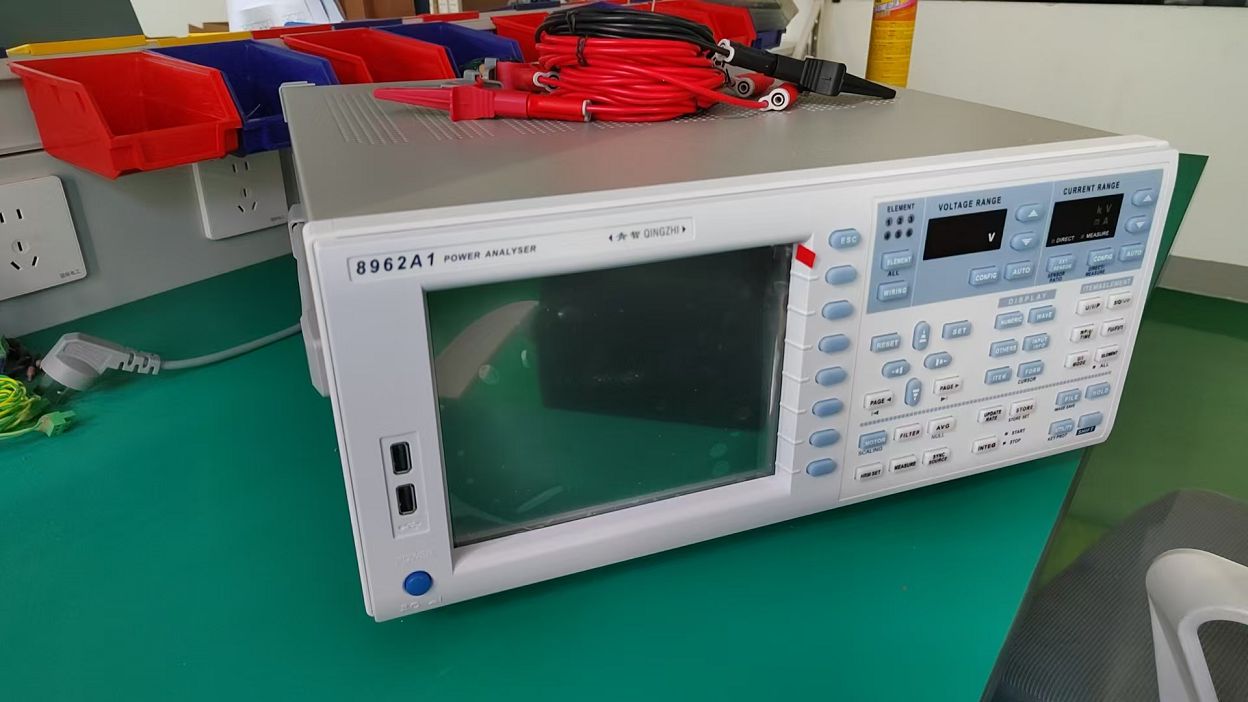
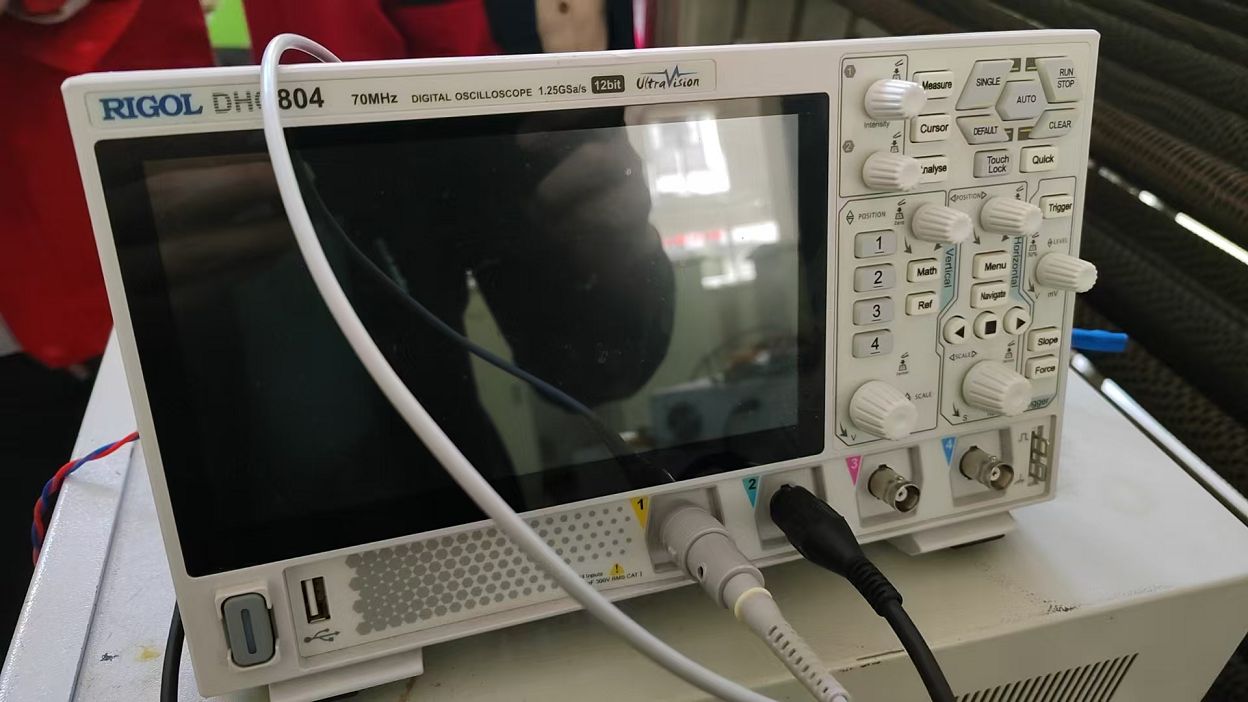
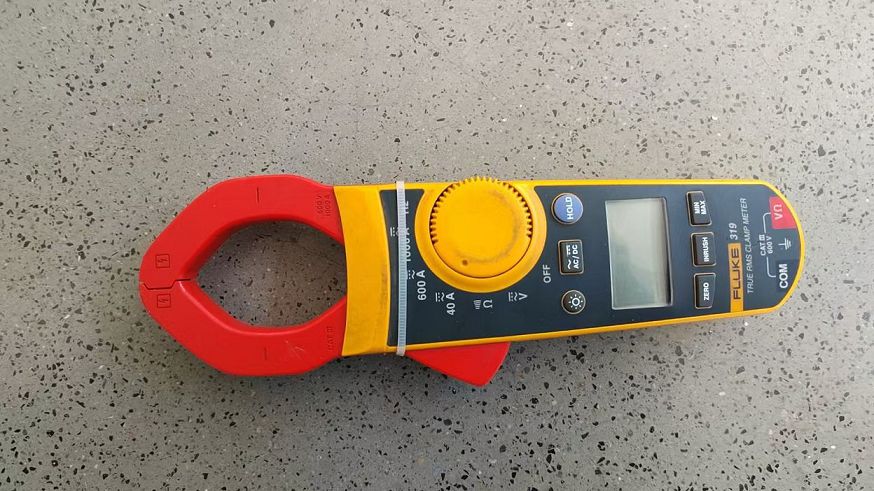
 All processes are certified and fully documented under strict internal QA standards.
Global Regulatory Compliance & Localized Engineering Support
Navigating global electrical safety codes can be complex. We ensure all custom-designed converters and testing instruments align with regional frameworks.
EMI & Safety Compliance
Our manufacturing protocols adhere to rigorous limits. We control radiated and conducted EMI to meet standards such as FCC Part 15 Class A/B and EN 55032, minimizing interference with system-level boards.
RoHS & REACH Declarations
Environmental compatibility is fundamental. We certify that all components, solder alloys, and thermal management pads are lead-free and conform to the newest RoHS directive updates.
Comprehensive Lifecycle Support
From initial CAD layout validation to volume assembly and field diagnostics, our engineering desk acts as an extension of your own R&D department, resolving layout bugs and power drop-outs.
Frequently Asked Questions: DC/DC Converters Sourcing & Design
Addressing standard technical queries from procurement professionals, system integrators, and electronics engineering leads.
What is the typical lead time for custom DC/DC Converter design & factory sampling?
For customized test power supply configurations or specific DC/DC converter designs, the drawing and schematic design phase takes approximately 1 to 2 weeks. Prototype assembly and debugging, using our laboratory reflow soldering and auto-testers, typically takes 3 to 4 weeks. Volume orders depend on the overall components footprint, but normal batch manufacturing rounds average 45 days.
How do you guarantee galvanic isolation in high-voltage industrial models?
Galvanic isolation is achieved by selecting high-quality optocouplers and utilizing planar high-frequency transformers. We run dielectric strength testing (Hi-Pot tests) up to 3kVAC to confirm insulation integrity. We check transient barriers on our digital oscilloscopes and semiconductor characteristic plotters during our QA workflows.
Can Sophpower DC/DC systems run in bidirectional mode?
Yes. In addition to our standard linear AC power sources and variable DC systems, Sophpower manufactures bidirectional DC power supplies. These allow regenerative testing setups, transforming load side feedback back to utility power with very high efficiency.
How does the thermal management architecture handle -40°C to +85°C environments?
We use high thermal conductivity potting compounds alongside integrated baseplates that mount directly to system heatsinks. Using advanced LCR testers and thermal cameras, we locate and mitigate hot spots early in the PCB layout stage, ensuring stable temperature gradients.
What communication protocols are supported by your programmable DC units?
Most of our programmable DC power systems and loads support industry-standard interfaces. This includes RS232, RS485, USB, GPIB, and LAN interfaces, running standard SCPI commands for automated production testing rigs.
Additional Testing & Power Supply Solutions
Browse our auxiliary laboratory and variable industrial units, designed to operate in clean benches and rugged plant environments alike.