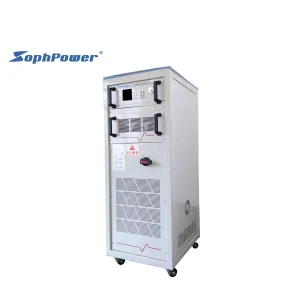
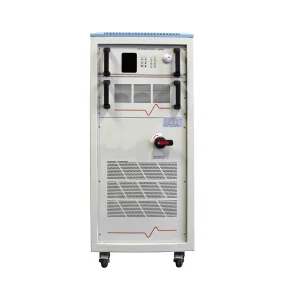
Industrial Signal Conditioning & Testing Systems
Select premium electrical testing systems, converters, and power stabilizers engineered to meet strict international standards.
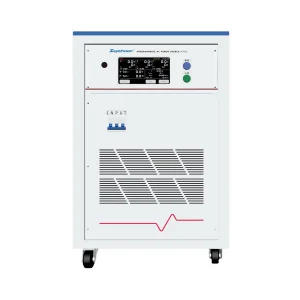
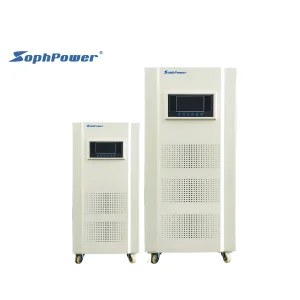
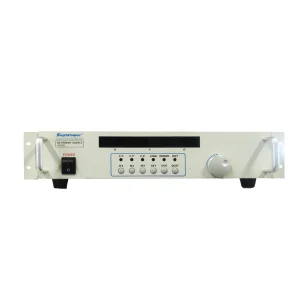
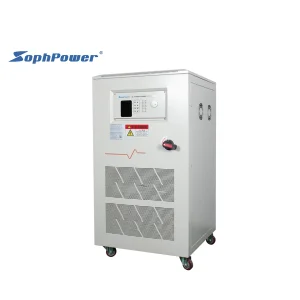
Global Commercial & Industrial Landscape of Signal Conditioning
In modern industrial automation, the acquisition of precise physical data is crucial. Signal conditioning acts as the translator between raw environmental inputs (such as temperature, pressure, strain, and flow) and control units like PLCs, industrial PCs, and DAQ boards. By amplifying weak signals, filtering high-frequency noise, linearizing nonlinear sensors, and isolating circuits from high-voltage hazards, signal conditioning elements ensure system reliability, safety, and sub-millivolt accuracy.
As industrial ecosystems shift toward decentralized, high-speed architectures, the global market for signal conditioning modules, programmable power systems, and isolation amplifiers is experiencing rapid growth. This growth is driven by the rise of electric vehicles (EVs), renewable energy integration, and smart grids. High-performance signal processing relies on stable, low-noise input power sources. Sophisticated labs and factories depend on programmable AC/DC power sources to test how sensors and signal transducers respond to real-world power quality variations.
Reliable testing requires simulating a wide range of input electrical fluctuations. The precision of downstream analog-to-digital converters (ADCs) is directly affected by the stability of the system's power supply. Line noise, harmonic distortion, and voltage drops can degrade signal-to-noise ratios (SNR), leading to communication errors. Consequently, top-tier signal conditioning manufacturers focus on both raw data isolation modules and high-precision testing power equipment, such as AC/DC power sources, SCR voltage regulators, and variable frequency converters.
The Core Strengths of China's Signal Conditioning Factories
China has built a highly integrated supply chain for electronic instrumentation, power electronics, and high-frequency components. In Shenzhen, the hub of this ecosystem, manufacturers can source high-grade copper bars, precision transformers, high-speed microcontrollers, and specialized semiconductor components within a 50-kilometer radius. This close integration allows local factories to offer rapid prototyping, custom firmware adjustments, and scalable manufacturing services.
About Shenzhen Sophpower Electronics Co., Ltd.
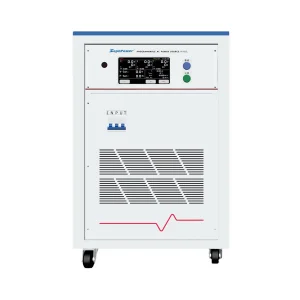
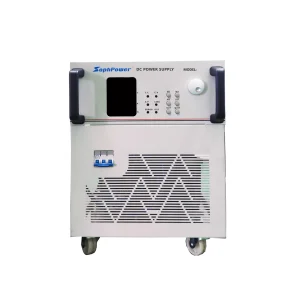
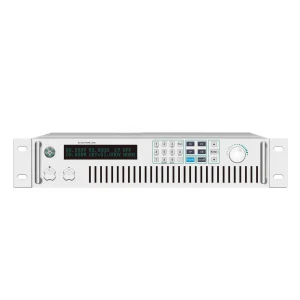
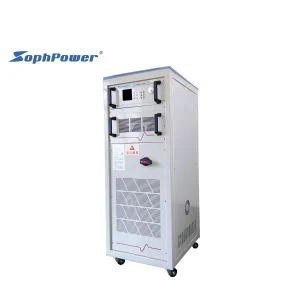
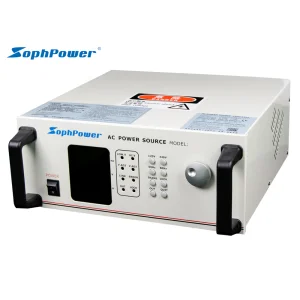
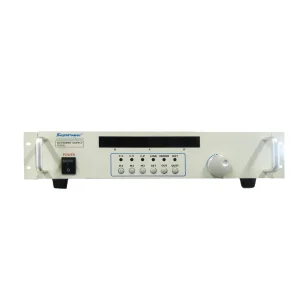
Established in 2006 in Shenzhen, China, Sophpower Electronics has grown into a leading high-tech enterprise specializing in testing power supplies. Powered by a team of experienced R&D and application engineers, Sophpower designs and manufactures high-performance AC Power Sources, Linear AC Power Sources, Bidirectional AC Power Sources, Variable DC Power Supplies, Bidirectional DC Power Supplies, SCR Voltage Regulators, and UPS. We deliver tailored test power systems that meet the rigorous standards of global signal conditioning, calibration, and industrial test laboratories.
Production & Engineering Operations
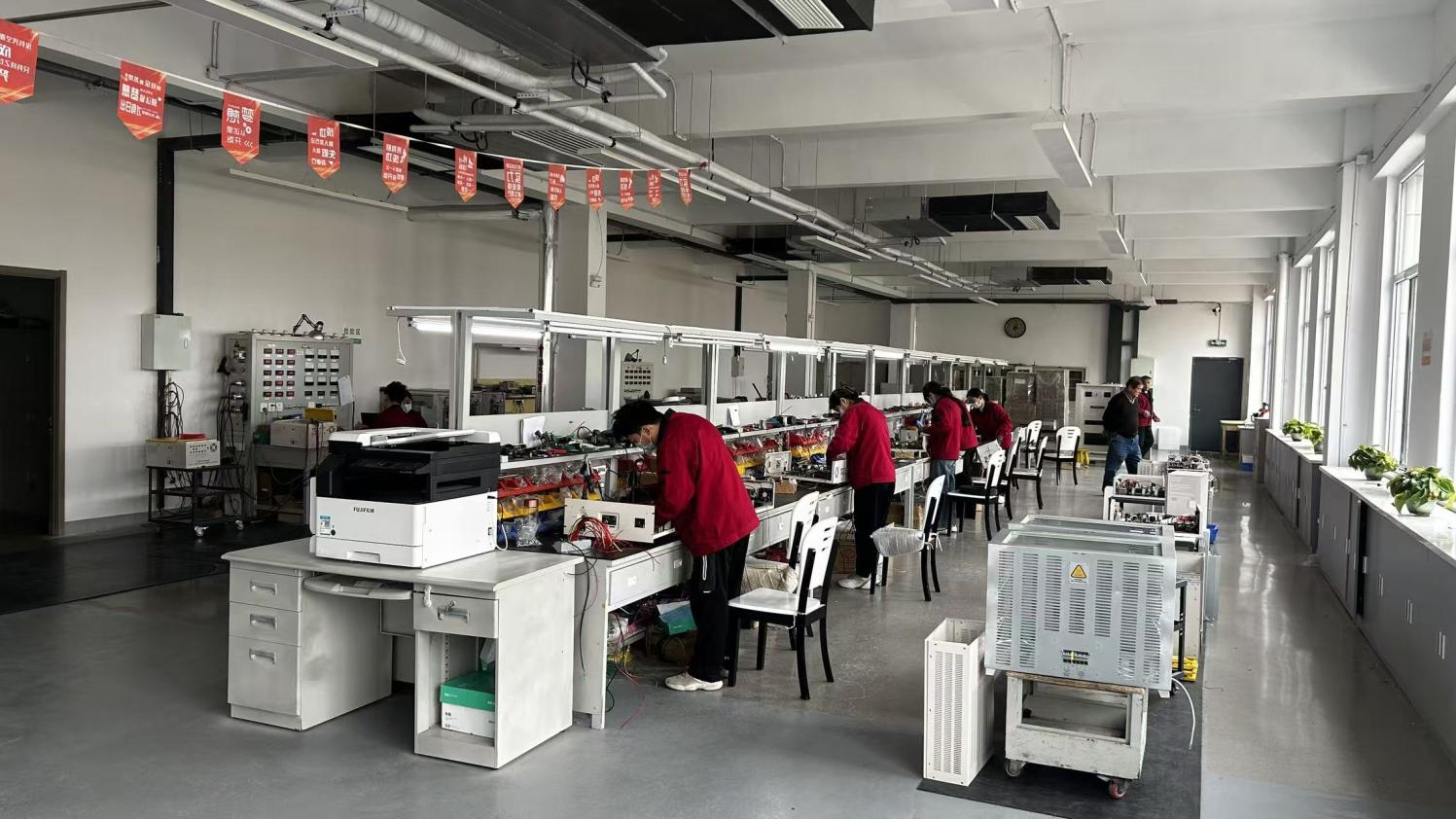
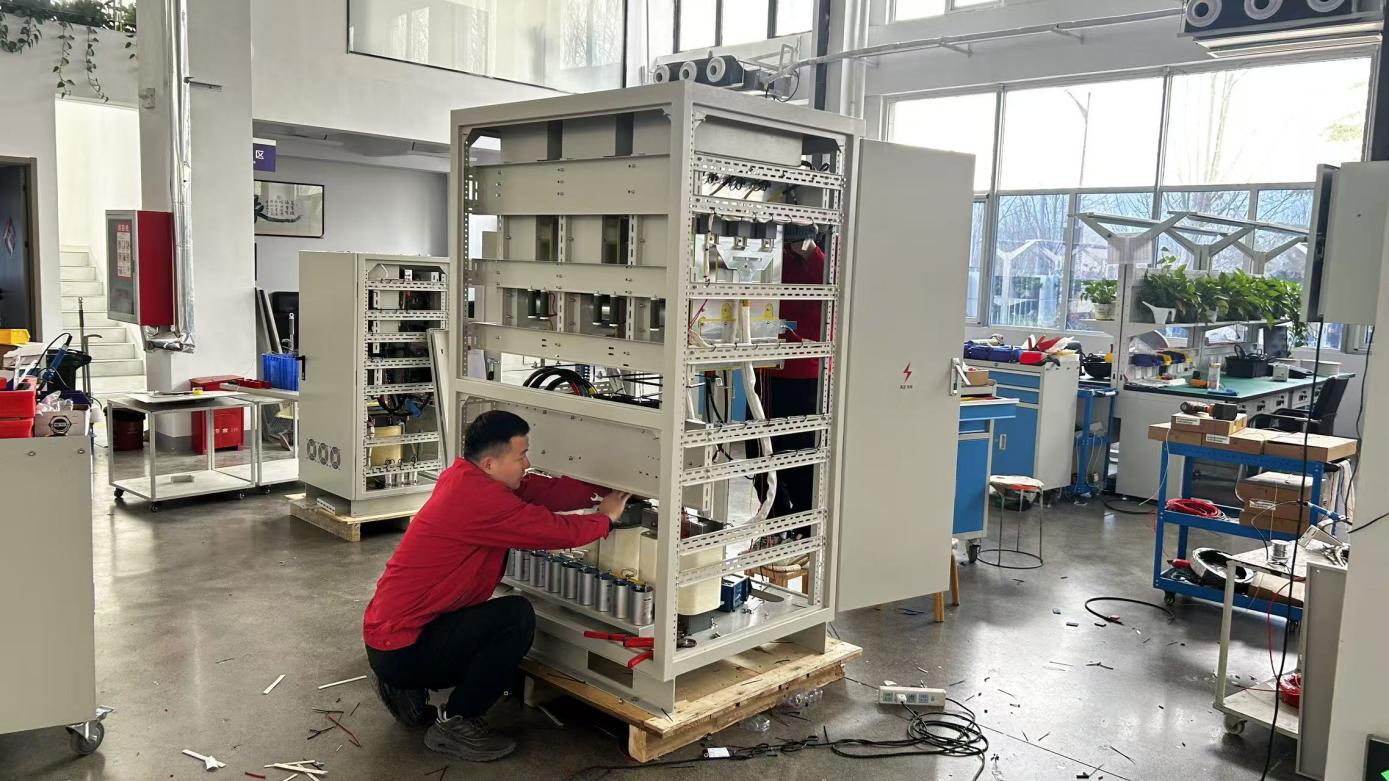
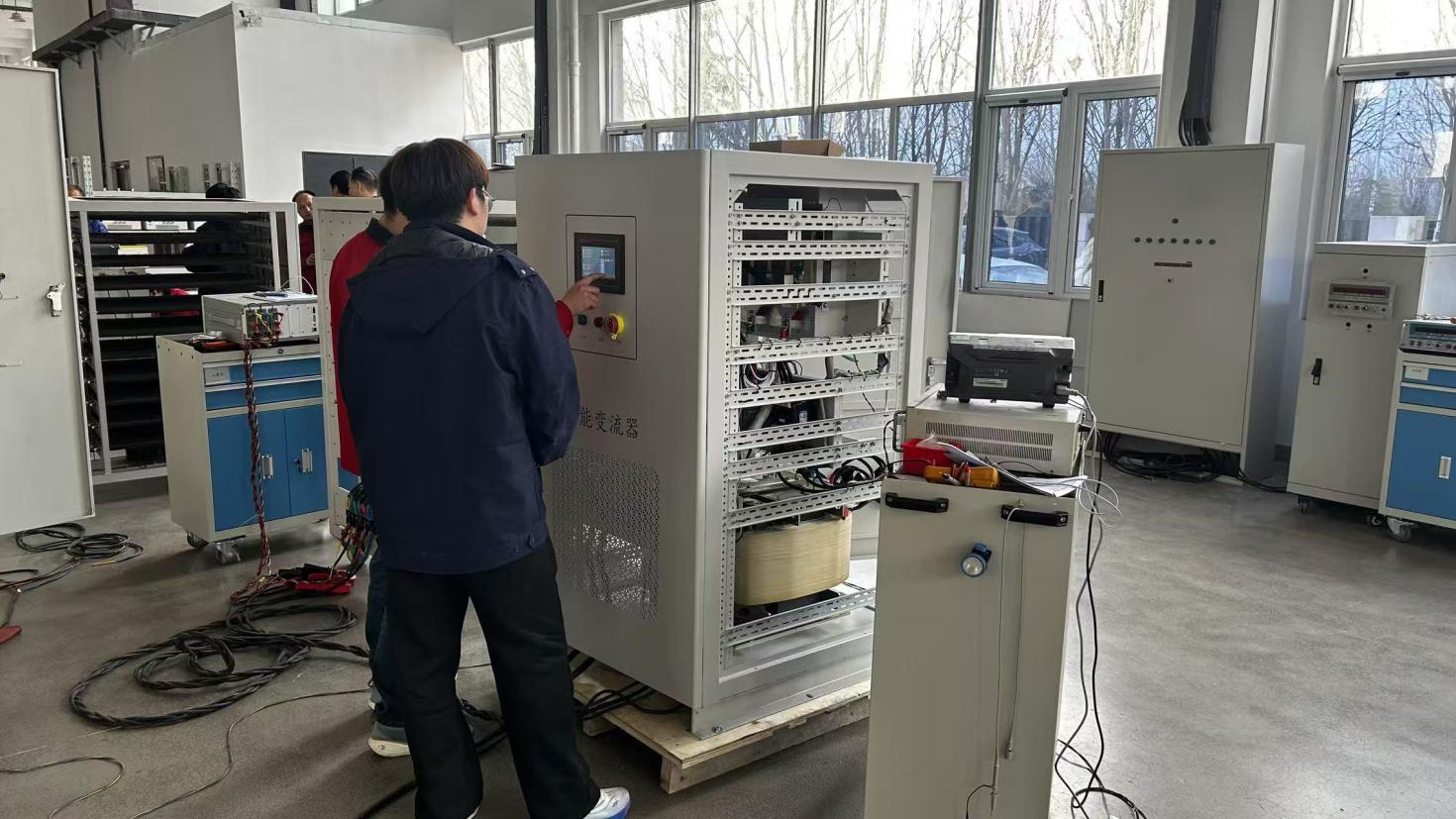
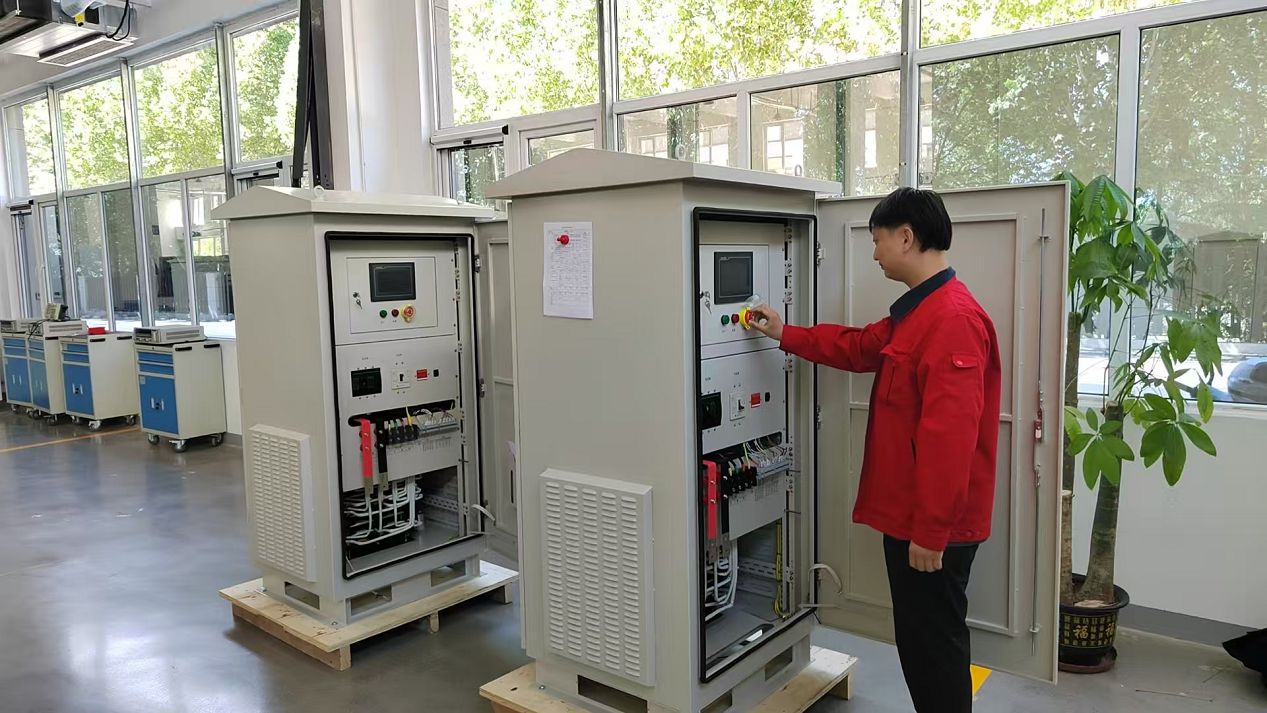
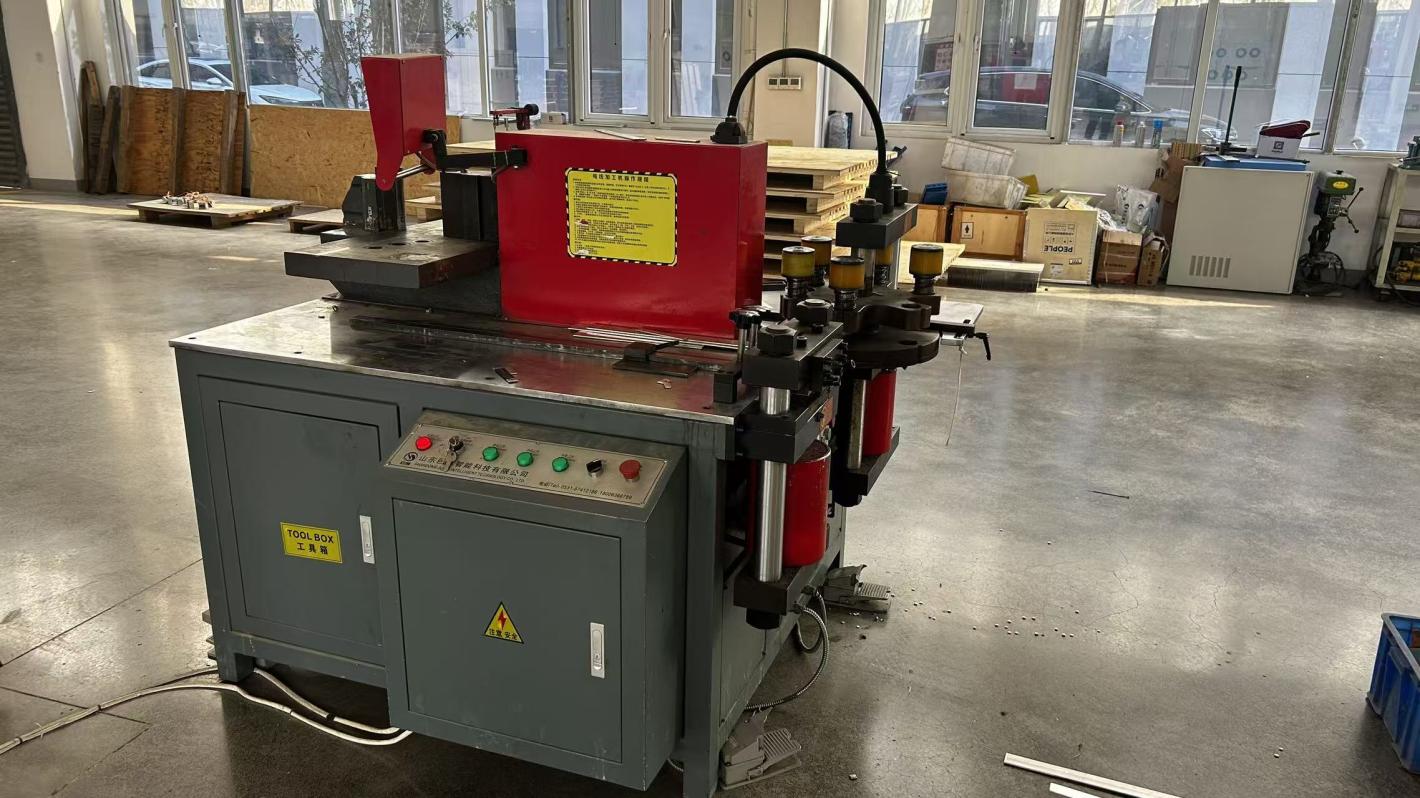
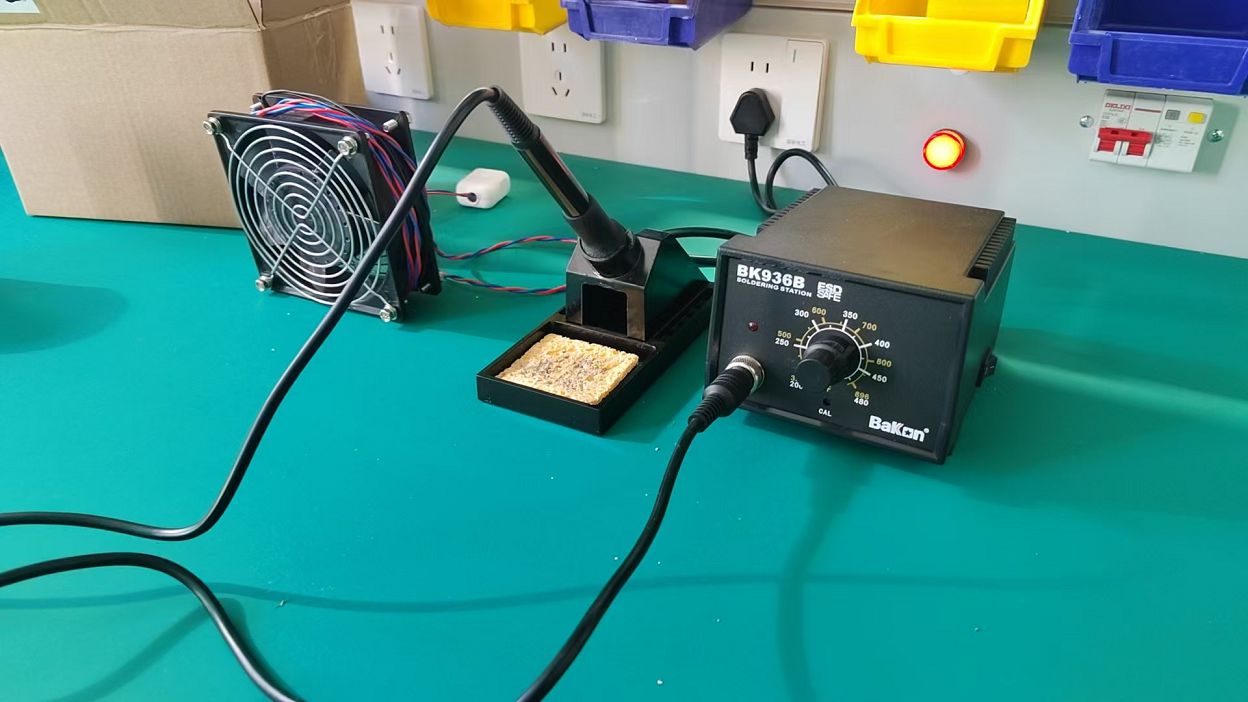
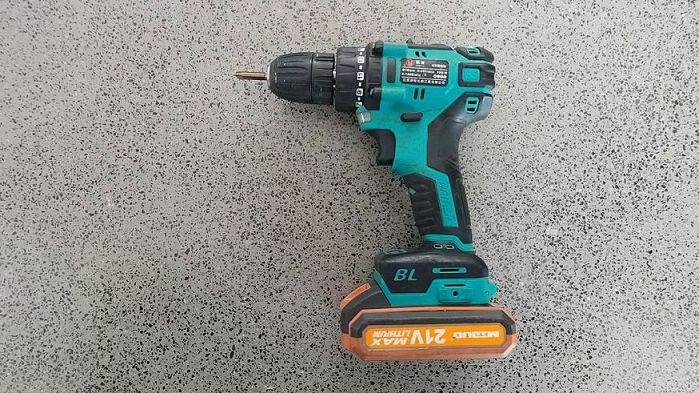
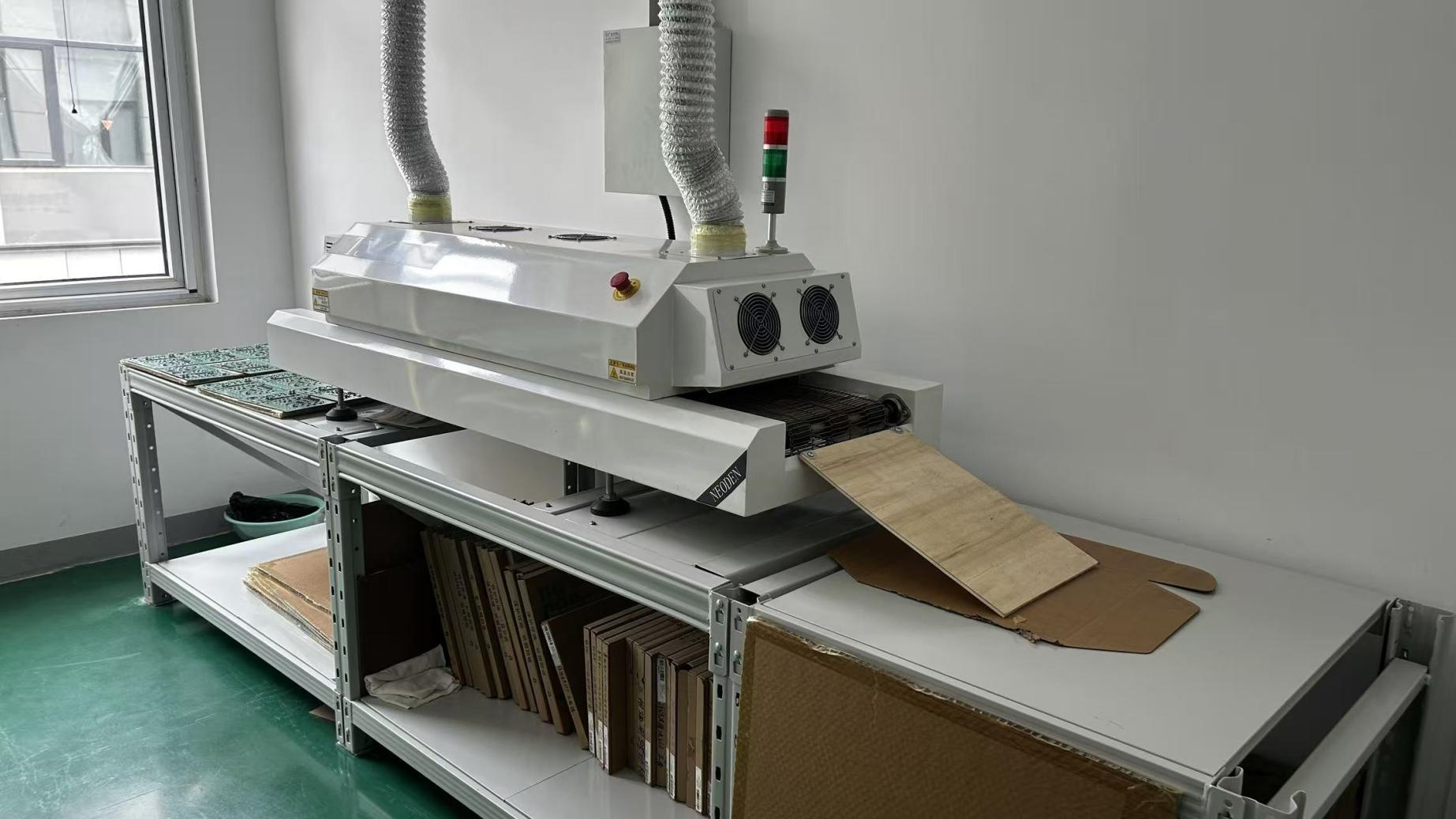
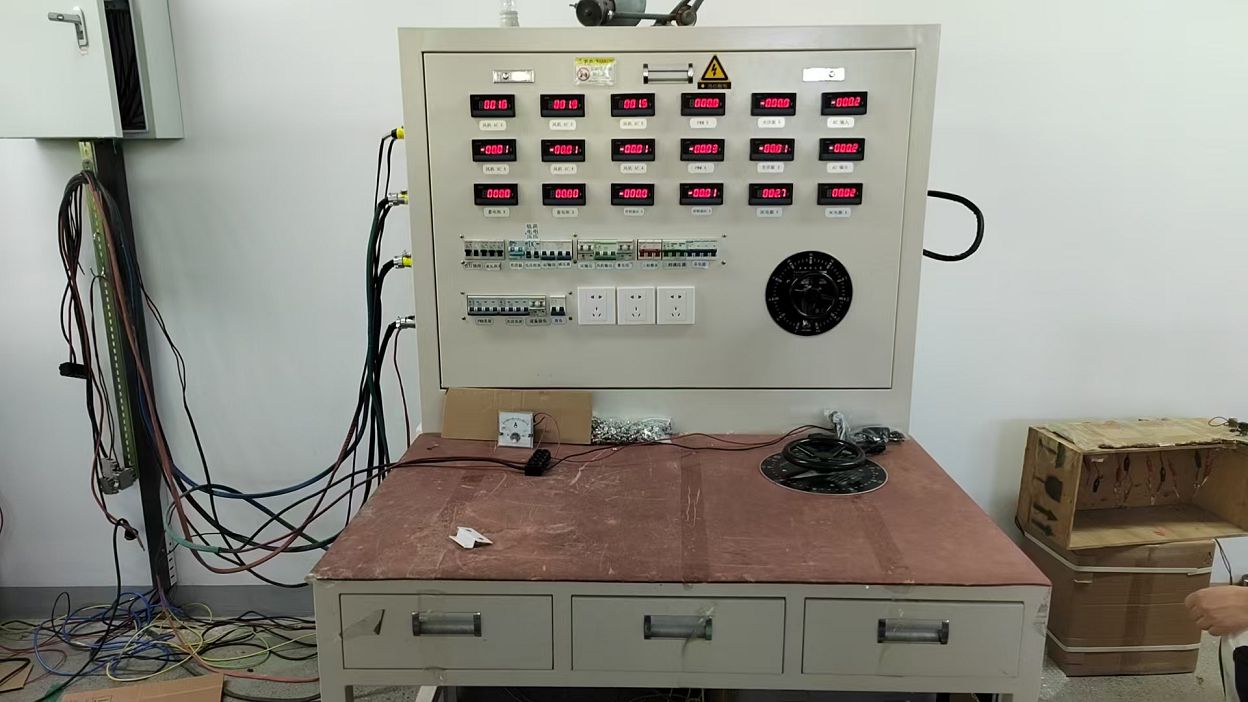
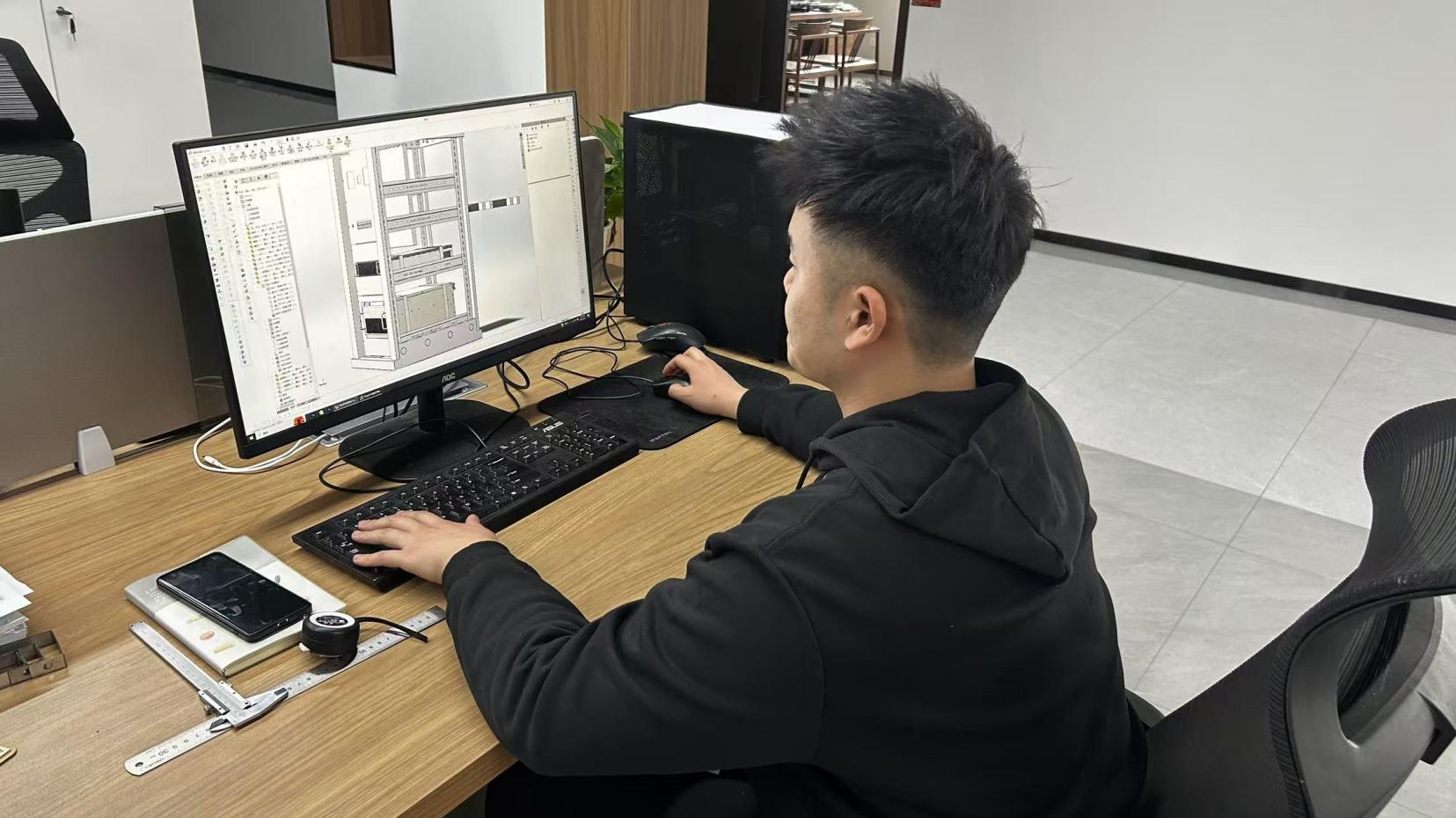
At Sophpower, we integrate state-of-the-art production equipment with strict quality inspection procedures. Below is an inside look at our manufacturing workflow, from board-level assembly to final debugging and quality assurance.
Localized Industrial Applications & Scenarios
Modern testing requires simulating a wide range of input electrical fluctuations. The precision of downstream analog-to-digital converters (ADCs) is directly affected by the stability of the system's power supply. Line noise, harmonic distortion, and voltage drops can degrade signal-to-noise ratios (SNR), leading to communication errors. Consequently, top-tier signal conditioning manufacturers focus on both raw data isolation modules and high-precision testing power equipment, such as AC/DC power sources, SCR voltage regulators, and variable frequency converters.
1. Aerospace & Avionics Calibration
Avionics components rely on 400Hz frequency networks. Ground testing systems use programmable, multi-phase AC power sources to simulate generator anomalies, verifying that flight control transducers and instrumentation remain stable under varying conditions.
2. Automotive Sensor & EV Testing
Electric vehicles feature high-voltage architectures. To validate thermal sensors, resolver-to-digital units, and battery management systems (BMS), test benches use high-voltage DC power supplies up to 1000V/1500V to simulate high-voltage buses without electrical noise.
3. Smart Grid & Utility Emulation
Renewable power systems must withstand grid transients. SCR stabilizers and frequency converters help test micro-inverters and signal controllers by simulating voltage fluctuations, line sags, and frequency shifts.
Advanced Metrology & Quality Control Instruments
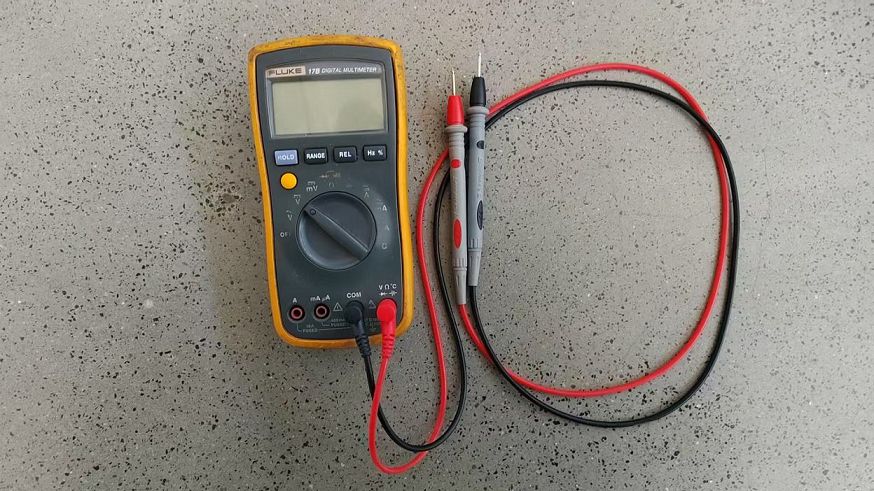
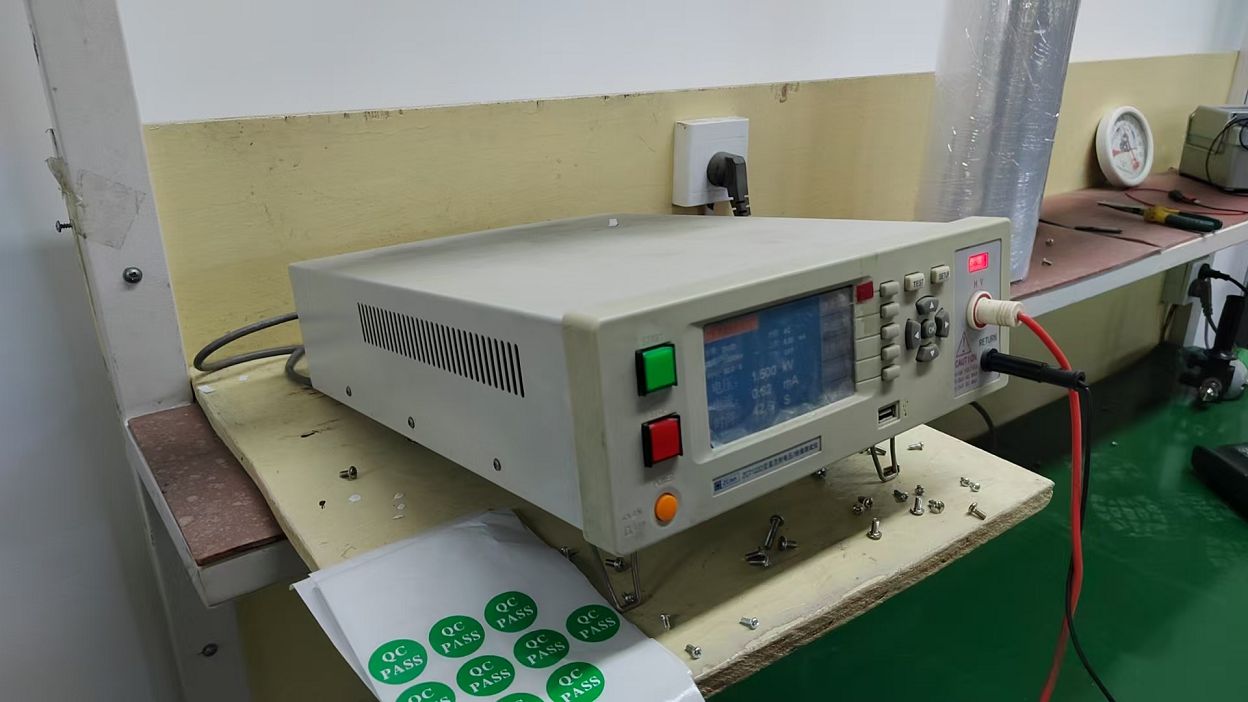
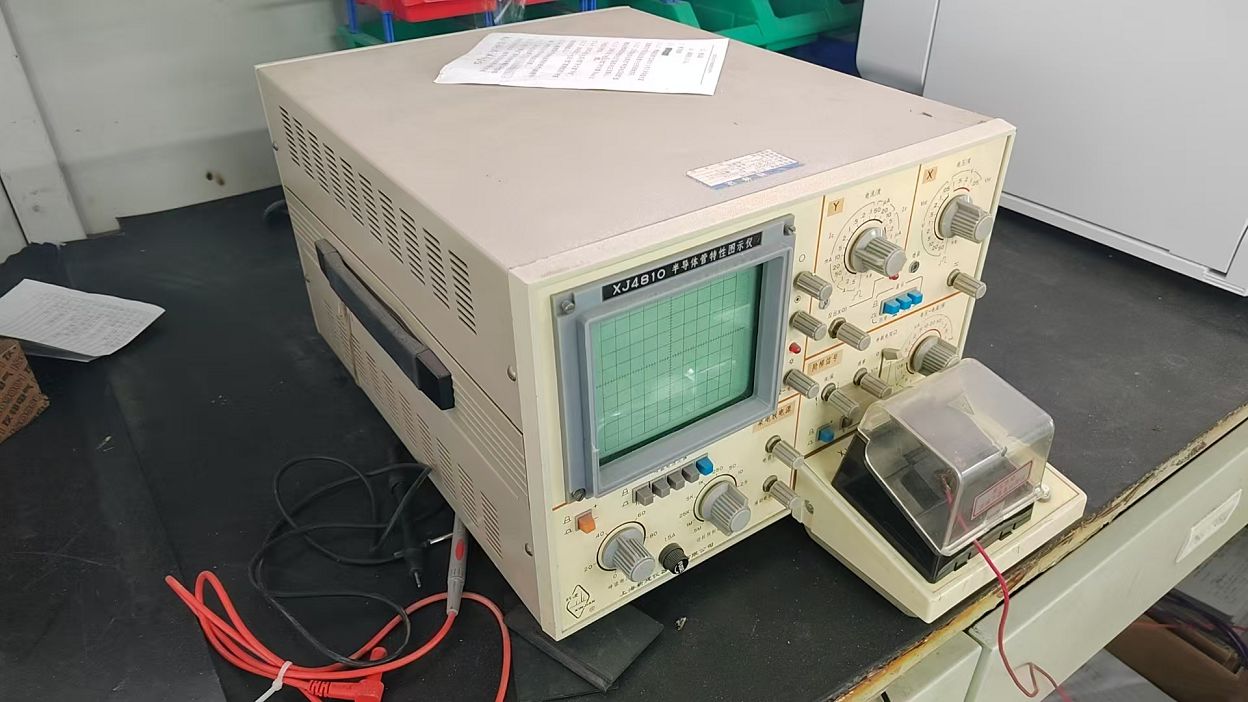
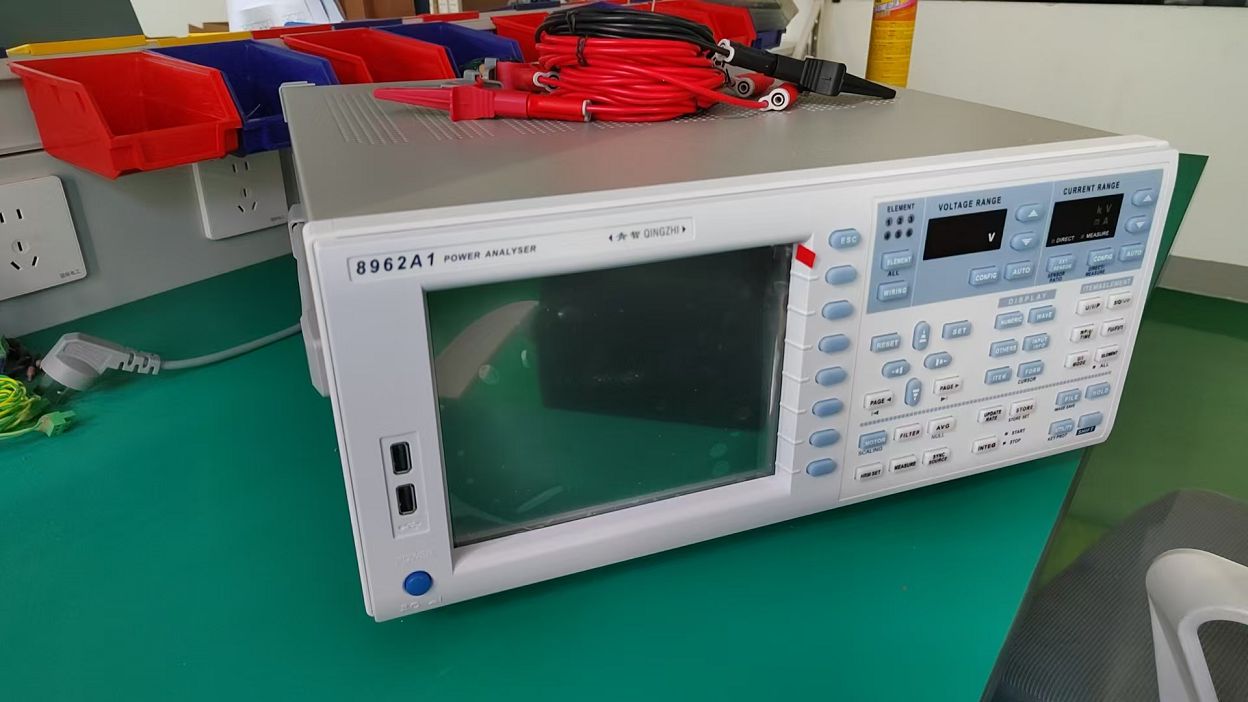
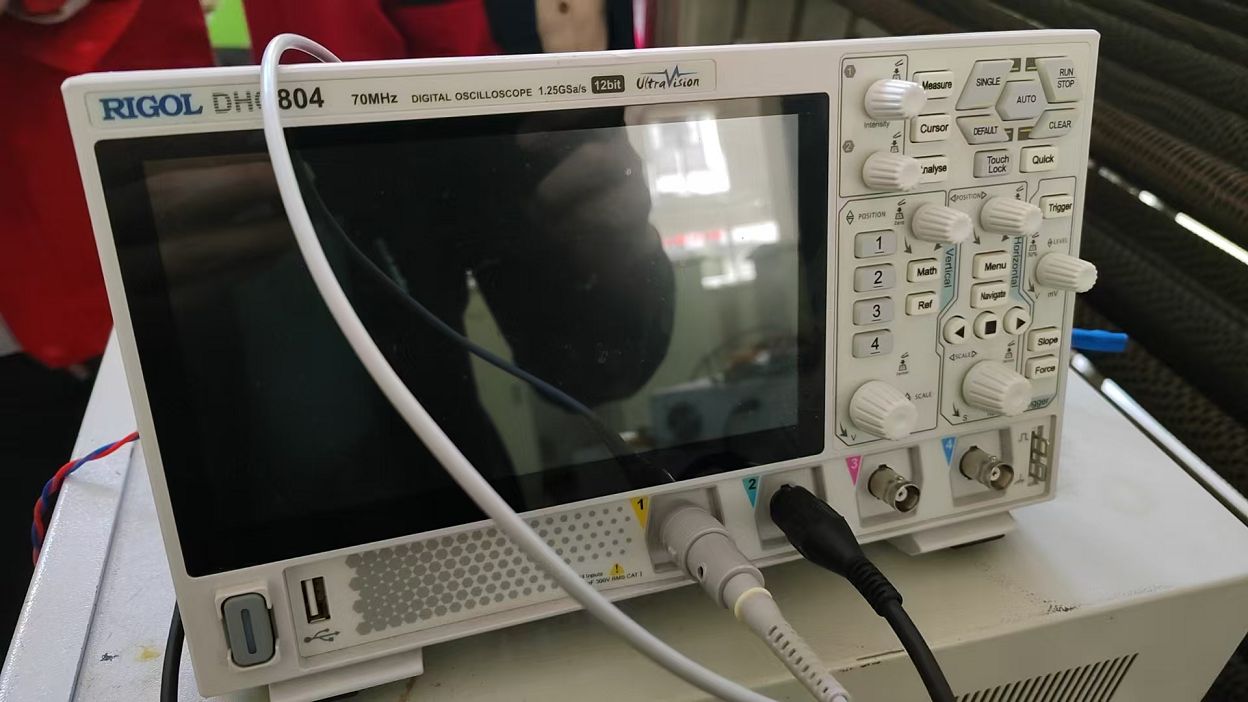
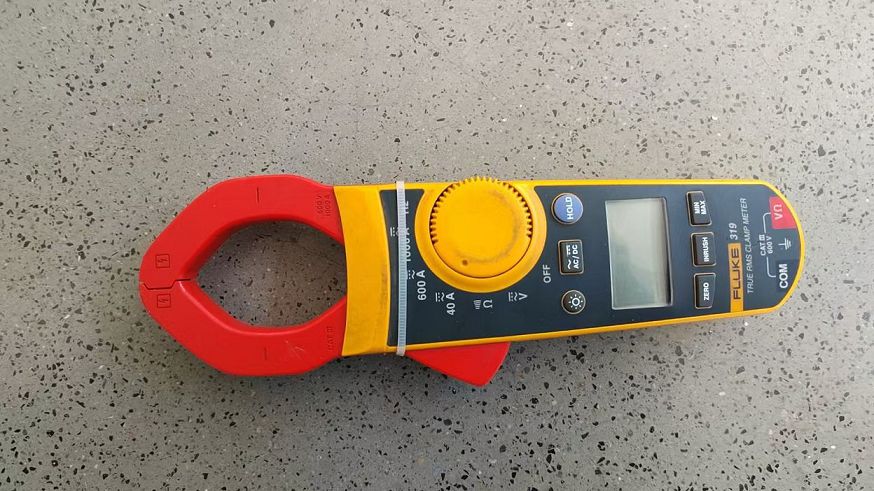
To meet international benchmarks such as CE, RoHS, and FCC, we equip our testing bays with specialized instrumentation. These tools help calibrate power output and monitor signal distortion down to the microsecond. Our engineers inspect every batch of PCBs, power components, and custom copper bars to guarantee reliability.
Certified Calibrated Quality & Precision Standards
In addition to functional circuit diagnostics, our testing facility includes calibrated reference instruments that verify total harmonic distortion (THD), voltage ripple coefficients, and transient response times. By using digital oscilloscopes, semiconductor curve tracers, and LCR meters, we guarantee that every power supply delivers stable reference signals to protect sensitive downstream DAQ and signal conditioning hardware.
Key Technological Trends Shaping Signal Conditioning
The signal conditioning industry is evolving toward higher integration, smaller footprints, and lower noise floors. Below are the key trends driving innovation across global manufacturing:
- Galvanic Isolation & Noise Immunity: High-speed industrial communication networks require optical, magnetic, or capacitive galvanic isolation. This is essential for protecting expensive control processors from high-voltage spikes, ground loops, and electromagnetic interference (EMI).
- Wide-Bandgap (GaN & SiC) Power Components: The shift from silicon to Gallium Nitride (GaN) and Silicon Carbide (SiC) semiconductors allows power conversion units to operate at higher switching frequencies. This enables smaller, more efficient systems with minimal thermal footprint.
- Digital Configuration & Smart Sensing: Modern signal conditioners increasingly feature microprocessor-driven digital signal processors (DSPs). This allows software-based configuration of input parameters, auto-calibration, and real-world diagnostics.
- Clean Power Test Infrastructure: To validate smart sensors and precision DAQ setups, test laboratories need programmable power supplies that deliver extremely low ripple, fast transient recovery times, and precise voltage adjustment.
Sourcing Guide: Sourcing High-Quality Signal Conditioning from China
For international procurement managers, electrical engineers, and system integrators, selecting the right manufacturing partner is key to long-term reliability. When choosing a Chinese manufacturer, evaluate the following technical and operational criteria:
- Validation of Testing Infrastructure: Ensure the factory uses calibrated testing instruments, such as semiconductor tracers, LCR meters, and power analyzers. This guarantees that every unit meets nominal safety and performance specs.
- Firmware & Software Adaptability: Choose partners capable of modifying control algorithms. This is essential for customizing variable DC parameters, programming ramps, and integrating standard protocols like Modbus or CAN bus.
- Thermal Design & Magnetic Components: The reliability of high-power modules depends on how well they manage heat. Premium manufacturers use custom copper bus bars, high-grade silicon steel cores, and high-temperature insulation materials.
- Global Conformity Certifications: Verify that the factory's products hold relevant safety approvals, including CE, RoHS, and FCC. These are critical for smooth import clearance and workplace safety compliance.
Frequently Asked Questions
Technical answers to help buyers evaluate signal conditioning, power stabilization, and custom testing solutions.
Advanced Programmable Power & Testing Instrumentation
Select high-voltage DC supplies, programmable electronic loads, and frequency converters designed for automated test setups.