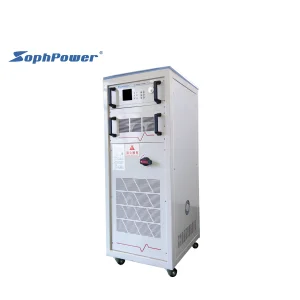
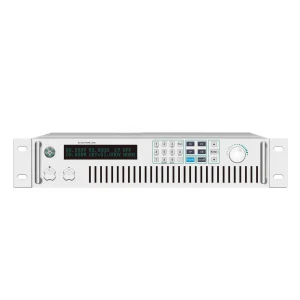
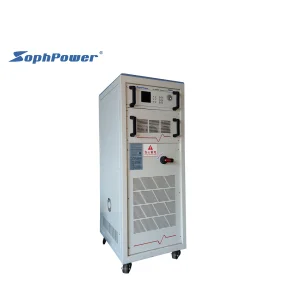
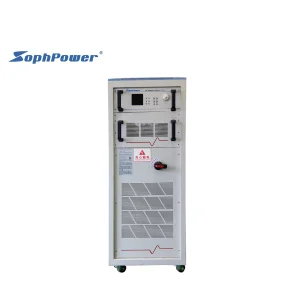
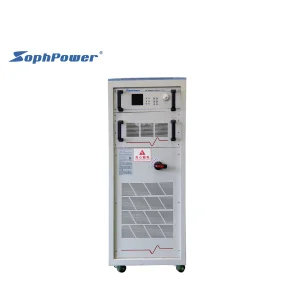
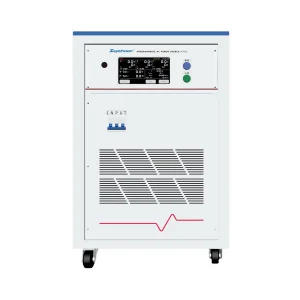
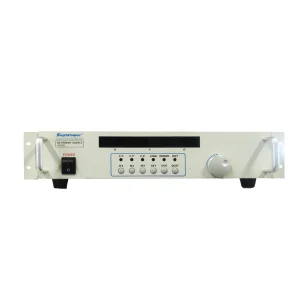
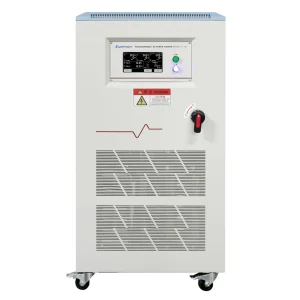
Featured Power Supply & PFC Systems
Executive Whitepaper: Optimizing Global Power Grids Through China-Based PFC and Test Systems
A comprehensive analysis of design methodologies, supply chain dynamics, and regulatory compliance for power conversion components.
1. The Critical Imperative of Power Factor Correction (PFC)
In modern industrial electrical systems, efficiency is no longer simply about minimizing consumption; it is about managing the power quality of the distributed grid. Power Factor (PF) is the ratio of real power (kW) absorbed by the load to the apparent power (kVA) flowing in the circuit. Non-linear loads—such as variable frequency drives (VFDs), switching mode power supplies (SMPS), and LED drivers—introduce harmonic distortions that cause the displacement and distortion of the current waveform relative to the voltage waveform. This resulting low power factor strains localized transformers, overheats cables, and draws costly reactive power penalties from utility operators.
Implementing reliable Power Factor Correction (PFC) devices mitigates these issues by counteracting the phase shift of reactive currents and filtering harmonic profiles. As high-speed industrial processing, data centers, and heavy infrastructure demand more clean power, the global transition to active PFC and advanced multi-phase programmable sources has accelerated. Selecting the optimal China manufacturer for these complex systems requires assessing their engineering expertise, design transparency, and component-level testing validation.
2. Unrivaled Structural Advantages of China's PFC Manufacturing Ecosystem
China has transitioned from a high-volume component assembler to the epicenter of precision power electronics design. Key localized factors driving this evolution include:
- Integrated Silicon and Semiconductor Supply Chains: Proximity to major semiconductor foundries and active packaging facilities ensures that domestic developers can quickly source advanced Silicon Carbide (SiC) and Gallium Nitride (GaN) switching components. These materials enable high-frequency active PFC systems with efficiency ratings exceeding 98%.
- Rapid Prototyping & Customization: Advanced PCB assembly lines, reflow soldering automation, and localized structural fabrication allow manufacturers to turn custom electrical designs into tested prototypes within weeks, whereas Western counterparts often require months.
- Scalable Cost Efficiency: Vertically integrated factories manage everything from sheet metal enclosure stamping to heavy-gauge copper busbar production in-house, minimizing margins stacked by third-party suppliers and returning maximum ROI to global buyers.
Shenzhen Sophpower Electronics: 18 Years of Pioneering Power Engineering
Driving reliability and precision since 2006 from the tech capital of Shenzhen, China.
Customized Test Solutions
Sophpower maintains an agile team of technical engineers with deep, hands-on experience in high-capacity electrical testing. We specialize in tailoring AC and DC power topologies to complex client specifications, ensuring your equipment operates under optimal grid conditions.
Comprehensive Portfolio
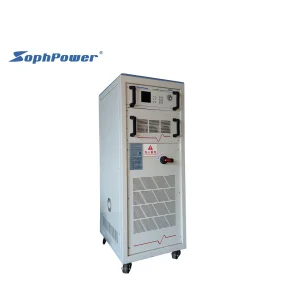
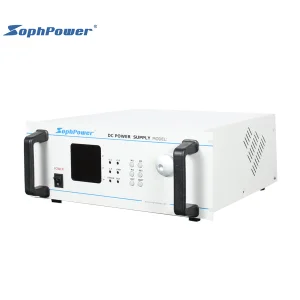
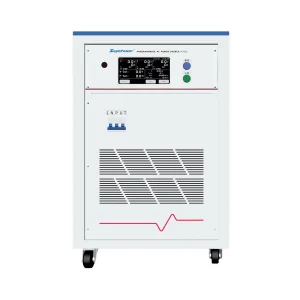
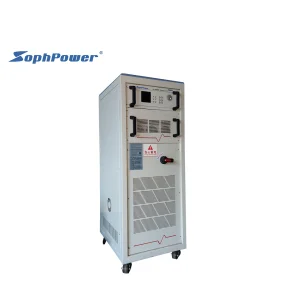
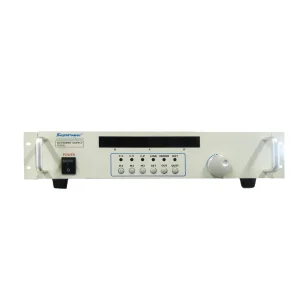
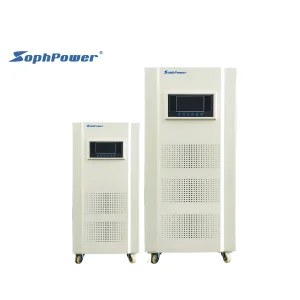
Our core manufacturing capabilities cover Programmable AC Power Sources, Linear AC Supplies, Bidirectional Grid Simulators, High-voltage DC Switching Supplies, SCR Voltage Regulators, and Industrial UPS systems. Each product acts as an active vector for controlling power factor and system harmonics.
Sustainable Growth & E-E-A-T
As a state-recognized High-tech enterprise, Sophpower utilizes structured design verification, strict material tracking, and automated component aging protocols to guarantee the long-term reliability and compliance of our power products worldwide.
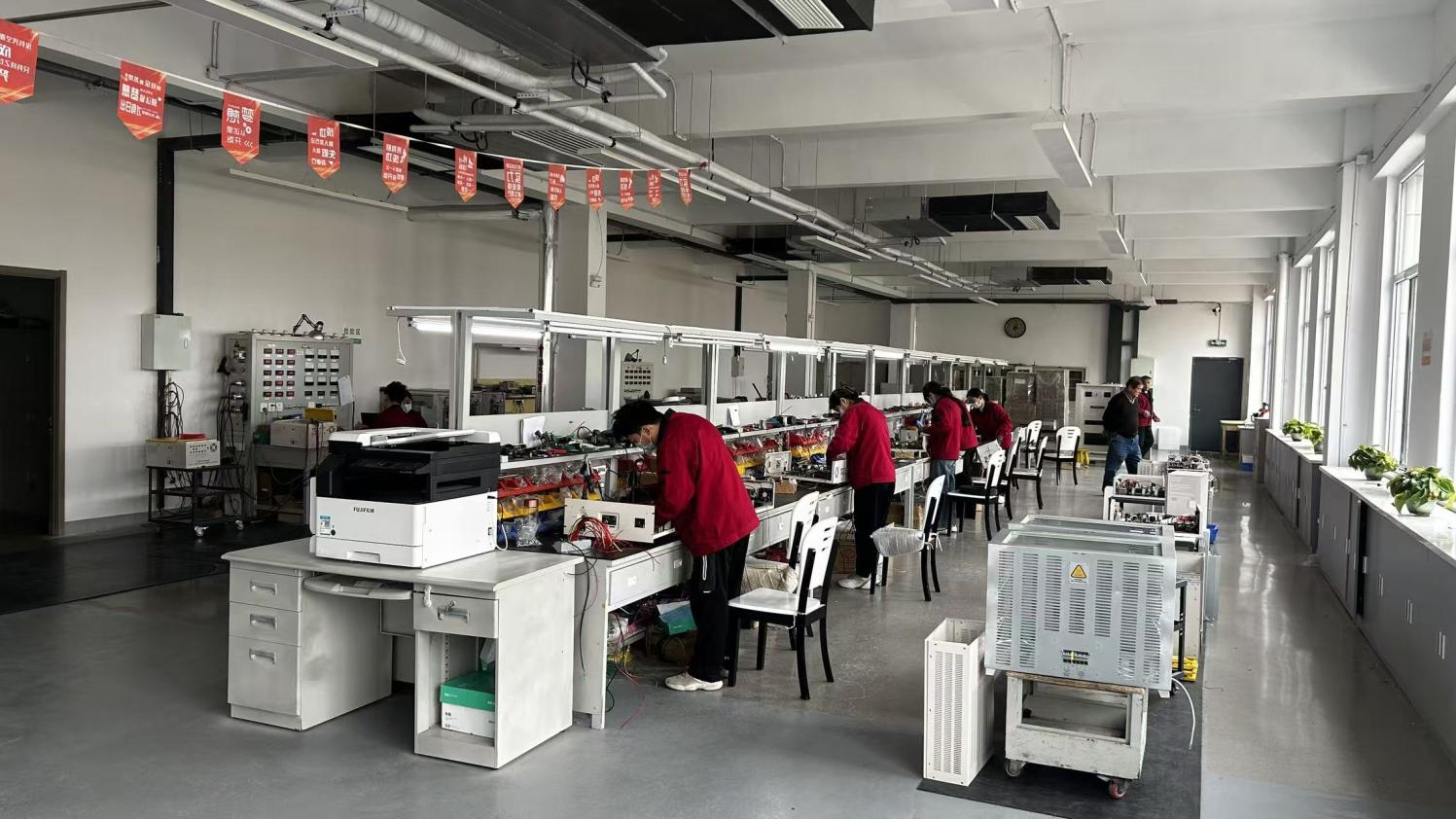
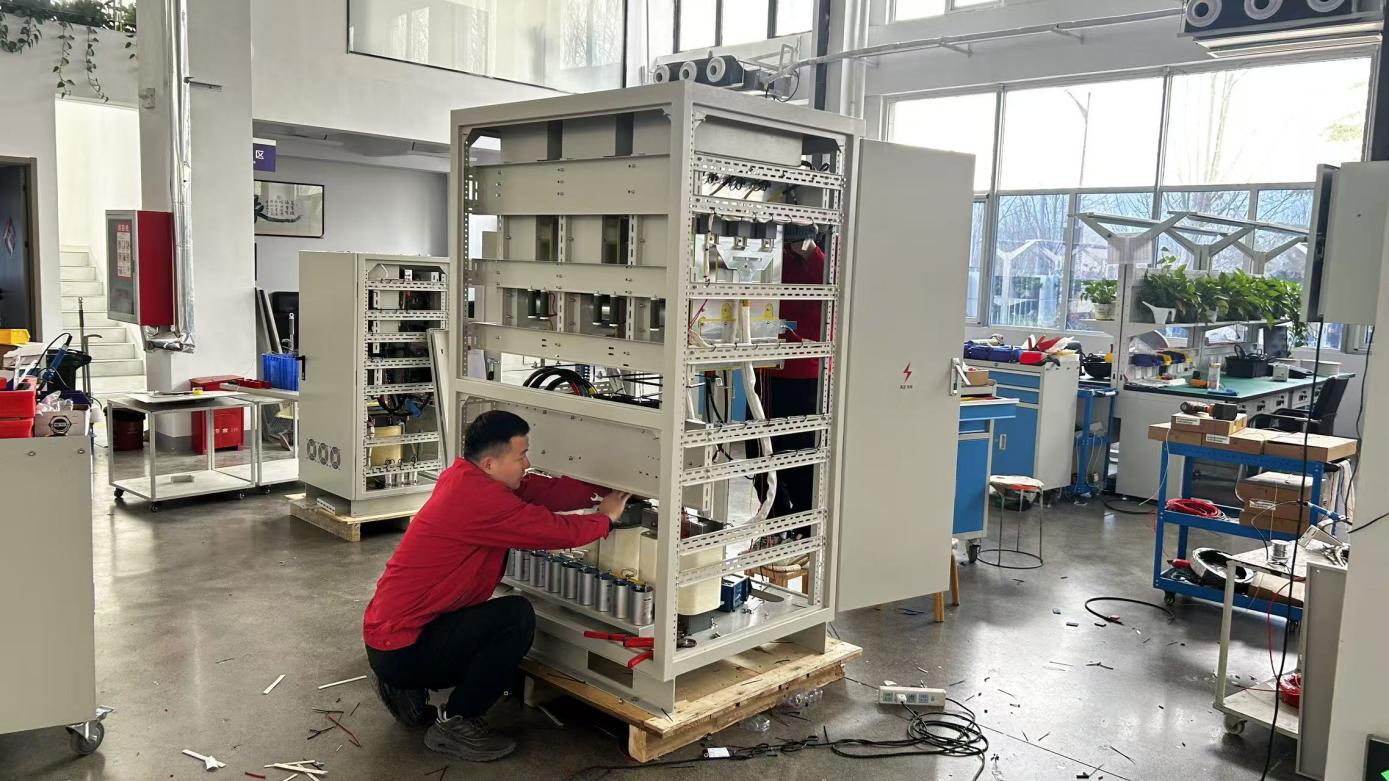
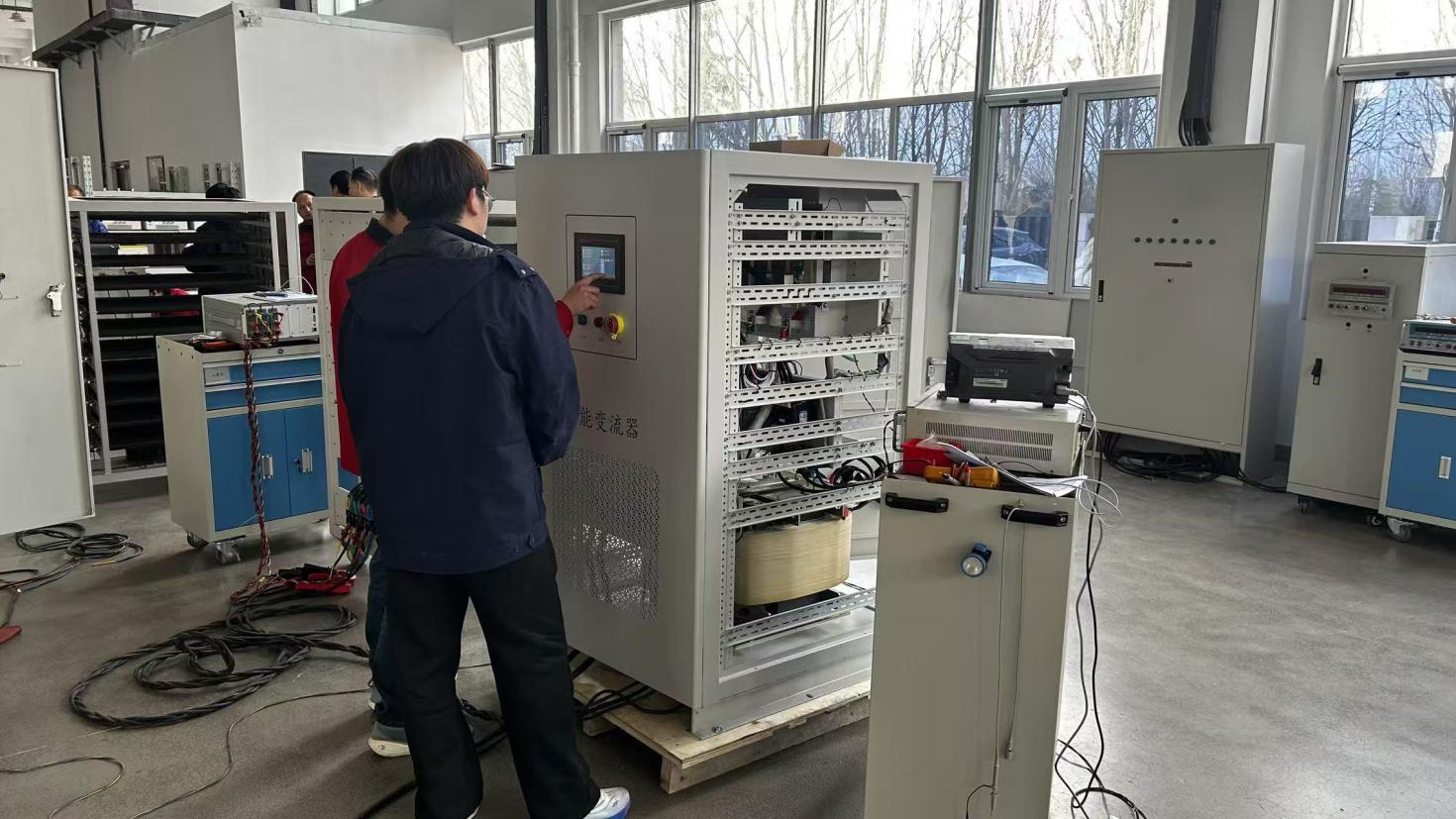
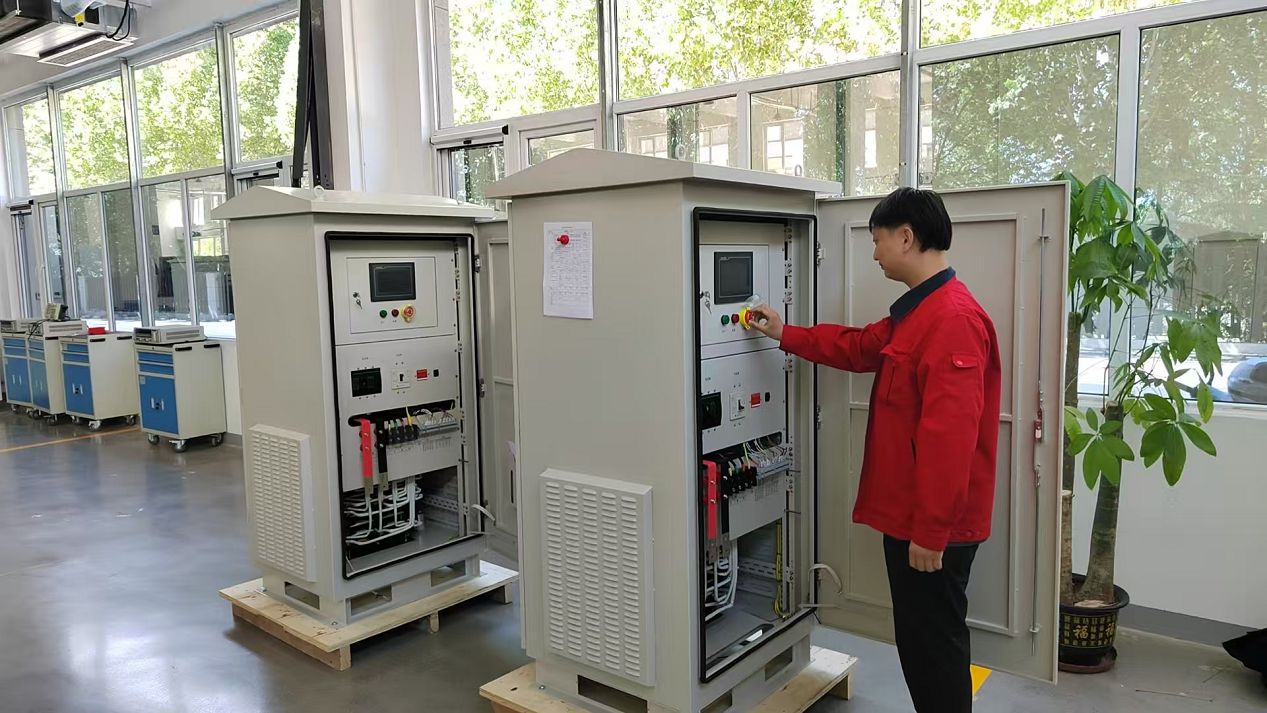
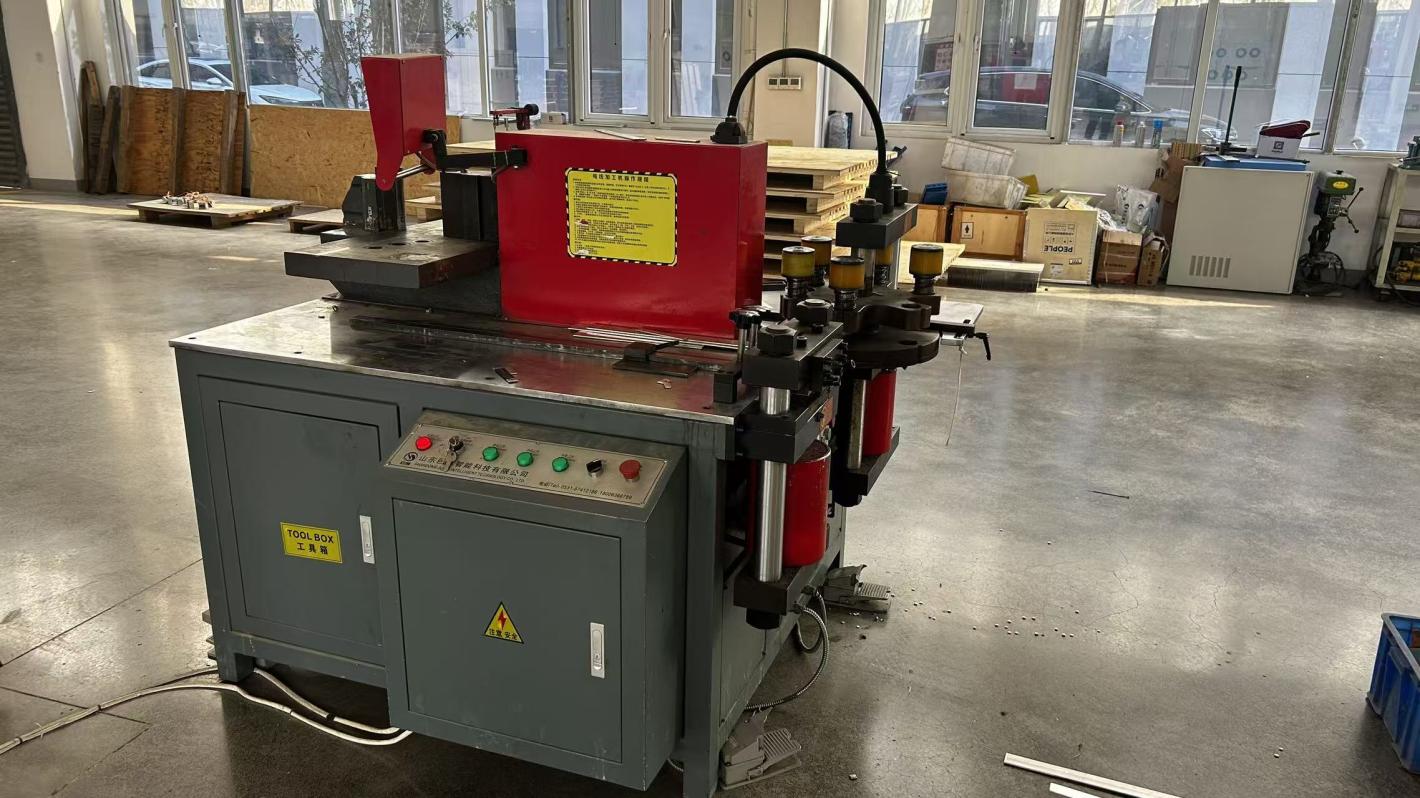
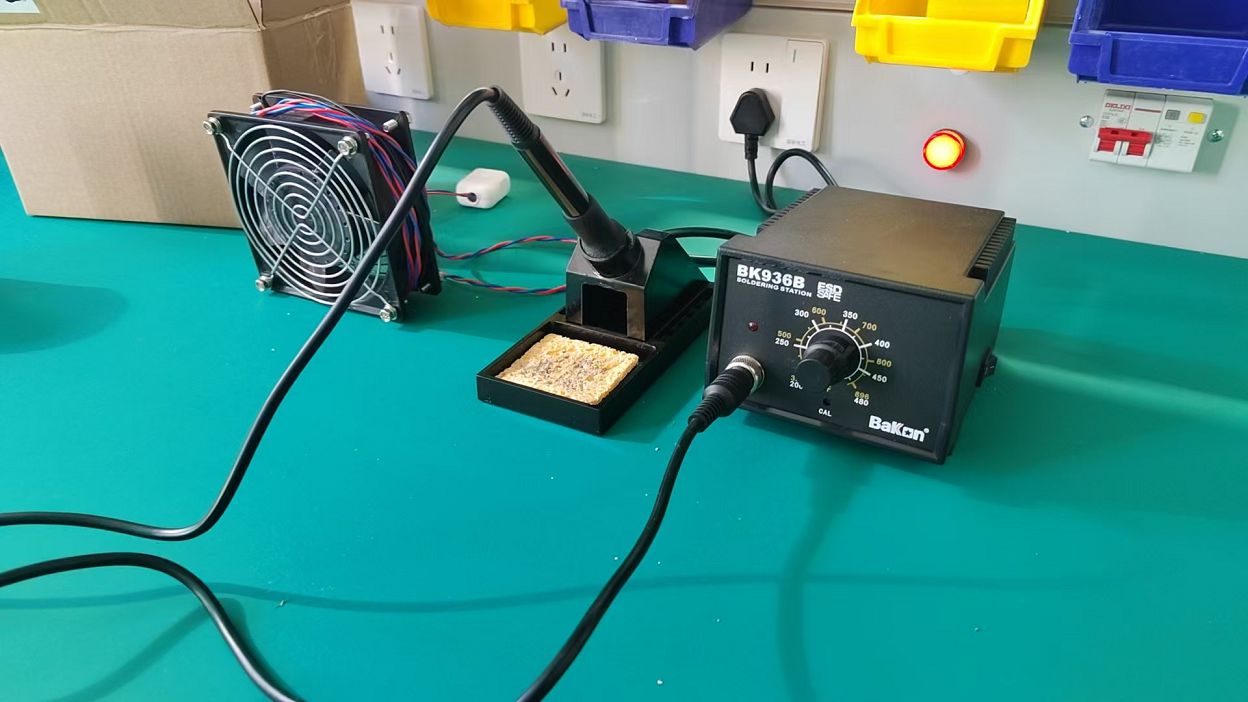
Inside Sophpower: High-Quality Assembly & Manufacturing Standards
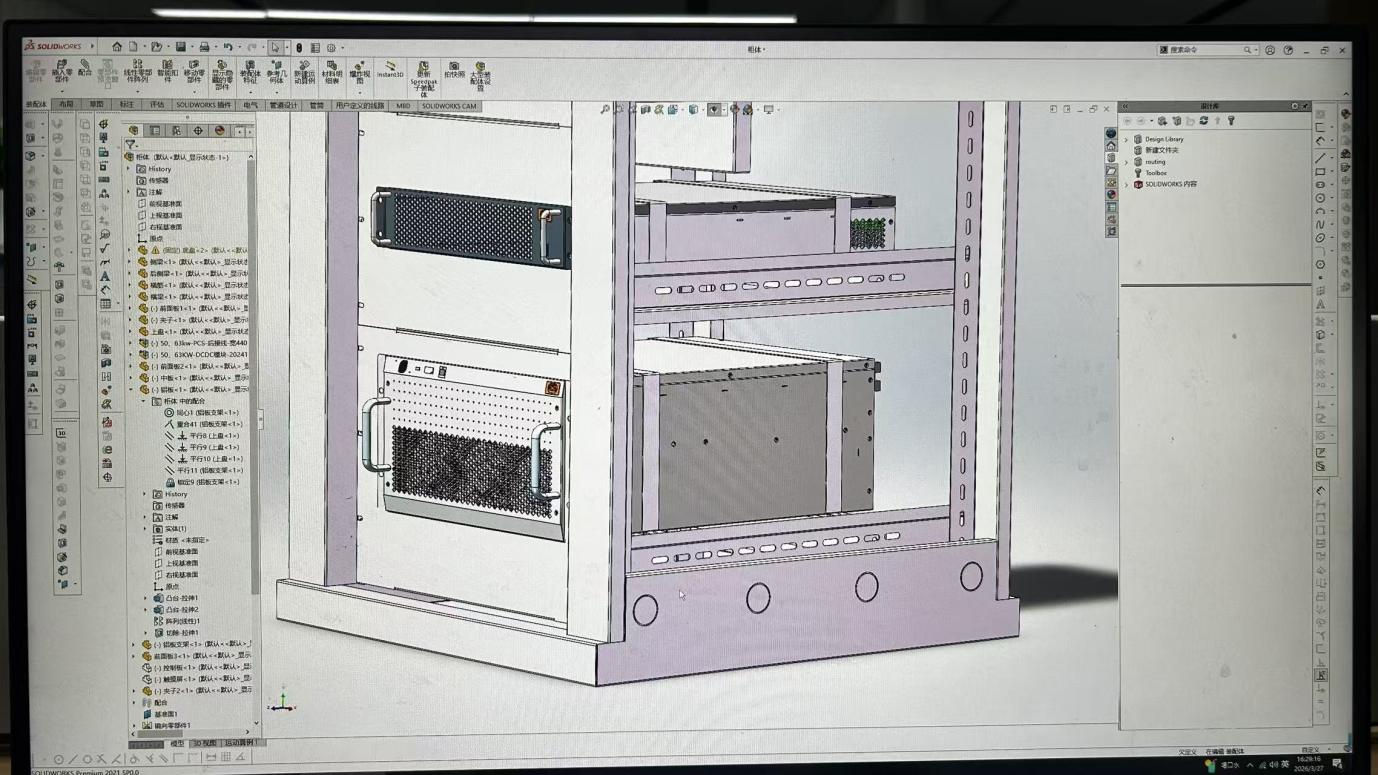
Transparency is key to trust. A visual tour of our production floor, mechanical engineering, and hardware assembly stages in Shenzhen.
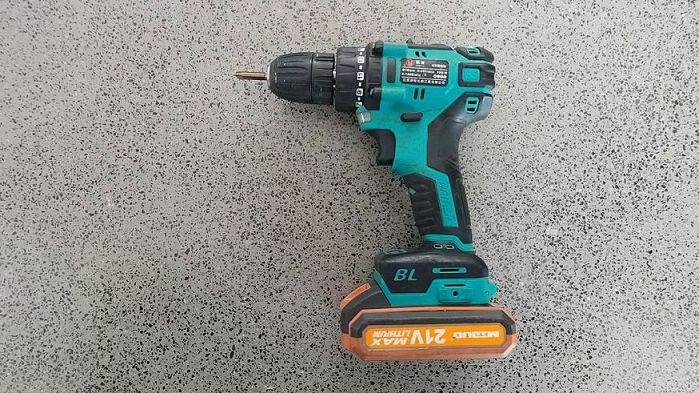
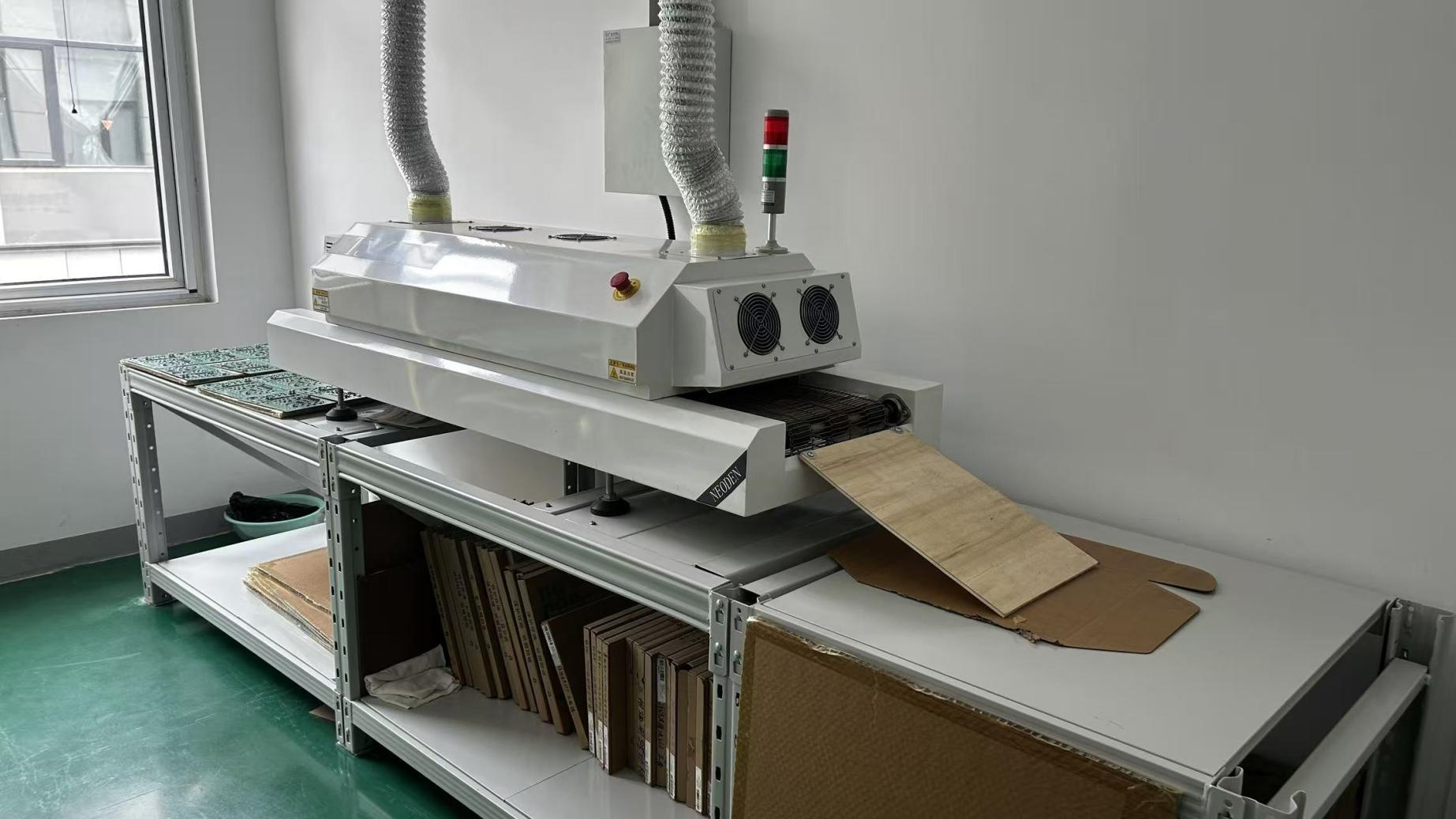
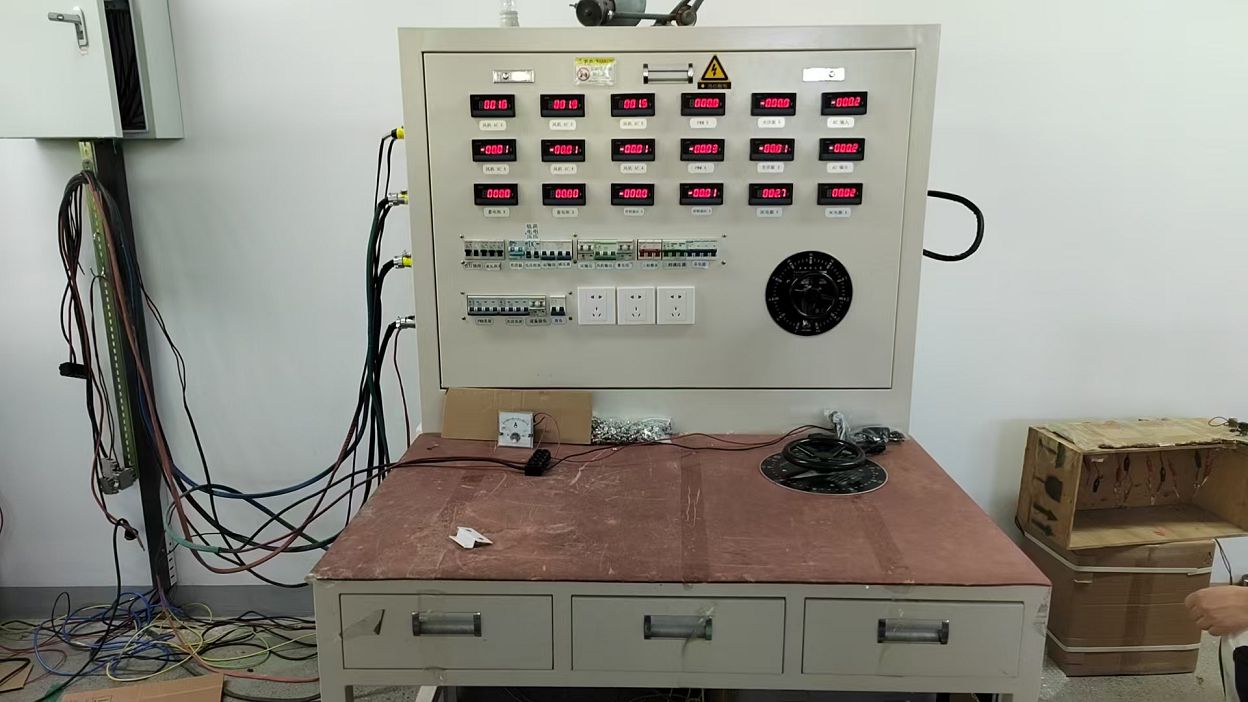
Rigorous Calibration and Metrology Equipment
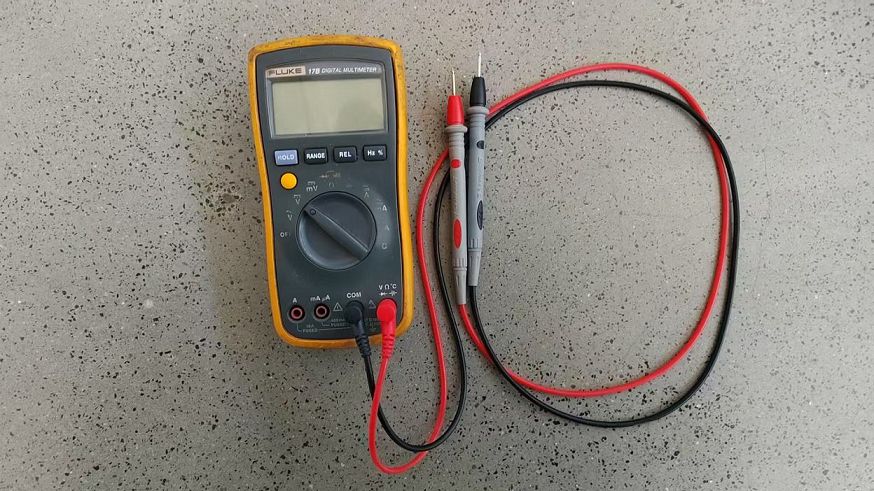
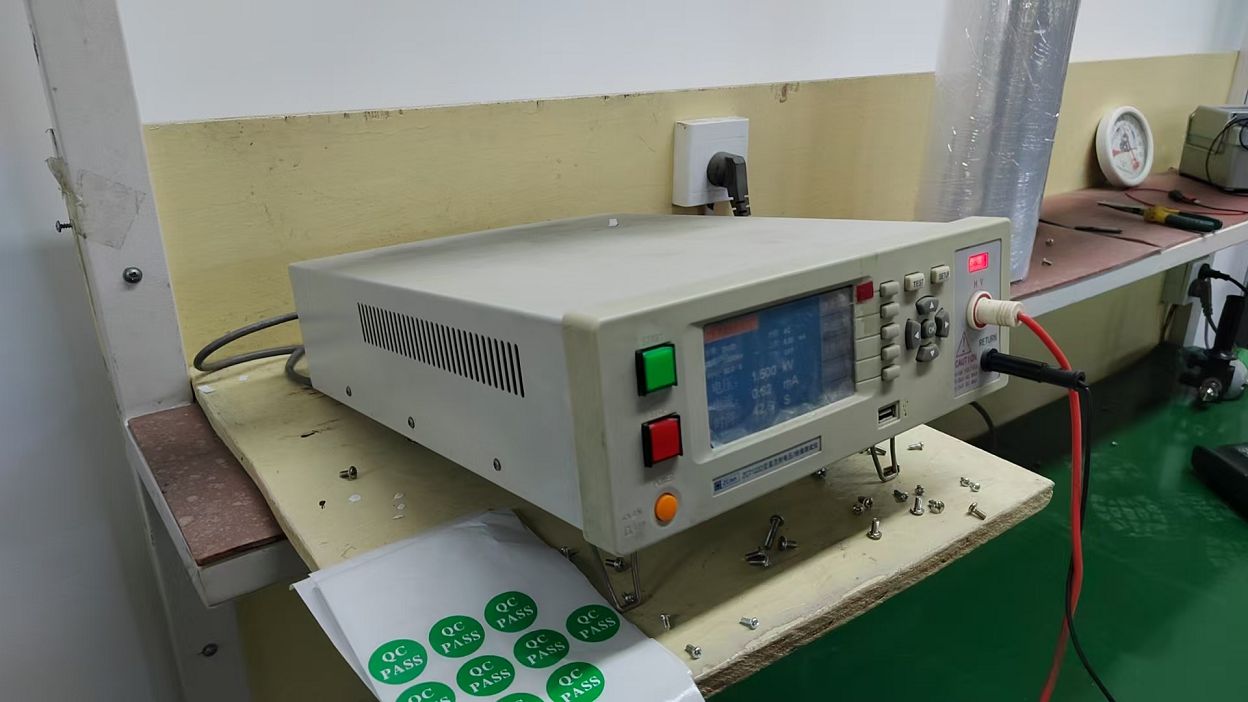
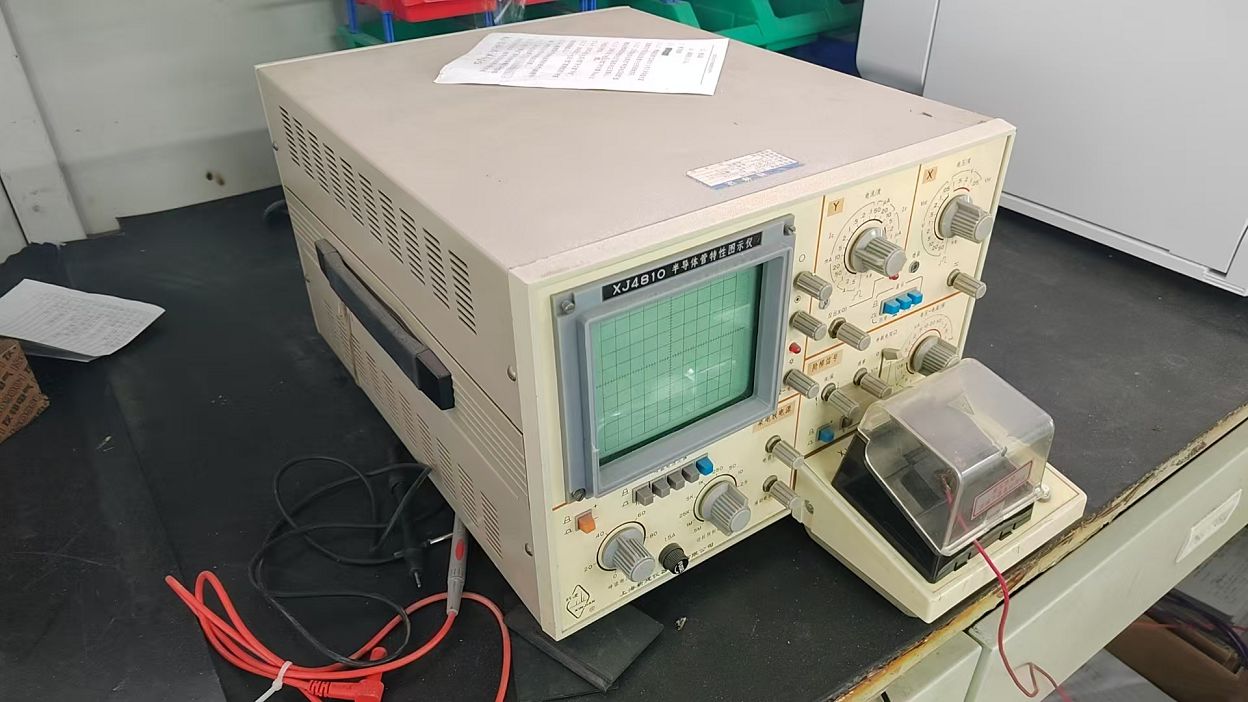
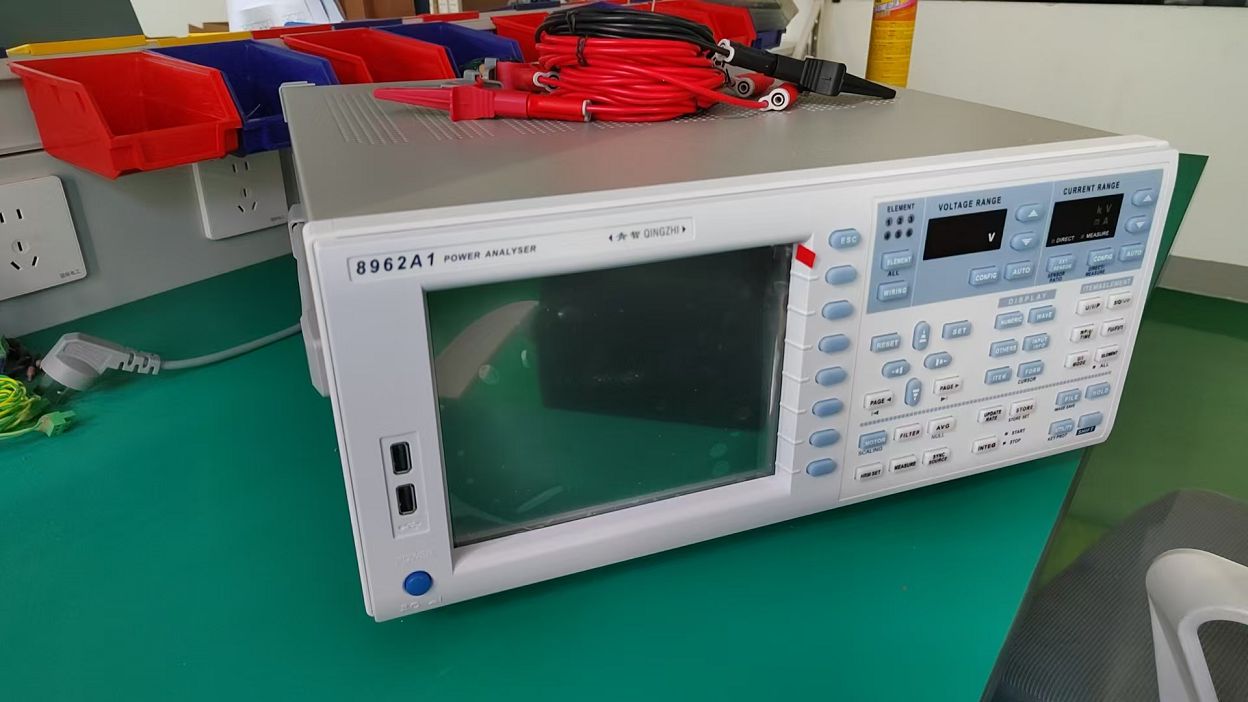
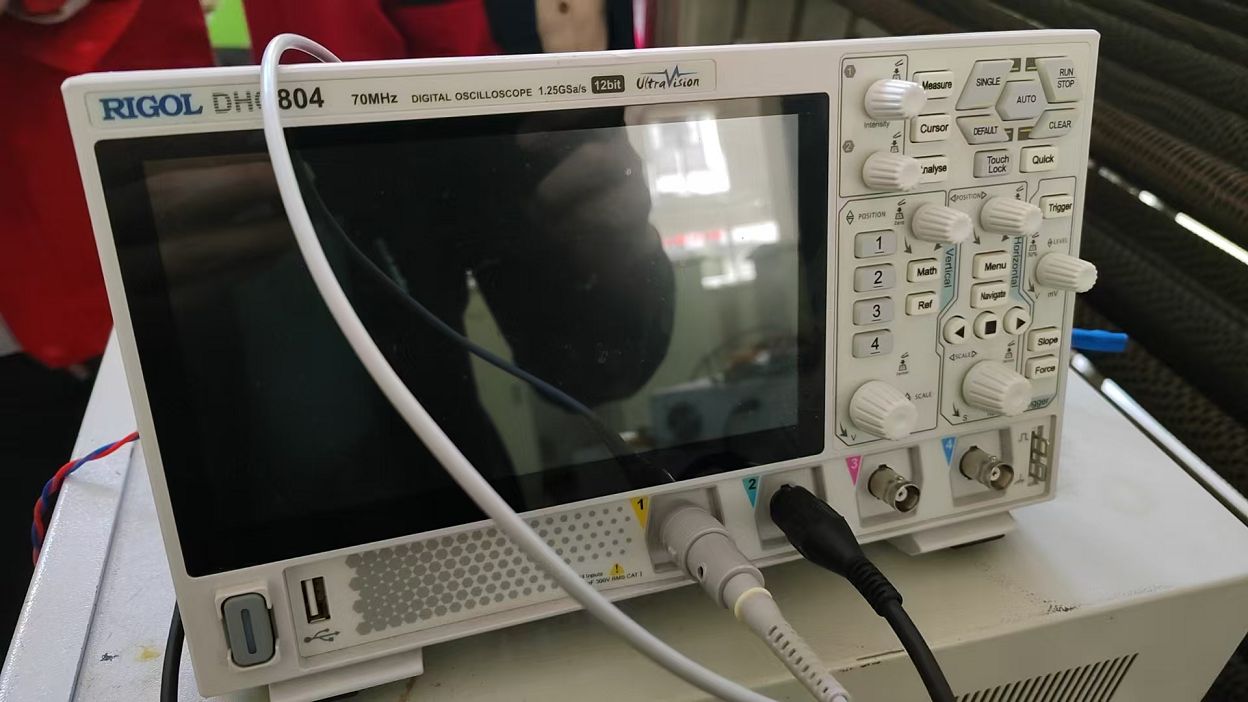
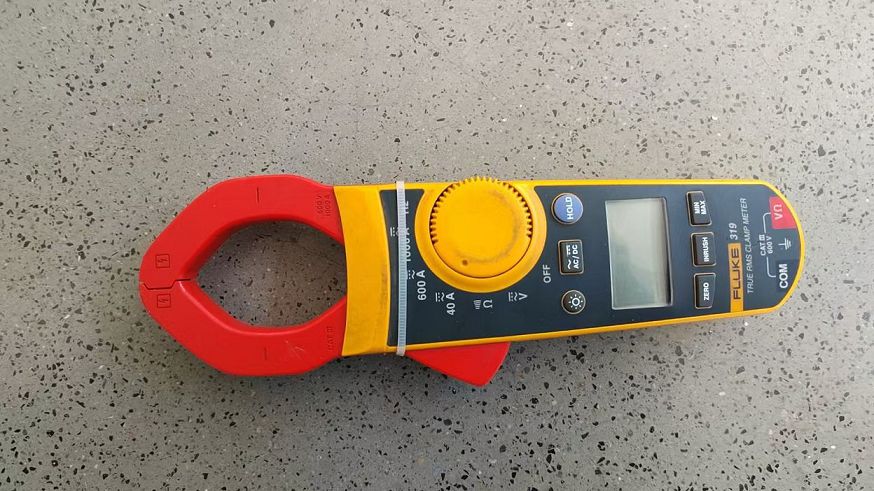
E-E-A-T in power conversion relies on empirical verification. Below is the precise laboratory testing instrumentation used to certify every single unit shipped.

Detailed Industrial Case Studies & Global Procurement Scenarios
3. Future Trends in Power Factor Correction Technologies
The landscape of PFC is rapidly migrating from passive, capacitor-bank based systems to dynamic, semiconductor-controlled systems. The primary driver is the proliferation of non-linear industrial loads that require microsecond response times to fluctuations in line impedance.
- Active Front End (AFE) Rectifiers: By replacing standard input diodes with controlled IGBT or SiC-MOSFET switches, AFE technology allows bidirectional energy flow back to the grid during motor braking while keeping input current distortion (THDi) below 3%.
- Smart IoT Integration and Remote Diagnostics: Industrial PFC systems are increasingly integrated with edge computing processors that analyze power quality in real-time. Through protocols such as Modbus TCP or Ethernet/IP, operators can track phase-angle corrections and heat profiles of critical capacitors remotely.
- Hybrid Harmonic Mitigation: Incorporating passive tuned filters alongside fast-acting Active Power Filters (APFs) allows factories to mitigate low-order harmonics while dynamically balancing reactive currents.
4. Macro-Level Industrial Solutions
High-capacity manufacturing environments, municipal systems, and research campuses present distinct challenges for voltage stability and power utilization. Below is a blueprint of how modern developers customize setups:
A. Data Centers and Semiconductor Fabrication Plants
These facilities present extremely high levels of dynamic switching loads. In a data center, server racks with internal switching mode power supplies can destabilize localized distribution transformers. By implementing centralized programmable AC test systems alongside active voltage regulators, engineers can simulate worst-case voltage sags, verifying that downstream systems remain operational while sustaining an overall facility power factor above 0.98.
B. Heavy Industrial Manufacturing and Arc Welding Systems
Plants operating heavy machinery, induction furnaces, and pneumatic presses exhibit highly inductive loads. This causes localized voltage drops, thermal cycling of transformers, and substantial power factor penalties from utility companies. Robust thyristor-switched voltage regulators provide sub-cycle correction, preventing equipment downtime and stabilizing the line voltage to protect delicate logic controller circuits.
5. Global Enterprise Procurement Criteria
For international procurement managers, sourcing power components from China factories requires verifying metrics that transcend simple product cost:
First and foremost is certification compliance. Power converters must meet international standards such as CE (Low Voltage & EMC Directives), UL-60950/61010 for electrical safety, and RoHS for environmental compliance. Second, the structural reliability of electrical terminals, custom copper busbars, and isolation transformers must be verified through physical testing reports. A professional manufacturer will readily provide calibration certificates generated by recognized testing equipment like LCR testers, digital oscilloscopes, and power quality analyzers.
Frequently Asked Questions: Power Quality & PFC Systems
Expert insights on selecting, evaluating, and operating industrial power conversion and correction systems.
Passive PFC uses inductors and capacitor banks tuned to specific frequencies to counteract inductive loads, ideal for stable, predictable demands. Active PFC utilizes high-frequency semiconductor switching circuits (like boost converters) to shape the input current waveform into a sinusoidal shape in real-time. Active systems achieve higher power factors (up to 0.99) and handle variable loads far better than passive systems.
Sophpower integrates premium components (e.g., high-grade copper busbars, high-temperature copper wiring) and tests them using laboratory-grade apparatus like Semiconductor Plotters, Power Quality Analyzers, and digital oscilloscopes. Every unit undergoes automated burn-in tests and structural debugging before packaging to ensure performance in harsh environments.
We typically require the nominal grid voltage and frequency, target power factor, current THD levels, load profiles (inductive/capacitive balance), temperature and installation environment conditions, and communication interface preferences (e.g., RS485 Modbus, Ethernet).
Uncontrolled harmonics generate additional heat in distribution cables and transformers, leading to insulation breakdown and system trips. Combining PFC with active harmonic filters prevents harmonic currents from resonating with grid capacitors, keeping the entire electrical distribution line safe and efficient.