Featured Precision Power Electronics
Explore our elite range of high-efficiency AC/DC programmable sources, frequency converters, and voltage regulators engineered for premium solar and industrial testing configurations.
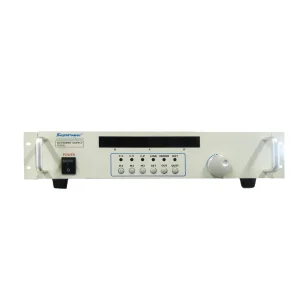
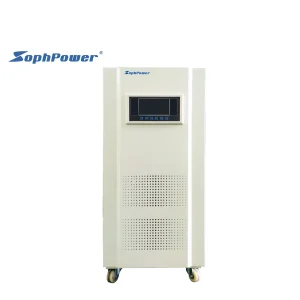
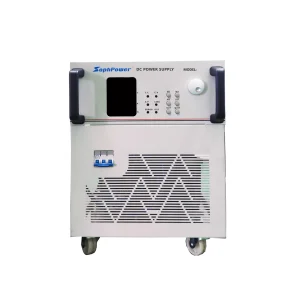
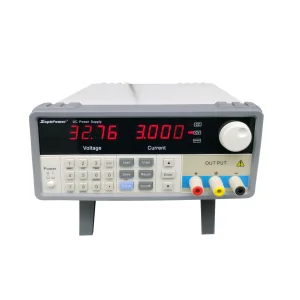
High efficiency AC to DC 0~300V output power supply adjustable
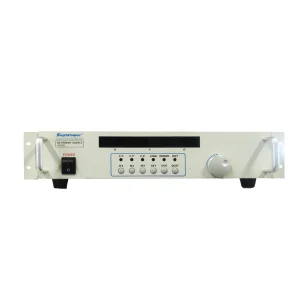
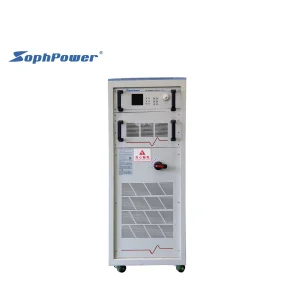
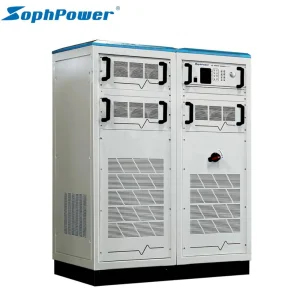
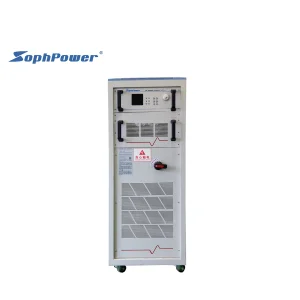
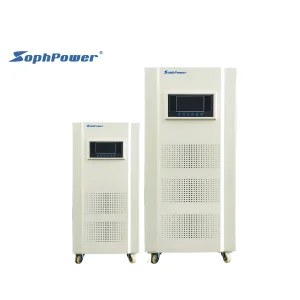
AFC-375 3 phase 50 to 60hz frequency converter and ac power source 75kVA
Leveraging Decades of Power Electronics Leadership
Shenzhen Sophpower Electronics Co., Ltd. was established in 2006, located in Shenzhen, China. As a High-tech enterprise with sustainable and rapid growth, Sophpower has built a premier reputation around a group of highly technical engineers with rich experience in the field of testing power supplies. Our engineering core encompasses AC Power Sources, Linear AC Power Sources, Bidirectional AC Power Sources, DC Power Supplies, Bidirectional DC Power Supplies, Voltage Regulators, and UPS setups. We possess the unique capability to provide customized test power systems tailored directly to complex industrial requirements.
In the modern photovoltaic landscape, microinverters represent the pinnacle of distributed solar architecture. Operating at the individual panel level, microinverters optimize energy harvesting through localized Maximum Power Point Tracking (MPPT). However, verifying the efficiency, compliance, and thermal reliability of these sophisticated systems requires extremely stable simulator environments. Sophpower's bidirectional DC simulators and grid-emulating AC power sources serve as the crucial testing backbone that leading China microinverter manufacturers rely on to achieve global compliance and product breakthroughs.
Why China Factories Lead the Global Micro Inverter Supply Chain
Understanding the structural, technological, and logistical advantages that drive the microinverter manufacturing dominance in mainland China.
1. Complete Component & Subsystem Integration
Shenzhen and the Pearl River Delta house the world's most dense cluster of semiconductor, magnetic component, and thermal management suppliers. This localized availability minimizes logistics lag and maximizes production agility.
2. Advanced Automation & Quality Control
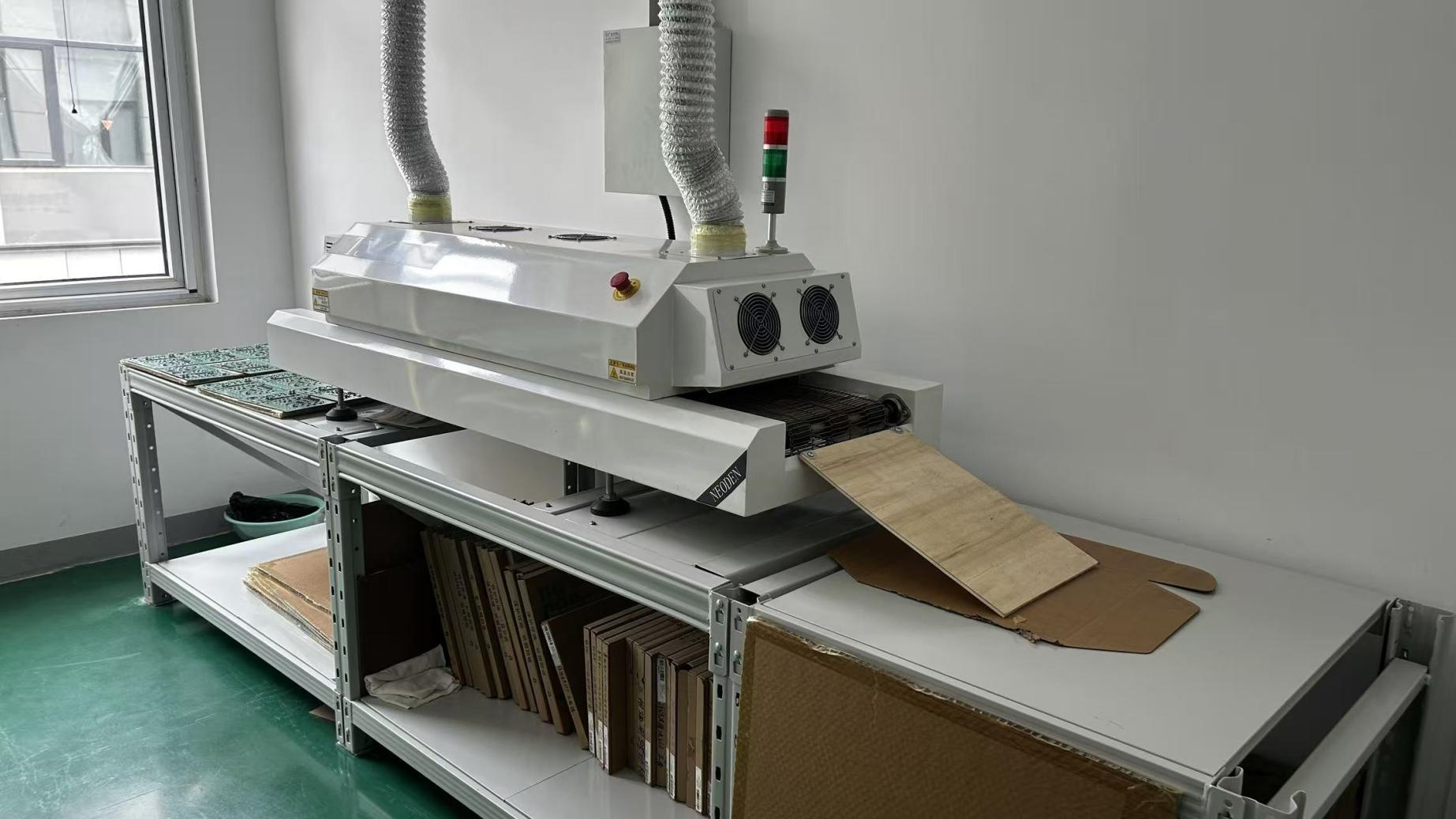
Equipped with reflow soldering machinery, automated optical inspection (AOI), and precise debugging pipelines, China microinverter factories maintain strict compliance with global safety standards while retaining optimal cost metrics.
3. Stringent Environmental & Grid Testing
Using professional grade testing systems—such as Sophpower's bidirectional DC sources and variable grid simulators—factories can simulate European, North American, and Australian grid conditions locally, ensuring flawless export compliance.
Technological Trajectories: The Future of Distributed PV
A deep dive into structural innovations reshaping the engineering landscape of modern microinverters.
- Enhanced Thermal Management: Convective heat dissipation coupled with highly conductive potting compounds ensures robust operation across an operating temperature range of -40°C to +85°C.
- Reactive Power Control: Modern grid codes require microinverters to actively modulate reactive power. This requires testing tools that can simulate rapid voltage and frequency deviations.
- Advanced Safety Compliance: Compliance with rapid shutdown codes (NEC 2017/2020) and anti-islanding regulations requires microinverters to execute microsecond-level grid disconnections.
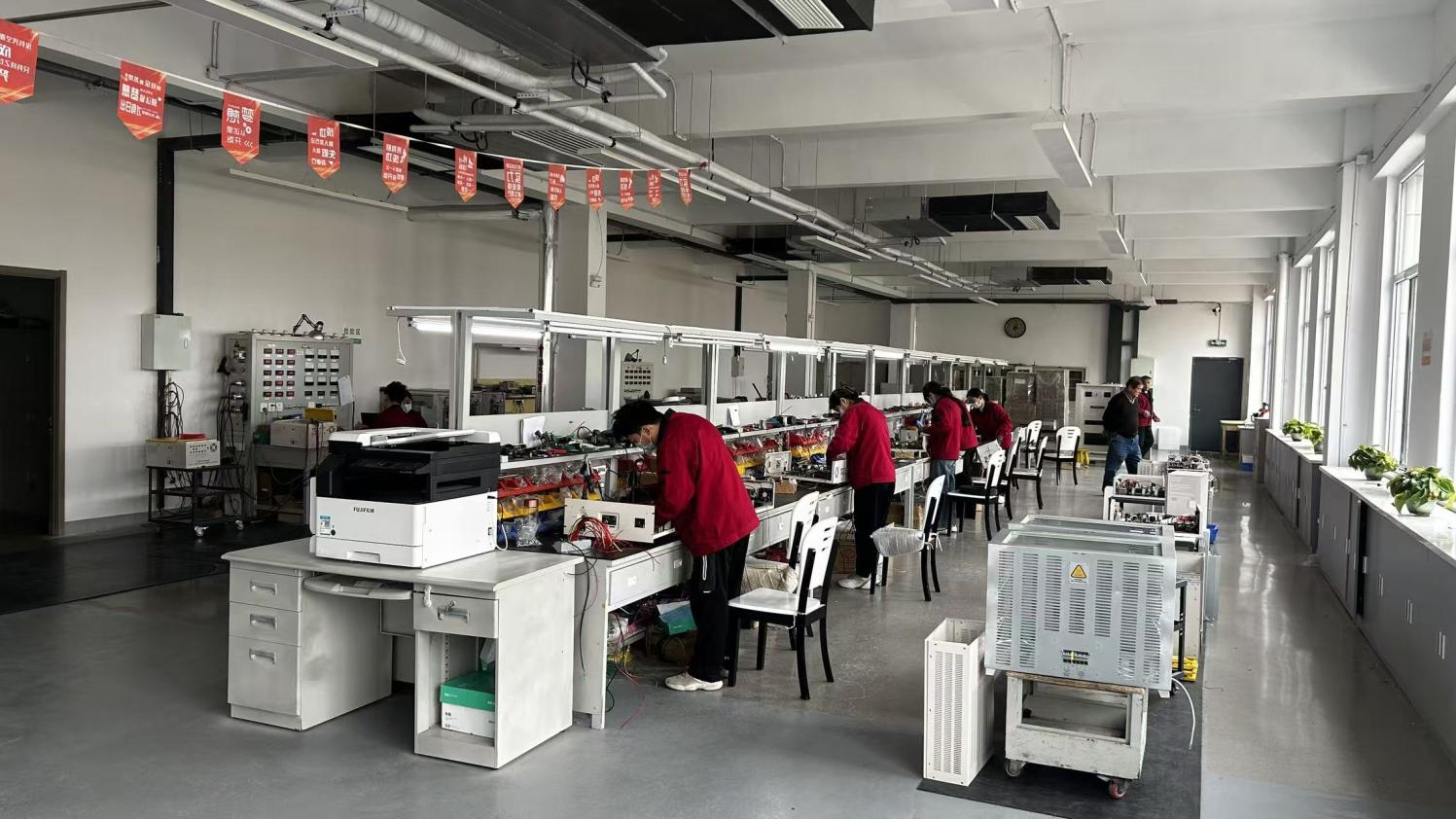
State-of-the-Art Production & QA Facilities
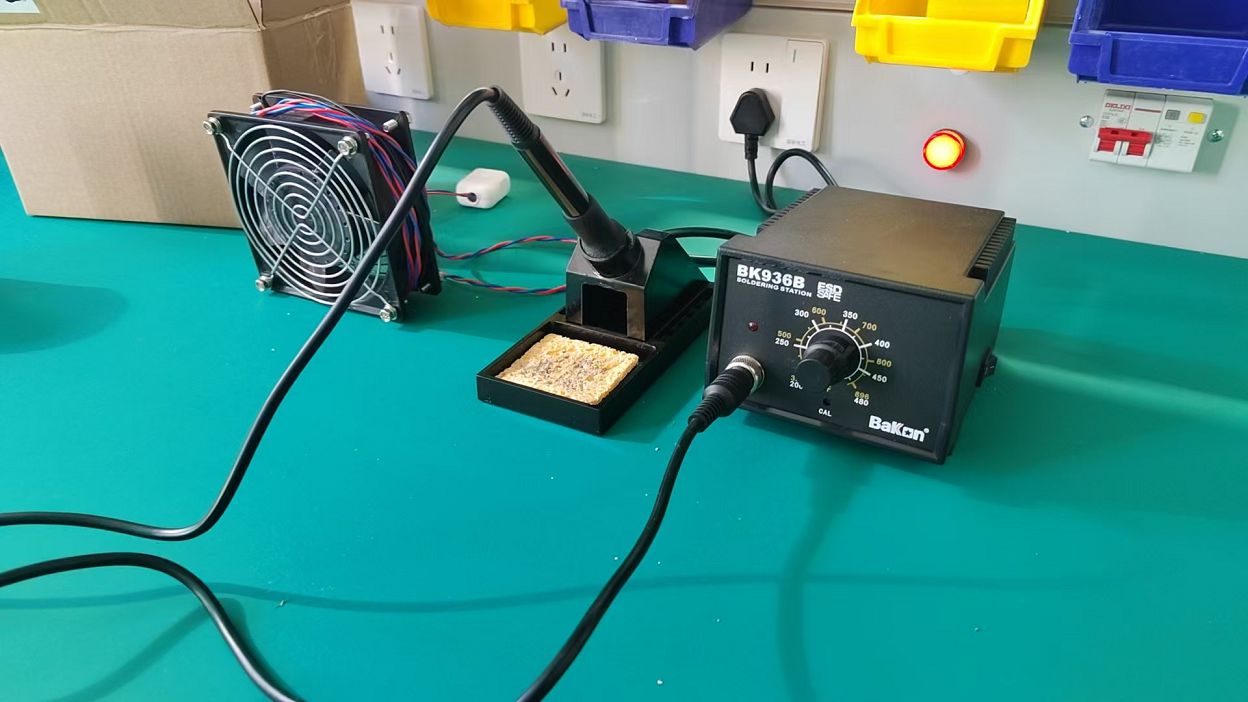
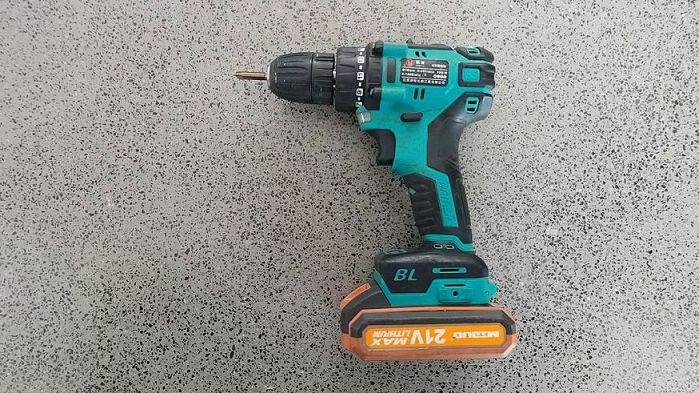
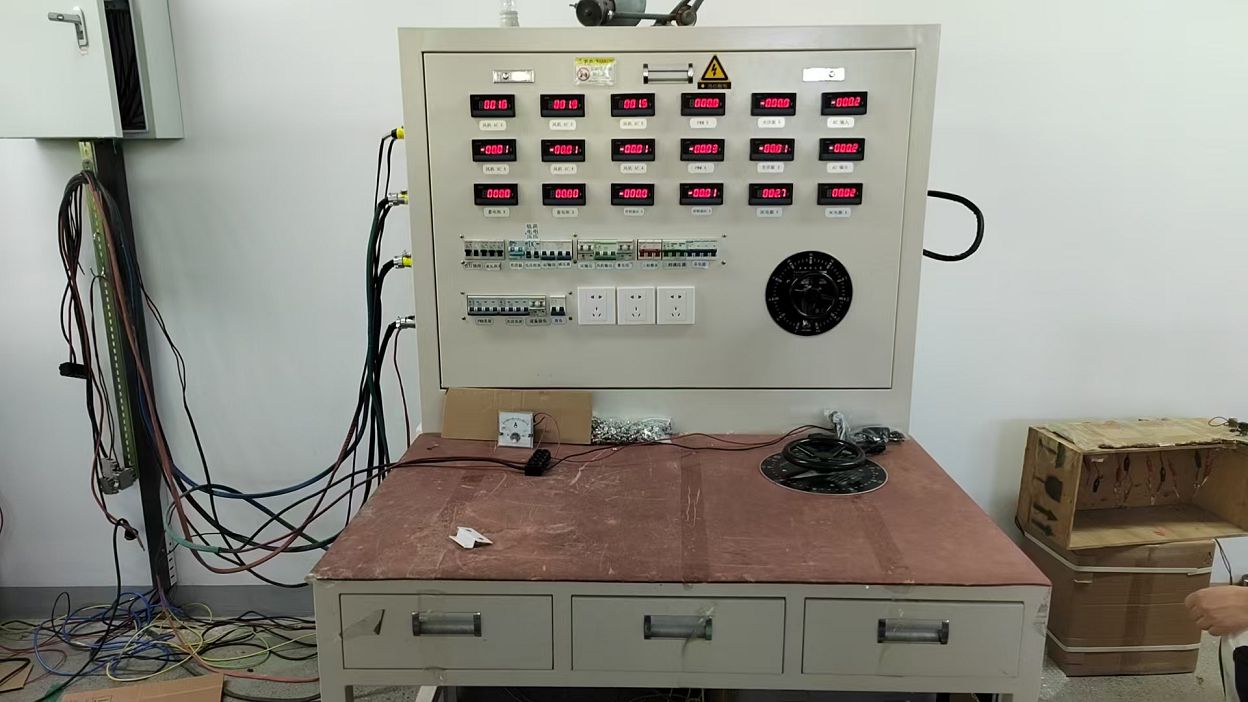
A transparent view inside our Shenzhen production lines, engineering laboratories, and hardware validation workshops.
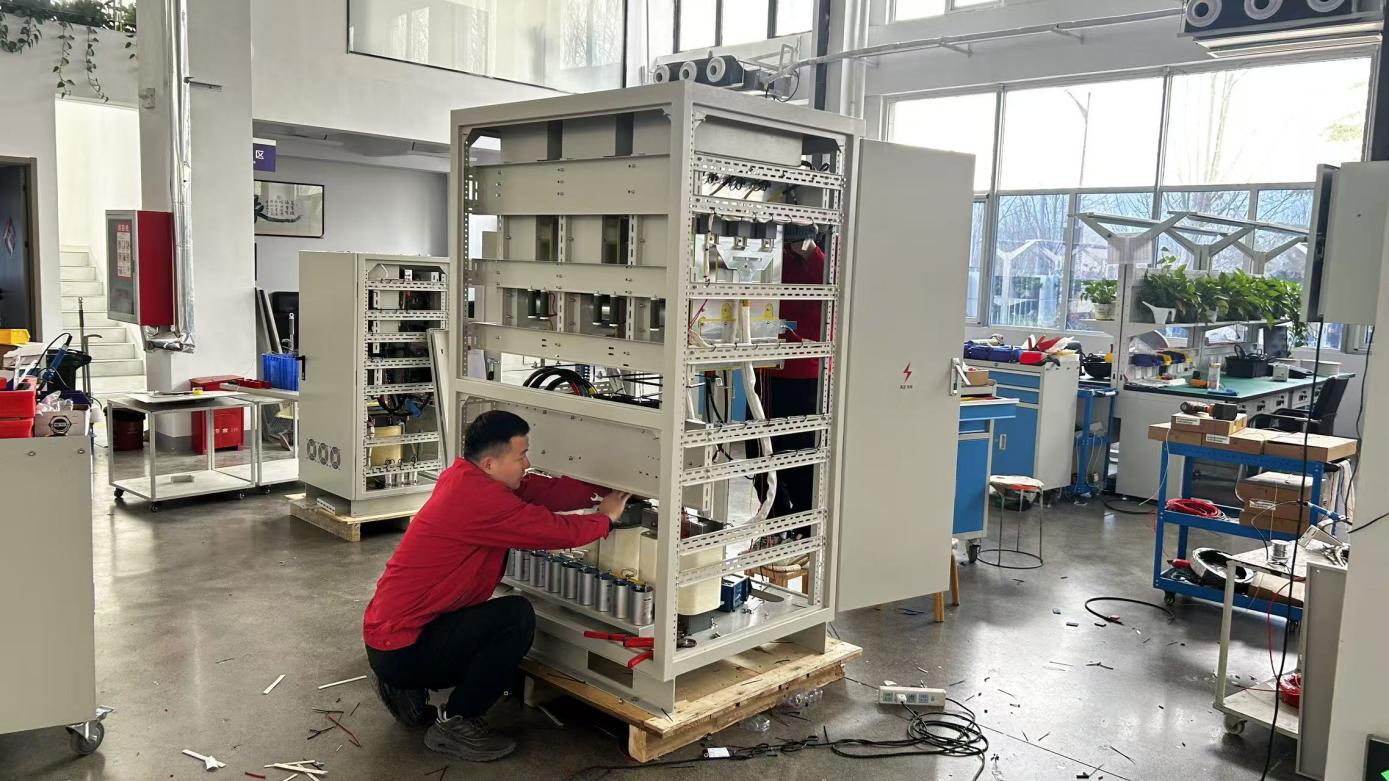
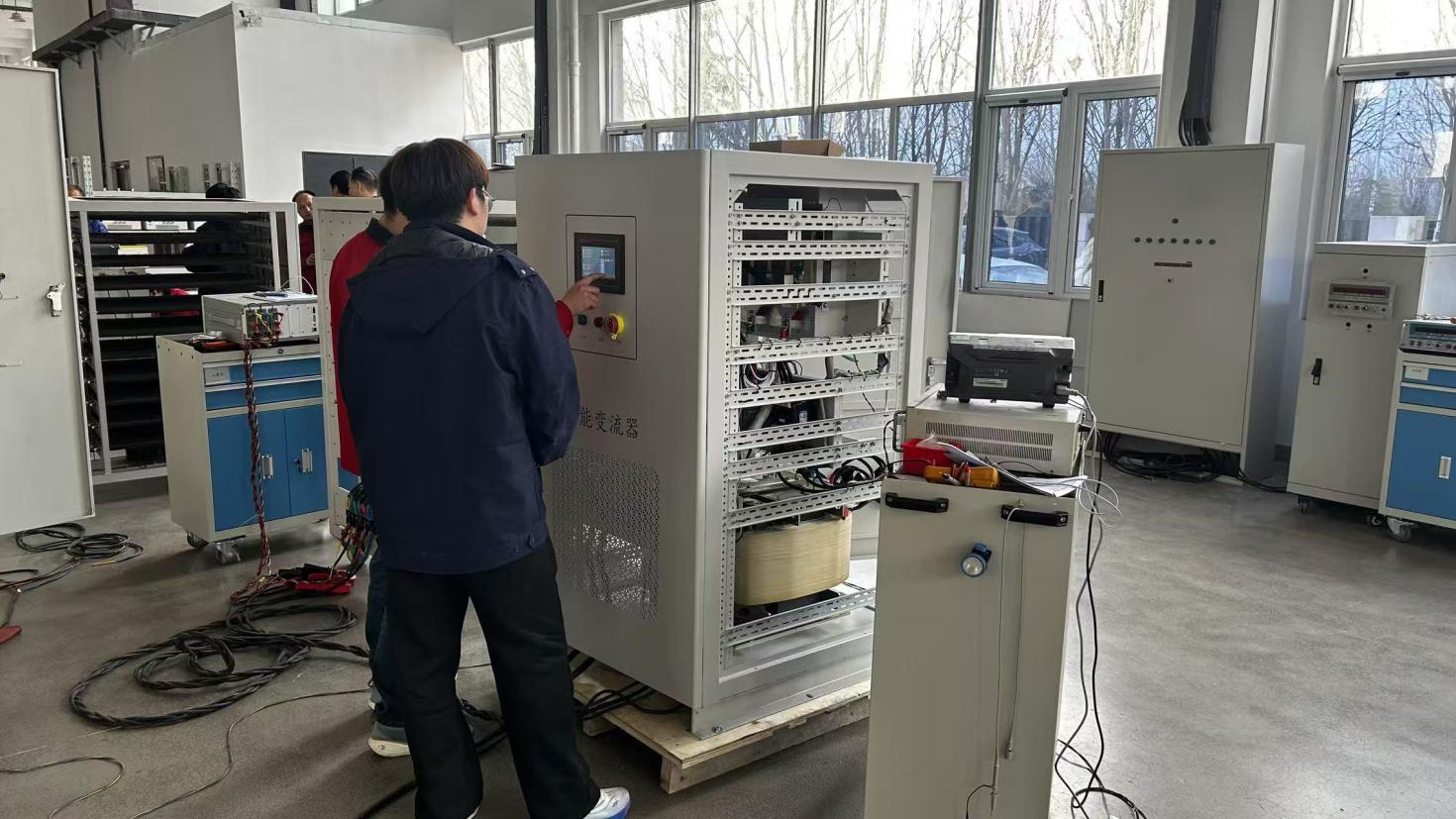
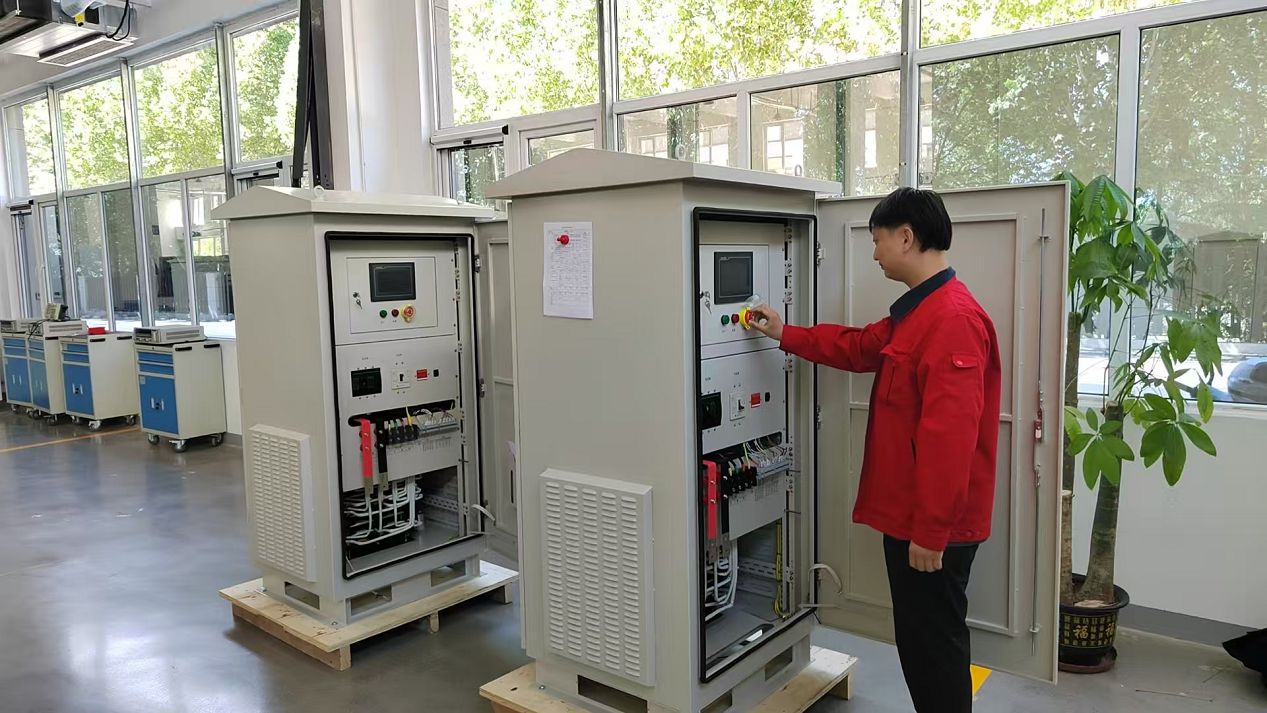
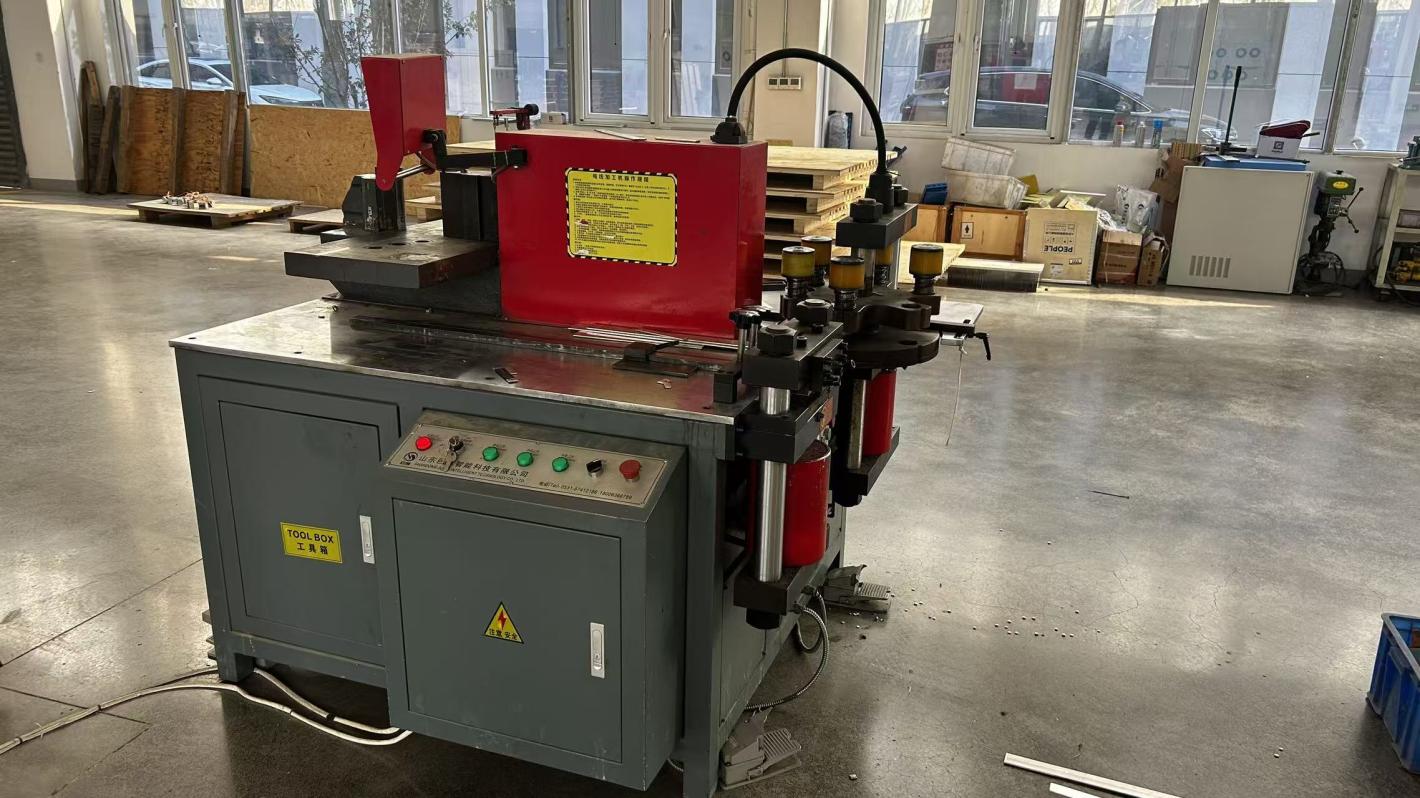
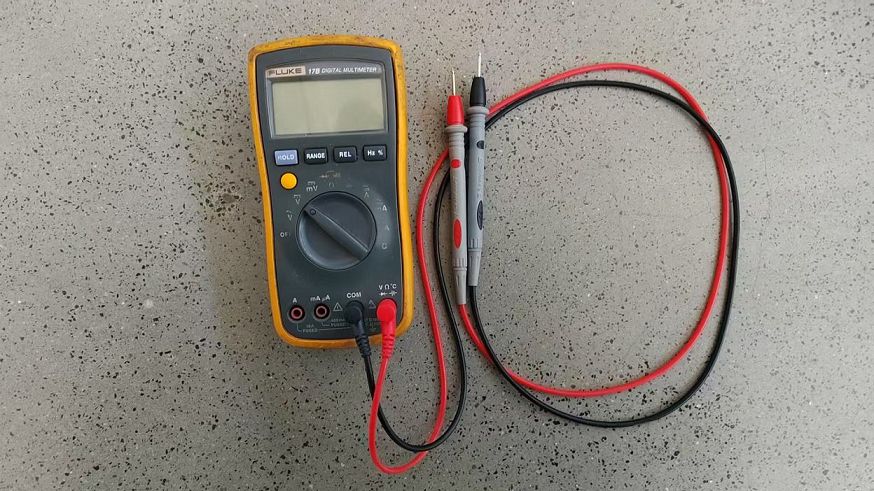
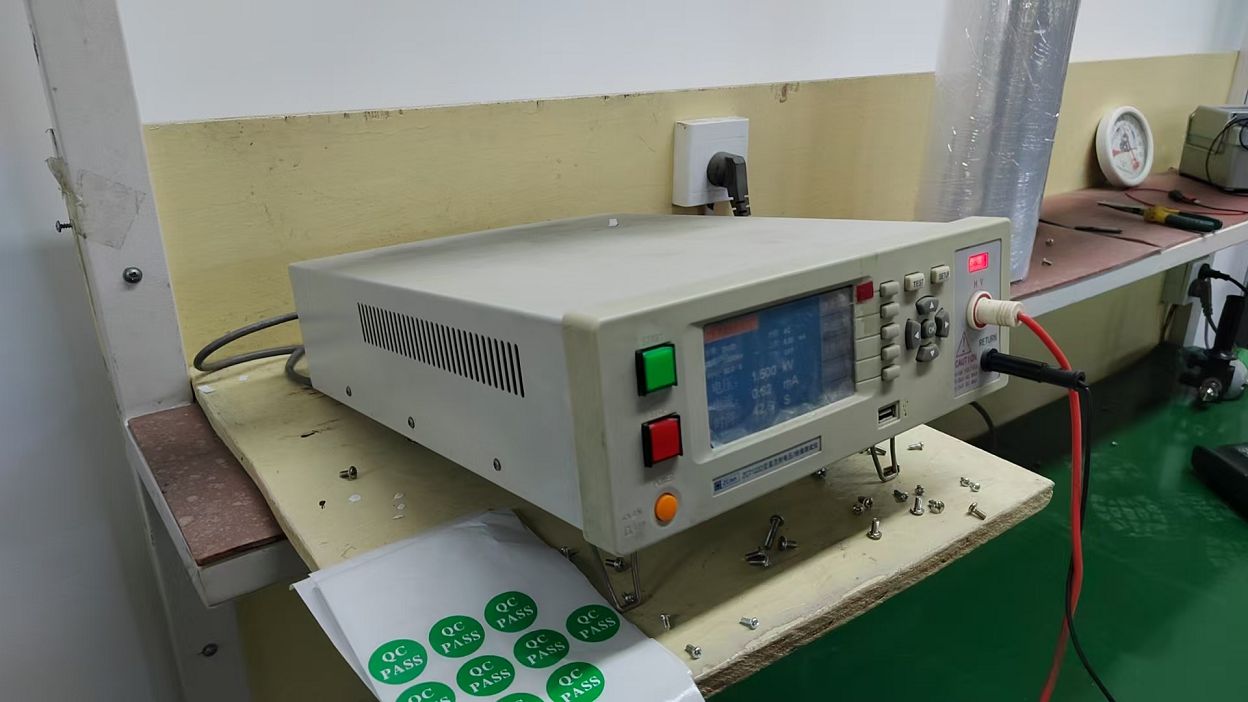
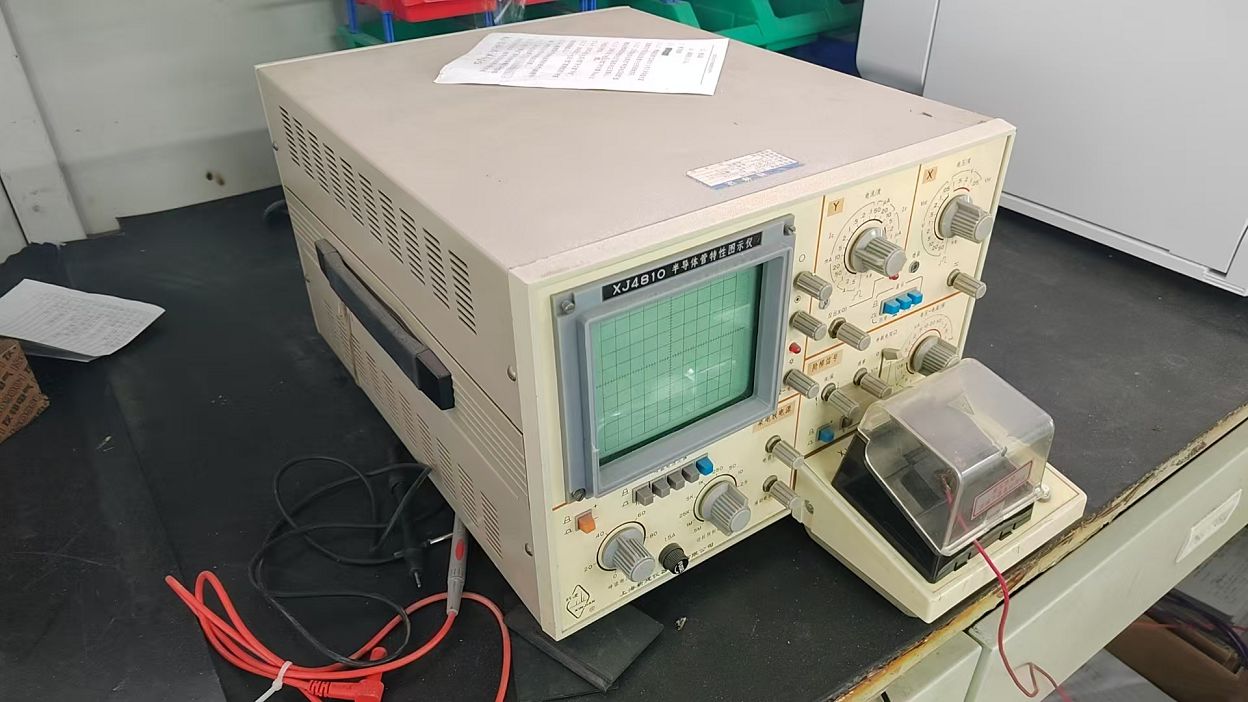
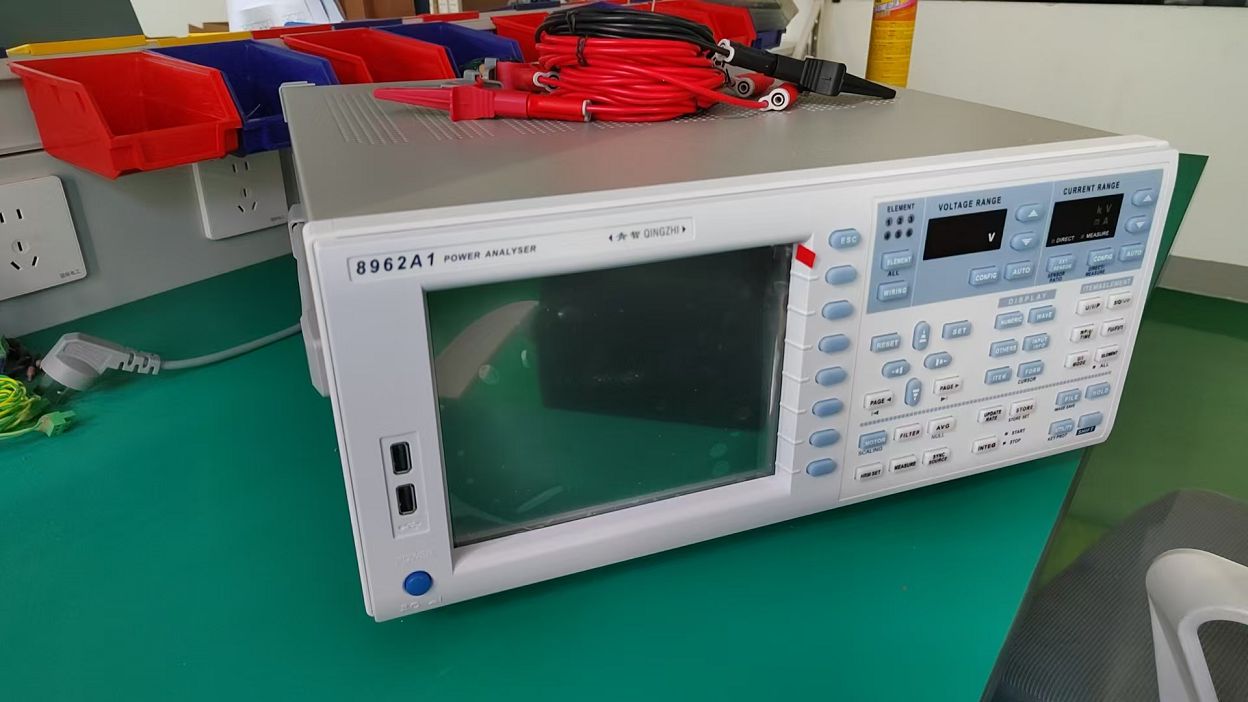
State-of-the-Art Metrology & Design Tools
We deploy world-class analytical and measuring instruments to assure product safety, compliance, and optimal conversion dynamics.
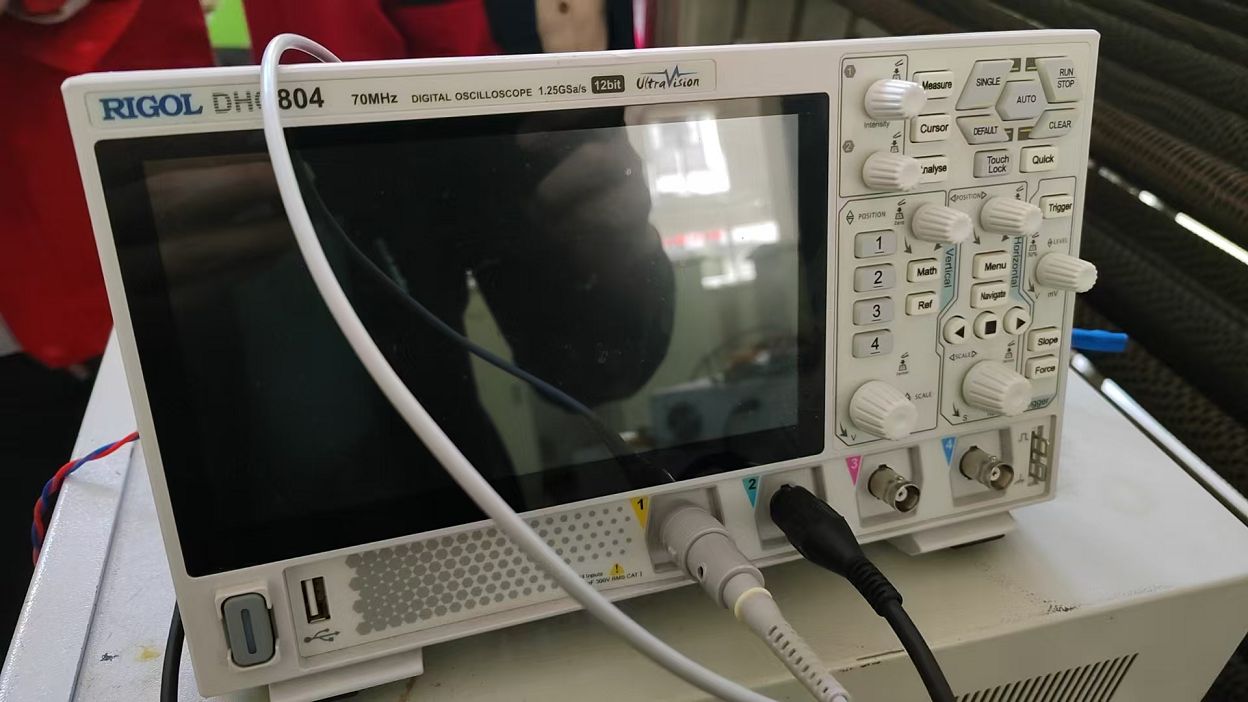
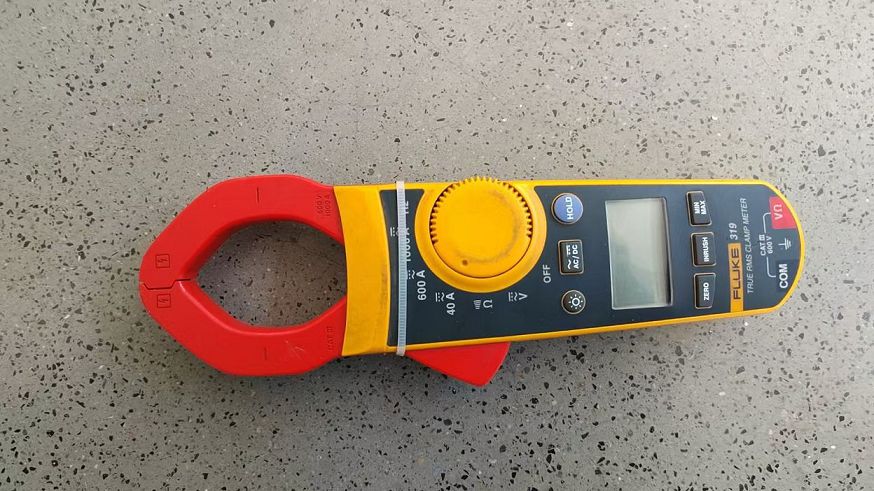
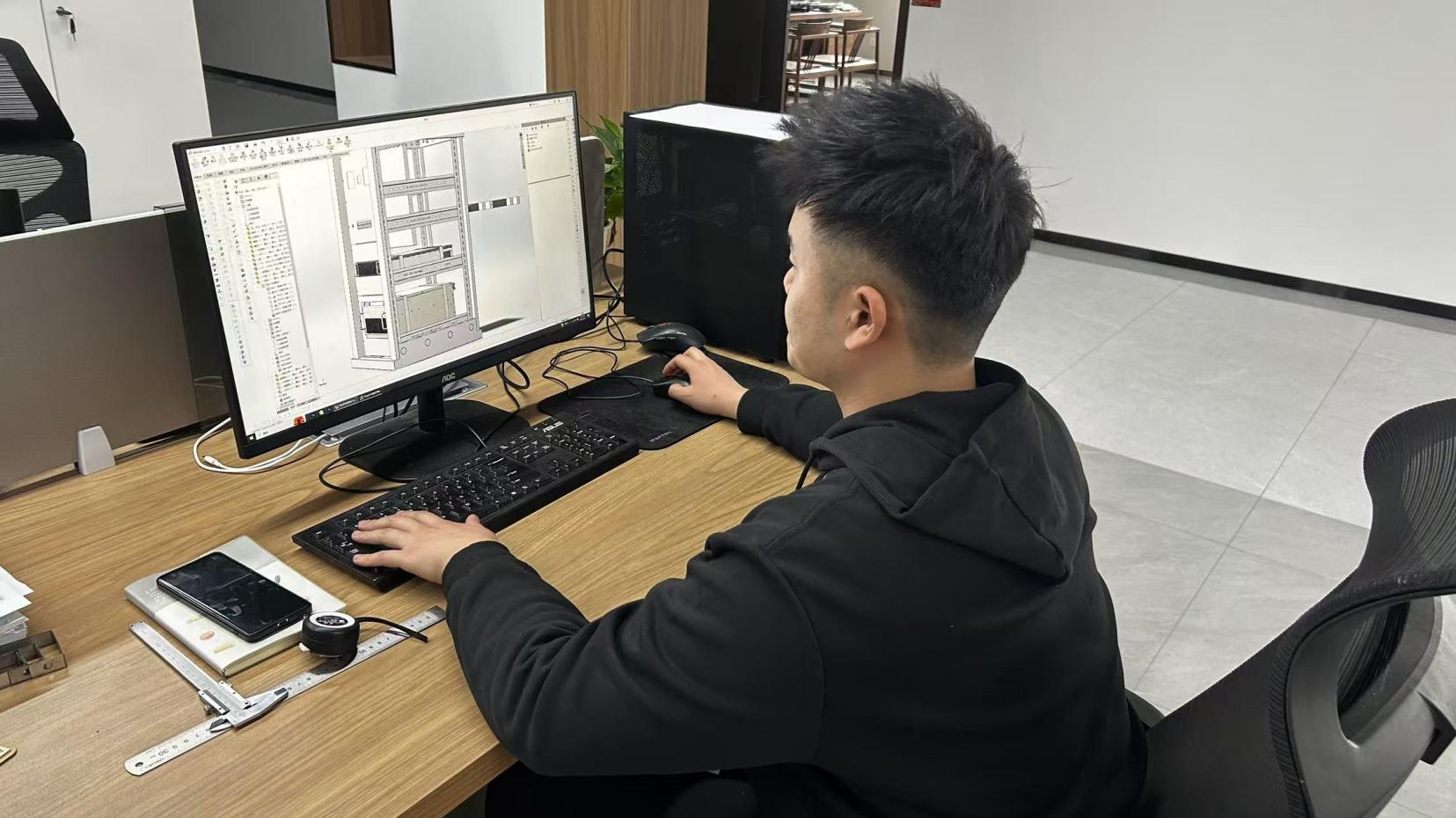
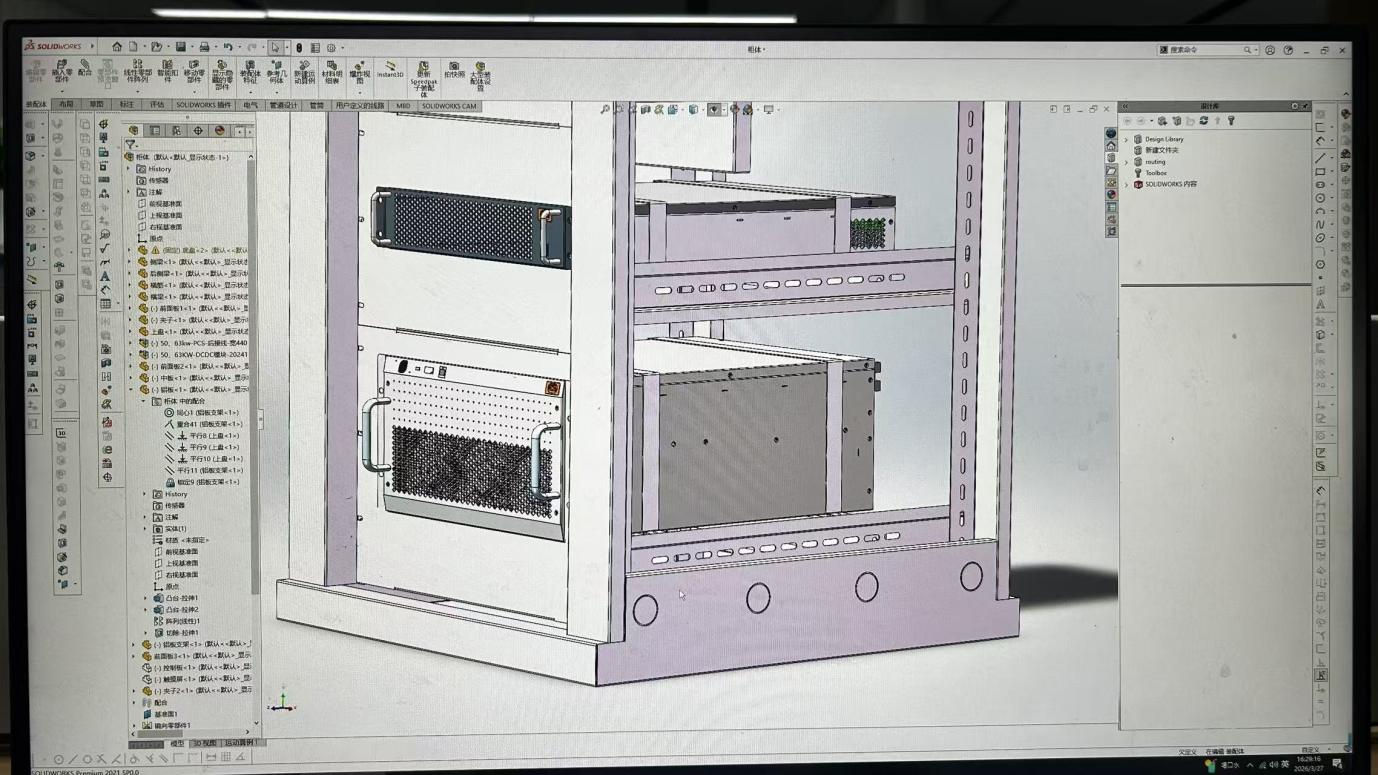

Strategic Global Procurement Framework
Crucial pointers for international utility buyers, engineering-procurement-construction (EPC) firms, and OEM distributors buying from China.
Grid Stabilization Compliance
Microinverters must align with grid codes such as UL 1741 SA/SB (USA), AS4777 (Australia), and EN 50549 (EU). China suppliers must execute comprehensive testing using bidirectional AC grid simulators before global dispatch.
Thermal Runaway & Outdoor Degradation
Because microinverters are installed directly behind solar modules, they are exposed to extreme radiant heat. Procured hardware must feature NEMA 6 / IP67 enclosures and have been verified inside environmental test chambers.
Technical FAQ: Micro Inverters & Grid Testing
Clear, expert-written answers to common engineering questions concerning microinverter testing, operation, and procurement.
Extended Power Regulation & Simulation Products
Additional high-power solutions designed to build robust test environments for microinverters, battery management systems, and solar arrays.
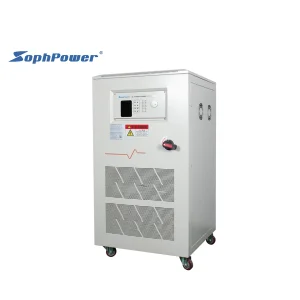
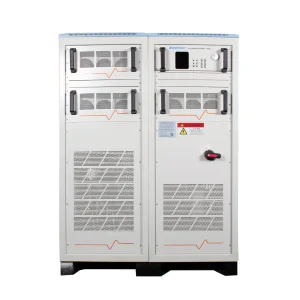
60kVA Three Phase Frequency Converter Ac Power Source Sophpower AFC-360