Integrated Power Control & Regulated Test Systems
Professional high-power electronics requires heavy-duty cable management. Explore our foundational industrial power conversion and testing solutions deployed worldwide.
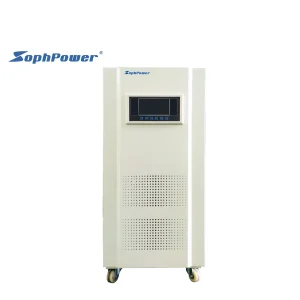
High Quality 30kVA AC Automatic Voltage Regulator
View Technical Specifications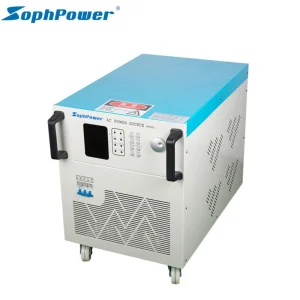
10KVA 3 phase power frequency converter 60hz 50hz
View Technical Specifications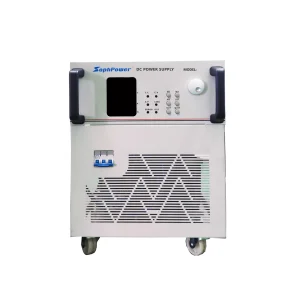
60V 200A laboratory dc switching power supply
View Technical Specifications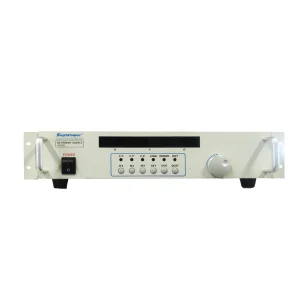
300v 40 amps programmable dc regulated power supply
View Technical Specifications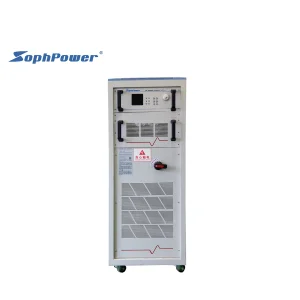
400v Ac to Dc Converter Power Supply 50kw
View Technical Specifications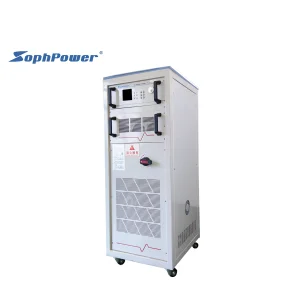
400v 75a programmable dc switching power dupply
View Technical Specifications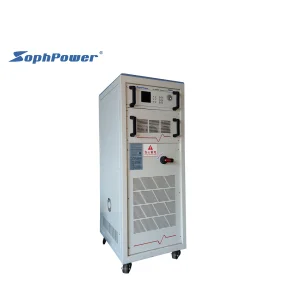
700v 60a programmable dc putput power supply
View Technical Specifications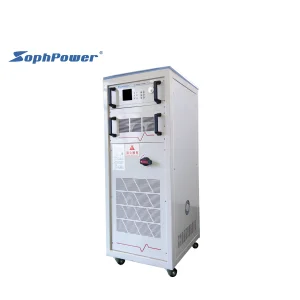
50kw 250v High Power Programmable Dc Power Supply
View Technical SpecificationsStructural Cable Support Systems: The Foundation of Electrical Reliability
In high-voltage testing laboratories, data centers, and heavy manufacturing facilities, the structural integrity of the Cable Management System is directly proportional to operational safety and uptime. Unmanaged cabling introduces significant hazards, including mechanical stress, localized thermal hot spots, signal interference, and prolonged diagnostic cycles during maintenance.
A professionally engineered cable routing environment utilizes high-tensile steel wire mesh trays, heavy-duty perforated cable trays, and modular cable ladders. These systems ensure that dynamic load-bearing capacities are met while optimizing the natural ventilation required to prevent heat accumulation around power feeds.
By preventing Electromagnetic Interference (EMI) through proper cable separation (separating high-power AC/DC lines from low-voltage diagnostic lines), modern installations maintain data integrity and accurate laboratory test outputs.
Technical Guide: Cable Management in High-Power Testing Environments
Achieving zero-noise, maximum thermal dissipation, and optimal bend radii in high-capacity industrial test bays.
Electromagnetic Compatibility (EMC)
High-current DC switching power supplies and high-frequency variable AC power sources generate substantial electromagnetic fields. Utilizing enclosed metallic cable trunks or steel wire baskets with integrated partitions acts as a Faraday shield. This isolates low-level control lines and prevents cross-talk and harmonic distortion from degrading measurement accuracy.
Thermal Dissipation & Ventilation
Cables running continuously at rated currents experience significant Joule heating. Proper wire tray engineering requires adhering to strict fill ratios (typically not exceeding 40% to 50% of the cross-sectional area). Open wire mesh designs maximize air convective currents, dropping operating temperatures and extending the lifecycle of premium copper cables.
Bend Radius Protection
Heavy-duty power cables possess rigid minimum bend limits (usually 6 to 12 times the outer diameter). Cable ladders, drop-out plates, and smooth sweep elbows ensure that conductor jackets are not subject to localized mechanical stress, preventing microscopic insulation fractures and structural copper degradation over time.
Global Trends in Industrial Cable Management
Navigating the transition toward smart, modular, and environmentally sustainable routing architectures.
Smart Cable Routing Integration
Industrial IoT has entered the pathway infrastructure. Modern facilities embed temperature and current sensors inside cable ducts. These systems monitor real-time thermal profiles along long-distance cable paths, feeding data back to energy management software to predict thermal overload before faults occur.
- Real-time pathway temperature telemetry
- Automated alerts for localized cable hot spots
- Integration with SCADA and industrial automation suites
Sustainability & Material Innovation
Global mandates require environmentally friendly, low-smoke, halogen-free (LSZH) materials. In the event of a fire, modern cable paths must not release toxic gases or corrosive acids. Additionally, zinc-plating processes have transitioned to eco-friendly trivalent passivation, ensuring maximum corrosion resistance without environmental toxicity.
- RoHS & REACH compliant surface finishes
- Flame-retardant, self-extinguishing plastic components
- High recycle-rate steel and aluminum alloys
Why Global Enterprises Partner with China's Advanced Manufacturing Hubs
How Shenzhen's complete industrial ecosystem delivers unmatched engineering flexibility, cost efficiency, and export compliance.
1. Complete Vertically Integrated Sourcing
Shenzhen represents the pinnacle of global electronics manufacturing. Raw materials, stamping, precision sheet metal fabrication, galvanization, and state-of-the-art testing infrastructure are located within a 50km radius. This geographic concentration translates to rapid prototyping, customized production runs, and shortened supply lead times.
2. High-Tech Automated Precision Engineering
Utilizing high-end CNC fiber lasers, automated wire bending grids, and robotic welding stations ensures dimensional accuracy down to fractions of a millimeter. This degree of process control ensures that complex modular grid systems assemble seamlessly on site without requiring modification or manual adjustments.
3. Global Certification and Verification Standards
Top-tier Chinese manufacturers operate under ISO 9001:2015, ISO 14001, and ISO 45001 frameworks. Industrial products destined for export carry UL, CE, NEMA, and IEC compliance certificates, ensuring zero customs frictions and immediate integration into international municipal and private infrastructure projects.
Global Compliance & Regional Localization Support
Engineering compliance is local; execution is global. We match our designs to the regulatory landscape of your destination country.
Different markets present distinct regulatory frameworks. For North America, compliance with UL 2239 and NEMA VE 1 / VE 2 is essential to secure local electrical inspector sign-offs. In the European Union, the design of cable supporting systems must align with EN 61537:2007, governing electrical continuity and mechanical load deflection parameters.
Our global support strategy addresses these differences directly:
- Material Localization: High-grade SUS304 or SUS316L stainless steel for coastal and marine environments; hot-dip galvanized (HDG) steel complying with ISO 1461 for heavy-world industrial plants.
- Drawing Transliteration: CAD/BIM model files natively generated in standard international formats for integration into local engineering software.
- Localized Logistics: Complete delivery options including DDP (Delivered Duty Paid), ensuring all import duties, custom clearings, and inland transit are handled before site arrival.
Engineering Standard Checklist
| Region | Primary Standard | Compliance Focus |
|---|---|---|
| USA & Canada | NEMA VE 1 / UL 2239 | Load & grounding safety |
| Europe (EU) | IEC / EN 61537 | Flame retardance & loads |
| Asia Pacific | AS/NZS 3084 | Telecommunications pathing |
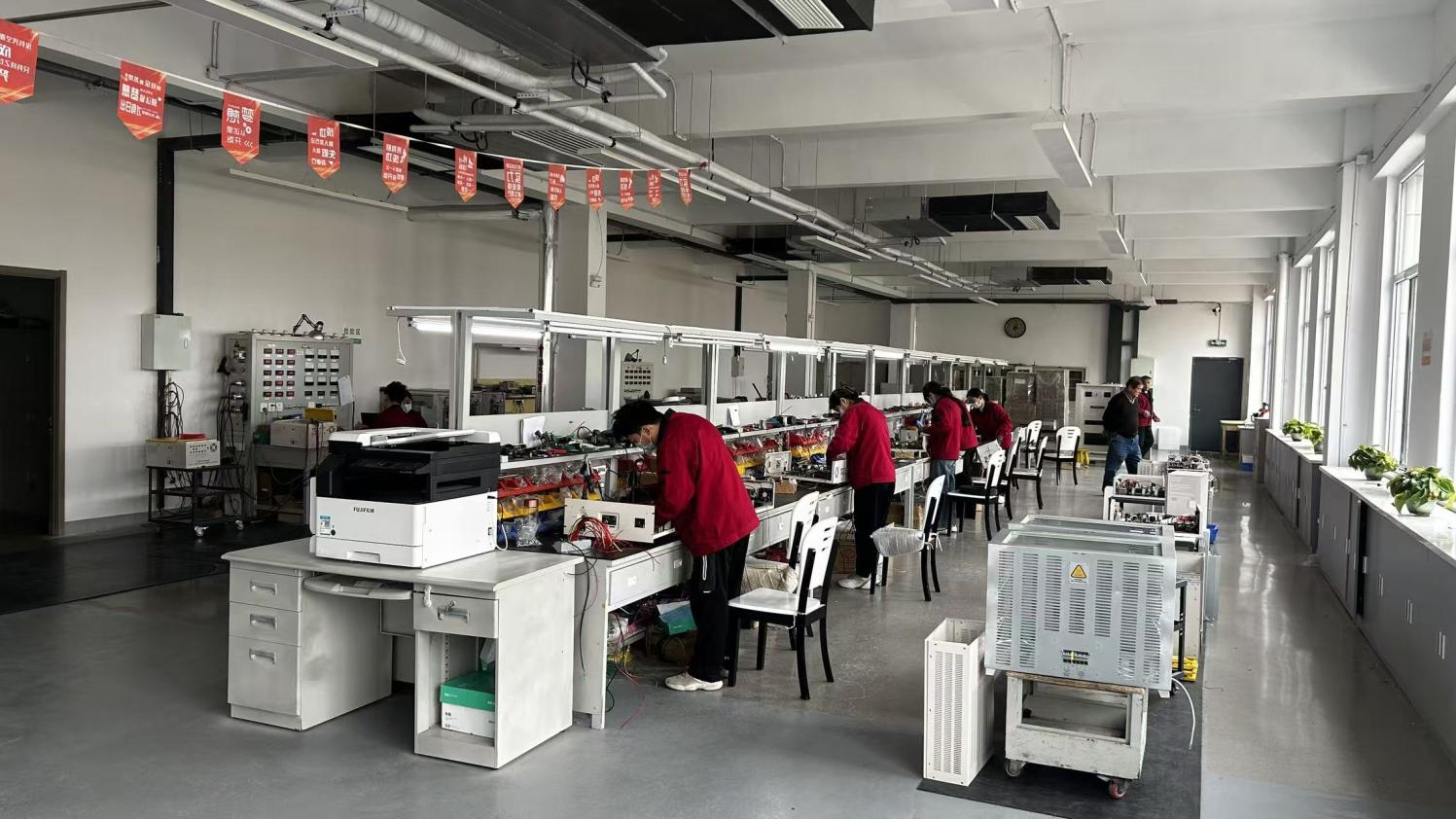
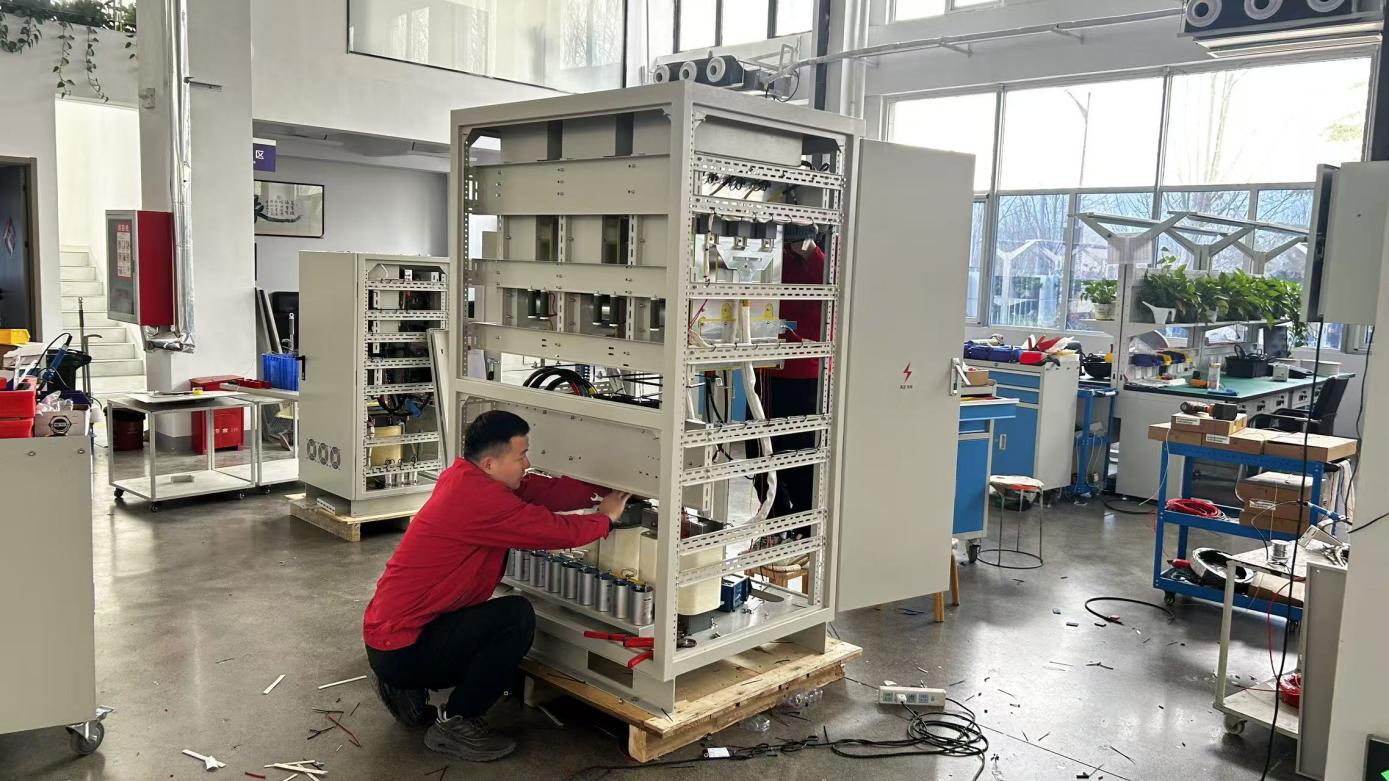
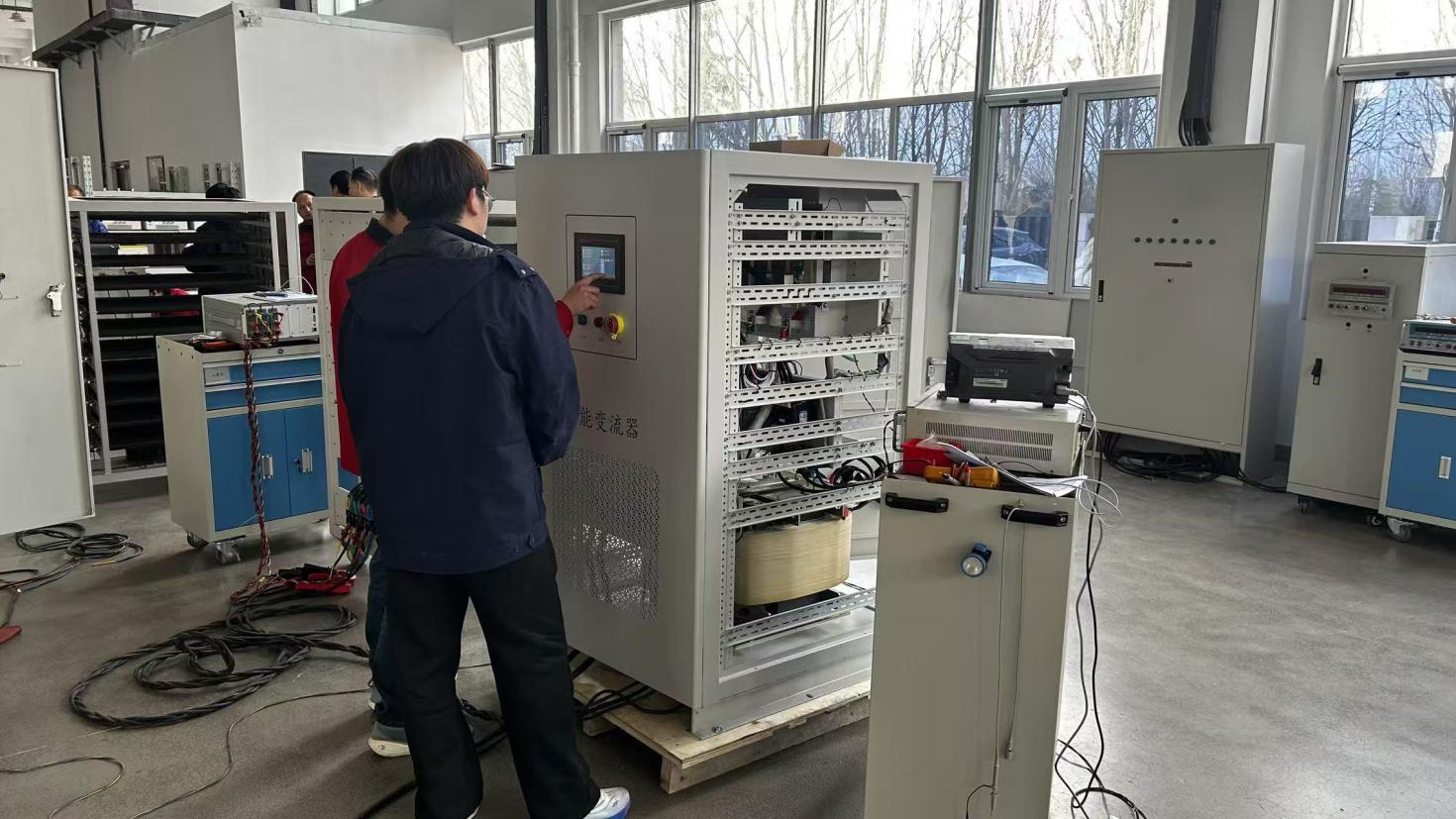
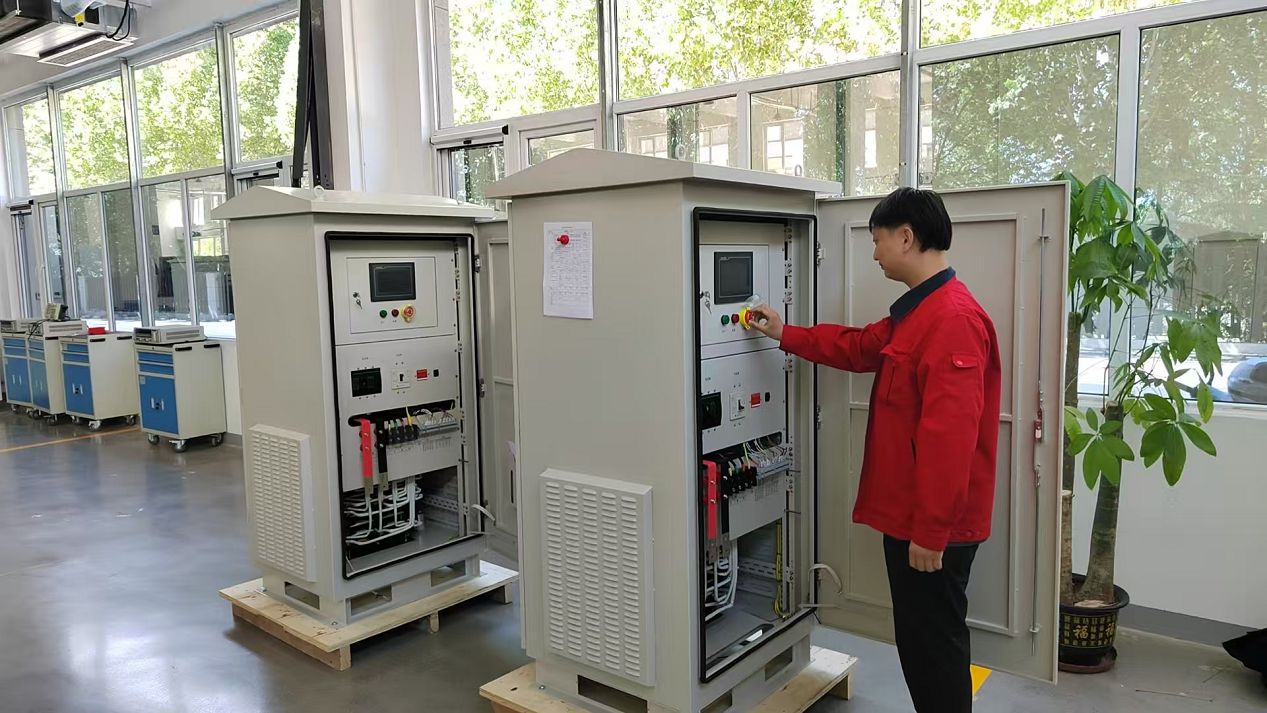
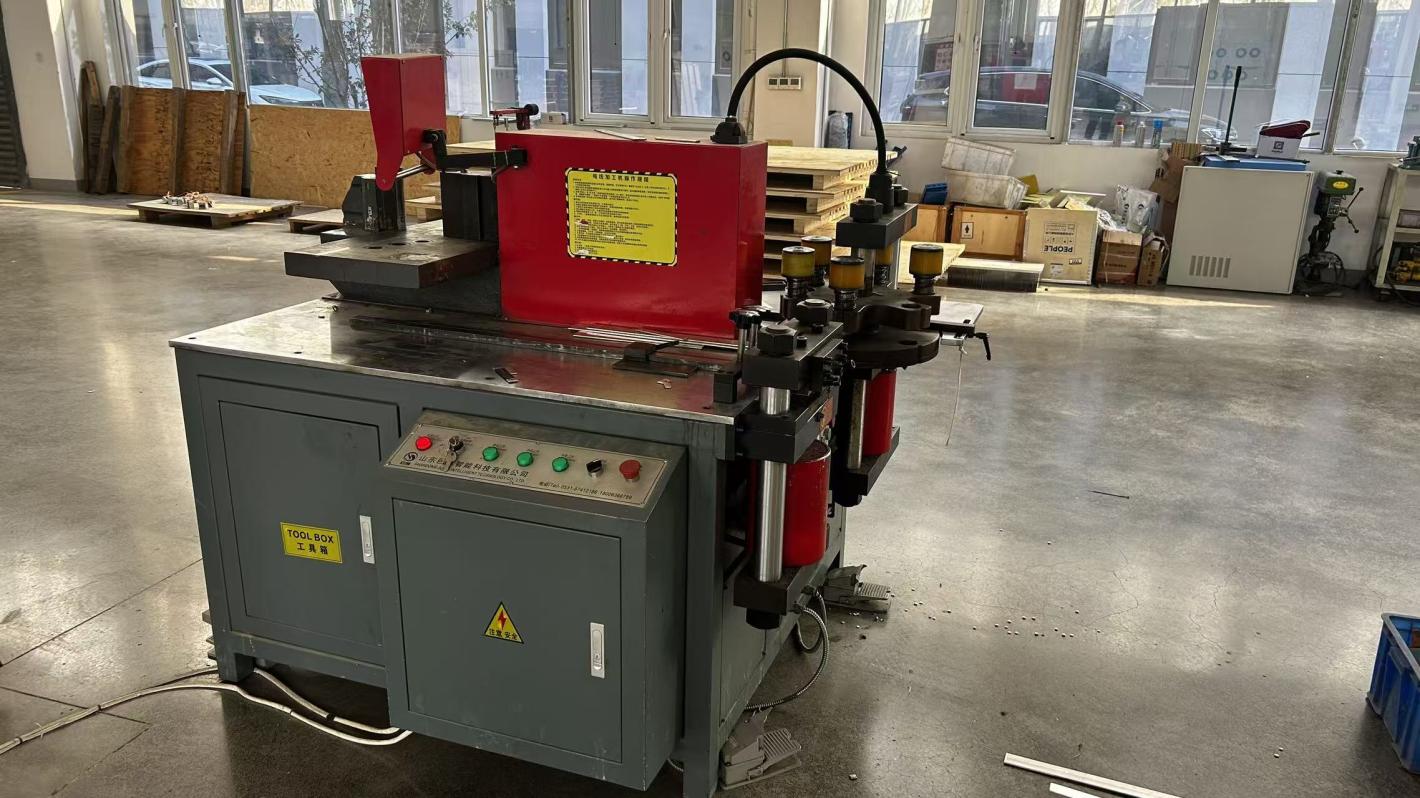
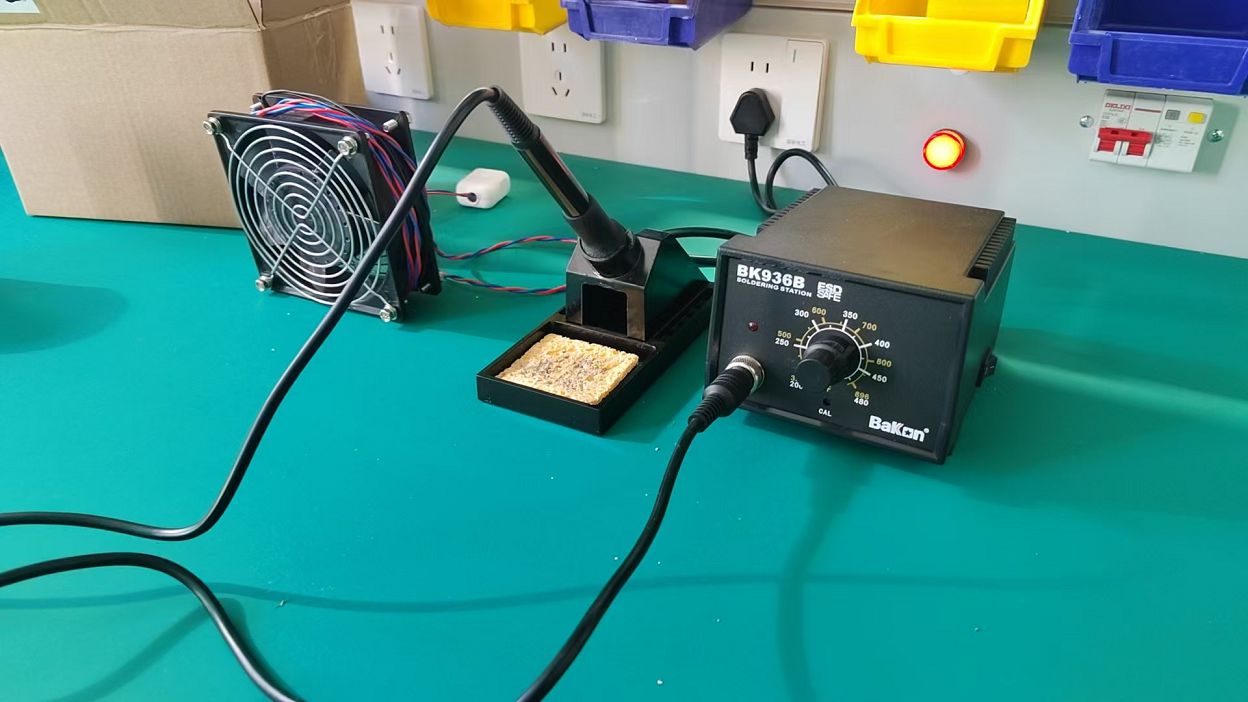
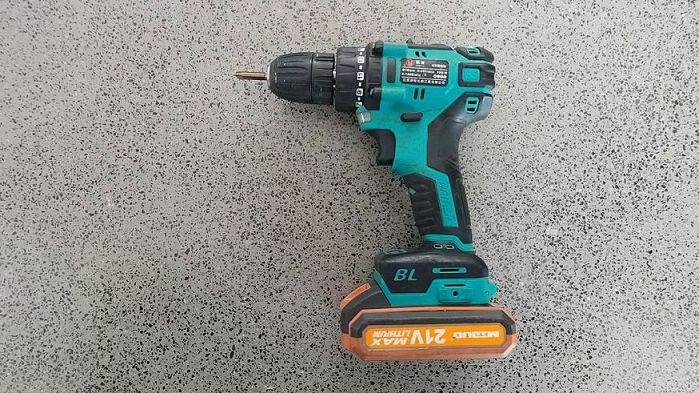
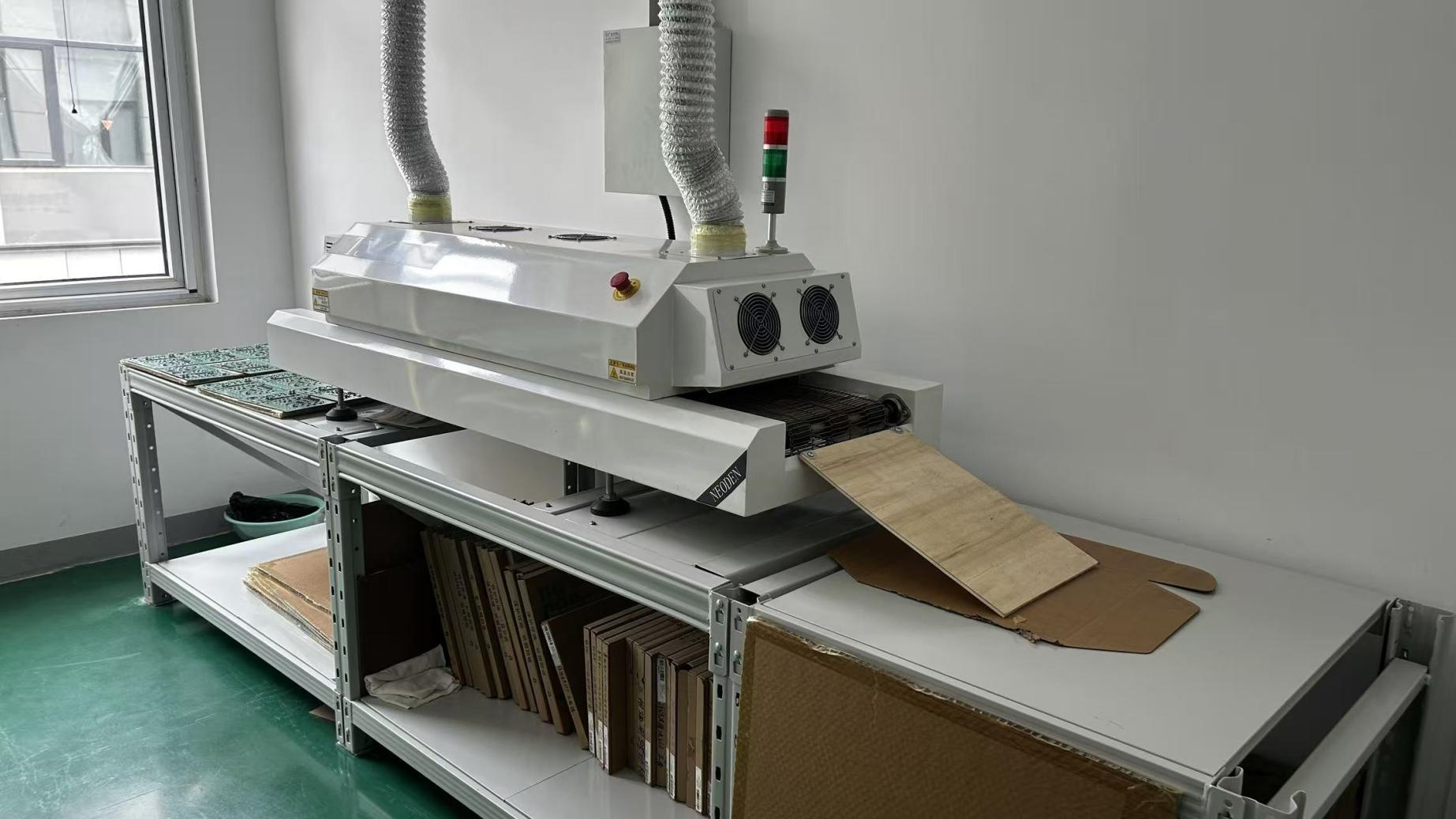
Advanced Manufacturing Facility & Rigorous Quality Control
Shenzhen Sophpower Electronics Co., Ltd. integrates high-precision mechanical fabrication with advanced electronics production.
About:
Shenzhen Sophpower Electronics Co., Ltd. was established in 2006, located in Shenzhen, China. As a High-tech enterprise with sustainable and rapid growth, Sophpower has a group of technical engineers with rich experience in the field of testing power supply. Main products including AC Power Source, Linear AC Power Source, Bidirectional AC Power Source, DC Power Supply, Bidirectional DC Power Supply, Voltage regulator and UPS. Can provide customized test power supply according to customer's requirements.
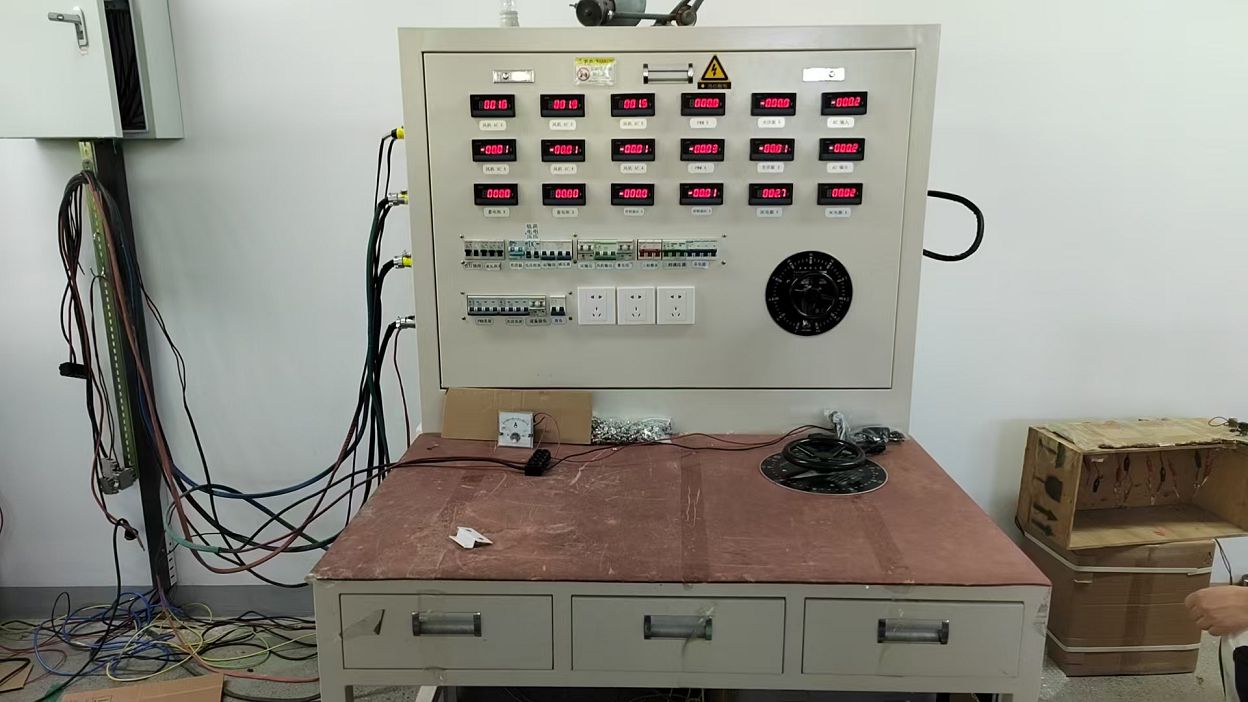
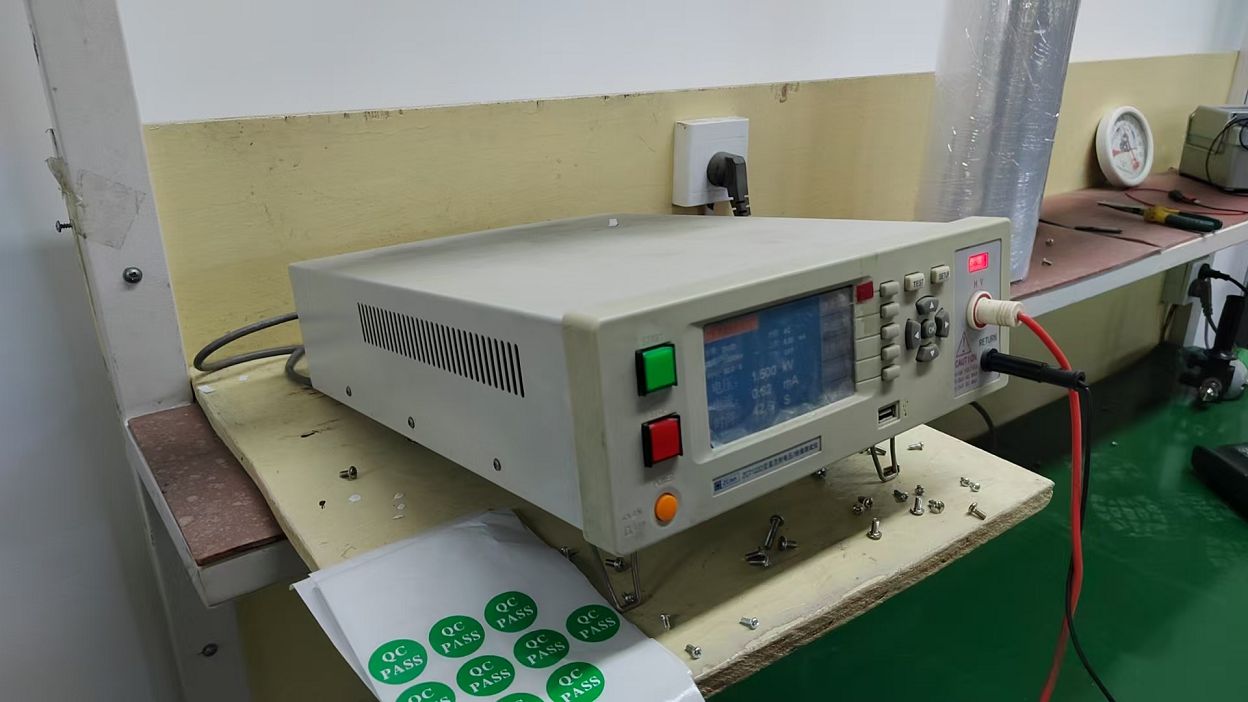
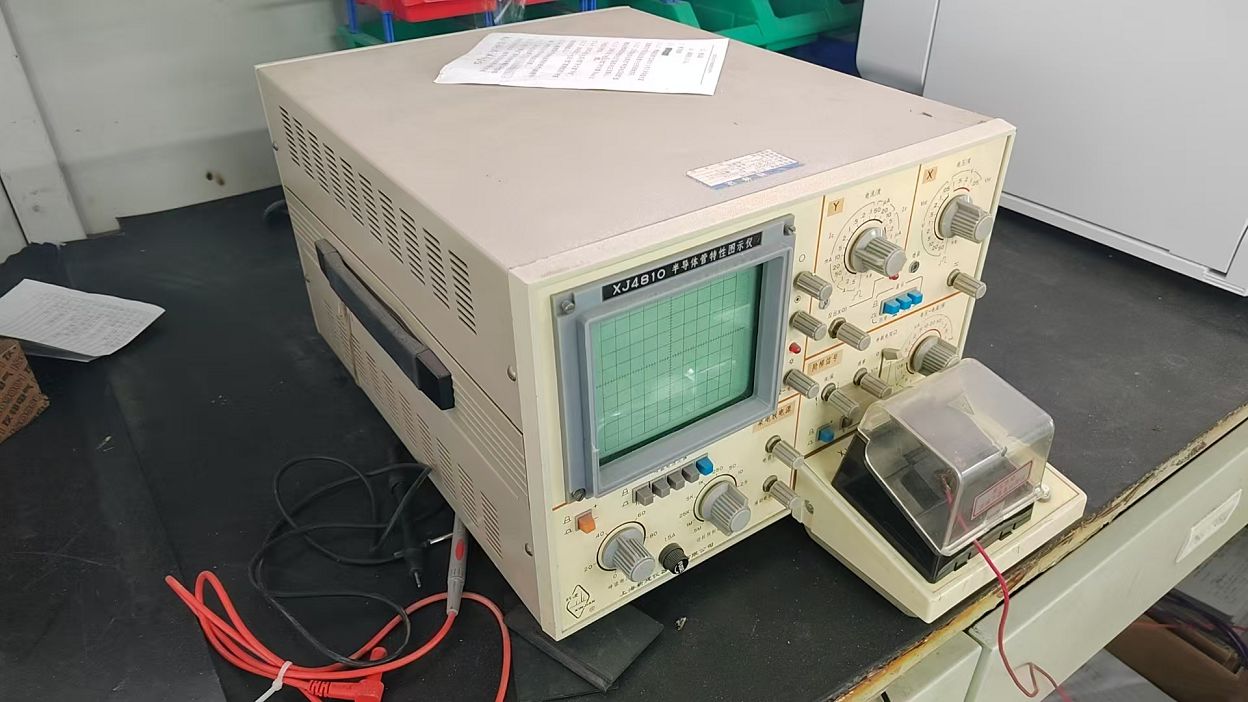
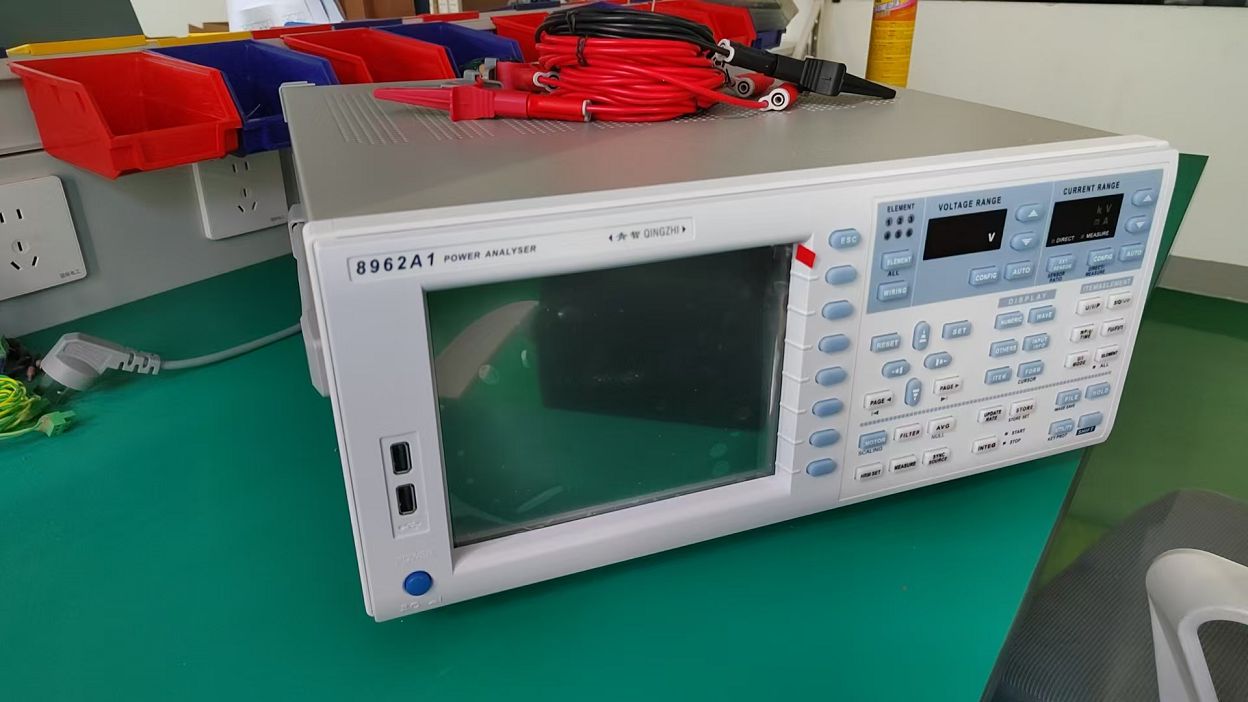
Production & Debugging Processes

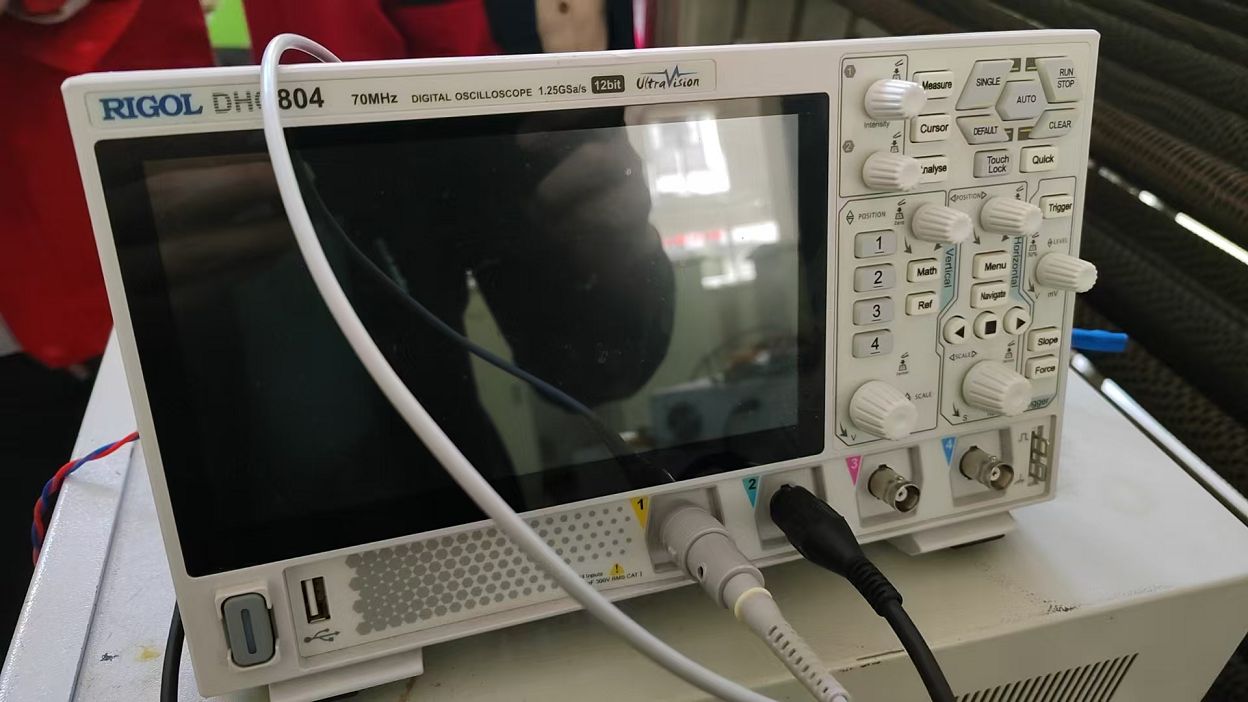
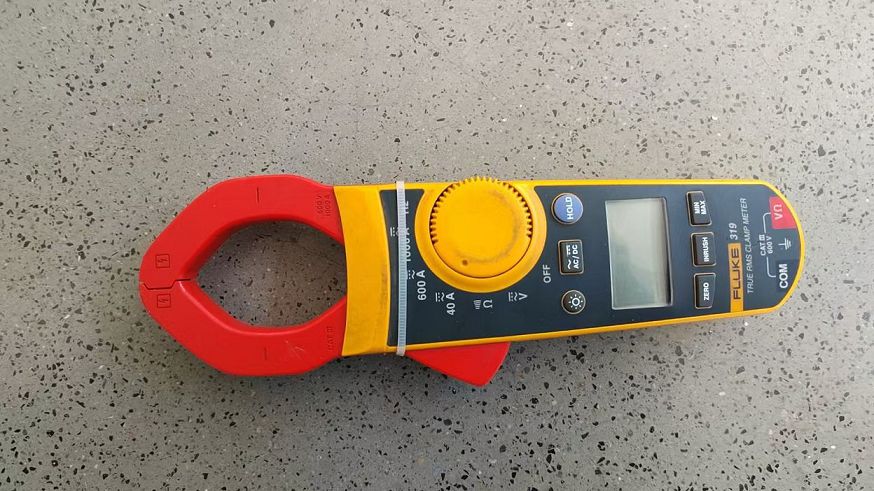
Engineering Design & Analytical Testing Devices
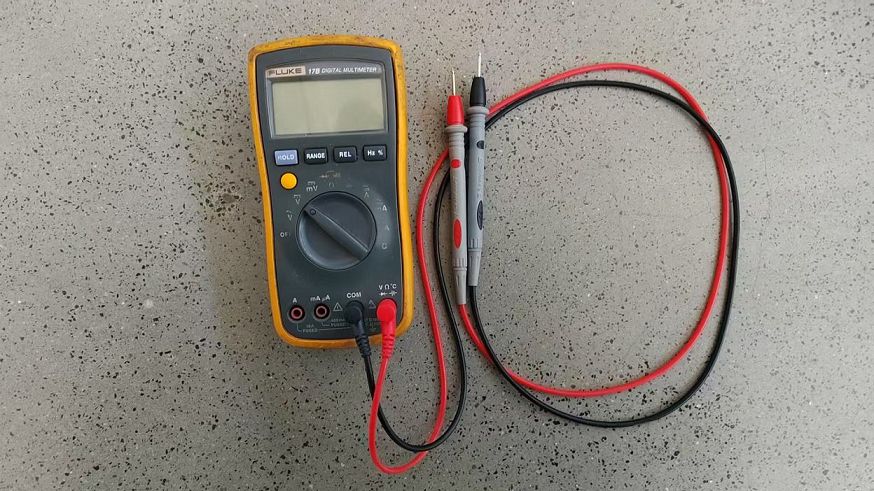
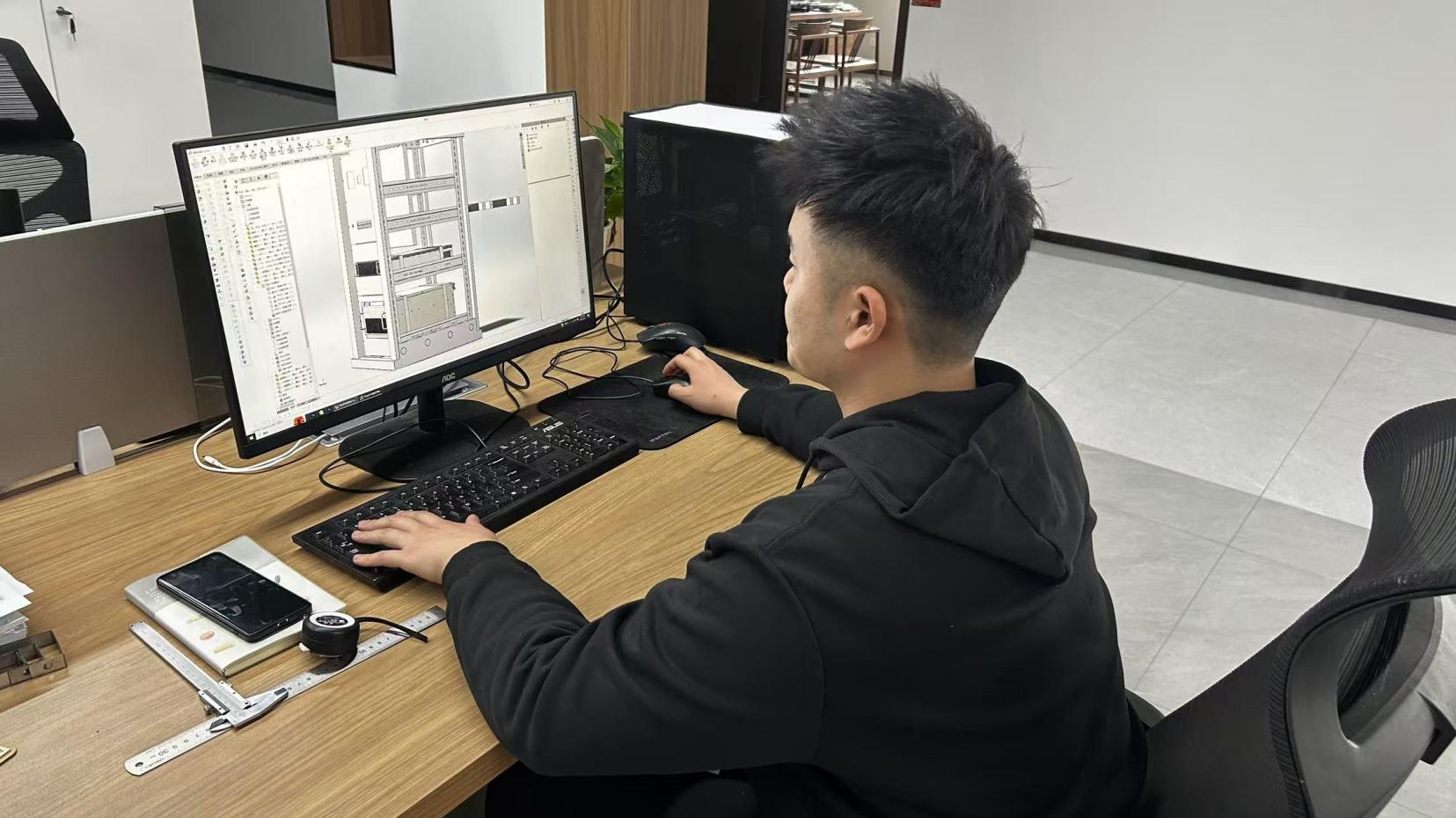
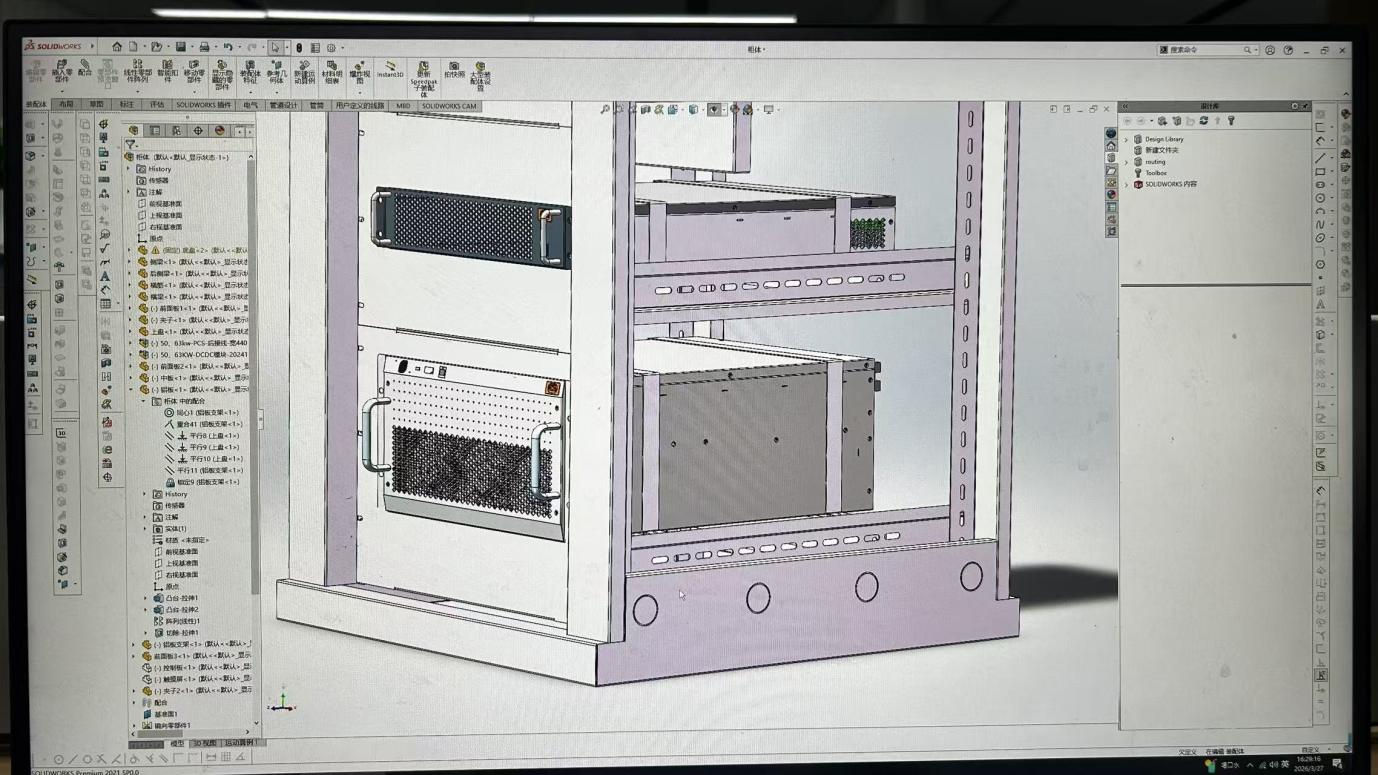
Technical FAQ: Cable Management Systems
Detailed answers to critical engineering, safety, and regulatory compliance queries.
High-Precision Laboratory & Variable AC/DC Power Sources
Explore our secondary list of advanced engineering testing products, complete with detailed specifications for integration into your next facility build-out.
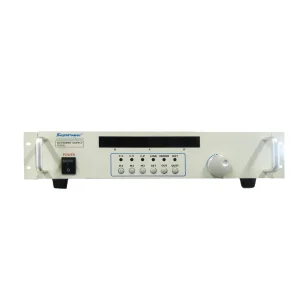
High Voltage Laboratory Dc Switching Power Supply 0-1500v
View Technical Specifications
2kw laboratory power supply dc adjustable
View Technical Specifications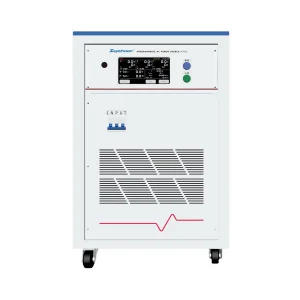
Three Phase 30kVA Programmable AC Power Supply 45Hz-400Hz Variable Frequency Converter AC Power Source
View Technical Specifications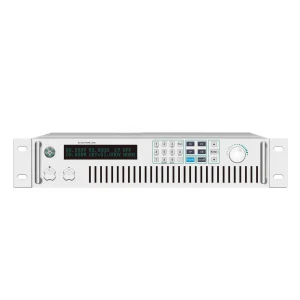
Programmable Dc Electronic Load 500V120A3600W
View Technical Specifications
600v dc power supply adjustable
View Technical Specifications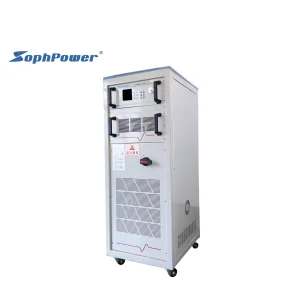
100v 300a programmable dc power supply variable
View Technical Specifications
40v 30 Amps Dc Regulated Power Supply Adjustable
View Technical Specifications