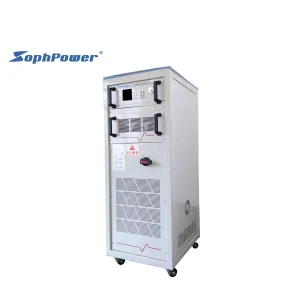
Precision Power Instrumentation Range
Engineered for extreme reliability, low ripple noise, and dynamic transient recovery.
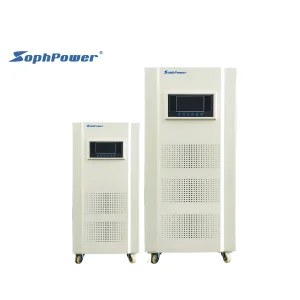
Factory Price 120kVA Automatic Voltage Regulator
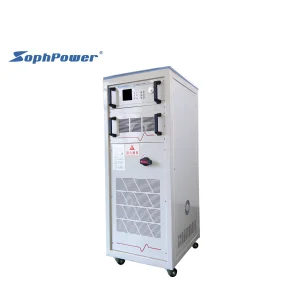
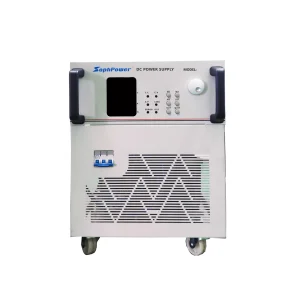
50kw 600v Programmable Dc Output Power Supply
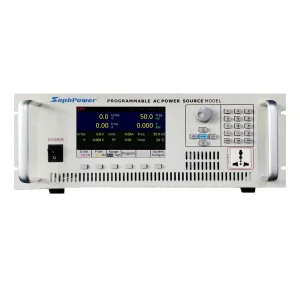
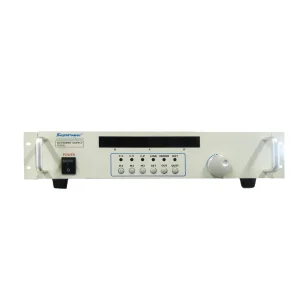
2kw laboratory power supply dc adjustable
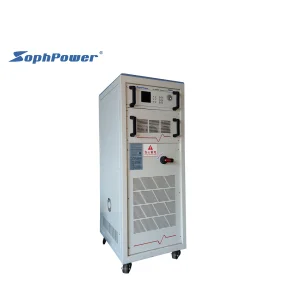
700v 60a programmable dc putput power supply
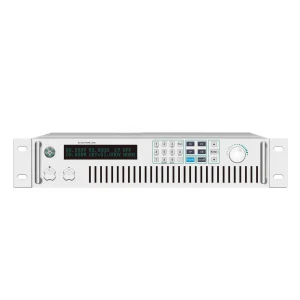
Programmable Dc Electronic Load 500V120A3600W
Switch mode regulated power supply 0-800V adjustable
The Strategic Role of CE-Certified Power Conversion Systems in Industrial Transformation
Modern industrial ecosystems operate on a foundation of precision power delivery. As automation systems, smart grids, electric vehicles, and high-frequency communication infrastructures evolve, the requirements for voltage stability, harmonic suppression, and energy regeneration become non-negotiable. Industrial engineers require power conversion equipment that not only manages high-load transformations but also complies with safety parameters that prevent device failure and grid disruption.
CE Certification stands as the primary benchmark for deployment in the European Economic Area (EEA) and global markets utilizing identical safety frameworks. It certifies that power conversion instrumentation, such as high-capacity AC frequency converters and high-voltage programmable DC power supplies, complies with both the Low Voltage Directive (LVD 2014/35/EU) and the Electromagnetic Compatibility (EMC 2014/30/EU) Directive. For system integrators and electrical engineers, selecting CE-certified modules guarantees electromagnetic resilience under heavy-load switching environments.
Why Demanding Buyers Insist on CE Compliance:
- Electromagnetic Mitigation: Ensures power supplies do not inject harmonics back into the local grid, safeguarding precision sensors.
- High Dielectric Isolation: Prevents high-voltage breakdown between logic circuits and power elements.
- Thermal Runaway Protections: Integrated over-temperature, over-current, and over-voltage shutdown loops.
Sophpower Electronics Co., Ltd., established in 2006 in Shenzhen, China, has built a legacy of strict compliance and technical innovation. By combining high-tech testing topology with robust hardware construction, Sophpower supplies custom-tailored test systems to over 50 countries, answering the technical challenges of modern laboratory, production line, and aerospace testing setups.
Inside Our Advanced Production & Calibration Facility
Traceable quality management pipelines validating every component from raw copper bar fabrication to final harmonic sweep testing.

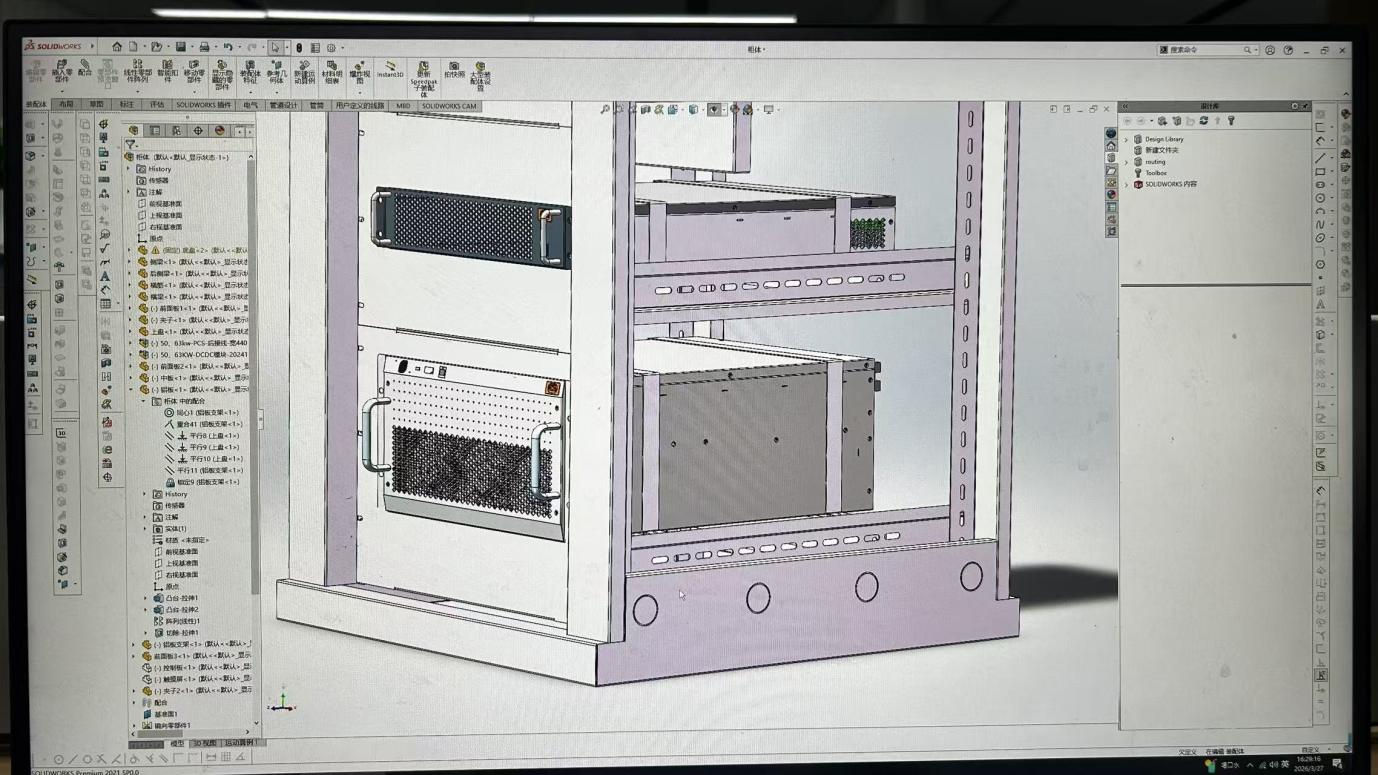
CAD Schematic Design & CAD Modeling
Every power source begins with meticulous component layout and thermal modeling. Utilizing design software and computational tools (displayed on our high-resolution design computers), our engineering team designs PCB paths, calculates trace clearances for high-voltage isolation, and runs dynamic stress simulations to guarantee long-term thermal dissipation profiles.
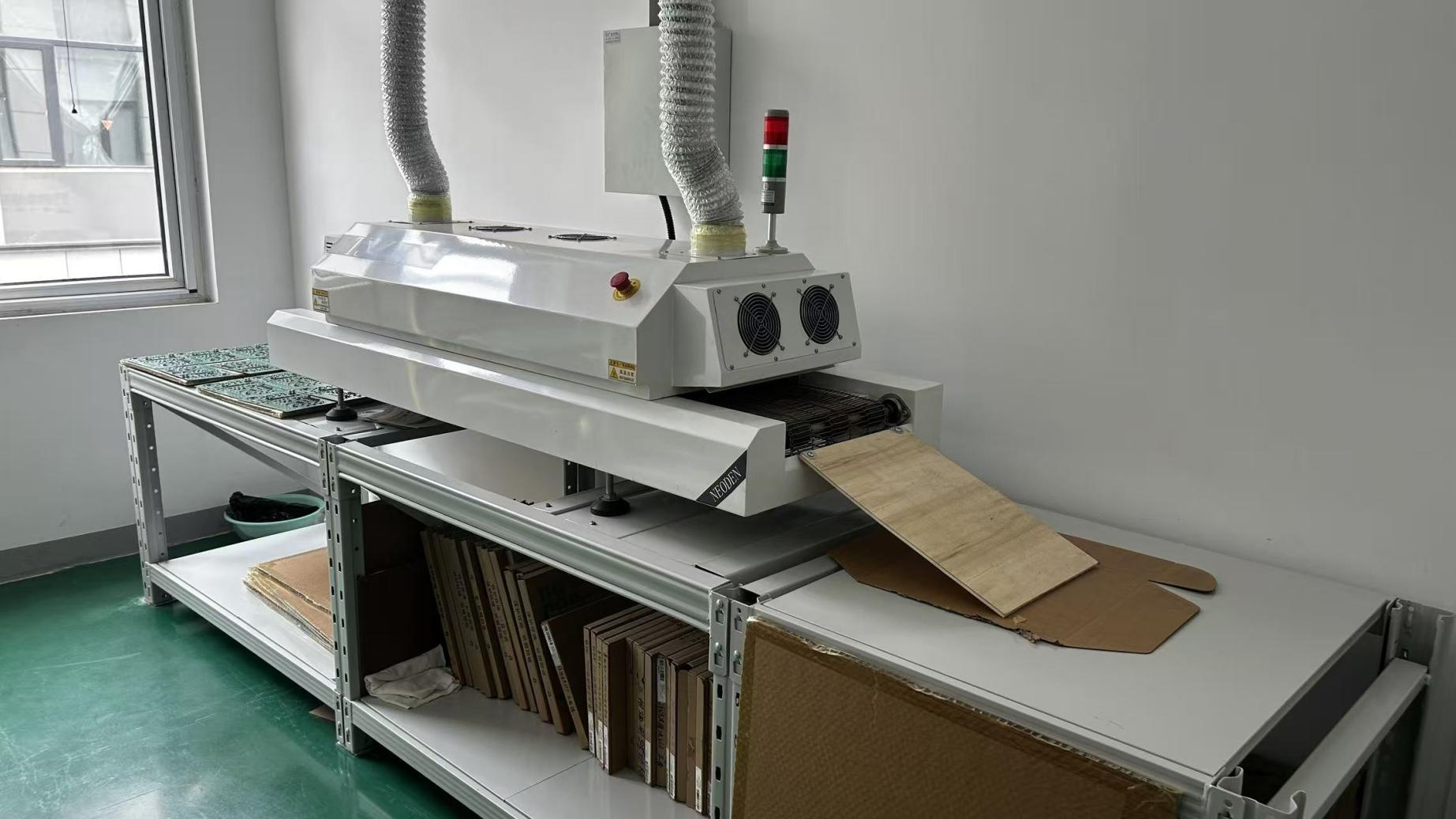
High-Speed Reflow Soldering & PCB Assembly
To achieve consistent board assembly, we deploy precision reflow soldering machines. Component placement and multi-zone thermal profiling prevent micro-cracks in solder joints. Solder paste is automatically inspected to guarantee zero-defect contact performance under vibration and variable temperature conditions.
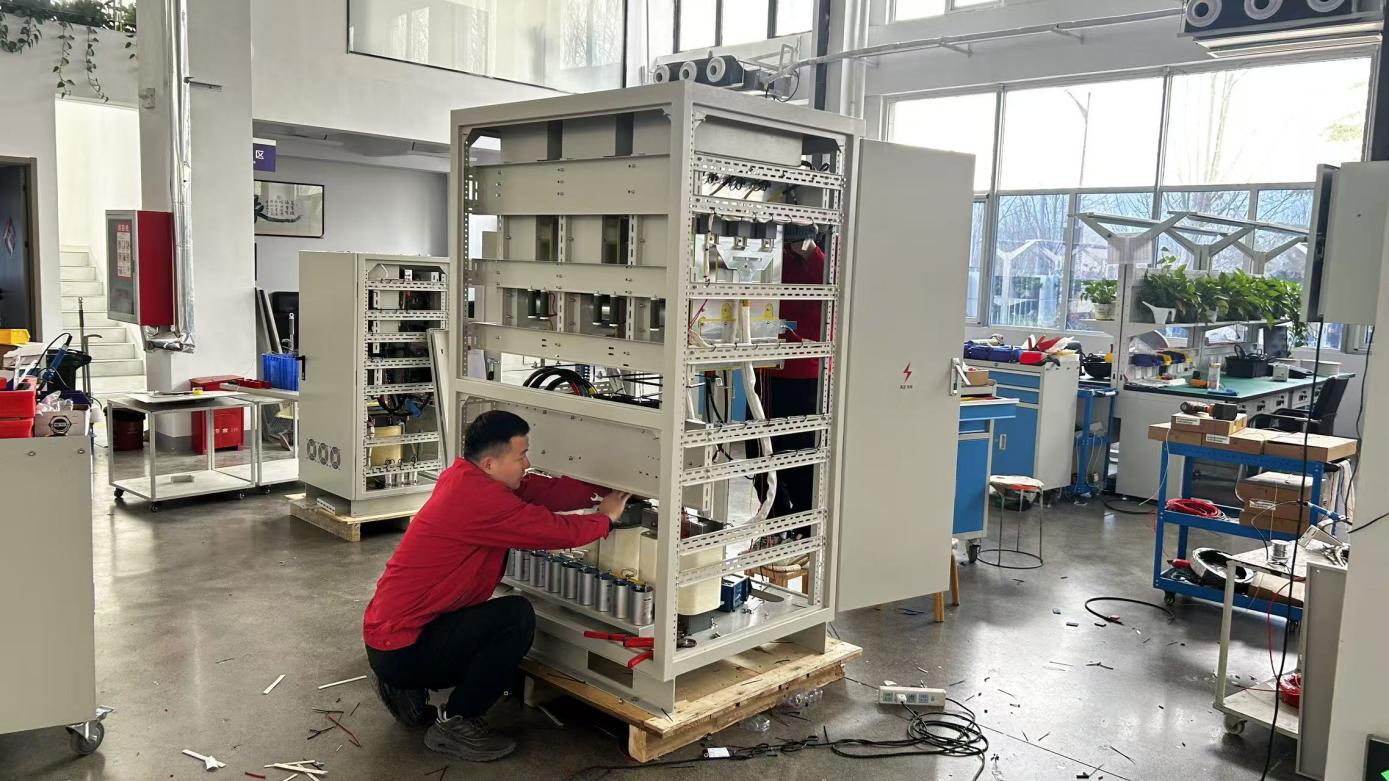
Board Assembly
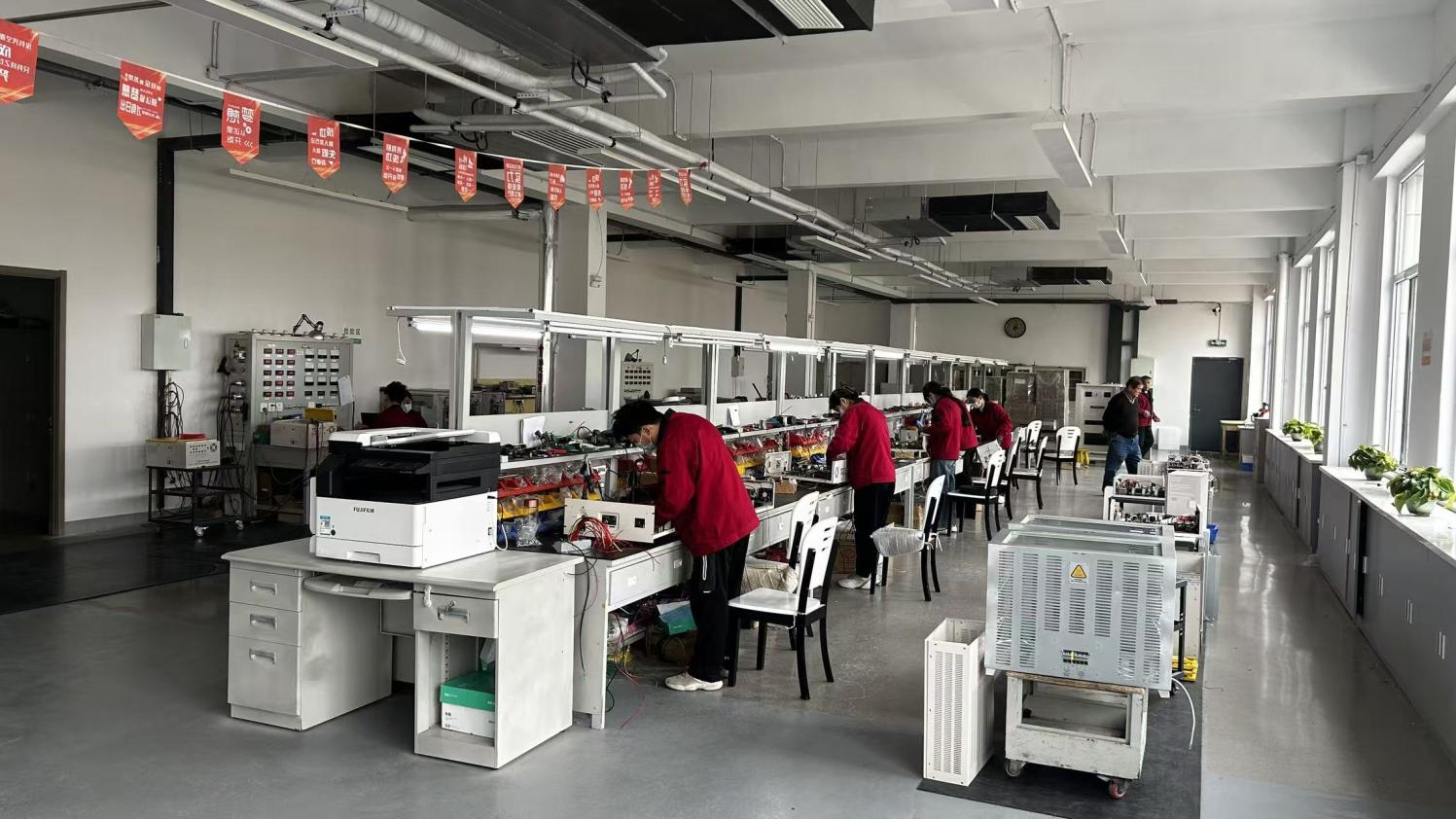
Circuit Assembly
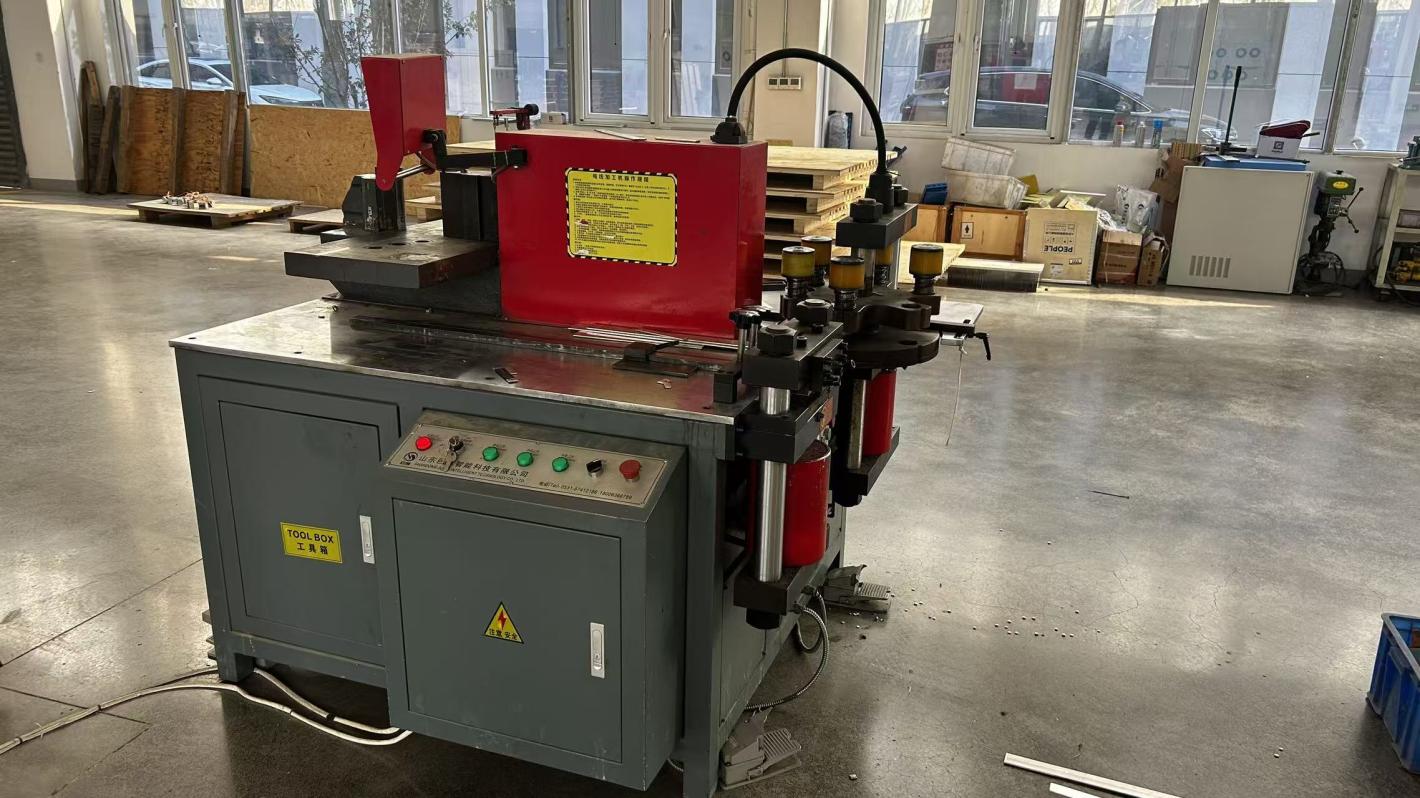
Heavy-Duty Hardware Fabrication
High-current converters demand low-impedance pathways. We fabricate heavy-gauge solid copper busbars using specialized CNC copper bar production machinery, precision electric drills, and wire forming stations. This setup minimizes contact resistance and ensures high-current pathways operate with low heating overhead.
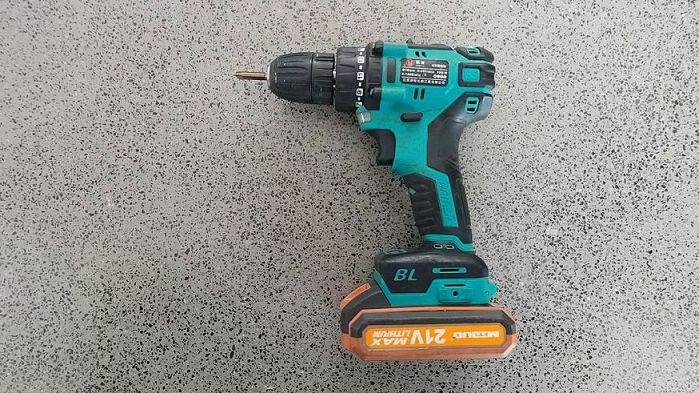
Precision Machining
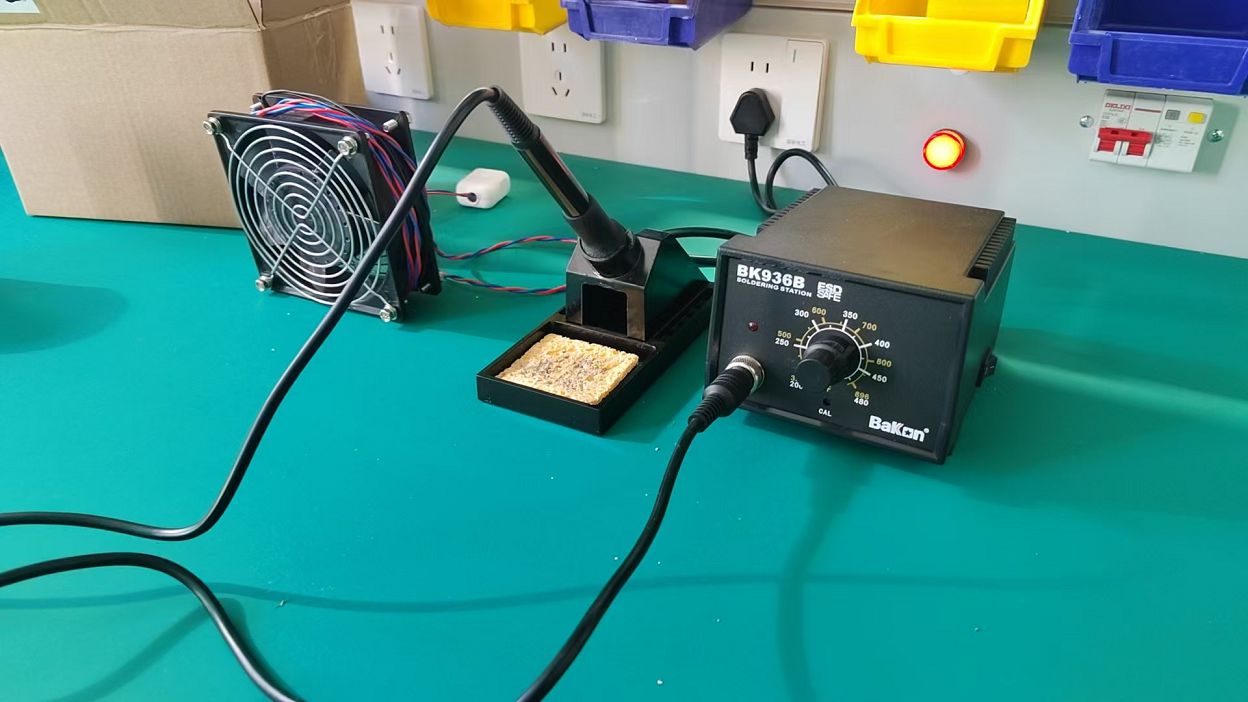
Structural Integration
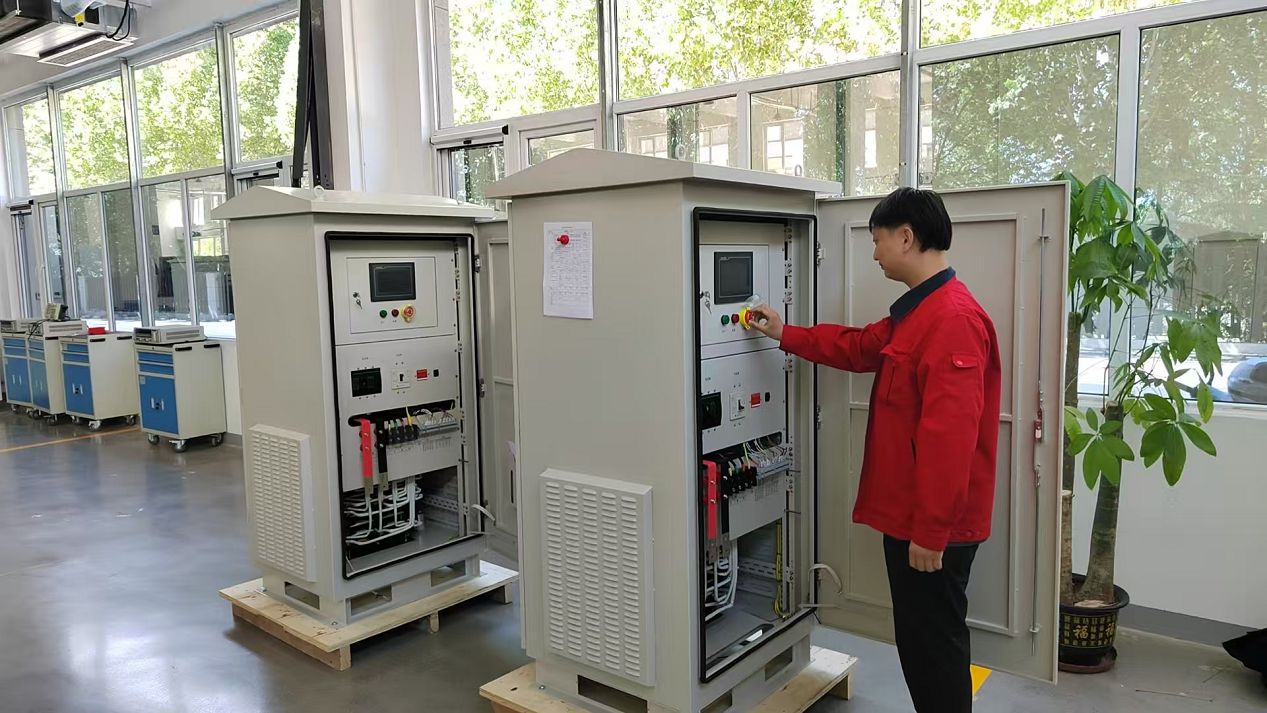
Calibration, Debugging & Multi-Instrument Verification
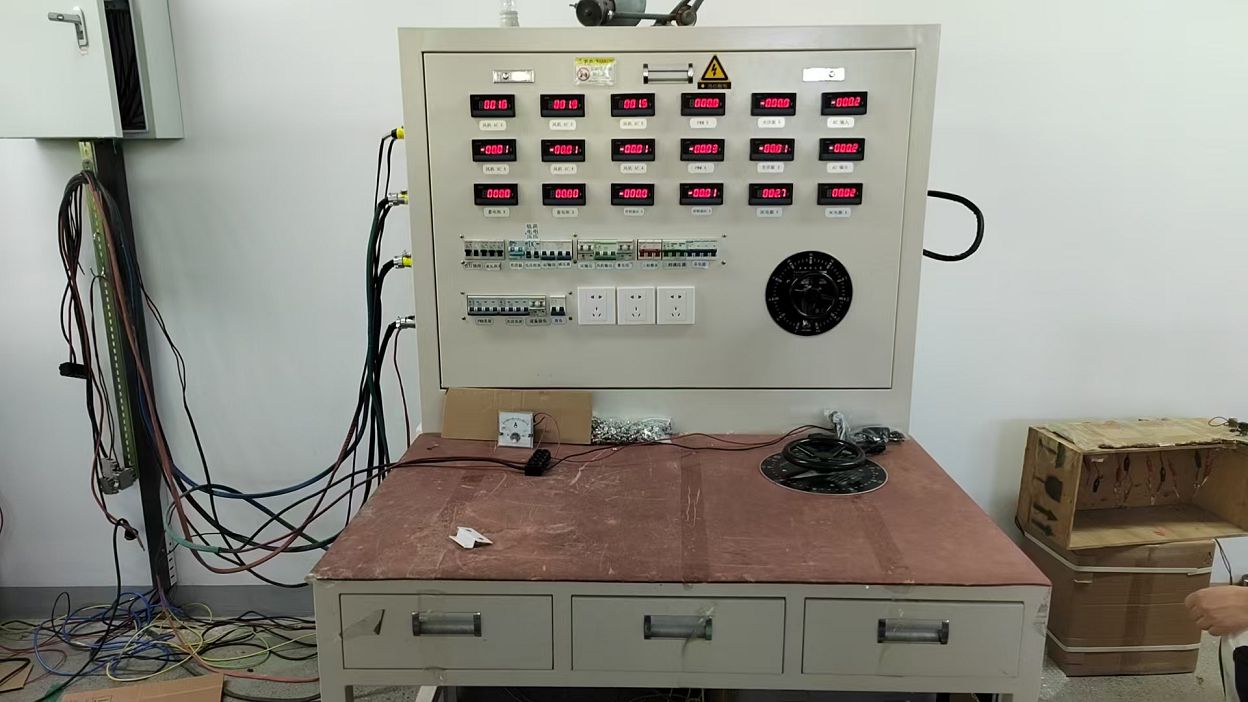
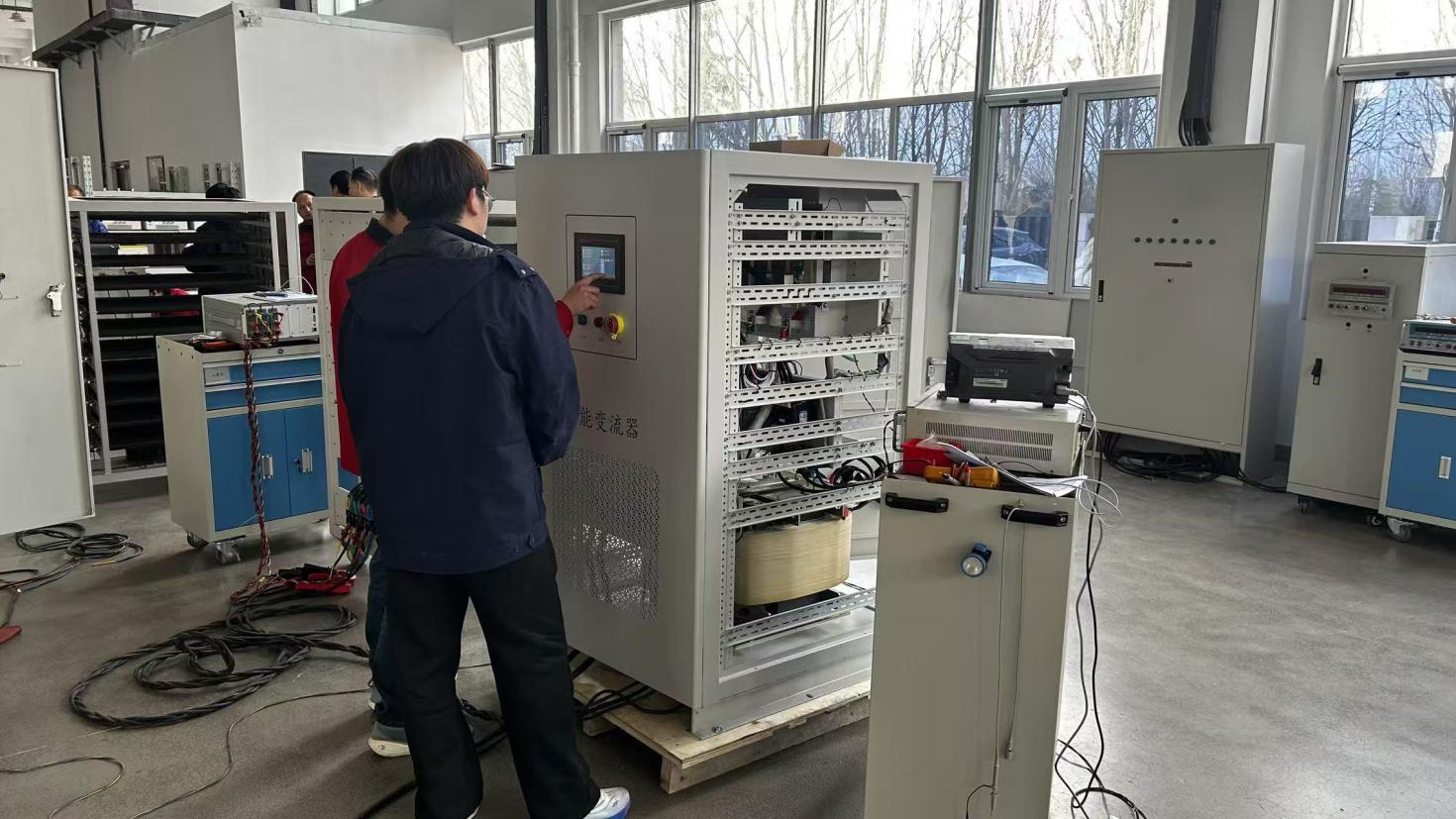
No power supply leaves the plant without validation. At our static testing workbenches, technicians calibrate controls and verify safety margins under simulated full-load conditions. The debugging and quality inspection process relies on high-grade diagnostic instrumentation to capture transient wave profiles and verify regulatory compliance.
Primary Diagnostic Instrumentation Array:
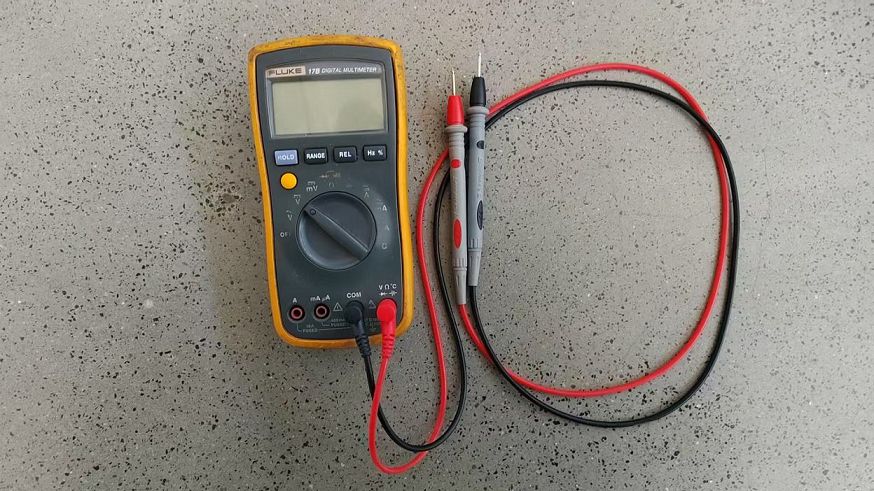 Multimeter Calibration
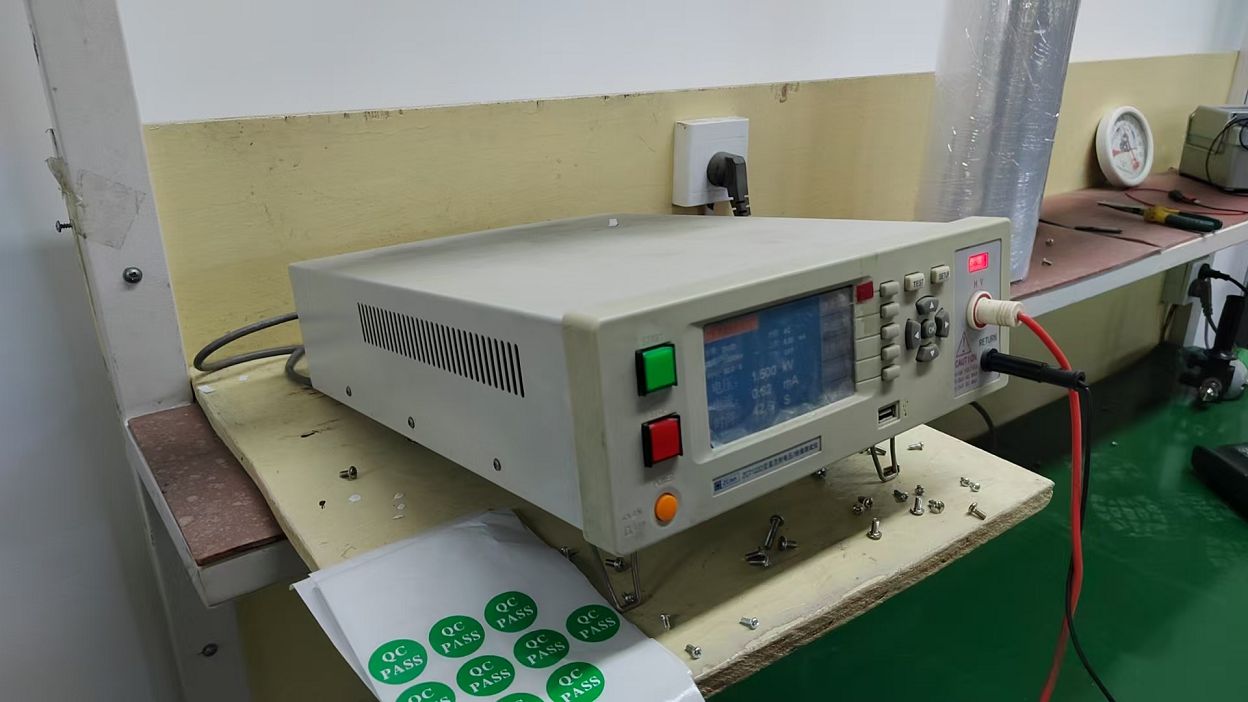 LCR AutoTester
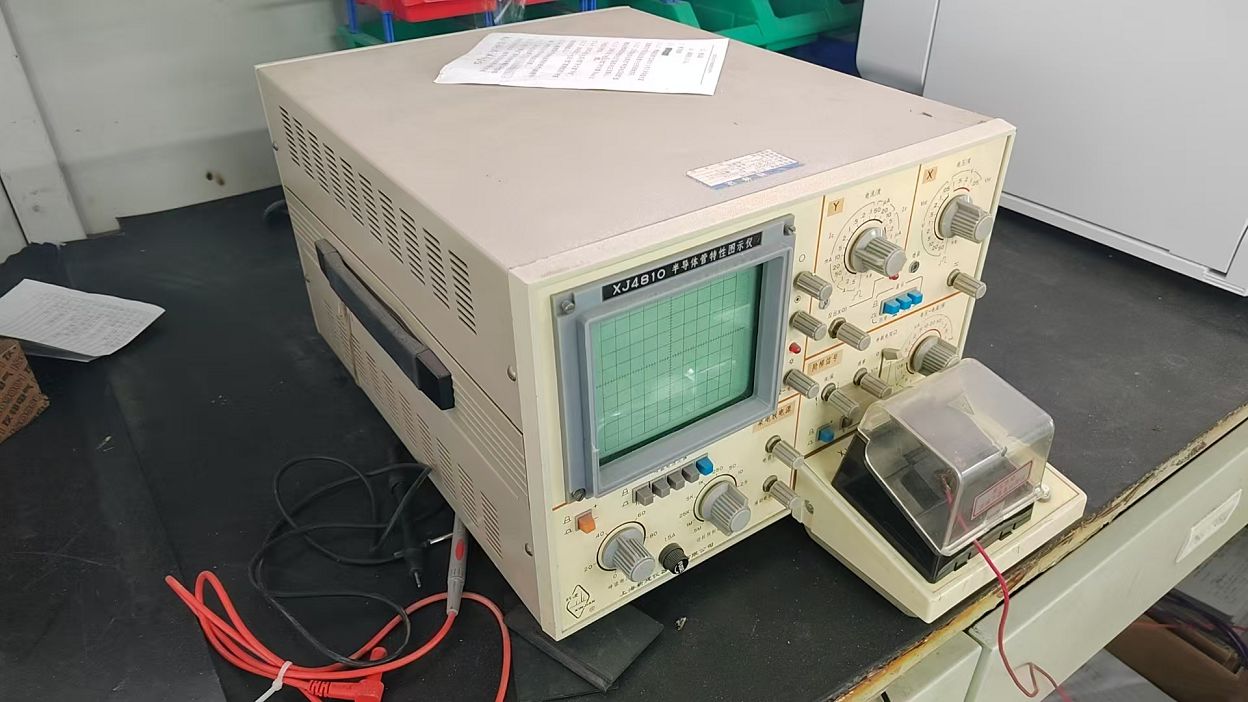 Semiconductor Plotter
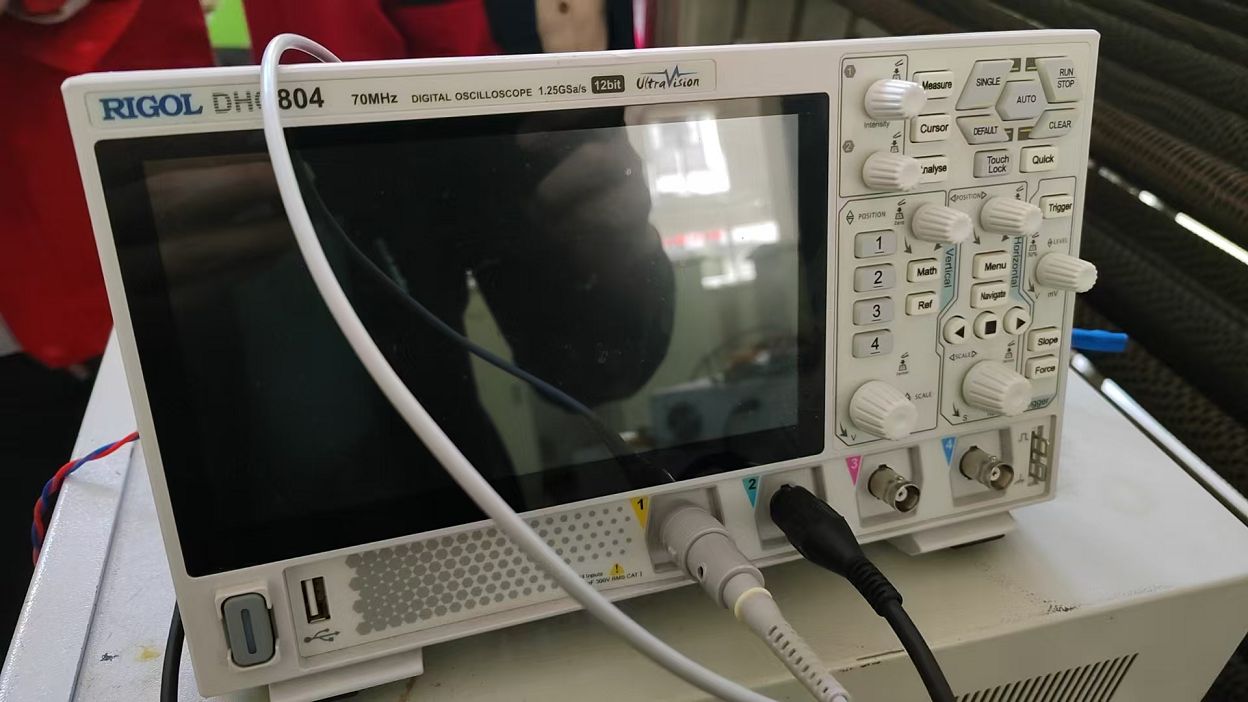
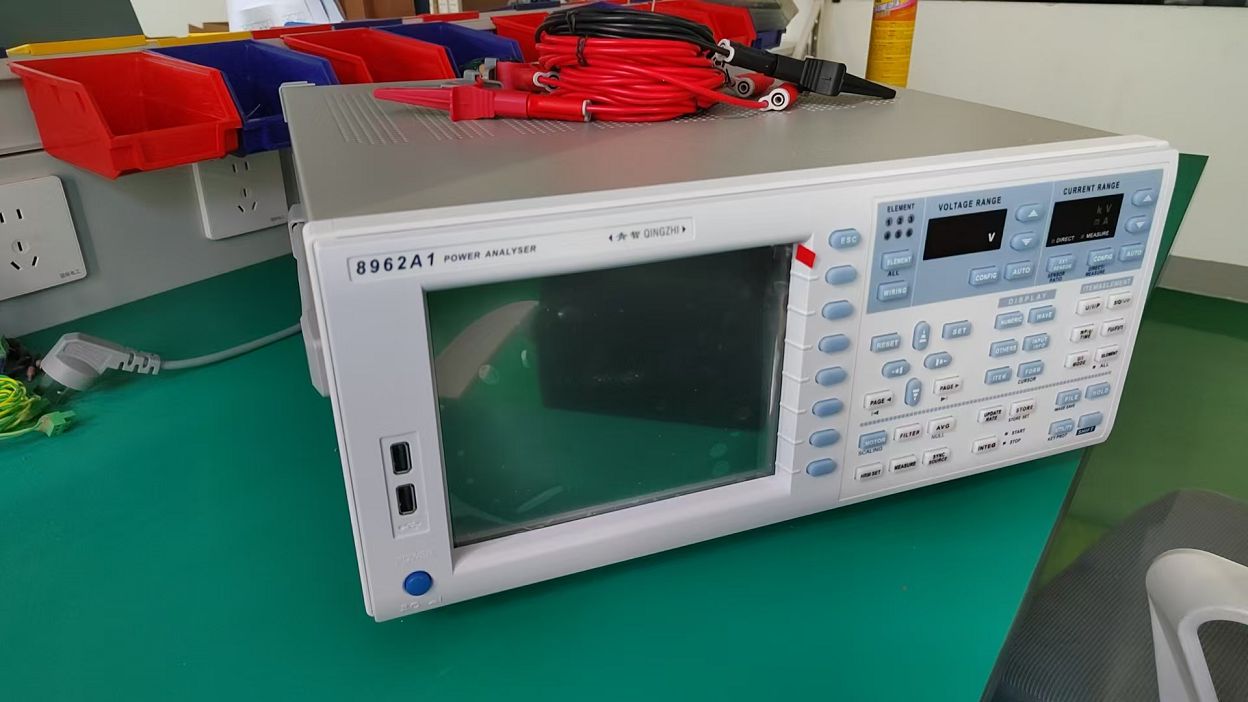 Digital Oscilloscope
 Power Quality Analyzer
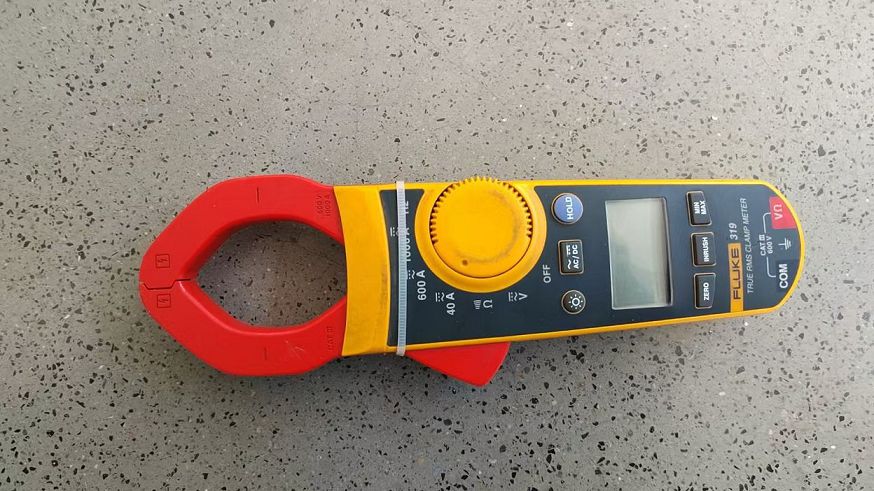 Clamp Current Meter

Technological Roadmap & Future Outlook
The shift toward high power density, wide-bandgap semiconductors, and bidirectional energy conversion.
Wide Bandgap (SiC & GaN) Integration
Traditional silicon-based topologies are reaching their physical limits in terms of switching speed and thermal losses. Our future designs integrate Silicon Carbide (SiC) and Gallium Nitride (GaN) switching components. This allows higher switching frequencies, reducing magnetics size and boosting operational efficiency above 95%.
Bidirectional & Regenerative Topologies
As grid simulation and battery testing demand increases, passive load banks are being replaced by regenerative electronic loads. Our bidirectional DC power systems act both as precision sources and as energy recovery devices, returning up to 90% of tested electrical power back to the local utility grid.
Digital Control Loop & IoT Telemetry
Using ARM-based microprocessors and high-speed DSP arrays, our power converters support dynamic control adjustments. Built-in Modbus, RS485, and Ethernet interfaces enable remote telemetry, predictive fault warnings, and automated factory script execution.
Global and Localized Application Scenarios
Validating power electronics performance under challenging simulated conditions.
1. European EV Powertrain & Battery Emulation
Within European automotive R&D hubs, engineers testing electric vehicle (EV) powertrains require high-voltage, high-current DC inputs to simulate vehicle battery charging profiles. A 50kW 1000V programmable DC switching supply operates as a battery pack simulator. It allows engineers to program step responses, ramp rates, and simulate cell-degradation profiles without using volatile chemical battery packs on the test bench.
2. Aerospace & Aviation 400Hz Grid Simulation
Avionics operate on 400Hz AC power grids to minimize magnetic component size and weight. Testing ground support electronics, flight deck controls, or military navigation gear requires stable 400Hz frequency conversion. Sophpower’s Three Phase 30kVA Programmable AC Power Source enables precise frequency synthesis (from 45Hz to 400Hz) and line-drop simulations, verifying that avionics function correctly during generator changeovers.
3. Automated Production Line Voltage Stabilization
In regions with weak grid infrastructures, sudden voltage drops can stall factory automation, interrupt PLC cycles, and cause expensive manufacturing scrap. Utilizing high-capacity Automatic Voltage Regulators (AVR) up to 120kVA ensures clean, stable input voltages to protect sensitive electronics, avoiding down-time and maintaining consistent processing velocities.
Macro Industry Solutions Covered:
- Renewable Energy Systems: Testing grid-tied PV inverters via programmable AC sources to simulate utility grid anomalies.
- Automated Test Equipment (ATE): Integrating compact, programmable rack-mount DC modules into test benches for production line screening.
- High-Power Burn-In Testing: Utilizing programmable electronic loads to stress test server power supplies, ensuring thermal stability under long-term full load.
- Marine System Bench Testing: Emulating 60Hz marine electrical grids using frequency converters to check performance before installation.
Technical Q&A: Key Considerations in Power Conversion
Answers to engineering questions regarding input parameters, design topologies, and certification standards.
What is the difference between a Linear AC Power Source and a Switch-Mode (PWM) AC Power Source?
Linear AC power sources use linear amplification topologies, resulting in low total harmonic distortion (typically <0.5%), low output noise, and fast transient response times (typically <100μs). This makes them suited for testing highly sensitive audio, RF, or sensor components. However, they are larger and have lower efficiency (~50%). Switch-mode (PWM) power sources use high-frequency switching technology, offering high power density and efficiency (>85%) in smaller packages, making them suited for high-power industrial grid emulation and burn-in testing.
Why is Line Regulation and Load Regulation critical for high-voltage DC power supplies?
Line regulation refers to the change in output voltage in response to changes in input line voltage. Load regulation represents the output voltage stability when the load current changes from no-load to full-load. For high-precision testing (like semiconductor testing), high load regulation (e.g., ≤0.01% F.S.) prevents voltage drops during load transitions. This ensures that the voltage applied to the device under test remains constant, preventing test errors or components damage.
How does CE Certification address electromagnetic compatibility (EMC) in industrial environments?
CE compliance requires compliance with standard EN 61326-1. It tests emissions, ensuring the power supply does not inject high-frequency noise back into the power lines or radiate signals that interfere with nearby automation equipment. It also tests immunity, ensuring the power converter functions reliably when subjected to external electromagnetic surges, electrostatic discharges (ESD), or voltage drops.
What safety mechanisms are built into Sophpower's programmable DC electronic loads?
Our electronic loads feature layered hardware and software protections. This includes Over-Power Protection (OPP), Over-Current Protection (OCP), Over-Voltage Protection (OVP), and Over-Temperature Protection (OTP). When a threshold is exceeded, the input stage is isolated within microseconds. An alarm is generated, protecting both the load device and the source unit being tested.
Heavy-Duty & Custom Testing Power Solutions
Supporting advanced laboratory test setups and high-capacity industrial power systems.
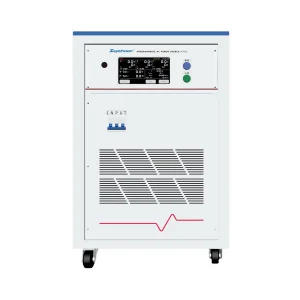
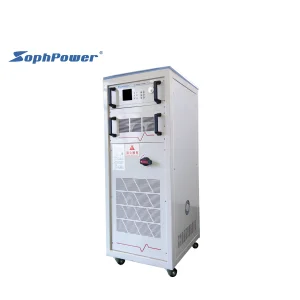
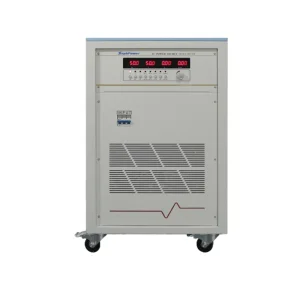
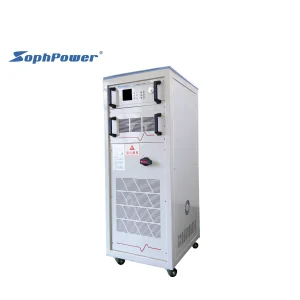
600v 100a laboratory dc adjustable power supply
600v 2a dc adjustable power supply for testing
Programmable Dc Electronic Load 150V/240A/4800W