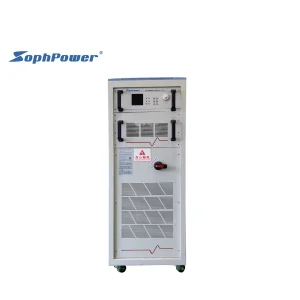
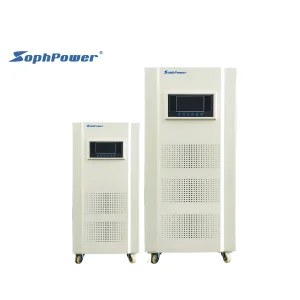
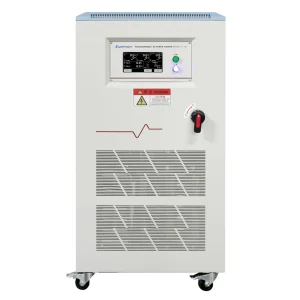
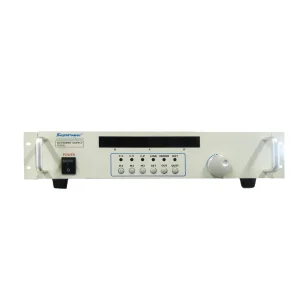
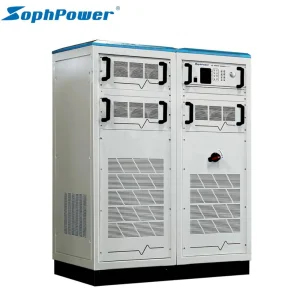
High-Precision Power Testing Infrastructure
Engineered for robust evaluation of power line electronics, telemetry interfaces, and industrial load distribution.
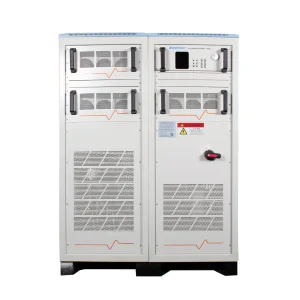
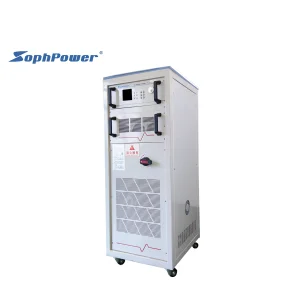
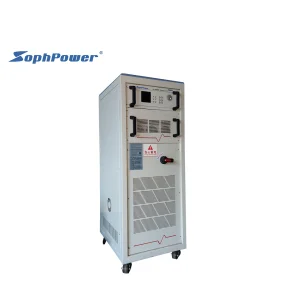
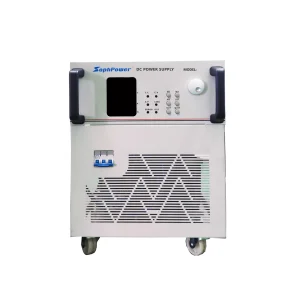
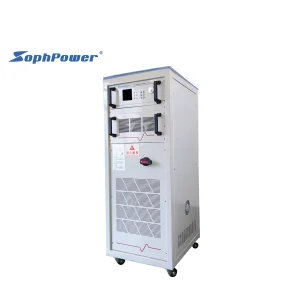
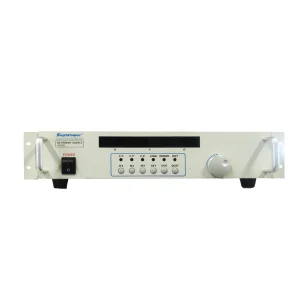
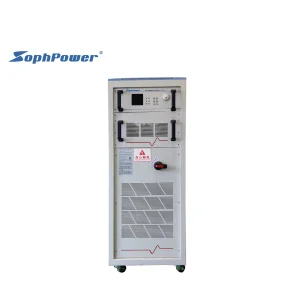
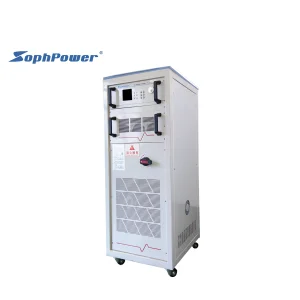
Deep-Dive Whitepaper: Power Line Communication & Grid Emulation Systems
1. The Evolving Landscape of Power Line Communication (PLC)
Power Line Communication (PLC) technology has transformed from basic analog ripple control systems into complex, high-frequency, bidirectional data transmission networks. Today, modern industrial infrastructures rely on PLC to carry telemetry over existing power lines, eliminating the need to deploy dedicated communication lines. This fusion of electrical power and telecommunication is fundamental to the rollout of smart grids, Advanced Metering Infrastructure (AMI), smart cities, and distributed renewable energy stations.
In typical applications, carrier signals are modulated onto power conductors at high frequencies (ranging from 9 kHz to 500 kHz for Narrowband PLC, and up to 30 MHz or more for Broadband PLC). Because the electrical grid is inherently hostile to communication signals—characterized by time-varying impedance, heavy attenuation, and high-frequency noise from switched-mode power supplies (SMPS) and heavy motors—the testing and validation of PLC-enabled terminal units require extremely stable, programmable test equipment.
2. Global Procurement Dynamics: Demands of Industrial Buyers
Procurement specialists and systems integrators in Europe, the Americas, and the APAC region face unique challenges when deploying power equipment in PLC and smart grid projects. Global grid architectures vary significantly, requiring a highly versatile procurement chain.
- Grid Standardization Compliance: Equipment must support strict grid simulation requirements like IEEE 1901, G3-PLC, and PRIME specifications. Procurement managers look for test equipment that can emulate grid fluctuations across diverse national standards.
- Bidirectional Capabilities: The rise of grid-interactive systems (EV chargers, grid-tied solar inverters) requires bidirectional test systems that can both source and sink energy, returning clean power to the utility grid with high efficiency.
- Ultra-Low EMI Footprints: Since PLC systems communicate via power lines, test power sources must feature extremely low electromagnetic interference (EMI) to prevent masking the low-amplitude carrier signals during lab testing.
- Modular Scalability: High-power setups (up to 100kW or 1000kVA) must be modular. Systems must dynamically configure to provide higher voltages (e.g., 600V to 1000V) or higher currents (up to 500A) to match changing test criteria.
3. China Factory 4.0: Shenzhen Sophpower’s Supply Chain Resilience
Shenzhen Sophpower Electronics Co., Ltd. (established in 2006) operates at the forefront of China's "Industry 4.0" manufacturing revolution. Located in Shenzhen, the global hub for electronics innovation, Sophpower leverages a fully integrated supply chain to deliver high-reliability test power sources.
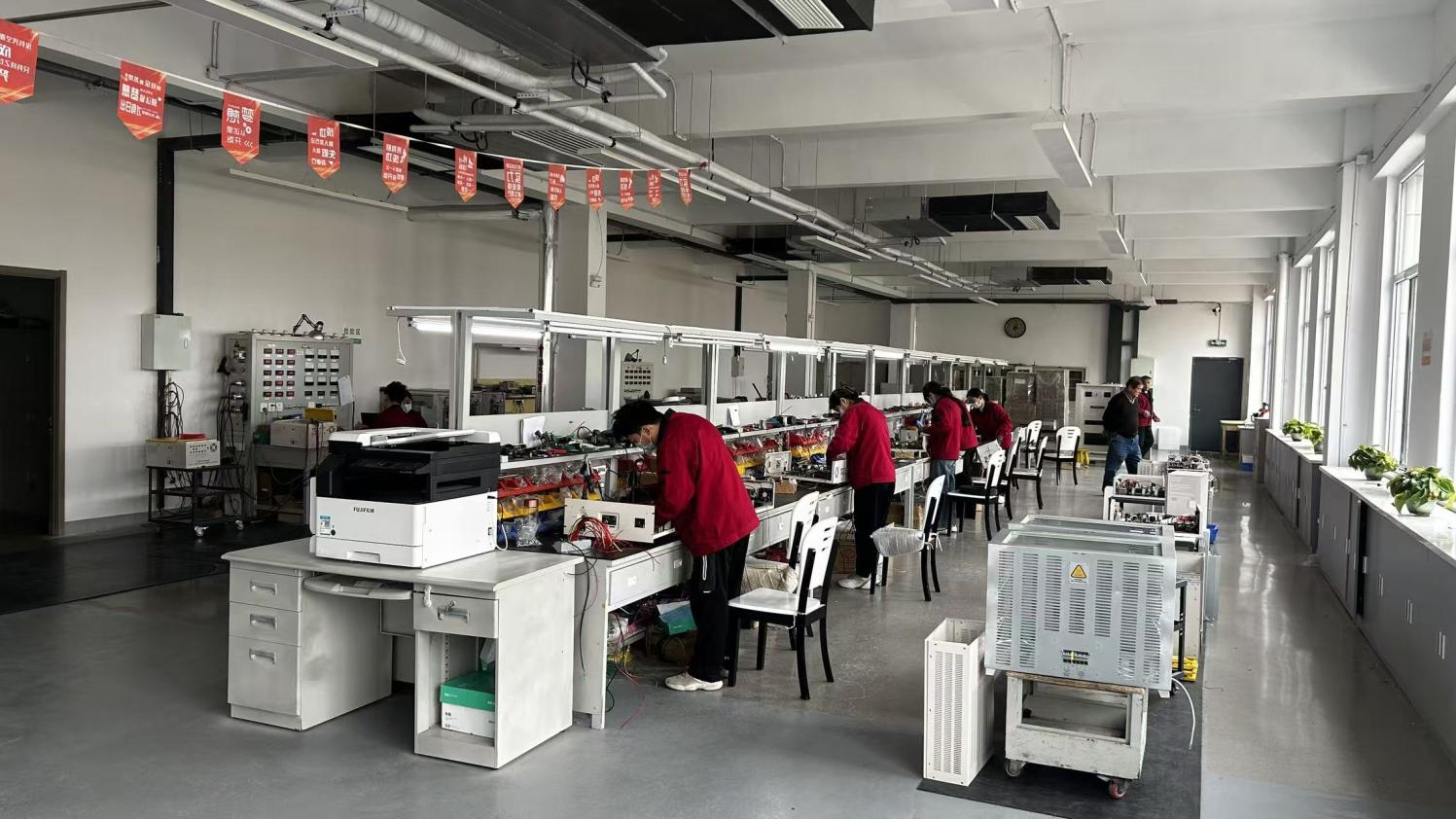
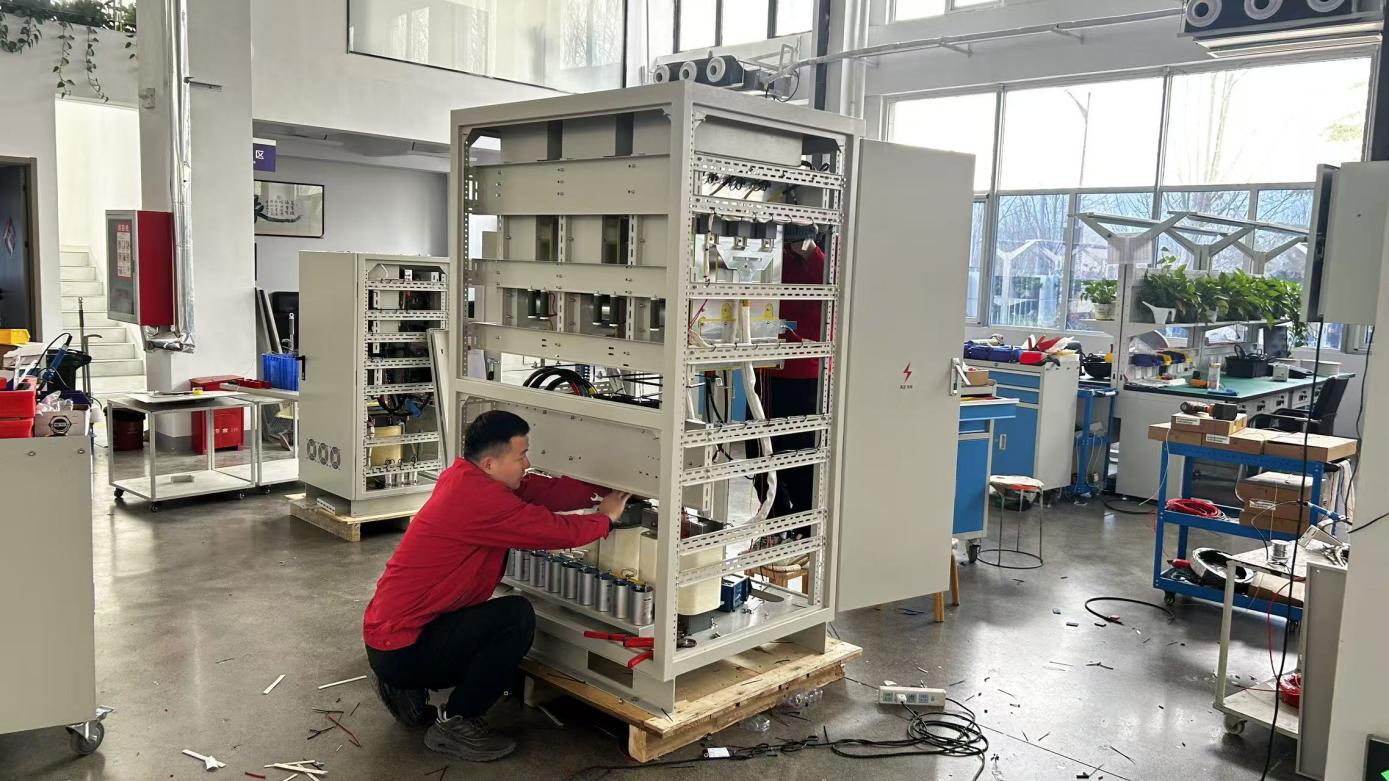
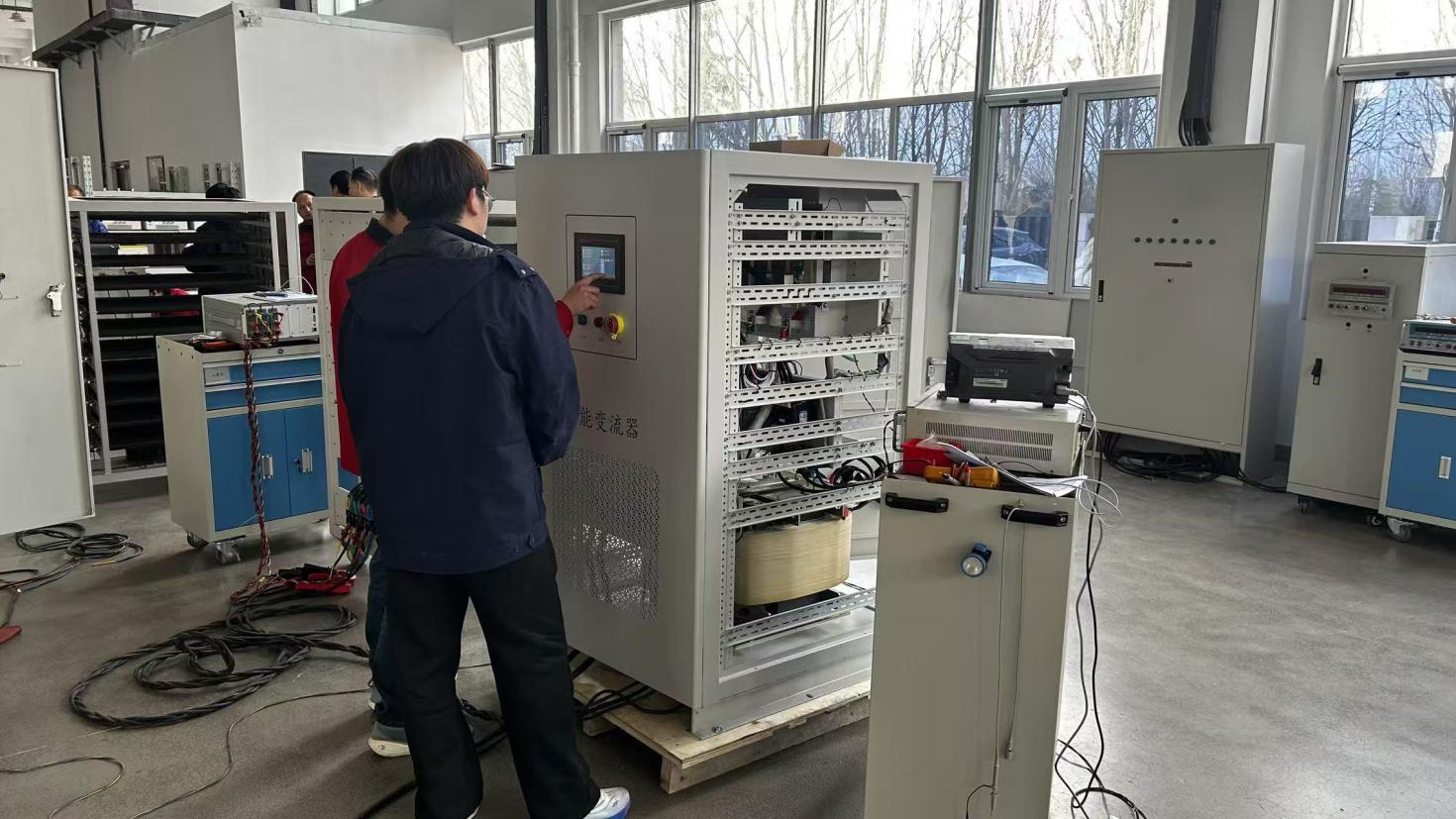
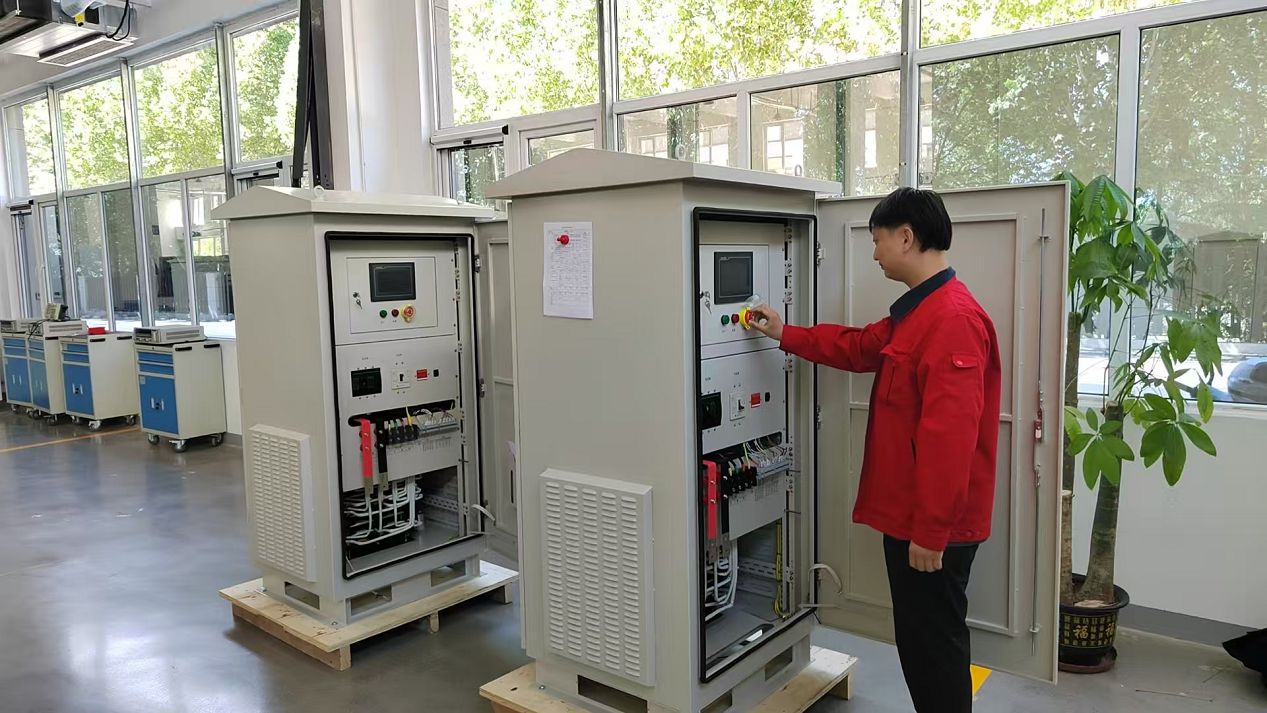
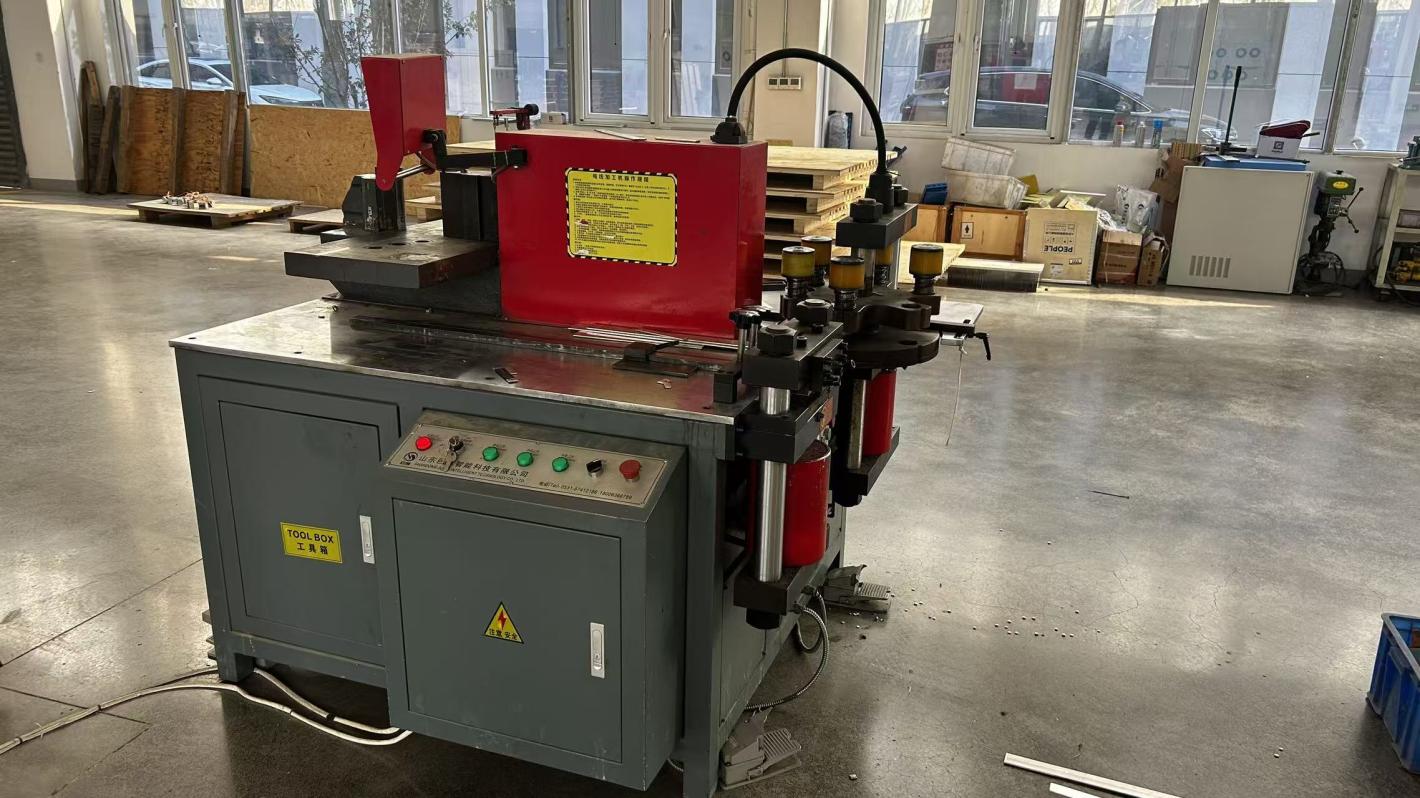
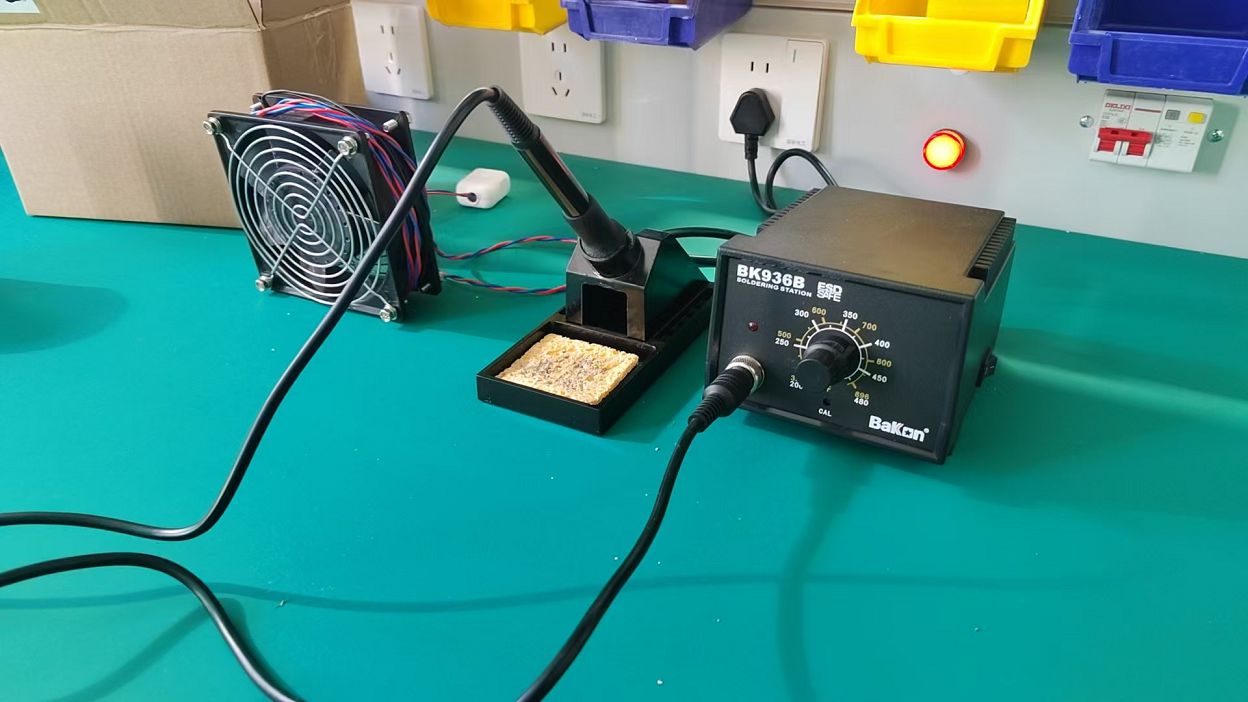
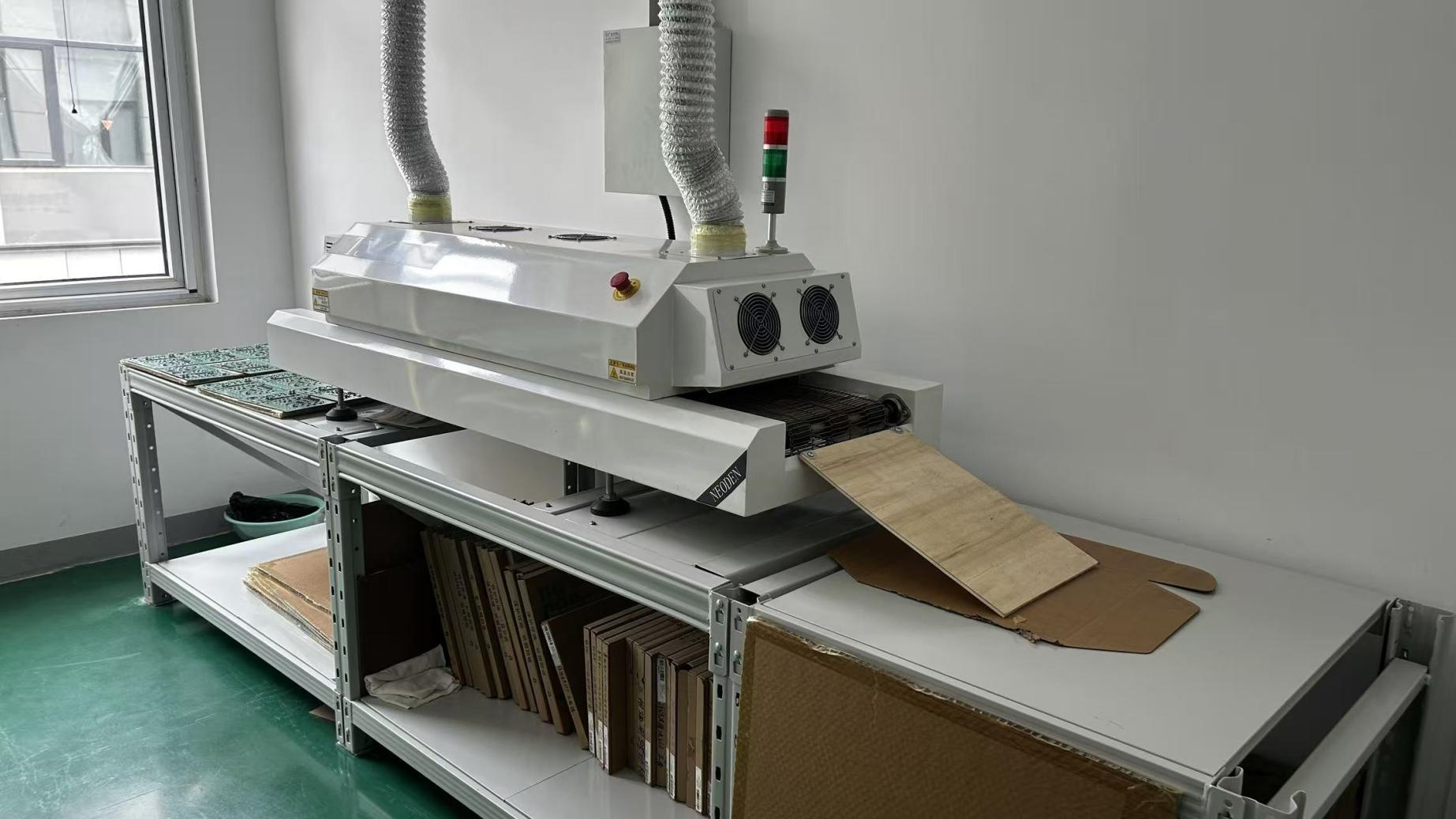
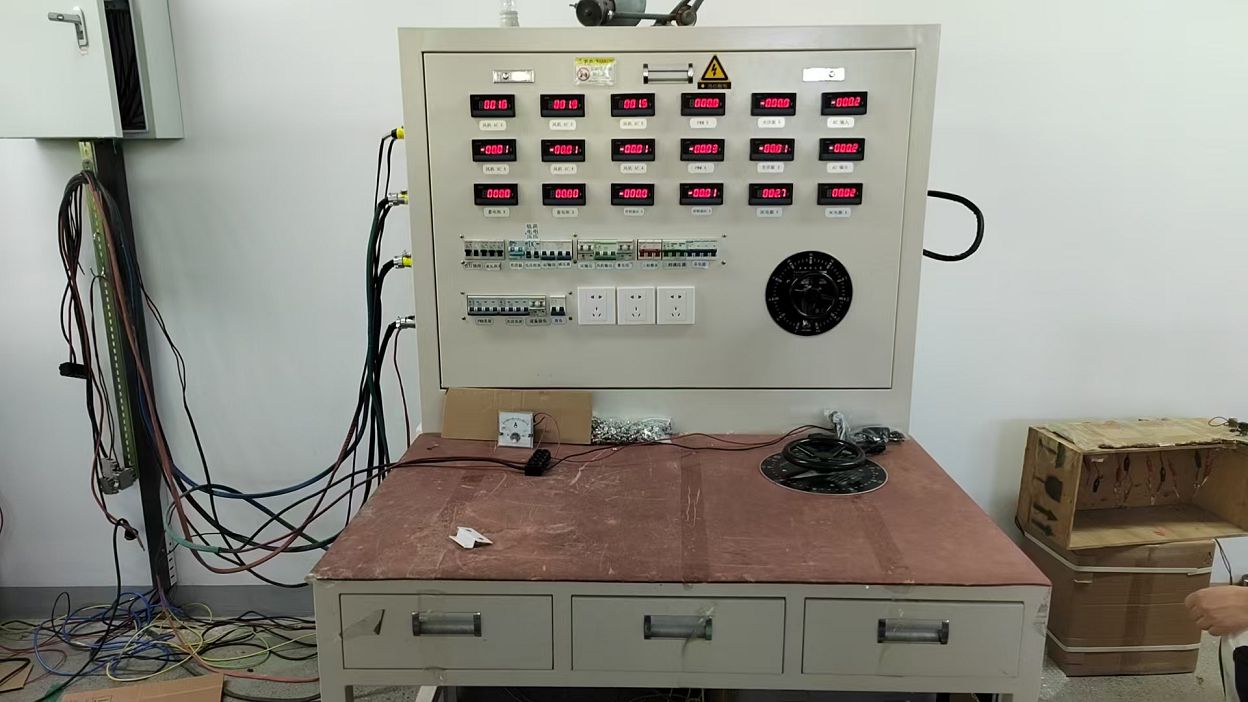
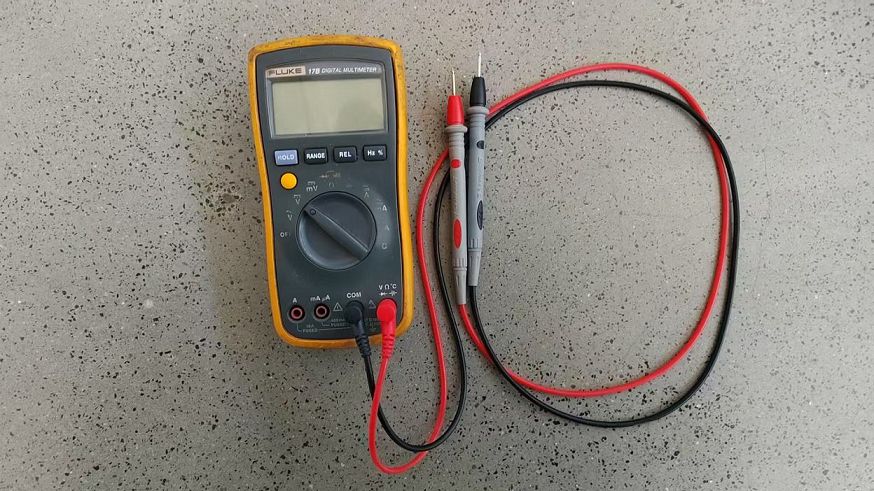
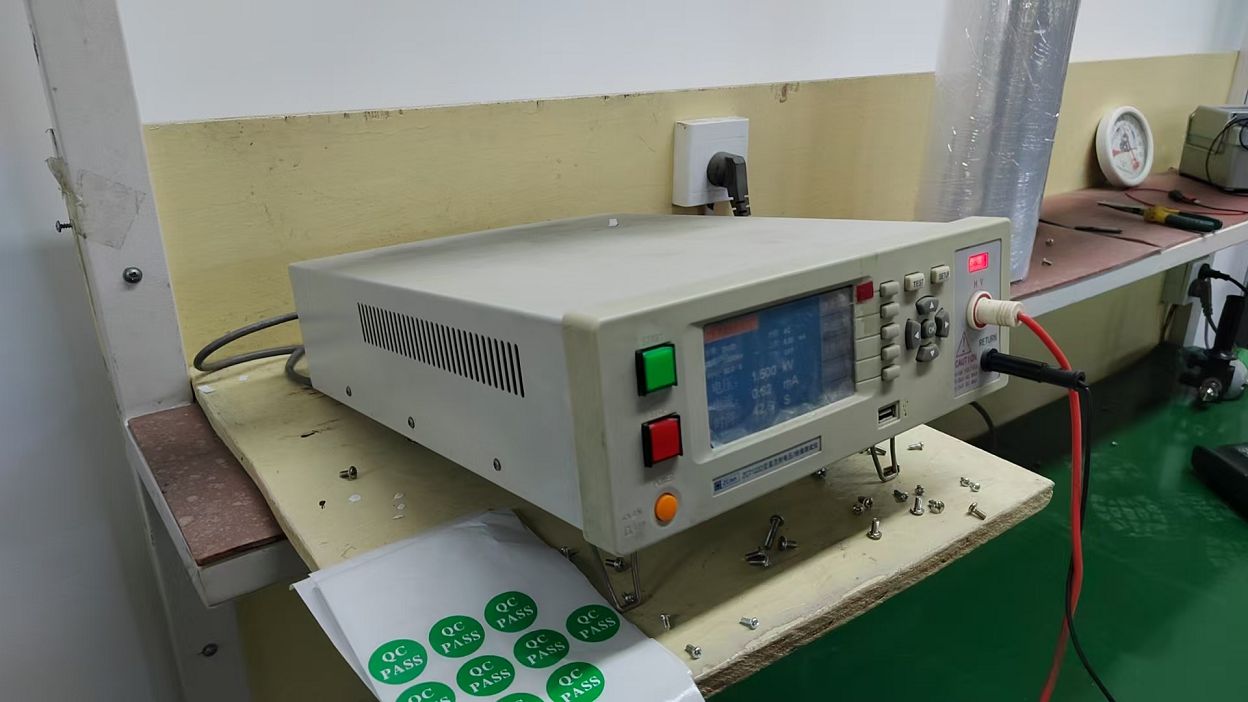
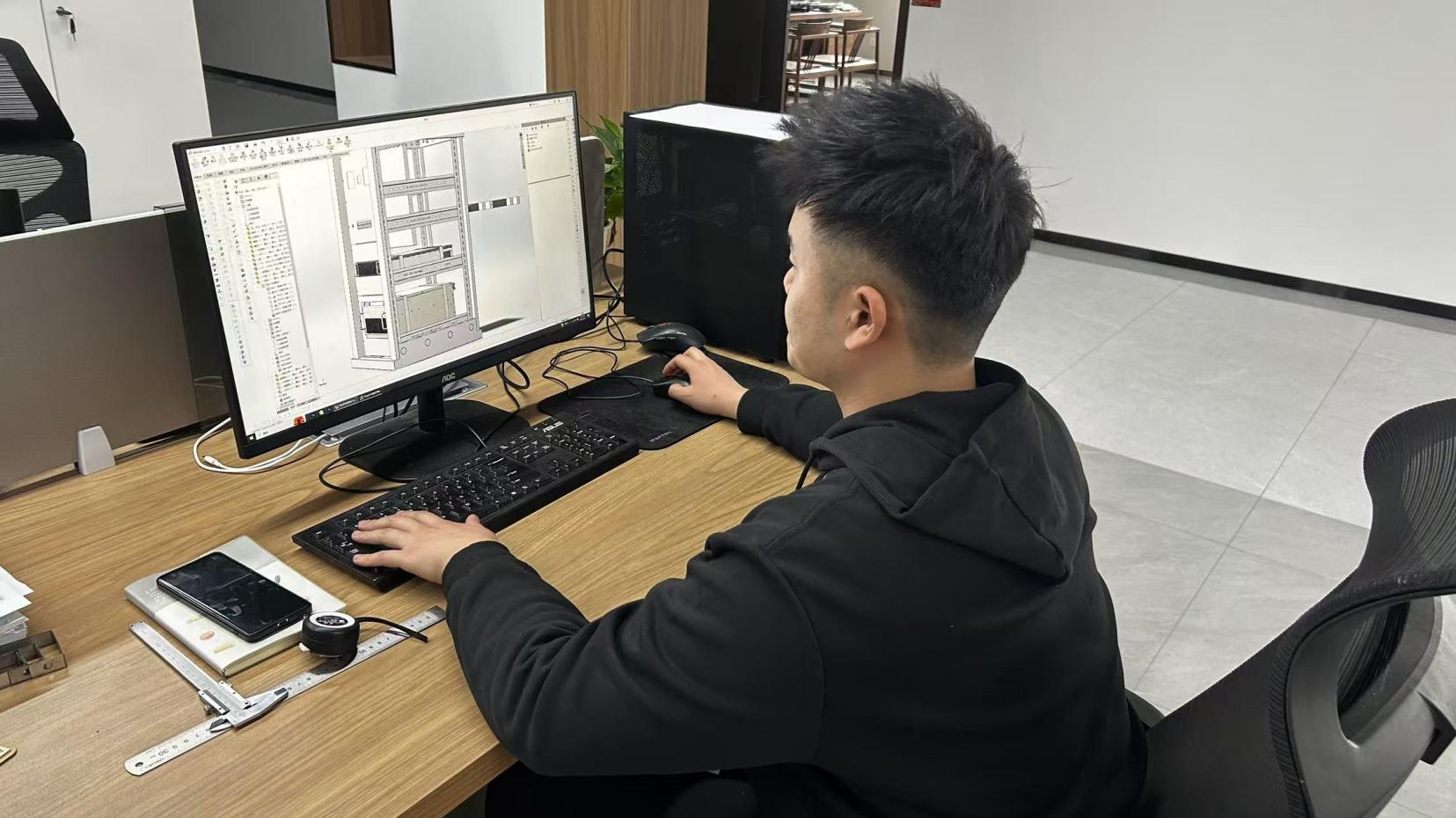
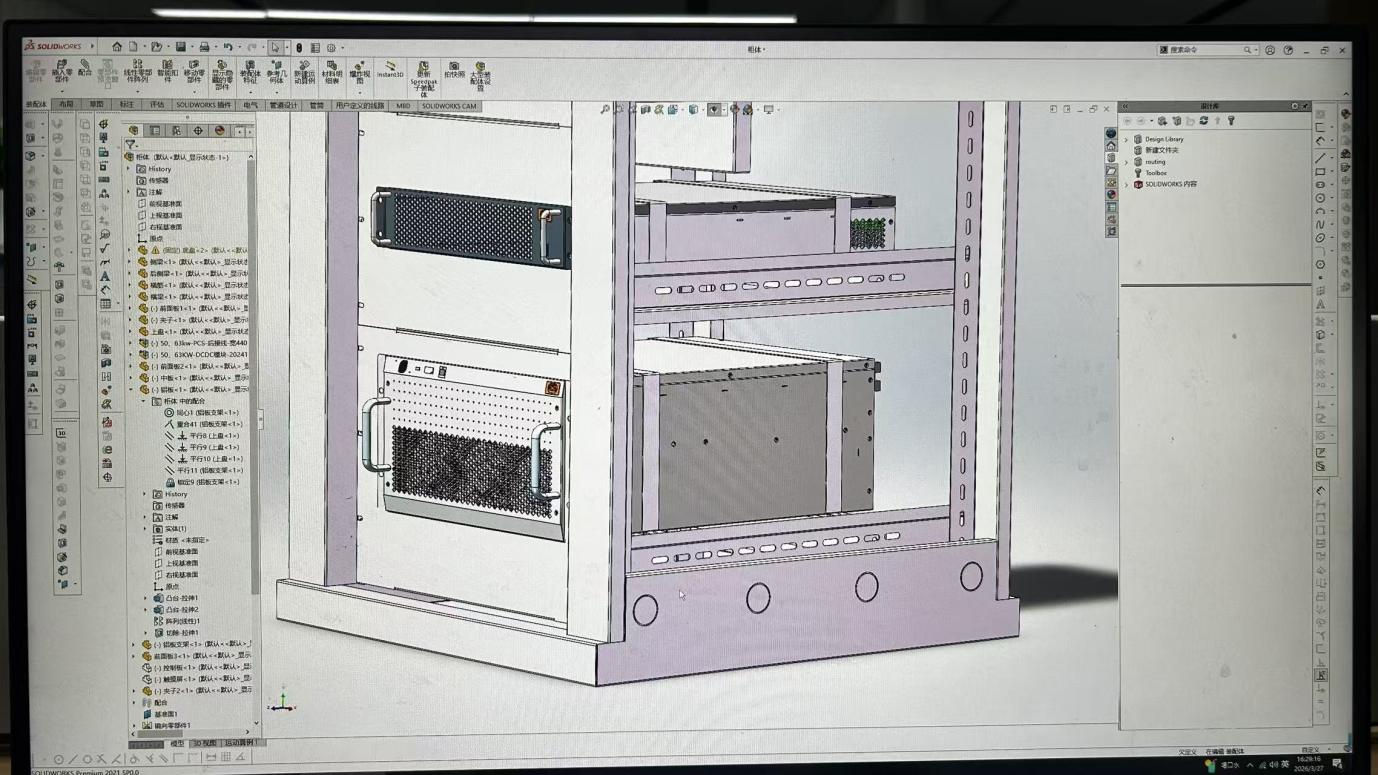
Our manufacturing facility features automated SMD reflow soldering, precision copper bar production equipment, and comprehensive testing workstations. By controlling every stage of the design and assembly process—from PCB layout and structural design to software calibration and quality control—we guarantee consistent electrical performance and rapid lead times.
This deep vertical integration enables us to provide customized solutions that meet specific OEM demands, maintaining competitive cost structures even under strict international QA protocols. Every phase, from mechanical design to final testing, undergoes multi-stage quality inspections to guarantee that each unit operates reliably in rugged industrial environments.
4. Commercial & Industrial Application Scenarios
High-performance programmable power supplies and voltage regulators serve key roles in modern industrial ecosystems:
- AMI & Smart Meter Testing: Generating clean power sweeps while overlaying PLC digital signals to verify the sensitivity and noise immunity of smart electricity meters.
- Microgrids & Energy Storage (ESS): Emulating solar battery arrays and battery energy storage systems (BESS) using bidirectional DC supplies to test microgrid controllers and inverters.
- EV Charging Infrastructure (EVSE): Simulating high-voltage vehicle batteries (up to 1000V DC) and dynamic grid interfaces to evaluate the interoperability of ultra-fast chargers.
- Industrial Process Automation: Providing stable, regulated voltage to manufacturing plants via high-capacity SCR voltage stabilizers to protect delicate control systems from line voltage fluctuations.
Why Industry Leaders Choose Sophpower
Over 18 years of technical expertise in engineering power test solutions.
18+ Years Expert Design
Established in 2006, our engineers bring decades of collective design experience to solve complex power grid simulation challenges.
High-Performance Simulators
From programmable AC sources (45Hz–400Hz) to high-voltage variable DC systems, our equipment replicates real-world grid anomalies with precision.
Custom Engineering & OEM
We build tailored testing platforms with custom output voltages, current capacities, and digital communication interfaces to match your project.
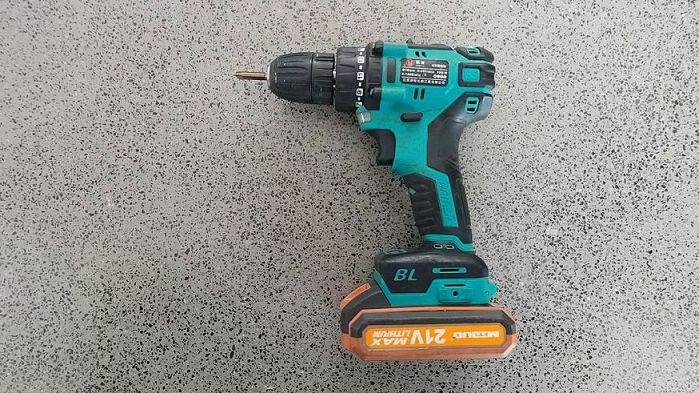
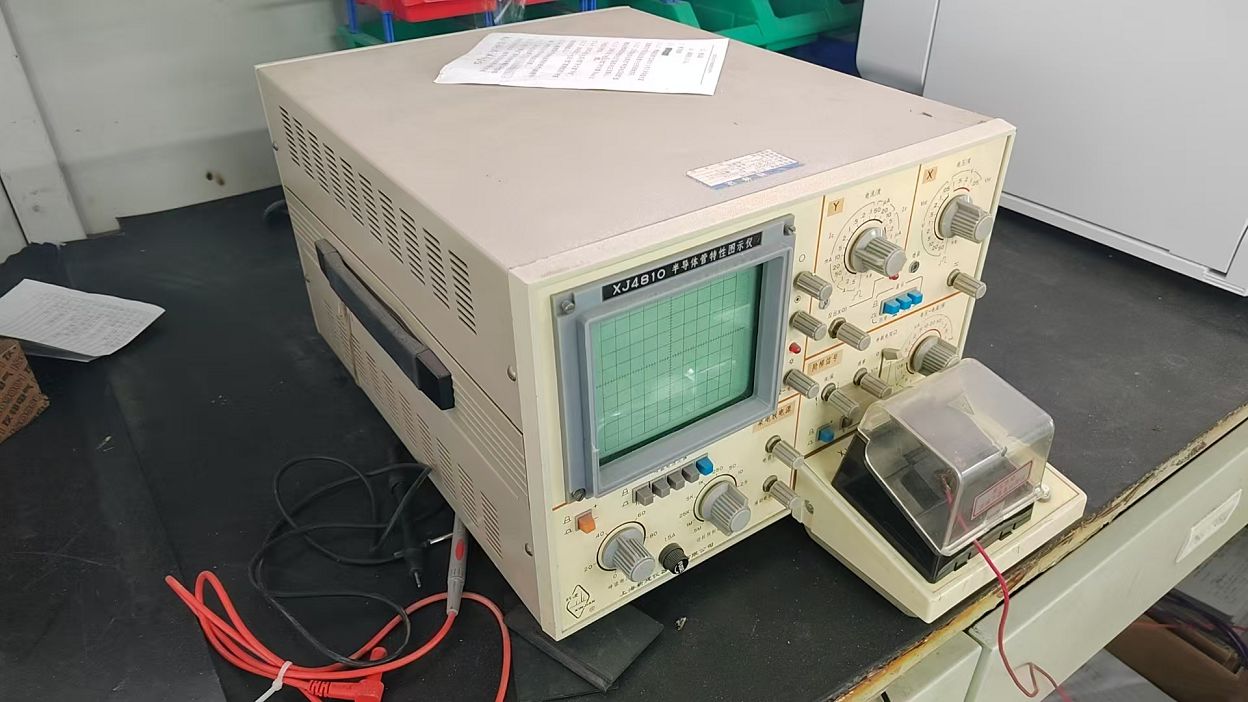
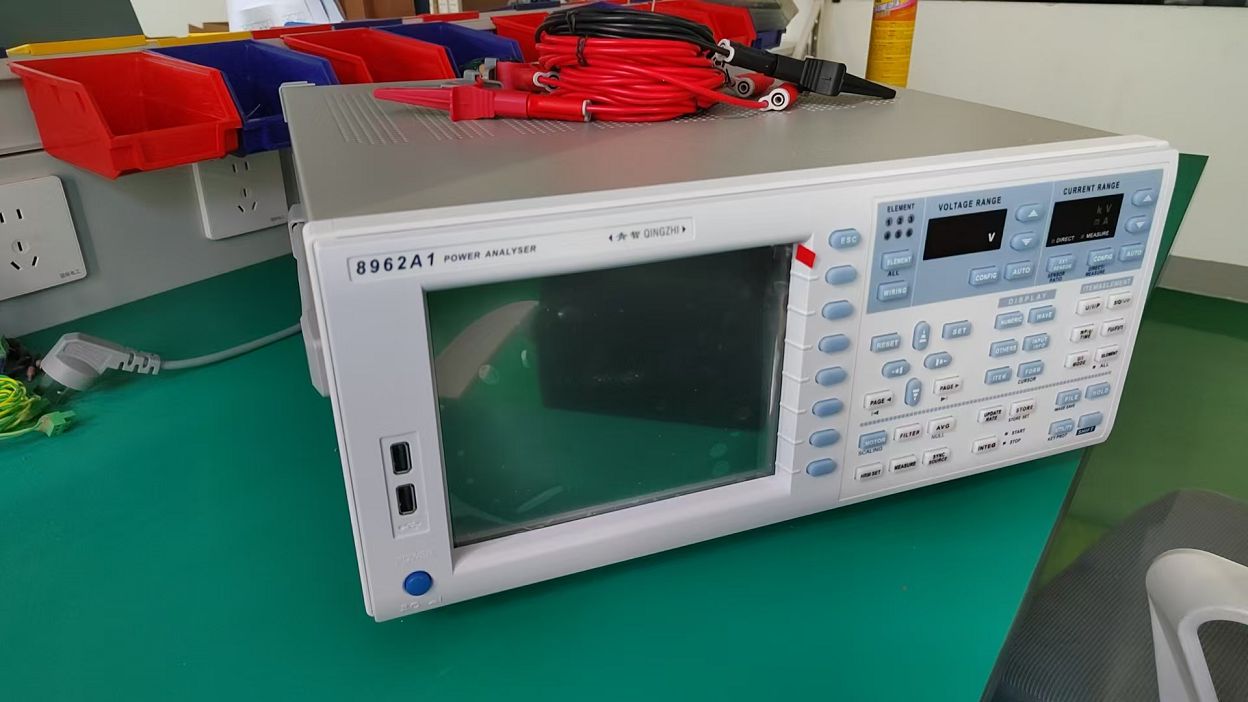
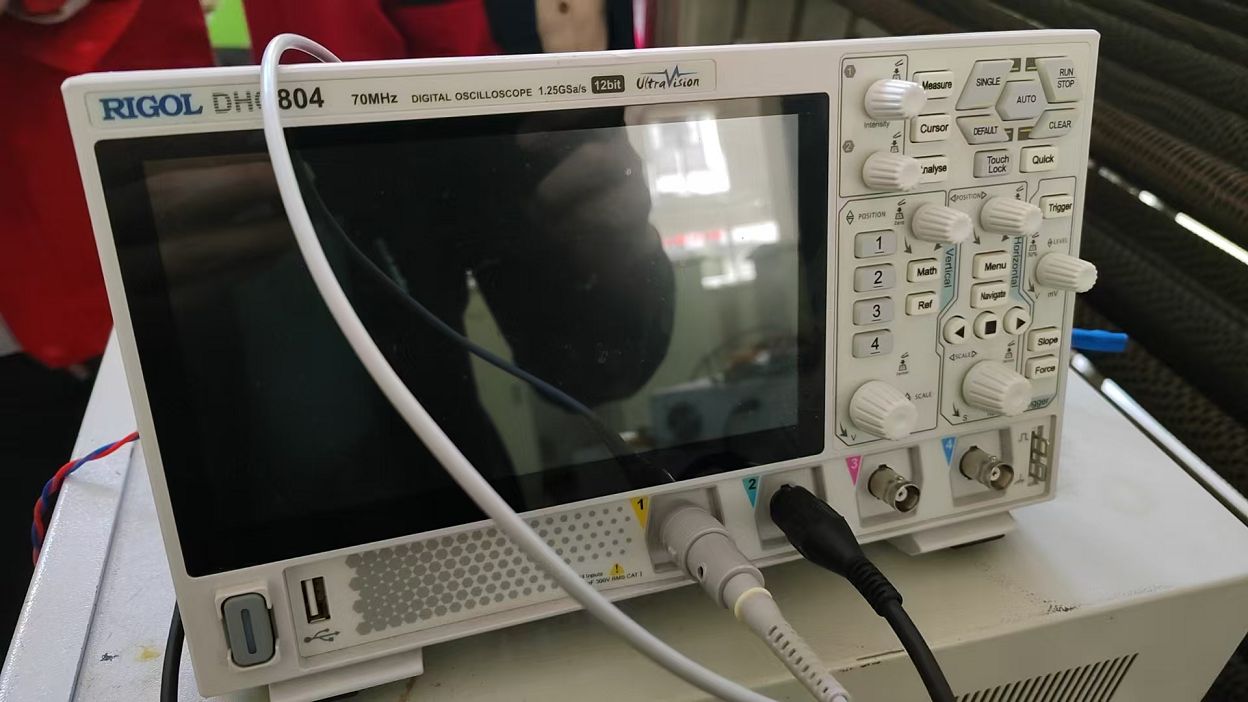
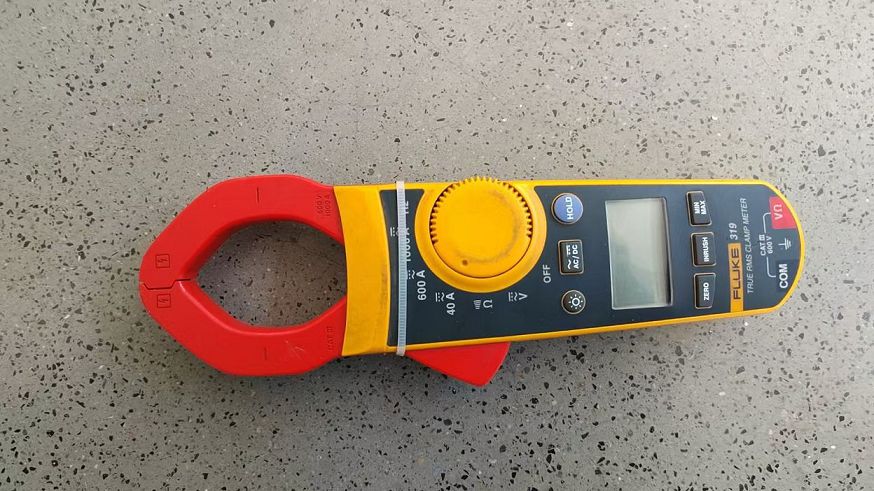
Advanced Manufacturing & Quality Inspection Facility
Inside Shenzhen Sophpower: Advanced production lines and testing laboratories ensuring long-term hardware reliability.
Shenzhen Sophpower Electronics Co., Ltd. was established in 2006, located in Shenzhen, China. As a High-tech enterprise with sustainable and rapid growth, Sophpower has a group of technical engineers with rich experience in the field of testing power supply. Main products including AC Power Source, Linear AC Power Source, Bidirectional AC Power Source, DC Power Supply, Bidirectional DC Power Supply, Voltage regulator and UPS. Can provide customized test power supply according to customer's requirements.
Frequently Asked Questions
Essential answers to technical and procurement inquiries regarding PLC testing and power equipment.
Industrial Grade Regulators & Frequency Converters
High-capacity equipment engineered to stabilize and convert heavy-duty power lines for global telemetry operations.