Industrial Power Conversion & High-Frequency Systems
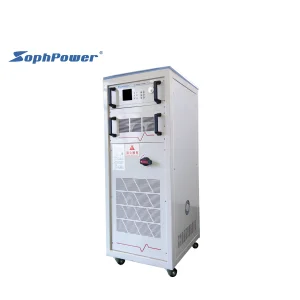
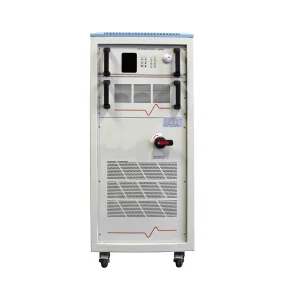
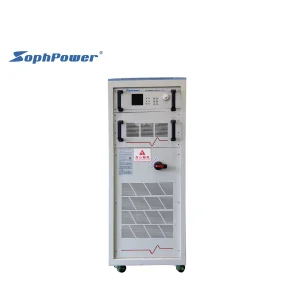
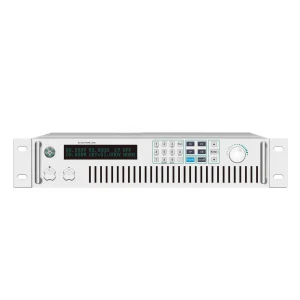
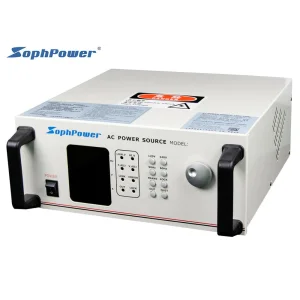
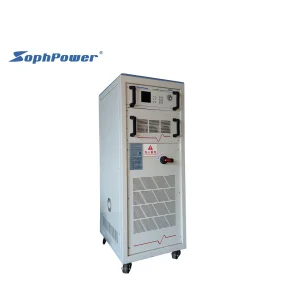
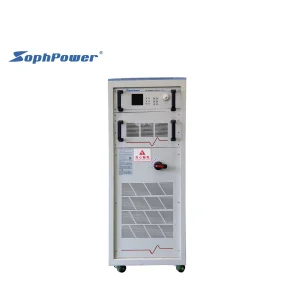
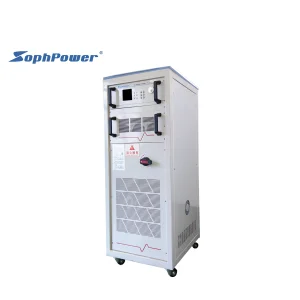
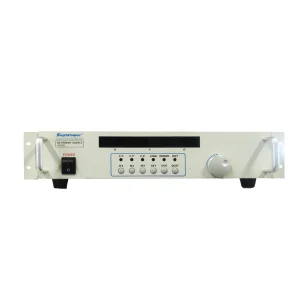
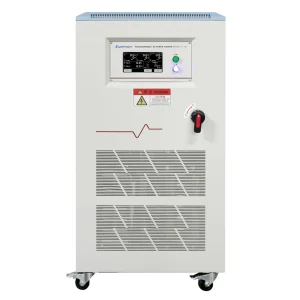
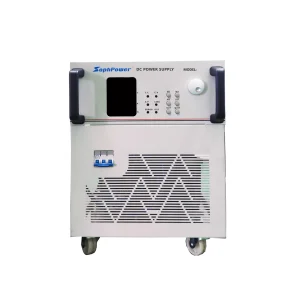
Discover our primary lineup of ultra-stable DC regulated systems and AC frequency converters, designed to optimize load-matching parameters for high-intensity induction thermal processing.
The Evolution of Induction Heating Technology
From Conventional Thermal Processing to Digitalized, Solid-State Power Conversion Architectures
Induction heating technology stands as the pinnacle of clean, energy-efficient, and precise thermal processing. By utilizing electromagnetic induction, the technology generates eddy currents directly inside the workpiece, transforming electrical energy to heat with minimal thermal inertia. Historically, induction systems relied heavily on vacuum tubes and early thyristor topologies, which limited efficiency, thermal responsiveness, and operating frequencies.
Today, the market demands uncompromising energy density and exact frequency matching. The transition to solid-state insulated-gate bipolar transistors (IGBTs) and silicon carbide (SiC) wide-bandgap semiconductors has revolutionized the topologies of induction heaters. Contemporary systems utilize soft-switching resonant converters (ZVS/ZCS) to drastically decrease switching losses, allowing units to operate smoothly in ranges from 1 kHz to several megahertz. This leap in core power processing components ensures that the physical dimensions of magnetic components are minimized while stabilizing thermal cycle reproducibility.
Key Industry Development Trends
- Digitalized Control Systems: Adoption of Field Programmable Gate Arrays (FPGAs) and High-Speed Digital Signal Processors (DSPs) to dynamically adjust resonant frequency and phase angle in real-time, matching dynamic load changes during Curie-point transitions.
- SiC and GaN Semiconductor Integration: Drastic reduction in thermal losses, allowing higher frequencies (exceeding 500 kHz) for micro-machining, localized surface hardening, and precision welding of micro-components.
- Eco-Design Initiatives: Replacing fossil-fuel-burning furnaces with clean, carbon-neutral induction heaters that run directly on electrical power grids, optimizing scope 1 emission metrics for multinational manufacturers.
Global Enterprise Procurement Requirements
An Analytical Guide for Strategic Buyers, Procurement Managers, and Power Systems Engineers
Grid Compatibility & Harmonics
Global operations require power systems that can easily adapt to varying distribution networks. Procurement metrics emphasize active Power Factor Correction (PFC) circuitry exceeding 0.99 and Total Harmonic Distortion (THD) under 5% to comply with strict international standards like IEEE 519.
Dynamic Control & PLC Integration
Modern smart factories require seamless interfacing between their central SCADA systems and the power supplies. Industrial protocol compliance (Modbus TCP/IP, EtherNet/IP, Profinet, CANopen) enables rapid loop control, real-time telemetry extraction, and predictive diagnostic scheduling.
Maintenance, MTBF & Diagnostics
Induction heating is critical to continuous production lines (e.g. continuous casting, wire drawing). High Mean Time Between Failures (MTBF > 50,000 hours) backed by modular subsystems, clear debugging interfaces, and diagnostic error codes reduces costly unexpected downtime.
About Shenzhen Sophpower Electronics Co., Ltd.
Established in 2006 and located in Shenzhen, China, Shenzhen Sophpower Electronics Co., Ltd. is a premier high-tech enterprise displaying sustainable and rapid growth in the power electronics industry. Our core engineering team boasts decades of collective experience in the design, debugging, and manufacture of specialized power supplies.
Sophpower's extensive portfolio includes AC Power Sources, Linear AC Power Sources, Bidirectional AC Power Sources, high-precision DC Power Supplies, Bidirectional DC Power Supplies, voltage regulators, and industrial UPS. We specialize in engineering customized test power supplies tailored specifically to strict, non-standard customer configurations.
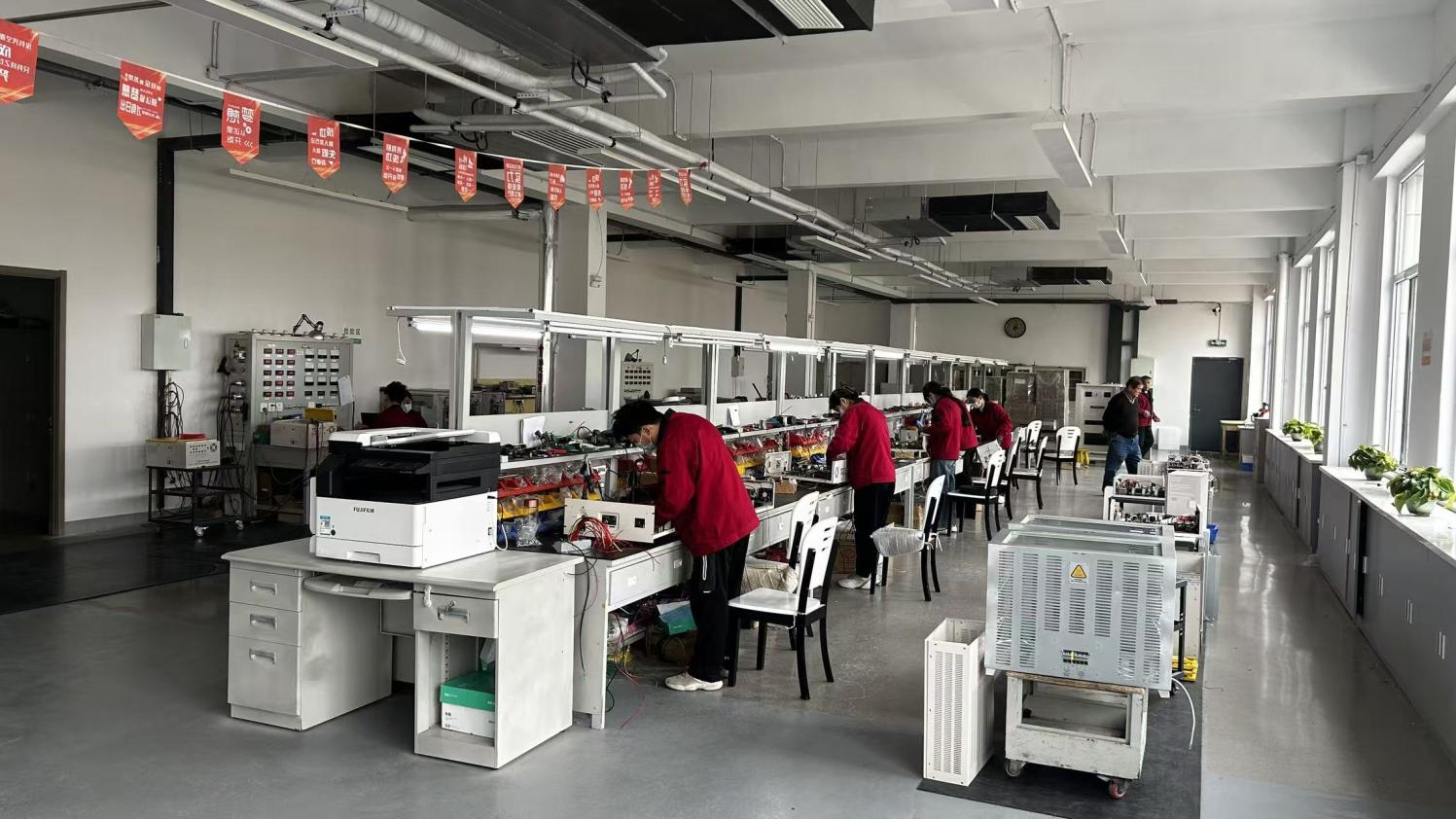
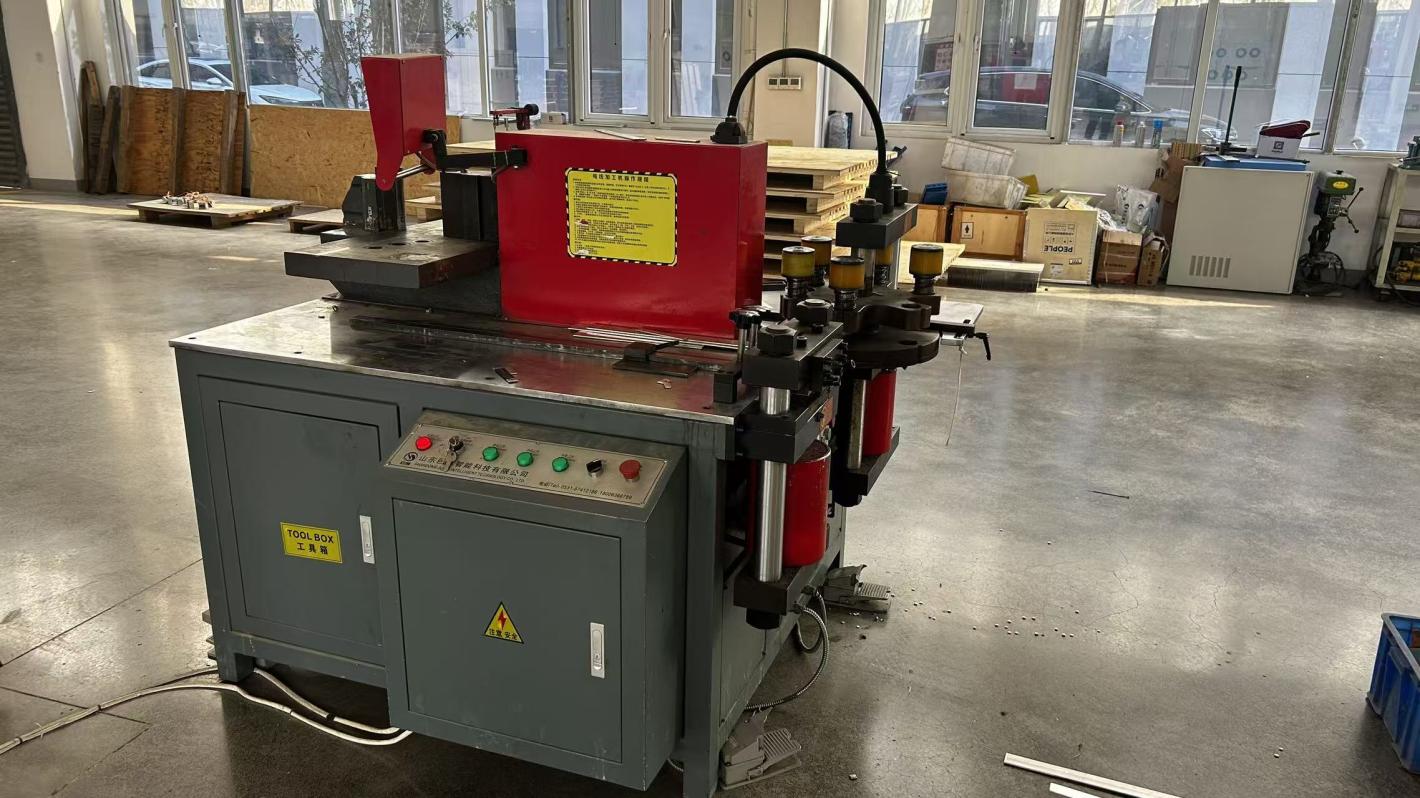
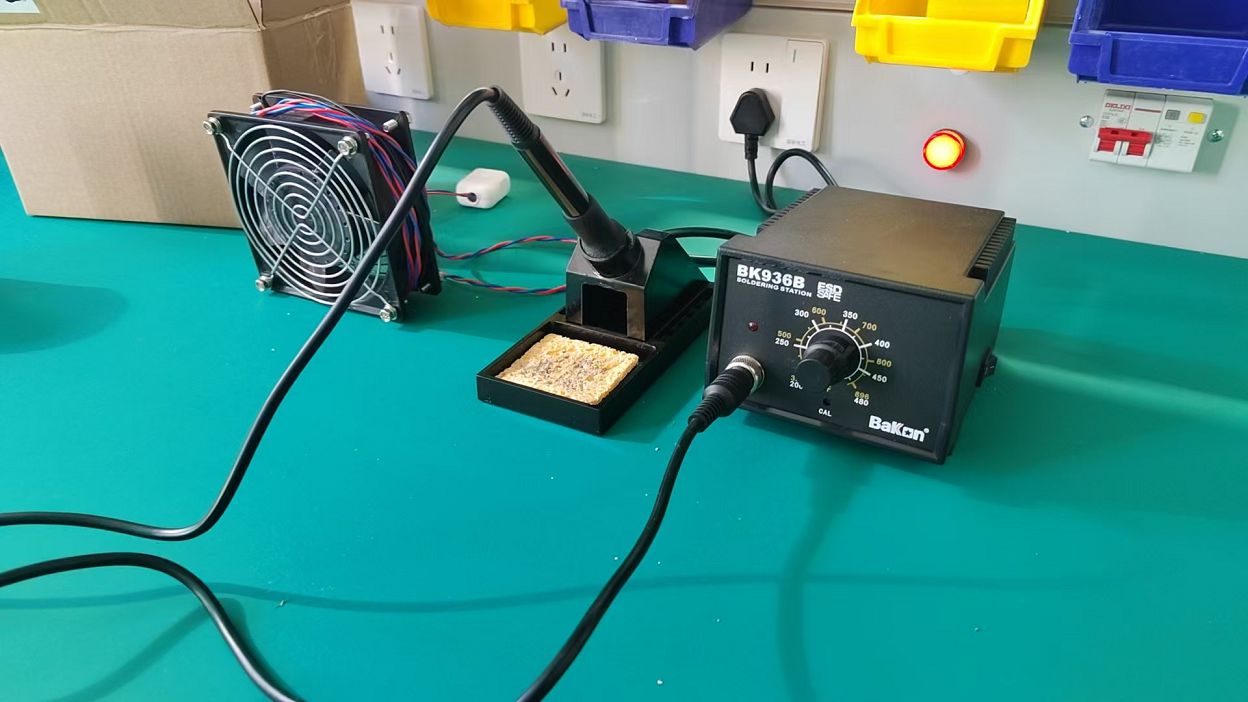
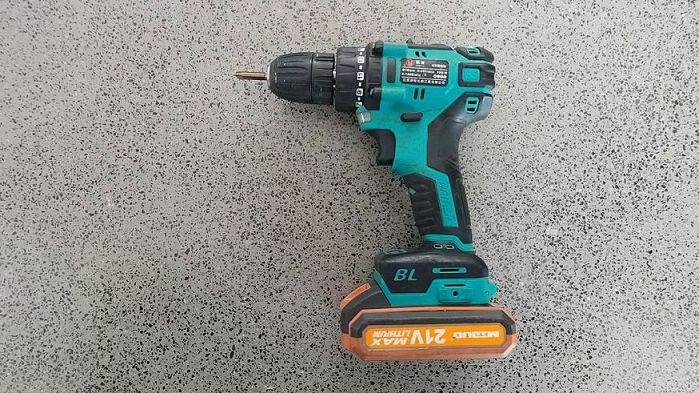
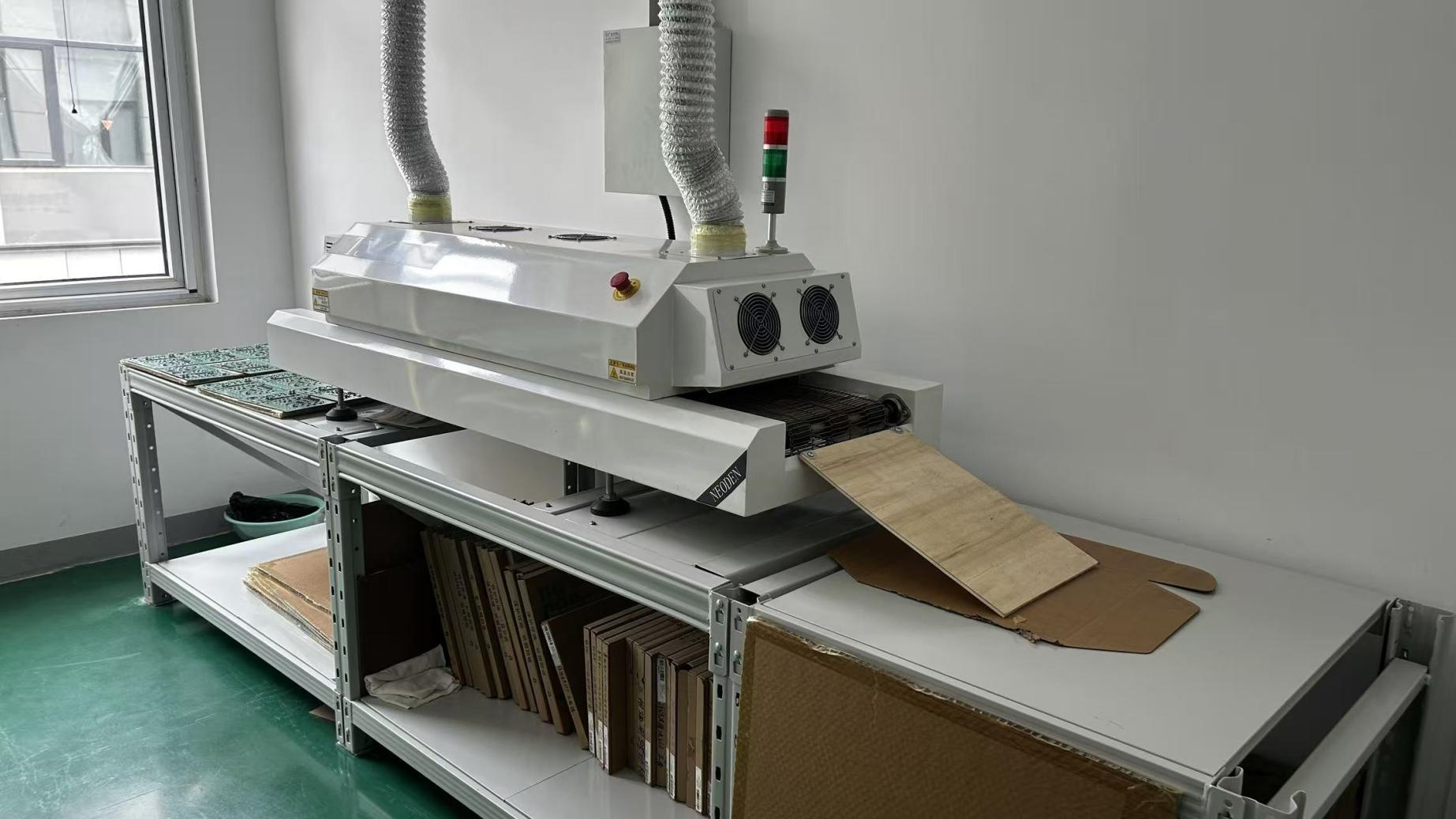
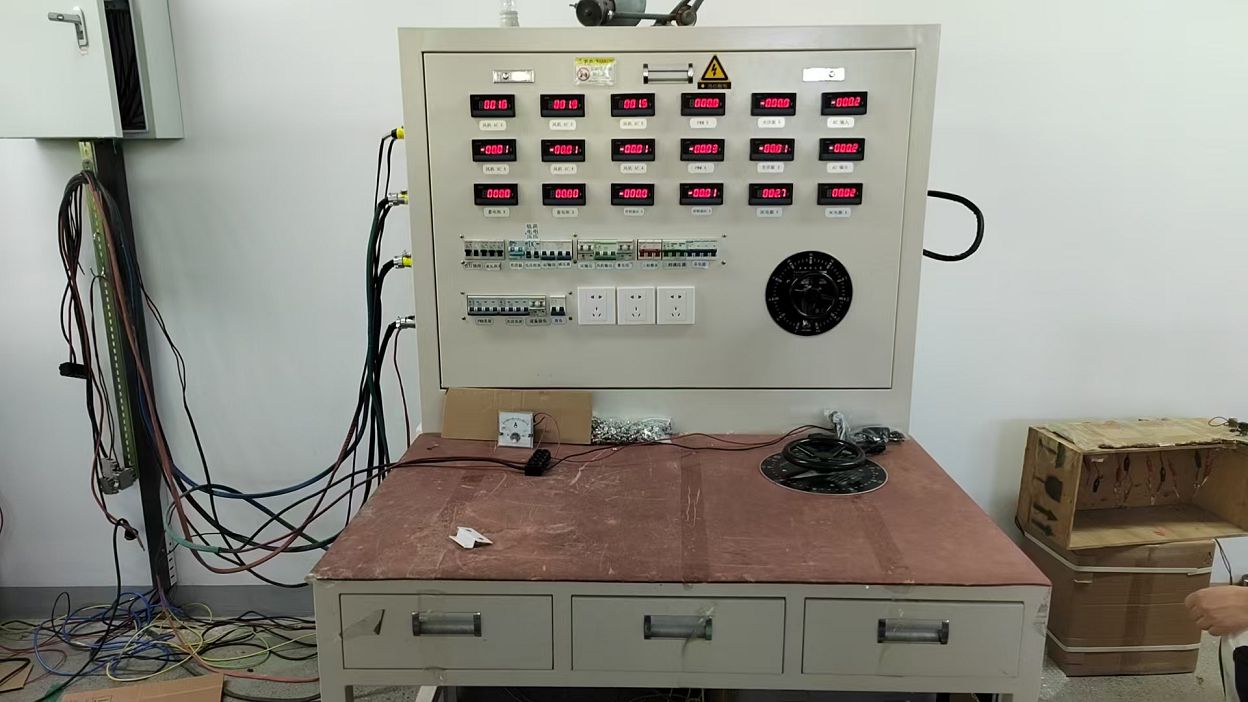
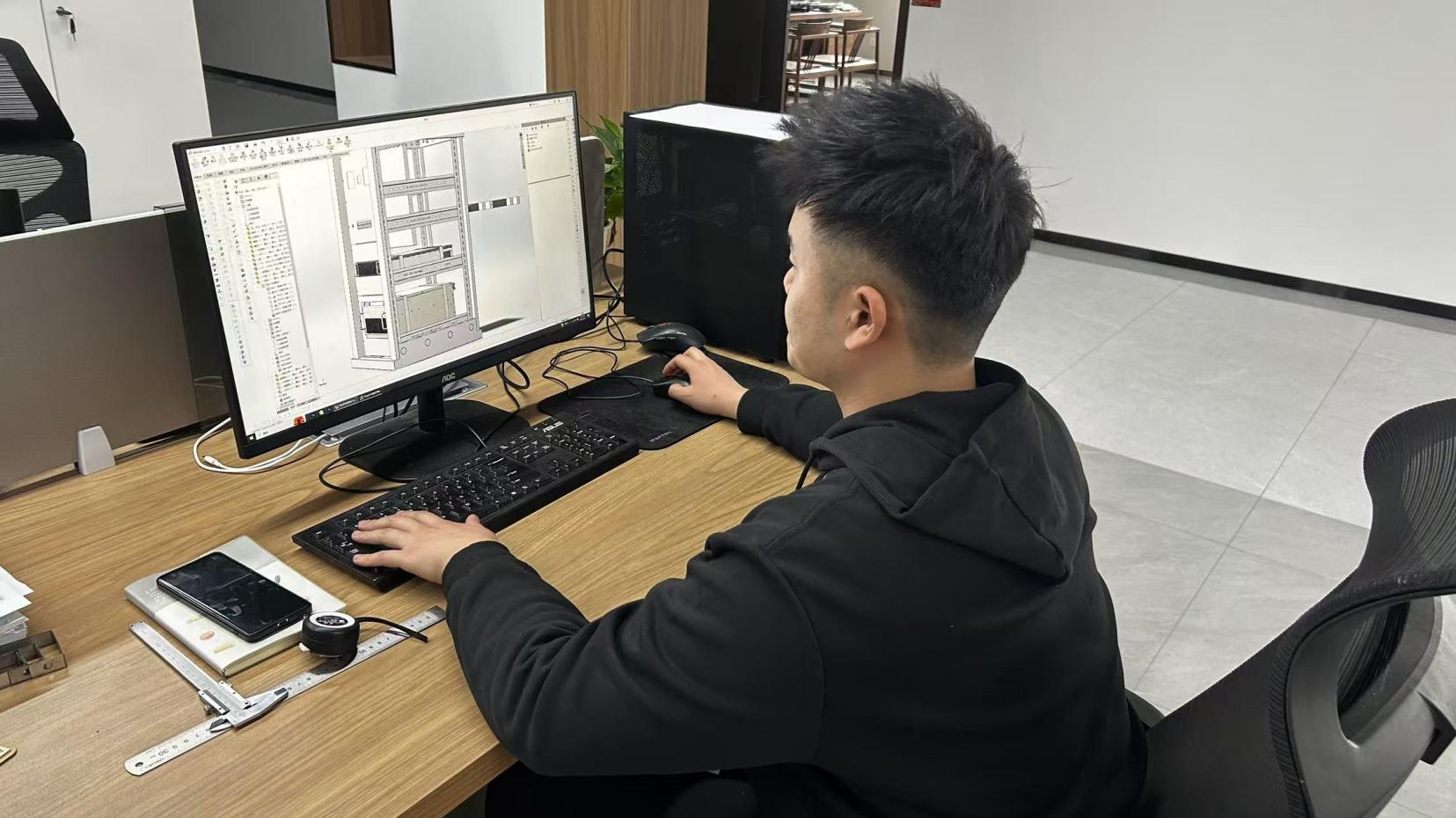
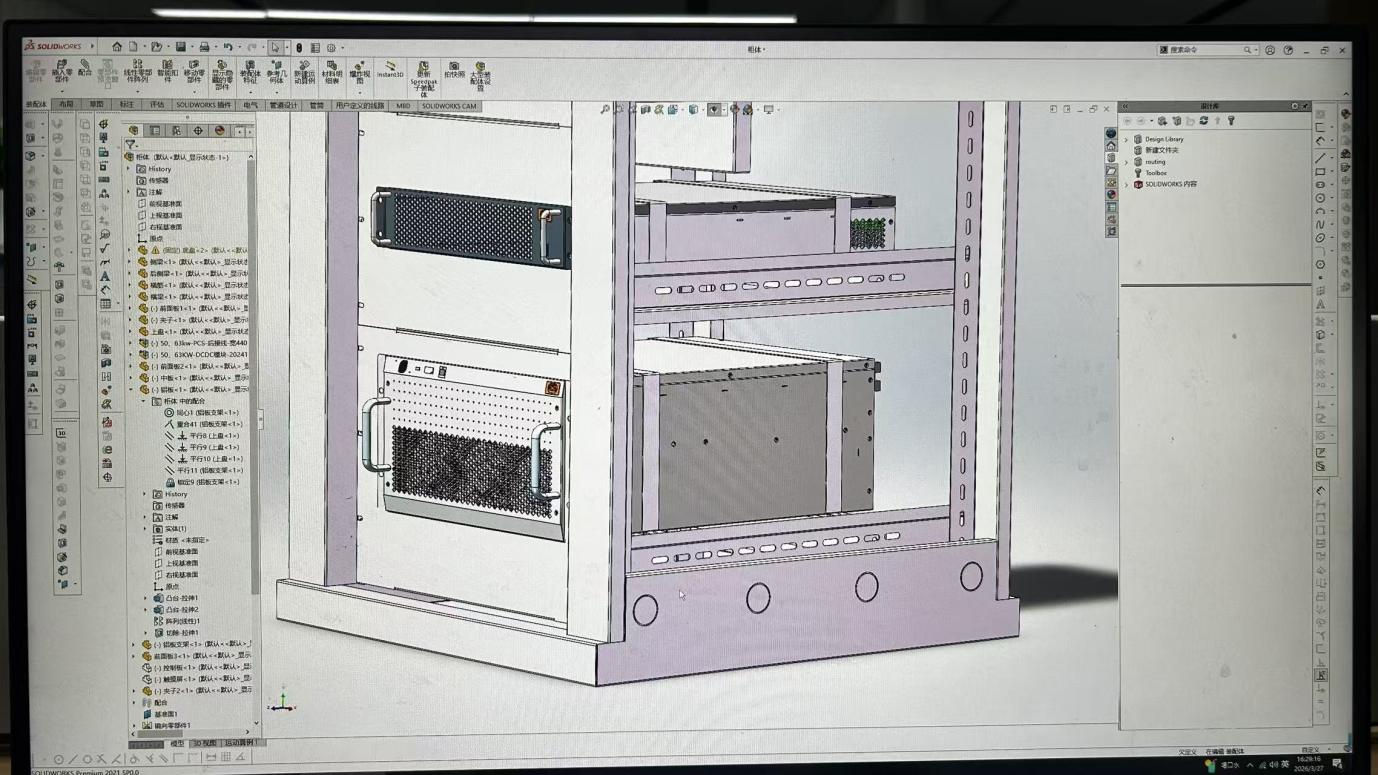
Factory Manufacturing & Production Infrastructure
Deep dive into Sophpower's physical hardware assembly and precise component fabrication lines.
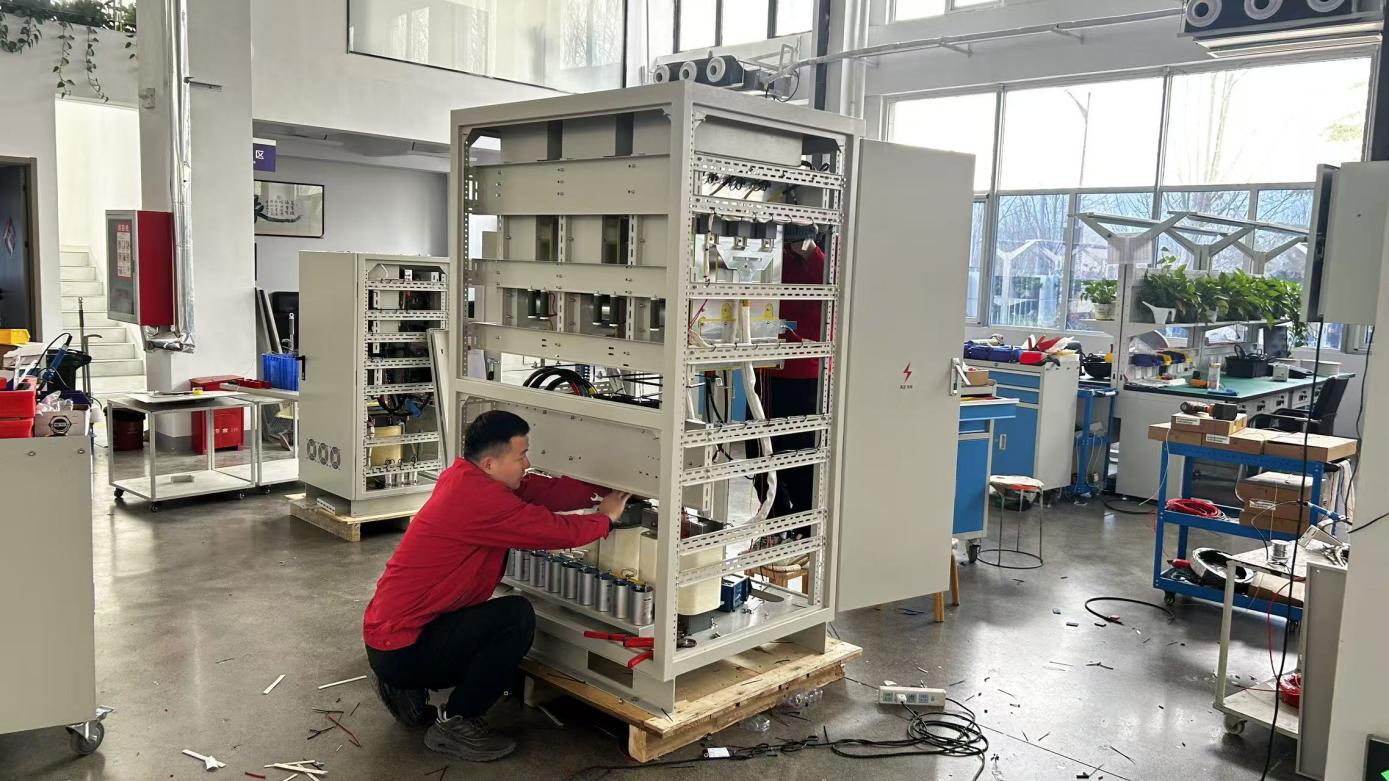
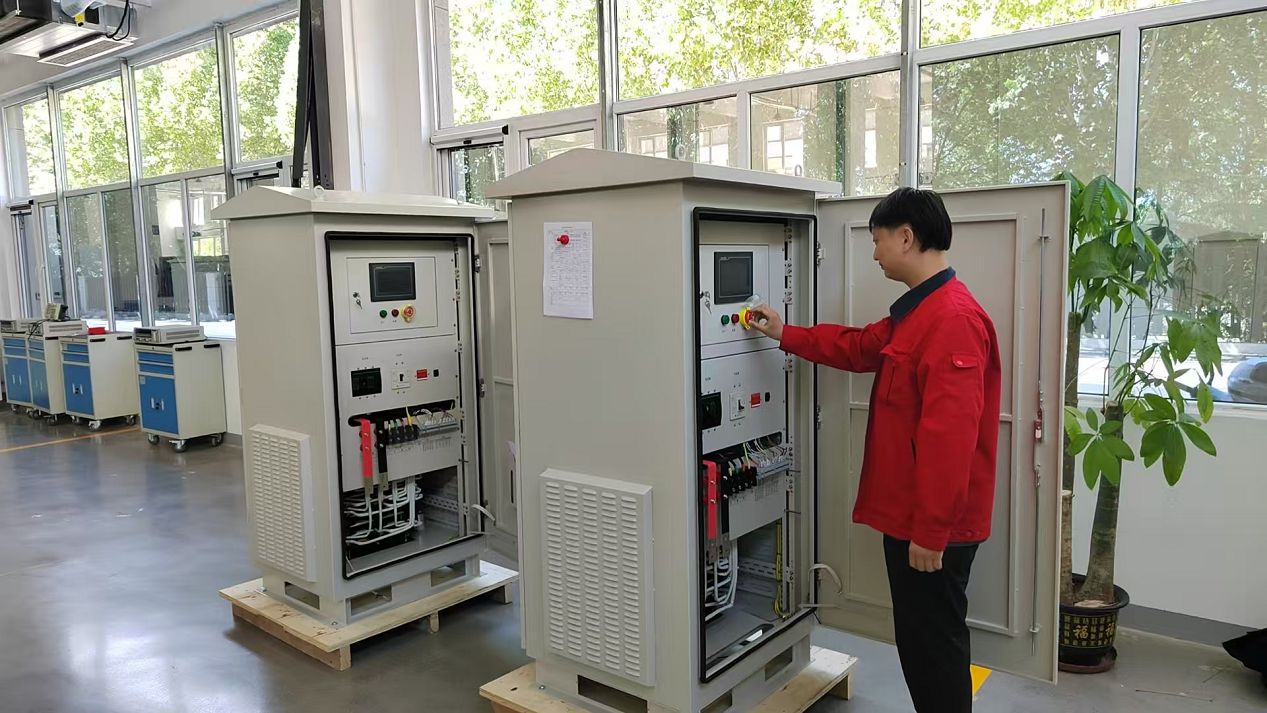
Macro-Industry Power Solutions
Custom Power topologies engineered to drive efficiency in critical metal processing and industrial applications.
Induction heating cannot be treated as a one-size-fits-all process. The induction coil behaves as an inductive load whose characteristics drift dynamically during heating operations. As the workpiece crosses its magnetic Curie point, the magnetic permeability drops to unity, resulting in dramatic shifts in resonant load parameters. Sophpower's variable AC/DC power sources serve as the core engine to mitigate these fluctuations.
1. Automotive Hardening and Heat Treating
Hardening automotive drivetrains (such as crankshafts, camshafts, and gearboxes) requires high frequency matching for shallow penetration depths (skin effect). Sophpower's high-efficiency variable DC power supplies act as the vital stabilizer for induction hardening generators, supplying steady current to the resonance circuit. This prevents micro-structural inconsistencies and grain growth during critical hardening cycles.
2. Semiconductor Single-Crystal Silicon Sintering
Silicon wafer crystal growth (Czochralski process) requires highly stable temperatures over long periods. Sophpower's bidirectional AC/DC systems regulate the induction heater surrounding the quartz crucible. With less than 0.1% ripple voltage, our supplies prevent microscopic defects in the growing ingot caused by minor thermal variations.
3. Pipeline Welding & Seam Annealing
On-site pipeline welding requires equipment that can withstand volatile input grids. The Sophpower Three-Phase Programmable AC Power Supply provides clean, isolated electrical energy to heavy-duty mobile induction units. This guarantees consistent weld quality regardless of grid voltage variations, reducing non-destructive testing (NDT) failures.
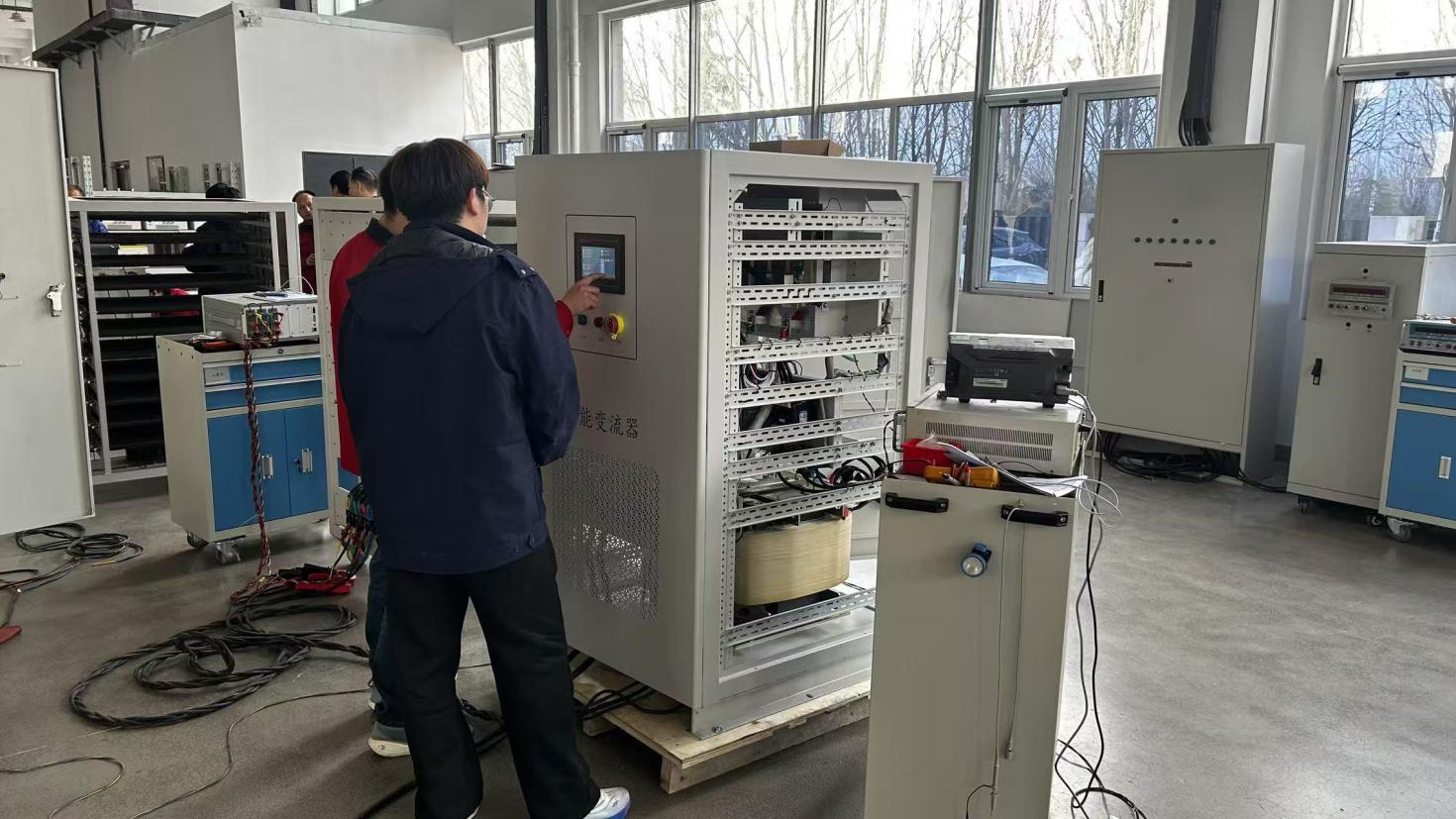
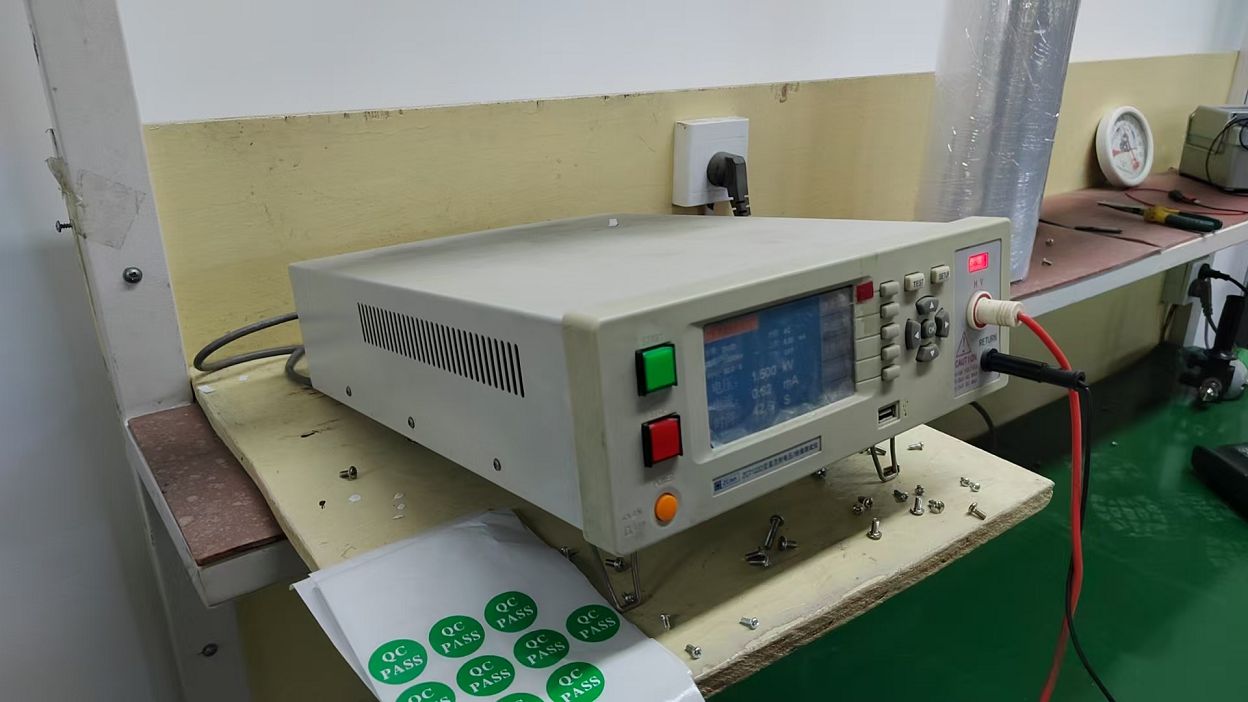
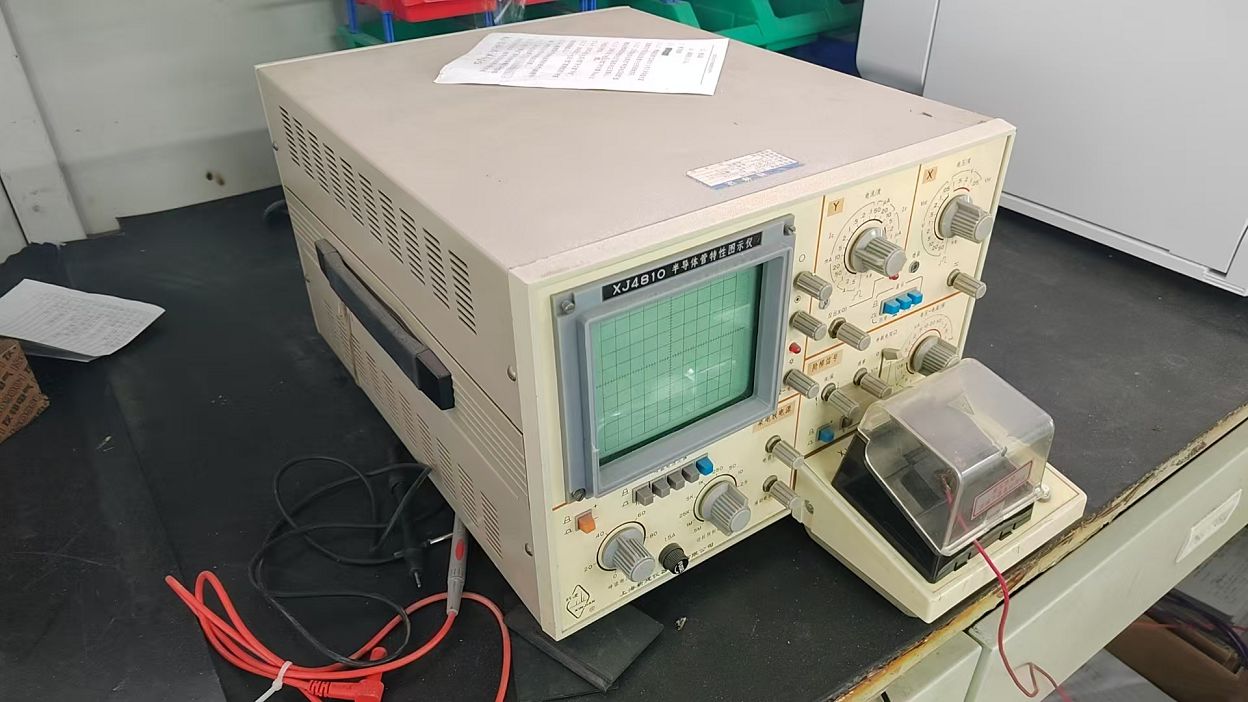
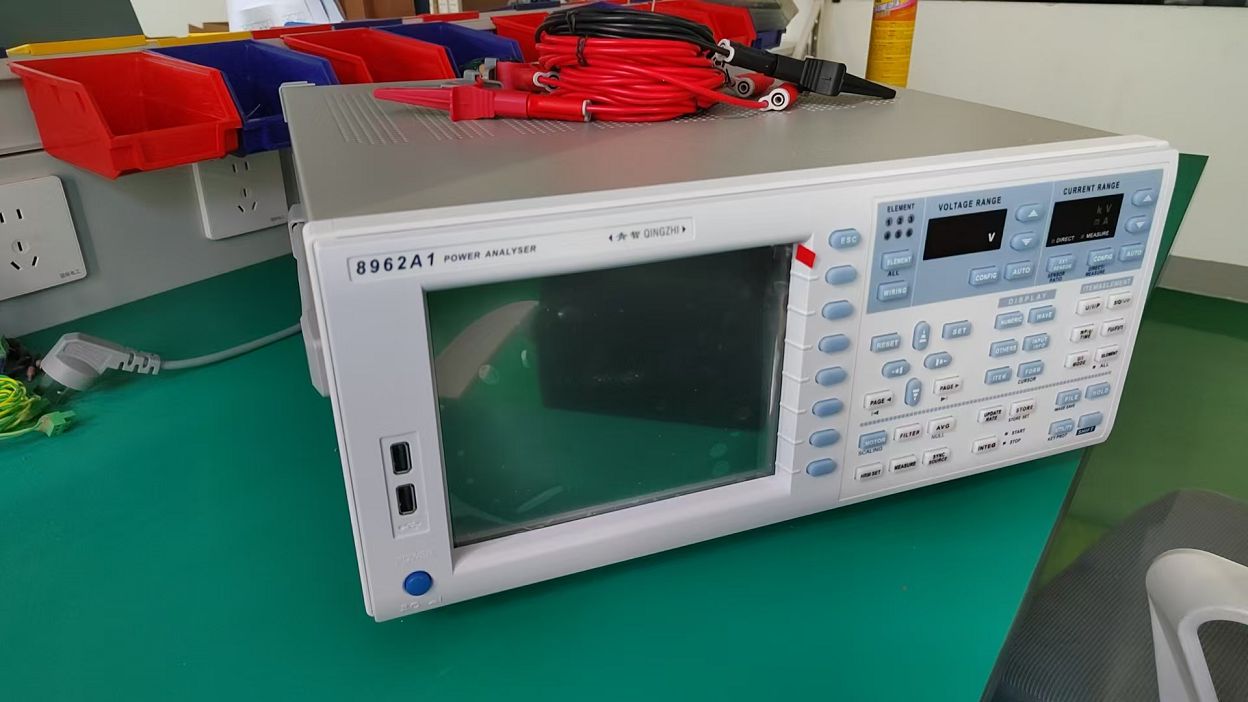
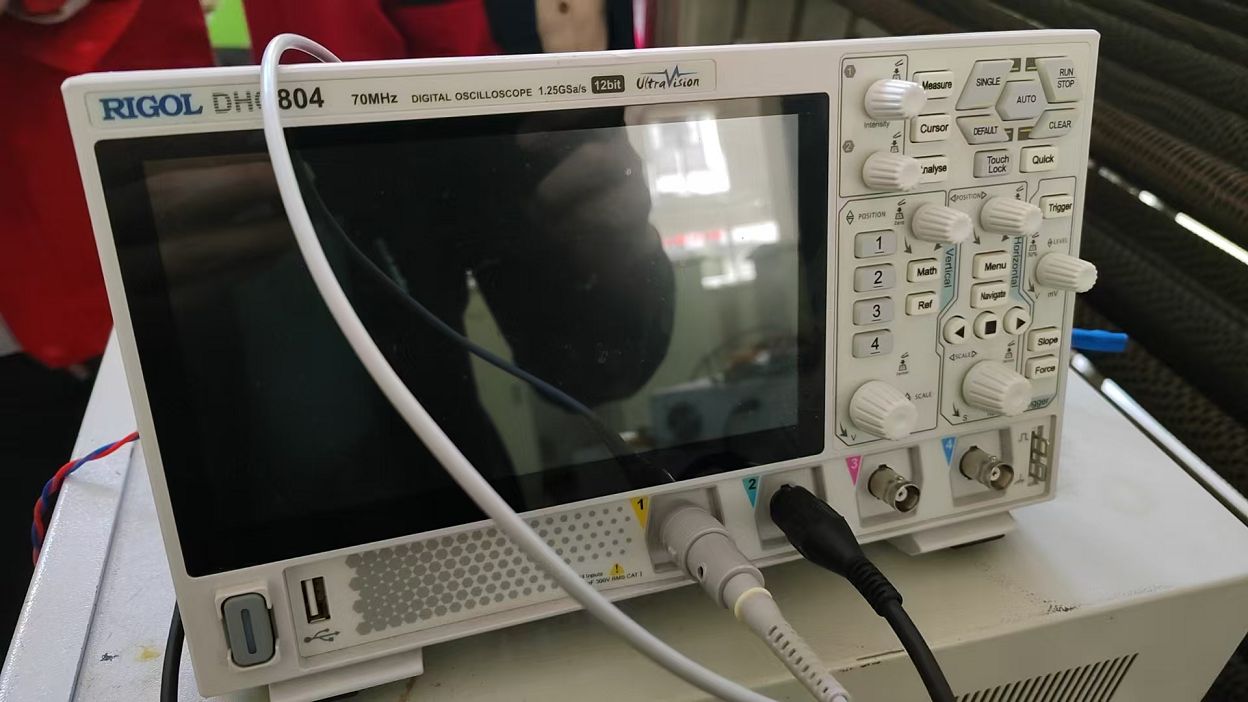
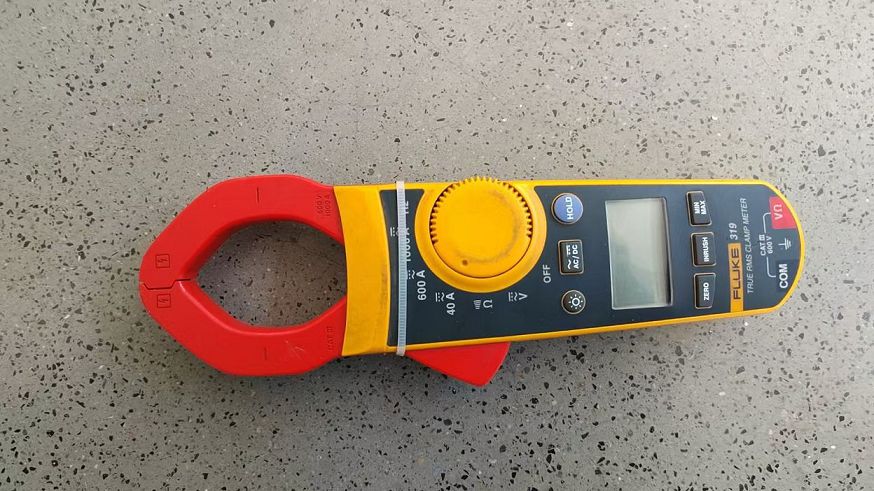
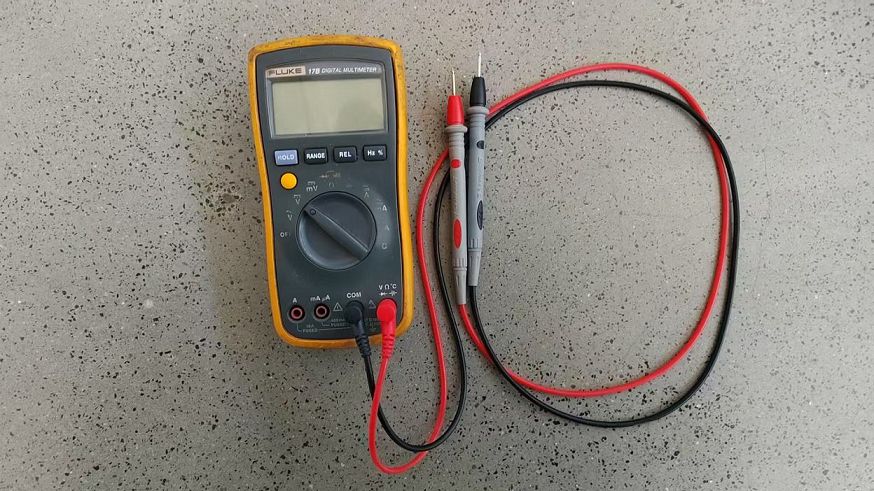
Advanced Quality Testing & Diagnostic Instruments
Rigorous hardware inspection processes utilizing high-precision calibrators and telemetry analysis tools.

Local Support & Compliance Standards
Mitigating Risk Through Rigorous Global Certification Frameworks and Rapid Engineering Response
Operating induction heating systems in different markets requires strict adherence to international electrical safety regulations. A high-frequency generator generates significant electromagnetic emissions. Therefore, compliance with Electromagnetic Compatibility (EMC) standards is not optional—it is a critical requirement for regulatory approval.
At Shenzhen Sophpower Electronics, our design processes adhere to IEC 60519-1 and IEC 60519-3 standards (Safety in electroheating installations). Additionally, we implement EMC shielding measures to align with FCC Part 18 and CISPR 11 boundaries. This ensures that Sophpower equipment can be integrated into high-tech fabrication facilities without interfering with adjacent sensitive testing equipment.
Worldwide Technical Support Network
To support global operations, Sophpower offers rapid technical dispatch and consulting services. Our experienced engineers assist with early integration layout planning, remote telemetry configuration, and custom firmware adjustments. We also offer on-site commissioning support to ensure our variable AC and DC systems are calibrated to local grid conditions.
Technical Roadmap & Future Outlook
Our Vision for High-Efficiency Electrification and AI-Driven Resonant Tuning
The next generation of high-frequency power conversion systems will leverage intelligence and new materials. Sophpower is continuously investing in key areas of power design to support green electrification and the transition to smart factories:
1. Transition to Gallium Nitride (GaN) and Silicon Carbide (SiC) Topologies
By utilizing SiC components, our next-generation power supplies will decrease dynamic switching energy losses by up to 40%. This allows for more compact, air-cooled high-frequency induction units, minimizing the footprint on the factory floor and lowering cooling system costs.
2. Edge-AI Dynamic Resonance Tracking
We are developing edge-computing microcontrollers that run fast algorithms to track load impedance shifts. This allows the induction heating unit to maintain resonant state efficiency continuously, even during complex, high-speed thermal cycles involving multiple materials.
3. Bidirectional Energy Recovery Systems
For industrial processes with cyclic heating and cooling, our bidirectional DC and AC power sources recapture excess energy and return it to the local facility grid. This helps reduce overall industrial operational costs.
Frequently Asked Questions (FAQ)
Get expert insights on how our high-precision AC/DC power sources optimize induction heating systems.
Additional Industrial Power & Testing Systems
Complementary high-voltage, regulated, and electronic load solutions for production lines and R&D laboratories.