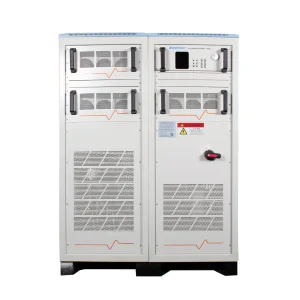
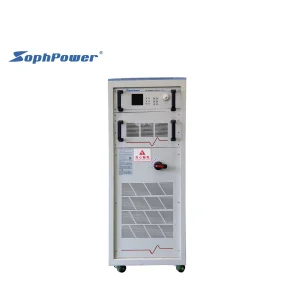
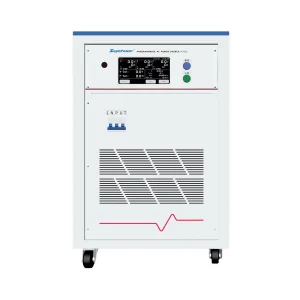
Specialized Power Solutions & Instrument Lines
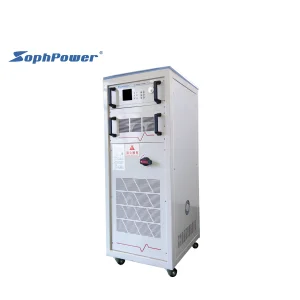
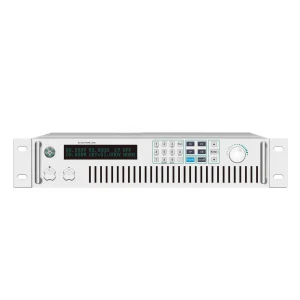
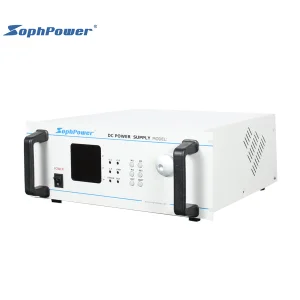
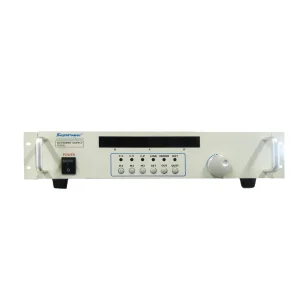
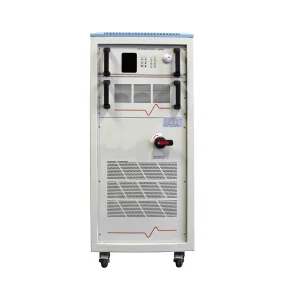
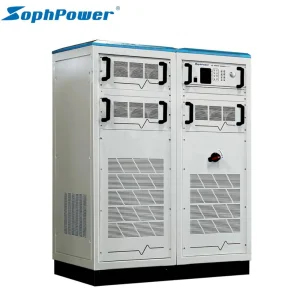
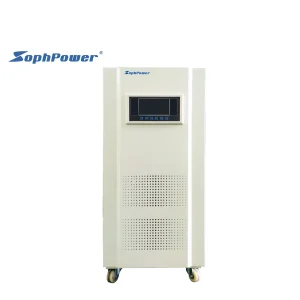
High-precision laboratory power sources and adjustable electronic loads, vital for testing, calibrating, and certifying smart utility energy meters.
Global Grid Modernization: The Crucial Role of Advanced Energy Metering
The global transition towards decentralized grid networks, renewable integration, and smart urbanization has placed smart energy meters at the very center of industrial priorities. No longer mere devices for monthly billing recording, today's electricity meters act as highly integrated edge computing terminals. They enable real-time grid diagnostics, multi-tariff structures, power quality tracking, and load balancing mechanisms. As a result, commercial developers, national utilities, and infrastructure procurement teams require highly reliable metering units capable of sustaining operation under diverse environmental stress conditions.
However, the performance, calibration accuracy, and longevity of an energy meter depend heavily on the processes through which it was manufactured and verified. Behind every high-accuracy class smart meter lies a battery of intensive testing protocols requiring precise alternating and direct current simulation. Fluctuations in line voltages, harmonic distortions, phase deviations, and high-frequency noise must all be simulated during quality assurance. This is where high-stability testing hardware, such as the programmable AC/DC power sources developed by industrial engineering organizations like Shenzhen Sophpower Electronics Co., Ltd., plays a foundational role in the smart grid ecosystem.
Global Procurement Demands: What Utilities and Developers Search For
Large-scale utility deployments demand a high degree of interoperability and long-term durability. Procurement specialists actively analyze specific criteria during vendor evaluation, prioritizing compliance with the DLMS/COSEM communication protocols, ANSI or IEC accuracy class designations (typically Class 0.2S or 0.5S for industrial environments), and multi-protocol networking capabilities (incorporating NB-IoT, LoRaWAN, Wi-SUN, and Power Line Communication). In addition, robust surge protection and anti-tampering configurations are essential requirements, especially across evolving grids in APAC, Latin America, and Africa.
From a commercial and industrial (C&I) perspective, modern facilities mandate multi-functional sub-metering configurations. These sub-meters track energy profiles down to the individual production line level, allowing factory managers to execute efficiency strategies. These complex operations require metering solutions that remain highly accurate even when exposed to high levels of electromagnetic interference (EMI) and harmonic feedback from variable frequency drives and heavy manufacturing machinery.
China Factory 4.0: Supply Chain Resilience & Superior Manufacturing Standards
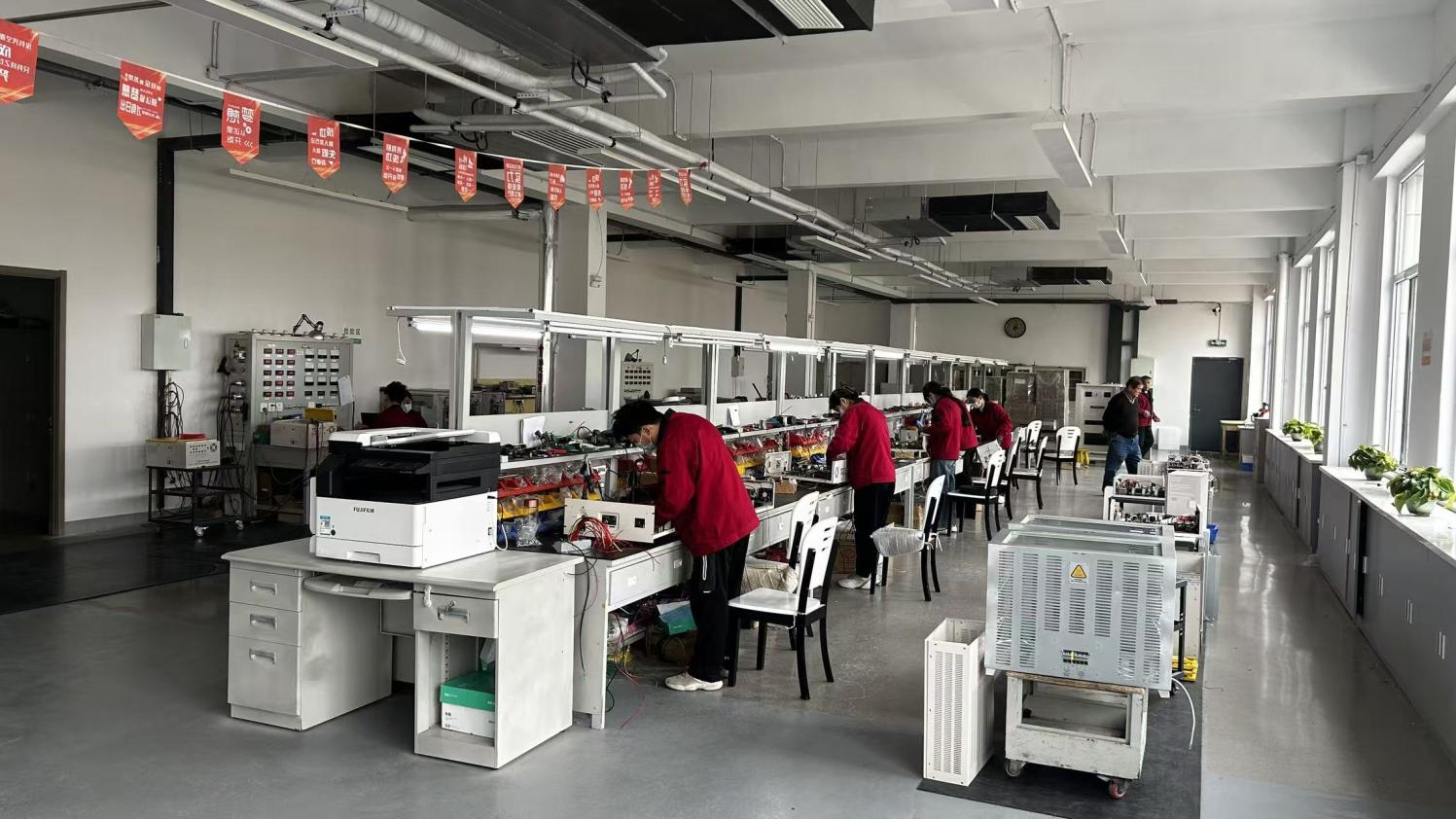
In the smart energy sector, China's manufacturing clusters—specifically within high-tech centers like Shenzhen—have transitioned from high-volume assembly lines to fully integrated Factory 4.0 systems. This evolution offers distinct advantages to global procurement operations:
- Vertical Integration: Component fabrication, high-speed PCB assembly, transformer winding, and automated calibration are housed in close geographic proximity, minimizing lead times.
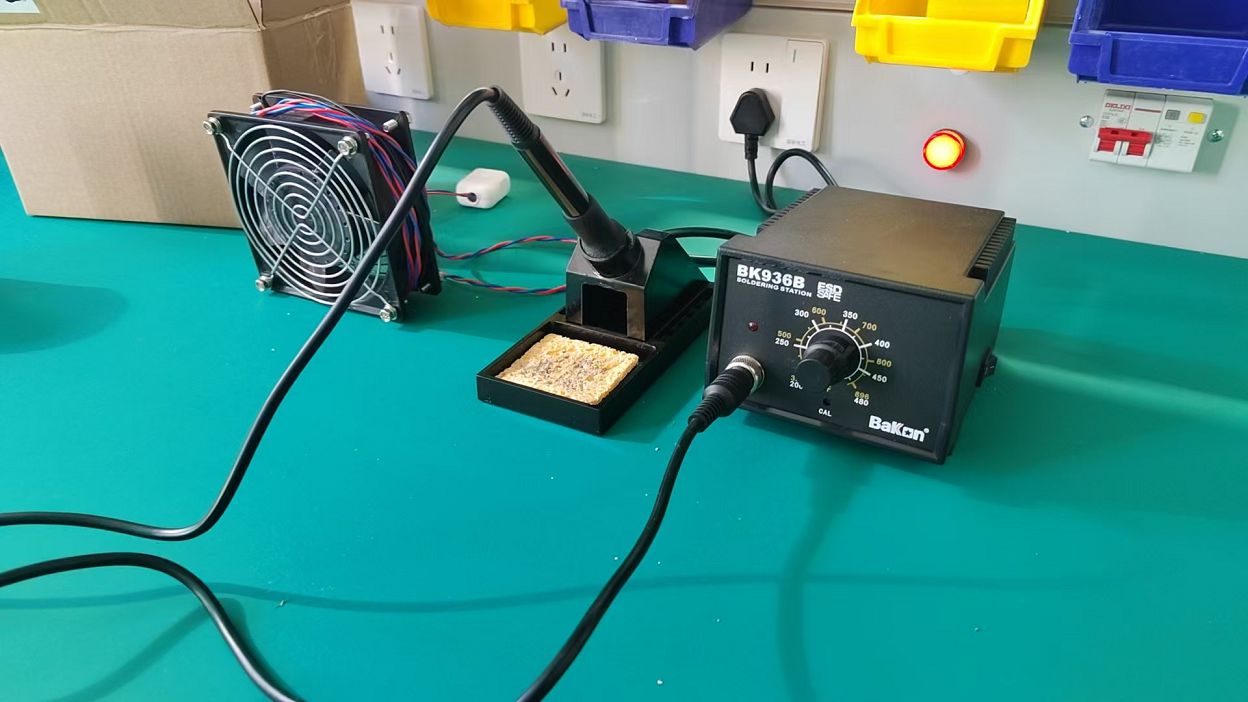
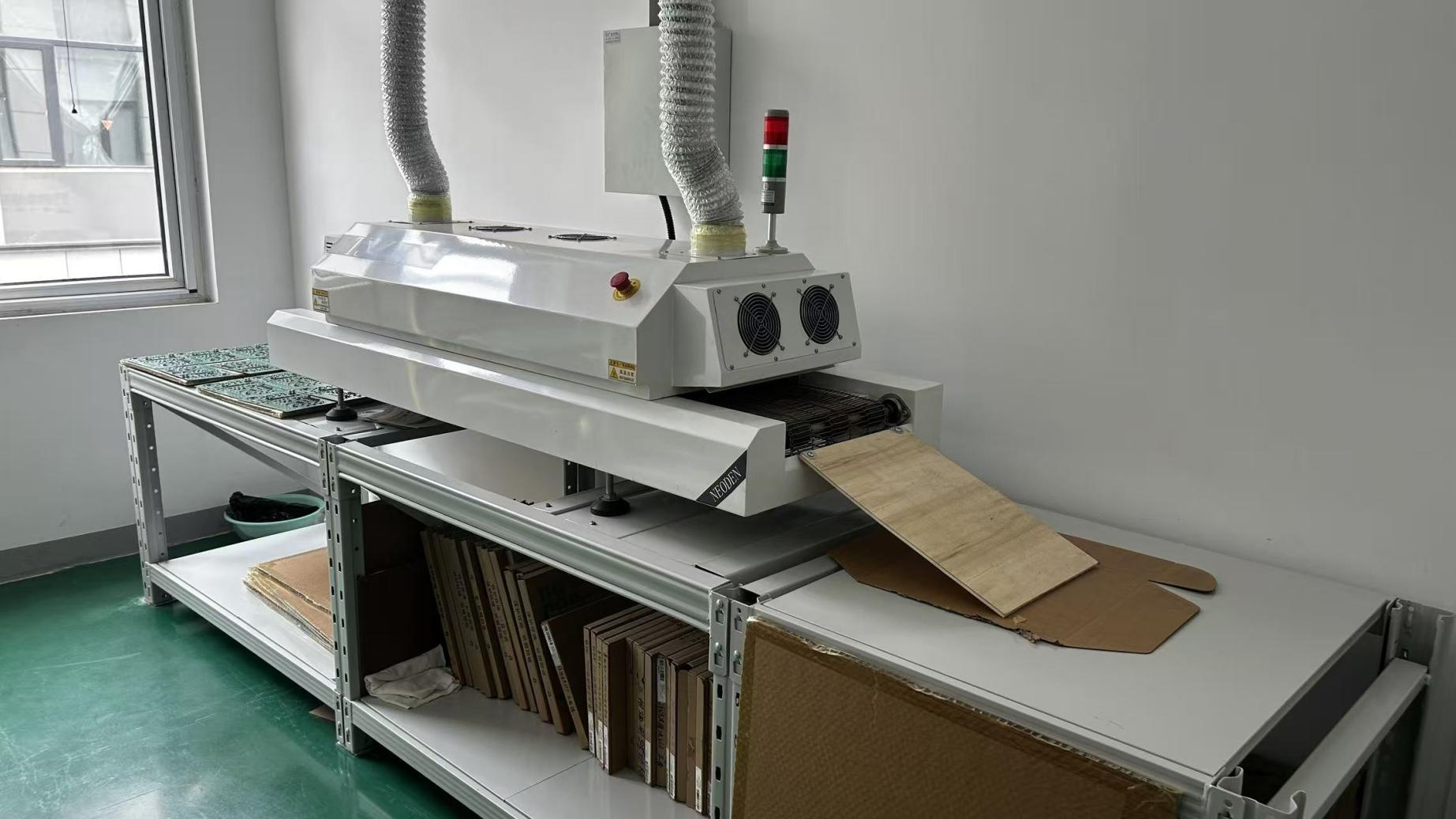
- Quality Automation: The application of high-precision reflow soldering machinery, robotic quality inspection stations, and computer-aided testing sequences ensures consistent assembly and minimizes defective units.
- Supply Chain Flexibility: Chinese industrial centers adapt rapidly to raw material fluctuations and custom requirements, such as custom enclosure parameters or auxiliary voltage inputs.
Sophpower Electronics: Empowering the Manufacturing Lifecycle
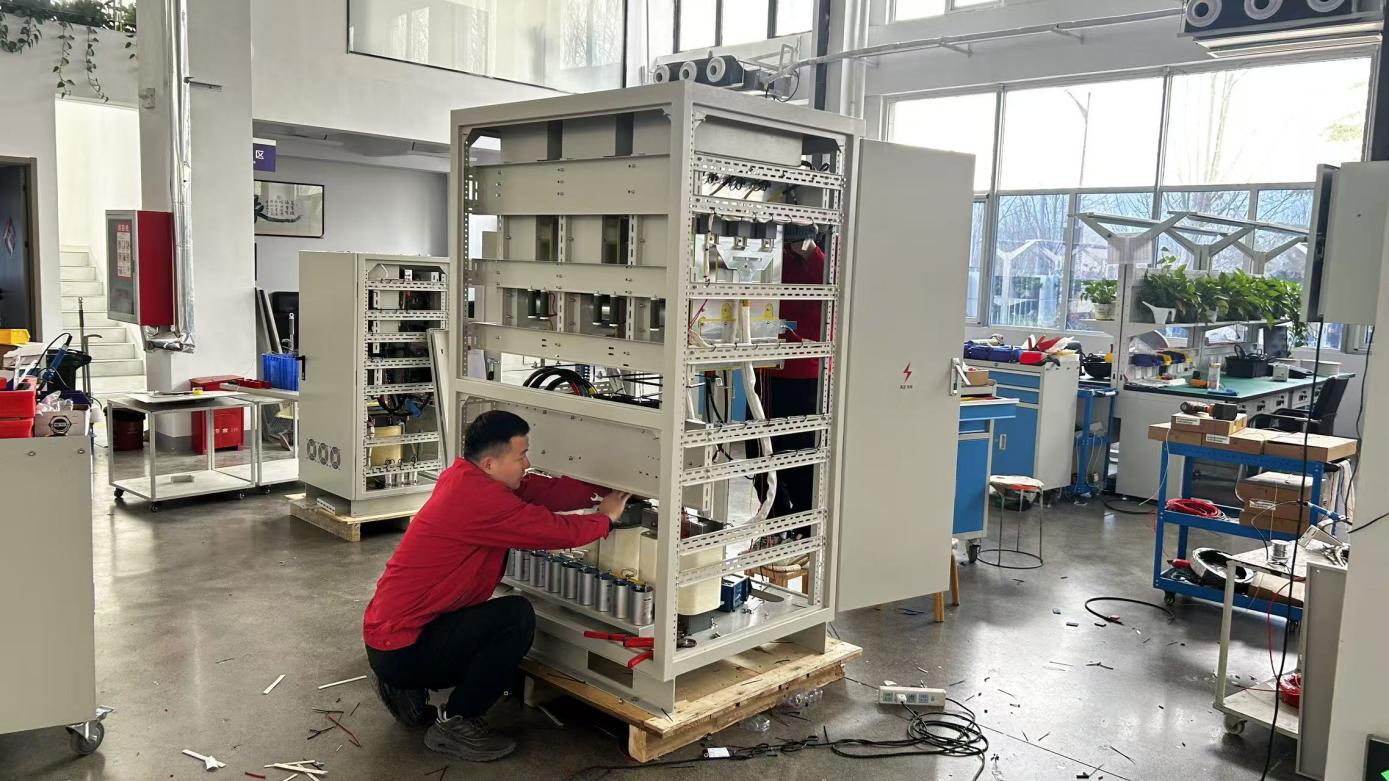
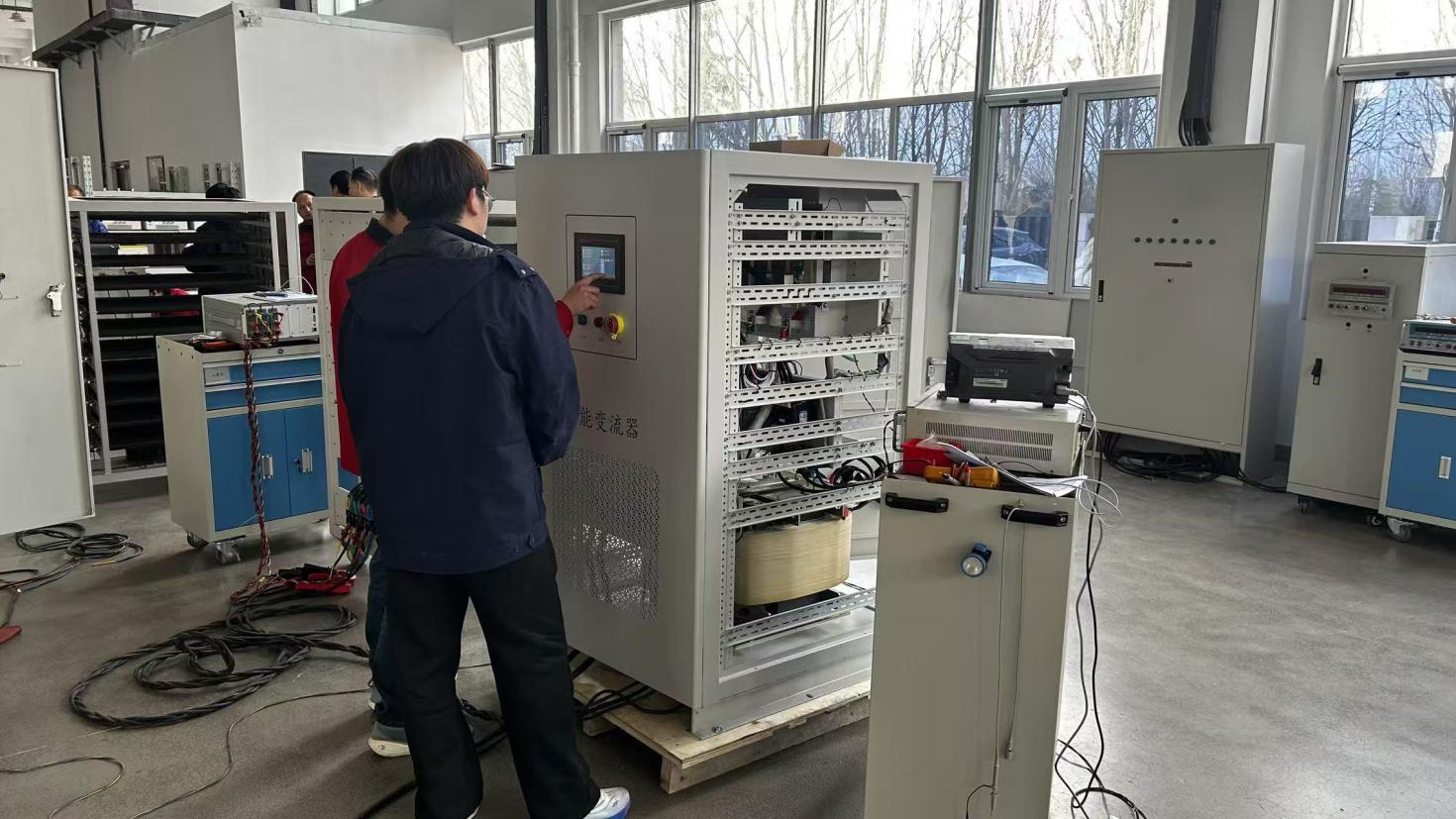
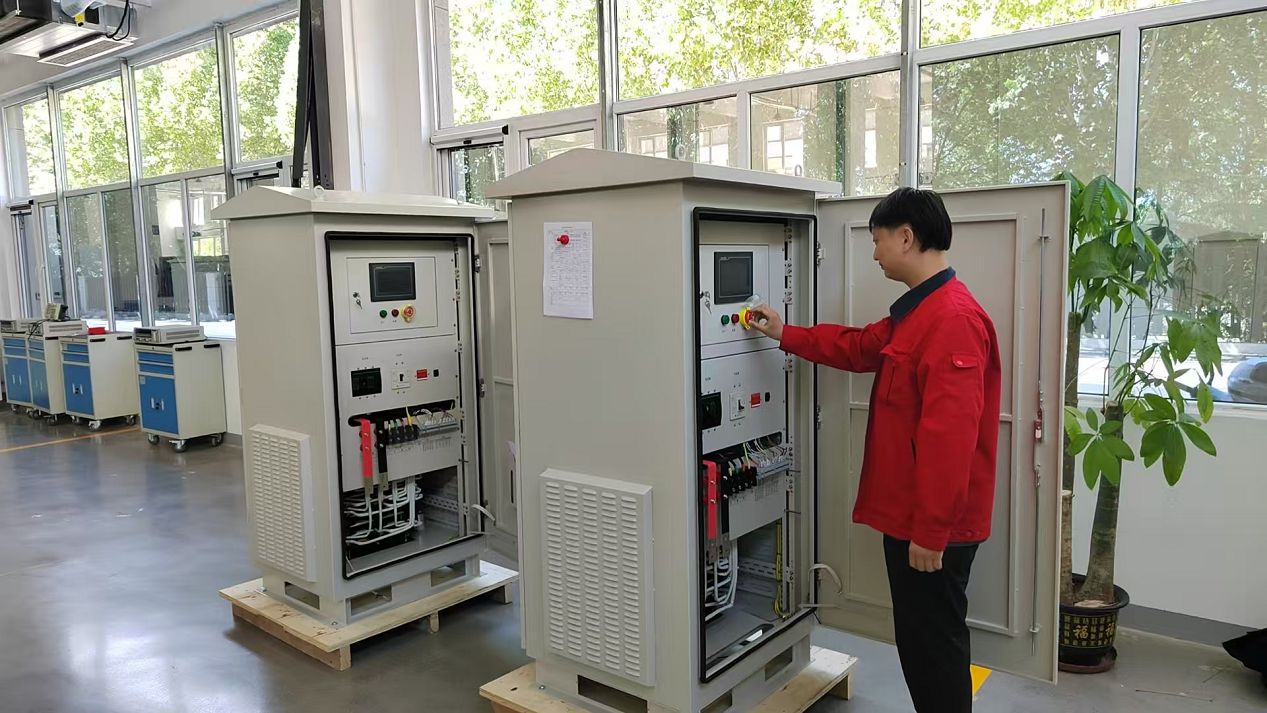
Established in 2006 in Shenzhen, China, Shenzhen Sophpower Electronics Co., Ltd. is a high-tech enterprise specializing in testing power supplies. The organization boasts a team of technical engineers with deep experience in designing specialized AC Power Sources, Linear AC Power Sources, Bidirectional AC/DC Power Sources, and variable voltage regulators.
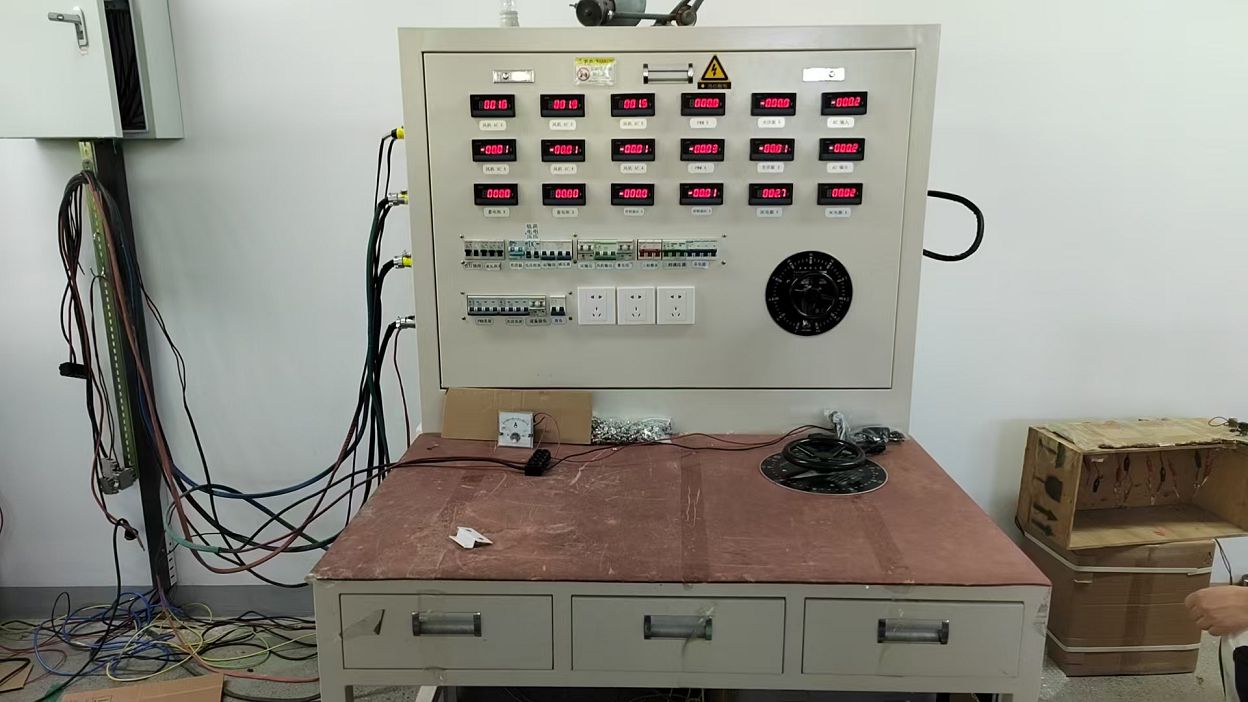
These advanced testing power supplies are essential for energy meter manufacturers and exporters, providing the stable, customizable electrical environments required to simulate global grid anomalies. Without precision testing sources, verifying if a meter can withstand temporary voltage swells, sags, or transient frequency fluctuations becomes nearly impossible. Sophpower delivers customized solutions to meet these exact testing requirements.
Deep Dive: Top 10 Energy Meter Manufacturers & Exporters
A detailed breakdown of the global market leaders, highlighting their core technological offerings, market focus, and calibration infrastructure.
| Manufacturer Name | Primary HQ | Core Metering Specialization | Key Export Markets Served | Communication Protocol Strengths |
|---|---|---|---|---|
| Landis+Gyr | Switzerland | AMI Infrastructure, Gridstream Connect, Smart Gas & Electricity | North America, EMEA, Asia-Pacific | Wi-SUN, Cellular IoT, DLMS/COSEM |
| Itron | United States | Itron Riva edge computing, Utility Analytics, Network Solutions | Global (Strong North America presence) | LoRaWAN, Wi-SUN, PLC, Cellular |
| Kamstrup | Denmark | Ultrasonic water/heat metering, Smart residential electricity meters | Europe, Middle East, Asia | RF Link, Wireless M-Bus, Sigfox |
| Schneider Electric | France | PowerLogic Power Quality Meters, Industrial Sub-metering | Global (Industrial & Infrastructure markets) | Modbus TCP/RTU, BACnet, IEC 61850 |
| Siemens AG | Germany | SICAM and Sentron series, high-end substation grid metering | Global (Commercial & Utilities) | PROFINET, Modbus, IEC 61850 |
| Sensus (a Xylem brand) | United States | FlexNet communication network, residential Smart Grid endpoints | North America, South America, UK | FlexNet proprietary RF, M-Bus |
| Honeywell Elster | Germany / US | Alpha metering series, commercial/industrial gas and electricity | Americas, Europe, Middle East | ANSI protocols, DLMS/COSEM |
| Hexing Electrical | China | Prepayment smart meters, microgrid controllers, rural electrification | Latin America, Africa, Southeast Asia | G3-PLC, RF Mesh, NB-IoT |
| Linyang Energy | China | Smart grid terminal equipment, C&I energy management systems | East Asia, Eastern Europe, Central Asia | HPLC, RS485, DLMS |
| Sophpower Electronics | China | Customized Test Power Supplies & Calibration System Testing | Global Export Partners | RS485, Modbus, IEEE 488 (GPIB) |
When executing utility tenders, understanding the operational boundaries of these major brands is critical. While premium European and American brands are ideal for highly complex edge computing applications, organizations like Hexing and Linyang offer highly competitive options for high-volume deployments. Concurrently, utilizing advanced test power supplies is essential to verify that imported devices perform reliably under local grid variations, ensuring that metering assets remain stable and accurate for decades.
Test Bench Instruments & Calibration Assets
The precision instruments utilized in the R&D lab and production line to verify and certify energy meter electrical parameters.
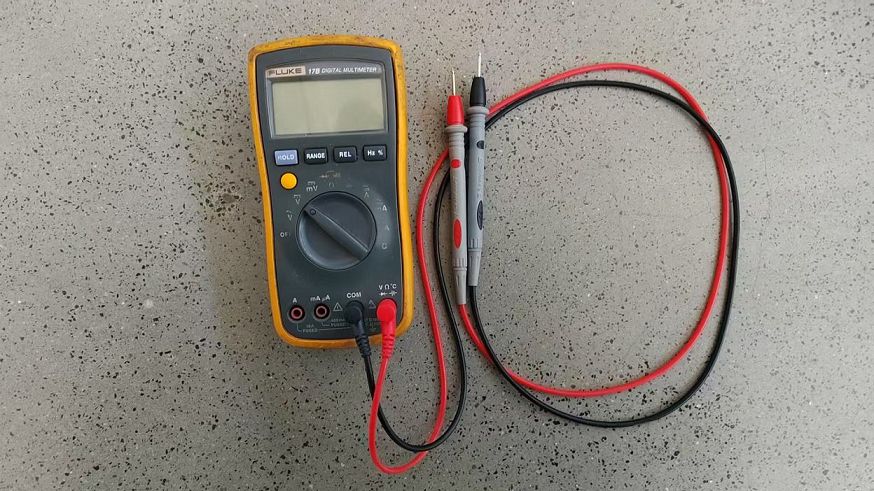
Used for direct voltage, current, and resistance verification during component sourcing checks.
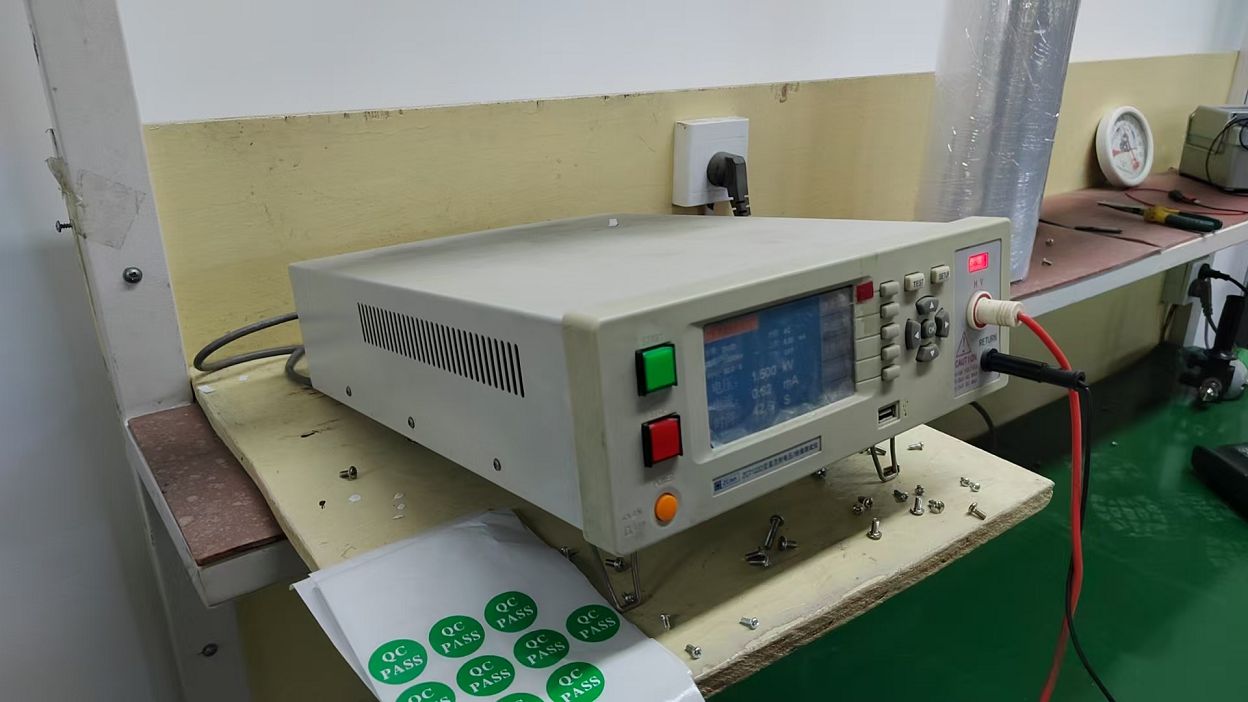
Essential for evaluating the inductance, capacitance, and resistance of internal filters and power supplies.
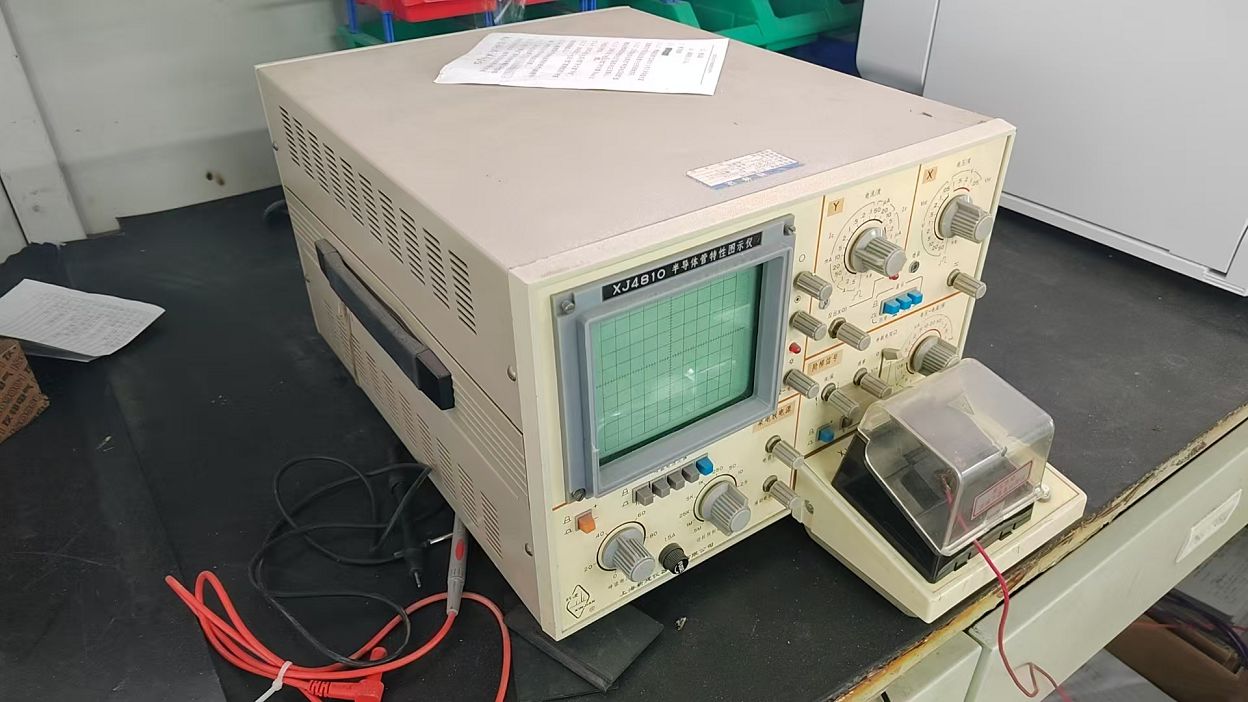
Plots electrical parameters of semiconductor switches to ensure stable performance under load conditions.
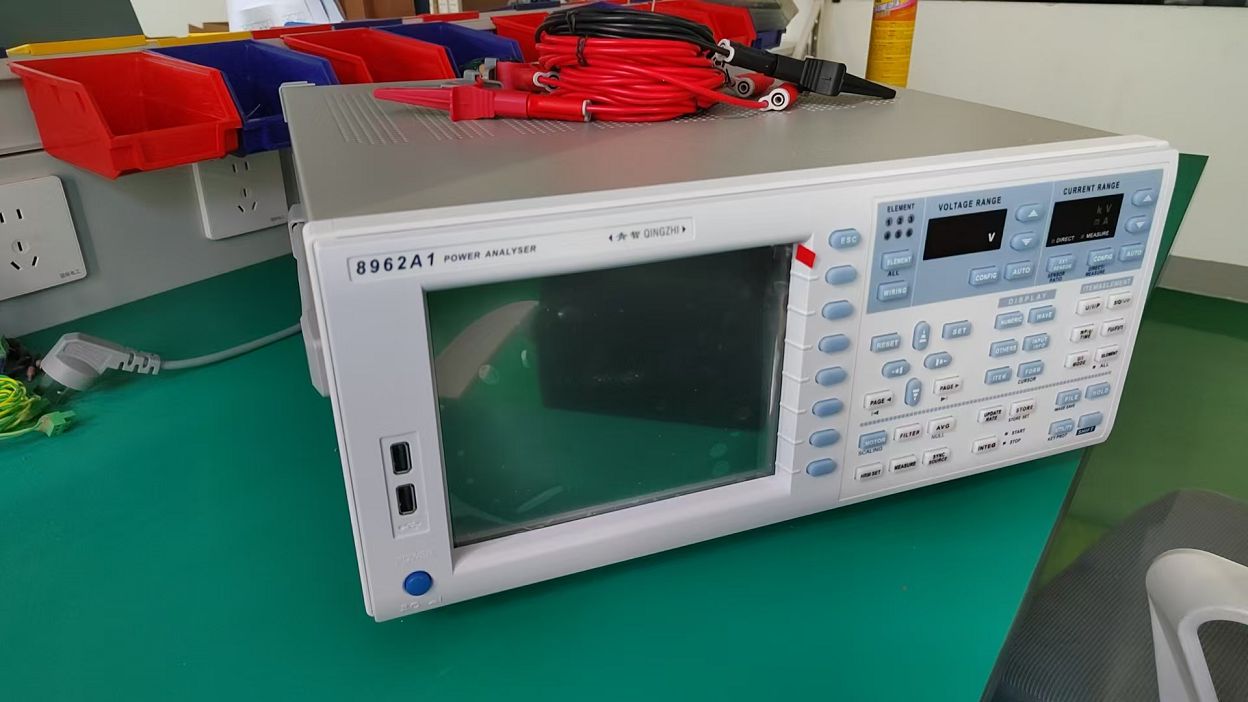
Visualizes waveforms to analyze harmonics and transient spikes during stress testing phases.
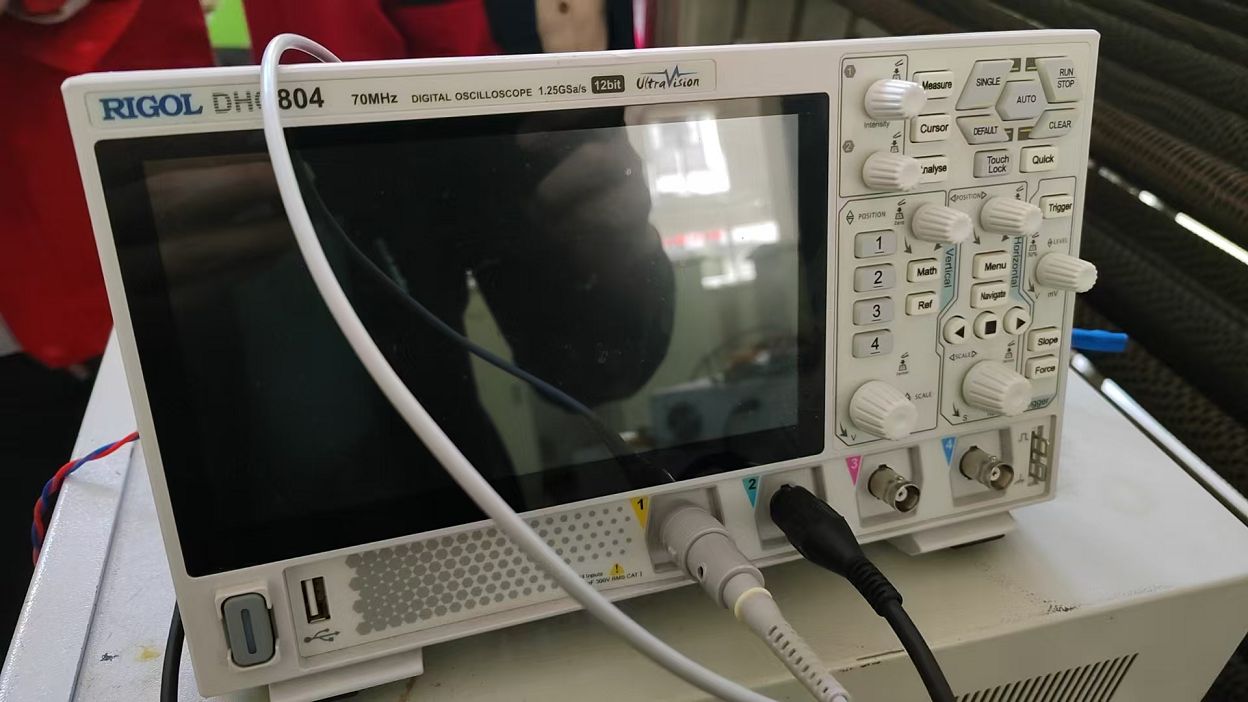
Measures total harmonic distortion (THD), phase imbalance, and overall input quality of energy systems.
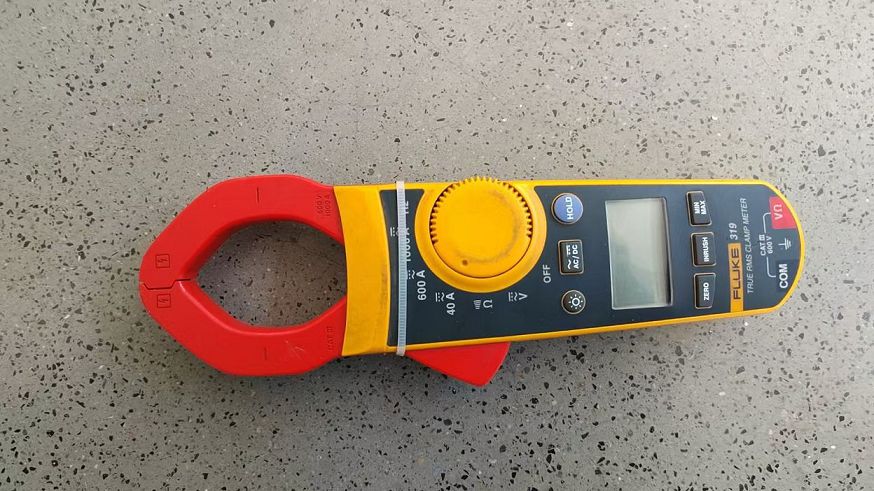
Used by QA teams to measure line currents non-invasively during initial system checkouts.
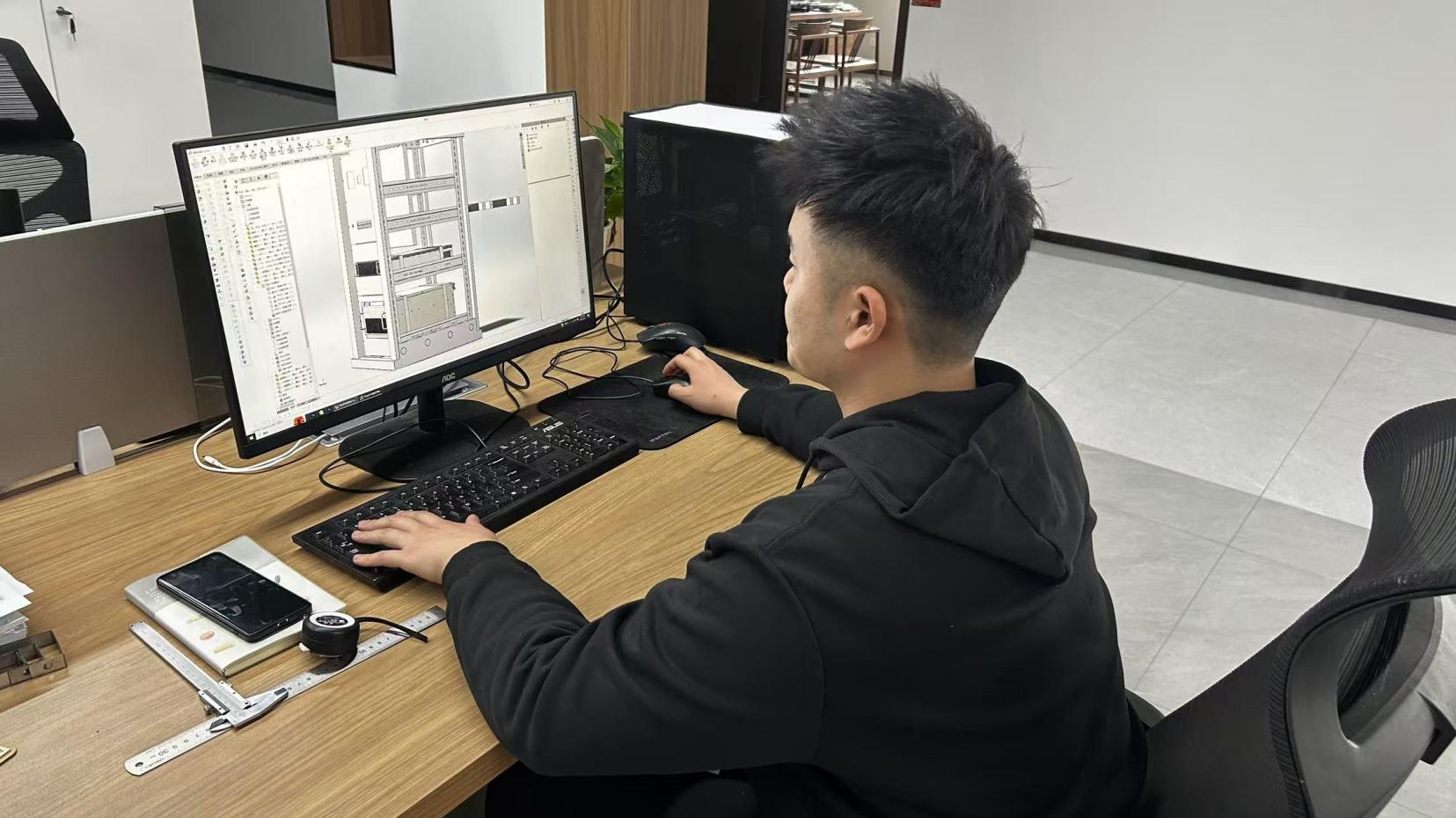
Detailed CAD modeling and PCB routing designed by engineers for custom installations.
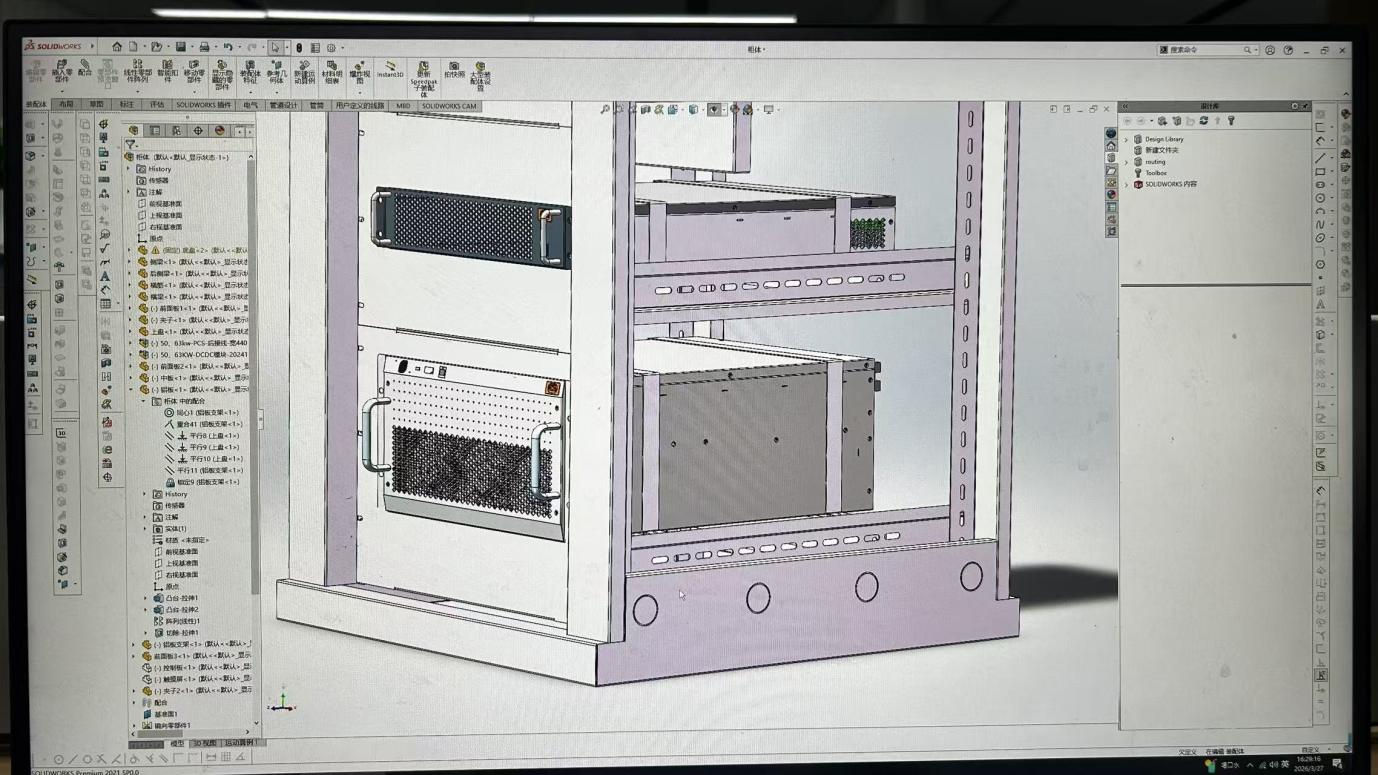
Links test power supplies and metering arrays, enabling automated test programs and report generation.
Frequently Asked Questions: Sourcing & Verification
Answers to common industry queries regarding smart grid energy meters, manufacturing standards, and calibration practices.
Heavy-Duty Variable Power Supplies & Electronic Loads
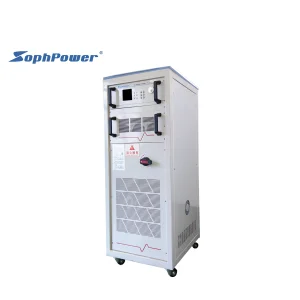
High-capacity testing solutions designed for severe power grids, utility sub-stations, and high-voltage energy meter manufacturing testing.