High-Precision AC & DC Power Supplies
Explore our premium product line engineered for laboratory testing, line frequency conversion, phase stabilization, and high-power applications.
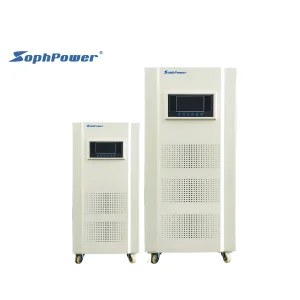
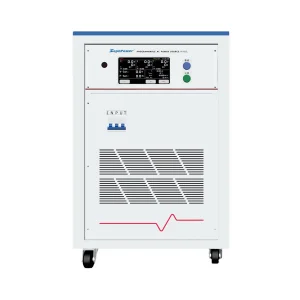
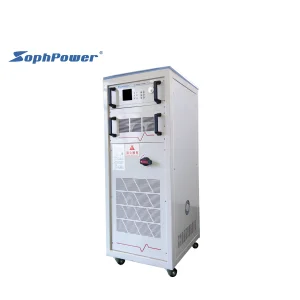
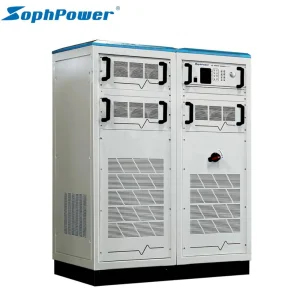
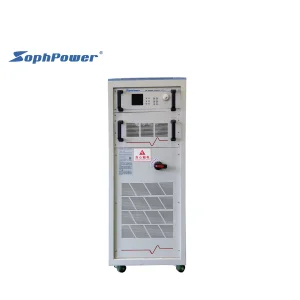
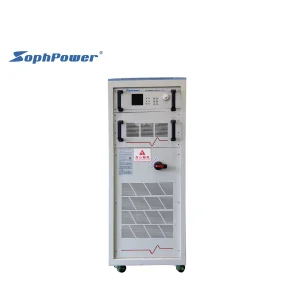
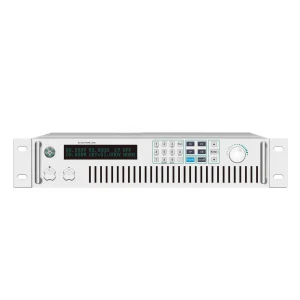
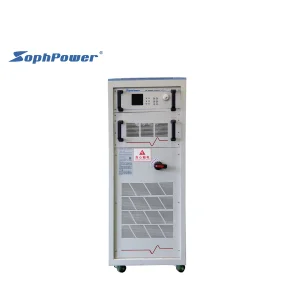
The Global Paradigm of High-Power Switching & Test Power Systems
In the contemporary industrial landscape, power conversion technology is undergoing a massive revolution driven by renewable energy integration, electric vehicle expansion, aerospace advancements, and smart-grid developments. As industrial equipment scales up in power density and sensitivity, the demand for highly regulated, programmable, and bidirectional power supplies has shifted from standard line regulation to complex, intelligent grid-simulation matrices.
A switching power supply (SMPS) operates on the fundamental principle of high-frequency power conversion, modulating electrical energy utilizing advanced semiconductor switches (typically silicon-controlled rectifiers, fast-recovery IGBTs, or modern silicon carbide MOSFETs). This high-frequency commutation dramatically reduces the physical footprint of transformer components, enhancing efficiency values well past 92% compared to linear counterparts, which suffer heavy thermal dissipation losses.
Technical Insight: High-power industrial systems require more than basic volt-ampere regulation. Today's manufacturing environments depend on low Total Harmonic Distortion (THD < 3%), robust electromagnetic compatibility (EMC class compliance), and advanced digital interfaces (RS485, Modbus, Ethernet, CAN) to orchestrate automated test configurations safely.
Critical Vectors Driving Demand in Global Purchasing
- Electric Vehicle (EV) Powertrain Testing: The emergence of 800V architectures in electric drivetrains demands programmable high-voltage DC power sources capable of simulating dynamic battery discharges, testing traction inverters, and verifying regenerative braking pathways back to the grid.
- Aerospace & Defense Grid Testing: Avionics rely on 400Hz frequency matrices. Standard grid converters are insufficient; instead, aerospace hardware verification requires programmable, highly stable AC power sources that mimic flight grid fluctuations under severe load conditions.
- Smart Inverter & Photovoltaic (PV) Evaluation: Testing commercial grid-tied PV inverters requires precise Maximum Power Point Tracking (MPPT) simulation, high-capacity AC automatic voltage regulators, and variable frequency converters to replicate global grid standards.
China OEM/ODM Production Superiority & Efficiency
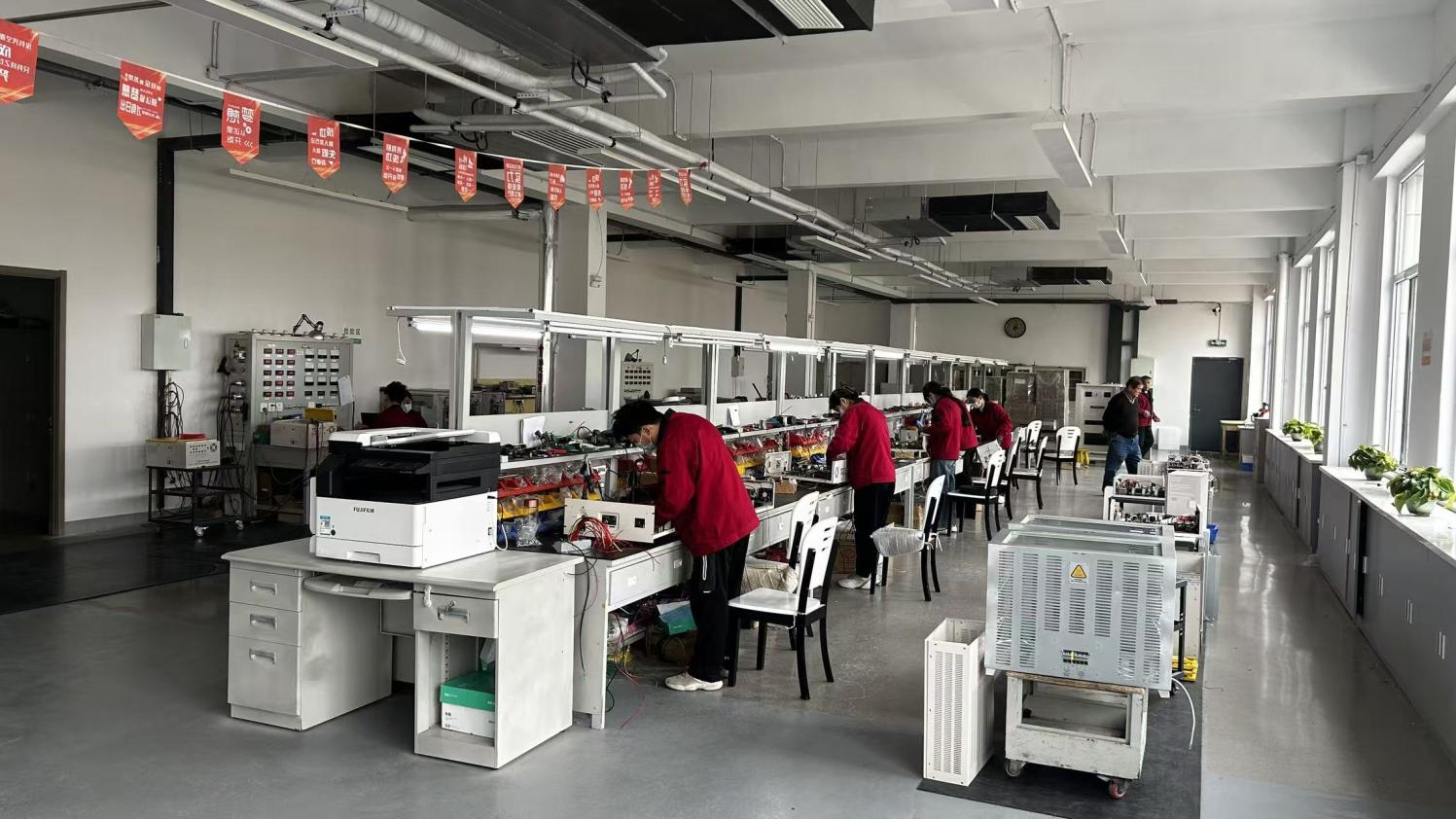
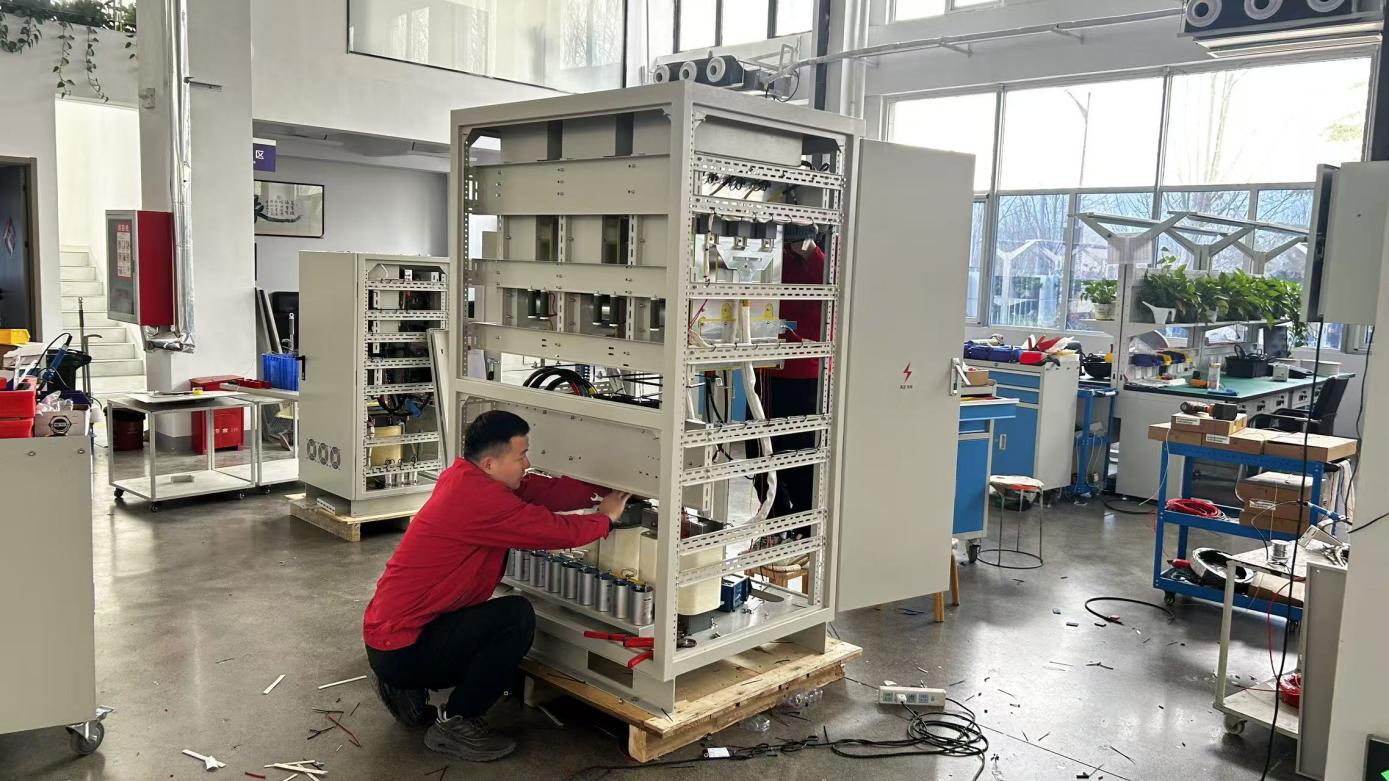
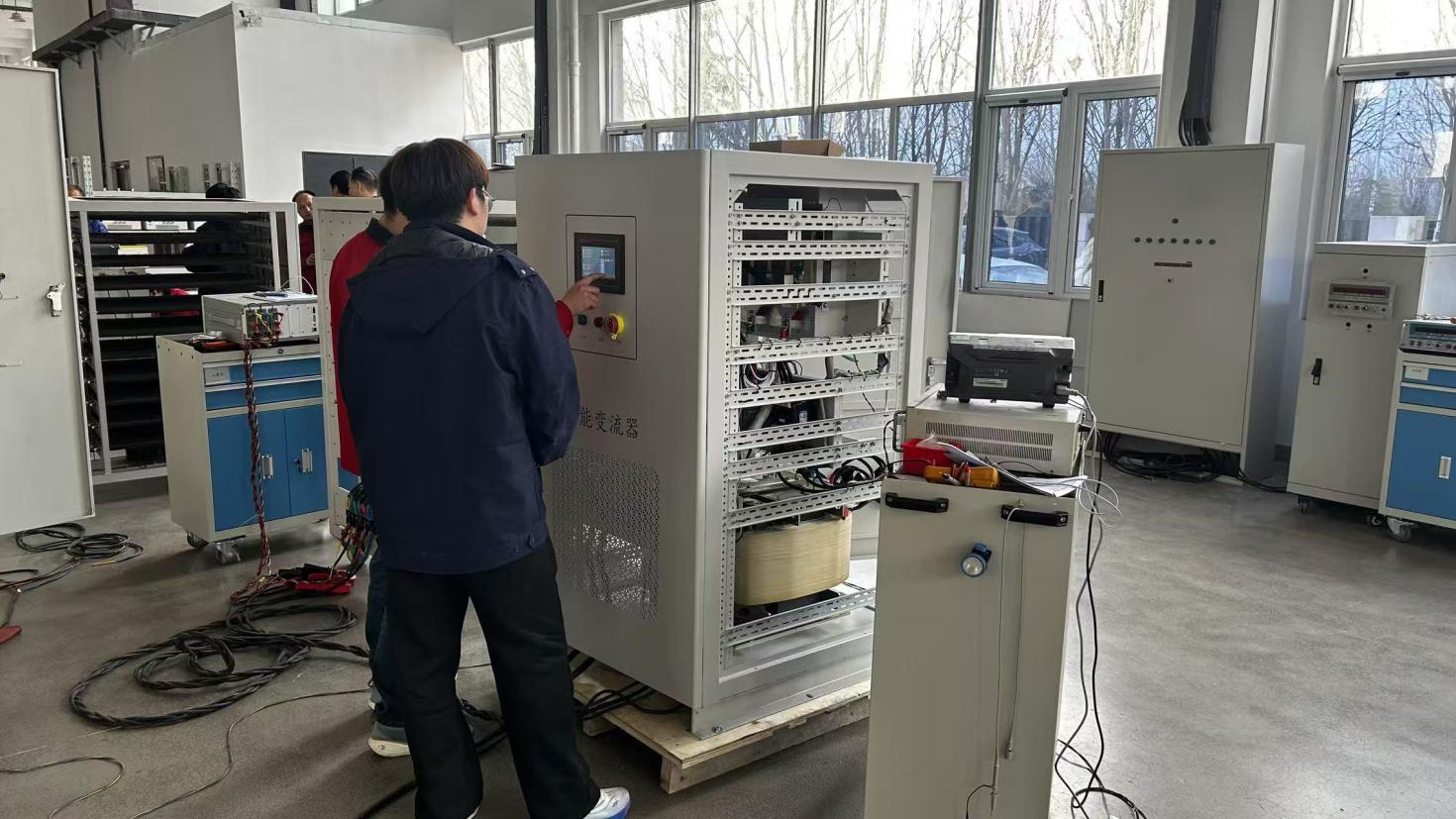
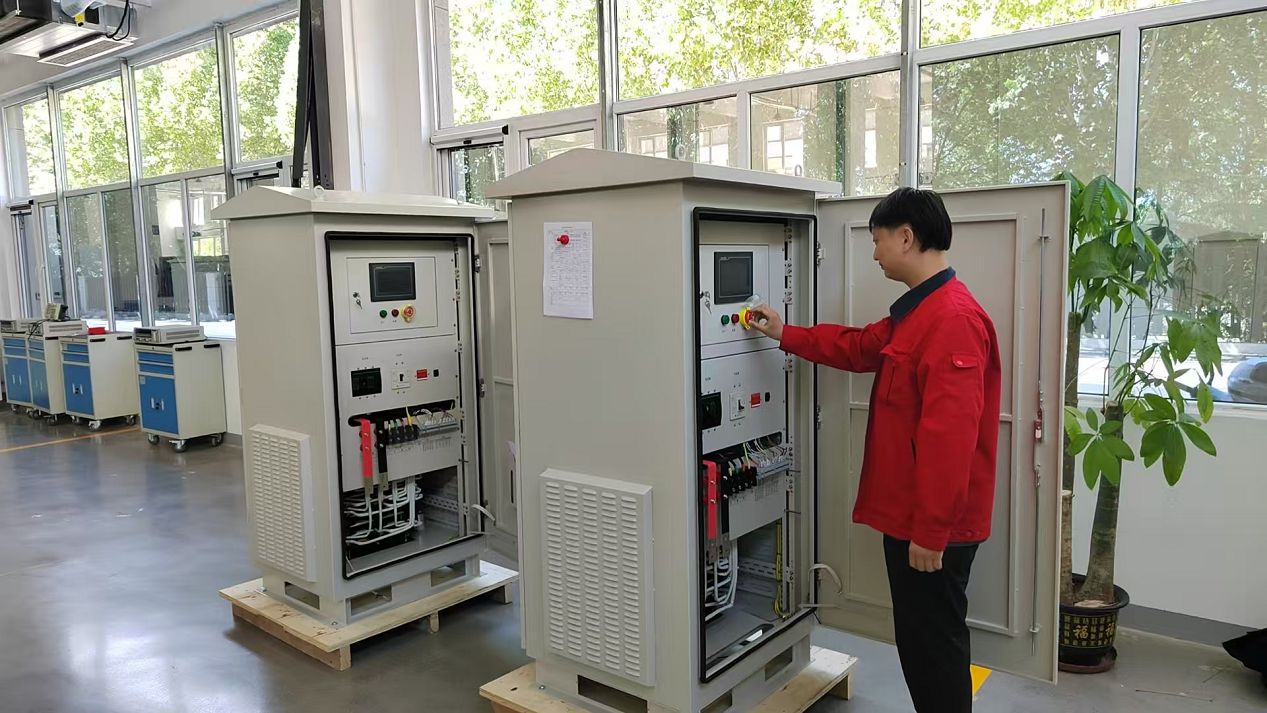
Shenzhen Sophpower Electronics integrates a reliable supply chain with rigorous testing protocols to deliver power supplies meeting demanding international specifications.
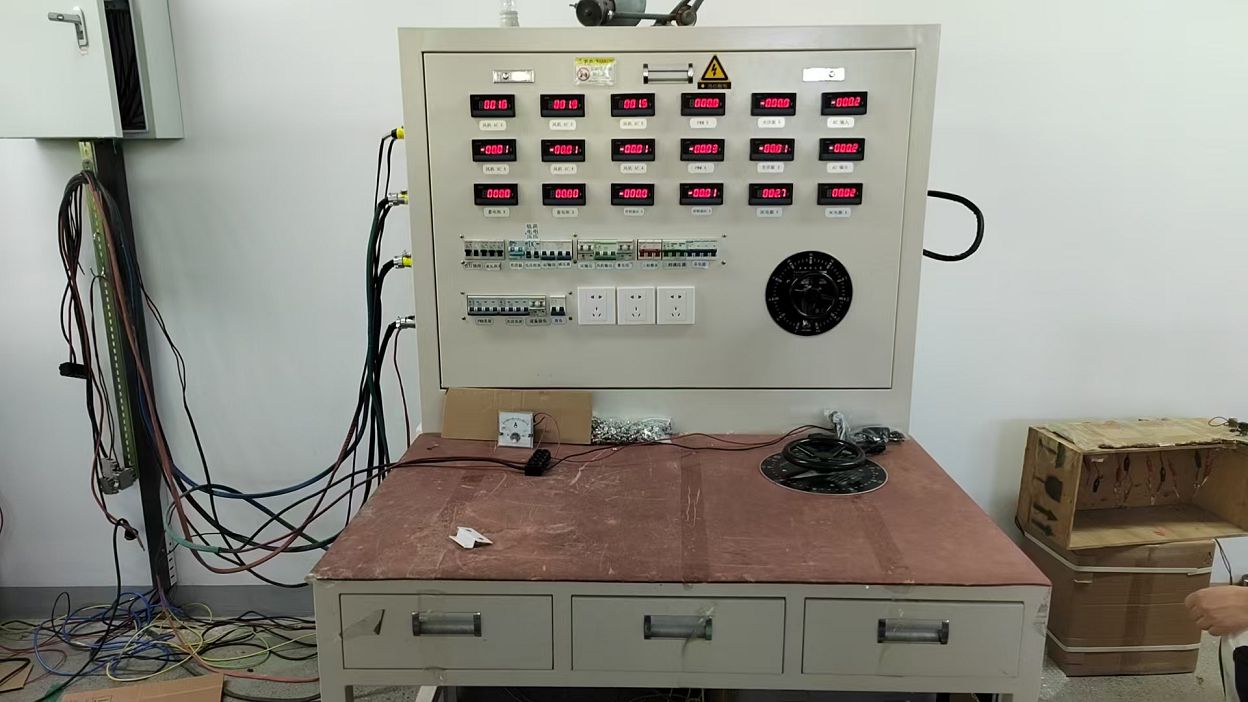
Why Shenzhen Sophpower Electronics is Your Trusted Global Partner
Shenzhen Sophpower Electronics Co., Ltd. was established in 2006, located in Shenzhen, China. As a High-tech enterprise with sustainable and rapid growth, Sophpower has a group of technical engineers with rich experience in the field of testing power supplies. Our primary portfolio spans: AC Power Sources, Linear AC Power Sources, Bidirectional AC Power Sources, DC Power Supplies, Bidirectional DC Power Supplies, Voltage Regulators, and Uninterruptible Power Supplies (UPS). We specialize in providing customized test power systems engineered to meet specific customer requirements.
A primary competitive advantage lies in our rapid OEM/ODM design cycle. Unlike off-the-shelf catalog power units, customized testing requires a deep understanding of load dynamics. Inductive motors, capacitive filter banks, and high-frequency pulsed currents introduce back-electromotive force (Back-EMF) and power factor changes. Our engineering team addresses these factors, matching design parameters (such as peak load capacities and response times) directly to customer criteria.
E-E-A-T Compliance & Regulatory Standardizations: Sophpower designs to meet CE, FCC, and RoHS standards. Our testing workflows simulate harsh environments, analyzing thermal characteristics and electromagnetic radiation levels to verify continuous performance under full industrial loads.
Our Structured OEM/ODM Integration Process
- System Definition: Aligning input parameters (single-phase/three-phase, voltage ranges), output values (AC/DC range, current, peak capability), digital control interfaces, and application environments.
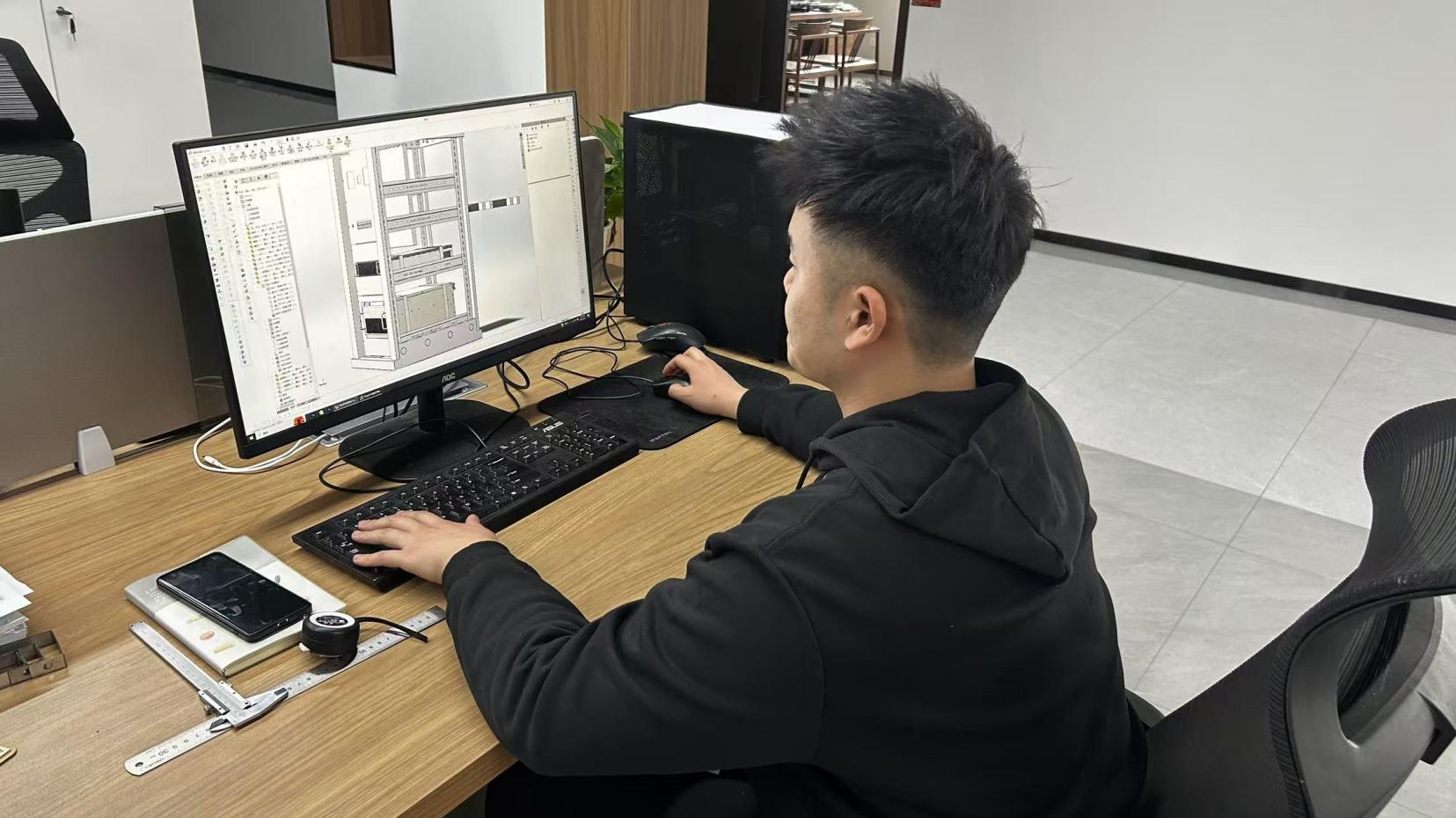
- Structural Designing: Creating schematic designs, component sizing (inductors, IGBT modules, cooling fans), and modeling thermal structures.
- Prototyping & Simulation: Running hardware-in-the-loop (HIL) simulations, evaluating circuit pathways, and testing control code.
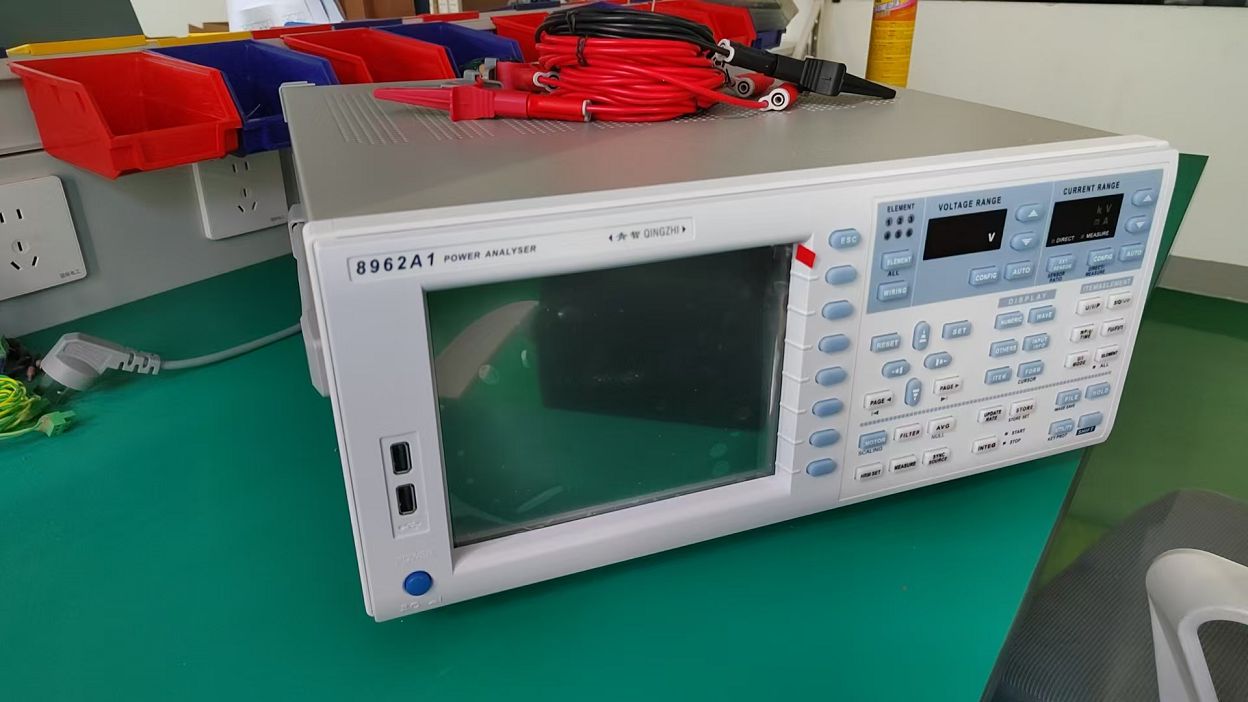
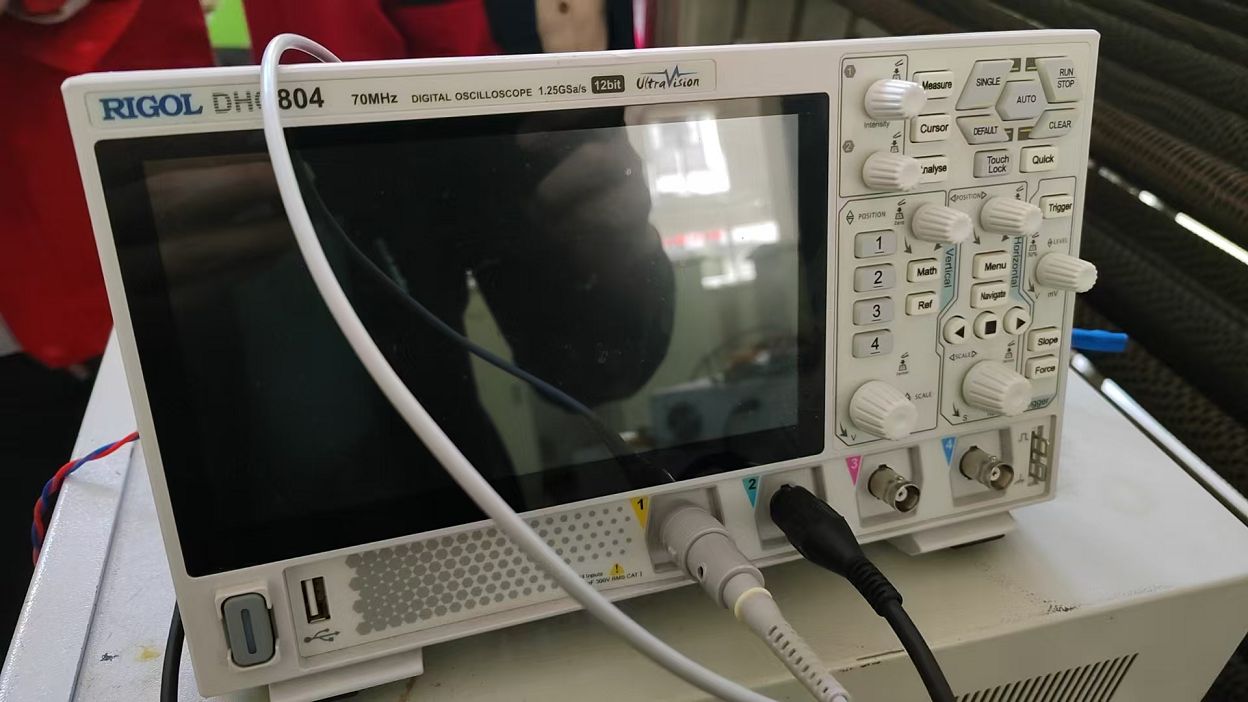
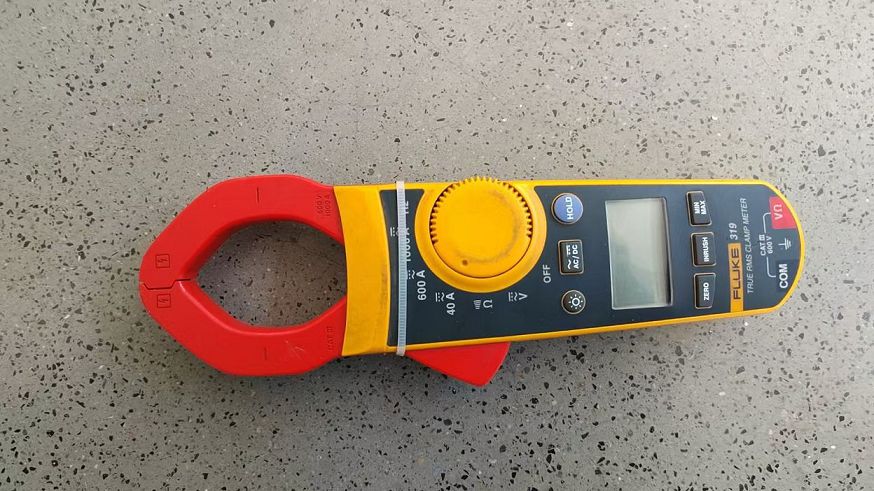
- Calibration & Certification Testing: Deploying specialized metrology tools, measuring transient responses, checking ripple and noise levels, and verifying insulation resistances.
State-of-the-Art Laboratory Testing & Design Tools
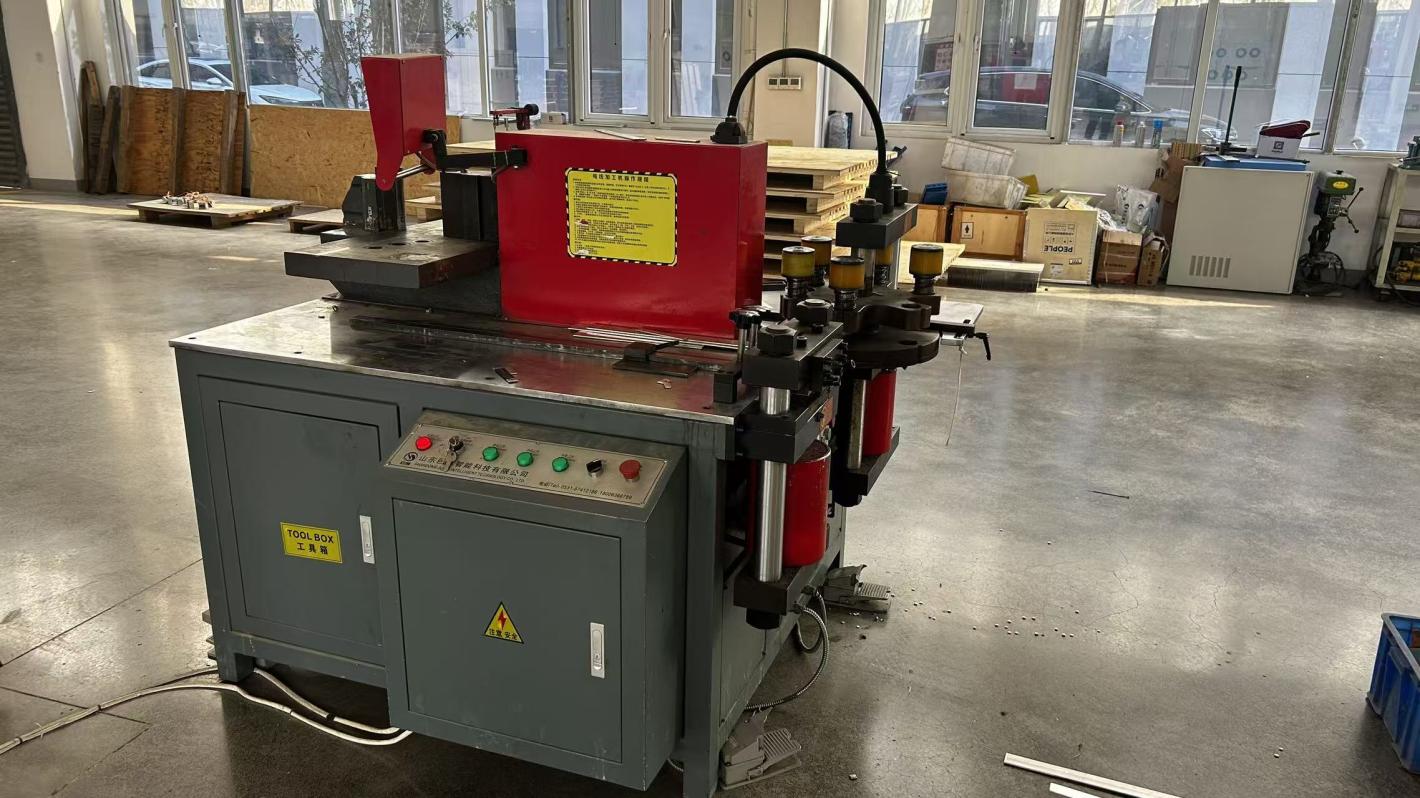
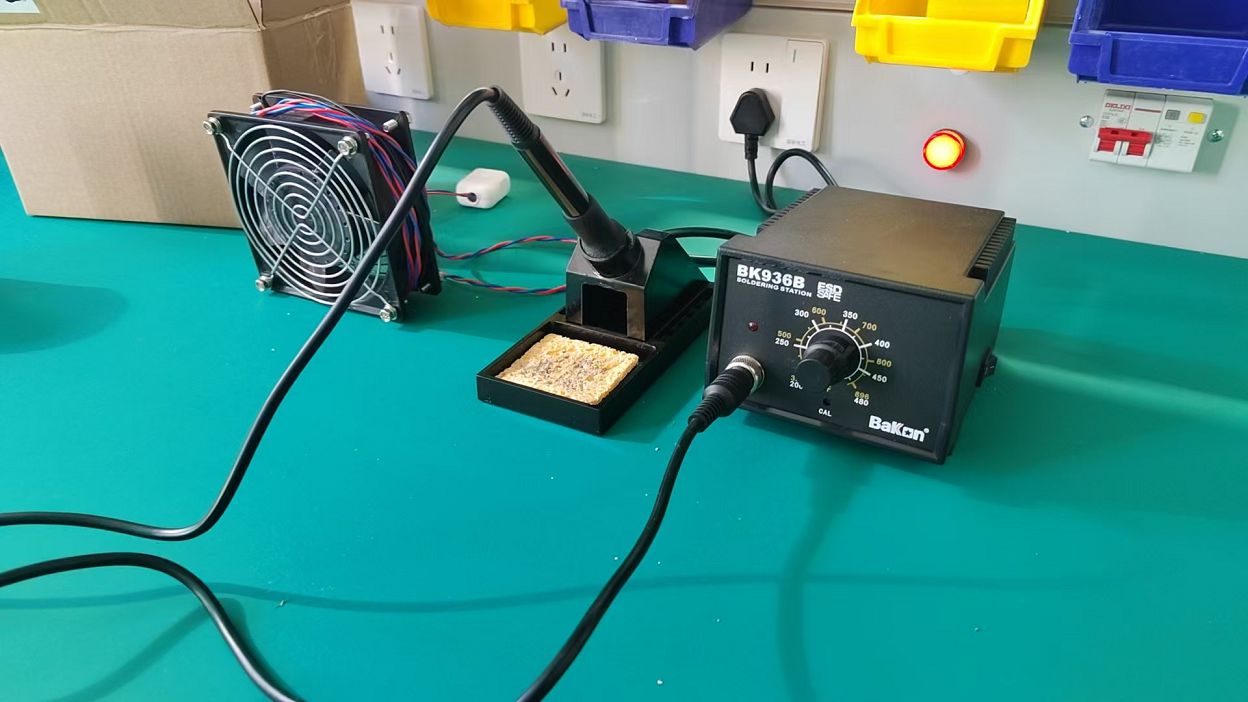
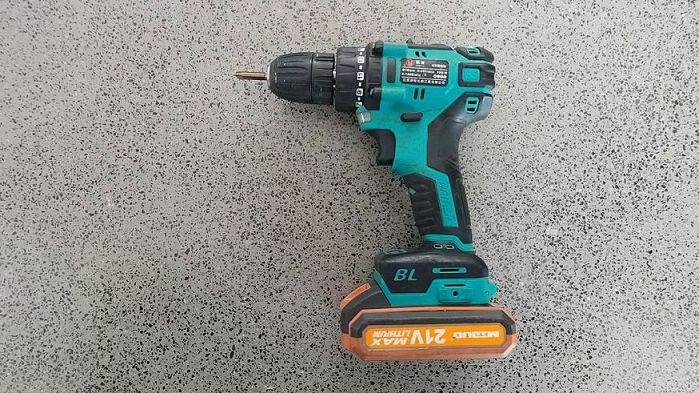
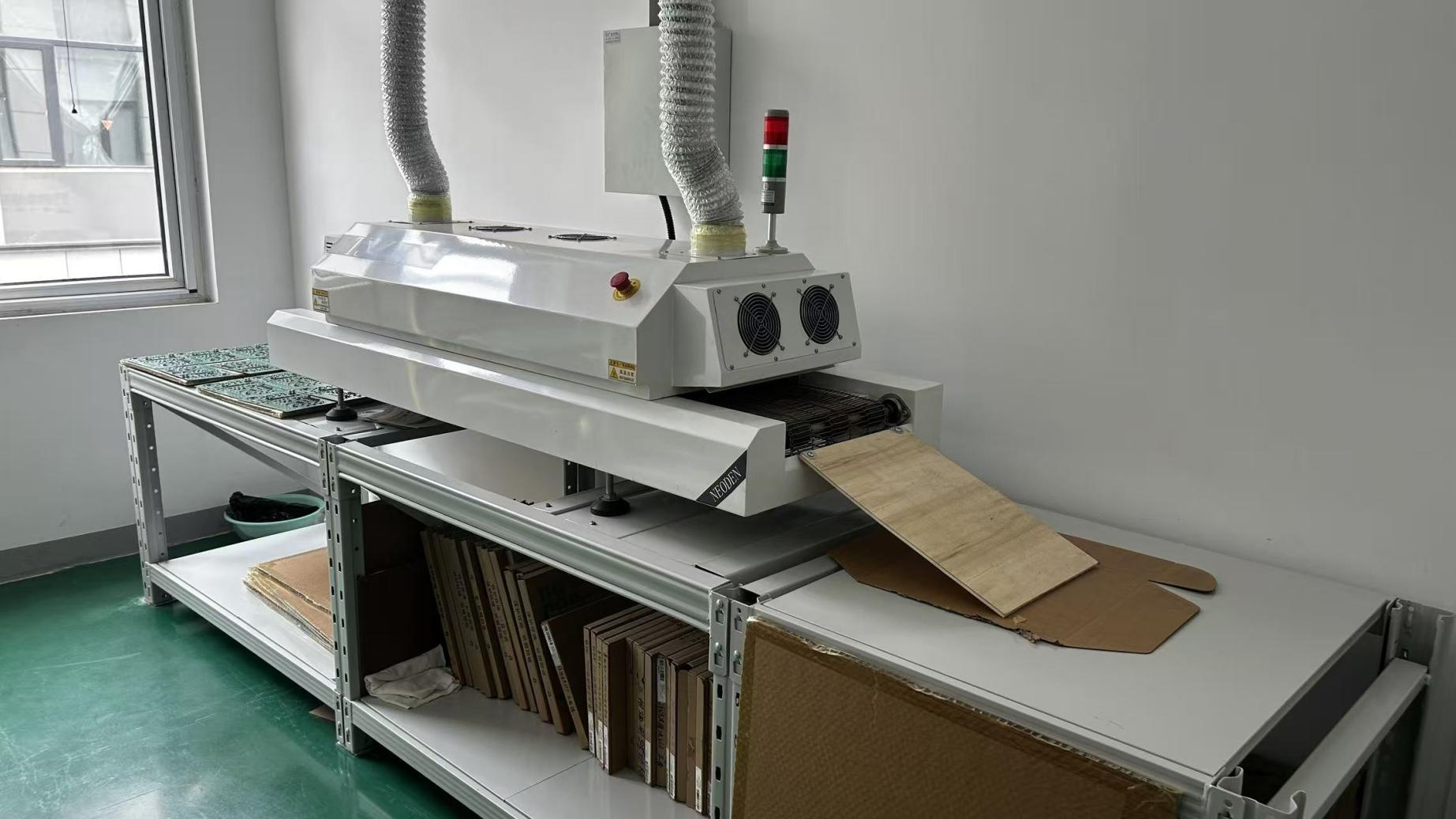
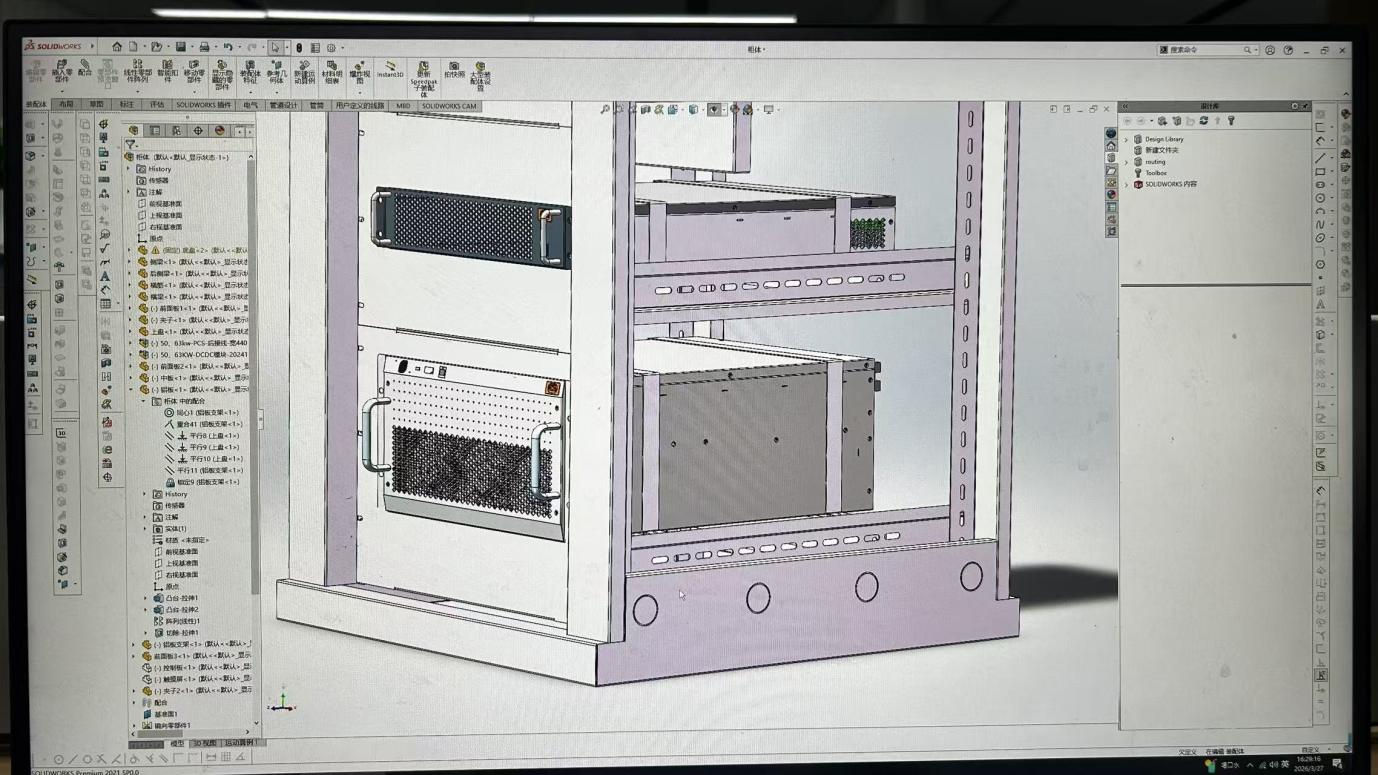
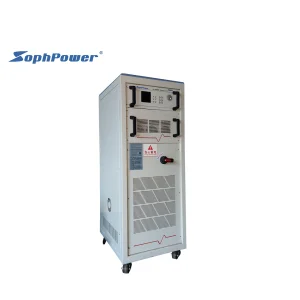
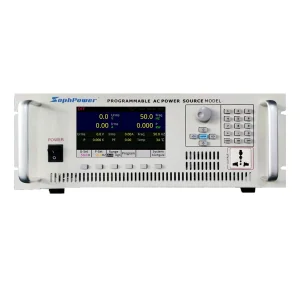
Our quality verification processes rely on precise testing equipment. Below is a look at the diagnostic tools we use to maintain calibration standards.
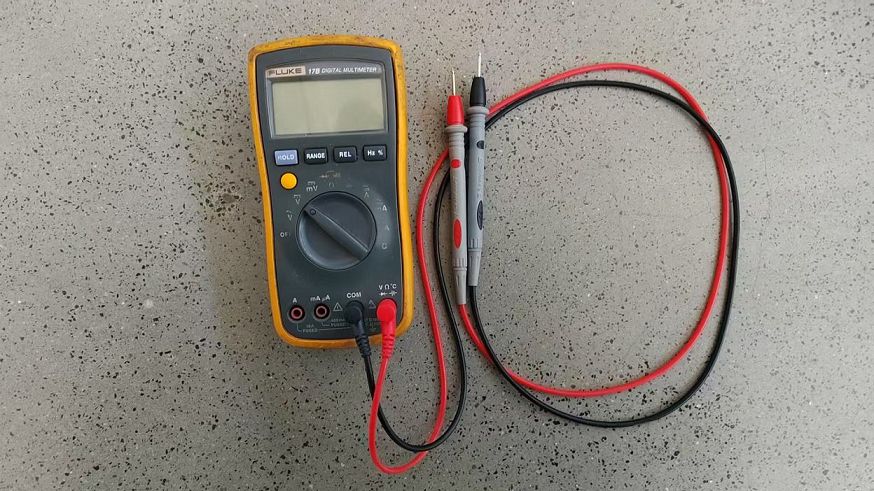
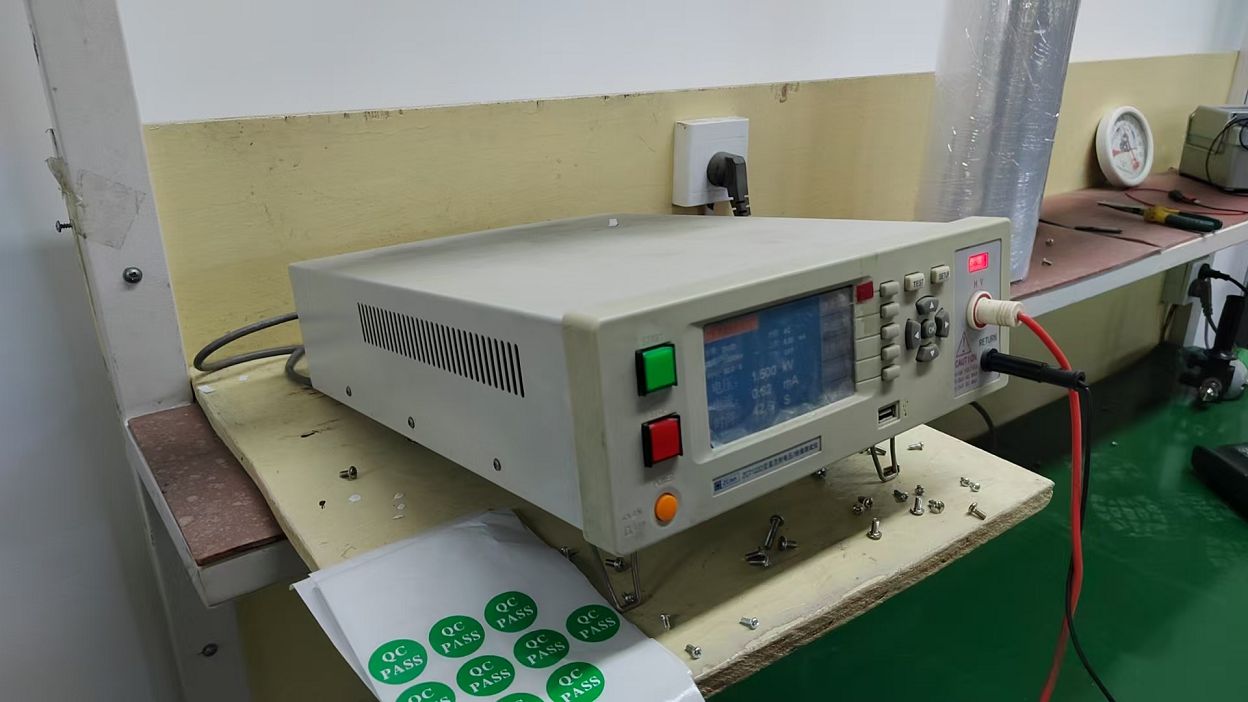
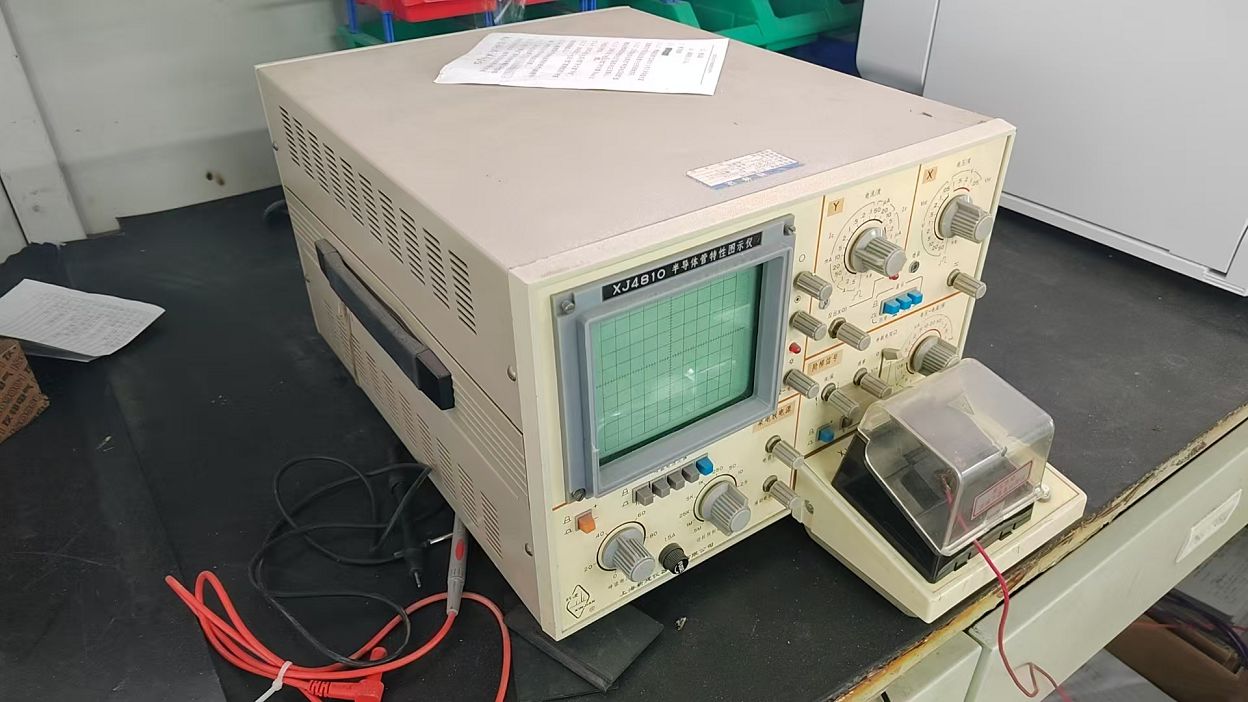
Practical Applications & Technological Trends in Power Design
Industrial power systems serve critical functions across diverse deployment environments. Selecting the appropriate topological design is essential to meeting the operational constraints of specific use cases.
Key Industry Application Scenarios
- Grid Emulation for Renewable Energy Systems: Solar and wind energy generators require dynamic simulation of utility voltages and frequencies. Programmable AC power sources reproduce voltage drops, surge conditions, and frequency shifts, verifying that grid-tie hardware responds appropriately to grid fluctuations.
- Aerospace Testing (Avionics & Control Assemblies): Aircraft operate on 400Hz frequency platforms to save weight compared to standard 50/60Hz land grids. High-frequency converters enable laboratory testing under flight conditions.
- High-Power DC Laboratory Testing: High-precision lab DC power supplies deliver variable voltages (up to 1000V) and controlled currents to evaluate battery configurations, automotive component testing, and semiconductor life-cycle profiles.
- Automated Production Line Stabilization: Fluctuations in mains supplies can disrupt precision assembly machinery. Industrial AC regulators resolve voltage drops, maintaining stability on high-speed SMT assembly lines.
Emerging Technologies in Industrial Power Supplies
Modern power supply design is shifting toward wide-bandgap semiconductors, specifically Gallium Nitride (GaN) and Silicon Carbide (SiC). These materials offer significantly faster switching frequencies, reducing the physical size of inductors and transformers while improving efficiency at higher voltages. Additionally, bidirectional power flow control is becoming more common, allowing dynamic electronic loads to return testing energy back to the local utility grid instead of dissipating it as heat, which reduces overall operating costs.
Programmable DC Loads & Specialized Linear Systems
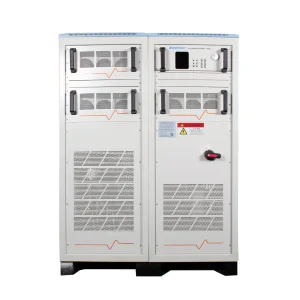
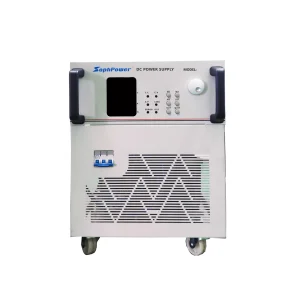
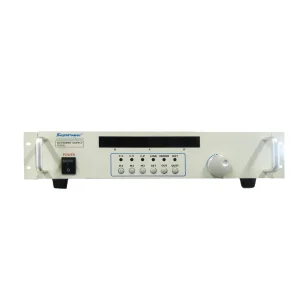
Complete your testing environment with our high-power DC electronic loads, variable power modules, and specialized AC line simulators.
Engineering FAQ & Technical Insights
Common questions regarding power topology selection, custom systems integration, and environmental testing parameters.